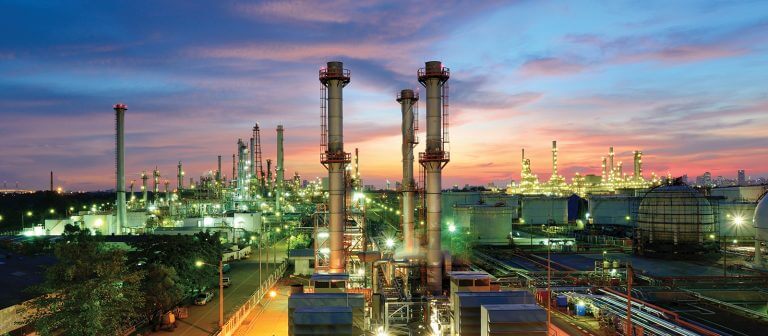
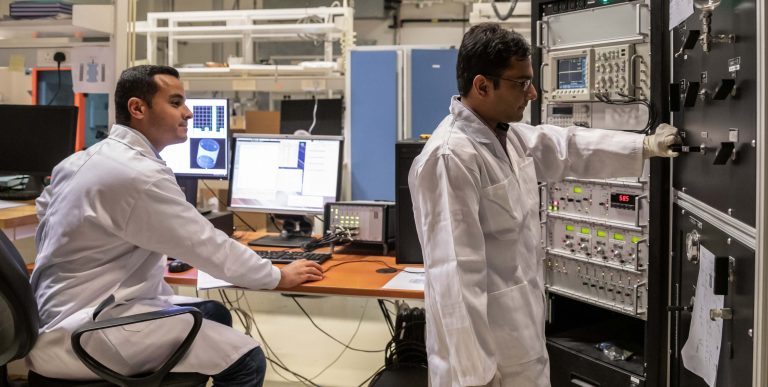
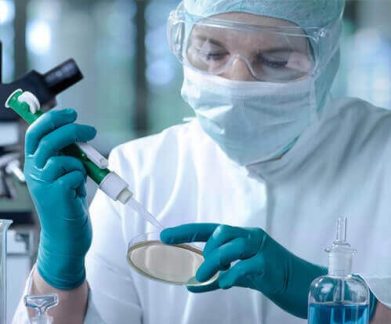
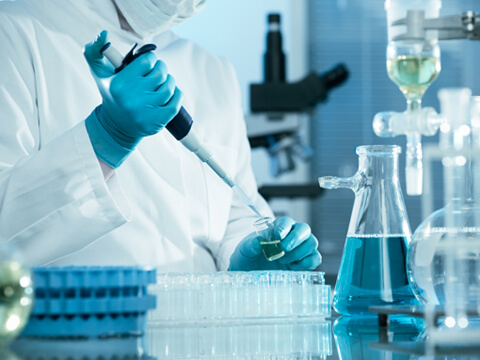
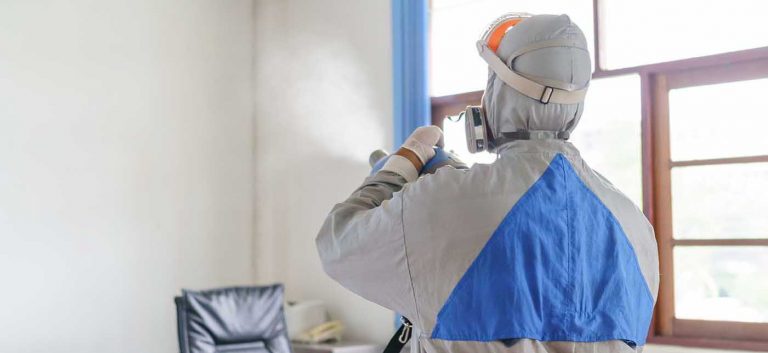
The Department of Chemical and Petroleum Engineering is supported by a comprehensive portfolio of teaching and research laboratories that enable high-quality education, advanced research, and industry-relevant innovation. These state-of-the-art facilities support undergraduate instruction, graduate research, and externally funded projects, and are complemented by interdisciplinary research centers and shared university-wide infrastructure.
Departmental laboratories are strategically designed to support experimental and applied research across chemical engineering, petroleum engineering, energy systems, advanced materials, and sustainable processes. Together, these facilities provide a robust and dynamic environment for education, scientific discovery, and meaningful collaboration with industry and academic partners.
Teaching Laboratories
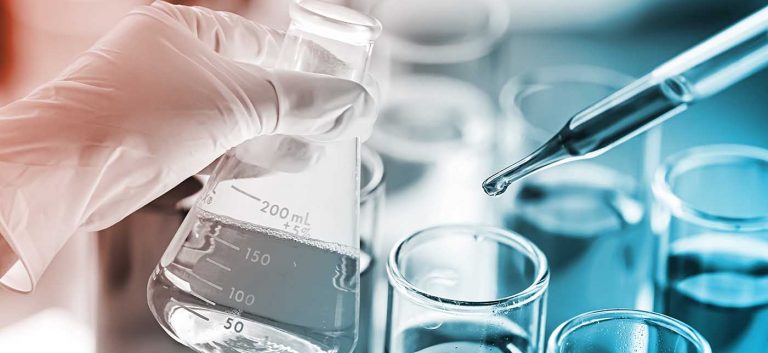
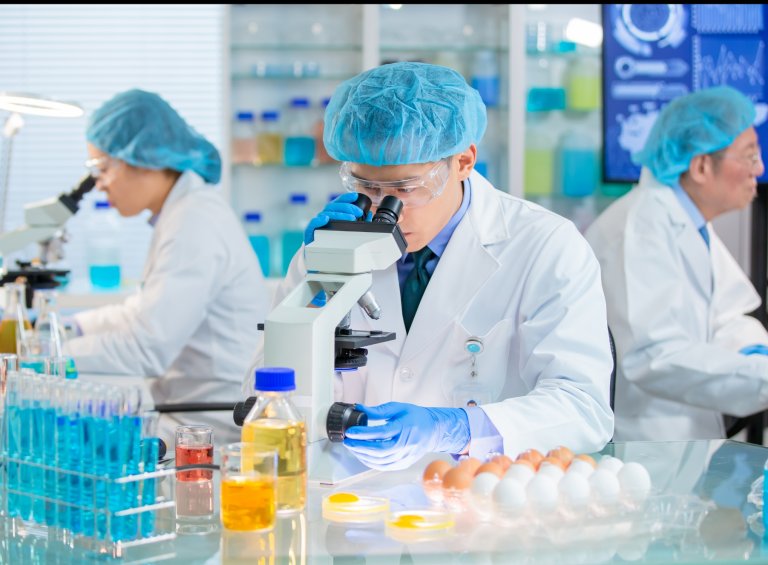
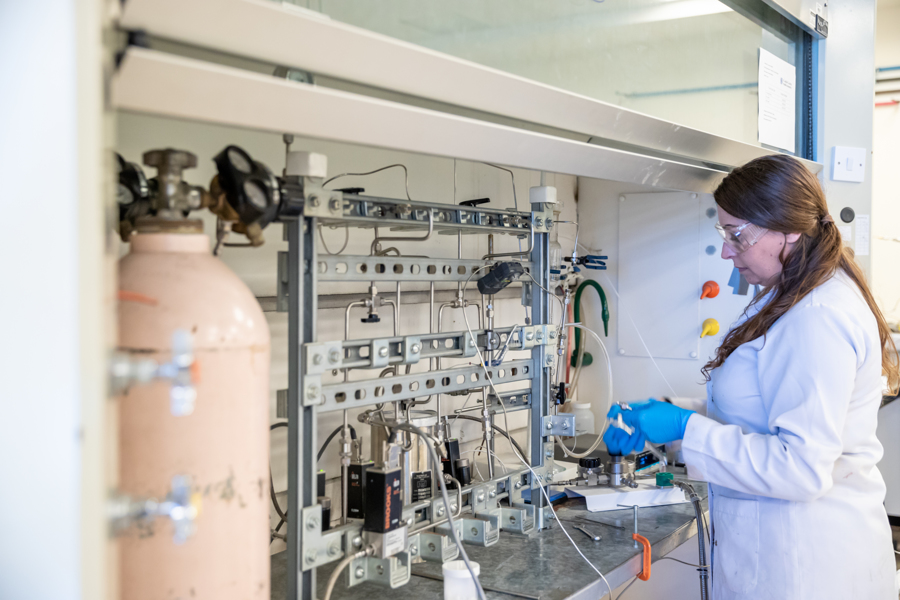
The department maintains modern teaching laboratories that support hands-on learning and reinforce fundamental engineering concepts. These laboratories are integral to undergraduate education and are carefully aligned with program learning outcomes and professional practice expectations established by accreditation bodies.
Teaching laboratories support experimental activities in areas including fluid mechanics and heat transfer, mass transfer and separation processes, chemical reaction engineering, process control and instrumentation, and petroleum production and surface facilities.
Through structured laboratory sessions and design-based experiments, students gain practical experience with industry-standard equipment, rigorous data analysis techniques, and essential laboratory safety practices, strengthening the vital connection between theoretical knowledge and real-world engineering application.
Research Centers and Centers of Excellence
Departmental research activities are conducted primarily through leading and participating in interdisciplinary research centers and centers of excellence operating at the university and national levels. These centers provide shared infrastructure, coordinated research programs, and platforms for large-scale, multi-investigator projects that address complex engineering challenges.
Center for Catalysis and Separation (CeCas) Advanced research in catalytic processes and separation technologies for chemical and energy applications
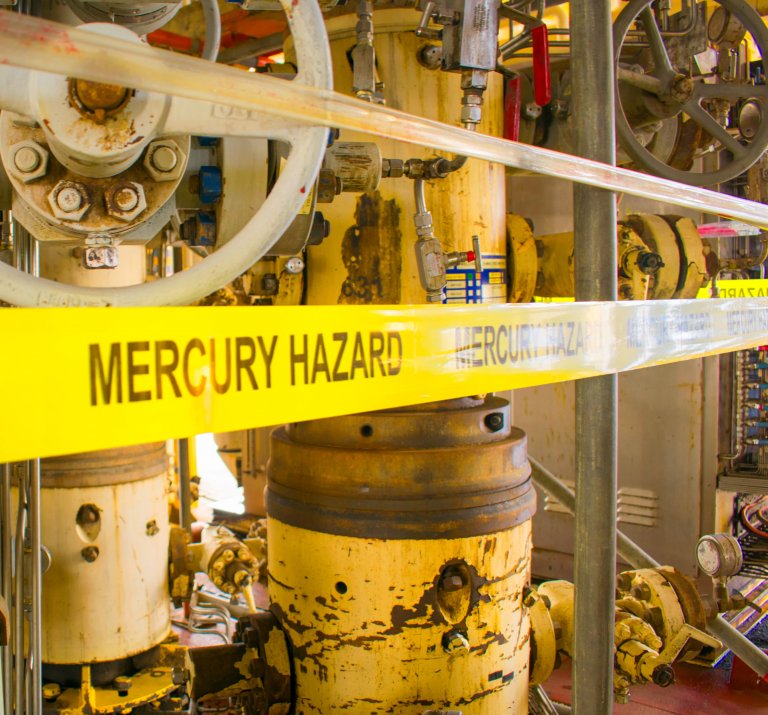
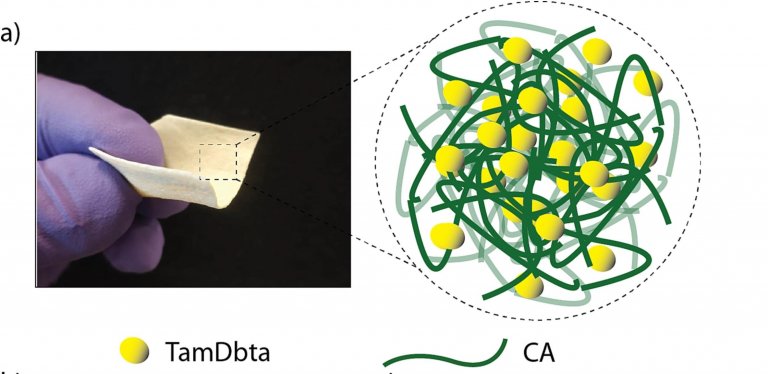
Center for Membranes and Advanced Water Technology (CMAT) Innovative membrane development and water treatment solutions for sustainability
Food Security and Technology Center (FSTC) Interdisciplinary research addressing food processing, preservation, and security challenges
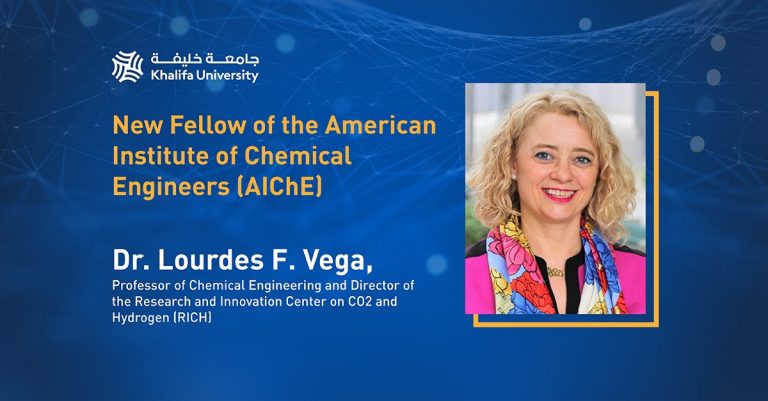
Research and Innovation Center on CO₂ and Hydrogen (RICH) Leading research in carbon capture, utilization, and hydrogen energy technologies
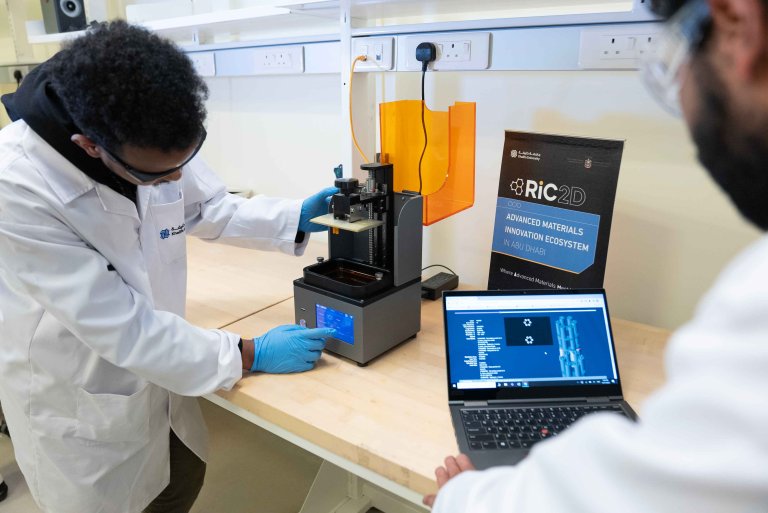
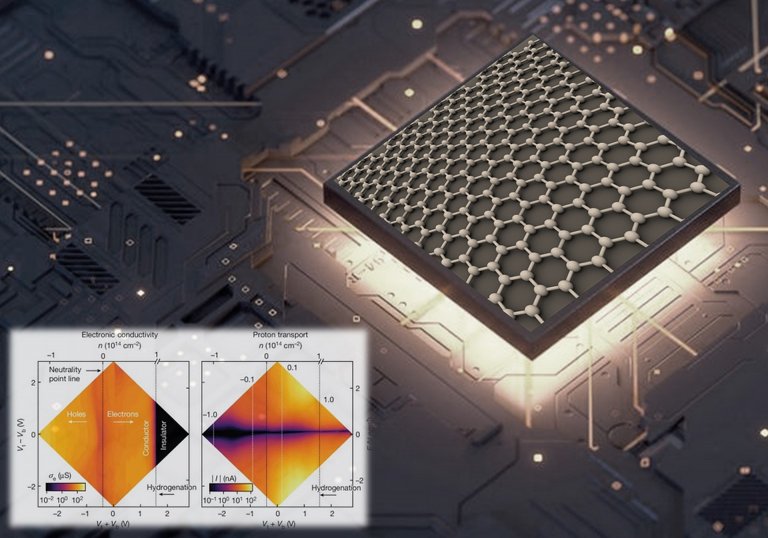
Research and Innovation Center for Graphene and 2D Materials (RIC2D)
Pioneering work in graphene and two-dimensional materials for advanced applications
Participation in these centers enhances collaboration with industry, government agencies, and academic partners worldwide, while expanding access to specialized facilities and competitive research funding opportunities.
Instrumentation and Laboratory Capabilities
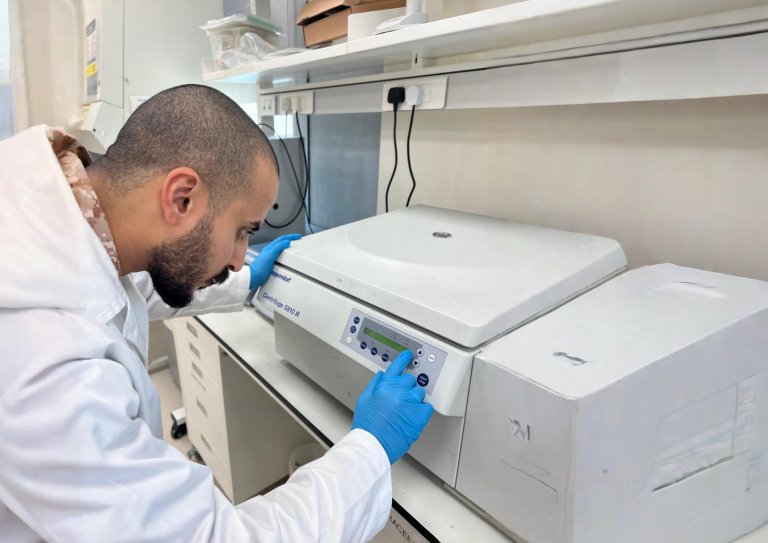
Departmental laboratories host a wide range of experimental equipment supporting research, teaching, and collaborative projects. Equipment access is organized by capability area and coordinated through designated laboratory supervisors in accordance with training, safety, and scheduling requirements.
Detailed Equipment Inventory
|
3D Printing
|
|
Equipment
|
Supervisor
|
Contact
|
Location
|
|
Bioprinter
|
Laboratory Supervisor
|
Department Contact
|
Designated Research Lab
|
|
Polymer 3D printer (SLA)
|
Laboratory Supervisor
|
Department Contact
|
Designated Research Lab
|
|
Resin 3D printer (DLP)
|
Laboratory Supervisor
|
Department Contact
|
Designated Research Lab
|
|
General-purpose desktop 3D printer
|
Laboratory Supervisor
|
Department Contact
|
Designated Research Lab
|
|
Chromatography
|
|
Equipment
|
Supervisor
|
Contact
|
Location
|
|
Gas chromatography systems
|
Laboratory Supervisor
|
Department Contact
|
Designated Research Lab
|
|
Liquid chromatography systems
|
Laboratory Supervisor
|
Department Contact
|
Designated Research Lab
|
|
Dewatering
|
|
Equipment
|
Supervisor
|
Contact
|
Location
|
|
Solid–liquid separation and dewatering units
|
Laboratory Supervisor
|
Department Contact
|
Designated Research Lab
|
|
General Laboratory & Process Equipment
|
|
Equipment
|
Supervisor
|
Contact
|
Location
|
|
Bench-scale reactors and process units
|
Laboratory Supervisor
|
Department Contact
|
Designated Research Lab
|
|
General chemical engineering laboratory equipment
|
Laboratory Supervisor
|
Department Contact
|
Designated Research Lab
|
|
Mechanical Testing
|
|
Equipment
|
Supervisor
|
Contact
|
Location
|
|
Mechanical testing frames
|
Laboratory Supervisor
|
Department Contact
|
Designated Research Lab
|
|
Materials evaluation and load frames
|
Laboratory Supervisor
|
Department Contact
|
Designated Research Lab
|
|
Elemental, Surface & Particle Analysis
|
|
Equipment
|
Supervisor
|
Contact
|
Location
|
|
Elemental analyzers
|
Laboratory Supervisor
|
Department Contact
|
Designated Research Lab
|
|
Surface and particle characterization systems
|
Laboratory Supervisor
|
Department Contact
|
Designated Research Lab
|
|
Microscopy
|
|
Equipment
|
Supervisor
|
Contact
|
Location
|
|
Optical microscopy systems
|
Laboratory Supervisor
|
Department Contact
|
Designated Research Lab
|
|
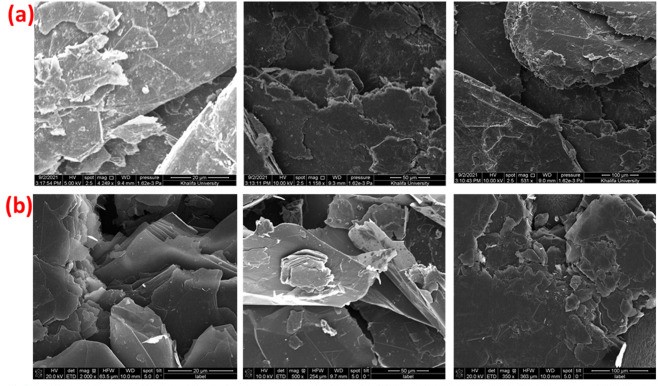
Access to advanced electron microscopy systems
|
Facility Manager
|
Central Facility Contact
|
Shared / Central Facility
|
|
Rheometry
|
|
Equipment
|
Supervisor
|
Contact
|
Location
|
|
Rheometers and flow property measurement systems
|
Laboratory Supervisor
|
Department Contact
|
Designated Research Lab
|
|
Spectroscopy
|
|
Equipment
|
Supervisor
|
Contact
|
Location
|
|
FTIR spectroscopy systems
|
Laboratory Supervisor
|
Department Contact
|
Designated Research Lab
|
|
UV–Vis spectroscopy systems
|
Laboratory Supervisor
|
Department Contact
|
Designated Research Lab
|
|
Raman spectroscopy systems
|
Laboratory Supervisor
|
Department Contact
|
Designated Research Lab
|
|
Thermal Analysis
|
|
Equipment
|
Supervisor
|
Contact
|
Location
|
|
Differential scanning calorimetry (DSC)
|
Laboratory Supervisor
|
Department Contact
|
Designated Research Lab
|
|
Thermogravimetric analysis (TGA) systems
|
Laboratory Supervisor
|
Department Contact
|
Designated Research Lab
|
|
X-ray Imaging
|
|
Equipment
|
Supervisor
|
Contact
|
Location
|
|
X-ray imaging and analysis systems
|
Facility Manager
|
Central Facility Contact
|
Shared / Central Facility
|
Shared & Central Facilities
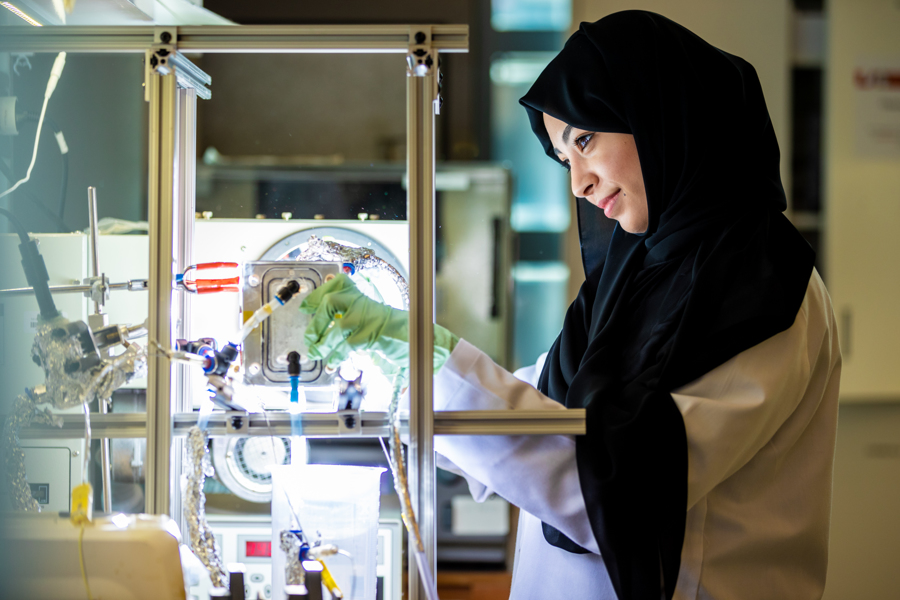
Departmental laboratories are complemented by shared and centralized facilities operated at the university level. These facilities provide access to advanced fabrication, characterization, and analytical tools that support interdisciplinary research and collaboration across multiple departments and research groups.
Access to these facilities enables departmental researchers and students to leverage state-of-the-art infrastructure beyond individual laboratories, supporting high-impact research projects and large-scale, collaborative initiatives that require specialized equipment and expertise.


_11zon.jpg)
.jpg)
_11zon_11zon.jpg)
.jpg)