
Khalifa University, EtihadWE partner to advance water quality

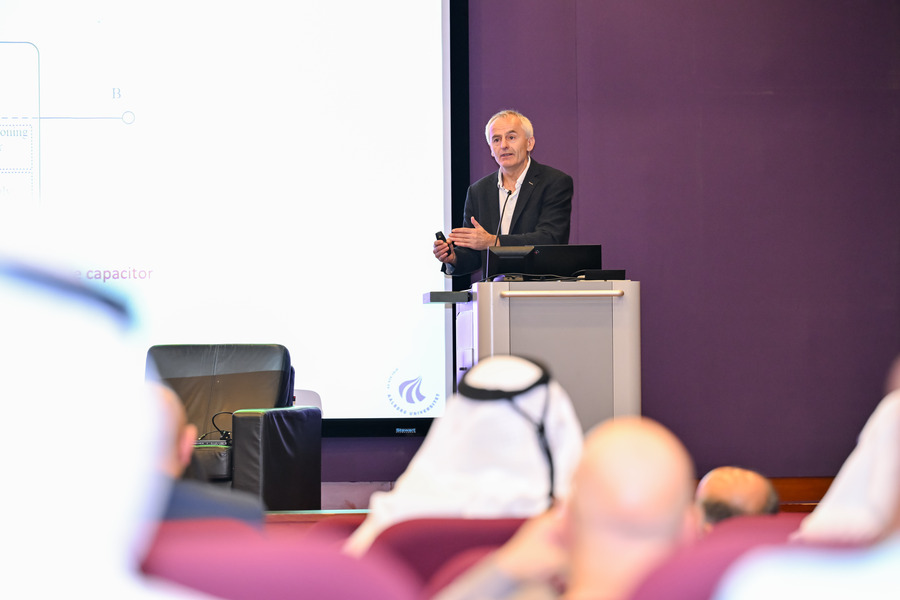
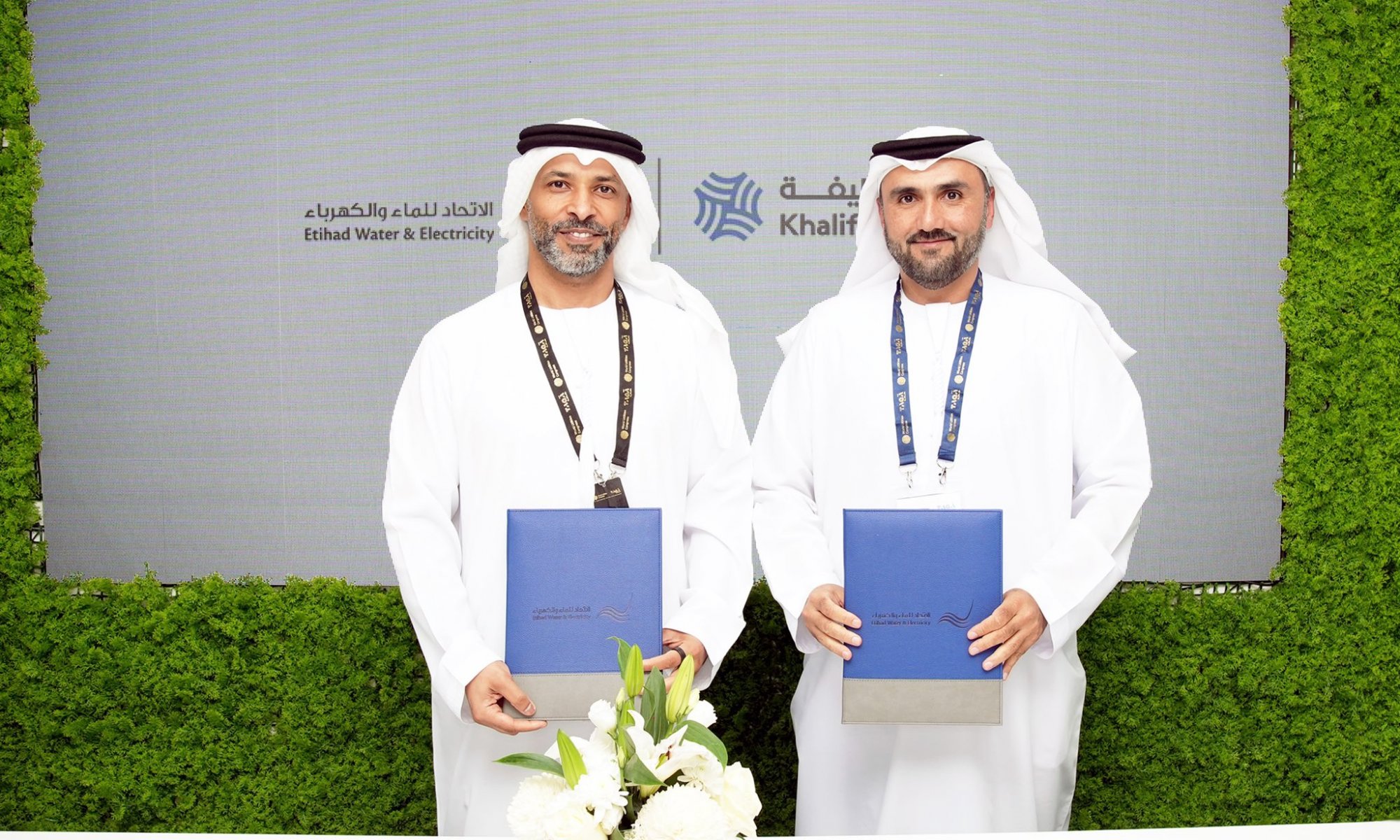
Khalifa University of Science and Technology’s Centre for Membranes & Advanced Water Technology (CMAT) and Etihad Water and Electricity (EtihadWE) have signed a memorandum of understanding (MoU) to enhance water treatment and resource management in the UAE.


The agreement outlines a framework for both partners to explore and evaluate advanced membrane technologies, improve water quality, and optimise desalination operations through artificial intelligence (AI) and machine learning technologies.


The MoU formalises the intent to develop pilot projects for testing water desalination technologies and deploying AI-driven models to improve the efficiency and sustainability of desalination processes. The partnership will also facilitate the exchange of knowledge and expertise through educational modules, workshops, and competitions focused on advanced water technologies, including provisions for internships and research opportunities.


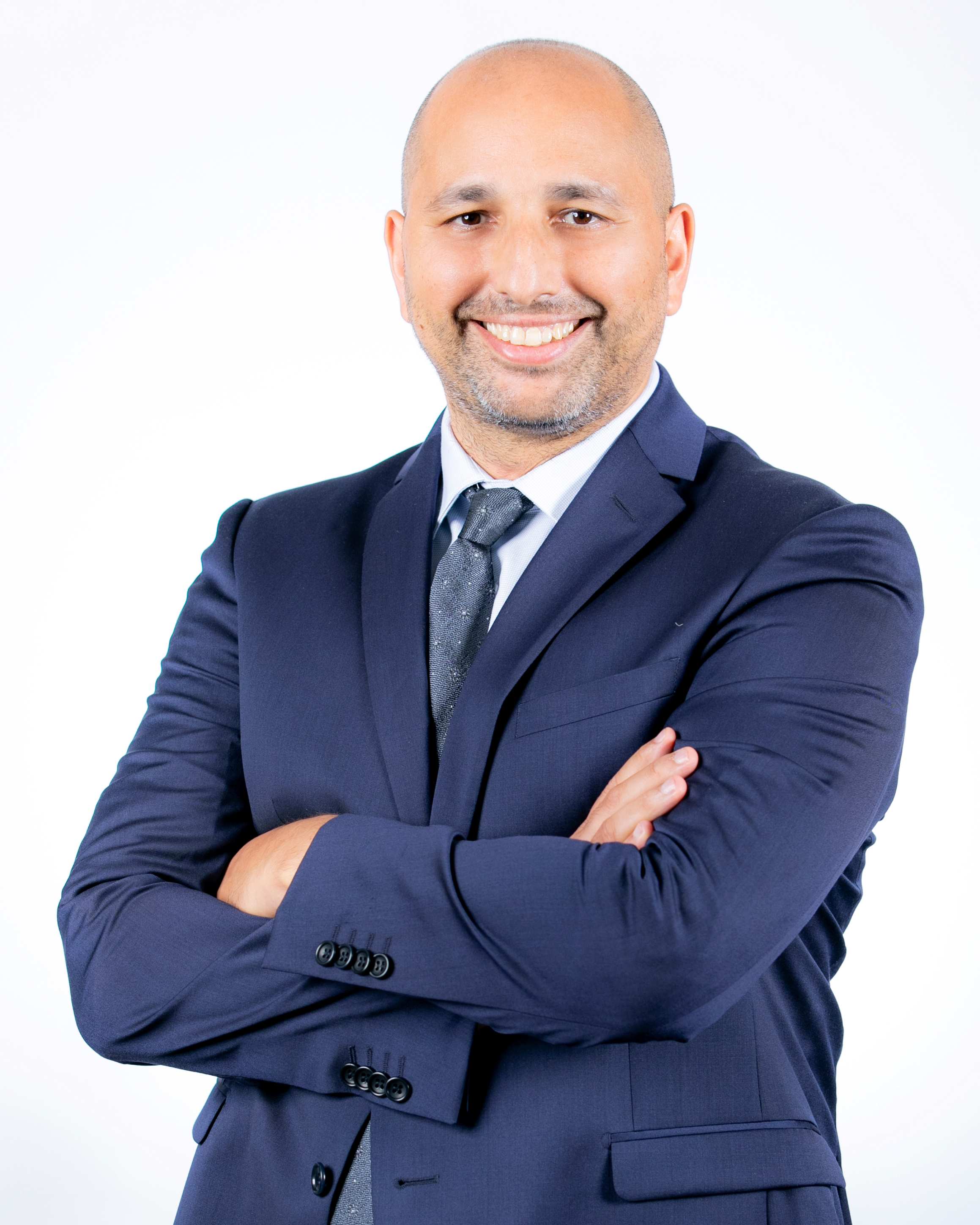
Yousif Ahmed Al Ali, CEO of EtihadWE, said, “This MoU perfectly aligns with our ambition to enhance operational efficiency and ensure water security in the UAE’s northern emirates. By combining Khalifa University’s research capabilities with EtihadWE’s practical experience, we will advance sustainable water management.”


The agreement will also support student engagement and create employment opportunities, offering internships, research projects, and jobs for graduates. Khalifa University will incorporate real-world case studies into its curriculum, enriching the academic experience.


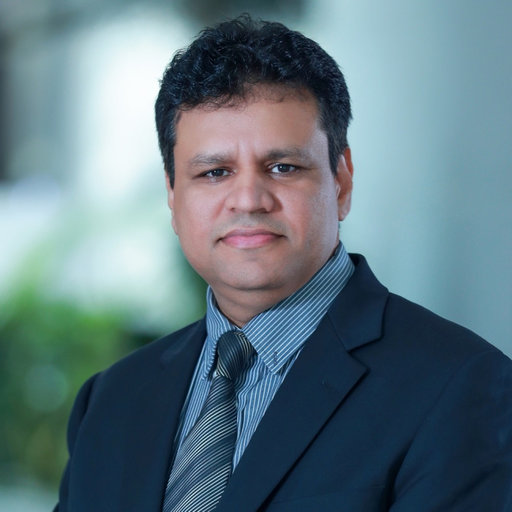
Prof Ebrahim Al Hajri, President of Khalifa University, said, “We are delighted to further cement our partnership with this MoU and play a critical role in strengthening water treatment and resource management in the UAE. Our Center for Membranes & Advanced Water Technology has achieved pioneering innovations in desalination and sustainable water management. We believe this research collaboration will help not only in the exchange of knowledge and expertise in one of the UAE’s strategic sectors but also pave the way for new technological advancements.”


EtihadWE, a leader in desalination technology, contributes to the UAE Water Security Strategy 2036 through this collaboration and other efforts. The Naqa’a desalination plant, one of the world’s largest, utilises advanced Reverse Osmosis (SWRO) technology to produce water for around two million UAE residents annually.


The plant incorporates innovative technologies such as Variable Frequency Drive (VFD) and Pressure Exchanger (PX) systems, reducing electrical energy consumption by more than 60%.


In addition, EtihadWE is committed to minimising Non-Revenue Water (NRW) leaks, utilising advanced tools such as SmartBall, data loggers, and acoustic inspection technologies. The company has implemented District Metering to pinpoint and address leaks more effectively, contributing to better water security across its network.


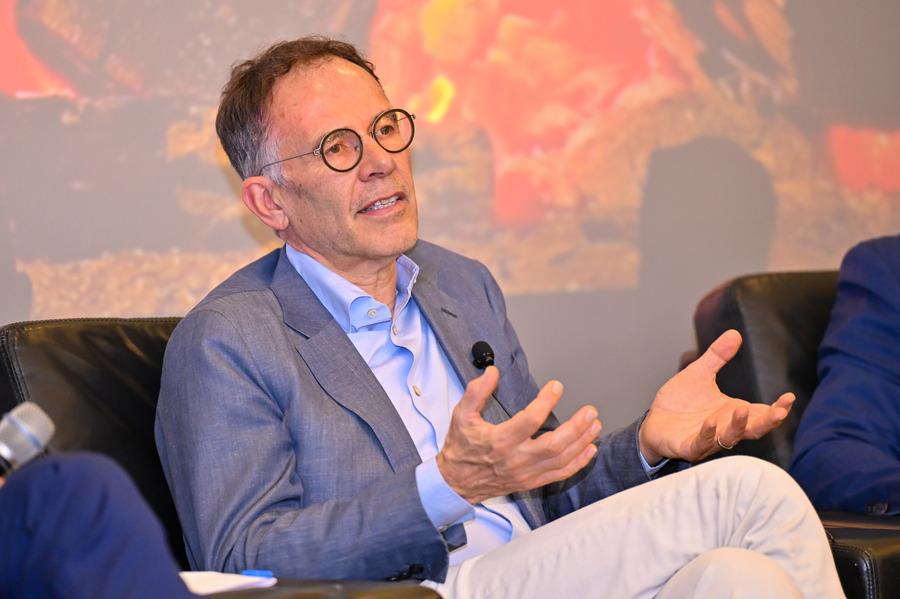
Dr. Shadi W Hasan, Director of the Centre for Membranes and Advanced Water Technology at Khalifa University, said, “This partnership represents a significant step forward in applying cutting-edge research to solve real-world challenges in water management. By integrating advanced membrane technologies with AI-driven optimisation, we can unlock new levels of efficiency and sustainability in desalination processes, ensuring a secure water future for the UAE.”


Through the MoU, Khalifa University’s research will be directly integrated into EtihadWE’s live projects, allowing for real-world testing and scaling of new solutions. This hands-on approach will help refine technologies and operational practices in desalination facilities and water infrastructure.


Khalifa University has solidified its position as a leader in water treatment and desalination innovation through CMAT’s groundbreaking projects. Led by Dr Hasan, CMAT is advancing cutting-edge solutions, including solar-powered desalination systems tailored to the UAE’s climate, electrified membranes using advanced nanomaterials like graphene for enhanced pollutant removal, and smart stimuli-responsive membranes for optimising water purification.


CMAT is also pushing the commercialisation of eco-friendly nanocomposite membranes and graphene-based biosensors for rapid virus detection. These innovations, alongside advanced technologies for heavy metal removal and oil/water separation, highlight Khalifa University’s commitment to sustainable, high-performance solutions that address global water challenges and industrial needs.

High-Level Workshops on Water Management, Climate Network Roundtable Highlight Khalifa University’s Participation in COP29 Baku

Faculty Leads Knowledge-Sharing Forums as Students Participate in UCN Youth Engagement Workshop 


Khalifa University, through the 35-member UAE Universities Climate Network (UCN), actively engaged in knowledge-sharing forums to inspire decision-makers towards addressing climate change, sustainability, and technological innovation during the 29th Conference of the Parties (COP29), from 11-22 November 2024 in Baku, Azerbaijan. 

Khalifa University faculty led and participated in six key workshops and discussions at COP29 Baku. They included the UCN Youth Engagement Workshop: Understanding and Reducing Your Carbon Footprint, Higher Education Climate Network of Networks Roundtable, MBZ Water Initiative Workshop: Innovations in Water Management – From Lab to Field, UCN Water Security Workshop: Accelerating Innovations to Tackle Global Water Scarcity, UCN Urban Planning Workshop: UAE’s Path to Sustainable, Circular, and Cognitive Cities, and Launch of MENA Climate Solutions Research Network. 

Representing the university were faculty members including Dr. Samuel Mao, Professor, Mechanical & Nuclear Engineering, and Co-Chair of the UAE Universities Climate Network, who was a Chair and an invited panelist in multiple workshops. Dr. Khaled Alawadi, Associate Professor, Civil & Environmental Engineering, participated in discussions on sustainable urban development; and Dr. Shadi Hasan, Director, Center for Membranes and Advanced Water Technology (CMAT), contributed to dialogues on water security and technological innovations. 

Dr. Samuel Mao also highlighted the establishment of the UAE UCN and its engagement with the UAE and Azerbaijan COP presidencies for organizing events at COP28 and COP29. He introduced plans for a climate solutions conference to be held at Khalifa University in 2025. Additionally, Dr. Thalita Dalbeo from Unicamp of Brazil discussed the early planning for COP30. 

Dr. Shadi Hasan, invited panelist, discussed the role of technology innovations play in advancing water security, particularly in arid regions like the UAE. He also commented on the critical investment areas for water security, such as strengthening the nation’s water infrastructures. Dr. Khaled Alawadi, invited panelist, in the ’UCN Urban Planning Workshop: UAE’s Path to Sustainable, Circular, and Cognitive Cities’ emphasized the importance of creating inclusive, sustainable cities. 

A significant component of Khalifa University’s participation was the UCN Youth Engagement Workshop: Understanding and Reducing Your Carbon Footprint where undergraduate students Jassem Al Hamadi and Khalid Adam emphasized the importance of youth involvement in sustainability initiatives and introduced the UAE Green Campus Competition, announcing the 2024 winners and showcasing the impact of student-led efforts.  

Dr. Samuel Mao said: “Khalifa University has led the way among universities in the MENA region in its commitment to sustainability and climate change research. Our innovative initiatives position us favorably for upcoming research opportunities, such as the MBZ Water Initiative, allowing us to further advance our leadership in critical sustainability areas. Through the UAE Universities Climate Network (UCN), we leverage the collective expertise of our institutions to drive impactful climate change research and initiatives.” 

Khalifa University also participated in the Higher Education Climate Network of Networks Roundtable, organized by the United Nations Climate Change High-Level Champions Team including Dr. Stephen Davison, Higher Education Lead of the Climate Champions Team. The Roundtable was attended by representatives from 26 global and regional climate networks and reviewed the core functions and impacts of the network over the past year.  

The ‘MBZ Water Initiative Workshop: Innovations in Water Management – From Lab to Field’ was chaired by Ayesha Al Ateeqi, Lead of the Mohamed bin Zayed Water Initiative, where Dr. Samuel Mao addressed the urgent global issue of water scarcity and highlighted innovations taking place in the UAE.  

During the ‘UCN Water Security Workshop: Accelerating Innovations to Tackle Global Water Scarcity’, Dr. Samuel Mao, Chair of the Workshop, introduced the MBZ Water Initiative and ‘XPRIZE Water Scarcity’. He also presented groundbreaking technologies developed in the UAE, including an entirely off-grid, solar-powered water production system that was designed and constructed by Khalifa University’s research team, with Dr. Samuel Mao as the project lead. The ‘Launch of MENA Climate Solutions Research Network’ at the high-level workshop at the Global Alliance of Universities on Climate (GAUC) Pavilion, discussed the ‘2030 Climate Solutions Implementation Roadmap.’  


Alisha Roy

Science Writer

Khalifa University Researcher Highlights Advancements for 6G Networks 

For future 6G networks, ultra-high data rates, sensing, and energy efficiency are paramount. Several groundbreaking technologies are emerging and Khalifa University’s Prof. Merouane Debbah’s research has been at the forefront of these innovations 


“Today, the fifth generation of mobile networks is being deployed, but both academia and industry have shifted their research focus to the next generation of communications technologies,” Prof. Debbah, Director of the 6G Research Center, said. “This is commonly referred to as the sixth generation or 6G.” 


A smarter, faster approach to satellite-ground networks 

In a world increasingly reliant on fast, reliable communication across vast distances, satellite-ground integrated networks (SGINs) are proving essential. These networks are designed to connect satellites, airborne platforms, and ground-based stations to offer broad coverage and robust data transmission capabilities. SGINs are integral to 6G wireless systems, expected to support high-speed data transfer with minimal latency, even for remote or isolated users. However, managing the complexities of these networks — characterized by dynamic structures and time-varying data — remains a challenge.


A new study from a team of researchers including Prof. Debbah introduces a new framework to address these issues, aiming to reduce latency and improve the efficiency of federated learning models within SGINs. The research was published in IEEE Transactions on Wireless Communications, a top 1% journal. 


One of the primary challenges in SGINs is the dynamic nature of the network. Unlike conventional networks, where nodes (representing devices) are relatively stable, nodes in SGINs are constantly moving and can appear or disappear. The team’s framework addresses this with a model that adapts to the changing structure of SGINs. By dynamically adjusting factors like transmission bandwidth, the model ensures efficient data processing while minimizing latency. 


Revolutionizing signal processing with stacked intelligent metasurfaces (SIMs)


A major breakthrough in signal processing for 6G is the use of stacked intelligent metasurfaces (SIMs). SIMs act as reconfigurable layers capable of manipulating electromagnetic waves in real-time. Traditional signal processing tasks require complex digital computations, but SIMs shift this paradigm by performing these computations as waves propagate through the metasurface layers. This drastically reduces power consumption and minimizes the need for extensive receiver hardware, which is essential for creating more efficient 6G devices and infrastructure. 


Prof. Merouane Debbah

“Next generation cellular technologies, commonly referred to as the sixth generation (6G), are being developed to support disruptive applications such as virtual and augmented reality, blockchain, and autonomous vehicles. To do this, 6G needs to be ultra-reliable and offer far higher connectivity than previous generations.”

Prof. Merouane Debbah, Director of the 6G Research Center, KU


Prof. Debbah’s research into SIMs was published in IEEE Journal on Selected Areas in Communications, a top 1% journal, and paves the way for energy-efficient and compact hardware for future networks.  


Terahertz communication expands the bandwidth frontier 


With data demands surging, Terahertz (THz) communication is set to unlock new levels of bandwidth to support the high data rates envisioned for 6G. Operating at frequencies between 100 Gigahertz and 3 THz, THz communication offers ample spectral resources far beyond current technologies. Prof. Debbah was part of an international team considering the applications of THz communications and sensing for 6G and beyond. Their work was published in IEEE Communications Surveys & Tutorials, a top 1% journal.  


The research team says that as THz technology matures, it will deliver the ultra-reliable, low-latency, and high-capacity communications essential for applications like holographic telepresence, immersive virtual reality, and advanced Internet of Things networks. 


Antenna technology improves communications in busy places 


Holographic MIMO (H-MIMO) technology represents a leap forward in antenna design. MIMO (multiple input, multiple output) is a technology used in wireless communications where multiple antennas are used at both the transmitter and receiver ends of the communication circuit. The main idea behind MIMO is to increase the system’s capacity and reliability without needing additional bandwidth or increased transmission power. MIMO is a key component in modern wireless communication, including Wi-Fi and cellular networks. It’s one of the technologies that make high-speed internet and data transfer rates possible in today’s wireless networks.  


H-MIMO uses surfaces made of metamaterials that act like one large, almost seamless surface of small antenna elements. These elements are packed closely together and work together to control the shape and movement of electromagnetic waves with great precision.  


A new study from a team of researchers including Prof. Debbah has investigated leveraging the potential of H-MIMO in the near-field. In this range, signals behave differently, spreading out as spherical waves rather than flat ones. This means H-MIMO can handle a lot more data and connect to more devices in a small area, which is essential for crowded environments like cities or stadiums. The team’s results were published in IEEE Wireless Communications, a top 1% journal.  


Prof. Debbah’s research into these technologies addresses critical challenges for 6G. THz communications, stacked intelligent metasurfaces, satellite-ground integrated networks and H-MIMO complement each other within a cohesive system and this synergy is essential to support the multi-functional requirements of 6G, such as real-time sensing, ultra-dense networking, and highly localized communication. Research into these areas make the vision of 6G feasible, transforming how we connect and interact in a highly digitalized and interconnected world. 


Jade Sterling

Science Writer

Khalifa University’s Aerospace Systems Group Wins Outstanding Research Paper Award at Space Research Conference 2024

Third Consecutive Award Reflects Research Caliber of Aerospace Engineering Department and FALCON Program


Khalifa University’s Intelligent and Autonomous Aerospace Systems Group has won the Outstanding Research Paper Award in the Space Situational Awareness session at the Space Research Conference (SRC) 2024. This first-of-its-kind event was organized by the UAE Space Agency in Abu Dhabi as part of the World Space Week activities. 


The award-winning paper titled ‘Hybrid Sensor Networks: Space Debris Tracking through Intelligent Distributed Space Systems and Ground-Based Observations’ tackles the critical issue of orbital congestion caused by Resident Space Objects (RSOs).  The research team working on this project is led by Professor Roberto Sabatini and includes PhD student Khaja Faisal Hussain, Dr. Kathiravan Thangavel, Dr. Noureldin Safwat, and Assistant Professor Alessandro Gardi, form the Department of Aerospace Engineering. The award-winning paper will be featured on the UAE Space Agency’s Space Research Platform.  


The Intelligent and Autonomous Aerospace Systems Group is a key component of Khalifa University’s Flight Systems Research and Training (FALCON) Program, which addresses key contemporary challenges in sustainable flight systems design and operations, including advanced air mobility, high-speed and suborbital transport, and the integration of ground and space-based Communication, Navigation and Surveillance (CNS) infrastructure. It is led by Prof. Sabatini, who also serves as Vice-President of Technical Operations at the IEEE Aerospace & Electronic Systems Society.  


The paper introduces an innovative multi-sensor data fusion strategy that combines intelligent Distributed Space Systems (iDSS) with ground-based sensor capabilities to achieve real-time tracking of space debris, significantly enhancing Space Situational Awareness (SSA) and promoting safer, more sustainable orbital and suborbital flight. 


Prof. Roberto Sabatini said: “Receiving three awards in a two-week timespan was amazing and the team deserves to be commended for this incredible series of achievements. After receiving two awards in the US at the AIAA/IEEE Digital Avionics Systems Conference both in the Digital Flight and Space Systems sessions, this additional recognition at the UAE Space Research Conference underscores the importance of aligning our research with the aerospace sector’s national and international priorities.” 


In addition to their award-winning research, the Group made significant contributions to two other conference tracks: Satellite Communication (SatCom) and Earth Observation. In the SatCom track, they presented a paper titled ‘Robust Communication in Remote Regions: An Integrated Satellite-HAPS-5G Architecture for Traffic Routing in Adverse Weather Conditions.’ This research aims to provide robust communication solutions in remote and underserved regions, especially during adverse weather conditions, by developing dynamic traffic routing algorithms that adapt to environmental changes. 


In the Earth Observation track, the team presented ‘Distributed Satellite Systems for Enhanced Earth Observation: Applications in Climate Change Monitoring and Disaster Management.’ This paper highlights the use of Distributed Satellite Systems (DSatS) to tackle global challenges like climate change and natural disasters. The research underscores the role of DSatS in providing high-resolution, timely data for proactive disaster management and climate change analysis, contributing to the United Nations Sustainable Development Goals (SDGs). 


A flagship project within the FALCON program is the development of a Multi-Domain Traffic Management (MDTM) framework, conducted in collaboration with leading industry and government partners. This project aims to ensure the safety, efficiency, and sustainability of integrated air and space transport operations, paving the way for a more connected, efficient, and environmentally responsible future in the aerospace sector and beyond.


By addressing the challenges of modern air and space transport, the program contributes to the advancement of the UAE’s aerospace industry and sets a global benchmark for sustainable innovation in flight systems design and operations. 


Alisha Roy 

Science Writer

Khalifa University’s RIC2D’s Key Role in Consolidating UAE’s Status as Innovation Leader in Advanced Materials Highlighted at I2DM2024

Arab Region’s First Innovative & Industrial 2D/Advanced Materials Summit & Expo Focuses on Current Innovation Trends and Applications


Khalifa University of Science and Technology’s Research & Innovation Center for Graphene and 2D Materials (RIC2D) is proud to play a pivotal role in graphene and related materials’ research and innovation, contributing to the UAE’s status as a leader in fostering research and development in advanced materials, said His Excellency Homaid Abdulla Al Shimmari, Chairman of RIC2D’s Senior Management Board, at the Arab region’s first Innovative & Industrial 2D/Advanced Materials Summit & Expo (I2DM2024).


Organized by RIC2D and Phantoms Foundations, I2DM2024 has brought together some of the brightest minds from around the globe to the Arab region for the first time. The summit that runs until 28 November explored the insights and innovations in the industry, led by experts who offered plenary and keynote talks. . They included Nobel Laureate Professor Sir Andre Geim, University of Manchester, UK, and Professor Yury Gogotsi, Drexel University, US, Director, A.J. Drexel Nanomaterials Institute.


In his welcome remarks, Dr. Bayan Sharif, Khalifa University’s Provost, said: “Khalifa University is privileged to welcome the large gathering of scientists and innovators to this important summit on graphene, 2D, and advanced materials. This summit is not only about sharing knowledge, but is about forging connections to drive future innovations, collaborations, and tangible outcomes. The roundtables on startups and commercialization, and the B2B meetings on direct engagement will immensely facilitate potential partnerships and further cement Abu Dhabi’s role as a center for innovation in 2D materials.”


The summit features oral and poster presentations, a series of parallel workshops focused on topics of interest for the Arab region, most recent advances in technology developments, business opportunities in Advanced Materials commercialization, and an exhibition featuring the latest innovations and offerings. The day also includes two round tables titled ‘From Lab to Business’ and ‘Promoting Start-ups in Advanced Materials.


The second day’s sessions included five workshops focusing on Advanced materials in desalination and water treatment; Advanced materials in biotechnology and healthcare; Smart and advanced nanocomposite materials; Materials for hydrogen production, transportation, and storage; and Advanced Materials Characterization.

How 3D Printing is Enhancing Composite Durability and Reinforcing the Future

Advanced 3D printing techniques are enhancing fracture toughness in fiber-reinforced polymer composites, paving the way for high-durability applications across industries 


Fiber-reinforced polymer composites (FRPCs) have emerged as key players across the aerospace, automotive and biomedical engineering industries as lightweight and resilient advanced materials. These industries demand high-strength, lightweight materials that can withstand substantial forces, whether in the wings of aircraft or the joints of a prosthetic limb. FPRCs, often crafted via 3D printing, offer impressive strength-to-weight ratios but are prone to weaknesses in fracture toughness due to the layered nature of additive manufacturing. However, recent research highlights significant advancements in fracture toughness, which promises to broaden the use of FRPCs across high-stakes industrial applications. 


A team of researchers from Khalifa University, including Dr. Tayyab Khan, Dr. Murad Ali, Prof. Haider Butt, Prof. Rashid Abu Al-Rub, and Prof. Rehan Umer, collaborated with Zakia Riaz, Shanghai Jiao Tong University, China, and Yu Dong, Curtin University, Australia, to optimize 3D printing techniques for FRPCs. The team published their review in Composites Part B, a top 1% journal. 


“FPRCs are manufactured by embedding fibers like carbon, glass, or even natural fibers into a polymer matrix,” Prof. Umer said. “This combination enhances mechanical properties such as tensile strength, flexibility, and fatigue resistance, creating materials suited for extreme conditions. Additive manufacturing allows them to be produced with lower waste and less expense, but 3D-printed FRPCs have historically been limited by weaknesses at their internal layer boundaries, which make them prone to delamination and cracking under stress.”


Prof. Rehan Umer

“From aerospace to medicine, by fine-tuning 3D printing parameters, we can greatly enhance fracture toughness in composites, making them viable for applications that demand both durability and flexibility.”

Prof. Rehan Umer, Professor of Aerospace Engineering, KU


Studies show that higher temperatures lead to better bonding between layers in a 3D-printed composite and improved interfacial strength means that cracks are less likely to develop, significantly reducing the likelihood of delamination. Also, slower printing speeds increase the time for material bonding, producing stronger layers. Thicker layers reduce the number of inter-layer boundaries, making components more resistant to fractures that start between layers.  


“Despite these advancements, manufacturing defects such as voids, cracks, and porosity remain a challenge for FRPCs,” Prof. Umer said. “Unintentional porosity, which can develop within layers or at layer boundaries, reduces mechanical strength and increases the likelihood of fractures. Techniques such as heat treatment and laser polishing can help minimize surface and internal voids, while printing in vacuum environments has also shown promise by reducing the porosity of FRPC components.” 


The research team also pointed out that hybridization — embedding two types of fibers or combining two different polymers — can help achieve a balance of mechanical properties. Hybridization holds the potential to create materials with enhanced durability without sacrificing the customization sustainability advantages of 3D printing.


“Looking forward, additional research is needed to develop standards for evaluating the fracture performance of 3D-printed composites,” Prof. Umer said. “Current studies rely on general standards used for metallic or plastic parts, which may not fully capture the unique properties of additively manufactured composites. Establishing new standards could improve the reliability of 3D-printed components and further boost their adoption in critical applications.” 


Jade Sterling

Science Writer

Hybrid Microgrids Bring Reliable, Green Energy to Remote Communities  

A new algorithm for hybrid microgrids boosts energy access and sustainability in remote communities, cutting costs and emissions by optimizing solar, wind and diesel resources 

More than 4,000 remote communities worldwide rely on diesel generators for their electricity needs. This dependence on diesel is a strain on their finances and on the environment, with significant emissions limiting sustainable growth in isolated regions. To address these challenges, a team of researchers from Khalifa University has developed an innovative energy management system that optimizes hybrid microgrids, balancing solar, wind, and diesel power sources to make energy access more reliable, cost-effective, and environmentally sustainable. 


Adel Merabet, Dr. Ahmed Al-Durra, Dr. Tarek El-Fouly and Prof. Ehab El-Saadany, with Sujoy Barua, Saint Mary’s University, Canada, focused on a novel optimization method called the Levy Arithmetic Algorithm (LAA). This enhanced algorithm builds on traditional arithmetic optimization techniques by improving the search capabilities and avoiding common pitfalls in optimization, offering a robust solution for managing multiple power sources within a microgrid, especially under the complex conditions found in off-grid communities. The team published their results in Applied Energy, a top 1% journal. 


The hybrid microgrid model integrates solar photovoltaic panels, wind turbines, and multiple diesel generators to meet the load demands of remote areas. The LAA optimizes energy use by prioritizing renewable energy sources whenever they are available, thus reducing reliance on diesel generators. The team demonstrated that this method is sufficient to lower the energy costs and reduce the emissions significantly — up to 10% compared to diesel-only microgrids. 


Prof. Ehab El-Saadany

“With the pressing global need for sustainable energy solutions, especially in isolated areas, our model offers a promising path forward. By reducing fuel dependency and emissions while ensuring steady electricity access, this technology has the potential to transform lives in remote regions, paving the way for a cleaner, more resilient energy future.”

Prof. Ehab El-Saadany, Professor of Electrical Engineering, KU


“Reducing the reliance on diesel is especially critical given that fuel transportation and storage in remote areas often entails additional costs and logistical complexities, compounding the environmental and financial burden on these communities,” Prof. El-Saadany explained. 


The model’s breakthrough lies in the LAA’s ability to minimize both cost and emissions in energy dispatch decisions. Traditional economic load dispatch strategies have focused primarily on balancing load and costs, neglecting the emission impact of diesel power generation. The research team’s system weighs emission penalties and economic costs, resulting in a greener and more cost-effective solution, managing the timing and scale of generator use based on projected renewable energy availability.  


“Our results underscore the potential of optimized hybrid microgrids as a scalable solution for isolated and underserved communities,” Prof. El-Saadany said. “By reducing diesel dependency and maximizing the use of renewables, our model enhances resilience, lowering the environmental impact of energy generation and improving access to stable power.” 


The research team plans to continue refining the system for real-world implementation, with a focus on integrating electric vehicle charging and storage solutions, which could provide valuable backup power during low renewable output periods. Advanced load-shifting techniques within the LAA framework could also enable the system to anticipate demand changes more effectively, optimizing energy use over longer cycles.  


Jade Sterling

Science Writer

Expert Seminar Explores Power Electronics Technology with Prof. Frede Blaabjerg

A seminar titled ‘Power Electronics Technology – Quo Vadis’ brought together experts and enthusiasts to hear from Prof. Frede Blaabjerg of Aalborg University, Denmark. Held at the Sas Al Nakhl (SAN) Campus, the event focused on the critical role of power electronics in the evolving landscape of global energy systems, addressing the innovations and challenges that will shape the future of this essential technology.


Prof. Blaabjerg, a leading expert in the field, is recognized for his research in areas such as adjustable-speed drives, microgrids, and renewable energy technologies, and has received the 2019 Global Energy Prize for his significant contributions. He discussed the challenges and opportunities presented by the transition from fossil fuels to renewable energy sources. Key topics included the evolution of power devices, reliability in power electronics, and the stability of power electronic-based power systems.


Alisha Roy

Science Writer

New Cutting-Edge Model to Advance Soft Robotics

Algorithm Helps Robots Better Mimic Complex and Subtle Movements of Living Creatures

Researchers have long aspired to bring natural wonders like the maneuvers of an octopus arm or efficiency of bacteria into robotics and now scientists from Khalifa University have developed a new model in the field of biomechanics that makes the complex task of robot behavior more precise and simpler in the way robots move and interact with their environment.


The groundbreaking Geometric Variable Strain (GVS) model which transforms the control and movements of hybrid soft-rigid robots — those that combine both soft, flexible parts and rigid components, does not compromise on accuracy despite requiring fewer calculations, making it a powerful tool for the next generation of robotic systems.


This research was published in a paper titled ‘Reduced order modeling of hybrid soft-rigid robots using global, local, and state-dependent strain parameterization’ in the International Journal of Robotics Research, a top 1% journal.


The team includes Khalifa University’s Mechanical and Nuclear Engineering Associate Professor Dr. Federico Renda, and Postdoctoral Fellows Dr. Anup Teejo Mathew, Dr. Daniel Feliu-Talegon, and Dr. Abdulaziz Y. Alkayas, as well as Dr. Frederic Boyer, Faculty, Researcher, LS2N Laboratory, Institut Mines Telecom Atlantique, Nantes, France.   


Traditional models often struggle with the complexity of blending both flexibility and rigidity, but the GVS model streamlines the process by using a reduced-order framework, an efficient algorithm, which only needs a minimal amount of data to accurately represent the robot’s behavior. This model is implemented in the SoRoSim Toolbox, an open-source simulator highly regarded in the soft robotics community for its speed, accuracy, and stability, enabling the use of the GVS model in a wide range of modern robotic applications, from human-robot interaction to underwater exploration robots and industrial inspection tools.


Key advantages of the GVS model are its ability to simplify the design and control of robots that need to operate in complex environments. For example, in minimally invasive surgery, continuum manipulators — long, flexible robotic arms — can benefit from the model to achieve more precise movements, reducing the risk to patients. In underwater exploration, robots inspired by the natural propulsion systems of bacteria can navigate with greater efficiency and less noise, making them ideal for sensitive environments, while soft grippers benefit the agricultural and food industries.


In scenarios where soft and rigid components must work together seamlessly including robots used in 3D printing for construction, the GVS model helps tackle operational challenges like vibration and sagging of robots that use steel cables to control heavy loads.


Dr. Federico Renda said: “The GVS model’s ability to simplify the analysis process while maintaining accuracy is beneficial for the design and control of such robots, as it can lead to more efficient algorithms and potentially more responsive and versatile robotic systems. The impact of the model on the future of robotics, especially in the field of soft robotics, could facilitate the development of advanced robotic systems that are capable of more complex and subtle interactions with their environment, similar to living animals, leading to critical innovations.”


Alisha Roy

Science Writer

Nobel Laureate Prof. Guido Imbens Shares Insights on Causality and Data Analysis at Khalifa University Event

Prof. Guido Imbens, 2021 Economic Sciences Nobel Prize winner, shared his insights on the complexities of data analysis in today’s research landscape during a special visit to the Khalifa University Main Campus where he engaged with faculty and students of the Mathematics Department. 


A significant part of Prof. Imbens’ visit was a fireside chat titled ‘Causal Inference and Challenges in Data Analysis’, which was facilitated by Prof. Emilio Porcu, and Prof. Jorge Passamani Zubelli, Department Chair, Mathematics. Prof. Imbens also received an overview of the Mathematics Department and a tour of the campus that highlighted the university’s commitment to academic excellence. 


Prof. Imbens is well-known for his significant contributions to econometrics and for developing methodologies for drawing causal inferences. He is also an Advisory Board Member of ADIA Labs and the Applied Econometrics Professor at the Stanford Graduate School of Business and Professor of Economics in the Economics Department at Stanford University. Prof. Imbens’ visit to Khalifa University follows his keynote talk at the ADIA Lab Symposium at the Abu Dhabi Global Market (ADGM), further contributing to the dialogue between data analysis and economic sciences. 


Alisha Roy 

Science Writer

13 November 2024    

Revolutionary Screening Tools for Retinal Diseases Using Artificial Intelligence 

As retinal diseases become a growing global challenge, screening tools harnessing the latest in AI techniques can enable early detection and accurate diagnosis.


Retinal diseases stand as the leading cause of blindness globally. Alarmingly, half of those affected are unaware of their condition until it is too late, highlighting the need for early detection and diagnosis. According to the World Health Organization, in 2019, around 2.2 billion people worldwide were living with some form of visual impairment, with approximately one billion of those cases being preventable. 


The integration of machine learning techniques into healthcare has seen remarkable advancements, especially in the medical fields related to vision and eyesight. Models are showing promising capabilities in screening major retinal diseases that can lead to severe visual impairment or blindness if left untreated. 


A team of researchers including Khalifa University’s Dr. Bilal Hassan and Prof. Naoufel Werghi has developed a comprehensive review of existing models for retinal disease screening. Their work highlights how machine learning techniques and models can enhance early diagnosis and treatment by assisting clinicians in identifying retinal abnormalities through advanced imaging technologies. The research team included experts from Khalifa University in collaboration with Hina Raja and Siamak Yousefi, University of Tennessee; Taimur Hassan, Abu Dhabi University; Muhammad Usman Akram, National University of Sciences and Technology, Pakistan; Hira Raja, Margalla Institute of Health Sciences, Pakistan; and Alaa Abd-alrazaq, Weill Cornell Medicine-Qatar. They published their findings in Artificial Intelligence Review, a top 1% journal. 


“Machine learning is revolutionizing retinal disease screening. By enabling early detection and accurate diagnosis, these screening tools not only improve patient outcomes but also reduce the economic burden associated with advanced retinal diseases.”

Prof. Naoufel Werghi, Professor of Computer Science, KU

“In the United States, for example, approximately 50 percent of people with retinal conditions are not diagnosed until the disease has progressed significantly,” Prof. Werghi explained. “This delay stems from the insidious nature of many retinal diseases, where symptoms often do not become apparent until the disease has caused irreversible damage. However, early diagnosis, facilitated by AI, can transform outcomes for patients by ensuring timely intervention.” 


Machine learning models have emerged as a valuable tool in detecting retinal diseases early. They enable efficient and accurate screening of large populations, especially in regions with limited access to eye care professionals. These models can analyze retinal images, identifying structural abnormalities such as lesions and irregularities in the retinal layers, which can indicate the early onset of diseases like diabetic retinopathy and glaucoma.


Diabetic retinopathy (DR), for example, is caused by prolonged high blood sugar levels, leading to damage in the retinal blood vessels. If left untreated, it can result in complete vision loss. Models trained on vast datasets of retinal images have shown remarkable accuracy in detecting the earliest signs of DR even when the patient has no symptoms. Similarly, glaucoma, often dubbed the “silent thief of sight,” can be diagnosed early by models analyzing the retinal nerve fiber layers. In glaucoma, increased pressure in the eye damages the optic nerve. Assessing the thickness of these retinal layers and detecting early signs of damage can be achieved by these AI models, even before significant vision loss occurs.


“As machine learning techniques continue to evolve, their integration into healthcare presents endless possibilities,” Prof. Werghi said. “By enabling early detection and accurate diagnosis, these screening tools are revolutionizing the field of ophthalmology, offering innovative solutions for early diagnosis and management of retinal diseases.” 


Jade Sterling

Science Writer

22 October


Second Healthy Longevity Symposium Opens at Khalifa University

Over 25 Experts Convene to Address Aging as root cause of Chronic Diseases


Khalifa University of Science and Technology continues to play a vital role in advancing research and education in the fields of life sciences, genetics, and health and longevity, contributing to the global dialogue on improving health outcomes, said Prof. Habiba Alsafar, Conference Chair and Dean, Khalifa University College of Medicine and Health Sciences, as the second edition of the Healthy Longevity Symposium opened in Abu Dhabi today. 


Organized by Khalifa University and supported by the Department of Health – Abu Dhabi and the Department of Community Development, the Second Healthy Longevity Symposium brought together more than 25 leading experts for 12 insightful sessions, including a panel discussion, focused on the science of healthy aging and personalized wellness.  


The two-day scientific symposium that runs until 22 November 2024 focuses on offering new strategies to slow age-related diseases, enhance well-being and promote longevity. The day commenced with welcome remarks from His Excellency Dr. Mugheer Al Khaili, Chairman of the Department of Community Development, and Prof. Habiba Alsafar. Her Excellency Dr. Noura Al Ghaithi, Undersecretary of the Department of Health – Abu Dhabi, attended the symposium alongside H.E Dr. Rashed Alsuwaidi, Executive Director of Healthcare Workforce Planning Sector, H.E Hind Al Zaabi, Executive Director of Healthcare Facilities Sector, DoH, and H.E. Dr. Ahmed AlKhazraji, Acting Director-General of Abu Dhabi Public Health Center. 


H.E. Samar Almansoori, Senior Vice-President, Support Services, Khalifa University and H.E. Amal Nasser Al Jaberi, CEO, Khalifa University Enterprises Company (KUEC) also attended.  


Prof. Habiba Alsafar said: “Khalifa University is committed to establishing Abu Dhabi as a global leader in aging research and health innovation and the second edition of this symposium serves as a vital platform for collaboration among scientists, policymakers, and healthcare professionals.  The Symposium not only serves as a platform for sharing knowledge but also fosters the next generation of research through abstract presentations by emerging scholars.” 


H.E. Dr. Noura Al Ghaithi, Undersecretary of the Department of Health – Abu Dhabi, said: “Longevity is about empowering our community to live healthier, more vibrant lives. In Abu Dhabi, we are transforming healthcare with a proactive, preventive approach that puts patients at the heart of our strategy. The recent introduction of a groundbreaking regulatory framework and standards for the establishment of Healthy Longevity Medicine Centres in the Emirate aims at promoting wellness, disease prevention and longevity. We are prioritising personalised care to enhance the patient experience with treatments that meet individual needs. This initiative further cements Abu Dhabi’s position as a leading health destination globally, reinforcing our commitment to creating a healthier future for generations to come.” 


The theme of this symposium reflects the goal to improve the quality of life as we age. The Sessions included Dr. Alya Almulla who discussed the intersection of healthy longevity and public policy, and Dr. Nicole Sirotin who is the chief Excutive Officer at the Institute for Healthy living Abu Dhabi and presented on ‘Designing Health Policies: The Role of Healthy Longevity in Shaping Future Care’. Notable plenary speaker such as Professor George Malliaras from the University of Cambridge presented on ‘Bioelectronic Medicine – Current Status and Future Directions’, while Professor Joyce Harper from University College London explored embracing age through personal narratives. 


Talks also covered Cellular Senescence and the Skeleton by Professor Mustapha Kassem from Khalifa University, Stem Cell-Based Therapy of Ovarian Aging by Professor Ayman Al-Hendy from the University of Chicago, and Engineering Biology for Human Health and Longevity by Professor Barry Merriman from UCLA. Other discussions focused on advances in genomic technologies, personalized nutrition, and the clinical factors affecting aging, culminating in a judging event for abstract presentations. 


The second day will have keynote on The Role of Mitochondrial inflammation, and engaging sessions including Artificial Intelligence /Machine Learning in Brain Aging as well as an Award Ceremony.