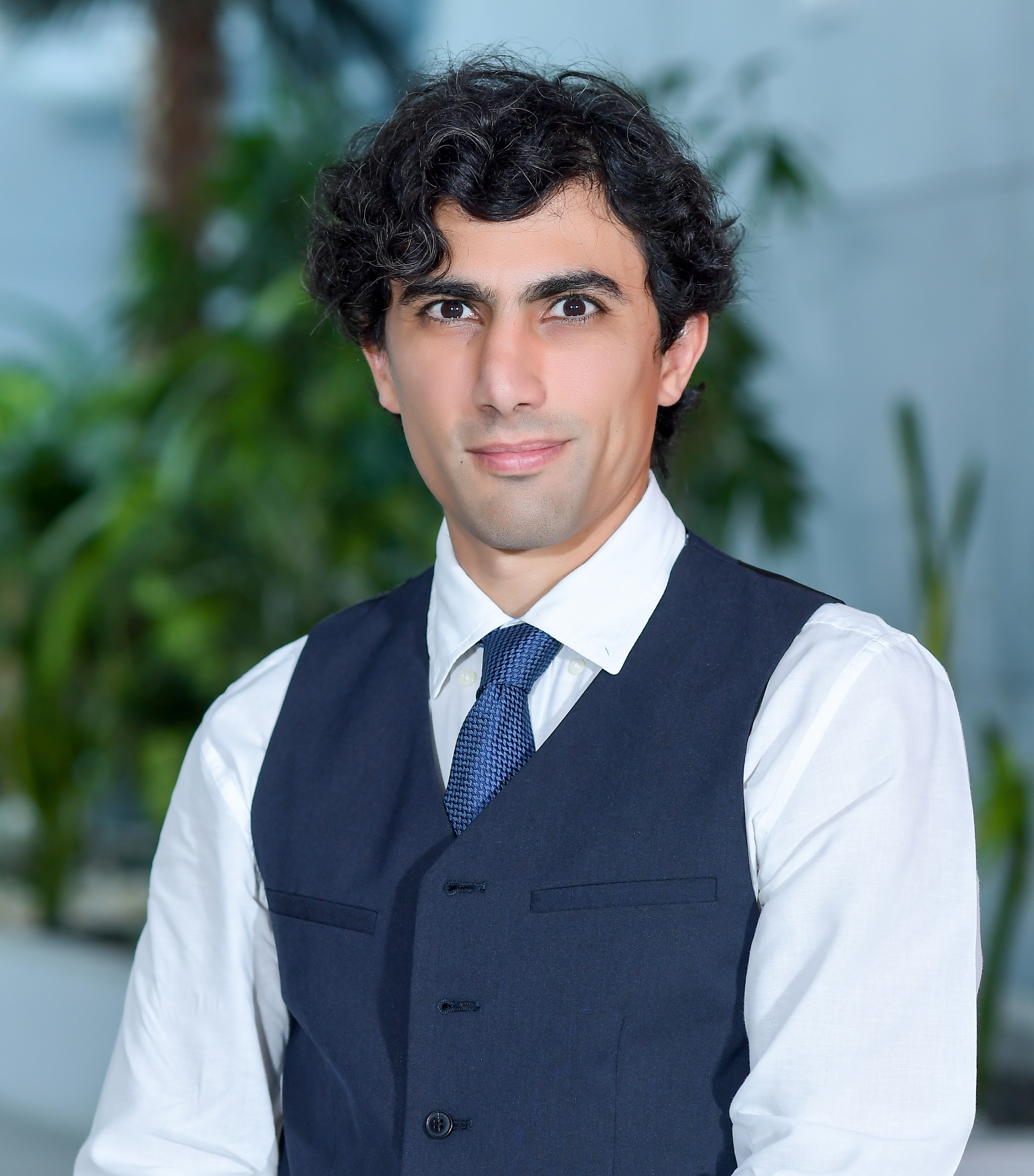
Khalifa University Faculty Honored with 2024 IEEE Industrial Innovation Award

Prof. Merouane Debbah Recognized for Pioneering Contributions to Telecom and AI 


Khalifa University 6G Center Director Prof. Merouane Debbah has been awarded the 2024 IEEE Communications Society (ComSoc) Industrial Innovation Award for the Europe, Middle East, and Africa (EMEA) Region for his significant impact on major telecom operators and manufacturers as well as artificial intelligence sectors. 


Prof. Debbah’s work has been crucial to further advancing technology in the region. The IEEE ComSoc Industrial Innovation Award, which includes a certificate and an honorarium, recognizes individuals who have made substantial contributions to the field of communications and information technologies, benefiting the public beyond their organizations. Recipients are selected by an EMEA Selection Committee based on their achievements over the past three years and the tangible benefits of their work to the public.  


Holder of more than 50 patents, Prof. Debbah has won multiple awards and recognitions. He has managed eight EU projects and more than 24 national and international projects. His research interests cover fundamental mathematics, algorithms, statistics, information, and communication sciences. 


Prof. Debbah is an Associate Editor-in-Chief of the journal Random Matrix: Theory and Applications. A member of the Marconi Prize Selection Advisory Committee, he also served as an IEEE Signal Processing Society Distinguished Industry Speaker from 2021 to 2022. 


Prof. Debbah said: “I am deeply honored to receive this recognition. It reflects not just my efforts, but the collaborative spirit and innovation of my team and the broader community in telecommunications. Together, we are shaping the future of technology.” 


Alisha Roy 

Science Writer

BlockCharge: A Transparent Solution for EV Charging on the Move

A new blockchain-based framework brings EV charging on the go, optimizing efficiency, availability and cost control for remote and infrastructure-limited areas 


As electric vehicle ownership increases, so does the demand for reliable charging infrastructure. A Khalifa University research team has developed a new framework called BlockCharge: an innovative solution combining mobile charging stations (MCS) with blockchain-based auctions to streamline EV charging.  


Dr. Zainab Husain, Dr. Tarek El-Fouly, Dr. Shakti Singh, Dr. Rabeb Mizouni, Prof. Hadi Otrok and Prof. Ehab El-Saadany developed the framework to address some of the key challenges that EV drivers face and aim to transform the EV charging landscape. Their solution not only provides more flexible charging options but also introduces fairness and transparency through blockchain technology. The team published their work in Applied Energy, a top 1% journal.  


“One of the biggest barriers to widespread EV adoption is the lack of sufficient charging stations, particularly outside urban centers,” Prof. El-Saadany explained. “However, while charging stations abound in urban centers, building traditional charging stations in remote or sparsely populated areas is costly and logistically complex. Mobile charging stations have emerged as a promising alternative, allowing charging services to travel to where they’re needed, rather than requiring drivers to locate a fixed station. But with this flexibility comes a new set of challenges: how can these mobile stations be efficiently allocated to meet demand, how can pricing be kept fair and transparent, and how can service quality be ensured?” 


Prof. Ehab El-Saadany

“Our BlockCharge framework uses blockchain to bring a level of trust and efficiency to EV charging that’s essential for scaling up mobile charging services, especially in areas with limited infrastructure.”

Prof. Ehab El-Saadany, Professor, Khalifa University


The team developed BlockCharge as the solution to these questions, combining blockchain technology with a novel auction system. The blockchain—a decentralized, secure digital ledger—ensures that every transaction in the system is transparent and tamper-proof. By building the entire MCS allocation and charging transaction system on a blockchain, BlockCharge can facilitate secure transactions and build trust between service providers and EV owners. The system is based on smart contracts: automated agreements that execute certain actions once specific conditions are met. These smart contracts handle the auctioning, allocation, and payment processes for EV charging, minimizing the need for intermediaries.  


“The process is simple,” Prof. El-Saadany explained. “When EV drivers need a charge, they submit a request to the local aggregator for their zone, including details such as their current location, battery status, and the energy needed to reach their next destination. The system takes care of the rest, automatically matching the request to a nearby MCS. Payments are handled by the  blockchain-based smart contracts, ensuring a secure transaction where funds are only released once the charging is complete. The MCS operators, for their part, benefit from a streamlined system that lets them plan their routes and bid for charging requests based on real-time data from their surrounding zones. The auction system keeps all operators on an even playing field, encouraging efficiency and fair competition.” 


A critical feature of BlockCharge is that it mitigates the risk of price inflation—a common issue in areas where demand for EV charging outstrips supply. When multiple MCS operators bid for charging requests in an open auction, it creates a competitive environment that naturally keeps prices more reasonable. Furthermore, the blockchain ledger records all bids, allocations, and payments, allowing any participant to verify that they were treated fairly. The transparent nature of blockchain helps ensure all transactions are secure, immutable, and free from manipulation by any single party. 


BlockCharge’s decentralized, blockchain-based approach could transform the EV charging market as it scales up to larger areas and integrates with existing infrastructure. This could enable a future where both fixed charging stations and MCS are seamlessly coordinated to meet demand in a variety of settings, from dense urban neighborhoods to rural highways. By adding the flexibility of mobile units to areas without sufficient fixed infrastructure, this hybrid system could help make EVs a viable choice for even more drivers. 


Jade Sterling 

Science Writer

A Deeper Look into the Red Planet’s Watery Past

New research maps 965 potential chloride deposits on Mars, revealing clues about the planet’s ancient water-rich environments 


Researchers have created the first comprehensive map of potential chloride deposits on Mars, offering new insight into the planet’s ancient climate and geological history. Using the Colour and Stereo Surface Imaging System (CaSSIS) aboard the European Space Agency’s (ESA) Trace Gas Orbiter, researchers including Khalifa University’s Dr. Mohamed Ramy El-Maarry deployed machine learning to analyze high-resolution, color-infrared images of Mars. They identified 965 candidate sites for chloride deposits, a class of minerals that form when water evaporates and leaves behind dissolved salts. 


Dr. El-Maarry, Associate Professor of Earth Science, collaborated with researchers from the University of Bern, Switzerland, and the University of Western Ontario, Canada. Their results were published in Nature’s Scientific Data


“The presence of chlorides on Mars is a fascinating subject because these deposits typically form in liquid water environments, such as lakes or shallow seas, where the water gradually evaporates, leaving salts behind,” Dr. El-Maarry explained. “Such deposits, common in Earth’s arid basins, are indicators that Mars once experienced significant episodes of liquid water on its surface. For planetary scientists, chloride-bearing terrains are a window into Mars’ distant past, around 3 to 4 billion years ago when Mars was likely warmer and wetter.” 


Dr. Mohamed Ramy El-Maarry

“Chloride deposits serve as mineral markers of ancient water activity on Mars. They’re a high priority in the search for evidence of past habitability on the Red Planet.”

Dr. Mohamed Ramy El-Maarry, Associate Professor, Earth and Planetary Sciences, Khalifa University


The research team developed a global dataset with chloride deposit candidates ranging from 300 meters to over 3 kilometers in diameter. Their work advances earlier research on Martian chlorides which was limited either by spatial resolution or image coverage. The team’s approach leveraged high-resolution CaSSIS data to locate previously undetected deposits and add detail to known sites.  


One of the most innovative aspects of this approach is the application of machine learning to planetary geology. The team employed a neural network architecture trained to recognize the spectral characteristics and textures of chloride deposits. Chloride deposits on Mars typically appear light-toned and display a characteristic pink to violet hue in color-infrared images. By processing nearly 39,000 CaSSIS images, the neural network identified chloride candidates with a high average precision of 94.5% and near-perfect recall, reducing human biases common in manual image classification. 


“The distribution of chlorides in the dataset tells an intriguing story about Mars’ past,” Dr. El-Maarry said. “Most chloride candidates are in the southern highlands, with large deposits often found within ancient topographic depressions—craters and basins in low-albedo regions that suggest a once-wet environment. This aligns with previous studies showing a higher concentration of chlorides in the south, whether the planet’s climate likely supported rain and surface runoff about 3 billion years ago.” 


The team also made a breakthrough discovery: the identification of chloride-bearing terrain in the northern hemisphere of Mars. The northern chlorides are generally smaller and more degraded than those in the south, suggesting they may have experienced greater weathering and erosion, possibly from wind-driven processes or temperature changes over time. 


For scientists aiming to reconstruct Mars’ climate history, chloride-bearing deposits are key. Unlike other minerals, chlorides are soluble and can only survive where water has evaporated but remained largely isolated from later flowing water. The persistence of chlorides in the Martian crust implies stable water sources in the past, and their presence offers clues for where groundwater or surface water might have once been active. 


The implications for astrobiology are significant. In saline environments on Earth, microbial life has shown remarkable resilience, finding ways to survive and even thrive in extreme conditions. The discovery of chloride-rich terrains on Mars, particularly those sheltered from high radiation exposure, raises the possibility that ancient microbial life might have once existed in these regions. 


Jade Sterling 

Science Writer


Khalifa University’s ‘Golde’ Prototype of Sustainable Hydrogel Electrode Presented among Top 100 Dubai Future Solutions

Patent Application and Strategic Collaboration Advance Market Readiness for Transformative Solution in Wearable Electronics


A team of researchers from Khalifa University presented ‘Golde’, the prototype of a sustainable hydrogel electrode, at the Dubai Future Solutions – Prototypes for Humanity program, an international initiative, which aims to support academic innovations. 


The Khalifa University prototype, with a pending patent application, was one of the top 100 projects shortlisted out of more than 2,700 applications submitted for the 2024 program from global universities. The project was selected for its transformative solution in wearable electronics. 


Made from natural biopolymers, the hydrogel wearable electrode is a skin-friendly alternative to traditional metal electrodes, offering enhanced comfort and performance. This stretchable and transparent material can function as either an adhesive interface or a standalone sensor. The research was published in ACS Applied Materials and Interfaces, a top 8% journal.


The research team includes Nazmi Alsaafeen, inventor and PhD researcher, faculty advisor Dr. Anna-Maria Pappa, Assistant Professor, Biomedical Engineering & Biotechnology, and co-advisors Dr. Charalampos Pitsalidis, Assistant Professor, Physics, and Dr. Ahsan Habib Khandoker, Professor, Biomedical Engineering & Biotechnology. The project also gained momentum through collaboration with Khawajah MedTech, a German company after the successful presentation of the hydrogel prototype at Arab Health 2024.


The prototype is currently at a stage where it has been tested in both the lab and in realistic situations with Technology Readiness Level (TRL) 4-5. The team aims to advance to a more advanced stage, where it will be ready for actual use in the market as they aim to reach TRL 7 within the next two years. The research has received Institutional Review Board (IRB) approval for human volunteer studies, marking a significant step towards validating the hydrogel’s effectiveness in real-world applications.


Dr. Anna-Maria Pappa said: “Current solutions often lead to irritation during extended use and compromised data collection, especially during movement, and the ‘Golde’ hydrogel addresses key issues in wearable technology, particularly the discomfort and signal quality associated with rigid metal electrodes. By integrating conducting polymers with skin-mimicking materials, this new hydrogel offers a solution that enhances both sensitivity and user experience while leaving no ecological footprint.”


Ongoing work includes refining the hydrogel’s performance and processability through advanced 3D printing techniques, as well as integrating sensor components to broaden its application for on-body sensing. With its potential to transform the landscape of wearable electronics, this eco-friendly hydrogel represents a significant leap towards sustainable health technology.


Alisha Roy 

Science Writer

Unlocking Shale’s Potential for Energy and Carbon Storage with High-Temperature Studies

New study reveals how high temperatures alter shale’s strength and storage potential, with implications for energy, CO2 storage and environmental strategies 


As demand grows for cleaner, more efficient energy sources, techniques like geothermal energy extraction and carbon capture and storage (CCS) are becoming increasingly important. Shale, a sedimentary rock rich in organic matter, is critical in each of these processes. However, despite the rock’s significance, there has been limited understanding of how its mechanical properties—its strength, elasticity, and resistance to deformation—change as it matures under high-temperature and high-pressure conditions. This gap in knowledge has significant implications: without understanding how shale behaves when heated, industries risk costly inefficiencies in gas extraction, potential failure in carbon storage, and instability in geothermal systems. 


A team of researchers led by Khalifa University’s Dr. Muhammad Arif has revealed how shale transforms mechanically as it progresses from ‘mature’ to ‘over-mature’ stages. The research team used atomic force microscopy and nano-indentation, two advanced techniques that allow scientists to observe and measure strength at an atomic scale. Their findings clarify how shale’s structural properties evolve, offering insights that could improve the efficiency and safety of energy and environmental applications.


Dr. Muhammad Arif

“Understanding shale’s thermal evolution gives us a blueprint for designing better energy extraction and storage systems, from fracking to carbon sequestration.”

Dr. Muhammad Arif, Associate Professor, Chemical & Petroleum Engineering, Khalifa University


With researchers from China University of Petroleum, Dr. Arif published the results in the International Journal of Rock Mechanics and Mining Sciences, a top 1% journal.  


“Shale’s microstructural characteristics at different stages of maturity directly affect the design and success of gas extraction and storage processes,” Dr. Arif explained. “As shale heats up, does it become stronger or weaker? How do these changes affect its suitability for hydraulic fracturing or CO2 storage? For example, during hydraulic fracturing, water, sand and chemicals are injected into shale to release gas, which requires knowledge of how the rock will respond under intense pressure. Previous studies have provided only broad insights, lacking the nanoscale detail needed to truly understand shale’s behavior.” 


Additionally, as the world seeks more effective methods to decarbonize the energy and industrial sectors, the need for secure, permanent CO₂ storage has become urgent within the framework of carbon capture, utilization and storage. Injecting CO₂ into shale deposits, where it must remain securely trapped for long periods, requires precise knowledge of how shale responds to long-term exposure to high temperatures and pressures. Rock mechanical properties also play a key role in geothermal energy applications, where it is important to predict whether the rock can retain stability under fluctuating temperatures and pressures. 


By focusing on how temperature-induced changes affect shale’s ability to withstand pressure and resist fracturing, this study provides a foundation for designing safer, more efficient energy and environmental systems. 


The research team subjected samples from the Longmaxi Formation—a well-known shale source in China’s Sichuan Basin—to pyrolysis, a controlled high-temperature process that simulates the rock’s natural evolution under geothermal conditions. The team noted changes in material stiffness as the shale was heated, as well as structural changes in the rock’s pore network.  


“This densification has major implications for hydraulic fracturing, as a stiffer rock matrix with smaller pore spaces requires different fracturing strategies to release gas efficiently,” Dr. Arif said. “The denser structure also suggests an improved ability to trap gases such as CO₂, enhancing the rock’s suitability for carbon sequestration.” 


In shedding light on shale’s mechanical evolution, this study lays the groundwork for more efficient and reliable strategies in natural gas extraction, carbon sequestration, and geothermal energy. As researchers continue to explore shale’s nanoscale properties, the energy industry stands to benefit from innovations that make energy extraction more productive and environmentally responsible. The insights from this study move us closer to unlocking shale’s full potential in a sustainable energy landscape. 


Jade Sterling 

Science Writer

Faculty Elected Member of Chemical Engineering Journal Editorial Board

Dr. Dinesh Shetty Holds Six Patents and 74 Peer-Reviewed Publications 


Khalifa University faculty Dr. Dinesh Shetty, Associate Professor, Chemistry and Theme Leader, Center for Catalysis and Separations (CeCaS), has been inducted into the editorial board of the Chemical Engineering Journal, a Scopus top 1% premiere journal. 


With six patents to his name, Dr. Shetty is the author of 74 peer-reviewed journal papers and more than 45 conference papers. His group research is focused on developing multifunctional porous polymers/frameworks and hybrid materials for various applications, including water purification, desalination, resource recovery, renewable energy, and catalysis.  


Dr. Shetty is a trained chemist, experienced in multidisciplinary research areas, including materials science, porous materials, supramolecular chemistry, water purification, catalysis, and membrane science. His diverse expertise enables him to contribute significantly to advancements in these fields. 


He has received the Young Investigator Award from both the Korean Society of Nuclear Medicine and the Korean Cancer Research Foundation. In the year 2023, he was inducted as an invited member of the Royal Society of Chemistry under the Future Leaders in the Field category. He was also awarded bronze medal by Chirantan Rasayan Sanstha (CRS), an organization in India that aims to promote research and development in all branches of science. His research innovation was selected to feature as an innovator at Land of Dreamers Who Do at the UAE Pavilion of Expo-2020. Currently, he is also serving as an inaugural advisory board member of the journal RSC Applied Polymers.   


Dr. Shetty said: “I am honored to join the editorial board of the Chemical Engineering Journal as this role not only reflects my commitment to advancing research but also provides a platform to collaborate with fellow scientists in tackling critical global challenges. This opportunity allows me to contribute to and highlight the innovative research coming out of Khalifa University, particularly in the field of material science.” 


Alisha Roy 

Science Writer

Khalifa University PhD Candidate Advocates for Umbilical Cords as a Stem Cell Game Changer

Umbilical cord stem cell therapy could be a game changer in UAE healthcare, but policy changes are needed to harness the benefits


Umbilical cords are being reevaluated as a vital resource for regenerative medicine. Rich in mesenchymal stem cells (MSCs), umbilical cords could offer solutions for treating chronic diseases like type 2 diabetes and cardiovascular conditions—diseases affecting a significant portion of the UAE population.  


Joaquin Villarreal Barragan, PhD candidate at the Department of Biomedical Engineering and Biotechnology, Khalifa University, has published a paper with Dr. Mira Mousa , under the supervision of  Dr. Nupur Kohli, advocating for policy reform to facilitate the collection, storage and use of otherwise discarded, umbilical cords. Villarreal Barragan says that by addressing regulatory barriers and implementing standardized protocols, hospitals in the UAE can not only contribute to advancements in regenerative medicine but also solidify the nation’s position as a leader in this emerging field, ultimately improving patient outcomes and reducing the disease burden both locally and regionally. The team published their work in Gulf Education and Social Policy Review.


Umbilical cords contain a variety of cell types, including mesenchymal stem cells MSCs) and secretome-rich cells derived from Wharton’s Jelly, the mucous tissue within the cord. MSCs are multipotent, meaning they can transform into various cell types, including bone, cartilage, fat, and even neurons. This flexibility makes them invaluable for treating conditions ranging from spinal cord injuries to autoimmune disorders. 


Joaquin Villarreal Barragan

“Umbilical cords are not just biological waste; they are a resource brimming with untapped therapeutic potential. By harnessing these, we can redefine healthcare in the UAE and beyond.”

Joaquin Villarreal Barragan, PhD Student, Khalifa U


The UAE faces a high prevalence of chronic diseases: Approximately 17.3 percent of the population lives with type 2 diabetes, and cardiovascular diseases remain a leading cause of mortality. Clinical trials with MSCs have shown promise in addressing these conditions. They can regenerate insulin-producing beta cells, offering potential treatment for diabetes, and their immunomodulatory and angiogenic properties help repair damaged heart tissue and improve vascular health.


Countries including Spain and the UK have successfully implemented national umbilical cord banking systems. In contrast, while private cord blood banking services exist in the UAE, their private models limit accessibility and are underutilized due to low public awareness.


Villareal Barragan says the UAE must adopt a multifaceted approach to capitalize on the therapeutic potential of umbilical cords: “A government-backed facility like a National Umbilical Cord Bank could handle the collection, processing and storage of umbilical cords, ensuring equitable access to MSCs for research and clinical use. Integrating cord collection into prenatal and delivery care would ensure a steady supply, and educating expectant parents about the benefits of umbilical cord donation is crucial. Simplifying approval process for stem cell therapies and aligning with international guidelines would accelerate the adoption of these treatments.”


Adopting these reforms could position the UAE as a leader in regenerative medicine. By transforming waste into a resource, the UAE could lead the charge in tackling chronic diseases and advancing global health.


“This cutting-edge research not only underscores the pioneering role our university plays in advancing scientific innovation but also aligns with the UAE’s ambitious vision to reshape healthcare and drive sustainable medical solutions,” Dr. Nupur Kohli, Assistant Professor in the Department of Biomedical engineering and Biotechnology, and the Principal Investigator, said. “This work explores the transformative potential of repurposing biological waste—specifically umbilical cord tissue—as a powerful resource for stem cell therapy. It offers innovative solutions that could revolutionize healthcare treatments in the UAE, contributing to both local and global efforts to improve regenerative medicine. It highlights Khalifa University’s commitment to driving scientific research that directly addresses the nation’s most pressing health challenges.”


Jade Sterling 

Science Writer

Khalifa University Century Challenge to kick off February 1

The Abu Dhabi Cycling Club and Khalifa University of Science and Technology are organising the 4th edition of the Khalifa University Century Challenge, set to take place on 1st February 2025, with twin starting points – Abu Dhabi (190km) and Dubai (175km) – leading to the top of Jebel Hafeet in Al Ain, for the second consecutive year.


Khalifa University Main Campus will be the starting point for Abu Dhabi participants, while the Dubai leg will set off from the Al Qudra Cycling Track to converge on the Jebel Hafeet summit in Al Ain, with the participation of over 1,000 cyclists.


Prof. Ebrahim Al Hajri, President of Khalifa University, said, “The 4th edition of the Khalifa University Century Challenge, organised in collaboration with the Abu Dhabi Sports Council and the Abu Dhabi Cycling Club, builds on the success of the previous years in inspiring the community to take up sporting activities. The challenge reiterates our commitment to promoting health and wellness as well as outdoor engagement to move away from a sedentary lifestyle.”


Al Nakhira Al Khaili, Executive Director of the Abu Dhabi Cycling Club, stated, “As we approach the launching of the 4th edition of the Khalifa University Century Challenge, the Abu Dhabi Cycling Club remains steadfast in our mission to inspire university students to embrace cycling. We aim to educate them about the significant benefits of this sport and promote it as a practical and sustainable means of transportation.”

Khalifa University Ranks Among Top 10 Global Universities in Delivering Impactful Research

More than 57% of Research Publications Featured in Top 10% of International Scientific Journals According to SciVal Analytics Data


Khalifa University of Science and Technology today announced that it has ranked among globally top 10 Quacquarelli Symonds (QS) ranked universities in delivering impactful research, especially in the quality of output with publications in the top 10% journals, with the highest citations, and citation impact, according to SciVal analytics data.


Over 57% of Khalifa University publications are featured in the top 10% of international scientific journals and have received higher citations per paper ratio in 2024 when benchmarked against the top 10 QS-ranked universities.


Khalifa University publications totaled 7,018 from the 2022 – 2024 period and received a remarkable Field-Weighted Citation Impact (FWCI) of 2.21, demonstrating that, on average, its publications receive more than double the citations compared to the global average for similar research worldwide. FWCI is a valuable metric in SciVal analytics that assesses the impact of research by comparing the number of citations a paper receives to what is expected for similar publications.


Such strong performance reflects Khalifa University’s commitment to producing high-quality research that significantly contributes to various STEM disciplines. Khalifa University continues to enhance its research footprint on the global stage with more than 76% of all collaborations and research partnerships being international. 


His Excellency Prof. Ebrahim Al Hajri, President, Khalifa University, said: “We are delighted to share the remarkable progress Khalifa University continues to make in its research outcomes, following the implementation of a series of strategic initiatives. This progress is truly a testament to the University’s efforts in developing human capital, represented by students and faculty. It’s also a testament to the caliber of our researchers, the enabling environment and the suitable infrastructure that Khalifa University provides, leading in top impact research findings and the creation of intellectual property database that addresses the UAE’s strategic objectives for the knowledge economy.”


Reflecting these aspects are the numbers in the most recent faculty rankings with 15 faculty in the Highly Ranked Scholars in the ‘Top 0.05% Worldwide’, and 29 in the Top 0.5% Scholars worldwide, in the prestigious ScholarGPS listing.


Additionally, 112 Khalifa University faculty are included in the Stanford University-Elsevier Top 2% Worldwide Scientists list for 2024, making it the second time Khalifa University tops the UAE as 45 faculty were earlier included in 2019 listing. 


With 300 issued patents and more than 700 pending applications so far, Khalifa University leads in the UAE with the highest number of patents, driven by 13 specialized research centers, seven core labs and four research groups, across five key research thematic areas. 

Khalifa University Hosts CadenceCONNECT: Middle East Technology Days 2024

Khalifa University hosted The CadenceCONNECT: Middle East Technology Days 2024, welcoming a diverse group of visitors from the Middle East and North Africa (MENA) region for an immersive two-day multi-track seminar on the latest advancements in Cadence’s AI-powered technologies.


Supported by the Technology Innovation Institute (TII – Abu Dhabi), Imec, ARM, and Khalifa University, the event brought together semiconductor enthusiasts, entrepreneurs, and business professionals, marking a significant milestone for technological collaboration in the region.


Tracks featured in the seminar included ‘Analog and Mixed-Signal IC Design​’, ‘Digital Implementation & Signoff and System Verification​’, ‘Data Center Solutions / Academic’ and ‘Multiphysics System Analysis and Radio Frequency.’


Participants had the opportunity to engage with cutting-edge innovations and discuss the future of technology in the Middle East, underscoring the region’s growing influence in the global tech landscape.


Alisha Roy

Science Writer

Spain Honors Khalifa University Professor and ADIA Lab Scientist Marcos López de Prado with Knighthood

One of Spain’s Highest Honors Conferred on Professor Marcos for Distinguished Services to Science and Global Investment Industry


Khalifa University of Science and Technology today announced Professor Marcos López de Prado, Mathematics department, and ADIA Lab scientist and Advisory Board member, has received the Officer’s Cross and diploma of the Royal Order of Civil Merit, one of Spain’s highest honors, from His Majesty King Felipe VI and the Government of Spain.


The award was presented at the investiture ceremony held in Abu Dhabi on 21 November 2024 by H.E. Íñigo de Palacio España, Ambassador of Spain to the United Arab Emirates. The honor recognizes Professor López de Prado’s ‘distinguished services to science and the global investment industry.’


His Majesty the King of Spain is the Grand Master of the Order, and Spain’s Minister of Foreign Affairs, European Union and Cooperation is its Grand Chancellor. Knights and Dames of the Order are appointed for their outstanding service to society and include heads of state, royalty, diplomats, scientists, artists, as well as government, business, political, religious and military leaders.


In his remarks at the investiture ceremony, Ambassador de Palacio highlighted Professor López de Prado’s extraordinary contributions, including his pivotal role in founding ADIA Lab and establishing its collaboration agreement with the Kingdom of Spain, which has fostered a robust scientific exchange between Spain and the UAE. The Ambassador also commended Professor López de Prado for elevating and enriching Spain’s image abroad.


Professor López de Prado has been a driving force in the modernization of finance over the past 25 years, pioneering artificial intelligence (AI) algorithms that are now widely adopted at some of the world’s largest investment firms—an achievement recognized with multiple international awards. He is Global Head of Quantitative Research and Development at the Abu Dhabi Investment Authority (ADIA), Professor of Practice at Khalifa University’s Department of Mathematics, a Research Fellow at Lawrence Berkeley National Laboratory (U.S. Office of Science), and Professor of Practice at Cornell University’s School of Engineering, where he teaches machine learning.


Ambassador de Palacio said: “Ranked among the top 10 most-read authors in economics globally by the Social Science Research Network (SSRN), and having advised the U.S. Congress on AI policy, Marcos’ work spans science, industry and public service. The Royal Order of Civil Merit acknowledges not only his scientific and professional accomplishments, but also the lasting social impact of his work, which has strengthened international cooperation and deepened ties between nations.”


His Excellency Professor Ebrahim Al Hajri, President of Khalifa University, said: “Professor López de Prado, a globally acclaimed authority on the application of artificial intelligence in investment strategies, enriches our faculty with unmatched expertise and experience. His knighthood stands as a tribute to the transformative societal impact of his academic achievements. Khalifa University is privileged to have him among its esteemed scholars and looks forward to the pioneering contributions he will undoubtedly continue to make in the field.”


Professor López de Prado, said: “As both a professor and a fund manager, I have worked for the past 25 years to advance our field, developing AI algorithms that make investing more evidence-based, systematic, and reliable. I hope this accolade draws further attention to the financial applications of AI and supercomputing, which benefit society by enabling better decision-making and public policy design. I am grateful to ADIA for the opportunity to apply my scientific work towards achieving its long-term investment objectives.


“I would not have earned this highly coveted distinction without the unwavering support of my family, friends, and countless colleagues, many of whom are here with me today. This knighthood is also for them, and I will wear its insignia in their name with pride, and with profound gratitude towards His Majesty King Felipe VI.”


Among the attendees at the ceremony were several renowned scientists, including: Prof. Steven Chu, Nobel Laureate in Physics (1997) and former U.S. Secretary of Energy (2009-2013); Prof. Dan Shechtman, Nobel Laureate in Chemistry (2011); Prof. Shafi Goldwasser, recipient of the Turing Award (2012) and the Gödel Prize (1993, 2001); Prof. Guido Imbens, Nobel Laureate in Economics (2021); Prof. Jack Dongarra, Turing Award (2021); Prof. Miguel Hernán, Rousseeuw Prize for Statistics (2022); Prof. Horst Simon, Gordon Bell Prize (1998, 2009); Dr. Edward Jung, former Chief Architect of Microsoft Corp. Institutional representatives included: H.E. Carme Artigas, Co-Chair of the United Nations AI Advisory Body; H.E. Sultan Al Mansoori, former Minister of Economy of the UAE; H.E. Félix Barrio Juárez, Managing Director of Spain’s National Cybersecurity Institute; H.E. Prof. Enrique Herrera Viedma, Vice-President for Research of the University of Granada; H.E. Antoine Delcourt, Ambassador of the Kingdom of Belgium to the UAE; H.E. Robert Lauer, Ambassador of the Grand Duchy of Luxembourg to the UAE.


Dr. Marcos López de Prado has published approximately 100 scientific articles on AI and statistical inference in the leading academic journals, is a founding co-editor of The Journal of Financial Data Science, and the author of influential graduate textbooks used by universities worldwide. He holds 15 patents, several of which have been purchased and licensed by some of the largest institutional investors worldwide to manage multibillion-dollar funds.


In recognition of his work, Professor López de Prado has received various scientific and industry awards, including the National Award for Academic Excellence (1999) by the Kingdom of Spain, the Quant Researcher of the Year Award (2019) by Portfolio Management Research, the Buy-Side Quant of the Year Award (2021) by Risk.net, and the Bernstein Fabozzi / Jacobs Levy Award (2024) by The Journal of Portfolio Management.


For more information, visit https://QuantResearch.org/

Khalifa University Faculty Elected as Fellow of American Society of Mechanical Engineers

Khalifa University faculty member Dr. Bashar El-Khasawneh, Associate Professor of Practice in Mechanical & Nuclear Engineering, has been elected as a Fellow of the American Society of Mechanical Engineers (ASME)


Dr. El-Khasawneh joins over 3,000 distinguished members who have attained the grade of Fellow of the ASME. He is also the Founding Chair of the ASME Professional UAE Section. In order to be recognized as an ASME Fellow, one must demonstrate significant engineering achievements and have over 10 years of active practice.


In addition to his academic and professional accomplishments, Dr. El-Khasawneh is the founder of Dexter Robotics, a startup company spun off from Khalifa University. His research interests include the development of parallel kinematic robotic systems for machining, service, or maintenance (dry or underwater), as well as additive manufacturing (3D printing of structures using cable-driven robots). He is also deeply interested in the regional drivers of innovation, entrepreneurship, and technology. 


Dr. El-Khasawneh said: “I am deeply honored to be elected as a Fellow of the American Society of Mechanical Engineers (ASME). This prestigious recognition is a testament to the unwavering support and collaborative spirit at Khalifa University, which has been pivotal in my journey across service, entrepreneurship, education, and research. Khalifa University stands as a cornerstone of the UAE’s thriving ecosystem, which actively nurtures research, development, and innovation, shaping the sought-after knowledge economy.” 


Alisha Roy

Science Writer