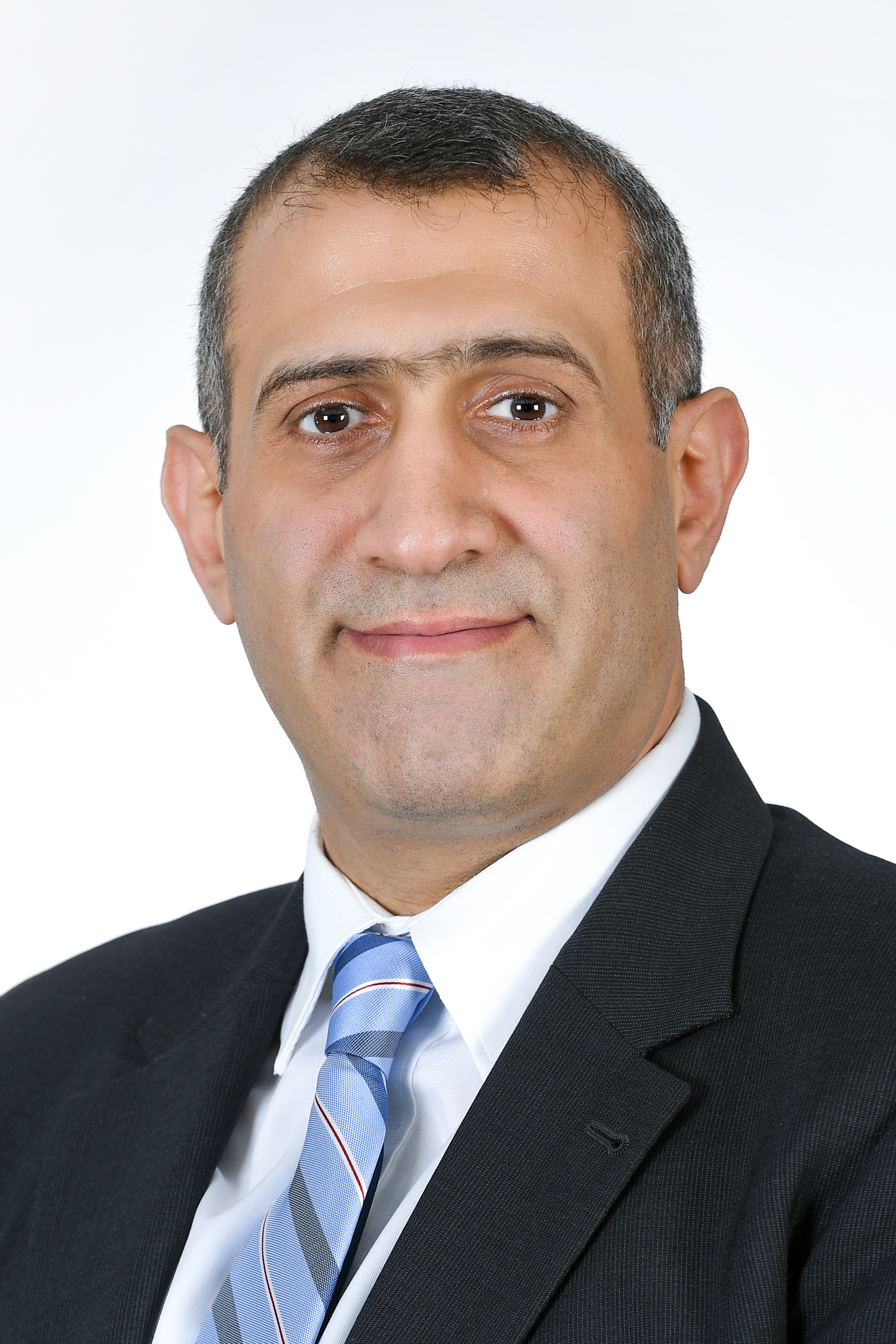
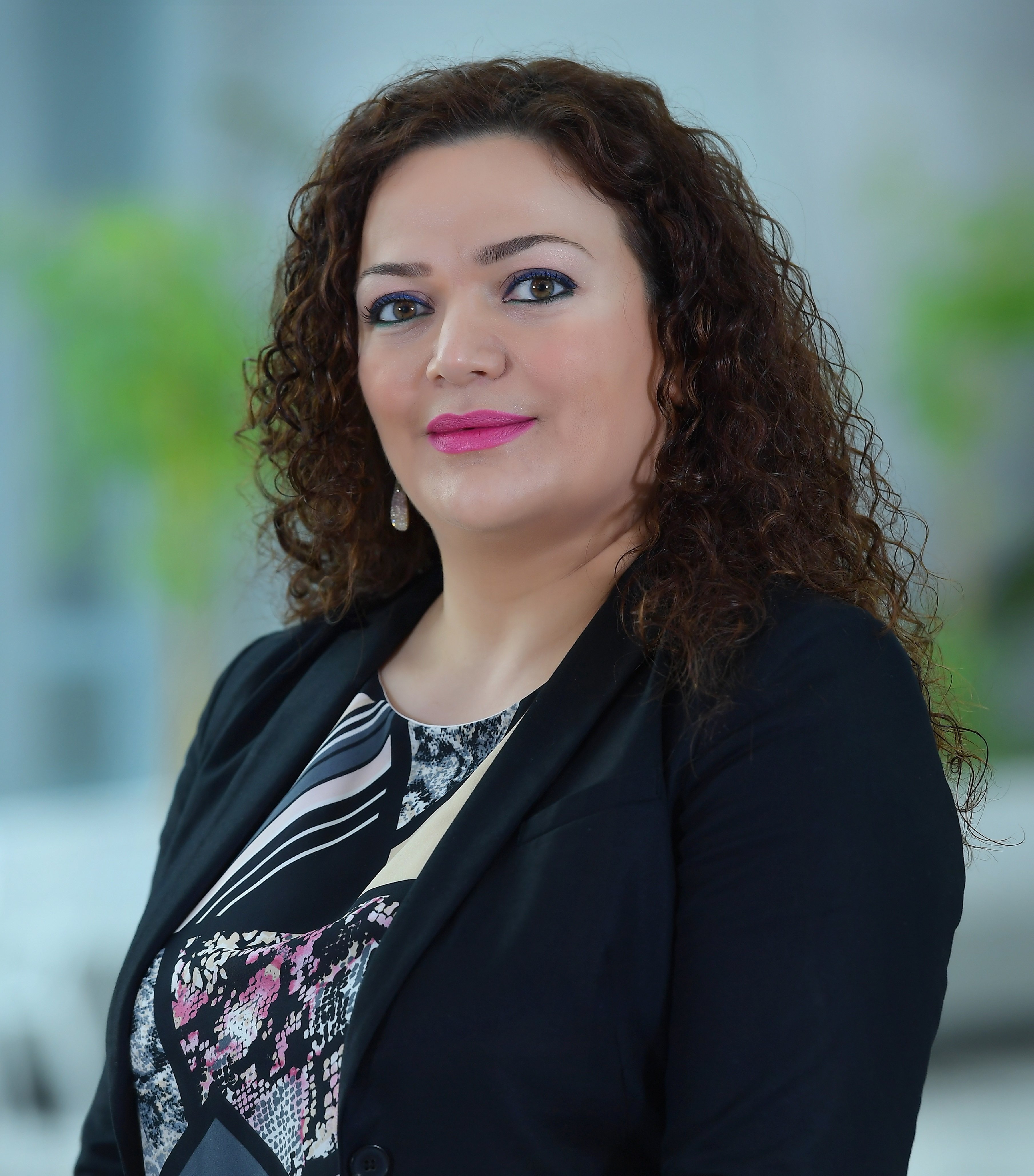
Khalifa University PhD Graduate Sara Alkhoori in Forbes Middle East’s 30 Under 30 List

Alkhoori  Files Provisional Application for US Patent and Nominated Technical Advisor in U.A.E. Ministry of Industry and Advanced Technology


Sara Alkhoori, a Khalifa University PhD graduate, is featured among the Forbes Middle East’s prestigious ‘30 Under 30’ list in the Science and Technology category.


Alkhoori who has made significant strides in advancing green fuel production, is one of 32 from the UAE in the Science and Technology category of the Forbe’s list, which includes 120 entries and 153 individuals representing 24 nationalities.


Alkhoori specializes in Materials Science and Engineering, particularly catalysis for sustainable fuel production. Her research centers on the production of biofuels from renewable sources such as palm oil, with a primary emphasis on designing catalytic materials for the deoxygenation process that converts palm oil into carbon-neutral renewable fuels. Alkhoori filed a provisional application with the United States Patent and Trademark Office and co-authored 15 journal publications. She is a nominated technical advisor for synchrotron-related activities in the U.A.E. at the Ministry of Industry and Advanced Technology.


Alkhoori has also made significant strides in advancing green fuel production. Her PhD thesis on turning palm oil into clean fuel was part of an internship program at ETH Zurich which focused on developing sustainable energy solutions for the future.


The Forbes 30 Under 30 is a set of lists of 30 notable people under 30 years old in various industries issued annually by Forbes magazine and some of its regional editions.


Read more


Clarence Michael

English Editor Specialist

20 November

Digital Twins and Dynamic NFTs for Crowdsourced Last-Mile Delivery

New research revolutionizes last-mile delivery with blockchain and digital twins for real-time monitoring and secure, efficient logistics 


As e-commerce continues to grow, efficient and secure last-mile delivery has become a pressing challenge. The surge in demand has highlighted significant shortcomings in package monitoring and security, particularly when dealing with sensitive or perishable items such as vaccines and food. 


A team of researchers from Khalifa University has developed a blockchain-based platform that utilizes digital twins and dynamic non-fungible tokens (NFTs) to revolutionize last-mile delivery. Their innovative approach tackles the complex needs of this final step in the delivery process from a distribution center to the recipient by leveraging smart contracts and real-time monitoring capabilities. 


Feruz Elmay, Dr. Maha Kadadha, Dr. Rabeb Mizouni, Dr. Shakti Singh, Prof. Hadi Otrok and Prof. Azzam Mourad are all part of Khalifa University’s Center on Cyber-Physical Systems (C2PS). They published their research in Information Processing and Management, a top 1% journal.


It is also often the most complex and expensive part of the supply chain. Last-mile delivery involves navigating local roads, dealing with traffic, and meeting customer expectations for rapid delivery, and as e-commerce continues to boom, the demand for efficient and cost-effective last-mile solutions has never been higher.  


Prof. Hadi Otrok

“Our work aims to bridge the gaps in last-mile delivery by integrating blockchain with digital twins for real-time monitoring and transparency. This approach not only enhances package security and efficiency but also sets a new standard for handling sensitive goods in a rapidly evolving logistics landscape.”

Prof. Hadi Otrok, Professor of Computer Science, KU

“One of the biggest challenges in last-mile delivery is the inability to monitor package conditions in real-time,” Prof. Otrok explained. “Traditional tracking systems only provide updates on package locations without critical data like temperature, which is essential for sensitive goods. Our system integrates digital twins — virtual models of physical items — into the delivery chain. By embedding sensors within packages, the platform’s digital twins monitor key variables such as temperature and humidity, ensuring that each package remains within safe conditions throughout its journey.” 


Digital twins also offer predictive capabilities: If a package encounters extreme conditions, the digital twin can simulate potential risks and notify delivery personnel immediately. This functionality is invaluable for goods like pharmaceuticals, where even minor temperature deviations can compromise produce quality. This way, delivery personnel receive alerts in real time, enabling them to take corrective action before a problem escalates. 


The research team’s solution enhances trust and transparency using blockchain. Blockchain’s immutability provides a secure, decentralized ledger that records each package’s journey from sender to receiver, but the team takes it a step further by incorporating dynamic NFTs. 


“Traditionally, NFTs are unique digital assets that don’t change over time, but dynamic NFTs evolve as new information is added, which makes them ideal for real-time delivery tracking,” Prof. Otrok explained. “Each package is assigned an NFT that captures all relevant data from the package’s origin to its delivery conditions. If the digital twin detects any discrepancies in package status, it updates the NFT’s metadata, creating an unalterable record of events. This data is stored securely on the blockchain, where anyone with access can verify the package’s history. This transparency not only boosts consumer trust, but also protects delivery personnel from disputes by providing an objective record.”


With last-mile delivery costs comprising up to 50% of total logistics expenses, this system presents a significant opportunity to reduce costs while boosting efficiency. By merging digital twins, blockchain, and dynamic NFTs, the Khalifa University team has created a resilient, transparent, and highly adaptable platform that could transform industries reliant on sensitive goods. Their experiments show that their system improved delivery success by over 75%, and by including smart contracts that assign tasks to delivery personnel based on a quality-of-service score, accountability is enhanced, as each worker’s performance is tracked and evaluated based on the conditions of the packages they handle. 


By combining real-time monitoring with predictive insights, this approach could reshape how industries manage inventory, optimize logistics, and safeguard product quality throughout supply chains.  


Jade Sterling

Science Writer

28 October

Khalifa University Leads Launch of MENA Climate Solutions Research Network at COP29 Baku

New Initiative Aligns with ‘2030 Climate Solutions Implementation Roadmap’


The UAE Universities Climate Network (UCN), co-chaired by Khalifa University of Science and Technology, launched the MENA Climate Solutions Research Network at the Global Alliance of Universities on Climate (GAUC) Pavilion at COP29, the 29th session of the Conference of the Parties to the United Nations Framework Convention on Climate Change at Baku, Azerbaijan.


The MENA Climate Solutions Research Network is mandated to tackle critical climate challenges in the MENA region by implementing solutions aligned with the ‘2030 Climate Solutions Implementation Roadmap’, which was released earlier by the United Nations Climate Change High-Level Champions.


The launch event was marked by a high-level workshop in which Khalifa University Professor Dr. Samuel Mao, Co-Chair of the UAE Universities Climate Network (UCN), was a panelist along with the other UCN Co-Chair Dr. Rasha Bayoumi of the University of Birmingham in Dubai, and colleagues of the Climate Champions Team.


The workshop at the GAUC Pavilion highlighted the critical areas for collaborations and discussed the next steps for enhancing the research community in the MENA region. Dr. Stephen Davison, Higher Education Head of the Climate Champions Team, provided an overview of eight thematic priorities in the ‘2030 Climate Solutions Implementation Roadmap’.The thematic priorities cover Energy, Transport, Industry, Land Use, Oceans & Coastal Zones, Water, Human Settlement and Finance.


Additionally, Dr. Mao was an invited panelist in the high-level water management workshop chaired by Ayesha Al Ateeqi, Lead of the Mohamed bin Zayed Water Initiative, and Associate Director for Economic and Energy Affairs of the UAE Executive Affairs Authority.


The workshop offered an opportunity for participants to share their experiences of, and visions for, how technology can be leveraged to address global water scarcity and raise its importance on the international agenda. Reem Al Mansoori, Future Sustainability Leader of the UAE Youth for Sustainability Initiative, was also a panelist. 


Clarence Michael

19 November 2024

English Editor Specialist


Researchers Develop Energy-Efficient Memory Chip to Tackle Electronic Waste

Device to Boost AI and Machine Learning Algorithms Sustainably 


Even if a gadget were to last forever, the reality is that technology evolves so quickly that many devices soon find themselves outdated and discarded. This constant churn contributes to overflowing landfills and to tackle this growing problem, scientists from Khalifa University and other institutions have developed a sustainable memristor – a device made from organic materials synthesized via green synthetic approach, which acts like a memory chip that can remember electrical signals, enhancing AI applications in technology ranging from self-driving cars to smartphone cameras. 


The research was published in a paper titled ‘Energy Efficient Memristor Based on Green-Synthesized 2D Carbonyl-Decorated Organic Polymer and Application in Image Denoising and Edge Detection: Toward Sustainable AI’ in Advanced Science, a top 1% journal. The Khalifa University efforts are led by Dr. Dinesh Shetty, Department of Chemistry and theme leader in the Center for Catalysis and Separations (CeCaS), and team includes Dr. Abdul Khayum Mohammed, Ruba Al-Ajeil, Department of Chemistry, Dr. Ammar Nayfeh, Dr. Ayman Rezk, Department of Electrical Engineering. The work was achieved in collaboration with the external research team led by Dr. Nazek El-Atab, King Abdullah University of Science and Technology (KAUST) as well as Dr. Pratibha Pal, and Dr. Hanrui Li, Dr. Georgian Melinte.


According to the United Nations, around 53 million metric tons of e-waste is produced globally every year, with most of it going unprocessed, with traditional memory chips utilizing nonrecyclable or even toxic materials. The memristor developed by the team is constructed from a biocompatible polymer, which is chemically stable and environmentally friendly. It can regulate and remember the flow of electricity, making them incredibly efficient and eco-friendly. Moreover, the device successfully operated over 1,000 cycles, repeatedly switching between different electrical states without losing performance. Such high level of endurance, reliability and stability, without significant degradation over time make the device a promising option for long-term use in technology.


Dr. Dinesh Shetty

“We have developed a sustainable memory chip from organic materials to help improve AI applications in technologies ranging from self-driving cars to smartphone cameras.”

Dr. Dinesh Shetty, Associate Professor, Khalifa University

Dr. Dinesh Shetty said: “The good electronic properties, environmentally friendly nature, and ingenious structure render the carbonyl-rich, two-dimensional organic polymer a suitable candidate for neuromorphic computing. Such characteristics of the device confirm its ability to mimic synaptic functions of the biological brain. More importantly, the combination of a green synthesized and biocompatible switching layer with electrodes that can be potentially fully recycled, in addition to the high energy efficiency, can contribute to sustainable applications.”  


Alisha Roy 

Science Writer

18 October 2024 

Khalifa University and Lockheed Martin Sign MoU to Enhance Collaboration on Aerospace and Defense Technologies

Agreement Covers Expansion of Lockheed Martin’s Center for Innovation and Security Solutions to Khalifa University Main Campus


Khalifa University of Science and Technology and Lockheed Martin, a leader in global security and aerospace, today announced the signing of a Memorandum of Understanding (MoU) to broaden their collaboration in advancing aerospace and defense technologies and fostering human capital development in the UAE.


The MoU was signed by His Excellency Prof. Ebrahim Al Hajri, President Khalifa University, and Frank St. John, Chief Operating Officer, Lockheed Martin, in Abu Dhabi. Senior officials from both partners were present on the occasion. As a first step under the agreement, Lockheed Martin will expand its Center for Innovation and Security Solutions (CISS) to Khalifa University’s Main Campus, creating a platform for long-term innovation, training, and technological leadership, thereby strengthening the UAE’s position as a global leader in aerospace and defense capabilities.


His Excellency Prof. Ebrahim Al Hajri said: “The agreement is part of Khalifa University’s continued commitment to developing national competencies and supporting innovation in aerospace and defense technologies. It also stands as a testament to the confidence that global industries have in the university’s capability to provide innovative solutions to their challenges. This agreement by Lockheed Martin, a global defense industry leader, is the result of a strategic cooperation with Khalifa University that began several years ago and culminates in the university’s selection as a partner to host the expanded research center.”


Frank St. John said: “This partnership with Khalifa University marks a significant step forward in advancing aerospace and defense technologies in the UAE. By collaborating closely, we are dedicated to empowering local talent and driving innovation that will strengthen our industry while contributing to the region’s broader goals of security and prosperity through economic growth.”


Founded in 2014 in Masdar City, the CISS will continue to focus on pioneering research, developing systems, and driving innovation in areas such as artificial intelligence, advanced simulation technologies, autonomous systems, and data analytics. It will serve as a hub for collaboration on real-world projects that accelerate talent development and critical technologies, supporting the UAE’s strategic goals in defense, aerospace, and security.


This strategic partnership with Khalifa University reinforces Lockheed Martin’s commitment to advancing national security and aligns with the UAE’s vision of strengthening human capital development through education, innovation, and technological excellence.


The partnership focuses on bridging the gap between academic research and real-world industry applications, emphasizing innovative solutions that address current and future challenges. By working together on educational and research and development projects, Lockheed Martin and Khalifa University will enhance UAE skill sets and cutting-edge technologies with potential for commercialization, ensuring their joint contributions to the UAE’s defense and aerospace sectors.

Khalifa University to Organize the 2nd Healthy Longevity Symposium in Abu Dhabi

World-Renowned Experts Gather in Abu Dhabi to Unlock Future of Healthy Aging and Personalized Wellness


Khalifa University of Science and Technology will host the 2nd Healthy Longevity Symposium to drive discussions and provide insights on longevity by addressing the common root cause of chronic diseases – aging.


Supported by the Department of Community Development and the Department of Health, the Healthy Longevity symposium will be held from 21-22 November 2024. His Excellency, Dr. Mugheer Al Khaili, Chairman of the Department Community Development, and Her Excellency, Dr. Noura Al Ghaithi, Undersecretary of the Department of Health – Abu Dhabi (DoH), will provide the opening remarks. The Institute for Healthier Living and PureHealth are platinum sponsors of the event.


Dr. Habiba Alsafar, Dean, College of Medicine and Health Sciences, Khalifa University, said: “Khalifa University is pleased to collaborate with partners to organize this symposium. Our goal is to introduce pioneering and innovative strategies that slow age-related diseases, enhance well-being, and promote longevity. By advancing personalized medicine and precision health, we aim to support breakthroughs in aging research, genomic medicine, advanced technologies, and health policy to improve health in Abu Dhabi and globally.”


The symposium will focus on four themes – Mechanism of Aging, Genomics Precision Medicine and Precision Prevention, Advanced Technologies for Healthy Aging and Social Health Policies. It will aim to position Abu Dhabi as a hub for advanced research in the fields of longevity and well-being, driving forward strategies to improve quality of life and promote healthier aging across communities globally. Over 250 delegates are expected, including national and international scientists, students, academic experts, policymakers, medical practitioners, hospital managers, industrial partners, consultants, and aged care specialists.


Bringing together over 25 leading experts from around the world, the Healthy Longevity Symposium will delve into aging as the root cause of chronic diseases, sharing the latest insights and breakthroughs. Sessions will cover topics such as the molecular and genetic basis of aging, precision prevention strategies, bioengineering and AI in healthcare, and innovative social policies that support healthy aging.

Khalifa University Hosts VSS 2024 in UAE, as Experts Present New Control Methods in Modern Power Grids, Robotics and Aerospace

57 Regular Papers including Six from Khalifa University Faculty Presented at IEEE-Sponsored Conference Coming to Middle East for the First Time 


A total of 57 regular papers including six that were authored or co-authored by Khalifa University faculty were presented during the 17th International Workshop on Variable Structure Systems (VSS 2024), the premier conference coming to the UAE for the first time, facilitating exchange of ideas in variable structure systems and sliding-mode control, a significant field in control engineering. 


Organized by Khalifa University, and supported by the Abu Dhabi Convention and Exhibition Bureau, VSS 2024 was also a major international IEEE co-sponsored conference. The event brought together around 60 researchers and experts in academia and industry from 17 countries across North, Central, and South America, Europe, and Asia. Featuring three plenary talks as well as regular sessions, the papers highlighted advanced control techniques crucial for stability in modern power networks, renewable sources, robotics and aerospace applications. 


Professor Igor Boiko, General Chair, VSS 2024, said: “The series of workshops focused on variable structure systems (VSS) and sliding mode control, providing a forward-looking perspective on how variable structure systems can meet the demands of evolving control applications. Researchers presented papers focused on applications of VSS in various lines of engineering, such as precise frequency tracking, and decentralized sliding mode control framework to tackle voltage regulations in DC microgrids, manned and unmanned aerial vehicle control, and robotics, among others. We thank all our sponsors and delegates who made this event a success.” 


Showcasing advancements in power management, integration of renewables, robotics and aerospace, experts at VSS 2024 emphasized the role of variable structure systems in enhancing system performance, resilience and operational reliability. They presented the latest in sliding mode and other discontinuous control algorithms, offering insights into both theoretical and practical applications across various engineering domains. VSS 2024 also highlighted integration of neural networks (NNs) with variable structure systems and how this can enhance adaptability, resilience, and performance across intelligent systems. 


The plenary talks were delivered by Prof. Chris Edwards, Chair of the IEEE Technical Committee on Variable Structure Systems, who focused his talk on ‘Sliding Modes for Fault Tolerance and Increased Autonomy’. Professor Igor Boiko’s talk was titled ‘Frequency-Domain Methods in Sliding Mode and Discontinuous Control’, and Professor Leonid M. Fridman, National Autonomous University of Mexico (UNAM), delivered his lecture titled ‘Modern Sliding Mode Control Approach to Lyapunov Redesign’. 


The conference covered various aspects of sliding mode control and observation and discontinuous control, including First order sliding mode, Higher order sliding mode, Chattering analysis, Discrete time sliding mode, Adaptive sliding mode, Sliding mode-based fault detection, Applications in Robotics, Aerospace, Automotive systems, Hydraulic/pneumatic systems, Electric drives and actuators, Power electronics, Multi-agent systems and Process industry. 


Clarence Michael

English Editor Specialist

06 November 2024 

Understanding Atmospheric Rivers in a Warming Climate

Khalifa University research team says decoding the mechanics of atmospheric rivers will help mitigate their impacts in a warming world. 


In April 2023, flash flooding hit cities and villages in the Middle East, claiming lives, destroying homes and leaving hundreds displaced. A team of researchers from Khalifa University has investigated the cause of this sudden downpour and found an atmospheric river was to blame.  


The team published their research in Geophysical Research Letters.  


Atmospheric rivers are narrow bands of concentrated water vapor on a global scale, transporting vast quantities of moisture from the tropics to the poles. They bring life-sustaining rainfall to drier regions, but wield the destructive potential to trigger catastrophic floods in mid- and high-latitudes. As climate change accelerates, ARs are becoming not only more frequent but also more intense, raising profound concerns about their future impacts.  


Dr. Diana Francis, Dr. Ricardo Fonseca and Dr. Narendra Nelli from the Khalifa University Environmental and Geophysical Sciences Lab (ENGEOS) examined atmospheric river rapids and their role in the extreme rainfall event of April with Deniz Bozkurt, Universidad de Valparaíso, Chile and Bin Guan, UCLA. This unprecedented event struck the Middle East, wreaking havoc and underscoring the capacity of ARs to inflict substantial damage in regions ill-prepared for such meteorological events.  


Dr. Diana Francis

“Our research into the devastating flooding in the Middle East in 2023 has uncovered fast-moving AR rapids within atmospheric rivers. As these systems grow more frequent with climate change, understanding them is crucial for future weather preparedness.”

Dr. Diana Francis, Assistant Professor of Earth Science, KU

“ARs in the Middle East are more frequent and the strongest in March, when about 23 percent of all ARs take place, and least frequent and weakest in November,” Dr. Francis explained. “They tend to be less intense in the Middle East, due to the aridity of surrounding areas, but even though the precipitation can be beneficial in drier subtropical regions and during drought periods, ARs can deliver life-threatening amounts of rainfall.” 

More specifically, the research team found this event was caused by atmospheric river rapids, where the flow of water in the atmosphere was constricted by steep gradients of temperature or pressure, forcing more water vapor to pass through an area than normal. These rapids tend to be indistinguishable within much larger atmospheric rivers and forecasting models struggle to identify them.  

“Very few studies have delved into the finer structure of the water movement within an AR such as AR rapids,” Dr. Francis said. “Our findings pave the way for new research and investigation avenues. For example, are AR rapid-like structures present in all ARs or just in specific ones? Moving forward, research needs to delve deeper into the dynamics behind ARs and investigate their seasonality and variability.” 

The research team says these questions can be addressed by modeling a large number of individual events and that dedicated field observations will be crucial to develop a forecasting model and scale for AR rapids. They hope that this research will help deliver an operational model to mitigate their potential devastating impacts.  

“We expect that ARs will become more frequent and intense in a warming climate, including here in the Middle East, so understanding their dynamics in the present climate will help us better predict their changes in the future,” Dr. Francis said. 


Jade Sterling 

Science Writer

22 October 2024

Khalifa University, DoH – Abu Dhabi and M42 highlight Emirate’s genomics and precision medicine advancements at American Society of Human Genetics Annual Meeting

Representatives from M42, the Department of Health – Abu Dhabi (DoH) and Khalifa University are showcasing Abu Dhabi’s advancements in genomics and precision medicine at the American Society of Human Genetics (ASHG) 2024 Annual Meeting, underway until 9 November 2024, in Denver, Colorado, US.


ASHG is the world’s largest platform for advancing human genetics through research, education, and advocacy. M42 and DoH are showcasing six research initiatives, each contributing valuable insights into the transformative role of genomics and precision medicine.


DoH experts are showcasing updates on the Emirati Genome Program (EGP), one of the world’s largest genomic initiatives, and under the National Genome Strategy and overseen by the Emirates Genome Council, while highlighting its impact on disease prevention, early diagnosis, and personalised treatments tailored to local genetic profiles.


M42 are showcasing its commitment to bridging scientific discovery with clinical outcomes by highlighting their role in the EGP. M42 are also presenting six research initiatives, each contributing valuable insights into the transformative role of genomics and precision medicine. M42 are also presenting research on clinical applications enabled by the Emirati Genome Program, alongside a comparative analysis of emerging genomics technologies. Led by its Omics Centre of Excellence.


Dr Mohamed Al Ameri, Section Head of Studies and Special Projects at DoH, said: “We are excited to present the UAE’s journey in establishing one of the world’s most ambitious population genomics initiatives, the Emirati Genome Program, at ASHG. This significant national project maps the genetic landscape of UAE citizens to drive advanced, personalised, and preventive healthcare for current and future generations. Through EGP, we have launched transformative initiatives, including an oncology precision medicine programme, genetic testing for prenatal screenings, and pharmacogenomics, among others. Our goal is to set a global example, demonstrating how genomics can reshape healthcare – shifting from a one-size-fits-all model to a precise, proactive, and personalized approach that improves patient outcomes and strengthens public health.”


Paul Jones, CEO of M42’s Omics Centre of Excellence, said: “With the establishment of one of the world’s largest genomics facilities, M42 is dedicated to advancing discoveries and enhancing patient outcomes by addressing critical research gaps and expanding access to precision medicine across diverse populations. Technology remains a cornerstone of initiatives like the Emirati Genome Program, ensuring data is effectively leveraged for population health management and healthcare innovation.”


Albarah Elkhani, Senior Vice President of Operations at M42, said: “The Abu Dhabi’s strong presence at ASHG 2024 underscores Abu Dhabi’s role in transforming personalized healthcare through genomics. The Emirati Genome Program, supported by DoH in collaboration with government, academia, and industry, reinforces the UAE’s leadership in genomics and precision medicine.”


Professor Habiba Al Safar, Dean of College of Medicine and Health Sciences, Khalifa University, said: “We are excited to showcase the groundbreaking progress of the Emirati Reference Genome Project at ASHG. This platform allows us to share the UAE’s commitment to advancing precision medicine, driving scientific excellence and contributing valuable insights on population-specific genomics with the global scientific community. We look forward to highlighting how this project is setting new standards in healthcare for the Emirati population and beyond. ”


The Emirati Genome Program has sequenced over 600,000 genomes to date, with 100,000 of these genome sequences using advanced long-read sequencing combined with epigenetic data for deeper insights.


Sessions at ASHG 2024 will cover a wide range of genomics topics. Dr Tiago Magalhaes, Vice President of Bioinformatics at M42, and Dr Mohammed Al Ameri, Head of Studies and Special Projects at DoH, will join industry experts in a session titled, Uniting for Genomic Health – How Abu Dhabi Delivered one of the Largest Population Genomics Programs, spotlighting the strategic execution behind the EGP. The experts will also moderate The Evolution of Population Genomics: Advancing Collaboration Across Government, Industry, and Academia, focusing on the M42 partnerships.


Sanad, Khalifa University and Lufthansa Technik Middle East demonstrate pioneering aviation robotic arm technology in Germany

Sanad, the global aerospace engineering and leasing solutions leader wholly owned by Abu Dhabi’s sovereign investor Mubadala Investment Company PJSC (Mubadala), Lufthansa Technik Middle East (LTME), the Dubai based subsidiary of Lufthansa Technik, a global provider of Maintenance, Repair and Overhaul (MRO) services, and Khalifa University of Science and Technology have successfully demonstrated their innovative robotic arm at Lufthansa Technik’s headquarters in Hamburg, Germany, marking a significant advancement in efficiency and innovation in the aviation sector.


The partnership between LTME, Sanad, and Khalifa University’s Advanced Research and Innovation Center (ARIC) marks a significant advancement in integrating artificial intelligence within the MRO industry. Together, they have developed an automated chord measurement system that combines an industrial robotic arm with a laser profiler, bringing cutting-edge technologies like AVIATAR to the forefront of aviation maintenance. The joint efforts have resulted in revolutionary technology that enhances the efficiency and accuracy of MRO processes, positioning the UAE as a hub for aviation innovation.


The automated chord measurement system, the first-of-its kind aerospace R&D initiative successfully tested in the UAE, was developed over 18 months. This process, from ideation to testing, was guided by the Sanad R&D team and the research team at Khalifa University’s ARIC, including 10 UAE National undergraduate students, a PhD researcher, three research engineers, and two faculty members. The technology underwent rigorous testing at the ARIC centre and Sanad, resulting in a perfected system that is now set to be operationalised in MRO processes at Sanad.


After successful testing in the UAE, the robotic arm underwent further analysis at Lufthansa Technik’s Hamburg headquarters, for its potential in laser analysis within the MRO sector, showcasing the UAE’s role in pioneering aviation technology and driving industry advancements. This advancement is set to revolutionise aircraft maintenance, reducing repair turnaround time, improving efficiency, leading to significant cost savings and maximized aircraft availability.


Ziad Al-Hazmi, CEO of Lufthansa Technik Middle East, said: “Our collaboration with SANAD and Khalifa University is a testament to the expertise and capabilities of the teams involved. It not only positions the UAE as a leader in digital transformation in the MRO industry and signifies the government’s commitment to digital awareness, but also shows the impact of successful collaboration in the aviation sector.”


Mansoor Janahi, Managing Director and Group CEO of Sanad, said: “This collaboration epitomises the pivotal role of academia-industry partnerships in driving Sanad’s innovations strategy, and we are confident about scaling up these collaborations. Our partnership with Khalifa University and Lufthansa Technik Middle East marks a significant stride towards setting new standards in aircraft maintenance. By harnessing the power of innovative technologies, we are driving efficiency and cost savings, ultimately benefiting the aviation sector globally.”


His Excellency Professor Ebrahim Al Hajri, President of Khalifa University, said: “We are delighted that the results of our groundbreaking collaboration with SANAD and Lufthansa Technik Middle East have spearheaded the development of a transformative automated chord measurement system to reduce errors due to human reliance, increase precision by a factor of ten, and overall efficiency in components repair turnaround time by 35 per cent. With the robotic arm now headed to Germany for further testing, this partnership demonstrates the immense potential for academic-industry breakthroughs to drive innovation and efficiency in the MRO sector. By involving and enabling our faculty and students to contribute to this cutting-edge technology, we are not only preparing local talent for successful careers, but further positioning the UAE as a global nexus for aviation excellence. This is also a testament that Khalifa University has the ability to translate its research and innovation to market and have a local and global impact.”


This collaboration showcases the UAE’s advancing research and development prowess, tackling global aviation challenges and opportunities. Its goal is to transform MRO processes, bolstering the UAE’s standing as a technological frontrunner in aviation. The successful development of this innovative technology underscores the UAE’s dedication to leading global aviation. The collaboration emphasises a commitment to education empowerment, providing student career growth opportunities at Lufthansa Technik and Sanad. These initiatives will enhance collaboration among MROs, universities, and governments, solidifying the UAE’s reputation as an innovation and technology hub.

UAE Government Selects Khalifa University to Establish Polar Research Center

The UAE announced the launch of a polar research project as part of plans to boost the nation’s standing among leaders in polar research and presence, during a plenary session of the UAE Government’s Annual Meetings 2024.


Mariam Almheiri, Head of the International Affairs Office at the Presidential Court and Chair of the “UAE Polar Mission steering Committee”, outlined details of the project, developed over the past year through collaboration between the International Affairs Office at the Presidential Court, the Ministry of Foreign Affairs, the Ministry of Cabinet Affairs, the National Centre of Meteorology, and Khalifa University.


The project incorporates input from scientists, experts, and diplomats to define key research priorities encompassing scientific, technological, and commercial applications. Initial steps include establishing the “Polar Research Center” at Khalifa University, building strategic international partnerships, signing relevant treaties, and joining international polar missions.


Almheiri stated that these efforts underscore the UAE’s recognition of the strategic importance and global impact of polar science. Acknowledging the vast potential of the polar regions, despite the inherent challenges, she emphasized that the project aims to equip Emirati scientists for participation in international polar missions.


Almheiri announced: “Two Emiratis embark on their Antarctic mission tomorrow, November 7th,” she announced, “and another mission is scheduled for the Arctic in the summer of 2025, extending the UAE’s scientific presence to both poles.”


She explained the UAE’s motivation for joining the forefront of polar research, emphasizing the nation’s commitment to soft power, inspiring future generations in scientific pursuits, building national scientific capacity, and championing global climate action and key environmental causes.


Regarding international treaties, Her Excellency confirmed Cabinet approval for signing all the relevant treaties essential to polar research and presence. Almheiri announced that the UAE has been invited to participate in the Antarctica InSync program and the 33rd Bulgarian Antarctic Expedition and outlined Khalifa University’s upcoming polar research projects.


Read more: (WAM)

UAE Diabetes Surge Expected by 2031 

Mathematical Approach Developed to Help Address the Epidemic 

A team of Khalifa University researchers has developed a mathematical model to analyze the prevalence of Type 2 diabetes in the UAE which projects that by 2031, approximately 1.6 million residents could be living with the disease. 


The fractional-order mathematical model by Prof. Mokhtar Kirane and PhD student Sofwah Ahmed was published in Mathematical Methods in the Applied Sciences journal.


Key insights of the study highlighted how various factors—such as poor lifestyle choices, demographic shifts, and limited healthcare access—are driving this sharp increase in diabetes cases. 


“A mathematical approach is used to model the spread of diabetes, allowing for better predictions of future diabetes cases and complications, aiding policymakers in resource allocation and healthcare planning to manage the diabetes epidemic.”

Prof. Mokhtar Kirane, Mathematics Department, Khalifa University KU


Prof. Kirane said: “The research employs a new mathematical approach known as fractional calculus to model the spread of diabetes. Unlike traditional models, which use integer-based differential equations, fractional calculus offers a more refined analysis, capturing the complex dynamics of disease progression. This advanced technique helps predict not only the number of future diabetes cases but also the associated complications.” 


He added: “The model is more adequate to represent real-world scenarios, providing more accurate predictions about future diabetes trends. Understanding the future healthcare demand is vital for policymakers. Our model can guide decisions on resource allocation and healthcare planning to better manage the epidemic.”


The study estimates that diabetes-related healthcare costs could reach US$3.4 billion (AED12.5 billion) by 2031 if the current trends continue. This projection takes account of both diagnosed and undiagnosed cases, with around 64% of UAE adults with diabetes unaware of their condition. As untreated diabetes often leads to severe health complications, the actual cost could be even higher.


Alisha Roy

Science Writer

6 November 2024