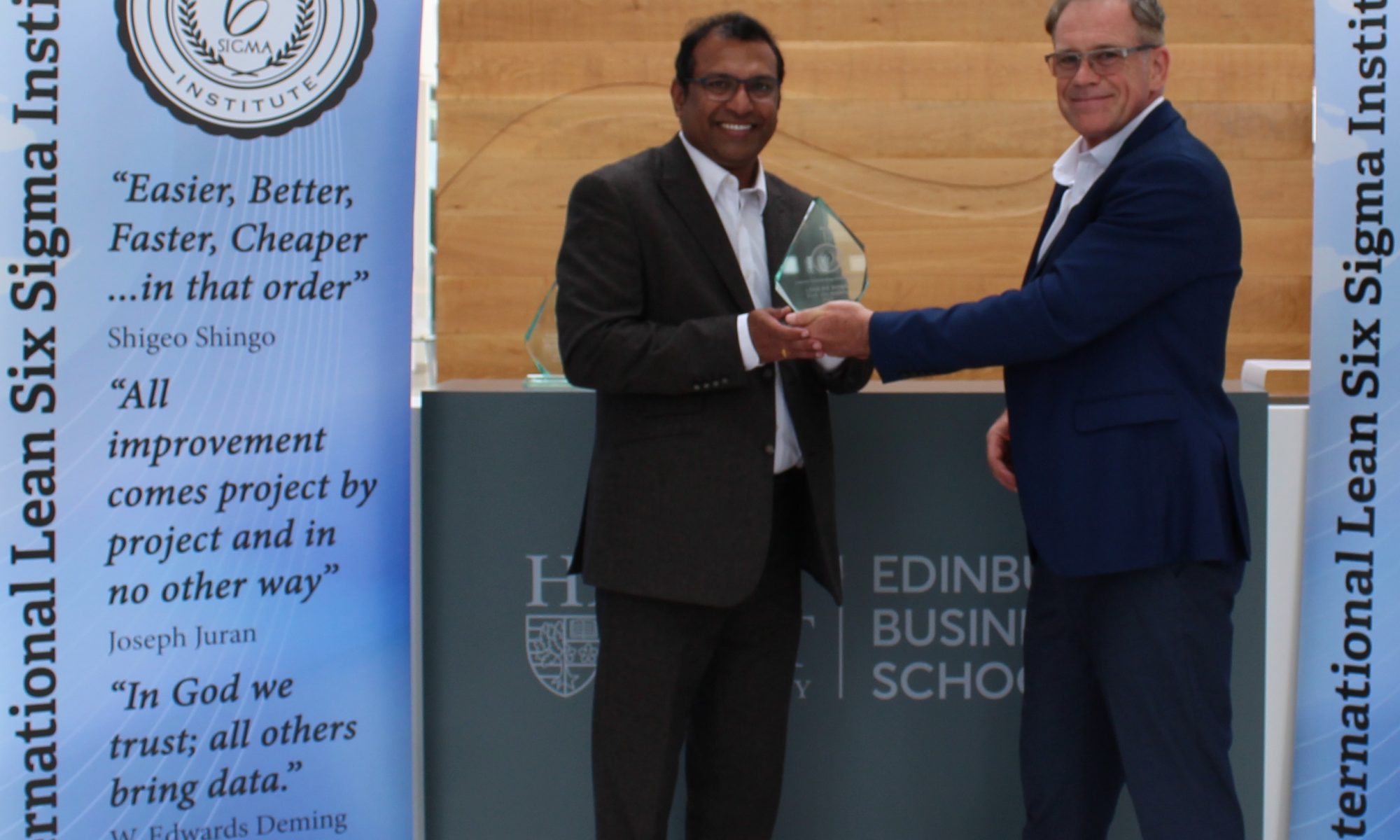
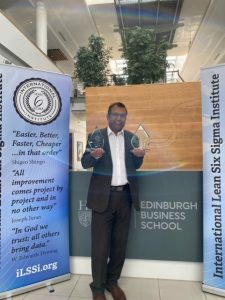
The International Lean Six Sigma Institute (ILSSI) presented Dr. Jiju Antony, Professor of Industrial and Systems Engineering, with the prestigious “Lifetime Outstanding Contribution to Lean Six Sigma” award in recognition for Dr. Antony’s work and contributions to the understanding and standardization of Lean Six Sigma, a team-focused managerial approach that seeks to improve performance by eliminating waste and defects.
John Dennis, Chairman of the ILSSI (UK), presented Dr. Antony with the award on 19 July 2021 at the Edinburgh Business School, where Dr. Antony was also celebrated by colleagues and other ILSSI members. He commented: “Professor Antony has made a remarkable contribution to the field of quality management, quality engineering and now an advancement to the field of Lean Six Sigma. The ILSSI would like to thank him for his lifetime of service to the advancement of Lean Six Sigma.”
Dr. Antony has been a pillar in the field of Six Sigma. In 2004, he founded the Centre for Research in Six Sigma and Process Excellence (CRISSPE), the first Six Sigma research center in Europe. The center aims to further promote Six Sigma, Lean Strategy, Quality Management and Business Process Improvement Methods in the UK and Europe.
Dr. Antony is also a Fellow of the Royal Statistical Society (UK), Fellow of the Chartered Quality Institute (CQI), Fellow of the Institute of Operations Management (FIOM), Fellow of the American Society of Quality (FASQ), Fellow of the International Lean Six Sigma Institute (ILSSi) and a Fellow of the Institute of the Six Sigma Professionals (ISSP).
“I am truly honored to receive this Lifetime Achievement award from the International Lean Six Sigma Institute and will be delighted to work closely with the chairman and other colleagues for further advancement of Lean Six Sigma,” Dr. Antony said.
The ILSSI is based in Cambridge, England and was established as a partnership of Lean Six Sigma professionals in the UK, EU, USA, Asia and the Middle-East that focuses on providing International collaboration, common understanding and standards for both Lean and Six Sigma principles, tools and techniques. The ILSSI offers training, certification, coaching, and consulting services directly and through the network. It also hosts an annual conference for Lean Six Sigma practitioners.
Four New Doctorate Programs by College of Arts and Sciences, as well as Additional Master’s and Bachelor’s Programs Added for 2021-2022 Academic Year
Khalifa University’s College of Arts and Sciences (CoAS) is now offering four new PhD programs, raising the total number of doctorate fields to 15, for the academic year 2021-2022, and further widening human capital development in strategic areas of the UAE and the region.
The launch of the new Master’s and PhD programs represents Khalifa University’s commitment to contribute human capital to the Abu Dhabi Economic Vision 2030, which aims to build a sustainable and diversified, high value-added economy, as well as to achieve effective transformation of the Emirate’s economic base and bring about global integration.These programs will prepare the students for the job market of the future, equipping them with the knowledge of new technological advancements and innovations, and developing them into experts in these fields.
The four new PhD programs in Chemistry, Physics, Math, and Earth Sciences are offered through the College of Arts and Sciences. The PhD offering in the College of Engineering includes Aerospace, Biomedical, Chemical, Electrical, Computer, Engineering Systems, Materials, Mechanical, Nuclear, Petroleum and Robotics. With this, Khalifa University now offers PhDs in 15 fields, one MD, 17 Master’s and 16 Bachelor’s programs. In line with the Abu Dhabi Economic Vision 2030, these programs are designed to develop highly skilled science and engineering professionals capable of transferring state-of-the-art technologies to priority sectors of industry, business and government.
Students must complete a dissertation that involves creative, research-oriented work within the field of Chemistry, Physics, Math, or Earth Sciences. In addition to defending the thesis, the outcome of research should demonstrate the synthesis of information into knowledge in a form that may be used by others.
Dr. Arif Sultan Al Hammadi, Executive Vice-President, Khalifa University, said: “The new doctorate and Master’s programs further expand our academic and research offerings, designed to create consummate professionals in all areas that are strategic to the UAE’s economy. We continuously evaluate the human capital needs of the UAE and the region to design our academic and research programs so that future engineers, scientists and healthcare experts will be fully equipped to face diverse challenges. We believe the new academic programs will attract more students to Khalifa University’s state-of-the-art research and academic facilities where they will be able to develop themselves into career professionals.”
From Fall 2021, Khalifa University is offering new bachelor’s programs in Cell and Molecular Biology, and Earth and Planetary Sciences, as well as new Master’s in Aerospace Engineering.
In addition to offering more academic programs, Khalifa University has consistently expanded its research domain to cover more strategic industries such as space systems and technologies, aerospace, robotics, machine intelligence, nuclear engineering, clean energy, sustainability, nanotechnologies, cyber security, biotechnology, advanced manufacturing and supply chain logistics.
Over the years, Khalifa University has consistently remained as a top-ranked academic institution in the UAE and is ranked among the Top 200 institutions globally, especially in research and innovation. In the most recent Nature Index 2021 rankings, Khalifa University is placed top in the UAE and second among Arab institutions in terms of research output, with a total of 22 research papers, and ‘share’ of 6.53 that is nearly three times higher than the second-ranked university. Khalifa University is also top-ranked in the UAE and among the top 10 out of 125 Arab institutions in the 2021 Times Higher Education (THE) Arab Universities Ranking.
Clarence Michael English Editor Specialist 13 September 2021
Program to Include Series of Workshops on Innovation, Entrepreneurship and Leadership with Focus on Sustainability
Khalifa University has announced the launch of the Khalifa University-Sustainable Development Goals (KU-SDG) Ambassador Program, a co-curricular program to teach students about innovation, entrepreneurship and leadership with a focus on sustainability through a series of workshops.
Initiated by the Student Success Office, the Khalifa University-SDG Ambassador Program will build upon Khalifa University’s membership into the UN Sustainable Development Solutions Network and introduce the United Nations’ SDGs to the students. It will aim to equip them with the knowledge to contribute towards giving back to the community and ways to develop practical innovative solutions. The workshop series running from this Fall to Spring will be divided into six units – an introductory session, four themed units based on the 17 UN-SDGs, and a closing session.
The UN-SDGs, also known as the Global Goals, were adopted by the United Nations in 2015 as a universal call to action to end poverty, protect the planet, and ensure that by 2030 all people enjoy peace and prosperity. In the UAE, several initiatives have been taken up by the government and private stakeholders and Khalifa University is an active member of the UN Sustainable Development Solutions Network.
Dr. Arif Sultan Al Hammadi, Executive Vice-President, Khalifa University, said: “The KU-SDG Ambassador Program reiterates our commitment to sustainability, renewable energy and green policies, especially though Masdar Institute’s various research centers and facilities such as the Sustainable Bioenergy Research Consortium (SBRC), Masdar Institute Solar Platform (MISP), and the Masdar Institute Environmental Monitoring Platform (MIEMP) at Abu Dhabi Mangroves. The program also compliments our various initiatives that support UAE’s Sustainability measures and will help further raise students’ awareness about global challenges that require an increased role for youth in multilateral organizations such as the United Nations.”
He added: “This program is in line with the directives from the UAE leadership on developing and nurturing future professionals who will be experts in good governance, integrity and policy-making. We believe the students who join this initiative will be true ambassadors of the UAE’s progressive role in the global arena and bring honor to the country.”
Dr. Amani Omer, Assistant Professor, and Dr. Glenn Muschert, Professor, both from Humanities and Social Sciences, will lead the program and the workshops throughout the year. The students who are part of the program will be closely involved with the United Nations’ SDG initiatives in the UAE, the region and across the world.
Introductory sessions will be open to all undergraduate students. Applicants must be sophomores at Khalifa University, and should possess a genuine interest for sustainability, environment, technology, entrepreneurship and innovation. They also need to dedicate adequate time to complete the year-long program.
There will be a workshop every few weeks to address one of the categories and present a scenario on issues pertinent to the problems. Each one relates to the SDGs of the session and provides a task for participants to research, evaluate, and monitor the development and progress of the SDGs in the UAE and from a global perspective wherever appropriate. At the same time, students will also be encouraged to innovate, and lead a community project wherever possible.
Dr. Dinesh Shetty, Assistant Professor of Chemistry, has been actively sharing his work and research in different international events and conferences over the past few months.
Dr. Shetty was invited as one of the speakers in the 1st International Conference on Emerging Porous Materials. Organized by the National Institute of Science Education and Research (NISER) in association with Vellore Institute of Technology and the Indian Institute of Technology Jammu, the event gathered renowned researchers from all over the world who are working in the field of inorganic/organic and hybrid porous materials and their potential applications. Other prominent speakers invited to this event were Prof. Xinliang Feng, Director of the Max Planck Institute of Microstructure Physics and advisory board member of flagship science journals such as Advanced Materials and Chemical Science; Prof. Rahul Banerjee, Professor at the Indian Institute of Science Education and Research Kolkata (IISER-K) and Associate Editor of the Journal of American Chemical Society; and Prof. Satoshi Horike of Kyoto University, Japan. The conference took place from 29-30 July 2021 virtually.
In his talk titled “’Porous Covalent Organic Frameworks: Design and Applications,” Dr. Shetty focused on the rational design, synthesis and application of novel covalent organic framework (COFs), which is a class of porous organic polymers. He discussed the benefits of tunable structures and novel topologies in COFs for environmental applications. Dr. Shetty believes that research in this area is critical as COFs could be used for environmental remedies.
Dr. Shetty commented: “The exchange of research knowledge among peer established and emerging scientists in porous material would benefit future collaborations and keep the up-to-date state-of-the-art in the field. The research diversity among the speakers would help my research team to find a new horizon in the exciting area of porous material research.”
“In addition, such invited talks with world-renowned scientists not only showcases my lab’s research work but also help other scientists take a look into the ongoing research at KU. It is important to have an institutional presence in an international arena to build the network and gain confidence in our research at KU,” he added.
The conference was the first iteration of the event but will continue to expand to showcase significant scientific contributions in the field of emerging porous materials for sustainable applications.
Global environmental change is an increasing concern, particularly in the Gulf. Extreme weather events and rising temperatures and sea levels are becoming more evident by the year. As the climate in the UAE is already hot and dry, and most of its population concentrated along the coastline, what will the future hold? Today, this vital question is typically investigated with complex climate models, and the underlying science is regularly assessed by the UN’s Intergovernmental Panel on Climate Change (IPCC), which summarises its findings in periodical reports. Its most recent one concluded that climate change is rapid and intensifying.
Fortunately, and unbeknown to many, billions of years of geological history can help help us understand the nature of today’s challenge and help us predict our collective future.
The ground under the UAE has much to offer in this endeavour. Its heritage extends back into “deep time”, hundreds of millions of years into the past. This is far beyond the hundreds of thousands of years when the region is first thought to have been inhabited by humans.
In deep geological terms, several mass extinction events have now been recognised, each of them wiping out more than 70 per cent of species at the time. To understand the causes and effects of these disasters, we need to try our best to read the diverse sedimentary rocks found in the UAE, a form of natural archive. Consider the mountain ranges of the northern emirates and Jebel Hafeet near Al Ain as books waiting to be read.
The first challenge is to understand the language of these books, in order to be able to read them. Then we need to identify the “pages” that contain information about previous catastrophes. This is extremely difficult. Just imagine sifting through millions of pages to find only one containing the information we need. It is not an easy task, but reading earth’s history is a vocation we geologists train for and happily spend much of our lives doing.
Scientists from UAE universities have published their findings on the region for decades. But our area of research has gathered significant momentum recently, as the effects of climate change on biodiversity, sea levels and coastal cities and infrastructure move into public interest. Now, earth scientists of various backgrounds are flocking to the region to contribute to research taking place at the UAE’s exquisite geological “archives”. Recognising the importance of climate change science, the UAE established the Ministry of Climate Change and the Environment, which now gathers local expertise through the UAE Climate Change Research Network.
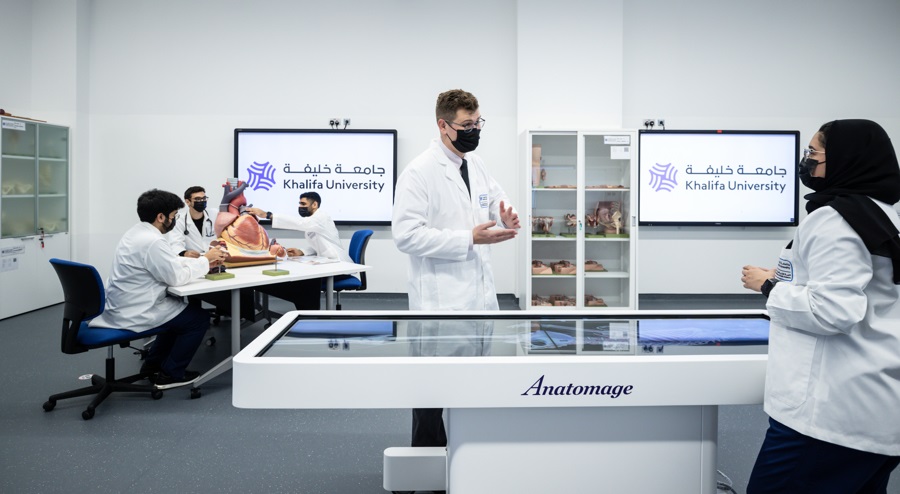
By setting up the College of Medicine and Health Sciences (CMHS) in 2019, Khalifa University of Science and Technology became the first institution to introduce US-style medical education in the UAE. Thus, our university implemented a unique way to support the UAE’s growing need for medical services as it strengthens its ability to attract, retain, and train medical professionals.
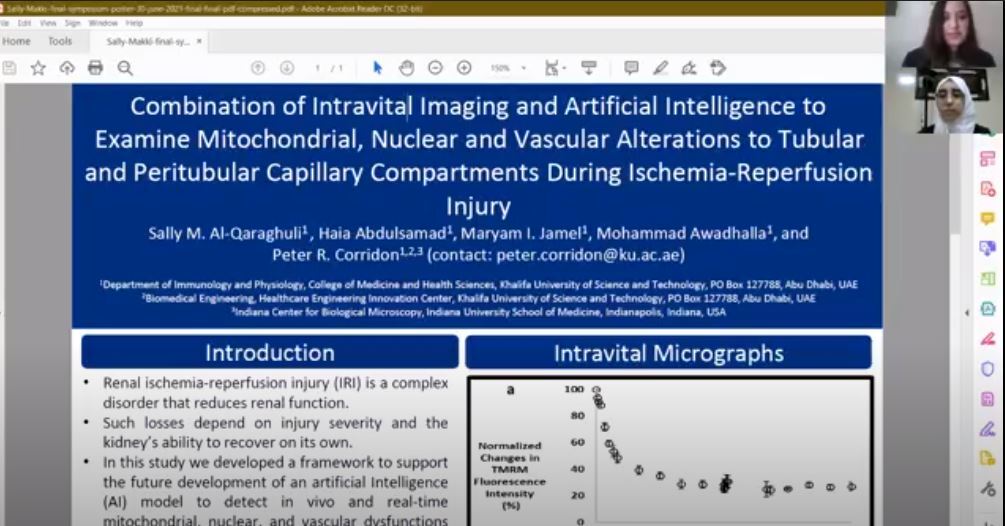
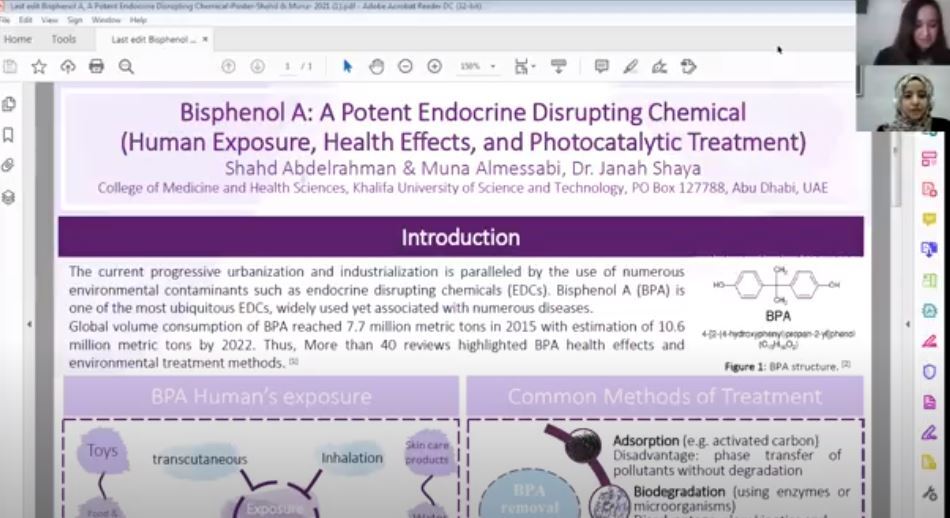
Across each academic year, our students are engaged in various activities to enhance their chances to enter our Doctor of Medicine (MD) Program. Research is one such integral component. The Pre-Medicine Bridge (PMB) Program Research Symposium is a unique event that provides our transitioning students with an opportunity to showcase their research efforts.
The Pre-Medicine Bridge Students were divided into 6 groups and each group was allocated a Research Advisor to mentor the students throughout their work on their research. The groups presented their research in the form of poster presentations on 15 July in a virtual research symposium event that was open to all KU Community.
The judges, Dr. Theodore Burkett, Senior Lecturer & Acting Director, Preparatory Program, and Dr. Okobi Ekpo, Assistant Professor of Anatomy and Cell Biology, chose the two winners. The first place winner was the Renal Pathology group and the second place winner was the Medicinal Chemistry group.
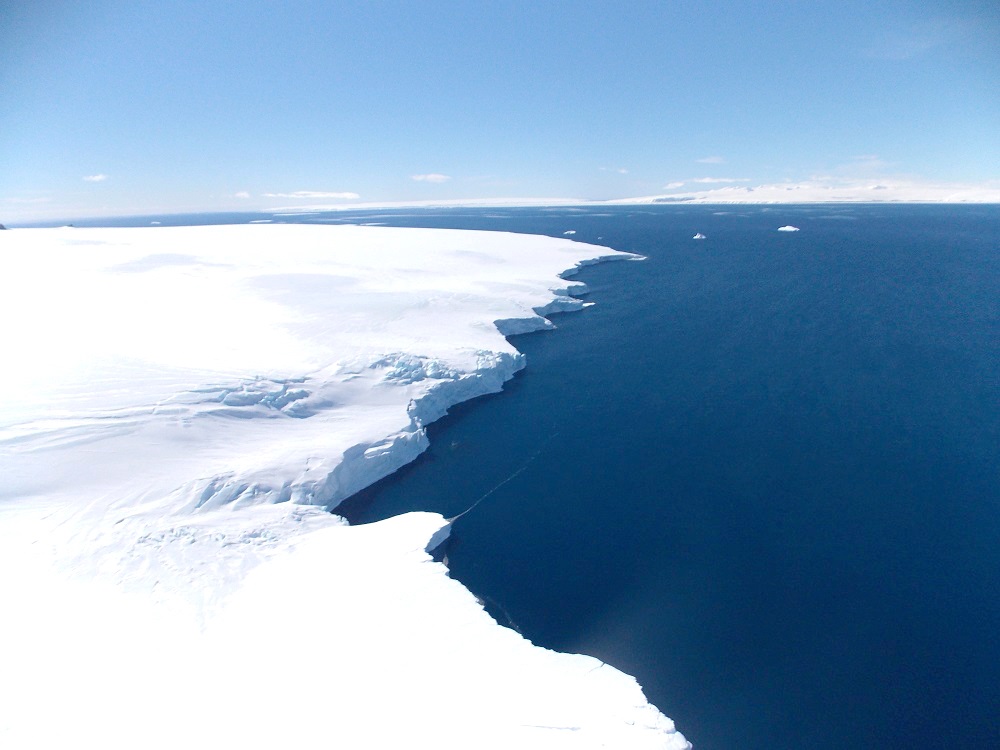
New research shows that ‘explosive’ cyclones off Antarctica, caused by increasing extreme atmospheric events, can contribute to ice shelf calving and, ultimately, sea level rise.
The finding comes after an international team of scientists, including Australian Antarctic Division physical scientist Dr Petra Heil, investigated the calving of a 1636 square kilometre, 210 metre-thick iceberg off the Amery Ice Shelf in East Antarctica.
The calving on 25 September 2019 occurred almost a decade earlier than scientists had expected (based on historical observations), from an existing rift across the front of the ice shelf.
Two explosive cyclone events just prior to the calving, were caused by unusual atmospheric conditions that fuelled sustained cyclones at the front of the ice shelf, and helped direct moist, warm air towards the ice shelf at the same time.
Dr Heil said these high latitude cyclones form in the extra-tropics, or mid-latitudes, and deepen as they move towards Antarctica.
They are marked by a deep central air pressure, are longer-lasting than ordinary cyclones, and bring clouds, high winds and often heavy precipitation.
“They form when the central pressure decreases by at least 24 hPa in 24 hours and they are stronger in the Indian Ocean sector of the Southern Ocean – near the Amery Ice Shelf – than elsewhere around Antarctica,” Dr Heil said.
“They are also more intense in the Southern Hemisphere than in the Northern Hemisphere.”
The team used satellite data and climate reanalysis (using models to analyse historical atmospheric observations) to understand the unusual atmospheric conditions at the time of the calving. They also looked at sea-ice conditions and ice movement over the Amery Ice Shelf.
Lead author of the study, Dr Diana Francis of Khalifa University in the United Arab Emirates, said they found an explosive cyclone formed over Cooperation Sea, to the west of the ice shelf, on 18 September 2019, generating surface winds of more than 72 kph.
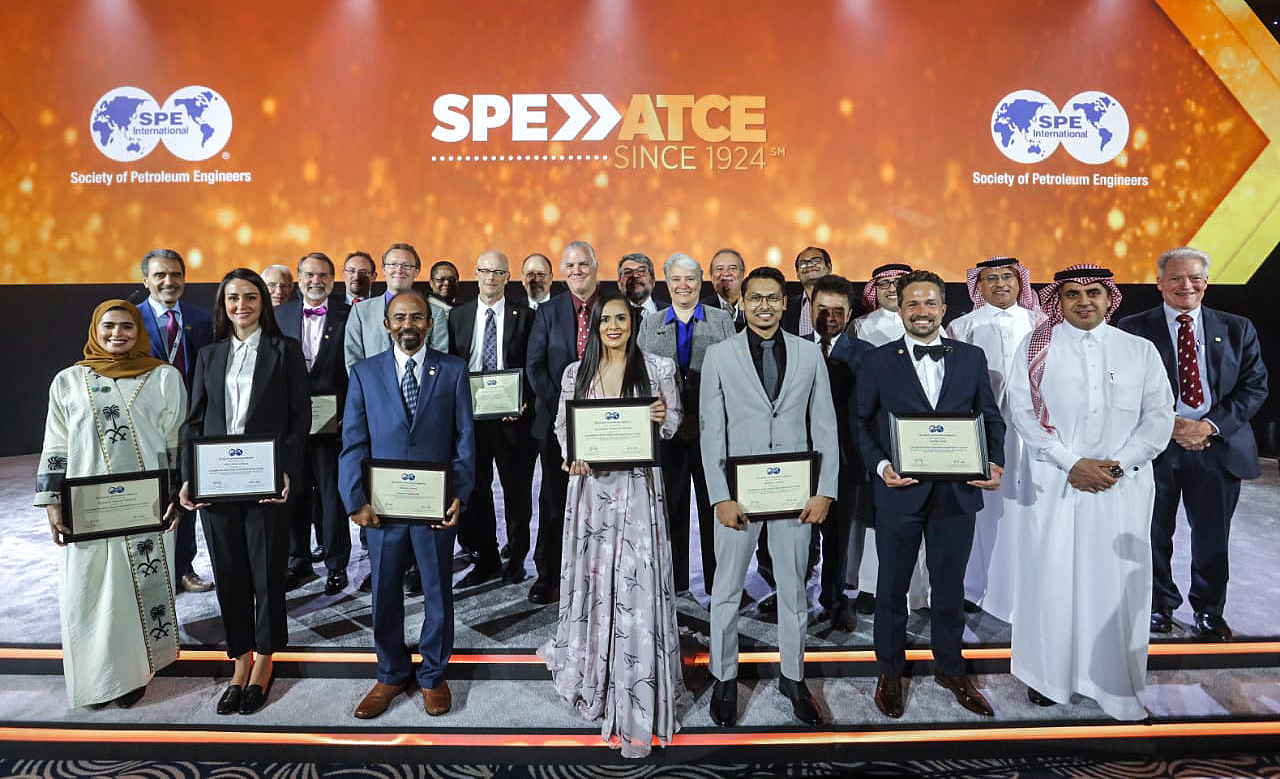
The Society of Petroleum Engineering (SPE) recognized two Khalifa University faculty members in its International and Regional Awards in recognition of their exceptional service and leadership within the SPE.
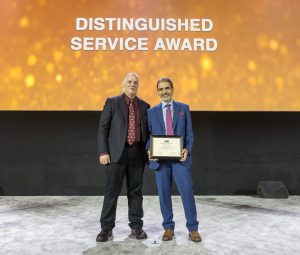
Dr. Hadi Belhaj, Associate Professor of Petroleum Engineering, was honored with the 2021 SPE International Distinguished Service Award for his significant professional contributions not only to the petroleum engineering profession but to the worldwide oil and gas industry as well. The award recognizes contributions to the Society that exhibit such exceptional devotion of time, effort, thought, and action as to set them apart from other contributions.
Tom Blasingame, 2021 SPE President, and Dr. Hadi Belhaj Image by Alin Constantin Photography
The International Distinguished Service Award is in recognition of Dr. Belhaj’s 40 years of combined petroleum industrial and academic experience with key qualifications and achievements in reservoir engineering, reservoir simulation, modeling fractured reservoirs, EOR, sand control, unconventional reservoirs and decarbonized fossil fuels. Geographically, his experience is spread over North America, Europe, North Africa, Asia and the Middle-East.
“It is an honor to recognize Hadi for his commitment and dedication to the oil and gas industry with the SPE Distinguished Service Award. SPE international award winners were nominated by their colleagues and selected by their peers for their achievement and contributions and it’s my pleasure to congratulate him on receiving this prestigious international award from SPE,” said Tom Blasingame, 2021 SPE President.
Dr. Belhaj was also a previous recipient of the 2013 and 2020 SPE Regional Distinguished Achievement for Petroleum Engineering Faculty Award and the 2019 SPE Regional Reservoir Description and Dynamics Award.
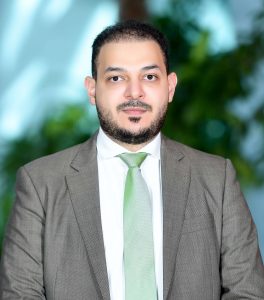
Dr. Emad Al Shalabi, Assistant Professor of Petroleum Engineering, is the recipient of the SPE Regional Reservoir Description and Dynamic Award for the Middle East and North Africa Region. The award is one of the Technical Awards given by SPE to members for their exceptional contribution and expertise on the regional level. The Reservoir Description and Dynamics Award recognizes outstanding achievements in or contributions to the advancement of petroleum engineering, specifically in the area of reservoir description and dynamics.
Dr. Al Shalabi has remarkable contributions in the fields of reservoir simulation, modeling, and enhanced/improved oil recovery (EOR/IOR) techniques, which are critical to the oil and gas industry. His achievements in the area of EOR and specifically in low salinity water flooding for carbonate reservoirs promise greatly improved extraction and use of the world’s natural resources. He has made great progress in elucidating the uncertainties associated with low salinity water injection through in-depth, critical analysis of the experimental works of other researchers as well as his own simulation and modeling works.
“I am extremely humbled and honored to receive such a prestigious award that reflects my significant contribution to the oil and gas industry. In the Middle East and North Africa region, carbonate rocks provide great challenges to successful oil and gas production. Hence, we need to apply innovative and cost effective EOR techniques to further enhance their production where my research activities are focused,” Dr. Al Shalabi commented.
Prior to receiving the 2021 Reservoir Description and Dynamics Award, Dr. Al Shalabi has also received the 2020 SPE Regional Public Service Award, 2020 SPE Regional Service Award, and 2020 SPE Regional Young Member Outstanding Service Award for the Middle East and North Africa (MENA) Region.
SPE held their Annual Technical Conference and Exhibition from September 21 to 23, 2021 in Dubai, UAE.
String of Educational Webinars Back for the Second Summer Edition with More Interesting Topics Relevant to a Wider Audience in the Community
Khalifa University of Science and Technology has announced the Summer Community Webinar series is back for the second year in 2021, offering more interesting topics and discussions in science, technology, medicine, and business start-ups that are relevant to a greater audience in the community.
The 2021 Summer Community Webinar series targets everyone – from high school and university students, to parents, professionals and those keen to broaden their skill set and knowledge. The free seminars are part of Khalifa University’s active commitment to sharing knowledge and resources, offering additional insights to the local and international community of learners on various subjects. The topics range from post-pandemic scenarios, lessons from coronavirus and science and technology, to tips on how to better understand one’s personality, build leadership skills, and create a sustainable lifestyle.
Dr. Arif Sultan Al Hammadi, Executive Vice-President, Khalifa University, said: “The 2021 Khalifa University Summer Community Webinar series reflects our commitment to spread knowledge and increase awareness in science, technology, medicine, and business start-ups as well as personal and professional development areas. These webinars are designed by our faculty experts to offer special insights in subjects that are relevant to everyone in the community. We believe this intellectual exchange will meet with the success similar to the previous summer and winter editions of the Webinar series.”
The 2021 Summer Community Webinar series will cover various areas including general strategies to reduce anxiety in daily lives, and top tips for reducing procrastination. Other areas include the importance of vaccinations, social distancing and wearing facemasks in the fight against COVID-19, worldwide impact of COVID-19 on economies and industries, and the importance of epidemiology during the pandemic and its impact on our lives.
Details on the wide range of petroleum sciences and why research in the UAE’s strategic oil and gas sector is important will also be offered at one of the webinars. The webinars will additionally focus on cutting-edge technology areas such as transmission electron microscopy and role of nanoparticles, as well as wireless power transfer and how it can change lives in an age of electric vehicles (EVs).
Topics such as the importance of team dynamics for a successful start-up journey, and the role of exponential technologies, organizations and platform business models, as well as the need for a systematic approach to foster creativity and the innovation process, will also be covered.
Originally launched in August 2020, the Khalifa University Community Webinar is a string of educational webinars that ran throughout the summer, with a winter series in January 2021 that ran for one month.
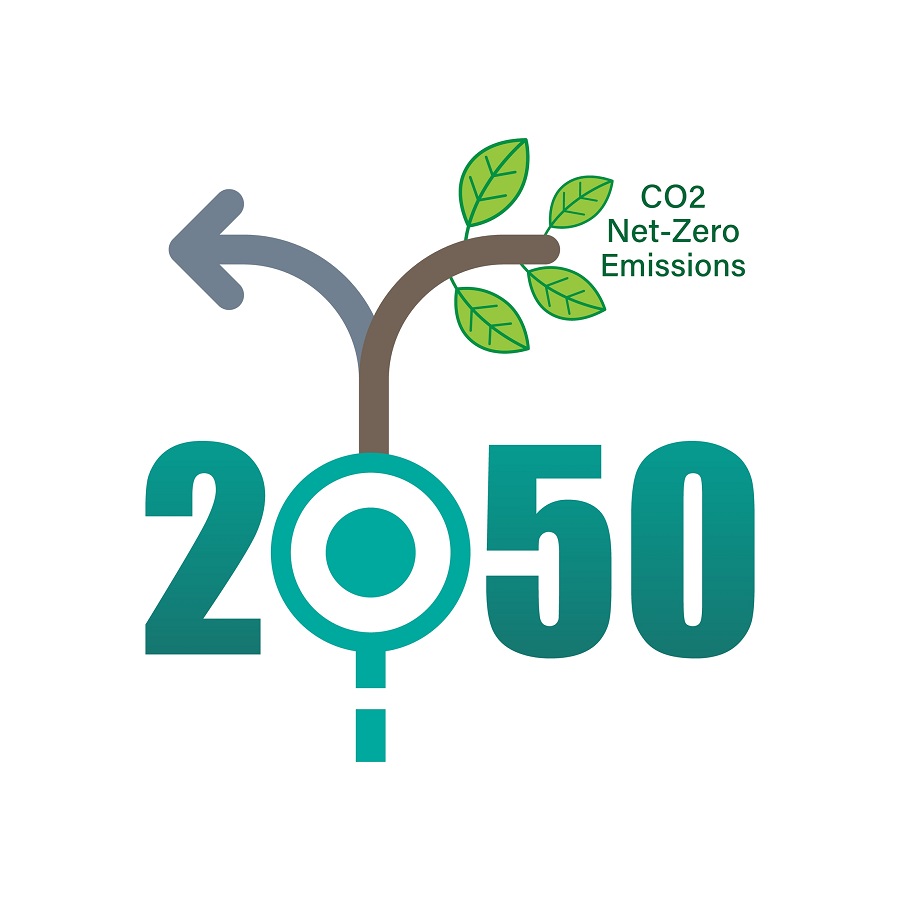
As the world’s leading energy organization reports the radical steps needed to reach net zero emissions by 2050, SVP Research and Development Dr. Steve Griffiths discusses the prospects for the oil-producing GCC countries in a webinar hosted by The Middle East Institute.
By Dr. Steve Griffiths
In May 2021, the International Energy Agency (IEA) published alandmark report on a pathway to net-zero carbon emissions by 2050. Among the many proposals in the report is the call to immediately end new investments in oil and gas exploration and development. Gulf Cooperation Council (GCC) economies still depend heavily on oil and gas for their national income, despite economic diversification initiatives over the last several years. How credible is the IEA pathway to Net Zero by 2050 and how will this affect the oil-producing countries in the GCC?
The current thinking is it would be much better for the planet to limit global warming to 1.5 degrees, because when you get to 2 degrees, the climate issues we’re seeing now will simply be exacerbated. The 2050 dialogue is now on the table, and this creates a discussion about how quickly we can move towards mitigating or eliminating our emissions.
The sustainable development scenario is essentially a net zero solution, but with a postponed deadline: global CO2 emissions from the energy sector and industrial processes would need to fall by more than 70 percent by 2050 to be on track for net-zero by 2070. This would limit global warming to less than 2 degrees Celsius relative to pre-industrial levels.
A shorter timescale, and the one recommended by the recent IEA report,Net Zero by 2050, would see global CO2 emissions reduced to net-zero by 2050, falling around 45 percent from 2010 levels by 2030. This would, with high probability, limit global warming to less than 1.5 degrees Celsius relative to pre-industrial levels.
It’s pretty ambitious to aim for Net Zero by 2050, since to see a more than 40 percent decrease in our CO2 emissions by 2030, which is what the pathway suggests, would require a massive change in the way we use and view energy.
There are many net-zero scenarios and the oil and gas sector is heavily impacted in each. All these scenarios have a fairly similar trajectory for oil and gas, and if we follow a Net Zero 2050 pathway, we’ve already hit peak oil.
To reach net zero by 2050, there will need to be a 70 percent reduction from 2020 to 2050 with oil demand never exceeding 100 million barrels a day. In fact, along this trajectory, we’ll see a rapid decline in oil demand, dropping sharply over the next three decades to 25 million barrels a day. On the same path, natural gas is yet to see its peak, but that’ll happen within this decade. With a more gradual decline to 2050 than oil, demand for natural gas will fall off by 40 percent.
OPEC is particularly well situated in the IEA Net Zero scenario with more than half the market share; if you’re a Middle Eastern country producing oil, the situation looks pretty good, so to speak. However, even if you’re still a producer with more than 50 percent market share, you have to consider the impact the reduced demand will have on revenues as diminished demand impacts oil prices. The challenge we’re going to face here is that the economic structures of the GCC countries are generally not compatible with a Net Zero world. While they have made some positive progress in economic diversification between 2010 and 2020, they are still heavily reliant on hydrocarbons for government revenues, exports, and economic activity. Among the GCC countries, the UAE is perhaps best positioned but also needs to make further progress. As it stands, this region, and many others, are not ready to jump straight into a Net Zero world trajectory.
Net Zero by 2050 assumes a very rapid global shift in energy consumption patterns, with a precipitous drop in demand for oil in particular. To follow this IEA recommendation, we would need to stop developing new oil fields immediately, with any new investment directed to maintaining production at existing fields. Likewise for natural gas, all investment would be used to sustain existing production to meet residual demand in the future.
However, many are still assuming that oil demand by 2030 will largely follow a trajectory based on current and announced government policies focused on climate and sustainability. This, coupled with the fact that a number of countries that are heavy energy consumers, such as India, are rejecting a rapid decarbonization trajectory indicates a good chance that demand for oil will increase by 2030. Confirming this notion, consulting firm Wood Makenzie announced recently that they foresee a 2030 oil demand supply gap of about 20 million barrels per day. This is not to say that Net Zero by 2050 is completely out of the question, but it’s unlikely given the fact that the need for increased oil production in the coming decade is a very real possibility.
However, while Net Zero by 2050 is debatable, planning for Net Zero is nonetheless important. There will be a net zero: maybe not by 2050, but someday it’s going to happen, and the low-cost hydrocarbon producers will be the ones that survive or at least last the longest.
When oil demand decreases, which it inevitably will, oil prices will fall and this will lead many oil-producing countries to have uneconomical or stranded oil reserves. If the asking price for a barrel of oil falls below the cost of production, countries will find themselves with oil reserves they cannot exploit without incurring a loss. Therefore, oil demand in the future will be optimally met by low-cost, low-carbon producers located in economies that can remain viable when faced with reduced income from oil and gas exports, such as the GCC producers.
In planning for net zero, companies in the oil and gas industry need to consider strategies involving reducing production costs, moving downstream into refining and petrochemical production, or investing in low-carbon energy, transitioning from ‘oil and gas’ companies to ‘energy’ companies. The strategy that players in this industry will pick is context dependent. National oil companies (NOCs) need to monetize their oil and gas reserves to the extent possible, and selected NOCs have downstream opportunities to explore. Many of these companies with downstream integration, which are located in the Middle East, and particularly in the GCC, can pursue potential long-term opportunities in refining and petrochemicals. Qatar in particular will bet on long-term demand for low-carbon natural gas, particularly LNG, and its derivative. It is expected that under any future scenario in which demand for oil remains, GCC countries will be prominent producers and gain market share, partly due to the low geopolitical risk in the region.
In the long-term, GCC national oil companies will pursue greener oil and gas production while also looking towards low-carbon energy sources that fit with Net Zero ambitions but align with core competencies. In this vein, hydrogen, particularly blue hydrogen, which is hydrogen produced primarily from steam methane reforming coupled with carbon capture, is an opportunity consistent with Net Zero pathways. Qatar, for example, is likely to focus on low-carbon gas supply for the production of blue hydrogen elsewhere, while Saudi Arabia, and perhaps the UAE, may produce blue hydrogen locally and export it or additionally see opportunities for importing and storing CO2 from blue hydrogen production abroad. Hydrogen is a core element of the IEA Net Zero plan, and the GCC countries are poised to produce and export blue hydrogen, its derivatives, and natural gas for hydrogen production elsewhere. However, finding the right business cases for the options to pursue is the current challenge.
As the IEA report says, reaching net zero by 2050 “requires nothing short of a total transformation of the energy systems that underpin our economies.” While 2050 is an ambitious goal, Net Zero will happen eventually and the global energy transition will, over time, reduce dependency on fossil energy sources. It’s clear that oil producers and exporters will increasingly face economic challenges as the transition unfolds but various strategies exist for continued prospects for GCC national oil companies in a Net Zero world. Gas producers and exporters are expected to have opportunities in low-carbon gases, particularly hydrogen, but hydrogen exports will not make up for long-term decline in oil export rents. The economic diversification initiatives currently underway in the region must continue.
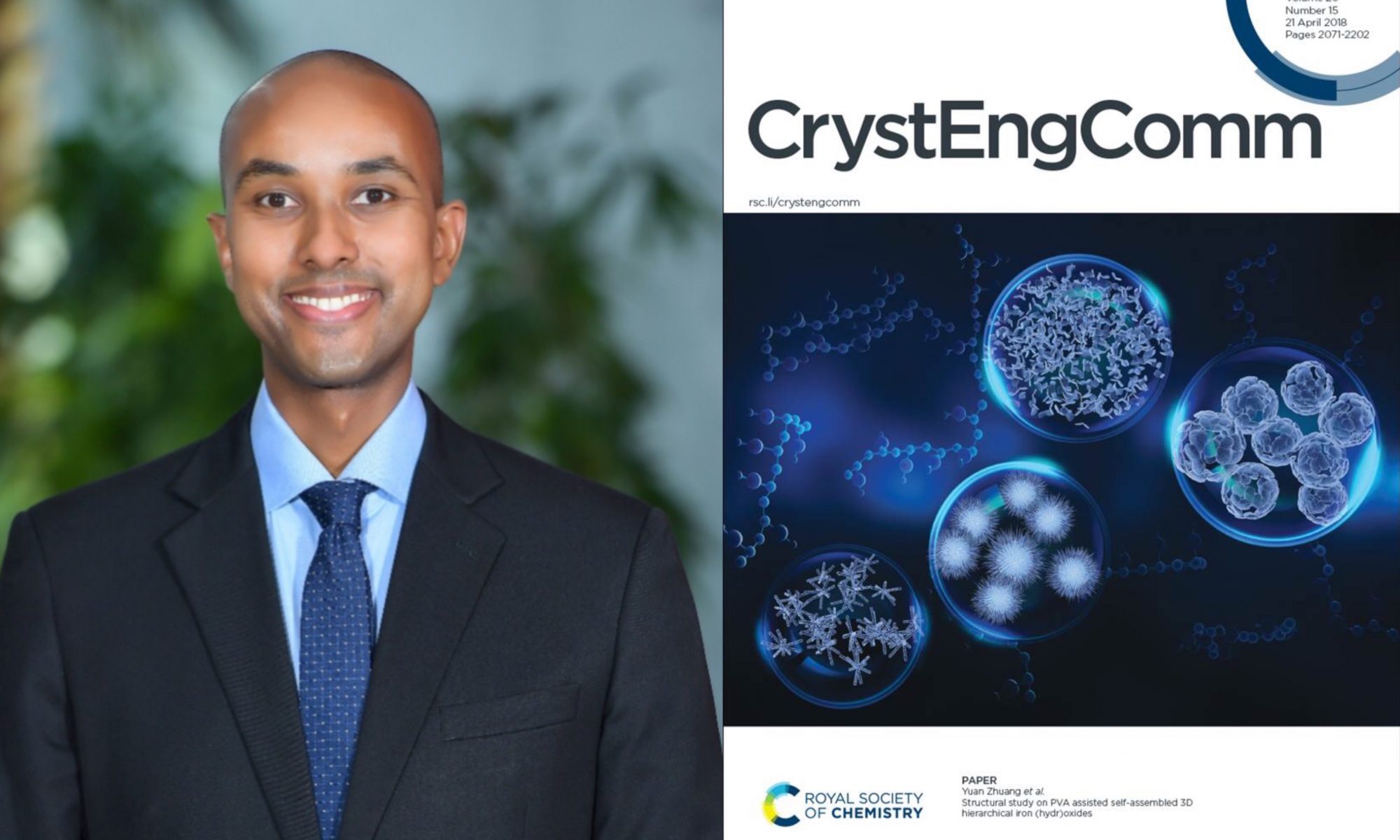
Dr. Sharmarke Mohamed, Assistant Professor of Chemistry, has been appointed as a member of the advisory board of CrystEngComm, a Royal Society of Chemistry (RSC) journal that focuses on the design and understanding of crystalline materials.
This new appointment highlights Dr. Mohamed’s expertise as well as the progress of research in materials science in the UAE. “I am excited to join the advisory board of the RSC journal, CrystEngComm. The journal has established itself as the home of crystal engineering research and continues to publish the spectrum of research in this field, ranging from the purely theoretical to the purely experimental. I am currently one of only two professors from the UAE who have been appointed to the board of the journal. I plan to use my new role to bring better visibility to materials science research in the UAE,” Dr. Mohamed commented.
He added: “My appointment to the board reflects the increasing visibility that materials science research from the UAE is now starting to receive. The UAE has made significant investments in scientific research since I joined KU in 2014. With the recent introduction of a PhD in Science program at KU and the significant investments we have made in recent years in analytical instruments to support materials science research, I expect we will continue to have an upward trajectory in the quality of materials science research we are producing at KU and more broadly in the UAE.”
Dr. Mohamed was also recently recognized as a 2021 Emerging Investigators by the American Chemical Society journal Crystal Growth and Design in the area of crystal growth and design. One of 24 researchers from nine countries, Dr. Mohamed has received international recognition for his research achievements and growing reputation in his field.
At Khalifa University, Dr. Mohamed is the PI of the Green Chemistry & Materials Modelling (GCMM) Laboratory, and helped to establish the Emirates Crystallographic Society (ECS). He currently serves as its vice president. He is also the Treasurer at the American Chemical Society (ACS) Chapter in the UAE. In his capacity as Vice President of the ECS, Dr. Mohamed represents the UAE as the voting councillor at the executive committees of both the European Crystallographic Association and the International Union of Crystallography.
To be considered an Emerging Investigator, a researcher must be a research group leader with less than 10 years of independent research. Dr. Mohamed leads a research group engaged in interdisciplinary research covering green chemistry, materials modelling, and experimental crystallization research. Dr. Mohamed’s latest research paper has been particularly highlighted for its impact and state-of-the-art progress in the field.
“I am grateful for the academic freedoms and support that the KU leadership has provided during my time here. Our greatest strength as a university is our diversity. This diversity is reflected in our students and faculty which hail from all corners of the world. But this diversity is also reflected in the quality of the scientific research we are producing,” Dr. Mohamed noted.
Weather pattern could lead to more flooding but also benefit home-grown food production, scientists say.
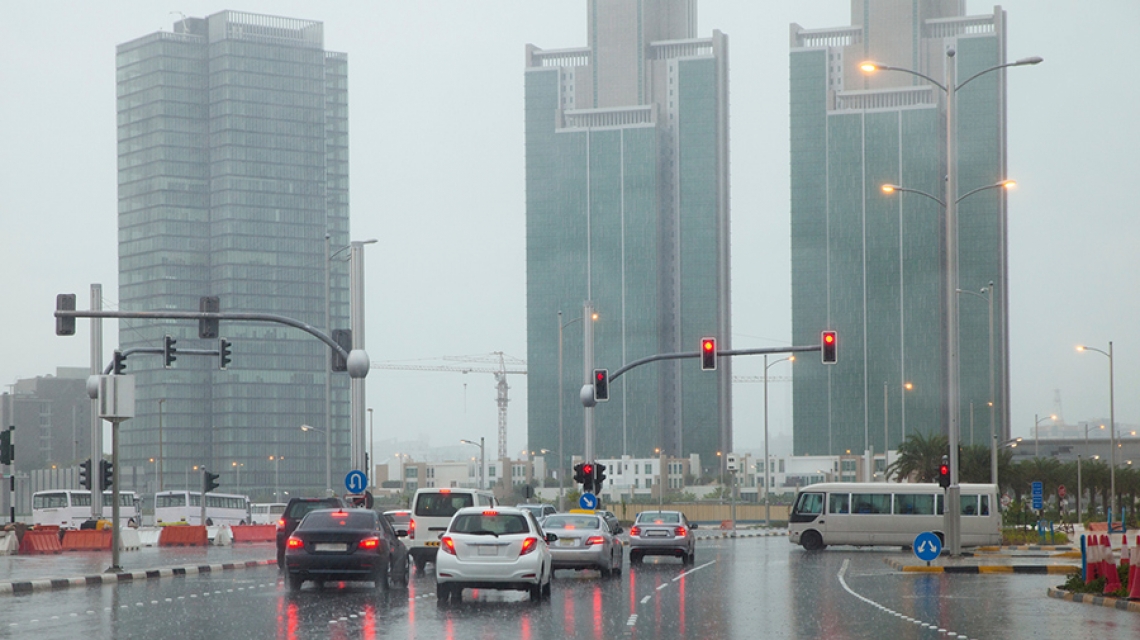
Spells of heavy rain that can cause flash flooding in the UAE have become longer lasting over the past two decades, a study has found.
Khalifa University of Science and Technology in Abu Dhabi and the National Centre of Meteorology (NCM), also in the UAE capital, found these events in the southeastern Arabian peninsula “may be even more impactful in a warming world”.
However, while they create the risk of floods, such episodes also offer opportunities in a country where precipitation is limited.
In a study recently published in the journal Atmospheric Research, scientists looked at mesoscale convective systems (MCSs), a weather pattern that most commonly causes severe weather in March or April.
They analyzed 95 of these between 2000 and 2020, and found they were caused by particular wind patterns and moisture coming from the Arabian Sea, Arabian Gulf or Red Sea.
They looked at observational data and records from satellites, for example, and found that, over time, these events over the UAE were lasting longer.
Some of the most severe episodes happened in 2016 when there was severe flooding after more than 240mm of rain fell in Dubai, and Abu Dhabi experienced winds of nearly 80mph.
Climate change key to changing weather patterns
Dr. Diana Francis believes climate change is key to the increased frequency of heavy rain in the Emirates
“We believe that global warming and climate change are likely responsible for the increase in the duration of MCSs over the study region,” said Dr Diana Francis, an author of the study.
Dr. Francis, who heads the environmental and geophysical sciences laboratory at Khalifa University, said a warmer atmosphere could hold more water vapor, meaning extreme events last longer.


 Dr. Antony has been a pillar in the field of Six Sigma. In 2004, he founded the Centre for Research in Six Sigma and Process Excellence (CRISSPE), the first Six Sigma research center in Europe. The center aims to further promote Six Sigma, Lean Strategy, Quality Management and Business Process Improvement Methods in the UK and Europe.

 Dr. Al Shalabi has remarkable contributions in the fields of reservoir simulation, modeling, and enhanced/improved oil recovery (EOR/IOR) techniques, which are critical to the oil and gas industry. His achievements in the area of EOR and specifically in low salinity water flooding for carbonate reservoirs promise greatly improved extraction and use of the world’s natural resources. He has made great progress in elucidating the uncertainties associated with low salinity water injection through in-depth, critical analysis of the experimental works of other researchers as well as his own simulation and modeling works.