Two KU Teams win 1st and 2nd at Dubai World Challenge for Self-Driving Transport

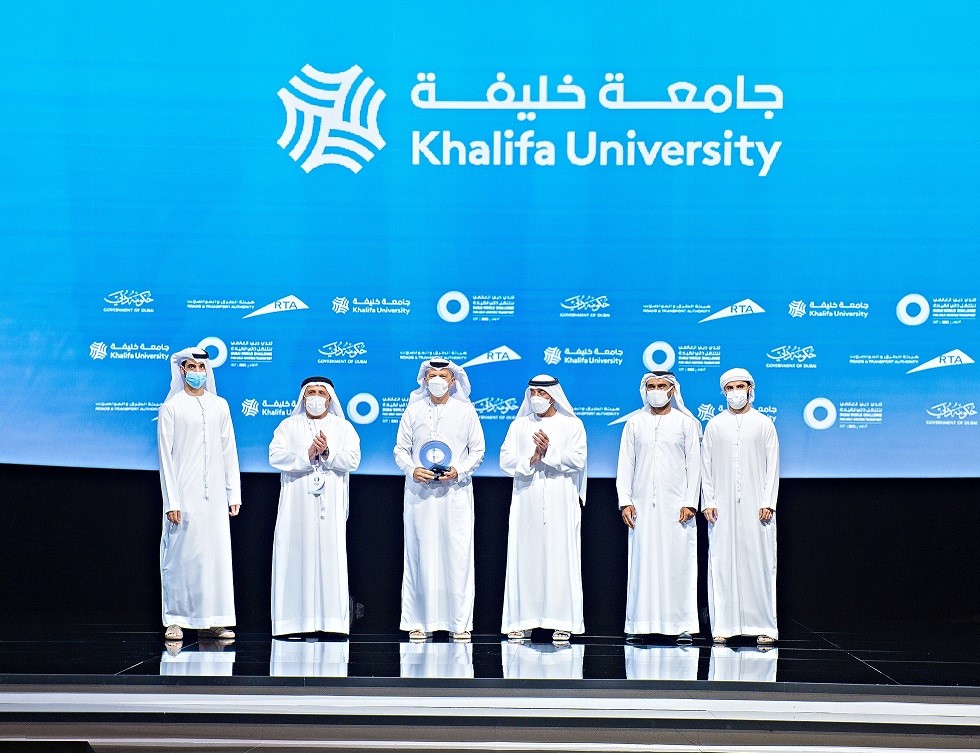
Two teams from Khalifa University took first and second place for their innovative ground vehicle and drone at the 2nd Dubai World Challenge for Self-Driving Transport. The competition was held by Dubai’s Roads and Transport Authority (RTA) under the theme ‘Self-Driving Logistics’ and offered prizes over AED6 million.


His Highness Sheikh Ahmed bin Saeed Al Maktoum, President, Dubai Civil Aviation Authority, Chairman and Chief Executive of Emirates Airline and Group, honored the winners during a ceremony held at the Dubai World Trade Centre on Wednesday, 27 October 2021, in the presence of His Excellency Mattar Mohammed Al Tayer, Director-General, Chairman of the Board of Executive Directors of the Roads and Transport Authority.


The challenge is devoted to Self-driving Logistical Services, including ground transport and drones. Over six weeks, the qualified projects and initiatives were subjected to various tests at a testing site in the Dubai Silicon Oasis. 


Thirty-one academic institutions and international companies competed in the challenge, with seven teams making it to the finals in the Academia category. 


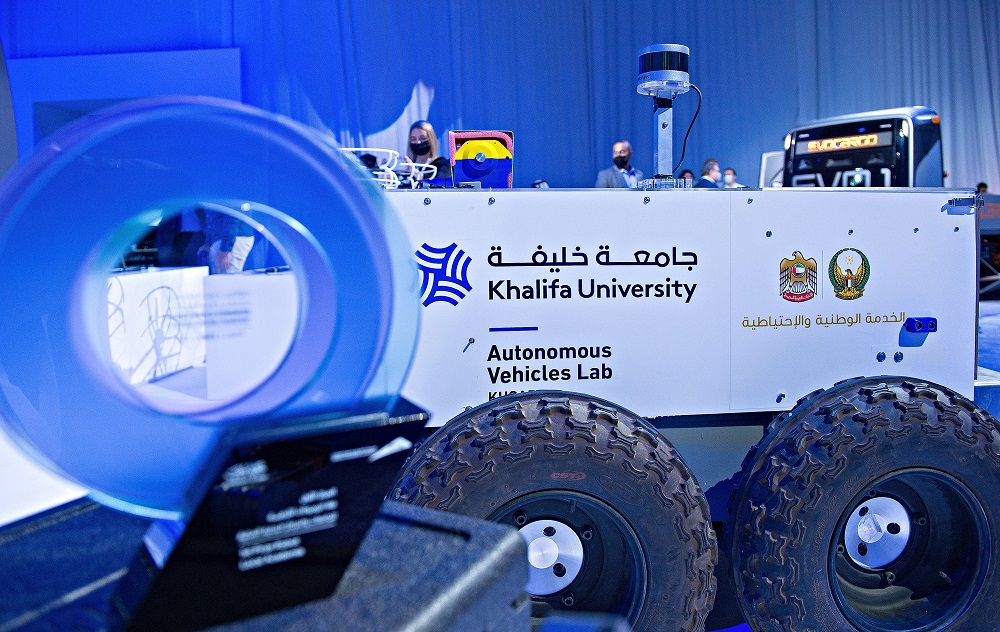
Khalifa University won first place in the Academia category in the Ground Vehicles Challenge, winning US$100,000 for their robot with a unique mechanical design that makes it effective in rugged conditions and terrain. The robot features a driving program focused on risk management strategies, touchless package delivery, and the successful clearing of tests and obstacles.


The KU Ground Vehicle team was led by Dr. Majid Khonji, Assistant Professor of Electrical and Computer Science, and included the following team members:


  • Eyad Shaklab, Research Assistant
  • Arjun Sharma, Research Associate
  • Rashid Alyassi, Research Engineer
  • Dr. Areg Karapetyan, Postdoctoral Fellow
  • Mustofa Basri, MSc student
  • Mohamed Nagy, MSc student
  • Murad Mebrahtu, MSc student
  • Mohamed Al Zarooni, 2020 Al Nokhba member


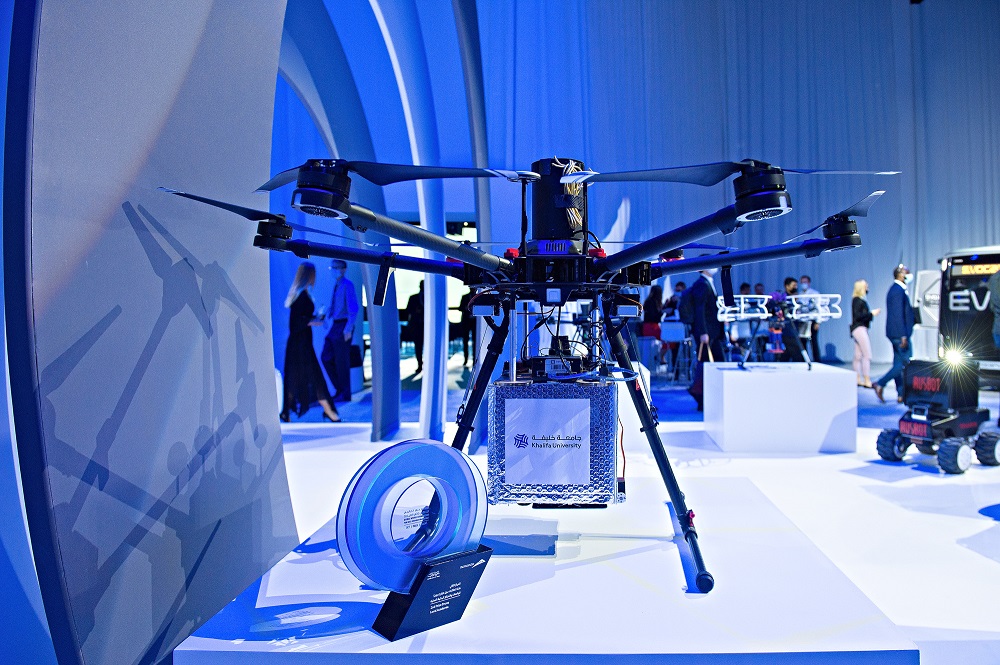
While in the Aerial Vehicles Challenge, Khalifa University finished second and won US$50,000 for a modified drone fitted with a dedicated cargo compartment. The highly reliable drone proved it can quickly deliver supplies in urban areas.


The KU Aerial Vehicle team was led by Dr. Hamad Karki, Associate Professor of Mechanical Engineering, and included the following team members:


  • Vishnu Badhran, Research Associate
  • Vidya Sudevan, PhD student 
  • Hamdan Al Dhanhani, 2021 Al Nokhba member
  • Khaled Al Kaabi, 2021 Al Nokhba member
  • Abdullah Al Sherif, 2020 Al Nokhba member
  • Abdullah Al Ataishi, 2020 Al Nokhba member
  • Abdullah Al Hosani, 2020 Al Nokhba member


Dr. Fahad Al Maskari, Assistant Professor of Aerospace Engineering and coordinator of the Al Nokhba Program – a KU program that trains National Service Associates from the UAE in the research and development of autonomous vehicle technologies – supported both winning teams in an advisory role.


Teams were evaluated based on three key elements: Safety, which included reliability, visibility handling, interaction with pedestrians, and speed control; usability, which included speed, ease of use, cargo safety and understandable behavior; and the level of maturity, which included passing the scenario and operator interaction, path planning, detection and prediction. 


The challenge was part of the Dubai World Congress for Self-Driving Transport, which aims to highlight the leading role Dubai is playing in self-driving transport and to accelerate efforts to achieve the targets of Dubai Autonomous Transportation Strategy by attracting experts and technologies of self-driving transport to the UAE.


Erica Solomon
Senior Publication Specialist
9 November 2021

KU Students Compete in Bloomberg Trading Challenge

Editor’s Note: This article was updated on 24 November 2021


Two student teams from Khalifa University competed against more than 495 universities in the  Bloomberg Trading Challenge, investing non-fiat US$1 million in trade currency to buy and sell stocks and other commodities over the course of the 7-week competition. 


We are so proud of our KU students for participating in this challenge, which is based on a real-world investment environment using the popular Bloomberg Terminal platform. Through their dedication and strong team cooperative spirit, and by leveraging the skills they’ve acquired from either business or math courses at KU, our teams performed extremely well and gained a strong understanding of real-world trading.


The team with Faculty Advisor Dr. Ricardo H. Archbold, Assistant Professor of Humanities and Social Sciences, includes the following members:


  • Team Captain: Zehara Ali, BSc in Biomedical Engineering
  • Cidrik Mulugheta, BSc in Chemical Engineering
  • Hamad Alblooshi, BSc in Mechanical Engineering
  • Khalid Adam, BSc in Chemical Engineering
  • Tiemar Semere, BSc in Computer Engineering


The second team with Faculty Advisor Dr. Giorgio Consigli, Associate Professor of Mathematics, and supporting advisor Dr. Jorge Zubelli, Professor of Mathematics, includes the following members:


  • Team Captain: Bruno Nunes Costa, PhD student
  • Omar Forrest, PhD student
  • Iman Chaabi, BSc in Mathematics
  • Haya Mayoof, BSc in Mathematics
  • Mohammed El Amin Azz, BSc in Mathematics


At the end of the competition, Team Captain Zehara placed 50th, while Team Captain Bruno placed 77th, out of 496 total competing universities. While in the Middle East/Africa Regional competition, Team Captain Zehara placed 6th and Team Captain Bruno placed 8th. This is particularly impressive considering that most of the team members do not have a strong knowledge of finance or trading.


The students used the same type of terminals and data information that is available to real investment banks and financial exchanges.  They gained the knowledge of how to access financial information and determine the economic trends that affect stocks and other commodities and exchanges across the world. Profits and losses were determined by the real-world performance of these financial instruments.  The teams had to indicate the strategy they used to determine the trades.


Participating students became certified on the Bloomberg Terminal, which gives them a competitive advantage in the job market post-graduation.


Erica Solomon
Publication Senior Specialist
9 November 2021

Khalifa University and ADPHC Sign MoU to Collaborate in the Fields of Public Health

H.E Abdullah bin Mohammed Al Hamed, Chairman of the Abu Dhabi Department of Health, witnessed the signing of a strategic cooperation agreement between Abu Dhabi Public Health Center (ADPHC) and Khalifa University of Science Technology that is made to identify better ways for both parties to work together in various public health aspects.


The agreement was signed by H.E Matar Saeed Al Nuaimi, Director General of Abu Dhabi Public Health Center (ADPHC), and Dr. Arif Sultan Al Hammadi, Executive Vice President of the Khalifa University of Science Technology. The agreement was signed in the presence of representatives of both parties.


This MoU acts as a documentation of the joint strategic cooperation between ADPHC and the University. Khalifa University is a research-based educational institution that seeks to graduate Emirati leaders and critical thinkers in applied sciences and engineering field, while stimulating the growth of the fast-evolving knowledge economy in Abu Dhabi and the United Arab Emirates.


Under the agreement, both partners shall cooperate in producing academic programs and research results made by the research team, members of the academic staff and scientists in the public health field.


H.E Sheikh Abdullah bin Mohammed Al Hamed, Chairman of the Abu Dhabi Department of Health, commended this agreement and said: “Thanks to its distinguished and advanced academic and research programs, Khalifa University is highly placed among the leading educational institutions on both regional and global levels. In our pursuit to play a leading role in the world Public Health (through the efforts of Abu Dhabi Public Health Center “ADPHC”), we signed this agreement to add a new momentum to the field of knowledge and research. This leaping step will serve the interests of the Emirate and the UAE as a whole.”


For his part, H.E Matar Saeed Al Nuaimi, Director General of the Abu Dhabi Public Health Center (ADPHC), said: “Abu Dhabi Public Health Center (ADPHC) is pleased to cooperate with Khalifa University to ensure the implementation of strategic cooperation and information interchange in a way that creates a synergy and a collaborative partnership between both partners. Through this MoU, we have defined the major areas, disciplines and topics of special or common interest through which we can exchange activities in the fields of teaching, learning and research productively.”


His Excellency added: “Cooperation in joint activities will contribute to the advancement of research and innovation processes that will benefit both the country and the region.”


Dr. Arif Sultan Al Hammadi, Executive Vice President of Khalifa University of Science and Technology, said: “We are delighted to partner with ADPHC; one of the country’s leading government entities regarding research and awareness efforts amid the ongoing pandemic. We believe in the importance of strategic cooperation among entities to ensure a healthy future of our country.”


Both parties have agreed on cooperating in multiple projects aimed at supporting the UAE’s vision, including public health, infrastructure, and research cooperation. That is to be done by providing supervision and guidance for the development and application of relevant standards in research methodologies and protocols to help ADPHC enhance its position as a strong regional research institution in public health, health, intelligence, and health informatics fields. In addition to education and training in the field of public health, organizational development, and cooperation in various activities related to capacity building.


This agreement embodies ADPHC efforts to continue exchanging experiences and knowledge with its partners, in order to ensure the continued consolidation of the foundations of public health among members of Abu Dhabi community.


It is worth noting that ADPHC, through this cooperation, seeks to continue working alongside its growing tasks, which calls for more cooperation in various fields between the two parties in the future.


Staff Report
9 November 2021

Model Performs Reality Check on Adsorbents for Carbon Capture

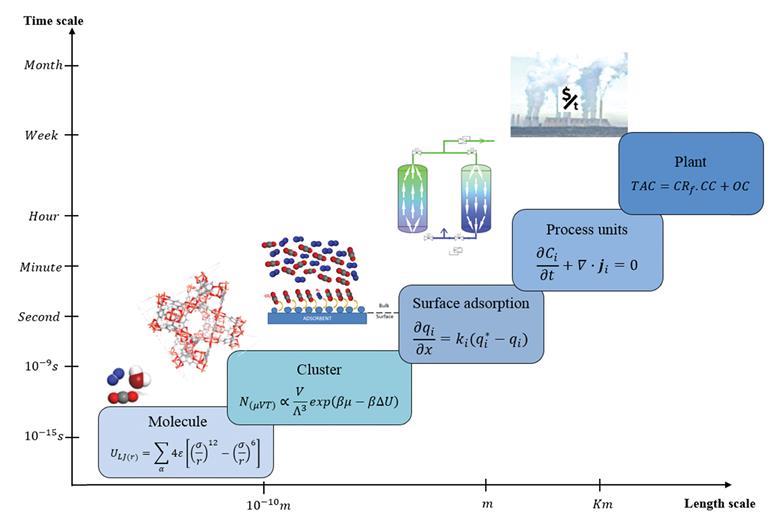
Researchers in the United Arab Emirates have developed and validated a tool for assessing the potential performance and economic viability of newly developed adsorbents for post-combustion CO2 capture.


The tool, developed by Ahmed Al Hajaj, Lourdes Vega and colleagues at the Khalifa University of Science and Technology, integrates molecular simulations with a dynamic process model. Molecular simulations generate adsorption data on the molecular level for screening materials, while the dynamic process model simultaneously optimises operating conditions and provides a technoeconomic analysis.


Read the rest of the article here: https://www.chemistryworld.com/news/model-performs-reality-check-on-adsorbents-for-carbon-capture/4014695.article

KU Student Interns at Dubai Expo 2020

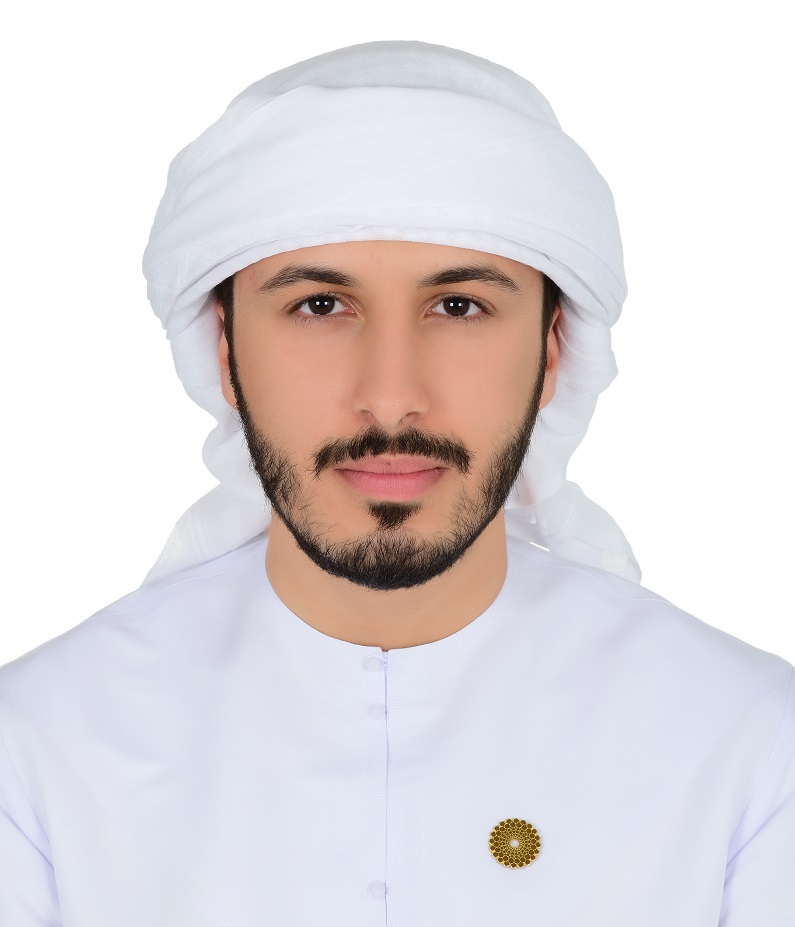
BSc in Computer Engineering student Mohamed Alzarooni interned with Dubai Expo 2020’s Innovation and Future Technology (IFT) Department, where he was part of the Virtual Expo team responsible for developing the Expo’s virtual experiences. 


Being able to work on the Dubai Expo 2020, also dubbed the “Greatest Show on Earth,” was, as Mohamed put it, life changing.


“I feel immense pride to have been part of the Expo 2020. It is a feeling like no other and I recommend that people be involved with the event whether they are employees, interns, volunteers, or even visitors. This is a once in a lifetime opportunity,” he said.


Mohamed’s nine-week long internship put the skills he has been gaining at KU in software development and testing to good use.


“My role primarily included testing several of those platforms developed for Expo by companies located across the globe. I worked with a team at Expo but also with other teams under different companies on a regular basis,” Mohamed explained.


He took great joy in the project, stating this his most memorable part of his experience was “seeing people’s reactions to the projects I worked on once they were released to the public. Especially the reactions of my friends and family when they tried experiences like that on VirtualExpo.world or saw Augmented Reality elements embedded as part of Expo’s Opening Ceremony.”


His main responsibility during the internship was to verify the functionality of the software applications being developed for Expo. 


He would test and verify that texts and images appeared properly in apps and checked that different features agreed with specific constraints. 


One app that he worked on extensively, called Expo Xplorer, is now available to download for both iOS and Android. Expo Xplorer is an app that features a 3-dimensional recreation of the Expo site that users can explore and play around with from anywhere in the world.


This internship was a game-changer for Mohamed, who is now rethinking his plans for the future. 


“My experience made me realize that I am capable of more than I initially thought possible. I simply need to challenge myself.”


Erica Solomon
Senior Publication Specialist
4 November 2021

Khalifa University Wins International Bid to Bring Prestigious IEEE Intelligent Robots and Systems (IROS) Conference to Abu Dhabi in 2024

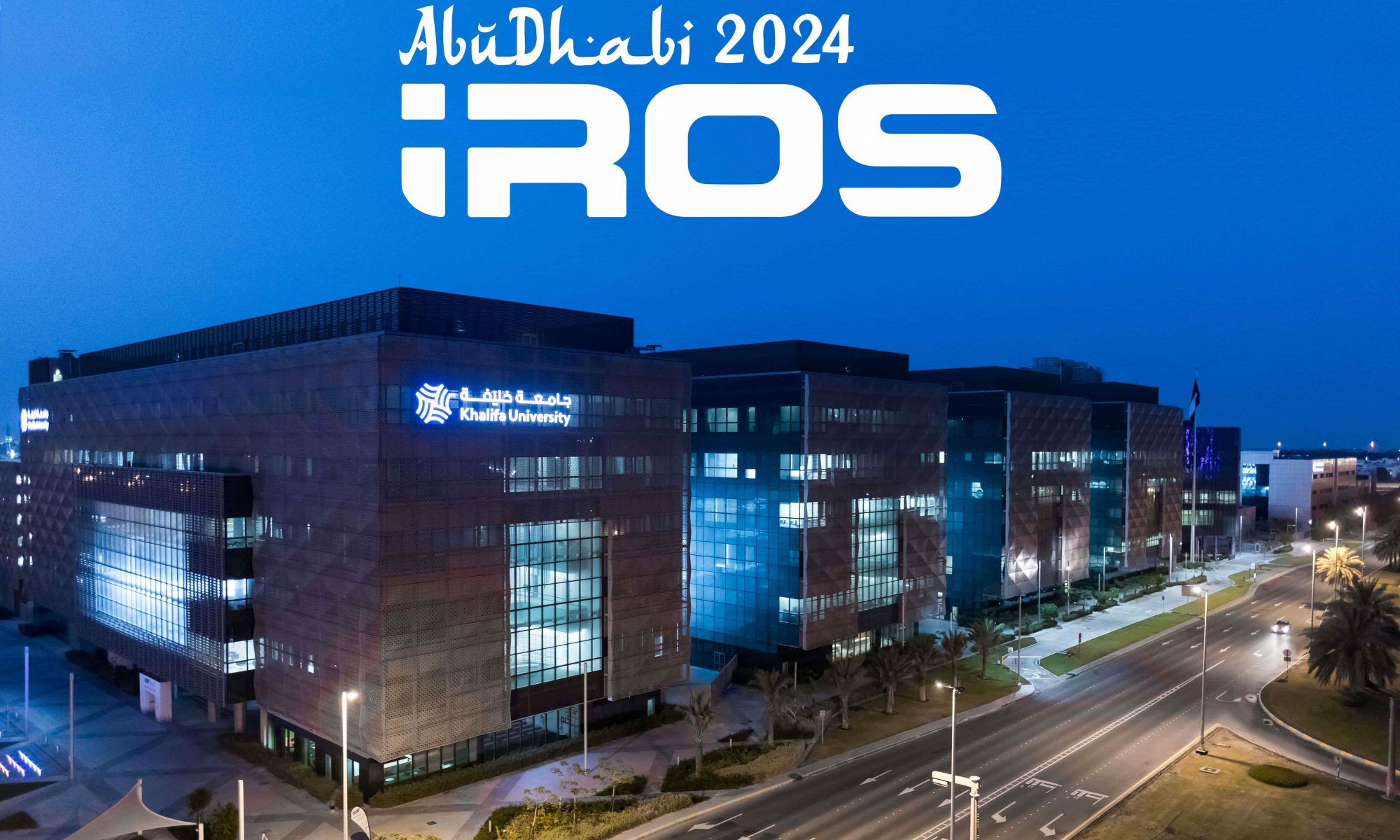
Khalifa University of Science and Technology has announced it has won the right to host the Middle East’s first-ever IEEE/RSJ International Conference on Intelligent Robots and Systems (IROS), one of the world’s largest and most impactful robotics research conferences, in Abu Dhabi in 2024.


The Khalifa University bid, submitted in collaboration with the Abu Dhabi Tourism and Culture Authority and the UAE Ministry of Education, won against global competition from other leading international universities. Abu Dhabi’s status as a major conference destination, the emirate’s focus on supporting new technologies such as robotics and artificial intelligence systems, Khalifa University’s Robotics and Intelligent Systems Institute, and the Center for Autonomous Robotic Systems (KU-CARS), played a significant role in clinching the deal in favor of the university.


Dr Arif Sultan Al Hammadi, Executive Vice-President, Khalifa University of Science and Technology, said: “Following the successful hosting of the MBZIRC 2020 that brought international acclaim to Abu Dhabi, we feel privileged to have won the international bidding now in collaboration with other UAE Government institutions to bring IROS, one of the world’s largest and most impactful robotics research conferences, not only to Abu Dhabi but to the Middle East, for the first time. The IROS 2024 conference will help portray the UAE’s readiness to accept modern technologies such as artificial intelligence and Khalifa University’s involvement in furthering scientific innovation in this area. We believe the conference will substantially intensify adoption of robotic systems, machine learning and smart devices, while highlighting the advances made in this sector.”


Khalifa University continues to play an undeniably critical role in the advancement of robotics and machine intelligence technologies. In addition to launching the Robotics and Intelligent Systems Institute, the university also plans to offer new academic programs in Robotics and Artificial Intelligence.


Moreover, the university’s flagship KU-CARS has over 50 faculty and staff working on several diverse projects, while researchers are conducting groundbreaking research to discover new ways to advance robotics for extreme environments, industrial applications, and infrastructure inspection. KU-CARS also has state-of-the-art labs including a new Marine Robotics Pool and an Autonomous Car Lab. In addition to KU-CARS, other Khalifa University research centers that deploy intelligent systems include the Aerospace and Research Innovation Center (ARIC), and EBTIC.


Khalifa University’s initiatives in intelligence systems and robotics are in line with the UAE’s drive towards advancing the tide of progress in AI, deep learning and automation. The UAE is already exploring how public sector entities can leverage AI solutions in areas including cyber security, to detect and monitor malicious activity; behavioral analysis to aid police by predicting crimes; monitoring economic growth through time lapse satellite imagery; predicting climate change; and improving doctors’ abilities to provide accurate diagnoses.


Clarence Michael
English Editor Specialist
3 November 2021

KU BSc student Invited to Virtual Future Lab ‘Beyond Ideas, To Next Steps’ at MBZMFG

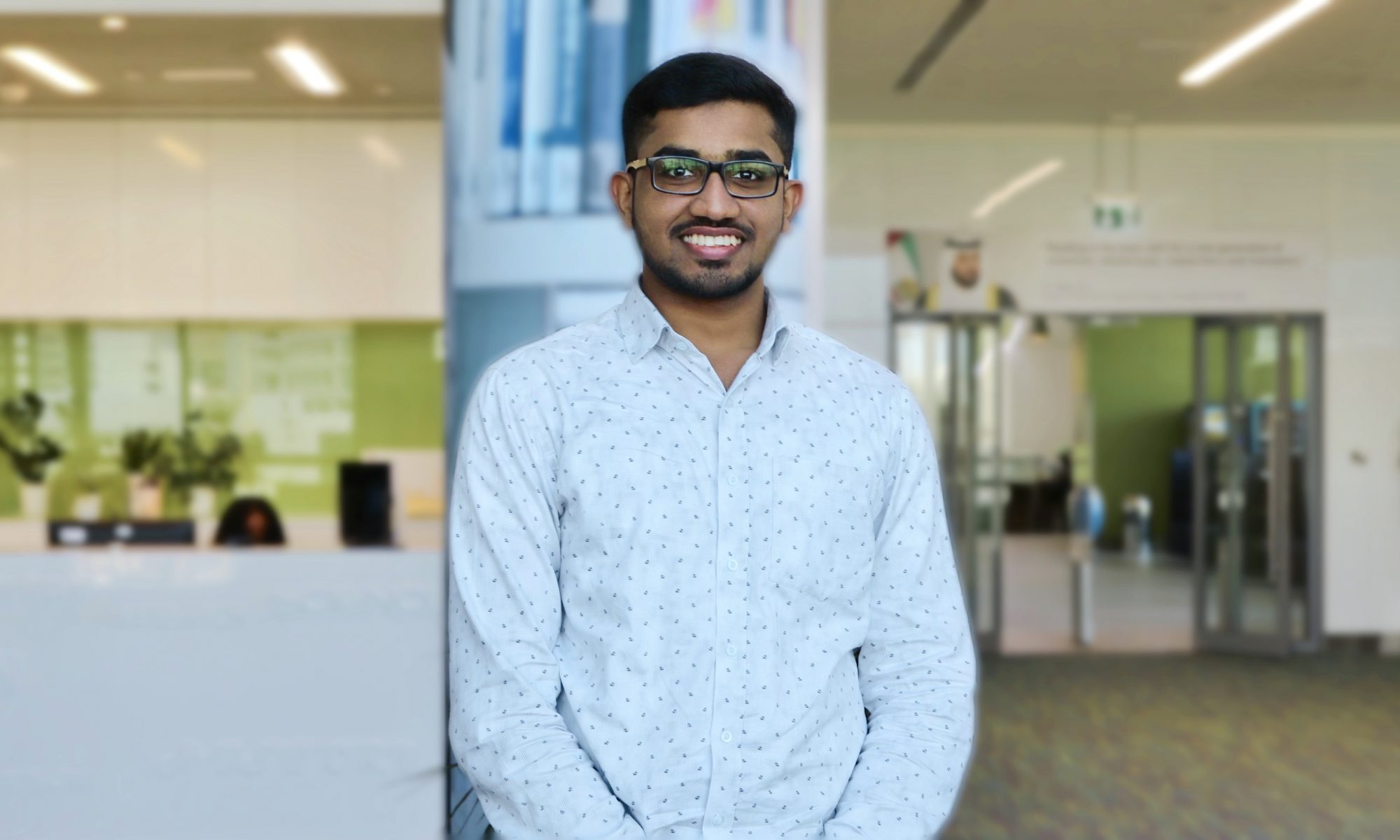
Muhamed Nebuhan Shajahan, BSc in Computer Engineering student, was invited to be a part of the Mohamed Bin Zayed Majlis for Future Generations (MBZMFG) Virtual Future Lab program.


Titled ‘Beyond Ideas, To Next Steps,’ the two-day intense program took place from 25 – 26 September 2021. Muhamed joined one hundred other students from around the UAE to discuss the challenges and opportunities in developing the UAE’s sustainable future.


“It was a beneficial experience that helped me and my co-participants understand the importance of critically thinking about designing our future as well the communities’ future,” Muhamed shared.


The program was led by former Harvard professor Dr. Maurizio Travaglini, who encouraged the students to be future planners who, as Muhamed explained “open the immediate doors before the farthest ones and close the doors that stop us.”


“The program inspired me to think about the world, as a place of opportunities and the doors we can open to make a difference,” Muhamed said.


The event provided a safe space for students to collaborate and exchange ideas, while being guided to think about their own future through the lens of different design concepts. 


The students discussed the complexity of the concept of “entanglement” and “knotty objects,” which refers to how various practices, technologies, practices, and processes become “entangled” in an object, and how this affects societies and is in turn affected by society. 


In another exercise, the students discussed the L5 space colony. L5 is an area of the solar system where the gravitational force is neutral, making it suitable for operating satellites and a launch pad for future space explorations. 


“We imagined ourselves as a NASA team, that was asked to find innovative ideas to recruit people to live in this society. The groups shared their ideas, which were very different from conventional methods of recruiting people for space exploration. Also, we described a day-in-the-life of a person in the L5 colony and the importance of togetherness among the people in this society,” Muhamed shared.


“The teamwork and communication skills that I acquired from KU have truly helped me throughout this session. The program itself was a different experience than the usual virtual meeting to think about our future.” 


Erica Solomon
Senior Publication Specialist
2 November 2021

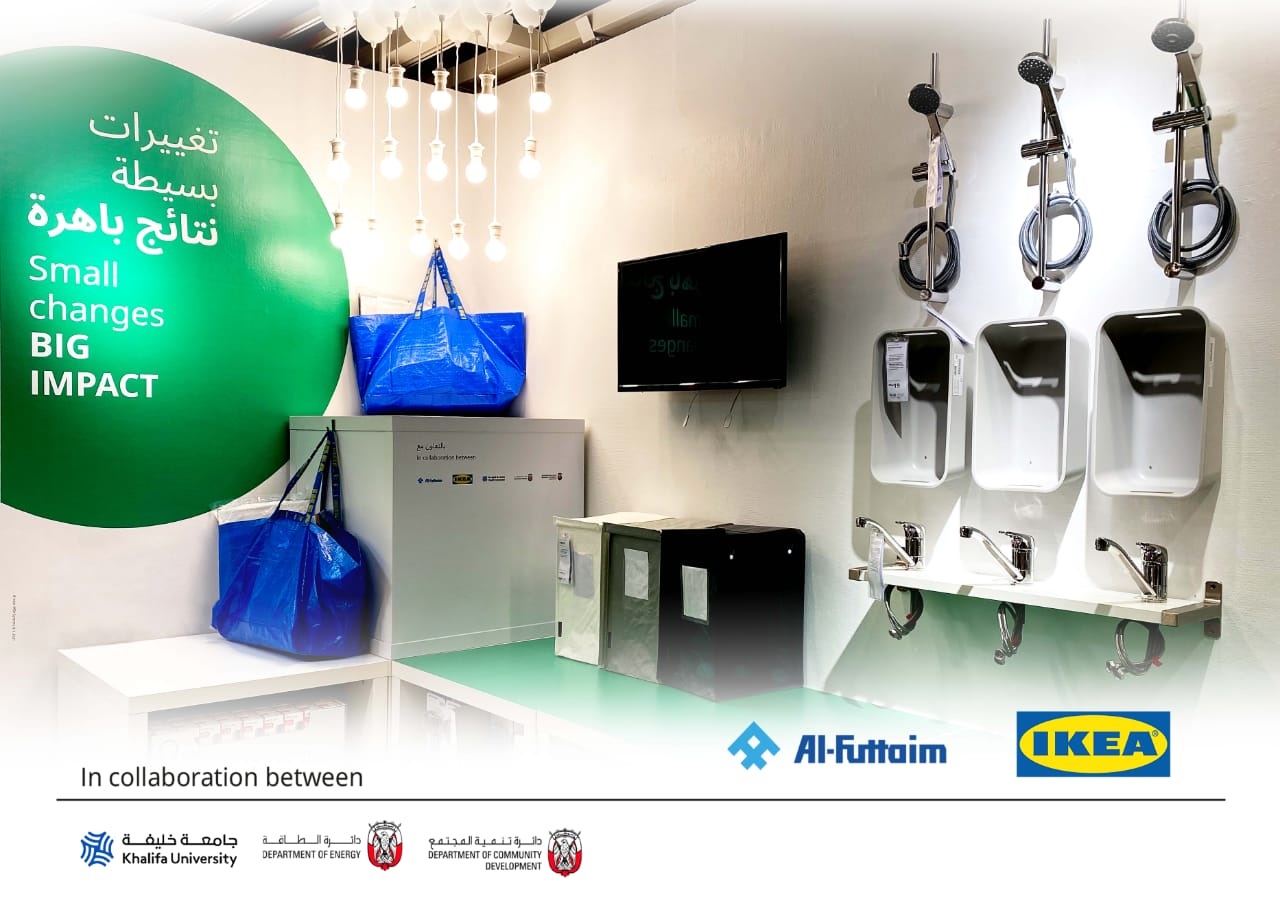
Abu Dhabi DoE, DCD, Khalifa University and Al-Futtaim IKEA Collaborate to Take Sustainable Living to the Next Level

Launch of a “Kit” to Raise Awareness on Environment-Friendly Products for Saving Water and Energy in Abu Dhabi and UAE  


A group of organizations in Abu Dhabi dedicated to sustainability, including the region’s favorite Swedish home furnishing retailer Al-Futtaim IKEA, the Abu Dhabi Department of Energy (DoE), the Abu Dhabi Department of Community Development (DCD) and Khalifa University of Science and Technology have come together on a joint initiative to engage the UAE’s citizens and residents in electricity and water conservation by launching the ‘IKEA energy efficiency kit’.


The energy efficiency kit follows DoE’s short-term behavior nudging program launched in 2020 to shift patterns of water and electricity consumption in Abu Dhabi by providing key consumer personas with tips and practical advice that appeal to their personal motivations. Khalifa University will be provided with the necessary data from users of the kit to conduct research to measure its efficiency in promoting energy-saving consumer behaviors.


Vinod Jayan, Managing Director at Al-Futtaim IKEA, UAE, Oman, Qatar and Egypt, said, ‘’At IKEA, our ambition for the region by 2025 is to inspire and enable more than 70 million people to live a better everyday life within the boundaries of the planet. We are honored to contribute towards this partnership with the Abu Dhabi Department of Energy (DoE), the Abu Dhabi Department of Community Development (DCD) and Khalifa University of Science and Technology. Our aim is to instill healthy and sustainable living habits in more people as they become concerned about their health and the health of the planet. The IKEA efficiency kit acts as a starting point to phase out and replace with new innovative solutions in order to contribute to a more sustainable society and safer homes.’’


The behavior nudging interventions are aligned with the goals of the Abu Dhabi Demand Side Management and Energy Rationalization Strategy 2030. To this effect, DoE conducted an extensive behavioral science-based research to understand factors influencing energy and water consumption in Abu Dhabi homes. Insights were used to design a set of interventions including a ‘bank of tips’ to nudge electricity and water use behavior, a free Energy Efficiency Advisor service through trained experts, virtual home assessments for households, a Use it Wisely digital platform, and a Self-Install Kit that contains several Do-It-Yourself water and energy efficiency items, along with a Use It Wisely leaflet for fun and engaging installation guidelines.


DoE’s Self-Install Kit aimed to raise awareness and educate the community about the impact of efficient equipment and fixtures, enticing them to adopt efficient practices and retrofit their homes with even more elaborative efficient appliances. Those kits were provided as a free reward for requesting the energy efficiency advisor services and opting-in via the Use It Wisely platform.


Following the success of the short-term interventions, DoE collaborated with DCD to design a new initiative that can furtherener increase the long-term accessibility and availability of efficiency kits to Abu Dhabi customers by working with a trusted retail partner with a proven ability to engage customers and drive sustainability goals – IKEA.


Eng. Ramiz Hamdan Alaileh, DoE’s Sustainability & Energy Efficiency Director, said: “At the DoE, we are committed to increasing adoption of energy efficient behavior and technologies to motivate households, institutions and industries to improve their water and electricity usage. We are pleased with the outcomes of our collaboration with DCD and IKEA to launch this energy efficiency kit initiative and look forward to the collaboration with Khalifa University to analyze findings and impacts and to provide recommendations for long-term energy and water saving interventions.”


Al Alaileh added: “We will continue our collaboration to ensure effective implementation of the new kit and empower Abu Dhabi to make further efforts toward energy efficiency. Importantly we will work with IKEA to provide kit customers with access to various types of educational media and easy-to-implement behavioral nudges through our Use It Wisely app, available on the Apple Store (https://apple.co/3qtS7Ea) and Google Play (https://bit.ly/2NvXlAK).


Her Excellency Dr Layla Abdulaziz Al Hyas, Executive Director of the Social Monitoring and Innovation Sector at the DCD, said: “Through the joint initiative, we want to make healthier and more sustainable living easy; we want to enable and inspire as many people as we can to make more sustainable choices every day, thus create a movement for a better, more sustainable everyday life in Abu Dhabi.


“Our objective is aligned with Abu Dhabi’s Vision 2030 that comprises dual focus areas – pragmatic thresholds and idealistic sustainability values – as well as the United Nations’ Sustainable Development Goals. Moreover, unsustainable consumption and climate change remain some of the biggest challenges for humanity, and it is our responsibility to contribute towards creating a more sustainable world. But we cannot do it alone. Everyone has a role to play in creating a sustainable reality, which is why we have joined hands with IKEA, as well as Khalifa University of Science and Technology and the Department of Energy. As part of the drive, we will conduct training sessions, challenges, and competitions, which we hope will enable us to engage with members of the Abu Dhabi community and eventually encourage them to adopt a more conscious and responsible lifestyle.”


“Even though high consumption of energy and water is often linked with harsh weather conditions that we live in, it is still possible to reduce usage significantly that will benefit everyone – individually and collectively. It will help save our environment which, in turn, will help us live healthier and better lives, while it will enable the government to save money that could be allocated to various developmental projects. The campaign can achieve its objective only by bringing about a behavioral change, which is what the campaign aims at. The drive is part of our ongoing effort to establish the foundations of environmental sustainability and support the sustainable development of Abu Dhabi by using electricity, water, and natural resources sensibly, to ensure their sustainability for generations to come.”


“We’re optimistic about the future. Through collaboration and commitment, we know it is possible to achieve amazing things.”


The multi-point collaboration for the energy efficiency kits will be the basis for collaborative research studies and publications on the technical as well as sociological aspects of energy and water efficiency in Abu Dhabi.


Dr. Arif Sultan Al Hammadi, Executive Vice-President, Khalifa University, said: “As a top-ranked university with multiple stakes in the areas of sustainability, Khalifa University is delighted to collaborate with our partners and promote behavioral change through supporting energy efficiency that ensures saving expenses while also saving the environment. Khalifa University is already part of the UN Sustainable Development Solutions Network, and joining with other partners, the university has further demonstrated its commitment to developing technologies for sustainable living.”


Khalifa University currently has several sustainability-related research initiatives, many of which are taking place at the university’s Masdar Institute. The university’s Young Future Energy Leaders (YFEL) program outreach initiative further aims to bring students and young professionals closer to government, business and other stakeholders active in alternative energy and sustainability. Recently, Khalifa University also launched a co-curricular program to teach students about innovation, entrepreneurship and leadership, with a focus on sustainability.


Clarence Michael
English Editor Specialist
2 November 2021

KU BSc Student Takes Third Place in EuroSkills Competition

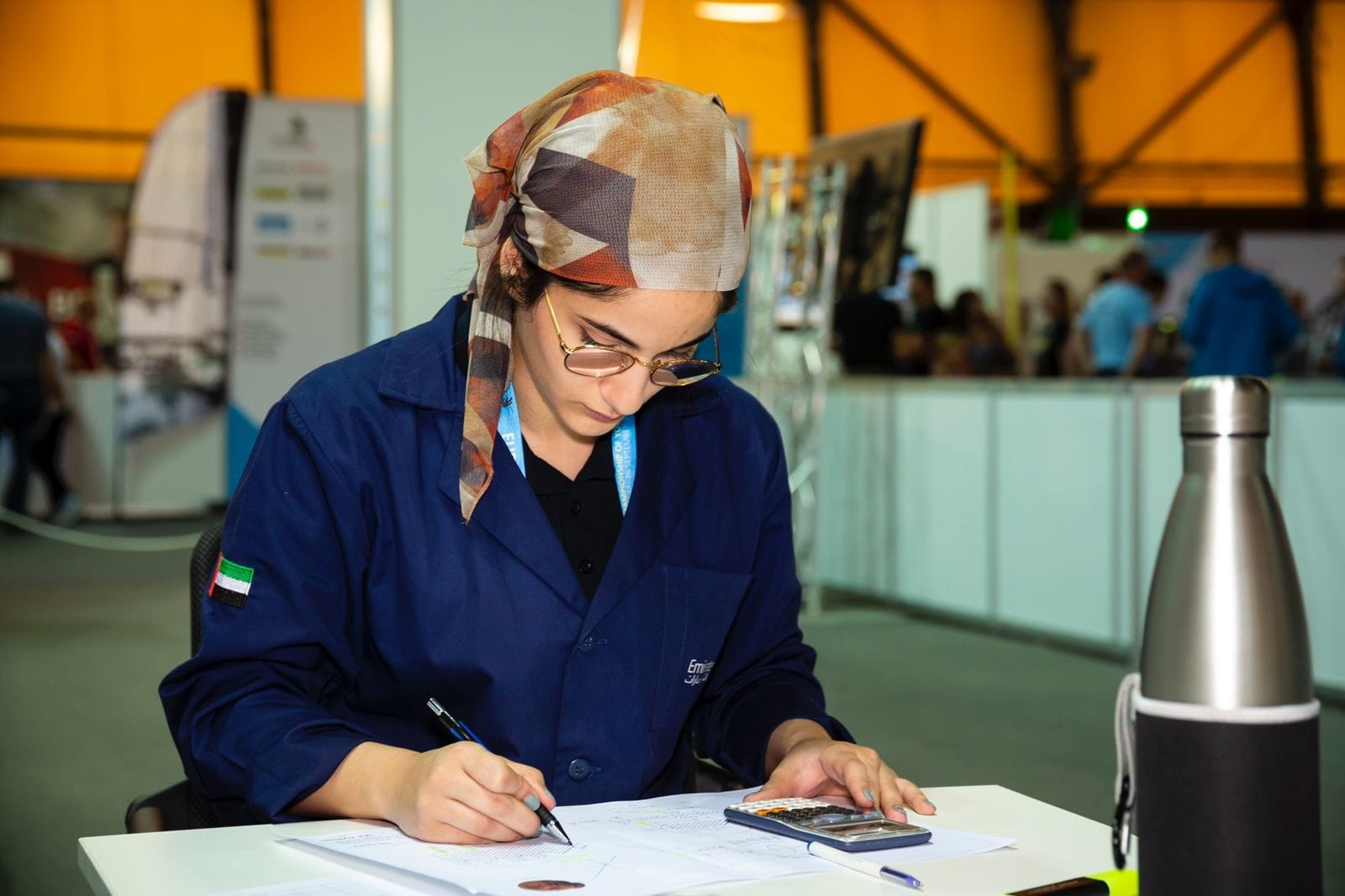
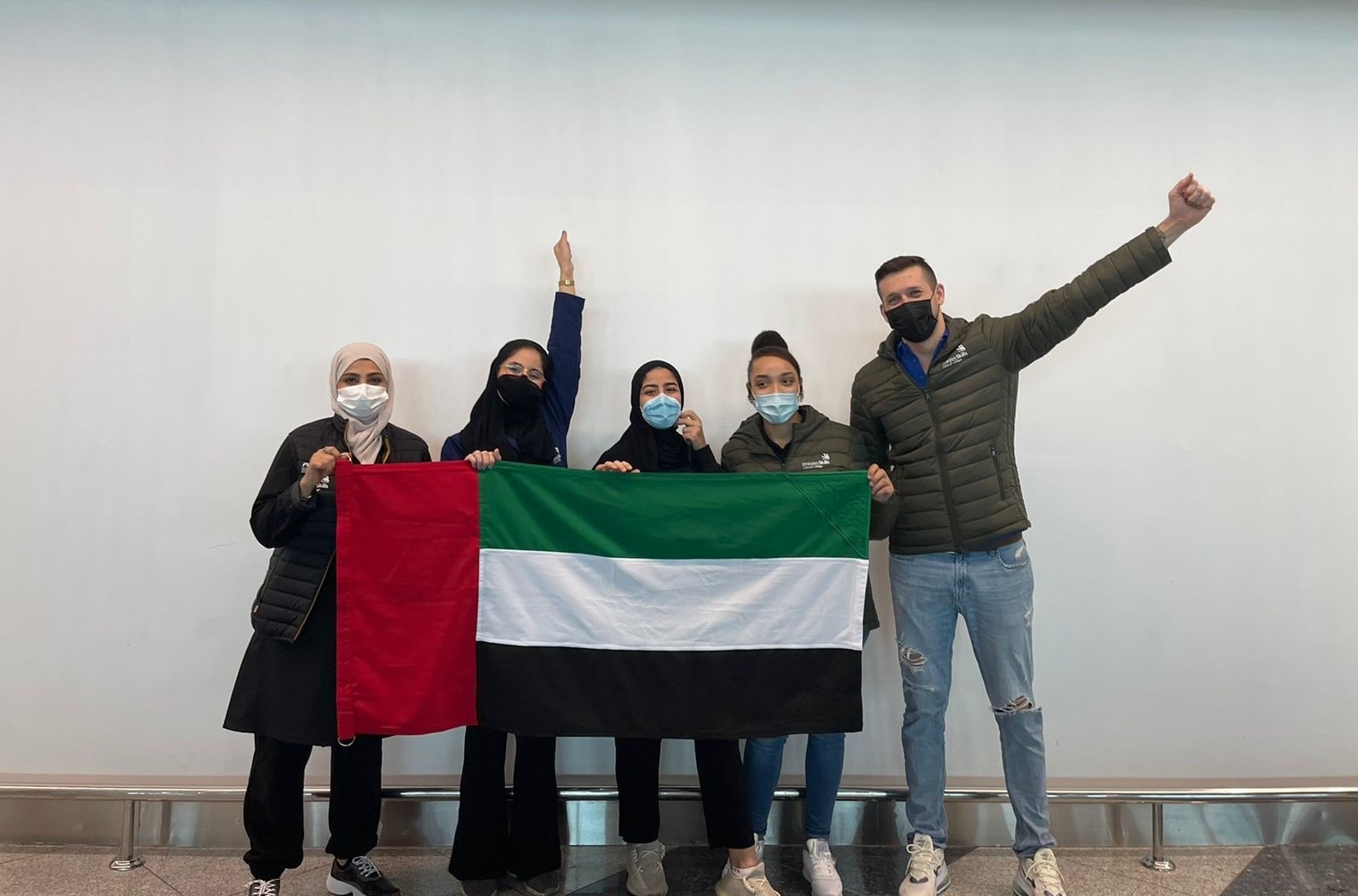
After taking first place in the EmiratesSkills competition in the CNC Turning category, BSc in Computer Science student Hanan Ahmed Alshamsi went on to represent the UAE in the same category at EuroSkills 2021 in Graz, Austria. 

After taking first place in the EmiratesSkills competition in the CNC Turning category, BSc in Computer Science student Hanan Ahmed Alshamsi went on to represent the UAE in the same category at EuroSkills 2021 in Graz, Austria. She was the first UAE representative to compete in the CNC category, which stands for Computer Numerical Control Turning, used to produce the precise and interactive parts of complex products from smartphones to airplanes.


EuroSkills is a vocational skills competition staged as a European championship every two years. The competition focuses on the outstanding achievements of young, talented, and skilled professionals, with around 400 participants competing in vocational categories from the industrial, craft, and service sectors.


“Having the opportunity to participate in EuroSkills was one of the best and most challenging experiences in my life,” Hanan said. “I trained for 7 to 10 hours every day, including weekends, for three months before the competition, while still keeping up with my university workload to stay on my graduation plan.


The UAE was one of only three guest countries, which meant that while we were part of the competition, we didn’t get medals, but the opportunity to go and gain experience and make connections was our reason for going.


It was definitely challenging. I was up against people who had been training full-time for over three years on a completely different machine than the one I trained on. Despite that, I performed really well and took third place.”


For her first time competing in an international competition and despite her limited time training and other commitments to her studies, Hanan showcased her talent and expertise in CNC turning, taking third place in her category. Her visit to EuroSkills 2021 was a stop on the journey to the 2022 WorldSkills Competition in Shanghai, where she will test her abilities against the best of the best in the world.


Jade Sterling
Science Writer
2 November 2021

KU MSc Student Awarded Golden Visa

Khalifa University’s Muhammad Taha Ansari, MSc in Mechanical Engineering student, has been awarded the Golden Visa – a long-term residence visa issued by the UAE government to bright students with promising scientific capabilities.


Originally from Pakistan but born and raised in the UAE, Muhammad Taha is thankful to the UAE government and its leadership for giving him this unique opportunity.


“I will always work the extra mile to make my nations proud, and will always work for the betterment of my society,” he shared.


Muhammad Taha applied for the Golden Visa with the support and recommendation of Khalifa University faculty, including Dr. Ahmed Al Shoaibi, Senior Vice President for Academics and Student Services, and Dr. Dimitrios Kyritsis, Professor and Chair of the Mechanical Engineering Department.


“I would like to thank Dr. Ahmed Al Shoaibi for recommending my name and having trust in me, followed by the efforts of Dr. Kyritsis who always supported me. And I would also like to thank my advisor Dr. Jarrar, who has always guided me throughout my journey,” Muhammad said.


Muhammad Taha is currently in his final year of his Master’s program in Mechanical Engineering, and is also pursuing a concentration in Space Systems and Technology. He works on Khalifa University satellite projects at the University’s YahSat Space Lab and the Khalifa University Space and Technology Innovation Center (KUSTIC). He has helped develop the DhabiSat and Light-1 as satellites.


He is currently working to publish his research work related to ADCS (Attitude Determination and Control Systems), and will be converting his Master’s research into a space application tool that will facilitate future missions in the field of space. He also plans to continue his studies after he graduates, and looks forward to pursuing a PhD in the field of space technology and to then go on and work for a Space Agency. 


Muhammad Taha was awarded the Golden Visa due to his high CPGA (3.99/4.0) which he received during undergraduate studies at Khalifa University, where he majored in Mechanical Engineering. He has several accolades under his belt already. He served as President of the American Society of Mechanical Engineers (ASME) Student Chapter, and was also leader of the Team Solar Smart Vehicle, which was represented at several conferences and exhibitions. He was also part of several KU competitions and won first place at Hackathon 3.0 and second place at Hackathon 4.0.


Muhammad Taha now has a ten-year visa that can be automatically renewed, allowing him to live, work, and study in the UAE without requiring a national sponsor.


Erica Solomon
Senior Publication Specialist
28 October 2021

KU Student Awarded for Excellence in Engineering Research at Quwa Forum

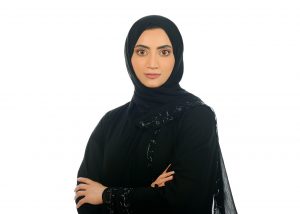
Khalifa University Graduate Teaching Assistant and PhD candidate, Jawaher AlYammahi, has been awarded an Excellence in Research award from the Second Forum for Women in Research hosted by University of Sharjah. 


Quwa: Empowering Women in Research and Innovation categories address the most important issues, topics and priority research challenges in different fields, including health sciences, medicine, engineering, and computing and informatics. Coinciding with Emirati Women’s Day, the Quwa forum was held on 26 August with the 7th International Conference on Arab Women in Computing event.


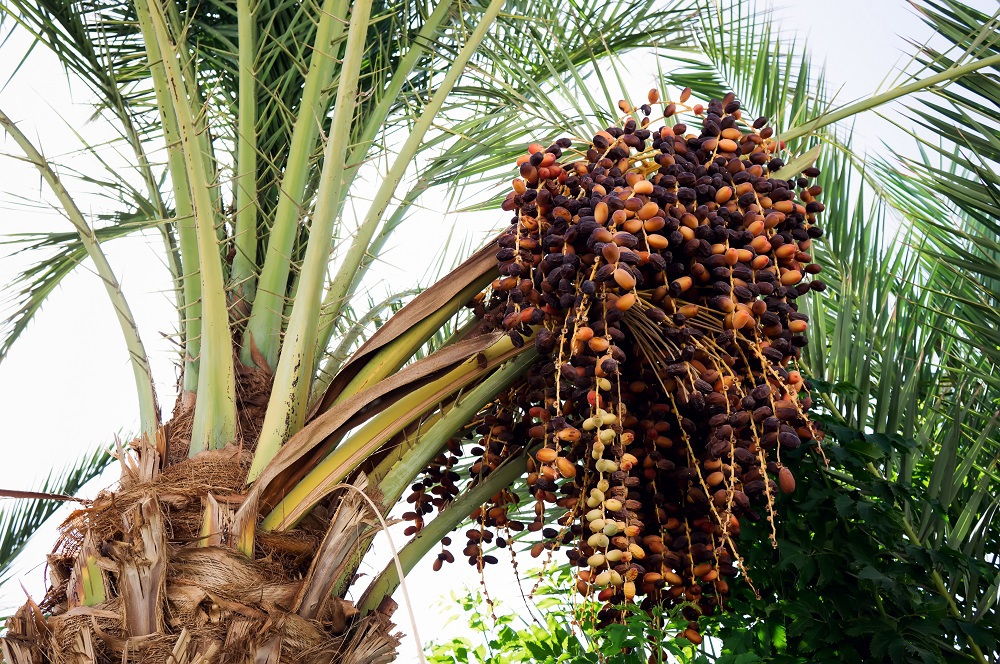
AlYammahi won the award for engineering for her paper on water-based extraction of sugar from dates. With Rambabu Krishnamoorthy, Post-doctoral Fellow, and Dr. Fawzi Banat, Professor of Chemical Engineering, AlYammahi used a novel technique to extract sugars and micronutrients from dates for use in sugar-alternative products.


Jawaher AlYammahi, PhD Student at Khalifa University


“Recently, consumers have been preferring natural fruit sugar products, rather than commercial refined sugar, thanks to growing awareness of the various health risks and diseases related to white sugar,” AlYammahi said. “Date palm fruit is an excellent – and green – source for the glucose and fructose sugars that are a great alternative to the sucrose of refined sugar. However, dates have a gummy consistency, tough skin and rigid cell membrane, hindering the extraction of these alternative sugars, and current techniques just aren’t good enough. We used sub-critical water extraction to get 81 percent of the sugar from the dates, compared to the very low amounts seen using standard techniques.”


Sub-critical water extraction is a new and powerful technique that uses hot water and high pressure to extract different compounds from natural sources, like sugars from dates. It is recognized as a safe, cost-effective and more environmentally-friendly method as it uses water rather than other solvents in the process.


AlYammahi and her team were joined in the competition by other female researchers and students from Khalifa University.


Dr. Ameena Al Sumaiti, Associate Professor of Electrical Engineering, designed a multi-strategy planning support tool for electricity supply management.


With Dr. Mahmoud Meribout, Professor of Electrical Engineering, MSc students Asma Baobaid developed an artificial intelligence platform for face recognition and Budoor Alblooshi developed an autopilot system for autonomous vehicles.


PhD candidate Lamees Al Qassem created a framework for managing cloud workloads with Dr. Ibrahim Elfadel, Professor of Electrical Engineering and Computer Science, Dr. Ernesto Damiani, Professor and Senior Director of the Robotics and Intelligent Systems Institute, and Dr. Thanos Stouraitis, Professor and Department Chair of Electrical Engineering and Computer Science.


Dr. Maisam Wahbah, Post-doctoral Fellow, developed an algorithm to capture ECG signals from babies still in the womb in the early stages of pregnancy with Dr. Ahsan Khandoker, Associate Professor of Biomedical Engineering, and Dr. Mohammad Zitouni, Post-doctoral Fellow.


Maryam Alhasmi and Dr. Balasubramanian Vaithilingam, Principal Research Scientist, created a porous material from carbon to capture carbon dioxide from the atmosphere.


PhD candidate Fahmi Anwar and Dr. Georgios Karanikolos, Associate Professor of Chemical Engineering, developed a novel material for separating ethylene from ethane in the petrochemical industry.


Dr. Saeed Alkhazraji, Associate Professor of Chemical Engineering and Senior Director of Petroleum Institute, and Anjali Goyal, Research Assistant, collaborated with researchers from Higher Colleges of Technology in Abu Dhabi to develop natural particles to remove oil from water after an oil spill.


PhD candidate Amani Alhammadi and Dr. Daniel Choi, Professor of Mechanical Engineering, analyzed the performance of lithium ion batteries in low-temperature space applications.


Jade Sterling
Science Writer
28 October 2021

Abu Dhabi Researchers Find New Mask Technology Could Filter Out Viruses


By Shireena Al Nowais


Researchers in Abu Dhabi are developing a technology that could allow masks to filter out specific viruses such as Covid-19 and the flu.


Associate professor at Khalifa University Dr Ammar Nayfeh and a team of academics and doctors are working on creating this new face mask using nanotechnology.


“The idea is to create specific fibers with certain bonds that will filter out the virus,” said Dr Nayfeh.


Scientists across the world are using nanoparticles in mask designs due to their ability to slow or stop the spread of microorganisms.


‘Nano masks’ are actually already in use. Made with nanoparticle fabric they are widely available and most people have been wearing them since the outbreak of the Covid-19 pandemic, but the design has stayed the same despite the virus particle size changing.


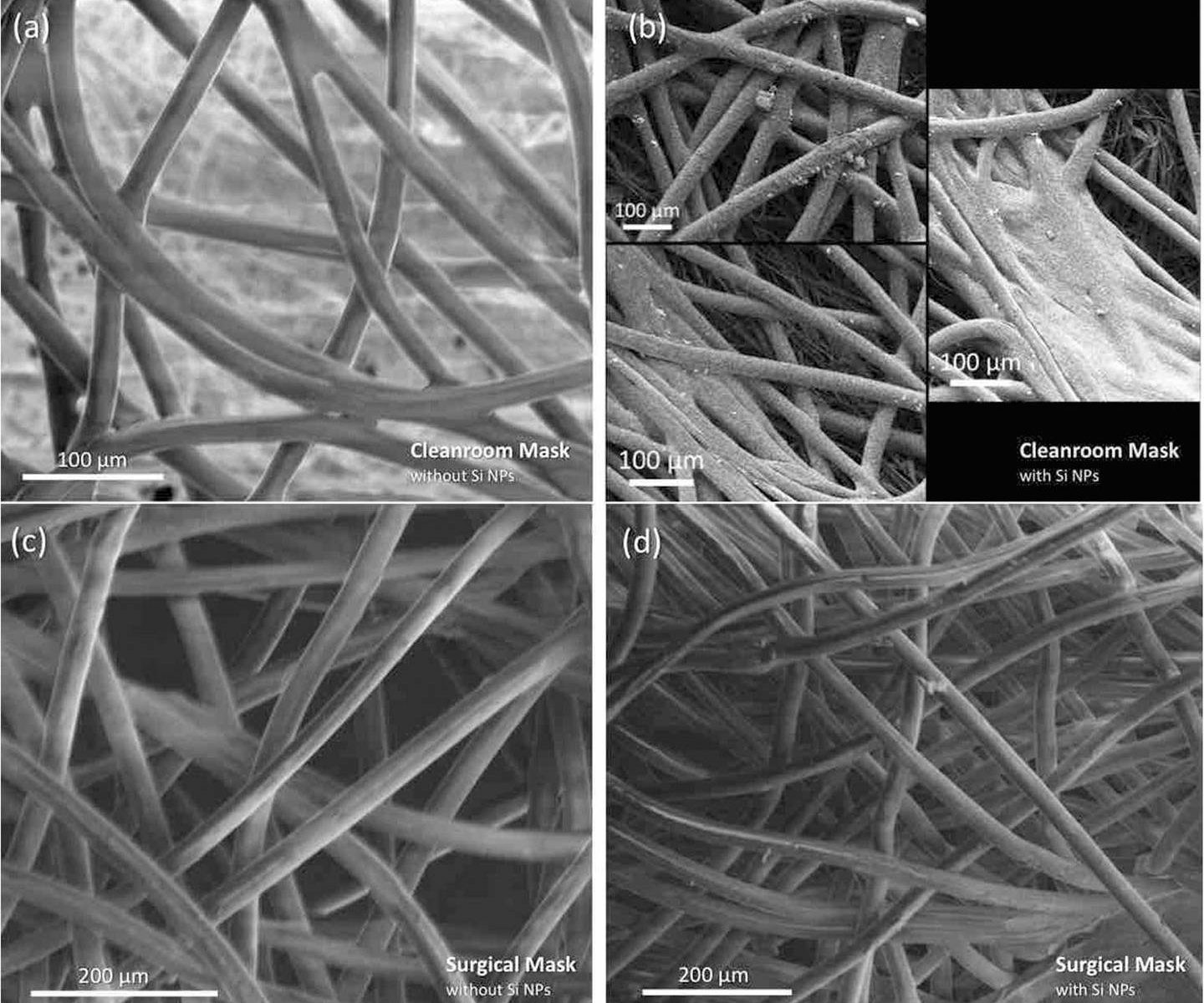
Scientists at Khalifa University used silicon nanoparticles encapsulated in aerosol to resemble the covid virus during testing. It was then sprayed onto two different masks with different fibre densities to demonstrate what would happen upon contact.


Read the rest of the article here: https://www.thenationalnews.com/uae/health/2021/10/27/abu-dhabi-researchers-find-new-mask-technology-could-filter-out-viruses/