
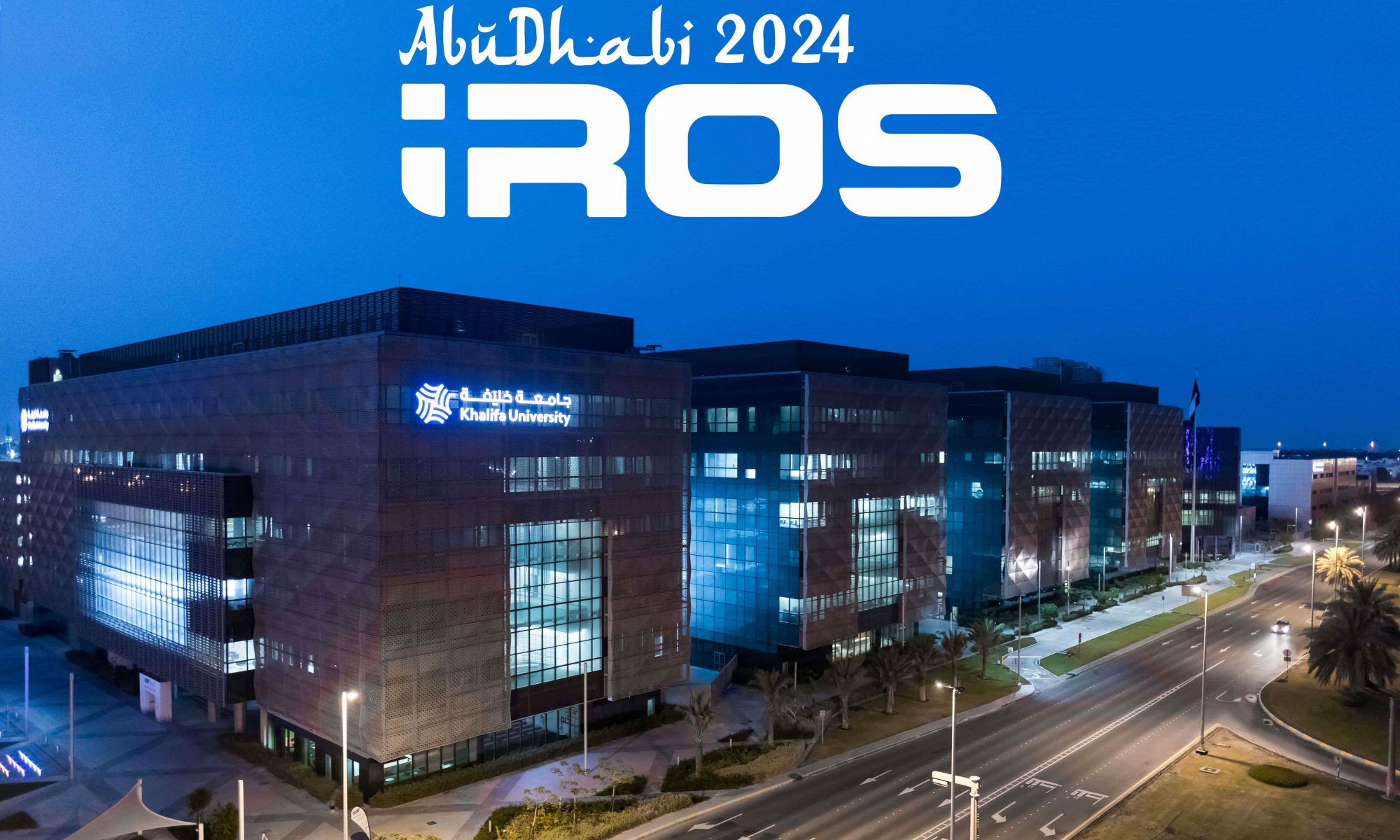
Khalifa University Wins International Bid to Bring Prestigious IEEE Intelligent Robots and Systems (IROS) Conference to Abu Dhabi in 2024

Khalifa University of Science and Technology has announced it has won the right to host the Middle East’s first-ever IEEE/RSJ International Conference on Intelligent Robots and Systems (IROS), one of the world’s largest and most impactful robotics research conferences, in Abu Dhabi in 2024.


The Khalifa University bid, submitted in collaboration with the Abu Dhabi Tourism and Culture Authority and the UAE Ministry of Education, won against global competition from other leading international universities. Abu Dhabi’s status as a major conference destination, the emirate’s focus on supporting new technologies such as robotics and artificial intelligence systems, Khalifa University’s Robotics and Intelligent Systems Institute, and the Center for Autonomous Robotic Systems (KU-CARS), played a significant role in clinching the deal in favor of the university.


Dr Arif Sultan Al Hammadi, Executive Vice-President, Khalifa University of Science and Technology, said: “Following the successful hosting of the MBZIRC 2020 that brought international acclaim to Abu Dhabi, we feel privileged to have won the international bidding now in collaboration with other UAE Government institutions to bring IROS, one of the world’s largest and most impactful robotics research conferences, not only to Abu Dhabi but to the Middle East, for the first time. The IROS 2024 conference will help portray the UAE’s readiness to accept modern technologies such as artificial intelligence and Khalifa University’s involvement in furthering scientific innovation in this area. We believe the conference will substantially intensify adoption of robotic systems, machine learning and smart devices, while highlighting the advances made in this sector.”


Khalifa University continues to play an undeniably critical role in the advancement of robotics and machine intelligence technologies. In addition to launching the Robotics and Intelligent Systems Institute, the university also plans to offer new academic programs in Robotics and Artificial Intelligence.


Moreover, the university’s flagship KU-CARS has over 50 faculty and staff working on several diverse projects, while researchers are conducting groundbreaking research to discover new ways to advance robotics for extreme environments, industrial applications, and infrastructure inspection. KU-CARS also has state-of-the-art labs including a new Marine Robotics Pool and an Autonomous Car Lab. In addition to KU-CARS, other Khalifa University research centers that deploy intelligent systems include the Aerospace and Research Innovation Center (ARIC), and EBTIC.


Khalifa University’s initiatives in intelligence systems and robotics are in line with the UAE’s drive towards advancing the tide of progress in AI, deep learning and automation. The UAE is already exploring how public sector entities can leverage AI solutions in areas including cyber security, to detect and monitor malicious activity; behavioral analysis to aid police by predicting crimes; monitoring economic growth through time lapse satellite imagery; predicting climate change; and improving doctors’ abilities to provide accurate diagnoses.


Clarence Michael
English Editor Specialist
3 November 2021
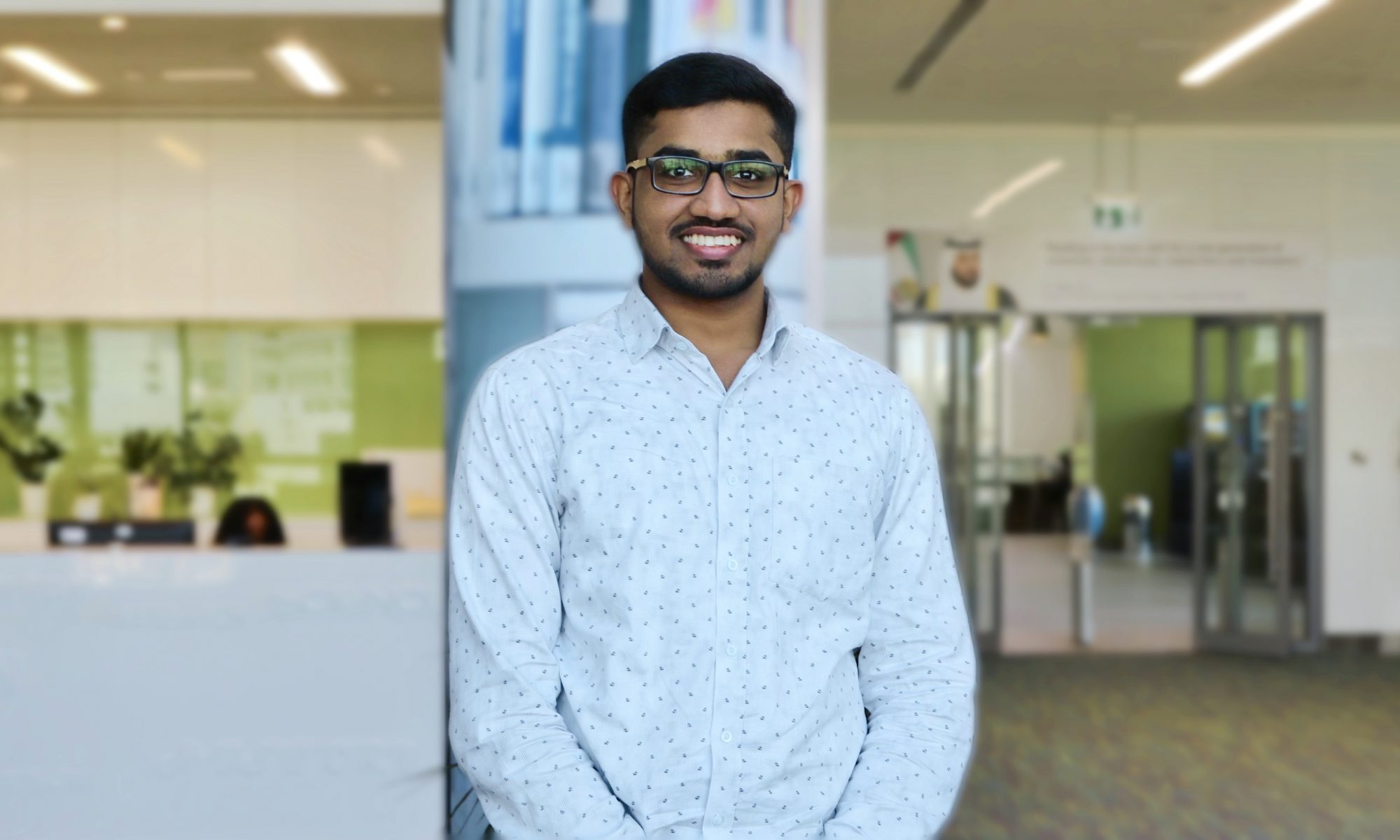
KU BSc student Invited to Virtual Future Lab ‘Beyond Ideas, To Next Steps’ at MBZMFG

Muhamed Nebuhan Shajahan, BSc in Computer Engineering student, was invited to be a part of the Mohamed Bin Zayed Majlis for Future Generations (MBZMFG) Virtual Future Lab program.


Titled ‘Beyond Ideas, To Next Steps,’ the two-day intense program took place from 25 – 26 September 2021. Muhamed joined one hundred other students from around the UAE to discuss the challenges and opportunities in developing the UAE’s sustainable future.


“It was a beneficial experience that helped me and my co-participants understand the importance of critically thinking about designing our future as well the communities’ future,” Muhamed shared.


The program was led by former Harvard professor Dr. Maurizio Travaglini, who encouraged the students to be future planners who, as Muhamed explained “open the immediate doors before the farthest ones and close the doors that stop us.”


“The program inspired me to think about the world, as a place of opportunities and the doors we can open to make a difference,” Muhamed said.


The event provided a safe space for students to collaborate and exchange ideas, while being guided to think about their own future through the lens of different design concepts. 


The students discussed the complexity of the concept of “entanglement” and “knotty objects,” which refers to how various practices, technologies, practices, and processes become “entangled” in an object, and how this affects societies and is in turn affected by society. 


In another exercise, the students discussed the L5 space colony. L5 is an area of the solar system where the gravitational force is neutral, making it suitable for operating satellites and a launch pad for future space explorations. 


“We imagined ourselves as a NASA team, that was asked to find innovative ideas to recruit people to live in this society. The groups shared their ideas, which were very different from conventional methods of recruiting people for space exploration. Also, we described a day-in-the-life of a person in the L5 colony and the importance of togetherness among the people in this society,” Muhamed shared.


“The teamwork and communication skills that I acquired from KU have truly helped me throughout this session. The program itself was a different experience than the usual virtual meeting to think about our future.” 


Erica Solomon
Senior Publication Specialist
2 November 2021

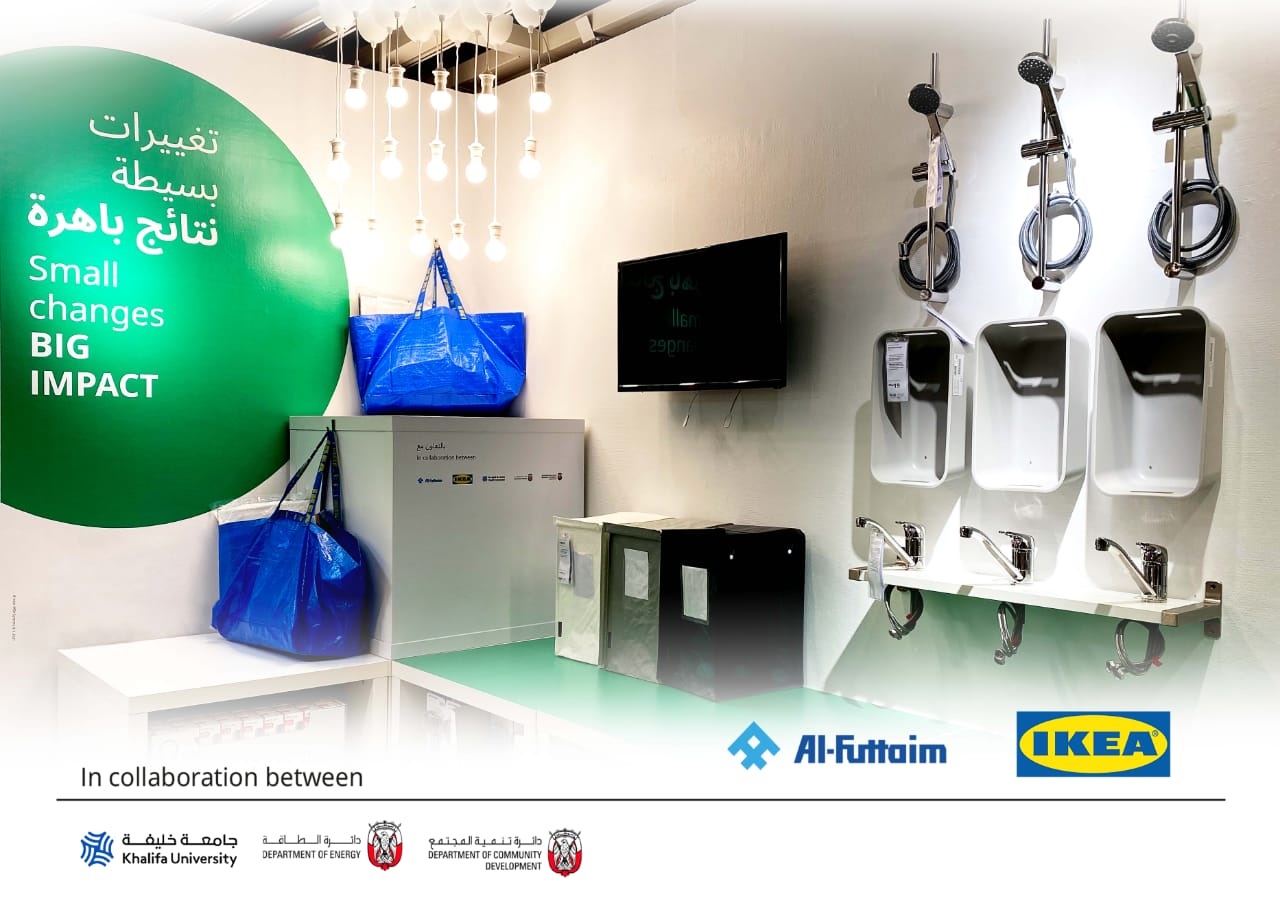
Abu Dhabi DoE, DCD, Khalifa University and Al-Futtaim IKEA Collaborate to Take Sustainable Living to the Next Level

Launch of a “Kit” to Raise Awareness on Environment-Friendly Products for Saving Water and Energy in Abu Dhabi and UAE  


A group of organizations in Abu Dhabi dedicated to sustainability, including the region’s favorite Swedish home furnishing retailer Al-Futtaim IKEA, the Abu Dhabi Department of Energy (DoE), the Abu Dhabi Department of Community Development (DCD) and Khalifa University of Science and Technology have come together on a joint initiative to engage the UAE’s citizens and residents in electricity and water conservation by launching the ‘IKEA energy efficiency kit’.


The energy efficiency kit follows DoE’s short-term behavior nudging program launched in 2020 to shift patterns of water and electricity consumption in Abu Dhabi by providing key consumer personas with tips and practical advice that appeal to their personal motivations. Khalifa University will be provided with the necessary data from users of the kit to conduct research to measure its efficiency in promoting energy-saving consumer behaviors.


Vinod Jayan, Managing Director at Al-Futtaim IKEA, UAE, Oman, Qatar and Egypt, said, ‘’At IKEA, our ambition for the region by 2025 is to inspire and enable more than 70 million people to live a better everyday life within the boundaries of the planet. We are honored to contribute towards this partnership with the Abu Dhabi Department of Energy (DoE), the Abu Dhabi Department of Community Development (DCD) and Khalifa University of Science and Technology. Our aim is to instill healthy and sustainable living habits in more people as they become concerned about their health and the health of the planet. The IKEA efficiency kit acts as a starting point to phase out and replace with new innovative solutions in order to contribute to a more sustainable society and safer homes.’’


The behavior nudging interventions are aligned with the goals of the Abu Dhabi Demand Side Management and Energy Rationalization Strategy 2030. To this effect, DoE conducted an extensive behavioral science-based research to understand factors influencing energy and water consumption in Abu Dhabi homes. Insights were used to design a set of interventions including a ‘bank of tips’ to nudge electricity and water use behavior, a free Energy Efficiency Advisor service through trained experts, virtual home assessments for households, a Use it Wisely digital platform, and a Self-Install Kit that contains several Do-It-Yourself water and energy efficiency items, along with a Use It Wisely leaflet for fun and engaging installation guidelines.


DoE’s Self-Install Kit aimed to raise awareness and educate the community about the impact of efficient equipment and fixtures, enticing them to adopt efficient practices and retrofit their homes with even more elaborative efficient appliances. Those kits were provided as a free reward for requesting the energy efficiency advisor services and opting-in via the Use It Wisely platform.


Following the success of the short-term interventions, DoE collaborated with DCD to design a new initiative that can furtherener increase the long-term accessibility and availability of efficiency kits to Abu Dhabi customers by working with a trusted retail partner with a proven ability to engage customers and drive sustainability goals – IKEA.


Eng. Ramiz Hamdan Alaileh, DoE’s Sustainability & Energy Efficiency Director, said: “At the DoE, we are committed to increasing adoption of energy efficient behavior and technologies to motivate households, institutions and industries to improve their water and electricity usage. We are pleased with the outcomes of our collaboration with DCD and IKEA to launch this energy efficiency kit initiative and look forward to the collaboration with Khalifa University to analyze findings and impacts and to provide recommendations for long-term energy and water saving interventions.”


Al Alaileh added: “We will continue our collaboration to ensure effective implementation of the new kit and empower Abu Dhabi to make further efforts toward energy efficiency. Importantly we will work with IKEA to provide kit customers with access to various types of educational media and easy-to-implement behavioral nudges through our Use It Wisely app, available on the Apple Store (https://apple.co/3qtS7Ea) and Google Play (https://bit.ly/2NvXlAK).


Her Excellency Dr Layla Abdulaziz Al Hyas, Executive Director of the Social Monitoring and Innovation Sector at the DCD, said: “Through the joint initiative, we want to make healthier and more sustainable living easy; we want to enable and inspire as many people as we can to make more sustainable choices every day, thus create a movement for a better, more sustainable everyday life in Abu Dhabi.


“Our objective is aligned with Abu Dhabi’s Vision 2030 that comprises dual focus areas – pragmatic thresholds and idealistic sustainability values – as well as the United Nations’ Sustainable Development Goals. Moreover, unsustainable consumption and climate change remain some of the biggest challenges for humanity, and it is our responsibility to contribute towards creating a more sustainable world. But we cannot do it alone. Everyone has a role to play in creating a sustainable reality, which is why we have joined hands with IKEA, as well as Khalifa University of Science and Technology and the Department of Energy. As part of the drive, we will conduct training sessions, challenges, and competitions, which we hope will enable us to engage with members of the Abu Dhabi community and eventually encourage them to adopt a more conscious and responsible lifestyle.”


“Even though high consumption of energy and water is often linked with harsh weather conditions that we live in, it is still possible to reduce usage significantly that will benefit everyone – individually and collectively. It will help save our environment which, in turn, will help us live healthier and better lives, while it will enable the government to save money that could be allocated to various developmental projects. The campaign can achieve its objective only by bringing about a behavioral change, which is what the campaign aims at. The drive is part of our ongoing effort to establish the foundations of environmental sustainability and support the sustainable development of Abu Dhabi by using electricity, water, and natural resources sensibly, to ensure their sustainability for generations to come.”


“We’re optimistic about the future. Through collaboration and commitment, we know it is possible to achieve amazing things.”


The multi-point collaboration for the energy efficiency kits will be the basis for collaborative research studies and publications on the technical as well as sociological aspects of energy and water efficiency in Abu Dhabi.


Dr. Arif Sultan Al Hammadi, Executive Vice-President, Khalifa University, said: “As a top-ranked university with multiple stakes in the areas of sustainability, Khalifa University is delighted to collaborate with our partners and promote behavioral change through supporting energy efficiency that ensures saving expenses while also saving the environment. Khalifa University is already part of the UN Sustainable Development Solutions Network, and joining with other partners, the university has further demonstrated its commitment to developing technologies for sustainable living.”


Khalifa University currently has several sustainability-related research initiatives, many of which are taking place at the university’s Masdar Institute. The university’s Young Future Energy Leaders (YFEL) program outreach initiative further aims to bring students and young professionals closer to government, business and other stakeholders active in alternative energy and sustainability. Recently, Khalifa University also launched a co-curricular program to teach students about innovation, entrepreneurship and leadership, with a focus on sustainability.


Clarence Michael
English Editor Specialist
2 November 2021

KU BSc Student Takes Third Place in EuroSkills Competition

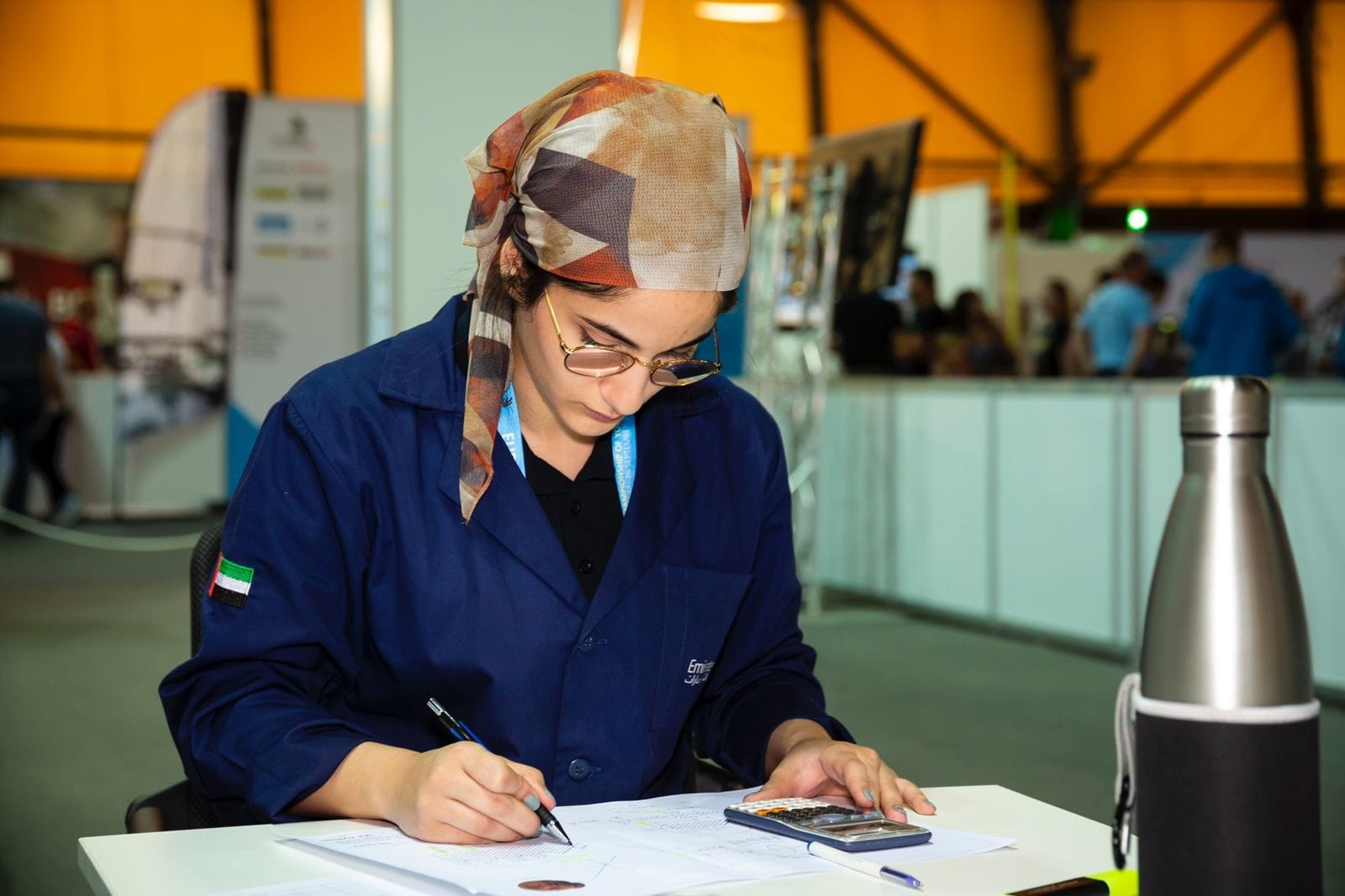
After taking first place in the EmiratesSkills competition in the CNC Turning category, BSc in Computer Science student Hanan Ahmed Alshamsi went on to represent the UAE in the same category at EuroSkills 2021 in Graz, Austria. 

After taking first place in the EmiratesSkills competition in the CNC Turning category, BSc in Computer Science student Hanan Ahmed Alshamsi went on to represent the UAE in the same category at EuroSkills 2021 in Graz, Austria. She was the first UAE representative to compete in the CNC category, which stands for Computer Numerical Control Turning, used to produce the precise and interactive parts of complex products from smartphones to airplanes.


EuroSkills is a vocational skills competition staged as a European championship every two years. The competition focuses on the outstanding achievements of young, talented, and skilled professionals, with around 400 participants competing in vocational categories from the industrial, craft, and service sectors.


“Having the opportunity to participate in EuroSkills was one of the best and most challenging experiences in my life,” Hanan said. “I trained for 7 to 10 hours every day, including weekends, for three months before the competition, while still keeping up with my university workload to stay on my graduation plan.


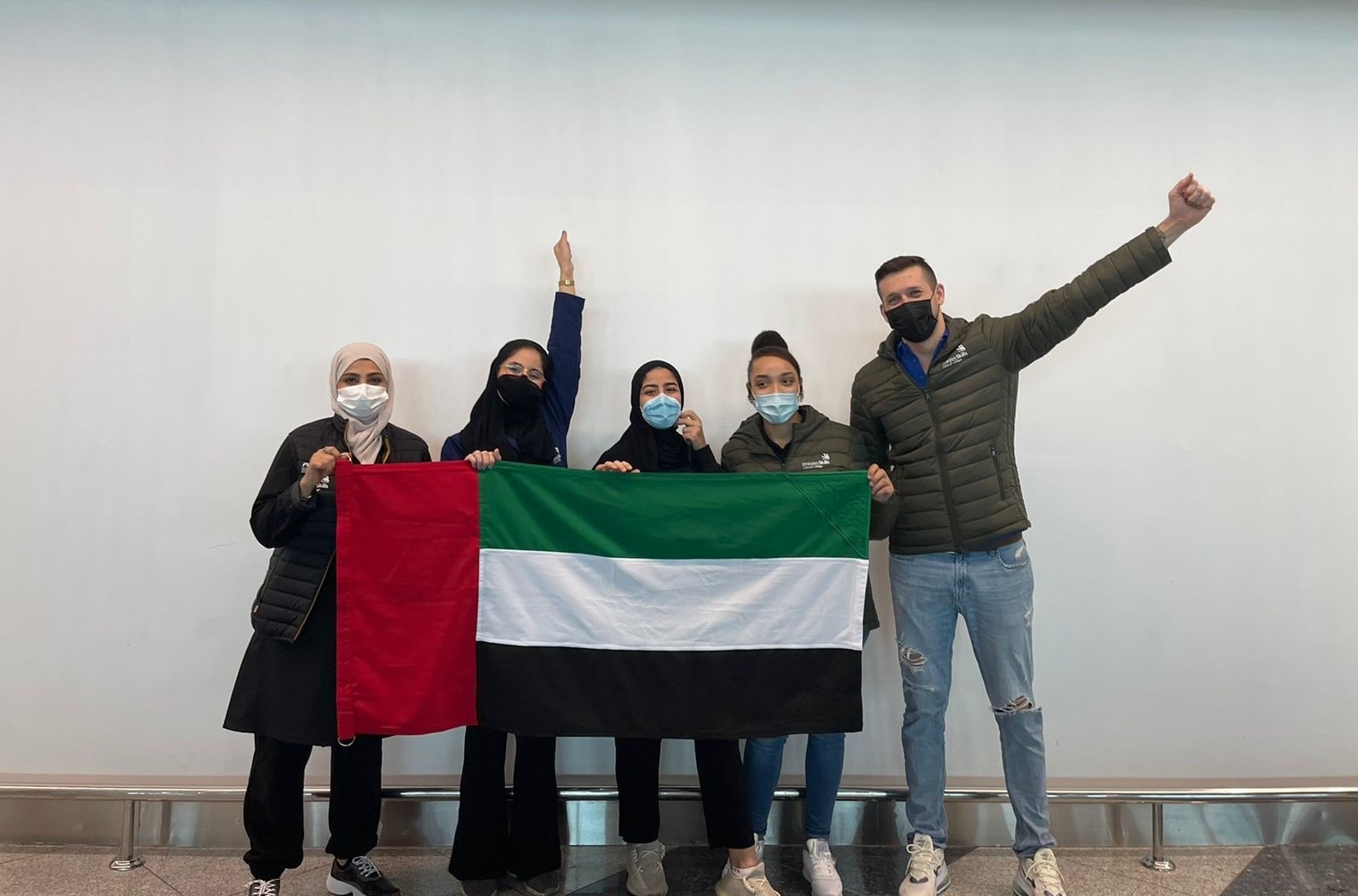
The UAE was one of only three guest countries, which meant that while we were part of the competition, we didn’t get medals, but the opportunity to go and gain experience and make connections was our reason for going.


It was definitely challenging. I was up against people who had been training full-time for over three years on a completely different machine than the one I trained on. Despite that, I performed really well and took third place.”


For her first time competing in an international competition and despite her limited time training and other commitments to her studies, Hanan showcased her talent and expertise in CNC turning, taking third place in her category. Her visit to EuroSkills 2021 was a stop on the journey to the 2022 WorldSkills Competition in Shanghai, where she will test her abilities against the best of the best in the world.


Jade Sterling
Science Writer
2 November 2021

KU MSc Student Awarded Golden Visa

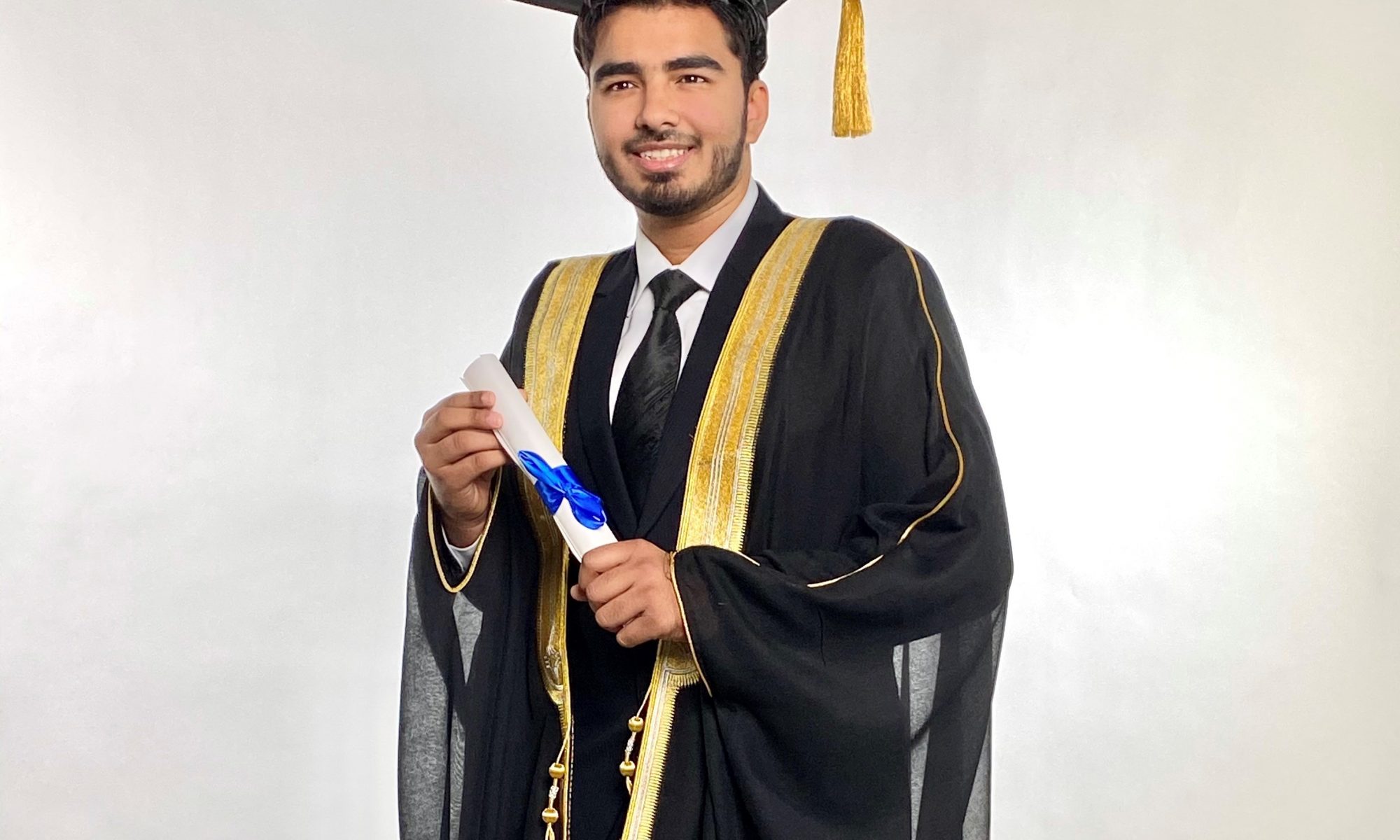
Khalifa University’s Muhammad Taha Ansari, MSc in Mechanical Engineering student, has been awarded the Golden Visa – a long-term residence visa issued by the UAE government to bright students with promising scientific capabilities.


Originally from Pakistan but born and raised in the UAE, Muhammad Taha is thankful to the UAE government and its leadership for giving him this unique opportunity.


“I will always work the extra mile to make my nations proud, and will always work for the betterment of my society,” he shared.


Muhammad Taha applied for the Golden Visa with the support and recommendation of Khalifa University faculty, including Dr. Ahmed Al Shoaibi, Senior Vice President for Academics and Student Services, and Dr. Dimitrios Kyritsis, Professor and Chair of the Mechanical Engineering Department.


“I would like to thank Dr. Ahmed Al Shoaibi for recommending my name and having trust in me, followed by the efforts of Dr. Kyritsis who always supported me. And I would also like to thank my advisor Dr. Jarrar, who has always guided me throughout my journey,” Muhammad said.


Muhammad Taha is currently in his final year of his Master’s program in Mechanical Engineering, and is also pursuing a concentration in Space Systems and Technology. He works on Khalifa University satellite projects at the University’s YahSat Space Lab and the Khalifa University Space and Technology Innovation Center (KUSTIC). He has helped develop the DhabiSat and Light-1 as satellites.


He is currently working to publish his research work related to ADCS (Attitude Determination and Control Systems), and will be converting his Master’s research into a space application tool that will facilitate future missions in the field of space. He also plans to continue his studies after he graduates, and looks forward to pursuing a PhD in the field of space technology and to then go on and work for a Space Agency. 


Muhammad Taha was awarded the Golden Visa due to his high CPGA (3.99/4.0) which he received during undergraduate studies at Khalifa University, where he majored in Mechanical Engineering. He has several accolades under his belt already. He served as President of the American Society of Mechanical Engineers (ASME) Student Chapter, and was also leader of the Team Solar Smart Vehicle, which was represented at several conferences and exhibitions. He was also part of several KU competitions and won first place at Hackathon 3.0 and second place at Hackathon 4.0.


Muhammad Taha now has a ten-year visa that can be automatically renewed, allowing him to live, work, and study in the UAE without requiring a national sponsor.


Erica Solomon
Senior Publication Specialist
28 October 2021

KU Student Awarded for Excellence in Engineering Research at Quwa Forum

Khalifa University Graduate Teaching Assistant and PhD candidate, Jawaher AlYammahi, has been awarded an Excellence in Research award from the Second Forum for Women in Research hosted by University of Sharjah. 


Quwa: Empowering Women in Research and Innovation categories address the most important issues, topics and priority research challenges in different fields, including health sciences, medicine, engineering, and computing and informatics. Coinciding with Emirati Women’s Day, the Quwa forum was held on 26 August with the 7th International Conference on Arab Women in Computing event.


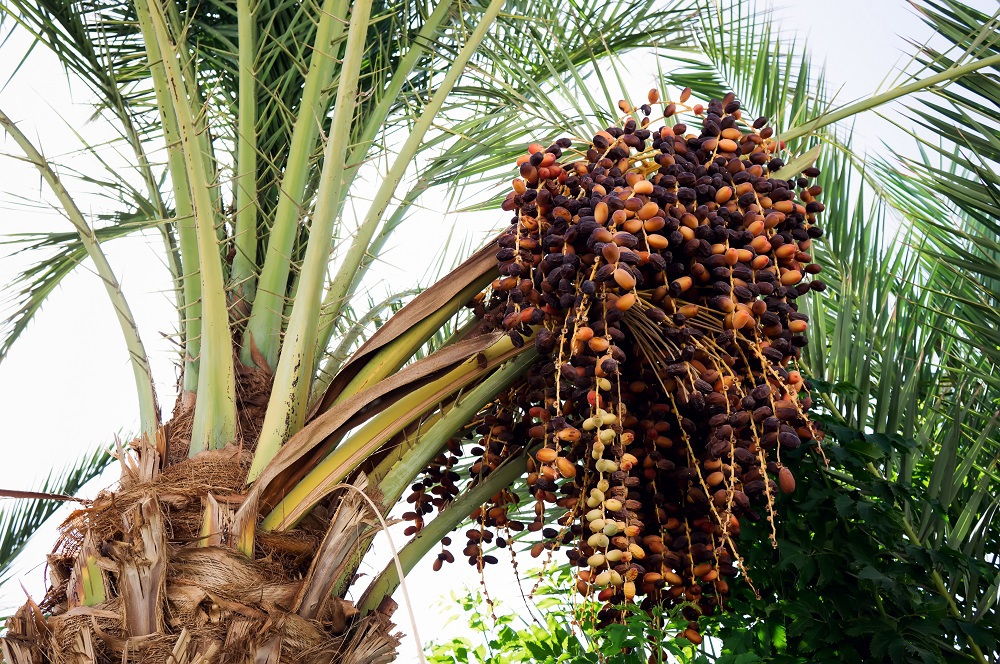
AlYammahi won the award for engineering for her paper on water-based extraction of sugar from dates. With Rambabu Krishnamoorthy, Post-doctoral Fellow, and Dr. Fawzi Banat, Professor of Chemical Engineering, AlYammahi used a novel technique to extract sugars and micronutrients from dates for use in sugar-alternative products.


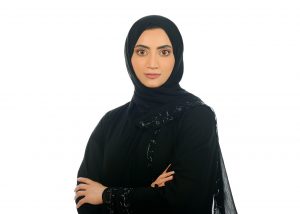
Jawaher AlYammahi, PhD Student at Khalifa University


“Recently, consumers have been preferring natural fruit sugar products, rather than commercial refined sugar, thanks to growing awareness of the various health risks and diseases related to white sugar,” AlYammahi said. “Date palm fruit is an excellent – and green – source for the glucose and fructose sugars that are a great alternative to the sucrose of refined sugar. However, dates have a gummy consistency, tough skin and rigid cell membrane, hindering the extraction of these alternative sugars, and current techniques just aren’t good enough. We used sub-critical water extraction to get 81 percent of the sugar from the dates, compared to the very low amounts seen using standard techniques.”


Sub-critical water extraction is a new and powerful technique that uses hot water and high pressure to extract different compounds from natural sources, like sugars from dates. It is recognized as a safe, cost-effective and more environmentally-friendly method as it uses water rather than other solvents in the process.


AlYammahi and her team were joined in the competition by other female researchers and students from Khalifa University.


Dr. Ameena Al Sumaiti, Associate Professor of Electrical Engineering, designed a multi-strategy planning support tool for electricity supply management.


With Dr. Mahmoud Meribout, Professor of Electrical Engineering, MSc students Asma Baobaid developed an artificial intelligence platform for face recognition and Budoor Alblooshi developed an autopilot system for autonomous vehicles.


PhD candidate Lamees Al Qassem created a framework for managing cloud workloads with Dr. Ibrahim Elfadel, Professor of Electrical Engineering and Computer Science, Dr. Ernesto Damiani, Professor and Senior Director of the Robotics and Intelligent Systems Institute, and Dr. Thanos Stouraitis, Professor and Department Chair of Electrical Engineering and Computer Science.


Dr. Maisam Wahbah, Post-doctoral Fellow, developed an algorithm to capture ECG signals from babies still in the womb in the early stages of pregnancy with Dr. Ahsan Khandoker, Associate Professor of Biomedical Engineering, and Dr. Mohammad Zitouni, Post-doctoral Fellow.


Maryam Alhasmi and Dr. Balasubramanian Vaithilingam, Principal Research Scientist, created a porous material from carbon to capture carbon dioxide from the atmosphere.


PhD candidate Fahmi Anwar and Dr. Georgios Karanikolos, Associate Professor of Chemical Engineering, developed a novel material for separating ethylene from ethane in the petrochemical industry.


Dr. Saeed Alkhazraji, Associate Professor of Chemical Engineering and Senior Director of Petroleum Institute, and Anjali Goyal, Research Assistant, collaborated with researchers from Higher Colleges of Technology in Abu Dhabi to develop natural particles to remove oil from water after an oil spill.


PhD candidate Amani Alhammadi and Dr. Daniel Choi, Professor of Mechanical Engineering, analyzed the performance of lithium ion batteries in low-temperature space applications.


Jade Sterling
Science Writer
28 October 2021

Abu Dhabi Researchers Find New Mask Technology Could Filter Out Viruses


By Shireena Al Nowais


Researchers in Abu Dhabi are developing a technology that could allow masks to filter out specific viruses such as Covid-19 and the flu.


Associate professor at Khalifa University Dr Ammar Nayfeh and a team of academics and doctors are working on creating this new face mask using nanotechnology.


“The idea is to create specific fibers with certain bonds that will filter out the virus,” said Dr Nayfeh.


Scientists across the world are using nanoparticles in mask designs due to their ability to slow or stop the spread of microorganisms.


‘Nano masks’ are actually already in use. Made with nanoparticle fabric they are widely available and most people have been wearing them since the outbreak of the Covid-19 pandemic, but the design has stayed the same despite the virus particle size changing.


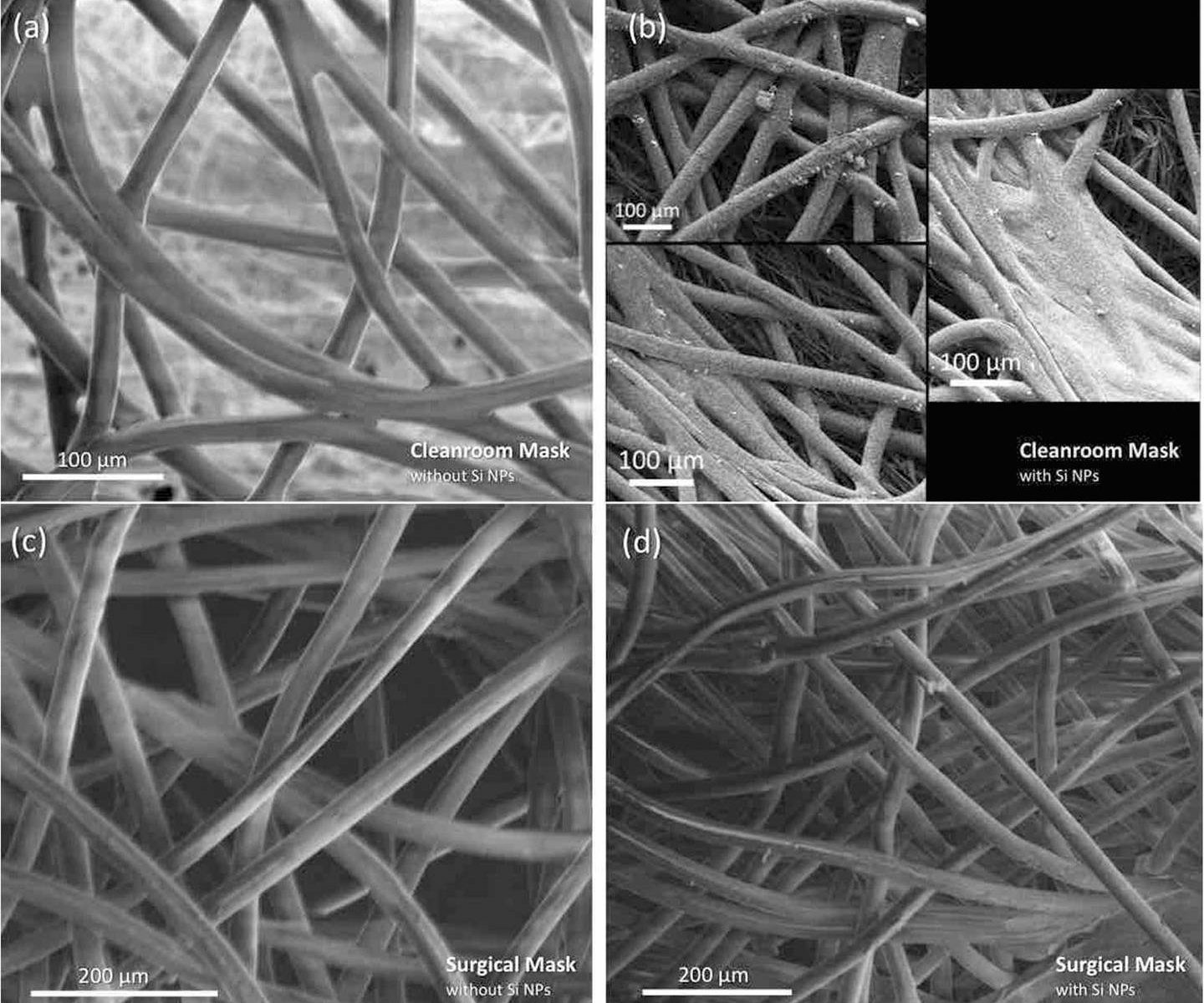
Scientists at Khalifa University used silicon nanoparticles encapsulated in aerosol to resemble the covid virus during testing. It was then sprayed onto two different masks with different fibre densities to demonstrate what would happen upon contact.


Read the rest of the article here: https://www.thenationalnews.com/uae/health/2021/10/27/abu-dhabi-researchers-find-new-mask-technology-could-filter-out-viruses/

Under the Patronage of Ministry of Economy UAE, Ericsson Announces the Six Winning Teams of Its “Together Apart” Hackathon

  • Al Falasi: The UAE will thrive to become a preferred hub for global innovation
  • The six winning teams, focusing on key areas of UAE Vision 2021, have been announced and will showcase their solutions at the Swedish Pavilion in Expo2020 
  • The six winning teams proposed solutions tackling key topics in the vision including healthcare, sustainable environment, and education
  • The grand prize winner will get the chance to visit Ericsson’s headquarters in Sweden to present the team’s solution and interact with the entrepreneurial community


Under the patronage of the United Arab Emirates (UAE) Ministry of Economy, Ericsson (NASDAQ: ERIC) organized the “Together Apart” Hackathon and the time has come to unveil the six winning teams who contributed with unique solutions that are in line with UAE Vision 2021 tackling key topics in the vision including healthcare, sustainable environment, and education.


The “Together Apart” Hackathon aim is to accelerate the journey towards a more connected future and solving global challenges by working with innovators, disruptors, and creative people of the UAE to build technology-based solutions aligned with the UAE Vision 2021. Participants from across the UAE were invited to contribute their innovative solutions, showcasing the power of connectivity and 5G, while taking inspiration from the six broad themes of UAE Vision 2021 – World Class Healthcare, First Rate Education System, Competitive Knowledge and Digital Economy, Sustainable Environment and Infrastructure, Safe Public and Road Safety, and Cohesive Society and Preserved Identity.


The finalists presented their solutions in front of the judging committee which selected six winners. Members of the judging committee consisted of senior representatives from the public and private sector including BecanWellness Solutions, Du, Dubai Future Foundation, Ericsson, Etisalat, Nasdaq and SOMA MATER.


The winning solutions are:

RenAIssance.

Members: Himanshu Upadhyay, Siddiq Anwar, Mohammad Yaqub, Mecit Can Emre Simsekler


Quoting the team about their solution: “RenAIssance re-imagines a world where high-quality medical care can be consistently provided to improve healthcare outcomes across the globe. RenAIssance endeavors to provide risk-based decision-making tools to healthcare providers looking after patients suffering from kidney disease by leveraging its cutting-edge AI platform. It integrates disruptive technologies and innovations in medical Internet of Things (IoT) devices and 5G technology with its cloud-based, medical Intellectual Property (IP)-rich AI platform to deliver its services.”


Read the complete article here: https://www.ericsson.com/en/press-releases/5/2021/under-the-patronage-of-ministry-of-economy-uae-ericsson-announces-the-six-winning-teams-of-its-together-apart-hackathon 

Khalifa University to Highlight Its Status as Key Stakeholder in Knowledge and Human Capital Development at Aqdar World Summit 2021

University to Spotlight Latest Innovations in Sustainable Development, Especially in Science, Technology and Engineering Areas  


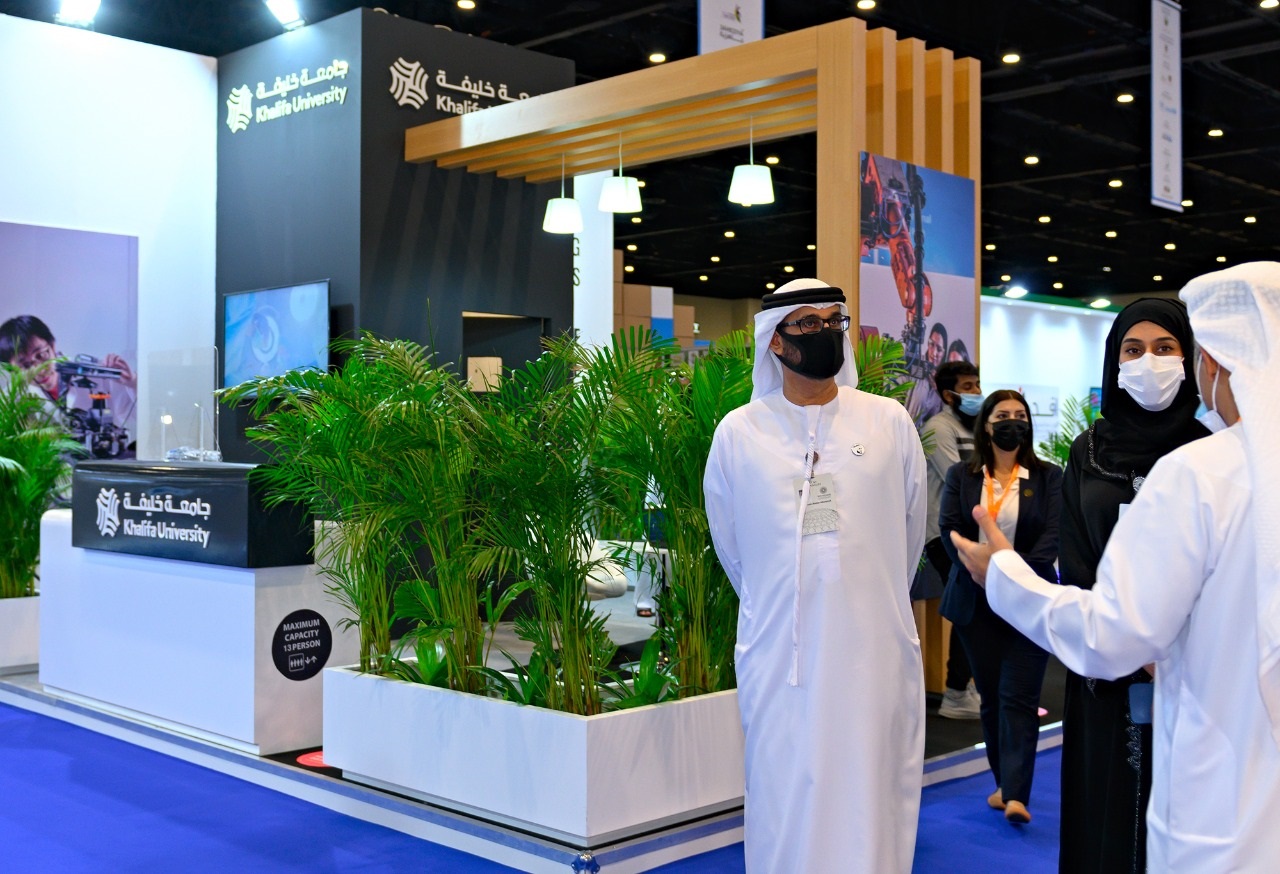
Khalifa University of Science and Technology today announced it will showcase its expanded academic offerings and research options at the Aqdar World Summit 2021 exhibition to demonstrate its status as a key stakeholder in the knowledge and human capital development sector.


Aqdar World Summit 2021 will be held from 25-27 October alongside the world’s greatest show, EXPO 2020 Dubai. Khalifa University’s participation in the exhibition under the ‘Future of Education’ segment, is also in line with the summit’s key slogan ‘Nourishing Minds, Flourishing Nations’, which is aimed at building the capabilities of communities in diverse cultures, with the UAE representing a part of this global diversity. The summit’s theme is ‘Positive Global Citizenship – Empowerment of Sustainable Investment Opportunities’.


Dr. Ahmed Al Shoaibi, Senior Vice-President, Academic and Student Services, Khalifa University, Khalifa University, said: “Knowledge and human capital development sector remains integral to any community’s overall progress, and universities and academic institutions have an essential role in contributing to this fundamental aspect. Through our participation in the Aqdar World Summit exhibition, we aim to showcase not only our academic and research strengths but also the innovative solutions that our expert faculty and talented students have been able to achieve over the years. For stakeholders interested in the latest innovations in sustainable development, especially in the science, technology and engineering areas, Khalifa University will spotlight the depth of its commitment towards creating, developing and building human and intellectual capital regionally and globally.”


Khalifa University’s 20 research centers drive innovation in an impressive array of research domains including the UAE’s strategic industries such as space systems and technologies, aerospace, robotics, machine intelligence, nuclear engineering, clean energy, sustainability, nanotechnologies, cyber security, biotechnology, advanced manufacturing and supply chain logistics. At present, Khalifa University has 189 issued patents, with 247 pending patents numbering and 443 invention disclosures.


Currently, Khalifa University’s PhD offerings cover Aerospace, Biomedical, Chemical, Electrical, Computer, Engineering Systems, Materials, Mechanical, Nuclear, Petroleum and Robotics areas. The University offers doctorate programs in 15 areas, as well as one MD, 17 Master’s and 16 Bachelor’s programs. The most recently launched PhD programs include Chemistry, Physics, Math, and Earth Sciences, while bachelor’s programs in Cell and Molecular Biology, and Earth and Planetary Sciences, as well as Master’s program in Aerospace Engineering were recently launched.


Clarence Michael
English Editor Specialist
25 October 2021

The Genes in Camel Kidneys Can Be Switched On and Off to Survive Dehydration

Researchers uncover how genes found in camel kidneys reveal a role for cholesterol in water conservation


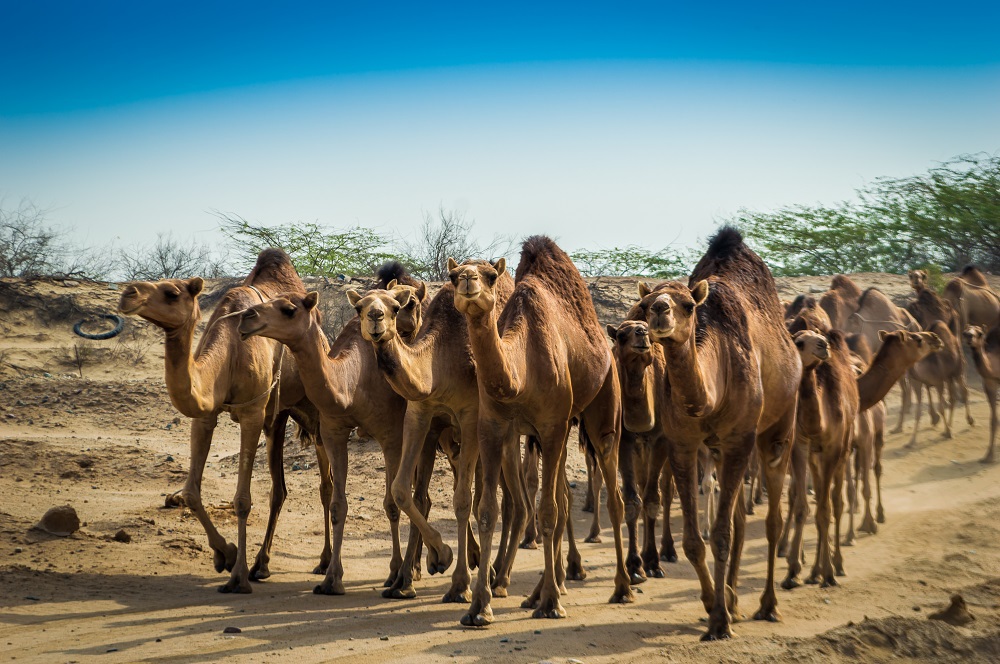
Imagine a trek across the desert and you’ll likely picture a camel or two.


In the arid and semi-arid regions of North and East Africa, the Arabian Peninsula, and Iran, the Camelus dromedarius is the most important livestock animal and continues to provide basic needs to millions of people. Thought to have been domesticated for more than 3000 years, they have long been valued as pack animals, for milk, meat, and shelter, and even sport.


The Arabian camel is a symbol of the Arabian region, with its single hump storing up to 80 pounds of fat which it can break down into water and energy during its long expeditions for water and food.


To better understand how the Arabian camel manages to preserve water, Dr. Abdu Adem, Professor of Pharmacology at Khalifa University, supervised an investigation by a team of researchers from the University of Bristol and United Arab Emirates University. The investigation examined the genes in the kidneys of camels exposed to chronic dehydration to determine how Arabian camels can survive long periods of time in harsh conditions without access to water and what humanity could possibly learn from this. The results were published in Communications Biology.


Dr. Adem said. “Behavioral and physiological adaptations ensure that water is never wasted. Camels will only eat the leaves of plants, they avoid exposure to direct sunlight where possible, restrict reproduction to the cooler winter season, and drink very large amounts of water when available to compensate for any fluid deficiency from their desert wandering.”


Camels have been known to drink 30 gallons of water in just 13 minutes, but even here they have an evolutionary adaptation to avoid osmotic shock: they absorb the water very slowly. An intricate nasal passage prevents too much water loss when the camel breathes out, but more importantly, water evaporates from the surface of the nostrils to moisturize dry air when the camel breathes in, helping to cool the blood in the veins of the nose. Thanks to thin blood vessel walls, this cooler venous blood can help cool the blood in the arteries leading to the brain, meaning the camel’s brain is considerably lower in temperature than the body core. Even the red blood cells themselves have a special shape shown to be advantageous in withstanding dehydration. On top of all this, camels rarely sweat, even in the searing temperatures of the desert, all helping to conserve water for as long as possible.


“In the current context of climate change, there is renewed interest in the mechanisms that enable camels and camelids to survive in arid conditions,” Dr. Adem said. “We investigated the camel kidney to see how gene expression has been influenced by chronic dehydration and rapid rehydration. Our analysis suggests that genes with known roles in water conservation are affected by changes in cholesterol levels. Suppressing the production of cholesterol may help the kidney retain water.”


Camels produce highly concentrated urine, preserving as much water as possible. To produce such urine, the kidney must possess certain anatomical features. Previous research has shown that the kidney of a young camel differs in structure from that of an adult, suggesting that the differences may be related to a greater degree of water deprivation experienced by adult animals. This would suggest that chronic dehydration causes genes in the adult camel kidney to be expressed differently, allowing the kidney to better preserve water.


The research team noted that the amount of cholesterol in the kidney has a role in the water conservation process.


“We found remarkable changes in the amounts of specific genes and proteins in the kidney of the one-humped Arabian camel during severe dehydration and subsequent acute rehydration,” Dr. Adem said. “Our data suggests that the suppression of genes involved in cholesterol biosynthesis and the subsequent reduction in membrane cholesterol are a global response in the kidney to dehydration.”


Several ion channels and transporters are regulated by changes in the level of cholesterol in the cell. Dehydration and excessive heat cause electrolyte imbalances in the body, and the kidneys are one factor in keeping electrolyte levels balanced. If there is an increase of cholesterol in the membrane of the kidney, movement through the ion channels is blocked. When cholesterol levels are lowered, water and electrolytes can move across different parts of the kidney which helps reabsorb water and produce a highly concentrated urine. 


The researchers found that during the summer, the gene that regulates the production of a protein called aquaporin 2 is expressed more, presumably in preparation for the more challenging conditions of the season. Aquaporin 2 forms a channel in cell membranes to allow water molecules to pass through. During periods of dehydration, aquaporin 2 channels are inserted into the membranes of kidney cells which allows water to be reabsorbed into the bloodstream, making the urine more concentrated. The researchers found that when cholesterol was depleted, aquaporin 2 levels increased.


While this new knowledge contributes to our understanding of the immense evolutionary advantages the Arabian camel uses to survive in the desert, it could more importantly help humanity better adapt to advancing desertification amid climate change. Understanding the mechanisms of water control in dehydration could allow us to apply various principles to water conservation across a wide variety of disciplines.


Jade Sterling
Science Writer
24 October 2021

Khalifa University Researchers Develop a New Environmentally-Friendly Way to Produce Nanoparticles that Fight Bacteria

Silver nanoparticles are potent antimicrobials but they are expensive to manufacture and require toxic solvents to produce. A team of researchers from Khalifa University has found a new way to produce silver nanoparticles using biochemistry and magnetic fields. 


Metal and metal oxide nanoparticles are useful in a wide variety of commercial applications and consumer products, with manufacturers taking advantage of their unique electrical, optical and catalytic properties. Silver nanoparticles are one such example, as due to their potent antimicrobial activity, they are often incorporated into soaps, wound-dressings, creams and biomedical devices, such as catheters and valves, which are especially susceptible to bacterial growth.


They published their findings in Scientific Reports earlier this month.


The team included Prof. David Sheehan, Professor of Biochemistry and Dean of the College of Arts and Sciences, Dr. Siobhan O’Sullivan, Assistant Professor of Molecular Biology and Genetics, both from Khalifa University, and  Ameni Kthiri , Dr. Selma Hamimed, Abdelhak Othmani, and Ahmed Landoulsi, from Carthage University, Tunisia.


“The aim of our work is to reduce the use of potentially harmful reagents in the manufacturing of silver nanoparticles in order to mitigate any health or environmental risks,” Prof. Sheehan explained.


“Green chemistry uses environmentally sustainable routes to design, and manufacture chemical products, and one popular approach to green metal nanoparticle synthesis is to use biological systems. Various bacteria, fungi, plants and biological waste products can catalyze the reactions that reduce metals and lead to useful nanostructures.”


Reduction is a chemical reaction in which an atom gains electrons from a reducing agent. Reducing agents can be natural or synthetic, with green synthesis methods sometimes involving plant-based extracts or microorganisms to eliminate the need for hazardous chemicals. Green synthesis has the added benefit of being cost-effective and efficient, as well as helping to stabilize the resulting nanoparticles. The methods used also offer the ability to fine-tune nanoparticle size by controlling the amount and type of reducing agent used.


Some cells contain or secrete enzymes that are biochemical routes to metal reduction, but the exact way they work is poorly understood.


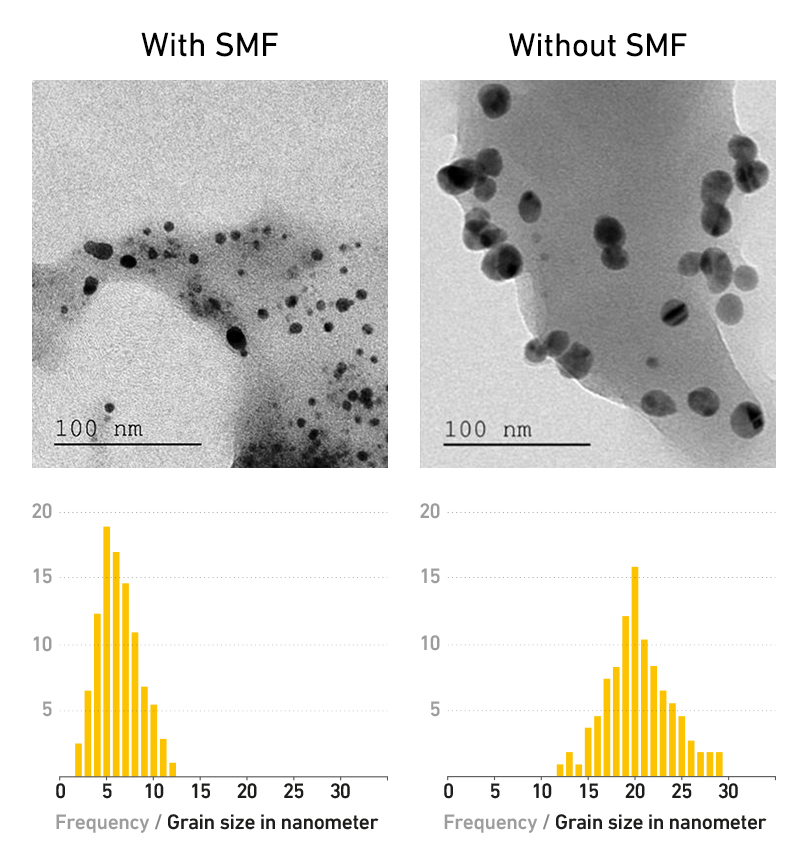
Additionally, the antimicrobial properties of the resulting silver nanoparticles depend on their average diameter – the smaller the nanoparticle, the more effective against bacteria. When silver nanoparticles were developed using baker’s yeast, Saccharomyces cerevisiae, they ranged between 11 and 25 nanometers.


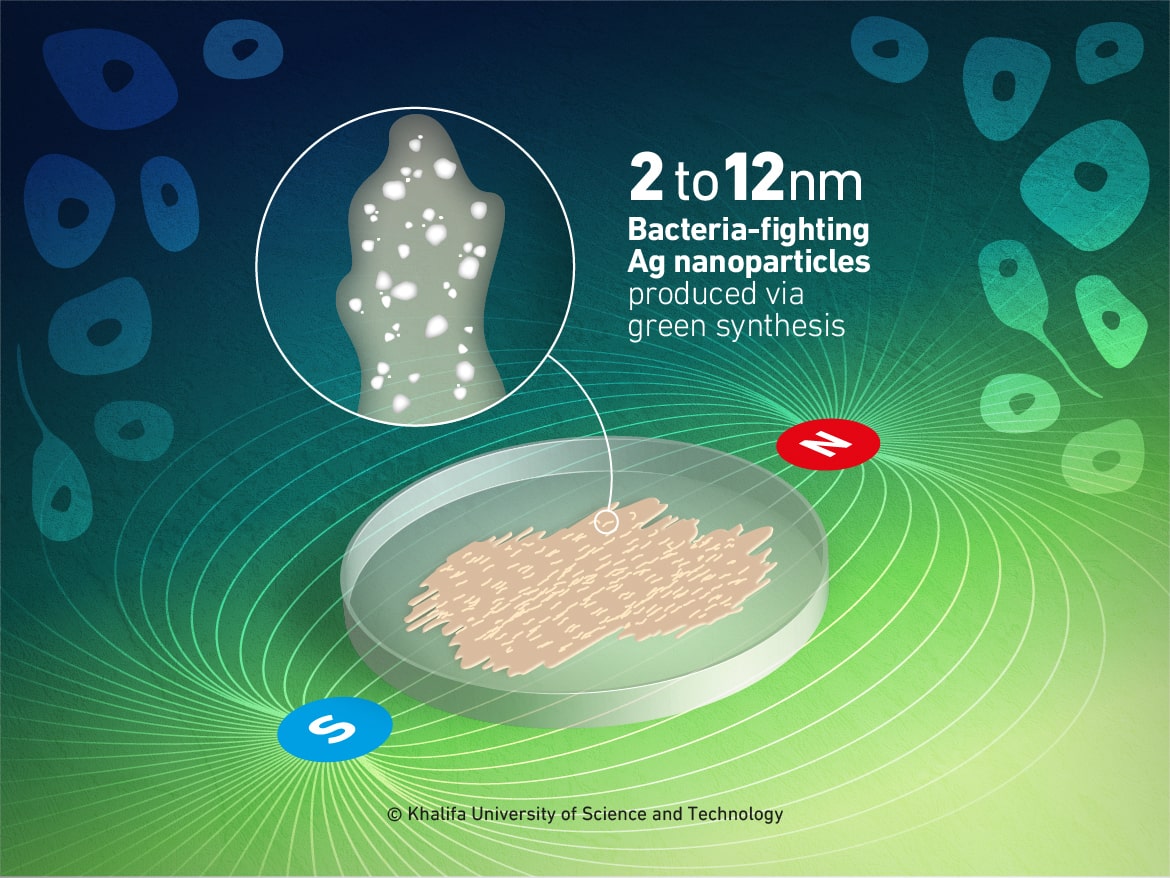
Prof. Sheehan and his research team introduced a static magnetic field to the biosynthesis in their new approach. The nanoparticles from this method were significantly smaller than those typically produced biosynthetically, ranging from  2 to 12 nanometers in size. Plus, the nanoparticles obtained using the magnetic field were highly crystalline, stable and near-uniform in shape. Most importantly, the antibacterial activity was greater than that seen in the control cultures.


Image credit: Courtesy of the researchers

When a static magnetic field (SMF) is applied to this synthesis method, the nanoparticles produced are significantly smaller.


Magnetic fields are force fields created by a magnet, or as a consequence of the flow of electricity. A static magnetic field is one which does not vary with time, characterized by steady direction, flow rate and strength. They are constant and arise from a variety of sources including the Earth’s own magnetic field, direct current transmission lines, and domestic electrical devices, including microwaves and mobile phones.


The medical imaging technique, magnetic resonance imaging (MRI), uses strong magnetic fields to generate images of the organs in the body because they can “readily penetrate biological material and interact with charged species such as ions and proteins,” Prof. Sheehan said.


The researchers found that Saccharomyces cerevisiae, the baker’s yeast bacteria they used in their experiment to develop silver nanoparticles, experienced oxidative stress and a profound reduction in growth rate when exposed to a weak static magnetic field.


They found that the nanoparticles developed with a magnetic field were notably smaller and more bactericidal, or better at preventing the growth of bacteria. 


The research team hypothesized that the silver nanoparticles were formed by reduction of the silver nitrate due to the adsorption of silver ions on the surface of the S. cerevisiae metabolic products, such as enzymes and polysaccharides present. The nitrate collected into the pores of the metabolic products, leaving the silver nanoparticles free in solution.


The research team also suggested that the static magnetic field creates waves through the liquid where the reaction takes place, which enhances the decomposition of biomolecules through oxidative stress, releasing free radicals which then act as reducing agents. 


Additionally, the team believes this is the first method to use static magnetic fields to produce metal nanoparticles from biosynthesis. As nanoparticles could provide a viable alternative to conventional antibiotics, making silver nanoparticles in a cost-effective, efficient, and environmentally-friendly way could be vital to global public health and the fight against antibiotic resistance.


Jade Sterling
Science Writer
24 October 2021

Combining Mathematical Modeling and Machine Learning to Better Predict Tumor Growth


When data is sparse and medical knowledge of a disease is limited, combining modelling approaches can lead to more accurate predictions of clinical outcomes


Big data in healthcare is nothing new. Hospital records, medical records, results of medical examinations and biomedical research generate vast quantities of information that need to be handled carefully and accurately.


Sometimes, clinicians and researchers don’t understand how a disease progresses or the biochemical mechanisms behind a disease. Other times the data available is sparse because it depends on when the patient physically attends a clinic or appointment.


In the first case, the predictive accuracy of clinical outcomes for any mathematical model is limited as the underlying biological mechanisms are only partly understood. Machine learning techniques do not require knowledge of the underlying interactions in biomedical problems but infrequent data does impact their use, restraining any algorithm from accurately inferring the corresponding disease dynamics.  


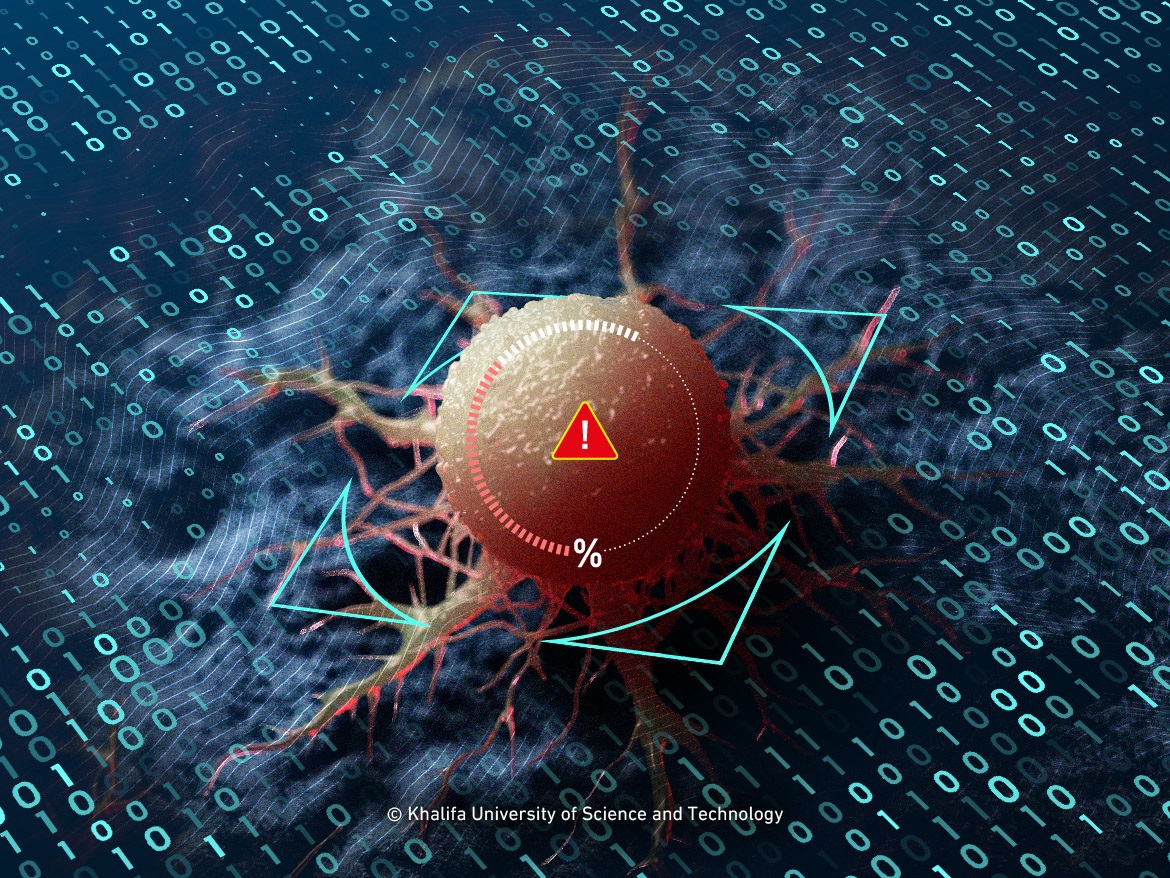
Combining the two approaches could be the solution. Dr. Haralampos Hatzikirou, Associate Professor of Mathematics at Khalifa University, proposed a method to improve individualized predictions in cancer patients based on the Bayesian coupling of mathematical modelling and machine learning. This approach was tested on a simulated dataset for brain tumor patients and on two real cohorts of patients with leukemia and ovarian cancer. The results were closely aligned with the actual clinical data for individual patients, suggesting its potential use in enabling accurate personalized clinical predictions in healthcare.


Dr. Hatzikirou worked with Pietro Mascheroni, Michael Meyer-Hermann and Juan Carlos Lopez Alfonso from Braunschweig Integrated Center of Systems Biology and Helmholtz Centre for Infectious Research, Germany, and Dr. Symeon Savvopoulos, Mathematics Post-doctoral Fellow at Khalifa University.


The results were published in Nature Communications Medicine.


In oncology, this clinical data is the cornerstone of providing personalized healthcare to the patient, but using the data is more challenging.


“Although mathematical models can be extremely powerful in proposing biological hypotheses, they require adequate knowledge of the underlying biological mechanisms of the analyzed system,” Dr. Hatzikirou explained. “Typically, this knowledge is not complete and we only know a limited amount of mechanistic interactions, such as molecular pathways, seen in cancer. Therefore, even though mathematical models provide a good description of an idealized version of what’s going on in cancer dynamics, they can’t always allow for accurate and quantitative predictions.


“On the other hand, machine learning techniques can handle the inherent complexity of biomedical problems. While mathematical models rely on causality, statistical learning methods identify correlations among data so they can systematically process large amounts of data and infer hidden data patterns. However, the data for each patient is limited to being collected whenever a patient is in the hospital or clinic. This doesn’t provide the algorithm with enough data to make meaningful individualized inferences.”


Dr. Hatzikirou and the research team proposed the first Bayesian method that combines the two techniques.


Bayes’ Theorem deals with probabilities based on prior experiences. These priors provide some information but once there is more data, the priors can be updated. It’s the law of probability governing the strength of evidence, saying how much to revise our probabilities when we observe new evidence. For example, if you know your patient has a positive cancer test result, and that’s all you know, you can look at how many people with a positive test result actually have cancer, and that is input to determining the probability that your patient has cancer.


The team first tested their approach on a simulated dataset of 500 virtual patients with brain cancer. Their model accounted for oxygen consumption by tumor cells, formation of new blood vessels due to the cancer spreading, and detecting the compression of other blood vessels by tumors growing and squashing them. For this demonstration, the team considered the tumor cell density to be the ‘modelable’ variable and the other variables as ‘unmodelable’ to represent the unknown mechanisms of disease progression. In the simulation, each patient attended appointments over a three-year period to serve as the sparse data collection opportunities.


First, a mathematical model for brain tumor growth was simulated, then a machine learning model, before finally the combined approach for comparison against the two individual models. The team found that their combined approach performs particularly well for prediction times larger than six months.


“Our method was able to correct the mathematical model predictions for most of the patients, particularly at later times,” Dr. Savvopoulos said. “We then tested our method on two cohorts of real life patients, using their data to more carefully test the effects of ‘unmodelable’ variables, or those unknowns. We used clinical datasets from patients with leukemia and patients with ovarian cancer.”


“Our proposed method aspires to solve a dire problem in personalized medicine that is related to the limited time-points of patient data collection and limited knowledge in cancer biology,” Dr. Hatzikirou said. “In all our tests, we found our model had excellent predictive capacity, but we did recognize some limitations that should be addressed when applying the methodology to real cases.”


Most importantly, this new combined approach is not restricted to Oncology. Most applications of clinical predictions concern data that is heterogeneous and sparse and there are always unknowns in our knowledge of disease mechanisms.


Jade Sterling
Science Writer
24 October 2021