Dr. Jiju Antony Honored with the UK Institute of Six Sigma Professionals’ Significant Contribution Award 2021

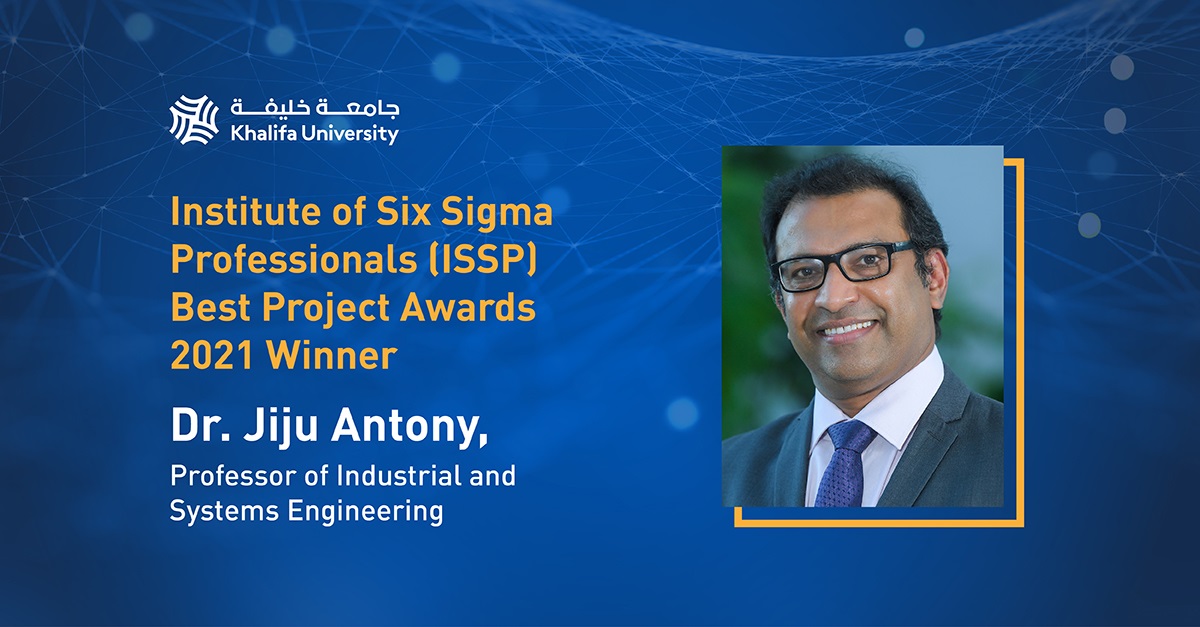
Dr. Jiju Antony, Professor of Industrial and Systems Engineering, won the Institute of Six Sigma Professionals (ISSP) Best Project Awards 2021 in the category “Significant Contribution to the field of Lean Six Sigma.”  


Upon winning the award, Steve Anthony, CEO of the Institute of Six Sigma Professionals, UK, said: “Dr. Antony has for many years been the go-to person for robust research and opinion in the world of Lean Six Sigma, and his international conferences, publications, students and research are world class. The ISSP wishes to recognize Dr. Antony’s contribution to the world of Lean Six Sigma by honoring him with the ISSP 2021 Significant Contribution award.”


 Professor Antony’s contribution to the body of Lean Six Sigma include:

  • Highest number of citations for his research outputs on Lean Six Sigma according to Scopus and Google Scholar
  • Highest number of academic journal papers and practitioner-oriented papers published on various Lean Six Sigma topics
  • Founder of the International Conference on Lean Six Sigma since 2004
  • Founder of the International Journal of Lean Six Sigma published by Emerald since 2010
  • Trained over 1000 professionals from 185 plus companies across over 20 countries
  • Winner of the Walter Mazing Book prize in 2020 for his book entitled “Ten Commandments of Lean Six Sigma”
  • Outstanding Contribution to Quality Management practice award from the Chartered Quality Institute (UK) in 2020
  • “Lifetime Outstanding Contribution to Lean Six Sigma” award from the International Lean Six Sigma Institute in summer 2021


Dr. Antony is recognized worldwide as a leader in Lean Six Sigma (LSS) methodology for improving processes and achieving operational excellence. He has put his passion for process improvement to use. As a certified LSS Master Black Belt (the pinnacle of Six Sigma expertise), Dr. Antony has a proven track record for conducting internationally leading research in the field of Quality Management, Continuous Improvement and Operational Excellence.


For example, Dr. Antony was instrumental in introducing Lean Six Sigma to a public sector organization with over 400 employees in Scotland, UK in 2012. He was responsible for training, coaching and mentoring over 60 Lean Six Sigma projects in this organization and demonstrated savings of more than 1.5 million sterling pounds over a three-year period. 


He was also responsible for introducing Lean Six Sigma at a Scottish Utility company, where he trained, coached and mentored over 30 people, which resulted in hard cash savings of more than 2 million sterling pounds over a period of less than 18 months. 


He has also helped a Scottish university develop an LSS program and delivered over 50 business process improvement projects with varied complexity.


Dr. Antony teaches quality and reliability engineering and advanced quality management practices in the Department of Industrial and Systems Engineering. He aspires to set up an Operational Excellence Research Center integrated with Industry 4.0 at KU so that many local businesses can improve the efficiency and effectiveness of their processes. 


The Institute of Six Sigma Professionals was established in 2011 in order to link like-minded people with an interest in Six Sigma around the UK. They support and develop Six Sigma professionals through various networking events, access to training materials, accreditation services and more.


Erica Solomon
Senior Publication Specialist
12 December 2021


Khalifa University and Strata Researchers Develop Vision-Guided Cobots for High-Precision Manufacturing Tasks

Project to Offer Numerous Advantages in Performance, Productivity, Efficiency, and Safety, in Line with UAE’s 4th IR and ‘Operation 300bn’ Strategies  


Khalifa University today announced researchers at its Aerospace Research and Innovation Center (ARIC) are exploring the deployment of industrial robots guided by computer vision to perform high-precision manufacturing tasks for Strata Manufacturing, in line with the UAE’s 4th IR and the ‘Operation 300bn’ strategies. 


These industrial robots, also called vision-guided cobots or collaborative robots, will be used in automated cyber-physical manufacturing and machining processes that will offer numerous advantages in terms of performance, productivity, efficiency, and safety. The aim of this project is to develop things at the lab then deploy them at Strata. These cobots will be used for solving real-world industrial challenges, especially through Khalifa University’s collaboration with the Al Ain-based composite aero-structures manufacturer Strata, which is wholly-owned by Mubadala Investments. ARIC is jointly funded by Khalifa University, Strata, and Mubadala.


At the same time, the project is also building industrial know-how and expanding knowledge base locally through providing students with learning at different stages of their campus life. Two graduate students and four UAE national undergraduate students are also involved in this project. Ameera Al Shehhi, Nouf Al Mesafri, Bushra Al Dhanhani, Mouza Al Zaabi and Anoud Al Zahmi are senior engineering students from Khalifa University who have conducted their summer internship program with Strata. They are currently working on automating repetitive and labor-intensive tasks with advanced computer vision-based technologies that enable robots to operate smarter and safer in the factory.


Dr. Arif Sultan Al Hammadi, Executive Vice-President, Khalifa University, said: “This vision-guided collaborative robots project is another stellar example of Khalifa University’s research projects that are not only industrially-relevant but also economically and financially significant. The outcome of this project will prove beneficial to our partners Strata, through technology enhancements. This project is also in line with the UAE’s 4th IR strategy that aims to work towards advancing the national economy, while making the industrial sector the driving force that contributes to sustainable development.” 


This project is among several projects currently being executed at ARIC where researchers from Khalifa University and Engineers at Strata work hand-in-hand to develop groundbreaking solutions for practical problems in advanced manufacturing. 


Mr. Ismail Ali Abdulla, CEO of Strata said: “ARIC has a unique model for joint R&D between industry and academia in the whole region. It provides an innovative environment for integrating science and engineering to develop practical solutions in addition to developing human capital know-how that is critical for the growth of the advanced manufacturing industry in UAE.” 


The Principal Investigator of the project is Dr. Yahya Zweiri, Associate Professor, Aerospace Engineering, and the Co-PI is Dr. Cesare Stefanini, Professor, Biomedical Engineering, while the lead researcher is Abdulla Ayyad, Research Associate. Strata Engineers Dewald Swart, and Gordon Ferguson are also involved in this project.


Researchers at ARIC use artificial intelligence and computer vision to develop guidance and control strategies for these industrial robots to perform manufacturing tasks quicker with higher reliability for a wide range of shop-floor applications. In addition, the collaboration with Strata allows validation of these technologies in natural living environments that capture the complexity of the end-use applications. 


Concurrently, researchers are also laying the groundwork for the use of vision-based tactile sensing in robotic machining. Tactile sensing is crucial for the success of precise and sensitive machining operations to guarantee repeatability and to avoid damaging delicate work-pieces. It brings advantages in bandwidth, resolution, and cost-efficiency, compared to conventional tactile sensing approaches.


Clarence Michael
English Editor Specialist
11 December 2021

Khalifa University and ADNOC Sign R&D Framework Agreement to Undertake Research and Development Program

Agreement Paves Way for Advancing Innovation in the Abu Dhabi Oil and Gas Sector  


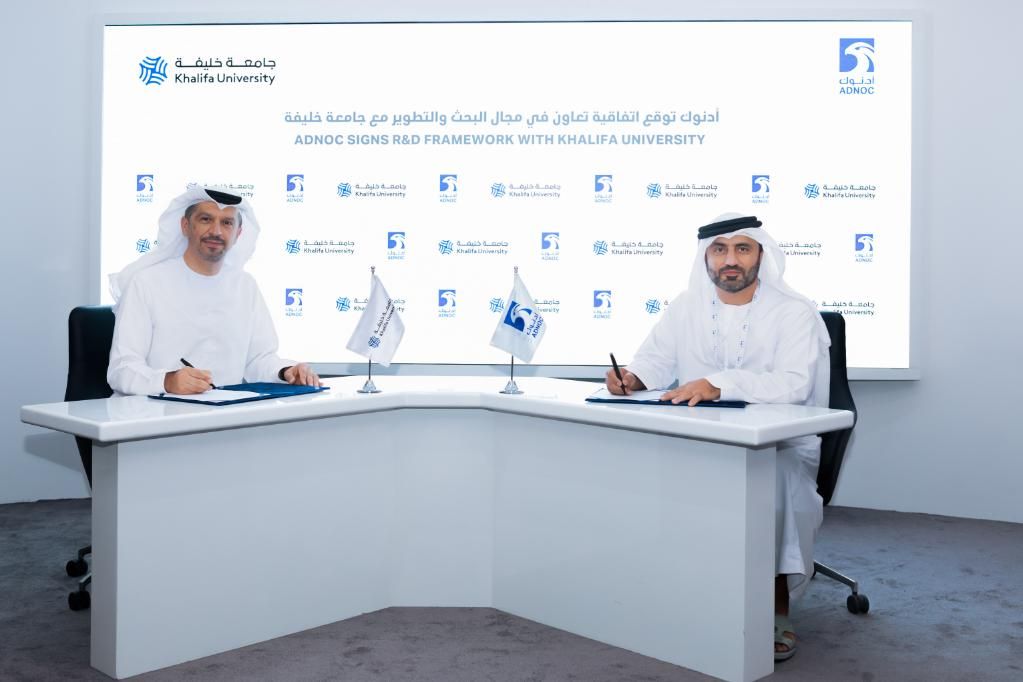
Khalifa University of Science and Technology and the Abu Dhabi National Oil Company (ADNOC) announced they have signed a research and development framework agreement for undertaking a joint research and development program that will advance innovation in the oil and gas sector in the areas of strategic importance to ADNOC. 


The agreement was signed by Dr. Arif Sultan Al Hammadi, Executive Vice-President, Khalifa University, and Abdulmunim Saif Al Kindy, Executive Director, People, Technology & Corporate Support Directorate, ADNOC, on the sidelines of the Abu Dhabi International Petroleum Exhibition and Conference (ADIPEC) 2021 that was held from 15-18 November at the Abu Dhabi National Exhibition Center (ADNEC). 


According to the agreement, a research and development board will be established with particular focus on upstream, downstream and digital solutions for the oil and gas industry and will have members from both partners. Khalifa University’s members are Dr. Steve Griffiths, Senior Vice-President, Research and Development; Dr. Saeed Alhassan, Senior Director, Petroleum Institute; and Dr. Ernesto Damiani, Senior Director, Robotics and Intelligent Systems Institute. 


Khalifa University’s Petroleum Institute is home to the Center of Catalysis and Separation (CeCaS) and the Research and Innovation Center on CO2 and H2 (RICH Center). The two research centers, along with other research undertaken at the Petroleum Institute and elsewhere at Khalifa University, contribute to technology innovations in areas such as hydrogen, carbon capture, catalysis and enhanced oil recovery. Khalifa University’s Robotics and Intelligent Systems Institute provides a broad spectrum of intelligent systems capabilities that can be tailored to the needs of the oil and gas sector.


Clarence Michael
English Editor Specialist
9 December 2021

Abu Dhabi to Strengthen its Capabilities as a Life Sciences Hub Through a Pharma Collaboration with Belgium

  • The collaboration will establish a fully compliant origin-to-destination pharma air corridor between Abu Dhabi and Brussels 
  • The collaboration enhances Abu Dhabi’s positioning as a world-class pharma logistics hub and a destination focused on global welfare 
  • Led by the Department of Health – Abu Dhabi, the Hope Consortium, Khalifa University of Science and Technology, and Abu Dhabi Airports Company collaborate to strengthen the emirate positioning as a life science hub 
  • “Pharma Logistics Masterclass” hosted by Khalifa University to take place in Abu Dhabi in September 2022


Abu Dhabi has set its sights on Belgium, as a leading global pharmaceutical hub, to establish a global distribution corridor to serve the world in vaccine delivery and future life science needs. The collaboration builds on the capabilities of Abu Dhabi’s healthcare sector as a leading life sciences hub and the efforts of the HOPE Consortium in providing vaccine solutions for the world.


This initiative entailed a delegation visit from Belgium to Abu Dhabi, hosted by the Department of Health – Abu Dhabi (DoH). The visit saw the signing of two declarations of collaboration between Belgium and Abu Dhabi, Witnessed by H.E. Abdullah bin Mohammed Al Hamed, Chairman of DoH and H.E. Peter CLAES, Ambassador of Belgium in the UAE.


The first agreement was between the HOPE Consortium, Abu Dhabi Airports Company (ADAC), Brussels Airport Company and Pharma.Aero. Led by the Department of Health – Abu Dhabi, the regulator of the healthcare sector in the emirate, the collaboration aims to establish a fully compliant origin-to-destination pharma air corridor between Abu Dhabi and Brussels Airports. The dedicated pharma trade lane will unite key compliant and sector certified supply chain stakeholders, including forwarders and ground handling agents.


“Our goal is to enhance Abu Dhabi’s positioning as a world-class pharma logistics hub and a destination focused on global welfare by investing in strategic public and private sector collaborations, and the allocation of expertise and resources,” commented H.E. Dr. Jamal Al Kaabi, Undersecretary of the Department of Health – Abu Dhabi.


Earlier this year, a delegation from the HOPE Consortium met with pharmaceutical industry stakeholders in Brussels to showcase Abu Dhabi’s global vaccine distribution success. Thanks to its network of partners, the HOPE Consortium has handled over 200 million doses of Covid-19 vaccines, contributing to vaccination programmes in over 40 global destinations.


Western Europe currently ranks as the world’s second-largest pharmaceutical export market with a total export value of nearly EUR 42 billion in 2020. “, Brussels Airport is the leading hub serving the pharmaceutical and life sciences industry in Europe with over 750 million vaccines handled at the airport, serving 60 destinations worldwide” said Nathan De Valck, head of cargo at Brussels Airport.


Captain Mohamed Juma Al Shamisi, Chairman of the HOPE Consortium Executive Committee and Group CEO of AD Ports Group, added that the proactive sharing of knowledge and expertise among stakeholders remains vital to the partnership’s ongoing success. “The HOPE Consortium, along with our partners, has developed one of the most extensive end-to-end vaccine supply chains, capable of delivering millions of Covid-19 vaccines anywhere around the globe.”


“Working together, we have successfully resolved some of the major challenges associated with vaccine logistics, and we are pleased to have the opportunity to showcase our capabilities and pass on our learnings to students attending the Masterclass. At the same time, we look forward to further strengthening the relationship between Abu Dhabi and Belgium through the establishment of a future pharma corridor, benefiting the region and the world,” said Capt. Al Shamsi.


The development of the dedicated Pharma Air Corridor will leverage API-IoT devices-webforms-internet shared with all relevant stakeholders to monitor pharma shipments closely. “Our relationship with Etihad Cargo and the HOPE Consortium sharing best practices makes us confident that the corridor will promote commitment for transparency with customers and stakeholders.” said Nathan De Valck who also serves as Chairman of Pharma.Aero.


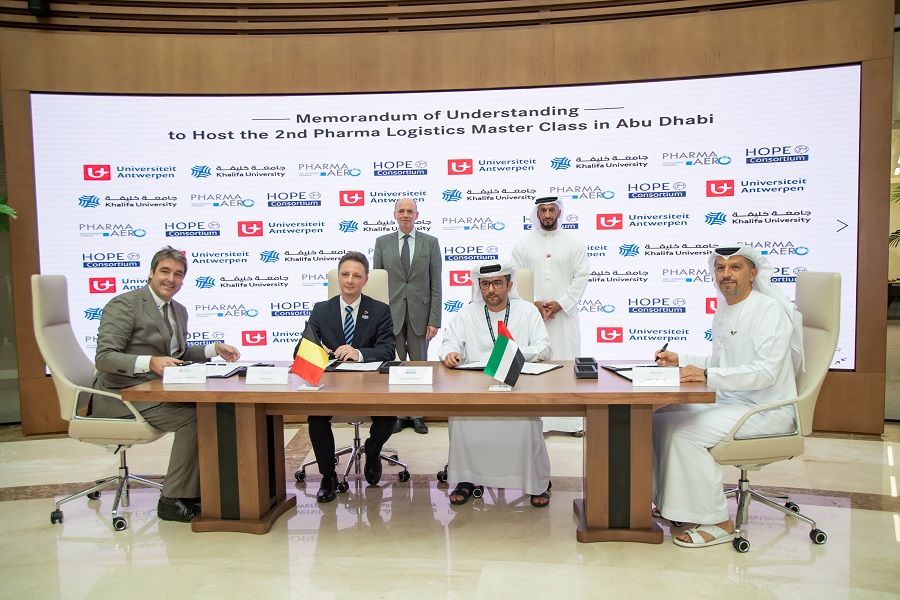
The other declaration of collaboration was signed by the HOPE Consortium, Pharma.Aero, Khalifa University of Science and Technology and the University of Antwerp to host the second edition of the “Pharma Logistics Masterclass”, a course focused on critical challenges and developments in pharma supply chains and logistics, by Khalifa University in Abu Dhabi from 5th to 9th September 2022.


“We are excited to bring the second Masterclass to Abu Dhabi. The HOPE Consortium partners and Khalifa University have extended great support and offer a unique platform to be shared with the participants of the next Masterclass,” said Prof. Dr. Roel Gevaers, University of Antwerp and Chair of the organizing Committee.


Frank Van Gelder, Secretary General of Pharma.Aero and co-chair of the “Pharma Logistics Masterclass”, continues: “Pharma.Aero’s vision and mission underline fostering collaboration. By continuously giving insights and sharing the latest changes between pharmaceutical companies, industry stakeholders and the academic world, the overall knowledge and the quality of the pharma and MedTec supply chain improves. Bringing the 2nd edition of the masterclass to Abu Dhabi and bringing academics and business again together, contributes significantly in achieving this vision.”


Dr. Arif Sultan Al Hammadi, Executive Vice-President, Khalifa University, said: “We are pleased to bring the next Pharma.Aero Logistics Masterclass to Abu Dhabi in September 2022, in collaboration with our partners. Khalifa University has the necessary expertise, especially through our Digital Supply Chain and Operations Management (DSOM) research center, which provides real-world, cutting edge work on the digital transactions, management, and optimization in multiple domains such as maritime logistics, production lines, and healthcare delivery systems. We believe the Masterclass in Abu Dhabi will further affirm our strong commitment to delivering top quality academic and professional programs that benefit students and youth interested in charting their future career in this area.”


The agreement was welcomed by Dr. Ghalia Ali Al Humaidan, Chargé d’affaires of the UAE Mission to Belgium, who said: “The strategic ties between the UAE and Belgium are vital in supporting trade routes between the Middle East and Europe. This commitment further expands the effectiveness of a collaborative approach to addressing pharmaceutical demand flows between the two regions.”


H.E. Peter Claes, Belgium’s Ambassador to the UAE, added: “Abu Dhabi has developed into a world hub for the distribution of pharmaceuticals. The emirate has done so in close cooperation and synergy with Brussels Airport. I am therefore pleased to know that at the invitation of Pharma.Aero and its partners, distinguished executives of the Abu Dhabi Department of Health, Etihad and Rafed participated in the 1st International Masterclass on Pharma Logistics, held in Antwerp in September.”


Staff Report
8 December 2021

These are the Pollution Hotspots of the Middle East

Middle Eastern governments must do more to tackle air pollution, experts say, with fuel subsidies and poor public transport the cause of poor air quality in many major cities.


Air pollution is a major health hazard across the globe, with the World Health Organisation stating that in 2019, 99 per cent of the world’s population lived in places where the institution’s air quality guidelines were not met.


Vehicles and dust major sources of pollution

As is the case elsewhere in the Gulf, road vehicles remain a significant source of pollution in the UAE, with more than three million vehicles using the country’s roads despite heavy investments in public transport, such as the Dubai Metro.


Aside from vehicle emissions, other major sources of PM2.5 in the Middle East include power plants, various industrial facilities and sand storms, the last of which may be affected by climate change, although current evidence is unclear.


Dr Diana Francis, a senior research scientist and head of the Environmental and Geophysical Sciences laboratory at Khalifa University in Abu Dhabi, says that from between about 2000 and 2010, dust emissions increased, but then fell back the following decade.


Read the rest of the article here: https://www.thenationalnews.com/mena/2021/11/25/these-are-the-pollution-hotpots-of-the-middle-east/

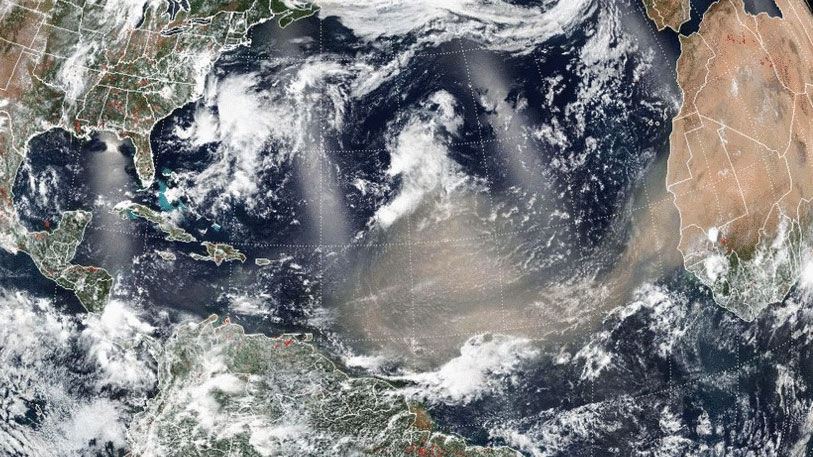
Atmospheric Rivers Dust the Alps

Atmospheric rivers are long stretches of cloud that can carry enormous quantities of water vapour from the tropics towards the poles. They were first described in 1994 and since then have come to be understood as the major mechanism transporting moisture from lower latitude oceans to higher latitude land masses, where they dump that moisture as snow and rain.


With her longstanding interest in how dust is moved around by atmospheric phenomena, atmospheric scientist, Diana Francis, at Khalifa University in Abu Dhabi, wanted to investigate these dusty rivers, their cause and effects.


Francis and her team determined that, while these atmospheric rivers normally flowed from the tropical Atlantic over the Alps, in early 2021 they had instead been pushed south by high pressure in the north Atlantic so that they passed over North Africa and the Mediterranean Sea, collecting not only dust but also warmth and moisture.


Read the rest of the article here: https://jwp-nme.public.springernature.app/en/nmiddleeast/article/10.1038/nmiddleeast.2021.100

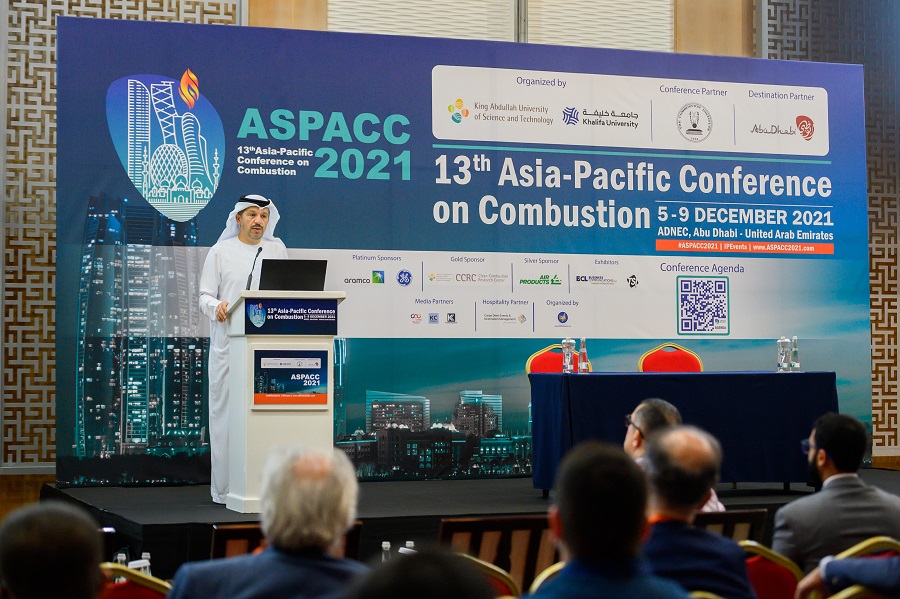
Khalifa University, KAUST and Saudi Arabian Section of Combustion Institute Jointly Host 13th Asia-Pacific Conference in Abu Dhabi

Conference Focusing on Combustion Technologies for Sustainable Energy and Environment, Including ‘Green’ and ‘Blue’ Hydrogen and Ammonia, as well as Synthetic Fuels


Khalifa University of Science and Technology, King Abdullah University of Science and Technology (KAUST), and the Saudi Arabian Section of the Combustion Institute (SASCI) today jointly announced they are organizing the 13th Asia-Pacific Conference on Combustion (ASPACC) for the first time in Abu Dhabi. The event provides a scientific venue for sharing ideas and experiences on the applications of combustion towards sustainable energy and environment.


The Abu Dhabi Convention and Exhibition Bureau – part of the Department of Culture and Tourism – Abu Dhabi is the supporting partner for the 13th ASPACC, a ‘hybrid conference’ that is being held at the Abu Dhabi National Exhibition Centre (ADNEC) from 4-9 December 2021. This sectional meeting for the Asia-Pacific region of the Combustion Institute is the largest meeting of combustion scientists and engineers as it brings together the combustion scientific community with the practitioners of ‘upstream’ technologies in the Gulf Cooperation Council (GCC) and the Middle East and North Africa (MENA) regions. The total number of papers being presented amounts to 221.


The conference is focusing on combustion technologies with substantially reduced carbon emissions that hence have minimal impact on global warming. These include ‘green’ and ‘blue’ hydrogen and ammonia, as well as synthetic fuels that can be used for sustainable power generation. These technologies greatly help the oil and gas industry move towards sustainable growth. 


Dr. Arif Sultan Al Hammadi, Executive Vice-President, Khalifa University, said: “Through the Research and Innovation Center on CO2 and Hydrogen (RICH) at Khalifa University and the Clean Combustion Research Center at KAUST, our region is now recognized not only as a major producer of fossil fuels, but also as a leading center of combustion research and with a strong focus on carbon-neutral combustion technologies. Khalifa University is delighted to collaborate with KAUST and SASCI to bring the main combustion meeting to Abu Dhabi, as a forum for exchange of ideas between combustion scientists and engineers.” 


Keynote speakers at the event represent University of Sydney, China’s Peking University, Indian Institute of Technology Madras, Tokyo Institute of Technology, Korea Advanced Institute of Science and Technology (KAIST), Taiwan’s National Central University, and King Abdullah University of Science and Technology (KAUST). 


Dr. Dimitrios Kyritsis, Local Chair, 13th ASPACC, and Chair of Mechanical Engineering, Khalifa University, said: “This conference brings the largest of the three sectional meetings of the combustion institute – the Asian-Pacific, the US and the European – for the first time to the GCC region. The conference gains importance because of the tectonic shifts in power generation, mobility, and aviation technologies that climate change is causing. As local and international oil and gas industry repositions itself in a world that is witnessing 45-degree ‘scorchers’ in Siberia, and floods in Germany during July, interaction with combustion scientists and engineers becomes crucial in order to realize the potential of the oil-and-gas sector, to contribute towards the transition to a sustainable mode of power generation that will improve the quality of life of a rapidly increasing human population.” 


The 13th ASPACC conference also offers an opportunity for research organizations and corporate entities to attract talent from more than 200 science and engineering graduate students and postdoctoral researchers who are expected to attend.


Clarence Michael
Senior English Editor
6 December 2021

Dr. Roberto Sabatini Named Top National Scientist in Aerospace Engineering and Aviation

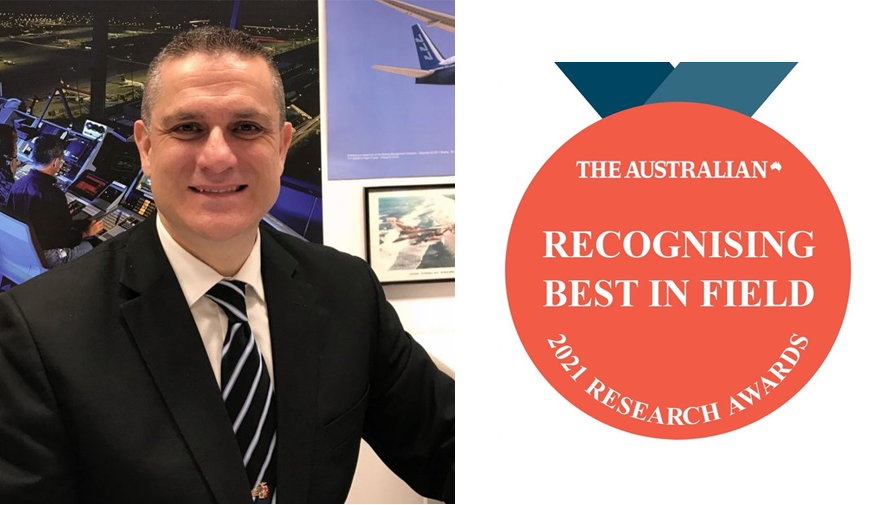
Dr. Sabatini was recognized as Best-in-Field Scientist by THE AUSTRALIAN 2021 Research Special Report, which highlights the talent and dedication of the best researchers and research institutions in Australia. 


THE AUSTRALIAN 2021 Research Special Report has listed Dr. Roberto Sabatini, Professor and Chair of the Aerospace Engineering Department, as the top national scientist in the field of Aerospace Engineering and Aviation. The Australian’s annual report names the top researchers and top research institutions in each field of research, based on the number of citations for papers published in the top 20 journals in each field over the past five years. 


Dr. Sabatini said, “I was deeply honored to be named top Australian scientist in the field of Aerospace Engineering and Aviation.” He added, “I was also very happy to see that RMIT University was listed as the top research institution in the same field. My past eight years at RMIT have been deeply transformative and enriching. In my new role of Department Chair here at Khalifa University, I look forward to the opportunity of expanding our very prolific and effective collaborations.”


Dr. Sabatini is a Professor of Aeronautics and Astronautics with three decades of experience in Avionics, Defense and Robotics/Autonomous Systems research and education, acquired in progressively more responsible industry, government and academic positions in Europe, North America, and Australasia. Dr. Sabatini holds a PhD in Aerospace/Avionics Systems (Cranfield University), a PhD in Space Geodesy/Satellite Navigation (University of Nottingham), and an advanced MEng in Astronautics/Space Systems (Sapienza University of Rome). 


Throughout his career, Dr. Sabatini attracted more than US$35 million in research funding from various industry and government organizations, including Thales, Northrop Grumman, Lockheed Martin, Airbus, DST Group, SmartSat CRC, Food Agility CRC, BMT, AMIRA, Insitec, Jetstar, and CASA. He is a Fellow and Executive of the Institution of Engineers Australia, Fellow of the Royal Aeronautical Society and Fellow of the Royal Institute of Navigation. In addition to his primary academic duties and various honorary and consulting appointments in Europe, North America, Australia, Asia, and South Africa, he contributes to the broader aerospace community as Chair of the IEEE AESS Avionics Systems Panel, Editor for Progress in Aerospace Sciences, Senior Editor for the IEEE Transactions on Aerospace and Electronic Systems, and Associate Editor for Robotica, the Journal of Navigation, and Aerospace Science and Technology.


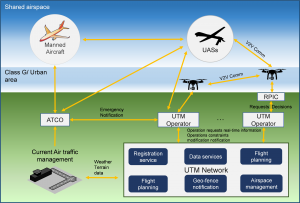
In his recent research, Dr. Sabatini has addressed the opportunities and challenges associated with the digital transformation for sustainability of the aerospace and aviation sector. More specifically, working in collaboration with key industry partners, he developed new avionics and Air Traffic Management (ATM) technologies that enhance safety, efficiency and environmental sustainability of both air and space transport operations. These include 4-Dimensional Trajectory Optimization (4DTO) algorithms, cooperative and non-cooperative surveillance technologies, as well as adaptive/cognitive forms of Human-Machine Interface and Interaction (HMI2), allowing the automated negotiation and validation of aircraft intents for safer and more efficient ATM operations. As an integral part of this evolutionary process, Dr. Sabatini and his team are currently addressing the requirements of Unmanned Aircraft Systems (UAS) navigation, communication and Sense-and-Avoid (SAA), in order to allow the safe and unrestricted access of UAS to all classes of airspace. 


“I am a strong advocate of industry-focused research and teaching, and I am very passionate about research translation for social and economic advancement. Throughout my career, I was blessed with great team-working opportunities and served in various leadership roles both in industry and in academia,” Dr. Sabatini commented. 


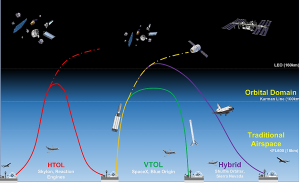
Another study led by Dr. Sabatini dealt with the development of cyber-physical system architectures for the integration of point-to-point suborbital spaceflight and conventional atmospheric air transport. He explored various airspace risk analysis methods for manned and unmanned reusable space vehicles, identified the physical and computational limitations of these approaches, and assessed their applicability to future commercial space transport operations. 


Dr. Sabatini is also leading a project aimed at examining the unique hazards of the space environment and developing suitable avionics systems and ground-based decision support tools for Space Domain Awareness (SDA) and Space Traffic Management (STM).


“I have recently joined Khalifa University from Australia and I am very determined to make a difference in the team fostering a culture of inclusion, integrity and conscientious change by prioritizing first and foremost the students and staff whose education and careers will be affected by the changes that will be introduced. I believe that passion, competence, and respect are the key ingredients of a successful team and I am delighted to have the opportunity of leading the Aerospace Engineering Department of Khalifa University in a time of significant growth, both in our research and educational capacity. Over the coming months, I will work with the team to assess opportunities and risks, charting a map for growth that values the contributions of all constituencies in the decision-making process.”


To know more about The Australian Special Report, you can read the article here


Ara Maj Cruz
Creative Writer
5 December 2021

Khalifa University Recognized as Most Published in Blockchain Oracle Research

The blockchain oracle problem is one of the most important barriers to overcome if smart contracts can be used to their full potential, and Khalifa University is leading the way in research. 


Blockchain offers an immutable and tamper-proof ledger, where each record created forms a block, and each block is confirmed by the community among which the platform is shared before it can be paired up with the previous entry in the chain. The blockchain is a shared database, validated by a wider community rather than a central authority, making it a public ledger that cannot be easily tampered with, as no one person can go back and change things.


Many blockchain solutions use programmable smart contracts­ – simple programs that can be used to automatically exchange information under predetermined conditions. The paper notes, “With the advent of smart contracts, the benefits of decentralization offered by distributed ledger technologies could be implemented in sectors other than cryptocurrencies, such as healthcare, supply chains, and finance. Smart contracts, however, need oracles to fetch data from the real world, which do not offer the same characteristics of decentralization as blockchain.”


The blockchain oracle problem is an interesting one. The term ‘oracle’ comes from Greek mythology and refers to someone able to see the future. In ancient stories, people turned to oracles for knowledge beyond their understanding, and in the blockchain world, oracles are systems that provide the blockchain with information from the real world.


But with the oracle retrieving external information, its trustworthiness must come into question. Verifying the information provided by a third-party oracle without impacting the validation mechanism inherent to sharing blocks among the community is the oracle problem. As oracles are not distributed among the community, they represent a point of failure: they could be tampered with and provide false data to the blockchain.


The paper reviewed the contributions to academic research on blockchain oracles and found that Khalifa University is the largest contributor to this field, with 12 documents produced, of which two are among the ten most cited globally, and four are among the top 20.


The review noted that many of these papers involve contributions from multiple KU researchers, “[giving] an idea of an institution that is heavily investing in this sector.” The review also highlighted that Khalifa University has contributed at least one paper to every oracle application category, offering contributions to the healthcare and data management fields, and also producing research to address the oracle problem.


Ilhaam Omar, Research Associate, ranked sixth, MSc student Ammar Battah eleventh and Mohammad Moussa Madine, Graduate Researcher, ranked thirteenth.


Oracle applied research is focused on various sectors and Khalifa University research resonates in all areas of application.


Two of the three papers in the healthcare sector originate from KU and focus on the security and access control of patients’ records.


Contributions from KU approach the confidentiality of Internet of Things (IoT) data by granting users different access privileges, presenting a roadmap for development in the IoT sector.


For cloud computing, the work proposed by KU was the only paper to approach the problem of ensuring an optimal fees level to balance the needs of cloud providers and users.


Other KU studies investigated how data quality can be managed and improved with multi-party authorization and reputation systems.


The results from this review show that within six years of academic research, only 111 papers have been published. The UAE is one of the most productive countries, with all 12 publications coming from Khalifa University.


Despite the impressive number, it’s clear that blockchain oracles are still a globally neglected area of research. The paper also noted that there were no studies for real-world blockchain use cases such as in the entertainment, tourism, insurance or e-government resource management sectors. This represents a potential area of academic investigation that would be highly sought after.


Importantly, and contribute to the building of a knowledge economy in the UAE.


Jade Sterling
Science Writer
28 November 2021

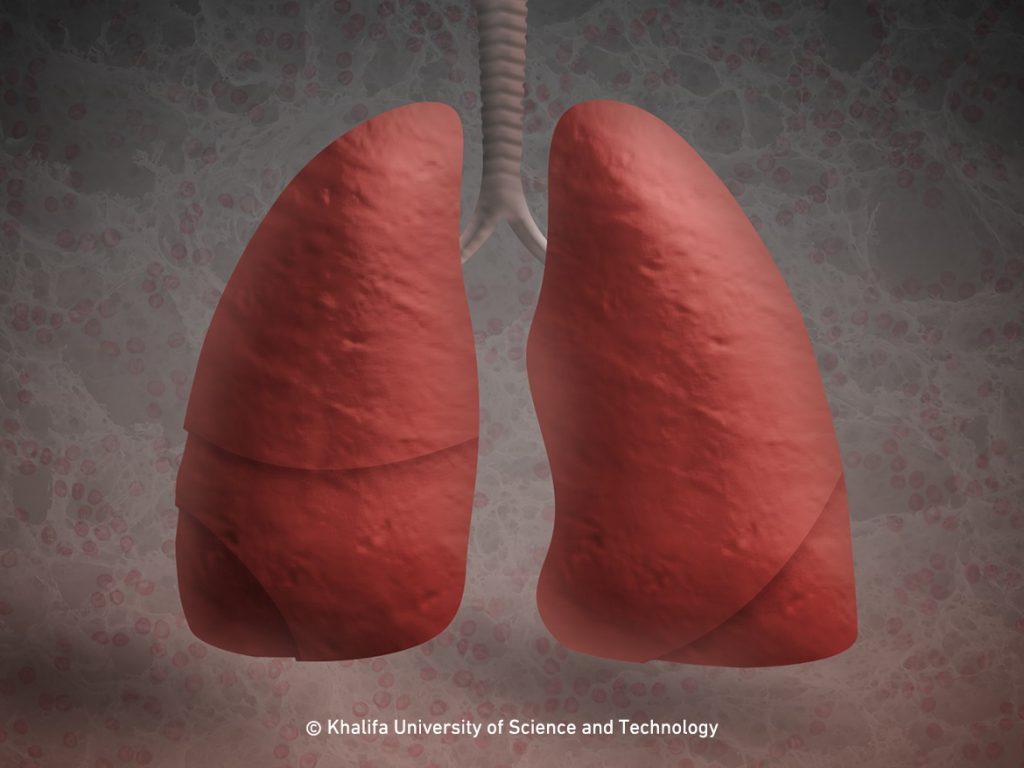
Enhanced Oxidative Stress Aggravates Cytokine Storm and Lung Tissue Damage During Covid-19 Infection


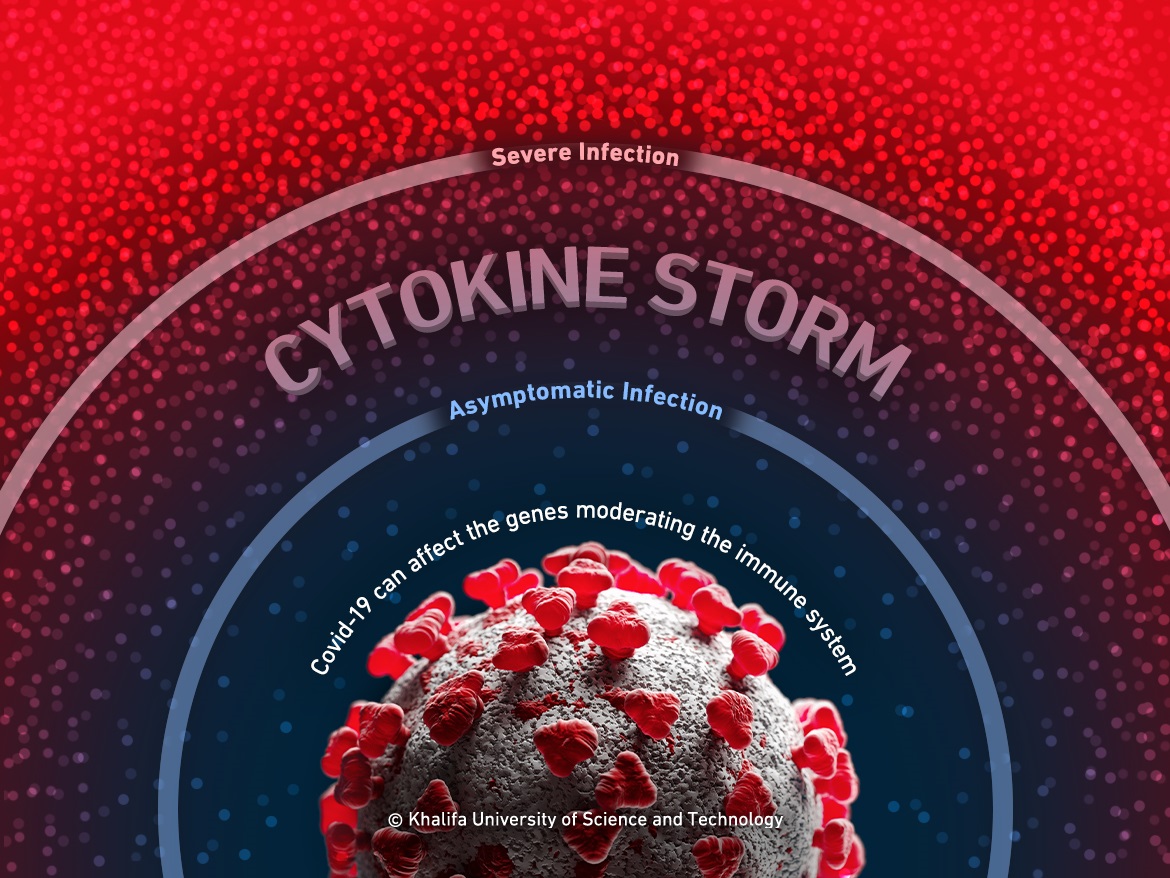
The body’s immune system has an incredible mechanism capable of responding to various pathogens, but it can go too far. New research from a team in the UAE has found that Covid-19 infections can affect the way the genes moderating this immune response are expressed, which may be why infections range from asymptomatic to severe.


When the body is confronted with an infection, an immune response is triggered, sending immune cells to the region to attack the virus. This causes localized inflammation that reduces once the body has treated the attack. Sometimes, however, this immune response can go into overdrive, resulting in hyper-inflammation. While this sounds fairly innocuous, this can seriously harm or even kill the person.


This is how contracting the flu can kill a patient. In the context of Covid-19,


Cytokines are small proteins released by many different cells in the body as an immune response and a cytokine storm is an overreaction from the body’s immune system.


Some cytokines trigger cell death to prevent a virus spreading to other cells, but when lots of cells do this, a lot of tissue can die. In Covid-19 patients, that tissue is mostly in the lungs. As the tissue breaks down, the tiny air sacs fill with fluid, causing pneumonia and starving the blood of oxygen. Respiratory distress syndrome follows, other organs start to fail, and the patient dies.


Now, , the biological mechanisms that cause oxidative stress and that are combated by antioxidants. While most well-known for their anti-ageing properties, antioxidants are the components that keep oxidative stress in check during an immune response, and in Covid-19 patients, this balance is disrupted, contributing to the cytokine storm.


Dr. Habiba Alsafar, Associate Professor and Director of the Khalifa University Center for Biotechnology, collaborated with Prof. Rabih Halwani, who is Principal Investigator on the project, along  Prof. Qutayba Hamid, Dr. Narjes Saheb Sharif-Askari, Dr. Fatemah Saheb Sharif-Askari, and Bushra Mdkhana, from Sharjah Institute of Medical Research and College of Medicine, University of Sharjah; Hawra Ali Hussain Alsayed from the Dubai Health Authority Pharmacy Department; and Dr. Zeyad Faoor Alrais from the Dubai Health Authority Anaesthesia and Intensive Care Unit. Their results were published in Free Radical Biology and Medicine.


“When patients suffer high levels of oxidative stress while infected with a respiratory disease, their prognosis tends to not be very good,” Dr. Alsafar said. “We know that the virus causing Covid-19 enters the cells by binding to the host ACE2 receptors, and these receptors are found in abundance in the lungs. When this virus infects the cells, there is an extreme drop in ACE2 levels, and this is bad news because ACE2 plays a critical role in regulating the oxidative balance. A lack of ACE2 means the production of reactive oxygen species is stepped up. Moreover, activated inflammatory cells that infiltrate the infected lung tissue produce large amount of these oxygen species. Where a healthy cell would then activate an antioxidant response, this mechanism is suppressed in patients with a severe Covid-19 infection. There is evidence to suggest this is a targeted effect of the Covid-19 virus to enhance its survival in a patient.”


The UAE research team measured the gene expression levels of 125 genes known to be associated with inflammatory and oxidation activities in the body from Covid-19 patients and compared their levels with those seen in influenza (IAV) patients and respiratory syncytial virus (RSV) patients. They also compared the severe Covid-19 infections against non-severe Covid-19 infections.


“We wanted to know how Covid-19 infection may affect the expression of these genes in patients and found that the genes that caused the production of reactive oxygen species were ‘significantly upregulated’ in patients with Covid-19,” Prof. Halwani said. “While the oxidative genes were upregulated, the antioxidant genes were found to be downregulated.”


In severe Covid-19 cases, the antioxidant resources were completely depleted in the infected cells, resulting in a further increase in reactive oxygen species products and a cytokine storm.


“Targeting one or more of these oxidative stress genes could be an effective therapeutic approach for treating Covid-19,” Dr. Alsafar said. “This could help prevent the progression of the disease to a cytokine storm, stopping an over-reactive immune response before it happens. We could also give patients direct doses of antioxidants to help combat the oxidative stress seen in infections.”


“Interestingly, three of the oxidative genes that were significantly upregulated in severe cases could be detected in saliva samples, suggesting that the saliva level of these genes could be used as non-invasive markers for Covid-19 disease severity,” Prof. Halwani said. While further studies are needed to confirm these findings, they represent a significant step towards understanding the Covid-19 disease mechanisms and a possible treatment plan. 


Jade Sterling
Science Writer
28 November 2021

A New Solution for Visual Object Tracking in Robotics

Teaching robots to follow a moving object is more difficult than you think, requiring complex algorithms and a different way of thinking.


Take a look around. What do you see? Most of us have two eyes and we use those eyes to collect light that reflects off the objects around us. The eyes convert that light into electrical signals that are processed by our brain. This builds a representation of the world and we use that to navigate during our everyday lives. Even robots that are the most like humans in appearance, however, don’t see the world the way we do.


Instead, algorithms recognize features in images collected by a robot’s sensors and cameras. The software may create a very basic map of the environment and learn to recognize patterns to help the robot understand its surroundings. This means that robots are being programmed by humans to see things the human thinks the robot will need to see. While this has many very successful examples, no robot is capable of navigating the world using just vision for static recognition.


If you spot a bird outside, you can watch that bird fly through the sky until it lands or disappears from view. This is visual object tracking, and it’s a simple task for humans: spot the object and follow it. For robots, it’s much more difficult.


To improve visual object tracking in robotic applications, Dr. Sajid Javed, Assistant Professor, Dr. Jorge Dias, Professor, Dr. Lakmal Seneviratne, Professor, and Dr. Naoufel Werghi, Professor, all from the Department of Electrical Engineering and Computer Science at Khalifa University, collaborated with Dr. Arif Mahmood from Information Technology University, Pakistan, to develop an AI algorithm that is both highly accurate and quick when detecting and tracking a generic object. Their proposed solution was published in IEEE Transactions on Cybernetics.


“Visual object tracking is a fundamental and challenging task in many high-level vision and robotics applications,” Dr. Javed explains. “Typically, the difficulties lie in developing detection algorithms that can handle blurred images from fast motion, ignore background clutter and deal with significant scale and light variations.”


Object tracking is an application of deep learning where a program takes an initial set of object detections and follows them as they move around frames in a video. The algorithms allow the robot to automatically identify an object in a video and interpret it as a set of trajectories to predict where it will end up.


The first step in tracking an object is to detect it. The research team’s solution narrows a search area down and instructs the robot to find all object instances of one or more pre-determined object classes. The algorithm is trained on a series of examples of these object classes to learn what it is looking for, regardless of the object’s scale, location or pose and despite any partial occlusions or poor lighting conditions.


Once the object has been identified, it needs to be followed. Robots can do this by continuously re-identifying the object in subsequent images, but for visual object tracking to be useful in robotic applications, interpreting the object as a set of trajectories with high accuracy is required.


Algorithms for tracking objects need to accurately perform detections and localize objects of interest in the least amount of time possible. This is especially imperative for real-time object tracking models.


“Discriminative correlation filters (DCF) are well suited to object tracking because of their impressive performance in terms of speed and accuracy,” Dr. Javed says. “In most DCF methods, an online correlation filter is trained from the region of interest in the current frame and then employed to track the target object in subsequent frames.”


High detection accuracy and fast processing speed are difficult to combine: More accurate tracking tasks often require longer processing times, while quicker responses are more prone to errors. In the research team’s solution, accuracy and speed are achieved by constructing a spatiotemporal graph that models and predicts where an object is likely to appear based on its previous identified location. Out of a series of possible trajectories, the most probable is selected by the DCF, which filters the background noise and any other distractions.


To evaluate their algorithm, the team tested it on six challenging benchmark datasets and compared it with 33 existing state-of-the-art trackers. Their results were excellent, achieving higher accuracy than existing trackers on many tests and ranking among the top three for the remaining tests.


As mobile robots and autonomous machines are increasingly deployed, object detection systems are becoming more important. Although great progress is being made, we are still far from achieving human-level performance, but solutions like this are a vital step towards that level of performance. 


Jade Sterling
Science Writer
28 November 2021