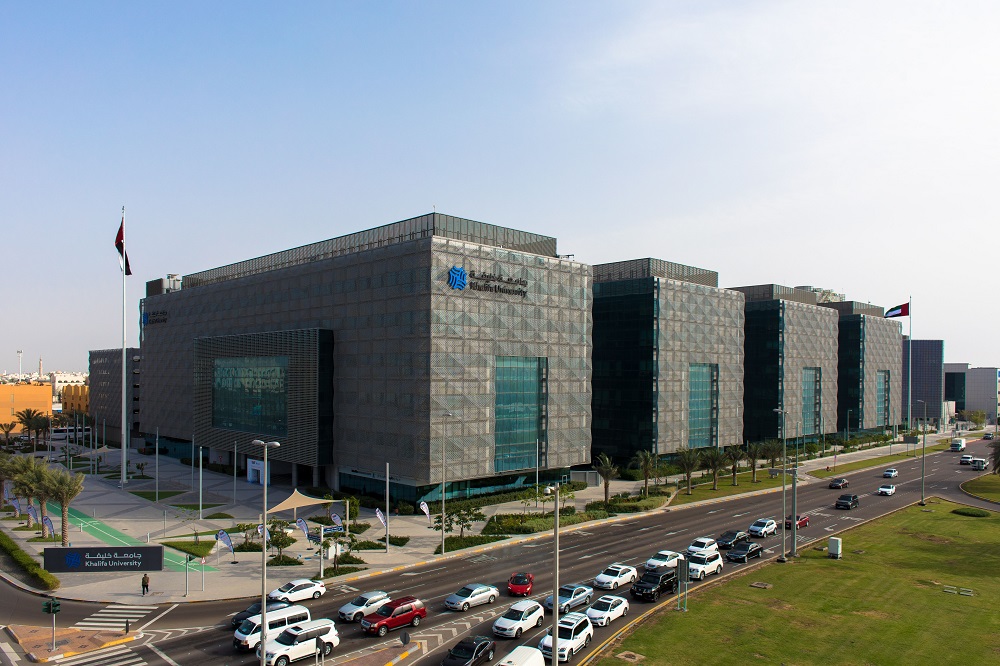

Khalifa University Presenting Innovative Clean and Sustainable Energy Technology Solutions during Abu Dhabi Sustainability Week 2023

Projects Include CSP Technology, AI Software Tool for Grid Integration, Solar Desalination, Biosensor for SARS-CoV-2 Detection in Clinical and Raw Wastewater Samples, and SEAS Demonstration


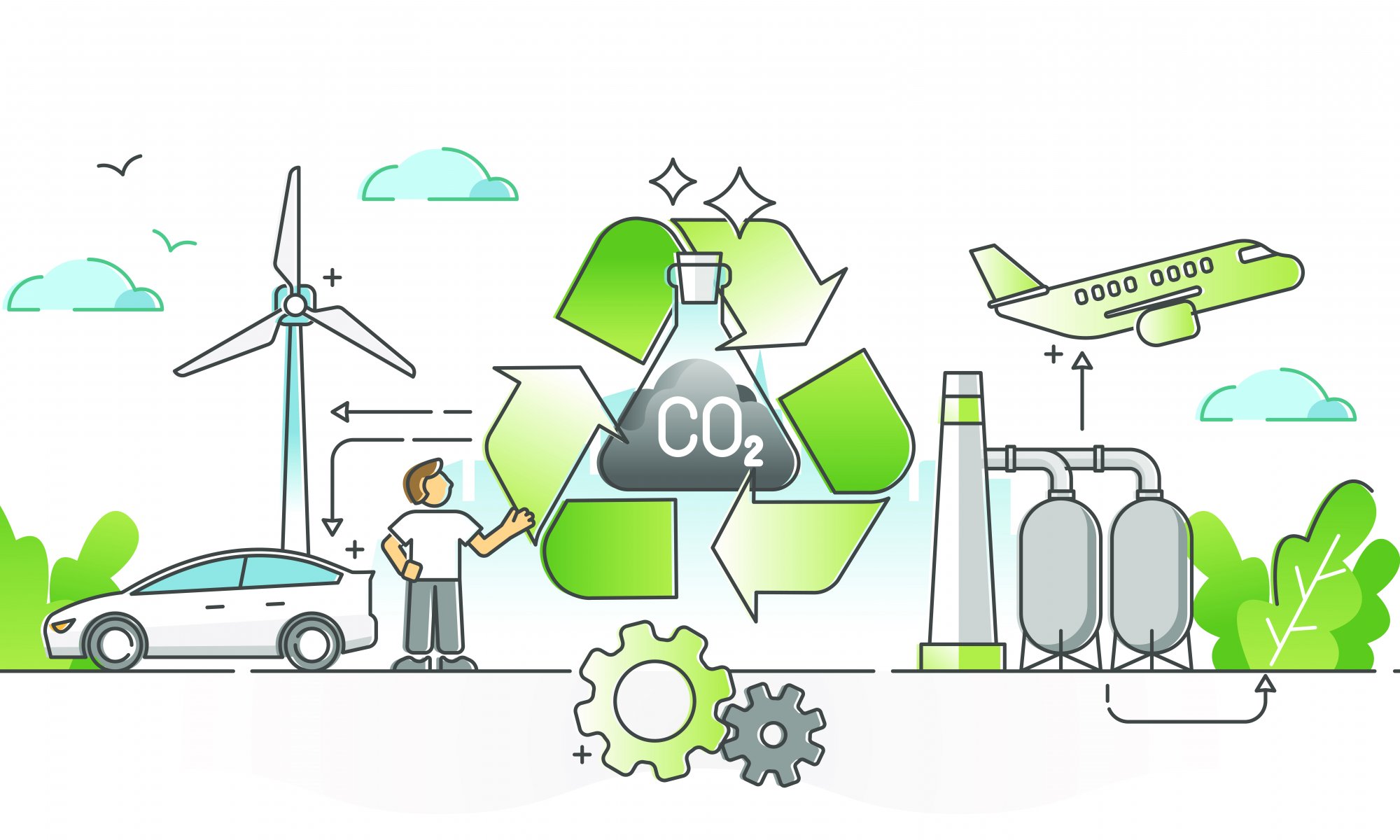
Khalifa University of Science and Technology announced it is showcasing several innovative clean and sustainable energy technology solutions at the World Future Energy Summit 2023 during the Abu Dhabi Sustainability Week (ADSW) 2023, the global initiative championed by the UAE.


Under the patronage of the UAE President His Highness Shaikh Mohammed Bin Zayed Al Nahyan, ADSW 2023 is being held from 14-19 January at the Abu Dhabi National Exhibition Center (ADNEC). The Khalifa University stand (A-411) is presenting the Seawater Energy and Agriculture System (SEAS) project, the concentrated solar thermal technology, and an artificial intelligence (AI) software tool for grid integration. Khalifa University’s Center for Membranes and Advanced Water Technologies (CMAT) is presenting a fabricated biosensor for the detection of SARS-CoV-2 in clinical and wastewater samples, a new technology for turning desalination waste into structural materials, and a solar desalination technology. An overview of the Research and Innovation Center for Graphene and 2D Materials (RIC-2D) and the potential of graphene in relation to energy, water, construction and light-weighting is also part of the display at the Khalifa University stand.


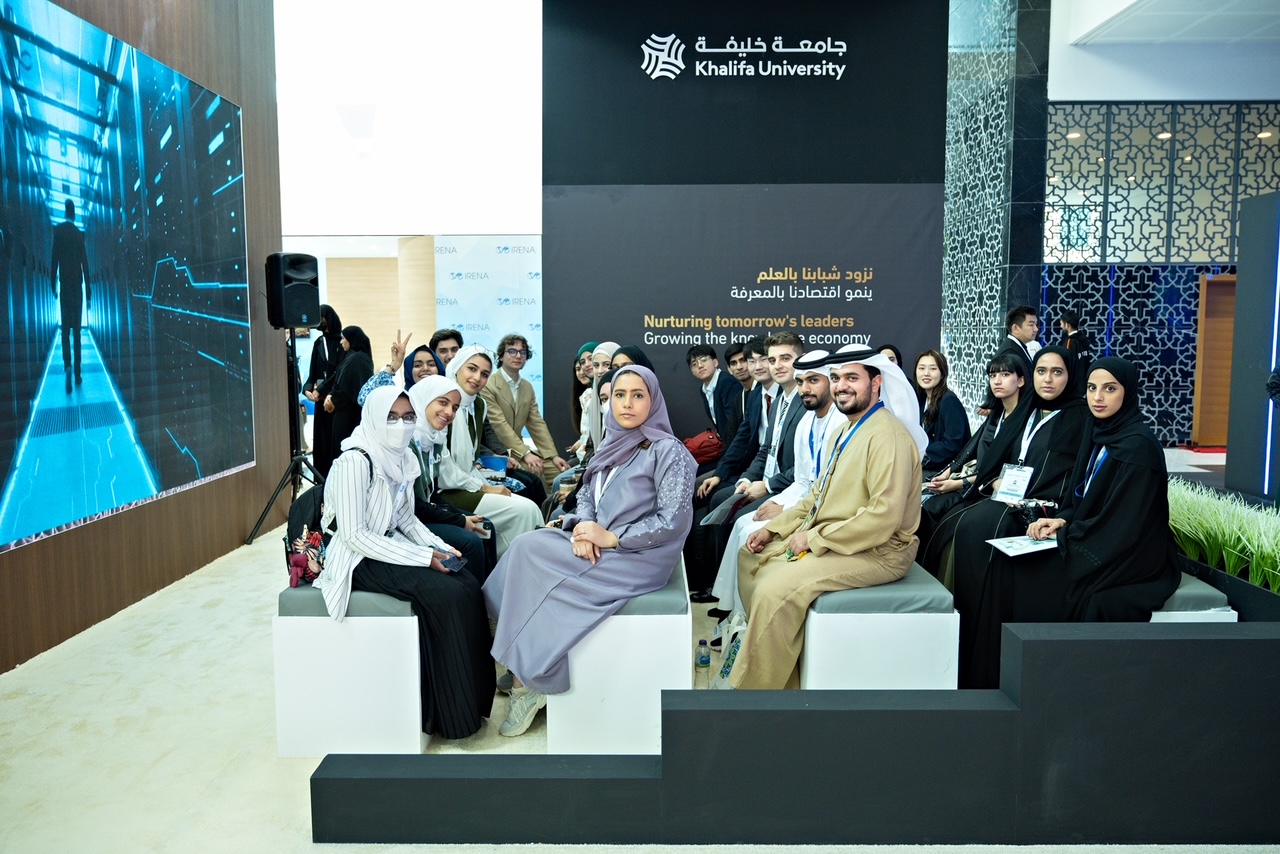
Khalifa University’s faculty is also leading various workshops and conference sessions at the WFES 2023, while 35 student members of outreach initiatives such as the Young Future Energy Leaders (YFEL) program, along with members of the Khalifa University-Sustainable Development Goals (KU-SDG) Ambassador program will be participating at the Youth 4 Sustainability (Y4S) platform.


Dr. Arif Sultan Al Hammadi, Executive Vice-President, Khalifa University, said: “Khalifa University’s projects and research initiatives being presented during ADSW 2023 target a range of stakeholders from the sustainability and clean energy industry spectrum. As a top-ranked academic institution, we believe our initiatives will make a marked difference in the global arena, and will contribute not only to the UAE’s Net Zero commitment, but also support policymakers, industry leaders, investors and entrepreneurs who are working towards impactful dialogue in accelerating climate progress, especially towards the upcoming COP28.”


Dr. Steve Griffiths, Senior Vice-President, Research and Development, and Professor of Practice, Khalifa University, is participating in a panel titled ‘Green Hydrogen Innovation Stocktake’ at the Green Hydrogen Summit. Dr. Griffiths will focus on the noteworthy innovations and solutions, innovation spread across the entire value chain, and ways to accelerate the shift from R&D to implementation stage. He is also participating in the closed-session roundtable discussion titled ‘Climate-resilient Infrastructure’ at the Women in Sustainability, Environment, and Renewable Energy (WiSER) Annual Forum.


Among the projects on display include the Seawater Energy and Agriculture System (SEAS) project, a flagship initiative of Khalifa University’s Sustainable Bioenergy Research Consortium (SBRC). The first commercial aircraft fueled with jet fuel produced through SBRC’s SEAS, successfully took flight in January 2019.



A presentation on concentrated solar thermal technology will focus on Khalifa University’s Masdar Institute Solar Platform (MISP) that allows for testing of concentrating solar power (CSP) and thermal energy storage (TES) technologies.


The ‘Stability Assessment, Visualization and Enhancement’ (SAVE) tool, a novel AI software for the UAE power system with renewable energy integration, will be demonstrated at the Khalifa University stand. The tool is currently being used by TRANSCO planning engineers to evaluate the overall dynamic performance of its network during future expansion plans.


An innovative biosensor that can detect SARS-CoV-2 in clinical samples as well as unfiltered and unprocessed municipal wastewater will be on display, in addition to a new class of 3D-printable fluidic mesh structure for photo-thermal surface heating membrane distillation (SHMD) for solar desalination, and a cost-effective and commercially viable technology for brine reduction.


Clarence Michael
English Editor Specialist
17 January 2023
Accurate Real-time Robotic Grasping Made Possible with Event Cameras and Novel Framework

Cameras inspired by bug eyes are used in real-time robotic sensing applications, helping robots accurately and carefully grasp objects in a cluttered scene.


For a robot put to work, the end of arm tooling — also known as the robot gripper — is one of the most important parts of the system. It is the physical interface between the robot arm and its job, be that garbage sorting, construction, or human interaction.


This is a difficult task for a robot. Humans have the benefit of two eyes to see — we also have an innate system that lets us perceive distance to objects, compute their size and expected weight, and pick them up with the correct pressure and strength. All this means we can grasp objects without much thought. For robots, this requires an array of algorithms, high-quality cameras, and a robotic gripper sensitive enough to adapt to different requirements. And that’s hard enough when there’s just a single item on a table, for example. Clutter the scene, requiring the robot to detect one specific item and things get complicated.


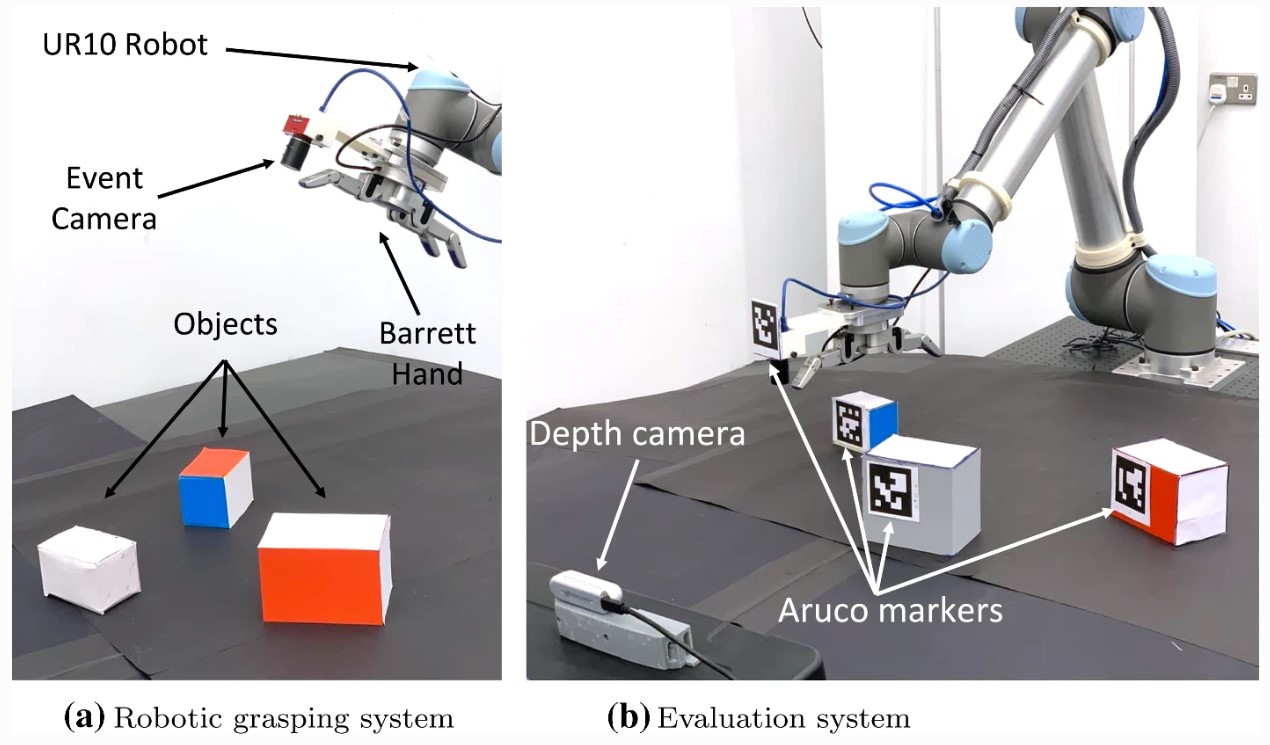
A team of researchers from Khalifa University, in collaboration with Dubai Future Labs, Strata Manufacturing and Purdue University, has developed a new approach using neuromorphic cameras and novel frameworks for robots to grasp objects in cluttered scenes. Their approach can boost production speed in automated manufacturing, offering a robust system that operates in low-light conditions too.


This is the first proposed framework for event-based robotic grasping for multiple known and unknown objects in a cluttered scene.


The KU team comprised Xiaoqian Huang, PhD candidate, Mohamad Halwani, graduate student, Abdulla Ayyad, Research Associate, Prof. Lakmal Seneviratne, Director of the Center for Autonomous Robotic Systems (KUCARS) and Dr. Yahya Zweiri, Associate Professor and Acting Director of the KU Advanced Research and Innovation Center (ARIC). They published their results in the Journal of Intelligent Manufacturing.


“Robots equipped with grippers have become increasingly popular and important for grasping tasks in the industrial field, because they provide the industry with the benefit of cutting manufacturing time while improving throughput,” Dr. Zweiri said. “Robotic vision plays a key role for perceiving the environment in grasping applications but conventional frameworks for vision suffer from motion blur and low sampling rate. In an evolving industrial landscape, this type of vision may not keep up.”


Assisted by vision, robots can perceive the surrounding environment, including the attributes and locations of their target objects. There’s more than one type of vision and systems can be categorized by the analytic and data-driven methods used to assess the geometric properties of objects. Some types of vision are known as model-based approaches, where objects are known to the robot already based on prior knowledge. Model-free methods are more flexible for both known and unknown objects as the robot learns the geometric parameters of the objects in front of it.


Traditional vision frameworks suffer many drawbacks. Standard vision sensors continue to sense and save picture data as long as the power is on, resulting in significant power consumption and the need to store large volumes of data. Motion blur and poor observation in low-light conditions are also concerns: The quality of a picture taken by a standard camera will be affected by the moving speed of a conveyor belt in a production line, for example.


“Standard cameras also commonly have a frame rate of less than 100 frames per second,” Dr. Zweiri said. “Even for high-speed frame-based cameras, the frequency is generally less than 200 frames per second. Computing the complex algorithm for vision processing will take additional time. Accelerating vision acquirement and the processing will help improve grasping efficiency.”


An event camera does not capture images using a shutter like conventional frame cameras. Instead, it is an imaging sensor that responds to local changes in brightness, with each pixel operating independently and asynchronously, reporting changes in brightness as they occur, and staying silent otherwise. Also known as neuromorphic vision sensors, they are inspired by biological systems such as fly eyes, which can sense data in parallel and asynchronously in real time.


“In comparison to traditional frame-based vision sensors, event-driven neuromorphic sensors have low latency, a high dynamic range and high temporal resolution,” Dr. Zweiri said. “Using these results in a stream of events with a microsecond-level time stamp, no motion blur, low-light operation and a faster response and higher sampling rate. However, there are few works using event cameras to address gripping challenges, such as dynamic force estimation.”


In testing their framework using the neuromorphic camera in the robotic gripper, the team ensured there were no obstacles between the objects and the gripper. The framework obtains the target’s position, classifies it, and estimates the necessary grasping pose for the gripper. They developed two approaches: one model-based and one model-free.


“The model-based approach provides a solution for grasping known objects in the environment, with prior knowledge of the object shape to be grasped,” Dr. Zweiri said. “The model-free approach can be applied to unknown objects in real time.”


Both approaches can effectively complete the grasping tasks successfully. The team found the model-based approach is slightly more accurate but it is constrained to known objects with prior knowledge of models. However, both are applicable and effective for neuromorphic vision-based grasping applications, and their application would depend on different specific scenarios. Future work will focus on more complex situations such as objects with occlusion.


Jade Sterling
Science Writer
26 January 2023

Assessing Farmers’ Decision-Making under Water Scarcity Conditions

A new model to predict farmers’ behavior shows that farmers in coastal regions may be more influenced by social than economic factors when it comes to their farms and their willingness to adapt decreases as future water deficits increase. 


Worldwide, water scarcity is identified as one of the major threats to agriculture, particularly coastal agriculture. Future climate change is expected to increase the amplitude and duration of heat waves and lead to variation in rainfall patterns that could represent a serious threat to coastal agriculture and crop yields.


A research team led by Khalifa University’s Prof. Mutasem El Fadel, Chair of the Department of Civil Infrastructure & Environmental Engineering and Professor of Industrial and Systems Engineering, developed a model to predict farmers’ decisions concerning their future farming practices when faced with potential water scarcity induced by climate change. They published their results in the Journal of Environmental Management.


“We can expect that future climate change will have significant implications on the coastal landscape and threaten the sustainability of global food security, economic viability, and farmers’ livelihoods,” Prof. El Fadel said. “As such, it is imperative to shed light on farmers’ decision-making processes under water scarcity associated with projected climate change.”


Current theories assume that farmers are profit optimizers. Evidence shows, however, that experienced farmers tend to make economically viable decisions, while still considering their surrounding community, the weather, and their political background.


“Farmers are also known to assign great value to their farming lifestyle, family, community, work traditions, and experience,” Prof. El Fadel said. “Normative models, therefore, can misrepresent farmers’ decisions and are other unreliable descriptors of their reality.”


Social models, on the other hand, have been developed to account for farmers’ attitudes, intentions, beliefs, and norms in the decision-making process. These models recognize the complexity involved, relying on the social-psychology theory that there are two central drivers of human behavior — attitude and subjective norms — that affect decisions beyond profit optimization.


The research team wanted to develop a model that would highlight the importance of accounting for the socio-psychological variables when simulating farmer decisions.


“Agent-based models (ABM) are powerful tools that have evolved toward assessing decision-making, while explicitly accounting for spatial dependencies,” Prof. El Fadel said. “They are able to simulate actions and interactions between a series of agents and their environment and to map the ways of the mind. ABMs can equally account for a wide range of decision-making rules and have been successfully used to predict farmers’ decisions under different scenarios.”


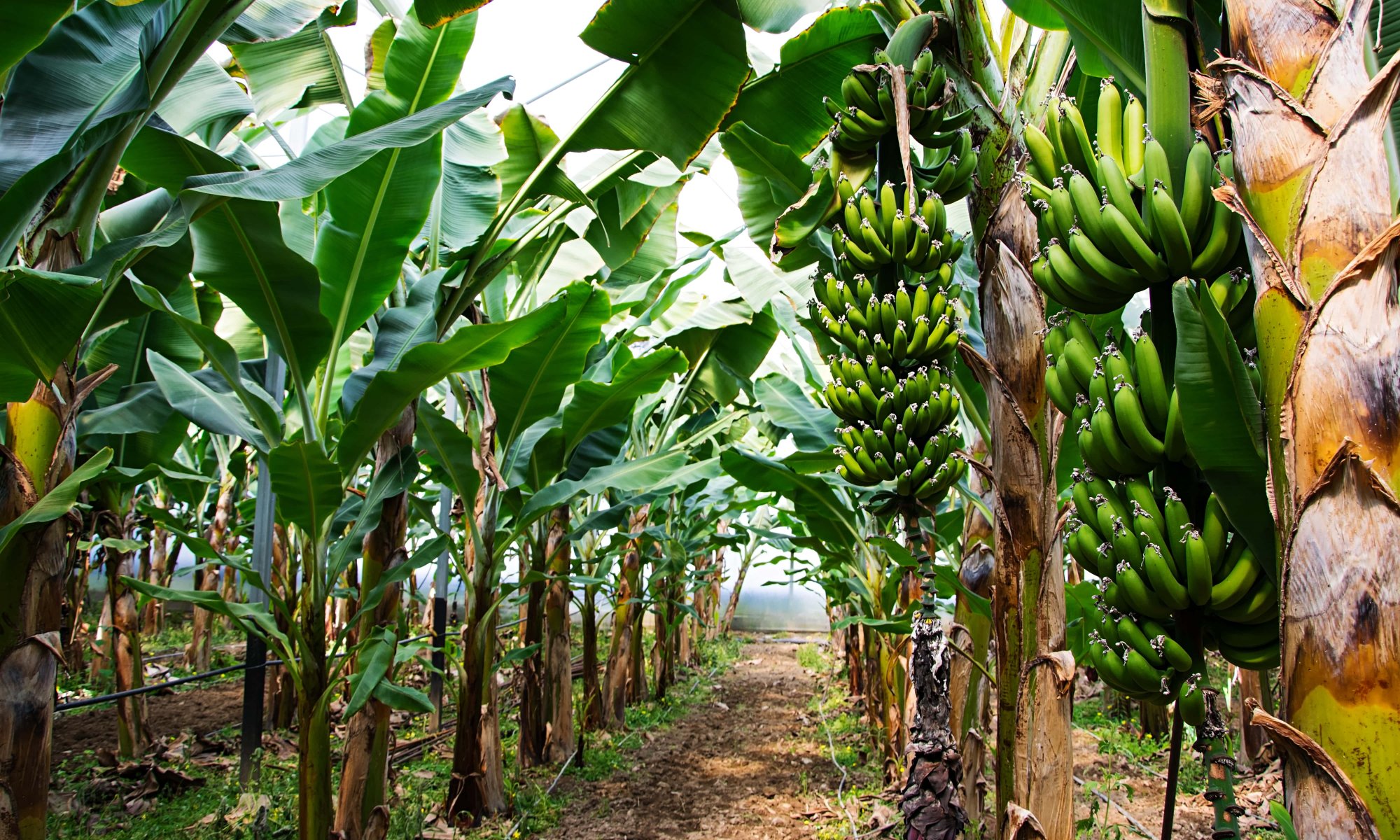
The team tested and validated their model with farms located in Lebanon along the eastern Mediterranean coastline. Most of the land in this area is used for agriculture, of which 65 percent is banana production. It enjoys a Mediterranean climate, with warm and dry summers and moderately cold, windy and wet winters. Future climate models for the area, however, predict a decrease in precipitation and an increase in temperatures by 2030, suggesting a decline in water availability too. 


This is the scenario the team used to test their model. It highlights the potential impacts that the changes in water availability within the study area may have on the future landscape. Various predictions regarding the magnitude of the decrease in water availability were considered.


Under these parameters, using only strictly economic-based rules predicted that by the end of the simulation in 2032, the region would experience a 30 percent decrease in areas growing bananas, mainly along the northern end of the study area and near the shoreline. The model predicted that farmers would choose more economically attractive crops under these conditions to maximize profit, not accounting for the fact that banana farming is associated with local traditions.


The two most common predictions using purely economic rules were quitting farming without selling the land and changing the crop type. But when farmers’ decisions were based on optimizing the joint socio-economic options, the two most common decisions were changing the crop type and seeking a new water source.

“This highlights the impact that social values, traditions, and past incidences have, reflecting a compromise between the social values that aim to retain the land and the loss of economic profitability if the land is left barren,” Prof. El Fadel said.


When the drop in water availability was minor, a significant number of farmers tended to seek a new water source, either with or without changing their crop types. Changing crop type appeared to be the most feasible and economically viable decision when the drop in water availability was limited to 12 percent, indicating that farmers will try to adapt without giving up on farming.


As the projected decrease in water availability increased, so did the probabilities of selling and quitting. The less water available in the scenario, the less willing farmers were to adapt and keep farming. The researchers theorized this was due to the need to change to drought-tolerant crops, which they may have no experience in farming, or to expect more frequent crop failures. Additionally, willingness to seek an alternative water source appeared to wane when water availability significantly decreased. At this point, farmers preferred to sell their land and allow their fields to be urbanized. If water scarcity reaches the point predicted in the model — 48 percent less — the region could expect to see expanded urbanization and a limit to banana farming.


“Although we tested our model along the Mediterranean coastline, our model offers a generalized and nonspecific structure to allow its application in any agricultural setting,” Prof. El Fadel said. “Our framework provides a powerful management tool that can be used by coastal managers aiming to protect fragile coastal agriculture from the encroachment of urbanization. It can help in defining and testing the impacts of proposed policies and the effects of changes to the physical and social forcing on future farming decisions and the feasibility of preserving coastal agriculture.”


Jade Sterling
Science Writer
26 January 2023

Mathematical Model to Understand Fibrosis

A team of researchers developed a model showing that irreversible fibrosis development is associated with specific combinations of metabolic and inflammatory cues, building on mathematical modeling work to better understand fibrosis pathogenesis. 


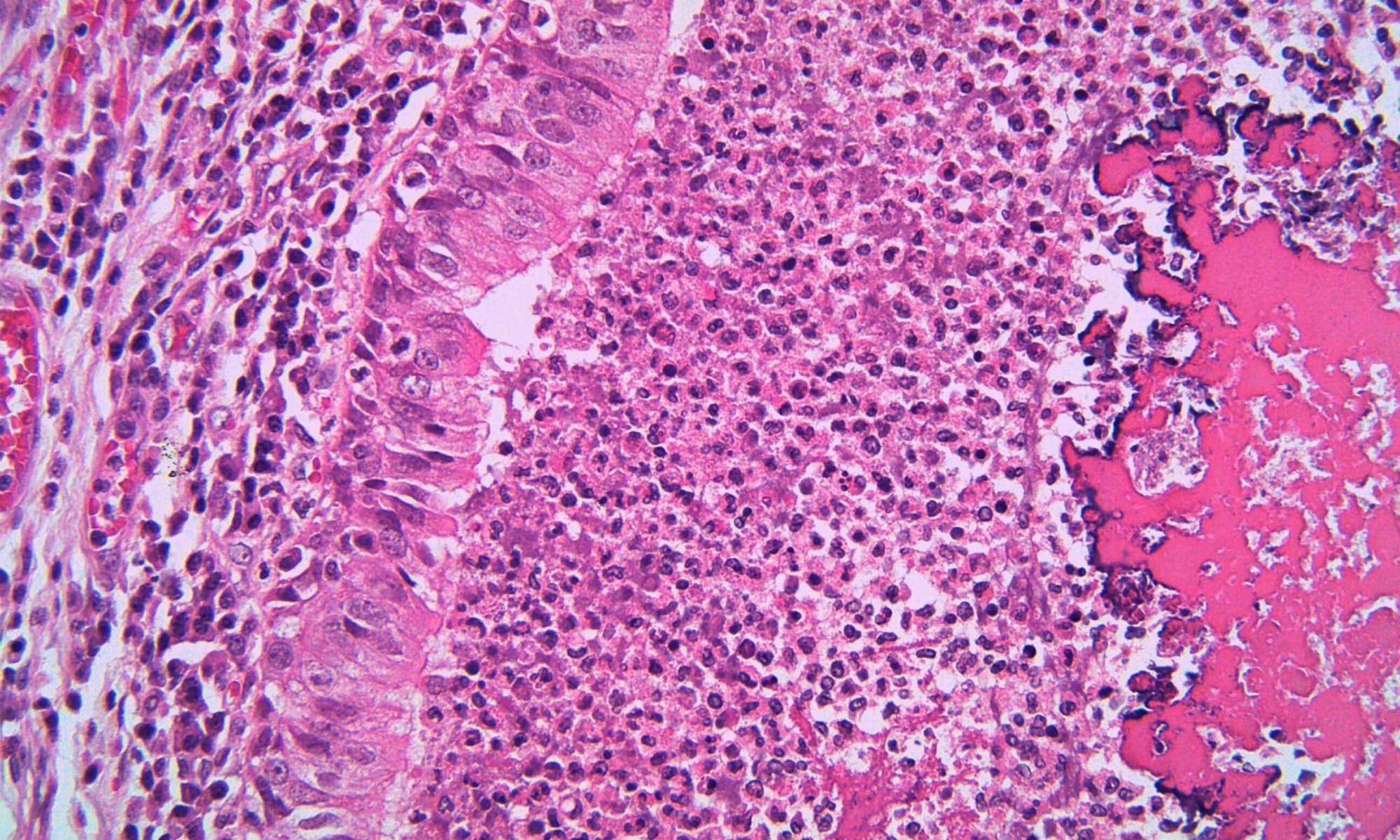
Fibrosis is a pathological wound healing in which connective tissue replaces normal tissue to the extent that it goes unchecked, leading to considerable tissue remodeling and the formation of permanent scar tissue. It occurs as the result of constant attempts by injured tissues and infiltrating immune cells to resolve inflammation and repair the damage. In the case of pulmonary fibrosis, the consequences can be devastating.


Substantial challenges remain in our understanding of fibrotic diseases, particularly in the pathogenetic basis upon which they develop. Research suggests that in genetically predisposed individuals, external factors damage the epithelium, initiating an abnormal repair process that causes uncontrolled deposition of extracellular matrix (ECM) material and damage to the tissue architecture.


A team of researchers including Khalifa University’s Dr. Haralampos Hatzikirou, Associate Professor of Mathematics, developed a mathematical model that represents the interplay between processes in the body and reflects the functional effects of inflammation, hypoxia and the adaptive immune context. Their model shows that irreversible fibrosis development is associated with specific combinations of metabolic and inflammatory cues.


Their results were published in Nature Communications.


“Mathematical modeling has proven an invaluable tool in investigating existing biological hypotheses in realistic scenarios or generating experimentally testable ones,” Dr. Hatzikirou said. “We developed a mathematical model of fibrosis based on the in vitro analysis of the interplay between fibroblasts and macrophages in the context of the wound-healing and scarring processes.”


Four core mechanisms are involved in fibrosis, according to the research team. Early inflammatory events involve various immune cells, including macrophages, followed by the activation of fibroblasts, the loss of the regenerative properties of epithelial cells, and the loss of interstitial capillary integrity, compromising oxygen delivery and further promoting the fibrotic process.


Previous models comprehensively describe the central aspects of fibrosis and could predict cell networks leading to clinically observed conditions, but they were limited by the fact that macrophage/fibroblast interactions always occur in the context of specific immunological and metabolic features characterizing the tissue microenvironment. This aspect had yet to be modeled.


The research team, therefore, developed their model taking this aspect into account. They translated in vitro observations on the relative relevance of different immune and metabolic microenvironmental cues to the macrophage/fibroblast interactions to an in vivo fibrotic scenario. The scenario considered transplanted kidneys, as fibrosis after transplantation is a clinically relevant application case for the model, according to the researchers.


“Our model predicts key interactions for fibrosis development and applies it to tissue sections from human-transplanted kidneys with different degrees of glomerulosclerosis — scarring in the blood vessels of the kidneys,” Dr. Hatzikirou said. “Previous models identified three functional states: a state of healing associated with modest ECM production and two fibrotic states associated with excessive ECM production and either high or low numbers of macrophages, termed ‘hot’ and ‘cold’ fibrosis respectively. Our model allows the implementation of immune and metabolic cues in the current ‘hot’ and ‘cold’ fibrosis model.”


Some of these immune and metabolic cues include hypoxia and inflammation. The researchers noted that effects of inflammation on fibroblasts and macrophages are highly influenced by the tissue environment while the reduction of oxygen induces a metabolic switch in cells causing fibroblasts to assume proinflammatory properties.


“The combination of in vitro and in silico modeling represents a powerful systems medical approach to dissecting fibrosis pathogenesis, applicable to specific pathological conditions, which helps develop coordinated targeted approaches,” Dr. Hatzikirou said. “Our model was validated on tissue-based quantitative immune-phenotyping of biopsies from transplanted kidneys, demonstrating its feasibility. Our model is an innovative approach to analyzing fibrosis pathogenesis and to guiding the development of targeted therapies.”


Jade Sterling
Science Writer
24 January 2023

Khalifa University Partners with Zero Carbon Ventures for Research into Groundbreaking Decarbonization Technology

  • Khalifa University and Zero Carbon Ventures have installed cutting-edge graphene and hydrogen production technology, at the Khalifa University ‘Arzanah’ Complex at Sas Al Nakhl Campus.
  • This represents a major partnership for both parties in their plans to bring world-class innovative carbon reduction technologies to the Middle East.
  • Khalifa University is an internationally top-ranked research-intensive university located in Abu Dhabi, UAE
  • UAE-based Zero Carbon Ventures specializes in working with global partners to innovate, nurture and deploy advanced technologies to drive down carbon emissions in the Middle East


The Research and Innovation Center for Graphene and 2D Materials (RIC-2D) based in Khalifa University of Science and Technology, an internationally top-ranked research-intensive university located in Abu Dhabi, UAE, and Zero Carbon Ventures, a company dedicated to bringing carbon-reducing technologies to the Middle East, have joined forces to develop local applications for carbon reduction LOOP technology developed by UK climate tech company, Levidian Nanosystems. 

The RIC-2D at Khalifa University and Zero Carbon Ventures have erected a site for the carbon-reducing technology at the Arzanah Complex at the university’s Sas Al Nakhl (SAN) Campus, in Abu Dhabi. Research will be conducted on the system’s input and outputs, to develop its applications for different waste gas blends, such as those in the oil and gas industry, agriculture, landfill, and wastewater treatment plants.

Levidian’s LOOP technology demonstrates the ability to process captured methane as a key tool in the journey to a decarbonized world. Methane is cracked to produce Hydrogen, a fuel of the future, and Graphene which has the potential to impact a broad range of industries.

Earlier this year, Zero Carbon Ventures partnered with Levidian to deploy their innovative LOOP technology in the UAE.

The partners will work together on a project-by-project basis – initially on the LOOP technology, but with a vision to collaborate on other programs in the future.

Dr. Hassan Arafat, Senior Director, RIC-2D said: “RIC-2D is pleased to partner with Zero Carbon to jointly work on local applications for carbon reduction LOOP technology developed by Levidian Nanosystems. The cutting-edge Graphene and Hydrogen production technology installed at Khalifa University’s SAN Campus demonstrates our emphasis on bringing world-class innovative Graphene technologies to the UAE and the region. RIC-2D researchers will focus on developing applications for different waste gas blends, such as those in the oil and gas industry, agriculture, landfill, and wastewater treatment plants.”

Martin Reynolds, CEO of Zero Carbon Ventures “Methane is one of the worst greenhouse gasses when liberated to the atmosphere. This technology from Levidian is a great example of the kinds of technology we aim to support the development of in the region. We have big plans to deploy it across the industry in the UAE, initially, with a particular focus on decarbonizing waste methane from landfill sites. Our partnership with Khalifa University, one of the world’s best science and technology research centers, provides us with fantastic validation and support of the goals we have set ourselves. We are looking forward to seeing the results of this amazing work that will inevitably lead to advancements in the country’s mission to achieve Net Zero.”

The RIC-2D hosted by Khalifa University of Science and Technology is part of a strategic investment by the Government of Abu Dhabi, in the UAE, to advance the scientific development and commercial deployment of technologies derived from graphene and other 2D materials. RIC-2D serves as an integral part of an advanced materials innovation ecosystem being developed in Abu Dhabi.


Clarence Michael
English Editor Specialist
12 January 2023

Sustainable, Green Membrane Developed to Filter Excess Nutrients from Wastewater

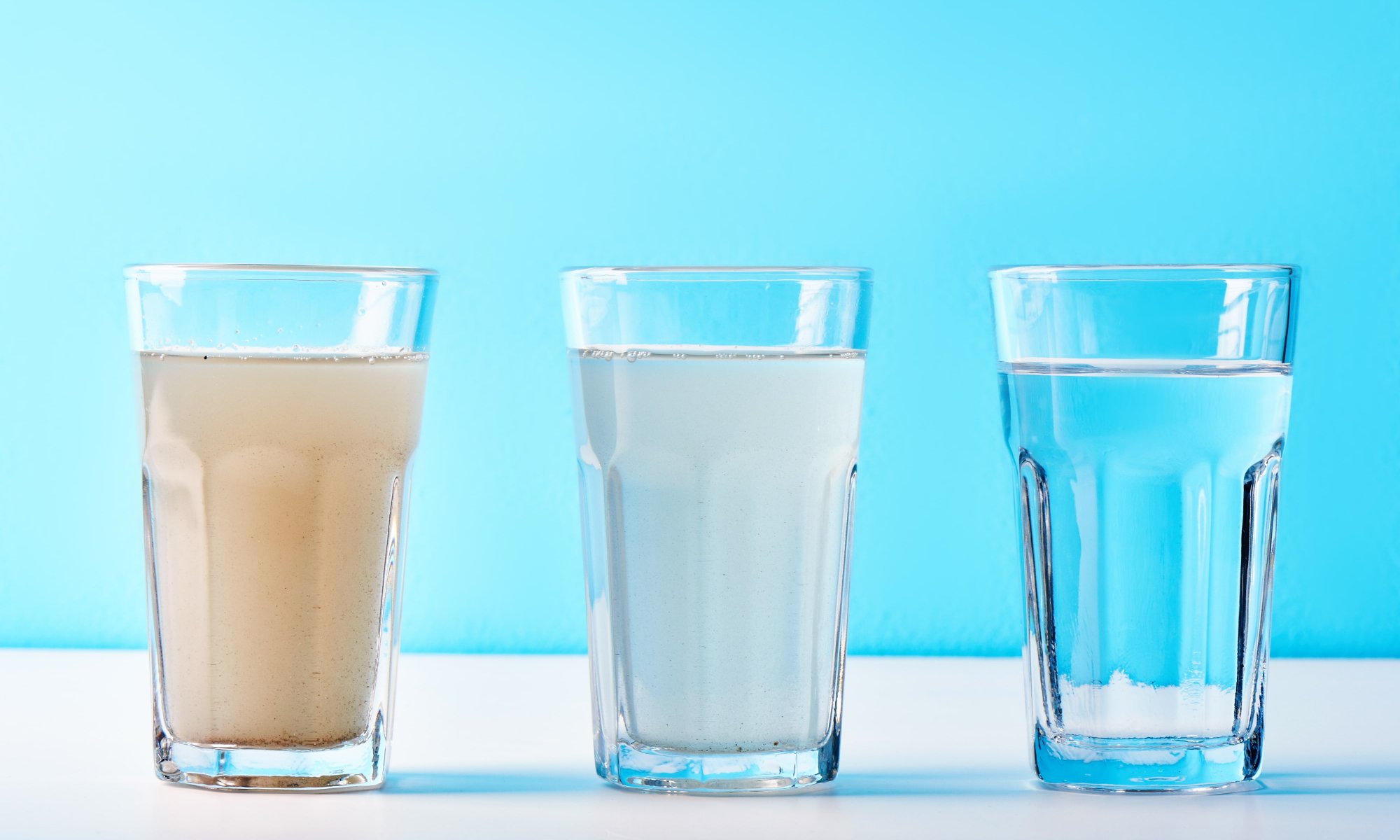
A team of researchers from Khalifa University has developed a sustainable and green membrane using graphene oxide and carbon nanotubes to safely and effectively remove excess nutrients from wastewater. 


Dr. Shadi W. Hasan, Associate Professor and Director of the Khalifa University Center for Membranes and Advanced Water Technology (CMAT), Prof. Fawzi Banat, Chair of the Khalifa University Chemical Engineering Department, Dr. Hanaa Hegab, Postdoctoral Fellow, Dr. Vijay Wadi, Research Scientist, Hiyam Khalil and Lobna Nassar, both graduate students, developed a membrane with the potential for practical use in real wastewater-treatment applications.


They published their results in npj Clean Water.


High levels of nutrients sounds like a benefit to an ecosystem, but when an environment sees excessive nutrient inputs, otherwise known as eutrophication, algal blooms and hypoxic waters can kill fish and seagrass, setting off a chain reaction in the ecosystem. Large amounts of carbon dioxide from the decomposing plant matter acidify the water, slowing the growth of fish and shellfish. Eutrophication is a threat as well — a reduced catch for commercial and recreational fisheries means smaller harvests and more expensive seafood.


“The high accumulation of nutrients, including nitrogen and phosphorus, discharged into surface water, rivers, and reservoirs can accelerate eutrophication and cause great damage to the aquatic ecosystem,” Dr. Hasan said. “We need to control the levels of nutrients and develop innovative technologies to treat water and remove excess nutrients.”


Several treatment technologies already exist. Nitrogen can be chemically removed through methods that include chlorination or nitrification, and there are also biological approaches available. However, each has its limitations. Chemical methods can introduce undesirable byproducts, while biological treatments take much longer and are inefficient in the use of nitrogen. Additionally, no available method offers complete water purification.


Novel membrane technology, however, may be the solution. The KU research team has developed a composite polylactic acid (PLA) and nanomaterial membrane to remove nutrients from wastewater.


The membrane works via adsorption. The research team used a functionalized positively charged multi-walled carbon nanotube/graphene oxide hybrid nanomaterial to simultaneously remove nitrogen (as ammonia) and phosphorus from wastewater while enhancing water permeability. The nutrients are filtered out by collecting in the pores of the nanotubes at the surface of the membrane.


Water permeability in such a membrane is a concern. As more nutrients adsorb and collect, the amount of water passing through decreases. The research team’s membrane, however, offers high water flux even when filtering the nutrients. The carbon nanotubes increase membrane tensile strength significantly, while the graphene oxide enhances thermal stability, tensile strength, and provides antibacterial properties. This supports water flux and provides hydrophilicity to the end product.


While the effects of graphene oxide and carbon nanotubes in water purification are well-documented in the literature, studies are limited when it comes to combining the two as a nanohybrid.


“After a comprehensive review of the literature, our research group is the first to report the fabrication of such composite PLA membranes for the removal of nutrients from synthetic and real wastewater,” Dr. Hasan said.


Wastewater with high levels of nutrients such as nitrogen and phosphorus is inevitable, so a sustainable and green approach to filtration is critical.


“Our results confirm this membrane’s potential for practical use in real wastewater-treatment applications and can open the door to efficient and sustainable methods for nutrient removal,” Dr. Hasan said. The next step is to scale-up the membranes for commercialization.


Jade Sterling
Science Writer
19 January 2023

Perfecting the Process with New Modeling Tools: Carbon Dioxide into Methanol

Sustainable fuels are within reach but processes need to be optimized for low-cost industrial scale production. Converting hydrogen and carbon dioxide into methanol for sustainable fuel is one route, but the reaction pathway needs elucidating and catalysts optimizing. A team of researchers from Khalifa University has developed a model to do just that.


Transforming carbon dioxide emissions into value-added products like methanol for fuel is essential for the development of a circular economy and reducing anthropogenic impact on the atmosphere. But the process of developing these products can introduce side reactions that can significantly influence efficiency and the quality of the final product. Modeling tools, therefore, are crucial to predicate and understand the reaction pathways to improved operating conditions or catalyst design.


A team of researchers from Khalifa University has developed a new practical modeling approach to examine the conversion of carbon dioxide and hydrogen to methanol using a copper-based catalyst. Their model offers a reliable tool for revealing the role of active sites that may control the performance of a CO2 hydrogenation catalyst.


Dr. Kaisar Ahmad, Postdoctoral Fellow, Dr. Maguy Abi Jaoude, Associate Professor, Prof. Kyriaki Polychronopoulou, Director of the Khalifa University Center for Catalysis and Separation (CeCaS), and Dr. Florent Ravaux developed the model and published their results in Fuel.


“Renewable methanol can play an important role as a feedstock in the production of lower-emission fuels,” Dr. Abi Jaoude said. Producing green methanol from CO2 and renewable hydrogen is an effective alternative to biomass conversion, she said, adding that “it can meet global decarbonization objectives without endangering food security.”


There are several pathways to creating sustainable fuels that involve processing and treatment of lipids, synthesis gas and alcohols. In the production of methanol, the common route is via synthesis gas with very low amounts of carbon dioxide. However, hydrogenation of carbon dioxide would be a more sustainable process, but the mechanism behind the conversion remains a subject of debate.


Researchers have proposed two pathways for methanol production from carbon dioxide and hydrogen, and understanding how this process works will allow more effective and efficient catalysts to be developed.


“In chemical kinetics, key pathways that govern the reaction mechanism at a catalyst’s surface are predicted based on its physicochemical properties,” Dr. Kaisar and Dr. Abi Jaoude said. “Understanding the kinetics on a particular surface of a catalyst for a specific reaction can assist in designing a new and improved catalyst.”


Determining the pathways and kinetic activities is time-consuming in the lab. Experimental evaluation is also expensive and a tedious endeavor, but modeling approaches can generate results much more quickly and easily.


The KU research team wanted to find the minimum energy pathway for methanol synthesis and derive its kinetic expression. They chose to investigate a catalyst made from copper, zinc oxide and chromium oxide. Copper is a more effective catalyst in the presence of metal oxides, and the zinc and chromium oxides aid in increasing catalyst activity, enhancing its performance in the hydrogenation process.


Their practical model predicted the minimum energy pathway and their simulations with experimental data confirmed the model’s accuracy. Their outcomes were consistent with documented reports, confirming the validity of the proposed modeling method.


“By developing a kinetic model for the most favorable pathway based on the activation energy and interactions of molecules on the catalyst surface, an in-depth understanding of the surface science and kinetic parameter dependence on the catalyst can be obtained,” The research team said. “Our practical model can be used to study the kinetics of catalytic reactions targeting sustainable fuels or their precursors at reduced cost and time.”


Jade Sterling
Science Writer
17 January 2023

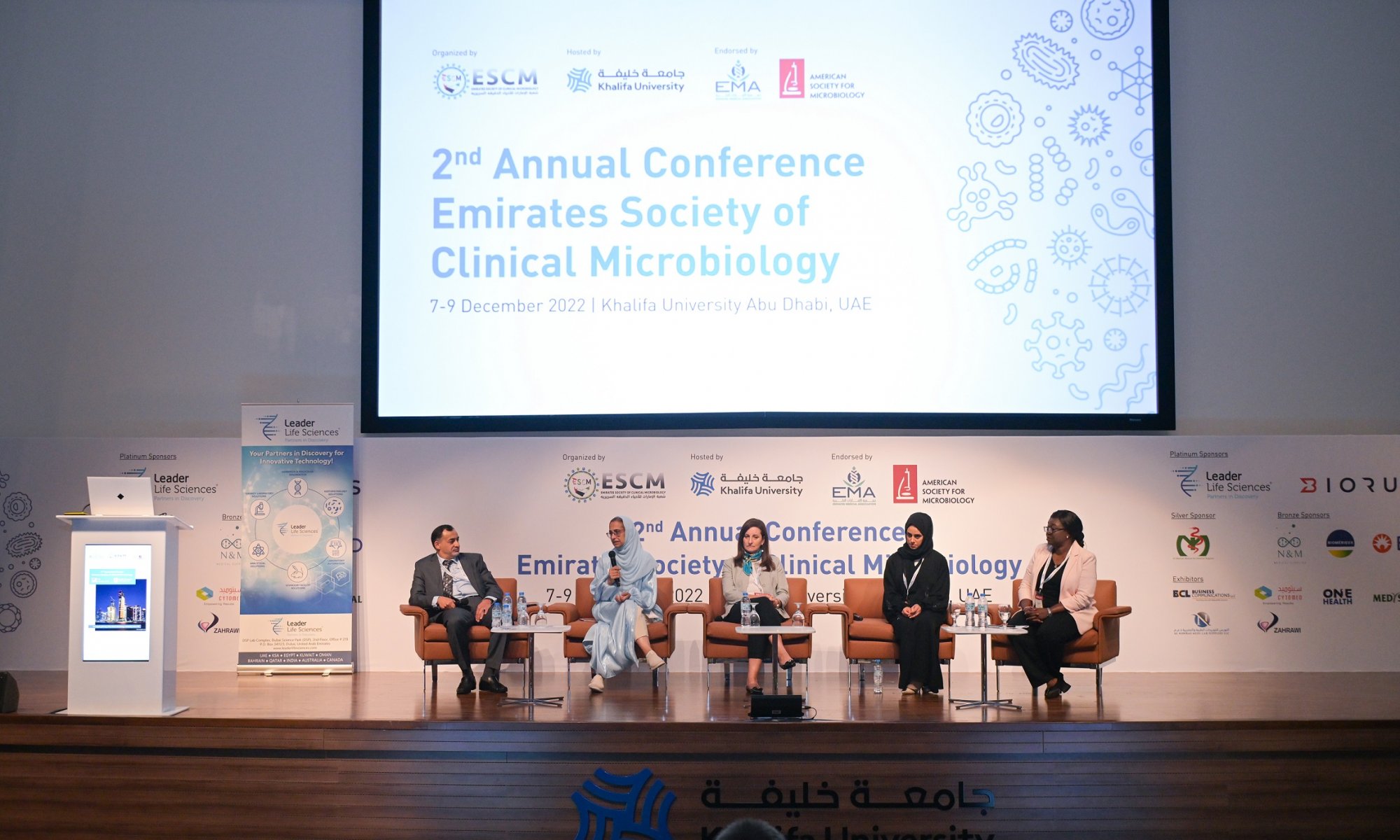
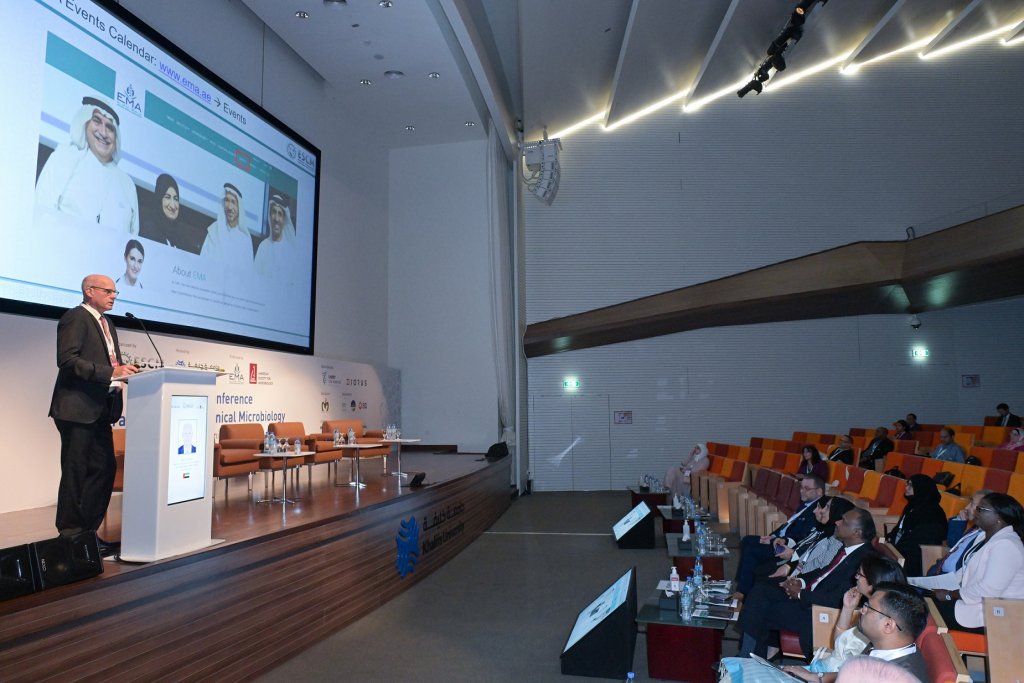
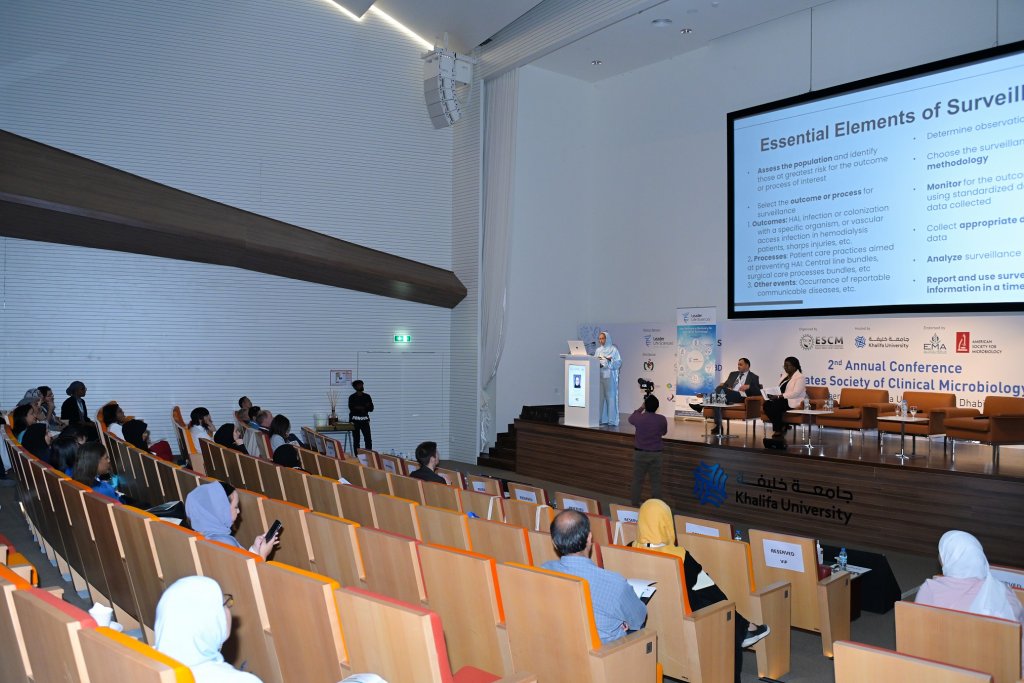
Second Annual Conference of Emirates Society of Clinical Microbiology Opens at Khalifa University Main Campus in Abu Dhabi

Khalifa University of Science and Technology has announced the second annual conference of the Emirates Society of Clinical Microbiology (ESCM) opened today at the Khalifa University Main Campus in Abu Dhabi, with posters and oral presentations by invited speakers, as well as industry-sponsored workshops and symposia. ESCM is under the umbrella of Emirates Medical Association (EMA).


Scheduled to run until 9 December at the Khalifa University Main Campus, the annual conference has brought together experts from many fields to present their latest findings, guidelines and experiences. Professors, researchers, students and technical staff from the field of medical microbiology and immunology, delegates from various industries and inspiring speakers and experts are sharing evidence-based findings for quality and safety in patient care and improvement in clinical microbiology and global health.


Dr. John Rock, Co-Chair of the conference, and Founding Dean, Khalifa University College of Medicine and Health Sciences (CMHS), Senior Vice-President – Health Affairs, and Professor, Obstetrics and Gynecology, said: “We are delighted to host this conference that delves deeper into the lessons learnt through the COVID pandemic. It  is also analyzing how far the UAE has progressed into becoming more active in the field of pandemic preparedness and undertaking research into the next potential threats. We believe the knowledge exchange from this conference will benefit all the stakeholders, while demonstrating the UAE’s advanced status in tackling healthcare challenges.”


Dr. Rock also commended members of the ESCM Board and the Scientific Committee for their active part in organizing the conference.


Dr. Jens Thomsen, President, ESCM, delivered a session on ‘AMR Surveillance in UAE and Trends’.  On the third day, he will be hosting a workshop on WHONET/BacLink-Software for Surveillance of Antimicrobial Resistance, while Dr Godfred A. Menezes, Chairperson, Scientific Committee, ESCM, offered the welcome note, as well as a session on ‘Combating antimicrobial resistance: Newer Solutions or Alternative approaches’.


The first day’s agenda included an oral presentation of a student’s ‘best paper’. A special lecture on ‘Artificial intelligence in Clinical Microbiology: Where are we?’ will demonstrate how current technology advancements that use AI and data from different sources contribute to predicting AMR and ensuring proper AMR surveillance.


A panel discussion on ‘Antimicrobial resistance; AMR Surveillance in UAE and trends; New antimicrobials’ was moderated by Dr. Dean Everett, Acting Chair and Professor, Pathology and Infectious Diseases, Khalifa University College of Medicine and Health Sciences. In addition, a comprehensive scientific and educational program incorporating keynote lectures and oral sessions, as well as interactive workshops has been developed by the program committee.


Dr Jens Thomsen expressed his gratitude to Khalifa University, and Dr. Dean Everett, who has been instrumental in the event’s planning along with the ESCM board and the committee members.


Panel discussions on the first day included  ‘Healthcare associated infection; Transplant infectious diseases & Tuberculosis and Mycobacteria’, and ‘Advances in diagnostics’. The second day will have panel discussions on ‘Respiratory Pathogens and COVID-19; Lessons from the COVID-19 pandemic; Monkey pox and Viral hemorrhagic fevers (VHFs)‘, ‘Human microbiome, ‘Antimicrobial stewardship and infection prevention and control’, and ‘Parasitic and fungal infection’.


Clarence Michael
English Editor Specialist
7 December 2022

A New Catalyst from Date Seeds Can Turn Bio-oil into Bio-fuel

A Khalifa University research team has investigated a scalable electrochemical process to convert furfural into fuel. 


A Khalifa University research team, comprising Professor Fawzi Banat, Muhammad Ashraf Sabri, PhD candidate, Dr. Bharath Govindan, Research Scientist, Abdul Hai, Research Associate, Associate Professor Mohammad Abu Haija, and Professor Ricardo Nogueira, all Khalifa University Department of Chemical Engineering and Department of Chemistry, developed new electrocatalysts for efficient and scalable conversion of furfural into furoic acid and furfural alcohol. 


Their results were published in Fuel Processing Technology.


Furfural is an organic compound, a product of the dehydration of sugars, and occurs in a variety of agricultural processes. It is a bio-oil, derived from processing crop materials such as corn, oats, bran, and sawdust. Furfural is an important renewable, non-petroleum-based chemical feedstock that can be converted into solvents, polymers, and other useful chemicals. The KU research team looked into converting it into fuels.


This conversion requires electrode materials that are cost-effective and highly stable if industrial application is to be achieved. “Electrochemical hydrogenation of bio-oil compounds has gained much attention in the last decade due to the possibility of producing fuels and other value-added, cost-effective, and environmentally friendly chemicals,” Prof. Banat said.


This method has many advantages, including in-situ hydrogen production and precise control over reaction conditions, but industrial applications have yet to be realized due to slow reaction kinetics, low catalyst activity, and low selectivity.


“Traditionally, electrochemical hydrogenation suffers several disadvantages, including slow water oxidation and mass transfer limitations,” Prof. Banat said. “Additionally, the product on the anode side was oxygen, which did not economically add much to the process. Coupling electrochemical hydrogenation with electrochemical oxidation eliminates the disadvantages of the traditional setup. This new technique simultaneously converts bio-oil in the cathode and anode compartments to valuable fuels and value-added products.”


Combining the two processes creates an integrated approach: Both electrodes generate desirable products. For furfural, this is fufural alcohol and furoic acid.


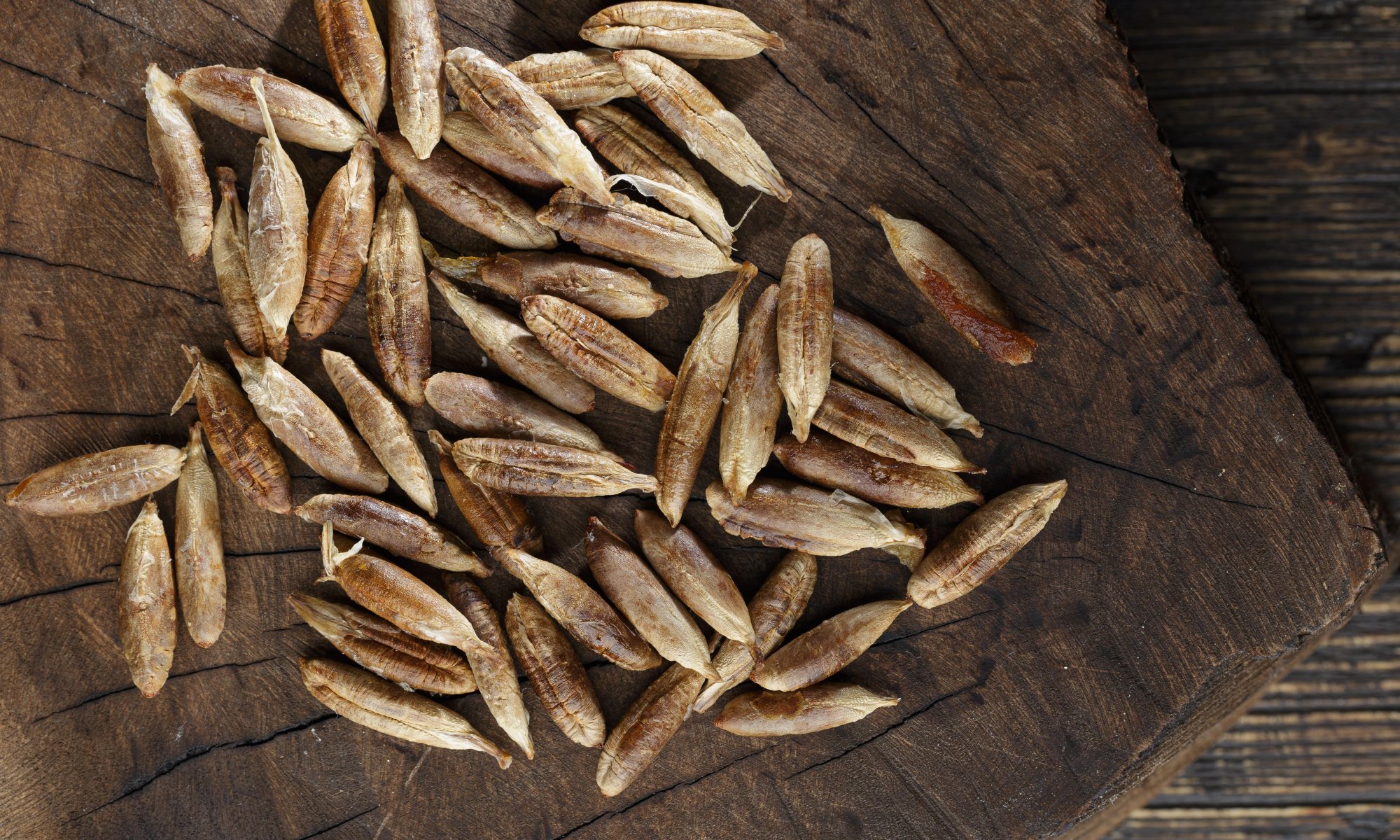
To make this process efficient, catalysts are required. Various carbon materials have been used as supports for catalysts, adsorbents, and materials for electrodes because of their high porosity, tunable pore size distribution, and high surface area. Activated carbon electrodes offer low resistance and large surface areas, decreasing the power required and increasing the number of reaction sites. The KU research team used molybdenum and cobalt immobilized on activated carbon derived from date seeds. The molybdenum-cobalt catalyst facilitated the reaction, while the date seed-derived activated carbon was doped with nitrogen to improve the electrochemical activity.


The team developed an efficient catalyst offering high yields of furoic acid and furfural alcohol. These products can be used in corrosion-resistant glass, acid-proof bricks, and plasticizers, while the new process and catalyst open up possibilities for the creation of value-added chemicals under optimized conditions at industrial scale. 


Jade Sterling
Science Writer
17 January 2023

Upwelling and nutrient dynamics in the Arabian Gulf and Sea of Oman

Researchers at Khalifa University investigated how the vertical and horizontal distribution of nutrients respond seasonally to upwelling in the Arabian Gulf and the Sea of Oman. 


Dr. Maryam Al Shehhi, Assistant Professor, and Kaltham Abbas Ismail, graduate student, both from the Khalifa University Department of Civil Infrastructure and Environmental Engineering, used data obtained from the World Ocean Atlas 2018 and estimates of coastal and curl-driven upwelling in both the Arabian Gulf and the Sea of Oman to determine the vertical and horizontal distribution of three important nutrients and how these nutrients respond to upwelling on a seasonal basis.


They published their results in PLoS One.


Upwelling is a process in which deep cold water rises toward the surface. It occurs in the open ocean and along coastlines as winds blowing across the ocean surface push water away. Water from beneath the surface then rises to replace the water that was pushed away. Water that rises to the surface as a result of upwelling is typically colder and rich in nutrients. These nutrients fertilize surface waters, leading to high biological productivity.


The lack of research into the nutrients found in the Arabian Gulf and their sources prompted the researchers to investigate. They analyzed the spatial and temporal variability of nitrate, phosphate and silicate in the Arabian Gulf and the Sea of Oman and considered the effect of seasonal upwelling on the distribution of nutrients.


They found that the Sea of Oman’s surface and deep waters contained 80 percent higher concentrations of nutrients than those of the Arabian Gulf. The average surface nutrient concentrations in both are higher in the winter than in the summer, except for nitrates, where a very low concentration was observed in both summer and winter in the Arabian Gulf.


“In the southern part of the Gulf, especially along the coastline of the UAE, we saw higher concentrations of phosphate,” Dr. Al Shehhi said. “These levels were consistent during both seasons but we found even higher concentrations again in the Sea of Oman. Higher concentrations in winter than in summer suggest waters rich in phosphate flow from the Sea of Oman into the Arabian Gulf during the summer months.”


This movement of phosphate from one body of water to another is an example of the horizontal distribution of nutrients responding to seasonal influences in the Arabian Gulf and the Sea of Oman. Similar to phosphate, surface silicate revealed a clear seasonal variation with higher variability in the Sea of Oman during the winter season.


The researchers identified two strong upwelling zones in the Arabian Gulf along the Iranian coasts and two in the Sea of Oman along the southeast and northwest coasts. The strongest upwelling zone was found in the Sea of Oman, supporting the evidence that this body of water contains more nutrients due to the vertical transport of the available nutrients in the deeper water. The Arabian Gulf, on the other hand, showed slight vertical variations, explained by its shallower waters and weaker upwelling.


As climate change continues to influence all natural processes on Earth, understanding the dynamics of the oceans is crucial to predicting changes.


The macro and micronutrients needed by photosynthetic organisms in the oceans exist with varying distribution. The Southern Ocean has the highest amount of macronutrients, while the Arctic Ocean contains significant amounts of micronutrients from river runoff, dust and sediments deposited in shallow coastal waters.


The Arabian Gulf, however, is under pressure, according to the researchers.


“The Arabian Gulf has a pressured marine ecosystem due to the growing population along its coast,” Dr. Al Shehhi said. “More people means more treated wastewater from residential and industrial areas is discharged into the Gulf, increasing the concentration of nutrients in seawater — a phenomenon called eutrophication.”


More nutrients sounds like a benefit to an ecosystem, but when an environment sees excessive nutrient inputs, algal blooms and hypoxic waters can kill fish and seagrass, setting off a chain reaction in the ecosystem. Large amounts of carbon dioxide from the decomposing plant matter acidifies the water, slowing the growth of fish and shellfish. Eutrophication threatens humanity too — a reduced catch for commercial and recreational fisheries means smaller harvests and more expensive seafood.


Understanding the normal nutrient dynamics in the Arabian Gulf enables us to recognize the harm in discharging wastewater into the sea. By studying the horizontal and vertical variants in nutrients, researchers can help protect marine resources.


Jade Sterling
Science Writer
9 January 2023

Khalifa University Ranks ِAmong Top Five in Arab World and Tops in UAE for Second Year in a Row in THE Arab University Rankings 2022

Khalifa University of Science and Technology today announced it has advanced to 5th position to be ranked among the ‘Top Five’ in the Arab world and top in the UAE for the second year in a row, according to the Times Higher Education (THE) Arab University Rankings 2022.


Khalifa University has improved its position from 6th last year, when the Arab University rankings debuted, based on the same comprehensive and trusted framework as the global table. All research-intensive universities are ranked globally across their core missions – teaching, research, knowledge transfer, citations and international outlook.


Clarence Michael
English Editor Specialist
30 November 2022

Vortex Tornado Image Wins Milton Van Dyke Award

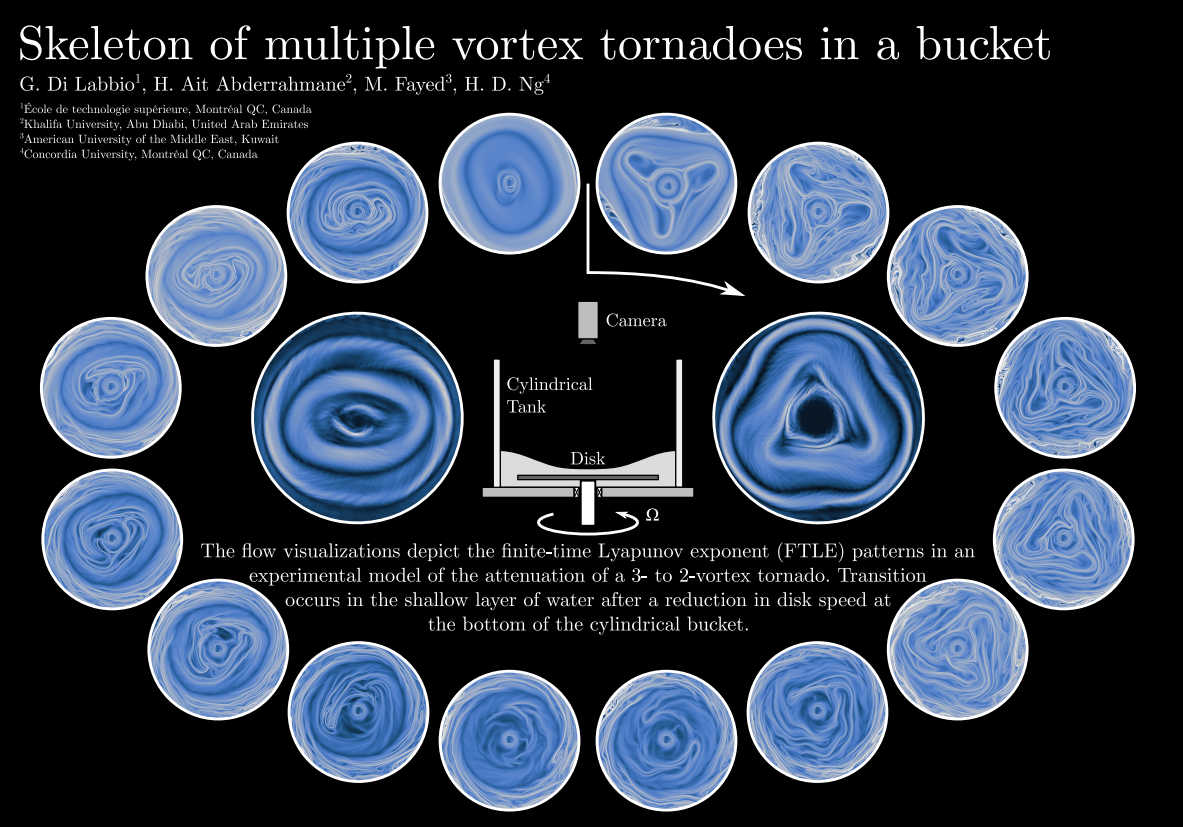
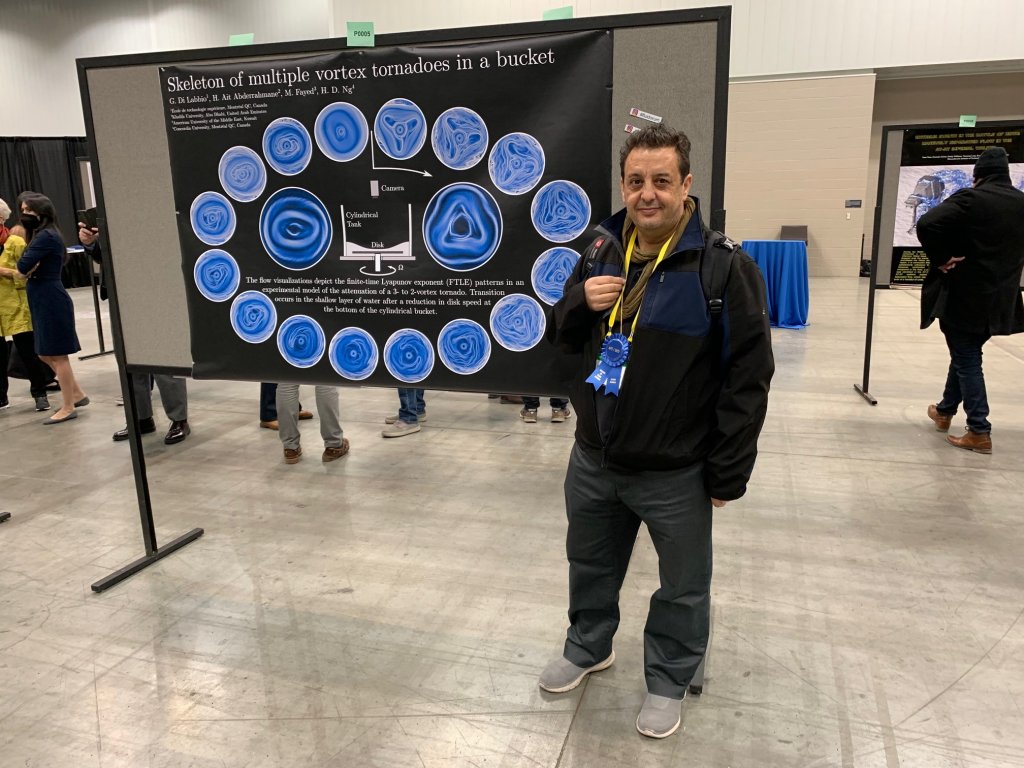
Dr. Hamid Ait Abderrahmane, Mechanical Engineering Associate Professor, and his collaborators from abroad were awarded one of the three Milton Van Dyke Awards for their poster at the 41st Annual Gallery of Fluid Motion. They were recognized during the 75th Annual Meeting of the American Physical Society’s Division of Fluid Dynamics (APS DFD) in Indianapolis, USA.


The Gallery of Fluid Motion highlights posters and videos showing not only the science but also the beauty of fluid motion. Participants submit graphic representations of their research that explain the work’s science through beautiful fluid motion. A distinguished panel of judges selects the best images and videos to receive the Milton Van Dyke Awards. The award is named after Milton Van Dyke, a renowned scientist best known for his work in fluid dynamics. Van Dyke was a pioneer in highlighting the aesthetic appeal and the scientific usefulness of flow visualization.

Dr. Hamid and his team’s poster, “Multiple Vortex Tornadoes in a Bucket,” shows the finite-time Lyapunov exponent (FTLE) patterns in an experimental model of the attenuation of a 3- to a 2-vortex tornado. From the image, you can see transitions in the shallow layer of water after a reduction in the disk speed at the bottom of the cylindrical bucket.