Khalifa University Wins Gold in Al Ain International Radio-Controlled Aerobatic Competition 


Project Recognized for Engineering Excellence and Relevance to Sustainable Air Transportation


Khalifa University has clinched the gold medal in the University Projects Category at the International Radio-Controlled Aerobatic Competition in Al Ain, UAE. The winning project, titled ‘Hybrid-Electric Propulsion System for VTOL Drones and Sustainable Air Mobility,’ was developed by the Aerospace Systems Group and is part of the University’s flagship FALCON Program, aimed at advancing sustainable aviation technologies. 


Led by Principal Investigator Professor Roberto Sabatini, with contributions from Dr. Alessandro Gardi, Dr. Nour El-Din Safwat, and Ahmed Elmeligy, the project represents a major leap in hybrid aerospace engineering. This success was celebrated by Khalifa University President H.E. Professor Ebrahim Al Hajri, who also attended the competition. 


The innovation integrates a puller electric motor with a pusher internal combustion engine, powered by renewable energy sources including solar panels and hydrogen fuel cells. The system addresses critical challenges in VTOL drone operations such as limited range and environmental impact, offering a scalable, adaptable solution for the future of urban and regional air mobility. 


The research team also developed real-time software and hardware infrastructure for propulsion and power management, optimizing energy use and performance. The project was recognized not only for its engineering excellence but for its real-world relevance to sustainable air transportation. 


Team NOVAERO from Khalifa University secured second place for their ZENITH project, while another student achieved third place in the Flight Simulator Category, demonstrating Khalifa University’s depth of talent in aerospace research. 


Khalifa University continues to advance sustainable aviation through ongoing projects such as the ‘Intelligent Power and Mission Management System for Hybrid-Electric Air Mobility’, under the Research and Innovation Grant (RIG-2024-030). This initiative focuses on using AI-based avionics to further enhance energy efficiency and propulsion systems. 


Professor Sabatini said: “By addressing critical challenges such as limited operational range and environmental impact, this sophisticated propulsion system paves the way for next-generation solutions in sustainable air mobility. The tremendous talent and innovation showcased by our students with the first and second place wins by the FALCON and ZENITH projects, along with the impressive third-place finish in the Flight Simulator Category, are testament to the hard work and dedication of our students and faculty.” 


Alisha Roy
Science Writer 

The 9th International Conference on Alzheimer’s Disease and Related Disorders kicks off in Abu Dhabi

The 9th International Conference on Alzheimer’s Disease and Related Disorders in the Middle East kicked off yesterday. The conference is being hosted by Khalifa University in Abu Dhabi from April 18 to 20.


This prominent scientific event brings together a select group of global leaders, researchers, healthcare professionals, and patient advocates to advance a shared understanding of Alzheimer’s disease and develop innovative strategies for diagnosis, treatment, and care in the region.


Professor Marwan Sabbagh, Fellow of the American Academy of Neurology and Chair of the Alzheimer’s Disease Research Division at Arizona State University, USA, told Emirates News Agency (WAM) that this conference aims to foster dialogue among leaders, physicians, and scientists to develop new treatments for Alzheimer’s disease, a necessary development in addressing the challenges posed by the disease at the regional and global levels.


He added that in its early days, the conference focused on facilitating discussions among specialists. Today, it has evolved to include a deeper understanding of regional issues, ways to integrate modern technology, and the development of new tests and treatments applicable to the Middle East, thus contributing to the spread of benefits to all countries.


He emphasized that the primary goal of the conference is to enhance global scientific and medical cooperation to find effective and innovative solutions to address Alzheimer’s and related disorders, noting that the conference plays a pivotal role in shaping the future of Alzheimer’s care in our region. By unifying efforts across disciplines and borders, we are making real progress towards improving patient outcomes and enhancing the quality of life for their families.


The conference is sponsored by a number of major healthcare entities in the UAE and aims to address the growing challenges associated with dementia disorders through the exchange of expertise and the promotion of cooperation and innovation.
The three-day program includes opening remarks by international experts, specialized keynote sessions, and extensive discussions within working groups.


The sessions focus on the latest scientific developments in the fields of early diagnosis, pharmacological and non-pharmacological treatments, integrated care models, regulatory frameworks, and related health policies.


The conference addresses the social and economic impact of dementia disorders, explores early awareness programs, and community and cultural support for caregivers, while focusing on sustainable solutions that enhance the ability of health systems to respond to growing challenges.


This conference is a prestigious international platform that brings together researchers, physicians, experts, and policymakers to discuss the latest developments in Alzheimer’s research and propose practical and innovative solutions aimed at improving the quality of life for those affected and supporting their families and caregivers. It also highlights advances in diagnosis and treatment, showcases innovations in healthcare technologies and community services, and discusses national and international policies related to neurological diseases.


The conference represents a significant step forward in the UAE’s efforts to strengthen its position as a global platform for medical innovation and scientific research, and to support international efforts to address the challenges of dementia and associated neurological disorders.


Source: Greenworld.com 

Khalifa University Ranks 37th in Asia, 2nd among Arab Countries in THE Asia University Rankings 2025 

Top in the UAE once again 


Khalifa University of Science and Technology today announced it has climbed three positions to be ranked 37th in Asia in the Times Higher Education (THE) Asia University Rankings 2025, reinforcing its standing as a leading institution for research, enterprise, and innovation in the region.  


Khalifa University has retained its position as top in the UAE and second among Arab countries listed in the 2025 edition, which evaluated 853 universities from 35 countries and territories.  


With a strong regional outlook, Khalifa University continues to align its research priorities with the most pressing challenges and innovation goals locally and globally. From AI and autonomous robotics to sustainable energy and advanced materials, the University’s core research centers are actively contributing to advancing innovation in a range of areas. 


His Excellency Professor Ebrahim Al Hajri, President, Khalifa University, said: “Our steady rise in various world rankings reflects the strength of our research ecosystem and the local and global relevance of our academic programs. Khalifa University remains a hub for high-impact research that supports industrial growth and scientific collaboration, while contributing meaningfully by nurturing talent, advancing discovery, and building partnerships that transcend borders.” 


Alisha Roy
Science Writer 

National Multiple Sclerosis Society (NMSS) partners with 6 UAE universities to integrate inclusion-focused learning into curricula

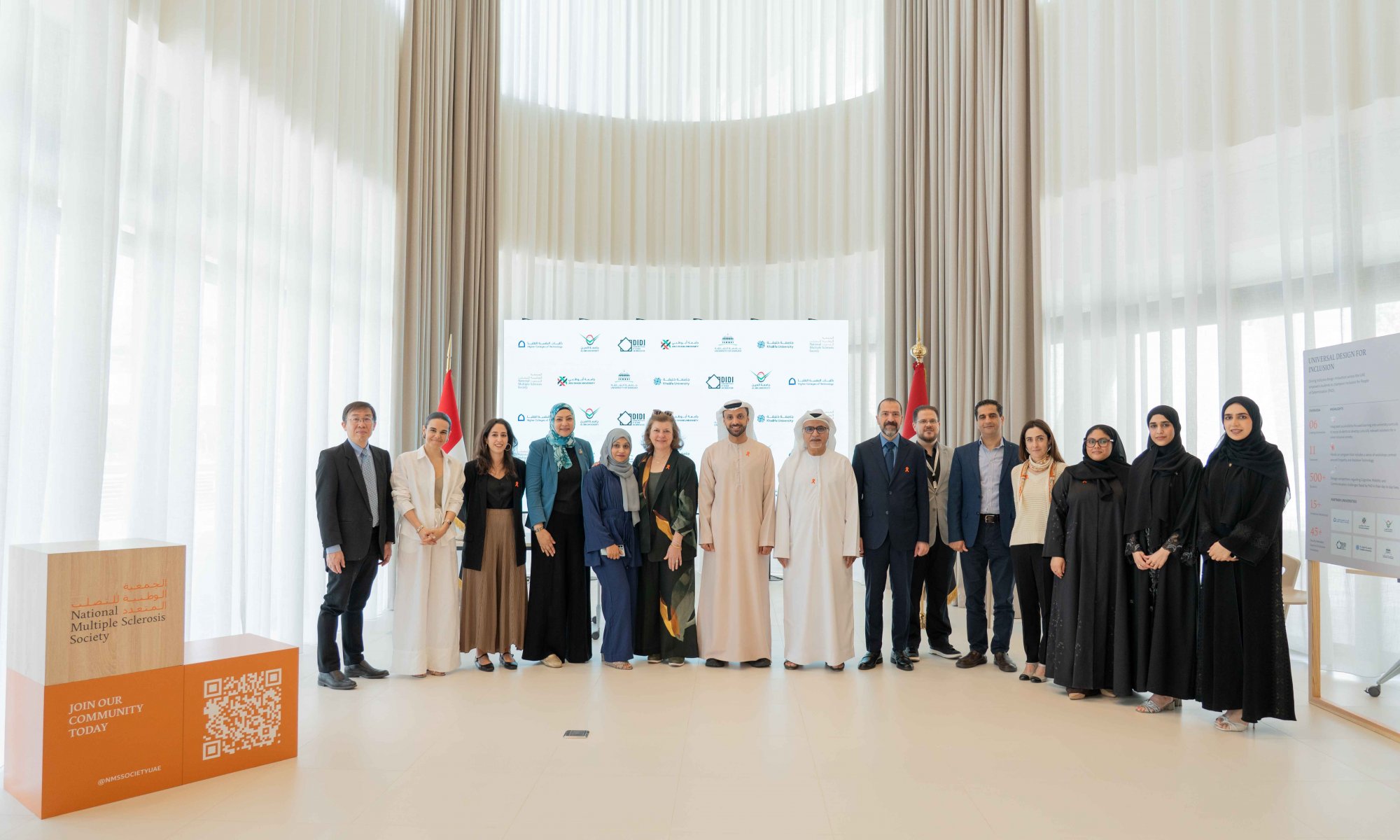
The National Multiple Sclerosis Society (NMSS) has partnered with six universities across the UAE as part of the Universal Design for Inclusion Program. This agreement formalises NMSS’s collaboration with higher education institutions, integrating inclusion-focused learning into university curricula and empowering students to develop innovative solutions that enhance inclusivity.


Designed to raise awareness on cognitive, mobility and communication challenges faced by People of Determination, the programme will empower youth to develop innovative, inclusion-focused solutions that address real-world needs.


As one of NMSS’s flagship initiatives, the programme aims to educate university students about multiple sclerosis (MS), while equipping them with the knowledge and skills to develop universally accessible and culturally relevant designs – fostering a more inclusive environment where everyone can be an active part of society.


Delivered in partnership with leading universities across the UAE, the Universal Design for Inclusion program provides students with opportunities to explore inclusive design principles through NMSS-led awareness sessions, expert-led workshops, and interactive discussions with inclusive innovators and, most importantly, the end-users. These sessions allow students to gain a deeper understanding of the barriers faced by People of Determination, empowering them to develop viable solutions that promote accessibility and inclusion.


His Excellency Ahmed Taleb Al Shamsi, Chief Executive Officer of Emirates Foundation and Vice Chair of the National Multiple Sclerosis Society, said: “Empowering youth to become changemakers is at the heart of this programme. The Youth Awareness Program is a crucial step in supporting a new generation of innovators who are committed to designing a more inclusive future. This initiative is about more than awareness; by combining education with practical design challenges, we are empowering students to become advocates for accessibility and equipping them with the skills to create meaningful solutions that improve lives.


“We are especially grateful to the universities and faculty members who have integrated this programme into their curriculum. Their commitment has made this initiative possible, ensuring that students engage with accessibility as a core design principle from the outset of their careers. This initiative is about more than awareness; it’s about action. By involving students directly in the creation of solutions, we are nurturing a generation that not only understands accessibility but champions it.”


A first-of-its-kind initiative at this scale in the UAE, the programme is being implemented across six leading universities, spanning 11 campuses, including Abu Dhabi University, University of Sharjah, Dubai Institute of Design and Innovation (DIDI), Khalifa University, Al Ain University, and six Higher Colleges of Technology (HCT) campuses in Abu Dhabi, Al Ain, Dubai, Sharjah, Fujairah, and Ras Al Khaimah.


Students began their journey with Empathy Workshops, which offered them firsthand insights into the lived experiences of People of Determination. These sessions allowed participants to experience and understand daily challenges through interactive activities, ensuring that student-led innovations are informed by real-world needs. Subsequent mentorship and educational workshops included industry experts inspiring students with their own solutions, start-ups and successful outcomes. Accessibility advocates and ambassadors also played a key role in the programme, sharing real-world insights into communication, mobility, and cognitive challenges as end-users.


Students will present their final prototypes to a panel of experts, who will assess their feasibility, functionality, and potential for implementation. Outstanding projects will be recognised through an expert jury award, reinforcing the importance of inclusive, solution-driven design.


The top three winning student teams will be onboarded into the Sharjah Entrepreneurship Center (Sheraa) youth incubation platform, Startup Dojo. This collaboration provides young innovators with mentorship, pitch training, and access to grant disbursement guidance, helping them develop their prototypes into real-world solutions.


Her Excellency Sara Belhaif Al Nuaimi, CEO of Sharjah Entrepreneurship Center (Sheraa), said: “At Sheraa, we’re proud to support the final stage of the Universal Design for Inclusion Program by welcoming the winning teams into our Startup Dojo. This reflects our commitment to empowering youth to turn inclusive ideas into scalable ventures that address real societal needs.


“We believe inclusivity is key to strong, thriving communities. This programme provides students valuable insight into real-world challenges and inspires practical solutions for all. At Sheraa, we’re proud to help turn these ideas into reality through mentorship and support—shaping a more inclusive future.”


Sheraa will provide a mentorship session for the winners and runners-up, guiding them through the grant disbursement process, as well as a pitch training session to help them prepare for their final presentations at the September awarding event.


Aligned with the UAE’s national vision for inclusion, the programme reinforces the importance of universal design in education, public spaces, and community engagement. By fostering early exposure to inclusion-driven innovation, NMSS aims to cultivate a future where students of all abilities collaborate to design a world that is not just for People of Determination but with them.


In keeping with the UAE’s Year of Community slogan, Hand in Hand, the initiative mobilises key players across the ecosystem – including industry leaders, educators, and community members – to drive inclusive design forward. This collaborative effort embeds accessibility at the core of innovation, ensuring that inclusion is a shared responsibility that strengthens society as a whole.


Source: Abu Dhabi Media

How to Ensure Efficient and Stable Power Grid Operation

Securing grid stability in a renewable energy realm.


The growing adoption of renewable energy sources such as solar and wind energy is transforming our power systems, highlighting the need for technologies that ensure efficient frequency support. In conventional power generation, inertia plays a crucial role as it allows generators and other components to maintain stable operating frequencies in case of severe system contingencies. However, as power grids become increasingly reliant on inverter-based renewable sources, this inertia support becomes less reliable, raising challenges for the future of energy stability.


A research team from the Advanced Power and Energy Center (APEC) at Khalifa University has designed an online tool for assessing, predicting and enhancing the frequency stability of power systems that rely on renewable energy sources and energy storage systems. This frequency stability prediction and enhancement (FSP&E) tool works alongside a reserve-power allocation strategy to probe the real-time frequency response of the power system in a virtual environment.


“The combination of these strategies can be employed by the transmission system operator – to maintain frequency stability in the presence of significant renewable energy integration, reduced system inertia and unexpected disturbances such as the sudden tripping of the largest generator or major transmission lines,” says Mohamed El Moursi, one of the co-authors of the study.


“The FSP&E tool incorporates several critical features that are applicable to power grids.”
Mohamed El Moursi


The FSP&E tool estimates the frequency response of the entire power system in different situations and at various levels of inertia. It also calculates the optimal amount of reserve power required to maintain the frequency above the minimum value needed for stable operation.


“The FSP&E tool incorporates several novel features that are applicable to power grids,” says El Moursi. First, the tool calculates the system inertia in real-time and investigates the resilience of the power grid to sudden events. Next, it assesses the frequency response during these events. Finally, the tool estimates the required reserve power to maintain frequency stability and dynamically adjusts the hybrid renewable power-plant controller accordingly.


“Subsequently, the energy management system of the power grid can use the reserve power allocation in the photovoltaic power plants and battery energy storage systems with the load shedding approach, for extreme cases, to save the power grid in response to severe system disturbances,” El Moursi explains.


Continuous feedback from the FSP&E tool to the transmission system operator on system performance can help ensure the power system operates within its permissible frequency limits, even with the high intermittence of renewable power generation. This improves the reliability of the FSP&E tool in ensuring frequency stability in low-inertia and high-renewable power grids.


The research team’s next step is to investigate the intermittent nature of photovoltaic power generation. “The impact of frequency-dependent loads on the estimation of frequency nadir [the lowest frequency point in response to system disturbance] and reserve power will also be probed,” says El Moursi.


Khalifa University, KUEC and ALA Announce Research Collaboration for Clinical Trials to Validate L-Nutra’s DRRP


Clinical Trial Will Involve 100 individuals in UAE to be Followed by Obtaining Regulatory Approvals and Commercialization


Khalifa University of Science and Technology, along with its business and investment arm Khalifa University Enterprises Company (KUEC), and Advanced Laser Aesthetics (ALA) have signed a tripartite research collaboration agreement to validate L-Nutra’s Diabetes Regression and Remission Program (DRRP) through clinical trials.


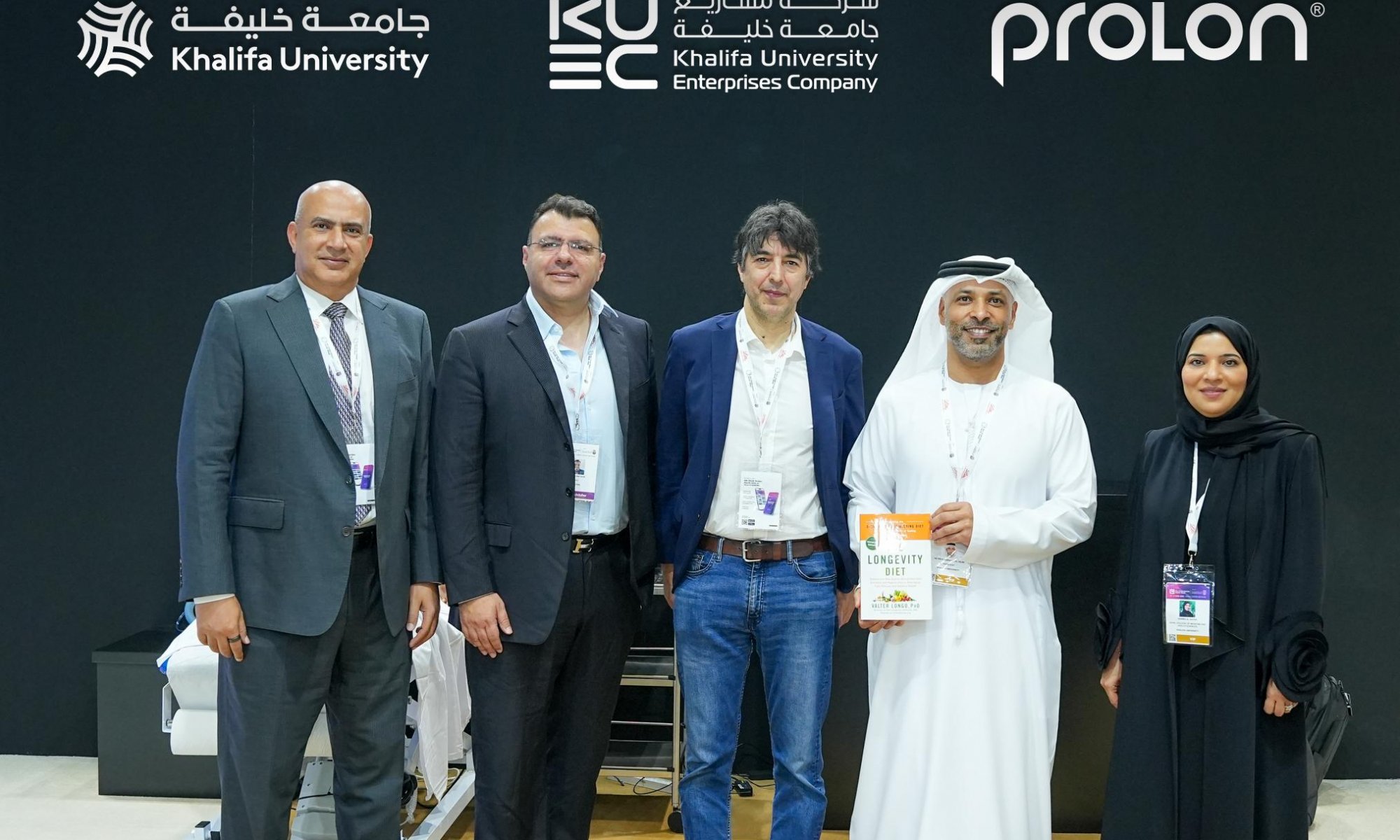
The collaboration was announced during the Abu Dhabi Global Health Week 2025 that runs from 15 – 17 April at the Abu Dhabi National Exhibition Center (ADNEC). The agreement signing was attended by Khalifa University President H. E. Professor Ebrahim Al Hajri, H.E. Amal Nasser Al Jaberi, CEO, KUEC, and Dr. Mohamed Kebir, Chairman and CEO, ALA, which is the exclusive distributor of L-Nutra’s DRRP in the region, Dr. Jospeh Antoun Chairman and CEO of L-Nutra, in addition to Dr. Valter Longo, Professor of Gerontology and Biological Sciences and Director of the Longevity Institute at the University of Southern California.


The collaboration will facilitate a clinical trial involving 100 individuals in the UAE to validate the efficacy of the DRRP product in managing or reversing Type 2 diabetes, followed by obtaining regulatory approvals and commercialization. The trial will include multi-omics profiling and AI-based data interpretation.


H.E. Amal Nasser Al Jaberi said: “KUEC is delighted to be part of this tripartite agreement that aims to validate L-Nutra’s DRRP and explore the commercialization potential. This technology solution promises to have far-reaching applications in the healthcare sector and as the business and investment arm of Khalifa University, we encourage innovation and inspire new technology startups, motivating researchers, students and alumni to explore entrepreneurship based on university research outputs.”


Professor Habiba Alsafar, Dean, College of Medicine and Health Sciences (CMHS), Khalifa University, said: “This landmark research collaboration agreement for the clinical trial with ALA underscores Khalifa University’s role as a national leader in transformative health research. By combining our research excellence with global innovation in nutrition science, we are proud to drive forward new solutions that align with the UAE’s healthcare priorities and position the University at the forefront of preventive medicine in the region.”


Dr. Mohamed Kebir Chairman and CEO of ALA said: “We are honored to collaborate with Khalifa University and L-Nutra on this pioneering clinical trial that brings science-driven solutions to the forefront of diabetes care in the UAE. This partnership reflects our commitment to transforming the way we approach chronic disease through innovative, non-invasive interventions.”


 Dr. Joseph Antoun Chairman and CEO of L-Nutra said: “This collaboration marks a milestone in the global mission to reverse chronic diseases and promote longevity through nutrition-based therapeutics. We are proud to partner with Khalifa University and ALA in advancing the clinical validation of our Diabetes Regression and Remission Program in the UAE.”


This clinical trial represents a major scientific milestone for the UAE, combining cutting-edge nutritional technology with the research leadership of Khalifa University in the fields of biotechnology, precision and preventive medicine, and healthy longevity.


Type 2 diabetes is a key healthcare priority for the UAE, given its potential wide-ranging implications for both population well-being and healthcare resources. Khalifa University is positioned at the forefront of innovation, leading a national effort to explore non-invasive, nutrition-based solutions that can significantly alter the trajectory of chronic disease in the region.


By advancing this clinical trial, Khalifa University, KUEC and ALA are contributing to a global movement that reimagines aging and chronic disease, not as inevitable outcomes but as challenges that science and nutrition can address. The collaboration seeks to advance diabetes care in the UAE through clinical research, regulatory approval, and commercialization of the DRRP product.

Fourth Edition of Khalifa University Century Challenge Draws Extensive Participation from Over 1,000 Cycling Enthusiasts


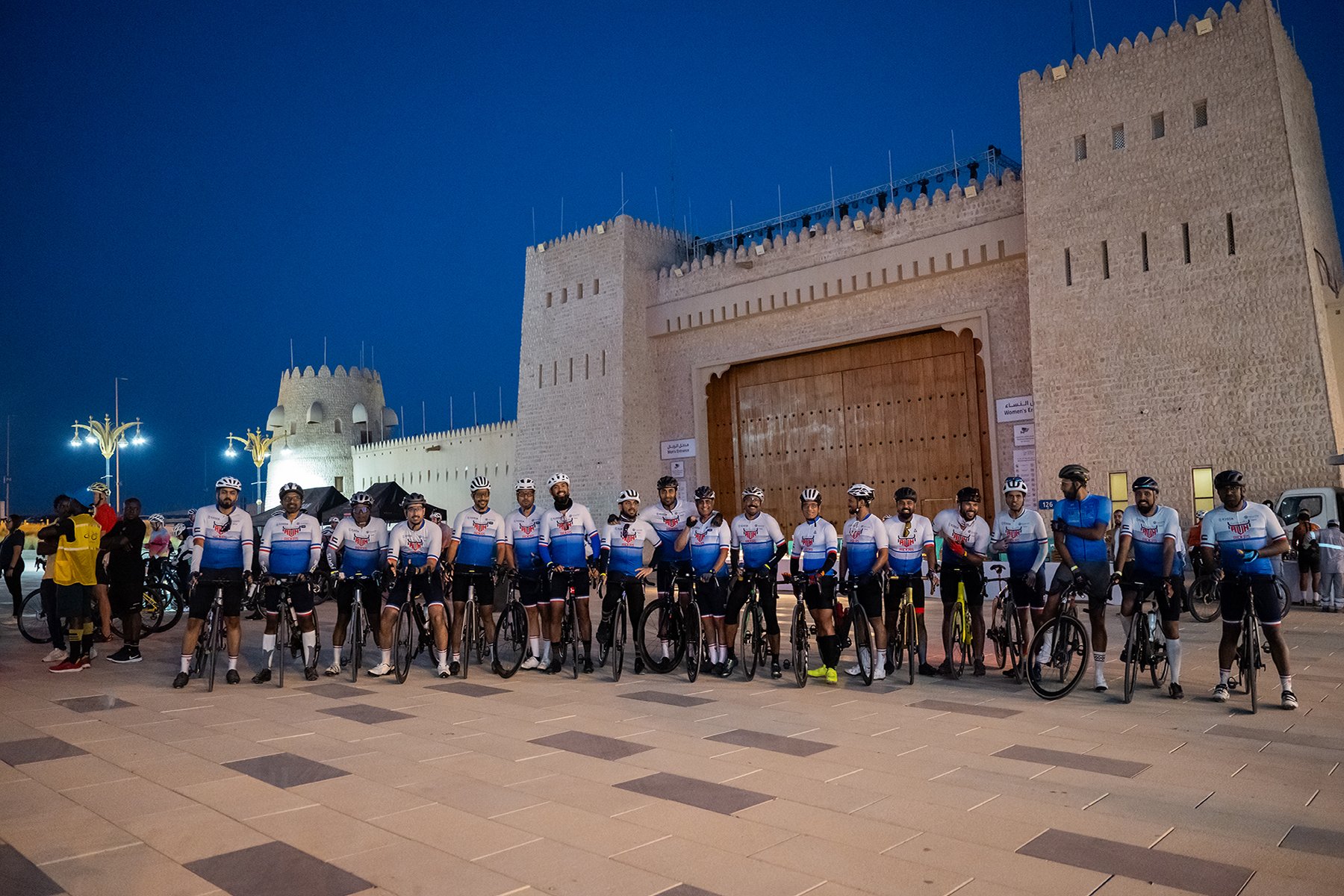
Cycling enthusiasts participated in a large number at the fourth edition of the KU Century Challenge, organized by the Abu Dhabi Cycling Club and Khalifa University of Science and Technology, with twin starting points – Abu Dhabi (190km) and Dubai (175km) – leading to the top of Jebel Hafeet in Al Ain Region.


The Main Campus was the starting point for Abu Dhabi participants, while the Dubai leg set off from the Al Qudra Cycling Track to converge on the summit in Al Ain, with the participation of more than 1,000 cyclists from the community, as well as Khalifa University students, faculty members and staff.


His Excellency Professor Ebrahim Al Hajri, President, Khalifa University, stated that organizing the competition for the fourth year in a row reflects Khalifa University’s commitment to collaborate with its partners such as the Abu Dhabi Cycling Club and the Abu Dhabi Sports Council. He added that the initiative aligns with the University’s social responsibility objectives while contributing to strengthening the well-being of the community, especially during the UAE’s ‘Year of Community’.


Al Nakhira Al Khaili, Executive Director, Abu Dhabi Cycling Club, expressed his delight on the success of the fourth edition of KU Century Challenge. He added that it also reflects the Club’s dedication to achieving its goals and supporting individuals within the community, by inspiring them to take up sporting activities such as cycling.


How the Emirati Genome Project should lead to major advances in personalised medicine

The Emirati Genome Project, launched in 2020, aims to analyze the genomes – a person’s complete set of genetic material – of as many UAE nationals as possible. As a researcher closely involved with the project, Prof Habiba Al Safar, Dean, College of Medicine and Health Sciences (CMHS) at Khalifa University in Abu Dhabi, said that would “generate a comprehensive reference map of the genetic make-up of the Emirati population.”


More than 600,000 Emiratis have provided blood or cheek swabs so that their genomes can be sequenced, making it “the largest population-based genetic study in the region”. As well as being useful for personalized medicine, the information should be of value in understanding how human migration contributed to the genetic make-up of the Emirati population.


Source: Thenationalnews.com

How the Emirati Genome Project should lead to major advances in personalised medicine

The Emirati Genome Project, launched in 2020, aims to analyze the genomes – a person’s complete set of genetic material – of as many UAE nationals as possible. As a researcher closely involved with the project, Prof Habiba Al Safar, Dean, College of Medicine and Health Sciences (CMHS) at Khalifa University in Abu Dhabi, said that would “generate a comprehensive reference map of the genetic make-up of the Emirati population.”

More than 600,000 Emiratis have provided blood or cheek swabs so that their genomes can be sequenced, making it “the largest population-based genetic study in the region”. As well as being useful for personalized medicine, the information should be of value in understanding how human migration contributed to the genetic make-up of the Emirati population.

Source: Thenationalnews.com

Khalifa University Research Team Wins Best Poster Award at ICORES 2025 in Portugal

Research focuses on micro-grid model for clean electricity and hydrogen 


A team from Khalifa University received the Best Poster Award at the International Conference on Operations Research and Enterprise Systems (ICORES 2025), held in Portugal. 


Their poster, “Renewable Energy-Based Micro-Grid for Clean Electricity and Green Hydrogen Production,” presents a linear programming model to optimize the design of a renewable energy-powered micro-grid. The system is designed to meet the electricity and hydrogen needs of a 25,000-person community using only solar and wind energy. 


The study outlines an optimal setup including 630 MW of solar PV, 59 MW of wind turbines, 368 MW of electrolyzers, and supporting storage technologies. The model estimates electricity costs at $0.29 per kWh and hydrogen production at $5 per kg, while achieving zero carbon emissions​. 


The research was carried out by Dr. Issa Zaiter, Dr. Ahmad Mayyas, and Dr. Raed Jaradat from the Khalifa University Department of Management Science and Engineering. 


Jade Sterling
Science Writer


Khalifa University Brings UAE-Led Healthcare Innovations to the International Stage at 2025 Abu Dhabi Global Health Week 

From Genomics to AI-Driven Care, College of Medicine and Health Sciences Showcases Advances in Longevity and Precision Health 


Khalifa University of Science and Technology today announced its participation in the Abu Dhabi Global Healthcare Week (ADGHW) 2025, hosted by the Department of Health – Abu Dhabi, underscoring its contributions to life sciences and translational medicine. Demonstrating its strength in turning scientific discovery into impactful solutions, the University’s College of Medicine and Health Sciences (CMHS) will highlight a suite of advanced research initiatives and national health programs aligned with the event’s focus on healthy aging and precision health. 


Held under the theme Towards Longevity: Redefining Health and Wellbeing,’ the event brings together global experts to explore community-driven, preventive, and personalized approaches to healthcare. Professor Habiba Alsafar, Dean, CMHS, will speak on Day 1 in a panel titled, ‘Novel Therapeutic Strategies for Healthy Longevity,’ moderated by Dr. Mira Mousa, Assistant Professor of Public Health and Epidemiology. Joined by international experts, the panel will explore gene therapy, biosensors, nutrition, and women’s health. The session builds on the success of the first and second Healthy Longevity Symposiums, which helped set the stage for Khalifa University’s prominent role at ADGHW 2025. 


Professor Habiba Alsafar, said: “Participating in the ADGHW 2025 reflects Khalifa University’s continued commitment to global collaboration and innovation. The diverse contributions from the College of Medicine and Health Sciences demonstrate the University’s central role in shaping UAE’s healthcare future, driven by science, rooted in the community, and committed to excellence. The four pillars guiding this event’s dialogue on longevity and precision health, health system resilience, digital health and AI, and investment in life sciences, strongly align with our research priorities as demonstrated in the projects we are showcasing.” 


Khalifa University will present 10 innovations such as ‘CareX’, an AI-powered system to support remote diagnosis and chronic disease management, and ‘3D-printed polymeric knee implants’ mimicking human bone, marking a UAE-first in biomedical design and materials. Another project investigates neurodegenerative diseases in children with autism spectrum disorder.  


Also featured is the Emirati Reference Genome Project designed to create a population-specific reference genome for the UAE. Overseen by the Department of Health and executed in partnership with the country’s leading academic institutions, it aims to accelerate disease research and personalized medicine advancements, ensuring better healthcare outcomes across the UAE. Further contributing to national health priorities, a One Health genomics study tracks the spread of antimicrobial resistance. Other highlights include anti-diabetic properties of camel milk, and Maternal and Infant Health Monitoring System, now active in 18 hospitals across Abu Dhabi, FallGuard, a wearable device for real-time fall detection and caregiver alerting, Bioelectronic Chips, for precision diagnostics, and IGenRare, an AI assistant for more accurate diagnosis of rare diseases. 


Research from CMHS has earned regional and international recognition, with awards from TERMIS-AP, L’Oréal-UNESCO, the DoH – Abu Dhabi, and Ministry of Health and Prevention. With new PhD programs, expanded master’s offerings, ISO-accredited research labs, and growing biotech startups, Khalifa University’s CMHS continues to shape the UAE’s research and innovation landscape. Visitors can also experience a virtual tour of Khalifa University’s Body Museum and explore the Center for Experiential Learning and Clinical Simulation (CELS), which trains healthcare professionals using immersive tools. 


Alisha Roy
Science Writer

Aligning with UAE’s Resilience Objectives, Khalifa University Advances Research and Innovation at 8th World Crisis and Emergency Management Summit 


AI-Enabled UAVs, Secure Emergency Comms, and Biosensors Among Projects Supporting National Preparedness 


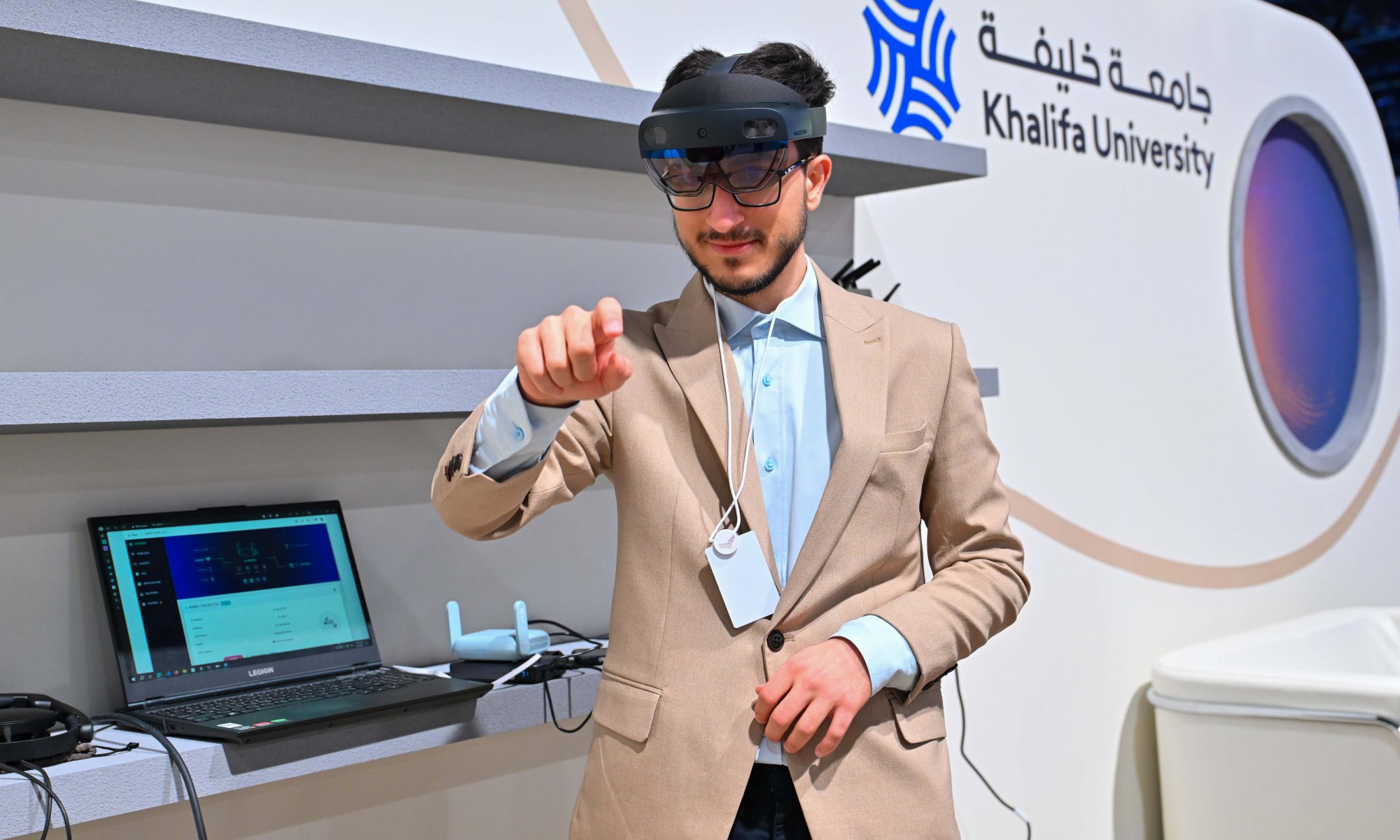
Khalifa University participated for the first time in the 8th World Crisis and Emergency Management Summit, which took place from 8-9 April 2025 at Abu Dhabi National Exhibition Centre (ADNEC). Held under the patronage of His Highness Sheikh Tahnoun Bin Zayed Al Nahyan and organized by the National Emergency Crisis and Disasters Management Authority (NCEMA), the 2025 Summit underscored the UAE’s role in shaping global dialogue on resilience and preparedness. 


Through participation at both the Summit and concurrent Crisis Management Technologies Exhibition 2025, Khalifa University continued to align its research and institutional strengths with national priorities in crisis preparedness, contributing to the Summit’s broader goals around readiness, public safety, and technology-driven innovation.  


In the exhibition area, the University showcased advanced research projects in secure communications, autonomous UAV systems, and biosensor technology. These projects included ‘A Secure and Resilient Chat/VoIP Application’ for uninterrupted emergency communication in unstable networks; ‘A Zero Trust-Based, AI-Enabled UAV Monitoring System’ for safer and more secure unmanned aerial operations as well as ‘A Portable Biosensor Prototype’ for rapid detection of contaminants in food and water, supporting public health safety.  


Additionally, the University’s Director of Strategic Planning and Institutional Effectiveness Maha Maisari lead a Masterclass on Day 1, 8 April, titled Empowering Leadership in the United Arab Emirates in Strategic Planning.’ The session explored approaches to strengthening institutional agility and leadership capacity in times of crisis. 


Alisha Roy
Science Writer