
Abu Dhabi Department of Energy and Khalifa University sign MoU in water and energy sectors

The agreement was signed on the sidelines of the “World Utilities Congress 2025,” held at ADNEC Abu Dhabi and continuing through May 29


The Abu Dhabi Department of Energy and Khalifa University of Science and Technology have signed a Memorandum of Understanding (MoU) aimed at enhancing cooperation in research, development, and innovation in the water and energy sectors. The agreement was signed on the sidelines of the “World Utilities Congress 2025,” held at ADNEC Abu Dhabi and continuing through May 29.


The signing ceremony was witnessed by H.E. Dr. Abdullah Humaid Al Jarwan, Chairman of the Abu Dhabi Department of Energy. The MoU was signed by H.E. Eng. Ahmed Mohamed Al Rumaithi, Undersecretary of the Department of Energy, and H.E. Prof. Ebrahim Al Hajri, President of Khalifa University, in the presence of several officials and experts from both sides.


This strategic partnership reflects Abu Dhabi’s commitment to accelerating the transition toward a sustainable future by developing innovative solutions that enhance the efficiency of vital resource use and contribute to building a more resilient and sustainable system in the face of climate change and rising demand for water and energy.


H.E. Eng. Ahmed Mohamed Al Rumaithi emphasized: “This agreement represents a pioneering model of integration between government entities and national academic institutions. It aligns with our ongoing efforts to enhance water and energy security in the emirate through integrated strategies and policies focused on efficiency, sustainability, and innovation.”


He added: “This collaboration is a strategic step toward leveraging academic knowledge to develop effective solutions that enhance resource management efficiency, support the achievement of sustainable development goals, and improve quality of life in the emirate.”


For his part, H.E. Prof. Ebrahim Al Hajri, President of Khalifa University, stated: “We are honored to sign this MoU with the Department of Energy, which reflects the university’s strategy to play a pivotal role through education, research, innovation, and entrepreneurship, while contributing to economic growth and focusing on government sustainability priorities, especially in the energy sector.”


He added: “This collaboration underscores the government sector’s confidence in Khalifa University’s research output, as the university consistently ranks highly in various global academic and research indices.”


The areas of cooperation include supporting integration between academic, industrial, and governmental entities to develop sustainable policies and technologies in the fields of energy, water, and renewable energy. The partnership also explores new horizons in sustainable energy generation, storage, and the integration of renewable sources into smart grids, in addition to enhancing energy and water use efficiency on the demand side.


The agreement also supports the development of advanced technologies to address challenges related to efficient and economical energy generation, including waste-to-energy and technologies that reduce CO₂ emissions from gas-fired power plants. The cooperation further includes the design of energy models and methodologies and the provision of technical and economic analyses to enable decision-makers to adopt more informed and effective policies.


The scope of cooperation extends to supporting ambitious projects in hydrogen, biofuel, and alternative fuels, focusing on the development of carbon-neutral hydrogen production technologies, as well as its storage, transport, and use in electricity production, fuels, and various industries.


Environmentally friendly technological solutions will also be explored for cooling systems, including the use of low global warming potential refrigerants. Additionally, the parties will analyze the current status and future of the renewable energy sector in the emirate and collaborate on formulating future energy policies aligned with global and regional developments while improving the overall regulatory framework for energy.


The collaboration also includes a joint research project to develop 3D-printed graphene-enhanced materials to improve water quality a model application of innovation and modern technology in tackling environmental challenges. Joint initiatives will also feature knowledge exchange, organization of scientific conferences and workshops, academic training and exchange opportunities for students, and the alignment of Khalifa University’s Virtual Research Institute activities with the Department of Energy’s research priorities.


This initiative is part of the joint commitment to contribute to achieving Abu Dhabi’s vision for a more sustainable and efficient management of its vital resources.
Khalifa University Faculty from Center for Biotechnology Wins Prestigious BRICS International Award 2025 

Ceremony in Moscow Honors Dr. Shabir Hassan for Advancing Global Scientific Collaboration and Education 


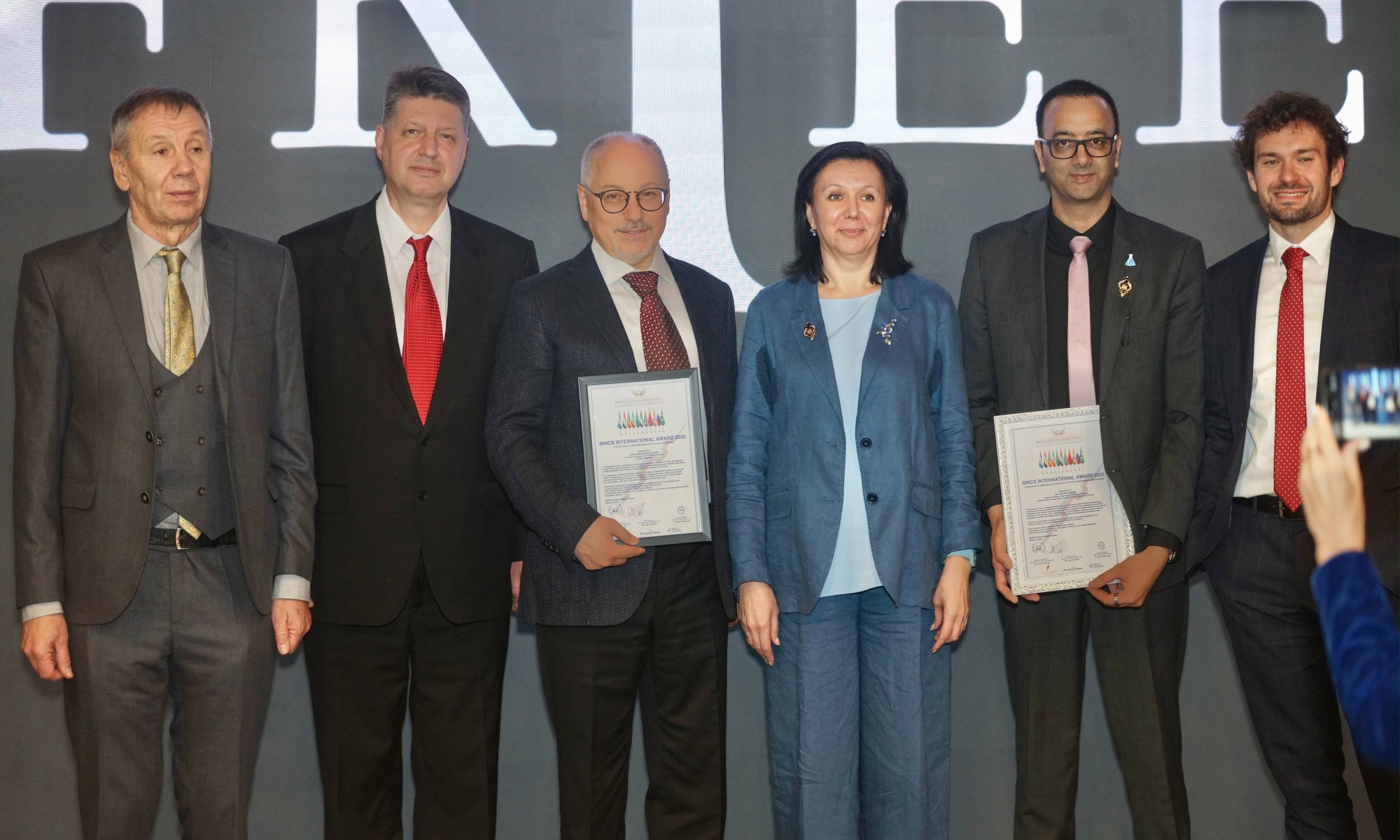
Khalifa University faculty Dr. Shabir Hassan, Assistant Professor, Biological Sciences, and from Center for Biotechnology (BTC), has been awarded the BRICS International Award 2025 in recognition of his exceptional contributions to scientific research and his efforts in promoting education across borders and cultures. 


Dr. Hassan was presented the award in Moscow, Russia, during a high-level international forum hosted at the World Trade Center under the theme ‘Cultural Projects as a Tool for Integrating the BRICS Plus Countries.’ Recognized alongside Maestro Igor Evard, a renowned figure in global arts, Dr. Hassan was one of two awardees celebrated for their influence on global culture, science, and cross-cultural collaboration. Diplomats and delegates from Brazil, Russia, India, China, South Africa, the UAE, Bahrain, and other BRICS Plus nations participated in the awards ceremony. 


Representing Khalifa University and the UAE, Dr. Hassan was honored under the theme “Minds That Inspire, Leaders Who Uplift” for his leadership in biotechnology research and his ongoing commitment to building educational bridges between the UAE and several BRICS and BRICS Plus countries. His initiatives have fostered international academic exchange, connecting young scholars, research institutions, and scientific communities across continents. 


The award, conferred by the BRICS Culture Media Forum and supported by the Embassy of the Kingdom of Bahrain in the Russian Federation and the World Peacemaker Alliance, was presented in the presence of dignitaries including Dr. Ahmed Al-Saati, Ambassador of Bahrain to Russia, and Dr. Sergei Dvorianov, Vice-President, BRICS Culture Media Forum. 


A keynote speaker during the ceremony praised Dr. Hassan for his “exemplary contributions to advancing scientific research and enhancing international academic collaboration,” while a visual tribute showcased his work in global education and equitable research partnerships. 


Dr. Shabir Hassan said: “Receiving the BRICS International Award 2025 is not just a personal honor, but a testament to the collaborative spirit of scientific research and education that transcends borders. It highlights the importance of fostering partnerships among nations to tackle global challenges and inspire future generations. I am proud to represent Khalifa University and the UAE on this prestigious platform. This is an honor to be recognized by such an international forum, of which the UAE is also a member.” 


Alisha Roy
Science Writer 

AI, Apps and Arthritis: A Digital Leap in Psoriatic Care 

An initiative called iPROPLEPSIS is using artificial intelligence, wearables, and mobile health apps to transform psoriatic arthritis care through early detection, personalized treatment and patient-centered digital tools. 


Listen now to explore AI’s impact on care!


Psoriatic arthritis is a chronic inflammatory disease tied to psoriasis and affects millions of people globally. It often escapes early diagnosis as traditional approaches rely heavily on clinical assessments and imaging — methods that lack the precision and accessibility needed for timely intervention. A European research initiative led by Prof. Leontios Hadjileontiadis is now aiming to bridge this gap using digital health tools and artificial intelligence.  


The initiative, iPROLEPSIS, is a multi-national project funded under Horizon Europe. Its aim is to map the transition from health to psoriatic disease, predict who’s at risk, and guide patients and physicians through personalized care pathways. Unlike earlier digital efforts that focused mostly on rheumatoid arthritis or isolated data sources, iPROPLEPSIS merges retrospective studies, real-world data, and ongoing clinical trials. The data ranges from smartphone videos and typing habits to gut microbiome profiles and sleep patterns, all fed into explainable AI models to generate individualized risk assessments and treatment suggestions.  


Dr. Nilesh

By combining real-world data, patient-reported outcomes, and advanced analytics, we’re building a digital ecosystem that empowers patients and gives clinicians the tools they need to detect psoriatic arthritis earlier, track its progression, and deliver truly personalized care.”

Prof. Leontios Hadjileontiadis, Professor, Khalifa University.


The miPROLEPSIS app connects patients with their treatment. It acts as both a patient diary and clinical dashboard, integrating physical activity data, joint motion scores, inflammation signals, and patient-reported outcomes. Patients receive personalized lifestyle recommendations, while physicians can see real-time disease activity projections to support clinical decisions. Additional tools include an AI-driven game suite to promote movement and mental well-being, and a binaural beat therapy app designed to improve sleep and reduce pain.  


“Our goal with iPROPLEPSIS is to shift care from reactive treatment to proactive prevention, using explainable AI and digital tools to empower both patients and clinicians,” Prof. Hadjileontiadis said. “This initiative reflects a broader shift towards ‘P4 medicine’: preventative, predictive, personalized and participatory care. It could set a new standard in digital rheumatology, not just for psoriatic arthritis but for other complex chronic diseases as well.” 


The iPROPLEPSIS project includes patient panels and aims to ensure real-world applicability and user satisfaction. By 2027, the team aims to have tested the tools developed across large cohorts in Greece, the UK, Portugal, and the Netherlands.  


Jade Sterling
Science Writer

Khalifa University Spin-off Kumrah AI and Switzerland’s iniVation/SynSense to Launch Neuromorphic Tech Joint Venture 

MoU Signed at ‘Make it in the Emirates’ to Drive Regional and Global Commercialization of Advanced AI-Powered Systems 


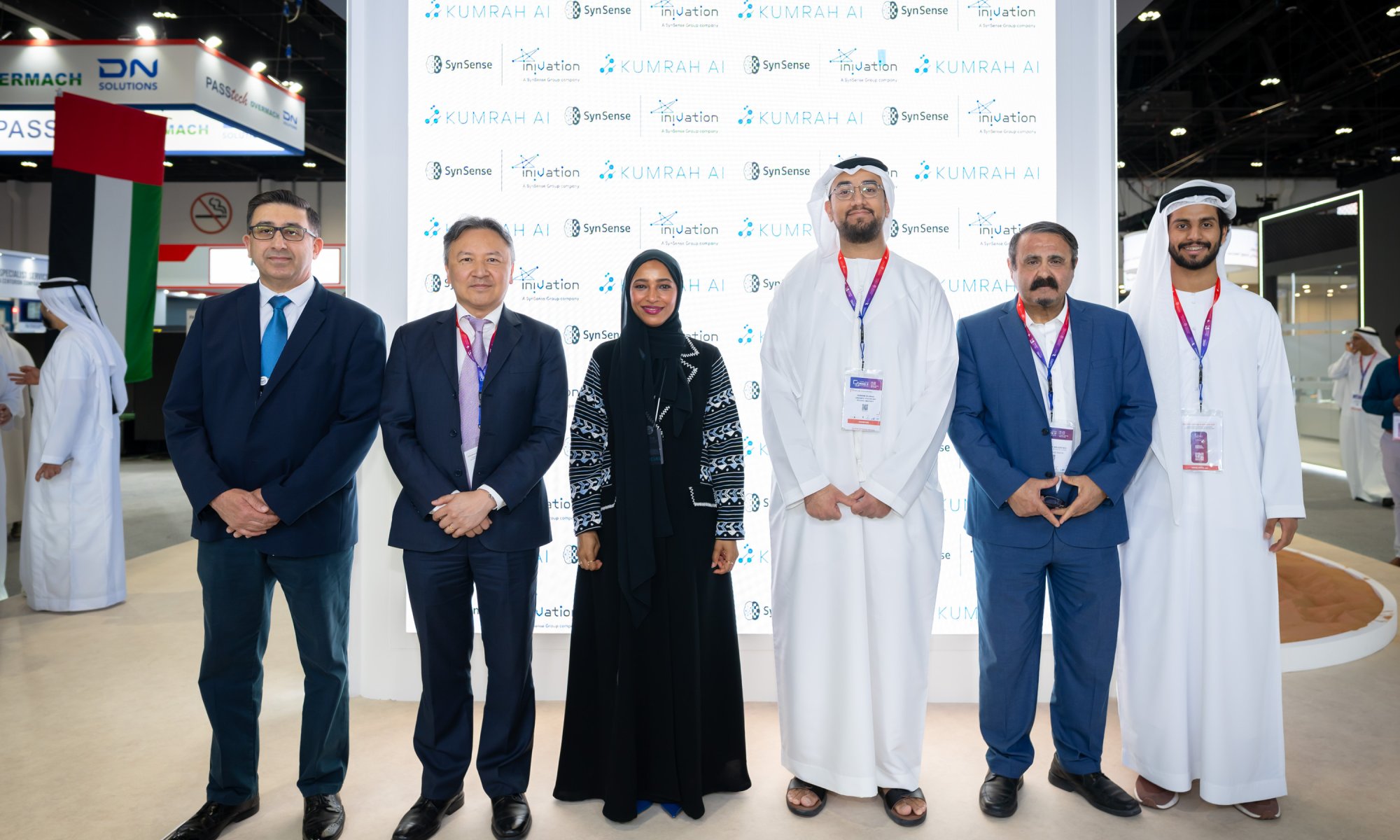
Khalifa University of Science and Technology today announced a strategic collaboration between its spin-off Kumrah Artificial Intelligence (AI), a deep-tech startup from the Advanced Research and Innovation Center (ARIC) and Swiss neuromorphic technology leader iniVation, a SynSense Group company, aimed at establishing a global venture to develop and commercialize advanced neuromorphic vision-based inspection and autonomy systems. 


The Memorandum of Understanding was signed by Hussain Sajwani, CEO, Kumrah AI, and Dr. Kynan Eng, Chief Commercial Officer, iniVation/SynSense, in the presence of Her Excellency Amal Al Jaberi, CEO, Khalifa University Enterprises Company (KUEC), and Dr. Abdelqader Abusafieh, SVP, Technology & Advanced Materials, Strata, Mubadala, during ‘Make it in the Emirates’ 2025. The MoU underscores the UAE’s commitment to fostering strategic, innovation-driven industrial partnerships that align with its ambition to be a global leader in AI. Kumrah AI is supported by KUEC through its strategic initiatives. 


Her Excellency Amal Al Jaberi, said: “This collaboration demonstrates Khalifa University’s and KUEC’s role in turning deep research into deployable solutions. By facilitating strategic partnerships through spin-offs like Kumrah AI from the Advanced Research and Innovation Center, we are strengthening the UAE’s leadership in frontier technologies while supporting economic diversification. As the country accelerates its position as a global hub for artificial intelligence, initiatives like this joint venture will help translate emerging research into scalable, market-ready solutions that benefit both local and international industries.” 


Hussain Sajwani said: “Signing the MoU at Make it in the Emirates 2025, a platform that provides emerging technology startups the necessary momentum, also reflects Kumrah AI’s commitment to contribute to the UAE’s ambition to be a global leader in AI. Our collaboration with IniVation prepares Kumrah AI to play a defining role in the next wave of AI-driven technologies. We believe the synergy resulting from this partnership will firmly place us among future technology leaders in this arena, positioning the UAE at the forefront of next-generation computing technology.” 


Dr. Kynan Eng, Chief Commercial Officer, iniVation (a SynSense Group company), said: “Over the years we have been working to bring neuromorphic technology to real-world applications, we have evaluated many developments by customers all over the world. Our decision to collaborate with Kumrah AI and KUEC is based on our conviction that, together with our partners, we have all of the ingredients required to succeed in global markets in aviation, energy, and other industries. We are looking forward to moving forward rapidly together, to bring the benefits of our combined technology and expertise to our customers.” 


The partnership will focus on creating cutting-edge AI-powered hardware and software solutions for industrial and aerospace applications, with plans to localize technologies for the MENA region and scale them globally. The joint venture will combine Kumrah’s access to licensed intellectual property and commercialization pathways with iniVation’s neuromorphic vision systems and technical expertise. IniVation is a Swiss firm affiliated with SynSense, together forming a world leader in neuromorphic sensing and processing technologies. 


The joint venture that consolidates each party’s technological, commercial, and operational strengths will focus on developing and deploying neuromorphic sensors, processors, and adaptive software tailored for industrial inspection, quality assurance, and autonomous decision-making. The partners will also collaborate on system design, prototype development, and technical validation for key industry verticals, while jointly identifying funding sources and commercial opportunities. 


Kumrah AI will lead commercialization and system integration in the MENA region, engaging with local customers, regulators, and partners to ensure successful market deployment. The company will also coordinate workforce development, and regional stakeholder engagement. IniVation will serve as the technical lead, contributing proprietary neuromorphic vision technologies, hardware platforms, and software tools. It will also spearhead global R&D, facilitate knowledge transfer and training, and drive expansion into international markets including Europe, North America, and Asia. 

Khalifa University Scientists First in GCC to Conduct Graphene Experiments with Université Libre de Bruxelles as part of European Space Agency Zero-Gravity Campaign  

Team of Faculty and Students Collaborating with Leading European Institutions on 86th Parabolic Flight Campaign 


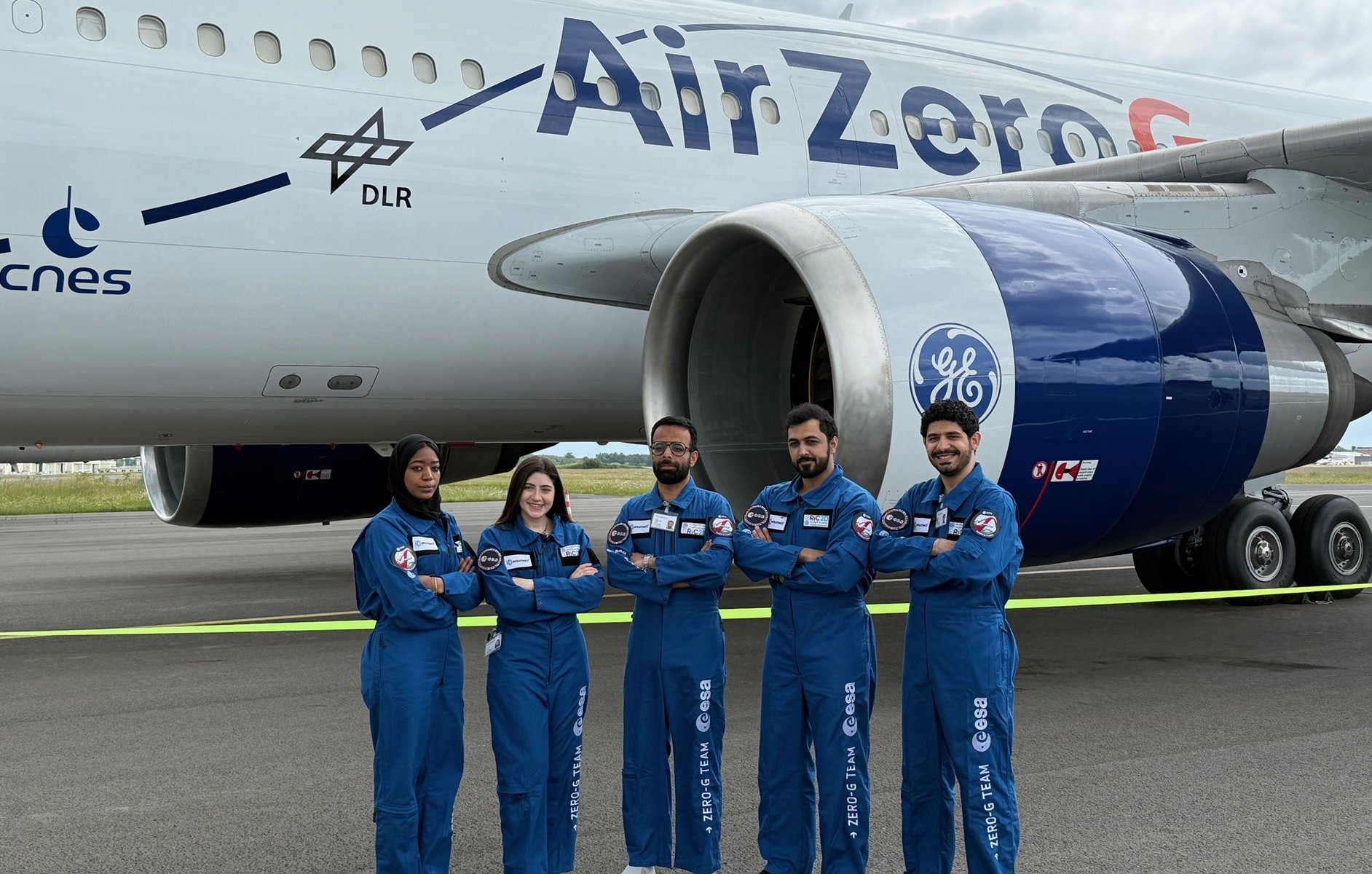
Khalifa University of Science and Technology proudly announces a historic milestone for the Gulf Cooperation Council (GCC) region, as a joint team from its Research & Innovation Center for Graphene and 2D Materials (RIC-2D) and the Khalifa University Space Technology and Innovation Lab (KUSTIL) becomes the first-ever GCC-based research group to collaborate with Université Libre de Bruxelles (ULB) to perform the experiments onboard the parabolic flight mission executed by the European Space Agency (ESA). The team is participating in ESA’s 86th Parabolic Flight Campaign, marking the first zero-gravity collaboration between European institutions and the GCC.   


The researchers’ team, which includes Khalifa University faculty and students, are testing graphene-enhanced materials for space applications in real zero-gravity conditions during the parabolic flight campaign. Dr Yarjan Abdul Samad, Assistant Professor, Aerospace Engineering, is leading the team of researchers from Khalifa University, which initially prepared the experimental setup at the Centre for Research and Engineering in Space Technologies (CREST) of the Université libre de Bruxelles (ULB), before traveling to Bordeaux, France. Dr. Abdul Samad and Professor Sean Swei along with researchers have visited CREST at ULB, under the directive of Dr. Carlo Iorio, to finalize the flight procedures and experimental requirements.   


The collaboration involved hands-on training in experiment setup and manipulation leading up to the scheduled flight campaign. CREST, is complementing with the necessary equipment and services for scientific collaboration and experiments.    


  1. H.E. Homaid Al Shimmari, Vice-Chairman of the Board of Trustees, Khalifa University, said: “We are incredibly proud of this achievement and the recognition it brings to Khalifa University, the UAE, and the region. This pilot project not only showcases our commitment to advancing aerospace engineering but also highlights the advancements made in graphene through the Research & Innovation Center for Graphene & 2D Materials. Moreover, this will enhance faculty and student exposure by providing a unique opportunity to test graphene-enhanced materials for space applications. This initiative represents a significant step forward in our collaboration with international space agencies, global academic institutions and demonstrates the potential of such materials in space exploration.” 

  2. Dr. Carlo Iorio, Co-Director at the Centre for Research and Engineering in Space Technology, Université libre de Bruxelles, said: “This parabolic flight campaign represents an important step for strengthening the collaboration between our Institute, Khalifa University, and the Research & Innovation Center for Graphene & 2D Materials. I am especially happy to motivate the young researchers involved in this campaign towards higher objectives and success. For them and the others that will come as part of this collaboration, the sky will no longer be the limit!”  


As part of its regular parabolic flight campaigns, the European Space Agency is responsible for flying experiments and the on-ground support. The outcomes of this project are expected to result in publications that will contribute to the scientific community. The project focuses on laser-propelled graphene produced at Khalifa University, from the Pilot Manufacturing joint project titled, Photonic Propulsion of Innovative Graphene-Based Space Material. The researchers will participate in the experiment that will lead to gathering of crucial experimental data.  

Khalifa University Showcasing Pathbreaking Innovations and Startups at Make it in the Emirates 2025


Cutting-Edge In-House Developed Technologies Have Direct Significance for UAE’s Economic and Industrial Development


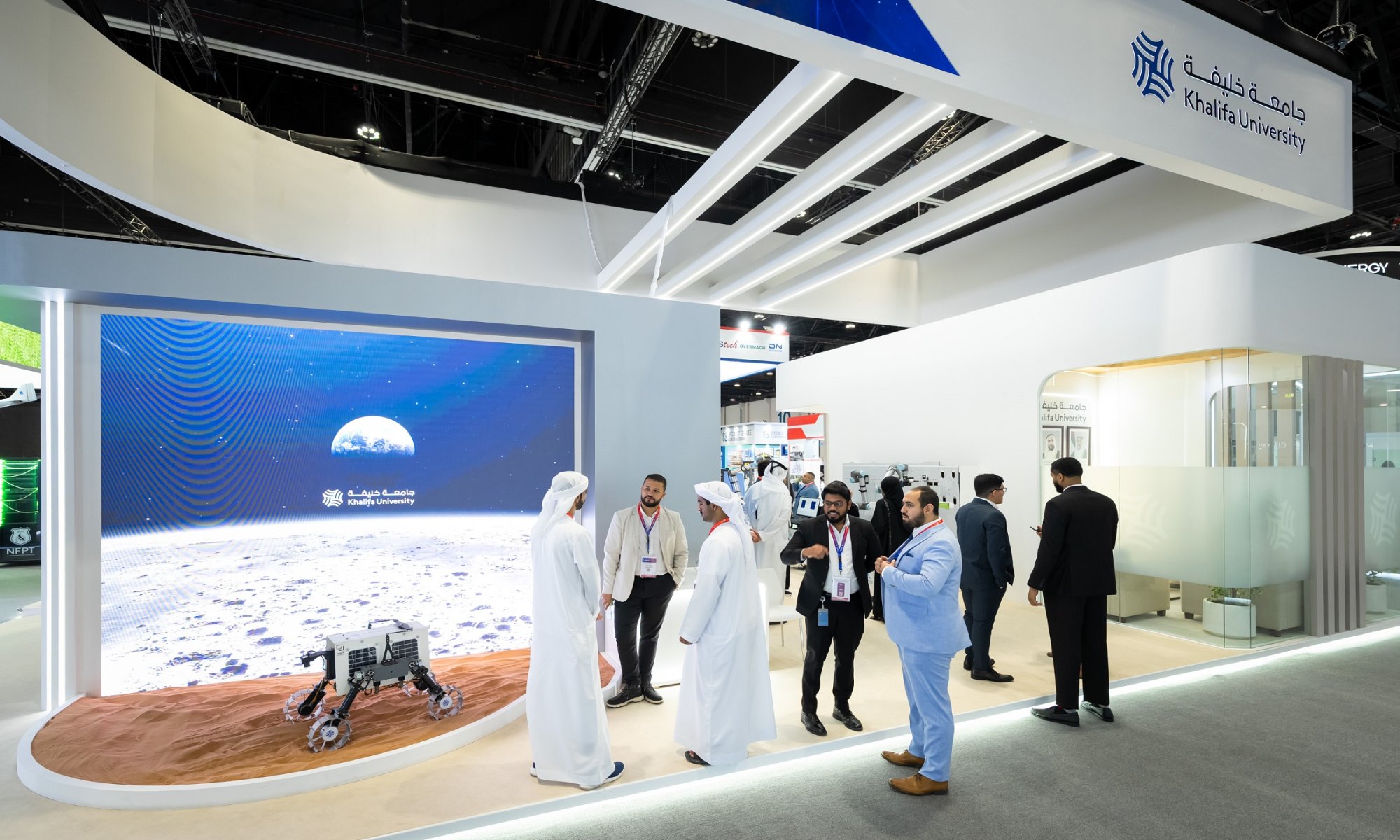
Khalifa University of Science and Technology today announced it is showcasing pathbreaking science and engineering innovations and technology startups at the Make it in the Emirates (MIITE) 2025, an exhibition that aims to promote industrial growth, innovation, and economic diversification in the UAE.


The projects on display at the Khalifa University pavilion include a next-generation Lunar Rover designed for energy-efficient mobility across challenging planetary terrains, two groundbreaking projects designed to enhance manufacturing and quality assurance processes for Airbus A350 spares, and a vision-based AI inspection technology for Boeing 787 vertical fins.


Other projects include KUbikes – high-performance, customized carbon bicycle frames, Intratomics – a spin-off from Khalifa University’s Research and Innovation Center for Graphene and 2D Materials (RIC2D) that aims to deliver high-quality, cost-effective materials that drive sustainability, innovation, and performance across industries, and Kumrah AI – a startup spin-off from Khalifa University’s Advanced Research and Innovation Center (ARIC) that focuses on neuromorphic technology and artificial intelligence for industrial applications.


Khalifa University’s participation in MIITE 2025 demonstrates the University’s commitment to advancing innovation, research commercialization, and deep-tech entrepreneurship in support of the UAE’s industrial and knowledge economy. Through cutting-edge technologies developed in-house, the University also aims to promote research-industry partnerships and opportunities aligned with the UAE’s strategic priorities.

Khalifa University Researchers Publish Book on Algae Biotechnology for Biomedical and Nutritional Applications 

Highlights Technology Advancements Contributing to Advancing Three UN SDGs: Zero Hunger, Good Health & Well-being, & Life Below Water 


Khalifa University researchers have published a book titled ‘Algae Biotechnology for Biomedical and Nutritional Applications’ on the advances in biomedical and nutritional applications, highlighting how this has contributed significantly to three of the United Nations Sustainable Development Goals (SDGs). 


The book by Dr. Ashfaq Ahmad, Research Scientist, Dr. Syed Salman Ashraf Professor & Chair, Department of Biological Sciences, Khalifa University, covers basic and applied research on scaling up algal biochemicals for commercial use, while discussing underexplored and underutilized health benefits of chemicals derived from marine sources. Published by Elsevier, the book covers integrated algal biotechnology and engineering for biomedical issues and their solutions, providing a roadmap for potential applications in dietary supplements and biomedical products. 


Algal-based functional foods have potential health benefits, and their commercial value depends on their application in food and nutraceutical industries. The book also includes an overview of different micro and macroalgal species and their industrial production processes. The book describes advances in the biomedical and nutritional applications of algae achieved during the last decade, identifies gaps in present knowledge, and proposes research areas for the future. 


It covers various aspects of algal biotechnology, from basics to large-scale cultivation, harvesting, and processing, for a variety of high value bioproducts. Various topics focus on algal biomaterials, algal medicinal foods, algal production for biomedicine, and applications in pharmaceutical, nutritional, and value-added bioproducts. 


Moreover, the book discusses advancements in algal biotechnology that have contributed significantly to the UN SDG 2: Zero Hunger, promoting health benefits; SDG 3: Good Health and Well-being; SDG 12: Responsible Consumption and Production, and supported the sustainable use of marine resources SDG 14: Life Below Water. With contributions from an international array of expert researchers in the field, this book is a comprehensive resource for academics, researchers, postgraduates, graduate students, and industry professionals. 


Professor Ashraf said: “This edited book extensively discusses the significance of algae in terms of their applications in the biomedical and nutritional sectors, and this is expected to fill a knowledge gap in integrated algal biotechnology and engineering. This is a comprehensive resource that highlights the potential of algal biotechnology to drive sustainable development and to improve global health and environmental outcomes.” 


Khalifa University to Host Prestigious 8th RoboCup Asia-Pacific 2025 in Abu Dhabi 

International Robotics Event Positions UAE at Forefront of AI, Autonomous Systems, and Next-Gen Innovation 


Khalifa University of Science and Technology today announced it will host the eighth edition of the RoboCup Asia-Pacific (RCAP 2025) in Abu Dhabi from 10–15 November 2025, a landmark moment for the UAE’s rapidly growing robotics ecosystem and a strong endorsement for the University’s international leadership in AI and autonomous systems.


At RCAP 2025, hosted in collaboration with the Abu Dhabi Convention and Exhibition Bureau, Khalifa University will present a dynamic lineup of technologies through eight leagues, including RoboCupSoccer, RoboCupRescue, RoboCup@Home, RoboCupJunior, RCAP Industry-Sponsored League, and RoboCupIndustrial, with 15 sub-leagues. Additionally, the event will have RCAP Challenges and RCAP Demonstrations. Also featuring will be 34 competitions across all categories with 14 in the major leagues and 20 in the junior division, spanning soccer, rescue, industrial, and home robotics, expected to attract 1,900 participants.  


Featuring a broad spectrum of RoboCup leagues, RCAP 2025 will be in line with UAE national priorities such as smart mobility, AI for sustainability, and technologies for regional challenges. RCAP 2025 will focus on global themes of ‘Sustainability’, ‘Transforming Industries’, ‘Energy-Efficient Robotics’, ‘Sustainable Manufacturing’, and ‘AI-Driven Sustainable Models’, encouraging teams to build eco-friendly robots, use recyclable materials, and apply AI to optimize resource management. 


His Excellency Professor Ebrahim Al Hajri, President, Khalifa University, said: “Hosting RCAP 2025 is a tremendous honor for Khalifa University and the UAE. It reflects Abu Dhabi’s rising role as a regional hub for advanced robotics and AI, and accelerates our mission to foster innovation, talent development, and global collaboration. Aligned with the UAE’s Year of Community, a national initiative aimed at fostering unity and empowerment across the country, this event also offers a powerful platform to inspire young minds, engage diverse communities, and spotlight the positive impact of robotics and advanced technology on society.” 


Abu Dhabi’s successful bid to host RCAP 2025 builds on Khalifa University’s growing international stature, particularly after the Khalifa University Robotics Athletes ‘KURA’ team achieved second place globally in the Kid-Size Humanoid League at RoboCup 2024 in The Netherlands, making the University’s first-ever participation in the competition. 


Beyond competitions, Khalifa University aims to expand STEM engagement through initiatives like RoboCupJunior and is building partnerships with regional and international collaborators from academia, industry, and government to make RCAP 2025 a truly global event. 


Alisha Roy
Science Writer


Four Khalifa University Al Nokhba Recruits Played Vital Role in Advancing Research in Nanotechnology and 2D Materials 

Recruits Contribute to RIC-2D’s Water Purification and 2D Materials Research 


A total of four National Service and Reserve Authority (NSRA) recruits from Khalifa University’s Al Nokhba Program have played a vital role in advancing research at Research and Innovation Center for Graphene and 2D Materials (RIC2D). Their six-month placements have focused on innovative projects aimed at enhancing water purification and wastewater reclamation technologies and exploring the applications of 2D materials. 


The four NSRA recruits including Abdelrahman AlHammadi, Abdulla Alblooshi, Dr. Ahmad Bin Thaneya, and Mohamed AlMeraikhi, worked under Chemical and Petroleum Engineering faculty advisors Dr. Faisal Al Marzooqi, Deputy Director, Center of Membrane and Advanced Water Technology (CMAT), and Professor Enas Nashef. Their projects included developing functional membranes for wastewater treatment, utilizing environmentally friendly materials, and investigating the potential of 2D materials in various fields, including defense, industrial applications, and innovative research avenues in graphene technology. 


The project titled ‘2D Enabled Functional Membranes for Water Treatment and Desalination’ involved AlHammadi, Process Engineer, AkzoNobel UAE Paints; Mohamed AlMeraikhi, who manages business projects with Ernst & Young in the MENA region, and Abdulla Alblooshi, Investments Analyst, Mubadala. They created membranes designed for water purification with significant defense implications, utilizing deep eutectic solvents (DESs) to enhance the filtration process, aiming to provide clean water in remote environments. Additionally, they studied unique properties of 2D materials, gaining insights into advanced nanotechnology techniques and material manipulation at the atomic scale. 


The ‘Development of Multimodal Sensory Modules for Scale-up Smart Membrane Distillation’ project included National Service Recruit Dr. Ahmad Bin Thaneya who focused on creating a Python-based program that controls a source meter connected to the membrane, allowing for real-time monitoring of temperature variations. This project aims to develop systems that provide immediate feedback for improved efficiency and effectiveness of the distillation process. 


Established in 2019 in collaboration with the NSRA, Khalifa University’s Al Nokhba Program enables UAE nationals in national service to engage in impactful research placements at the university, equipping them with hands-on experience and skills in science and technology fields. 


Alisha Roy
Science Writer

CMHS Awards Top Three Oral and Poster Presentations at First Undergraduate Research and Innovation Conference

Conference Features 20 Papers and 40 Posters on Wide Spectrum of Research and Design Projects in Medicine and Healthcare


Top three oral and poster presentations were awarded at the College of Medicine and Health Sciences’ (CMHS) first Undergraduate Research Conference that was organized to provide a platform and showcase research, design prototypes, and independent research study results to a broader multidisciplinary academic audience.


The conference, which featured 20 podium presentations and 40 posters, was led by Dr. Kinda Khalaf, Associate Dean, Undergraduate Studies, and organized by Dr. Gihan Daw Elbait, Senior Lecturer, Biology, and Dr. Maria Fatima Domingues, Assistant Professor, Biomedical Engineering and Biotechnology, as well as the IEEE Engineering in Medicine and Biology Society (EMBS) and the American Society for Biochemistry and Molecular Biology (ASBMB) student chapters at CMHS. The multidisciplinary nature of the conference exposed students to a wide spectrum of research and innovation in medicine and healthcare.


Biological Sciences students Sami Nakaweh and Samira Babiker received the top award for their paper titled ‘Molecular Cloning and Characterization of Mutant Isoforms of the Sperm Factor Phospholipase C Zeta’, while Biomedical Engineering and Biotechnology students Jaafer Alzaiwary, Tariq Abdallah, Saleh Alghailani, and Ahmad Oweis won second place for a paper titled ‘ Design of a Novel 3D-Printed Polymeric Knee Implant.


The paper on ‘Whole-Genome Sequencing and Phylogenetic Insights into Marine Turtles of UAE Coasts: A Pathway to Conservation and Sustainability’ by Waad Fadul, Judy Bassaleh, and Maryam Alsuwaidi of the Mubadala senior research project won third place.


In posters, the top spot was a tie between two teams – ‘Flexible Antioxidant and Antibacterial Skin Flap for Curing Full Thickness Burn Wounds’ by Muzoon Alblooshi, Tasnim Almeghari, and Amna Alnahdi, and Flare-Sensitive Injectable Hydrogel for Rheumatoid Arthritis by Alreem Balfaqih, Hasa Al Hammadi, and Noor Alhashmi.


The poster onRNA Analysis of Chondrocytes Treated with Periostin’ by Roba Hamed Lulu, and Bassam Yassen won the second place, while the poster on AI-Powered Mobile App for Early Alzheimer’s Diagnosis Through Voice Pattern Analysis by Rawdha Al Hammadi, Maitha Alyammahi, Meera Aldhaheri, and Layla Husain won the third place.


Dr. Khalaf said: “The first CMHS undergraduate research and innovation conference at Khalifa University provided students with a strong sense of pride and accomplishment and added a positive capstone experience to their academic journey. The presentations not only included results from senior design/research projects, but also the dissemination of independent research work, as well as research results obtained under the new Mubadala Undergraduate Research Fund. The level of multidisciplinary engagement and the quality of the presentations and posters exceeded expectations, highlighting the professional calibre of student work and the high level of scientific discussions it generated. We look forward to making this conference an annual event and to including clinical and industrial stakeholders in the near future.”

Khalifa University’s Student-Built ‘Raven’ Aircraft Makes Impressive Display at AIAA Design/Build/Fly 2025 Competition in US 

Creativity, Design, and Rapid Manufacturing Made ‘Raven’ Structurally Advanced Aircraft  


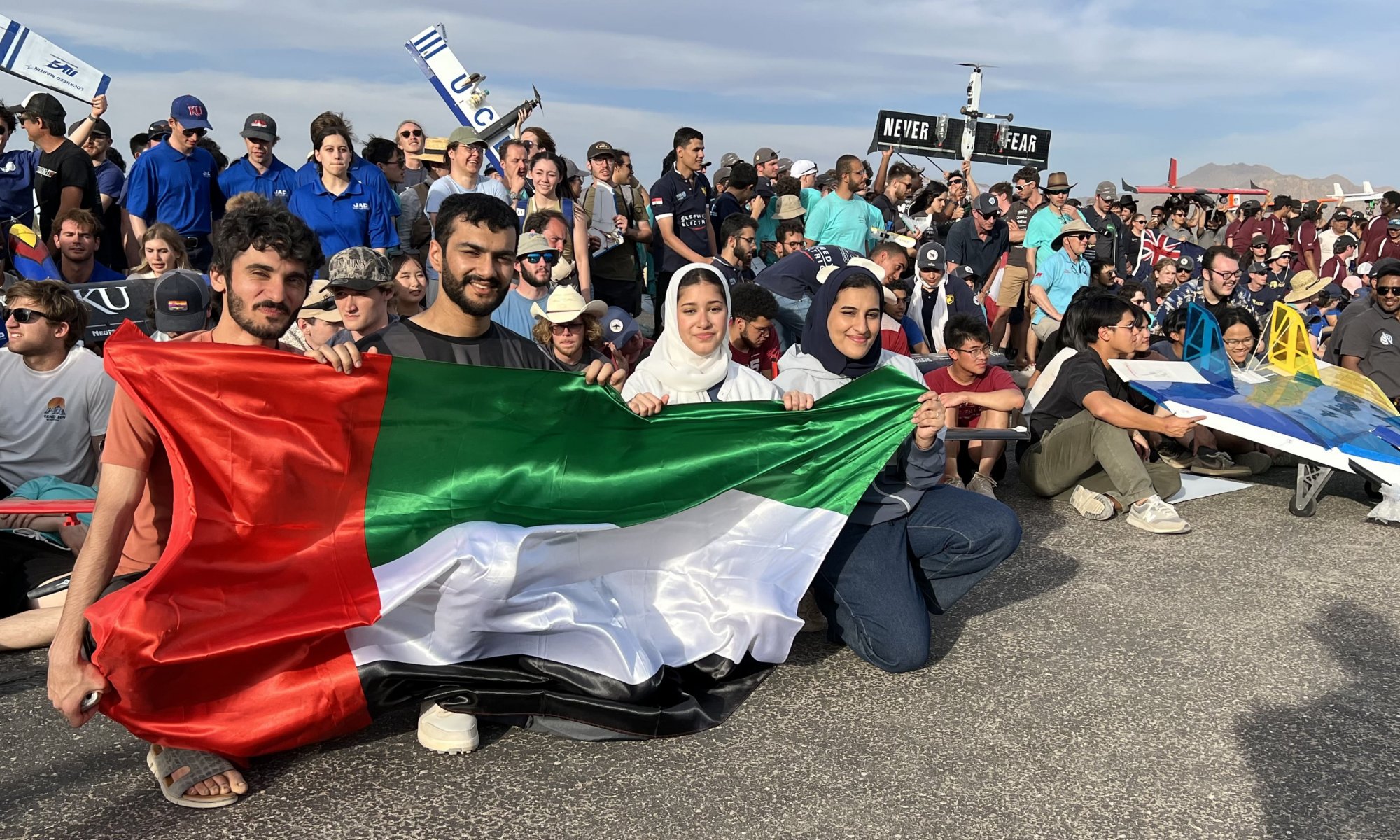
Khalifa University’s student-built ‘Raven’ aircraft made an impressive display during the 29th Annual American Institute of Aeronautics and Astronautics (AIAA) Design/Build/Fly (DBF) Competition, the most prestigious international competition for building and flying remote-controlled aircraft that was held in Tucson, Arizona, US. 


Team ‘AERONYX’, comprising 36 Aerospace Engineering students and guided by Dr. Rafic Ajaj, Associate Professor, and co-supervised by Dr. Ashraf Alkhateeb, Assistant Professor, and Professor Yahya Zweiri, Director, Advanced Research and Innovation Center (ARIC), designed and built the ‘Raven’, a structurally advanced, remote-controlled aircraft. This year’s DBF challenge required teams to develop an unmanned, electric-powered aircraft with a focus on structural performance and mission efficiency. The team proudly secured 36th place out of 112 teams. 


The flight objective for AIAA DBF 2025 held from 10 -13 April, was to design, build, and test an airplane to execute an X-1 Supersonic Flight Test Program, including the launch of an X-1 test vehicle – an autonomous glider with flashing lights. Teams also conducted a timed ground mission demonstration of the X-1 Flight Test Program. The goal was to possess a balanced design, good demonstrated flight handling qualities, and practical and affordable manufacturing requirements, while providing a high vehicle performance.  


Led by student Hamad Almaeeni, the team optimized Raven for coordination, performance, and mission success. Avionics lead Alyazia Al Khemeiri installed the electronics and selected and tested the propulsion system to deliver high thrust with great efficiency, enabling Raven to complete five laps and launch the X-1 test vehicle into the bonus zone. The aircraft’s lightweight and robust frame was designed and built by Rashid Althli, Sultan Alhammadi, and Shooq Alkaf. Mohamed Elmubarak and Saeed Al Marzooqi co-designed the X-1 deployable aircraft, which performed a 180-degree maneuver and a controlled spiraling descent, landing in a designated area with flashlights that are activated immediately upon deployment. The pilot’s precision during critical flight operations was vital to the execution of Missions 2 and 3. The team’s participation was sponsored by Mubadala Investment Company. 


Dr. Ajaj (Associate Professor of Aerospace Engineering) said: “Khalifa University’s Raven successfully completed the ground mission as well as all three flight missions. The strategic combination of creativity, design, and rapid manufacturing gave Raven a competitive edge and few other teams managed to deliver such structurally advanced aircraft while maintaining low weight. Also notable this year was the use of 3D-printed components, a creative and resourceful approach by the Khalifa University team. Our students’ efforts were truly commendable.”


Clarence Michael
English Editor – Specialist 

Next-Gen Materials to Overcome Lithium-Sulfur Battery Challenges 

A new study from Khalifa University demonstrates how covalent organic frameworks can significantly improve the stability and efficiency of lithium-sulfur batteries 

Unpack the science behind Li-S innovation – Listen Now!

Lithium-sulfur (Li-S) batteries are often considered the next big leap in energy storage due to their higher energy density and lower cost compared to traditional lithium-ion batteries. However, their widespread use has been limited by one major problem: the polysulfide shuttle effect – a phenomenon where lithium polysulfides (LiPSs) dissolve and migrate within the battery, leading to capacity loss, poor efficiency, and short cycle life.  


A team of researchers from Khalifa University, including Dr. Dinesh Shetty, Dr. Kayaramkodath Chandran Ranjeesh and Safa Gaber, has collaborated with researchers from CSIR-National Chemical Laboratory, India, and Technische Universitat Dresden, Germany, to develop a solution. The research team developed a novel sulfur-hosting material based on covalent organic frameworks (COFs). These materials offer strong chemical and physical confinement of LiPSs, preventing their migration and stabilizing battery performance over hundreds of cycles.  


The team published their work in Advanced Science.  


“The rapid evolution of modern electronics and electric vehicles has motivated the development of safer rechargeable batteries with greater capacity and lower costs,” Dr. Shetty said. “Rechargeable lithium-sulfur batteries are a promising candidate but despite extensive research, their performance remains significantly below theoretical potential. We used molecular-level material design to unravel the structure and property relationship in enhancing the performance of sulfur-hosting cathodes for Li-S batteries.” 


Dr. Nilesh

The rapid evolution of modern electronics and electric vehicles has motivated the development of safer rechargeable batteries with greater capacity and lower costs. Molecularly engineered covalent organic frameworks can unlock the true potential of lithium-sulfur batteries for next-generation energy storage.”

Dr. Dinesh Shetty, Associate Professor, Khalifa University.


Covalent organic frameworks are a class of materials that form two- or three-dimensional structures through reactions between their organic components, resulting in strong, covalent bonds that create porous, crystalline materials. The research team designed chalcone-linked nanographene COFs that serve as advanced sulfur hosts. These COFs provide dual confinement for LiPSs through physical trapping, as the microporous structure prevents them from escaping, and chemical anchoring. The chalcone and pyridine groups in the COFs form strong bonds with the lithium polysulfides, keeping them in place. These molecular interactions suppress the shuttle effect and allow for more efficient and stable sulfur utilization.  


In the team’s experiments, the batteries retained 80 percent of their original capacity, even after 500 cycles, while enhanced redox kinetics improved charge and discharge rates. With further optimization, this technology could soon power anything from electric vehicles to grid-scale renewable energy storage, bringing us closer to a cleaner, more sustainable future.  


Jade Sterling
Science Writer