
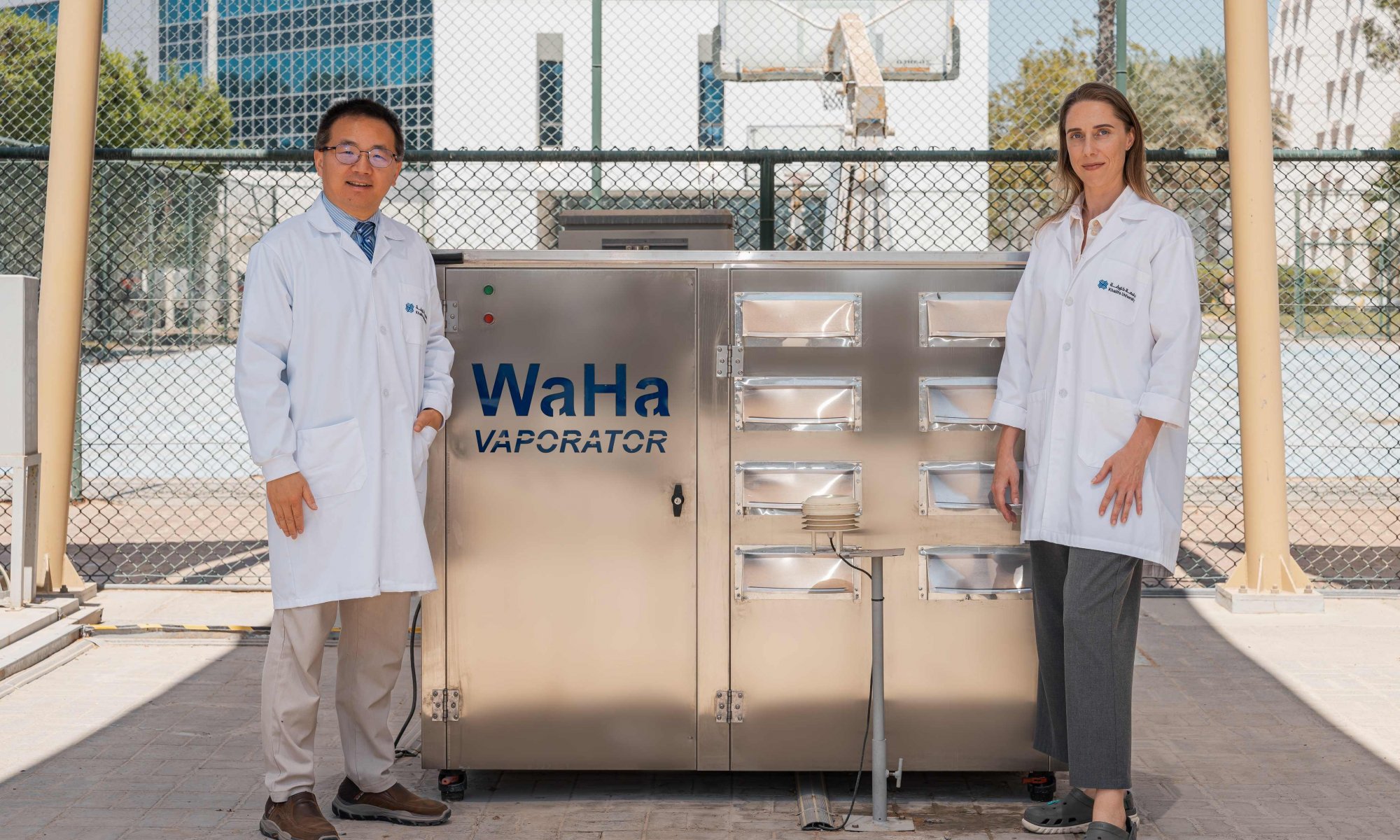
WaHa Partners with Khalifa University to Advance Atmospheric Water Generation Technology in Middle East


WaHa, a leading climate technology company, and Khalifa University of Science and Technology, announced an increased partnership to enhance the energy efficiency and capability of the WaHa Vaporator®, a sorption-based atmospheric water generation (AWG) technology to enable water security throughout the UAE and the Middle East.


The collaboration will focus on optimizing advanced material selection and improving energy efficiency for the WaHa Vaporator® AWG machine. This patented technology offers unparalleled energy efficiency for sorption-based AWG and HVAC systems, creating distributed, reliable, and cost-effective potable water sources that operate independently of existing water supplies.


This partnership builds on an existing relationship between Khalifa University and WaHa. Since April 2024, Khalifa University has been rigorously testing two versions of the WaHa Vaporator in Abu Dhabi. The latest version has demonstrated exceptional performance of 100% uptime and 99.9% reliability while simultaneously improving energy efficiency and surpassing daily water production targets.


Professor Samuel Mao, a leading expert in energy and water technologies, Director of ASPIRE Virtual Research Institute for Sustainable Energy, and Professor of Practice, Department of Mechanical Engineering, Khalifa University, said:


“This collaboration between Khalifa University and WaHa represents a step forward in addressing water scarcity challenges in our region. By combining our expertise in materials research with WaHa’s innovative sorption-based AWG technology, we aim to deliver transformative and sustainable water solutions for the UAE and beyond. The results from our ongoing tests underscore the potential of this technology to make a real difference in water-stressed areas.”


Chris Kay, President of WaHa, added: “We are thrilled to expand our partnership with Khalifa University on this critical initiative. Our WaHa Vaporator technology has the potential to revolutionize water production in arid regions, and this collaboration will accelerate our ability to bring reliable, energy-efficient water sources to governments, businesses, and communities across the Middle East. The outstanding performance of our latest Vaporator version in Abu Dhabi’s challenging climate validates our approach and fuels our excitement for this expanded partnership.”


The partnership aligns with the UAE’s sustainability goals and has the potential to make an impact on water security and resource management in the region. By leveraging Khalifa University’s research capabilities and WaHa’s innovative technology, the collaboration aims to address one of the most pressing challenges facing the Middle East today.


Khalifa University PhD Student Wins Grant for Research Project Focusing on Sustainable Solutions for Carbon Capture and Utilization 

Israa Al Hussain Al Hassan Othman Receives Award in ‘Engineering and Science’ Category at QUWA 5th Women in Research Forum 


A Khalifa University PhD student has won a grant at the QUWA 5th Women in Research Forum, in the top category of Science (Engineering and Science) for her project focusing on sustainable solutions for carbon capture and utilization (CCU). 


Israa Al Hussain Al Hassan Othman, Doctor of Philosophy Research/Teaching, Graduate Studies, was one of 43 winners from over 900 applicants. The awards were presented during the 5th Forum for Women in Research, themed ‘QUWA: Together Innovating to Shape the Future’. The winning projects were selected for their scientific rigor, community impact, novelty, and industry partnership potential. 


Othman’s project is implemented with Khalifa University’s Department of Chemistry, Department of Chemical and Petroleum Engineering, the Research and Innovation Center on CO2 and Hydrogen (RICH) Center, and the Center of Catalysis and Separation (CeCaS). Her research team included Dr. Mohammad Abu Haija, Research Scientist Dr. Nagy Torad, Professor Giovanni Palmisano, and Professor Fawzi Banat


Representing a cutting-edge approach in materials science and environmental technology, the project offers a sustainable solution for emissions reduction and clean energy production through the nanocomposite, which also helps in resource utilization. Moreover, utilizing the metal organic frameworks (MOFs) under visible light makes the process environmentally friendly and energy-efficient. 


Othman said: “I am delighted to win this grant at this 5th Women in Research Forum and I am grateful to team whose collaboration and support have remained instrumental in this achievement. This project’s dual-function system – efficient CO₂ capture and its conversion into valuable products – enables scalability and cost-effectiveness, making it a promising solution for real-world CCU applications.” 


Currently, Othman is working on other projects focusing on CO₂ conversion and sustainable energy. As part of her PhD, she has designed various QD-based nanocomposites for CO₂ photocatalytic reduction under different conditions. Her team is also exploring photo-electrochemical CO₂ reduction, aiming to enhance efficiency and selectivity for scalable carbon utilization. 

Smarter Molecularly Designed Materials for More Efficient Solar Cells  


New molecules are boosting performance in more efficient and stable perovskite solar cells 


Listen now: breakthrough solar cell materials revealed!

Solar panels made of silicon have long dominated the renewable energy market, but a new contender — perovskite solar cells (PSCs) — could soon rival their performance. Perovskite materials, named after their crystal structure, are highly efficient at converting sunlight into electricity and can be produced at a lower cost than traditional solar panels. However, making PSCs stable and durable remains a major hurdle in their mass production.  


A team of researchers from Khalifa University’s Center for Catalysis and Separation (CeCaS) thinks a key part of the puzzle is the development of hole-transporting materials (HTMs): organic compounds that help move electrical charge efficiently within the solar cell while preventing degradation over time.  


Dr. Shakil Afraj, Dr. Marwa Abd-Ella and Dr. Ahmed Abdelhady collaborated with researchers from National Central University, Taiwan, to investigate these materials. They published their review in Coordination Chemistry Reviews.  


HTMs play a crucial role in PSCs by helping extract positive charges (holes) generated when sunlight hits the perovskite layer. HTMs are already widely used but come with drawbacks, including high production costs, limited stability, and the need for chemical additives (dopants) that can accelerate degradation. New organic molecules with heterocyclic and heteropolycyclic structures — chemical frameworks that improve charge transport, increase thermal stability, and enhance the long-term durability of PSCs — are now being designed.  


Dr. Nilesh

“Organic chemistry is giving us powerful new tools to enhance perovskite solar cells. By designing better hole-transporting materials, we can improve efficiency, stability, and ultimately make these solar cells ready for commercial use.”

Dr. Ahmed Abdelhady, Assistant Professor, Khalifa University.


By modifying the molecular structure of HTMs, researchers are tackling the main challenges in perovskite solar cell performance. New HTMs are being engineered with stronger molecular structures that resist breakdown at high temperatures, better alignment of energy levels to reduce energy loss and hydrophobic properties to prevent moisture damage, a common cause of solar cell degradation. These advances are leading to higher-performing, longer-lasting solar cells that could help PSCs reach commercial viability faster.  

Recent breakthroughs have pushed PSC efficiency beyond 26 percent, making them competitive with silicon-based solar panels. But the Khalifa University research team says stability remains the final hurdle before large-scale production can begin. By focusing on organic chemistry innovations, materials can be developed that not only improve performance but also ensure PSCs can withstand real-world conditions. If successful, perovskite solar cells could revolutionize the renewable energy industry, providing a cheaper, more efficient alternative to current solar technologies.  


Jade Sterling
Science Writer

Khalifa University Signs MoU to Host US-based EPRI and Collaborate on Energy and Environmental Research

Local Operations at Khalifa University Premises to Facilitate EPRI’s Unique Cutting-Edge Collaborative Research Activities


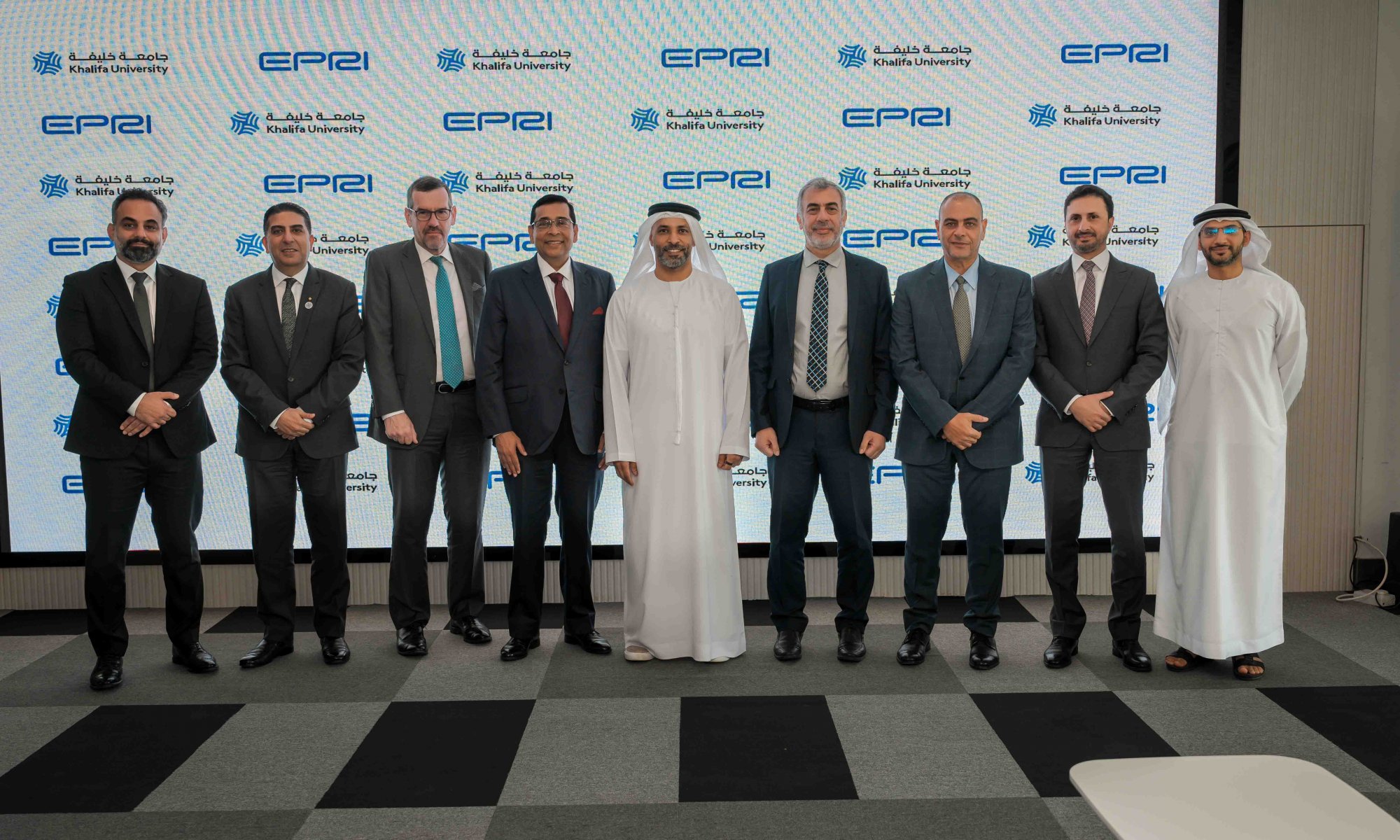
Khalifa University of Science and Technology today announced it has signed a Memorandum of Understanding (MoU) with the US-based EPRI  an independent, non-profit energy research and development institute.


The MoU was signed by His Excellency Prof. Ebrahim Al Hajri, President, Khalifa University, and Dr. Arshad Mansoor, President and Chief Executive Officer, EPRI. The partnership will pave the way for EPRI to use Khalifa University campus premises to establish dedicated local operations and facilitate participation in EPRI’s collaborative research  with key energy stakeholders.


Professor Bayan Sharif, Provost, Khalifa University, said: “Khalifa University’s collaboration with the EPRI is a testament to the trust that leading institutions place in our commitment to advancing innovative research in the electricity sector. Together, we will explore groundbreaking applications that enhance efficiency and decarbonization, ultimately delivering significant societal benefits. This partnership reflects our dedication to addressing unique challenges in the Middle East, while leveraging Khalifa University’s regional insights and EPRI’s global expertise to drive the energy transition forward. Alongside exploring cutting-edge areas such as clean energy generation, we also aim to tap into the vast potential of AI and cybersecurity, where the University is leading the way in pioneering research and solutions for the future.


Dr. Arshad Mansoor said: “We are thrilled to collaborate with Khalifa University, a leading institution in innovation and research. Together, we will drive advancements in energy research and foster solutions that address today’s most pressing challenges and tomorrow’s opportunities.”


According to the MoU, Khalifa University and EPRI will align research plans and coordinate activities to drive innovative applications that address critical challenges in the electricity sector, focusing on accelerating efficiency, decarbonization, and delivering tangible societal benefits. The collaboration will also involve sharing research roadmaps to support the broader energy community and exploring partnerships with start-ups and innovative firms to amplify impact.


Additionally, the two entities will pursue joint opportunities in research, demonstration projects, scenario planning, modeling, and related initiatives in areas such as clean energy generation, transmission, and distribution. The collaboration will extend to cross-sector domains, including low-carbon resources, alternative energy carriers, electrification, sustainability, cybersecurity, satellite technology applications, and AI-driven decision-making processes.

Khalifa University Partners with Google.org and UAE Cyber Security Council to Lead Middle East’s First Cybersecurity Seminars Program

Comprehensive Cybersecurity Training Curriculum to Benefit Students as well as Regional Public and Private Sector Representatives


Khalifa University of Science and Technology today announced, it will implement in partnership with Google.org, the UAE Cyber Security Council and CyberE71, a pioneering Cybersecurity Seminars program, the first of its kind in the Middle East, aimed at enhancing cybersecurity skill development and hands-on training.


Khalifa University will lead the program to facilitate universities throughout the UAE in delivering a comprehensive cybersecurity training curriculum. Through this initiative, cybersecurity training courses will be offered to students as well as to public and private sector representatives from diverse backgrounds, including those with no previous experience.


Prof. Bayan Sharif, Provost, Khalifa University, said: “The collaboration with Google.org, the UAE Cyber Security Council and CyberE71 exemplifies our foresight and commitment to developing human capital and special expertise, especially in the rapidly advancing digital arena. This program is also in line with the UAE’s policies to create an ecosystem and cement the status of the country as a global hub for advanced technology and artificial intelligence. We believe through this program the entire Middle East region will gain access to a diverse, multidisciplinary pool of talent in the digital technology field that will be able to tackle challenges to digital security and ensure data remains secure for organizations and individuals.”


H.E Dr. Mohamed Al Kuwaiti, Head of the UAE Cyber Security Council: “This initiative reflects the UAE’s commitment to fortifying Cyber Security across all sectors by equipping the next generation with critical knowledge and practical skills. As Cyber threats become increasingly sophisticated, programs like these serve as vital building blocks to ensure resilience, innovation, and security in our digital ecosystem. Our continued partnership with Khalifa University and Google.org, is completing our efforts to enhance the cooperation between the public and private sectors and driving the UAE’s vision of becoming a global leader in Cyber Security Excellence.”


The Cybersecurity Seminars program will be supervised by Prof. Ernesto Damiani (PI), Dean, College of Computing and Mathematical Sciences, and Director, Center for Cyber-Physical Systems (C2PS), and Dr. Luigi Martino (Co-Pl), Research Scientist, C2PS. CyberE71, an initiative by the Cybersecurity Council, empowers entrepreneurs and enhances the UAE’s cybersecurity ecosystem.


As part of its ongoing commitment to strengthening global cybersecurity, CSC actively supports and encourages partnerships that contribute to the development of a robust digital ecosystem. Through collaborative efforts, CSC aims to accelerate the spread of cybersecurity culture across the globe, ensuring safer digital environments for all.


Google.org supports higher education institutions through a funding program to help students explore career pathways in cybersecurity and build a workforce with the real-world experience needed to protect communities in the Middle East from cyber threats.


The Google Cybersecurity Seminars program is offered through various formats, such as a summer school, as a series of evening courses over a trimester, or as a credit-worthy course in university time, with the aim to allow students to explore the field of cybersecurity and get practical experience while supporting the digital defenses of under-resourced community organizations.


University-based cybersecurity seminars address two simultaneous needs: building cybersecurity capacity and resilience in their communities and training the next generation of cybersecurity talent with real-world job experience. Through the program, Khalifa University will offer a fully designed course syllabus, implementation support and other education resources.

Khalifa University PhD Students Gain Insights on ‘Role of AI’ from ADIA Lab Expert 

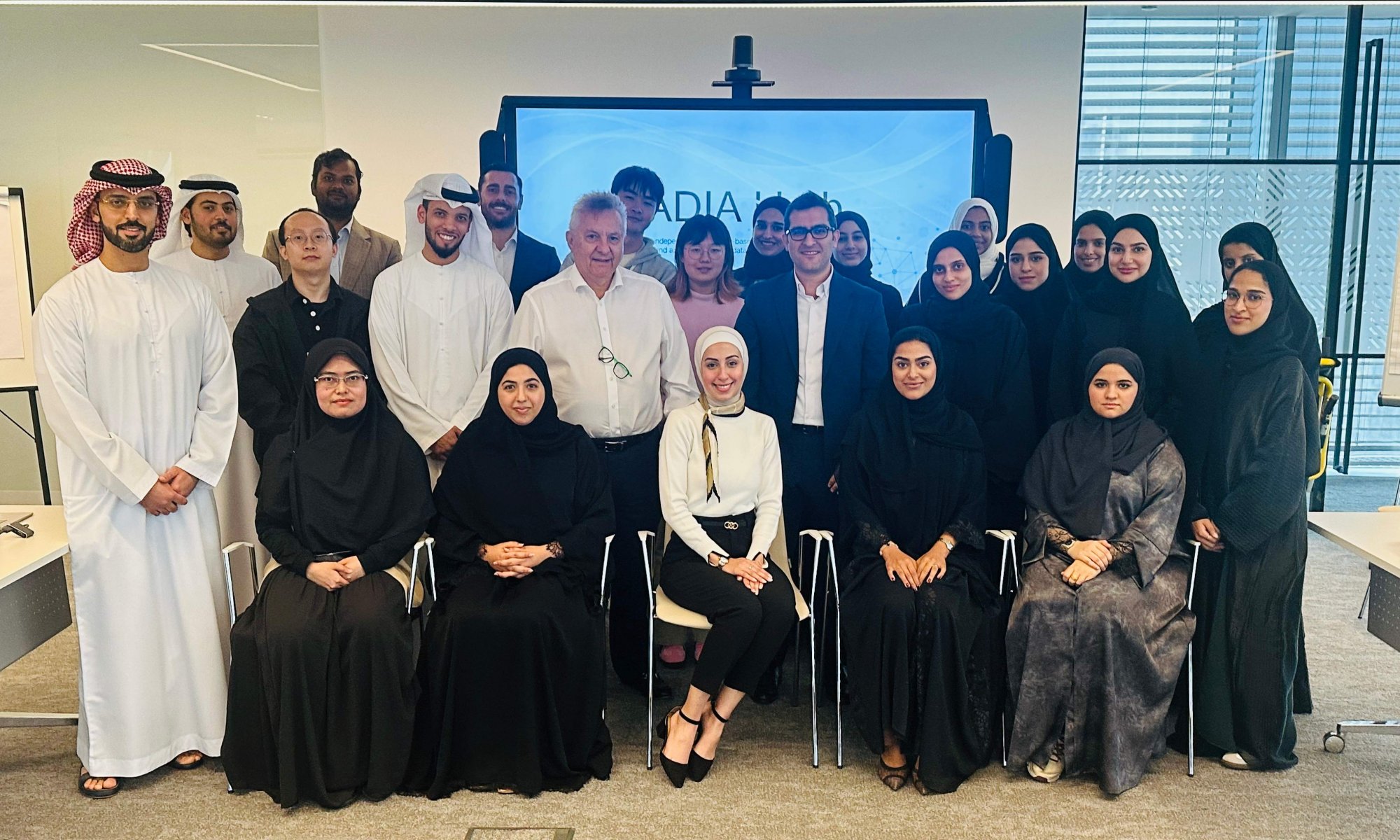
A group of PhD students from the ‘AI in Health Systems, Business and Society’ course gained valuable insights from a lecture delivered by Dr. Horst Simon, Director, ADIA Lab, and a member of the Khalifa University Board of Trustees on the immense potential of data and computational sciences, and AI. 


In his lecture, Dr. Simon explained the transformative role of AI in healthcare systems for creating meaningful societal impact and the critical role it plays in shaping the future of business and society. Dr. Simon is an internationally recognized expert in high performance computing and numerical algorithms.


The students were led by Dr. Mecit Can Emre Simsekler, Associate Professor, Management Science and Engineering. The group participated in engaging discussions and learned about ADIA Lab’s role in driving innovation in AI and its applications in health sciences as well as its alignment with the broader goals of enhancing health systems and addressing challenges in society. 


The field visit also allowed the students to deepen their understanding of the potential implications for business strategies and policy development in Abu Dhabi’s thriving research ecosystem.

Khalifa University Rises to 7th Spot Globally in Petroleum Engineering; 107th in Engineering and Technology

According to QS World University Rankings by Subject 2025  


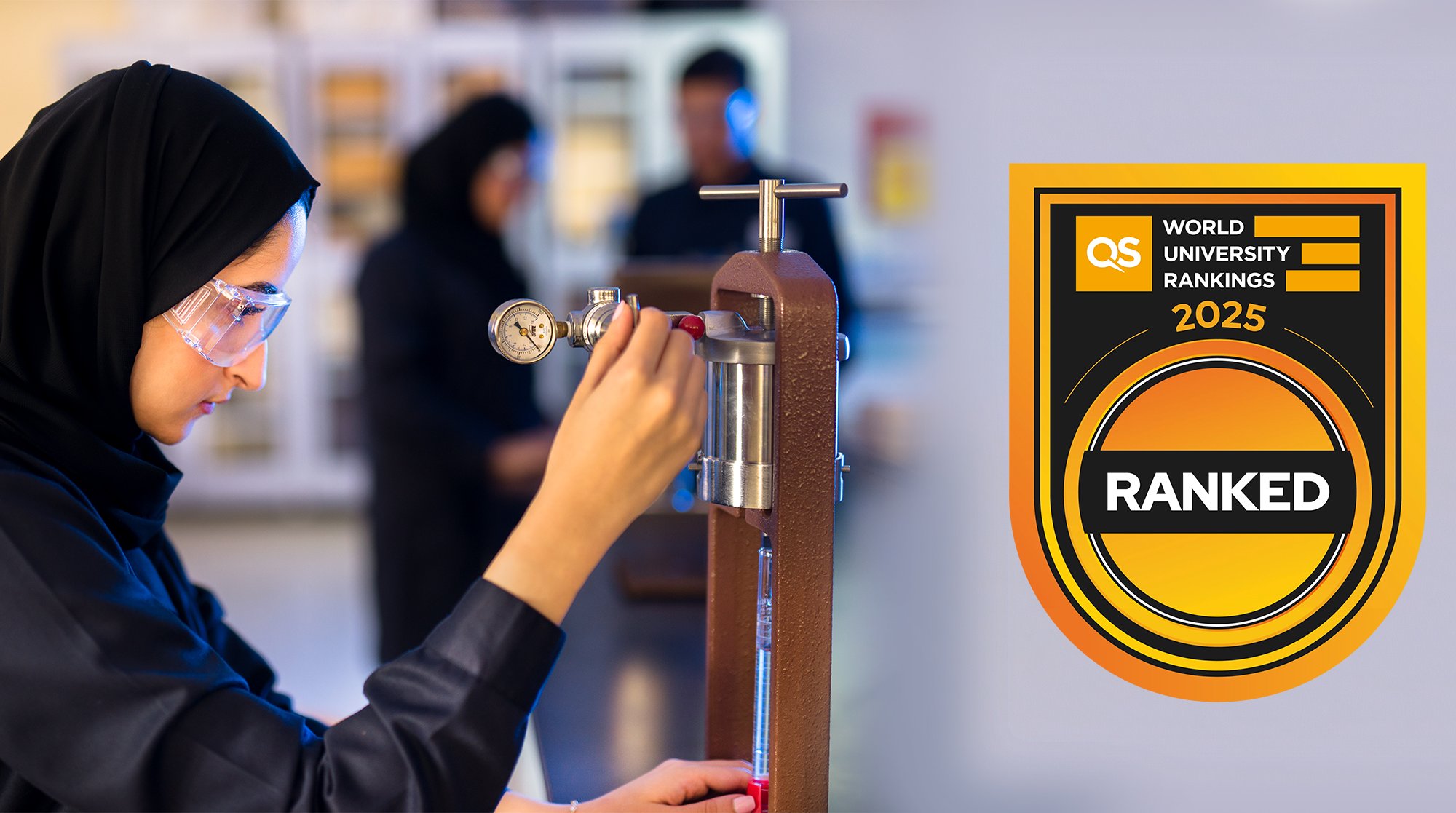
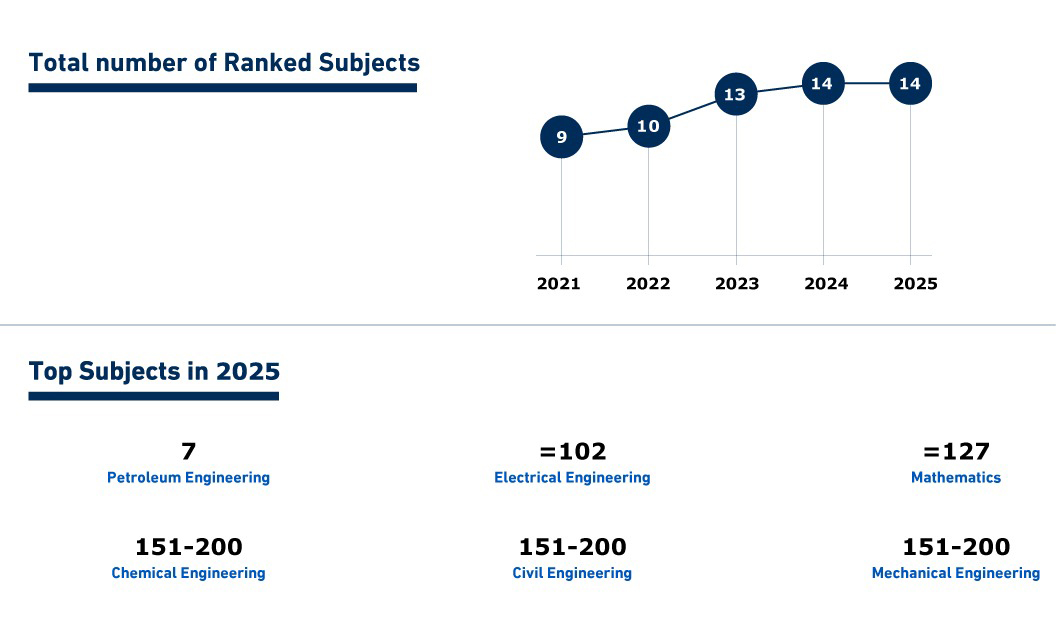
Khalifa University of Science and Technology today announced it has ranked top in the UAE in 10 subjects in the QS World University Rankings by Subject 2025. Additionally, its Petroleum Engineering has risen to the 7th place maintaining its position in the global top 10 for three consecutive years. The University has also made notable gains in Electrical & Electronic Engineering, moving up to 102nd rank. Its overall Engineering & Technology ranking climbed to 107th this year from 129th, securing a strong position near the top 100.


Several subjects witnessed a significant jump including Mathematics which moved up to 127th from the top 250 range, whereas Physics & Astronomy surged into top 300 from last year’s among top 400, while Biological Sciences advanced to top 500.


Ranked at 156 in Computer Science & Information Systems, while maintaining positions among the top global 200 for two consecutive years are three subjects such as Mechanical, Aeronautical & Manufacturing Engineering, Chemical Engineering, and Civil & Structural Engineering. Khalifa University is the only university in the UAE ranked in Materials Science placing it in the top 250 range.  


Continuing the ranking trend in the top 300 are Chemistry and Environmental Sciences with Medicine maintaining its ranking for three consecutive years. The University has also ranked for Arts & Humanities for the first time, marking an expansion of its academic excellence into diverse disciplines. This year’s rankings were based on an analysis of over 5,200 institutions worldwide, further underscoring Khalifa University’s position as a leading center for research and academic excellence on the global stage.

Rivers in the Sky: How Hidden Storms Shape Antarctica’s Future


With climate change altering their frequency and intensity, atmospheric rivers may become a defining factor in Antarctica’s future.


Uncover the science behind these skyborne storms – Listen now! 

For a place renowned as the world’s coldest desert, Antarctica receives an unexpected amount of moisture from a surprising source: atmospheric rivers (ARs). These “rivers in the sky” are long, narrow bands of air carrying enormous amounts of moisture from warmer regions to the poles. While they can deposit heavy snowfall that contributes to the ice sheet’s mass, they can also drive destructive melting, destabilizing glaciers and ice shelves.


Atmospheric rivers are a crucial part of the global water cycle. Stretching more than 2,000 kilometers in length, these invisible streams of vapor transport moisture across continents and oceans. When they reach Antarctica, the interaction between warm, moist air and the continent’s cold, dry atmosphere produces dramatic weather events.


Despite their rarity — occurring only about three days per year at any given location — atmospheric rivers account for an outsized share of extreme weather in Antarctica. Since the 1980s, they have been responsible for 50 to 70 percent of extreme snowfall events in East Antarctica, temporarily bolstering the ice sheet. However, their impact is not always positive. The same warm, moisture-laden air that brings snow can also raise temperatures above freezing, triggering surface melt on ice shelves and weakening their structural integrity.


In the past, atmospheric rivers have played a key role in some of the most dramatic collapses of Antarctic ice shelves. The Larsen A and Larsen B ice shelves, which disintegrated in 1995 and 2002, respectively, were subjected to repeated atmospheric river events that delivered warm air and moisture, leading to extensive melting. These collapses were not isolated incidents—scientists now recognize that AR-driven melting has been a critical factor in ice shelf instability.


One of the most striking recent examples occurred in March 2022, when an extreme atmospheric river event pushed temperatures in East Antarctica 30–40°C above normal. In what has been called the most significant heatwave ever recorded on the continent, temperatures at Concordia Station, near the South Pole, reached an unprecedented −9.4°C—far higher than the usual −50°C expected during that time of year. This event not only triggered widespread surface melting but also contributed to the final collapse of the Conger Ice Shelf, a structure the size of New York City.


Dr. Nilesh

“Atmospheric rivers are a double-edged sword for Antarctica. They bring vital snowfall, but they also drive extreme melting and ice shelf collapse. Understanding how they will change in a warming climate is key to predicting future sea level rise”

Dr. Diana Francis, Khalifa University.


As the climate warms, atmospheric rivers are expected to become more intense, carrying larger amounts of moisture due to increased evaporation from warming oceans. This could have complex effects on Antarctica. On one hand, stronger ARs could bring more snowfall, temporarily increasing the ice sheet’s mass. But on the other, they could also drive more frequent and widespread melting, particularly along the edges of the continent where ice shelves act as barriers holding back glaciers.


The concern is that an increase in AR-driven melting could push Antarctic ice shelves toward further collapse. Once an ice shelf is lost, glaciers behind it can flow more freely into the ocean, contributing directly to sea level rise. While the precise balance of snowfall and melting remains uncertain, scientists agree that atmospheric rivers will play an increasingly important role in determining the future of the Antarctic ice sheet.


Studying atmospheric rivers in Antarctica is challenging due to the continent’s harsh conditions and remote location. Researchers rely on satellite data, weather models, and occasional field expeditions to track AR events and measure their effects on the ice sheet. Climate models suggest that atmospheric river activity will continue to intensify throughout the 21st century, but better forecasts and more detailed observations are needed to predict their long-term impact.


Understanding atmospheric rivers is not just an academic exercise — it is crucial for projecting future sea level rise. Antarctica holds enough ice to raise global sea levels by nearly 60 meters, and even small changes in its stability could have far-reaching consequences for coastal communities worldwide. By improving our knowledge of these powerful weather systems, we hope to refine sea level rise predictions and provide better guidance for policymakers preparing for a changing world.


In collaboration with several scientists from different global institutions, we published a review paper on atmospheric rivers in Antarctica. You can read it here.


Jade Sterling 
Science Writer

Aerospace Systems Group and Manta Aircraft Win ‘Technology Innovation of the Year’ Award at Aviation Business Middle East 


Prime Aviation Business Award Recognizes Advances in Intelligent Flight Systems for Innovative Hybrid-Electric Aircraft  


Khalifa University and Manta Aircraft, in collaboration with Hayat, the UAE’s national organ and tissue donation program, were presented with the ‘Technology Innovation of the Year Award 2024’ by Aviation Business Middle East for advanced air mobility. 


The recognition highlights the development of the MANTA ANN aircraft platform, an optionally automated hybrid-electric Vertical and Short Take-Off and Landing V/STOL platform for mid to long-range missions, and infrastructure independent for regional air mobility and medical transportation. 


The collaboration between Khalifa University, Manta Aircraft, and Hayat aims to leverage hybrid-electric V/STOL solutions to enhance organ transportation, improve medical mission efficiency, and facilitate transportation of individuals in need of medical assistance. The partnership underscores the development of cutting-edge flight systems for Advanced Air Mobility (AAM), aligning with the UAE’s vision to excel in sustainable innovation across strategic sectors. 


Professor Roberto Sabatini, said: “This award highlights the remarkable synergy between academia and industry in driving technological breakthroughs. Together with Manta Aircraft and Hayat, we are redefining how advanced air mobility systems can support critical healthcare missions, ensuring safety, efficiency, and automation through pioneering AI-based solutions and HMI advancements. Khalifa University is proud to play a leading role in this transformative journey.” 


Lucas Marchesini, CEO, Manta Aircraft, said: “At Manta Aircraft, we are honored to receive this recognition alongside Khalifa University and Hayat. The UAE is at the forefront of advanced air mobility, and this award demonstrates the power of partnerships that combine academic excellence and industry innovation. We remain committed to shaping the future of sustainable aviation and medical logistics.” 


As part of the FALCON Flight Systems Research and Training Program, Khalifa University’s Aerospace Systems Group are working closely with Manta Aircraft on the design, development, test, and evaluation of innovative flight systems for the MANTA-ANN hybrid-electric V/STOL platform.  


In particular, the IAAS Group is developing innovative Guidance, Navigation and Control (GNC) systems, including cooperative and non-cooperative Sense-and-Avoid (SAA) capabilities and adaptive forms of Human-Machine Interface and Interactions (HMI2). 

BubbleRAN and Khalifa University demonstrate SLM-Driven RAN Intelligence at MWC 2025 Barcelona

Automating telecom network operations with specialized language models for enhanced efficiency and performance  


BubbleRAN, a leader in intelligent network solutions, and Khalifa University of Science and Technology’s 6G Research Center, renowned for cutting-edge telecommunications research, today announced a pioneering collaboration to demonstrate SLM-driven RAN Intelligence at Mobile World Congress 2025 (Barcelona, March 03-06). This first-of-its-kind showcase will highlight how Small Language Models (SLMs) are redefining the role of GenAI in telecom network automation accelerating operations. This initiative is further strengthened by Finland Aalto University’s research expertise, contributing to advancements in AI-driven Telecommunications. 


The shift to SLMs: Smarter, Leaner AI for Telecom. 


While Large Language Models (LLMs) excel in general-purpose tasks, their computational demands and latency challenges limit their usage in telecom applications. BubbleRAN and Khalifa University’s solution leverages specialized SLMs (1–7 billion parameters) tailored for the telecom domain, delivering resource efficiency, domain expertise, real-time decision-making. 


Traditional AI tools struggle to contextualize the flood of data in modern networks. BubbleRAN Intelligent Telco Agent, powered by Khalifa University’s SLM technology, addresses this by automating troubleshooting, enabling proactive optimization, simplifying operations.  


Use Case in Action: 

Operator asks: “Why did throughput drop in Sector X?” 

Agent responds: Cross-references live data, pinpoints a misconfigured transmit power, and guides remediation – all in under 5 seconds. 

This effectively replaces the command-line interface (CLI) tools with intuitive, context-aware dialogue! 


“We are delighted to collaborate with BubbleRAN for this first-of-its-kind showcase at Mobile World Congress 2025 in Barcelona, the perfect platform for innovative technologies. Our initial pioneering work with Telecom doman specific LLM laid the foundations. Now, this joint demo on SLM-driven RAN intelligence represents the next big step—leveraging specialized, efficient models with reasoning capability to reshape the future of wireless communications with real-time adaptability and automation,” says Professor Merouane Debbah, Founder-Director, 6G Research Center, Khalifa University. 


Navid Nikaein, CEO of BubbleRAN, added, “Our Intelligent Telco Agent acts as a controlled autopilot – empowering operators with actionable insights while retaining human oversight. This is how we make 6G sustainable.” 


Unlike generic chatbots, BubbleRAN’s solution is tailored for telecom: it not only replies to generic questions about the Open Radio Access Network (O-RAN) stack or 3rd Generation Partnership Project (3GPP) standard but it also integrates live network data for real-time to answer specific questions related to the current network deployment, anomalies and how to troubleshoot or how to optimize the network, all in a form of actionable insights. The full demonstration will be displayed from 3 – 6 March 2025 at BubbleRAN stand (6E9) at MWC Barcelona 2025. 

Khalifa University among Key Global Institutions Supporting New GSMA Group to Improve AI in Telecom

Khalifa University is among a few major global technology and research institutions that support Open-Telco LLM Benchmarks – a new community launched by mobile industry body GSMA that aims to improve the performance of AI models for telecom-specific applications.


The community is also supported by Hugging Face, and The Linux Foundation, along with a host of telecoms operators, including Deutsche Telekom, LG Uplus, SK Telecom, Turkcell, and telecom vendor Huawei.


The benchmark aims to provide an open-source evaluation framework to assess AI models in the telecom industry.


The framework will focus on real-world performance, and holistic AI assessment. In the UAE, Khalifa University already leads the committee established by the Telecommunications and Digital Government Regulatory Authority (TDRA) to expedite adoption of 6G.


This committee also includes manufacturers, and telecom operators, and is expected to facilitate scientific studies, research, and the development of technical standards and specifications for 6G.

His Highness Sheikh Hamed Inaugurates Khalifa University Research and Innovation Exhibition 2025   


Themed Demonstration Zones Showcase 31 Startups and Prowess in Bioprinting, Renewable Energy, Precision Medicine, and Advanced Technologies 


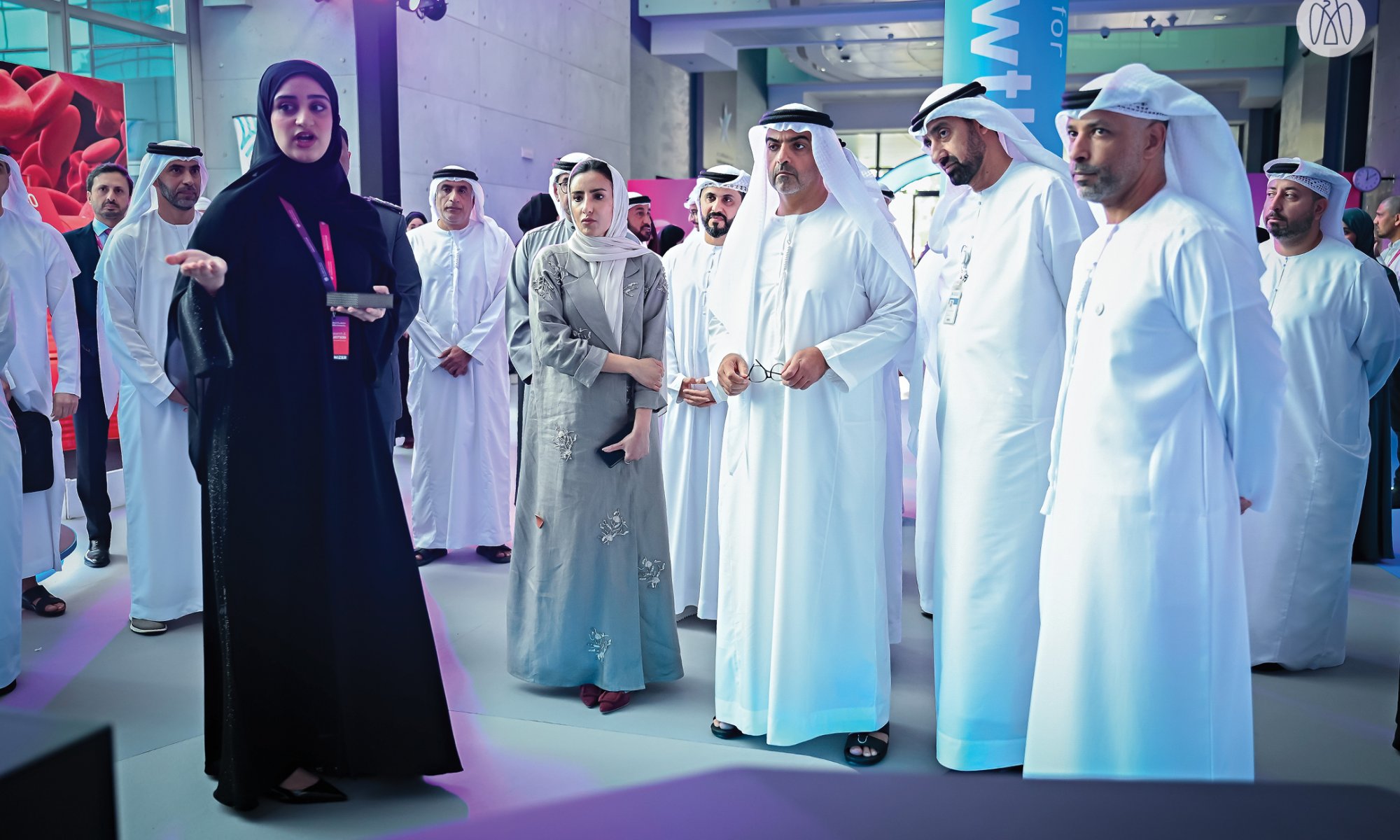
His Highness Sheikh Hamed bin Zayed Al Nahyan, Chairman of the Board of Trustees of Khalifa University of Science and Technology, today inaugurated the Khalifa University Research and Innovation Exhibition 2025, which featured more than 100 projects, as part of ‘UAE Innovates 2025.’  


His Highness Sheikh Hamed was accompanied by H.E. Major General Faris Khalaf Al Mazrouei, Chairman of Abu Dhabi Heritage Authority, H.E. Sara Awadh Eisa Musallam, Member of the Executive Council, Chairperson of Abu Dhabi Department of Education and Knowledge, Hassan Ahmed Al Hosani, CEO, Bayanat, H.E. Mohammed Al Kuwaiti, Head of Cyber Security for the UAE Government, Major General Thani Butti Al Shamsi, Director of Saif Bin Zayed Academy for Police and Security Sciences, H.E. Homaid Al Shimmari, Vice-Chairman of the Board of Trustees of Khalifa University,  and H.E. Prof. Ebrahim Al Hajri, President, Khalifa University. 


His Highness Sheikh Hamed was briefed about the innovative projects and technology solutions that were distributed across three zones such as research, industry applications, and startups under the Khalifa University Enterprises Company (KUEC), while attending a pitching session for a startup focusing on neuromorphic technology. 


Stakeholders from government, private sector, academic, industry, and international partners interacted with Khalifa University researchers at the three themed demonstration zones, with  projects including Lunar Rover, Kumrah AI, Emirati Reference Genome Project (ERGP), 6U CubeSat, Golde, Frugal 3D-Bioprinter, Biocatalysis on chip platform, Study of Polar Sea Ice, SAVE Software, and Graphene based hydrogen tank filament winding.     


Industry applications project themes covered Healthy Longevity, Energy Transition, Pervasive Digitalization, Sustainable Secure Society and Advanced Materials & Manufacturing/ Health. These included Pregnancy Risk Assessment Monitoring System (PRAMS), Food Pricing Dynamics, AgriTech 4 for viable and sustainable farming in the UAE, 3D Printed Solar Absorber, Vision-Based Flare Analytics, and The Biomedical Science Discovery (BISDI) Program.  


Also on display were Development of numerical tools for the origin and the magnitude of RADioactive release Identification (Rad-ID), a study on Towards Enhanced Nuclear Reactor Safety, LLMs for Utility Sector Customers & Anomaly Detection for Utility Meters, Mangrove-mimicked Solar Desalination Device, fast chargers for electric vehicles, The Cancer Multi-Omics Atlas: A Platform for Precision Oncology, and IgenRare: AI Assistant Tool for Rare Genetic Diseases for early diagnoses and management.  


For more details, visit: Ku.ac.ae/Innovation-Exhibition