Light-1 CubeSat Deployment

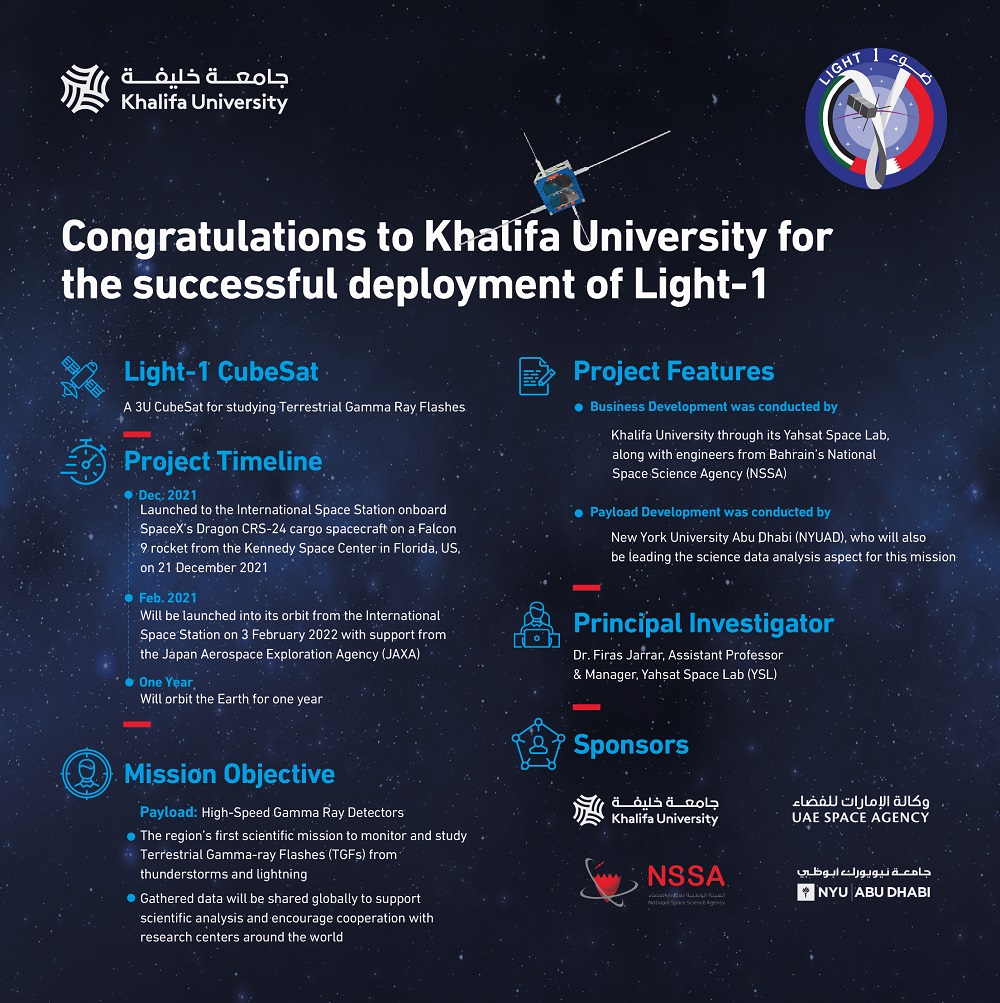
The joint UAE-Bahraini nanosatellite Light-1 was successfully deployed into its orbit from the International Space Station on 3 February 2022.


1st Deployment: Thursday, 3 February 2022 from 12:35-13:07 (GST)  


2nd Deployment:  Thursday, 3 February 2022 from 14:15-14:37 (GST)


To read more about the Light-1 CubeSat, please click here.

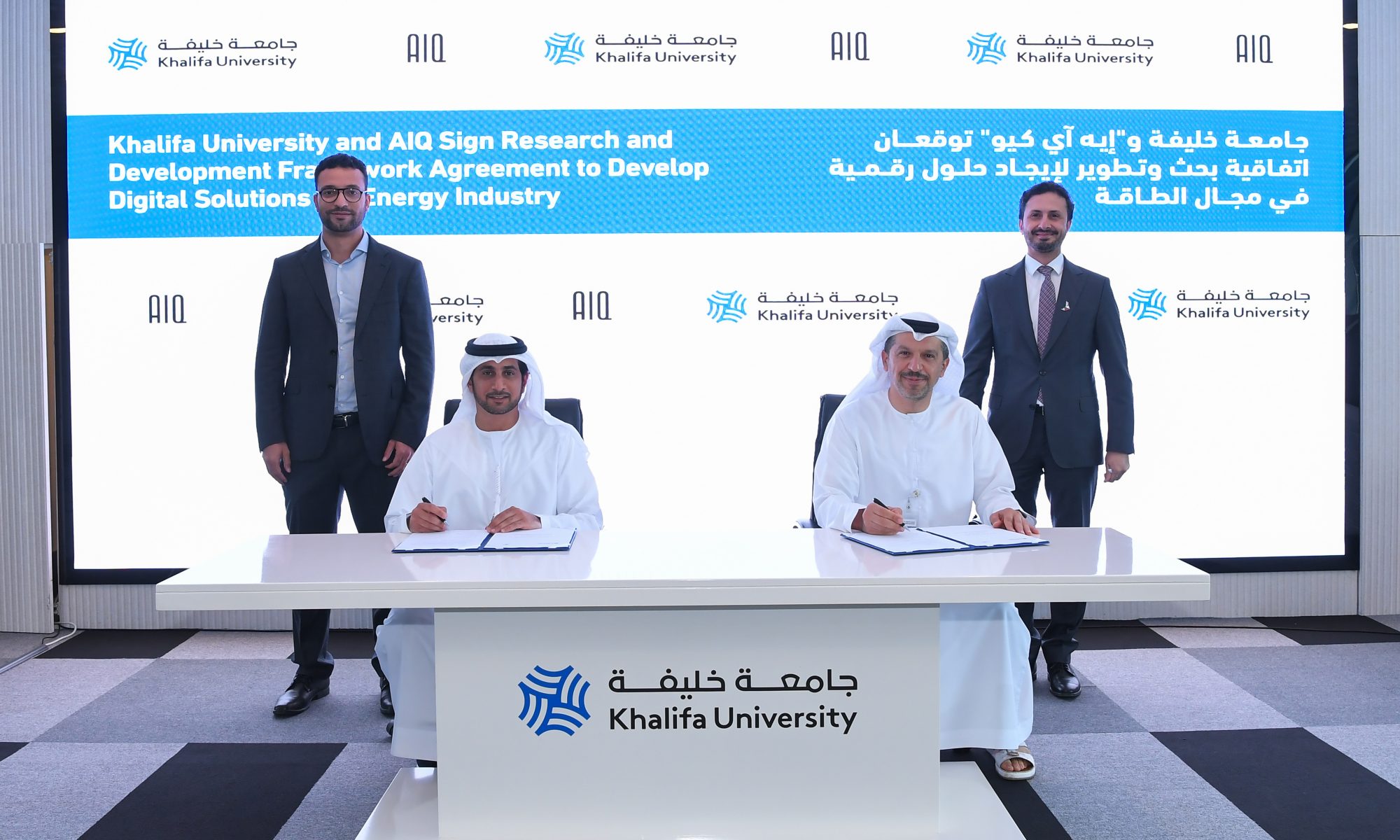
Khalifa University and AIQ Sign Research and Development Framework Agreement to Develop Digital Solutions for Energy Industry

Partnership to Leverage Each Other’s Outstanding Assets and Technical Skills  


Khalifa University of Science and Technology and AIQ, Abu Dhabi National Oil Company’s (ADNOC) artificial intelligence (AI) joint venture with Group 42 (G42), have signed a research and development framework agreement to leverage each other’s outstanding assets and technical skills to jointly develop digital innovations for the energy sector.


The agreement, which was signed by Dr. Arif Sultan Al Hammadi, Executive Vice-President, Khalifa University, and Omar Al Marzooqi, Chief Executive Officer, AIQ will see the two partners pursuing cutting-edge digital research that yields value generation for the energy sector. Artificial intelligence, particularly machine learning, will play a key role in the collaboration. 


Dr. Arif Sultan Al Hammadi said: “As a top-ranked research-oriented university, specializing in most of the advanced technology areas, Khalifa University is delighted to partner with AIQ and establish the right platform that will facilitate innovation in the energy sector. This collaboration will bring digital solutions, particularly applied artificial intelligence, to one of the UAE’s vital economic sectors.”


Omar Al Marzooqi said: “We are delighted to partner with Khalifa University, a world-class, research-intensive institution, to drive the creation of future transformative advanced technologies for the energy sector and further strengthen the position of Abu Dhabi and the UAE as an international hub for AI and advanced technology.”


Khalifa University has established research capabilities in all areas of digital technology as well as renewable energy, oil and gas. The university leads several research projects that apply artificial intelligence techniques for industrial applications. Khalifa University’s Robotics and Intelligent Systems Institute brings together the university’s research in robotics, artificial intelligence, data science, next-gen networks, semiconductor technologies and cybersecurity under a single umbrella for application in key sectors, such as energy.


At the same time, Khalifa University’s Petroleum Institute is a research institute dedicated to obtaining new technologies and solutions in hydrocarbon exploration and production. The Institute houses two research centers – the Center of Catalysis and Separation (CeCaS) and the Research and Innovation Center on carbon dioxide and hydrogen (RICH Center) – driving energy innovation to maintain the UAE’s position at the forefront of the energy industry.


AIQ focuses on developing and commercializing artificial intelligence products and applications for the energy industry, and accelerating industry adoption of advanced technologies in the UAE. AIQ is working on a number of key AI projects across the oil and gas value chain such as drilling performance, reservoir modelling, corrosion detection, and product quality.


Clarence Michael
English Editor Specialist
31 January 2022

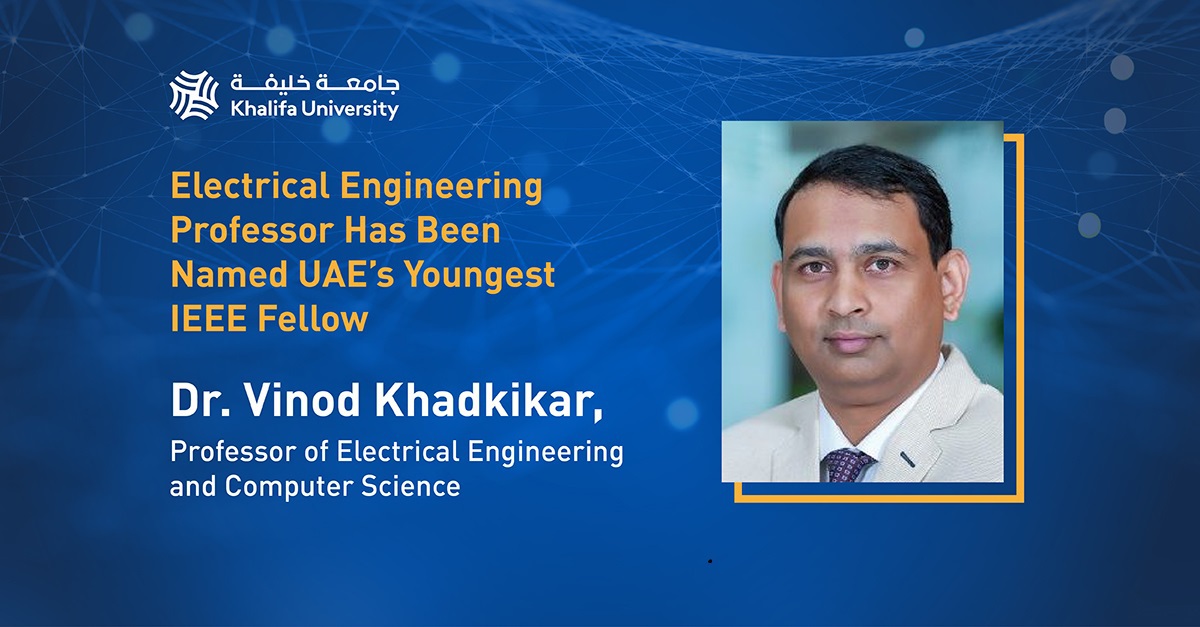
Electrical Engineering Professor Has Been Named IEEE Fellow

Dr. Vinod Khadkikar, Professor in the Department of Electrical Engineering and Computer Science, has been named IEEE Fellow. The distinction of IEEE Fellow is given to only select IEEE members who have made extraordinary accomplishments in the fields of interests of IEEE. 


This achievement is significant for Dr. Khadkikar as he becomes the youngest researcher in the UAE to receive the recognition. “Becoming a fellow of the IEEE is the ultimate career accomplishment for electrical engineers and researchers. It is a global recognition of the extraordinary career accomplishments that have made an impact on society,” he said. 


Dr. Khadkikar is recognized for his work in unified power quality conditioners (UPQCs), one of the most versatile power quality enhancement devices that can simultaneously provide shunt (current related) and series (voltage related) compensations. He has pioneered the theory of a power-angle control UPQC that demonstrates a new functionality of the load reactive power support through an underutilized series inverter. This new concept of sharing and supporting the load reactive power demand through both shunt and series inverters offers several notable merits such as better utilization of series inverters, and a considerable reduction (20%–40%) in shunt inverter rating, thus reducing the overall cost, weight, and volume of the UPQC. Dr. Khadkikar meticulously correlated the load active and reactive power with the amount of reactive power that the series inverter should share. This is a noteworthy addition to the existing control, operation, and usability of the UPQC. His findings on UPQC have been widely referenced in research articles and documented in several books. 


Another notable contribution of Dr. Khadkikar to the industry is successfully implementing an artificial neural network (ANN)-based phase-locking scheme for active power filters (APFs). In APFs, the knowledge of supply voltage fundamental frequency and phase is very crucial in achieving synchronization and unity power factor (UPF) operation. He developed a novel technique using adaptive linear neurons (ADALINE) and systematically executed it by splitting the control tasks in outer (fundamental frequency and phase estimation) and inner (effective APF operation) loops. These solutions allowed Dr. Khadkikar to apply his cutting-edge approach easily in general-purpose signal processors (DSPs). His approach is versatile and can be applied in several applications including grid-connected solar and wind energy systems. 


“This milestone is possible because of the substantial research funding from Khalifa University and the Abu Dhabi Government at large. I am honored to be elevated as IEEE Fellow and I strongly believe that my graduate students, research engineers, post-docs, and collaborators have played a crucial role in achieving this feat,” Dr. Khadkikar commented. 


And to inspire fellow researchers, he says, “Keep pursuing your dreams with dedicated and consistent efforts and things will definitely follow through.”


Ara Maj Cruz
Creative Writer
26 January 2022

Eight Genes Found to Influence Covid-19 Severity

Khalifa University’s Dr. Habiba Alsafar and a collaborative team of UAE researchers have identified eight host-specific genetic factors with a ‘highly plausible’ genetic association with hospitalized cases of Covid-19. The findings may be able to help researchers discover therapeutic approaches to combatting the virus responsible for an enormous health and economic burden worldwide. 


One of the great mysteries of the Covid-19 pandemic was why some people only contracted a mild disease, but for others it was a fatal infection. The variation in consequences range from asymptomatic to life-threatening, viral pneumonia and acute respiratory distress syndrome. Although some factors correlating to disease severity have been established, these risk factors alone do not explain all of the variability seen.


A research team in the UAE has found that the genetic makeup of an individual contributes to the susceptibility and response to viral infection. Although environmental, clinical and social factors affect the chance of exposure to the SARS-CoV-2 virus, host genetics seem to play a significant role in the severity of the disease. The research team involved consisted of Dr. Habiba AlSafar, Associate Professor and Director of the KU Center for Biotechnology (BTC), with Dr. Mira Mousa, and Research Associates Hema Vurivi and Hussein Kannout, all from the BTC. They collaborated with a team from Sheikh Khalifa Medical City, Dubai Health Authority, and the University of Western Australia and the work has been published in The Lancet.


In a cross-sectional study, the research team looked at 646 patients who contracted Covid-19, 482 of whom were hospitalized with acute respiratory distress syndrome, pneumonia, severe complications, or who needed supplemental oxygen therapy. Upon examination of their genetic information, they identified eight genes expressed in the lungs are very likely to be associated with hospitalization in Covid-19 cases.


Risk factors, disease management and access to health systems do contribute to the wide variety in Covid-19 symptoms seen but multiple genome-wide association studies have demonstrated a link between the patient’s genetic makeup and their vulnerability to severe Covid-19 infection.


Previous work by Dr. AlSafar with researchers in the UAE found that infection with Covid-19 can affect the expression of various genes known to be associated with inflammatory and oxidation activities in the body. Genes that caused the production of reactive oxygen species – a type of unstable molecule that contains oxygen and that easily reacts with other molecules in a cell – were significantly upregulated, while genes that affected antioxidant production – molecules that fight free radicals in the body – were downregulated.


Now, a further eight genes have been discovered with a ‘highly plausible’ genetic association with hospitalization cases of Covid-19, thanks to the first genome-wide association study (GWAS) in the United Arab Emirates.


“Identifying genetic variants associated with Covid-19 severity may uncover novel biological insights into diseases pathogenesis and identify mechanistic targets for therapeutic and vaccine development,” Dr. AlSafar explained. “We can identify which individuals may have a greater risk of being hospitalized and improved treatments to target these patients specifically.”


The team designed their approach to uncover genetic variants shared across ancestry groups, discovering that while the eight genes were largely driven by effects in the populations with European ancestry, the effects were similar in multiple ancestral populations, demonstrating the chances of those variants modulating the risk of infection and severity in different populations.


The eight genes were all found in the lungs and are associated with tumor progression, emphysema and airway obstruction within the lung. In hospitalized Covid-19 patients, these genes were associated with respiratory failure that required invasive mechanical ventilation. Some of the genes were also found to be associated with inflammation in the lungs, further validating previous work that indicated inflammatory responses in the lungs influence Covid-19 susceptibility and severity.


While further studies are needed to fully establish the roles these eight genes play, these findings suggest that genetic diversity may be an important factor in determining why different people have different lung responses to SARS-CoV-2, and thus differing severity of Covid-19. Some of these associations could lead to therapeutic approaches, or therapies designed to improve overall health rather than merely treat symptoms, due to their expression in the lungs.


“The sample size for this study was small so caution should be exercised in translating the findings into genetic tests and clinical application,” Dr. AlSafar added. “However, based on our study, one gene, VWA8, has a 3-fold risk of being associated to hospitalized Covid-19 phenotypes. This gene is linked to types of emphysema and deformities in the lungs.


“We need to conduct further studies on worldwide population genetics to see if we can identify these genes in other populations. Then, we can begin to develop population-specific therapeutics to mitigate this worldwide challenge.”


Jade Sterling
Science Writer
24 January 2022

Modeling Li-Air Batteries to Optimize their Performance for Powering Electric Vehicles

Combining the oxygen in the air with the lithium in a battery cell could create batteries with more than five times the energy than those currently powering all our electronics.


Read the Arabic story here: https://researchku.com/news-extended/235


With the transport sector accounting for 24 percent of direct carbon dioxide emissions from fuel combustion, it has a considerable role to play in the global decarburization effort. According to the International Energy Agency, almost three-quarters of these emissions derive from road vehicles although emissions from aviation and shipping continue to increase as well.


To combat global warming and improve the efficiency of electric vehicles (EVs), researchers from Khalifa University investigated the major breakthroughs achieved in developing a new type of battery, using lithium and air. These batteries are smaller, lighter and more energy-efficient than lithium-ion batteries, but they do have their drawbacks too. PhD candidate Khizar Hayat, Prof. Lourdes Vega, Director of the Research and Innovation Center on CO2 and H2 (RICH), and Dr. Ahmed Al Hajaj, Assistant Professor of Chemical Engineering, used multiscale models to identify how to make improvements to this new battery type. They published their results in Renewable and Sustainable Energy Reviews.


Currently, lithium-ion (Li-ion) batteries are the solution of choice for powering EVs. This type of battery is everywhere: In the decades since their commercial introduction, they have been powering billions of devices including mobile phones, cameras, laptops, e-scooters, and electric vehicles. This is due to their high energy density relative to other battery technologies and lithium being the lightest of all metals with great electrochemical properties.


“Decarbonizing the economy goes beyond power generation,” Dr. AlHajaj said. “Adopting electric vehicles is one such strategy. Rechargeable lithium-ion batteries are the superior technology available on the market today, thanks to their relatively high storage capacity and energy density, but they are still a heavy component in an electric vehicle and can only offer limited mileage before they need to be recharged.”


A lithium-air (Li-air) battery uses the chemical reactions between oxygen and lithium to produce a current flow during discharge: electrons and ions flow from the lithium anode to the cathode. Pairing lithium and ambient oxygen from air could lead to battery cells with the highest possible specific energy, or the most amount of energy crammed into a cell as possible.


Ions moving between the anode and the cathode store the energy. When the battery is in use, electrons follow the external circuit to power the object, and the lithium ions migrate to the cathode. When the battery charges, the lithium build up on the anode, releasing the oxygen at the cathode. Batteries can use electrolytes that are aqueous, using water, or non-aqueous, where the electrolyte fluid does not react with the lithium. The KU team’s research focuses on highlighting the advances in non-aqueous Li-air batteries.


“Although there has been extensive research over the past two decades in enhancing battery storage capacity, in practice, Li-air battery capacity is still not up to the mark,” Dr. AlHajaj said. “Plus, developing novel cathodes to improve capacity is not straightforward. This is where multiscale modelling could be instrumental. It can be used to simulate how various materials could perform and provide insight to designing new cathode structures.”


The performance of a battery is limited by the reactions at the anode and the cathode. Improving either electrode of the battery cell would improve performance. The theoretical specific energy of a non-aqueous Li-air battery is 40.1 megajoules per kilogram, which is comparable to the theoretical specific energy of gasoline at 46.8 megajoules per kilogram.


In practice, Li-air batteries produce around 6.12 megajoules per kilogram. While this is around five times greater than that of a commercial lithium-ion battery, significant advances are needed to ready Li-air batteries for commercial use.


Capturing the multiscale processes happening in a Li-air battery cathode is very difficult using experimental approaches. Modelling, however, speeds understanding and development, delivering insights to the behavior and properties of the active materials in such complex structures.


Using their modelling techniques, the KU research team found that pore size and shape of the porous air cathode are major factors controlling the discharge capacity of a Li-air battery, along with how many pores the cathode material has. Anode material properties and lithium deposition on the anode during charging were also important.


Different shapes of pores were modelled separately to see exactly how cylindrical, plain and spherical pores impact the discharge capacity of battery cells, with the researchers using these results to control pore size distribution and optimal shape to show the potential for significantly improved storage capacities.


“Multiscale modelling provides valuable insights into the multiphysics/multiscale nature of a porous cathode, helping us to optimize and develop novel electrode structures for lithium-air batteries,” Dr. AlHajaj said. “Using our results, we can design better performing batteries for the electric transport sector of the future.”


Jade Sterling
Science Writer
21 January 2022

Testing Bioartificial Organs for Diabetic Disease Treatments

Khalifa University’s Dr. Peter Corridon has advanced tissue engineering with the development of bioengineered scaffolds made from ‘decellularized’ mouse, rat, pig, camel and sheep tissue segments, such as blood vessels, trachea, esophagi, and whole organs like the kidney and eye that may be used as replacement tissues and organs . His research is among the first to evaluate the integrity of bioartificial blood vessels and whole organs under human physiological conditions, examining how they function over time and how they can be extended to make any decellularized architecture less susceptible to degradation and more viable for long-term transplants.


Read the Arabic story here: https://researchku.com/news-extended/234


Taking organs from animals and stripping the cells from the blood vessels could be the new solution to treating medical problems, including retinopathy, amputations, and kidney failure.


After this cleaning process, all that remains is a web of collagen and protein called the extracellular matrix, which gives the blood vessel its structure. This is tissue engineering, and it forms the basis of research from Khalifa University focused on designing scaffolds for tissue and organ regrowth in patients with diseases that lead to organ failure.


Dr. Peter Corridon, Assistant Professor of Physiology and Immunology at Khalifa University, investigated the integrity of vascular networks in decellularized tissues to support the development of blood vessels for kidneys. The results of this study, published in Nature Scientific Reports, wil aid in implementing lifesaving treatments for conditions including diabetes-induced kidney failure. Indeed, the first person to receive a bioengineered blood vessel implant was a patient with late-stage kidney disease in 2013. Earlier this month, a US man became the first person in the world to get a heart transplant from a genetically-modified pig.


Diabetes is the leading cause of kidney disease, with about one-third of diabetic adults suffering. The kidneys function to filter wastes and water out of the blood, helping to control blood pressure and maintain a healthy balance of water, salts and minerals in the blood. Blood flows into the kidney through the renal artery, is filtered in the functional units of the kidney, called nephrons, by clusters of tiny blood vessels called glomeruli, and then flows out of the kidney through the renal vein. This occurs throughout the day, with kidneys filtering around 150 quarts of blood every day.


Over time, poorly controlled diabetes can cause damage to the blood vessels in the kidneys, eyes, legs, and feet leading to uncontrolled damage and high blood pressure. High blood pressure can cause further organ damage by increasing the pressure in the delicate capillary systems. Severe damage to these blood vessel clusters can lead to diabetic nephropathy, retinopathy and amputations.


“By the end of this year, it is expected that 30 percent of the adult population in the United Arab Emirates will be diabetic,” Dr. Corridon said. “Almost half of those with diabetes develop significant vascular complications, which can lead to chronic conditions and even end-stage organ failure. These are substantial public health problems, highlighting the need for safe, effective, and innovative ways to treat the underlying conditions of vascular dysfunction.”


For the kidney specifically, traditional methods of treating renal problems include dialysis and transplantation; while dialysis can replace lost filtration capacities, a kidney transplant is the only way to restore all kidney function. However, there is a severe global shortage of transplantable kidneys and other organs. This, coupled with the issue of organ rejection, accentuate the demand for alternative solutions.


“Recent findings suggest that one possible way of addressing this growing issue is to develop replacement blood vessels, which could be used to treat those needing surgical intervention within the UAE,” Dr. Corridon said.


Bioengineered scaffolds can be used to develop bioartificial blood vessels known as human acellular vessels. They are a scaffold for the body to incorporate and provide a platform for cell growth, tunable to each recipient. They also act immediately as blood vessels, allowing the flow of blood through the kidneys while the body’s own cells grow into the matrix.


However, there are circumstances that limit scaffold viability. Dr. Corridon investigated a simplified model to analyze conditions needed to prepare more durable scaffolds for long-term transplantation.


He is developing his scaffolds using decellularized large and small animals to achieve an accurate biomimetic vascular architecture and functionality.


Decellularization is the process of taking an existing natural organ, either from a human or a nonhuman animal donor, and sterilizing it to the extent that only the collage network base remains, forming a natural scaffold. The decellularized scaffold can then be repopulated with a patient’s own cells to produce a personalized tissue.


These porcine scaffolds were subjected to a continuous blood flow at normal human physiological rates through the arteries to examine any dynamic changes in flow through the vessels and to determine their structure.


“Few studies have evaluated the integrity and function of the decellularized vasculature in whole porcine kidneys under physiological conditions,” Dr. Corridon explained. “The majority of these studies have primarily focused on demonstrating the preservation of structure and patency after decellularization and implantation.”


Under normal conditions, the kidneys autoregulate blood flow to maintain blood pressure through the delicate smaller vessels in the glomeruli. Decellularized kidneys, and kidneys in vitro, however, are incapable of autoregulation – meaning, they would be damaged under higher flow rates.


In this study, rates of 500ml/minute and 650ml/minute were used to represent the amount of blood each kidney would receive during resting conditions. The decellularized kidneys suffered damage at these levels, presumably due to their inability to autoregulate, which suggests that the elastin and collagen fibers in the scaffold would be damaged. In comparison, native kidneys possessed ‘sufficient structural barriers’ that prevented comparable damage, even though they were affected by the continuous flow of unfiltered and unreplenished blood.


“What’s important is that the perfusion process, which is the process of bathing an organ or tissue with a fluid, damaged the internal structures of both native and decellularized organs,” Dr. Corridon said. “While a significant difference was observed between perfused and non-perfused native kidneys, no significant difference was detected between perfused native and decellularized organs when perfused at the same rate.”


These findings reveal that the decellularized organs Dr. Corridon developed behave similarly to the native organs in disease conditions.


Dr. Corridon’s study provides a means to investigate how these blood vessels function over time and can be extended to other platforms to identify ways to make any decellularized architecture less susceptible to degradation and more viable for long-term transplantation.


Decellularization technologies hold great promise for the bioartificial tissue and organ industry, and understanding the limitations of these scaffolds will provide insight into the biomechanical improvements needed to increase their quality and support their clinical utility. 


Jade Sterling
Science Writer
21 January 2022

Khalifa University, Masdar and Azelio launch electrical thermal energy storage system technology that enables 24/7 clean energy utilization, at Masdar City

  • Azelio’s Thermal Energy Storage-Power on Demand (TES.POD), produces zero emissions and is already scalable and competitive
  • Abu Dhabi’s desert environment provides the project with ideal solar conditions
  • The new technology represents an important part of the renewable transition
  • The project will run at Masdar City, Abu Dhabi’s only planned and approved R&D cluster


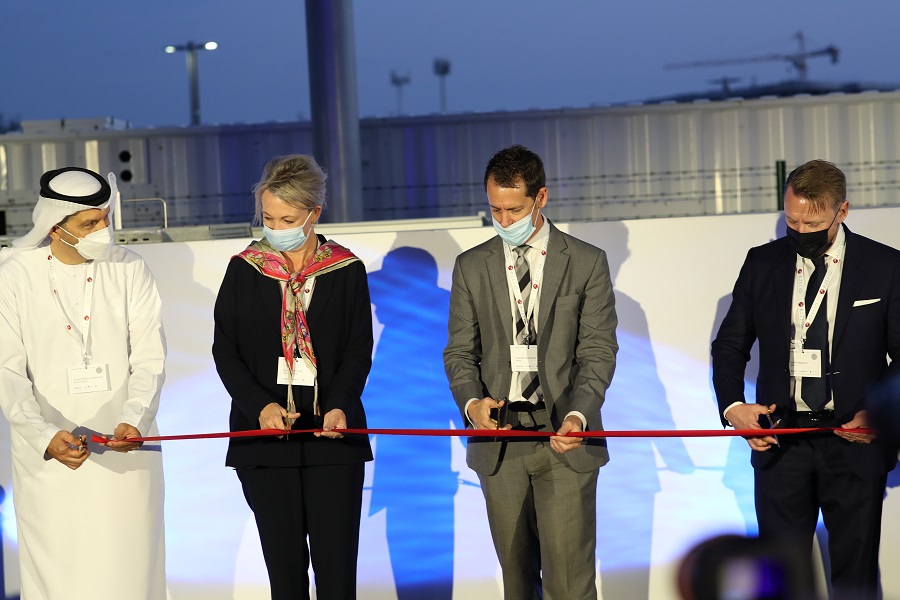
An innovative R&D project by Khalifa University of Science and Technology, Sweden’s Azelio long duration energy storage company, and Masdar to demonstrate 24/7 affordable clean energy utilization was launched at Masdar City in Abu Dhabi. The cutting-edge distributed and scalable Thermal Energy Storage-Power on Demand (TES.POD) system is part of a three-party research and development agreement.


Now officially in operation, the Azelio storage system is used with solar photovoltaic (PV) panels and enables renewable and cost-efficient electricity 24 hours a day, seven days a week. The system will undergo extensive testing and demonstration at the Khalifa University’s Masdar Institute Solar Platform (MISP), in a desert environment that provides ideal solar conditions to generate full daily cycles of clean energy in combination with solar PV.


Dr. Nicolas Calvet, Assistant Professor, Mechanical Engineering, and Founder & Chair of the MISP, Khalifa University, said, “The Khalifa University’s Masdar Institute Solar Platform provides a convergence of renewable energy research, development and demonstration, and serves as a foundation for the UAE’s ambition to achieve world-leading innovation in clean and renewable energy. The Azelio demonstration project is our flagship project and a success story for the MISP.”


Dr. Arif Sultan Al Hammadi, Executive Vice President, Khalifa University, said, “This collaboration builds on Khalifa University’s expertise in energy-related research and innovation, and reflects our efforts to leverage our state-of-the-art concentrating solar power and thermal energy storage research facility – the Masdar Institute Solar Platform. It will bridge the gap between idea and implementation, to deliver tangible, commercially-viable solutions that will drive the sustainable energy sector in the UAE and the wider region.”


Jonas Eklind, CEO and President of Azelio, said, “The strong position and deep knowledge in renewable energy of Masdar and Khalifa University make the MISP platform a perfect place to showcase and test our technology. We look forward to demonstrating our TES.POD together with other groundbreaking solutions and taking further steps towards a global establishment of the solution.”


Abdulla Balalaa, Executive Director, Masdar City, said, “Masdar City is committed to facilitating R&D projects that bring ground-breaking new technologies to the market and positively contribute to regional and global energy security. Azelio’s TES.POD system is another excellent example of what collaboration and innovation can achieve. Developing technologies that both protect and guarantee a constant, secure, and affordable source of electricity is extremely important and this project is set to bring us closer to that goal. As the regional home of technology innovation and R&D, at Masdar City, we are proud to be working with Azelio and Khalifa University to initiate and progress the TES.POD system.”


Over the next twelve months, Khalifa University researchers will continuously operate Azelio’s electrical thermal energy storage system, collecting and analyzing the data, while conducting an independent validation of the system. At the end of the year, Khalifa University will provide a report on the system’s performance in the desert environment.


The system’s storage units will be demonstrated and evaluated on several criteria, including supplying renewable electricity round-the-clock to a system for atmospheric water generation that captures humidity and condensates it to usable water. The capabilities of Azelio’s technology represent an important part of the renewable transition by making sustainable energy from, for example, cost-effective solar PV available at all hours of the day.


Azelio’s energy storage TES.POD stores energy as heat in a metal alloy made from recycled aluminum and silicon. The heat from the storage is transferred to a Stirling engine that enables supply of electricity and usable heat on demand at all hours of the day, without emissions and at an affordable price. The system is scalable and competitive from 0.1 to 100 MWe.


Khalifa University’s MISP at Masdar City offers a valuable resource to equipment manufacturers, system integrators and installers, project developers, utility companies, investors, private end users, research organizations, and the public.


Staff Report
19 January 2022


Organic Bioelectronics for In Vitro Systems

Bioelectronics are anticipated to play a major role in the transition away from animal studies, offering a much needed technology to push forward the drug discovery paradigm.


An accidental discovery in 1928 marked a turning point in human history, when Dr. Alexander Fleming returned from a summer vacation to find his petri dishes of Staphylococcus aureus covered in mold.


Penicillin is famous as a serendipitous result, but for the first period of modern drug discovery, new drug discoveries primarily relied on luck and accidents. Nowadays, powerful techniques, including molecular modelling, automated high-throughput screening and recombinant DNA technology, allow us to develop potential drug candidates methodically and intentionally.


However, potential drug candidates must be tested under laboratory conditions “in vitro” before they can proceed to clinical trials in humans. In vitro is Latin for ‘within the glass’ and refers to work that is performed outside a living organism—such as in the petri dish on Fleming’s messy lab bench. In vitro methods are used to study bacterial, animal, or human cells in culture, providing a controlled environment for an experiment. The key challenge for cell-based in vitro models is to mimic, as accurately as possible, the state of the actual biological system being studied. Integrating electrical components offers an opportunity to noninvasively interface with these biological models for more accurate and quantifiable information.


Dr. Charalampos Pitsalidis, Assistant Professor of Physics at Khalifa University, reviews the advances in an emerging class of electronics made from organic electronic materials (conjugated polymers), for bridging the gap between the human body and the technology. The research team investigated the possibilities and challenges for conjugated polymers in clinical translation of in vitro systems involving biological models of varying complexity.


In this study, Dr. Pitsalidis and  Dr. Anna-Maria Pappa, Assistant Professors of Physics and Biomedical Engineering at Khalifa University, respectively, collaborated with Prof. Owens’s team in Cambridge University and teams from University of Strathclyde and Universite de Lyon.


Their study was published in Chemical Reviews.


“In recent years, there has been a marked decline in the number of approved therapeutics, with attrition rates in drug discovery increasing at an alarming rate,” Dr. Pitsalidis said. “In addition, tighter safety regulations result in increasing development costs and decreasing profitability of new medicines, associated with the high costs of animal studies and their failure to predict adverse effects of promising drug candidates.”


Fortunately, there are two key areas that can be investigated to improve success rates: we can focus on discovering new biomarkers and more specific drug targets, or we can improve our modelling technologies that better portray biology within full organisms, or in vivo biology, and allow us to test thousands of potential drugs quickly and accurately. Dr. Pitsalidis research team focuses on the development of new technologies for mimicking and monitoring biological systems as accurately as possible using organic bioelectronics technologies as reviewed in this work.


“Cell-based in vitro models have been increasingly adopted for applications ranging from tissue engineering to drug discovery and toxicology,” Dr. Pitsalidis said. “Besides being ethically advantageous, they are faster and more cost-effective, and can be easily standardized and validated. Advances in 3D cell cultures and the advent of microfluidics have heralded a new era of in vitro models, but there are some issues with the authenticity and validity of these systems. Plus, we currently lack a standardized and adaptable technology for meaningfully converting biological signals to a readable output.” In this regard, incorporating biosensors for in situ sensing of metabolites or critical biomarkers in the biological systems, will result in more accurate and holistic in vitro systems, critical for clinical translation said Dr. Pappa.


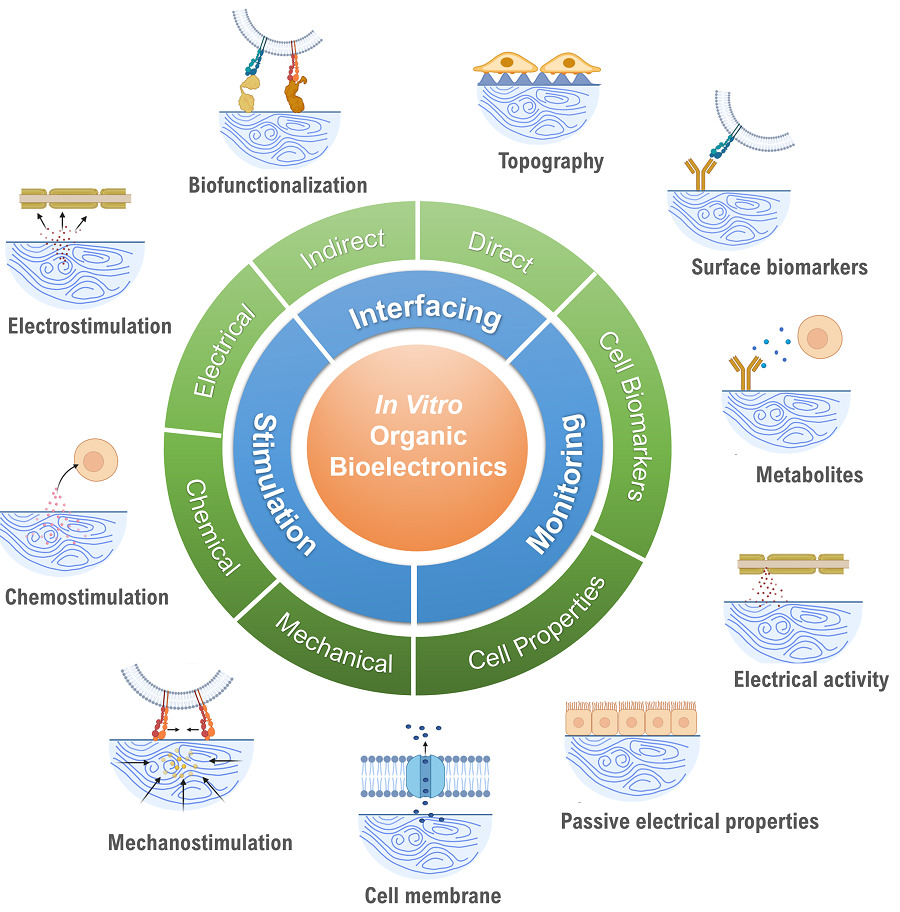
Key to developing these new technologies is a fundamental understanding of the interface between electronic materials and biology. Organic electronics are devices containing carbon and are anticipated to play a key role for biointerfacing—bridging the gap between the biotic and the abiotic.


“The advent of microfluidics and the considerable advances in reliability and complexity of in vitro models promise to eventually significantly reduce or replace animal studies, currently the gold standard in drug discovery and toxicology testing,” Dr. Pitsalidis said. “Organic electronic materials, notably conjugated polymers, have demonstrated technological maturity in fields such as solar cells and light emitting diodes, and are the obvious route forward for bioelectronics due to their biomimetic nature.”


Recent endeavors have seen organic electronic materials used in biologically relevant ion sensing, ion pumps and transducers of neural activity. They more seamlessly integrate with complex biological systems and offer more effective signal transduction of biological events.


Conjugated polymers are mixed conductors. The electronics surrounding us in our daily lives use electrons as the dominant charge carrier; biological systems use ions. Conjugated polymers can use both, which makes them a logical choice for direct coupling with biological systems.


“Typically, interfacing has been thought of as two-sided: stimulation on one side and monitoring on the other,” Dr. Pitsalidis explained. “We introduced a third component, where the chemical or physical characteristics of the active layer of the device can alter the biological system being studied.”


Interfacing can be a powerful means of controlling biological systems when used carefully. However, direct contact with biological tissue poses specific complications, and the set of requirements that a conjugated polymer has to meet is demanding in order to noninvasively exchange electrochemical signals. The polymer and the tissue must not damage each other. Aside from their electronic properties allowing them to be used in bioelectronics, they must remain stable for many cycles of operation, be flexible enough for a wide range of applications, and avoid injurious effects to biological systems.


“Most conjugated polymers are inherently biocompatible because they are mainly made of chemical elements that match the organic composition of cells and tissue, such as carbon and hydrogen,” Dr. Pitsalidis said. “However, biocompatibility cannot be universally defined because they can elicit different biological responses depending on the type of cells and the local tissue environment. Additionally, they are often modified or mixed with additives, which could be harmful to the in vitro system.”


The research team believes three-dimensional conjugated polymer-based scaffolds have the potential to be integrated with microfluidics to meet all the requirements of in vitro drug discovery.


“Now is the time to push forward accurate and reliable in vitro models that truly represent the in vivo situation,” Dr. Pitsalidis concluded. “We expect that the next few years will see conjugated polymers meeting all the scalability, accuracy and reliability requirements to replace animal models in drug discovery and disease research.”


Jade Sterling
Science Writer
19 January 2022

Khalifa University Honors 26 Graduates of 2021 YFEL Program and Kicks off 2022 YFEL with 55 New Future Energy Leaders

In Its 12 Years of Existence, YFEL Outreach Program Has Created an Alumni Body Exceeding 500 Young Future Leaders in Energy and Sustainability  


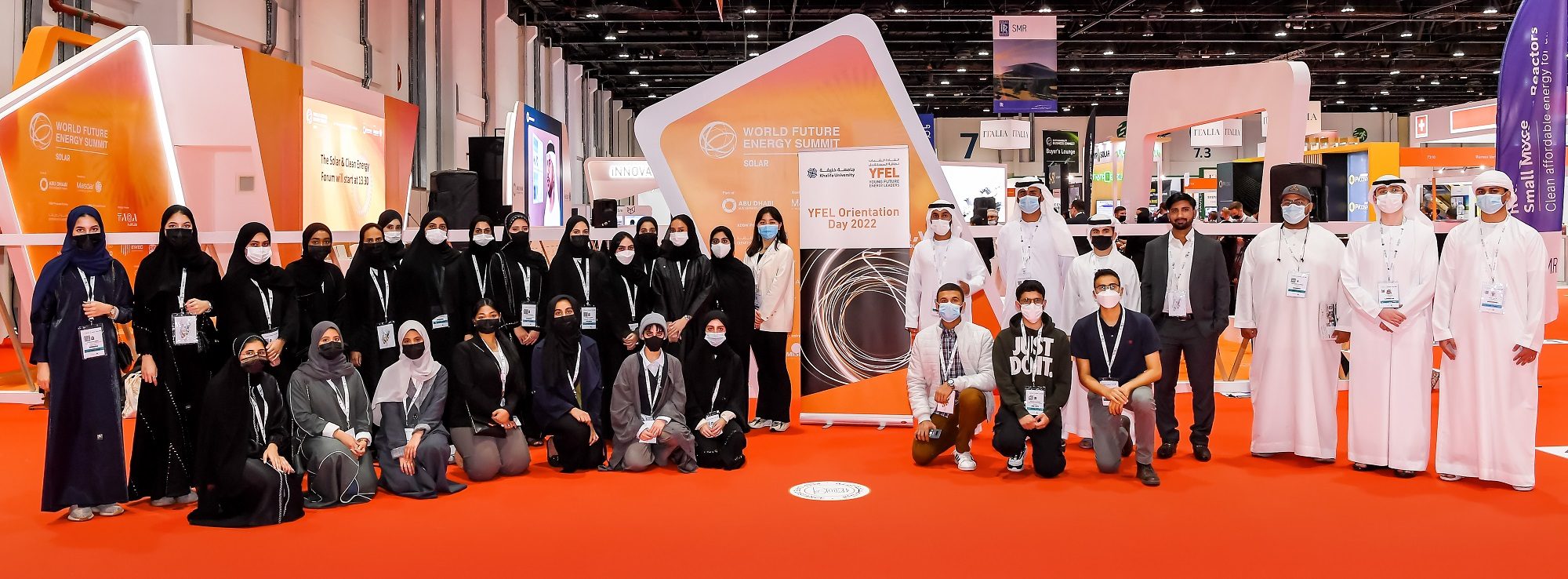
Khalifa University of Science and Technology today announced 26 graduates of the 2021 Young Future Energy Leaders (YFEL) outreach program received their certificates of completion during a ceremony for successfully concluding their year-long schedule of commitments. The YFEL program enters its 12th year of existence this year. 


The certificates of completion were presented to the 2021 YFEL members – nine UAE Nationals, five locally-based leaders, as well as 12 international leaders from Saudi Arabia, China, the US, Mexico, and Colombia. 


The ceremony also marked the start of the 2022 YFEL program. This year’s cohort has 55 new leaders, for whom the evening’s proceedings served as an ‘orientation’ ceremony. They include 31 UAE nationals, and 24 international students. 


Launched at the World Future Energy Summit 2010 by His Highness Sheikh Mohamed bin Zayed Al Nahyan, Crown Prince of Abu Dhabi and the Deputy Supreme Commander of the UAE Armed Forces, the YFEL program offers members exceptional and unmatched access to top global leaders, senior business executives and academics engaged in alternative energy and sustainability. So far, in its more than a decade-long existence, the YFEL program has created an alumni body exceeding 500 students and young career professionals.


Dr. Ahmed Al Shoaibi, Senior Vice-President, Academic and Student Services, said: “This graduation ceremony marks the culmination of the 2021 YFEL members’ hard work to become future leaders, fully equipped to take on the ambitious clean energy and sustainability agenda that the UAE has strongly advocated for in the international community, through its various initiatives including the Abu Dhabi Sustainability Week and the World Future Energy Summit.”


During the virtual graduation ceremony, a video presentation highlighted the achievements of the 2021 YFEL members that included their completion of educational courses in technology, policy and leadership. In all, the 2021 YFEL members attended 15 workshops with Khalifa University faculty experts and YFEL partners on topics such as leadership, sustainability, robotics, climate change, AI, and personal development.


Most of the YFEL members also attended the YFEL German-Emirati Sustainability Days organized by Germany’s AHK group to honor the UAE’s 50th anniversary that focused on a sustainable journey and to broaden the UAE-German energy partnership, through academic collaboration.


Ten YFEL winners of the case study competition on ‘AI for Sustainable Farming’, conducted by the Emirates ICT Innovation Center (EBTIC) were honored at the ‘CliftonStrengths’ reward workshop, organized by the YFEL partner BASF. The winners were assessed by the judges for novelty, strength and robustness of the design, feasibility of the implementation plan and the analysis-backed efficiencies delivered to the farming industry.


Two projects created by the 2021 YFEL members – ‘Wastewater to Hydrogen: The fuel of the future’, and ‘Sustainability Bridge’ – generated substantial interest among sustainability leaders.


International YFEL member Azza AlAjlan from Saudi Arabia worked on the Sustainability Bridge project, a website that digitally gathers all resources related to sustainability topics and allows interested people to connect and find sustainability-related projects and activities to participate in. Her team included members from the UAE, Saudi Arabia, Colombia and Mexico.


AlAjlan said: “Through the YFEL program I gained and improved on a lot of skills, including communications, conflict management, leadership, public relations, critical thinking, graphic design, and video editing. After graduating, I am planning to continue working on the project with my team to attract more people, and add information, as well as more sections to the website.”


Sharing her perspectives, Noora Al Mubarak, 2021 YFEL member and Khalifa University Civil Engineering graduate, said: “Because of the YFEL program, I was able to gain many skills and got an opportunity to work with people from different cultures and backgrounds, which helped me to improve my communication skills. The program also improved my research, critical thinking and problem-solving skills. Now, I am planning to join more international programs in the leadership and sustainability fields.”


Al Mubarak contributed to the green hydrogen project, which looked at the entire supply chain, from production and recycled wastewater, to its storage and transportation, and finally, its implementation as a fuel to power vehicles.


Over the years, the YFEL program has received support from community leaders and UAE-based corporate sponsors. Notable among them were Emirati philanthropists His Excellency Mohammed bin Kardous Al Ameri, and His Excellency Sultan bin Rashed Al Dhaheri. In addition, German companies BASF and Siemens have also sponsored YFEL programs.


Clarence Michael
English Editor Specialist
18 January 2022

457 Students Recognized in Khalifa University’s Honors Day 2021


Khalifa University celebrated the accomplishments of its highest achieving sophomore, junior, and senior students in this year’s Honors Day 2021, which was held on Wednesday, 22 December. 


Organized by the Student Success Department, Honors Day recognizes the academic achievements of our students, highlighting their hard work and commitment. During the event 457 KU students who have shown excellence were honored, and 244 of these students were inducted as new Golden Key Honor Society members. The Golden Key Honors Society is an international honors organization that celebrates and supports collegiate scholars around the world. KU’s Golden Honors Society Chapter is the first in the Middle East, reaffirming the University’s commitment to help students realize their full potential while setting the standards of academic excellence in the region. 


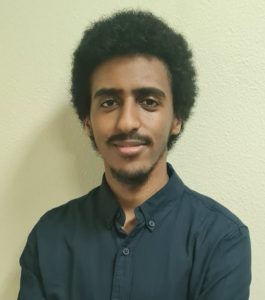
During the event a special recognition was given to Golden Key member Natnael Berhane Debru, a junior Physics student. Natnael was awarded the Golden Key Undergraduate Achievement Award that recognizes Golden Key members for their excellence in their undergraduate studies. Aside from being a Golden Key member, Natnael was also on the President’s List for both Fall 2020 and Spring 2021 terms. 


In his message to the students, Dr. Arif Sultan Al Hammadi, Executive Vice-President, Khalifa University said: “Everything we value about Khalifa University is embodied in you. Your determination, your commitment to pursuing knowledge, your self-discipline, and your creativity. You are what makes Khalifa University unlike any other university in the UAE.


“The immense effort you have put forth will certainly bear fruit in the next semester and the years to come. Those of you who are seniors this year will have the distinction of graduating ‘with honors’, which is an honor that is reserved for those hard-working students at the culmination of their academic studies at the university. To graduate with this distinction, from the UAE’s #1 University, reveals that you are highly ambitious, extremely skilled, and incredibly determined, which are characteristics highly sought after by employers and top-tier graduate programs.”


Dr. David Sheehan, Professor & Dean of the College of Arts and Sciences; and Dr. Mahmoud Al Qutayri, Professor & Associate Dean of Graduate Studies, College of Engineering; as well as Ms. Melissa Leitzell, CEO of Golden Key all offered congratulatory messages to the students. 


You can view the Honors Day 2021 ceremony here


Ara Maj Cruz
Creative Writer
18 January 2022

Khalifa University Researcher Contributes to the Finding of a Novel Gene Involved in Human Diabetes


Two patients with unique genetic mutations in a single gene sparked the investigation of 40 researchers into the effects of gene expression on diabetes 


The discovery and mapping of the complete human genome in 2003 introduced the possibility of individualized medicine to a person’s physical and genetic makeup. Increasing evidence is now demonstrating that a patient’s unique genetic profile can be used to detect a disease’s onset, prevent its progression, and optimize its treatment.


This has led to enhanced global efforts to implement precision (personalized) medicine and pharmacogenomics in clinical practice. One such area of clinical practice is the treatment of diabetes.


In contrast, the most common types of diabetes are caused by multiple genes or lifestyle factors. Most cases of monogenic diabetes are inherited.


Dr. Pierre Zalloua, Professor and Chair of the Department of Molecular Biology and Genetics, collaborated with researchers from France, Germany, Austria, the United States, and Singapore to determine the gene responsible for two cases of monogenic diabetes. Their results were published in Nature Medicine.


“Diabetes affects over 350 million people worldwide, and the discovery and study of genes responsible provide important insights for understanding disease mechanisms,” Dr. Zalloua explained. “With better understanding, we can improve quality of life and develop cost-effective care for diabetes patients.”


Diabetes mellitus is a group of metabolic diseases, all of which are characterized by high blood glucose levels. If left untreated, diabetes can lead to severe complications including blindness, kidney and heart disease, stroke, loss of limbs, and reduced life expectancy. It is a major public health problem, affecting hundreds of millions of people worldwide and representing a substantial economic burden on society. 


There are two types of diabetes: Type 1 and Type 2 diabetes. Type 1 usually begins in childhood with individuals suffering from their body’s inability to produce enough insulin, while Type 2 is commonly associated with obesity and usually occurs during middle age. Both types tend to run in families and genetic factors contribute to the disease, with interactions between genetic and environmental factors being critical. 


Dr. Zalloua said. “Remarkably, many of these genes encode key proteins for pancreas development.”


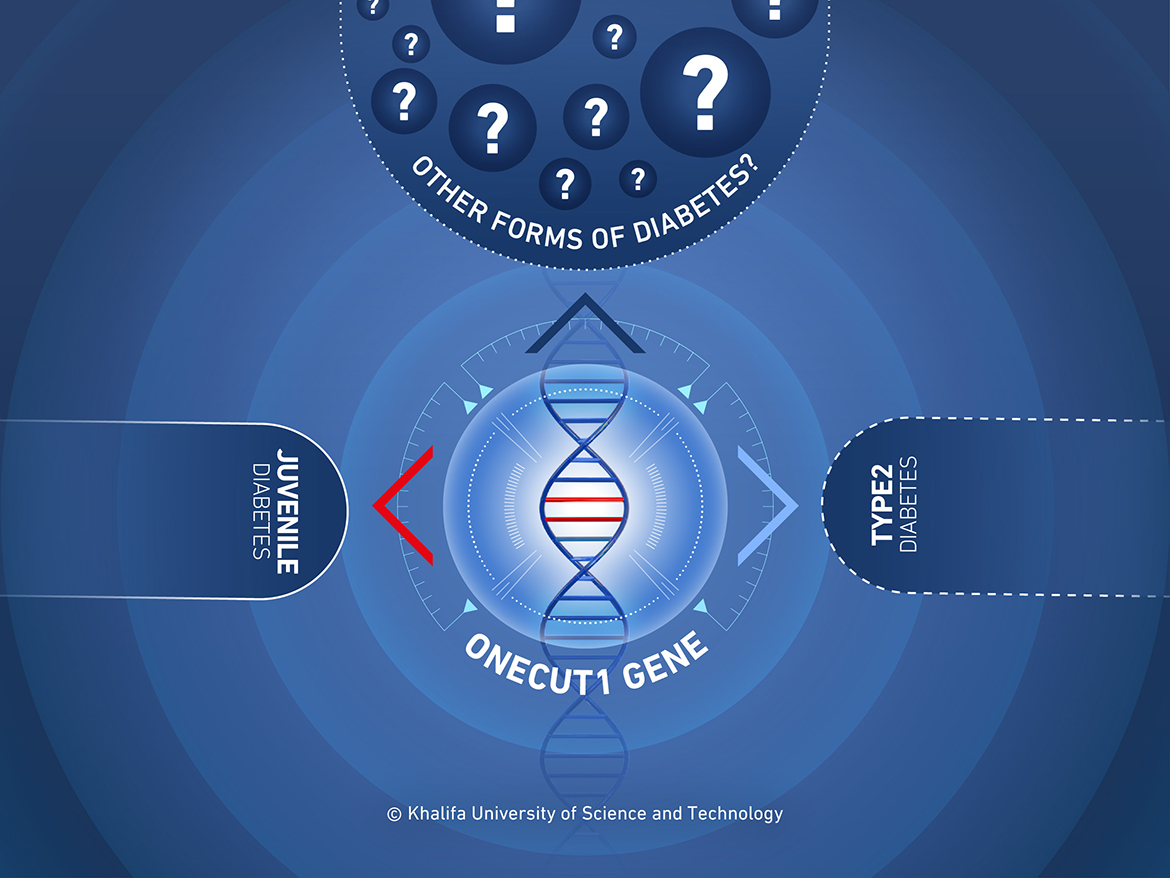
To determine which genes play a part in the development of diabetes, the research team examined two different patients with diabetes: one, a young French boy with neonatal diabetes, and a second Turkish child with diabetes diagnosed at 14 months. They showed that the patients inherited mutated alleles of one particular gene, ONECUT1. Two mutated alleles led to a severe form of neonatal diabetes where the child developed a small pancreas and a missing gall bladder, while one mutated allele saw an increased risk of diabetes in the second patient. The researchers were able to determine that ONECUT1 and its expression is a major player in diabetes.


Dr. Zalloua was the person who originally identified additional cases from the region linked to this gene, including a case from a patient in Lebanon. Analysis of these patients revealed various different ONECUT1 mutations, all linked to a risk of diabetes.


ONECUT1 affects a variety of processes including glucose metabolism, an important factor in the disease mechanism of diabetes. Its expression also influences the development of the pancreas and the gallbladder. Previous studies of ONECUT1 have focused on the gene’s role in retinal development, but it is now clear that ONECUT1 acts to determine what type of cell a stem cell becomes. Some human stem cells are pluripotent, meaning they can become any kind of cell in the body, and genes including ONECUT1 are the deciders. Mutations in this gene can therefore disrupt a very complex process at various stages.


The pancreas plays an essential role in converting food to fuel in the body: it helps in digestion and in regulating blood sugar. Two of the main pancreatic hormones are insulin, which acts to lower blood sugar, and glucagon, which acts to raise blood sugar. A functioning healthy pancreas automatically produces the right amount of insulin; in people with diabetes, the pancreas either produces little or no insulin, or the cells do not respond to the insulin that is produced.


To further validate their findings, the researchers examined a cohort of over 2000 German people with presumed type 2 diabetes, and identified 13 incidences of ONECUT1 mutations. In another, larger and multi-ethnic, cohort of almost 20,000 people with type 2 diabetes, the researchers also found that people with variants of the ONECUT1 gene were more likely to develop type 2 diabetes. However, they noted that the risk varied with the specific variant.


Identifying the cause means we can pinpoint the best treatment, offering an opportunity to shift focus from broad population-based standards of care to tailored treatments targeted to an individual molecular profile.


“We found that ONECUT1 controls mechanisms regulating endocrine development, which is involved in a wide spectrum of diabetes types,” Dr. Zalloua said. “We highlighted the broad contribution of ONECUT1 to diabetes pathogenesis, marking an important step towards precision medicine for diabetes.”


Jade Sterling
Science Writer
18 January 2022

Two UAE Universities to Set Up Precision Medicine and Food Security Research Institutes

Abu Dhabi company Aspire will invest $54m to fund new research in priority sectors


Two Abu Dhabi universities will open new research institutes in three sectors facing urgent challenges: precision medicine, food security and sustainable energy production.


Aspire, an entity of Abu Dhabi’s Advanced Technology Research Council, has pledged to fund the research by investing at least $54 million over five years.


UAE University will have two research institutes while Khalifa University will have one.


“With the growing focus on sustainability in all spheres of life today, we are now able to support world-leading research in these priority areas,” said Arthur Morrish, chief executive of Aspire.


“We look forward to seeing the long-term impact the [research institutes] will have and to their recommendations that can enhance the quality of life of the local population with far-reaching implications for health care, food security and sustainable energy.”


Read the rest of the story here: https://www.thenationalnews.com/uae/education/2022/01/13/two-uae-universities-to-set-up-precision-medicine-and-food-security-research-institutes/