Fahad Nawar Al-Otaibi Wins Outstanding Paper Award at the MTCUE 2022 Conference

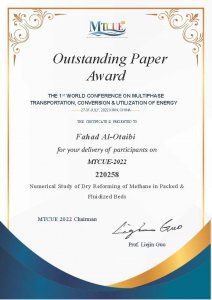
PhD Mechanical Engineering student Fahad Nawar Al-Otaibi received the Outstanding Paper Award at the 1st World Conference on Multiphase Transportation, Conversion & Utilization of Energy (MTCUE) 2022. The hybrid conference is a platform for industry experts, academics, and students to discuss the challenges, as well as new research, in multiphase flow, including the basic phenomena and theory, the modeling and mathematical methods, the interface reaction and process, etc.


The Outstanding Paper Award is given to participating researchers whose paper has the best overall contribution to the subject discipline. The conference received 314 papers, and Fahad’s paper, “Numerical Study of Dry Reforming of Methane in Fixed & Fluidized Beds,” received the accolade under the Organic Waste Conversion and Utilization category.


Under the supervision of Dr. Abdallah S. Berrouk, Associate Professor, Mechanical Engineering and Dr. Kyriaki Polychronopoulou, Professor, Mechanical Engineering, Fahad has developed optimized CFD models that unlock the full capacity of dry reformation of methane from its challenging designs and potentially replace the steam reformation of methane processes known for emitting serious concerning amounts of greenhouse gases.


Fahad’s paper is part of the continuing research efforts of the Center of Catalysis and Separation (CeCaS) to enhance the efficiency of petrochemical processes and reduce their carbon footprint.


Ara Maj Cruz
Features Writer
6 September 2022

A Closer Look at the Angular Gyrus

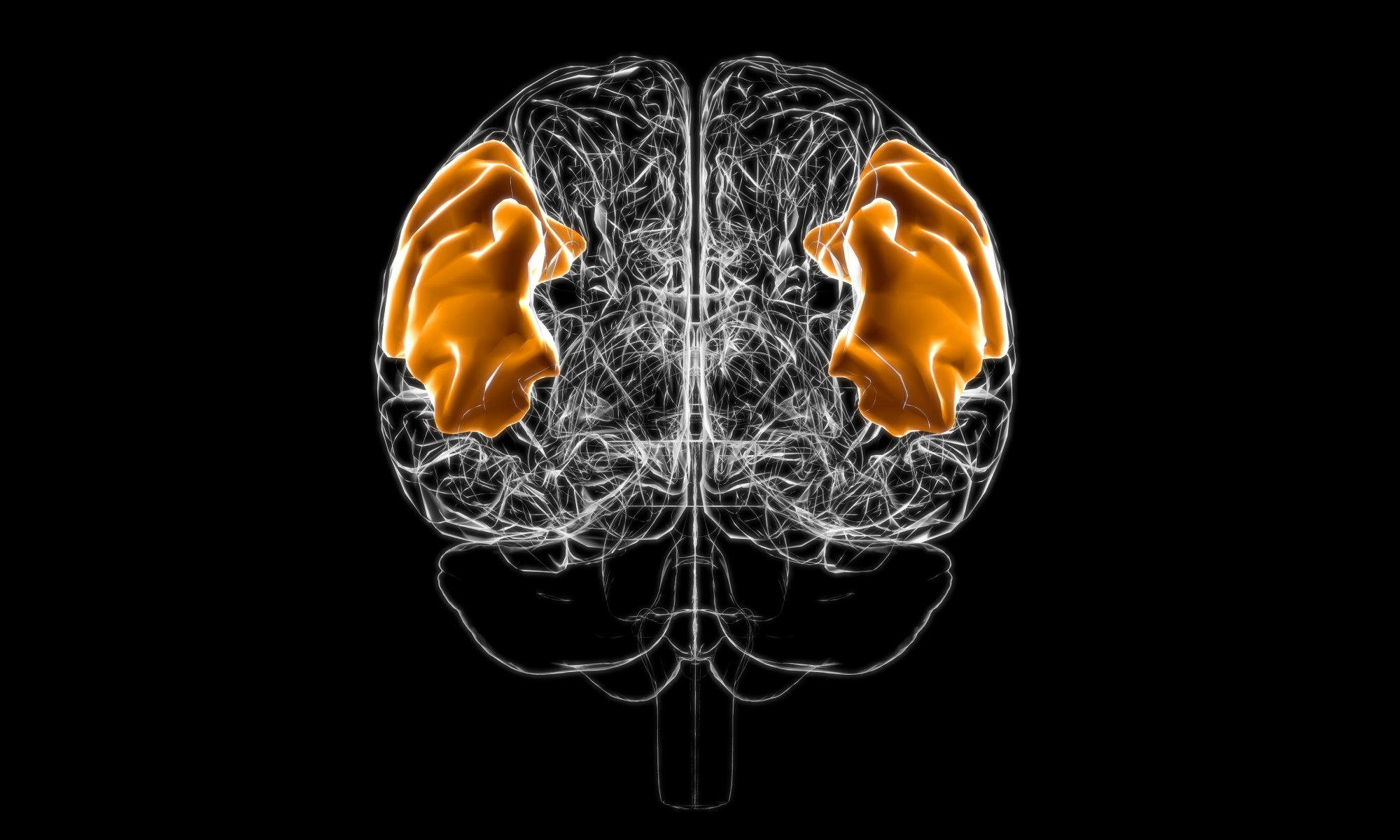
Research suggests the angular gyrus is the part of the brain responsible for making sense of the world around us, but the process by which it does this remains unclear. Prof. Mohamed Seghier has reviewed the existing literature to build a unifying model to clarify how and when the angular gyrus gets involved.


Connected to creativity and abstract thought, the angular gyrus is a part of the brain found only in apes and humans, which means it developed relatively late in evolutionary history. Research so far suggests that much of its role involves transferring visual information to other parts of the brain to make meaning out of the things going on around us, particularly in processes related to language, number processing, spatial cognition, social cognition, memory and attention.


Prof. Mohamed Seghier, Professor at the Biomedical Engineering Department,  has reviewed the existing literature on the roles played by the angular gyrus in making sense of the world around is and used his findings to develop a unifying model to detail the process by which the angular gyrus does this. His review appraises current evidence from different methods of investigation to ultimately map the functions of the angular gyrus at the millisecond level. His work was published in Brain Structure and Function.


“Such diverse roles engage complex dynamic interactions within and across many brain networks at variable scales,” Prof. Seghier explained. “The angular gyrus is a cross-modal integrative hub that gives sense and meaning to an event within a contextualized environment, based on prior expectations and knowledge, and toward an intended action. It plays a critical role in episodic and semantic memory thanks to its capacity to dynamically combine distinct forms of information and has emerged as a key region for social cognition.”


Like all other areas of the brain, however, there is still much to learn about what the angular gyrus does, partly due to the methods of studying and viewing the brain. One problem in understanding the brain is the difficulty in getting a good picture of what is happening inside it. Neuroimaging technology for recording brain activity has been improving at pace and researchers can map parts of the brain at different levels of magnification.


Functional MRI (fMRI) studies have provided valuable insights to the function of the angular gyrus, as the technique highlights the location of the brain activity during a behavior. Using fMRI, researchers can pinpoint the angular gyrus lighting up in roles that vary with stimulus, tasks and context. However, this method does not offer the high temporal resolution needed to show this brain activity at the millisecond level.


Prof. Seghier’s review examined the literature to determine when the angular gyrus gets involved in different brain processes.


“Different time windows for its involvement have been reported in literature across a wide range of domains, which might point to distinct processes sustained by the angular gyrus at different times after the initial stimulus,” Prof. Seghier said.


“There are major differences in the level of importance given to the roles played by the angular gyrus in the literature,” Prof. Seghier said. “Additionally, the time windows at which these roles might involve the angular gyrus are diverse. We can reasonably expect even wider differences when other domains are examined.”


To compensate for this, Prof. Seghier’s review focused on studies that showed brain activity was explicitly localized in the angular gyrus, regardless of the domain. The review examined the different processes assigned to the angular gyrus in studies using transcranial magnetic stimulation (TMS), transcranial electric stimulation (TES), electroencephalogram (EEG) and magnetoencephalogram (MEG). 


TMS and TES can indicate causality in brain-behavior associations, as the induced electrical field strength in the target area can be directly related to behavioral effects. However, the low spatial resolution of these techniques makes it difficult to accurately define the location and size of the stimulated cortical areas. Despite this, the studies using TMS and TES were included in the review to combine evidence from different techniques and ultimately derive a reliable unifying model about the roles of the angular gyrus.


Electroencephalogram (EEG) and magnetoencephalogram (MEG) can depict the activity in the brain at high temporal resolution. EEG and MEG technologies can also identify which parts of the brain are connected by analyzing similarities in brain activity patterns.


The angular gyrus is a “core node of the default mode network,” Prof. Seghier said, “a consistent finding that has major implications on some of its functional properties.”


The default mode network (DNM) is a large-scale brain network, a set of regions more active during passive tasks than during tasks demanding focused attention. It is thought to be the network responsible for daydreaming, recalling memories, envisioning the future or just observing the environment — the things we do when ”lost in thought.”  

“The default mode network is frequently and consistently associated with the angular gyrus,” Prof. Seghier said. “Its core location within the DNM has probably facilitated its involvement in many domains.”


Prof. Seghier’s review highlighted several causal roles the angular gyrus plays in the brain, as evidenced by transcranial brain stimulation. The review found 65 TMS/TES studies identified a wide range of domains, including semantic processing, reading, episodic memory, number processing, attention in visual search, movement precision and self-processing. Other causal roles were also assigned to the angular gyrus, but further investigation revealed complex dynamics, with further research needed to clarify the findings.


“There is strong evidence in current TMS/TES literature for diverse causal roles of the angular gyrus in cognition,” Prof. Seghier said. “What is missing in the TMS/TES literature is a systematic investigation of the timing of the involvement. This is why 52 EEG/MEG studies were also systematically examined in this work. Although we have EEG/MEG evidence for the most likely time windows at which an activation in the angular gyrus might be observed, future work needs to examine how activation latencies for each specific domain vary with task, stimulus, and context.”


Prof. Seghier proposed a unifying model to account for the findings from diverse domains. Where current evidence is unreliable, prior knowledge from previous models is used to fill the gaps.


“Given the level of connectivity the angular gyrus exhibits, it wasn’t possible to provide a comprehensive catalogue of such complex connectivity at the millisecond level,” Prof. Seghier said. “Instead, this model focuses on the most likely major connections and pathways that can sustain, or might have pre-determined, the different roles played by the angular gyrus.”


In this model, the roles played by the angular gyrus are described in terms of the most plausible processes, rather than specific task or stimulus responses that tend to be domain-dependent. This is because the same process can be seen during different tasks or stimuli — the same process of fact retrieval occurs whether the task is to multiply two digits or to complete a sentence. Likewise, the same task and stimulus can yield different processes. Therefore, when a process is assigned to the angular gyrus in Prof. Seghier’s model, this does not necessarily mean that the angular gyrus is critical for the process, but that it is involved in the process.


At the core of the unifying model is the process of sense-making, where the brain gives meaning to external sensory information or internal thoughts. The model has three phases for how the angular gyrus does this: defining and outlining current context in the first 200 milliseconds; directing attention to the relevant information and retrieving the relevant knowledge and facts given the task at hand and current context in the next 300 milliseconds; and finally integrating information, monitoring and re-evaluating the result, which takes place after the first 500 milliseconds of action.


While this unifying model helps elucidate the process by which the angular gyrus makes sense of the world around us, Prof. Seghier points out that being part of the DMN is a frequent argument against its role in semantic processing.


“The exact roles played by the angular gyrus in the DMN are still unknown,” Prof. Seghier said. “Teasing apart the different contributions of the angular gyrus in the DMN would help fine-tune our models about its functions. It would also be interesting to see how the angular gyrus interacts with other regions that haven’t shown to have a causal role in semantic processing. This unifying model can help make sense of the different roles at different time windows, but future work with TMS/TES and EEG/MEG can test the explanatory potential and predictive power of this model.”


Beyond its relevance to cognitive neuroscience, the proposed model also has implications on how to explain and predict outcome and recovery after damage to the angular gyrus. “Post-stroke outcome and recovery are notoriously difficult to predict in stroke patients with damage to the angular gyrus, and the current proposed unifying model offers a framework to make sense of the existing post-stroke inter-patient variability in outcome and recovery,” Prof Seghier said.


Jade Sterling
Science Writer
1 September 2022

Accounting for the Randomness in Predictive Modeling

Weather forecasting is a complex and challenging science. Accurate forecasting will become only more vital in the coming years with severe weather events expected to be more frequent and more intense thanks to climate change and variability.


It’s this variability that Prof. Emilio Porcu, Professor of Mathematics at Khalifa University, sought to consider when forecasting all sorts of things, not just weather patterns.


Predictive modeling is a commonly used statistical technique to predict behavior. It analyzes historical and current data and generates a model to help predict outcomes. In all models, there’s an element of randomness that is often unaccounted for, leading to less accurate predictive outcomes.


Prof. Porcu developed a model with Dr. Philip White, Brigham Young University, to better account for the randomness that occurs in factors traditionally described as discrete. This model can be applied to any datasets with seasonality or periodic fluctuations that occur at specific regular intervals, such as monthly, daily, or weekly. Their results were published in the journal Environmetrics.


“Continuous-time data often exhibits multiple sources of seasonality — daily or weekly occurrences,” Prof. Porcu explained. “Many multi-annual global climate datasets exhibit annual seasonality and can be combined with a model to account for short-term variations.”


There are many reasons to study seasonal variation, not least in climate tracking and prediction, where using past patterns of the seasonal variations across a year of weather contributes to forecasting and prediction trends.


Predictive models for anything that changes over time involve some element of randomness, with that random component usually assigned to the changes seen as opposed to the time periods being examined. These models assume that the time factors in the equation are discrete — predictable with no random component. This is a false assumption made for modeling simplicity.


The researchers propose a new model that includes that random component to the time factors. This improves the model’s predictive capacity.


In the model, the cyclical time patterns are viewed as circles that can overlap. In predicting cloud cover over a city, for example, these time factors could be cloud frequency over a month and over a day. Visualizing this overlap creates the torus shape, which can help users of the model make predictions.


Mathematically, a torus is the simplest 3D shape with a hole in it. It’s a doughnut shape.


The researchers used three environmental situations to assess their model. First, they focused on ground-level ozone in Mexico City.


“Urban areas like Mexico City are closely monitored to protect the population from the short- and long-term health risks associated with ground-level ozone,” Prof. Porcu said. “Because ozone formation requires heat and sunlight, we use temperature as an explanatory variable for ozone, combining it with relative humidity and the time factors of hourly and daily cycles of ozone levels.”


The model accounts for short-term, daily seasonal, and weekly seasonal variations in ozone levels and effectively captures the seasonality present in the data.


The researchers then turned their attention to wind-speed forecasting, which is strongly connected with temperature, time of day, relative humidity, and other weather patterns. Rather than forecast wind speeds, the researchers used their model to determine the hourly average wind speeds from a single monitoring station in Utah, USA. Their model outperformed other models in its predictions.


Finally, the model was tested in predicting cloud cover around the world.


“Cloudiness is linked with global climate changes, and modeling it is important to estimating many downstream effects,” Prof. Porcu said.


Cloud coverage shows distinct trends depending on whether they form over land or over water, as well as over time, depending on the current season. The researchers’ new model was able to account for this seasonality and outperformed comparative models.


“To the best of our knowledge, wrapping time into the product of circles to account for multiple sources of seasonality remains unexplored,” Prof. Porcu said. “Our approach proved successful on various datasets but our work leaves many questions open for further research.


“This research shows that modern data science is twinned with mathematical creativity. Wrapping time into a fancy geometrical object is not a mere mathematical artifact, but the proper way to provide stochastic models that allow for a considerable improvement in prediction accuracy. Without mathematics, data science becomes a mere exercise of data mining or data engineering.”


Jade Sterling
Science Writer
31 August 2022

Turning CO2 into Useful Products Using Gold Nanoparticles Embedded in a Novel Material

A team including researchers from Khalifa University paves the way toward the design of new photocatalysts that can create useful products from CO2 using gold nanoparticles.


Excessive human-caused emissions of carbon dioxide, or CO2, have led to global warming. At the same time, however, CO2 is a nontoxic, inexpensive, abundant, and potentially reusable source of carbon. Converting it into high-value-added products such as plastics, paints, solvents, and fuel cells could be a viable and economic use of the carbon dioxide around us.


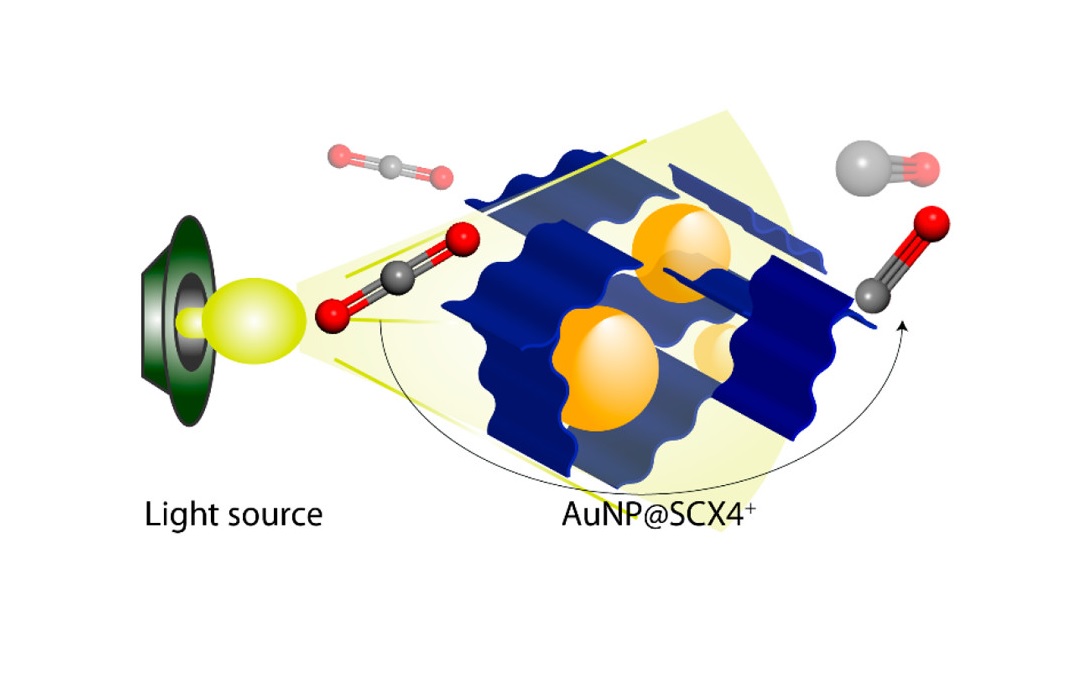
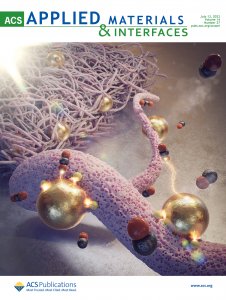
A team of researchers from Khalifa University, New York University Abu Dhabi and the National Institute of Chemistry, Slovenia developed a novel structure, embedding gold nanoparticles in a polythiacalixarene to convert CO2 into viable products using natural light.
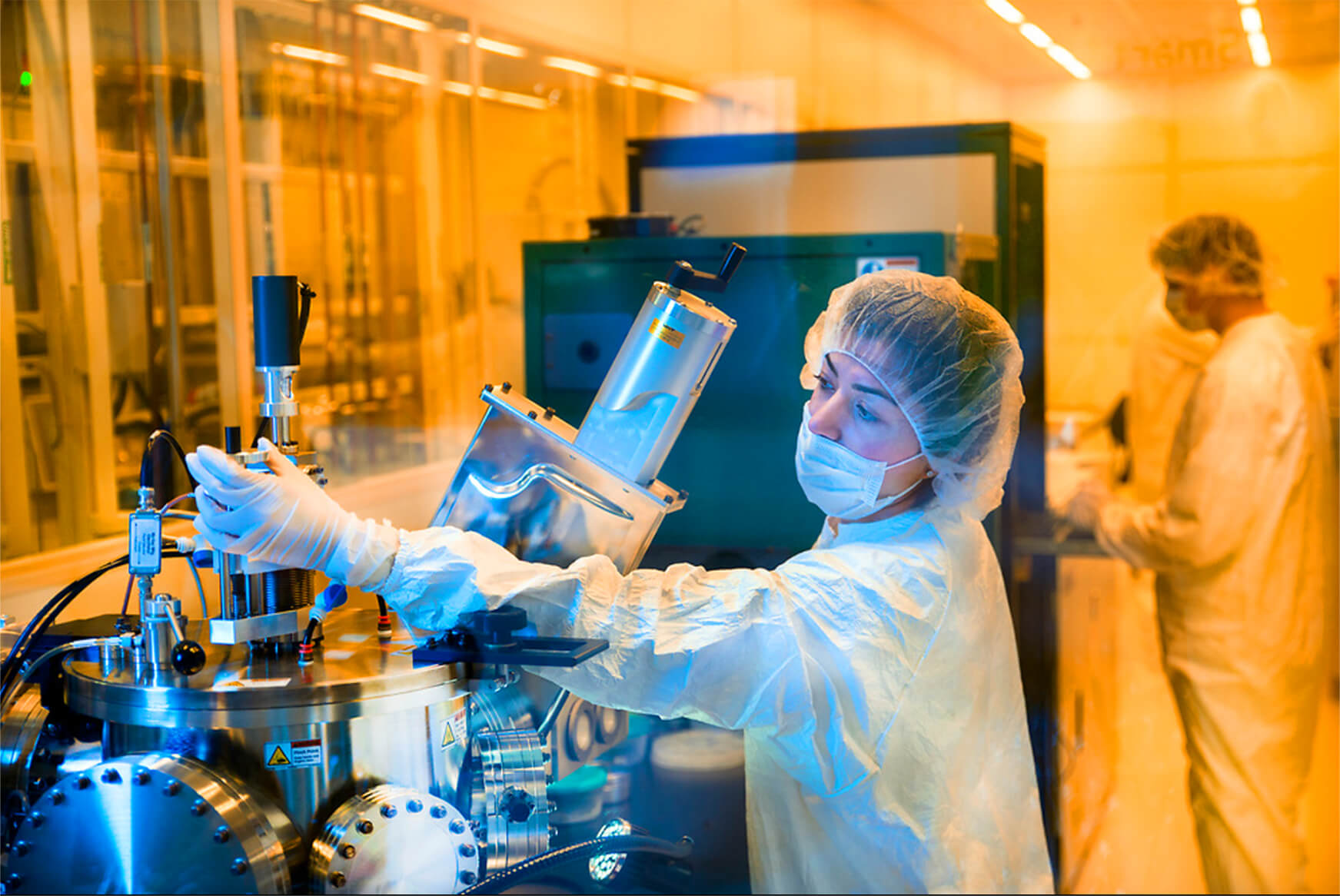
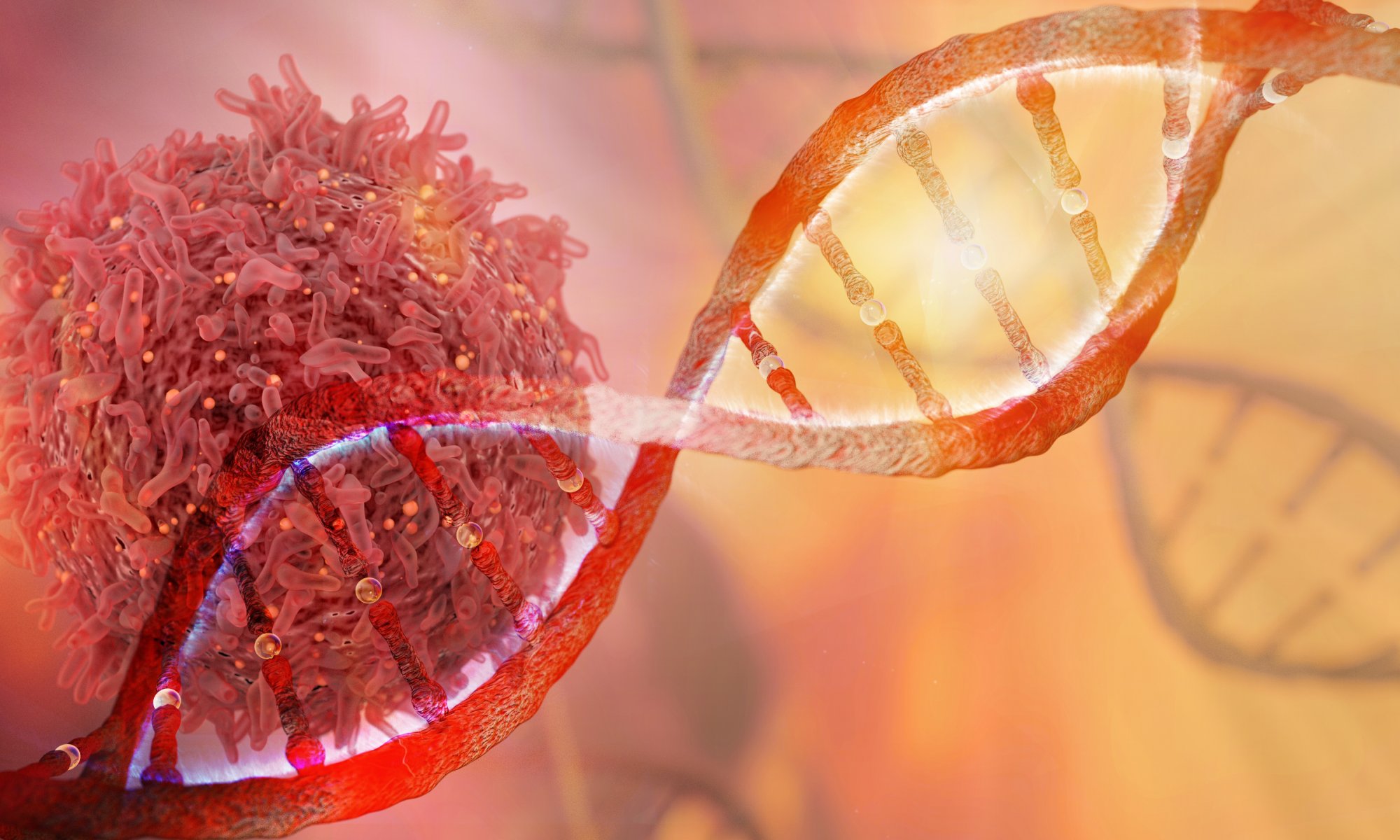
 

The Khalifa University team, led by Dr. Dinesh Shetty, Assistant Professor of Chemistry, and a member of the Center for Catalysis and Separation (CeCaS), has developed an innovative material that could be useful to mitigate the negative environmental consequence of carbon emissions into the atmosphere. Their work was published in Applied Materials and Interfaces and accepted as a cover story.


Processes already exist to transform CO2 emissions into industrial chemicals although photocatalytic reduction of CO2 has been noted as particularly promising for the future. There’s little wonder why: it is based on photosynthesis. Green plants convert carbon dioxide and water into carbohydrates under ambient conditions using just sunlight, which is an inexhaustible and environmentally friendly energy source. Even better, photocatalytic CO2 reduction doesn’t create any secondary pollution.


 “With the goal of producing a stable, durable, and recyclable heterogeneous catalyst that does not self-aggregate, several classes of materials have served as solid supports for metal nanoparticles,” Dr. Shetty explained. “Unfortunately, most of these supports have serious drawbacks. Activated carbons lead to leaching and aggregation at high temperatures. Metal-organic frameworks (MOFs) contain metal-ligand bonds that limit practical applications. Zeolites have very small pores that can effectively control metal nanoparticle growth but severely limit reactant access. In contrast, porous organic polymers (POPs) are chemically robust, have low skeletal density and a large pore volume that facilitates mass transfer of the reactants. Most importantly, POPs can be tuned to have sites that form strong bonds with the nanoparticles and ensure uniform distribution throughout the solid structure.”


The research teams decided to investigate gold nanoparticles as they are efficient absorbers of light and have been used for photocatalytic CO2 reduction in combination with other materials.


“Since light harvesting is the crucial first step of photocatalysis, we were interested in exploring the properties of gold nanoparticles in conjunction with a porous polymer,” Dr. Shetty said. The team synthesized a porous thiacalix[4]arene polymer and used it to anchor gold nanoparticles.


Calixarenes are bowl-shaped organic molecules that consist of defined hydrophobic cavities. This unique feature allows host-guest chemistry where calixarenes play the host role for small molecules and/or ions. Changing the surface chemistry enables Calixarenes to easily take on new functions, features, capabilities and properties. This is particularly true of calix[4]arenes, which contain four aromatic rings.


Research on metals on porous polymer supports has noted their high catalytic efficiency and the fact that the sulfur bridges in the calixarenes serve as nuclei for the growth of the metal nanoparticles. The research team’s material can be easily recycled and shows performance comparable to that of other materials, demonstrating the potential of gold nanoparticle porous polymer systems for photocatalytic applications. 


Jade Sterling
Science Writer
29 August 2022

Science Is Increasingly Relevant in Everyday UAE Lives – and Khalifa University Plays an Important Role

Dr. Steve Griffiths, SVP of Research and Innovation at Khalifa University, discussed the relevance of science in everyday lives in a recent webinar hosted by Forbes Middle East and 3M Middle East and Africa. 


More people than ever believe science is ”very important” to their everyday lives, according to a recent survey from the 3M State of Science Index, which explores global attitudes about science. And Khalifa University has an important role to play in supporting this impactful science, according to university senior vice president Dr. Steve Griffiths.


Respondents also say they look to science to provide solutions to major social issues. The survey suggests that global trust in science is high and appreciation is stronger than pre-pandemic times, with trust especially strong among younger generations.


The UAE has an unusual stance on science and technology, compared to the rest of the globe. The country’s residents have more trust in science and technology, with 91 percent of respondents to the 3M survey stating they trust science and 88 percent saying they trust scientists. Additionally, 92 percent of respondents said they want to hear more from scientists about their work, and 37 percent said they “defend science when it is questioned,” which is a much higher percentage than seen in the rest of the world.


The results suggest the UAE has built strong public confidence in its scientific initiatives, and people in the UAE are more likely to be interested in STEM careers than peers around the world. In other words, the UAE seems well-positioned to become a knowledge-based economy.


At a recent webinar hosted by 3M Middle East and Africa and Forbes Middle East, Dr. Steve Griffiths, SVP Research and Development at Khalifa University, Dr. Griffiths said he considers a knowledge-based economy as equivalent to an innovation-based economy.


“An innovation-based economy looks at how we translate our research, the knowledge we create, and the technology that we develop into the useful products, processes and business practices, which make the economy move ahead,” Dr. Griffiths said. “I see this innovation-driven, knowledge-based economy as something very exciting that will offer many opportunities to translate science and fundamental investigations into practical and valuable technologies that help society and the economy at large.”


Practical problems

In the 3M survey, 79 percent of the UAE respondents expressed concern about climate change but are hopeful that science and technology could build a better future for all.


Dr. Griffiths seems to agree.


“The UAE has been very successful and prosperous from having a very viable natural resource: oil. Today, though, the view is that oil isn’t going to be the future. We’ll be producing oil for a very long time, as a low-cost, low-carbon producer. But for the future, Khalifa University is supporting the views of the country, looking at new low-carbon energy sources. Renewable energy, nuclear energy, hydrogen, carbon capture— are all critical to the next generation of energy.


“At Khalifa University, we’re looking at water and the environment,” Dr. Griffiths said. “Many regions around the world are facing future water shortages, so we’re trying to innovate in water technology. This is a goal for the UAE and for Khalifa University, with the leadership looking at water as an integral part of their environmental agendas. At Khalifa University, we bring research to the effort.”


Industry, government and academia have to come together to make innovation work, he said, noting how collaborations between these three key players help to develop the research ecosystem and provide opportunities for research and development activities. “When they come together, they provide the infrastructure required for innovation. We can do the R&D together while simultaneously developing the human capital. When these are put together well, with supporting policies, then you start to see economic and societal benefits.”


Academia meets industry

Creating collaborations in a meaningful way starts with internships to help students understand the practical problems that their research can start to solve.


 “Companies and industry can offer students the insight to the practical problems that their scientific knowledge and research can contribute to,” Dr. Griffiths said. “Likewise, the students on an internship can use the infrastructure provided by industry to translate science into practical value.


“We have plenty of great infrastructure at the university, but working with industry, we can start to see how we reach that true level of innovation, the creation of value from the knowledge you create,” he said. “Not to mention, students start to get a sense of the employment opportunities after their studies. Multiple fields come together in industry; it’s not one individual entity doing all the work alone these days. It’s more about the convergence of different sectors coming together to create products that have the most impact.”


Collaborations between industry and academia don’t end at the student level, however.


Commercialization of research is an important part of how science makes it to the public, and industry needs to have input on how to move research results from the laboratory into new or improved products and services in the marketplace.


“To get an education that’s going to be the most valuable, you want to have the industry involved in the R&D that you do,” Dr. Griffiths said. “We established research centers and engage in sponsored research. We’re trying to get the industry to come with their challenges so that we can do use-inspired work. This gets the students deeply engaged, gets the training going and prepares the students for the future beyond what they’re doing at the university level. When we have the fundamental work connected to the industry challenges, and we have the platforms and paradigms to enable the students to work with the thought leaders in industry, we can start to create those ecosystems that really stimulate innovation.”


Research contributing towards the domains of science and technology

Almost all UAE respondents to the 3M survey agreed that science is important to their everyday life, with a further 92 percent wanting to hear more from scientists about their work. And such engagement is one of Dr. Griffiths’ goals.


“Knowledge creation and practical outcomes are important, but to me, perhaps the most crucial contribution that university research makes towards society is the human capital it develops,” Dr. Griffiths said. “No matter what the outcome, when you have students engaged and you have society getting excited about science, that is a tremendously valuable outcome that research should generate.”


Jade Sterling
Science Writer
29 August 2022

The Global Burden of Adolescent and Young Adult Cancer in 2019

In a systematic analysis for the Global Burden of Disease Study 2019, the GBD 2019 Adolescent Young Adult Cancer Collaborators, including Khalifa University’s Dr. Juan Acuna, investigated the global impact of cancer in young people, with the results published in the Lancet.


In estimating the global burden of cancer, adolescents and young adults are often overlooked, despite being a distinct subgroup with unique epidemiology, clinical-care needs and societal impact. Because of this, comprehensive estimates of the global cancer burden in adolescents and young adults are lacking.


“Adolescents and young adults develop cancers commonly found and treated in the pediatric population, as well as the more common carcinomas seen in adults,” said Dr. Juan Acuna, Associate Professor and Chair, Department of Epidemiology and Public Health at Khalifa University. “Some cancers are more prevalent in this age group than in younger or older individuals, and from a health care-delivery perspective, adolescent and young-adult patients with cancer might struggle to find care that is optimal for both their cancer type and their age-related treatment needs.”


Additionally, this age group is more likely to face social and financial challenges that could result in inequities in access to appropriate care, timely diagnosis, and treatment. They are also not a targeted group for cancer-control programs and research development, despite their age group not seeing the same improvements in cancer survival as younger and older cohorts. Consideration of more comprehensive disease-burden metrics is especially relevant for this group as their disease burden might put a strain on their evolving careers and families.


This subgroup refers to people aged 15 to 39, as the definitions and cutoffs of the age range for adolescents and young adults vary. This age group is generally described as being in the transition between childhood and adulthood, making it a large subpopulation that needs representation in global studies.


Adolescents and young adults are often grouped with adult patients in clinical care and clinical trials, meaning comprehensive assessments of the cancer burden and epidemiological patterns in this age group are largely unknown or underreported. Previous studies have reported on global cancer incidence and mortality patterns in this group. However,the Global Burden of Diseases, Injuries and Risk Factors Study (GBD) is the only global disease-burden-estimation framework that evaluates disability-adjusted life-years (DALYs) for cancer as a metric to complement incidence and mortality data.


“DALYs are a key measure of disease burden that include both fatal and non-fatal impacts of disease and are used in the development of national and global health policy,” Dr. Acuna explained. “They represent an important comprehensive assessment of the burden of cancer in this distinctive population, adding to existing estimates of disease burden with more classic measures. They are crucial to informing cancer-control strategies that address health disparities and inequities in adolescents and young adults.”


The study found that there were an estimated 1.19 million incident cancer cases and 396,000 deaths due to cancer among individuals aged 15-39. Breast cancer, brain cancer, colon and rectum cancer, and stomach cancer were the four greatest contributors to the DALY burden globally for both sexes combined. However, if leukemias were considered as a single group, rather than as individual leukemia subtypes, they would be the largest category contributing to the global cancer DALY burden.


The results also show that the greatest burden of cancer in adolescents and young adults was concentrated in parts of Asia, southern sub-Saharan Africa, and South America. This geographical pattern was similar to that of childhood cancers. Women had a higher overall incidence of cancer than men globally in 2019 but overall mortality rates were similar.


In 2019, deaths due to cancer in the adolescent and young adult population were lower than those estimated for transport injuries and cardiovascular and circulatory diseases, but higher than those estimated for HIV/AIDS and sexually transmitted infections, respiratory infections and tuberculosis, and unintentional injuries.


“The global burden of cancer contributed more DALYs to the global disease burden than some high-profile communicable diseases such as HIV/AIDS,” Dr. Acuna said. “This comparison had not previously been documented, and it highlights that cancer is an important contributor to premature death and the disease burden in adolescents and young adults, even when compared to diseases that are the focus of more active global funding, research and advocacy efforts. Our findings underscore the need to develop a global strategy to address the cancer burden in this population.”


Because of the substantial burden of adolescent and young-adult cancers globally, there needs to be broader attention on the unique determinants driving cancer outcomes in this age range, the researchers concluded. The World Health Assembly in 2017 noted that patients in this population often experience delays and difficulties in assessing care, and the psychosocial challenges they face require resources and skills that are often not available to cancer-treatment teams.


“The age range for adolescents and young adults encompasses their formative years in life and spans the time from completing education to possibly starting a career and raising children, and potentially contributing to society more broadly,” Dr. Acuna explained. “A cancer diagnosis during these years can have considerable impact on their future life trajectory through major stressors, including feelings of isolation, anxiety and depression, concerns about infertility, discontinuing school or work, and financial hardship. Efforts to mitigate these issues have been successful but they’ve largely been limited to high-income countries. These initiatives need to be expanded globally, particularly to those countries which carry a disproportionate burden of adolescent and young adult cancer DALYs.”


To improve outcomes in this unique population, a new approach to global cancer control is required, the researchers said. Efforts to comprehensively estimate the global burden of cancer in adolescents and young adults, like this study, are a crucial first step. Increased awareness of the burden of cancer in this population could lead to targeted interventions for improved outcomes. 


Jade Sterling
Science Writer
29 August 2022

Khalifa University Organizes Smart Mobile Application Contest 2022 for High School Students

Themed ‘Education in the next fiftieth’, SMAC 2022 Will Help Expand Students’ Intellectual Curiosity  


Khalifa University of Science and Technology has announced the Smart Mobile Application Contest (SMAC) 2022 for students in grades 9, 10, and 11 to help them explore basic app technologies, offering them an opportunity to create their own mobile apps using drag and drop programming blocks.


Currently running from 9-16 August with the theme ‘Education in the next fiftieth’, applicants to the competition should address any challenge related to the current UAE 2022 theme of the year – ‘The Year of Distinction and Precedence’. The application should be in line with, and looking forward to, the UAE’s next 50 years with ‘determination, creativity, and skills’, with emphasis on education, trade, production, and culture. Participants needed to describe how the application is related to the theme covering STEM education, such as media learning, education tools, or education services.


Dr. Ahmed Al Shoaibi,  Senior Vice-President, Academic and Student Services, Khalifa University, said: “Fostering innovation and nurturing digital skills are the key areas of focus during Khalifa University’s Smart Mobile Application Contest 2022. This competition trains, equips and leads young minds towards creating apps themed around future education. We believe more students will have an opportunity to participate in this contest and tune themselves towards the research and innovation of the future.”


In order to participate, a student must attend all sessions of the four-day short courses. A team of two students will submit only one project, while the theme and related details was announced on 12 August. Online live project demonstrations will be held on 16 August. The panel of judges will assess the entries based on originality and value of the idea (30%), implementation and functionality (40%), app quality (20%), and cultural focus (10%).


The SMAC 2022 aims to help expand students’ intellectual curiosity, while assisting them in developing technical and soft skills through presentations, problem solving, teamwork, communication, social skills, coordination, and time management. It also seeks to raise awareness of computer science, coding, and engineering in today’s world.


Clarence Michael
English Editor Specialist
15 August 2022

Mubadala-Khalifa University Career Boot Camp for UAE national high school students to kick off on 15th August

Mubadala Investment Company and Khalifa University of Science and Technology today announced they will jointly host a five-day Career Boot Camp targeting UAE National high school students in grades 10 to 12 to help them learn more about STEM careers and jobs of the future in emerging technology areas.


To be held from 15-19 August at Khalifa University’s Main and Sas Al Nakhl (SAN) Campuses, the Khalifa University-Mubadala Career Boot Camp is part of Mubadala’s Emiratisation programme to grow the opportunities for UAE Nationals and create the global STEM leaders of tomorrow. Students will be divided into three groups, where they will be provided with more clarity on career scopes in areas including space, robotics, life and health sciences, computer science, energy, telecom and cybersecurity.


Participating students will be asked to present a capstone poster project on the last day of the boot camp. The project will cover the description of the student’s chosen career path, the reason for the choice, its importance to the community, potential challenges, ultimate target, related courses at school, examples of the jobs offered at present with top employers, and the skills required.


Dr. Ahmed Al Shoaibi, Senior Vice-President, Academic and Student Affairs, Khalifa University, said, “We are delighted to partner with Mubadala to host the Khalifa University-Mubadala Career Boot Camp and highlight the important role of STEM-preparedness among the UAE National high school students. The subjects that will be covered in this boot camp will significantly assist students to chart their future career path, while acclimatizing themselves with the latest technology developments in these fields. We believe the capstone project will more specifically inspire participants, offering them a roadmap to demonstrate their future plans creatively which will resemble the culminating learning outcome of this boot camp experience.”


Read the full article here: https://www.wam.ae/en/details/1395303073434

Mubadala-Khalifa University Career Boot Camp for UAE National High School Students to Kick Off on 15 August

Participants to Gain Insights into Job Opportunities in Space, Robotics, Life and Health Sciences, Computer Science, Energy, and Telecom and Cybersecurity  


Mubadala Investment Company and Khalifa University of Science and Technology have announced they will jointly host a five-day Career Boot Camp targeting UAE National high school students in grades 10 to 12 to help them learn more about STEM careers and jobs of the future in emerging technology areas. 


To be held from 15-19 August at Khalifa University’s Main and Sas Al Nakhl (SAN) Campuses, the Khalifa University-Mubadala Career Boot Camp is part of Mubadala’s Emiratization program to grow the opportunities for UAE Nationals and create the global STEM leaders of tomorrow. Students will be divided into three groups, where they will be provided with more clarity on career scopes in areas including space, robotics, life and health sciences, computer science, energy, telecom and cybersecurity. 


Participating students will be asked to present a capstone poster project on the last day of the boot camp. The project will cover the description of the student’s chosen career path, the reason for the choice, its importance to the community, potential challenges, ultimate target, related courses at school, examples of the jobs offered at present with top employers, and the skills required. 


Dr. Ahmed Al Shoaibi, Senior Vice-President, Academic and Student Affairs, Khalifa University, said: “We are delighted to partner with Mubadala to host the Khalifa University-Mubadala Career Boot Camp and highlight the important role of STEM-preparedness among the UAE National high school students. The subjects that will be covered in this boot camp will significantly assist students to chart their future career path, while acclimatizing themselves with the latest technology developments in these fields. We believe the capstone project will more specifically inspire participants, offering them a roadmap to demonstrate their future plans creatively which will resemble the culminating learning outcome of this boot camp experience.” 


Fatima Al Marzouqi, Director – Portfolio Emiratization, Mubadala, said: “As a responsible investor, Mubadala’s Emiratization program is committed to delivering knowledge, expertise and change for Abu Dhabi, building our community, talent pool and creating sustainable careers for UAE Nationals. Our partnership with Khalifa University will support delivering curated programs that will educate the UAE youth on job prospects and pave the way for a more sustainable and rewarding future.” 


The camp will have dedicated sessions on space covering earth sciences, astronomy and aerospace, an introduction to CubeSats and the YahSat Space Lab projects at the Khalifa University Space Technology and Innovation Center (KUSTIC) and the Space and Planetary Sciences Center. In Computer Science and Robotics, students will be offered an introduction to artificial intelligence (AI), as well as its fundamental concepts and applications. The sessions on energy will cover contemporary issues related to sustainable energy, energy production technologies, basic principles of nuclear reactor and nuclear energy, and integration of nuclear energy into the UAE energy mix. 


The Life and Health Sciences sessions will focus on biology, biomedical and medicine, while  Telecom and Cybersecurity sessions will focus on analog and digital communication systems.


Clarence Michael
English Editor Specialist
8 August 2022

Khalifa University CMHS’ Week-Long Summer Med-Camp 2022 for High School Students to Open on 8 August at Main Campus

Participants to Benefit from Special Activities and Capstone Projects that Generate Interest in Pursuing Careers in Medicine and Health Sciences  


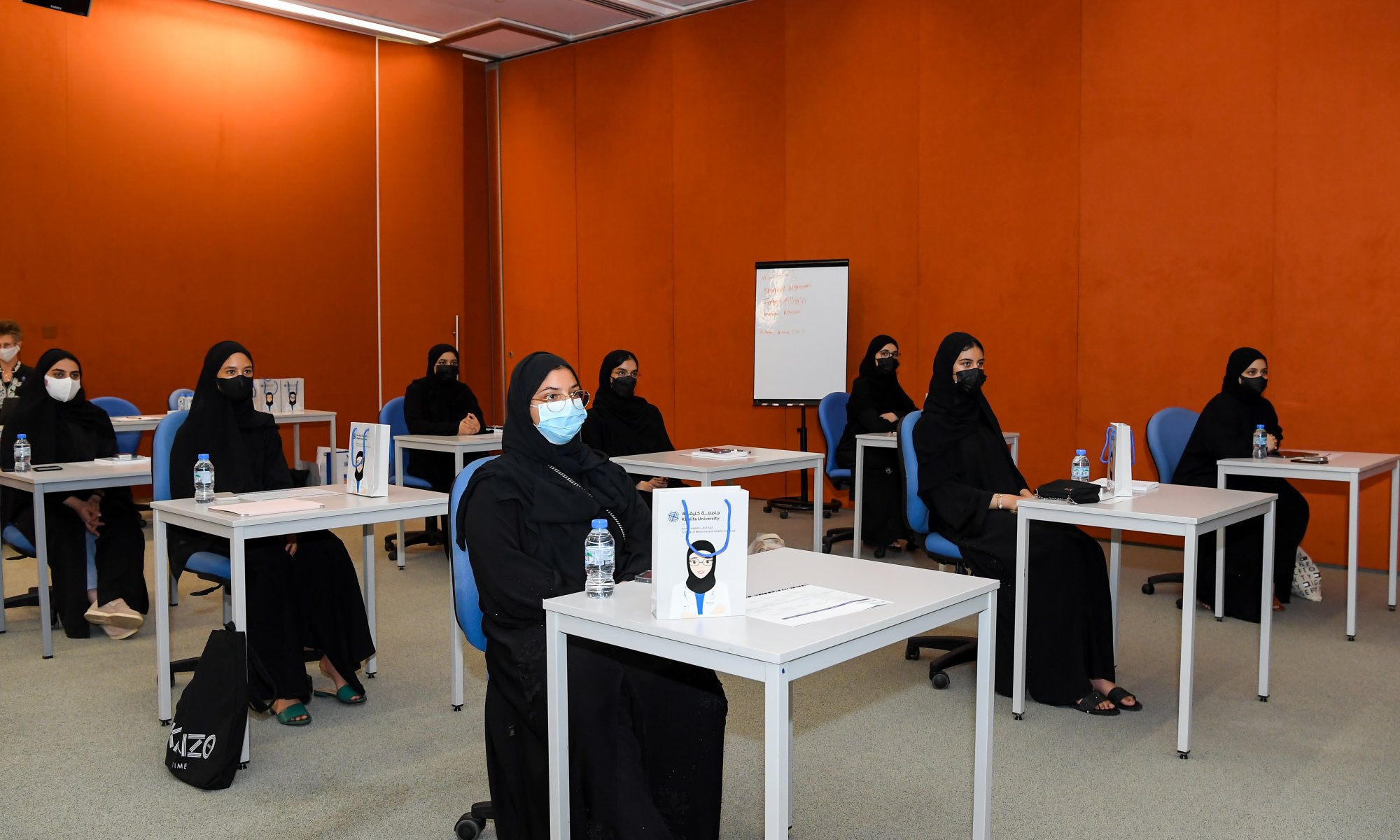
Khalifa University has announced that the College of Medicine and Health Sciences (CMHS) will host Summer Med-Camp 2022 to provide learning and growth opportunities for UAE National high school students keen on pursuing careers in medicine and health sciences. 


The week-long Khalifa University CMHS Summer Med-Camp 2022 will run from 8-12 August at the Main Campus. Participants will engage with current MD students, tour the campus facilities, and work on capstone projects on hypertension, anatomy, pharmacology, and on simulation, about which they will learn during the camp. The final projects will be presented to a panel of judges who will award the winner. 


Dr. Ahmed Al Shoaibi, Senior Vice-President, Academic and Student Services, Khalifa University said: “The Khalifa University CMHS Summer Med-Camp 2022 provides UAE national high school students an opportunity to learn from medical and healthcare professionals and understand the skill sets required to enter this crucial healthcare sector. The camp aims to not only generate interest among the students but also help them explore future career options in this important area right from a very young age. We believe the special activities and capstone projects will immensely benefit the participants.” 


Dr. John Rock, Founding Dean, Khalifa University CMHS, said: “The Summer Med-Camp is part of the pipeline programs that help stimulate interest and enhance the qualifications of potential applicants to the CMHS MD degree program”. 


The camp will include health and wellness activities, a session on presentation skills, an introduction to CMHS, and a Q&A session. 


The Khalifa University MD program is the first graduate-entry medical education program in the UAE and is accredited by the UAE Commission for Academic Accreditation (CAA). The first cohort of KU medical students will graduate in 2023.Over the years, the Khalifa University College of Medicine and Health Sciences has registered remarkable achievements, including publishing 250 research papers in respected international scientific and medical journals. Khalifa University CMHS PubMed-listed research papers address a wide array of biomedical topics of relevance to the UAE and beyond, ranging from the Arab genome to diabetes, nanoparticles to cardiovascular and medical education.


Clarence Michael
English Editor Specialist
8 August 2022

Team from EBTIC at Khalifa University Wins Top Honors at FedCSIS 2022 Data Mining Competition for Solution to Predict Costs in Freight Forwarding Contracts


Competing Against 135 Teams from 24 Countries, EBTIC’s First Prize Includes Presentation at Special Session in 17th FedCSIS Conference in Bulgaria  


A team of researchers from Khalifa University of Science and Technology-based Emirates ICT Innovation Center (EBTIC) has won top honors at the FedCSIS 2022 data mining competition for developing the most practical solution on predicting the costs associated with freight forwarding contracts, it was announced.


Competing against 135 teams from 24 countries across the world, the EBTIC team won the first prize which includes a monetary award for their solution. The ‘FedCSIS 2022 Challenge: Predicting the Costs of Forwarding Contracts’ is the 8th data mining competition organized in association with the Conference on Computer Science and Information Systems. The EBTIC team came out with flying colors in the challenge that asked participants for a solution based on contract data and planned routes. 


The EBTIC team will be submitting a short paper during a special session at the 17th Conference on Computer Science and Intelligence Systems (FedCSIS) 2022 that will be held from 4-7 September in Sofia, Bulgaria. Selected papers will be indexed by the IEEE Digital Library and Web of Science, while the invited teams will be chosen based on their final rank, innovativeness of their approach, and quality of the submitted report.


Dr. Arif Sultan Al Hammadi, Executive Vice-President, Khalifa University, said: “Winning against 135 teams on the world scale illustrates the creative essence of the EBTIC team which has developed the most appropriate machine learning model for freight forwarders. As EBTIC builds on its current strength we hope to see more innovations in data mining areas that will benefit all the industry and community stakeholders.”


Dr. Nawaf Almoosa, Director of EBTIC, said: “We are delighted to win top award in this year’s FedCSIS 2022 challenge that was focused on predicting the cost of transport forwarding contracts based on the contract description, details of transportation vehicles, cargo and the geo-located trip plan. The team, made up of Dr. Dymitr Ruta, one of our Chief Researchers, together with another EBTIC researcher, Lui Ming, built a hybrid ML model based on a diversified ensemble of gradient boosting predictors, developed for this challenge, allows for the most accurate prediction of the realized contract cost and would enable the contractors competing for cargo services at the transportation exchange to more efficiently bid for shipping contracts with less risk of unexpected loss-making costs.” 


Organized by FedCSIS in cooperation with PTI and QED Software, the competition sponsor is Control System Software – a software company that has been delivering solutions for the Transportation, Spedition (forwarding), and Logistics industry for 20 years. 


EBTIC, a research and innovation center focused on driving research and innovation in intelligent systems and applications, was founded by Khalifa University, Etisalat and BT (British Telecom), and supported by the Telecommunication and Digital Government Authority’s (TDRA) ICT Fund. It is based at the Khalifa University campus in Abu Dhabi. 


EBTIC has produced more than 550 scientific publications, developed more than 80 inventions, resulting in 64 granted patents, with more pending, and has trained more than 400 students,  and 300 professionals. It has also organized 10 international technical workshops and developed numerous technologies and worked on many projects in collaboration with its partners and stakeholders.


Clarence Michael
English Editor Specialist
5 July 2022

Middle East to Get 5°C Hotter This Century, Major Report Says

Temperatures in the Middle East are set to rise by almost half a degree Celsius per decade, a study has forecast, with extreme weather events — including droughts and torrential rain — becoming more common.


While half a degree might not sound like a major shift, given that temperatures in the region can fluctuate by 10°C to 15°C per day, an IMF report in March said with 1.1°C of warming, half the global population faces water insecurity for at least one month per year.


Researchers in the latest study said the Eastern Mediterranean and the Middle East have in recent decades warmed significantly faster than other inhabited regions.


They also highlighted how greenhouse gas emissions in the region were “growing rapidly” and as a result were making a significant contribution to climate change.


However, scientists said if major action was taken globally to reduce carbon emissions and combat other contributors to climate change, the rate at which temperatures continued to increase could be slowed.

“People’s day-to-day life will be affected mostly by extreme heat and extreme rain. Both of them are expected to have an increased frequency and intensity,” said Dr Diana Francis of Khalifa University in Abu Dhabi, one of the authors of the study.


“It is time to act at all levels to mitigate and adapt to the changes happening to our climate and weather.”


Read the full article here: https://www.thenationalnews.com/uae/2022/07/21/middle-east-to-get-5c-hotter-this-century-major-report-says/