
Khalifa University, American University of Sharjah, and Amity University Dubai to Individually Focus on Themes Relevant to the Region

Three Universities in UAE Collaborating to Organize Best Practices in Teaching and Learning Conference 2023


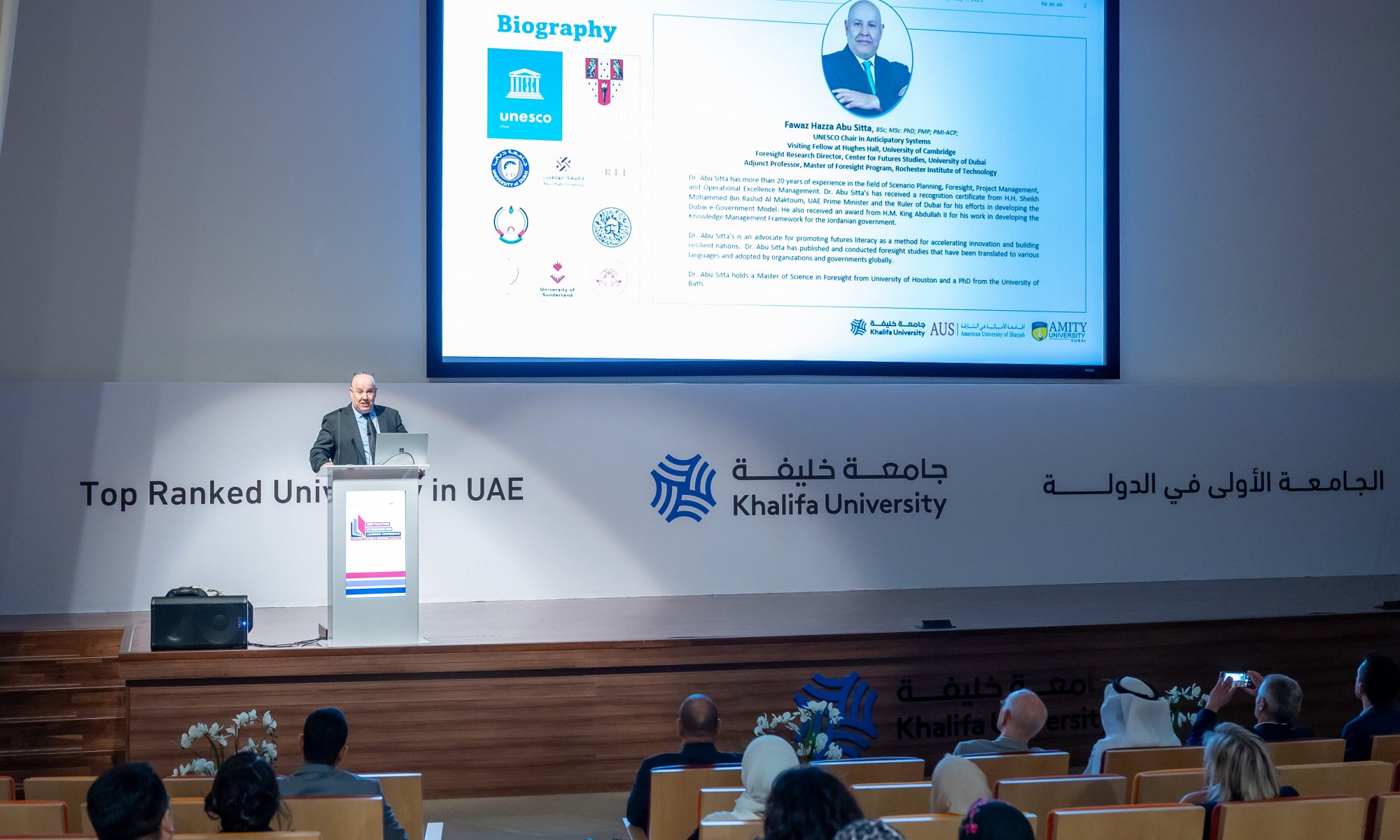
Three universities in the UAE – Khalifa University of Science and Technology in Abu Dhabi, American University of Sharjah (AUS), and Amity University Dubai – are collaborating to organize the Best Practices in Teaching and Learning Conference 2023 to focus on inspiring teaching and enriching learning.


Scheduled to be held from 1-5 May, the conference will highlight innovative practices, present scholarship of teaching and learning projects, and will celebrate teaching award winners. In addition to the central conference theme, each of three CAA-accredited universities will have its own focus areas. Khalifa University will focus on STEM education and student empowerment, the AUS will focus on the new trends and innovative approaches in education, while Amity University Dubai (AUD) will focus on active learning.


Dr. Fawaz Hazza Abu Sitta, UNESCO Chair in Anticipatory Systems, UNESCO, and Dr. Maria Eugenia Toro-Troconis, EdTech Consultant for the United Nations, are among the speakers, who will share their perspectives at the conference.


Dr. Ahmed Al Shoaibi, Senior Vice-President, Academic and Student Affairs, Khalifa University, said: “As a leader in pioneering STEM education, Khalifa University employs an “integrative learning” strategy that transcends academic boundaries, and encourages students to address real-world problems which requires them to consider issues from a variety of perspectives. The “integrative learning” approach will enable students to consolidate the university experience into a coherent whole that prepares them for their personal, professional, and civic life. The “Integrative Learning” approach is a four-tier strategy that employs the following tools such as High Impact Practices (HIPs), Work-Integrated Learning/Experiential Learning, Personal-Professional Development and Blended Learning.


“We believe this conference will be an excellent platform for the Higher Education community to share best practices and to collaborate on addressing the challenges facing universities. The presence of renowned speakers from the region and across the world, including from multilateral organizations, will significantly enrich the discussions, the level of knowledge exchange in teaching and learning methodologies, and provide insights on emerging education trends.”


Dr Fazal Malik, Pro-Vice Chancellor, Amity University Dubai, said: “By bringing together three CAA-accredited universities, our teachers and students will benefit from a student-centered learning and engagement approach.


By involving students in the learning process, we are developing the next generation of leaders, entrepreneurs and innovative thinkers in the UAE.  Conferences like these are important for the region, as these events give students, academics and industry experts a platform to network and discuss best practices in teaching and learning, helping to position the UAE as the next emerging higher education hub.”


Dr. James Griffin, Vice Provost for Undergraduate Affairs and Instruction at American University of Sharjah, said: “We are excited to collaborate with Khalifa University of Science and Technology and Amity University in Dubai for the forthcoming Best Practices in Teaching and Learning Conference 2023. This conference aims to showcase innovative teaching practices, address regional educational needs, and inspire excellence in teaching and learning. We eagerly anticipate engaging in insightful discussions, learning from esteemed speakers, and forging meaningful connections with fellow educators from within and outside the UAE’s higher education community. Together, we can leverage new trends and technologies to create innovative learning experiences for our students and inspire teaching and learning excellence.”


The conference will feature keynote speeches from renowned experts in education and a series of workshops and panel discussions on topics such as active learning, assessment strategies, and technology-enhanced learning. The workshops will be led by experienced educators who will provide practical insights and tips for incorporating innovative teaching and learning practices into the classroom.


With more than 600 attendees expected from the UAE’s higher education community, the conference will offer a diverse range of perspectives and expertise from across the region. Participants will have the opportunity to learn from leading experts in teaching and learning, attend interactive workshops, and network with peers from across the UAE.


Clarence Michael
English Editor Specialist
2 May 2023
Khalifa University Scientists Join with Partners to Conduct Advanced Testing on Printing and Deposition of Two 2D Materials in Space

Khalifa University’s CeCaS Center Prepares Materials for ESA’s ARLES Experiments to Help Build Space Manufacturing Capabilities in Microgravity


Khalifa University of Science and Technology today announced a team of researchers in collaboration with scientists from the University of Cambridge, University of Brussels and York University, have successfully conducted advance studies on printing and deposition of two 2D materials as part of the Advanced Research on Liquid Evaporation in Space (ARLES) experiments of the European Space Agency (ESA).


Such advanced studies on printing in microgravity are expected to help in the development of knowledge for printing in space, in order to build space manufacturing capabilities that will help future space exploration missions and can play a critical role in human space exploration.


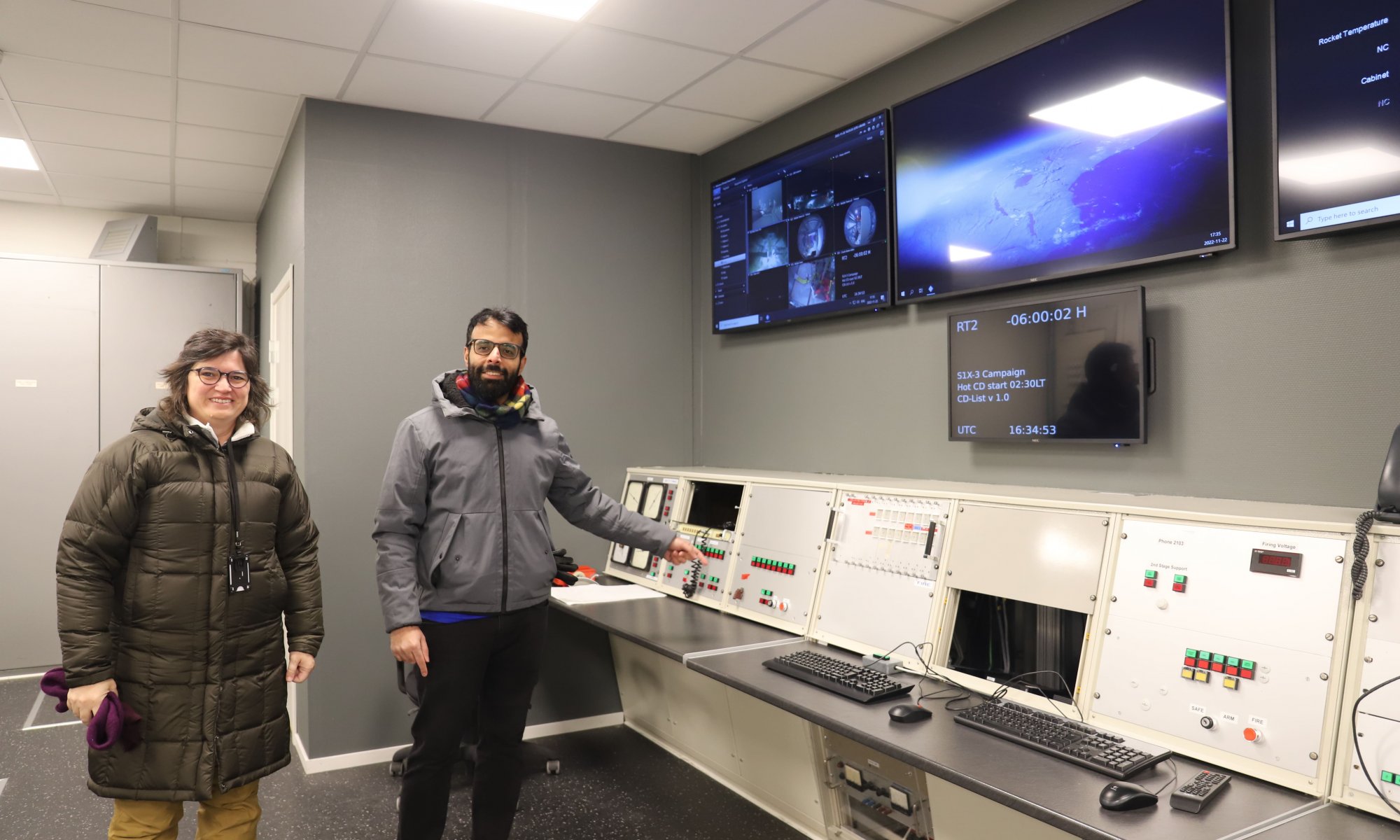
The Khalifa University Center for Catalysis and Separations (CeCaS) prepared the two 2D materials – hexagonal boron nitride (h-BN) and molybdenum disulfide (MoS2) – for testing aboard the ‘sounding rocket’ (MASER15) that was launched on 24 November 2022. The rocket is used as an instrument to take measurements and perform scientific experiments during its sub-orbital flight. The testing setup on the rocket was built in collaboration with ESA, Swedish Space Corporation and other partners. The 2D materials provided in the project complement the experiments and materials tested by University of Cambridge, University of Brussels and York University.


Dr. Arif Sultan Al Hammadi, Executive Vice-President, Khalifa University, said: “The advanced studies on the two 2D materials aboard a rocket in space demonstrates Khalifa University’s commitment to go the extra mile and initiate steps for building future manufacturing capabilities even in microgravity conditions. We believe such forward-looking research initiatives not only keep us in the forefront of technology, but also in laying the foundation for a well-structured space industry ecosystem that will be second to none globally.”


Dr. Yarjan Abdul Samad, Assistant Professor, Aerospace Engineering is the lead Khalifa University researcher, who is supported by Professor Kyriaki Polychronopoulou,, Mechanical Engineering, and Professor Sean Shan Min Swei, Aerospace Engineering.


The two 2D materials are used extensively in coatings for lubrication, thermal management, energy storage for conversions, as well as in today’s electronics. Generally, the applications of 2D materials are expanding due to their exceptional properties and characteristics.


Dr. Yarjan Abdul Samad said: “The results include the droplet deposition of 2d materials on a substrate, which provides us with the conditions for printing and deposition in that environment. The experiments have worked well and we are analyzing the data which will provide us with the conditions and requirements for printing and deposition in space. This will help build the foundation of material manufacturing processes in microgravity conditions.


Clarence Michael
English Editor Specialist
11 April 2023


Khalifa University and ADIA Develop Master’s Program in Computational Data Science

Khalifa University of Science and Technology and the Abu Dhabi Investment Authority (ADIA) have jointly developed a Master’s program in Computational Data Science. The program aims to meet the demands of the new digital age and enable professionals to utilize the information extracted from the data to devise effective strategies and make well-informed decisions.


Khalifa University has launched the program, designed in collaboration with the Quantitative Research & Development team at ADIA, to enable students to develop their skills in areas such as data analytics and machine learning, while keeping pace with the latest advancements in various fields.


The program offers optional concentrations in Computational Systems and Data Analytics. It is designed to equip graduates with the knowledge and skills required to join relevant data and technology-intensive industries. Twenty employees from ADIA are currently enrolled in the program.


Dr. Arif Sultan Al Hammadi, Executive Vice President, Khalifa University, said: “The launch of our Master’s program in Computational Data Science, developed jointly with ADIA, strongly illustrates our readiness to meet the local, regional and global employability criteria in a digital era. This program aims to address the growing labor market demand for data scientists, whose skills are essential to manage risks, provide better business solutions, perform predictive analytics, detect fraud, and create fast trading algorithms that forecast market opportunities. We believe the human capital created through this program will also facilitate medical image analysis, genomics, drug discovery, and tracking and preventing diseases.”


The MSc in Computational Data Science program combines algorithms and statistical techniques to analyze and understand the information hidden in big data, such as those generated by financial and healthcare services, telecom and energy. This can be optimized to assist in the expansion of various economic sectors, devise strategies and enable leaders to make data-driven decisions.


On completion, graduates of the Computational Data Science program will be able to identify, formulate, and solve computational data science problems, while critically evaluating emerging data analysis technologies, and assess how they can be applied to different types and volume of data. They will also be able to design and program complex computer software for various computational data science applications, using state-of-the-art tools and techniques. The program has also been launched in consultation with key local stakeholders.


Clarence Michael
English Editor Specialist
28 March 2023

New Titanium Implant Addresses Mechanical Mismatch between Implants and Surrounding Bones

A titanium implant with a structure mimicking bone may have better compressive behavior than traditional titanium implants, according to new research from Khalifa University.


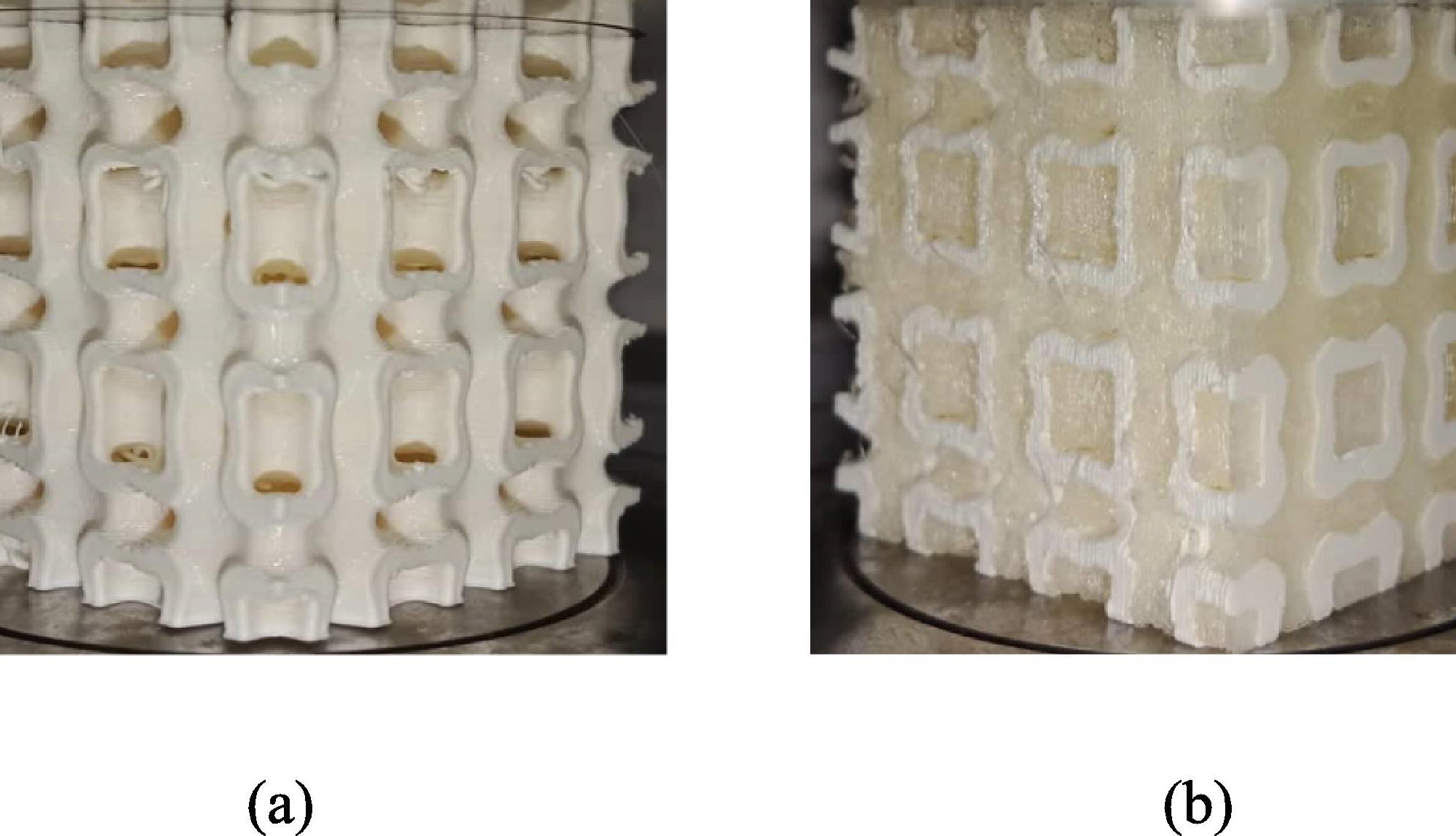
Researchers at Khalifa University developed a titanium orthopedic implant with a triply periodic minimal surface (TPMS) architecture. TPMS titanium implants offer several advantages over traditional implants due to their unique geometric structure and ability to be customized.


Dr. Nguyen Van Viet, Dr. Waqas Waheed, both Postdoctoral Fellows, Dr. Anas Alazzam, Associate Professor of Mechanical Engineering, and Prof. Wael Zaki, Professor of Mechanical Engineering, published their work in Composite Structures.


The TPMS structure is a type of geometric structure that has a repeating pattern of curved surfaces that minimize surface area while maintaining structural integrity. This structure can provide several advantages for orthopedic implants, such as improved strength, stiffness, and wear resistance. Additionally, functionally graded TPMS titanium implants can offer varying material properties depending on the design: An implant could be designed with a stiffer region for load-bearing purposes and a more flexible region for improved tissue-implant interaction.


Bone comprises an open-cell composite material, but its mechanical properties vary with anatomical location and the loading direction. Therefore, a material that can be changed to suit differing requirements is highly desired.


Understanding the compressive behavior of functionally graded TPMS titanium implants with ingrown cortical or trabecular bone is critical for developing effective implants. If misunderstood, implants could lead to failure, causing further complications for the patient. Additionally, the different types of bone may interact differently: The type of bone tissue that grows into the implant can vary depending on the location of the implant and the surgical procedure used. For example, in some cases, the implant may be surrounded by cortical bone, which is dense and compact bone tissue, while in other cases, the implant may be surrounded by trabecular bone, which is less dense and more porous.


Trabecular bone is found at the ends of long bones and in other locations where bones meet to form joints. It is less dense and more flexible than cortical bone, which is the denser outer layer of bone tissue. The lattice structure of trabecular bone provides a large surface area for the attachment of bone cells and blood vessels and also allows for the transfer of mechanical loads across the bone tissue.


Implants with ingrown trabecular bone may then have better compressive behavior than those with ingrown cortical bone due to differences in the mechanical properties of the two types of bone tissue. Therefore, understanding the behavior of these implants could lead to the development of more effective and efficient orthopedic implants, which can improve patient outcomes.


“Functionally graded porous materials are interesting for bone-implant applications because they allow tailoring of the effective mechanical properties by allowing structural gradations in composition, porosity, and feature size,” Prof. Zaki said. “These gradations may be engineered to maximize internal surface area to facilitate cell attachment, while also optimizing fluid flow for better distribution of nutrients and designing the material architecture to closely match the stiffness of bone. A mismatch in stiffness between implant and bone is a major concern because of the resulting stress-shielding effect at the implantation site, which may cause bone resorption and require revision of the surgery.”


To investigate the compressive behavior of the TPMS titanium implants, the researchers used finite element analysis, a computational technique used to simulate the behavior of complex systems under various conditions. The researchers modeled the implants with different degrees of bone ingrowth and evaluated the stress and strain distributions.


They found that the implants with ingrown cortical or trabecular bone exhibited superior mechanical performance compared with the homogenous titanium implant, although the effective compressive modulus of the implant with ingrown trabecular bone was higher than with cortical bone. This is due to the more porous structure of the trabecular bone, which is better suited to transferring compressive loads. Additionally, the TPMS titanium implant’s effective compressive modulus increased with increasing degrees of bone growth, indicating that the implant’s mechanical properties became more similar to those of the surrounding bone as bone ingrowth increased.


“The experimental evidences showed that the bone cell can partially fill the cavities of porous implants, which then affects the mechanical behavior of the implant,” Prof. Zaki said. “Separate networks of interconnected cavities within the implant may be engineered to provide an effective stiffness that closely matches that of bone, while at the same time facilitating osseointegration.”


The researchers also found that the TPMS titanium implant with ingrown bone had a more uniform stress distribution compared with the homogenous titanium implant, suggesting that the implant with ingrown bone is less likely to develop stress concentrations, which can lead to implant failure.


Research within the scope of this project will pave the way for the development of architected repair and replacement solutions for biological tissues that may not be limited to bone. The team is also considering alternatives to titanium for the development of high-performance lattice and composite biomaterials. 


Jade Sterling
Science Writer
25 April 2023

MyTwin: New App to Treat Gestational Diabetes from Khalifa University Researchers

Using digital twin technology, the new app can support patients and physicians to improve health outcomes and protect expectant mothers. 


Researchers from Khalifa University won third place in the Power to Impact 2023 competition with their smartphone app MyTwin.  Dr. Aamna Al Shehhi, Assistant Professor of Biomedical Engineering, and Dr. Sherlyn Jemimah, Postdoctoral Researcher, developed the app to support pregnant women with gestational diabetes mellitus (GDM) diagnoses.


Gestational diabetes is a global health issue that affects pregnant women of all ethnicities and geographic regions, although some studies suggest it may be more common in women in the Middle East. GDM usually develops around the 24th week of pregnancy and is caused by hormonal changes that occur during pregnancy, which can make it harder for the body to use insulin effectively. This can lead to high blood sugar levels, which can harm both the mother and the developing baby.


“One in four pregnant women faces the risk of gestational diabetes in the MENA region,” Dr. Al Shehhi said. “With MyTwin, pregnant women and physicians can personalize treatment, ensuring neonatal and maternal health before and after delivery.”


Treatment for GDM typically involves making dietary changes and increasing exercise levels to help control blood sugar levels, although in some cases, medication may be necessary. Women with GDM are closely monitored throughout their pregnancy, as if left untreated, gestational diabetes can increase the risk of complications including preeclampsia, premature birth, and the need for a cesarean delivery. It can also increase the risk of Type 2 diabetes later in life for both the mother and baby.


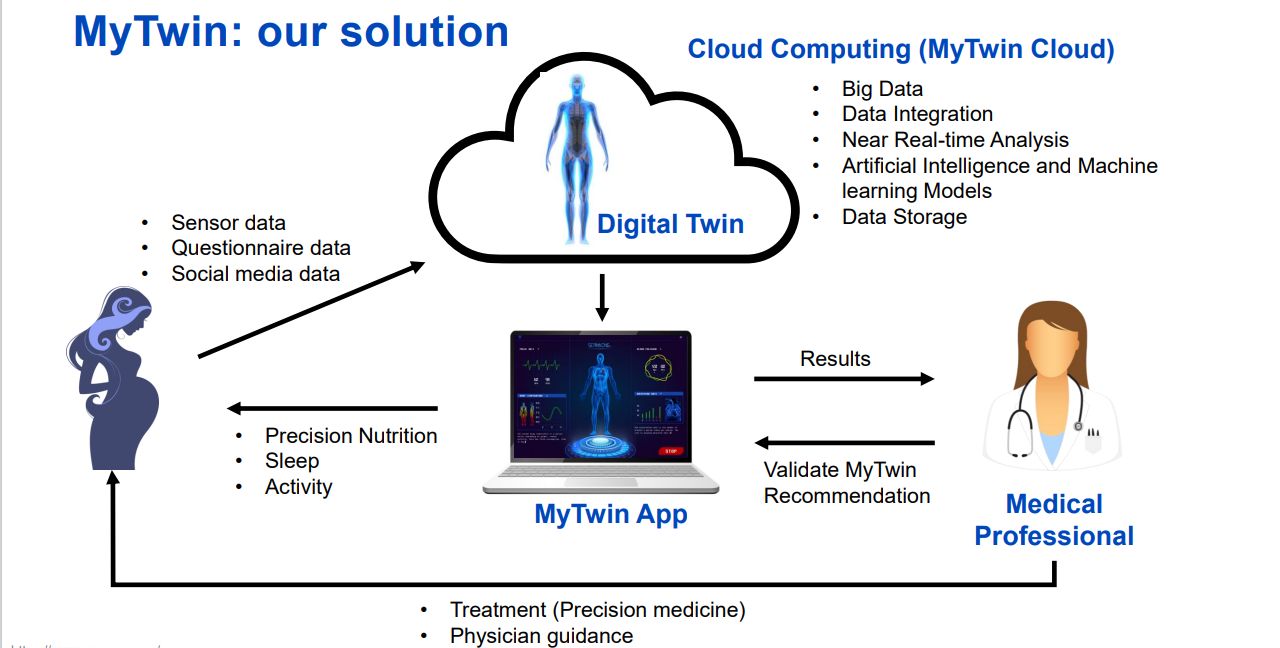
“Our digital twin solution, MyTwin, enables doctors to personalize GDM treatment and make better-informed decisions about patient care,” Dr. Al Shehhi said. “Each patient’s digital twin is personalized and provides optimized, real-time diet and lifestyle recommendations while ensuring patient privacy through the smartphone app.”


Digital twins are virtual replicas of physical objects, systems or processes that allow for simulation, analysis, and optimization. In this case, the digital twin is a medical model of an individual, allowing doctors to plan surgeries, test treatments and make better diagnoses.


Sensors connected to the MyTwin app collect data about the patient’s glucose levels, vital signs, and fitness level. A Whole Body Digital Twin (WBDT) digital avatar is then generated, and the patient’s data is analyzed using artificial intelligence techniques. The WBDT represents the patient’s metabolism and enables the prediction of future health states for different interventions, such as changes to nutrition, exercise and sleep habits. Medication may also be suggested, subject to the overseeing doctor’s approval. Postpartum, monitoring is resumed to help avoid the development of Type 2 diabetes.


“The WBDT reflects what it learns from the patient’s data and is trained using lifelong deep learning algorithms,” Dr. Al Shehhi said. “MyTwin combines data-driven, physician-led intervention with community support from the family and health education professionals to ensure the health of affected women and the future generation.”


Digital twins have the potential to improve the accuracy and efficiency of medical diagnoses, treatments, and procedures, ultimately improving patient outcomes and reducing health-care costs. However, the technology is still new and there are many challenges to be addressed, including data privacy and security. The KU researchers recognized that due to the nature of antenatal and postnatal care, doctors and patients may be hesitant to adopt the technology. To address this, they have made their model open and transparent, providing seminars and technical information to demonstrate how the model works, and take “the utmost care” to encrypt and secure patient data to ensure privacy.


“Digital twins have been deployed successfully to improve health and even reverse disease in diabetic patients,” Dr. Al Shehhi said. “We expect that our solution will transform maternal and neonatal health outcomes, leading to healthier families and communities.”


Jade Sterling
Science Writer
24 April 2023

The Role of Oxygenated Surface Functional Groups on the Reactivity of Soot Particles

New research from Khalifa University reveals how surface oxygen groups affect the reactivity of soot particles, providing insights to the chemistry of these particles and their potential environmental impact.


Researchers from Khalifa University have investigated the role of oxygenated surface functional groups on the reactivity of soot particles. Using various analytical techniques, they found that the presence of these groups increased the soot particle reactivity with other chemical species found in the atmosphere. This discovery could have important implications for understanding the formation of secondary pollutants in the atmosphere, such as secondary organic aerosols, which are formed through reactions between soot particles and other chemical species.


Dr. Prabhu Azhagapillai, Research Scientist, Dr. Mirella Elkadi, Associate Professor of Chemistry, Dr. Abhijeet Raj, Associate Professor of Chemical Engineering, and Dr. Mohamed Ibrahim Hassan Ali, Associate Professor of Mechanical Engineering, published their results in Combustion and Flame.


Soot particles are a type of air pollutant produced by the incomplete combustion of fossil fuels and biomass.


“During incomplete combustion of fuels, particulate matter or soot particles are formed, made up of nonvolatile, elemental, or stable carbon layers with attached hydrocarbons,” Dr. Ali said. “They are harmful for human health and the environment, and they can react with other species in the atmosphere.”


This reactivity can be advantageous for capturing soot escaping with the exhaust gas from diesel engines, but when soot particles react with other chemicals in the atmosphere, such as nitrogen oxides and sulfur dioxide, they can form secondary pollutants such as ozone. Ozone is a major component of smog and can have negative effects on human health and the environment.


These reactions occur because the oxygenated surface functional groups act as reaction sites for other chemical species. Beyond nitrogen oxides and sulfur dioxide, the functional groups can also react with atmospheric moisture, which can lead to the formation of acidic compounds. Additionally, the reactivity of soot particles can also impact their deposition and transport in the atmosphere. Soot particles that are more reactive may deposit more quickly onto surfaces, which can impact air quality and human health in urban areas.


The presence of these functional groups on the surface of the soot particles is influenced by a number of factors, including the combustion conditions under which the soot particles are formed. For example, soot particles formed under fuel-rich conditions tend to have more oxygenated functional groups on their surface than those formed under fuel-lean conditions. These functional groups are typically oxygen-containing groups, such as carbonyl, hydroxyl, and quinone groups.


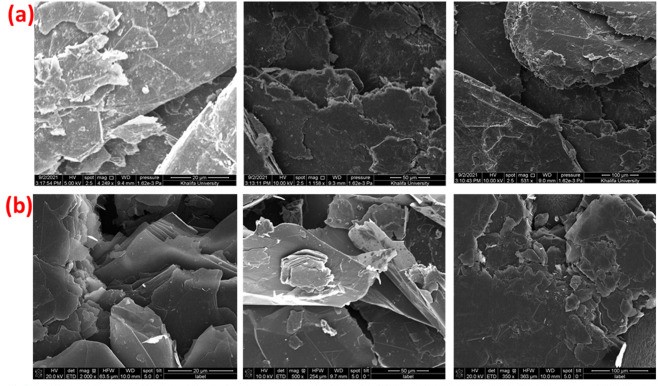
The researchers found that the presence of certain oxygenated surface functional groups on the soot particles, specifically carbonyl and quinone groups, can increase their reactivity.


“Our oxidation experiments revealed that the presence of oxygenated functional groups can enhance soot reactivity by reducing the required activation energy for oxidation, but when the oxygenated groups are lost by the progress of oxidation, the activation energies of all samples were very similar with no clear trend, indicating no long-lasting effect of the presence of oxygenated groups,” Dr. Ali said. “Thus, a soot sample with a high concentration of oxygenated groups may show a high reactivity during the initial period of oxidation, but such groups may not significantly affect the overall reactivity of soot particles.”


The reactions between soot particles and other chemical species can affect the composition and properties of the atmosphere, which can be harmful to human health and the environment. Understanding the reactivity of soot particles and the role of their surface chemistry is important for developing effective strategies to mitigate air pollution and its impacts.


Jade Sterling
Science Writer
12 April 2023

Khalifa University Ranked among Top 10 in Petroleum Engineering and among Top 100 in Electrical and Electronics worldwide by 2023 QS Rankings by Subject

Khalifa University of Science and Technology today announced its Petroleum Engineering department is ranked 8th in the world by the 2023 Quacquarelli Symonds (QS) World University Rankings by Subject – Engineering and Technology. The Khalifa University Petroleum Engineering program has a modern and well-balanced curriculum that emphasizes not only petroleum engineering fundamentals but also the business processes applied to reach optimal engineering solutions for field development and operations.

At the same time, Khalifa University’s Electrical and Electronics Engineering is ranked 99th (among top 100) in the world by the 2023 QS Subject Rankings. The Electrical Engineering and Computer Science (EECS) Department at Khalifa University offers BSc degrees in Electrical Engineering, Computer Engineering (with an optional concentration in Software Systems), and Computer Science, as well as MSc and PhD programs.

Khalifa University additionally remained top in the UAE in Computer Science and Information Systems, Chemical Engineering, Civil and Structural Engineering, Electrical and Electronics Engineering, as well as Mechanical, Aeronautical and Manufacturing Engineering.

Under the QS Natural Sciences Subject category, Khalifa University is ranked top in the UAE in Chemistry, Environmental Sciences, Materials Science, Mathematics, as well as Physics and Astronomy.

Khalifa University is already placed 181st worldwide overall in QS World Universities Ranking 2023.

New Material Inspired by Mussels to Clean Pollutants from Water

A new, eco-friendly solution for removing anionic pollutants from water has been developed using materials inspired by mussels. This novel adsorbent is highly selective and efficient, making it a game-changer for water treatment.


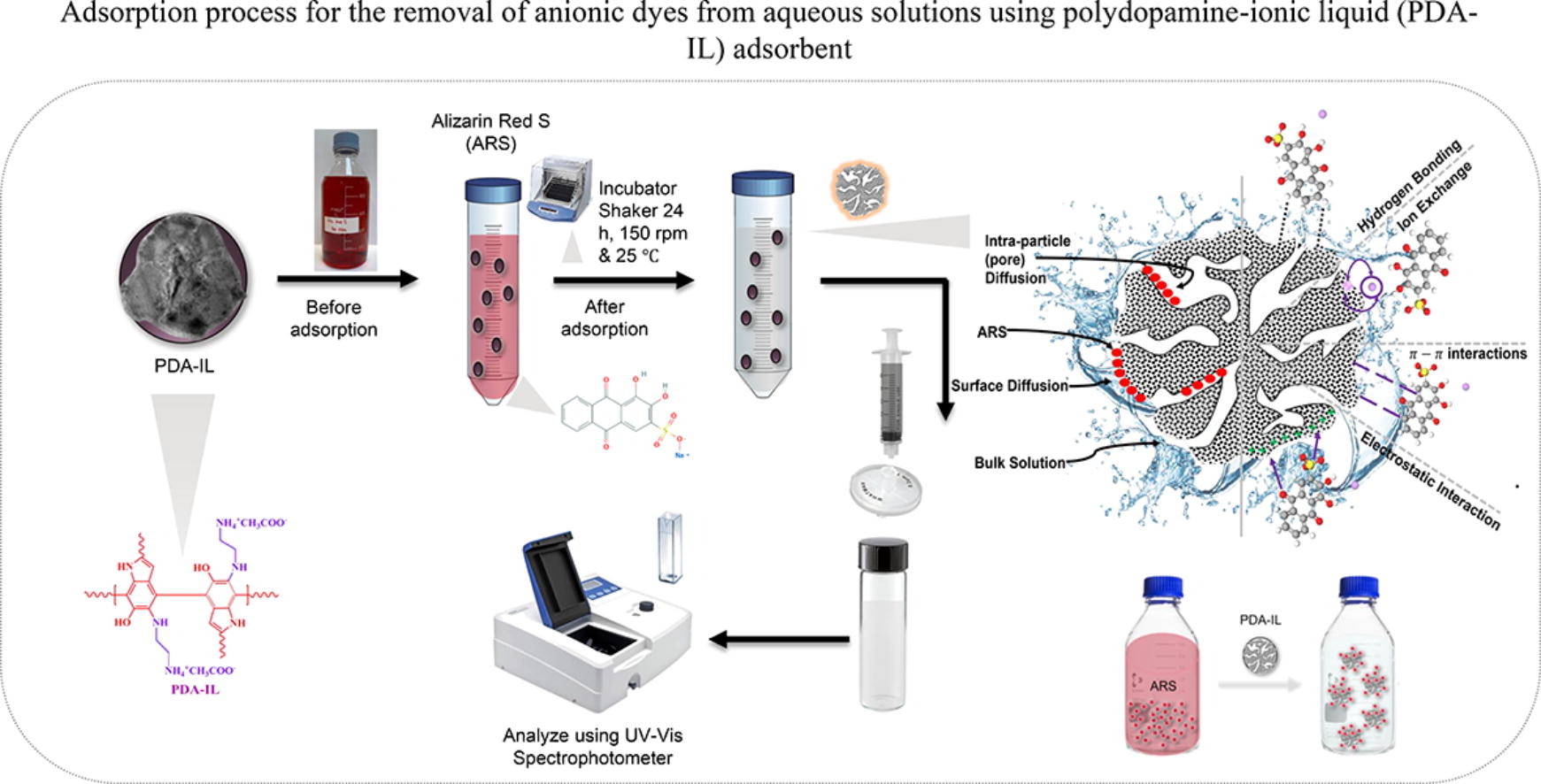
A team of researchers from Khalifa University has developed a new material that can remove dyes from industrial wastewater. Inspired by mussels, the new material is made from a polymer called polydopamine, modified with an ionic liquid. This creates a new adsorbent material for the removal of anionic pollutants from water. 


The team comprised Prof. Hassan Arafat, Professor of Chemical Engineering and Director of the Research and Innovation Center in Graphene and 2D Materials (RIC-2D), Rawan Abu Alwan, Research Associate, Botagoz Zhuman, Research Assistant, Dr. Mahendra Kumar, Research Scientist, and Prof. Enas Nashef, Professor of Chemical Engineering. They published their work in Chemical Engineering Journal.


Anionic pollutants carry a negative charge and are often found in industrial wastewaters from a variety of sources, including metal plating, mining, and textile dyeing.


“Surface and groundwater pollution caused by industrial dye-loaded wastewater effluents threatens human health and ecological systems, causing a serious environmental problem in many countries,” Prof. Arafat said. “Several treatment techniques have been applied to remove dyes from wastewater, and among these, adsorption is considered the most economically feasible and easily applied. However, traditional adsorbents offer low selectivity and the process can produce secondary waste products.”


For better dye removal from wastewater, a highly selective adsorbent is needed. Recent research attention has turned to nanomaterials as these have high removal capacities, fast kinetics, and high selectivity. However, nanomaterials also bring major limitations: They are expensive, not always reusable, and can be toxic themselves.


Instead, the KU research team turned to nature for inspiration.


Mussels are marine animals that attach themselves to a variety of surfaces using byssus threads, which are made from a protein containing dopamine. In humans and mammals, dopamine is a neurotransmitter that plays a role in reward-motivated behavior, but in mussels, it acts as a natural adhesive. Polydopamine is a synthetic polymer that mimics the structure of this dopamine-containing protein. It has the ability to coat a variety of surfaces and provides a versatile platform for surface modifications.


“As a material with many functional groups, extraordinary self-adhesive properties, and biocompatibility, the potential applications for polydopamine-based materials are abundant,” Prof. Arafat said. “However, its adsorption capacity is low compared to other conventional adsorbents.”


The polydopamine was modified with an ionic liquid to create a new adsorbent material. Ionic liquids have been gaining attention in recent years as potential alternatives to traditional solvents due to their low volatility, thermal stability, and ability to dissolve a wide range of compounds. They are also considered eco-friendly and sustainable thanks to their low volatility and ability to be recycled. The ionic liquid in this project was chosen based on its ability to form hydrogen bonds with the anionic pollutants, enhancing their affinity for the modified polydopamine.


Modifying the polydopamine with the ionic liquid allows for the creation of a material with enhanced adsorption properties for anionic pollutants: The polydopamine provides a versatile platform for surface modifications, while the ionic liquid provides the selectivity and affinity for the pollutants. 


The team’s material is also reusable. Methanol was used to wash the material and desorb the dyes used in experimental testing. The team put the material through four cycles of adsorption-desorption without any significant performance deterioration or loss of structural integrity, proving its potential as an adsorbent material for use in industrial wastewater treatment applications. 


Jade Sterling
Science Writer
10 April 2023

New Approach Combines Satellite Imagery with Machine Learning to Predict Coastal Bathymetry

New research shows that satellite imagery and machine learning algorithms can accurately estimate coastal bathymetry, yielding promising results for coastal management and sustainability.


A team of researchers from Khalifa University has combined satellite imagery with machine-learning techniques to accurately and efficiently predict the depth of water in the Arabian Gulf around Abu Dhabi.


Dr. Maryam Al-Shehhi, Assistant Professor, Dr. Chung-Suk Cho, Assistant Professor, and Fahim Abdul Gafoor, all from the Department of Civil Infrastructure and Environmental Engineering, worked with Hosni Ghedira from Mohamed Bin Zayed University of Artificial Intelligence to develop a new method for estimating coastal bathymetry using satellite images. They published their results in Remote Sensing.


“Many countries in the world rely on their coasts as supply lines for shipping, oil refineries, coastal platforms, and coastal islands, as well as sources of food,” Dr. Al-Shehhi said. “Maintaining coastal sustainability is paramount. It is essential to develop a plan to monitor coastal regions in the long term. This can be achieved by observing changes in bathymetry over time.”


Bathymetry is the study of the beds or floors of water bodies. Accurate data is important for understanding the physical characteristics of coastal waters, including water-circulation patterns, sediment transport, and habitat mapping. It can also be used to predict and mitigate the effects of natural disasters such as tsunamis and coastal erosion by providing information about the depth and shape of the seafloor.


As crucial as it is, traditional methods of collecting bathymetry data can be time-consuming and expensive. They typically involve physically measuring the depth of the water using specialized equipment, such as sonar, acoustic sensors, or echo sounders. The data collected must then be carefully processed and analyzed to ensure accuracy, which can be a resource-intensive and time-consuming process, especially in complex coastal environments with variable seabed topography.


Alternative methods, such as those based on satellite imagery and machine-learning algorithms, are being explored as potential solutions.


“The high spatial and temporal capabilities of remote sensing make it an excellent tool for estimating gradual changes in bathymetry,” Dr. Al-Shehhi said. “As such, a number of research studies have been conducted that combine satellite data with statistical and machine-learning algorithms in order to obtain more accurate estimates of bathymetry in several regions.”


The team explored the use of satellite imagery combined with two machine-learning algorithms to estimate bathymetry more efficiently. Gradient boosting is a type of algorithm that combines multiple weak models to create a strong model, while linear regression is a more traditional statistical method that aims to find a linear relationship between two variables. They found that both approaches were able to estimate the bathymetry of the area, with gradient boosting producing slightly more accurate results.


“We conducted our study in Abu Dhabi,” Dr. Al-Shehhi said. “Here, the waters are among the saltiest in the world, with a high evaporation rate, making the coastline vulnerable to climate change and erosion. Additionally, the coastal morphology of Abu Dhabi is complex, as the shoreline is exceptionally shallow, with numerous inshore and nearshore islands. An accurate assessment of coastal bathymetry will help us to formulate better future management strategies.”


By training gradient boosting and linear regression models on satellite images of the coastal region of Abu Dhabi, the team was able to accurately predict the depth of water in the area. Their findings suggest this approach could provide a cost-effective and efficient way to obtain bathymetry data for various coastal-management applications, potentially overcoming the limitations of traditional data-collection methods.


Future plans for the model include improving its accuracy with higher-resolution bathymetry data. This continued work is funded by a KU Emerging Science & Innovation Grant.


Jade Sterling
Science Writer
10 April 2023

New ‘Khalifa University Science and Technology Review’ Magazine Launched to Spotlight Advances Regionally and Globally

Trends and Outlooks in Science and Technology Available in Digital PDF and Print Forms in English and Arabic, with a Bi-Lingual Website


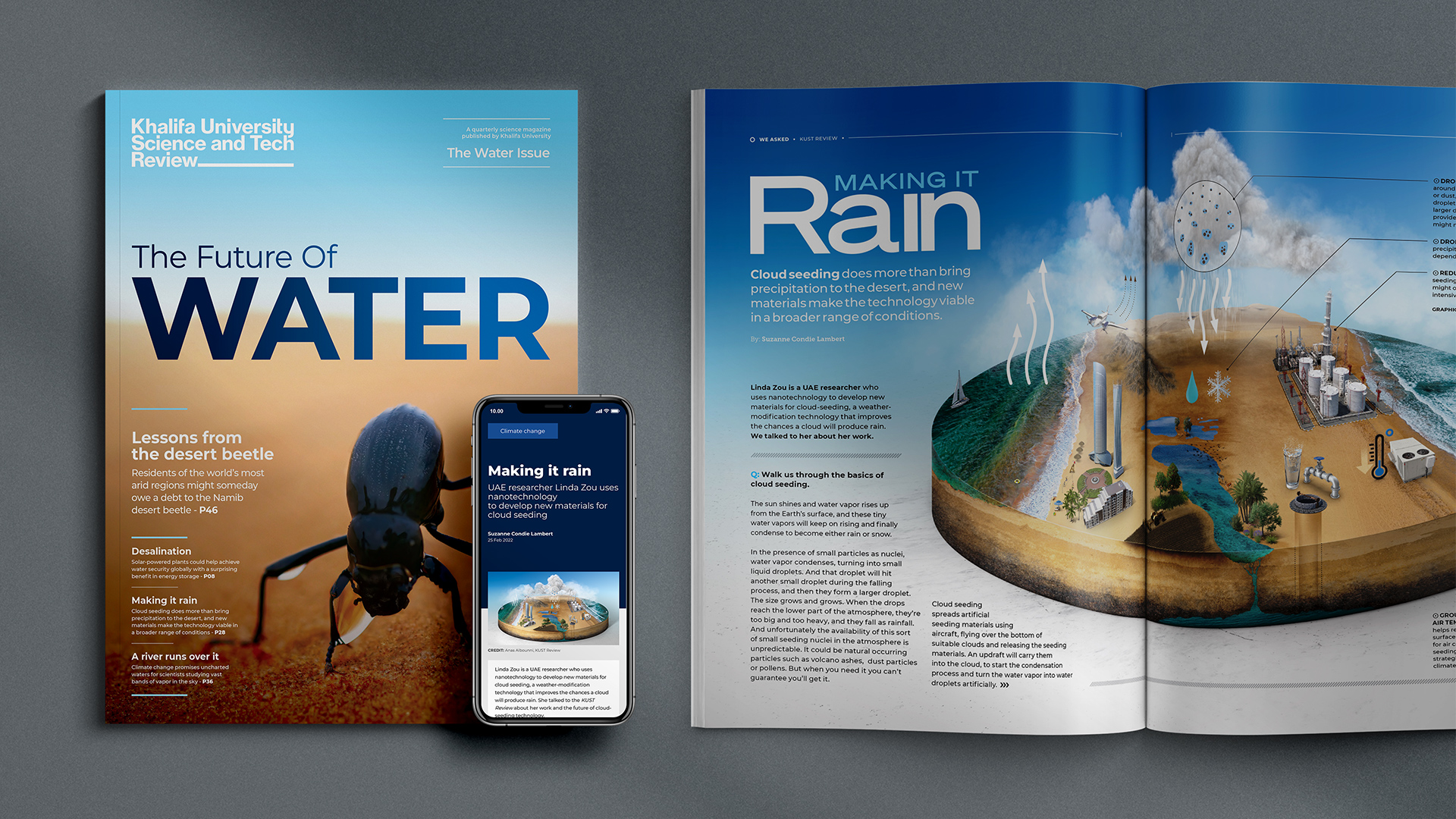
Khalifa University of Science and Technology today announced the launch of a new magazine, turning the spotlight on the region’s science and innovation developments and to complement information on science and innovation developments globally. Named Khalifa University Science and Technology Review, it is the first science and technology magazine published by a university in the UAE.


The quarterly Khalifa University Science and Technology Review will have sections highlighting the latest advancements and innovations in science and technology from around the world. The magazine will be available in digital PDF and print forms in English and Arabic, as well as on a bi-lingual website https://kustreview.com/.


The ‘Khalifa University Science and Technology Review turns the spotlight on the Middle East and North Africa (MENA) region’s science and innovation developments and complements information on science and innovation developments globally. It also aims to portray the role being played by the research-intensive Khalifa University in the creation of intellectual capital, driven by its dedicated group of scientific researchers and its contribution to furthering the UAE’s knowledge-economy objectives.


The inaugural edition of ‘Khalifa University Science and Technology Review focuses on water, which is a top priority for the UAE. Articles address ways that researchers and innovators are looking at the future of water, including how to better manage water resources, the impacts of weather and climate on water resources and novel technological approaches for water production, re-use and conservation.


The first edition’s exclusive articles include a question-and-answer session with Dr. Linda Zou, Professor, Civil Infrastructure and Environmental Engineering, Khalifa University, on her work for the UAE’s cloud-seeding projects, and a spotlight on researcher Ryan Lefers, co-founder and CEO, Red Sea Farms, an innovative sustainable agtech company for extreme climate, which is bringing produce to the deserts of the GCC region, using minimal power and water. An interview with Kyle Mattingly, a researcher at Rutgers University, on the atmospheric rivers that will have an important effect on changing weather patterns in this region, is also part of the issue. 


Further coverage includes a panel of experts from around the world weighing in on the future of hydrocarbons, while Dragan Boscovic, Founder and Director of Blockchain Research Lab, Arizona State University, (ASU), and Technical Director, Center for Assured and Scalable Data Engineering, talks about blockchain and why it will change the way we do business. Future editions will include interviews with heads of government departments and leading scientific researchers in healthcare and other areas of UAE research and innovation priority.


Preview the magazine here


Clarence Michael
English Editor Specialist
20 March 2023

Novel Nanomaterial-enhanced Membrane to Remove Oil from Wastewater

A team of researchers from Khalifa University has developed a new membrane material for separating fine oil droplets and water with promising industrial applications. 


Industrial wastewater is a major pollutant, contaminating waterways, harming aquatic ecosystems and causing public health problems. But even though chemicals, oils and clean water are valuable resources, more than 40 percent of industrial wastewater is untreated when it’s discharged into the natural environment, which leads to significant levels of pollution.


Wastewater can be difficult to treat, especially when trying to remove fine oil droplets from water. The low level of fine oil droplets can be too dispersed in the water to be readily removed, and although various treatment processes are employed by the industry, innovations are continuously sought for improved oil removal efficiency and reduced membrane fouling.


Khalifa University’s Zainab Al Ansari, PhD student, Fathima Arshad, Research Associate, and Linda Zou, Professor, Department of Civil Infrastructure and Environmental Engineering, collaborated with Long D. Nghiem from the University of Technology Sydney, Australia, to develop a highly effective membrane for removing oil from wastewater. They published their results in Environmental Science: Water Research and Technology.


“The large volume of industrial oily wastewater is difficult to treat due to its emulsified fine oil droplet content,” Prof. Zou said. “Conventional membranes experience low separation efficiency and oil fouling issues, which we wanted to overcome.”


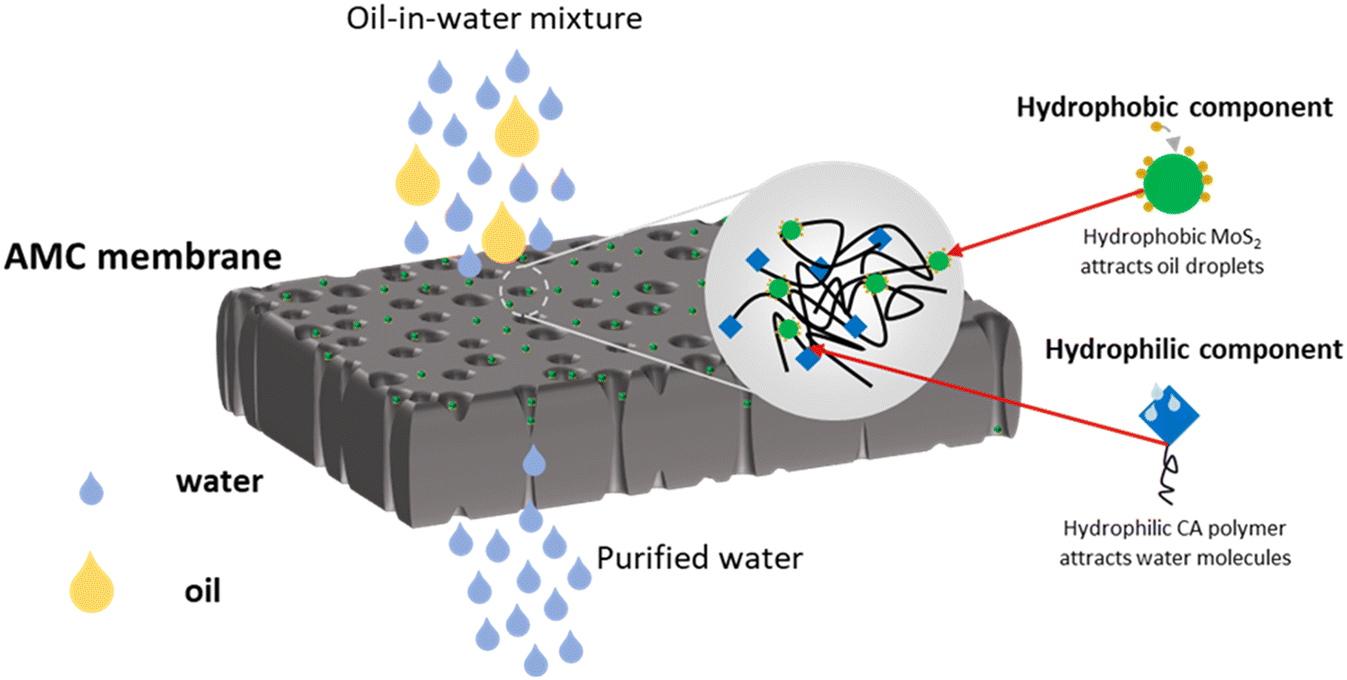
The researchers incorporated molybdenum disulfide (MOS2) nanospheres into a cellulose acetate matrix. MOS2 nanospheres have the ability to repel water but attract oil — that is, they are oleophilic — whereas the cellulose acetate polymer has high water affinity and is hydrophilic. The membrane is designed to be amphiphilic, meaning it can target and capture the oil droplets in a large volume of water. This is important for separation because the membrane has components that attract the oil droplets but can also facilitate the passage of water.


The membrane’s amphiphilic nature is also eliminates fouling caused by oil droplets.


“Hydrophilic membranes with a low affinity for oil suffer from fouling problems as oil droplets accumulate on the membrane surface and obstruct the passage of water molecules,” Prof. Zou said. “Amphiphilic membranes with both hydrophilic and oleophilic groups in a single membrane system are a good candidate for improving membrane performance for diluted oily wastewater treatment.”


Embedded nanomaterials are a well-known strategy for enhancing membrane performance by modifying the structure and properties of the membrane, with MOS2 nanospheres offering high surface areas, unique wetting properties, superior mechanical strength and good chemical stability. 


“For advanced performance in oil-water separation, membranes need to be simultaneously efficient in oil removal and water permeation,” Prof. Zou said. “We developed a nanomaterial/polymer hybrid structure where hydrophobic and hydrophilic components co-exist. It catches fine oil droplets but also allows water molecules to pass through.”


Analysis of the membrane structure showed it was highly porous, with MOS2 nanospheres embedded on and within the polymer membrane. The large number of pore openings in the structure allowed the high water throughput, while the pores also increased the exposed surface area of MoS2 nanospheres for oil capture.


“The oleophilic MOS2 nanospheres capture the oil droplets, and the hydrophilic cellulose acetate matrix facilitates high water flux and a low-oil fouling membrane surface,” Prof. Zou said.


The team found the membrane had a high separation efficiency in tests, with greater than 90 percent removal of oil from the diluted oil-in-water mixture. The membrane also had good stability and durability, meaning it could be used repeatedly without losing performance, which makes it a promising material for industrial application.  


Jade Sterling
Science Writer
27 March 2023

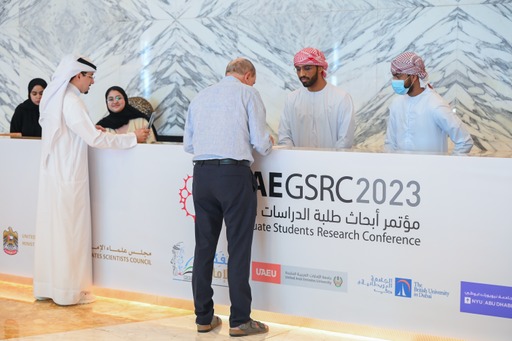
Eighth Edition of UAE-GSRC Organized by Khalifa University Kicks Off

Organized Under the Patronage of His Highness Sheikh Hamed bin Zayed Al Nahyan


Under the patronage of His Highness Sheikh Hamed bin Zayed Al Nahyan, Chairman of the Board of Trustees of Khalifa University of Science and Technology, Her Excellency Sarah Amiri, Minister of State for Public Education and Future Technology, and Chair of the Board of Directors of the Emirates Schools Establishment, inaugurated the 2023 UAE Graduate Students Research Conference (UAE-GSRC), a platform that showcases scholarly research work and innovative ideas and projects in various fields of knowledge.


The conference is witnessing the presentation of a total of 611 papers. The tracks that cover the research papers range from Engineering and Physical Science, to Arts, Humanities & Social Sciences, Clinical, Pre-Clinical, Health & Life Sciences track, and Business & Management. This year, the conference has contributions and presentations from graduate students from Sultan Qaboos University and University of Bahrain. The best papers in each track will be recognized and awarded.


The two-day conference includes keynote addresses by H.E. Faisal Al Banai, CEO and Managing Director, EDGE, H.E. Salem Butti Salem Al Qubaisi, Director General, UAE Space Agency, H.E. Dr. Mohamed Ebrahim Al Mualla, Under-Secretary for Academic Affairs, Ministry of Education, H.E. Badr Al-Olama, Executive Director, Mubadala Investments Company, and H.E. Ahmed Fikri, Director General of Executive Affairs, Abu Dhabi Executive Office, and Director-General, Statistics Center Abu Dhabi. Furthermore, the conference will have a number of panel sessions that discuss a variety of topics.


The eighth edition of UAE GSRC is being organized and hosted by Khalifa University of Science and Technology. The co-organizers include UAEU, The British University in Dubai, NYU Abu Dhabi, Ajman University, Mohamed bin Zayed University of Artificial Intelligence, University of Sharjah, Abu Dhabi University and American University of Sharjah. The GSRC 2023 strategic partners are the UAE Ministry of Education, Emirates’ Scientist Council, and Mufakiru Al Emarat.


Dr. Arif Sultan Al Hammadi, General and Steering Committee Chair, 2023 UAE GSRC, said: “This edition of the UAE GSRC has seen a significant increase in the number of shortlisted research papers to 611 from 388, an increase of over 60%.  The conference provides graduate students an opportunity to showcase their research concepts, seek opinion from peers, and explore avenues to take them further. As with every year, the eight edition this year too will witness some of the most creative innovations, while helping students find ways to utilize the network of experts for materializing their ideas and solutions.”


Panel sessions will focus on ‘Data Science Powering the Knowledge Economy’, The Role and Impact of Doctoral Degree Holders in Society and on Economy, and Sustainability in the UAE. 


The UAE-GSRC 2023 is a multidisciplinary academic conference, totally dedicated to graduate students and aims to provide them an opportunity to share their research work and novel ideas, receive scholarly feedback and network professionally. 


The GSRC continues to attract more interest from students and faculty in universities across the UAE. In 2023, the conference received  760 student paper submissions in the broad tracks of Arts, Humanities & Social Sciences, Business & Management, Clinical, Health & Life Sciences, Engineering, Information Technology & Physical Sciences. The submitted papers are from all the universities in the UAE who are represented on the GSRC committees.


Others attending the UAE GSRC 2023 include presidents, provosts and deans from the organizing entities as well as other universities, stakeholders from various education entities in the UAE, and representatives from some of the leading UAE industrial entities.


Clarence Michael
English Editor Specialist
20 March 2023