- Admissions
- Academics
- Research Office
- Student Life
- News & Events
- Outreach
- About

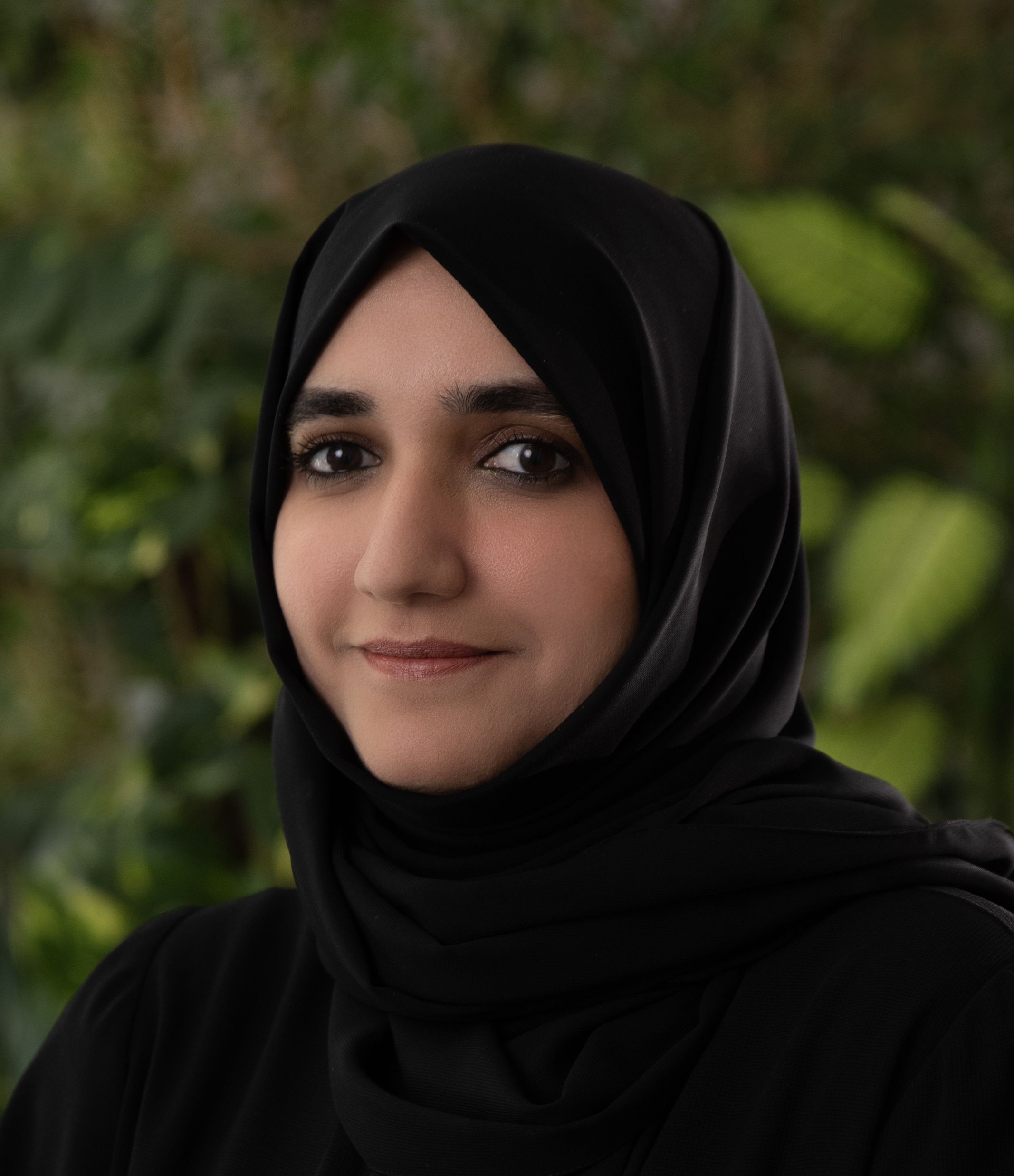
Dr. Aamna AlShehhi is an Assistant Professor in the Department of Biomedical Engineering and Biotechnology at Khalifa University. She holds a PhD in Interdisciplinary Engineering from the Masdar Institute of Science and Technology (in collaboration with MIT), a Master's degree in Electrical and Computer Engineering from the Masdar Institute of Science and Technology (in collaboration with MIT), and a Bachelor's degree in Software Engineering from the UAEU. Her experience spans academic research, interdisciplinary innovation, and technology development, with a strong emphasis on AI-powered solutions for healthcare advancement. She leads the MedXAI research team, driving forward interdisciplinary projects at the intersection of medicine and artificial intelligence.
She joined the Massachusetts Institute of Technology (MIT) as a postdoctoral fellow, contributing to pioneering research in healthcare technologies. Additionally, she served as an Honorary Research Associate at Imperial College London in the School of Public Health, Epidemiology & Biostatistics (including the MRC-PHE Centre), where she engaged in collaborative projects focused on public health and data science.
Dr. AlShehhi is passionate about advancing AI, ML, bioinformatics, and signal processing in healthcare. Her research focuses on the early detection and personalized treatment of neurodegenerative and rare diseases, utilizing neuroimaging, patient records, and genetic data. She also investigates digital biomarkers and large language models to broaden AI's impact. Dr. AlShehhi develops a portable gait analysis system that combines smart sensors and wearables for both clinical and general health applications. She currently collaborates with leading institutions, including MIT, Harvard Medical School, Purdue, EPFL, SEHA, and Cleveland Clinic, to transform her research into practical, real-world healthcare solutions.
iGenRare: An AI Assistant Tool for Rare Genetic Diseases: Early Diagnosis and Management
The diagnostic journey for patients with rare diseases is often lengthy and complex—taking a median of six years in the 100,000 Genomes Project—even as diagnostic technologies continue to advance. During this time, patients typically see multiple physicians and undergo numerous tests before finally receiving a diagnosis. These delays carry profound emotional and financial burdens, while also postponing the start of appropriate treatments, sometimes leading to irreversible damage.
This challenge is not surprising, given that there are thousands of rare diseases but only a limited number of experts worldwide for many of them. To address this gap, we propose iGenRare, an innovative solution powered by general-purpose biomedical large language models. GeneRare aims to support physicians, accelerate the diagnostic process, and open new opportunities for both prevention and treatment of rare diseases.
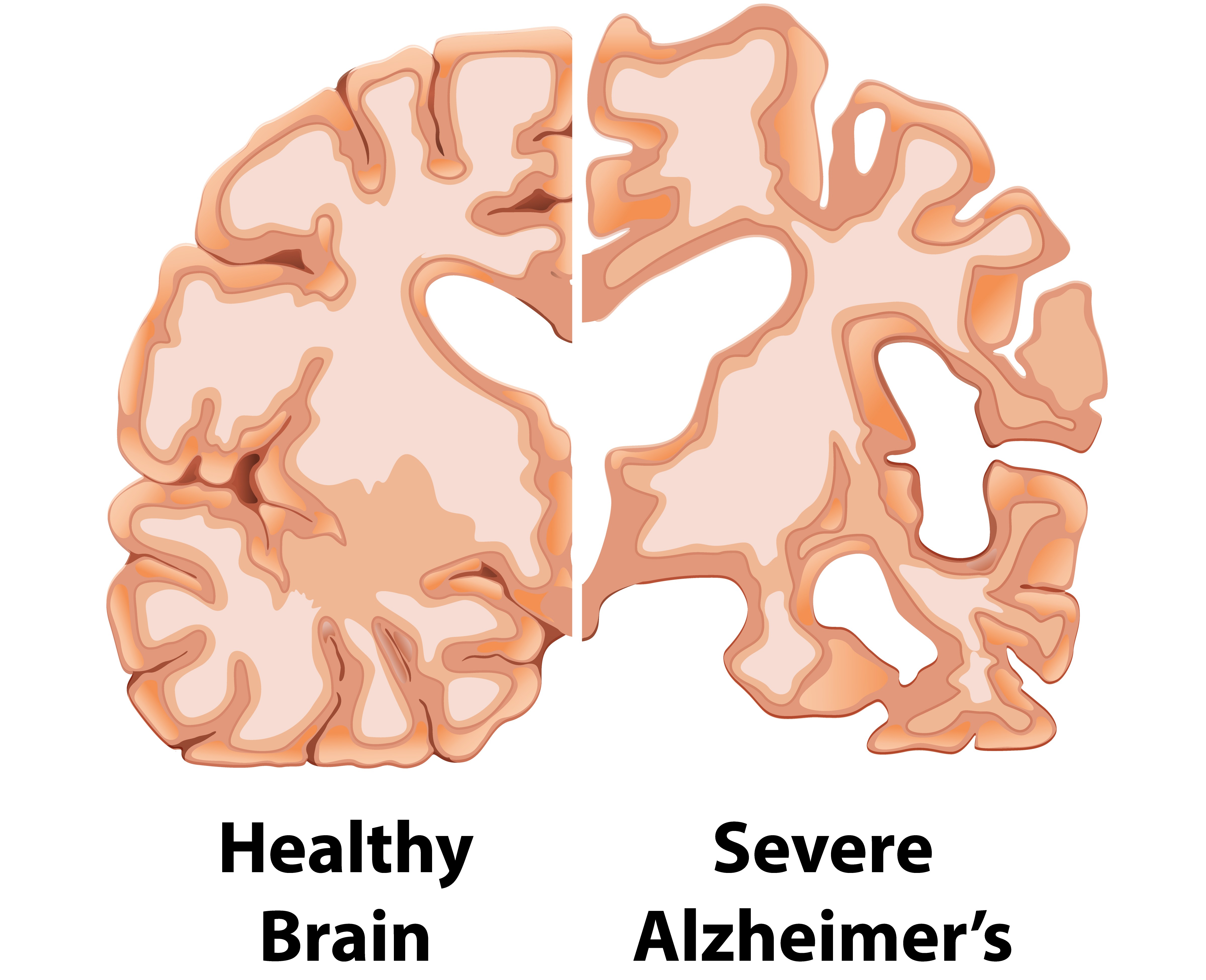
Artificial Intelligence for Alzheimer's Disease: Early-Stage Detection, Risk Factors, and Mechanism of Action.
Alzheimer’s disease (AD) is a progressive and devastating neurodegenerative disorder that gradually erodes normal brain function. According to the Alzheimer’s Association, an estimated 5.7 million Americans were living with AD in 2018, and this number is projected to nearly double by 2050. The disease often begins silently—developing 20 years or more before the first clinical symptoms emerge. Despite decades of research, the precise causes of AD onset and progression remain poorly understood, which contributes to the staggering 99.6% failure rate of dementia therapies. Additional challenges include patient heterogeneity and inaccuracies in clinical measurements, further complicating treatment development.
Yet, there is hope. Evidence shows that AD can be delayed or even prevented by reducing risk factors and enabling early detection. To this end, our study leverages machine learning, artificial intelligence, and causal inference models to analyze complex, heterogeneous datasets of dementia patients. Our goal is to improve early-stage prediction, identify modifiable risk factors, and uncover underlying disease mechanisms—ultimately driving more effective prevention strategies and targeted treatments.