Khalifa University Showcases Cutting-Edge Research at PIERS 2025 in Abu Dhabi

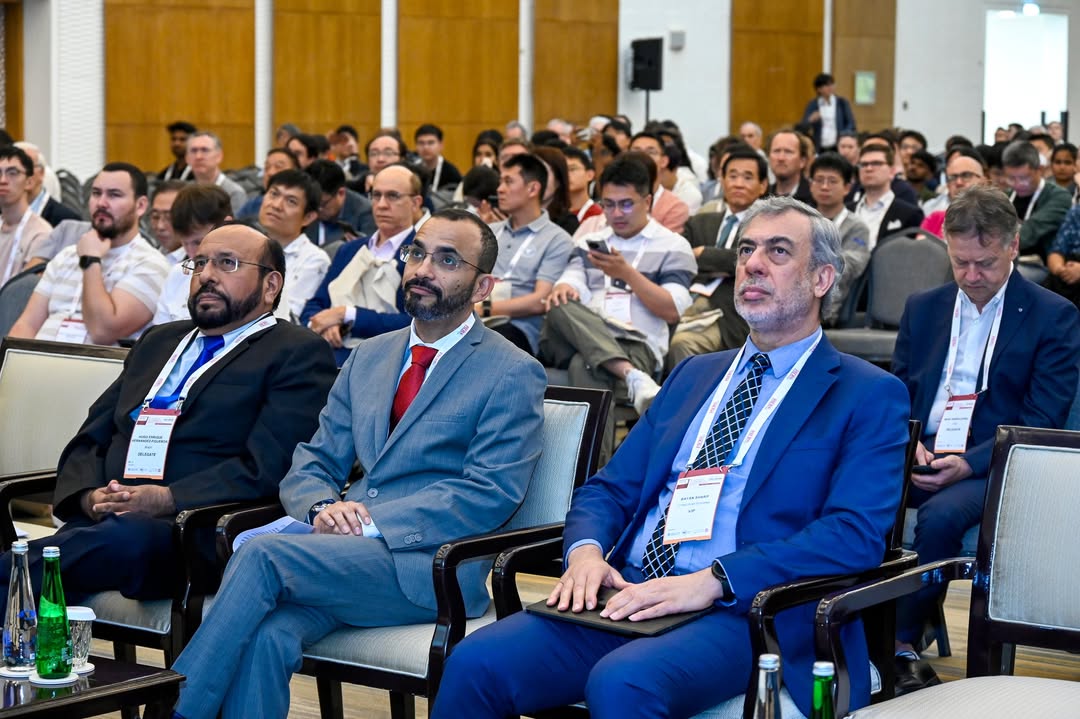
The PhotonIcs and Electromagnetics Research Symposium (PIERS 2025), also known as the Progress In Electromagnetics Research Symposium, was held from May 4–8, 2025, in Abu Dhabi, UAE. The event brought together more than 1 100 delegates from 50 countries. Over 4.5 days, attendees participated in 116 technical sessions across ten parallel tracks, nine hot-topic talks, and 15 keynote addresses by world-renowned experts.


Professor Ibrahim (Abe) M. Elfadel from KU’s Computer and Information Engineering (CIE) department served as one of the general chairs. KU contributed four organized sessions and approximately 25 papers, spanning multiple departments including CIE, Electrical Engineering (EE), Physics, Mechanical and Nuclear Engineering, and Biomedical Engineering.

The symposium’s award ceremony recognized two PhD students from KU: Khamis Hasan Ali (EE) won second prize for the Best Student Paper Award in Antennas and Microwave Technologies, and Ismail Abiola Shittu (CIE) received an honorable mention in Metamaterials, Plasmonics, and Complex Media.

For more details, visit the conference website: https://abdb2025.piers.org/

Khalifa University to Organize 2025 Graduation Ceremony on 11 and 12 June  

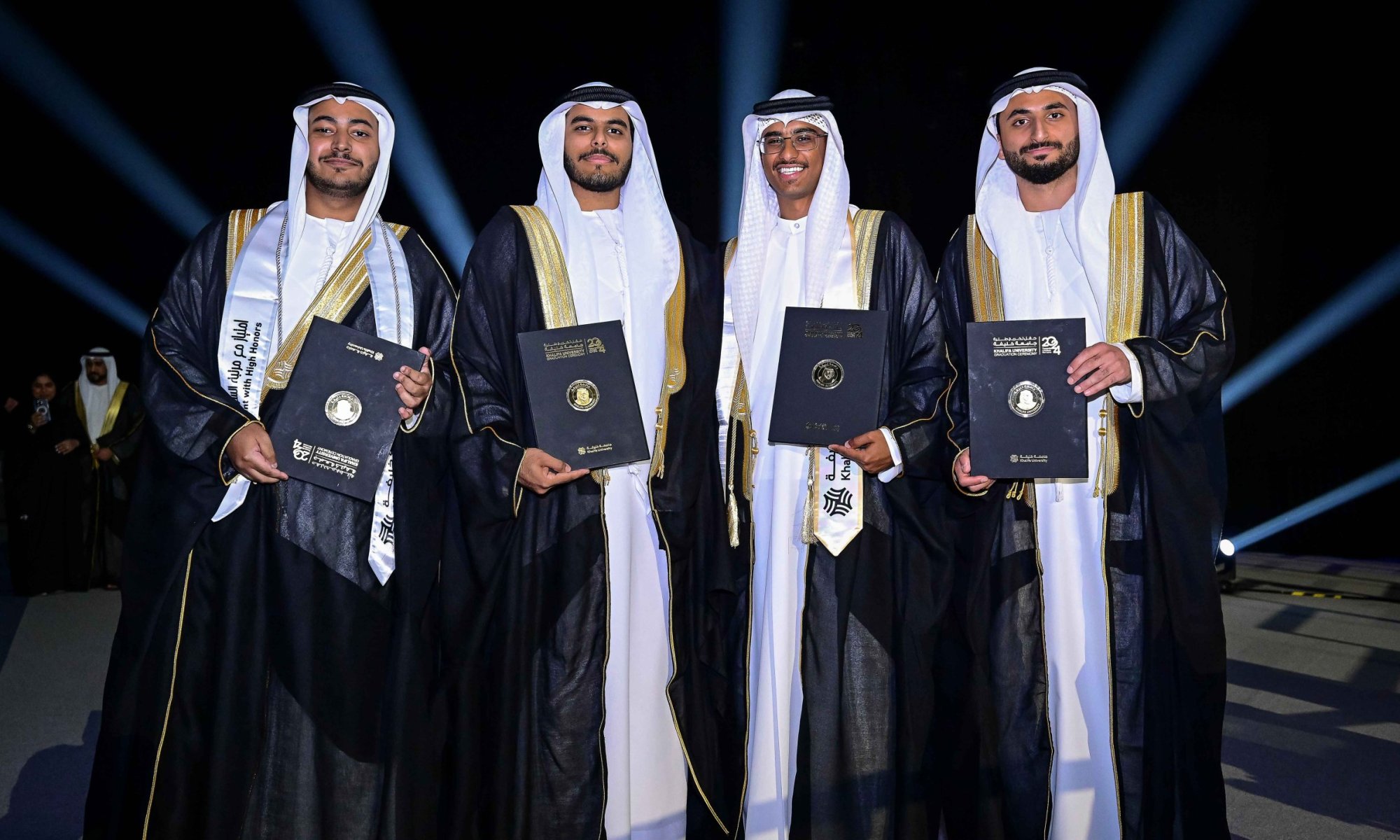
Khalifa University of Science and Technology will organize the graduation ceremony at the Abu Dhabi National Exhibition Centre (ADNEC), honoring the achievements of 1,112 students across undergraduate and postgraduate programs. The graduation will take place over two days – on Wednesday 11 June and Thursday 12 June. 


Marking the UAE’s Year of Community 2025, the ceremony will honor the academic journeys of students from a wide range of disciplines. In all, 725 students will receive their bachelor’s, 193 will receive their Master’s, while 163 will receive their PhD degrees at the graduation ceremony. Including 31 medical graduates, a total of 738 students will be receiving their bachelor’s degrees making the overall numbers to 1,112 including medical graduates.  


This year also represents a milestone for Khalifa University’s Biomedical Engineering program, which sees a record number of graduates contributing to the UAE’s efforts in advancing healthcare technologies. The ceremony will likewise commend a strong cohort from the University’s pioneering Nuclear Engineering program, the first of its kind in the UAE, supporting the country’s clean energy goals. Additionally, Khalifa University will confer degrees on Master of Science students from the Sustainable Critical Infrastructure program. 


This year’s graduation also reflects Khalifa University’s continued expansion into future-critical disciplines. Following the recent launch of the bachelor’s program in Robotics and Artificial Intelligence, the University is laying the groundwork for the next generation of graduates who will shape the UAE’s leadership in emerging technologies.  

International Experts Convene in Abu Dhabi for High-Level Workshop on Probabilistic Safety Assessment of Multi-Unit Nuclear Power Plants

From February 10 to 14 (2025) leading nuclear safety experts from six countries, including South Korea, the United States, and Germany, gathered in Abu Dhabi for a high-level workshop on probabilistic safety assessment (PSA) for multi-unit nuclear power plants. Organized by the International Atomic Energy Agency (IAEA) and hosted by the Federal Authority for Nuclear Regulation (FANR), the event served as a pivotal forum for enhancing global approaches to nuclear safety and risk assessment.

Representatives from the Emirates Nuclear Technology Center (ENTC) played a key role in the discussions, contributing valuable insights and expertise. The ENTC team collaborated with international specialists to explore strategic approaches to safety assessment, regulatory challenges, and operational best practices for multi-unit nuclear power plants.

Probabilistic safety assessment (PSA) is a critical tool in modern nuclear governance, enabling decision-makers to anticipate and mitigate potential risks. By providing a structured, data-driven evaluation of plant operations and system interactions, PSA strengthens safety protocols and supports long-term strategic planning. The workshop underscored the increasing importance of integrating PSA methodologies into regulatory frameworks to ensure nuclear facilities operate at the highest safety standards.

A key area of focus was the application of probabilistic safety methodologies at the Barakah Nuclear Power Plant, the UAE’s first multi-unit nuclear facility, which currently supplies 25% of the nation’s electricity. The discussions provided an opportunity for experts to refine strategies for risk assessment and strengthen national capabilities in nuclear safety oversight.

With over 45 participants and more than 15 senior experts contributing insights from diverse regulatory, operational, and technical backgrounds, the workshop facilitated a rich exchange of global expertise. It also reinforced the UAE’s leadership in nuclear safety and laid the groundwork for future advancements in safety assessment methodologies, ensuring the continued reliability and resilience of nuclear energy both regionally and worldwide.

Fatima Alzaabi Participates in IAEA Leadership Training

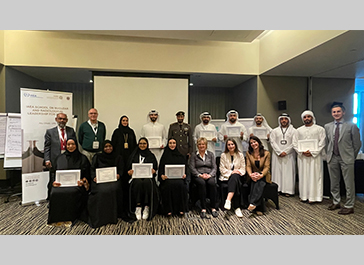
Fatima AlZaabi from the Emirates Nuclear Technology Center (ENTC) successfully participated in the IAEA School on Nuclear and Radiological Leadership for Safety, held in Abu Dhabi from December 9–13, 2024. The training focused on enhancing leadership skills for nuclear and radiological safety, emphasizing case studies, safety culture, and systemic approaches to safety in complex environments.

ENTC Welcomes KEPCO Nuclear Fuel Delegation

The Emirates Nuclear Technology Center (ENTC) recently hosted a delegation from KEPCO Nuclear Fuel, South Korea’s leading nuclear fuel company. The meeting focused on exploring opportunities for future collaboration, with discussions covering operational efficiency, and technological innovation. This visit highlights KEPCO’s dedication to building global partnerships with ENTC in the nuclear sector.

Tsinghua University Delegation Visits ENTC

The ENTC recently welcomed a delegation from Tsinghua University for an engaging visit and lab tour. The delegation was accompanied by Dr. Saeed Alameri, ENTC Director, and Dr. Yacine Addad, Deputy Director. During the tour, researchers and lab engineers provided insightful explanations of ongoing experiments and showcased the cutting-edge work being conducted across the labs. The visit served as a valuable opportunity to exchange knowledge and strengthen academic collaboration.

ENTC PhD Students Featured on TV

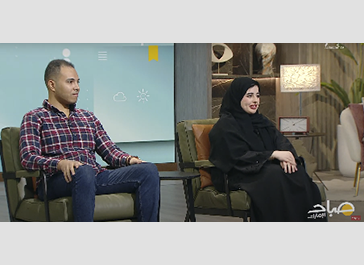
Two of our PhD students (Asma and Sameer) from the MEEN program (but working in T-H nuclear related PhD projects were interviewed on TV yesterday morning (check at video time from 1 hour 14 min onwards, in arabic) from the link below:

https://www.youtube.com/live/mlRQdX4n_2Q

Two Khalifa University PhD Students Highlight ENTC’s Role in Ensuring UAE’s Nuclear Safety on Emirates TV’s Morning Program – Khalifa University


Khalifa University’s First Annual Electrical Engineering Research Conference Highlights Critical Energy Transition Challenges

20 Posters and Several Oral Presentations from PhD and Master’s Students Cover Cutting-Edge Research Solutions


Critical challenges in addressing global energy transition, presentations on key areas of engineering innovations, outstanding research solutions, and 20 posters from PhD and Master’s students were some of the highlights of the first annual Electrical Engineering Research Conference organized at Khalifa University. Three awards were also announced in the Best Abstract, Best Oral, and Best Poster categories.


The conference at the Main Campus was organized by the Electrical Engineering Department, currently ranked 102nd globally in the 2025 QS World University Rankings by Subject. The event aims to foster collaboration within the academic community while providing a platform for students to present their work, and engage with faculty.


The Best Abstract award was given to PhD student Wahab Ullah (Advisor Dr Khalifa Al Hosani) for Advanced DPC Strategy for High-Efficient PEM Operations with Fault Ride Through Capability in RES Dominated Grids and PhD student Youssef Badran (Advisor Dr. Mohamed El Moursi) for A Data Driven Stability Assessment Approach for Multiple Microgrids Interconnection.


The Best Oral award was presented to PhD student Bilal Habib (Advisor Dr. Omar Al Zaabi), for E-field Relaxation at Triple Point Junction around GIS Insulator Spacer, and The Best Poster award was won by PhD student Nasser Jamal Saeed Al-Saif (Advisor: Dr. Jamal AlSawalhi), for Three-Coil Wireless Power Transfer System.


Undergraduate students Shayma Mohammed Alteneiji, Maryam Ahmed Alhmoudi, Engy Emad Farouk, and Hind Ibrahim Albastaki presented a poster titled Vehicle Position & Speed Measurement Using Radar and Camera Modules.


The keynote ‘Enabling the Energy Transition: Why Research and Development Is Critical for Decarbonizing Energy and Transport Systems’, was delivered by Dr. Hany Farag, Visiting Research Professor. Dr. Farag analyzed how the significant technical and operational challenges for key energy transition enablers such as large-scale renewable integration, electrification of transport, and green hydrogen production could only be tackled through a hybrid approach that combines battery-based and hydrogen-based technologies.


Out of a total of 20 posters, 10 covered topics such as digital modulation, wireless power transfer, and microgrid stability, focusing on innovative solutions for energy challenges and integration of renewables. Another 10 posters covered energy management in hybrid microgrids and risk-aware frameworks for hydrogen transport, highlighting the diversity of research in the Electrical Engineering department at Khalifa University.


Additionally, seven student-led oral presentations covered topics such as Proton Exchange Membrane (PEM) operations, charge trapping devices, and microgrid restoration, underscoring the scope for advanced technologies and applications in the field of electrical engineering. Seven other oral sessions focused on microgrid interconnection, soft lithography, and machine learning in fault detection, highlighting the innovative research and applications.


There were also five more talks covering cyber-attack detection in solar forecasting and economic dispatch frameworks for microgrids, which turned the spotlight on stability, efficiency, and innovative solutions.


Professor Ammar Nayfeh, Associate Professor, Electrical Engineering, and Chair of the Electrical Engineering Department Research Committee, said: “The first annual Electrical Engineering Research Conference provided an opportunity for the students to present their research work and gauge the extent of innovation from among their peers. We are planning to make this even more engaging in the next edition as the field of electrical engineering is poised to register significant growth offering more potential for new graduates. This conference has not only led to key insightful research work to be shared but also in exchange of knowledge and expertise that will inspire students to explore further in electrical engineering.”


Clarence Michael
English Editor – Specialist

The Emirates Nuclear Technology Center (ENTC) Presents 12 Cutting-Edge Projects to FANR Board of Management 

Exhibition Demonstrates ENTC’s Contributions to UAE’s Nuclear Energy, Including Accident Tolerant Fuel Selection Studies, Safety Analysis, and Drone-Based Environmental Monitoring  


The Emirates Nuclear Technology Center (ENTC) presented 12 cutting-edge research projects across four thematic areas during a dedicated exhibition at the headquarters of the UAE Federal Authority for Nuclear Regulation (FANR). 


A total of 22 participants from Khalifa University took part in the event attended by members of the FANR Board of Management. The exhibition provided a platform to highlight ENTC’s contributions to the UAE’s nuclear energy sector, including accident tolerant fuel selection studies, safety analysis, and innovative applications such as drone-based environmental monitoring. 


Following the exhibition, members of the FANR Board of Management engaged in high-level discussions with the ENTC to explore further collaborations and research directions in support of the UAE’s peaceful nuclear energy program. Stakeholders also commended the ENTC team for their impactful research and reaffirmed the importance of sustained academic-industry partnerships in advancing the nation’s nuclear capabilities. 


“The ongoing projects of the Emirates Nuclear Technology Centre contribute to enriching the research and development around the nuclear and radiation sector which helps the different stakeholders in the UAE to implement their mandate to protect the public and environment,” said FANR’s Deputy Director-General for Operations, Raoul Awad.  


Meanwhile, FANR’s Research and Development Program aims to support the regulatory framework and empower Emiratis by providing research opportunities in the nuclear field and fostering scientific activities such as publishing research papers. One key R&D project is the Numerical Modelling of Radionuclides Dispersion (MORAD) research program, the first phase of which concluded in 2024. The research program contributed to studying the effect of radiation on marine, atmospheric and terrestrial environments in order to assess the impact on public exposure and the environment. 


Dr. Saeed Alameri, Director, ENTC, said: The ENTC exhibition at the FANR headquarters reflects our commitment to conducting research that addresses real-world challenges facing the nuclear energy sector in the UAE. We look forward to strengthening our collaboration with FANR and other stakeholders to further support the nation’s vision for safe, secure, and sustainable nuclear energy.” 


Dr. Yacine Addad, Deputy Director, ENTC, added: It was a privilege to present our research to the FANR Board of Management and engage in meaningful dialogue about future collaborations. The recognition we received is a testament to the dedication of our team and the strength of our collaborations with UAE nuclear stakeholders.” 


Clarence Michael
English Editor Specialist


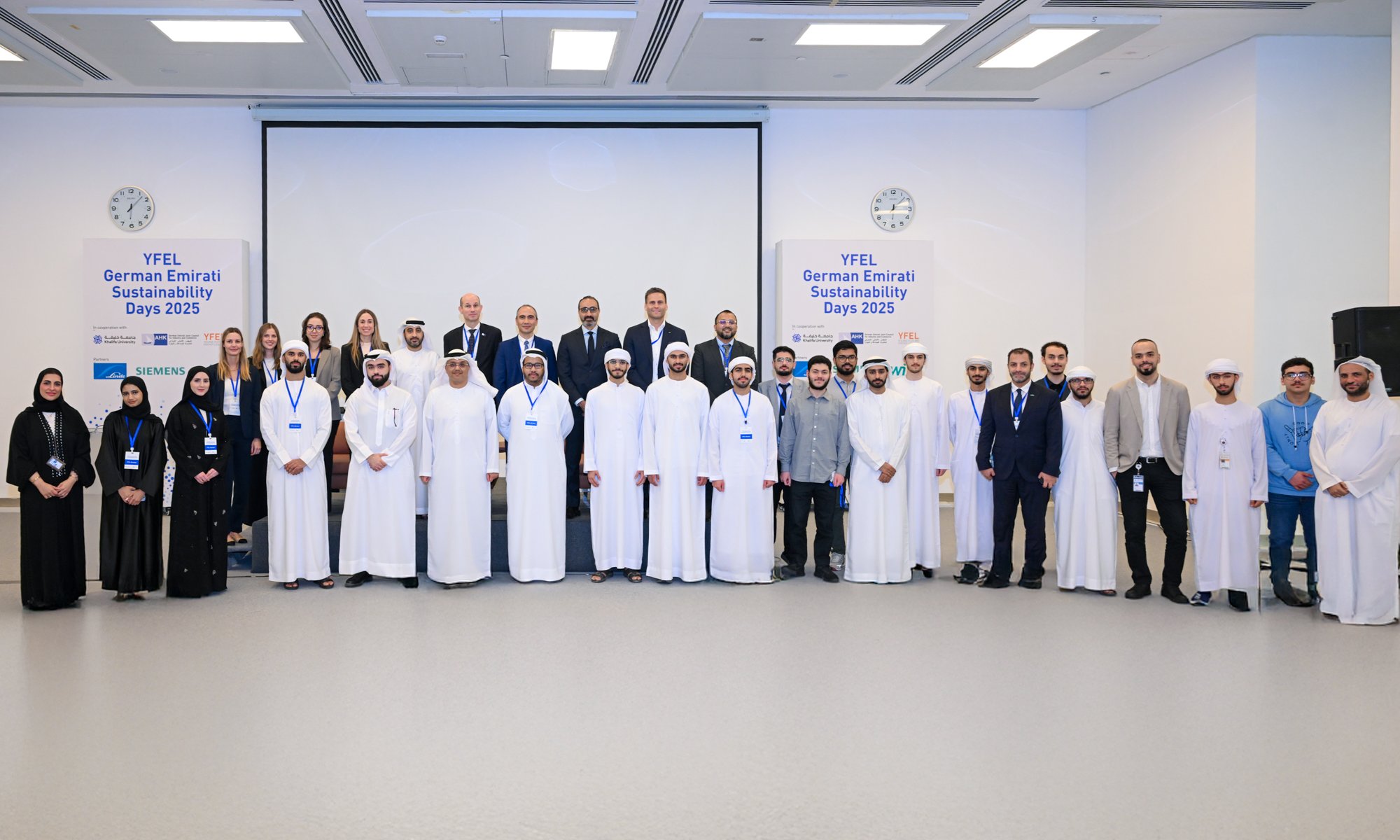
Khalifa University Opens Fifth Edition of YFEL German-Emirati Sustainability Days 2025 

IRENA, and Industry Partners from Linde, Siemens, and Wilo Inspire 2025 YFEL Members


Khalifa University will open the fifth edition of the Young Future Energy Leaders (YFEL) German-Emirati Sustainability Days, highlighting a long-standing partnership between academia, industry, and government to empower the next generation of sustainability leaders.


Organized at the Khalifa University Main Campus, the event will include participation from Dr. Martin Henkelmann, CEO of the German Emirati Joint Council for Industry and Commerce (AHK), along with industry partners from Linde, Siemens, and Wilo. The event will also feature a keynote from a representative of the International Renewable Energy Agency (IRENA) and remarks by Dr. Waleed AlAmeri, Associate Provost, Khalifa University.


The 2025 edition marks a major milestone for the YFEL outreach program, now in its 15th year. The initiative supports university students and early-career professionals through mentorship, research projects, and collaboration with global industry leaders. This year’s program takes on added significance under the UAE’s ‘Year of Community,’ demonstrating shared innovation for sustainable development.


Members of the 2025 YFEL program have also completed their Technical Sessions focusing on Multi-Functional Energy Storage Systems for Sustainable Power Distribution Networks, Application of Digital Image Processing on Fouling Characterization in Reverse Osmosis Desalination, Overview of Energy Types and Energy Value Chain, and Introduction to Nuclear Energy.


Dr. Waleed AlAmeri said: “The YFEL outreach program represents the power of mentorship and knowledge-sharing in action. The YFEL German-Emirati Sustainability Days brings together German engineering strength, Emirati ambition, and the energy of youth to tackle global sustainability challenges. With over 600 alumni, the YFEL program as well as the German-Emirati partnership, in particular, stands as a model for cross-border collaboration, where sustainability goals are pursued through practical mentorship and academic excellence.”


Alisha Roy
Science Writer

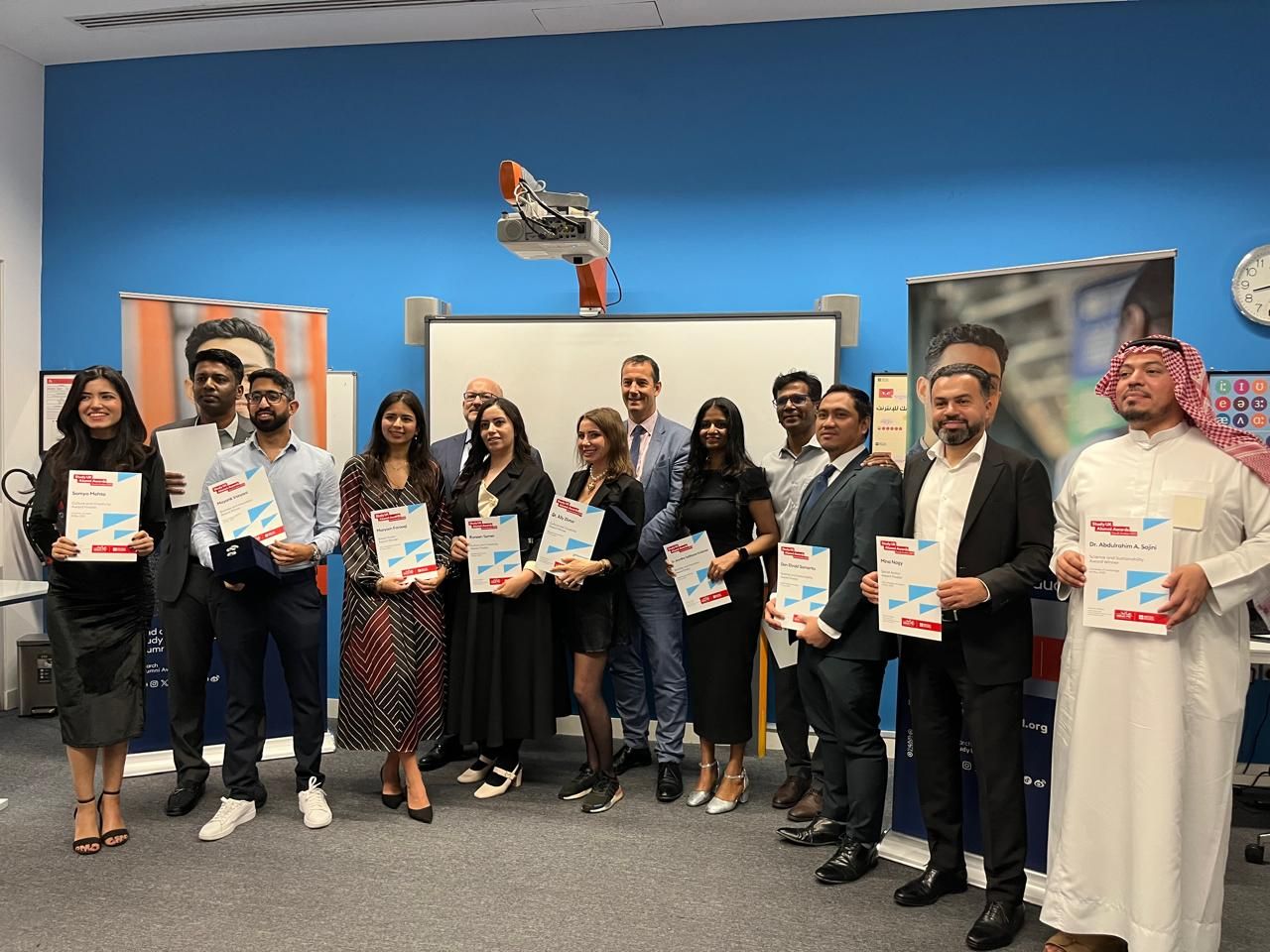
Khalifa University Faculty Wins Prestigious UK Alumni Award 2025 in ‘Science and Sustainability’ Category   

Dr. Abdulrahim Sajini Recognized for Pioneering Work in RNA and Skin Stem Cell Research and Contribution to UAE’s Scientific Landscape 


Khalifa University College of Medicine and Health Sciences (CMHS) Assistant Professor Dr. Abdulrahim Sajini has won the prestigious UK Alumni Award 2025 in the ‘Science and Sustainability’ category for the UAE in recognition of his pioneering research in stem cells and RNA. 


The award was officially presented to Dr. Sajini at a ceremony in Dubai that was attended by His Majesty’s Ambassador to the UAE Edward Hobart CMG, and Martin Daltry OBE, Director, British Council, UAE. Dr. Sajini’s work with human induced pluripotent stem cells, RNA modifications, his contributions at Khalifa University, supervising graduate students, his scientific publications, as well as volunteering service were evaluated by the judges. 


The Science and Sustainability Award category recognizes alumni from UK institutions who have distinguished themselves through their career and who can demonstrate the impact and scale of their achievements in their profession. Some of the areas of work covered by this category include climate action, clean energy, medicine, sustainable cities and communities, engineering, industry and construction. 


Dr. Sajini said: “The UK Alumni Awards recognize outstanding achievements of international UK alumni worldwide and honor international leaders who have leveraged their UK education to make significant contributions to their communities, industries, and countries. In my case, I was judged the winner in the Science and Sustainability Category for leveraging the knowledge I gained at the University of Cambridge to impact my research at Khalifa University and the UAE. The UK government award also acknowledges my significant contribution to the UAE’s science landscape, especially in pioneering stem cell research, and for being the first in the country to generate Emirati human-induced pluripotent stem cells.” 


Dr. Sajini from the CMHS Biological Sciences department is currently leading his research group to use RNA molecules clinically and commercially. His research themes focus on studying obesity, RNA modifications and stem cell biology. More specifically, his research group has produced the UAE’s first Emirati human induced pluripotent stem cells (hiPSCs) in order to study how Emirati genes are causing obesity. His lab is also working on understanding the role of RNA post-transcriptional modifications in stem cell self-renewal and in RNA sorting. 


Dr. Sajini completed both his Post-Doc and PhD at the University of Cambridge. He received his M.S. in Stem Cell Biology at the University of Minnesota Medical School. At Cambridge, he undertook a special entrepreneur program (Accelerate Cambridge) designed by the Judge Business School to transform himself from a biological scientist into a biological entrepreneur. His research at Khalifa University has attracted funding that includes AED 1,000,000 from Abu Dhabi Award for Research Excellence (AARE) 2019, AED 2,058,000 from Khalifa University’s RIG-2023 internal research grant call, and another two Khalifa University’s RIG-2024 internal research grants as Co-PI.  


The UK Alumni Awards highlight the impact of graduates from UK higher education institutions, and how they have used their experience of studying at a UK university to make a positive contribution to their communities, industries and countries. 


Clarence Michael
English Editor – Specialist