
Khalifa University, KUEC and ALA Announce Research Collaboration for Clinical Trials to Validate L-Nutra’s DRRP


Clinical Trial Will Involve 100 individuals in UAE to be Followed by Obtaining Regulatory Approvals and Commercialization


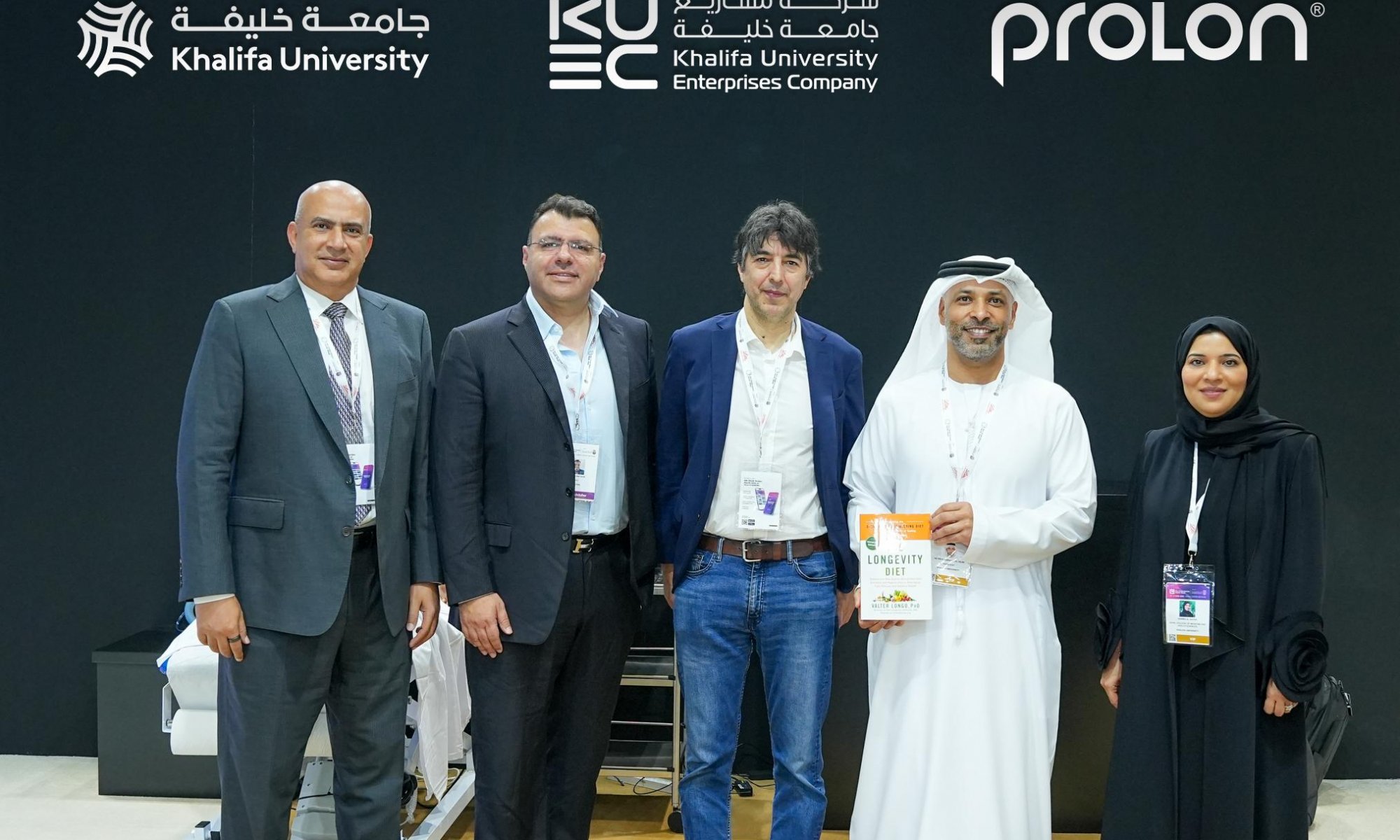
Khalifa University of Science and Technology, along with its business and investment arm Khalifa University Enterprises Company (KUEC), and Advanced Laser Aesthetics (ALA) have signed a tripartite research collaboration agreement to validate L-Nutra’s Diabetes Regression and Remission Program (DRRP) through clinical trials.


The collaboration was announced during the Abu Dhabi Global Health Week 2025 that runs from 15 – 17 April at the Abu Dhabi National Exhibition Center (ADNEC). The agreement signing was attended by Khalifa University President H. E. Professor Ebrahim Al Hajri, H.E. Amal Nasser Al Jaberi, CEO, KUEC, and Dr. Mohamed Kebir, Chairman and CEO, ALA, which is the exclusive distributor of L-Nutra’s DRRP in the region, Dr. Jospeh Antoun Chairman and CEO of L-Nutra, in addition to Dr. Valter Longo, Professor of Gerontology and Biological Sciences and Director of the Longevity Institute at the University of Southern California.


The collaboration will facilitate a clinical trial involving 100 individuals in the UAE to validate the efficacy of the DRRP product in managing or reversing Type 2 diabetes, followed by obtaining regulatory approvals and commercialization. The trial will include multi-omics profiling and AI-based data interpretation.


H.E. Amal Nasser Al Jaberi said: “KUEC is delighted to be part of this tripartite agreement that aims to validate L-Nutra’s DRRP and explore the commercialization potential. This technology solution promises to have far-reaching applications in the healthcare sector and as the business and investment arm of Khalifa University, we encourage innovation and inspire new technology startups, motivating researchers, students and alumni to explore entrepreneurship based on university research outputs.”


Professor Habiba Alsafar, Dean, College of Medicine and Health Sciences (CMHS), Khalifa University, said: “This landmark research collaboration agreement for the clinical trial with ALA underscores Khalifa University’s role as a national leader in transformative health research. By combining our research excellence with global innovation in nutrition science, we are proud to drive forward new solutions that align with the UAE’s healthcare priorities and position the University at the forefront of preventive medicine in the region.”


Dr. Mohamed Kebir Chairman and CEO of ALA said: “We are honored to collaborate with Khalifa University and L-Nutra on this pioneering clinical trial that brings science-driven solutions to the forefront of diabetes care in the UAE. This partnership reflects our commitment to transforming the way we approach chronic disease through innovative, non-invasive interventions.”


 Dr. Joseph Antoun Chairman and CEO of L-Nutra said: “This collaboration marks a milestone in the global mission to reverse chronic diseases and promote longevity through nutrition-based therapeutics. We are proud to partner with Khalifa University and ALA in advancing the clinical validation of our Diabetes Regression and Remission Program in the UAE.”


This clinical trial represents a major scientific milestone for the UAE, combining cutting-edge nutritional technology with the research leadership of Khalifa University in the fields of biotechnology, precision and preventive medicine, and healthy longevity.


Type 2 diabetes is a key healthcare priority for the UAE, given its potential wide-ranging implications for both population well-being and healthcare resources. Khalifa University is positioned at the forefront of innovation, leading a national effort to explore non-invasive, nutrition-based solutions that can significantly alter the trajectory of chronic disease in the region.


By advancing this clinical trial, Khalifa University, KUEC and ALA are contributing to a global movement that reimagines aging and chronic disease, not as inevitable outcomes but as challenges that science and nutrition can address. The collaboration seeks to advance diabetes care in the UAE through clinical research, regulatory approval, and commercialization of the DRRP product.
Fourth Edition of Khalifa University Century Challenge Draws Extensive Participation from Over 1,000 Cycling Enthusiasts


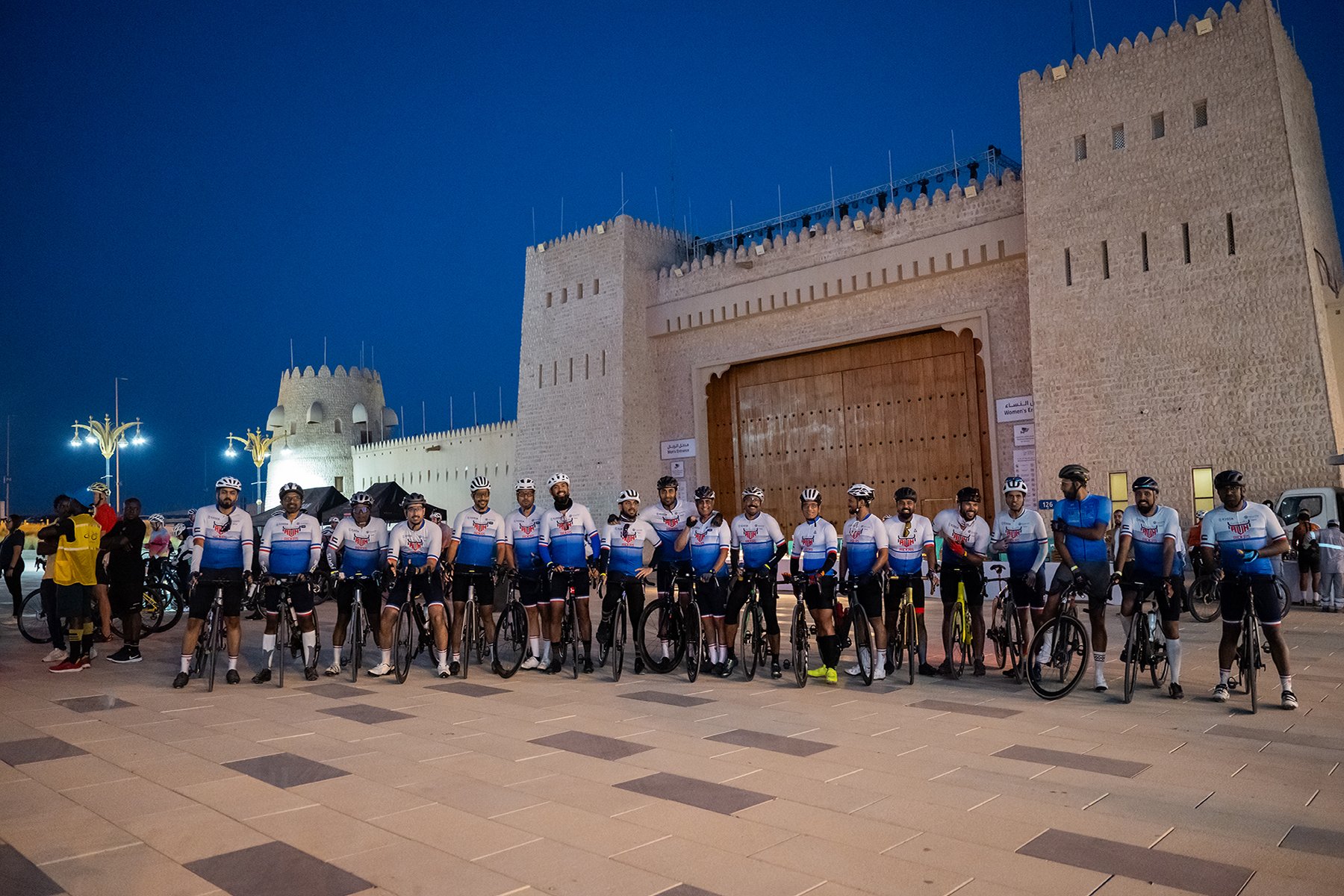
Cycling enthusiasts participated in a large number at the fourth edition of the KU Century Challenge, organized by the Abu Dhabi Cycling Club and Khalifa University of Science and Technology, with twin starting points – Abu Dhabi (190km) and Dubai (175km) – leading to the top of Jebel Hafeet in Al Ain Region.


The Main Campus was the starting point for Abu Dhabi participants, while the Dubai leg set off from the Al Qudra Cycling Track to converge on the summit in Al Ain, with the participation of more than 1,000 cyclists from the community, as well as Khalifa University students, faculty members and staff.


His Excellency Professor Ebrahim Al Hajri, President, Khalifa University, stated that organizing the competition for the fourth year in a row reflects Khalifa University’s commitment to collaborate with its partners such as the Abu Dhabi Cycling Club and the Abu Dhabi Sports Council. He added that the initiative aligns with the University’s social responsibility objectives while contributing to strengthening the well-being of the community, especially during the UAE’s ‘Year of Community’.


Al Nakhira Al Khaili, Executive Director, Abu Dhabi Cycling Club, expressed his delight on the success of the fourth edition of KU Century Challenge. He added that it also reflects the Club’s dedication to achieving its goals and supporting individuals within the community, by inspiring them to take up sporting activities such as cycling.


How the Emirati Genome Project should lead to major advances in personalised medicine

The Emirati Genome Project, launched in 2020, aims to analyze the genomes – a person’s complete set of genetic material – of as many UAE nationals as possible. As a researcher closely involved with the project, Prof Habiba Al Safar, Dean, College of Medicine and Health Sciences (CMHS) at Khalifa University in Abu Dhabi, said that would “generate a comprehensive reference map of the genetic make-up of the Emirati population.”


More than 600,000 Emiratis have provided blood or cheek swabs so that their genomes can be sequenced, making it “the largest population-based genetic study in the region”. As well as being useful for personalized medicine, the information should be of value in understanding how human migration contributed to the genetic make-up of the Emirati population.


Source: Thenationalnews.com

How the Emirati Genome Project should lead to major advances in personalised medicine

The Emirati Genome Project, launched in 2020, aims to analyze the genomes – a person’s complete set of genetic material – of as many UAE nationals as possible. As a researcher closely involved with the project, Prof Habiba Al Safar, Dean, College of Medicine and Health Sciences (CMHS) at Khalifa University in Abu Dhabi, said that would “generate a comprehensive reference map of the genetic make-up of the Emirati population.”

More than 600,000 Emiratis have provided blood or cheek swabs so that their genomes can be sequenced, making it “the largest population-based genetic study in the region”. As well as being useful for personalized medicine, the information should be of value in understanding how human migration contributed to the genetic make-up of the Emirati population.

Source: Thenationalnews.com

Khalifa University Research Team Wins Best Poster Award at ICORES 2025 in Portugal

Research focuses on micro-grid model for clean electricity and hydrogen 


A team from Khalifa University received the Best Poster Award at the International Conference on Operations Research and Enterprise Systems (ICORES 2025), held in Portugal. 


Their poster, “Renewable Energy-Based Micro-Grid for Clean Electricity and Green Hydrogen Production,” presents a linear programming model to optimize the design of a renewable energy-powered micro-grid. The system is designed to meet the electricity and hydrogen needs of a 25,000-person community using only solar and wind energy. 


The study outlines an optimal setup including 630 MW of solar PV, 59 MW of wind turbines, 368 MW of electrolyzers, and supporting storage technologies. The model estimates electricity costs at $0.29 per kWh and hydrogen production at $5 per kg, while achieving zero carbon emissions​. 


The research was carried out by Dr. Issa Zaiter, Dr. Ahmad Mayyas, and Dr. Raed Jaradat from the Khalifa University Department of Management Science and Engineering. 


Jade Sterling
Science Writer


Khalifa University Brings UAE-Led Healthcare Innovations to the International Stage at 2025 Abu Dhabi Global Health Week 

From Genomics to AI-Driven Care, College of Medicine and Health Sciences Showcases Advances in Longevity and Precision Health 


Khalifa University of Science and Technology today announced its participation in the Abu Dhabi Global Healthcare Week (ADGHW) 2025, hosted by the Department of Health – Abu Dhabi, underscoring its contributions to life sciences and translational medicine. Demonstrating its strength in turning scientific discovery into impactful solutions, the University’s College of Medicine and Health Sciences (CMHS) will highlight a suite of advanced research initiatives and national health programs aligned with the event’s focus on healthy aging and precision health. 


Held under the theme Towards Longevity: Redefining Health and Wellbeing,’ the event brings together global experts to explore community-driven, preventive, and personalized approaches to healthcare. Professor Habiba Alsafar, Dean, CMHS, will speak on Day 1 in a panel titled, ‘Novel Therapeutic Strategies for Healthy Longevity,’ moderated by Dr. Mira Mousa, Assistant Professor of Public Health and Epidemiology. Joined by international experts, the panel will explore gene therapy, biosensors, nutrition, and women’s health. The session builds on the success of the first and second Healthy Longevity Symposiums, which helped set the stage for Khalifa University’s prominent role at ADGHW 2025. 


Professor Habiba Alsafar, said: “Participating in the ADGHW 2025 reflects Khalifa University’s continued commitment to global collaboration and innovation. The diverse contributions from the College of Medicine and Health Sciences demonstrate the University’s central role in shaping UAE’s healthcare future, driven by science, rooted in the community, and committed to excellence. The four pillars guiding this event’s dialogue on longevity and precision health, health system resilience, digital health and AI, and investment in life sciences, strongly align with our research priorities as demonstrated in the projects we are showcasing.” 


Khalifa University will present 10 innovations such as ‘CareX’, an AI-powered system to support remote diagnosis and chronic disease management, and ‘3D-printed polymeric knee implants’ mimicking human bone, marking a UAE-first in biomedical design and materials. Another project investigates neurodegenerative diseases in children with autism spectrum disorder.  


Also featured is the Emirati Reference Genome Project designed to create a population-specific reference genome for the UAE. Overseen by the Department of Health and executed in partnership with the country’s leading academic institutions, it aims to accelerate disease research and personalized medicine advancements, ensuring better healthcare outcomes across the UAE. Further contributing to national health priorities, a One Health genomics study tracks the spread of antimicrobial resistance. Other highlights include anti-diabetic properties of camel milk, and Maternal and Infant Health Monitoring System, now active in 18 hospitals across Abu Dhabi, FallGuard, a wearable device for real-time fall detection and caregiver alerting, Bioelectronic Chips, for precision diagnostics, and IGenRare, an AI assistant for more accurate diagnosis of rare diseases. 


Research from CMHS has earned regional and international recognition, with awards from TERMIS-AP, L’Oréal-UNESCO, the DoH – Abu Dhabi, and Ministry of Health and Prevention. With new PhD programs, expanded master’s offerings, ISO-accredited research labs, and growing biotech startups, Khalifa University’s CMHS continues to shape the UAE’s research and innovation landscape. Visitors can also experience a virtual tour of Khalifa University’s Body Museum and explore the Center for Experiential Learning and Clinical Simulation (CELS), which trains healthcare professionals using immersive tools. 


Alisha Roy
Science Writer

Aligning with UAE’s Resilience Objectives, Khalifa University Advances Research and Innovation at 8th World Crisis and Emergency Management Summit 


AI-Enabled UAVs, Secure Emergency Comms, and Biosensors Among Projects Supporting National Preparedness 


Khalifa University participated for the first time in the 8th World Crisis and Emergency Management Summit, which took place from 8-9 April 2025 at Abu Dhabi National Exhibition Centre (ADNEC). Held under the patronage of His Highness Sheikh Tahnoun Bin Zayed Al Nahyan and organized by the National Emergency Crisis and Disasters Management Authority (NCEMA), the 2025 Summit underscored the UAE’s role in shaping global dialogue on resilience and preparedness. 


Through participation at both the Summit and concurrent Crisis Management Technologies Exhibition 2025, Khalifa University continued to align its research and institutional strengths with national priorities in crisis preparedness, contributing to the Summit’s broader goals around readiness, public safety, and technology-driven innovation.  


In the exhibition area, the University showcased advanced research projects in secure communications, autonomous UAV systems, and biosensor technology. These projects included ‘A Secure and Resilient Chat/VoIP Application’ for uninterrupted emergency communication in unstable networks; ‘A Zero Trust-Based, AI-Enabled UAV Monitoring System’ for safer and more secure unmanned aerial operations as well as ‘A Portable Biosensor Prototype’ for rapid detection of contaminants in food and water, supporting public health safety.  


Additionally, the University’s Director of Strategic Planning and Institutional Effectiveness Maha Maisari lead a Masterclass on Day 1, 8 April, titled Empowering Leadership in the United Arab Emirates in Strategic Planning.’ The session explored approaches to strengthening institutional agility and leadership capacity in times of crisis. 


Alisha Roy
Science Writer

WaHa Partners with Khalifa University to Advance Atmospheric Water Generation Technology in Middle East


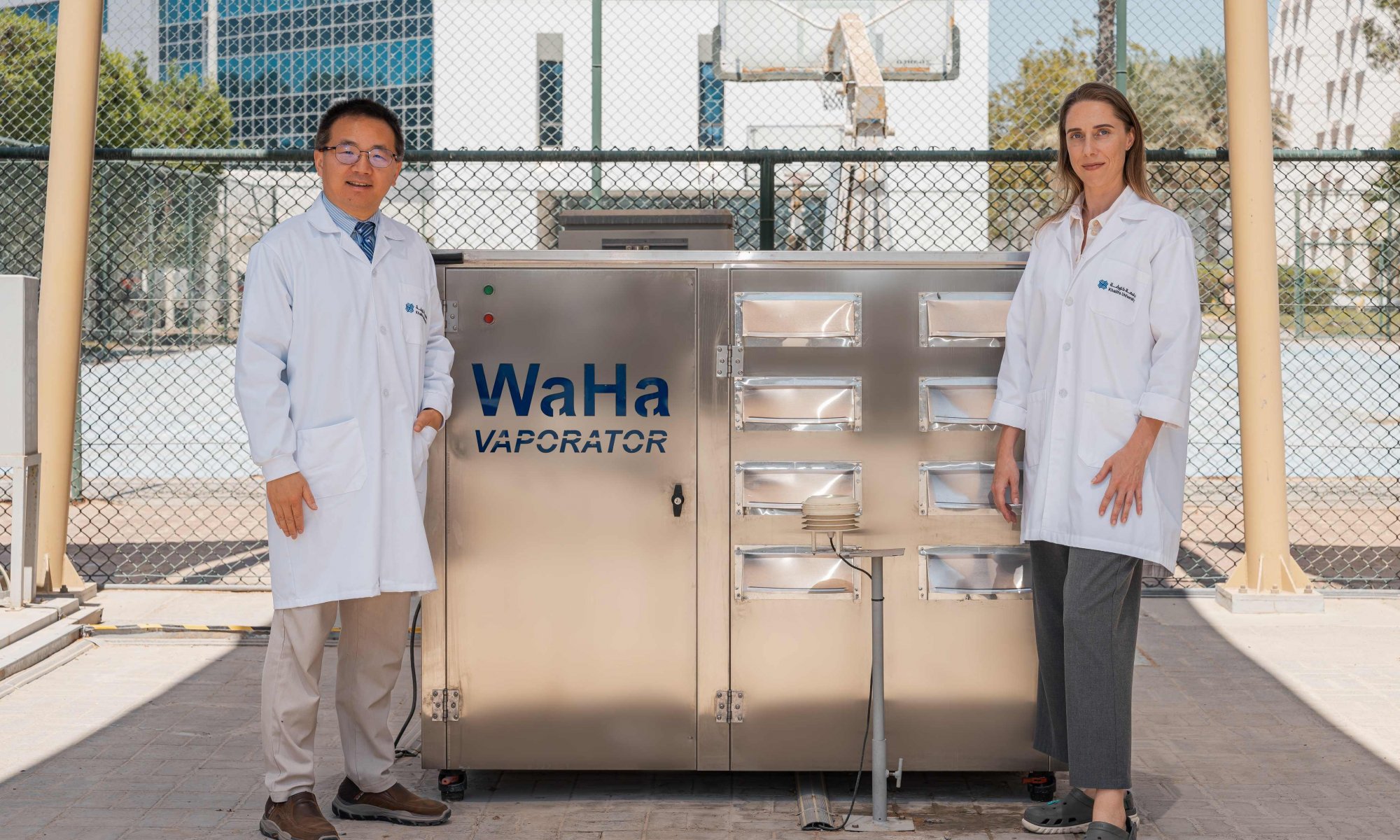
WaHa, a leading climate technology company, and Khalifa University of Science and Technology, announced an increased partnership to enhance the energy efficiency and capability of the WaHa Vaporator®, a sorption-based atmospheric water generation (AWG) technology to enable water security throughout the UAE and the Middle East.


The collaboration will focus on optimizing advanced material selection and improving energy efficiency for the WaHa Vaporator® AWG machine. This patented technology offers unparalleled energy efficiency for sorption-based AWG and HVAC systems, creating distributed, reliable, and cost-effective potable water sources that operate independently of existing water supplies.


This partnership builds on an existing relationship between Khalifa University and WaHa. Since April 2024, Khalifa University has been rigorously testing two versions of the WaHa Vaporator in Abu Dhabi. The latest version has demonstrated exceptional performance of 100% uptime and 99.9% reliability while simultaneously improving energy efficiency and surpassing daily water production targets.


Professor Samuel Mao, a leading expert in energy and water technologies, Director of ASPIRE Virtual Research Institute for Sustainable Energy, and Professor of Practice, Department of Mechanical Engineering, Khalifa University, said:


“This collaboration between Khalifa University and WaHa represents a step forward in addressing water scarcity challenges in our region. By combining our expertise in materials research with WaHa’s innovative sorption-based AWG technology, we aim to deliver transformative and sustainable water solutions for the UAE and beyond. The results from our ongoing tests underscore the potential of this technology to make a real difference in water-stressed areas.”


Chris Kay, President of WaHa, added: “We are thrilled to expand our partnership with Khalifa University on this critical initiative. Our WaHa Vaporator technology has the potential to revolutionize water production in arid regions, and this collaboration will accelerate our ability to bring reliable, energy-efficient water sources to governments, businesses, and communities across the Middle East. The outstanding performance of our latest Vaporator version in Abu Dhabi’s challenging climate validates our approach and fuels our excitement for this expanded partnership.”


The partnership aligns with the UAE’s sustainability goals and has the potential to make an impact on water security and resource management in the region. By leveraging Khalifa University’s research capabilities and WaHa’s innovative technology, the collaboration aims to address one of the most pressing challenges facing the Middle East today.

Khalifa University PhD Student Wins Grant for Research Project Focusing on Sustainable Solutions for Carbon Capture and Utilization 

Israa Al Hussain Al Hassan Othman Receives Award in ‘Engineering and Science’ Category at QUWA 5th Women in Research Forum 


A Khalifa University PhD student has won a grant at the QUWA 5th Women in Research Forum, in the top category of Science (Engineering and Science) for her project focusing on sustainable solutions for carbon capture and utilization (CCU). 


Israa Al Hussain Al Hassan Othman, Doctor of Philosophy Research/Teaching, Graduate Studies, was one of 43 winners from over 900 applicants. The awards were presented during the 5th Forum for Women in Research, themed ‘QUWA: Together Innovating to Shape the Future’. The winning projects were selected for their scientific rigor, community impact, novelty, and industry partnership potential. 


Othman’s project is implemented with Khalifa University’s Department of Chemistry, Department of Chemical and Petroleum Engineering, the Research and Innovation Center on CO2 and Hydrogen (RICH) Center, and the Center of Catalysis and Separation (CeCaS). Her research team included Dr. Mohammad Abu Haija, Research Scientist Dr. Nagy Torad, Professor Giovanni Palmisano, and Professor Fawzi Banat


Representing a cutting-edge approach in materials science and environmental technology, the project offers a sustainable solution for emissions reduction and clean energy production through the nanocomposite, which also helps in resource utilization. Moreover, utilizing the metal organic frameworks (MOFs) under visible light makes the process environmentally friendly and energy-efficient. 


Othman said: “I am delighted to win this grant at this 5th Women in Research Forum and I am grateful to team whose collaboration and support have remained instrumental in this achievement. This project’s dual-function system – efficient CO₂ capture and its conversion into valuable products – enables scalability and cost-effectiveness, making it a promising solution for real-world CCU applications.” 


Currently, Othman is working on other projects focusing on CO₂ conversion and sustainable energy. As part of her PhD, she has designed various QD-based nanocomposites for CO₂ photocatalytic reduction under different conditions. Her team is also exploring photo-electrochemical CO₂ reduction, aiming to enhance efficiency and selectivity for scalable carbon utilization. 

Smarter Molecularly Designed Materials for More Efficient Solar Cells  


New molecules are boosting performance in more efficient and stable perovskite solar cells 


Listen now: breakthrough solar cell materials revealed!

Solar panels made of silicon have long dominated the renewable energy market, but a new contender — perovskite solar cells (PSCs) — could soon rival their performance. Perovskite materials, named after their crystal structure, are highly efficient at converting sunlight into electricity and can be produced at a lower cost than traditional solar panels. However, making PSCs stable and durable remains a major hurdle in their mass production.  


A team of researchers from Khalifa University’s Center for Catalysis and Separation (CeCaS) thinks a key part of the puzzle is the development of hole-transporting materials (HTMs): organic compounds that help move electrical charge efficiently within the solar cell while preventing degradation over time.  


Dr. Shakil Afraj, Dr. Marwa Abd-Ella and Dr. Ahmed Abdelhady collaborated with researchers from National Central University, Taiwan, to investigate these materials. They published their review in Coordination Chemistry Reviews.  


HTMs play a crucial role in PSCs by helping extract positive charges (holes) generated when sunlight hits the perovskite layer. HTMs are already widely used but come with drawbacks, including high production costs, limited stability, and the need for chemical additives (dopants) that can accelerate degradation. New organic molecules with heterocyclic and heteropolycyclic structures — chemical frameworks that improve charge transport, increase thermal stability, and enhance the long-term durability of PSCs — are now being designed.  


Dr. Nilesh

“Organic chemistry is giving us powerful new tools to enhance perovskite solar cells. By designing better hole-transporting materials, we can improve efficiency, stability, and ultimately make these solar cells ready for commercial use.”

Dr. Ahmed Abdelhady, Assistant Professor, Khalifa University.


By modifying the molecular structure of HTMs, researchers are tackling the main challenges in perovskite solar cell performance. New HTMs are being engineered with stronger molecular structures that resist breakdown at high temperatures, better alignment of energy levels to reduce energy loss and hydrophobic properties to prevent moisture damage, a common cause of solar cell degradation. These advances are leading to higher-performing, longer-lasting solar cells that could help PSCs reach commercial viability faster.  

Recent breakthroughs have pushed PSC efficiency beyond 26 percent, making them competitive with silicon-based solar panels. But the Khalifa University research team says stability remains the final hurdle before large-scale production can begin. By focusing on organic chemistry innovations, materials can be developed that not only improve performance but also ensure PSCs can withstand real-world conditions. If successful, perovskite solar cells could revolutionize the renewable energy industry, providing a cheaper, more efficient alternative to current solar technologies.  


Jade Sterling
Science Writer

Khalifa University Signs MoU to Host US-based EPRI and Collaborate on Energy and Environmental Research

Local Operations at Khalifa University Premises to Facilitate EPRI’s Unique Cutting-Edge Collaborative Research Activities


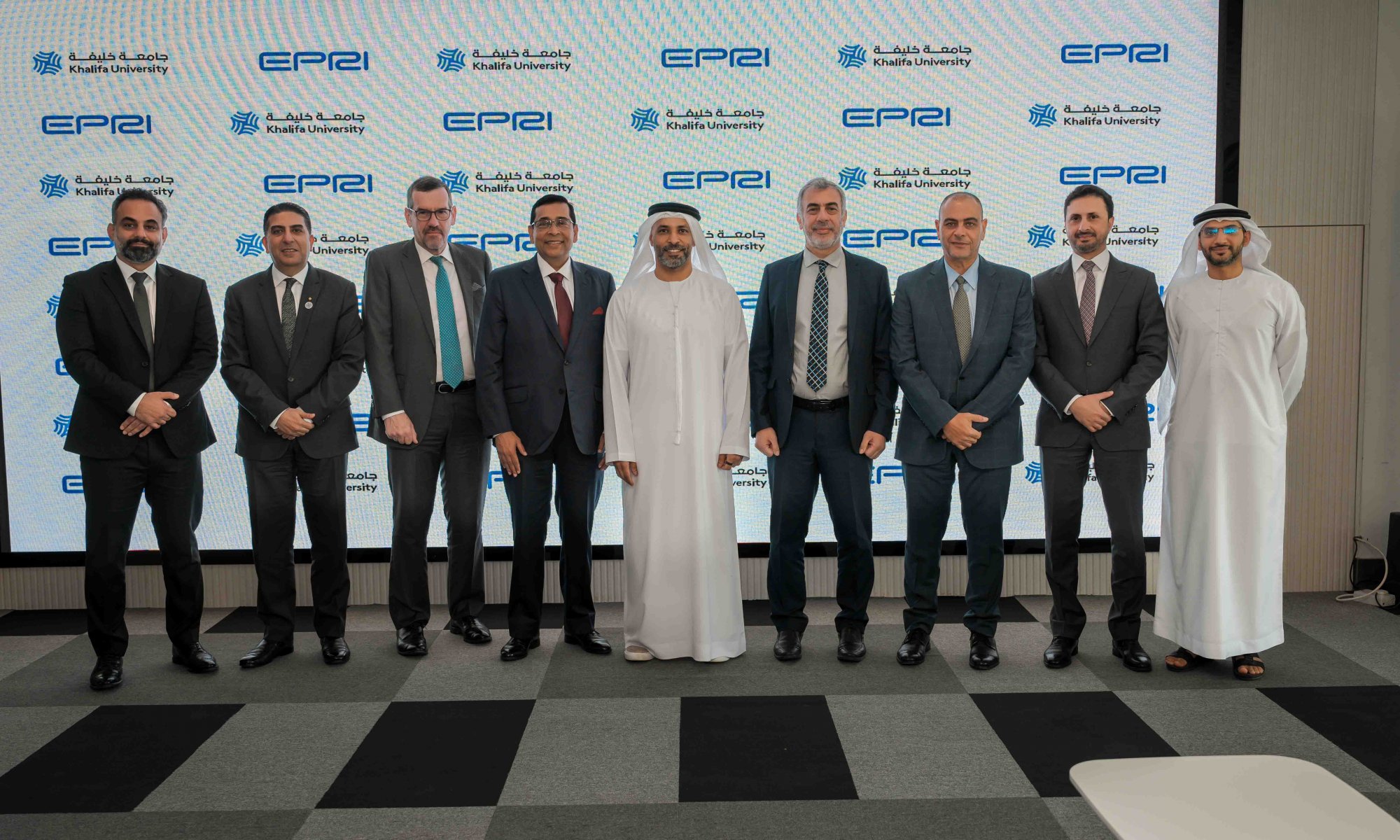
Khalifa University of Science and Technology today announced it has signed a Memorandum of Understanding (MoU) with the US-based EPRI  an independent, non-profit energy research and development institute.


The MoU was signed by His Excellency Prof. Ebrahim Al Hajri, President, Khalifa University, and Dr. Arshad Mansoor, President and Chief Executive Officer, EPRI. The partnership will pave the way for EPRI to use Khalifa University campus premises to establish dedicated local operations and facilitate participation in EPRI’s collaborative research  with key energy stakeholders.


Professor Bayan Sharif, Provost, Khalifa University, said: “Khalifa University’s collaboration with the EPRI is a testament to the trust that leading institutions place in our commitment to advancing innovative research in the electricity sector. Together, we will explore groundbreaking applications that enhance efficiency and decarbonization, ultimately delivering significant societal benefits. This partnership reflects our dedication to addressing unique challenges in the Middle East, while leveraging Khalifa University’s regional insights and EPRI’s global expertise to drive the energy transition forward. Alongside exploring cutting-edge areas such as clean energy generation, we also aim to tap into the vast potential of AI and cybersecurity, where the University is leading the way in pioneering research and solutions for the future.


Dr. Arshad Mansoor said: “We are thrilled to collaborate with Khalifa University, a leading institution in innovation and research. Together, we will drive advancements in energy research and foster solutions that address today’s most pressing challenges and tomorrow’s opportunities.”


According to the MoU, Khalifa University and EPRI will align research plans and coordinate activities to drive innovative applications that address critical challenges in the electricity sector, focusing on accelerating efficiency, decarbonization, and delivering tangible societal benefits. The collaboration will also involve sharing research roadmaps to support the broader energy community and exploring partnerships with start-ups and innovative firms to amplify impact.


Additionally, the two entities will pursue joint opportunities in research, demonstration projects, scenario planning, modeling, and related initiatives in areas such as clean energy generation, transmission, and distribution. The collaboration will extend to cross-sector domains, including low-carbon resources, alternative energy carriers, electrification, sustainability, cybersecurity, satellite technology applications, and AI-driven decision-making processes.

Khalifa University Partners with Google.org and UAE Cyber Security Council to Lead Middle East’s First Cybersecurity Seminars Program

Comprehensive Cybersecurity Training Curriculum to Benefit Students as well as Regional Public and Private Sector Representatives


Khalifa University of Science and Technology today announced, it will implement in partnership with Google.org, the UAE Cyber Security Council and CyberE71, a pioneering Cybersecurity Seminars program, the first of its kind in the Middle East, aimed at enhancing cybersecurity skill development and hands-on training.


Khalifa University will lead the program to facilitate universities throughout the UAE in delivering a comprehensive cybersecurity training curriculum. Through this initiative, cybersecurity training courses will be offered to students as well as to public and private sector representatives from diverse backgrounds, including those with no previous experience.


Prof. Bayan Sharif, Provost, Khalifa University, said: “The collaboration with Google.org, the UAE Cyber Security Council and CyberE71 exemplifies our foresight and commitment to developing human capital and special expertise, especially in the rapidly advancing digital arena. This program is also in line with the UAE’s policies to create an ecosystem and cement the status of the country as a global hub for advanced technology and artificial intelligence. We believe through this program the entire Middle East region will gain access to a diverse, multidisciplinary pool of talent in the digital technology field that will be able to tackle challenges to digital security and ensure data remains secure for organizations and individuals.”


H.E Dr. Mohamed Al Kuwaiti, Head of the UAE Cyber Security Council: “This initiative reflects the UAE’s commitment to fortifying Cyber Security across all sectors by equipping the next generation with critical knowledge and practical skills. As Cyber threats become increasingly sophisticated, programs like these serve as vital building blocks to ensure resilience, innovation, and security in our digital ecosystem. Our continued partnership with Khalifa University and Google.org, is completing our efforts to enhance the cooperation between the public and private sectors and driving the UAE’s vision of becoming a global leader in Cyber Security Excellence.”


The Cybersecurity Seminars program will be supervised by Prof. Ernesto Damiani (PI), Dean, College of Computing and Mathematical Sciences, and Director, Center for Cyber-Physical Systems (C2PS), and Dr. Luigi Martino (Co-Pl), Research Scientist, C2PS. CyberE71, an initiative by the Cybersecurity Council, empowers entrepreneurs and enhances the UAE’s cybersecurity ecosystem.


As part of its ongoing commitment to strengthening global cybersecurity, CSC actively supports and encourages partnerships that contribute to the development of a robust digital ecosystem. Through collaborative efforts, CSC aims to accelerate the spread of cybersecurity culture across the globe, ensuring safer digital environments for all.


Google.org supports higher education institutions through a funding program to help students explore career pathways in cybersecurity and build a workforce with the real-world experience needed to protect communities in the Middle East from cyber threats.


The Google Cybersecurity Seminars program is offered through various formats, such as a summer school, as a series of evening courses over a trimester, or as a credit-worthy course in university time, with the aim to allow students to explore the field of cybersecurity and get practical experience while supporting the digital defenses of under-resourced community organizations.


University-based cybersecurity seminars address two simultaneous needs: building cybersecurity capacity and resilience in their communities and training the next generation of cybersecurity talent with real-world job experience. Through the program, Khalifa University will offer a fully designed course syllabus, implementation support and other education resources.