
Can You Stomach It? The Link between Covid-19 and the Gut Microbiome

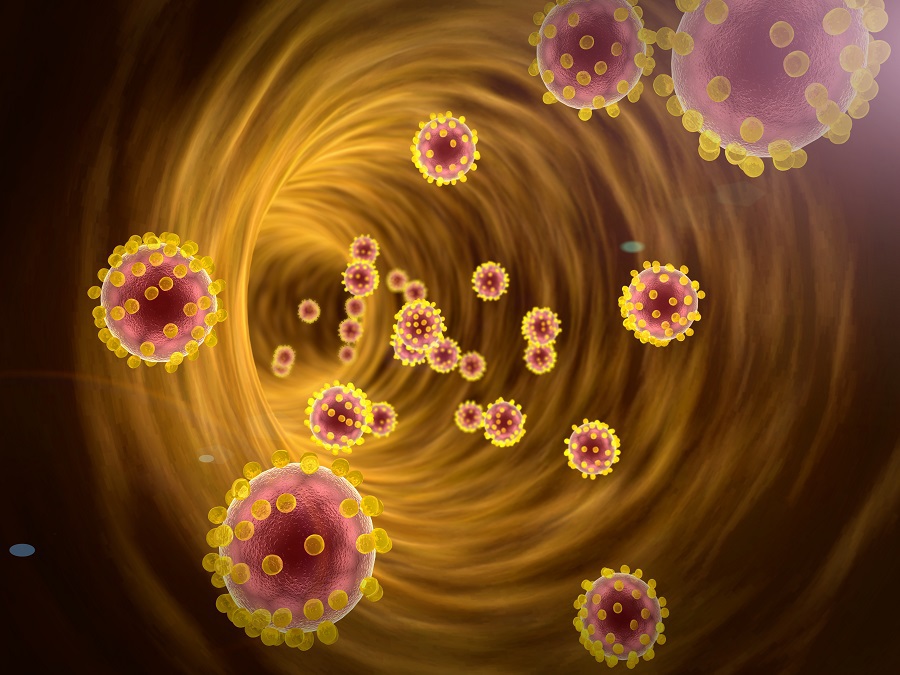
Researchers in the UAE have found that some bacteria in the gut may impact the severity of Covid-19 infections. Certain types of anti-inflammatory bacteria linked to fatty acids metabolism in the intestines strengthen the body’s immune response, indicating that the makeup of the gut microbiome may influence the severity of infection and susceptibility to the SARS-CoV-2 virus. 


Read the Arabic story here: https://researchku.com/news-extended/244


The human gut houses a complex community of microbes, a dynamic population of microorganisms that differs from one person to another and impacts the balance of the whole human body. Evidence suggests the human microbiome even modulates the systemic immune response: in some patients suffering from other respiratory illnesses, the gut microbiota affects the immunity and inflammation in the lungs. It’s possible that a similar link exists between Covid-19 and the body’s gut microbiome. A team of researchers explored the role of gut microbiome diversity and its potential as an intervention target in modifying Covid-19 outcomes.


Dr. Mohammad Al Bataineh, Assistant Professor of Molecular Biology and Genetics, Dr. Habiba Alsafar, Associate Professor of Molecular Biology and Genetics and Director of the Khalifa University Center for Biotechnology, and six other KU researchers collaborated with a team of researchers who make up the UAE Covid-19 Collaborative Partnership to investigate the microbiomes of patients presenting with Covid-19. Their results were published in Frontiers in Microbiology.


The gut microbiome exists in a symbiotic relationship with its host, facilitating digestion and aiding in the delivery of essential nutrients to the cells making up the gastrointestinal tract. It helps protect against pathogenic microbes and plays a role in preserving intestinal homeostasis by modulating local and systemic immune responses. It keeps the local immune system in a perpetual vigilant state and remains relatively stable throughout life.


Although most people with Covid-19 recover within weeks of infection, some experience symptoms long after testing negative. Studies show that up to 75 percent of patients hospitalized with Covid-19 described at least one symptom six months after discharge, including respiratory, gastrointestinal, and memory symptoms, as well as fatigue. Although the exact causes for this are unknown, there is increasing evidence that the gut is linked to the severity of infection and that changes to the microbiome persist after the disease passes.


“The role of the human gut microbiome in health and disease conditions is yet to be fully understood. The gastrointestinal symptoms have been linked to the dysbiosis of the intestinal microbiome, where the normal gut bacterial makeup is altered,” Dr. Al Bataineh said. “Invading viruses can alter our immune responses – responses that are usually regulated by the microbiota in the gut. The infections interrupt the normal programming, and create a microenvironment that helps allow these pathogens to proliferate. We think the Covid-19 virus works in this way, altering the regulatory functions of microorganisms in the GI tract. Patients with Covid-19 tend to have lower levels of the beneficial microbes. Whether this is an association or causation is yet to be established.”


“Alterations in the gut microbiome are quite common among people with infectious diseases,” Dr. Alsafar explained. “We weren’t surprised to see this association with Covid-19 too. A substantial portion of patients presented with gastrointestinal symptoms, and when we identified that Covid-19 patients shed viral RNA in their stool, this was another indication that the virus was getting into the gut.”


SARS-CoV-2, the virus causing Covid-19, enters the human body by binding to a protein called ACE2. ACE2 is present in all people, but the quantity of this protein can vary among individuals and in different tissues and cells throughout the body, including the lungs, small intestine and the nasal cavity.


“The most important connection between the gut microbiome and Covid-19 is the involvement of the ACE2 receptor,” Dr. Alsafar explained. “SARS-CoV-2 enters cells through ACE2 receptors, which regulate the gut microbiota, and when disturbed by infection, cause a dysregulation of the intestinal system.”


It is understandable, then, that higher ACE2 expression in the body is correlated with higher infectivity, suggesting that increased ACE2 levels may predispose individuals to Covid-19. In a healthy gut, bacteria called Bacteroidetes are known as ‘good’ bacteria and downregulate the expression of the ACE2 receptor; this has a protective role in Covid-19 infections as it minimizes the amount of ACE2 receptors on the cell surfaces, meaning there are fewer potential entry points for the SARS-CoV-2 virus.


Unfortunately, patients with Covid-19 are more likely to present with lower levels of these commensal bacteria and higher levels of what are known as ‘opportunistic pathogens’. Together, the imbalance results in the gastrointestinal symptoms prevalent in Covid-19 patients, and these perturbations persist even after patients recover.


The data indicates a direct correlation between the composition of the gut microbiome and Covid-19 infection severity. Meaning, the microbial ecosystem before and during infection can help predict severity and mediate the immune response. However, since the gut microbiota were only sampled after they were infected with the virus, the research team was unable to determine whether pre-existing gut dysbiosis contributed to the severe symptoms, or whether the Covid-19 infection itself was the cause of the gut dysbiosis.


“This is very similar to the chicken and the egg question: which came first?” Dr. Alsafar said.


In addition, we know that dietary changes happen when patients fall ill: when people feel tired, diets often shift towards higher energy food in the hope it will help tackle their symptoms. These dietary changes also come with a change in the direct components of the microbiome, so it’s also possible this contributes to the changes in the gut. However, the participants in this study shared similar lifestyle and dietary habits, including dietary fiber intake.


The research team found that various differences in the microbiome could explain susceptibility and infection severity. Gender has been found to significantly correlate with overall microbiome variation, which may partially explain why men are more likely to contract Covid-19. At the same time, gut microbiota changes with age, with the elderly more likely to have lower levels of protective ‘good’ bacteria. One of these bacteria is Lachnospiraceae, which plays an essential role in gut barrier function and immune tolerance, especially among local inflammation. This commensal bacteria may be protecting the younger population from infection.


Lachnospiraceae also produce butyrate, a fatty acid that can strengthen immune response.


“Fatty acids play various critical cellular functions and are implicated in several stages of viral replication,” Dr. Alsafar explained. “They are directly linked to coronavirus spread and multiplication, and we found lower levels of the good bacteria that produce them in patients with Covid-19.”


Further longitudinal studies would be beneficial to understanding the relationship between Covid-19 susceptibility and changes in the gut microbiome, but this study represents the first to investigate a Middle Eastern cohort. The results show a significant compositional and functional shift in the gut microbiota of Covid-19 patients, suggesting interventions that target the gut could be used to mediate Covid-19 infection.


Jade Sterling
Science Writer
22 February 2022

Floating Hydrogels Could Produce Eco-friendly Clean Water from Salty Water

A nascent but promising solution to the world’s water scarcity problems could be water purification by direct solar vapor generation


Although desalination methods like membrane distillation and reverse osmosis have been employed to provide clean water to millions around the world, small-scale desalination for off-grid purposes remains hampered by cost and energy consumption challenges. Direct solar vapor generation is an off-grid distillation technology that, while still early stage, is attracting attention. For this reason a team of researchers from Khalifa University has been undertaking research on the topic.


Afra S. Alketbi, PhD student in Engineering, and Dr. Aikifa Raza, Research Scientist in the Department of Mechanical Engineering, developed a micro-3D printed hydrogel device to be used in direct solar vapor generation (DSVG). Their new device is portable and highly efficient, promising great potential for use in commercial DSVG systems. Alketbi and Dr. Raza collaborated with Muhammad Sajjad, PhD student , Dr. Hongxia Li, Postdoctoral Fellow, Dr. Faisal AlMarzooqi, Assistant Professor of Chemical Engineering, and Prof. TieJun Zhang, Professor of Mechanical Engineering. The results were published in the journal EcoMat.


Direct solar vapor generation involves harvesting the heat from the sun to convert water into vapor, which is then condensed and collected to provide clean water. Sounds simple and it is: the oldest desalination technology is the solar still, a simple device that uses the energy from sunlight to purify water. Salty water is placed in the still and an angled piece of glass or plastic is placed above. The sunshine evaporates the water, which then condenses on the surface above before running down the surface to collect in a separate trough. The impurities and salt remain in the bottom of the still and the water in the trough is clean, pure drinking water. This is the basic principle behind DSVG but the key step—evaporation—is proving a roadblock for commercialization.


“Direct solar vapor generation provides a sustainable and eco-friendly solution to the current global water scarcity challenges,” Prof. Zhang said. “However, existing systems using natural sunlight suffer from low water yield and need a lot of energy to start the evaporation process. If we could find new materials that reduce the heat needed for water vaporization, we could boost this process and make it commercially viable. This is where hydrogels could help.”


Hydrogels are a 3D network of hydrophilic (water loving) polymers that can swell in water while maintaining their structure. They are dynamic and highly tunable, which makes them flexible for use at different operating conditions. In this work, KU researchers developed a temperature responsive copolymer with tunable wettability and water releasing behavior. 


They leveraged 3D-printing to create a solar-powered desalination device with micro-channels and an anisotropic, or unsymmetrical crystalline, structure. The device’s hydrophilic polymeric network can maintain an uninterrupted water supply: as the water evaporates, more is drawn into the hydrogel through capillary action, inspired by the way water moves in plants.


The KU researchers modified the top surface of their device with light absorbing materials using a novel method. Photothermal materials have been utilized in floating DSVG systems as they have the ability to absorb a high amount of solar energy. This helps regulate localized heating and produce water vapor. Materials suspended in the water absorb the sun’s energy and transfer the heat to the water wetting their surface and thereby quickly generating clean water vapor.


“Developing novel materials that can yield high amounts of water vapors utilizing less energy, in addition to efficient solar-to-thermal energy conversion, are highly desired to push forward the applications of the solar energy-water nexus,” Dr. Raza said. “Hydrogels are gaining immense popularity due to their multifunctionality and biocompatibility, as well as their unique ability to encapsulate a large amount of water.”


“Because of the superior light absorption properties and water retention/activation within our hydrogel anisotropic structure, and the rapid water movement through our 3D printed microchannel network, our device achieves a remarkable water evaporation rate without solar concentration,” Alketbi said.


“In combination with high-resolution 3D printing, our hydrogel technology empowers high-performance solar distillation while offering great opportunities for digital design and accelerated development of new desalination devices,” she added.


Manufacturing this hydrogel requires a highly specialized 3D printing technique. Recent advances in additive manufacturing allow hydrogel fabrication to overcome the limitations of conventional fabrication methods. Light-based stereolithography, used in this work, is one such technique whereby a light source—a laser or projector—cures liquid ink into solid complex architectures.  


The research group is now establishing a spin-off company with support from the Khalifa Innovation Center (KIC) to produce high-end valuable products through advanced additive manufacturing.


At KIC, the startup is currently being commercialized through a structured three-month incubation program focused on imparting the founders with business, marketing, finance and legal skills. 


Jade Sterling
Science Writer
22 February 2022
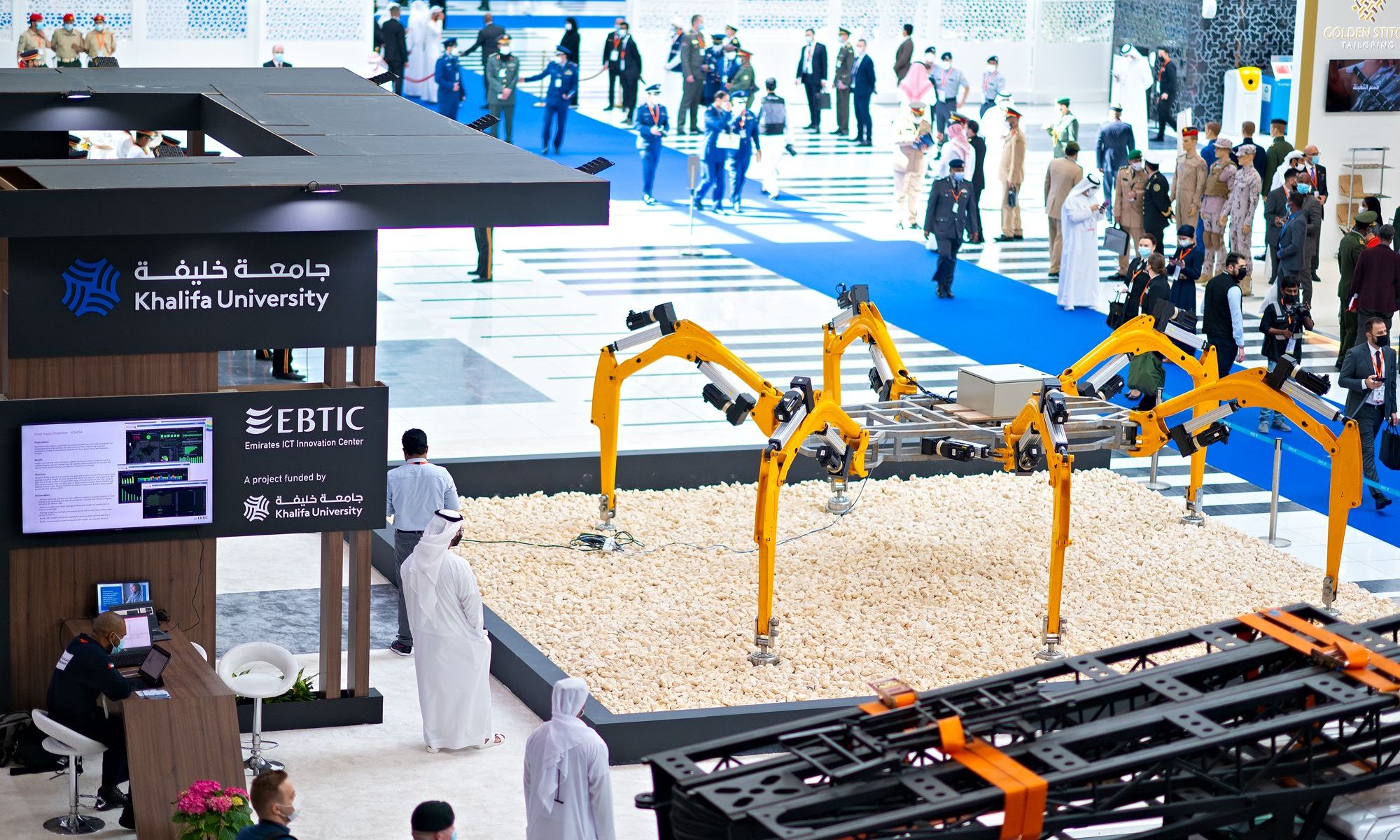
Khalifa University and KIC Presenting Eleven Research Innovations and Startups at UMEX2022 in Abu Dhabi

Khalifa University Booth Features Six Projects Including Four from EBTIC, while KIC Booth in Startup Hub Has Five Projects  


Khalifa University of Science and Technology today announced it is featuring six projects including four from the Emirates ICT Innovation Center (EBTIC), while Khalifa Innovation Center (KIC) – a strategic partnership between Khalifa University, Khalifa Fund for Enterprise Development, Tawazun Economic Council, Mubadala Investment Company, and Sandooq Al Watan – is showcasing five startups at the fifth edition of the Unmanned Systems Exhibition (UMEX) Abu Dhabi 2022.


The Khalifa University booth includes Dexter Robotics which offers the affordable, programmable, and modular CLING robot that can crawl and climb vertical surfaces to perform several tasks with high-load capacity, including painting and drilling, and Macro Hexapod robot that is designed to transport heavy load through extreme terrain autonomously. EBTIC, founded by Khalifa University, Etisalat, and BT Group plc (UK), and supported by the ICT Fund, is presenting four projects including Wasim, Next Generation Resource Planning and Muzamana.


The KIC stand at the ‘Startup Hub’ section is featuring five projects including  FabCast Solutions, DroneLeafs, ADIIR, 3D Nano Printing and SPL Solutions. These advanced technology startups – outcomes of research and innovation at Khalifa University – have been incubated at the Khalifa Innovation Center.


The startups include DroneLeafs, which has developed an innovative and intelligent flight controller software, and ADIIR, an autonomous ‘terrain ground vehicle’ that performs non-intrusive inspection and identifies oil and gas pipeline defects in real-time and geo-tagging them for future maintenance. Other startups include FabCast Solutions which offers a range of Carbon Nano-Tube sheets customized with a higher performance-to-cost ratio, and Additive Light Fabrication, which offers customized solutions for micro-scale 3D printing of souvenirs using various types of materials and coatings. An EBTIC spin-off and award-winning startup SPL Solutions, which offers a special platform to simplify and streamline software governance, development, and cloud migration, is also part of the KIC stand.


Dr. Arif Sultan Al Hammadi, Executive Vice-President, Khalifa University of Science and Technology, said: “These startups and innovations reflect some of the cutting-edge and advanced technology research outcomes from Khalifa University laboratories that have been translated into new commercial ventures. We believe these startups, incubated at Khalifa Innovation Center, and the other research projects at Khalifa University and EBTIC stands will be well-received for their innovative solutions by investors and interested stakeholders visiting UMEX 2022, which provides a professional platform to establish lucrative business relationships and opportunities.”


Among the four EBTIC projects Wasim, a dedicated Arabic language solution, is the region’s first Machine Learning data labelling solution provider for the Arabic market for both national and international clients, while Next Generation Resource Planning is a complete end-to-end resource planning solution that allows proactive planning of a mobile workforce to help optimize deployment, maximize utilization, and minimize maintenance. Muzamanh is an EBTIC start-up which offers an intelligent timing solution that reduces the dependency on GPS, as it allows accurate synchronization by utilizing existing standards such as Precision Time Protocol (PTP).


Clarence Michael
English Editor Specialist
22 February 2022

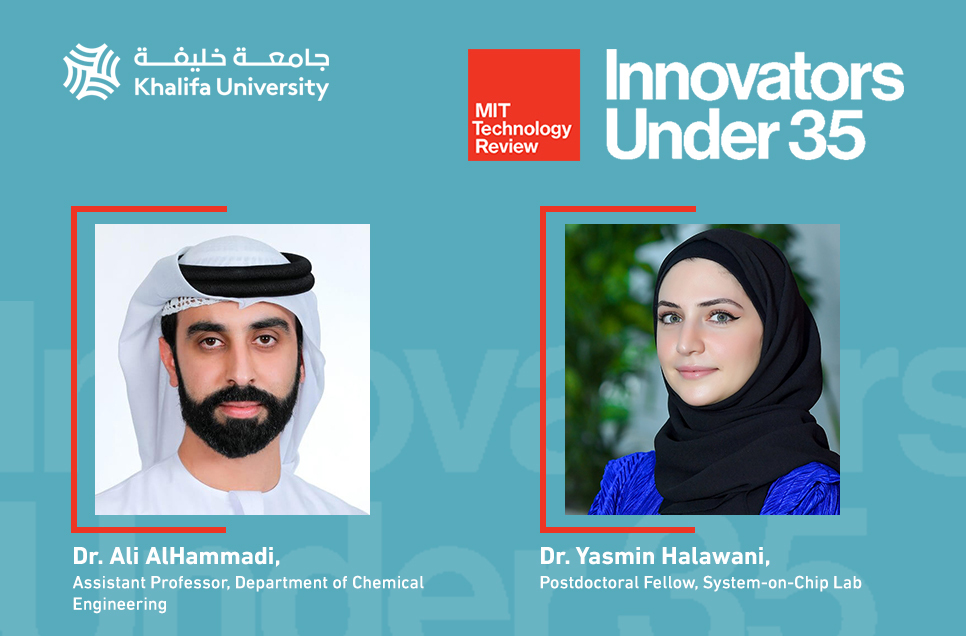
2021 Innovators under 35 List Names Two Winners from Khalifa University

MIT Technology Review and Majarra have jointly revealed the list of the 2021 Innovators under 35 MENA winners. Khalifa University’s Dr. Ali AlHammadi, Assistant Professor, Department of Chemical Engineering and Dr. Yasmin Halawani, Postdoctoral Fellow, System-on-Chip Lab (SoCL), were among the 15 innovators recognized.


The Innovators under 35 list highlights the contributions of the most brilliant researchers, experts, and scientists who are breaking new ground in creating solutions for challenges in their communities.


Dr. Ali AlHammadi is recognized for his geospatial insights for smart cities. He developed deep learning models with remote sensing-capable satellites for object detection and features extraction and detailed semantic segmentation with more than 95% accuracy. Some examples of what these models can do are:

  • Detect car numbers and density to determine urban statistics for infrastructure planning;
  • Identify plant yield and soil content to determine harvest production and desertification extent;  and
  • Monitor oil spills and their density to determine its marine and ecological impact and what interventions can be applied.


These solutions are more efficient and with fractions of the previous cost and time needed. 


Dr. AlHammadi has more than 10 years of experience in computational modeling and has extensive research experience in molecular dynamics, artificial intelligence, and nanotechnology. He is passionate about converting research into tangible solutions for startups. He has lent his hand in establishing companies such as Ennova and Frontiers in the US, while being one of the founders of Farmin, a startup that specializes in space AI. Dr. AlHammadi has also co-developed several industrial codes including Automated Characterization (AC), Crude Oil Property Real-time Analyzer (COPRA), and Asphaltene Deposit Tool (ADEPT), which are being used by ADNOC, Nalco, and Chevron.


“Winning this award is another recognition of the achievements of Emirati innovators and a testimony on our advanced technology and its great potential in servicing the UAE and supporting the local innovation ecosystem,” Dr. AlHammadi said.


The other Innovators under 35 winner from KU is Postdoctoral Fellow Dr. Yasmin Halawani for her work on “Data Compression Using a Memristive Crossbar” that can help efficiently exchange images, which is essential especially for resource-constrained platforms such as edge devices. The technology proposed by Dr. Halawani and her team accelerates the computationally demanding compression algorithm critical for many applications including those in the healthcare, smart cities, and space industries. The memristor crossbar consumes less energy and occupies a smaller area compared to traditional methods of compression. This smaller form enables nodes to have more space for other functionalities, reduce costs and extend the battery lifetime.


Aside from her work at KU’s System-on-Chip Lab, Dr. Halawani also serves as a board member of the Arab Youth Research Council under the Arab Youth Center. She is also a member of the Women in Sustainability, Environment, and Renewable Energy (WiSER) Pioneers Program, an initiative led by Masdar to encourage women to play an active role in addressing global sustainability challenges.


Dr. Halawani believes that scientific research is more critical now than ever. “The global pandemic accelerated the need for timely innovative solutions. And the epidemic’s wake-up call reminded us that individual responsibility and desire to have a positive impact is vital.”


“To KU students, I encourage you to take advantage of the positive and active environment Khalifa University is providing, invest your energies in the youth initiatives crafted to create opportunities and help in developing our beloved communities,” she said.


Ara Maj Cruz
Creative Writer
22 February 2022

Balsam – A Service Oriented Learning Approach That’s Preparing KU’s Medical Graduates to Address the Unique Needs of the Communities They Serve

Khalifa University’s College of Medicine and Health Sciences aims to provide its students with the medical education that prepares them to become highly competent, culturally aware, and socially accountable physicians capable of improving the health of patients and communities. 


The Balsam Program was initiated to achieve this goal. Balsam, or Barnamij L-Ta‘leem Sehat al-Mujtama (برنامج لتعليم صحة المجتمع – بَلسمْ), is a community-based, household-focused, longitudinal service-learning program that incorporates attention to the social determinants of health through its education, health care, and research missions. 


Balsam is also an Arabic term that refers to a soothing or restorative effect and a tree species that yields a fragrant resinous substance, especially one used in medicine, i.e., the resinous substance yielded by a balm that helps to cure wounds and diseases. 


Balsam integrates social sciences, clinical experience, interprofessional teamwork, and attention to the social determinants of health to prepare socially accountable and culturally sensitive physicians. Balsam’s mission is accomplished by partnering with a network of community agencies to improve the health of households and communities. 


Currently, CMHS students embark on house visits to senior citizens’ home under the supervision of licensed healthcare professionals from Seha’s Ambulatory Healthcare Services team as part of a three-year longitudinal program. This experience does not only promote the professional development of students, enhance their medical knowledge and encourage inter-professional collaborations, but also deepens their understanding of the health systems and the social determinants of health linking those to interventions and policies which may improve the lives of this patient population. 


The Balsam program is young and has a lot of opportunities ahead. Partnering with governmental organizations that look after community development, this program hopes to expand in order to support KU’s social responsibility to the community it serves as well as provide its medical students with the competencies needed to address social determinants of health and offer culturally-sensitive human focused high standard medical care. 


Medical students participating in the Balsam program have expressed a deep appreciation for the opportunity to blend hands-on service-oriented learning with medical education.  


“To learn, we must do. Indeed, this is the essence of the Balsam program, our first real-world encounter with patients before our clinical years. Every few weeks, we had the privilege of accompanying homecare clinicians on visits to patient homes – an intimate first-hand experience we were incredibly lucky to be invited to. The program and faculty gave us a meaningful opportunity to move beyond the pathologies and physiologies into the real world. What at first I believed was primarily an opportunity to apply the principal skills of medicine we learned in class over the past year – history taking physical examinations – was in fact an eye-opening and humbling lesson on both the extent and limit of theoretical knowledge in patient care. After all is said and done, the true measure of a good and satisfying visit was always the ease the patient was left in and the reassurance felt by the family members. Ultimately, the most gratifying skills I built were learning how to connect with the patient, exercising empathy and lending a compassionate ear to the patient’s concerns. Altogether, both my academic and personal lives were enriched through this experience. 


The Balsam program was a space for critical reflection on community service in medicine. The privilege of accessing the most vulnerable moments of human life is a reminder of the pledge we take to serve through betterment – the onus is on us to continue enhancing the healthcare system not only as future physicians but also as change-makers. I walked away every time with an invigorated re-commitment to the work I hope to dedicate my life to.”Rham Abu Affan, 2nd year medical student


The Balsam program at Khalifa University provided us with the opportunity to serve the Abu Dhabi community with the skills that we are learning within the MD program. During our second year of medical school, we had four different Balsam visits to patients’ homes, and each visit was a very different and enlightening experience. We were part of a diverse medical team and had the chance to apply the knowledge learned in class into the real world and make a difference in people’s lives; this was both a privilege and an honor. However, what stuck with me the most during these visits was the connection I was able to form with the patients. Listening and attending to their concerns reminds me of why I have decided to enter this field – to help people, the community, and the country. Overall, I believe the Balsam program is an excellent and integral part of the MD curriculum at Khalifa University, as it allows us to serve the community and to develop the interpersonal skills that are vital for a successful doctor.” – Mohamed AlHashmi, 2nd year medical student


Erica Solomon
Senior Publication Specialist
21 February 2022

Seminar: Analyzing Genomes via Efficient HW/SW Co-Design

Speaker: Dr. Mohammed Alser, a Senior Researcher and Lecturer of Bioinformatics and Computer Architecture at ETH Zurich.

Brief: Our understanding of human genomes today is affected by the ability of modern computing technology to quickly and accurately determine an individual’s entire genome. Analyzing our genomes is the foundation of many scientific and medical discoveries, and serves as a key enabler of personalized medicine.

Our starting axiom for a modern genome analysis is that it should interpret our genomes accurately, quickly, and affordably enough. This talk describes our ongoing journey in enabling efficient genome analysis. We first provide a brief background on computational methods that can comprehensively find variations in genomes and tolerate sequencing errors. Then, we describe our new algorithmic methods and hardware-based acceleration approaches.

Algorithmic approaches exploit the structure of the genome as well as the structure of the underlying hardware. Hardware-based acceleration approaches exploit specialized microarchitectures or new execution paradigms, like processing in memory.

We show that significant improvements are possible with algorithmic methods, hardware accelerators, and their combination. We demonstrate how our new algorithms provide very fast and accurate analysis of microbial genomes. We conclude with a foreshadowing of future challenges and research directions triggered by the development of very low cost yet highly error-prone new sequencing technologies.

View seminar here.

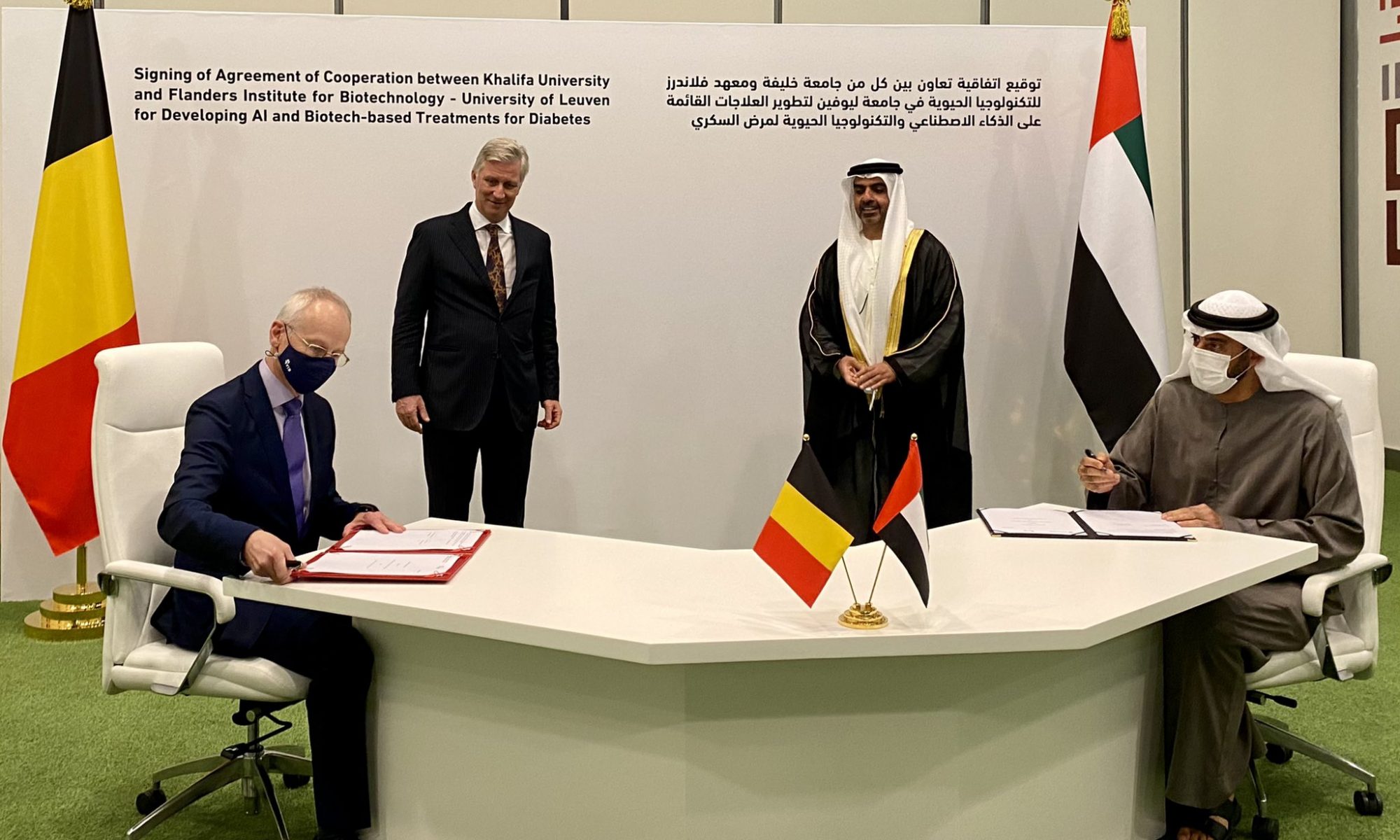
HH Sheikh Hamed Bin Zayed and Belgium’s His Majesty King Filip Witness Signing of Agreement of Cooperation Between KU & Flanders Institute for Biotechnology-University of Leuven to Develop Advanced Treatments for Diabetes

In the presence of His Highness Sheikh Hamed bin Zayed Al Nahyan, Member of the Abu Dhabi Executive Council and Chairman of the Khalifa University Board of Trustees, and His Majesty Filip, King of the Belgians, the Khalifa University of Science and Technology (Abu Dhabi, UAE), and the Flanders Institute for Biotechnology (VIB) / University of Leuven (KU Leuven, Belgium), have agreed to join forces to initiate a Biomedical Science Discovery (BISDI) program.


The agreement was signed by His Excellency Homaid Al Shimmari, Member of Khalifa University’s Board of Trustees and Vice-Chairman of the Executive Committee, and Jo Bury, Managing Director of VIB. His Excellency Salem Butti Al Qubaisi, Member of Khalifa University’s Board of Trustees and Director General of the UAE Space Agency, Dr. Arif Sultan Al Hammadi, Executive Vice-President, Khalifa University, Dr. Habiba Al Safar, Director, Khalifa University Center for Biotechnology, and Associate Professor of Genetics and Molecular Biology, as well as members of Khalifa University leadership, faculty and staff were present.


His Highness Sheikh Hamed bin Zayed praised the efforts of  both the partners in order to achieve this joint cooperation in research fields of importance to the UAE and the world. He also thanked His Majesty King Filip for his support for this initiative. He expressed his appreciation of the role played by the wise leadership in the UAE in supporting the higher education sector and the various research activities, which aim to stimulate  innovation in the UAE, which, in turn, enhances the UAE’s leading position and  competitiveness, while supporting its various economic sectors.


This project, directed by Prof. Dr. Peter Carmeliet, Laboratory of Angiogenesis and Vascular Metabolism (VIB-KU Leuven), aspires to develop new treatments for diabetes by innovative artificial intelligence-based target discovery and drug target validation tools. Finding new cures for the cardiovascular complications in diabetic patients is of particular interest for the UAE, where the high incidence of diabetes promises to facilitate the discovery of new targeted drugs.


Both partners will team up in a unique bilateral exchange program to improve healthcare, a first in the mutual relationship between the UAE and Belgium and a milestone for future collaborations in joint biomedical research and drug development. The BISDI program will be supported initially during a two-year run-in period by an investment of €10 million for Khalifa University and VIB.


The BISDI-program is supported by FIT (the Flanders Investment & Trade Agency), facilitating foreign investment projects in Flanders and supporting worldwide export from the region. The FIT-teams in Brussels and the UAE initiated and guided the discussions between Khalifa University and VIB in close collaboration with HE Peter Claes, Ambassador of the Kingdom of Belgium in the UAE, and his team. They have contributed to the strengthening of academic biomedical research in Flanders.


Filippe De Potter, Director, Flanders Investment & Trade (FIT) said: “Flanders is a hub for research, innovation and technology – particularly in the fields of life sciences, healthcare and medical applications.  Our companies, research centers and knowledge institutions spawn groundbreaking innovations. We are confident that the BISDI program will lead the way for the initiation of other healthcare projects between both countries.”


Jo Bury (Managing Director, VIB): “The BISDI program is a strategic partnership, realizing a win-win for both parties. It boosts our research to identify better targets for the treatment of diabetes on the one hand, and accelerates the empowerment of a VIB like center of excellence in modern life science research in Abu Dhabi on the other hand. This promises to be an exciting endeavour”.


Dr Habiba Alsafar said: “Through the collaboration between Khalifa University Center for Biotechnology and the University of Leuven-Flanders Institute, we hope to tackle challenges from different perspectives, thus enhancing our chances of success. We learn from each other and the people of both the UAE and Belgium will benefit from future discoveries.”


The Khalifa University Center of Excellence in Biotechnology (BTC) aims to develop a knowledge economy in bioscience and competencies in laboratory diagnostic practice. One of its key projects is the studying of genomes and their impact on diseases such as type II diabetes. The BTC employs its resources to achieve excellence in relevant research areas, which aim to support the healthcare sectors of both the UAE and around the world.


Clarence Michael
English Editor Specialist
5 February 2022

How this Canadian expat in UAE became a ‘Dreamer’ at Expo 2020 Dubai

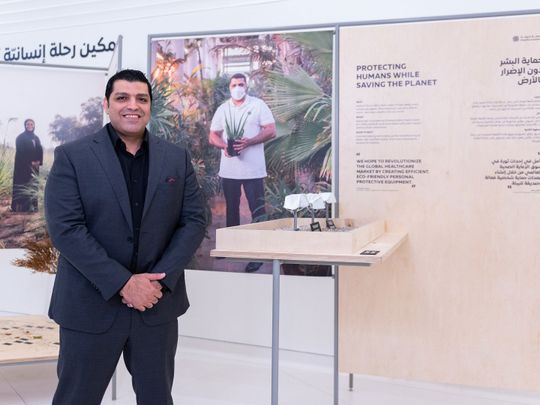
A Palestinian-Canadian professor living in Dubai is among the privileged expats to be featured as a “Dreamer” at the UAE Pavilion at Expo 2020 Dubai.


Dr Shadi Wajih Hasan, associate professor of chemical engineering and a deputy director at the Centre for Membranes and Advanced Water Technology (CMAT) at Khalifa University, said it is an honour for him to be part of the project.

Dr Hasan said his scientific background in the fields of membrane technology and nanomaterials allowed him and his team to come up with a sustainable facemask called ‘NAVAMASK’.


“The NAVAMASK is a UAE certified invention/product. It is a new generation, sustainable and environmentally-friendly face mask made with a bio-based polymer [poly lactic acid, PLA] that can be composted and integrated back into our ecosystem. The concept of electrospinning technology was used to produce bio-based polymeric nanofibers coated with antimicrobial medicinal plants. The NAVAMASK is designed to protect us from both the spread of viruses and the negative environmental impacts of commercially available plastic-based facemasks,” he added.


Read the full story here: https://gulfnews.com/amp/uae/how-this-canadian-expat-in-uae-became-a-dreamer-at-expo-2020-dubai-1.85224488 

A Unique Photocatalyst Could Turn the CO2 in the Atmosphere into Useful and Valuable Products


International research team including Khalifa University paves way towards the design of new simple and efficient photocatalysts made from covalent organic frameworks (COFs) to reduce captured CO2 into useful products


As the world continues to pump carbon into the atmosphere, it is increasingly important to not only reduce emissions but also find ways to capture and use carbon dioxide. Carbon capture and storage technologies are noble approaches, but don’t tend to make much money. Instead, attention turns to economically viable and valuable approaches to turn carbon dioxide into something useful.


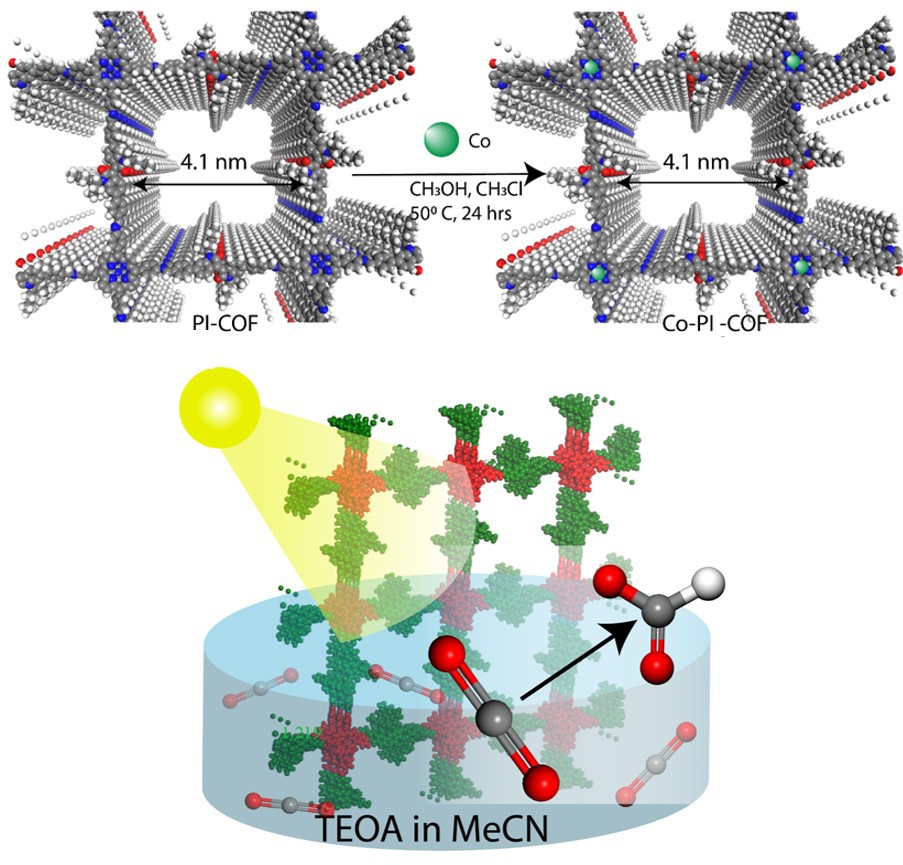
Dr. Dinesh Shetty, Assistant Professor of Chemistry, and Dr. Abdul Khayum Mohammed, Postdoctoral Researcher, collaborated with an international team to develop a new photocatalyst to efficiently and sustainably transform carbon dioxide into useful products. The research team comprised members from New York University Abu Dhabi, American University of Beirut, Instituto de Ciencia de Materiales de Madrid, Spain, University of Strasbourg, France, and University of Nova Gorica, Slovenia. The team’s results were published in ACS Applied Materials and Interfaces.


“Excessive anthropogenic emissions of carbon dioxide into the atmosphere have led to global warming,” Dr. Shetty explained. “At the same time, CO2 is a nontoxic, inexpensive, abundant, and renewable source of carbon. Converting it into high value-added products would be a viable and economic use of the carbon dioxide around us.”


Numerous processes already exist to transform CO2 emissions into various chemicals valuable for industry, and among these processes, photocatalytic reduction of CO2 has been noted as particularly promising. There’s little wonder why: this is photosynthesis. Green plants convert carbon dioxide and water into carbohydrates, performing this reaction under ambient conditions using just sunlight, which is an inexhaustible and environmentally-friendly energy source. Even better, photocatalytic CO2 reduction doesn’t create any secondary pollution.


“Carbon dioxide can be reduced into many forms, with carbon monoxide and formate the most common reduction products,” Dr. Shetty said. “Formate is preferred as it is the simplest oxygenated species produced, and an intermediate in the formation of methanol and other higher-order hydrocarbons, which can be used in plastics, paints, organic solvents, and fuel cells.”


Photocatalytic reduction of CO2 is not new—many semiconductor and molecular-based systems have been studied. However, their limited conversion efficiency, low binding affinity for CO2, unfavorable active-site architecture, and rapid charge recombination limit their overall performance. Covalent organic frameworks (COFs), such as that developed by the research team, have the potential to address many of these issues.


COFs are a class of materials that form two- or three-dimensional structures through reactions between their organic components, resulting in strong, covalent bonds that create porous, crystalline materials. They are uniquely tunable, with well-defined structures and good chemical stability and plenty of pores for adsorption applications.


Capturing the CO2 is the first step. A sorbent material is needed to selectively grab the carbon dioxide and allow it to collect in the pores in the material. And COFs for CO2 reduction already exist, but the majority produce carbon monoxide as their product, which is the less desirable of the two common products. Those that do produce formate often involve expensive noble metals or even enzymes.


The research team synthesized a novel COF using two different building units known as porphyrins and isoindigo to ensure the captured carbon dioxide reduces into formate, not carbon monoxide. Their PI-COF has a square layered structure and an improved affinity for carbon dioxide adsorption. Even without expensive rare materials or special catalysts, the research team’s PI-COF reduced carbon dioxide into formate with yields comparable to more complex systems.


“Our system performs similarly to others but requires much less power, making it a much more environmentally-friendly system,” Dr. Shetty said. “We expect this to pave the way towards more sustainable yet equally efficient photocatalytic systems for CO2 reduction.” Currently, Dr. Shetty’s team at KU is working on economically viable COF-based photoconducting materials for CO2 conversion.


Dr. Shetty is also a member of the Center for Catalysis and Separation (CeCaS), one of the research centers at KU.


Jade Sterling
Science Writer
4 February 2022

UAE-Bahraini Nanosatellite Light-1 Launched Successfully into Orbit from International Space Station

CubeSat Project Executed at Khalifa University and NYU Abu Dhabi with a Mission Team of 32 Students  


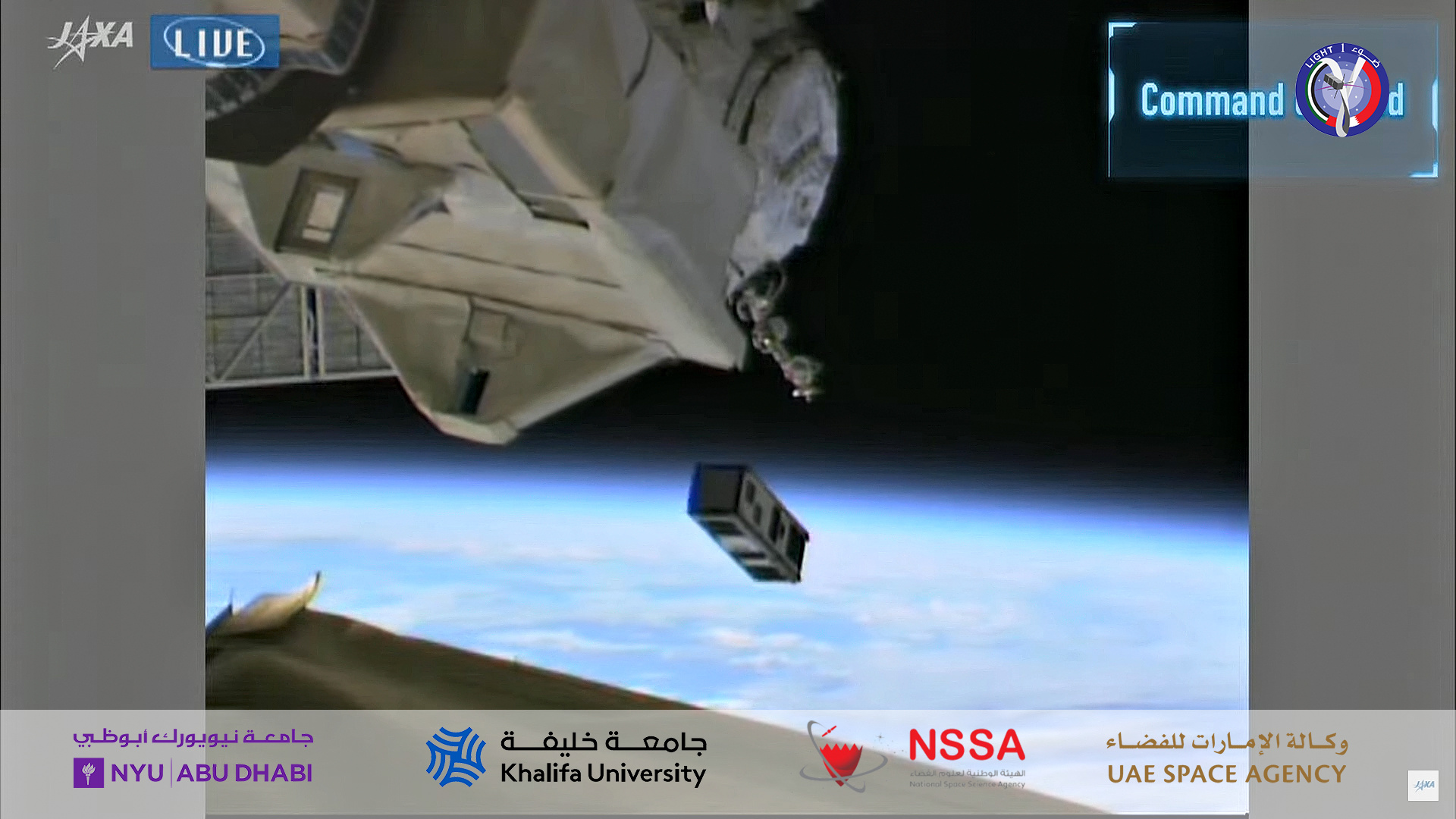
The Light-1 CubeSat, a collaboration initiative of the UAE Space Agency, Bahrain’s National Space Science Agency, Khalifa University of Science and Technology, and New York University (NYU) Abu Dhabi, was successfully launched into orbit from the International Space Station, in cooperation with the Japan Aerospace Exploration Agency (JAXA).


JAXA coordinated the launch from the Tsukuba Space Center (TKSC) in Japan, and the event was broadcast live on social media channels. It was also live-streamed on Bahrain’s NSSA National TV and JAXA.


The Light-1 CubeSat represents the region’s first scientific mission to monitor and study Terrestrial Gamma-ray Flashes (TGFs) from thunderstorms and lightning.  Data gathered from the Light-1 CubeSat, which aims to leverage space science to support sustainable economic growth, will be shared globally to support scientific analysis and encourage cooperation with research centers around the world.


The CubeSat was launched onboard SpaceX’s Dragon CRS-24 cargo spacecraft on a Falcon 9 rocket from the Kennedy Space Center in Florida, US, on 21 December 2021. The team that worked on the design and development of Light-1 bus consists of 22 university students from Khalifa University including nine Bahrainis, 10 Emiratis, and three international students, advised by Dr. Firas Jarrar, Manager, Yahsat Space Lab, Assistant Professor, Mechanical Engineering. The NYU Abu Dhabi team of five Emirati students and five international students, who worked on the development of the payload called Rapid Acquisition Atmospheric Detector (RAAD – Arabic for ‘thunder’), was advised by Dr. Francesco Arneodo, Program Head of Physics, and Dr. Mallory Roberts, Professor of Physics.


Dr. Arif Sultan Al Hammadi, Executive Vice-President, Khalifa University, said: “The launch of Light-1 CubeSat into its orbit from the International Space Station reflects the intense collaboration engaged by all stakeholders involved, as well as the extent of technical brilliance displayed by students in the UAE with suitable guidance from experts. As this UAE-Bahraini nanosatellite reached its orbital position, we believe this collaboration initiative will stand out as the best example of what can be achieved by the scientists in the Arab world. We are happy to work with our brothers in Bahrain in scientific development that will not only benefit our countries but also the whole world and humanity. Also this is a great effort between local universities in the UAE. We believe Light-1 will carry out its mission towards studying Terrestrial Gamma-ray Flashes and their impact on aircraft and other flying devices, while supporting scientific analysis in space.”


Vice Chancellor of NYU Abu Dhabi Mariët Westermann commented: “I would like to congratulate our incredible team of students and faculty at NYU Abu Dhabi on their contributions to this historic mission, particularly their work pertaining to the scientific payload. NYU Abu Dhabi takes pride in its diversity and academic excellence, and today’s launch of the Light-1 CubeSat into its orbit from the International Space Station is the perfect manifestation of these values: key entities and experts in the field have come together from different countries and backgrounds to achieve one common, inspiring goal. We hope that the satellite will provide new data on terrestrial gamma-ray flashes, and that scientists and people around the world will benefit from them.”


His Excellency Salem Butti Al Qubaisi, Director-General of UAE Space Agency, said: “The UAE has made massive strides in its space journey over the past few years, and the successful deployment of our Light-1 nanosatellite into orbit is a major milestone. Coming close on our recent success with the Emirates Mars Mission, and our first space astronaut Hazza AlMansouri’s journey to the International Space Station, this is an endorsement of our achievements in the cosmos. At the UAE Space Agency, we are committed to exchange knowledge and expertise with the international community to stimulate cutting-edge research, scientific discoveries and human progress. We thank all our partners across the UAE, Bahrain, US and Japan for their support in making this mission possible.”


On this occasion, His Excellency Dr.  Mohamed Ebrahim Al-Aseeri, Chief  Executive Officer  of the Bahrain’s National Space Science Agency (NSSA), said: “At the beginning, I am pleased to raise the highest congratulations and sincere blessings to His Majesty King Hamad bin Isa Al Khalifa, The King of Bahrain, and to His Royal Highness Prince Salman bin Hamad Al Khalifa, the Crown Prince and Prime Minister, and to the leadership of the United Arab Emirates, on the occasion of the successful launch of the Bahrain-UAE Joint Satellite (Light 1) to its space orbit at noon on  Thursday,  February 3, 2022.” 


He added: “The guidance and support of wise leadership have been and continues to be the main motivation of the NSSA throughout its journey to achieve successive achievements and to enter steadily into the space field, paving the way for the implementation of more projects to achieve our national ambition. I also commend the active follow-up of the work of the NSSA by His Highness  Sheikh Nasser bin Hamad Al Khalifa, National Security Advisor, Commander of the Royal Guard, Secretary-General of the Supreme Council of Defense, which contributed to motivating the members of the NSSA to give their utmost to acquire modern sciences and skills to form the first nucleus of national competencies specialized in the space sector, and contribute to the implementation of the future projects of the NSSA to serve the Kingdom of Bahrain plans to achieve the sustainable development goals (SDGs).”


“We are very grateful to our brothers at Emirates Space Agency for the generous support, and good cooperation we have found throughout the implementation of this joint project,” Dr. Alaseeri said. 


He added: “This project is a model for scientific and technical cooperation to serve humanity through the peaceful exploitation of space, and the NSSA is moving forward with more projects to achieve the goals for which it was established.”


His Excellency Dr. Mohamed E. Al-Aseeri concluded his statement by saying: “In conclusion, I would like to extend my sincere thanks and appreciation to the NSSA’s Board of Directors headed by H. E. Engineer Kamal bin Ahmed Mohammed, Minister of transportations and telecommunications, for their great confidence and continuous support to NSSA,  and special thanks to all the NSSA’s member of staff for their sincere efforts to promote space science in the Kingdom of Bahrain and to follow up and implement the NSSA’s projects and initiatives over the past years, I am confident of their capabilities in implementing more projects in the future to achieve excellence and for the Kingdom of Bahrain to assume a prominent position in the space sector.”


Shiho Ogawa, Director of JEM Utilization Center for Human Spaceflight Technology Directorate, JAXA, said: “UAE Space Agency and JAXA had made the Cooperation Agreement in 2016. Since then, JAXA has cooperated on many projects. The Light-1 project is one of them. The Light-1 team and JAXA have overcome all the problems they faced during development and realized the satellite deployment from Kibo. We are honored to support the Light-1 project. This success has great meaning for both countries as well and I hope that UAE and Japan expand further cooperation in the space field. Now, it is time to fly in space to start the mission. I pray for the full mission success of the Light-1 project.”


The impact of high-energy gamma-ray emissions on atmosphere, air traffic and human health, especially flight crews, will be studied by Light-1. These rays can penetrate aircraft structures, and therefore the data of Light-1 will improve understanding related to radiation exposure.


Light-1’s gamma-ray detection system RAAD, designed and assembled with a unique layout, and making use of state-of-the-art detection devices, is competitive with bigger satellites and can make an impactful contribution to the comprehension of TGFs. Thanks to its innovative technology, the Light-1 nanosatellite might become a pathfinder of future and larger missions targeting gamma rays.


RAAD makes use of ‘scintillating’ crystals, the material that emits light when crossed by a subatomic particle, specifically chosen for their quick response time. The light emitted by the crystals is collected by photomultipliers and processed by a dedicated electronic system. The different types of crystals, together with the custom-designed electronics, make RAAD a unique detection system.


Clarence Michael
English Editor Specialist
3 February 2022

RICH SEMINAR SERIES | 2022

The RICH Seminar Series gather key scientists and engineers to support knowledge dissemination and exchange between world-recognized researchers and RICH investigators, while fostering international collaborations and generating a beacon of education to inform and train society about carbon dioxide and hydrogen in the clean energy and climate neutrality scenario.

Organized each month and available online, the RICH Seminar Series will be broadly advertised and made available to all like-minded and interested researchers, scientists, engineers, policy makers, and students at no access cost.

Title: Insights into industrial scale CO2 capture by Metal-Organic Frameworks

Speaker: Dr. Philip Llewellyn, CCUS R&D Program Manager, TotalEnergies

Date: 31 January 2022

Most of us, including TotalEnergies, accept that climate change is a reality and that a collective effort will be needed to limit its impact. TotalEnergies has integrated climate into the core of its strategy with notably the ambition to reach net-zero emissions by 2050. Carbon storage is a key factor to achieve carbon neutrality via both carbon sinks (i.e., that can absorb atmospheric carbon dioxide) and carbon capture, utilization and storage (CCUS). Indeed, CCUS technologies will be essential for numerous industries, particularly those that generate large volumes of carbon dioxide. TotalEnergies allocates 10% of their R&D budget to CCUS over all areas and technology readiness levels (TRL). This effort is not new, with TotalEnergies being partner of the Norwegian carbon capture platform at Sleipner project from 1996. From 2010 to 2013, TotalEnergies demonstrated a complete carbon capture, transportation and storage chain at one of their sites in the south west of France. Currently, TotalEnergies is partner with Shell, Equinor and the Norwegian Government in the Northern Lights project which initially aims to transport and store 1.5 Mtonnes of CO2 per year. If this is successful, the second stage of Northern Lights aims to store around 5 Mtonnes of CO2 per year. Carbon dioxide capture can be considered as the most expensive step in a carbon capture, transport and storage (CCS) chain. Indeed, most carbon capture methods that are currently applied to anthropogenic sources suggest that there is room for improvement, for example, in terms of energy required, process integration and possibly also in terms of environmental impact. Depending on the CO2 source and site where it is produced, one of several approaches can be considered, and the final choice of technology will depend on many factors including integration, available energy, as well as any future evolution of CO2 characteristics, possible process electrification with renewable energies etc… Adsorption-based CO2 capture can be argued of interest with respect to energy requirements and environmental impact. Whilst adsorption-based capture processes can be quite complex, one can consider three elements : the process, the contactor and the adsorbent material. In terms of process, whilst pressure swing adsorption (PSA) and temperature swing adsorption (TSA) are well known, one should not overlook the possibility of methods based on concentration swings. In terms of contactor, fixed bed systems may well be replaced by fluidized beds or moving beds. The use of rotating wheels may allow more rapid cycles to be developed. In terms of material, zeolites and amine-grafted silicas are now being challenged by metal-organic frameworks as the material of choice.
The aim of this talk is to a give a quasi-industrial perspective of the area of CO2 capture using adsorption. Note that TotalEnergies does not sell any anthropogenic CO2 capture technology which allows the possibility to be agnostic in terms of reflections made. This discussion will however be biased towards approaches and adsorbent materials that are being demonstrated at pilot centers or in demonstration projects around the world. Areas in which materials research can play a role will be highlighted, with the hope that we can make bold advances in the area of CO2 capture by adsorption. Such approaches may provide bricks to future CCS and CCU chains, and which will contribute to our effort to limit climate change.