UAE on Track to Exceed 24% Energy Mix from Renewable Sources by 2021, Says His Excellency Suhail Al Mazrouei

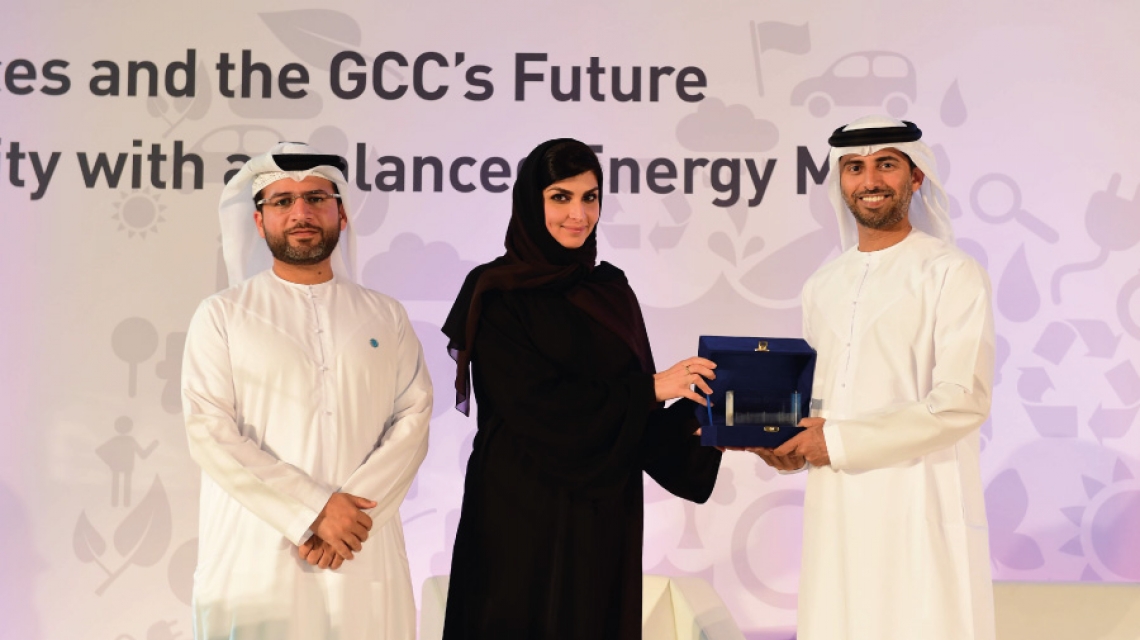
Masdar Institute of Science and Technology is making an important contribution to the UAE leadership’s efforts to increase the percentage of renewable energy in the country’s energy mix to 24% by 2021 through its research and outreach activities, according to His Excellency Suhail Al Mazrouei, UAE Minister of Energy.

The energy minister was speaking at the Distinguished Lecture Series hosted by Masdar Institute. His talk titled “Energy Security in the UAE” was attended by invited guests, faculty, students and staff of the Institute. The series invites government and business leaders to share their experience and expertise as part of the Institute’s efforts to support its critical thinkers and future leaders in driving breakthrough energy, water, and advanced materials innovations.

His Excellency Al Mazrouei commended Masdar Institute for its contribution to sustainability through its focus on research and development in clean energy, water and energy efficiency, and resource management, in addition to increased awareness of the value of sustainable clean technologies. He mentioned the Institute as being part of the UAE leadership’s proactive response to the need to diversify the UAE economy and meet the global need for sustainable technologies.

The minister also praised the UAE’s wise leadership for their visionary policies and energy reforms, which include deregulation of oil and gas subsidies last year and plans to reduce domestic utility subsidies.

His Excellency Al Mazrouei said: “The UAE energy reforms have come at the most relevant time when the crude oil prices are at historically low levels. The UAE’s progressive measures have been commended and other oil-producing countries are even looking to emulate our actions. Once again, the UAE has remained in the forefront, taking the right measures that reflect the far-sighted policies of the UAE leadership.”  

He pointed out that an energy ministry study found substantial savings in energy and water consumption in schools, mosques and households. In energy alone, 10% savings in energy consumption could result in AED670 million savings per annum, while a 30% energy savings could boost this further to AED1.7 billion.

But achieving these savings will not be easy, the minister explained. The UAE must tackle increasing energy demand, higher per capita consumption, low tariff versus actual cost of electricity, close correlation between economic growth and consumption pattern, fluctuating oil prices, international agreements on carbon emission reductions, and limitations to renewable energy sources.

“The Ministry of Energy has finished drafting an Energy Efficiency Law for buildings, which would establish a database on buildings in the UAE including area, energy consumption, and occupancy. The law will help the UAE meet its energy mix target, which is also being furthered by new projects in solar, nuclear and wind energy,” the minister revealed.

The Washington-based Brookings Institution also hailed the UAE for the energy reforms and has forecast more decisions will further help the country with its economic growth.

The 2015 International Energy Agency’s (IEA) World Energy Outlook report has already revised the share of renewable energy in global power generation to more than 26% by 2020 from 22% in 2013 — a remarkable shift in a very limited period of time. By this time, the UAE is expected to have a right balance with emphasis on both the sources of energy. An International Renewable Energy Agency (IRENA) report says achieving a 36% share of renewable energy in the global energy mix by 2030 would increase global gross domestic product (GDP) by up to 1.1%, which works out to roughly US$ 1.3 trillion.

His Excellency Al Mazrouei also said that the energy ministry was developing its own forecast with expertise from international energy leaders. He added that such trend reports would be more pragmatic in helping the country move further towards progressive efficiency and an acceptable subsidy regime.


Clarence Michael
News Writer
19 March 2016

On-Campus Urban Farm to Promote Sustainable Agriculture

Sourcing food locally through urban farming is gaining traction as a way to provide city-dwellers with access to fresh produce while bolstering local efforts to achieve food security.

For the UAE, where the majority of the population lives in urban centers, and the country overall grapples with the challenge of food security, urban farms could serve as a valuable test-bed for the development of innovative and sustainable farming practices and technologies.

It is for that reason that Masdar Institute’s Dr. Lina Yousef, Assistant Professor of Chemical and Environmental Engineering, formed the Masdar Institute Urban Farming Club, which she hopes will support the development of student-led research into technologies and processes for the improvement of Abu Dhabi’s soils and provide students with a meaningful campus experience.

“New technologies are critically needed to improve the UAE’s level of local crop production and urban farming is one strategy that we can capitalize on to help meet this goal in a sustainable way,” Dr. Yousef said. The associate professor leads several of the Institute’s sustainable agriculture-focused research projects.

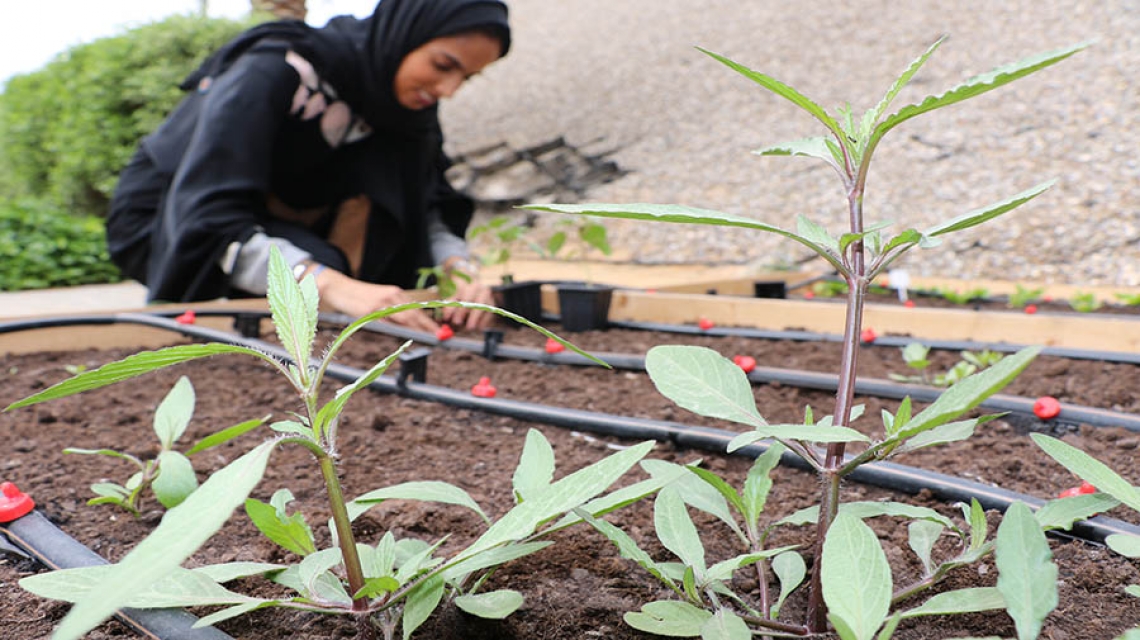
Masdar City has provided the club with a gardening plot adjacent to the Institute’s Multi-Use Hall parking lot, which measures approximately 8 square-meters. This plot of land was previously used as a growing bed for a type of ornamental plant and is already equipped with irrigation pipes.

“Plots used for gardening can be 15 times more productive than gardens landscaped with plants grown for decorative purposes. The Food and Agriculture Organization (FAO) of the United Nations reports that a one square-meter area can provide up to 20 kg of food per year,” she added.

The club will leverage the irrigation systems already in place in Masdar City to produce a sustainable edible garden by planting seasonal vegetables and fruits, with a focus on native varieties that are most suited for the UAE’s hot climate.

“The Urban Farming Club will grow herbs and vegetables for the Masdar Institute community on a dedicated patch of green space on campus. The club will help spread awareness about the importance of local and sustainable crop production and adequate land use practices, while offering students a truly enjoyable activity,” said the club’s president, Saeed AlKhoori, a Master’s student in the Water and Environmental Engineering Program.

“To increase the sustainability of our urban farm, we will grow plants that can produce their own nutrients to reduce the amount of fertilizers needed and eliminate the use of pesticides,” said Zainab Almheiri, a Master’s student in the Engineering Systems and Management Program and the club’s financial officer.

Dr. Yousef has plans to expand the club’s activities and is seeking collaborative opportunities to partner with seed providers and other interested organizations. The long-term goal is to use the urban club as a platform, or pilot scale demonstration, to attract funding that will support the expansion of urban farming at a national level.

“Planting, or ‘horticulture therapy,’ is a holistic approach that students can use to enhance their level of physical activity while also developing a healthy mind and spirit. That being said, the urban farming club will serve as a focal point for students to become inspired, develop ownership and a culture of belonging at Masdar Institute,” she explained.

The farm will also contribute to Masdar Institute’s “living laboratory” environment, enabling faculty and students to test the performance of the innovative technologies they develop on their own campus farm.

With a recent surge in rooftop farms, vertical farms (which grow crops without natural sunlight or soil), local greenhouses, and farmer’s markets, the UAE is embracing urban farming as an innovative solution for increasing local crop production and achieving greater food security.

Last year the Dubai Electricity and Water Authority’s (Dewa) building in Al Quoz announced the successful growth of vegetables on their rooftop garden. Their 2,500 square-meter garden has grown over 400 plants, including cabbage, tomatoes and cauliflowers.

Dr. Yousef believes that urban farming is not only a tool to help increase the country’s sustainable food production, but also one that will help students at Masdar Institute develop a healthy mind and spirit.

Erica Solomon
News and Features Writer
24 March 2016

Student Wins Two Separate Awards for Innovative Research Project to Save Children Left in Vehicles

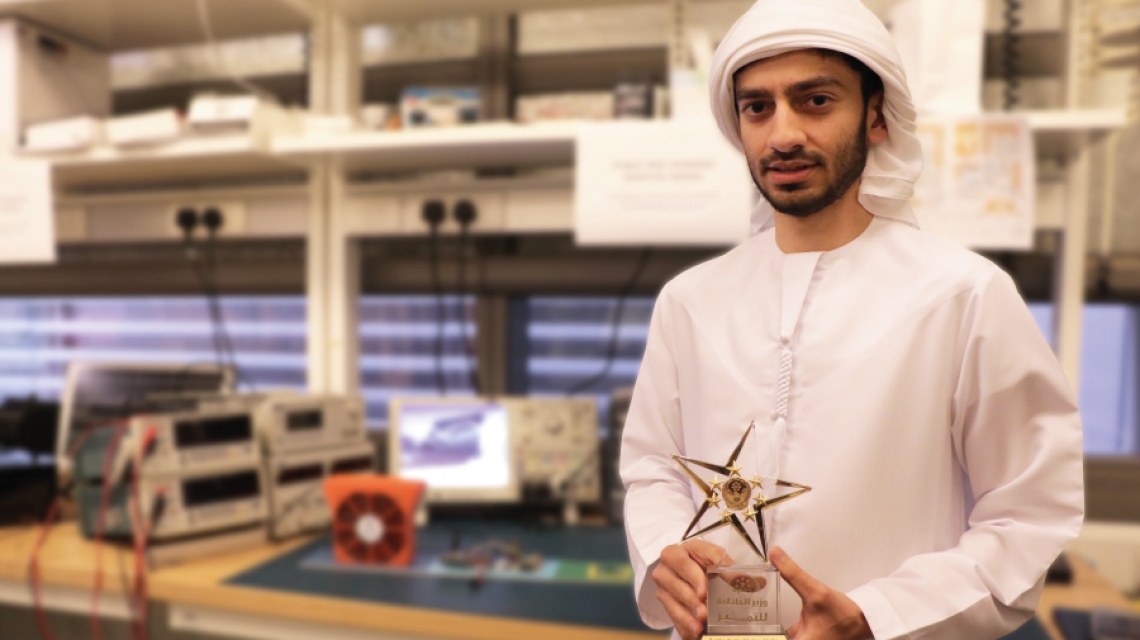
A project developed by Mohammed Alshehhi, an Electrical Power Engineering student, has won two awards – the Ministry of Interior award in the Graduate Studies category and the Innovator Show 2016 award in the ‘Sustainability & Life Sciences’ category. The project aims to help save the lives of children forgotten inside locked vehicles, by alerting the parents and civic authorities.  

Lt. General His Highness Sheikh Saif bin Zayed Al Nahyan, Deputy Prime Minister and Minister of Interior, presented the award for second place in the Graduate Studies category to Alshehhi at the seventh edition of the International Exhibition for National Security and Resilience (ISNR) Abu Dhabi 2016 that was held from 15-17 March at the Abu Dhabi National Exhibitions Centre (ADNEC).

Alshehhi has also won the award for the same project titled “Smart Solar-Powered Ventilation System for Vehicles,” in the third cycle of the Innovator Show. His project responds to the risk of fatal distraction heatstroke accidents, which refers to incidents when children are forgotten inside parked vehicles that reach deadly temperatures during the summer months.  

Alshehhi’s project aims to keep vehicles cool by using solar power to operate an independent ventilation system. The system also can automatically send a text message (SMS) to parents if they forget their child in the vehicle. Additionally, in case the parents do not respond to the message within a set period of time, the system will then automatically send another SMS alert to nearby police station/Civil Defense, providing information about the parents’ phone number, the vehicle’s plate number and its location, for prompt emergency services response.  

Dr. Behjat Al Yousuf, Interim Provost of Masdar Institute, said: “We are very proud of Mohammed Alshehhi for developing this innovative and potentially life-saving technology, which has won the UAE Innovator Show award in the Sustainability & Life Sciences category and the Ministry of Interior Graduate Studies category. His solar-powered car cooling system and sensor is a perfect example of the kind of positive and creative research being conducted at Masdar Institute to bring social benefits to the UAE and wider world.”  

A prototype of the “Smart Solar-Powered Ventilation System for Vehicles” has already been developed by Alshehhi and further tests are currently ongoing at Masdar Institute.  

Statistics indicate hundreds of children are mistakenly left in cars every year, which can prove fatal during the UAE’s hot summer months. In most cases, loss of life is attributed to parental negligence, which can be avoided if appropriate preventive steps are initiated in time. Alshehhi’s project ensures a car never reaches those dangerous temperature levels, and if a child is forgotten inside, parents and authorities can quickly be informed.  

Dr. Weidong Xiao, Associate Professor, Electrical Engineering and Computer Science, and Alshehhi’s faculty adviser, said: “The awards reflect an important recognition for Alshehhi, who is an energetic, independent and diligent student. I congratulate Alshehhi and am sure he will be a good potential candidate to continue his PhD studies at Masdar Institute.”  

Alshehhi said: “I am fortunate to work with Dr. Weidong Xiao, who assigns us with projects that requires designing real-life systems. As a UAE national, I wanted to design a PV system that responds to real-world challenges in the UAE, and would use our natural resources to our advantage. I had to think outside the box and find the proper components for designing this unique system.”  

Alshehhi’s entry in the Sustainability & Life Sciences category was selected out of 117 entries in five categories from over 500 innovators who participated the competition. The Master Institute student also presented his project at the ISNR Abu Dhabi 2016.  

Part of the Abu Dhabi Technology Development Committee’s (TDC) Innovator program, the Innovator Show aims to nurture innovation, creativity and entrepreneurship within the UAE community. Talented emerging Innovators are selected to showcase their remarkable projects and innovations, covering a wide spectrum of science, technology, design and arts.

Clarence Michaels
News Writer
27 March 2016

Masdar Institute Celebrates Impact of Global Diversity on Research Innovation During 6th Annual International Day

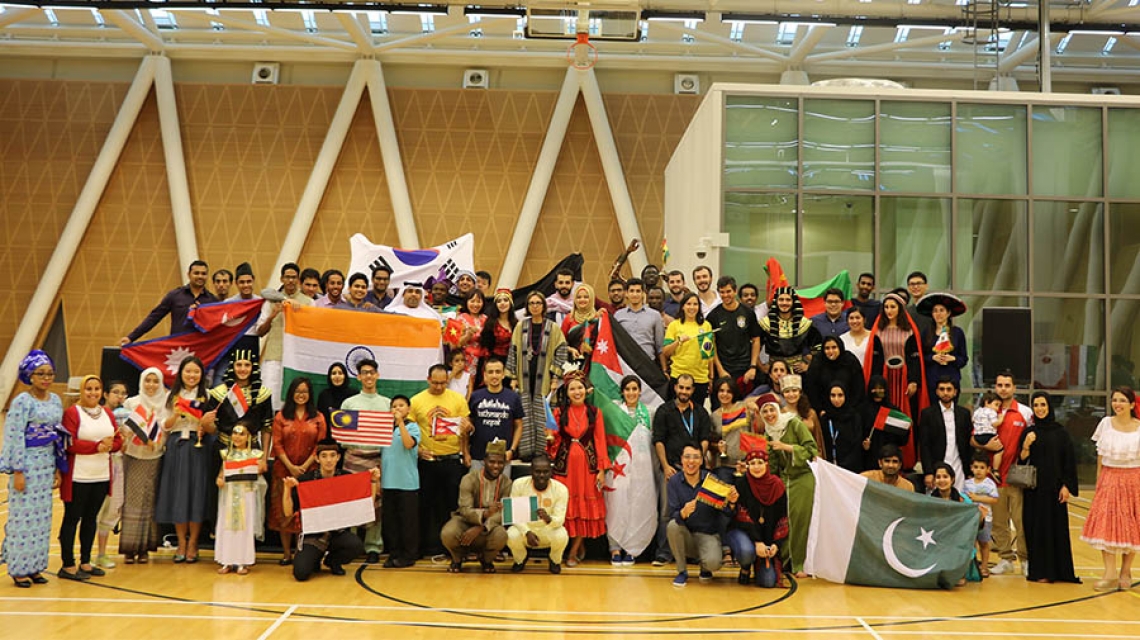
A kaleidoscope of culture and ethnicity at Masdar Institute of Science and Technology was on full display as students representing 29 countries presented the distinct elements of each of their diverse cultures on Masdar Institute’s International Day 2016.

Dr. Abdullah Al-Hefeiti, Acting Dean of Students and Dean of Library, Masdar Institute, said: “This is the day we celebrate the rich cultural diversity of our university. The lively ambience of this year’s International Day reflects passion and energy of our students. I believe much of Masdar Institute’s success can be attributed to our diverse student body and faculty, as innovation is driven by the synergy of different ideas, experiences and strengths.”

Led by the Abu Dhabi Police band, a flag marching ceremony marked the beginning of the day’s events. The festivities wrapped up with a prize award ceremony hosted in the Masdar Institute Multi-Use Hall for the top three most creative cultural stands and the two best costumes.

The UAE, South Korea and India were adjudged as the ‘Best Creative’ stands. Lamis Abou Ashour from Jordan and Alabi Bojesomo from Nigeria won the ‘Best Costume-National’ female and male categories respectively.

The sixth International Day event was organized by the Student Affairs Office in partnership with the Masdar Institute Student Government Association and the student body.   Traditional music flowed throughout the duration of the event while dance troupes representing various countries — including Indonesia, Pakistan, Egypt, India, Kazakhstan, Columbia, Palestine, Nigeria, UAE, Nepal, and Malaysia — performed around the colorfully decorated stalls designed to represent students’ homelands.

With students and faculty representing more than 40 countries, the Masdar Institute campus community remains one of the most vibrant culturally.

Clarence Michaels
News Writer
14 April 2016

German Cloud-Seeding Expert Shares Satellite Remote Sensing Guidance with YFEL Members

Visiting German faculty contributed to a comprehensive course on satellite remote sensing techniques and geographic information systems (GIS) tools hosted at Masdar Institute for members of the Young Future Energy Leaders program.

The Remote Sensing and GIS Workshop for YFEL members was led by Masdar Institute faculty, with a brief guest lecture by Dr. Volker Wulfmeyer, Professor, Managing Director and Chair of Physics and Meteorology at the Institute of Physics and Meteorology of the University of Hohenheim in Stuttgart, Germany.

Dr. Wulfmeyer, and his team of remote sensing experts contributed to the first module of the workshop, which was focused on remote sensing applications for mapping and monitoring the natural environment. His cloud seeding research project was one of three to receive the UAE Research Program for Rain Enhancement Science Award. His grant-winning project aims to leverage advanced remote sensing technologies to identify optimal cloud seeding deployment regions.

Zainab Al Ali, Program Manager, YFEL, said: “The course is part of our capacity building efforts to train talented youth and students in niche areas such as satellite remote sensing and GIS. It is a key component of our annual schedule of courses designed to help YFEL members develop their ability to solve some of the world’s greatest sustainability challenges.”

The overall course was led by Masdar Institute’s Dr. Prashanth Marpu, Assistant Professor of Water and Environmental Engineering, Dr. Marouane Temimi, Associate Professor of Water and Environmental Engineering, and Dr. Jun Zhao, Post-Doctoral Researcher. Its objective was to equip YFEL members with the skills and frameworks required for implementing sustainable innovation projects and building the UAE’s capacity for continuous innovation.

The two-day course gave YFEL members hands-on experience in satellite data analysis, digital image processing, and generation of maps and manipulation of layers of spatial information. It focused on increasing participant’s understanding spectral and radiometric characteristics of remote sensing platforms and data as well as the specific remote sensing techniques suitable to their research requirements.

YFEL member Hamda Lootah, an employee with the UAE Ministry of Climate Change and Environment, said: “The course in remote sensing and satellite monitoring helped me in understanding the UAE’s environment issues and how some applications can help in tackling challenges posed by changes in weather conditions.”

Another YFEL member Aliaa Alzaabi, an employee with Abu Dhabi Gas Industries (GASCO), a subsidiary of the Abu Dhabi National Oil Company (ADNOC), found the course’s experiment portion, involving measuring the spectrum of different objects at Masdar City, both interesting and useful.

Alzaabi said: “As an electrical engineer I deal with remote sensing in the oil sector but not for the purpose of GIS and weather, so this workshop helped me learn about other applications in remote sensing.”

YFEL member Ali Alhajeri said: “The most important topic that attracted my attention was the use of satellites to detect the location of offshore oil spills. Since I work in the oil and gas industry, I am sure the techniques I learnt at the course will help me in my workplace.”

Every year, the YFEL program offers intensive courses covering technology, policy and leadership that are taught by expert faculty, in addition to lectures delivered by renowned guest speakers.


Clarence Michaels
News Writer
17 April 2016

Ektashif Program Inspires UAE National Undergraduate Students with Taste of Sustainability Research

Eight talented UAE national undergraduate students completed their immersive innovation technology experience as part of the week-long Ektashif program of discovery in advanced materials, renewable energy, sustainability, and environment at Masdar Institute.  

The Ektashif program offers undergraduate students majoring in science, engineering or information technology an opportunity to experience the high-tech environment at Masdar Institute’s cutting-edge laboratory facilities. Nominated by their respective universities, the students participated in many exciting hands-on workshops and had the opportunity to discuss with Masdar Institute faculty the results of their research.

Dr Lamya Fawwaz, Vice President for Institutional Advancement and Public Affairs, Masdar Institute, said, “The Ektashif program offers UAE national undergraduates an opportunity to experience the impact of research in the critically important fields of advanced materials, future energy, water, remote sensing and sustainable energy. It also helps develop the technical and problem-solving skills of its participants. We are proud to offer this program as part of Masdar Institute’s efforts to help produce the talented human capital needed to realize the UAE’s sustainability targets.”

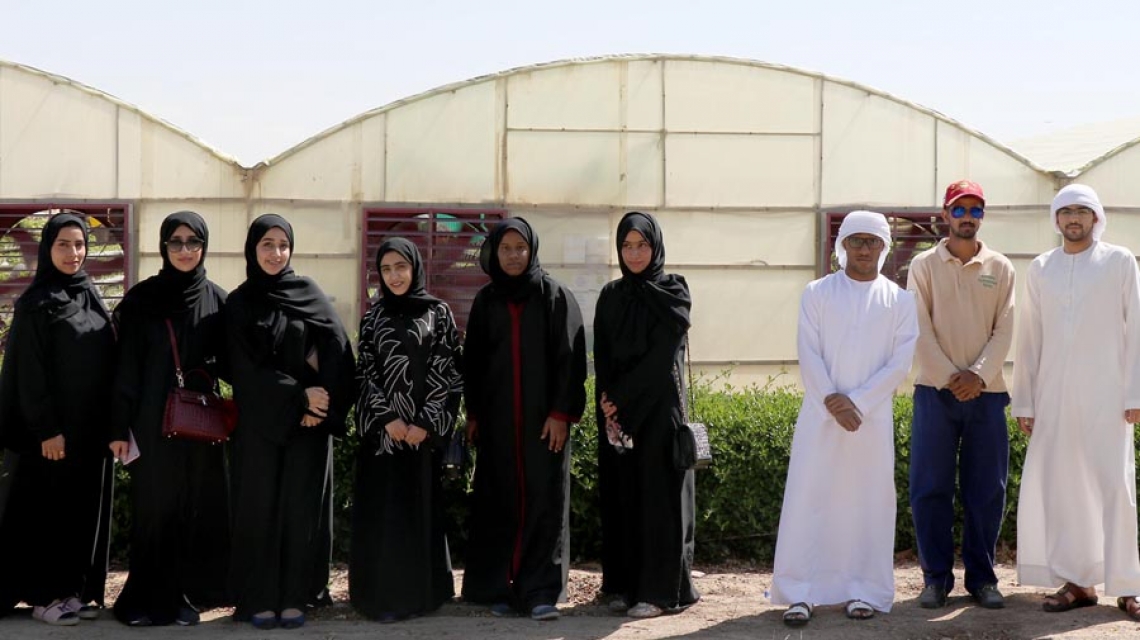
The workshops at Ektashif were on the topics of ‘3D printing,’ ‘Earth Observation Lab,’ ‘Direct Methanol Fuel Cells,’ ‘Power Electronics,’ ‘Build A Robot,’ ‘Waste Material Characterization,’ and ‘Algae: From Biofuels to Human Health.’ The participants were also taken on a site tour to Emirates Hydroponics Farms, Abu Dhabi, to witness how high quality produce is grown utilizing modern water-saving techniques.

Dr. Ken Volk, Outreach Manager, Masdar Institute, said: “The Ektashif program seeks talented UAE national undergraduate students with a penchant for innovation in science and technology. This group of students were enthusiastic in their learning pursuits and we believe the experience will encourage them to return to Masdar Institute, to continue their pursuit of innovation.”  

Dr. Saif Almheiri, Assistant Professor, Mechanical & Materials Engineering, Masdar Institute, led a workshop on Direct Methanol Fuel Cells (DMFCs), which are considered a viable alternative to lithium-ion batteries for powering the next generation of mobile devices. The workshop introduced the participants to the different components that make a single-cell fuel cell, ways to assemble a fuel cell, as well as perform preliminary performance testing.  

Dr. Almheiri said: “It was exciting to meet a young generation of UAE nationals who were eager to learn about the physics and chemistry of fuel cells. The questions they asked me during Ektashif showed they were very determined to understand the fundamental principles. I was amazed by their ability to grasp new concepts. I expect them to be excellent researchers if they choose to join Masdar Institute.”  

Dr. Rashid K. Abu Al-Rub, Associate Professor of Mechanical Engineering, hosted the workshop on 3D printing, which every participant found interesting and informative. The professor explained: “The students were motivated and proactive. They were keen to know how 3D printing reduces material waste and speeds up the manufacturing of many products for various industries, including aerospace and automotive sectors.”  

Further enriching the visiting students’ experience were the first-hand presentations by Masdar Institute students, who talked about their academic programs and thesis research in addition to their overall experiences as students.  

Expert faculty members also offered participants an insight into the process of writing research abstracts, as required for research theses, journal articles, dissertations and applications. Writing effective literature reviews, and ways to avoid the pitfalls of plagiarism through the proper use of citations, paraphrasing, and organization in research communication was also provided to participants.  

Abdelaziz Saeed Alzaabi, from Khalifa University, said he found the Ektashif program useful as he learnt about remote sensing and how this can help locate oil spill or red tide in the sea. Alzaabi said: “Ektashif offered me experience in diverse engineering fields and I believe this will help me chose my Master’s program.”  

Dalal Mohammed Obaid, from UAE University, said Ektashif gave her first experience of building a robot. She said: “I learnt many new things related to mechanical and electrical engineering, including how to construct an electrical circuit and build a robot. I also learnt the possible ways to get profitable products from even waste materials. This definitely was a useful program.” Obaid will be pursuing her graduate studies at Masdar Institute.  

UAE University electrical engineering student Ghanem Alkalbani found the session on power electronics relevant to his studies. Alkalbani said: “I learnt how everything could be possible and even the simplest idea may become a successful project that can solve the biggest challenges. The Ektashif program helped me to delve deeper into my subject “


Clarence Michaels
News Writer
19 April 2016

Student-Built Electric Vehicle Races around Al Forsan International Track

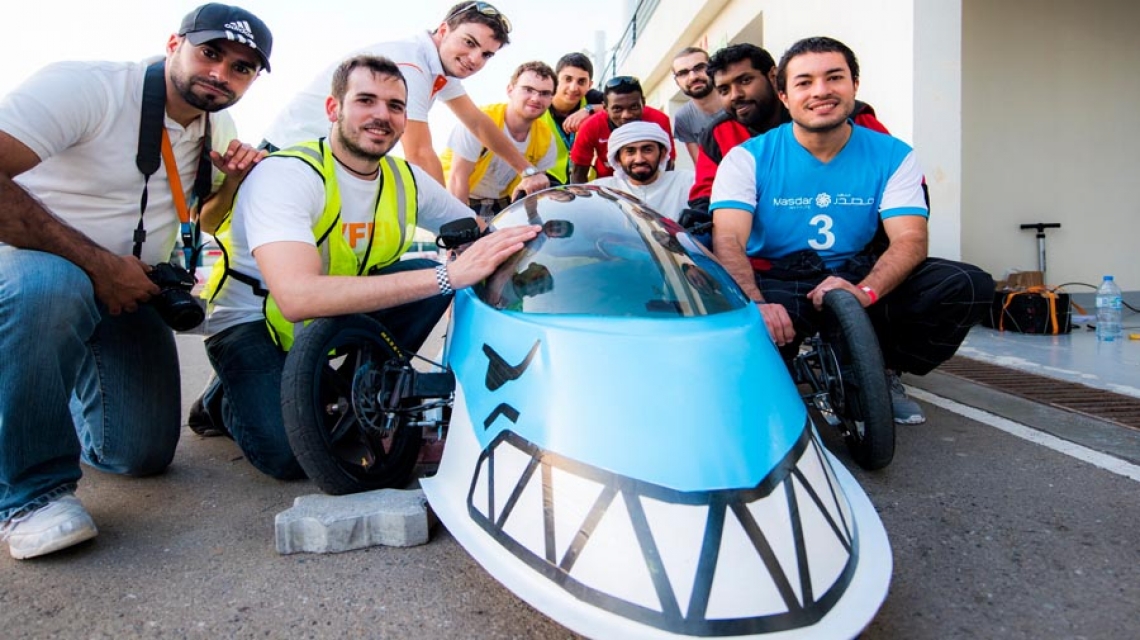
A team of Masdar Institute students and research engineers with a passion for the “cars of the future” raced their renovated electric vehicle in the 2016 Global Hybrid Electric Challenge-UAE, which was held last week in Abu Dhabi.

Led by the club’s president, Ivan Lopez, a Masdar Institute Master’s student in Mechanical Engineering, the Masdar Racing Team (formerly known as the YELA Club), worked overtime to re-build the club’s electric vehicle in time for the competition.

“Our team had to make several modifications and essentially re-build the car. We updated the car’s vital systems and ensured it was safe enough to drive for this year’s competition,” Lopez said. The team had to make significant modifications to the electric vehicle built by the team two years ago, which raced in the same competition in 2014.

Combining engineering design principles, strategy and hard work, the Masdar Racing Team members learned how to design and construct the next generation of automobiles – a valuable skill that will become increasingly relevant as more electric and hybrid vehicles make their way onto UAE’s streets.

This year’s competition saw 15 teams from universities around the region – including teams from universities in the UAE, Qatar, Kuwait and Egypt – compete in two phases. In the first phase, the teams drove their vehicle for one hour using only the energy stored in the car’s battery, while in the second phase, teams used their cars as hybrid vehicles, adding petrol to boost their range to travel as far as possible in a three hour period.

During the first phase, the Masdar Racing Team completed 18 laps around the Al Forsan International race track, and completed 37 laps in the second phase.

“With donated funds, we were able to purchase a new battery, controller and display, which we used to read speed, current, remaining power and other important parameters that helped us develop a good strategy during the race,” Lopez added.

The club members – which included Asif Soopee, Uver Villalobos, Mateusz Madzik, Mutasem Odeh, Wael AL-Enezi, Miguel Diago, Adetunji Alabi, Adetola Ogungberno, Khaled Alobeidli, Alberto Crespo, Dan Cracan and Dr. Vinod Khadkikar as the faculty advisor – joined the club to learn about electric vehicles, but ended up learning a lot more, including the value of working together and how to meet deadlines in the face of obstacles.

Lopez is particularly proud of his team for their diligence and commitment to the vehicle, despite their busy schedules and heavy workloads, as many of them were preparing to defend their Master’s thesis in the lead-up to the race.

“We leveraged the diversity of our team members, capitalizing on our various strengths – some were mechanical engineers while others were electrical engineers – to solve challenges when modifying the car,” Lopez said.

Erica Solomon
News and Features Writer
19 April 2016

His Highness Sheikh Hamed Visits Khalifa University Stand at WFES January 2019

University Announces Key Research Collaborations as Faculty Led Knowledge-Sharing Sessions across Various WFES 2019 Platforms

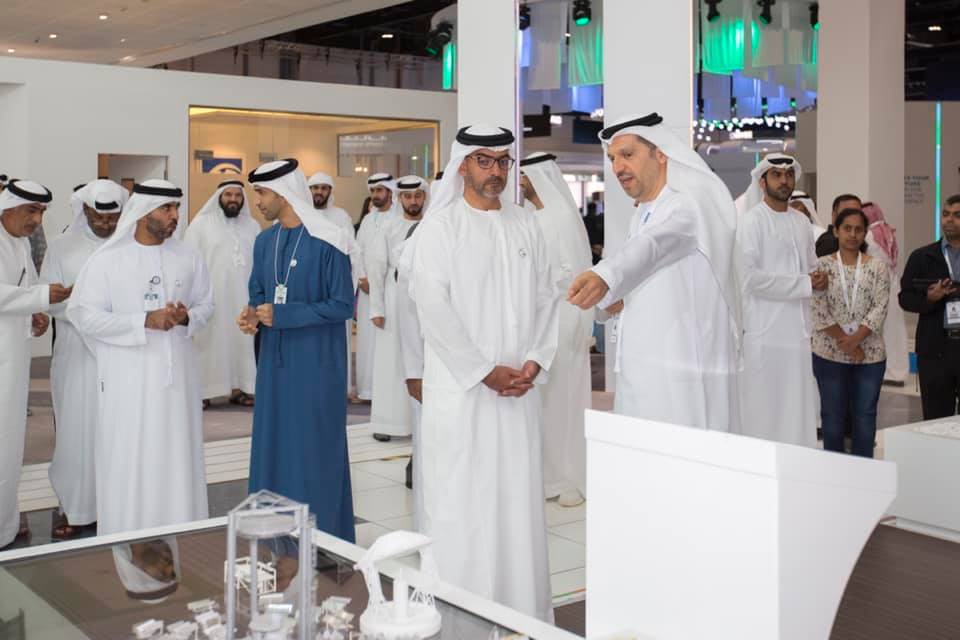
His Highness Sheikh Hamed bin Zayed Al Nahyan, Chief, Abu Dhabi Crown Prince’s Court, and Chairman of the Board of Trustees of Khalifa University, and His Excellency Dr Thani bin Ahmed Al Zeyoudi, Minister of Climate Change and Environment, visited the Khalifa University stand at the World Future Energy Forum 2019 that was held from 14 – 17 January as part of the Abu Dhabi Sustainable Week (ADSW) 2019 at the Abu Dhabi National Exhibition Center (ADNEC). The event brought together investors and service providers in the global sustainability sector.

Khalifa University showcased a total of five sustainable concepts in research innovation at the event. The university also announced key research collaborations with local and international organizations, marking its prime role advancing new solutions and technologies in the renewable energy and sustainable technologies areas.

The four-day WFES, inaugurated on 14 January focused on the intellectual leadership of sustainability while facilitating partnerships between innovators and investors in energy platforms, climate change, water and the future of mobility, space, bio-technology and technology sectors.

Some of the projects that were featured at the Khalifa University stand (Hall 4; Booth A401) include advance material for CO2 capture, the Masdar Institute Solar Platform, the Sustainable Bioenergy Research Consortium’s (SBRC) flagship Seawater Energy and Agriculture System (SEAS) project and its path-breaking commercial flight with biofuel, conversion of waste cooking oil to biodiesel in the UAE and a condition monitoring system with multi-agent mechanism for external non-contact smart inspection of buried oil and gas pipelines.

Dr Arif Sultan Al Hammadi, Executive Vice-President, Khalifa University of Science and Technology, said: “For Khalifa University, the premier gathering of the global sustainability sector at World Future Energy Summit 2019 offers the perfect platform to interact with energy industry leaders and explore potential collaborations. It is also an occasion to highlight Masdar Institute’s research accomplishments and showcase its capabilities in clean energy and sustainable technologies for the benefit of the international corporate majors. We believe this year’s participation in WFES activities will give us the impetus to further advance our research and innovation expertise in areas such as energy storage, mobility, solar, energy efficiency, waste-to-energy, water and environment, advanced materials, as well as carbon capture to help increase the contribution of clean energy to the UAE’s total energy mix in an efficient, safe and economical manner.”

Additionally, Khalifa University higher officials and faculty lead knowledge exchange across various WFES platforms. Dr Steve Griffiths, Senior Vice-President for Researchand Development and Professor of Practice, Khalifa University, shared his perspectives in a session titled ‘In Conversation: The foreign relations of energy transition – positioning the Gulf’ at the Energy Forum.

Dr Steve Griffiths said: “Khalifa University is proud to showcase new technologies at the World Future Energy Summit, which has gathered leaders across key technology and sustainability platforms that include artificial intelligence, energy, environment, water, health and space. These leaders are contributing to knowledge exchange, highlighting innovations and advancing solutions to global challenges in sustainability. We believe participation in this year’s summit effectively showcases Khalifa University’s capabilities in research, development and innovation across the sustainability spectrum.”

Dr. Nicolas Calvet, Assistant Professor, College of Engineering, and Chair of the Masdar Institute Solar Platform – Khalifa University, is speaking about concentrated solar power (CSP) industry during a session titled ‘Research Insight: Overcoming CSP’s challenges’ at the Solar Forum. Dr. Mohammad Abu Zahra, Associate Professor, Department of Chemical Engineering, and his team are presenting their work on advance materials for CO2 capture, including three individual projects.


Clarence Michael

News Writer

16 January 2019

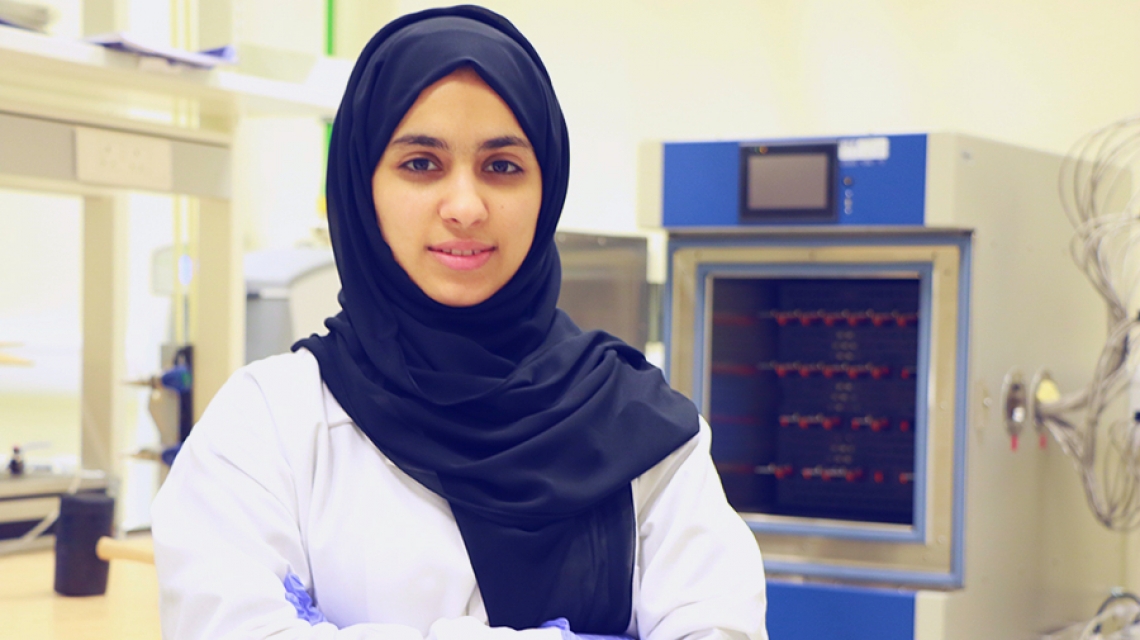
Mechanical Engineering Student Zainab Karam Becomes Fifth Masdar Institute-Toyota Scholar

Mechanical Engineering student Zainab Karam has become the proud recipient of the 2015 Masdar Institute-Toyota Scholarship award.

The fifth Masdar Institute-Toyota Scholar was chosen by the selection committee from a group of 10 applicants for her quality of writing and her academic standing. The scholarship applicants were asked to submit a two-page essay describing why they felt they should receive the Masdar Institute-Toyota Scholarship. The write-up also needed to include the student’s career goals and special interest in the two-week ‘Japan Experience’.

Her faculty advisor Dr. Saif Saeed Al Mheiri, Assistant Professor, Mechanical and Materials Engineering, believes Karam’s selection for the Toyota scholarship is a credit to her hard work and dedication to research.

Dr. Al Mheiri said: “Zainab is intelligent, self-driven and a motivated researcher. Her level of commitment to do research is amazing. She is willing to take up the challenge and delve into the problems. She always starts with the basic fundamentals and then moves up in complexity and her approach to providing solutions to issues of sustainability is very original. I am delighted to learn that Zainab has been chosen for the prestigious and highly sought-after Toyota scholarship.”

Karam said she felt fortunate to be chosen to be the Masdar Institute-Toyota Scholar for 2016 and pledged to use the scholarship to develop technologies required for a sustainable environment. Her Master’s thesis research focuses on improving lithium-ion batteries by enhancing the battery anode using different type of carbon nanotubes with the addition of metal oxides.

During the coming months, Karam will visit Japan as part of a special two-week ‘Japan Experience’.

She said: “It is obvious that Japan is one of the most technologically advanced countries. I am looking forward to experiencing and learning how today’s real world technology can help create a more sustainable environment.”

The Masdar Institute-Toyota Scholarship was established from the prize money Toyota Motor Corporation received in 2010 after winning the Zayed Future Energy Prize (ZFEP) for its innovative hybrid Prius. The scholarship is designed to promote opportunities for students to work on projects in the area of technologies for sustainable development.

Each academic year, one MSc student is awarded this prestigious scholarship. In addition to the usual Masdar Institute benefits, the scholarship recipient is provided with a special two-week “Japan Experience” arranged by the Toyota.

Last year, Fatma Al Showab became the first UAE national and the fourth recipient of the Masdar Institute-Toyota Scholarship when she was chosen from among 14 highly competitive applicants. Prior to Al Showab, three Masdar Institute students had received this scholarship. Ayoola Brimmo, chosen in October 2011 was the inaugural Masdar Institute-Toyota Scholar, while Edgar E. Samano Baca was the second scholar in 2012. Omar T. Mezher was the 2013 Masdar Institute-Toyota Scholar.

Over the years, the Masdar Institute-Toyota Scholarship has served as a platform for promising students to seek sustainable solutions in their chosen area of research.  

Clarence Michael
News Writer 
25 April 2016

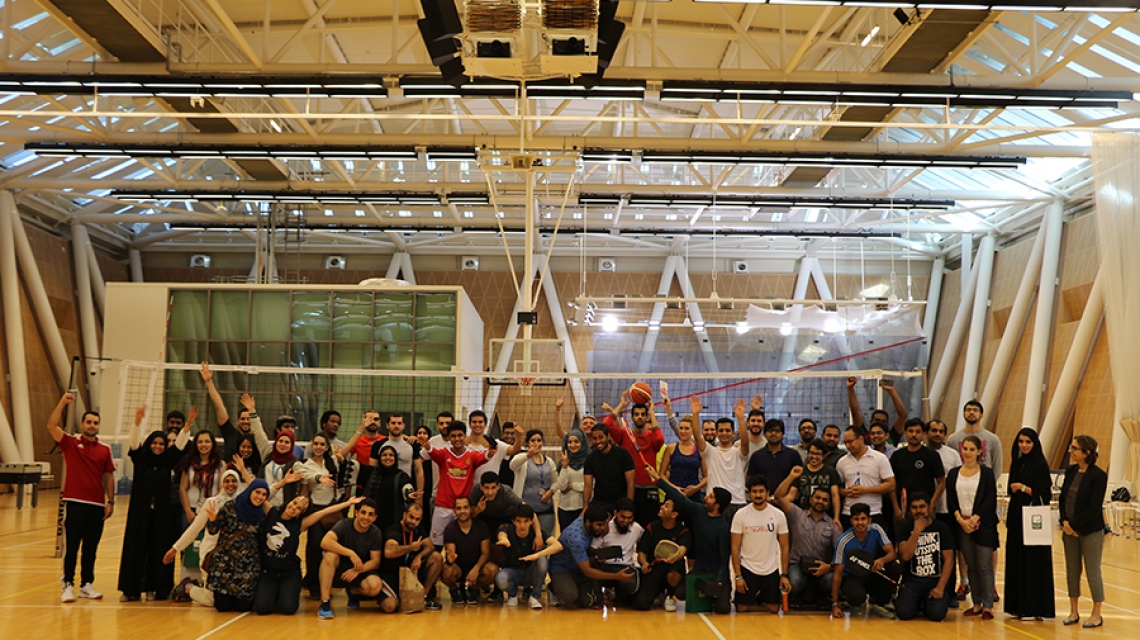
Masdar Institute Health and Sports Day 2016 Attracts Over 100 Participants

Sports, games, health and fitness, combined with a dash of competitive visual arts, marked the day-long events on the Masdar Institute Health and Sports Day 2016, held on 19 April at the Masdar Institute campus.

Inaugurated by Rabia Bekhazi, Director, Student Affairs Office, more than 100 Masdar Institute staff, students and faculty gathered at the Multi-Use Hall for a day of exciting sports and fitness activities as well as the ‘Spirit of Masdar’ photography competition.

The day featured a number of sports competitions open to faculty, students and staff, including badminton, basketball, squash, table tennis and foosball.

In the badminton competition, Shahid Rabbani and Abdul Mannan Rauf took the first place, and Sanyo John and Vinay were runners-up. Imran Syed and Zakariyah Shoroye shared the top honors in table tennis, followed by Ganesh Pandey and Faisal Hameed. Rupesh Karn and Prajowal Manandhar proved their abilities to win first place against Armin Alibasic and Ahmed Elian in foosball, while Mohammed Khan beat Owais Talat to win the coveted top slot in squash.

First place in the 3×3 basketball tournament was shared by Mauricio Paton, Amalfi Yusri, and Maksymilian Klimontowicz, while Juan Barbosa, Alexandros Tsoupos, Stelain Curceac, Sokratis Papadopoulos were the runners up.

All sports contest winners and the runners-up were awarded with entry passes to Yas Waterworld and Ferrari World Abu Dhabi.

Sports Day also featured an annual photography contest organized by the the Masdar Institute Photography Club. This year the contest was on the theme ‘Spirit of Masdar’ and featured three categories – members of Photography Club, all other students, and Masdar Institute faculty/staff. Images in portraiture, architecture, festival, night photography, landscape, daily life, and nature were accepted for the contest. After the entries were shortlisted by a panel of judges, day-long voting by the Masdar Institute community took place at the Sports Day to decide the final winners.

Juliana Beltran Torres won the Photography Club category, while Luca Mazzoni took the first spot in the ‘Student’ category. Dr Nicolas Calvet won the ‘Staff/Faculty’ category.

The day’s activities were led by Jamal Al Shaikh, Sports Specialist, the Student Affairs Office team, and Saeed Kaddoura, Student Sports Chair. They were ably supported by the Sports Committee members Kevin Garvey, Sokratis Papadopoulos, Arslan Anjum, Asif Soopee, and Mouza Al Kaabi. The event was sponsored by Yas Waterworld, Ferrari World Abu Dhabi, Daman, Al Manara Pharmacy, and Spinneys.

Free health checks by Daman Insurance assessed blood pressure, body composition analysis, and diabetes risk assessment, while a team from STAY FIT was on hand to give free personal training tips and discuss the type of fitness programs that could be organized on campus at Masdar Institute. The Masdar City Al Manara Pharmacy team was on hand to offer free sample of products relating to sports and health and beauty.

Clarence Michael
News Writer 
28 April 2016

Masdar Institute Alumni Contributing to a Sustainable Future in the UAE and Abroad


Masdar Institute alumni are pursuing their dreams post-graduation, working for some of the world’s leading innovators and contributing to the UAE’s sustainable development and leadership.

Many of the Institute’s 450-some alumni are now working at leading organizations in the UAE and around the world, where they are building successful careers in the fields of renewable energy, environment, smart systems and sustainable technologies. As Masdar Institute gears up for its sixth commencement on 24 May, the progress and impact of five of the Institute’s notable alumni are highlighted.

Reem Ketait, Class of 2014

Masdar Institute Class of 2014 Engineering Systems and Management graduate Reem Ketait is a UAE national who says she is living her dream with her post-graduation role in the UAE’s Ministry of Foreign Affairs and International Cooperation.

“Joining the Directorate of Energy and Climate Change at the Ministry of Foreign Affairs and International Cooperation was a turning point in my life. Being able to dedicate myself to the UAE’s diplomatic efforts in a field that is close to my heart was as an unexpected gift!” Ketait shared.

She now assists in mapping and supporting the UAE’s efforts to advance its clean energy financial investments and collaborations, which reached US$840 million in the past year alone.

Ketait is also a member of the inaugural batch of students at the Emirates Diplomatic Academy, which was established in 2014 to equip the UAE’s current and future diplomats with the knowledge and multi-disciplinary skills to effectively serve their nation.

The young Emirati diplomat attributes her diplomatic service work to the knowledge gained while at Masdar Institute.

“The lessons derived from the Masdar Institute community of professors and students allow alumni to stand out in a room of professionals. The experiences and understanding we gained as students enable us to ‘hit the ground running’,” she said.

While at Masdar Institute, Ketait had engaged in many networking and research opportunities, including an internship in Japan; a semester abroad where she contributed to NASA’s Ames’ Sustainability Base research team in California, USA; a trip to Varanasi, India where she assisted a non-governmental organization in its microfinance efforts; and a volunteer opportunity with the Zayed Future Energy Prize (ZFEP) Review Committee – an annual award that celebrates achievements that reflect impact, innovation, long-term vision and leadership in renewable energy and sustainability, where Al Dhaheri continues to serve.

“I was privileged to be a member of the first batch of IRENA scholarship recipients, which complimented the understanding I gained through my Master’s program of context-based national needs, which is key to the effective integration of renewables in the region,” she recalled.

Brian Warshay, Class of 2011

Brian Warshay, who graduated with his MSc degree in Engineering Systems and Management from Masdar Institute in 2011, leveraged his degree and experience to now work for a renewable energy company headed by one of the world’s leading technology pioneers – Elon Musk.

Today the young American is a lead energy analyst at SolarCity, an American provider of energy services, including designing, financing and installing solar power systems. SolarCity was established by Peter and Lyndon Rive, cousins of the illustrious Musk, who is now the company’s chairman.

“I perform technical and economic analysis on SolarCity’s new in-home load management and storage products and evaluate the impact new residential rate designs have on the cost-effectiveness of our products and bill savings for our customers,” he explained.

Warshay credited the experience he gained during his thesis research and his volunteer work for ZFEP, as being instrumental in helping him gain invaluable skills and networking opportunities.

“My life-cycle analysis research and thesis at Masdar Institute helped me hone my research and technical writing skills, while my time as a volunteer with the Zayed Future Energy Prize judging committee introduced me to some folks at Lux Research, which I eventually cultivated into a job,” he recalled.

“I also learned that to facilitate a more sustainable way of living, and to develop and maintain lasting relationships, I must value everyone’s opinion, communicate effectively, and be open to compromise.”

In his role as an analyst, he provided support to the US Department of Energy several times, helping to inform American national policymakers regarding smart grid and energy storage technologies. An article he wrote about upgrading the US electric grid was even featured in the notable Foreign Affairs magazine.

Warshay looks forward to building his career at SolarCity, where he will continue to support the deployment of solar and other smart home technologies, contributing towards a sustainable, renewable energy-powered future.

“Despite the widespread evidence and consensus about the impacts of climate change, policy support remains uncertain, especially in struggling economies. That is why solutions that are economic today provide the most promise to shift our demand away from fossil fuels in the near-term. These incremental improvements will pave the way for technological breakthroughs to be developed that will dramatically alter and improve the way we generate and consume energy. I hope to be an integral part of this energy revolution,” he shared.

Maitha Al Kaabi, Class of 2012

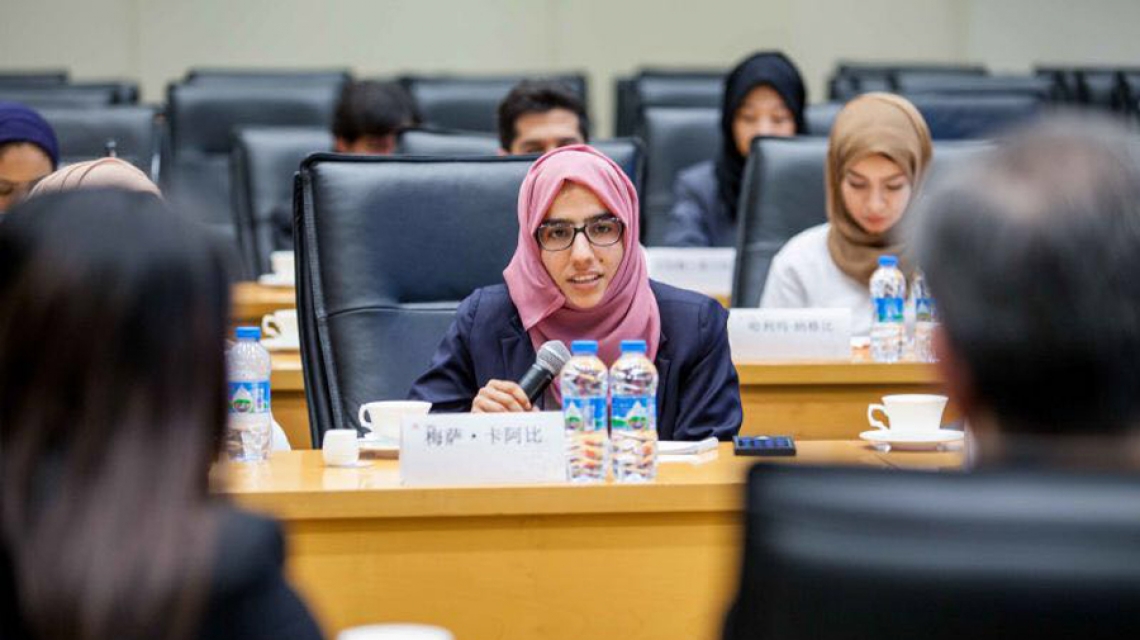
Another Masdar Institute graduate who has directly applied the knowledge and experience she gained during her time at Masdar Institute to supporting her country and the global fight against climate change is Maitha Al Kaabi, Class of 2012 MSc in Water and Environmental Engineering graduate.

Al Kaabi is currently energy and climate change attaché at the UAE Embassy in the People’s Republic of China, where she works to help strengthen the relationship between the UAE and China in the areas of energy and climate change, a role that she says Masdar Institute helped prepare her for.

“As a diplomat, it is critical to have strong communication skills; which I strengthened through exposure to Masdar Institute’s extremely diverse and well-educated faculty and student body,” Al Kaabi shared.

“The Institute also provided me with a powerful combination of technical understanding from coursework and research along with knowledge of policy-making from institute activities, such as the student ambassador’s program and the Young Future Energy Leaders (YFEL) program,” she added.

Al Kaabi is no stranger to international adventures. During her studies at Masdar Institute she was a member of the International Antarctic Expedition (IAE) 2012 team led by polar explorer Robert Swan that culminated in planting the UAE and Masdar Institute flags in Antarctica.  She also represented the YFEL at the RIO+20 Summit in 2012.

She says she is most proud of helping to facilitate bilateral discussions between the UAE and China that led to a USD10 billion commitment by the UAE and China to invest in infrastructure and energy, including a significant allocation for clean energy.

“I believe I contributed to changing the way China thinks of the UAE. Before, may have seen the China saw the UAE only as a source of oil, but now, China also sees the UAE as a hub for clean energy advancement,” Al Kaabi said.

She plans to continue to serve as a representative of the UAE in the international community and hopes to help pave the way for young women in the UAE.

Fazil Abdul Rahiman, Class of 2012

Masdar Institute Class of 2012 MSc in Electrical Power Engineering graduate Fazil Abdul Rahiman not only stayed close to his passion of sustainability following his graduation, but he also stayed close to Abu Dhabi, seeking a posting in nearby Dubai.

The young Indian is currently the assistant technical manager at Dubai Carbon Center of Excellence, where he manages energy, green economy strategies and policies; and climate change mitigation for a range of projects.

“I am happy to be supporting the Dubai Government’s energy and climate change policy, strategy and execution,” he shared.

In this role, Rahiman has developed resource efficiency policy and strategies for Dubai Government and its key government bodies for electricity and water, transport, waste, and manufacturing.

“I am very proud to be contributing to the development of National Greenhouse Gas Inventories and Systems for the UAE, Oman and Kuwait, together with the UNEP and related ministries,” he added.

Rahiman is also broadening the impact of his studies and his commitment to sustainability as a taskforce member in the Arab Sustainable Energy Initiative under the Clean Energy Business Council and the United Nations Development Programme. He also serves as the secretary for Dubai’s Carbon Abatement Strategy Technical Committee and has spoken at many related international and regional conferences.

“Masdar Institute instilled in me the ambition, confidence and expertise to engage in finding answers to the globe’s pressing issues: climate change and energy efficiency,” he explained.

Going forward, the young policy professional plans to continue working in the sustainable energy policy and strategy realm, through which he aims to contribute to the global fight against climate change.

“I hope to play a constructive role in supporting the global climate change mitigation efforts and to address energy problems. Devising well-considered policy and emission reduction strategies will help fight climate change while implementation of effective demand side management programs will tackle the region’s energy issues,” he concluded.

Mohamed Al Sharhan, Class of 2013

Masdar Institute Class of 2013 Engineering Systems and Management graduate Mohamed Al Sharhan has also used his degree as a stepping stone to give back to his home country of the UAE by enhancing sustainability in its transportation sector.

As a First Lieutenant at the Ministry of Interior, Al Sharhan works as a traffic and transportation engineer at the Department of Traffic Engineering, Abu Dhabi Police HQ. Here, he works to maintain  high safety and efficiency levels within Abu Dhabi’s transportation system and supports the development of the Safe Smart City initiative, which is aimed at improving transportation development from a safety perspective.

“The courses at Masdar Institute helped me develop my analytical and research skills, which help me accurately assess a situation, seek multiple perspectives, gather more information if necessary, and identify key issues that need to be addressed,” Al Sharhan said.

In the three years since he graduated, Al Sharhan has continued to pursue his passion for sustainability and innovation, even participating in the Ministry of Interior’s Innovation Centre, where he was honored by Lt. General HH Sheikh Saif Bin Zayed Al Nahyan, Deputy Prime Minister and Minister of Interior. He also went on to complete the Abdulaziz Bin Humaid Leadership Program.

“I will always be grateful to the Masdar Institute family for being a change agent in my life. Masdar Institute made me a stronger human being with a clear vision and a better citizen who is striving to serve his country and payback his community,” he shared.

Conclusion

These five alumni represent just a small snapshot of the diverse activities and accomplishments of Masdar Institute’s alumni, who span nine Master’s degree programs and an interdisciplinary Doctoral Degree program. With the graduation of the Masdar Institute Class of 2016 later this month, the global push for sustainability will receive another critical infusion of talent.

Zarina Khan, Senior Editor and Erica Solomon, News and Features Writer
15 May 2016



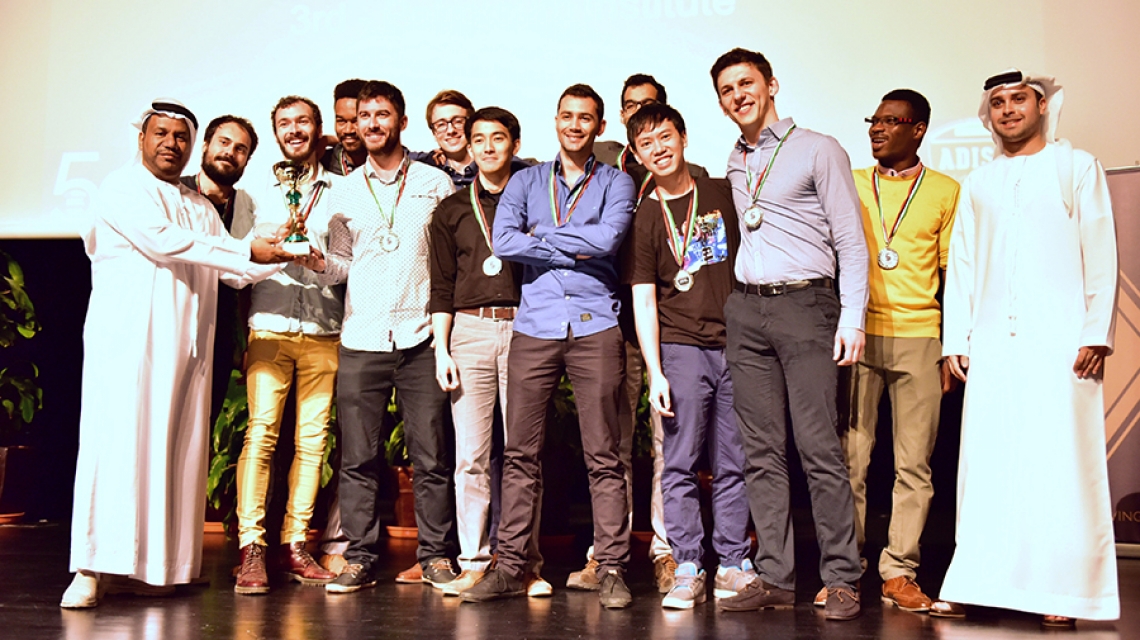
Students Return as Cricket Champions

Masdar Institute’s sports teams have capitalized on last year’s success by being crowned returning champions at the Abu Dhabi Inter-University Sports League Official Celebration, which recently took place at Paris Sorbonne University, Reem Island, Abu Dhabi.

The Institute entered seven teams in this year’s league, with the basketball and male badminton teams finishing as runners-up in their respective competitions in addition to the cricket team’s win. Significantly, the Institute also entered its first team in the women’s competition with a team consisting of five female students representing the Institute in the female badminton league.

Dr. Abdullah Al Hefeiti, Acting Dean of Students and Dean of the Library said: “We are very proud of our student’s sporting achievements in the league. The number of students participating in the league year-on-year has increased and we are very pleased to have had our first female team representing the Institute in badminton this year. We hope that this encourages additional participation by both our female and male students in next year’s league.”

The Masdar Institute cricket team managed to retain their title from the 2015 season following a thrilling final against the Petroleum Institute at the Emirates Palace in March of this year, recording only one loss on their path to victory over the five games played as part of the league.

Farsad Chowdhury, Masdar Institute student and captain of the cricket team said: “We are delighted to have retained the ADISL cricket title. Our team started the league with a loss in our first match but displayed resilience and dedication, showing up for early morning training and giving it our all on the pitch to win our remaining four matches and clinch the trophy.”

The inter-university sports event also featured a number of additional awards for students of participating  universities, where Masdar Institute’s Asma Al Mazrouei (badminton) was named Female Athlete and Scholar Athlete of the Year, Mauricio Paton (basketball) was named Male Athlete of the Year and Ganesh Pandey was awarded the Male Scholar Athlete of the Year. One student from each of the participating Masdar Institute teams was also named Most Valuable Player.

In the second half of the season, the Institute’s teams were benefitted by the addition of Jamal Al Shaikh – a Sports Specialist – to the staff at Masdar Institute. Al Shaikh provided managerial support to all captains and teams for this part of the season, as well as organizing the logistics and administration of the teams and offering sporting advice and tips during training sessions.

Al Shaikh said: “The students have made a huge commitment to training and have shown great teamwork during their matches. Participating in sporting activities provides students with the platform to lead a healthy lifestyle and keep in a good mental and physical state. And these are the guiding principles we use in supporting and enriching our students’ campus life beyond the educational demands.”

Since its establishment in 2012, the Abu Dhabi Inter-University Sports League has been providing a platform for students from universities and institutes all over the emirate to participate in competitive leagues including basketball, football, table tennis, badminton, cricket and volleyball.


Ciara Sutton
News and Features Writer
18 May 2016