
His Highness Sheikh Hamed Inaugurates Khalifa University Research and Innovation Exhibition 2025   


Themed Demonstration Zones Showcase 31 Startups and Prowess in Bioprinting, Renewable Energy, Precision Medicine, and Advanced Technologies 


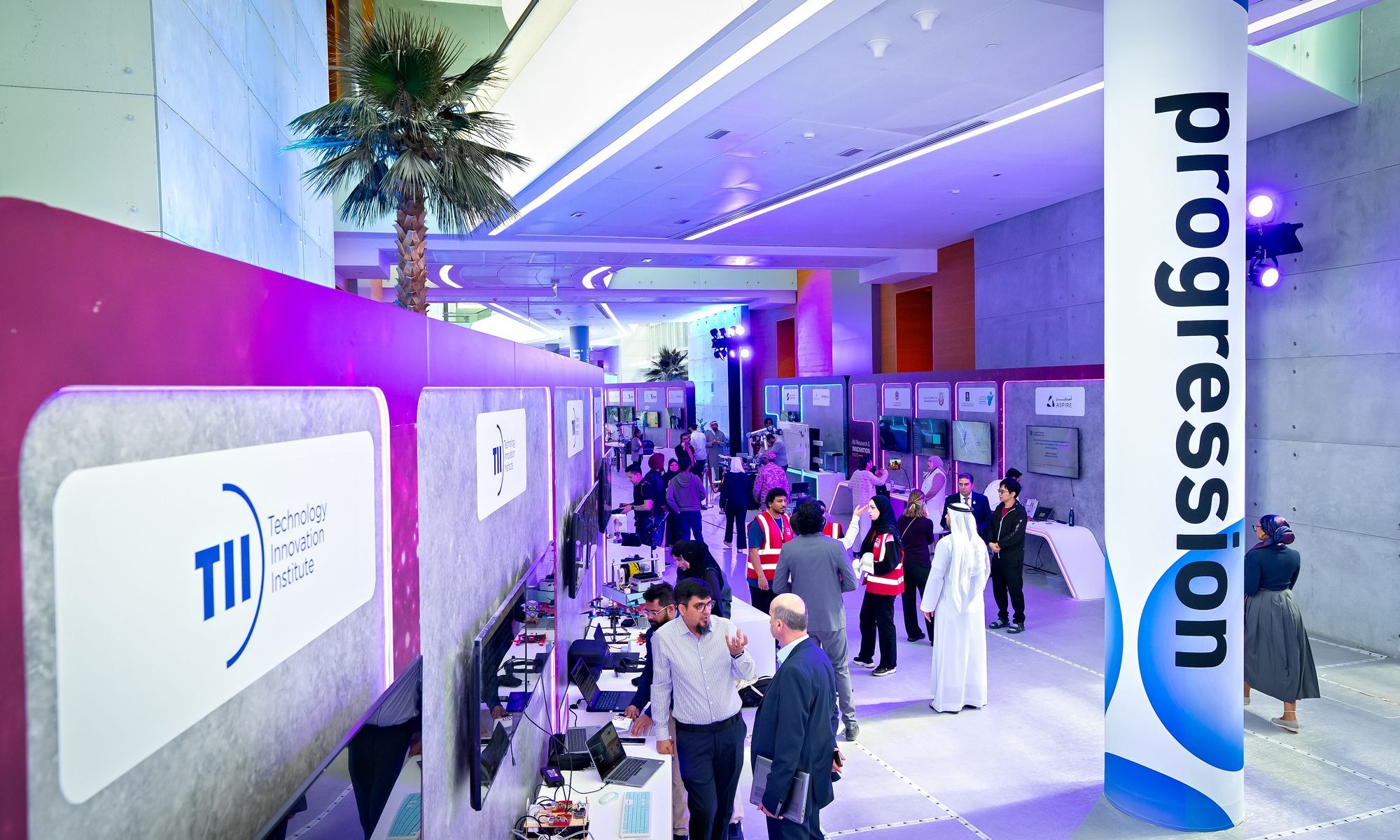
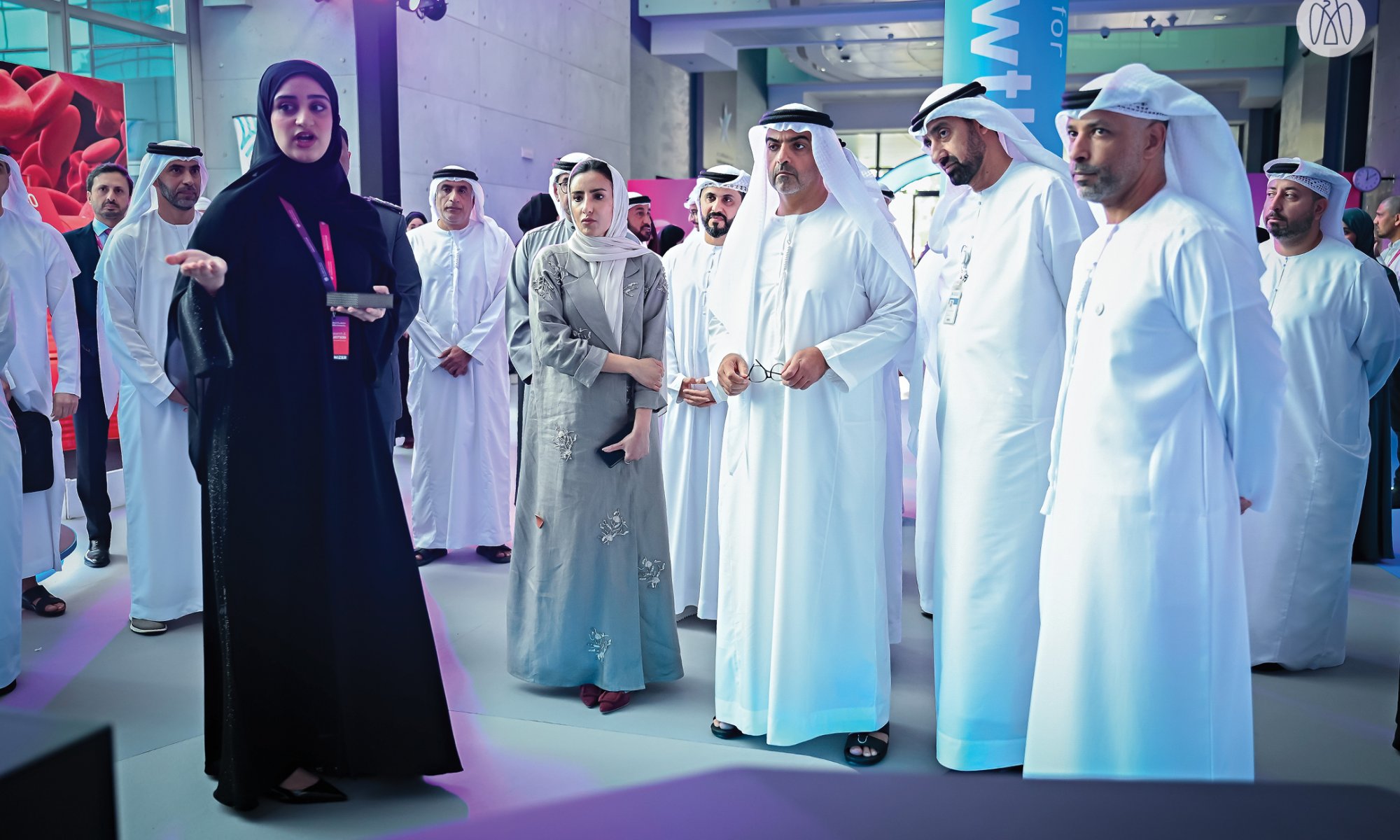
His Highness Sheikh Hamed bin Zayed Al Nahyan, Chairman of the Board of Trustees of Khalifa University of Science and Technology, today inaugurated the Khalifa University Research and Innovation Exhibition 2025, which featured more than 100 projects, as part of ‘UAE Innovates 2025.’  


His Highness Sheikh Hamed was accompanied by H.E. Major General Faris Khalaf Al Mazrouei, Chairman of Abu Dhabi Heritage Authority, H.E. Sara Awadh Eisa Musallam, Member of the Executive Council, Chairperson of Abu Dhabi Department of Education and Knowledge, Hassan Ahmed Al Hosani, CEO, Bayanat, H.E. Mohammed Al Kuwaiti, Head of Cyber Security for the UAE Government, Major General Thani Butti Al Shamsi, Director of Saif Bin Zayed Academy for Police and Security Sciences, H.E. Homaid Al Shimmari, Vice-Chairman of the Board of Trustees of Khalifa University,  and H.E. Prof. Ebrahim Al Hajri, President, Khalifa University. 


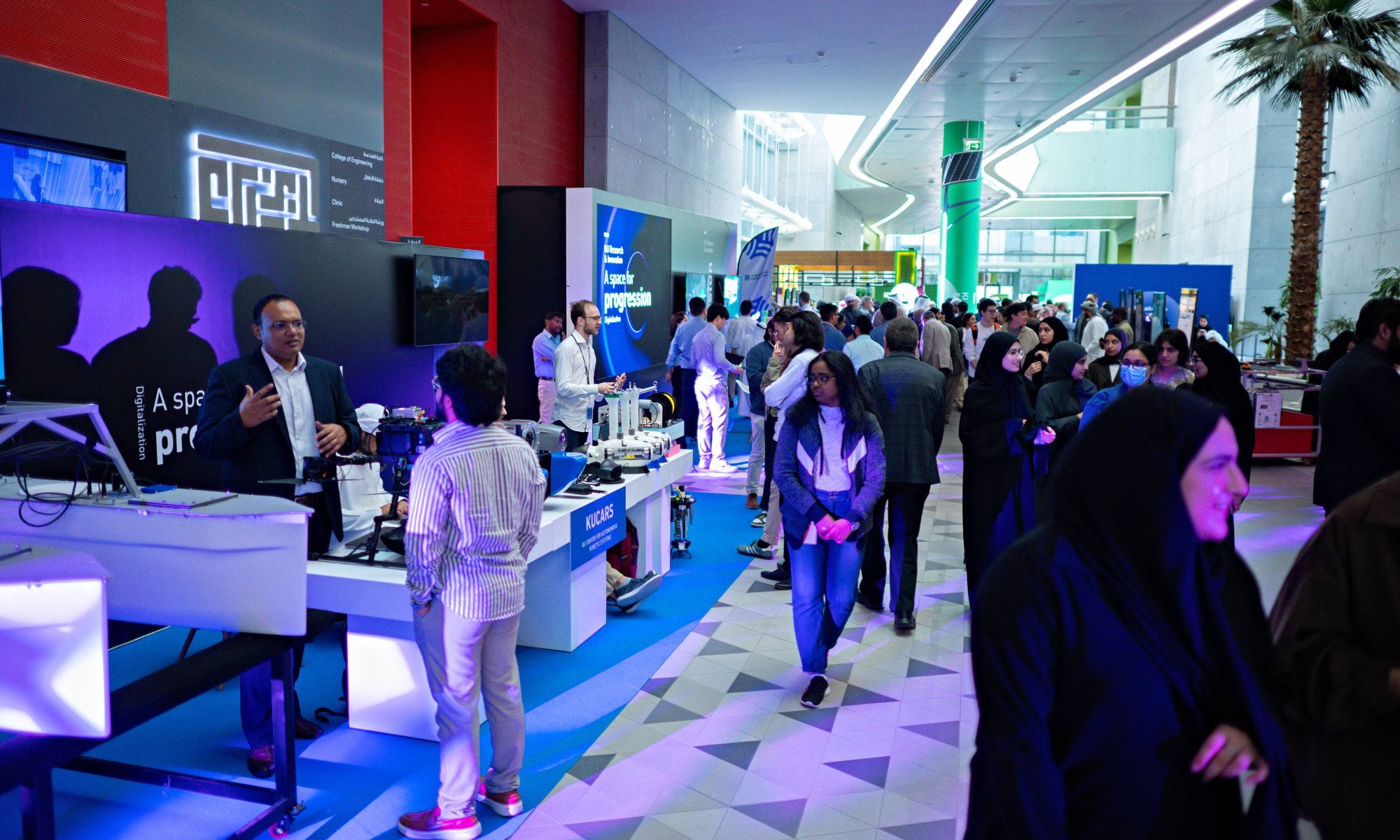
His Highness Sheikh Hamed was briefed about the innovative projects and technology solutions that were distributed across three zones such as research, industry applications, and startups under the Khalifa University Enterprises Company (KUEC), while attending a pitching session for a startup focusing on neuromorphic technology. 


Stakeholders from government, private sector, academic, industry, and international partners interacted with Khalifa University researchers at the three themed demonstration zones, with  projects including Lunar Rover, Kumrah AI, Emirati Reference Genome Project (ERGP), 6U CubeSat, Golde, Frugal 3D-Bioprinter, Biocatalysis on chip platform, Study of Polar Sea Ice, SAVE Software, and Graphene based hydrogen tank filament winding.     


Industry applications project themes covered Healthy Longevity, Energy Transition, Pervasive Digitalization, Sustainable Secure Society and Advanced Materials & Manufacturing/ Health. These included Pregnancy Risk Assessment Monitoring System (PRAMS), Food Pricing Dynamics, AgriTech 4 for viable and sustainable farming in the UAE, 3D Printed Solar Absorber, Vision-Based Flare Analytics, and The Biomedical Science Discovery (BISDI) Program.  


Also on display were Development of numerical tools for the origin and the magnitude of RADioactive release Identification (Rad-ID), a study on Towards Enhanced Nuclear Reactor Safety, LLMs for Utility Sector Customers & Anomaly Detection for Utility Meters, Mangrove-mimicked Solar Desalination Device, fast chargers for electric vehicles, The Cancer Multi-Omics Atlas: A Platform for Precision Oncology, and IgenRare: AI Assistant Tool for Rare Genetic Diseases for early diagnoses and management.  


For more details, visit: Ku.ac.ae/Innovation-Exhibition 
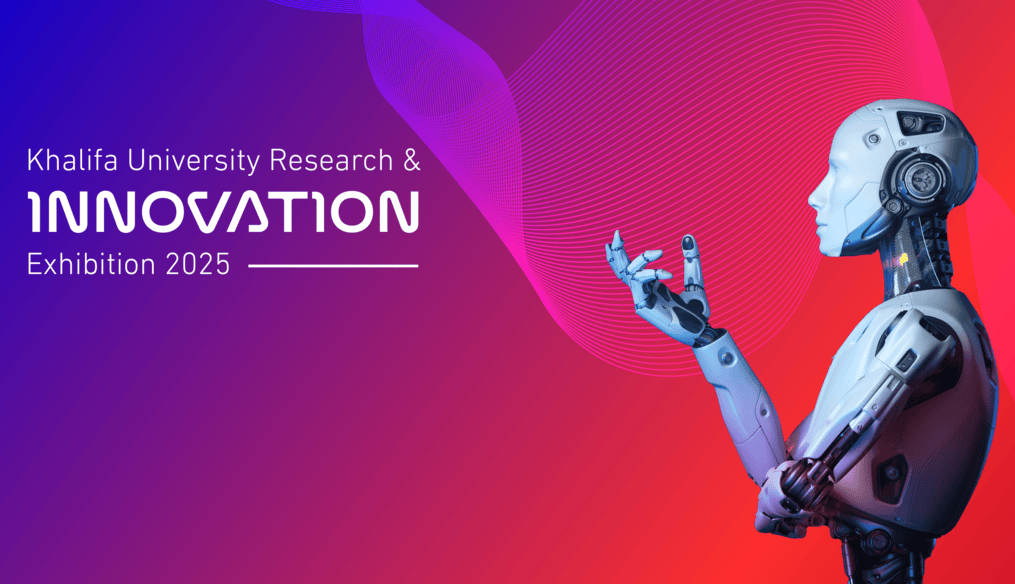
Over 100 Top-of-the-Range Scientific Solutions Lined up for Khalifa University’s 2nd Annual ‘Research & Innovation Exhibition’ 2025

Focus on Key Aspects of Intellectual Capital – Commercialization, Collaboration and Entrepreneurship


Khalifa University of Science and Technology has announced more than 100 top-of-the-range innovations will be showcased on 27 February 2025 at the second edition of Research and Innovation Exhibition 2025, which also coincides with the UAE’s Innovation Month. These innovations will beckon investors and industry leaders for their market potential and scalability, new technology, and alignment with the UAE’s vision for economic development. Open to the public, this year’s event reflects the role of Khalifa University as a leading research institution in the UAE for scientific exploration, innovation and commercialization.


The Research and Innovation Exhibition 2025 brings together industry partners and government stakeholders, while showcasing three key zones – Research projects, Industry applications and Startups. These zones will highlight live demonstrations of industry-relevant solutions, case studies showcasing industry collaborations, a networking area, projects being incubated at Khalifa University, as well as posters presented by students and researchers.


Visit Innovation Exhibition for more details. 

UAE scientists’ role in astrophysics breakthrough highlights growing appeal of space sector

Khalifa University researchers part of a major international collaboration that has identified an ultra-high-energy particle called a neutrino


Khalifa University researchers are integral to a groundbreaking international collaboration that has identified an ultra-high-energy neutrino, a discovery that highlights the UAE’s growing influence in the global space sector. Using data from the Cubic Kilometre Neutrino Telescope (KM3NeT) in the Mediterranean Sea, scientists have detected a neutrino with energy levels 30 times greater than any previously observed, as published in Nature. This discovery opens new avenues for studying the universe and understanding the propagation of ultra-high-energy rays. Khalifa University became a full member of the KM3NeT collaboration in 2021, with Dr. Satyendra Thoudam playing a key role in advancing research in astrophysics. The UAE’s commitment to space exploration is further evidenced by projects like the Hope Mars orbiter, plans to explore the asteroid belt, and aspirations to land an Emirati on the Moon. Emirati PhD student Abdulrahman Alhebsi exemplifies the new wave of talent in this field, engaging in complex data analysis under the guidance of Dr. Thoudam and Dr. Arjen van Vliet. The UAE’s burgeoning interest in space research is mirrored by the expansion of its commercial space sector, aligning with global players like SpaceX and Blue Origin.


Source: Thenationalnews.com

Khalifa University Highlights AI’s Role in Education at UAE Forum

Khalifa University Highlights AI’s Role in Education at UAE Forum


His Excellency Prof. Ebrahim Al Hajri, President of Khalifa University, emphasized the transformative potential of artificial intelligence (AI) in education during a recent UAE forum. Addressing concerns about educators’ reluctance to adopt AI, he highlighted the importance of upskilling and establishing clear guidelines to maximize its benefits. As a leading institution in technological innovation, Khalifa University continues to champion AI-driven advancements, equipping students and faculty with the necessary tools to navigate the evolving academic landscape.


Source: Khaleejtimes.com

Khalifa University Hosts Eric Schmidt, Former Executive Chairman and CEO of Google, for Fireside Chat 

Widely-known Innovator Shares Perspectives on the Future of Technology in Highly Digitalized World 


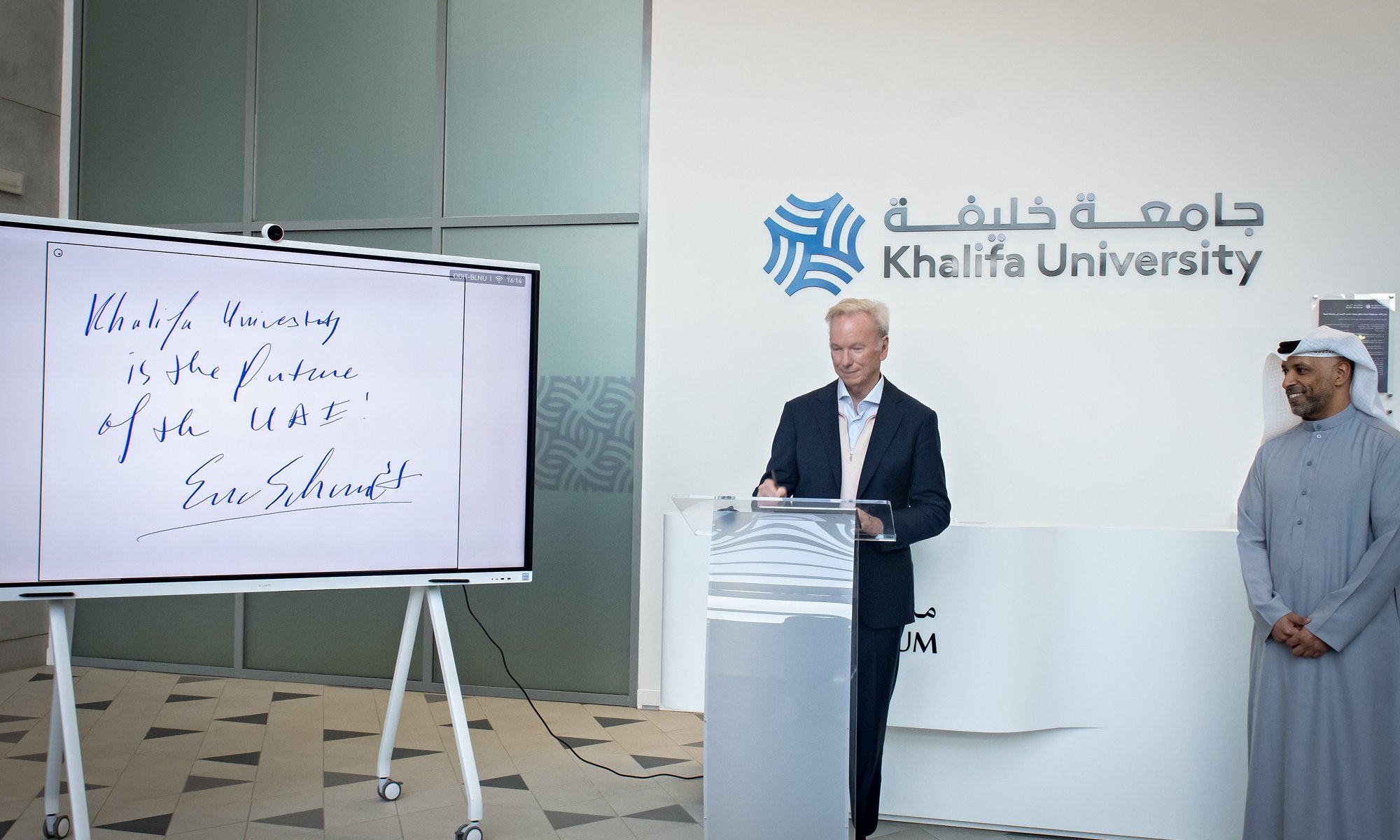
Khalifa University of Science and Technology today hosted Eric Schimdt, former Executive Chairman and CEO of Google, who shared his perspectives on the emphatic future of technology in an increasingly digitalized world during a fireside chat at the Main Campus. 


His Excellency Professor Ebrahim Al Hajri, President, Khalifa University, welcomed Schmidt and accompanied him on a tour of the University’s research labs and facilities, that represent the pioneering status of the institution, which leads the UAE with the largest number of patents.   


In his fireside chat with Prabhav Sharma, a distinguished figure in the world of global investment, Schimdt shared his perspectives on the future of technology and commended the leading initiatives undertaken by the UAE especially in revolutionary technologies such as artificial intelligence. They tackled some of the most profound and thought-provoking questions in AI and innovation. The conversation also expanded to blockchain, the evolving role of digital assets in finance, and other technologies set to redefine the next decade. He also shared insights from his latest book, Genesis, on the transformative power of AI in an increasingly digital world. 


Lauding Khalifa University for its academic and research accomplishments, he highlighted the University’s role in commercializing some of its lab-grown technologies into successful business ventures through incubation and attracting venture capital. Schimdt noted that the UAE is well-positioned to drive groundbreaking advancements on the global stage, with its forward-thinking leadership and dynamic young generation.


EU and Khalifa University Host Career Talk on Women Shaping Emerging Technologies

This event is the third in a series of Career Talks organised by the EU Delegation to the UAE following last year’s successful talks on Women in Engineering and Women in Defence.


The European Union Delegation to the UAE, in partnership with Khalifa University, hosted an inspiring career talk on Women in Emerging Technologies. The event brought together female leaders from the European Union and the UAE at Khalifa University to empower and guide the next generation of women contributing to emerging technology and science including AI, robotics, health technology and biotechnology.


Her Excellency Lucie Berger, EU Ambassador to the UAE, and His Excellency Ray Johnson, Senior Advisor to the President of Khalifa University, opened the event highlighting the crucial role of women in leading and shaping the future of technology and welcoming the distinguished female leaders from the EU and the UAE: Her Excellency Dr Mariam Matar, a Genomics & Biotech pioneer, Dr Kinda Khalaf, Leader in Robotics & HealthTech, Dr Giulia de Masi, Senior Expert in Robotics & AI, Dr Maria de Fatima Domingues, HealthTech Innovator & Biomedical Engineer, and the moderator, Miss Ferial Abuhantash, Bio-engineering PhD candidate. The panel shared their personal experience, achievements and career advice to the Khalifa University students.


This event is the third in a series of Career Talks organized by the EU Delegation to the UAE, following last year’s successful talks on Women in Engineering and Women in Defence. The Career Talks initiative reflects the EU’s ongoing commitment to fostering international collaboration in gender equality and women’s empowerment.


Source: eeas.europa.eu

Khalifa University Joins ATLAS Collaboration at CERN in Geneva


Membership to Enhance UAE’s Growing Role in Global Particle Physics Research, Facilitate Student Exchange, and Drives Scientific Cooperation 


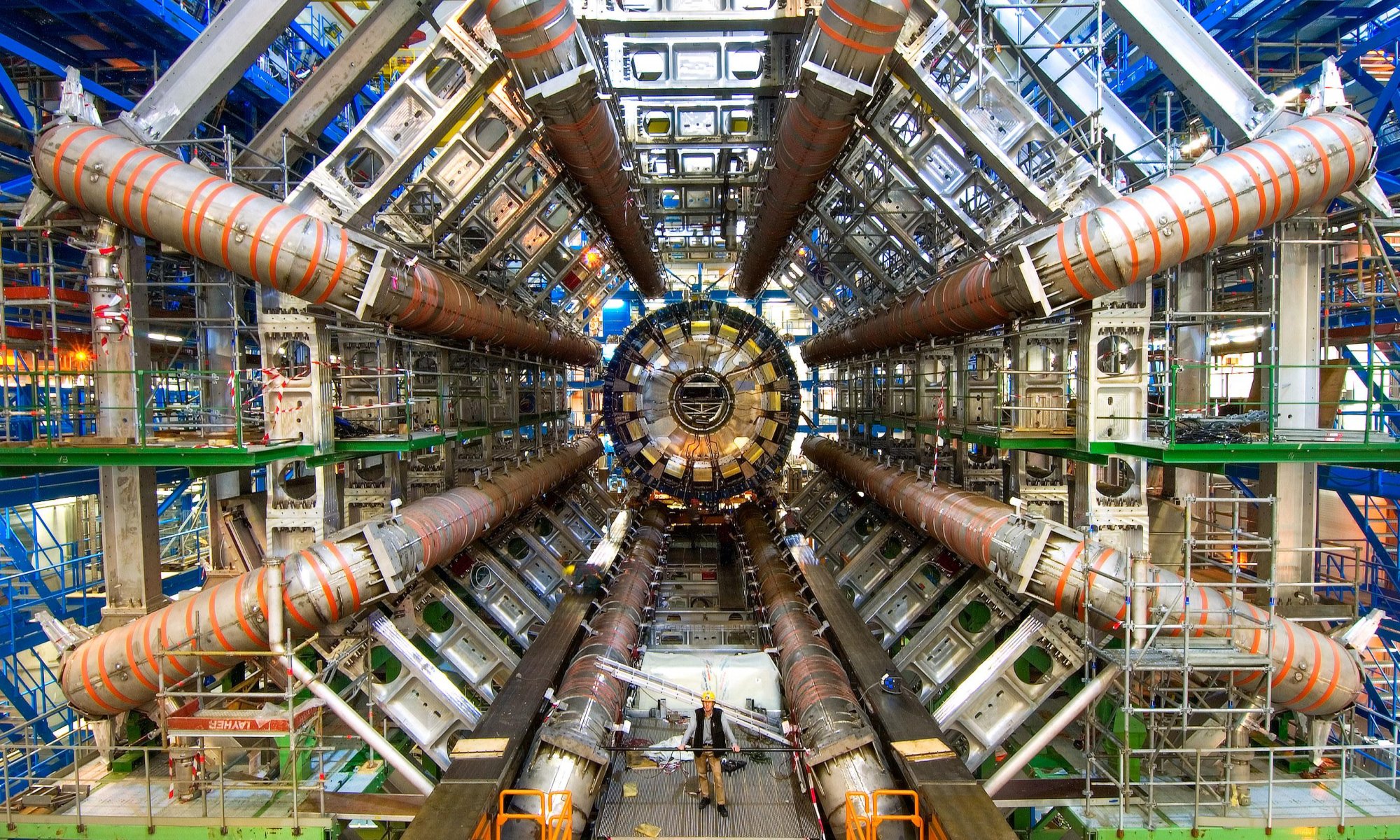
Khalifa University of Science and Technology today announced its official membership in the ATLAS collaboration at the Large Hadron Collider (LHC) at the European Organization for Nuclear Research (CERN), the world’s largest particle physics laboratory, located in Geneva, Switzerland.  


Khalifa University has also become a member at the ATLAS experiment as well as the UAE-ATLAS Cluster which comprises three other universities. This will greatly increase the visibility of the Khalifa University College of Engineering and Physical Sciences, facilitating student exchange programs and contributing to impactful scientific publications. The Khalifa University research plans are focused on physics beyond the Standard Model, Physics Modelling, Jet Physics and Physics-Computing multidisciplinary research topics. 


Khalifa University’s membership was announced during the 109th ATLAS Collaboration Board meeting that includes 182 international academic institutions from 42 countries. The ATLAS experiment is among the four principal experiments at the LHC. It is a collaboration of physicists, engineers, technicians, and students from around the world.  


Prof. Bayan Sharif, Provost, Khalifa University, said: “Joining the ATLAS Collaboration, part of Geneva-based CERN, aligns with our strategic vision to advance scientific research and innovation, reinforcing our commitment to becoming a leader in science and technology, including high-energy physics. This membership presents a remarkable opportunity for Khalifa University, offering global exposure and the chance to participate in one of the most prestigious scientific research consortia. Through this, Khalifa University will contribute to groundbreaking discoveries in particle physics, while strengthening partnerships among local and international institutions and developing capacities locally.” 


During the visit to CERN, Khalifa University Provost Prof. Bayan Sharif and  Prof. Ahmed Al Durra, Associate Provost for Research emphasized that the ATLAS collaboration would help contribute to the global scientific community and facilitate collaboration with international partners while driving innovation involving Khalifa University students in high-energy physics.   


The Khalifa University ATLAS group is led by  Dr. Rachik Soualah, Assistant Professor, who served as the inaugural leader of the UAE-ATLAS cluster for three years and played a pivotal role in bringing the high-energy physics ATLAS collaboration and its opportunities to the region. The group includes Dr. Issam Qattan, Associate Professor, and the deputy representative of the Khalifa University ATLAS group, whose expertise covers nuclear and particle physics. The group includes also three PhD students, an expected postdoc and a computer engineer. 


The group will focus on the computational and data analysis aspects, which are critical for extracting meaningful results from the big data accumulated by the ATLAS experiment. Plans are underway to recruit additional students and postdoctoral researchers to further strengthen the group’s capabilities and ensure significant contributions to the ATLAS experiment’s ambitious scientific goals.  


Khalifa University will engage actively in ATLAS’s future expansion activities, contributing to the current analysis of Run 3 data and its extensive program, while helping to prepare for the upcoming Run 4 which will mark the first LHC operations in the next phase. During this time, exchange programs will provide Khalifa University students the opportunity to have hands-on experience in cutting-edge research at CERN, fostering innovation and interdisciplinary research.

Alisha Roy
Science Writer

Khalifa University and TII Scientists Develop Underwater Robots for Ocean Monitoring and Inspection of Offshore Infrastructure 

30 Innovative Heterogeneous Remote-Controlled Underwater System Includes Five ‘Special’ and 25 ‘Normal’ Autonomous Robots 


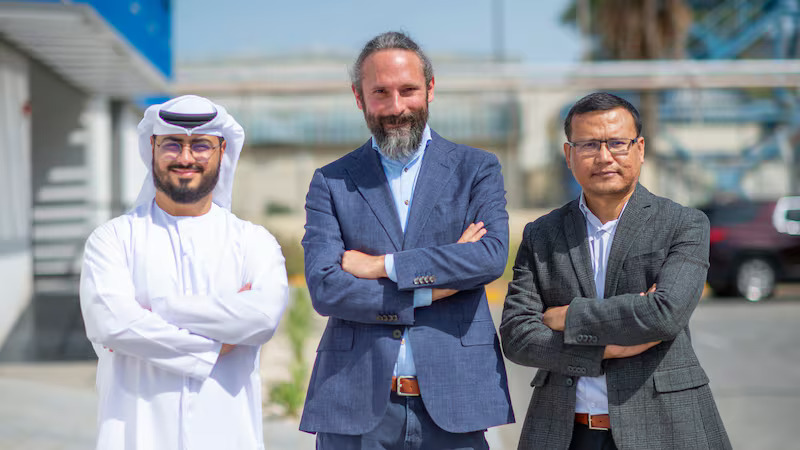
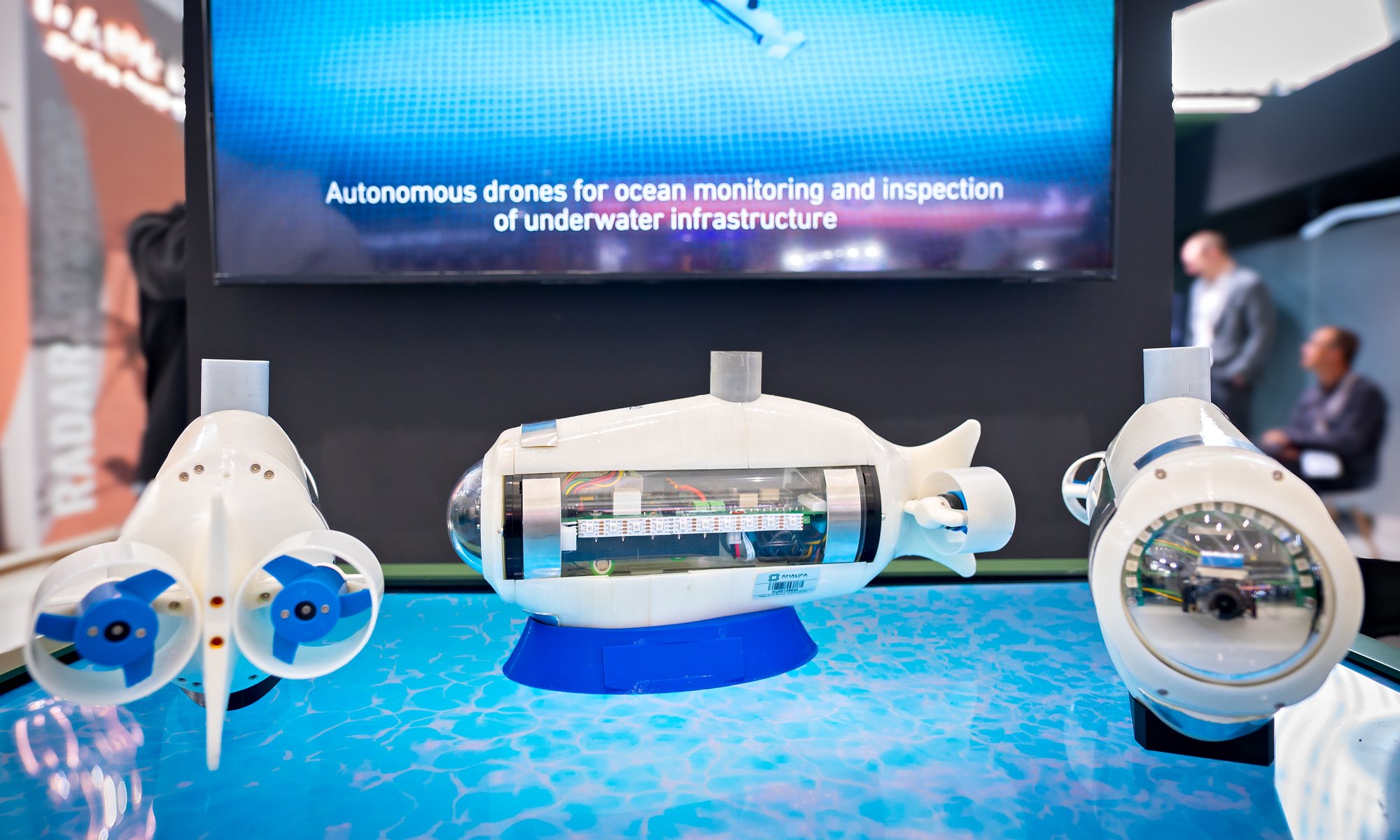
Researchers from Khalifa University’s Center for Autonomous Robotic Systems (KU-CARS) in collaboration with the Technology Innovation Institute (TII) have developed a swarm of robotic fishes that can be used for underwater monitoring and inspection of offshore infrastructure. 


The project titled ‘Heterogeneous Swarm of Underwater Robotic Fish,’ has 30 autonomous remote-controlled underwater robots that are designed to navigate together, using advanced communication. These robots can be deployed for several tasks including ocean monitoring and inspection of offshore infrastructure, and environmental surveys, subsea wreck and mines searching, as well as utilizing self-coordination with centralized control structure. 


Of the 30, five of them are ‘special’ robotic fishes integrated with more sensors and communication channels with the remote operator, while the 25 ‘normal’ autonomous fishes, with fewer sensors have the ability to communicate with each other, enabling recovery of the robot in case of emergency. 


Clarence Michael
English Editor – Specialist 


Khalifa University to Showcase Technology Innovations at IDEX 2025

New Solutions across Diverse Spectrum of Strategic Sectors Illustrate Khalifa University’s Exclusive Expertise in Niche Areas


Khalifa University of Science and Technology today announced it will showcase some of its technology innovations at the International Defence Exhibition and Conference (IDEX) 2025.


IDEX 2025 will be organized from 17 – 21 February 2025 at the Abu Dhabi National Exhibition Centre (ADNEC). The solutions that will be on display at Khalifa University stand include a hybrid mobility system (Lunar rover), high-efficiency wireless power transfer (WPT) system, and a prototype enabling bioprinting of tissues, wound dressings, and regenerative scaffolds in civilian and combat zones. Also on display are Fast Chargers for Electric Vehicles, safe and robust machine learning-integrated software for malware detection, and thermal camera core with artificial intelligence capabilities for day/night surveillance, as well as navigation and guidance systems.


H.E. Professor Ebrahim Al Hajri, President, Khalifa University, said: “Participating in IDEX 2025, a perfect platform that showcases advanced strategic technologies, reinforces our role as a key contributor to the industry, both regionally and worldwide. Our commitment to intense research and development is fostering expertise that not only meets industry needs but also anticipates future demands. These innovations also demonstrate Khalifa University’s commitment to nurturing research and incubating innovative technology startups.”


The Khalifa University stand at IDEX 2025 will also showcase the Khalifa University Lunar Rover – a hybrid mobility system that integrates the rocker-bogie mechanism with actuated legs, offering energy-efficient navigation across diverse terrains, and enhanced adaptability on planetary surfaces. developed at the Advanced Research and Innovation Center (ARIC). Other projects are the Customized Knee Exoskeleton System for Rehabilitation Assistance, designed to provide adaptive support for lower-limb mobility recovery, and the Frugal Bioprinter, facilitating research in battlefield trauma recovery.


Also included in the display are two projects from Khalifa University’s Emirates ICT Innovation Center (EBTIC). The Thermal Camera Core with Artificial Intelligence Capabilities (AITCC) is a novel smart thermal sensor for day/night surveillance, as well as navigation and guidance systems. This product also comes in handy for swarm intelligence systems applications ranging from surveillance systems, drone/UAV applications, and advanced driver assistance systems (ADAS).


The other EBTIC solution is a Khalifa University collaboration with Vlatacom Institute for a high-frequency over-the-horizon radar (vHF-OTHR) that is useful for maritime security. It can cover an entire exclusive economic zone (EEZ) and detect ships at distances up to 200 Nautical Miles (360 km).


Khalifa University to Organize Second Annual ‘Research & Innovation Exhibition’ 2025 to Mark UAE Innovation Month

Three Zones to Highlight Key Dimensions of Industry Collaboration, Commercialization and Commitment to Create Human Capital


Khalifa University of Science and Technology today announced it will be hosting the second edition of Research and Innovation Exhibition 2025, marking the UAE’s Innovation Month and to further emphasize its role as a pioneering institution driving innovation and entrepreneurship.


Scheduled to be held on 27 February 2025 at the Main Campus, this year’s event builds on the unprecedented success of the first edition last year that showcased several top-of-the-range innovations, commended by industry partners and government stakeholders, resulting in startups at various stages of incubation. This year’s event will have three key zones – Research projects, industry applications and startups.


The ‘Research’ zone will focus on groundbreaking research in sustainability, healthcare, AI, and advanced materials. The ‘Industry Applications’ zone will highlight live demonstrations of industry-use cases, case studies showcasing industry collaborations, as well as a networking area. The ‘Startups’ zone will allow visitors to explore projects incubated at Khalifa University. Additionally, visitors can view posters presented by the university’s students and researchers, which could transform into future enterprises.

Click here for more details.