Khalifa University Hosts Eric Schmidt, Former Executive Chairman and CEO of Google, for Fireside Chat 

Widely-known Innovator Shares Perspectives on the Future of Technology in Highly Digitalized World 


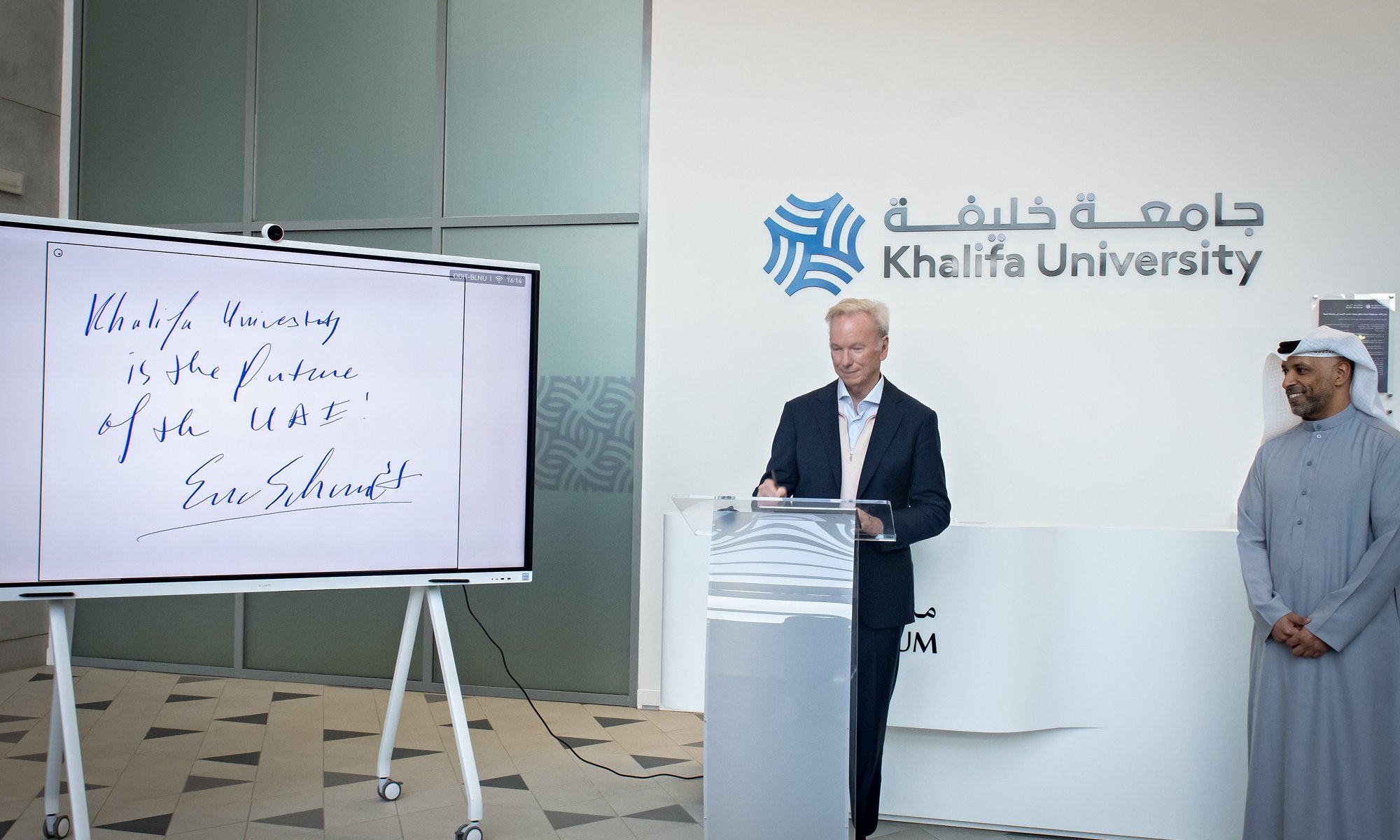
Khalifa University of Science and Technology today hosted Eric Schimdt, former Executive Chairman and CEO of Google, who shared his perspectives on the emphatic future of technology in an increasingly digitalized world during a fireside chat at the Main Campus. 


His Excellency Professor Ebrahim Al Hajri, President, Khalifa University, welcomed Schmidt and accompanied him on a tour of the University’s research labs and facilities, that represent the pioneering status of the institution, which leads the UAE with the largest number of patents.   


In his fireside chat with Prabhav Sharma, a distinguished figure in the world of global investment, Schimdt shared his perspectives on the future of technology and commended the leading initiatives undertaken by the UAE especially in revolutionary technologies such as artificial intelligence. They tackled some of the most profound and thought-provoking questions in AI and innovation. The conversation also expanded to blockchain, the evolving role of digital assets in finance, and other technologies set to redefine the next decade. He also shared insights from his latest book, Genesis, on the transformative power of AI in an increasingly digital world. 


Lauding Khalifa University for its academic and research accomplishments, he highlighted the University’s role in commercializing some of its lab-grown technologies into successful business ventures through incubation and attracting venture capital. Schimdt noted that the UAE is well-positioned to drive groundbreaking advancements on the global stage, with its forward-thinking leadership and dynamic young generation.


EU and Khalifa University Host Career Talk on Women Shaping Emerging Technologies

This event is the third in a series of Career Talks organised by the EU Delegation to the UAE following last year’s successful talks on Women in Engineering and Women in Defence.


The European Union Delegation to the UAE, in partnership with Khalifa University, hosted an inspiring career talk on Women in Emerging Technologies. The event brought together female leaders from the European Union and the UAE at Khalifa University to empower and guide the next generation of women contributing to emerging technology and science including AI, robotics, health technology and biotechnology.


Her Excellency Lucie Berger, EU Ambassador to the UAE, and His Excellency Ray Johnson, Senior Advisor to the President of Khalifa University, opened the event highlighting the crucial role of women in leading and shaping the future of technology and welcoming the distinguished female leaders from the EU and the UAE: Her Excellency Dr Mariam Matar, a Genomics & Biotech pioneer, Dr Kinda Khalaf, Leader in Robotics & HealthTech, Dr Giulia de Masi, Senior Expert in Robotics & AI, Dr Maria de Fatima Domingues, HealthTech Innovator & Biomedical Engineer, and the moderator, Miss Ferial Abuhantash, Bio-engineering PhD candidate. The panel shared their personal experience, achievements and career advice to the Khalifa University students.


This event is the third in a series of Career Talks organized by the EU Delegation to the UAE, following last year’s successful talks on Women in Engineering and Women in Defence. The Career Talks initiative reflects the EU’s ongoing commitment to fostering international collaboration in gender equality and women’s empowerment.


Source: eeas.europa.eu

Khalifa University Joins ATLAS Collaboration at CERN in Geneva


Membership to Enhance UAE’s Growing Role in Global Particle Physics Research, Facilitate Student Exchange, and Drives Scientific Cooperation 


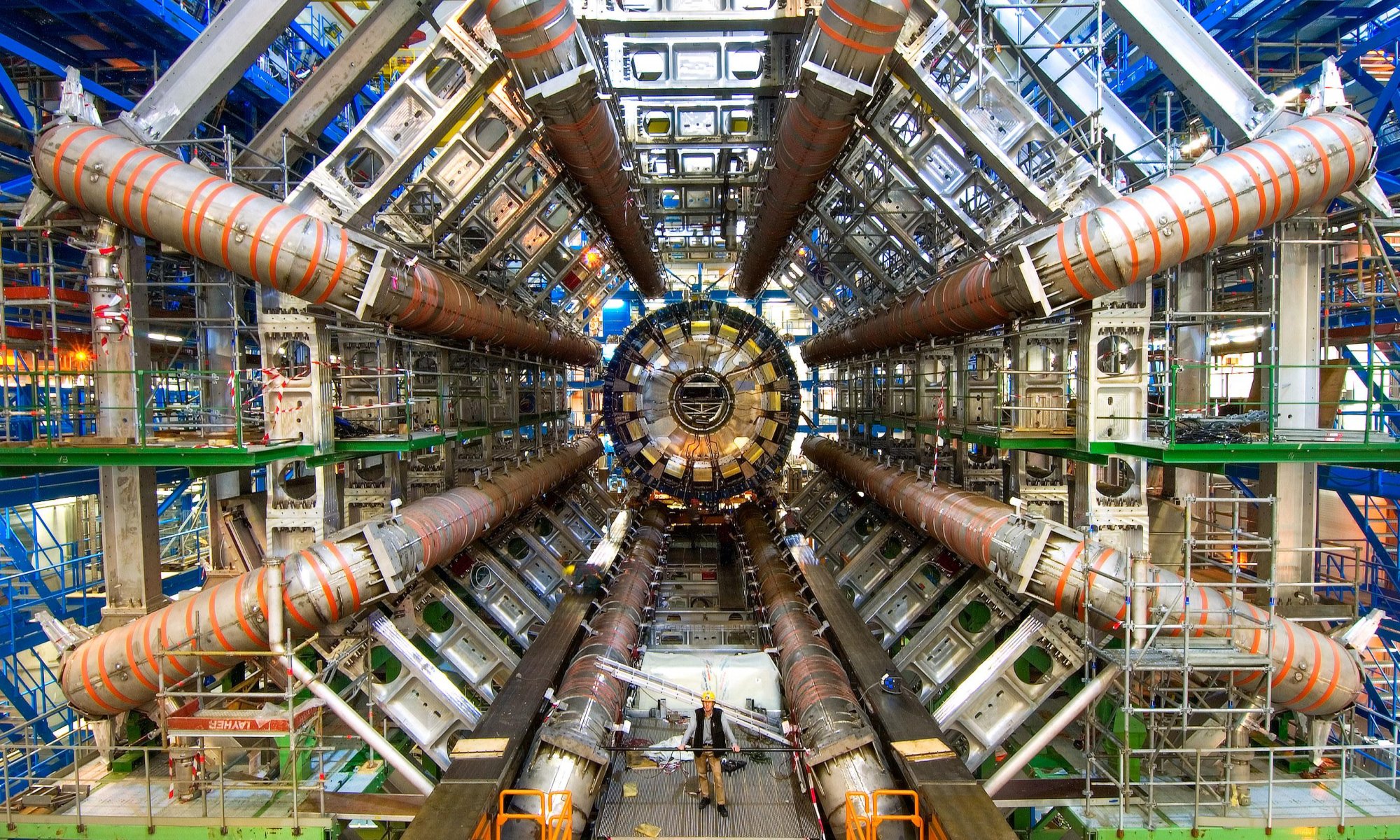
Khalifa University of Science and Technology today announced its official membership in the ATLAS collaboration at the Large Hadron Collider (LHC) at the European Organization for Nuclear Research (CERN), the world’s largest particle physics laboratory, located in Geneva, Switzerland.  


Khalifa University has also become a member at the ATLAS experiment as well as the UAE-ATLAS Cluster which comprises three other universities. This will greatly increase the visibility of the Khalifa University College of Engineering and Physical Sciences, facilitating student exchange programs and contributing to impactful scientific publications. The Khalifa University research plans are focused on physics beyond the Standard Model, Physics Modelling, Jet Physics and Physics-Computing multidisciplinary research topics. 


Khalifa University’s membership was announced during the 109th ATLAS Collaboration Board meeting that includes 182 international academic institutions from 42 countries. The ATLAS experiment is among the four principal experiments at the LHC. It is a collaboration of physicists, engineers, technicians, and students from around the world.  


Prof. Bayan Sharif, Provost, Khalifa University, said: “Joining the ATLAS Collaboration, part of Geneva-based CERN, aligns with our strategic vision to advance scientific research and innovation, reinforcing our commitment to becoming a leader in science and technology, including high-energy physics. This membership presents a remarkable opportunity for Khalifa University, offering global exposure and the chance to participate in one of the most prestigious scientific research consortia. Through this, Khalifa University will contribute to groundbreaking discoveries in particle physics, while strengthening partnerships among local and international institutions and developing capacities locally.” 


During the visit to CERN, Khalifa University Provost Prof. Bayan Sharif and  Prof. Ahmed Al Durra, Associate Provost for Research emphasized that the ATLAS collaboration would help contribute to the global scientific community and facilitate collaboration with international partners while driving innovation involving Khalifa University students in high-energy physics.   


The Khalifa University ATLAS group is led by  Dr. Rachik Soualah, Assistant Professor, who served as the inaugural leader of the UAE-ATLAS cluster for three years and played a pivotal role in bringing the high-energy physics ATLAS collaboration and its opportunities to the region. The group includes Dr. Issam Qattan, Associate Professor, and the deputy representative of the Khalifa University ATLAS group, whose expertise covers nuclear and particle physics. The group includes also three PhD students, an expected postdoc and a computer engineer. 


The group will focus on the computational and data analysis aspects, which are critical for extracting meaningful results from the big data accumulated by the ATLAS experiment. Plans are underway to recruit additional students and postdoctoral researchers to further strengthen the group’s capabilities and ensure significant contributions to the ATLAS experiment’s ambitious scientific goals.  


Khalifa University will engage actively in ATLAS’s future expansion activities, contributing to the current analysis of Run 3 data and its extensive program, while helping to prepare for the upcoming Run 4 which will mark the first LHC operations in the next phase. During this time, exchange programs will provide Khalifa University students the opportunity to have hands-on experience in cutting-edge research at CERN, fostering innovation and interdisciplinary research.

Alisha Roy
Science Writer

Khalifa University and TII Scientists Develop Underwater Robots for Ocean Monitoring and Inspection of Offshore Infrastructure 

30 Innovative Heterogeneous Remote-Controlled Underwater System Includes Five ‘Special’ and 25 ‘Normal’ Autonomous Robots 


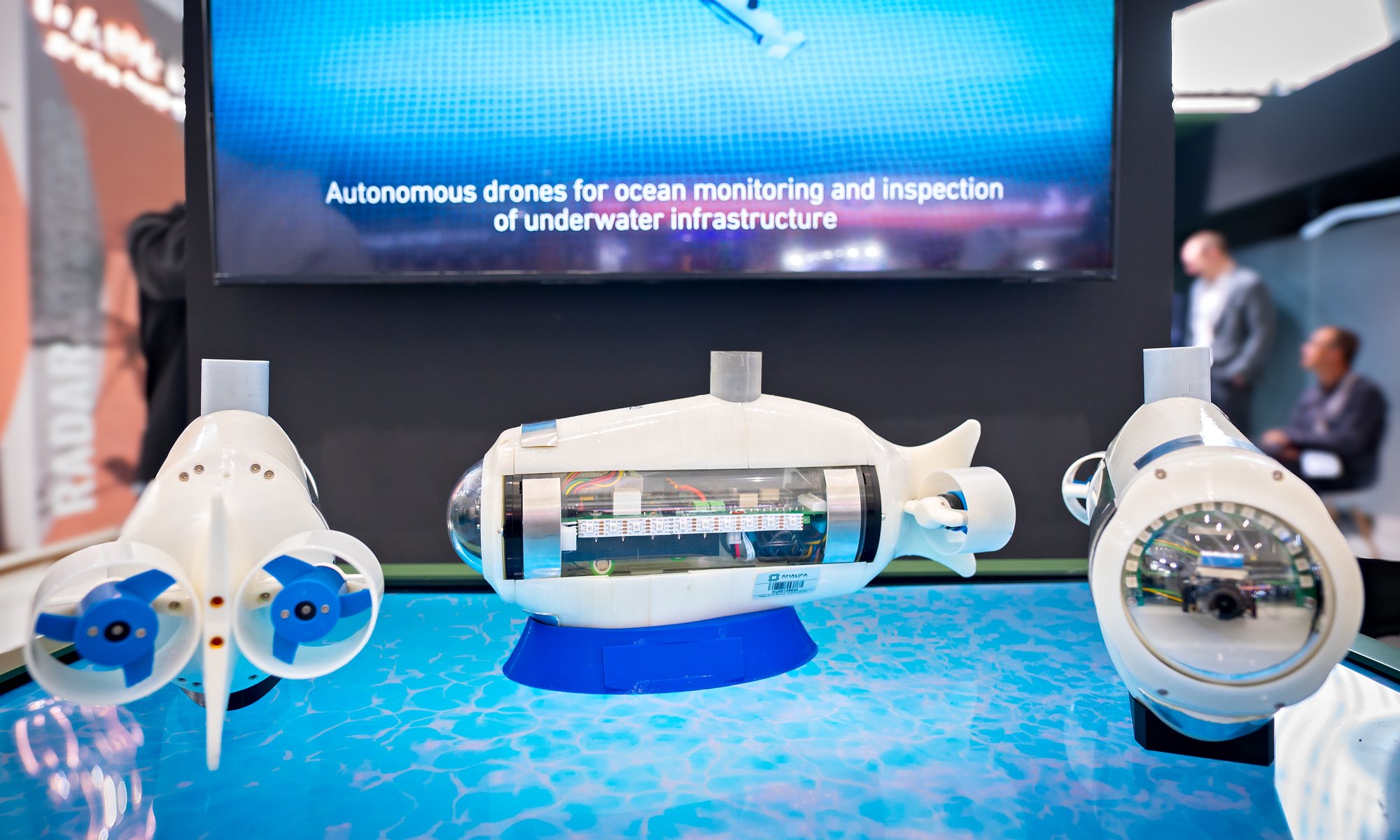
Researchers from Khalifa University’s Center for Autonomous Robotic Systems (KU-CARS) in collaboration with the Technology Innovation Institute (TII) have developed a swarm of robotic fishes that can be used for underwater monitoring and inspection of offshore infrastructure. 


The project titled ‘Heterogeneous Swarm of Underwater Robotic Fish,’ has 30 autonomous remote-controlled underwater robots that are designed to navigate together, using advanced communication. These robots can be deployed for several tasks including ocean monitoring and inspection of offshore infrastructure, and environmental surveys, subsea wreck and mines searching, as well as utilizing self-coordination with centralized control structure. 


Of the 30, five of them are ‘special’ robotic fishes integrated with more sensors and communication channels with the remote operator, while the 25 ‘normal’ autonomous fishes, with fewer sensors have the ability to communicate with each other, enabling recovery of the robot in case of emergency. 


Clarence Michael
English Editor – Specialist 


Khalifa University to Showcase Technology Innovations at IDEX 2025

New Solutions across Diverse Spectrum of Strategic Sectors Illustrate Khalifa University’s Exclusive Expertise in Niche Areas


Khalifa University of Science and Technology today announced it will showcase some of its technology innovations at the International Defence Exhibition and Conference (IDEX) 2025.


IDEX 2025 will be organized from 17 – 21 February 2025 at the Abu Dhabi National Exhibition Centre (ADNEC). The solutions that will be on display at Khalifa University stand include a hybrid mobility system (Lunar rover), high-efficiency wireless power transfer (WPT) system, and a prototype enabling bioprinting of tissues, wound dressings, and regenerative scaffolds in civilian and combat zones. Also on display are Fast Chargers for Electric Vehicles, safe and robust machine learning-integrated software for malware detection, and thermal camera core with artificial intelligence capabilities for day/night surveillance, as well as navigation and guidance systems.


H.E. Professor Ebrahim Al Hajri, President, Khalifa University, said: “Participating in IDEX 2025, a perfect platform that showcases advanced strategic technologies, reinforces our role as a key contributor to the industry, both regionally and worldwide. Our commitment to intense research and development is fostering expertise that not only meets industry needs but also anticipates future demands. These innovations also demonstrate Khalifa University’s commitment to nurturing research and incubating innovative technology startups.”


The Khalifa University stand at IDEX 2025 will also showcase the Khalifa University Lunar Rover – a hybrid mobility system that integrates the rocker-bogie mechanism with actuated legs, offering energy-efficient navigation across diverse terrains, and enhanced adaptability on planetary surfaces. developed at the Advanced Research and Innovation Center (ARIC). Other projects are the Customized Knee Exoskeleton System for Rehabilitation Assistance, designed to provide adaptive support for lower-limb mobility recovery, and the Frugal Bioprinter, facilitating research in battlefield trauma recovery.


Also included in the display are two projects from Khalifa University’s Emirates ICT Innovation Center (EBTIC). The Thermal Camera Core with Artificial Intelligence Capabilities (AITCC) is a novel smart thermal sensor for day/night surveillance, as well as navigation and guidance systems. This product also comes in handy for swarm intelligence systems applications ranging from surveillance systems, drone/UAV applications, and advanced driver assistance systems (ADAS).


The other EBTIC solution is a Khalifa University collaboration with Vlatacom Institute for a high-frequency over-the-horizon radar (vHF-OTHR) that is useful for maritime security. It can cover an entire exclusive economic zone (EEZ) and detect ships at distances up to 200 Nautical Miles (360 km).


Khalifa University to Organize Second Annual ‘Research & Innovation Exhibition’ 2025 to Mark UAE Innovation Month

Three Zones to Highlight Key Dimensions of Industry Collaboration, Commercialization and Commitment to Create Human Capital


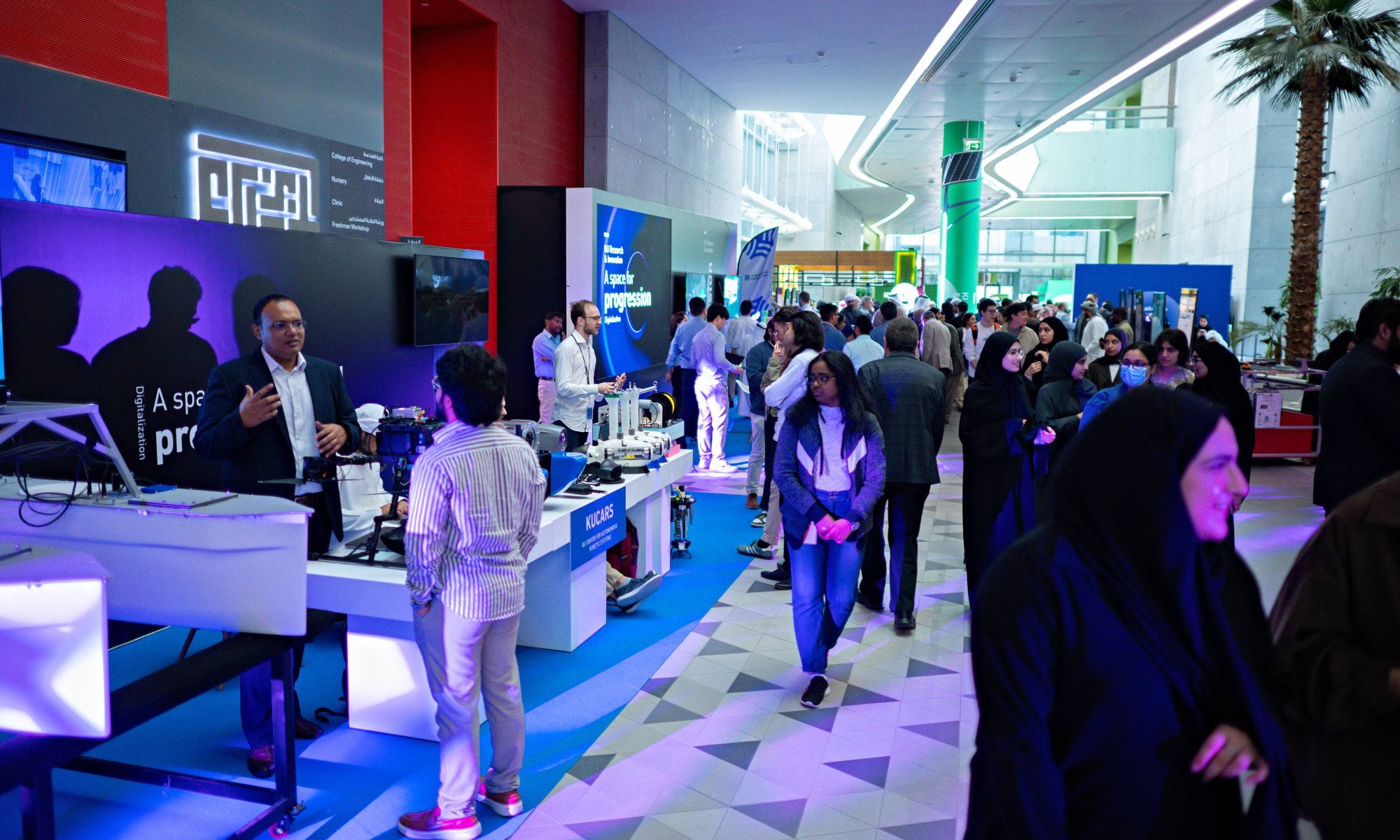
Khalifa University of Science and Technology today announced it will be hosting the second edition of Research and Innovation Exhibition 2025, marking the UAE’s Innovation Month and to further emphasize its role as a pioneering institution driving innovation and entrepreneurship.


Scheduled to be held on 27 February 2025 at the Main Campus, this year’s event builds on the unprecedented success of the first edition last year that showcased several top-of-the-range innovations, commended by industry partners and government stakeholders, resulting in startups at various stages of incubation. This year’s event will have three key zones – Research projects, industry applications and startups.


The ‘Research’ zone will focus on groundbreaking research in sustainability, healthcare, AI, and advanced materials. The ‘Industry Applications’ zone will highlight live demonstrations of industry-use cases, case studies showcasing industry collaborations, as well as a networking area. The ‘Startups’ zone will allow visitors to explore projects incubated at Khalifa University. Additionally, visitors can view posters presented by the university’s students and researchers, which could transform into future enterprises.

Click here for more details. 

The Seven Worlds of the Wireless Metaverse: Challenges and Prospects 


The wireless metaverse promises to redefine how humans and machines interact across physical, digital and virtual realms, says Khalifa University’s Merouane Debbah 


Explore the Wireless Metaverse – Listen Now!


The concept of the metaverse, a digital domain blending physical, virtual and digital realities, has captured the imagination of technologists and futurists alike. But while much of the public discourse centers on entertainment and gaming, researchers are envisioning a far more complex and transformative metaverse.  


A team of researchers including Prof. Merouane Debbah has outlined a comprehensive framework for the wireless metaverse, categorizing its elements into seven distinct worlds and experiences. These dimensions open new frontiers for interaction but present formidable technological challenges. Their work was published in IEEE Communications Magazine.  


“The wireless metaverse will create diverse user experiences at the intersection of the physical, digital, and virtual worlds, but remarkably, to date, there is no holistic vision that identifies the full set of metaverse worlds, constituents, and experiences, and the implications of their interactions on next-generation communication and computing systems,” Prof. Debbah said. “Our work fills this gap by charting a holistic vision of a limitless, wireless metaverse, which unlocks the full set of metaverse worlds and their constituents, generating novel experiences.” 


Dr. Nilesh

“The wireless metaverse has the potential to redefine human and machine interaction, but achieving this vision demands cutting-edge AI, ultra-synchronization, and robust network solutions.”

Prof. Merouane Debbah, Khalifa University.


At the heart of this vision is the intersection of seven “worlds” where metaverse experiences will unfold: 

  1. Physical World: This represents real-world elements, including humans, machines, and static or interactive physical assets. 
  1. Digital World: A digital replica of the physical world, built through massive sensing and modeling technologies, enabling applications like digital twins. 
  1. Virtual World: A fabricated hyperspace containing synthetic, imagined environments such as gaming platforms or collaborative workspaces. 
  1. Cyber Experience: The interface between physical and digital realms, allowing autonomous systems like drones and vehicles to interact with digital twins. 
  1. Extended Experience: Integrating physical and virtual elements to enhance real-world activities with virtual overlays, such as virtual shopping or industrial applications. 
  1. Live Experience: Merging all worlds in real-time, enabling holographic teleportation or immersive interactions for industry and entertainment. 
  1. Parallel Experience: Offering extended reality (XR) users a chance to explore alternate timelines or spaces, powered by advanced generative AI models. 


Each of these worlds creates unique opportunities for social, industrial, and scientific applications, but they also demand unprecedented synchronization, computing power and artificial intelligence capabilities.  


“Creating a limitless, wireless metaverse is no small feat. Synchronizing real-world elements with their digital and virtual counterparts demands ultra-low latency and ultra-high-speed wireless networks,” Prof. Debbah said. “For example, digital twins and avatars must remain perfectly aligned with their physical counterparts. Achieving this requires decentralized, edge-computing architectures that reduce latency by processing data closer to users and new network paradigms capable of handling multidimensional interactions in real time under dynamic conditions.” 


The research team highlights several steps necessary to realize this ambitious metaverse vision, including decentralized digital worlds and robust wireless networks, as well as metaverse-ready artificial intelligence. By breaking the digital world into localized sub-metaverses, delays can be minimized and synchronization can be improved, while ultra-reliable, low-latency communication systems will provide the foundation for advanced AI technologies that can support avatars and predictive digital twins.  


The research team’s framework provides a roadmap for overcoming these hurdles, transforming the metaverse from a futuristic concept into a tangible reality for our digital and physical lives.  


Jade Sterling
Science Writer

A Window into the Future of Sustainable Building Design 


Researchers have developed new multifunctional windows combining solar power generation and thermal insulation to improve energy efficiency and comfort in buildings. 


Listen now: A Window into Sustainable Design!

Buildings account for more than a third of global energy use, with inefficient windows often to blame for significant heating and cooling losses. The multifunctional window offers a transformative answer. These innovative windows combine solar panels and advanced selective liquid filters to both generate electricity and heat, provide daylighting, and improve indoor thermal insulation, turning windows into energy-saving building envelopes.  


A team of researchers from Khalifa University’s Mechanical and Nuclear Engineering Department, led by Dr. Mohamed Hassan Ali, has developed a multifunctional window that takes full advantage of solar spectrum, improves power generation, decreases energy consumption for air conditioning, stabilizes thermal performance, and boosts indoor comfort. The team tested their window in tough weather conditions and demonstrated “outstanding performance”. They published their results in Applied Energy, a top 1% journal.  


“These windows are a leap forward in green building design,” Dr. Ali said. “They don’t just save energy; they actively produce it while improving indoor comfort.” 


Semi-transparent photovoltaic cells harness sunlight to produce electricity while selective liquid filters absorb unwanted heat and let visible light through. Together, these components balance energy generation and indoor comfort, reducing heating, cooling and lighting demands in buildings.  


Simulations and experiments reveal that multifunctional windows outperform traditional windows, providing up to four times more energy efficiency in hot climates. They stabilize indoor temperatures, reduce solar heat gain and enhance daylight use, making them ideal for high-rise buildings and zero-energy designs.  


Dr. Nilesh

“Our new multifunctional windows transform the way we think about building design. They generate electricity, conserve energy, and enhance comfort—all while making the most of the solar spectrum.”

Dr. Mohamed Ibrahim Ali, Associate Professor, Mechanical & Nuclear Engineering, Khalifa University.


The researchers also explored different configurations, including adaptations for winter climates, showing that the windows can direct heat indoors during colder months. This adaptability makes multifunctional windows a versatile solution for year-round energy savings.  


“This innovation brings us closer to the vision of zero-energy buildings,” Dr. Ali said. “It’s not just about utilizing solar energy; it’s about turning every window into a tool for sustainability.” 


Despite their promise, the technology faces hurdles such as material durability and high production costs. Future work will focus on addressing these challenges, paving the way for broader adoption in residential and commercial buildings.  


Jade Sterling
Science Writer

Khalifa University Faculty Delivers Keynote on Innovations in Medical Devices at 36th IEEE ICM Conference  

A talk on ‘Medical Devices at mm-Waves: Vital Signs Monitoring and Non-Invasive Glucometer’ was delivered at the IEEE International Conference on Microwaves (ICM) 2024 in Qatar by Dr. Mihai Sanduleanu, Associate Professor, Electrical Engineering at Khalifa University. 


In his keynote address, Dr. Sanduleanu presented advancements in millimeter (mm)-wave technology, which uses high-frequency radio waves to better monitor vital signs and glucose levels. The presentation also emphasized Khalifa University’s strong expertise in designing radio frequency integrated circuits (RF IC), terahertz (THz) technology, radar systems, and medical devices.  


Sub-millimeter wave frequencies provide more available bandwidth for improved accuracy and distance measurement in monitoring vital signs. This innovation allows for the clear capture of heart signals, including important components that reflect the heart’s electrical activity, leading to a wireless ECG solution that replaces the bulky 12-wire systems used today. Additionally, having antennas built directly into the chip removes the need for extra connections, making device design simpler. 


The IEEE ICM 2024 conference was themed ‘Innovations in Circuits and Systems for a Sustainable Future’ and included oral, poster sessions and tutorials. Participants included global experts to discuss cutting-edge developments in microwave technology from Africa, Europe, and the Middle East. 


Holder of 53 US patents Dr. Sanduleanu currently serves on the Editorial Board of the Analog Integrated Circuits and Signal Processing Journal and Electronics and Signal Processing. Earlier, he has served as Associate Editor for IEEE Transactions on Circuits and Systems

Decoding Global Health Security with Insights from Data-Driven Analysis 

Uncovering the interconnections among factors influencing global health security can identify critical areas for improvement in pandemic preparedness 


Listen to data-driven insights on health security!


In an increasingly interconnected world, the risk of global health threats means ensuring robust health security is critical for protecting populations worldwide. Research from a team including Khalifa University’s Dr. Mecit Can Emre Simsekler uses Bayesian Belief Networks (BBNs) to identify and analyze the key factors influencing global health security outcomes, providing valuable insights for policymakers and researchers.   


The researchers, including Abroon Qazi from American University of Sharjah, and M.K.S. Al-Mhdawi from Teesside University, examined the Global Health Security (GHS) Index, a comprehensive tool assessing the preparedness of 195 nations to respond to health crises. Their methodology goes beyond traditional approaches, which often analyze indicators in isolation, by modeling the interdependencies among six critical components of health security: prevention, early detection, response capabilities, health system robustness, national capacity and financing, and the overall risk environment. The study was published in Progress in Disaster Science.  


One of the study’s most compelling findings is the central role of early detection and reporting in health security. With an 87 percent improvement in performance probability tied to this factor, early detection emerged as the most critical component for bolstering global resilience. Within this category, the strength and reliability of laboratory supply chains stood out, showing an 84 percent likelihood of improving overall outcomes. On the other hand, factors like the epidemiology workforce, while important, demonstrated comparatively lower impact.  


Dr. Nilesh

“Health security is not a static target – it requires dynamic and adaptive strategies. By addressing the interplay between key indicators, we can move closer to a future where global health systems are prepared for the unexpected.”

Dr. Mecit Can Emre Simskler, Associate Professor, Khalifa University.


“Early detection is a cornerstone of effective health security,” Dr. Simsekler said. “Our findings emphasize that investments in transparent surveillance systems and reliable lab infrastructure can significantly mitigate risks from health emergencies.” 


Prevention strategies ranked as the second most critical factor, with measures such as biosecurity protocols and immunization programs playing a pivotal role in curbing the spread of diseases before they reach epidemic proportions. However, the study also highlighted that these efforts must be backed by resilient health systems capable of absorbing and responding to shocks.  


Countries that performed well in the GHS Index often exhibited strong response mechanisms and robust healthcare infrastructure, including access to medical supplies and trained personnel. Conversely, nations with weaker performance frequently struggled with underdeveloped prevention strategies and fragmented health systems. However, the researchers found that financial capacity, while essential, does not always translate directly into stronger health security. Factors like governance, infrastructure, and regional disparities often mediate the effectiveness of investments, necessitating context-specific interventions tailored to each nation’s unique challenges.  


One of the study’s key innovations is its holistic perspective on the interconnected nature of health security components. The researchers used mutual value of information analysis to uncover how the improvement of one factor—such as prevention—can cascade into better outcomes across related areas like early detection and response. This approach challenges the traditional “siloed” view of health indicators and underscores the importance of integrated strategies. 


The insights from this research are more than theoretical; they carry real-world implications. Policymakers are urged to prioritize early detection systems, enhance laboratory networks, and invest in preventive measures. Dr. Simsekler advocates for strengthening health systems to ensure they can sustain operations during crises: 


“Health security is not a static target – it requires dynamic and adaptive strategies. By addressing the interplay between key indicators, we can move closer to a future where global health systems are prepared for the unexpected.” 


Jade Sterling
Science Writer 

Two Khalifa University Faculty Members and Student Win Three Categories in Third Excellence and Creative Engineering Awards 


Awards Recognize Innovators and Achievers, Contributing to Driving Progress of Engineering in UAE 


Two Khalifa University faculty members and an Aerospace Engineering student won three categories at the third edition of the Excellence and Creative Engineering Awards (2025), for being innovators and achievers, driving the progress of engineering in the UAE. 


The three – Professor Ehab El-Saadany, Dr. Ameena Al-Sumaiti, and student Fatema Saleh Al Marzooqi – received their awards during a ceremony held under the patronage and presence of His Highness Sheikh Rashid bin Hamdan bin Rashid Al Maktoum, Supreme President of the Hamdan bin Rashid Al Maktoum Foundation for Medical and Educational Sciences. The awards are organized by the Society of Engineers – UAE. The awards are also in line with the UN-SDG 9 – Industry, Innovation and Infrastructure – which aims to build resilient infrastructure, promote inclusive and sustainable industrialization, and foster innovation. 


Professor El-Saadany, Dean, College of Engineering and Physical Sciences, and Professor, Electrical Engineering, won first place in the ‘Best Scientific Research in Engineering Field’ category, while Dr. Al-Sumaiti, Associate Professor, Electrical Engineering, won first place in the ‘Outstanding Engineer’ category. Khalifa University Aerospace Engineering student Al Marzooqi won second place in the ‘Outstanding Student’ category. 


The ‘Best Scientific Research in Engineering Field’ award is given to the best peer-reviewed research article published within the last five years by a team based in the country that has made the greatest impact in terms of scientific, economic, or social benefits. A two-time recipient of Canada Research Chair Award in Energy Systems (2009-2014) and Smart Distribution Systems (2014-2018), Prof. El-Saadany has also received the Mission Innovation Champion award in 2020, the Khalifa Award in 2021, and the Mohamed Bin Rashid Medal for Scientific Excellence in 2023. 


The ‘Outstanding Engineer’ award is granted to the most outstanding engineer, who must be a citizen or a resident of the country for at least 10 years, with a record of notable achievements in the engineering field. The candidate must have used innovative methods and smart techniques in their projects, while demonstrating that their work has made a significant difference and brought about positive changes in the engineering field. A visiting professor at The Massachusetts Institute of Technology (US) in 2017, Dr. Al-Sumaiti has received more than 90 awards, privileges and prestigious local and international fellowships. 


The ‘Outstanding Student’ award is given to recognize and encourage a spirit of competition and innovation among engineering students and the new generation of engineers, and acknowledge their ability to provide innovative solutions in the engineering industry. In order to be eligible, students must have a record of achievements and innovative solutions in the field of their specialization and social contributions documented by the university or training entity. 


Clarence Michael
English Editor – Specialist

Khalifa University’s RIC2D, Abu Dhabi DED, ADQCC, and DMT Launch Consortium on Graphene Enhanced Concrete 


Collaborative Approach Aligned with Abu Dhabi Government’s Initiatives towards Reducing Carbon Footprint and Enhancing Economies of Construction Materials  


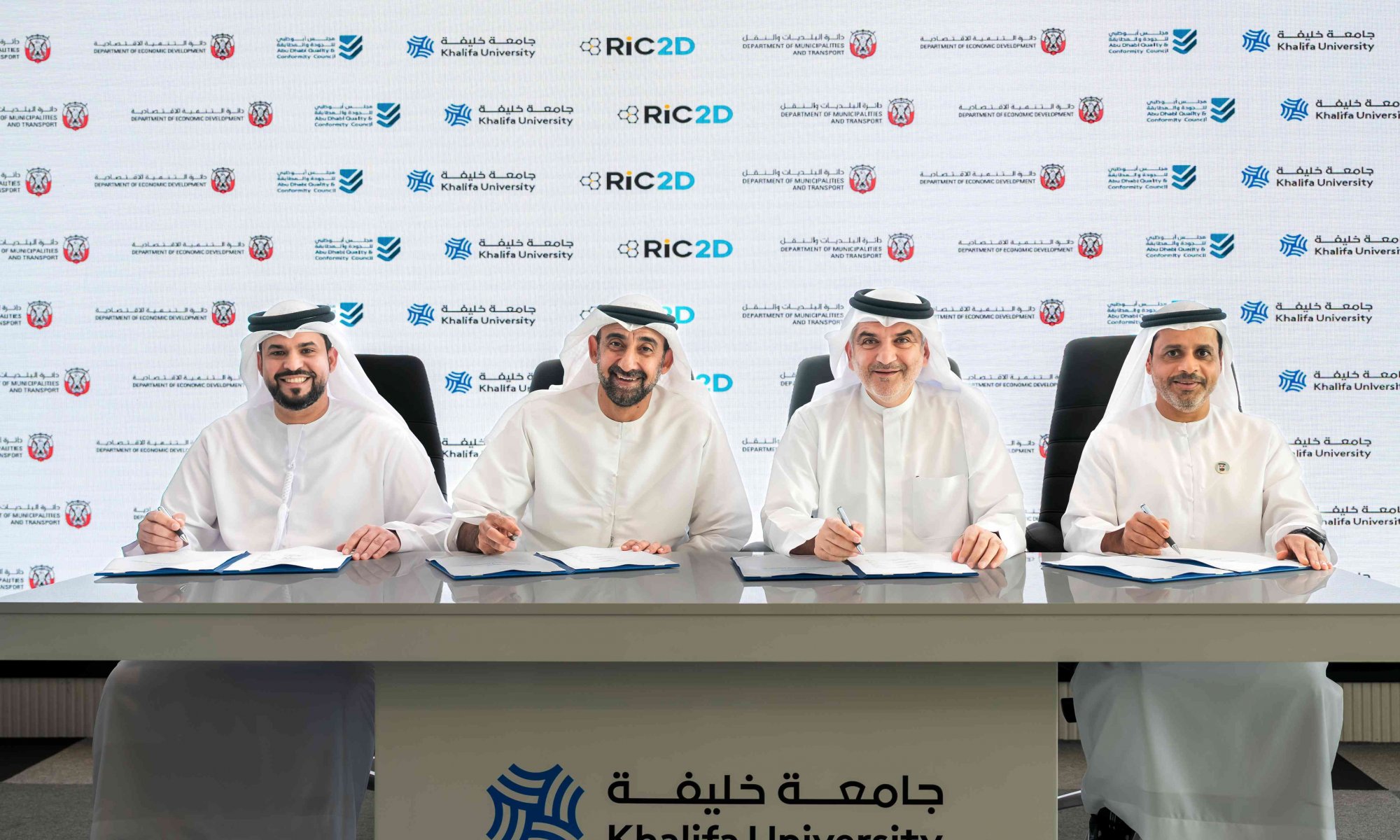
Khalifa University of Science and Technology’s Research & Innovation Centre for Graphene and 2D Materials (RIC2D), the Abu Dhabi Department of Economic Development’s-  Industrial Development Bureau (DED-IDB), the Abu Dhabi Quality and Conformity Council (ADQCC), and the Department of Municipalities and Transport (DMT) today jointly announced the launch of the Graphene Enhanced Concrete (GEC) Consortium, to facilitate a collaborative approach towards the development of graphene-enhanced concrete.  


The project charter for the GEC Consortium was signed by representatives of all the stakeholders during a ceremony that took place at Khalifa University. The Consortium will aim to facilitate collaboration among the partners to ensure that Graphene Enhanced Concrete prototyping, research and development efforts are aligned with the related legislations and quality specifications in the Emirate of Abu Dhabi.  


His Excellency Homaid AlShimmari, Vice-Chairman, Khalifa University Board of Trustees, said: “We are delighted to strategically partner with our stakeholders for this Graphene Enhanced Concrete Consortium that will be in line with Abu Dhabi’s efforts towards reducing carbon footprint while assisting the construction sector through the use of graphene. RIC2D continues to lead in engaging with stakeholders to achieve solutions that benefit the community, and we believe this collaboration will lead to Abu Dhabi playing an emphatic role in ushering in a new era for the building and construction sector.”  


His Excellency Abdulla Ahmed Alyazeedi, Acting Secretary General of the Abu Dhabi Quality and Conformity Council, said: “We commend this joint and distinguished initiative between various government agencies in the Emirate of Abu Dhabi to develop graphene-reinforced concrete materials.” 


“This coordination and joint cooperation among all will have a great impact on enhancing sustainable infrastructure and developing innovative products in the Emirate of Abu Dhabi. This initiative confirms the commitment of the Abu Dhabi government to research, development, and innovation in the field of advanced materials, which will contribute to achieving the Abu Dhabi Vision 2030 for Sustainable Development,” he added. 


“The initiative also highlights the role of the Abu Dhabi Quality and Conformity Council and its various sectors in ensuring that these innovative products comply with the highest quality and safety standards in the Emirate,” H.E. explained. 


“We are proud to contribute to this collaborative project, which will help strengthen Abu Dhabi’s position as a leading center of innovation and excellence in the field of advanced materials. We look forward to following up on these joint efforts and achieving tangible results for the benefit of society,” the Secretary General affirmed.  


Dr. Salem Al Kaabi, Director General of Operations Affairs at the Department of Municipalities and Transport stated: “We always strive to collaborate with various government entities to achieve our shared goals of enhancing services and improving the quality of life in Abu Dhabi. Through this initiative, we reaffirm our commitment to adopting the latest innovations and solutions in the construction and building sector to advance infrastructure development and promote sustainable growth in the Emirate.” 


Through this collaboration, Khalifa University will conduct research and development (R&D) to develop new products and technologies that meet industry standards and regulations. The Department of Economic Development and the Department of Municipalities and Transport, supported by the Abu Dhabi Quality and Conformity Council, will guide and advise to ensure the R&D outputs are approved by relevant authorities and compliant with local regulations. The launch of the GEC Consortium is aligned with Abu Dhabi Government’s initiatives towards reducing carbon footprint and enhancing the economies of construction materials.