The ENTC recently welcomed a delegation from Tsinghua University for an engaging visit and lab tour. The delegation was accompanied by Dr. Saeed Alameri, ENTC Director, and Dr. Yacine Addad, Deputy Director. During the tour, researchers and lab engineers provided insightful explanations of ongoing experiments and showcased the cutting-edge work being conducted across the labs. The visit served as a valuable opportunity to exchange knowledge and strengthen academic collaboration.
ENTC PhD Students Featured on TV
Two of our PhD students (Asma and Sameer) from the MEEN program (but working in T-H nuclear related PhD projects were interviewed on TV yesterday morning (check at video time from 1 hour 14 min onwards, in arabic) from the link below:
https://www.youtube.com/live/mlRQdX4n_2Q
Advances in the Safe Storage and Transportation of Spent Nuclear Fuel
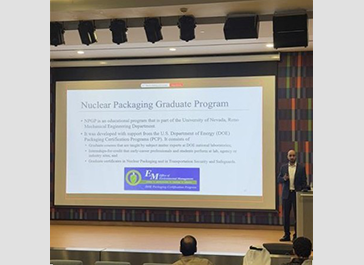
The Emirates Nuclear Technology Center hosted a seminar with Dr. Mustafa Hadj-Nacer titled “Advances in the Safe Storage and Transportation of Spent Nuclear Fuel” the session focused on cutting-edge technologies and research ensuring the safety of spent nuclear fuel in dry storage systems.
Khalifa University’s First Annual Electrical Engineering Research Conference Highlights Critical Energy Transition Challenges
20 Posters and Several Oral Presentations from PhD and Master’s Students Cover Cutting-Edge Research Solutions
Critical challenges in addressing global energy transition, presentations on key areas of engineering innovations, outstanding research solutions, and 20 posters from PhD and Master’s students were some of the highlights of the first annual Electrical Engineering Research Conference organized at Khalifa University. Three awards were also announced in the Best Abstract, Best Oral, and Best Poster categories.
The conference at the Main Campus was organized by the Electrical Engineering Department, currently ranked 102nd globally in the 2025 QS World University Rankings by Subject. The event aims to foster collaboration within the academic community while providing a platform for students to present their work, and engage with faculty.
The Best Abstract award was given to PhD student Wahab Ullah (Advisor Dr Khalifa Al Hosani) for Advanced DPC Strategy for High-Efficient PEM Operations with Fault Ride Through Capability in RES Dominated Grids and PhD student Youssef Badran (Advisor Dr. Mohamed El Moursi) for A Data Driven Stability Assessment Approach for Multiple Microgrids Interconnection.
The Best Oral award was presented to PhD student Bilal Habib (Advisor Dr. Omar Al Zaabi), for E-field Relaxation at Triple Point Junction around GIS Insulator Spacer, and The Best Poster award was won by PhD student Nasser Jamal Saeed Al-Saif (Advisor: Dr. Jamal AlSawalhi), for Three-Coil Wireless Power Transfer System.
Undergraduate students Shayma Mohammed Alteneiji, Maryam Ahmed Alhmoudi, Engy Emad Farouk, and Hind Ibrahim Albastaki presented a poster titled Vehicle Position & Speed Measurement Using Radar and Camera Modules.
The keynote ‘Enabling the Energy Transition: Why Research and Development Is Critical for Decarbonizing Energy and Transport Systems’, was delivered by Dr. Hany Farag, Visiting Research Professor. Dr. Farag analyzed how the significant technical and operational challenges for key energy transition enablers such as large-scale renewable integration, electrification of transport, and green hydrogen production could only be tackled through a hybrid approach that combines battery-based and hydrogen-based technologies.
Out of a total of 20 posters, 10 covered topics such as digital modulation, wireless power transfer, and microgrid stability, focusing on innovative solutions for energy challenges and integration of renewables. Another 10 posters covered energy management in hybrid microgrids and risk-aware frameworks for hydrogen transport, highlighting the diversity of research in the Electrical Engineering department at Khalifa University.
Additionally, seven student-led oral presentations covered topics such as Proton Exchange Membrane (PEM) operations, charge trapping devices, and microgrid restoration, underscoring the scope for advanced technologies and applications in the field of electrical engineering. Seven other oral sessions focused on microgrid interconnection, soft lithography, and machine learning in fault detection, highlighting the innovative research and applications.
There were also five more talks covering cyber-attack detection in solar forecasting and economic dispatch frameworks for microgrids, which turned the spotlight on stability, efficiency, and innovative solutions.
Professor Ammar Nayfeh, Associate Professor, Electrical Engineering, and Chair of the Electrical Engineering Department Research Committee, said: “The first annual Electrical Engineering Research Conference provided an opportunity for the students to present their research work and gauge the extent of innovation from among their peers. We are planning to make this even more engaging in the next edition as the field of electrical engineering is poised to register significant growth offering more potential for new graduates. This conference has not only led to key insightful research work to be shared but also in exchange of knowledge and expertise that will inspire students to explore further in electrical engineering.”
Clarence Michael
English Editor – Specialist
The Emirates Nuclear Technology Center (ENTC) Presents 12 Cutting-Edge Projects to FANR Board of Management
Exhibition Demonstrates ENTC’s Contributions to UAE’s Nuclear Energy, Including Accident Tolerant Fuel Selection Studies, Safety Analysis, and Drone-Based Environmental Monitoring
The Emirates Nuclear Technology Center (ENTC) presented 12 cutting-edge research projects across four thematic areas during a dedicated exhibition at the headquarters of the UAE Federal Authority for Nuclear Regulation (FANR).
A total of 22 participants from Khalifa University took part in the event attended by members of the FANR Board of Management. The exhibition provided a platform to highlight ENTC’s contributions to the UAE’s nuclear energy sector, including accident tolerant fuel selection studies, safety analysis, and innovative applications such as drone-based environmental monitoring.
Following the exhibition, members of the FANR Board of Management engaged in high-level discussions with the ENTC to explore further collaborations and research directions in support of the UAE’s peaceful nuclear energy program. Stakeholders also commended the ENTC team for their impactful research and reaffirmed the importance of sustained academic-industry partnerships in advancing the nation’s nuclear capabilities.
“The ongoing projects of the Emirates Nuclear Technology Centre contribute to enriching the research and development around the nuclear and radiation sector which helps the different stakeholders in the UAE to implement their mandate to protect the public and environment,” said FANR’s Deputy Director-General for Operations, Raoul Awad.
Meanwhile, FANR’s Research and Development Program aims to support the regulatory framework and empower Emiratis by providing research opportunities in the nuclear field and fostering scientific activities such as publishing research papers. One key R&D project is the Numerical Modelling of Radionuclides Dispersion (MORAD) research program, the first phase of which concluded in 2024. The research program contributed to studying the effect of radiation on marine, atmospheric and terrestrial environments in order to assess the impact on public exposure and the environment.
Dr. Saeed Alameri, Director, ENTC, said: “The ENTC exhibition at the FANR headquarters reflects our commitment to conducting research that addresses real-world challenges facing the nuclear energy sector in the UAE. We look forward to strengthening our collaboration with FANR and other stakeholders to further support the nation’s vision for safe, secure, and sustainable nuclear energy.”
Dr. Yacine Addad, Deputy Director, ENTC, added: “It was a privilege to present our research to the FANR Board of Management and engage in meaningful dialogue about future collaborations. The recognition we received is a testament to the dedication of our team and the strength of our collaborations with UAE nuclear stakeholders.”
Clarence Michael
English Editor Specialist
Khalifa University Opens Fifth Edition of YFEL German-Emirati Sustainability Days 2025
IRENA, and Industry Partners from Linde, Siemens, and Wilo Inspire 2025 YFEL Members
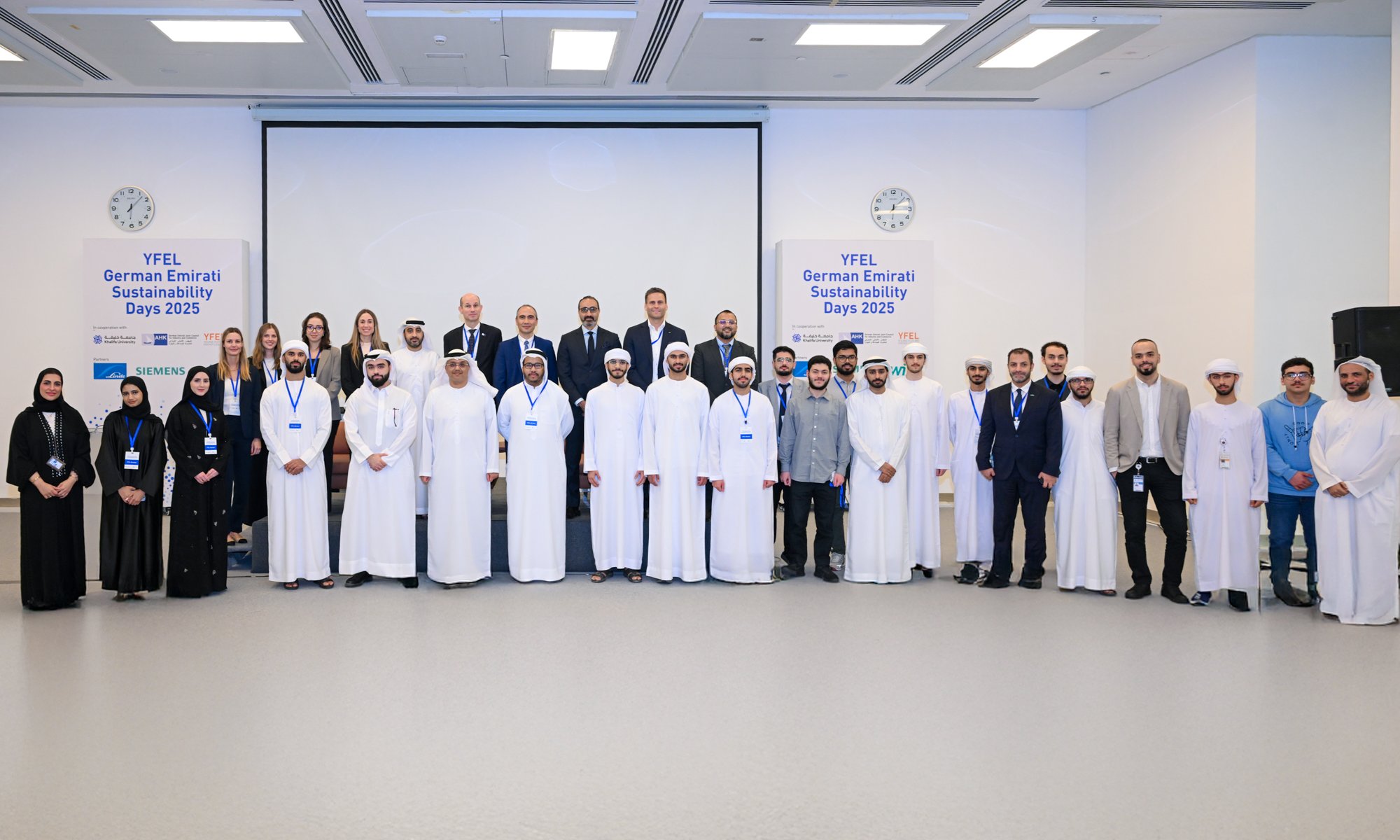
Khalifa University will open the fifth edition of the Young Future Energy Leaders (YFEL) German-Emirati Sustainability Days, highlighting a long-standing partnership between academia, industry, and government to empower the next generation of sustainability leaders.
Organized at the Khalifa University Main Campus, the event will include participation from Dr. Martin Henkelmann, CEO of the German Emirati Joint Council for Industry and Commerce (AHK), along with industry partners from Linde, Siemens, and Wilo. The event will also feature a keynote from a representative of the International Renewable Energy Agency (IRENA) and remarks by Dr. Waleed AlAmeri, Associate Provost, Khalifa University.
The 2025 edition marks a major milestone for the YFEL outreach program, now in its 15th year. The initiative supports university students and early-career professionals through mentorship, research projects, and collaboration with global industry leaders. This year’s program takes on added significance under the UAE’s ‘Year of Community,’ demonstrating shared innovation for sustainable development.
Members of the 2025 YFEL program have also completed their Technical Sessions focusing on Multi-Functional Energy Storage Systems for Sustainable Power Distribution Networks, Application of Digital Image Processing on Fouling Characterization in Reverse Osmosis Desalination, Overview of Energy Types and Energy Value Chain, and Introduction to Nuclear Energy.
Dr. Waleed AlAmeri said: “The YFEL outreach program represents the power of mentorship and knowledge-sharing in action. The YFEL German-Emirati Sustainability Days brings together German engineering strength, Emirati ambition, and the energy of youth to tackle global sustainability challenges. With over 600 alumni, the YFEL program as well as the German-Emirati partnership, in particular, stands as a model for cross-border collaboration, where sustainability goals are pursued through practical mentorship and academic excellence.”
Alisha Roy
Science Writer
Khalifa University Faculty Wins Prestigious UK Alumni Award 2025 in ‘Science and Sustainability’ Category
Dr. Abdulrahim Sajini Recognized for Pioneering Work in RNA and Skin Stem Cell Research and Contribution to UAE’s Scientific Landscape
Khalifa University College of Medicine and Health Sciences (CMHS) Assistant Professor Dr. Abdulrahim Sajini has won the prestigious UK Alumni Award 2025 in the ‘Science and Sustainability’ category for the UAE in recognition of his pioneering research in stem cells and RNA.
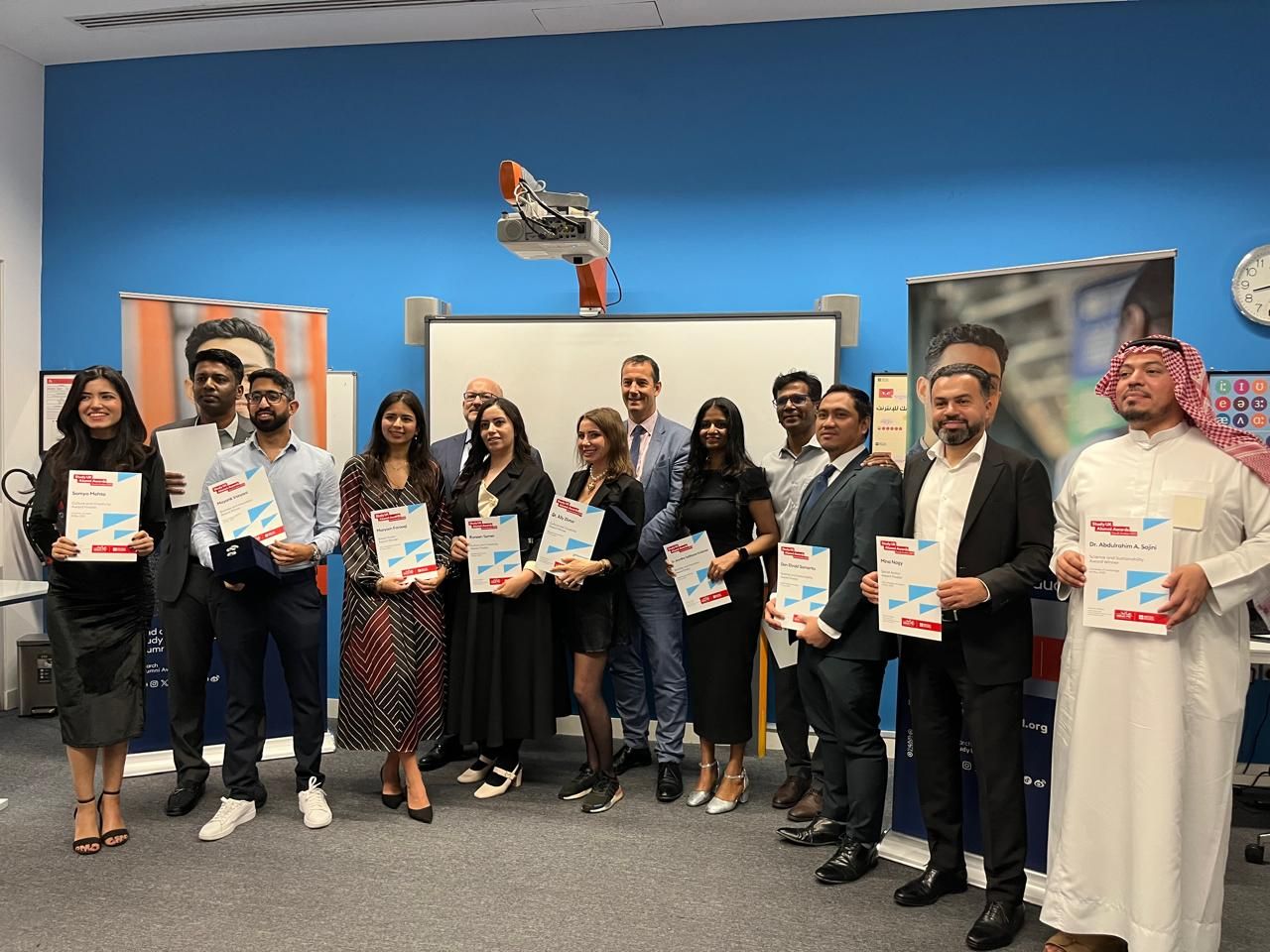
The award was officially presented to Dr. Sajini at a ceremony in Dubai that was attended by His Majesty’s Ambassador to the UAE Edward Hobart CMG, and Martin Daltry OBE, Director, British Council, UAE. Dr. Sajini’s work with human induced pluripotent stem cells, RNA modifications, his contributions at Khalifa University, supervising graduate students, his scientific publications, as well as volunteering service were evaluated by the judges.
The Science and Sustainability Award category recognizes alumni from UK institutions who have distinguished themselves through their career and who can demonstrate the impact and scale of their achievements in their profession. Some of the areas of work covered by this category include climate action, clean energy, medicine, sustainable cities and communities, engineering, industry and construction.
Dr. Sajini said: “The UK Alumni Awards recognize outstanding achievements of international UK alumni worldwide and honor international leaders who have leveraged their UK education to make significant contributions to their communities, industries, and countries. In my case, I was judged the winner in the Science and Sustainability Category for leveraging the knowledge I gained at the University of Cambridge to impact my research at Khalifa University and the UAE. The UK government award also acknowledges my significant contribution to the UAE’s science landscape, especially in pioneering stem cell research, and for being the first in the country to generate Emirati human-induced pluripotent stem cells.”
Dr. Sajini from the CMHS Biological Sciences department is currently leading his research group to use RNA molecules clinically and commercially. His research themes focus on studying obesity, RNA modifications and stem cell biology. More specifically, his research group has produced the UAE’s first Emirati human induced pluripotent stem cells (hiPSCs) in order to study how Emirati genes are causing obesity. His lab is also working on understanding the role of RNA post-transcriptional modifications in stem cell self-renewal and in RNA sorting.
Dr. Sajini completed both his Post-Doc and PhD at the University of Cambridge. He received his M.S. in Stem Cell Biology at the University of Minnesota Medical School. At Cambridge, he undertook a special entrepreneur program (Accelerate Cambridge) designed by the Judge Business School to transform himself from a biological scientist into a biological entrepreneur. His research at Khalifa University has attracted funding that includes AED 1,000,000 from Abu Dhabi Award for Research Excellence (AARE) 2019, AED 2,058,000 from Khalifa University’s RIG-2023 internal research grant call, and another two Khalifa University’s RIG-2024 internal research grants as Co-PI.
The UK Alumni Awards highlight the impact of graduates from UK higher education institutions, and how they have used their experience of studying at a UK university to make a positive contribution to their communities, industries and countries.
Clarence Michael
English Editor – Specialist
Abu Dhabi Department of Energy and Khalifa University sign MoU in water and energy sectors
The agreement was signed on the sidelines of the “World Utilities Congress 2025,” held at ADNEC Abu Dhabi and continuing through May 29
The Abu Dhabi Department of Energy and Khalifa University of Science and Technology have signed a Memorandum of Understanding (MoU) aimed at enhancing cooperation in research, development, and innovation in the water and energy sectors. The agreement was signed on the sidelines of the “World Utilities Congress 2025,” held at ADNEC Abu Dhabi and continuing through May 29.
The signing ceremony was witnessed by H.E. Dr. Abdullah Humaid Al Jarwan, Chairman of the Abu Dhabi Department of Energy. The MoU was signed by H.E. Eng. Ahmed Mohamed Al Rumaithi, Undersecretary of the Department of Energy, and H.E. Prof. Ebrahim Al Hajri, President of Khalifa University, in the presence of several officials and experts from both sides.
This strategic partnership reflects Abu Dhabi’s commitment to accelerating the transition toward a sustainable future by developing innovative solutions that enhance the efficiency of vital resource use and contribute to building a more resilient and sustainable system in the face of climate change and rising demand for water and energy.
H.E. Eng. Ahmed Mohamed Al Rumaithi emphasized: “This agreement represents a pioneering model of integration between government entities and national academic institutions. It aligns with our ongoing efforts to enhance water and energy security in the emirate through integrated strategies and policies focused on efficiency, sustainability, and innovation.”
He added: “This collaboration is a strategic step toward leveraging academic knowledge to develop effective solutions that enhance resource management efficiency, support the achievement of sustainable development goals, and improve quality of life in the emirate.”
For his part, H.E. Prof. Ebrahim Al Hajri, President of Khalifa University, stated: “We are honored to sign this MoU with the Department of Energy, which reflects the university’s strategy to play a pivotal role through education, research, innovation, and entrepreneurship, while contributing to economic growth and focusing on government sustainability priorities, especially in the energy sector.”
He added: “This collaboration underscores the government sector’s confidence in Khalifa University’s research output, as the university consistently ranks highly in various global academic and research indices.”
The areas of cooperation include supporting integration between academic, industrial, and governmental entities to develop sustainable policies and technologies in the fields of energy, water, and renewable energy. The partnership also explores new horizons in sustainable energy generation, storage, and the integration of renewable sources into smart grids, in addition to enhancing energy and water use efficiency on the demand side.
The agreement also supports the development of advanced technologies to address challenges related to efficient and economical energy generation, including waste-to-energy and technologies that reduce CO₂ emissions from gas-fired power plants. The cooperation further includes the design of energy models and methodologies and the provision of technical and economic analyses to enable decision-makers to adopt more informed and effective policies.
The scope of cooperation extends to supporting ambitious projects in hydrogen, biofuel, and alternative fuels, focusing on the development of carbon-neutral hydrogen production technologies, as well as its storage, transport, and use in electricity production, fuels, and various industries.
Environmentally friendly technological solutions will also be explored for cooling systems, including the use of low global warming potential refrigerants. Additionally, the parties will analyze the current status and future of the renewable energy sector in the emirate and collaborate on formulating future energy policies aligned with global and regional developments while improving the overall regulatory framework for energy.
The collaboration also includes a joint research project to develop 3D-printed graphene-enhanced materials to improve water quality a model application of innovation and modern technology in tackling environmental challenges. Joint initiatives will also feature knowledge exchange, organization of scientific conferences and workshops, academic training and exchange opportunities for students, and the alignment of Khalifa University’s Virtual Research Institute activities with the Department of Energy’s research priorities.
This initiative is part of the joint commitment to contribute to achieving Abu Dhabi’s vision for a more sustainable and efficient management of its vital resources.

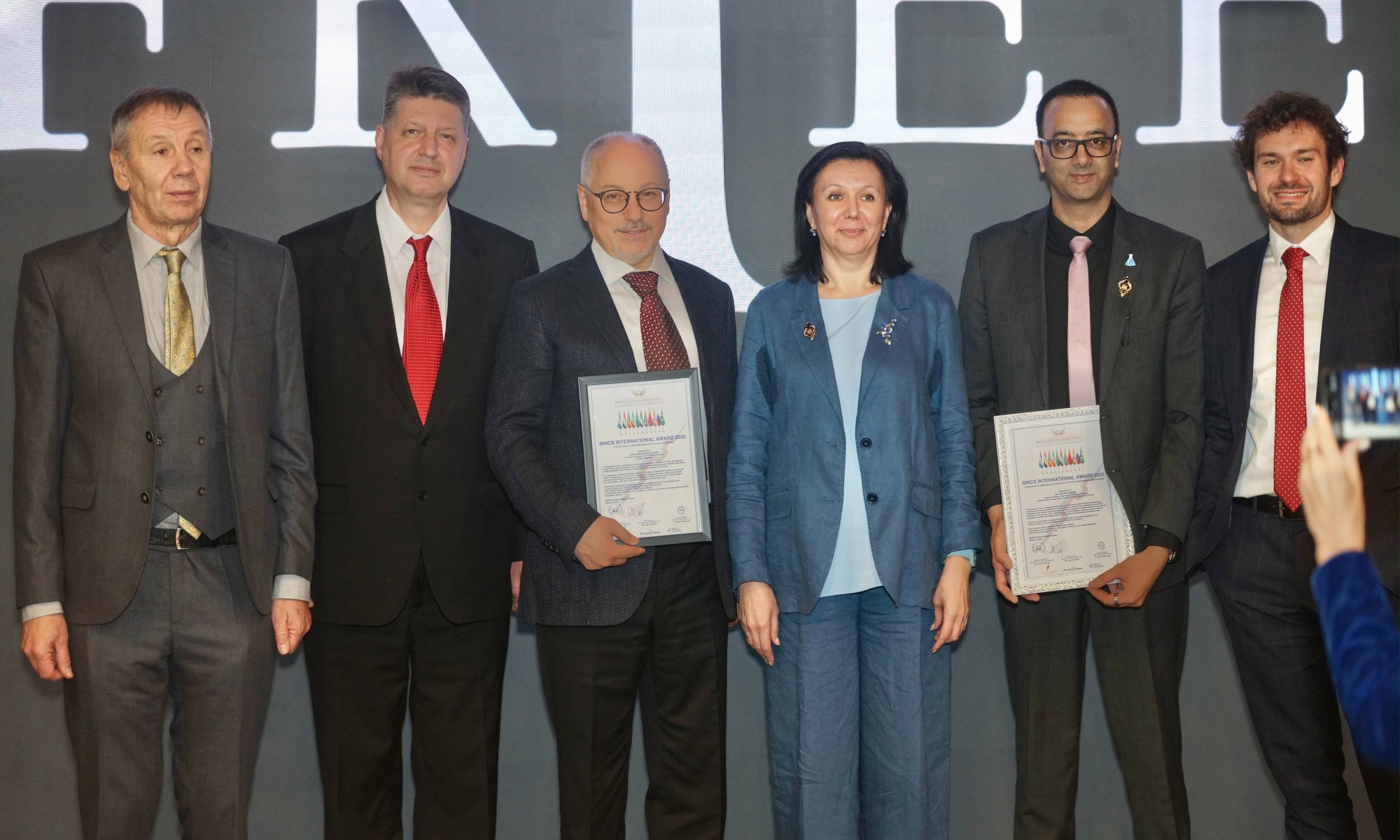
Khalifa University Faculty from Center for Biotechnology Wins Prestigious BRICS International Award 2025
Ceremony in Moscow Honors Dr. Shabir Hassan for Advancing Global Scientific Collaboration and Education
Khalifa University faculty Dr. Shabir Hassan, Assistant Professor, Biological Sciences, and from Center for Biotechnology (BTC), has been awarded the BRICS International Award 2025 in recognition of his exceptional contributions to scientific research and his efforts in promoting education across borders and cultures.
Dr. Hassan was presented the award in Moscow, Russia, during a high-level international forum hosted at the World Trade Center under the theme ‘Cultural Projects as a Tool for Integrating the BRICS Plus Countries.’ Recognized alongside Maestro Igor Evard, a renowned figure in global arts, Dr. Hassan was one of two awardees celebrated for their influence on global culture, science, and cross-cultural collaboration. Diplomats and delegates from Brazil, Russia, India, China, South Africa, the UAE, Bahrain, and other BRICS Plus nations participated in the awards ceremony.
Representing Khalifa University and the UAE, Dr. Hassan was honored under the theme “Minds That Inspire, Leaders Who Uplift” for his leadership in biotechnology research and his ongoing commitment to building educational bridges between the UAE and several BRICS and BRICS Plus countries. His initiatives have fostered international academic exchange, connecting young scholars, research institutions, and scientific communities across continents.
The award, conferred by the BRICS Culture Media Forum and supported by the Embassy of the Kingdom of Bahrain in the Russian Federation and the World Peacemaker Alliance, was presented in the presence of dignitaries including Dr. Ahmed Al-Saati, Ambassador of Bahrain to Russia, and Dr. Sergei Dvorianov, Vice-President, BRICS Culture Media Forum.
A keynote speaker during the ceremony praised Dr. Hassan for his “exemplary contributions to advancing scientific research and enhancing international academic collaboration,” while a visual tribute showcased his work in global education and equitable research partnerships.
Dr. Shabir Hassan said: “Receiving the BRICS International Award 2025 is not just a personal honor, but a testament to the collaborative spirit of scientific research and education that transcends borders. It highlights the importance of fostering partnerships among nations to tackle global challenges and inspire future generations. I am proud to represent Khalifa University and the UAE on this prestigious platform. This is an honor to be recognized by such an international forum, of which the UAE is also a member.”
Alisha Roy
Science Writer
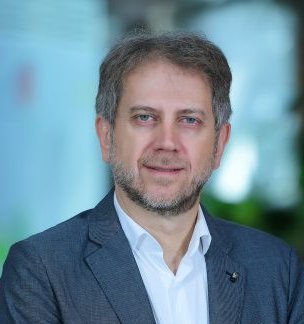
AI, Apps and Arthritis: A Digital Leap in Psoriatic Care
An initiative called iPROPLEPSIS is using artificial intelligence, wearables, and mobile health apps to transform psoriatic arthritis care through early detection, personalized treatment and patient-centered digital tools.
Listen now to explore AI’s impact on care!
Psoriatic arthritis is a chronic inflammatory disease tied to psoriasis and affects millions of people globally. It often escapes early diagnosis as traditional approaches rely heavily on clinical assessments and imaging — methods that lack the precision and accessibility needed for timely intervention. A European research initiative led by Prof. Leontios Hadjileontiadis is now aiming to bridge this gap using digital health tools and artificial intelligence.
The initiative, iPROLEPSIS, is a multi-national project funded under Horizon Europe. Its aim is to map the transition from health to psoriatic disease, predict who’s at risk, and guide patients and physicians through personalized care pathways. Unlike earlier digital efforts that focused mostly on rheumatoid arthritis or isolated data sources, iPROPLEPSIS merges retrospective studies, real-world data, and ongoing clinical trials. The data ranges from smartphone videos and typing habits to gut microbiome profiles and sleep patterns, all fed into explainable AI models to generate individualized risk assessments and treatment suggestions.
“By combining real-world data, patient-reported outcomes, and advanced analytics, we’re building a digital ecosystem that empowers patients and gives clinicians the tools they need to detect psoriatic arthritis earlier, track its progression, and deliver truly personalized care.”
Prof. Leontios Hadjileontiadis, Professor, Khalifa University.
The miPROLEPSIS app connects patients with their treatment. It acts as both a patient diary and clinical dashboard, integrating physical activity data, joint motion scores, inflammation signals, and patient-reported outcomes. Patients receive personalized lifestyle recommendations, while physicians can see real-time disease activity projections to support clinical decisions. Additional tools include an AI-driven game suite to promote movement and mental well-being, and a binaural beat therapy app designed to improve sleep and reduce pain.
“Our goal with iPROPLEPSIS is to shift care from reactive treatment to proactive prevention, using explainable AI and digital tools to empower both patients and clinicians,” Prof. Hadjileontiadis said. “This initiative reflects a broader shift towards ‘P4 medicine’: preventative, predictive, personalized and participatory care. It could set a new standard in digital rheumatology, not just for psoriatic arthritis but for other complex chronic diseases as well.”
The iPROPLEPSIS project includes patient panels and aims to ensure real-world applicability and user satisfaction. By 2027, the team aims to have tested the tools developed across large cohorts in Greece, the UK, Portugal, and the Netherlands.
Jade Sterling
Science Writer
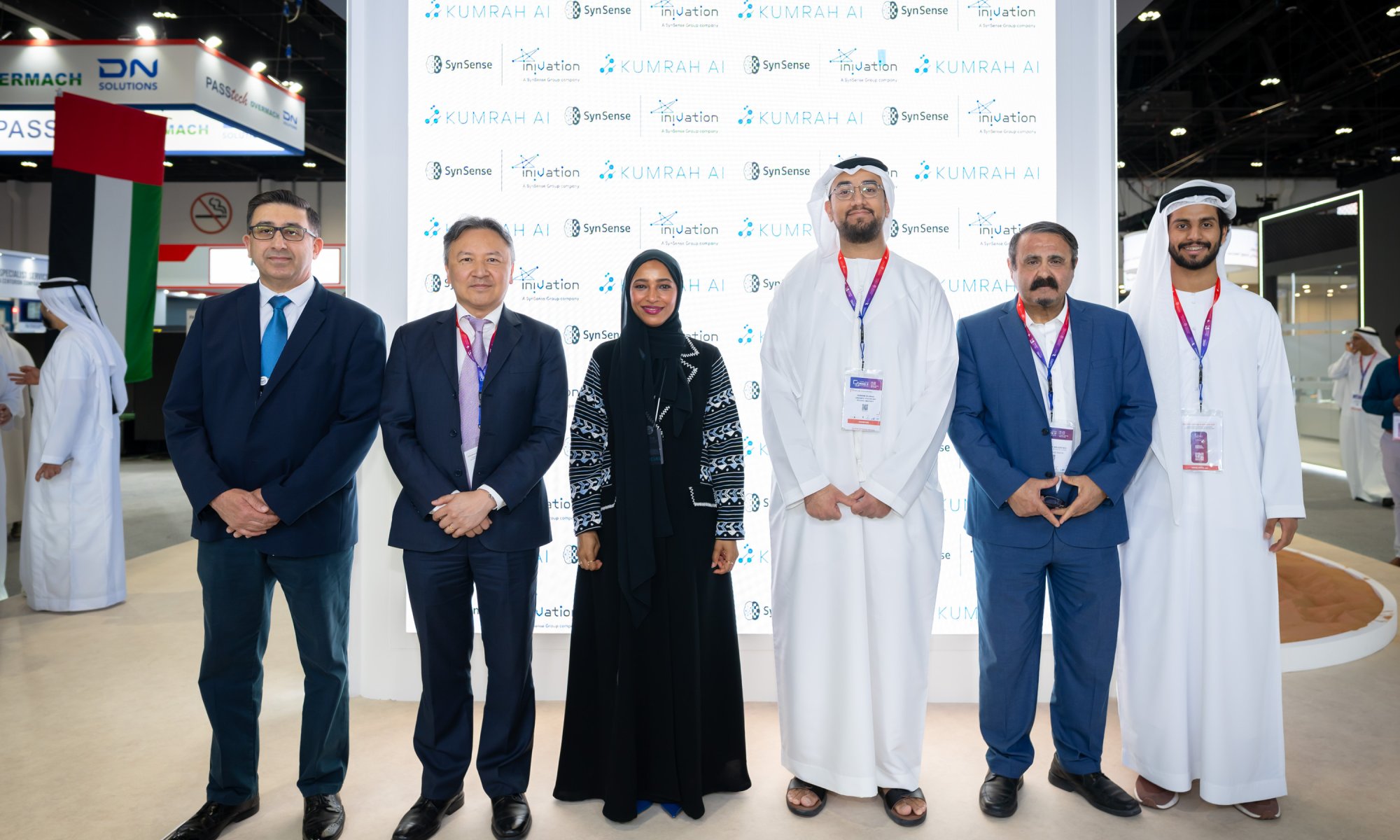
Khalifa University Spin-off Kumrah AI and Switzerland’s iniVation/SynSense to Launch Neuromorphic Tech Joint Venture
MoU Signed at ‘Make it in the Emirates’ to Drive Regional and Global Commercialization of Advanced AI-Powered Systems
Khalifa University of Science and Technology today announced a strategic collaboration between its spin-off Kumrah Artificial Intelligence (AI), a deep-tech startup from the Advanced Research and Innovation Center (ARIC) and Swiss neuromorphic technology leader iniVation, a SynSense Group company, aimed at establishing a global venture to develop and commercialize advanced neuromorphic vision-based inspection and autonomy systems.
The Memorandum of Understanding was signed by Hussain Sajwani, CEO, Kumrah AI, and Dr. Kynan Eng, Chief Commercial Officer, iniVation/SynSense, in the presence of Her Excellency Amal Al Jaberi, CEO, Khalifa University Enterprises Company (KUEC), and Dr. Abdelqader Abusafieh, SVP, Technology & Advanced Materials, Strata, Mubadala, during ‘Make it in the Emirates’ 2025. The MoU underscores the UAE’s commitment to fostering strategic, innovation-driven industrial partnerships that align with its ambition to be a global leader in AI. Kumrah AI is supported by KUEC through its strategic initiatives.
Her Excellency Amal Al Jaberi, said: “This collaboration demonstrates Khalifa University’s and KUEC’s role in turning deep research into deployable solutions. By facilitating strategic partnerships through spin-offs like Kumrah AI from the Advanced Research and Innovation Center, we are strengthening the UAE’s leadership in frontier technologies while supporting economic diversification. As the country accelerates its position as a global hub for artificial intelligence, initiatives like this joint venture will help translate emerging research into scalable, market-ready solutions that benefit both local and international industries.”
Hussain Sajwani said: “Signing the MoU at Make it in the Emirates 2025, a platform that provides emerging technology startups the necessary momentum, also reflects Kumrah AI’s commitment to contribute to the UAE’s ambition to be a global leader in AI. Our collaboration with IniVation prepares Kumrah AI to play a defining role in the next wave of AI-driven technologies. We believe the synergy resulting from this partnership will firmly place us among future technology leaders in this arena, positioning the UAE at the forefront of next-generation computing technology.”
Dr. Kynan Eng, Chief Commercial Officer, iniVation (a SynSense Group company), said: “Over the years we have been working to bring neuromorphic technology to real-world applications, we have evaluated many developments by customers all over the world. Our decision to collaborate with Kumrah AI and KUEC is based on our conviction that, together with our partners, we have all of the ingredients required to succeed in global markets in aviation, energy, and other industries. We are looking forward to moving forward rapidly together, to bring the benefits of our combined technology and expertise to our customers.”
The partnership will focus on creating cutting-edge AI-powered hardware and software solutions for industrial and aerospace applications, with plans to localize technologies for the MENA region and scale them globally. The joint venture will combine Kumrah’s access to licensed intellectual property and commercialization pathways with iniVation’s neuromorphic vision systems and technical expertise. IniVation is a Swiss firm affiliated with SynSense, together forming a world leader in neuromorphic sensing and processing technologies.
The joint venture that consolidates each party’s technological, commercial, and operational strengths will focus on developing and deploying neuromorphic sensors, processors, and adaptive software tailored for industrial inspection, quality assurance, and autonomous decision-making. The partners will also collaborate on system design, prototype development, and technical validation for key industry verticals, while jointly identifying funding sources and commercial opportunities.
Kumrah AI will lead commercialization and system integration in the MENA region, engaging with local customers, regulators, and partners to ensure successful market deployment. The company will also coordinate workforce development, and regional stakeholder engagement. IniVation will serve as the technical lead, contributing proprietary neuromorphic vision technologies, hardware platforms, and software tools. It will also spearhead global R&D, facilitate knowledge transfer and training, and drive expansion into international markets including Europe, North America, and Asia.
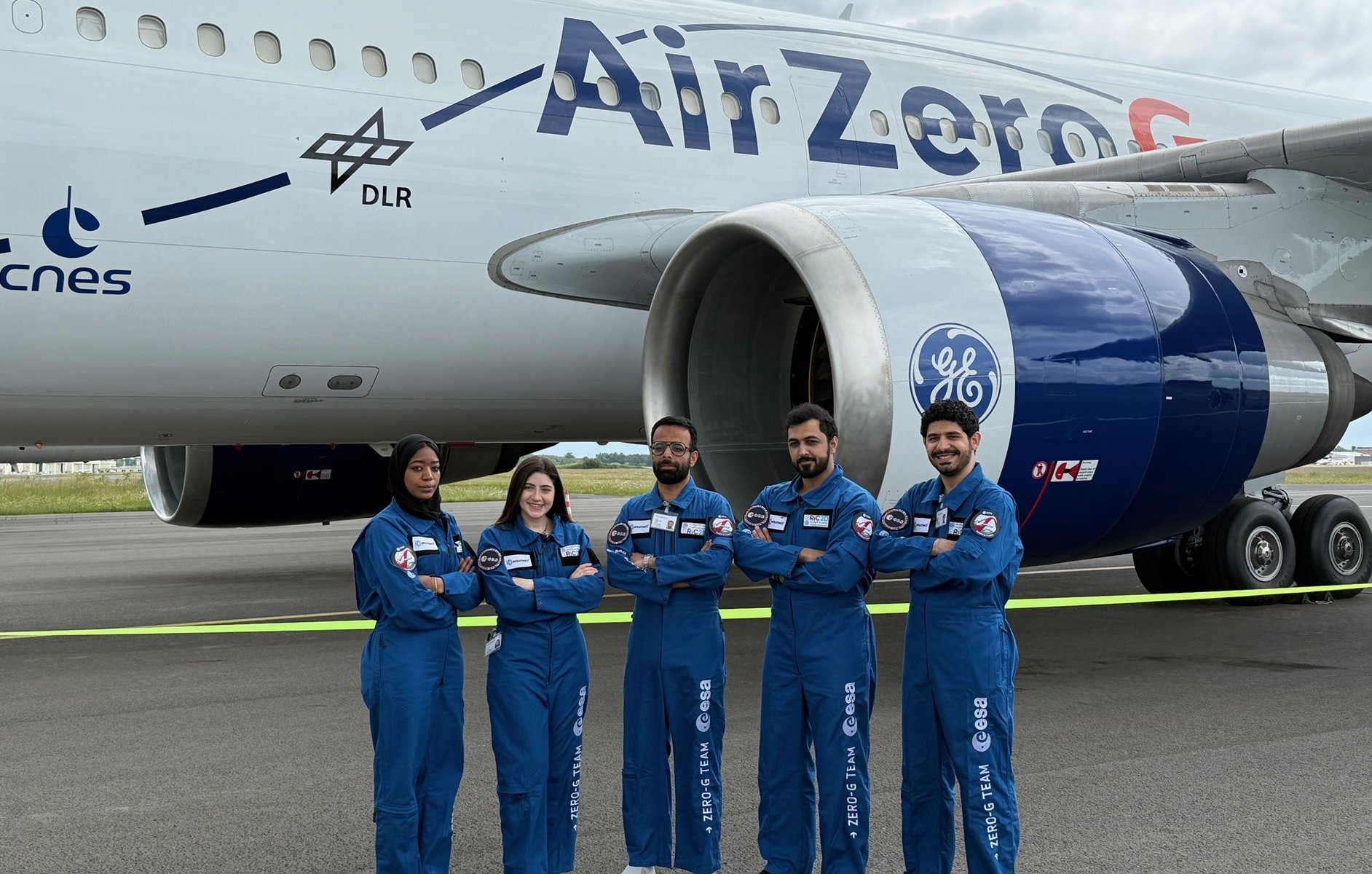
Khalifa University Scientists First in GCC to Conduct Graphene Experiments with Université Libre de Bruxelles as part of European Space Agency Zero-Gravity Campaign
Team of Faculty and Students Collaborating with Leading European Institutions on 86th Parabolic Flight Campaign
Khalifa University of Science and Technology proudly announces a historic milestone for the Gulf Cooperation Council (GCC) region, as a joint team from its Research & Innovation Center for Graphene and 2D Materials (RIC-2D) and the Khalifa University Space Technology and Innovation Lab (KUSTIL) becomes the first-ever GCC-based research group to collaborate with Université Libre de Bruxelles (ULB) to perform the experiments onboard the parabolic flight mission executed by the European Space Agency (ESA). The team is participating in ESA’s 86th Parabolic Flight Campaign, marking the first zero-gravity collaboration between European institutions and the GCC.
The researchers’ team, which includes Khalifa University faculty and students, are testing graphene-enhanced materials for space applications in real zero-gravity conditions during the parabolic flight campaign. Dr Yarjan Abdul Samad, Assistant Professor, Aerospace Engineering, is leading the team of researchers from Khalifa University, which initially prepared the experimental setup at the Centre for Research and Engineering in Space Technologies (CREST) of the Université libre de Bruxelles (ULB), before traveling to Bordeaux, France. Dr. Abdul Samad and Professor Sean Swei along with researchers have visited CREST at ULB, under the directive of Dr. Carlo Iorio, to finalize the flight procedures and experimental requirements.
The collaboration involved hands-on training in experiment setup and manipulation leading up to the scheduled flight campaign. CREST, is complementing with the necessary equipment and services for scientific collaboration and experiments.
- H.E. Homaid Al Shimmari, Vice-Chairman of the Board of Trustees, Khalifa University, said: “We are incredibly proud of this achievement and the recognition it brings to Khalifa University, the UAE, and the region. This pilot project not only showcases our commitment to advancing aerospace engineering but also highlights the advancements made in graphene through the Research & Innovation Center for Graphene & 2D Materials. Moreover, this will enhance faculty and student exposure by providing a unique opportunity to test graphene-enhanced materials for space applications. This initiative represents a significant step forward in our collaboration with international space agencies, global academic institutions and demonstrates the potential of such materials in space exploration.”
- Dr. Carlo Iorio, Co-Director at the Centre for Research and Engineering in Space Technology, Université libre de Bruxelles, said: “This parabolic flight campaign represents an important step for strengthening the collaboration between our Institute, Khalifa University, and the Research & Innovation Center for Graphene & 2D Materials. I am especially happy to motivate the young researchers involved in this campaign towards higher objectives and success. For them and the others that will come as part of this collaboration, the sky will no longer be the limit!”
As part of its regular parabolic flight campaigns, the European Space Agency is responsible for flying experiments and the on-ground support. The outcomes of this project are expected to result in publications that will contribute to the scientific community. The project focuses on laser-propelled graphene produced at Khalifa University, from the Pilot Manufacturing joint project titled, Photonic Propulsion of Innovative Graphene-Based Space Material. The researchers will participate in the experiment that will lead to gathering of crucial experimental data.