

Research into Drone Usage by Militant Groups by KU Professor Cited in UN Security Council Report

Research into drone usage by militant groups by Dr. Ash Rossiter, Assistant Professor of International Security, has been cited in a United Nations Security Council Counter-Terrorism Committee Executive Directorate (CTED) report, titled “Greater Efforts Needed to Address the Potential Risks Posed by Terrorist Use of Unmanned Aircraft Systems.” CTED issued the Trends Alert following increased concern from Member States to the potential risks posed by terrorist use of Unmanned Aircraft Systems (UAS).

“Unmanned aircraft systems, colloquially known as ‘drones’, comprise an unmanned aircraft and its associated elements, including a remote pilot and the system of communication between the two,” reads the report.

The UN is the largest, most familiar, most internationally represented, and most powerful intergovernmental organization in the world. CTED Trends Alerts are designed to increase awareness of emerging trends identified through CTED’s engagement with UN Member States and include relevant evidence-based research from members of the CTED Global Research Network and expert researchers from around the world.

The price of drones has fallen dramatically; they’re now available to anyone with a passing interest in UAS. Beyond entertainment purposes, this technology offers myriad potential. But as useful and entertaining as drones may be, this increased accessibility has led to renewed attempts by malicious actors, including organized crime and terrorist groups, to exploit UAS for nefarious purposes.

“Judging by recent media reporting and pronouncements by senior US military and security officials, the use of drones by militant groups is both reshaping conflict between armed non-state actors and state parties and now presents a grave and direct threat to nations in the West and elsewhere,” said Dr. Rossiter. “Such is the potency ascribed to drones that their mere appearance is enough to worry some authorities.”

According to the CTED report, including citations from Dr. Rossiter, terrorists and non-State armed groups have successfully acquired and weaponized commercial UAS with small improvised explosive devices to conduct lethal attacks in conflict zones.

“The Islamic State in Iraq and the Levant (ISIL) played a leading role in this innovation, and has disseminated guidance material to its supporters on executing attacks using UAS,” reads the report.

Dr. Rossiter’s paper, titled “Drone usage by militant groups: exploring variation in adoption,” published in Defense and Security Analysis, details this, saying the use of a variety of systems by militant groups in Syria and Iraq has attracted considerable attention from the public, policymakers, and warfighters alike.

“Referring particularly to events in December 2016 in and around Mosul, the head of US Special Operations Command concluded that the adaptive use of commercially available drones by ISIL was the ‘most daunting problem’ his operators faced on the battlefield in 2016,” said Dr. Rossiter. “General Joseph F. Dunford Jr., chairman of the US Joint Chiefs of Staff, recently told a Senate committee during his reappointment hearing that drones were ‘at the top of our list for current emerging threats.’ For many in the US security establishment, the threat will only increase in the future and migrate from the battlefield to the homeland.”

Recently, this threat has warranted the attention it receives. Far beyond being a nuisance and security annoyance in restricted areas including Dubai and Gatwick airports, a coordinated attack by 10 drones caused fires at a major oil processing facility and nearby oil field in Saudi Arabia on September 14, suspending around half of the Kingdom’s daily oil production.

“Based on the recent experiences of Western militaries in Iraq and Afghanistan, it is perhaps unsurprising that much of the current concern about the use of cheap, commercially available or modified drones has focused on their use as a delivery system for improvised explosive devices,” said Dr. Rossiter. “Drones carrying IEDs could further increase the physical separation between state and non-state combatants in violent encounters but they are also employed away from the battlefield, causing huge damage to arms depots and energy infrastructure.”

Small, commercially-available drones have been used by militants for surveillance and reconnaissance tasks, and also for the wider organizational goals of propaganda and publicity. The CTED report explains the use of UAS by terrorists encompasses four interlinked and overlapping areas: attacks, disruption, surveillance, and propaganda.

“With the objective of enhancing organizational reputation, many groups fighting in Syria and Iraq have used drones extensively to film fighting and martyrdom operations,” explained Dr. Rossiter. “Through clever curation, ISIL has even used footage of winged drones in flight with imagery of bomblets being dropped to mislead viewers about the extent of their capabilities. It’s difficult to estimate the degree to which drone video footage has actually benefited various groups, but the fact that more and more groups are sharing footage of their operations tells us that they at least think it’s a very important tool for garnering support.”

Although United Nations Member States take varied approaches to countering UAS through a combination of regulation and security frameworks, it is well-established that counter-UAS technologies to detect and intercept UAS in flight are required.

“As stopping the spread of readily available commercial drones is not an option, warfighters engaged in low-intensity conflict will need to develop preventative measures either physically to stop drones or interrupt their radio signals electronically,” said Dr. Rossiter. “As countermeasures mature, militant groups may see fewer advantages in obtaining and operating drones.”

The CTED report highlights that the need for a transnational response is emphasized by research including that of Dr. Rossiter, showing the impact work at Khalifa University can have on an international scale.

Jade Sterling
News and Features Writer
25 September 2019
Process Mining Paper Nominated for Best Student Paper Award at International Conference in Vienna

Paper authored by KU Team proposes new ‘log-lifting’ framework to make business process models more accurate and valuable

A paper written by a team of researchers from Khalifa University that offers a new process mining solution that helps companies develop more accurate and insightful business process models was nominated for the Best Student Paper Award at the 17th International Conference on Business Processing Management 2019, which took place earlier this month in Vienna.

The paper, which was one of three to be nominated for the selective award, was authored by PhD student Ghalia Tello, Dr. Gabriele Gianini, Senior Researcher at the Emirates ICT Innovation Center (EBTIC), Dr. Rabeb Mizouni, Associate Professor of Computer Engineering, and Professor Ernesto Damiani, Senior Director of the Artificial Intelligence and Intelligent Systems Institute and Director of the Center for Cyber-Physical Systems (C2PS).

Process mining techniques analyze business process activity data from different perspectives and summarize them into useful information for making business decisions. Many businesses have an IT system that stores data in databases – such as patient treatment records, student data, or order handling – and creates ‘event logs’ with that data. Process mining uses those event logs to develop a process model that helps to visualize and analyze the real-life execution of the company’s processes.

Examples of business processes are the process of handling a customer order, a job application, an insurance claim, a building permit, a leave permit or handling a patient in an emergency room.

An activity is a well-defined step in the process, for instance handling a patient in an emergency room involves patient registration, triage (i.e. assigning a priority to the patient based on the seriousness of his/her medical condition) and so on.

Process mining techniques can deliver valuable, factual insights into how processes are being executed in real life. Mining a process can help to discover anomalies/violations that occurred in the process, or even to predict probable future anomalies based on past records. It can also support process optimization in terms of effectiveness.

Unfortunately, real-life processes tend to be more complex and less structured than most process mining algorithms are designed to handle. A major challenge that occurs with process mining is that one cannot normally observe the process activities directly, but only through the recorded event logs (e.g. the patient triage may involve an initial observational assessment, heart auscultation, blood pressure measurement, the transcription of an account of the symptoms). Often the events recorded in the event log are too fine-grained. “This can cause the algorithms designed to discover processes to not accurately represent the process at the right level of abstraction,” said Tello. “And get lost in details.”

Tello’s paper proposes a ‘log-lifting’ framework method that uses machine learning to abstract the event log to a lower level of granularity, thus bridging the abstraction level gap between the logs and the activities meaningful for the process model. Abstraction methods provide a mapping from the recorded events to activities recognizable by process workers.

The log-lifting framework proposed by the paper comprises two main phases: event log segmentation and machine-learning-based classification.

“The purpose of the segmentation phase is to identify the potential segment separators in a flow of low-level events, in which each segment corresponds to an unknown high-level activity,” Tello explained. “For this, we proposed a segmentation algorithm based on maximum likelihood with n-gram analysis – a standard technique used to model statistical regularities in languages, or any sequence of elements such as letters or words.”

In the second phase, event segments were mapped into their corresponding high-level activities using a machine learning classification methods. The KU team explored different classification methods, including Artificial Neural Network (ANN) and Random Forest algorithms.

The method was evaluated in collaboration with the German multinational software company SAP, using an event log from their NetweaverLog system. The evaluation showed that the team’s log-lifting framework provides an accurate representation of the process at the right level of abstraction – the activity level.

The KU team aims to build on their research to develop an end-to-end process mining framework that incorporates further log-lifting techniques and improve the capabilities of the system to detect and predict process anomalies, with the final goal of providing any business process endowed with logs with the capability of improving its effectiveness thus increasing its business value.

Erica Solomon
Senior Editor
26 September 2019

How Self-Driving Cars are Learning to Plan Under Uncertainty

Dr. Majid Khonji, Assistant Professor of Electrical Engineering and Computer Science, presents his research on autonomous vehicles at the IJCAI in Macao, China

Programming self-driving cars so that they can navigate unknown roads safely is perhaps the biggest challenge facing the autonomous vehicle (AV) industry.

Uncertain environments, such as extreme weather and unknown roads, or when errors occur in an AV’s sensors or cameras, pose several technical challenges to an AV’s perception algorithms – the algorithms that allow a car to understand what it “sees.”

“A robust AV perception algorithm should account for different sources of uncertainty and should provide a probabilistic view of the world that captures what is unknown in the environment. Such a probabilistic view is essential to generate control policies that are quantifiably safe,” says Dr. Majid Khonji, Assistant Professor of Electrical Engineering and Computer Science and member of KU’s Center for Autonomous Robotic Systems (KUCARS).

However, current state-of-the-art methods for dealing with safety are experimental and are not backed by a rigorous theoretical foundation, Dr. Khonji explained. This means, AVs are trained through repetition until someone decides it is statistically safe, “which is biased towards the test environment and doesn’t give strong theoretical guarantees on safety.”

In August, Dr. Khonji presented a paper at this year’s International Joint Conference on Artificial Intelligence (IJCAI), which is one of the leading global conferences on Artificial Intelligence, on the algorithms he is developing to help robots and AVs handle uncertainty in a much safer, more predictable way. His algorithms enable an AV to plan safe trajectories under uncertainties so that the probability of collision is below a given threshold. His findings are being implemented in a collaborative research project with MIT’s Computer Science and Artificial Intelligence Laboratory (CSAIL), and another with the Korea Advanced Institute of Science and Technology (KAIST) through the KU-KAIST Joint Research Center.

Dr. Khonji is working with KU researchers Dr. Jorge Dias, Professor of Electrical Engineering and Computer Science, and Dr. Lakmal Seneviratne, Professor of Robotics and Director of the Khalifa University Center for Autonomous Robotic Systems (KUCARS).

“Our algorithm is more rigorous and gives a theoretical guarantee on safety,” Dr. Khonji explained. A lack of proper theoretical treatment for the problem of planning under uncertainty may be the reason why autonomous vehicles are yet to fully take off in urban centers around the world. High-profile AV accidents reveal serious safety issues, but Dr. Khonji believes there is a solution that can help prevent serious accidents and AV mishaps, and it lies in the math.

Dr. Khonji and his team proposed a software stack, or chain of algorithms, designed to enable AVs to determine uncertainty from the environment through the three key subsystems of perception, prediction, and planning and control.

Their rigorous algorithms and mathematical models directly address the problem of trajectory optimization under uncertainty, which is considered in its simplest form an NP-Hard problem – a set of problems that have no optimal solution within a reasonable running time – through the best “close-to-optimal approximation algorithm attainable in theory.”

Erica Solomon
Senior Editor
7 October 2019

Boosting the Electric Field at Metal-Semiconductor Junctions for Better Current Flow through Transistors

KU Researchers Publish Study that Shows Presence of Nanoparticles on Graphene Helps make Silicon Produce a Larger Current at the Nanoscale

An important fundamental discovery has been made by a team of researchers at Khalifa University that may help enhance current flow between semiconductors and metals at the nanoscale. The team found that silver nanoparticles layered on an ultrathin sheet of graphene, creates an enhanced localized electric field that produces a larger current between the semiconductor and the metal.

The work has a significant fundamental research focus but with clear potential application. A paper describing the research was accepted into the IEEE Nanotechnology Council’s 14th Nanotechnology Materials & Devices Conference (NMDC), to be held in Sweden from 27-30 October.

“Our research explores the use of nanoparticles and graphene to overcome the interface limitations that occur at the point where semiconductors and metals intersect,” said UAE National and PhD student Badreyya Al Shehhi, who was the paper’s lead author. Electron flow at the point where semiconductor and metal meet is limited by electrical barriers known as Schottky barriers, which impede current flow and limit current density. Al Shehhi’s work aims to reduce the current limitation at the metal-semiconductor junction with the nanoparticles layered on graphene.

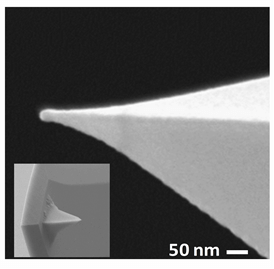
“The nanoparticles have an important effect on the current transport and electrical field enhancement, which can be further enhanced by decreasing the probing tip size of the atomic force microscope (AFM),” the paper reports. The researchers used atomic force microscopy – a type of high resolution scanning probe microscope – to fine tune the size, type, and placement of the nanoparticles on the graphene layer.

“This fine tuning in turn enables the development of customized nano-Schottky barrier properties for a range of different applications,” Al Shehhi said. The team found that a combination of noble metal nanoparticles on graphene enhanced the optical and current transport properties of the underlying graphene.

The researchers were able to simulate the behavior of the current flow at the nanoscale, enabling them to study the transport of charge carriers from nanoparticles to graphene to the silicon substrate; a vital piece of fundamental research that has not been done before.

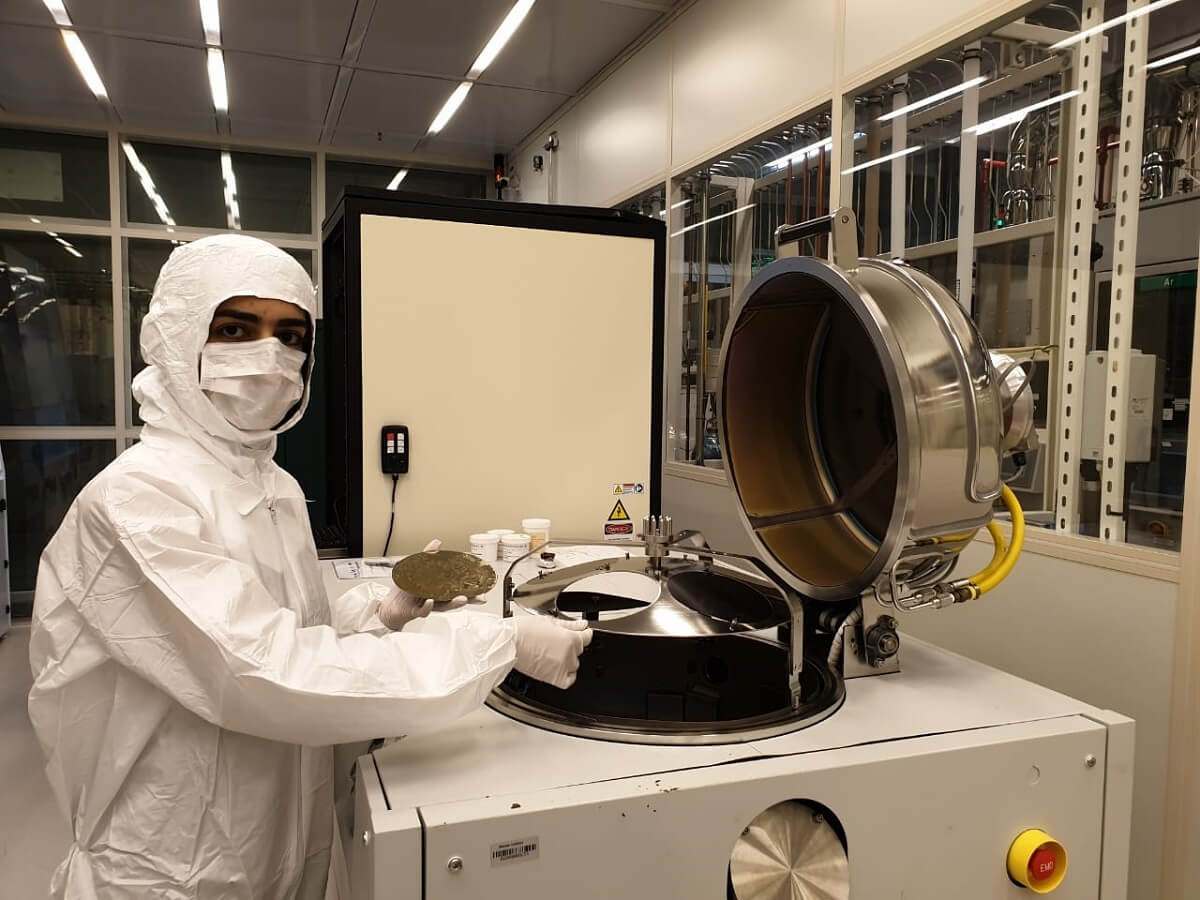
“To study and characterize these nano-devices require advanced material and electrical characterization techniques like AFM, Raman and advanced microscopy,” Al Shehhi explained. The research was carried out using KU’s Clean Room Fabrication Facility, followed by device characterization and measurements.

“This particular research is not based on just one or a few tools. It requires a sequence of steps through different sophisticated tools to fabricate the target devices. This requires expertise to operate the equipment and develop a sense for process ‘recipes’ or sequence of steps needed to fabricate the target devices. Additionally, the supplies needed are expensive or require special handling. Thus sustained supply chain and logistics are critical for continuous success,” Dr. Irfan Saadat, Professor of Electrical Engineering and Computer Science at KU.

Al Shehhi and Dr. Saadat were joined by Dr. Ammar Nayfeh, Associate Professor Electrical Engineering and Computer Science, and Dr. Ayman Rezk, Dr. Yawar Abbas and Dr. Moh’d Rezeq, all from the KU Physics Department.

The work is a result of synergistic integration of the research expertise of Dr. Saadat’s group for cleanroom device fabrication, Dr. Nayfeh’s group for nanoparticles dispersion, and Dr. Rezeq’s group for AFM nano-probing and characterization.

The research establishes KU’s ability to leverage advanced microscopy tools and fabrication devices to “see” what is happening at each processing step. Being able to observe new phenomena at the nanoscale with sophisticated tools is a critical skill in the area of nanoscale materials and systems. This know-how will help advance understanding of the quantum physics underlying such phenomena, and can be useful for manipulating materials and processes at the nanoscale, which has a myriad of applications in key sectors from electronics and medicine, to oil and gas.

“This kind of fundamental research enables and strengthens the advanced indigenous infrastructure of knowledge and sciences, which in turn provides a platform where cross pollination can occur to tackle issues across different fields and provide innovative solutions not realized before,” Dr. Saadat shared.

Erica Solomon
Senior Editor
15 October 2019


Improving Membranes in Water Desalination with 3D Printed Feed Spacers

A new type of 3D-printed feed spacer could make membrane-based seawater desalination processes, such as reverse osmosis and ultrafiltration, more efficient, according to new findings by researchers at Khalifa University’s Center for Membranes and Advanced Water Technology (CMAT).

The feed spacers, designed and manufactured with the help of 3D printing to achieve complex geometries and sizes, are described most recently in the Journal of Membrane Science, by a team led by KU’s Dr. Hassan Arafat, Professor of Chemical Engineering and Director of CMAT. The team also includes professors Rashid Abu Al-Rub, Hector Hernandez and Giovanni Palmisano as well as researchers Oraib Al-Ketan, N. Sreedhar Navya Thomas and Mahendra Kumar. The KU team collaborated with Dr. Reza Rowshan, Executive Director of Core Technology Platforms Operations at NYU Abu Dhabi, to print the feed spacers using the 3D printer available at NYUAD’s Core Technology Platforms facility.

A patent has been filed on the new feed spacer design with the US Patent and Trademark Office.

“Feed spacers play an important role in promoting turbulence of the feed water, which then affects the water flux, an indication of how efficiently the water flows through the membrane, which has a direct impact on the power consumption in desalination plants, especially those that use reverse osmosis processes,” explained Dr. Arafat.

Reverse osmosis (RO) removes salt from seawater by pushing water under pressure through a semi-permeable membrane that allows water molecules through but blocks the dissolved salts. Because the water is being pushed at very high pressure to overcome its natural osmotic pressure, it consumes a lot of energy. More energy is required to overcome the issue of membrane fouling – when organic and inorganic deposits buildup on a membrane’s surface, reducing its ability to filter impurities.

Feed spacers are netted sheets made from strong polymer materials sandwiched between two membrane layers to create space for the water to flow through. Fouling usually occurs first at the feed spacers. The intersections where its filaments meet, known as ‘dead zones,’ provide nucleation sites for scaling and deposits of organic impurities or microbes. In addition to fouling, the overall design and geometry of the feed spacer also affects the water flux, or the flow of water through the membrane.

Traditional commercial feed spacers are planar, or flat sheets of netted plastics, which repeat the same diamond or rectangular shape – these are the feed spacer’s ‘cells’.

Dr. Arafat’s team took a different approach, realizing that additive manufacturing, or 3D printing, can be leveraged to produce materials with unique and precise pore geometrical configurations that can stand up to the rigors of high-pressure membrane desalination systems.

“The unique benefit of 3D printing over conventional manufacturing processes is its ability to fabricate structures with complex forms and shapes that can be optimized for fluid flow. This creates new applications for structures that we couldn’t use before the era of 3D printing,” Dr. Arafat explained.

One such class of complex geometries are triply periodic minimal surfaces (TPMS), which can be described mathematically as having perfectly curved surfaces with no self-intersecting or enfolded surfaces. TPMS have various properties that enable smooth fluid flow, making them ideal candidates for a number of applications in water research. ‘Triply periodic’ means that the structure can be patterned in the 3D space and ‘minimal surface’ means that it minimizes surface area for a given boundary.

“We theorized that the interconnected maze-like pathways of TPMS structures would enhance turbulence through the feed channel, while the perfectly smooth minimal surface would minimize pressure drop, as well as minimize locations for the attachment of foulants,” Dr. Arafat explained.

His theory proved true. After exploring a range of different configurations and shapes, Dr. Arafat’s team developed TPMS feed spacers that improved water flux by 16% using RO membranes and 38% using ultrafiltration (UF) membranes, when compared to a commercial spacer.

The feed spacers also proved to significantly reduce fouling. The team visualized fouling patterns on the membranes using crystal violet stains, which revealed significantly less biofilm depositions. The TPMS spacers showed a reduction in biofouling up to 91% compared to commercial feed spacers. Last but not least, due to their intrinsic curvature, the TPMS spacers were able to achieve higher flux and lower fouling while reducing the pressure drop – an energy consumption – in the feed channel. “This is the first time this combination of benefits has been demonstrated for a novel spacer design,” Dr. Arafat said.

3D printing allowed the researchers to print one contiguous feed spacer with interconnected repetitive cells, giving it a significant advantage over traditional feed spacers, which must be woven together and often lack precise conformity. With a greater level of control over the cell shapes, they were able to achieve curvature between the feed spacer’s cells, which improved the hydrodynamics of the feed spacer and increased its surface area; both of which contributed to an increase in water flow.

“Curvature creates turbulence within that structure, while a flat 2D structure creates more resistance,” Dr. Arafat explained.

“These spacers have shown great promise in enhancing both reverse osmosis and ultrafiltration processes, in terms of flux enhancement, energy consumption and fouling reduction,” he added. As a result, new applications of TPMS architectures are now being explored by the team, covering a range of potential applications in water and wastewater treatment.

The UAE relies on desalination plants for most of its potable water, which is why Dr. Hassan works to find new solutions aimed at making seawater desalination more efficient and sustainable.

Erica Solomon
Senior Editor
16 October 2019

Cloud Seeding Operations of KU’s Nanotechnology Enhanced Seeding Materials Begin

An aircraft loaded with a new cloud seeding material developed by Khalifa University has taken flight to seed warm clouds in UAE skies.

The cloud seeding material developed by Khalifa University’s Dr. Linda Zou, Professor of Civil Infrastructure and Environmental Engineering, has generated significant attention since Dr. Zou won in 2016 a USD 1.5 million, 3-year grant from the UAE Research Program for Rain Enhancement Science (UAEREP) to research the use of nanotechnology to enhance rainfall.

Over the past three years, Dr. Zou’s team has made steady progress towards designing and fabricating the nanotechnology-enabled cloud seeding materials in the lab. Now, the team has identified a novel, scalable method for fabricating large quantities of the particles, allowing for mass production. Actual seeding operations have just began.

“We have successfully fabricated 75 kilograms of the cloud seeding particles, which is made of a sodium chloride crystal core coated with titanium dioxide nanoparticles, thanks to a novel dry particle coating process that greatly simplified the process of coating of nanoparticles on the core materials,” Dr. Zou explained.

Being able to scale up development in a high-quality and cost-effective way is key to transferring the research from the laboratory to the market, where it can bring tangible benefits to society.

Dr. Zou’s research has played an important role in helping to UAEREP to achieve its overarching objective of enhancing rainfall in arid regions, such as the UAE, through new advances in the underlying science of rainfall and the technologies to stimulate it. Her work further showcases the world class research capacity of UAE faculty at the country’s leading science and technology university and positions the UAE as one of the leaders in rainfall enhancement research.

Cloud seeding is the science of adding particles to the atmosphere to serve as nuclei for the condensation of water vapor to form water droplets formation that grow and ultimately become rainfall from clouds that may otherwise produce no rain. It is being increasingly recognized as a viable tool that could be used as part of a broader strategy to achieve water security, particularly in water-scarce regions like the UAE. Studies have shown that cloud seeding can increase rainfall between 5% to 20%, which can help restore groundwater reserves, boost agricultural production, and reduce to some extent the UAE’s heavy reliance on freshwater produced by energy-intensive seawater desalination.

Dr. Zou’s research is exploring for the first time the use of nanotechnology to improve the properties of cloud seeding materials.

Conventional cloud seeding materials, such as salt particles, provide nuclei around which water vapor can condense. Once enough water vapor condenses into water droplets that are large enough, they fall as rain.

Dr. Zou conceptualized that nanotechnology can be leveraged to improve a salt particle’s ability to condense water more effectively, and in turn produce rain.

“The synergistic effect of the hydrophilic – or water loving – titanium dioxide shell and the hygroscopic sodium chloride core, which absorbs water from its surroundings, has enhanced condensation and ability for water droplet formation and growth,” Dr. Zou explained.

The groundbreaking research outcomes have been published in high impact journals such as ACS Nano (2017). One international patent application has been filed with the US Patent and Trademark Office (USPTO), while another provisional patent has been filed for a new but equally interesting material.

The project has been evaluated by the International Scientific Direction Committee of the UAEREP, who have commented that Dr. Zou’s project has been extremely successful, both in terms of the scientific and technical achievements as well as in shedding light on how innovative technologies (in this case nanotechnology) provides exciting new directions in the development of seeding materials for rainfall enhancement.

This and other sustainable water research taking place at Khalifa University aim to position the UAE as a leader in advanced water technologies to address issues of water security.

Erica Solomon
Senior Editor
24 October 2019

A Burj Khalifa-Inspired Graphene Structure at the Smallest Scale

KU Researchers Grow Vertically Aligned Graphene Nanosheets at Low-Temperature and Explore Potential Application as Biosensor in Lab-On-Chip Technology

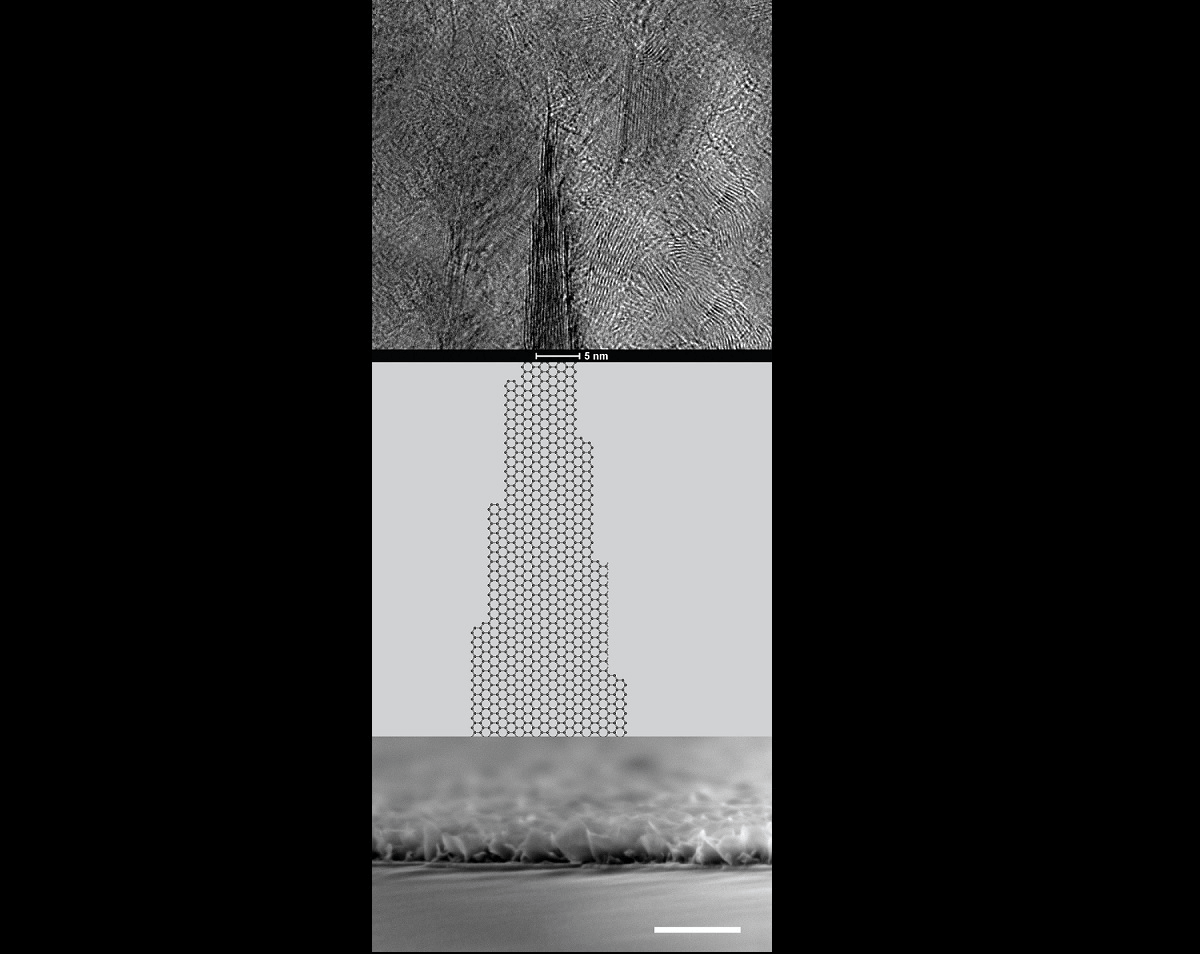
The world’s tallest building – the iconic Burj Khalifa – has been reconstructed at the nanoscale entirely out of structured graphene at Khalifa University’s Laboratory for Energy and Nano Science (LENS).

The new ultra-small Burj Khalifa-inspired graphene structure (which measures just 100 nanometers in height) has potential application as an electrochemical sensor in a “lab-on-a-chip” device for medical diagnostics and drug development, says Dr. Matteo Chiesa, Professor of Mechanical Engineering at KU and head of LENS.

The unique 3D structure was grown at a low temperature of 625°C. Traditionally, graphene is grown at about 1000 °C. The new process offers a more sustainable and scalable approach to producing the ultrathin electronic material on different substrates.

Graphene is considered a ‘wonder material’ since it was first discovered in 2004. It has the highest known thermal and electrical conductivity, and is stronger than steel, extremely lightweight, and flexible. Despite its outstanding mechanical, thermal and electrical properties, as an ultrathin 2D material, it is difficult to translate graphene’s 2D strength into useful 3D materials, which could then be more easily used in devices, buildings and vehicles.

3D graphene structures address this challenge by leveraging graphene’s unique properties in a 3D form with its own unique properties.

Vertically aligned graphene nanosheets is one such 3D graphene structure that has excellent electron transport properties, outstanding mechanical strength, high chemical stability, and enhanced electrochemical activity. They are 3D networks of carbon nanomaterial that grow in rows of vertical sheets – graphene nanosheets – providing a large surface area for greater charge storage capacity.

The KU team has successfully grown vertically aligned graphene nanosheets on pieces of germanium, a type of semiconducting material, for the first time.

“No one has attempted to grow graphene nanosheets on germanium before, only on semiconducting materials like silicon, which require a higher temperature,” explained Dr. Chiesa.

“We used a plasma enhanced chemical vapor deposition process to grow the vertically aligned graphene nanosheet arrays. The 3D graphene structure we developed has a strong contact with the germanium substrate, exposed edges, and easily accessible surfaces,” said Dr. Amal Al Ghaferi, Associate Professor of Mechanical Engineering. “These features give it a large surface area and excellent electron transfer capability, which make it an excellent candidate as an electrode material for energy storage applications or lab-on-chip devices.”

A paper describing the new research was recently published in the journal Carbon. Authors include Dr. Al Ghaferi, Dr. Chiesa, PhD student Mariam Al Almahri. MSc student Abdulrahman Al-Hagri, and six others.

While graphene is typically grown through a process known as chemical vapor deposition (CVD), plasma-enhanced CVD uses microwaves to turn gases in a chamber into a reactive plasma, which makes it possible to grow graphene at lower temperatures.

“In order to have pure carbon flow for the building of graphene, we need to ‘take out’ the hydrogen molecule from the methane; a process which requires significant energy. This can be done at high temperatures, or by means of plasma bombardment of the methane molecules, which we did through the plasma enhanced CVD,” Dr. Chiesa explained.

The uniquely designed graphene nanosheets not only resemble the Burj Khalifa at a significantly smaller scale, but produce an enhanced electric field at the structure’s tip. It is this feature that makes the 3D graphene structure particularly useful for lab-on-chip applications.

A lab-on-a-chip is a biosensor device the size of a USB flash drive, where small quantities of fluids or cells are manipulated through very small channels in order to synthesize and analyze chemicals at a very miniaturized scale. Lab-on-chip technology is useful for analyzing cells, diagnosing diseases, and testing new drugs. It uses nanosensors to detect very low concentrations of a particular chemical or biomarker, which are proteins, DNA molecules, or other measurable indicators that show the presence of a disease.

The tip of the KU 3D graphene structure works like an antenna. When a highly focused laser is directed at the graphene structure, the enhanced electric field at the tip is observed. The enhanced electric field, in turn, means it can be used as a nanosensor to detect biomarkers in lab-on-chip systems with a higher degree of sensitivity.

“We can configure an infrared waveguide with the graphene structure so that we can be very sensitive to the presence of certain biomarkers. Usually this require a discrete type of blood sampling every several hours. With the enhanced sensitivity achieved here, however, we can monitor the patient continuously,” Dr. Chiesa said.

Erica Solomon
Senior Editor
28 October 2019

Revolutionizing the Field of Nano Photo-detection with Nanomaterials

A recent paper presenting a breakthrough in the field of nano photo-detection and digital imaging has been published in Scientific Reports by Dr. Mohamed Rezeq, Associate Professor of Physics, and his research team at KU, Dr. Yawar Abbas, Dr. Ayman Rezk, Dr. Irfan Saadat, and Dr. Ammar Nayfeh.

The paper details a new structure and mechanism for nano photosensors that are very sensitive to light, extremely small in size, and with resolution capabilities below 10 nanometers – a much higher resolution than current photodetectors.

Photodetectors are sensors of light or other electromagnetic radiation that convert light photons into current. They are vital for fiber optic communication systems, process control, environmental sensing, safety and security, and various other scientific applications. Photodetectors are produced from semiconductor materials such as silicon and are most widely used in detecting light in the infrared region. The incoming light generates free electrons from the semiconductor material that it strikes to produce an electrical current. Due to this process, the current produced by the detector material changes as a function of the intensity of the incident light.

In current photodetectors, the photovoltaic effect, which produces the free electrons, is used to acquire image information with the phenomenon taking place at the p-n junction in the semiconductor, or the area where the positively and negatively doped layers of the semiconductor meet. The photovoltaic effect takes place when light with enough energy strikes this junction to produce the separation of charge, resulting in a voltage that encodes the image information.

Photodetectors are continually seeing improvements in performance, cost, and speed, with nanostructured materials very promising for performance improvements. To produce a smaller, scaled-down semiconducting device, with lower power consumption, investigating photodetection at the nanoscale metal-semiconductor interface is essential.

Dr. Rezeq’s paper investigates a new structure of photo- detectors based on nano metal-semiconductor junctions, referred to as nano-Schottky junctions, using gold-coated conductive atomic force microscope nano-probes and an n-doped silicon substrate. These metal nano-probes can be readily replaced by metal (like gold) nanoparticles deposited on Si substrates for fabricating the actual nano-photo sensors.

“The fundamental operation of the photodetector depends on the transition of the electron from the metal nanoparticle upon the absorption of the photon (light) energy,” explained Dr. Rezeq. “This process, in turn, manifests as an increase in the magnitude of electric current during the electrical measurements of these devices.”

The material used to make a photodiode is critical to defining its properties, because only photons with sufficient energy to excite electrons across the material’s bandgap will produce significant photocurrents. Bulk Semiconductor photo defectors like Silicon and germanium have an important limitation in that they are not suitable for operation with photons that have energy less than the bandgap energy. Nanostructured materials can have a huge impact if they can widen the reach of silicon and germanium across the wavelength spectrum while maintaining the other long-standing advantages of these materials.

“This is a new structure and mechanism for fabricating nano-photo sensors that are very sensitive to light and extremely small in size,” explained Dr. Rezeq. “This is because the basic structure of these photo sensors is made of metal nanoparticles that are in the range of 5-20 nm, also called plasmonic nanoparticles, and placed on a silicon substrate. Because of their small size, the electrons can move freely within the nanoparticle and become very sensitive to light.”

“When the light hits such nanoparticles, even with very little energy, electrons can easily jump or tunnel through a very thin barrier to the silicon material which results in a photoelectric signal,” explained Dr. Rezeq. “Because these nanoparticles don’t have a specific energy band gap like current photo-sensors, this makes them very sensitive to any light wavelength ranging from very low energy infrared to high energy ultraviolet.”

“The optoelectronic characteristics of nanostructures such as nanowires, quantum dots and nanosheets reveal the fascinating features of nanomaterials,” said Dr. Rezeq. “Owing to their excellent response to the light, in terms of dynamic range and sensitivity, these nanostructures placed themselves as outstanding candidates for the building blocks of a new generation of photodetectors.

In this paper, Dr. Rezeq and his team demonstrated the effect of light irradiation on the tunneling current of gold nano-probes and nano-silicon interfaces using conductive-probe atomic force microscopy (C-AFM).
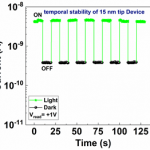
C-AFM is used as a powerful tool to investigate photodetection at nano-scale metal-semiconductor junctions. A conductive nano-tip (nano-probe) is scanned in contact with the sample surface, while a voltage is applied between the tip and the sample, generating a current image. By systematically approaching the nano-tip to the surface of the substrate, prominent differences of tunneling current magnitude under dark and light conditions were observed. The research team noted that the tunneling current and the sensitivity of photodetection was higher for tips of smaller radii, which they attributed to the higher field intensity generated by the smaller tip radius, reducing the barrier width of the interface.

“The main advantage of C-AFM electrical measurement is its ability to gather local conductivity information,” said Dr. Rezeq. “Due to the very small size of the nano-tip, one can detect the effect of light on the tunneling current from the nano-tip to substrate due to narrowing of the interface barrier width by the enhancement of local electric field at the nano-tip-substrate interface.

“Studies have revealed that for nanoscale Schottky diodes, the Schottky barrier width and hence the diode performance becomes a function of the diode size,” explained Dr. Rezeq. “Consequently, the contribution of the tunneling current to the total conductance is greatly enhanced. The gold nano-tips and the CAFM measurements further showed that the size of nano-Schottky contacts at nanoscale prominently affects the behavior of semiconductor devices.”

According to the research team, this research will pave the way for a new direction in the field of ultra-sensitive photodetectors focusing on photoresponse-induced tunneling current in nano-scale Schottky junctions.

Jade Sterling
News and Features Writer
31 October 2019


A New Approach to Synthesizing Catalysts

A team of researchers from Khalifa University has discovered an easy, low-cost and sustainable way to make catalysts that can split oxygen molecules from water, and in turn, produce hydrogen for energy storage and clean fuel applications.

The new catalyst, which is made of electrodeposited metallic elements cerium, nickel and iron, can split oxygen from water (called the Oxygen Evolution Reaction, or OER) at a rate that is two times more efficient than conventional catalysts, which are primarily made from noble metal oxides.

The collaborative team includes KU Post-Doctoral Researcher Dr. Ranjith Bose, KU Professor of Chemical Engineering Dr. Akram Alfantazi, Dr. Dhinesh Babu Velusamy from KAUST in Saudi Arabia, and Prof. Hyun-Seok Kim and Dr. K. Karuppasamy, both from Dongguk University in Seoul. The results of the team’s work was published in ACS sustainable Chemistry & Engineering in August 2019.

Traditional catalysts are made via a solution-based process, which can pose serious issues related to the catalyst efficacy. With a solution-based process, engineers cannot control the size of nanomaterials that are used, or control the growth of the crystals used to make the catalyst. The solution-based process is not recommended for industrial applications due to the complicated synthesis procedures, thus limiting the use of catalysts made this way to small-scale applications.

The researchers developed an alternative method to synthesizing catalysts using an electrodeposition technique. Electrodeposition is the process of coating an ultrathin layer of one metal on top of a different metal to modify its surface properties. It is a simple process that can be easily scaled up for industrial applications.

“Electrodeposition is low cost and offers high controllability, as well as compatibility with nano-scale features. Furthermore, it can be performed at room-temperature,” said Dr. Ranjith.

However, electrodeposition for synthesizing metallic catalysts also has limitations. Previous studies have reported that a flat substrate, such as the ultrathin metallic layer coating, results in limited available active sites – or places where the catalytic “action” happens. This is because only the outermost electrons of the catalyst substrate are in contact with the electrolyte – the electrically conducting solution that interfaces with the catalyst to complete the reaction. More robust reactivity depends on a larger surface area, and flat 2D structures don’t offer high surface area.

To overcome these obstacles, Prof. Akram’s team layered the ultrathin metallic composites on a 3D foam structure, giving their catalysts a larger surface area, which translated into more active sites and better catalytic performance.

“We developed a catalyst made of a 3D nickel foam core, coated with an ultrathin layer of cerium oxide and nickel-iron hydroxide. This unique design combines the features of cerium oxide and nickel-iron hydroxide, which have outstanding mass-transfer properties, enhanced active sites, and energetics for OER, with the mechanical robustness of the 3D nickel foam core,” Dr. Ranjith explained.

The cerium oxide and nickel-iron hydroxide was synthesized by a two-step process that started with the preparation of nickel-iron oxide by electrodeposition, followed by anodic electrolysis – a technique that uses an electric current – to introduce the cerium oxide into the nickel-iron coated film.

The resulting composite catalyst exhibited excellent OER activity with a lower overpotential – the difference between the applied and thermodynamic potentials of a given electrochemical reaction – and higher electrocatalytic activity.

The research is an important contribution to the selection, production and optimization of electrocatalytic materials that can be leveraged to improve the efficiency of hydrogen electrolytic production.

“The results achieved by our catalysts undoubtedly represent an important milestone toward the development of efficient catalysts that use electricity to break water into hydrogen and oxygen to further reduce the operational costs of hydrogen production,” Dr. Ranjith said.

The work being done through this project and others reflects KU’s commitment to supporting the UAE’s clean energy transformation.

Erica Solomon
Senior Editor
3 November 2019

Flexible, Wearable and Ultra-Sensitive Strain and Pressure Sensors with Cellular Graphene

KU researchers publish the first ever review paper on layered graphene for strain and pressure sensor applications

A class of nanomaterials known as cellular graphene are emerging as a promising avenue for developing more efficient, flexible and wearable strain and pressure sensors. However, a strong understanding of how to best develop cellular graphene with highly tailored mechanical properties for optimal pressure and strain sensing capability has been lacking, until now.

A team of researchers from Khalifa University and the University of Cambridge, led by KU Professor of Aerospace Engineering Dr. Kin Liao, has written the first-ever comprehensive review paper on the design and development of cellular graphene for the application of strain and pressure sensors. Their paper was published earlier this month in the journal Matter by Cell Press.

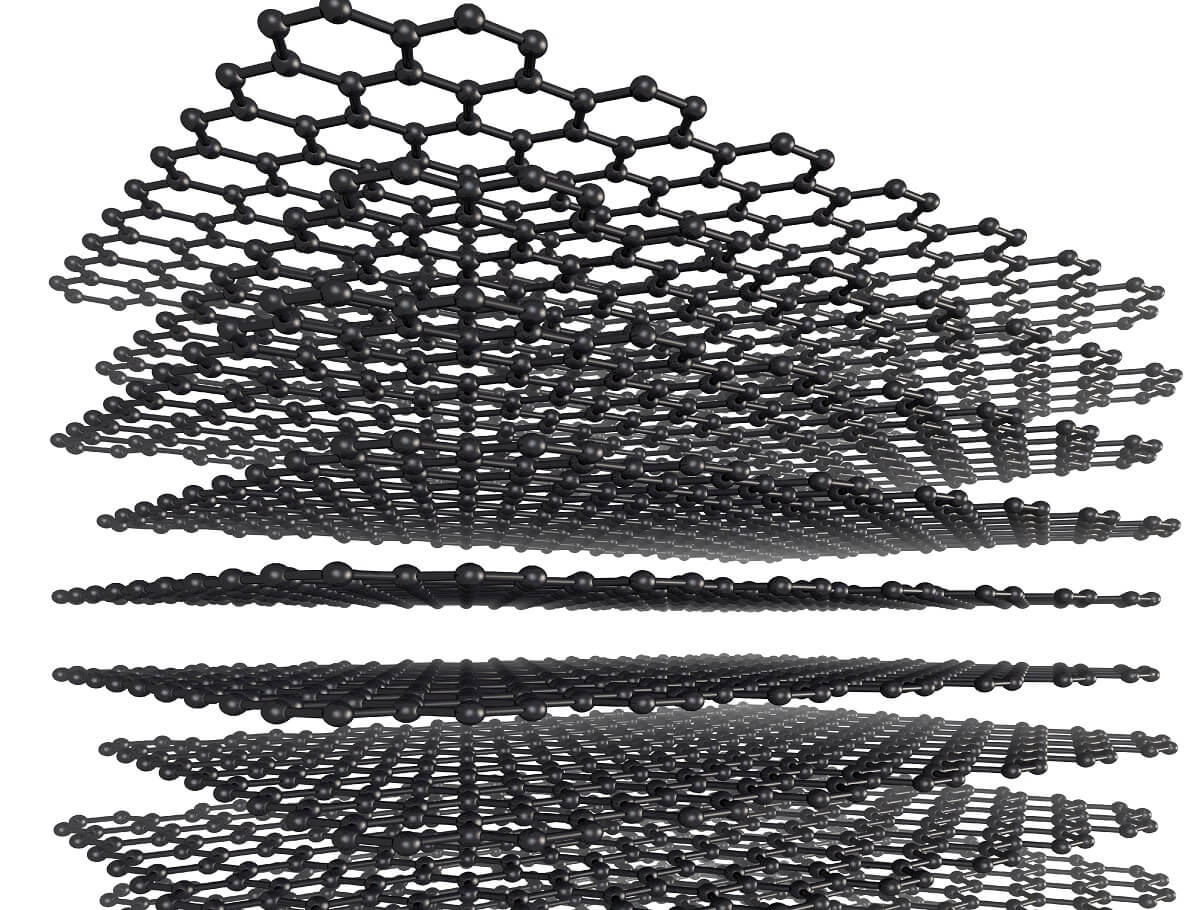
Graphene is an ultrathin 2D material that possesses incredibly unique properties. It is the thinnest, strongest material known to exist and can conduct heat and electricity better than perhaps any other material. However, it is difficult to translate graphene’s 2D strength into useful 3D applications, like sensors. In response, researchers have been figuring out how to manipulate graphene to create three-dimensional representations of it.

“Graphene is a 2D material, like a sheet of paper,” explained Dr. Liao. “When one assembles these tiny sheets in a three-dimensional form, like a sponge, it becomes cellular graphene, also known as graphene foam or graphene sponge. Cellular graphene are structures deliberately designed and processed from graphene sheets. This kind of meta-material has properties that can be actively designed for a variety of applications.”

One application that cellular graphene is particularly well suited for is strain and pressure sensing. By converting very small changes in pressure into larger, significant changes in an electrical current, pressure sensors have a wide range of applications. They are used in a number of personal devices and biomedical devices, and for industrial monitoring, navigation, and ultrasonic imaging.

“Cellular graphene is an extremely promising candidate material for the type of flexible, wearable and ultra-sensitive strain and pressure sensors needed to support emerging applications, particularly in healthcare technology,” Dr. Liao shared. “For example, strain and pressures sensors with high sensitivity and a large sensing range are critical for the accurate measurement of human physiological parameters, such as subtle microcirculation dynamics or whole body movements.”

“Traditional metal-based strain and pressure gauges do not satisfy these emerging requirements because of their outdated design and less effective sensing mechanisms. Therefore, nanomaterials like carbon nanotubes, graphene, and metallic nanowires and nanoparticles, have been applied in the design and fabrication of novel strain and pressure sensors over the last few years.”

The demand for smaller, more sensitive and more reliable strain and pressure sensors that may be incorporated into emerging technologies like biomedical sensors is growing rapidly. The worldwide pressure sensor market is pegged to reach US$11.4 billion by 2024.

Dr. Liao’s paper aims to uncover some of the major challenges currently facing the development of cellular graphene-based strain and pressure sensors, which include issues of precise control of the cellular structure, as well as achieving durability and stability.

The paper is a significant contribution to the research community and to the advancement of cellular graphene-based sensors, as it consolidates the most recent research findings from around the world and critically analyzes a spectrum of different cellular graphene fabrication processes, systematically comparing the fabrication method against the materials’ strain and pressure sensing performance.

The process of synthesizing, analyzing, designing and developing pressure and strain sensors with cellular graphene.

The review paper is a result of the research work that has been carried out by Dr. Liao’s research group over the past few years. The main research interest of his group is 2D and 3D assembly of heterogeneous two-dimensional materials (including graphene), and their advanced applications in strain- and pressure-sensing, electromagnetic interference shielding, and electrochemical energy storage. Currently a team lead by Dr. Liao and Dr. Rashid Abualrub, Interim Chair and Professor of Aerospace Engineering, is developing cellular graphene lattice, or intricately designed microstructures built by graphene sheets, derived from 3D printed scaffolds.

Most importantly, the paper points out that future research efforts should focus on in-depth understanding of structure-property-function correlations of cellular graphene-based sensors and generalization of design principles to be applied during fabrication of other 2D materials-based sensors. (“Structure” refers to whether the cellular graphene consists of struts or spherical cells or cells of other geometry, in micrometer scale; “property” refers to thermo-electro-mechanical properties that depend on or are derived from a specific structure of the foam, such as a closed spherical cell structure; and “function” refers to how those properties can be utilized to make something useful, such as sensors.)

The potential applications of cellular graphene and 2D materials are diverse. Thus, Dr. Liao’s review will benefit a broad range of researchers in the UAE and around the world on future research directions in strategic areas not only in strain sensing and biomedical applications but also in energy storage.

Erica Solomon
Senior Editor
13 November 2019

Predicting Permeability in Middle Eastern Carbonate Using Machine Learning

Modern oil geologists examine surface rocks and terrain, using sensitive gravity meters to measure tiny changes in the Earth’s gravitational field that could indicate flowing oil, and electronic noses to “sniff” for the smell of hydrocarbons. Most commonly, they use seismology, creating shock waves that pass through the rock layers and interpreting the waves that are reflected back.

Finding oil beneath the Earth’s surface is one thing; extracting it is another. Hydrocarbon exploration is an expensive, high-risk operation. Hydrocarbons formed in source rock migrate to a reservoir rock, commonly a porous limestone or sandstone. The hydrocarbons collect in the pores in the rock (the more porous, the more oil) and extracting them requires the reservoir to be permeable so hydrocarbons can flow to the surface during production.

If a potential area lacks sufficient porosity or permeability, it may not be economically viable to extract the contained hydrocarbons.

Accurate estimations of petrophysical properties are critical for oil reservoir characterization with direct impact on reservoir management and enhanced oil recovery strategies. In work presented at the Abu Dhabi International Petroleum Exhibition and Conference (ADIPEC) 2019, KU’s Dr. Moussa Tembely, Research Associate, applies advanced artificial intelligence (AI) techniques to predict the petrophysical properties of complex carbonate rock. Once trained on thousands of high-resolution images, the AI-based model was able to reduce the computation time into seconds instead of days for classical direct simulations.

Reservoir models are built upon measured and derived petrophysical properties to estimate the amount of hydrocarbons present in the reservoir, the rate at which that hydrocarbon can be produced to the Earth’s surface through wellbores, and the fluid flow in rocks. Geological descriptions are normally obtained from thin-section photomicrograph analysis, but in carbonates like limestone and dolomite, which make up the geological landscape of the Middle East, reservoir heterogeneity complicates efforts to establish rock types.

The mineralogy, organic content, natural fractures, and other properties vary from reservoir to reservoir in this region.

“Characterizing complex rocks, such as carbonate, is still very challenging due to intrinsic heterogeneities occurring at all scales of observation and measurement,” explained Dr. Tembely.

A major application of petrophysics is in studying reservoirs for the hydrocarbon industry. The rock properties of the reservoir are investigated, particularly how pores in the subsurface are interconnected and control the accumulation and migration of hydrocarbons.

“The permeability is one of the most significant petrophysical properties for reservoir rock,” explained Dr. Tembely. “It is essential in targeting a desired commercial oil and gas production rate.”

Permeability is a measure of the ability of a rock to allow fluids to pass through it and relates to pore interconnectivity. If a rock has sufficient porosity and permeability that oil or gas can flow through it, it can potentially serve as a reservoir.

Apart from core analysis, formation testing is so far the only tool that can directly estimate a rock formation’s permeability. Where this is absent—as in most cases­—an estimate for permeability can be derived from empirical relationships with other measurements such as porosity, nuclear magnetic resonance and sonic logging.

“Correctly predicting subsurface flow properties is critical in many applications, ranging from water resource management to the petroleum industry,” explained Dr. Moussa Tembely. “To address this, we apply machine and deep learning to quickly and accurately compute petrophysical properties based on micro-CT images without any computationally intensive procedures.”

Digital Rock Physics (DRP) allows reservoir rock characterization to take place away from the reservoir site. High-resolution images of the rock’s pores and mineral grains are obtained and processed, and the rock properties are evaluated at the pore scale. Micro-plugs are drilled and high resolution micro-CT images are recorded, processed and analyzed to generate 3D digital rock models. Users of DRP look for total porosity and absolute permeability, among other reservoir properties.

Simulations at the pore scale can be classified into two categories: pore-networking modeling (PNM), and direct modeling, which includes the lattice Boltzmann method (LBM).

“The pore network modeling approach is widely used for fast computation of flow properties, albeit with less accuracy due to the inherent simplification of the pore space,” explained Dr. Tembely. “Alternatively, direct simulation using computational fluid dynamics, such as the lattice Boltzmann method, is very accurate. However, its high computational cost prevents this approach from including all the relevant flow physics in a single simulation.”

Innovations in machine learning accelerate the pace of any sector and artificial intelligence has already been applied to petroleum engineering. Previously, most applications were concerned with rock typing, production, and drilling optimization, while few works were devoted to the direct prediction of petrophysical properties using 3D micro-CT images. One model has been used to predict permeability using the PNM approach, which is not reliable enough to provide an accurate estimation.

“After assessing numerical techniques ranging from PNM to the LBM, we established a framework based on machine learning for fast and accurate prediction of permeability directly from 3D micro-CT images of complex Middle East carbonate rock,” said Dr. Tembely. “We used thousands of samples from which engineered features are fed into both shallow and deep learning algorithms to compute the permeability. In addition, we have a hybrid neural network accounting for both the physical properties and 3D raw images. Our model is accurate and much faster than the lattice Boltzmann method.”

Using images of complex carbonate rock from the Middle East, Dr. Tembely and Dr. Ali Alsumaiti from the Abu Dhabi National Oil Company (ADNOC) compared three numerical techniques used to simulate flow properties: PNM, the finite volume method, and a voxel-based method of the LBM. The PNM technique was used to extract porosity and permeability data, while LBM direct simulations were performed to compute the permeabilities of all samples. This data was then fed into supervised shallow and deep learning models to train the machine learning technique to compute permeability.

Despite only being trained on a small subset of 3D images, the machine learning technique was able to estimate the permeability of a larger sample in less than a second—in very good agreement with the result obtained by LBM in a day of simulation. Dr. Tembely’s algorithm accurately estimated complex and heterogeneous rock petrophysical properties within a 3 percent margin of error.

“With our data-driven workflow, simulations that could take days would only need a few seconds when a trained network is used,” said Dr. Tembely. “Combining deep learning and rock imaging and modeling has great potential in reservoir simulation and characterization to swiftly and accurately predict petrophysical properties of porous media.”

Jade Sterling
News and Features Writer
14 November 2019

New Computer Model Could Help Boost Oil Production from UAE’s Tight Oil Wells

Model Helps Make Better Predictions about Mechanics of Acid Fractured Horizontal Wells and Oil Flow

Fracturing, commonly known as fracking, is frequently used to enhance oil and gas production from underground hydrocarbon reservoirs. Fracking allows access to vast quantities of previously unreachable unconventional hydrocarbon resources and therefore is being adopted by regional oil and gas producers to unlock oil and gas deposits. For instance, the Abu Dhabi National Oil Company (ADNOC) saying fracking will be critical to future production.

To support ADNOC’s ambition to explore new sources of oil and gas, researchers at Khalifa University, Dr. Talal Al Hajeri and Dr. Mohamed Motiur Rahman, have developed a new computer model that could potentially boost oil production from unproductive, or ‘tight’, carbonate reservoirs by making better predictions about the mechanics of acid fractured wells and how oil flows through them.

The model was described recently by Dr. Talal Al Hajeri, Director Engineer of the UAE Navy Task Force and PhD student from KU, during a technical seminar at the 2019 Abu Dhabi International Petroleum Exhibition and Conference (ADIPEC).

“The main objective of this work is to study the behavior of injected hydrochloric acid and oil flow from a horizontal well with multi-stage acid fractures,” explained Dr. Al Hajeri.

Horizontal wells, which are created by horizontal drilling, combined with acid fracturing, allow oil companies to access previously non-viable reservoirs. In conventional vertical wells, a single acid fracture is used, but in horizontal wells, multiple acid fractures are required.

“Our research looks at the acid flow behavior in multiple fractures created hydraulically in horizontal wells, and the flow of the oil after the fracturing. We have created an integrated model that simulates five different stages of fractures, along with other dimensions, such as well geomechanics and operational constraints. The model then generates the post-fractured oil flow and production yields,” Dr. Al Hajeri said.

Because fracturing takes place underground, using advanced computer models to simulate the fracturing mechanics is critical to understanding and improving the process. Dr. Al Hajeri and Dr. Rahman’s work will contribute to advanced well simulation techniques of acid fracturing that are representative of actual field applications.

Acid fracturing is one of two types of fracturing methods used to exploit tight and ultra-tight (or low permeability) oil formations underground. In carbonate rock formations, such as limestone and dolomite, which make up the geological landscape of the Middle East, acid fracturing is common. Whereas in sandstone formations, hydraulic, or proppant, fracturing in used.

Both techniques involve injecting high-pressure liquids into an oil or gas rock formation to create a flow channel through which hard-to-reach hydrocarbons trapped in porous rocks can flow to the surface.

Hydraulic fracturing involves pumping high-pressure liquids (like water) mixed with a proppant (such as sand) into a well to crack the rock open (the proppant is used to keep the cracks open). While acid fracturing involves pumping high-pressure acids (like hydrochloric acid) into a well to etch channels in the rocks (in acid fracturing, the acid keeps the channels open).

Before fracking can begin, reservoir modelling is key to improving productivity, as it allows operators to better understand their resources, the area they’ll be working in, and the best locations to drill. Even more helpfully, whether acid fracking or hydraulic fracking should be used can also be determined digitally.

“Determining the type of stimulation technique for a formation is completely dependent on instinct, logic, and experience,” said Dr. Al Hajeri. “Moreover, choosing between hydraulic or acid-based fracturing may be subject to regulations, environmental, or even geological criteria.”

Modelling can help make this decision. Computational fluid dynamics (CFD) is a branch of fluid mechanics that uses numerical analysis and data structures to analyze and solve problems involving fluid flows. Computers are used to perform the calculations required to simulate the free flow of the fluid, and the interaction of the fluid with surfaces defined by boundary conditions. The researchers used the Autodesk Fusion 360 software to initiate the vertical and horizontal fractures before using CFD to model the flow inside the fracture itself. There are several studies using various CFD software to investigate hydraulic fracturing but these involve the application of proppant, not the use of an acid.

“The issue with using CFD software for acids compared to proppant is that the properties of acid are normally not included in the CFD directory compared to the mechanical properties which can be added for solid flow,” explained Dr. Al Hajeri.

The researchers focused on a preliminary simulation to model acid fracturing in a carbonate formation. They combined two of the most common hydraulic fracture models: the 2D fracture geometry model known as the Perkins-Kern-Nordgren (PKN) model and the pseudo 3D fracture geometry model. The outcomes of this combined model will assist in upscaling simulations to 3D models with field values from existing wells, adding validity. Further developments with fracture simulation can be carried out for horizontal fractures to understand how the area around the fracture will be affected.

“One of the challenges of acid fracturing in carbonates is related to layering where it is important for the induced fracture not to propagate into adjacent undesired layers,” said Dr. Al Hajeri. “The CFD simulation gives a visual representation of acid and oil flow inside a fractured formation and how fluid flow properties affect the development of acid turbulence inside the fracture and along the fracture walls. Additionally, the fracture widening for a horizontal fracture is simulated to model the stress intensity on fracture growth and the displacement of the mesh elements.”

“Our simulation can show the behavior of two fracture models and their relative geometries where most realistic formation constraints and requirements are incorporated. If the model is integrated properly with production models for designing an acid fracture, this can predict the production profile in a much better way than any existing model in the industry.”

Jade Sterling
News and Features Writer
18 November 2019