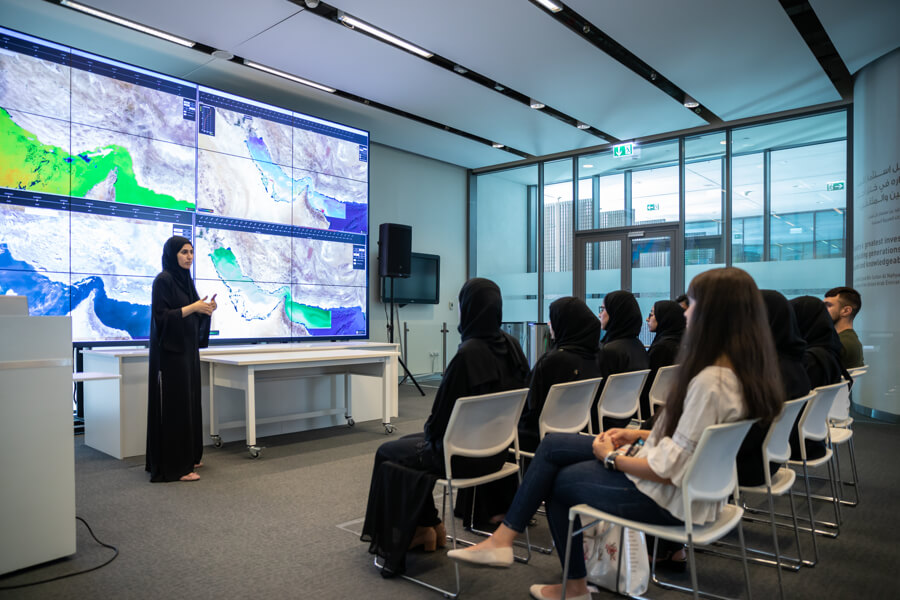
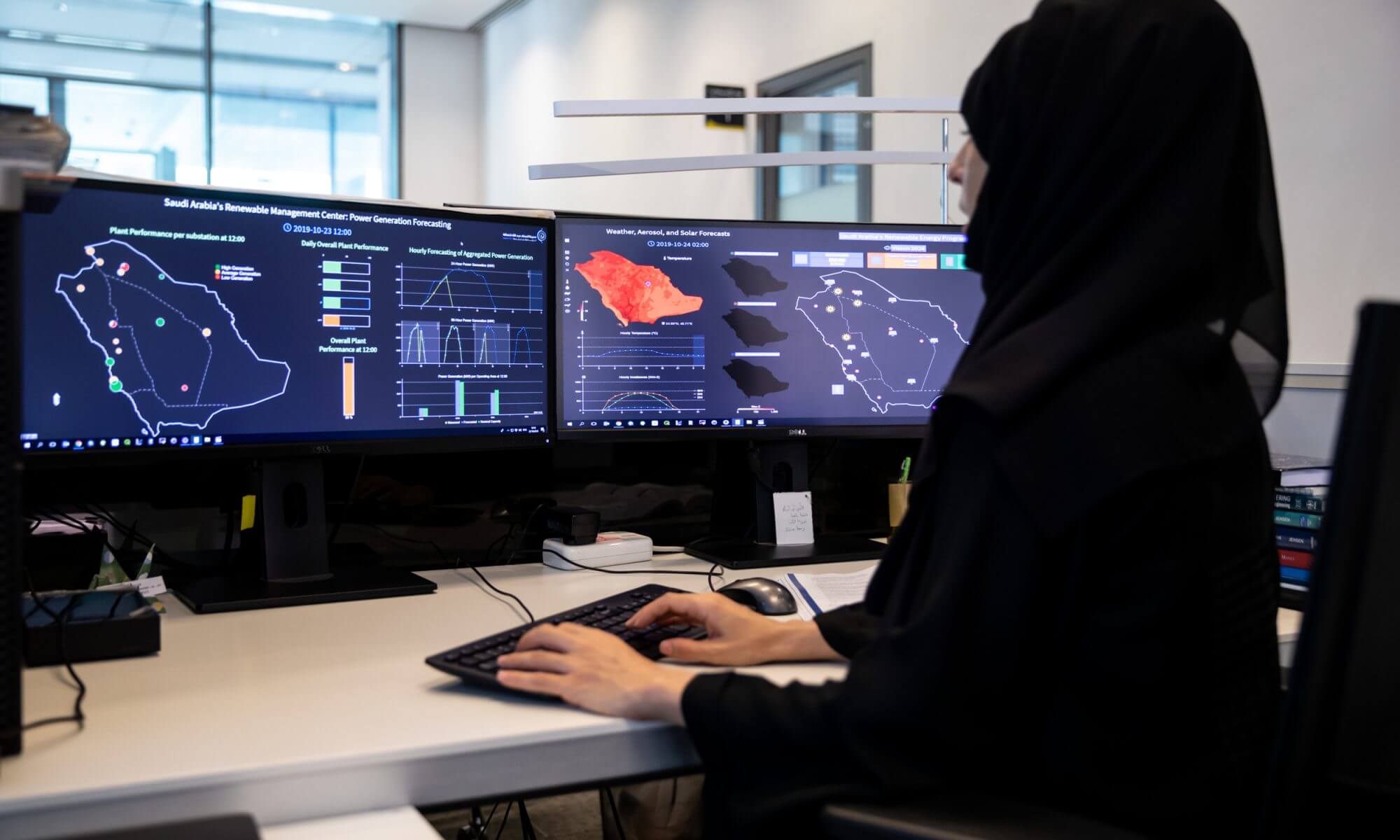
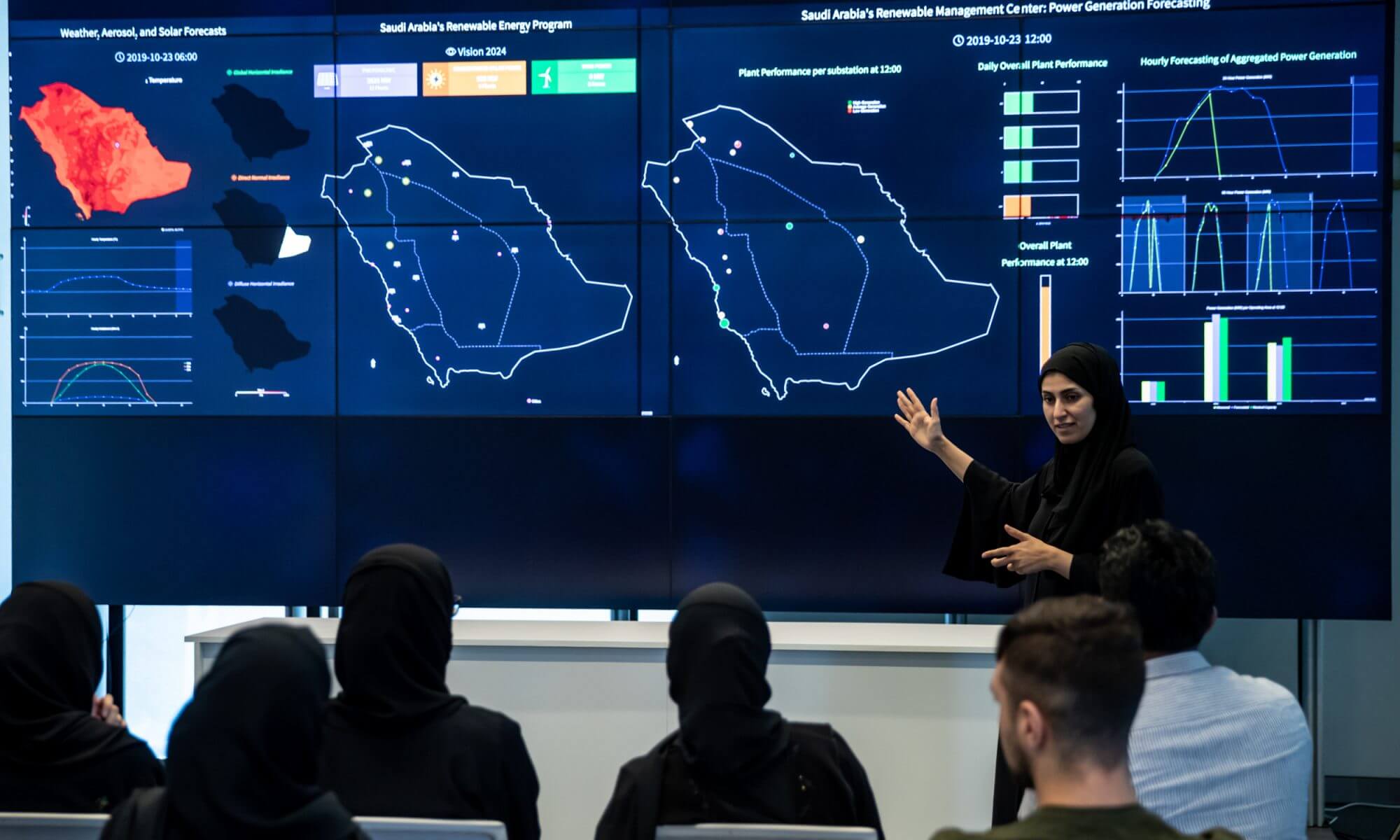
ABU DHABI: The Masdar Institute of Science and Technology (MIST), an independent, research-driven graduate-level university focused on advanced energy and sustainable technologies, announced on Tuesday that its Research Centre for Renewable Energy Mapping and Assessment (ReCREMA) has developed a mobile application to access satellite maps of wind and solar energy resources in the UAE.
Dr Fred Moavenzadeh, President, Masdar Institute, said, “The mobile application reflects our commitment to innovation that makes clean energy resources available in the digital arena. With the support of the UAE leadership, we have evolved into an institution that contributes to developing digital tools in future energy.”
Innovative App Uses Smartphone GPS and Unique Algorithm to Make UAE Solar Information More Ubiquitous and Easy to Use
The Masdar Institute of Science and Technology an independent, research-driven graduate-level university focused on advanced energy and sustainable technologies, today announced that its Research Center for Renewable Energy Mapping and Assessment (ReCREMA) has developed a mobile application to access satellite maps of wind and solar energy resources in the UAE.
Initiatives Further Propel University’s Status as Region’s Prominent, Highly-Preferred and Top-Ranked Academic Institution
Milestone agreements to expand collaborations with national and international partners, pioneering research innovations that have led to commercialization license to benefit the community, new academic programs, and fresh inroads into developing medical professionals to support the regional healthcare ecosystem were some of the key highlights for Khalifa University of Science and Technology during the year 2019.
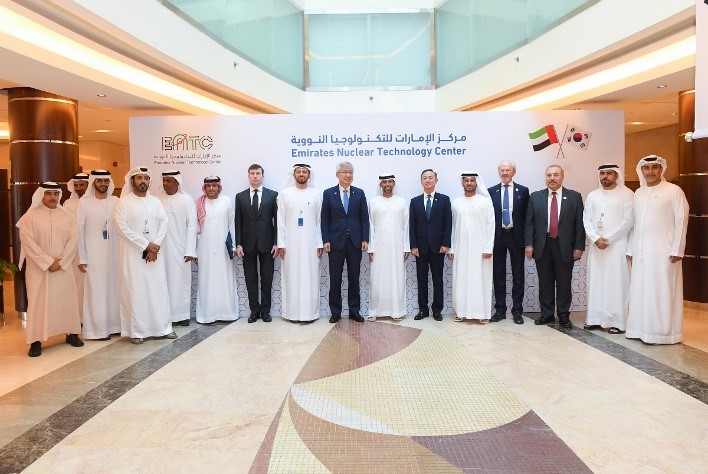
The launch of the Emirates Nuclear Technology Center (ENTC) at the Sas Al Nakhl campus, in collaboration with stakeholders including Emirates Nuclear Energy Corporation (ENEC) and the Federal Authority for Nuclear Regulation (FANR), marked a key milestone moment for Khalifa University’s contribution to enhancing the UAE’s nuclear technology research capability.
The new Emirates Nuclear Technology Center will support research, innovation and capacity building in the UAE’s peaceful nuclear energy industry. An MoU between UAE’s Ministry of Energy and Industry and Korea’s Ministry of Foreign Affairs outlines the framework of cooperation on research projects between the center’s relevant partners, which include ENEC and FANR.
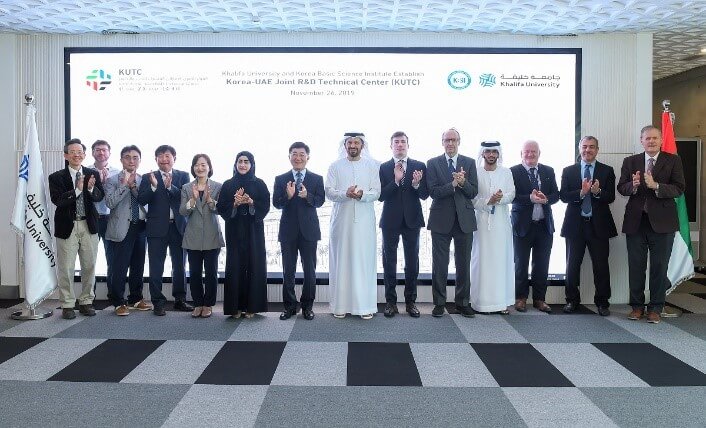
An agreement with Korea Basic Science Institute (KBSI), to launch the Korea-UAE Joint R&D Technical Center (KUTC) to promote scientific exchange between the two countries, was another step that solidified the existing collaboration with Korean institutions.
The KUTC is supported by the Korea Ministry of Science and ICT. It will initially cover areas including advanced materials in energy, oil/gas, and catalysts, as well as characterization of semiconductor materials and devices, in addition to materials for bio-medical and energy applications.
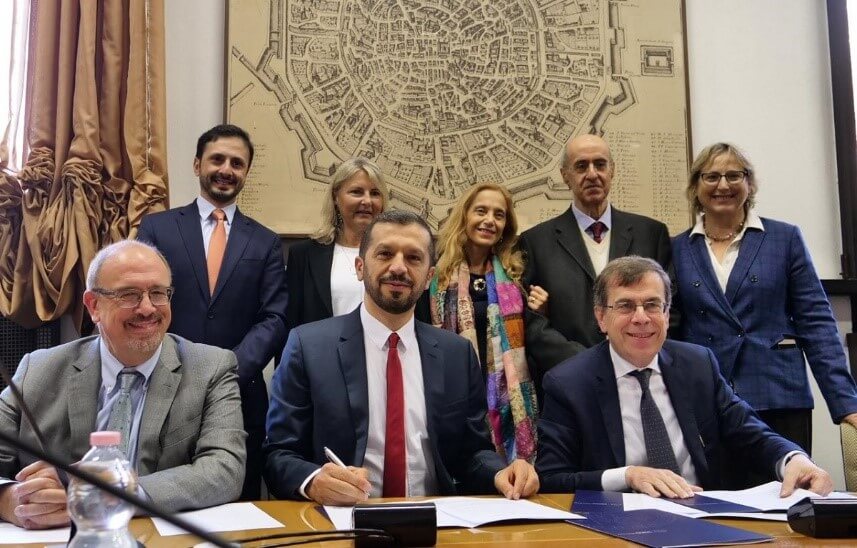
Khalifa University, the University of Milan and the Scuola Superiore Sant’Anna (SSSA) of Pisa signed an agreement to set up a Joint Lab for Embodied Artificial Intelli-gence that will be physically located within the University’s Artificial Intelligence and Intelligent System Institute (AI Institute) in Abu Dhabi, enabling AI applications to medical research with the strength of Milan in life sciences and of SSSA in bio-robotics.
The Joint Lab for Embodied AI, which also involves the Scuola Superiore Sant’Anna of Pisa, will represent the first operational Unimi Laboratory outside Italy. The Lab stems from the long-lasting collaboration between Khalifa University and Scuola Superiore Sant’Anna, and will represent the physical hub of the cooperative relationship among the three Universities, each contributing their different but complementary expertise – Khalifa University in artificial Intelligence, Scuola Superiore Sant’Anna of Pisa in bio-robotics, and University of Milan in life sciences.
Dr. Arif Sultan Al Hammadi, Executive Vice-President, Khalifa University of Science and Technology, said: “Our excellent track-record continued during the year 2019 especially in new initiatives, international collaborations, global academic rankings as well as faculty and student achievements. We believe as a top-ranked research-intensive university focusing on science, engineering and medical fields our contributions to building new capacities, creating intellectual capital and registering new milestones will remain on track in the years ahead as well.”
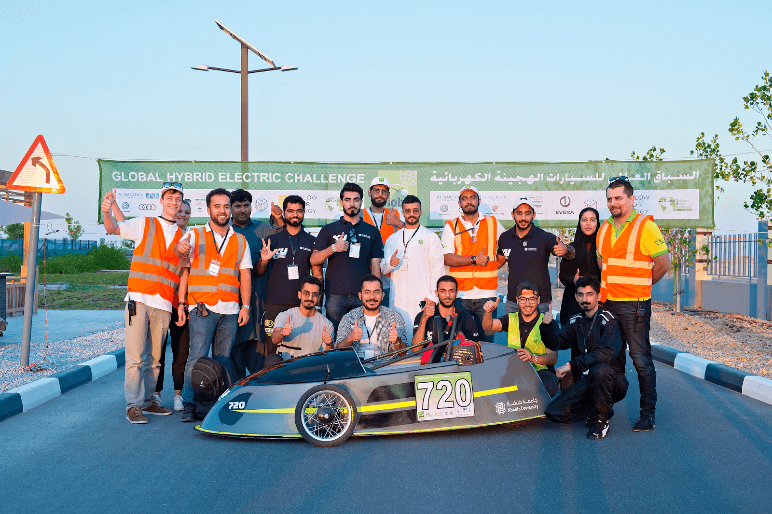
A string of laurels came the Khalifa University way when the students won top position overall, first position in electric Grand Prix, and second position in the Hybrid Electric categories at the Global Hybrid Electric Challenge in UAE (GHEC-UAE) 2019. Khalifa University’s two student teams also won awards for Best Sportsmanship, Best Workmanship, Best Technical Report, Best Presentation, Best Technical Innovation, and for Best Usage of 3D-Printing.
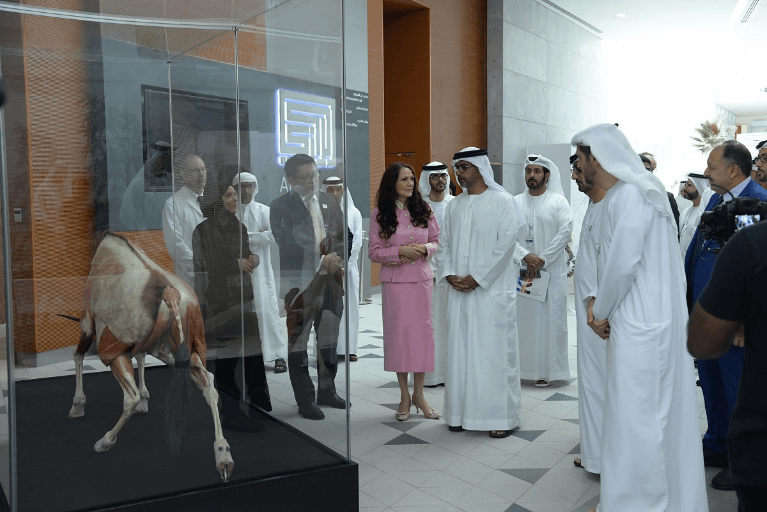
A White Coat Ceremony marked the start of Fall 2019 classes for the newly enrolled first cohort of 30 students at the College of Medicine and Health Sciences. ‘The Body Museum’ – the region’s first-ever Body Worlds Exhibition, a traveling exposition of dissected and ‘plastinated’ human bodies, was inaugurated at the Main Campus on the same day. The exhibition that will remain open until March 2020, offers free entry for school and university students with their family members.
Reiterating its role as a leading academic institution that continues to support the UAE’s growing space sector, Khalifa University presented its first-ever honorary doctorate degree to the UAE astronaut Hazza Al-Mansoori in recognition of his historic achievement, during the Class of 2019 graduation ceremony that celebrated the academic success of 408 bachelors, Master’s and PhD students.
New agreements with leading industry stakeholders signed during Dubai Air Show 2019, the premier global aviation event held at the Dubai World Central (DWC), marked Khalifa University’s continuously expanding status in research and innovation. These include a collaboration with Etihad Aviation Training for a three-year study to develop innovative and more engaging training procedures, drawing upon neuro-cognition, to train the next generation of airline pilots.
KU and Etihad Aviation Training link up to improve airline pilot training programs
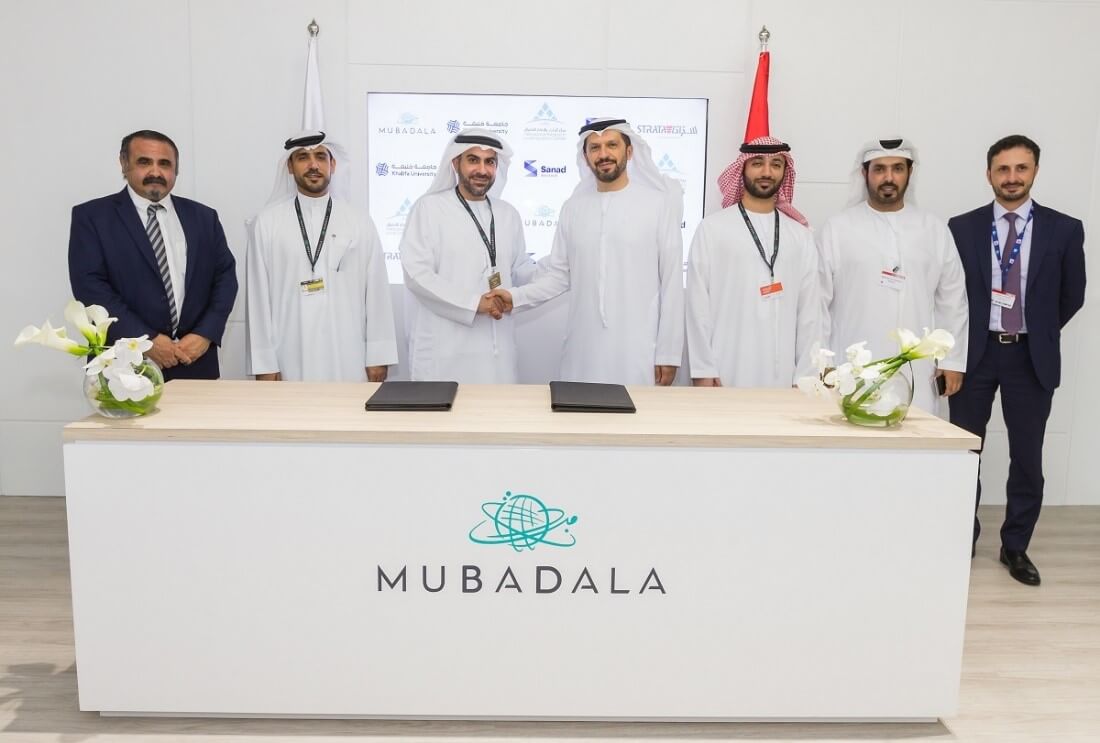
Also during the Dubai Air Show 2019, Mubadala Investment Company, Abu Dhabi’s sovereign investor, signed an agreement with Khalifa University, extending the industry-leading aerospace R&D collaboration for the Aerospace Research and Innovation Center (ARIC) for another four years, and supporting the UAE’s ambitions for developing a global aerospace hub.
KU’s Aerospace Research and Innovation Center (ARIC) is expanding on its strong foundation to leverage the possibilities of Fourth Industrial Revolution (4IR) and will continue accelerating the development of the UAE’s aerospace industry. Over the past five years, ARIC has completed nine main industry-focused projects, 28 student-led projects involving 65 UAE national students, the emergence of several patented innovations, and more than 30 academic publications in reputed research journals.
Earlier, the university also launched the Artificial Intelligence and Intelligent Systems Institute (AI Institute), and a Program in Artificial Intelligence during the year. The AI Institute aims to bring all the university’s research in robotics, artificial intelligence (AI), data science and information and communication technologies under a single umbrella. The program in AI, first-of-its-kind in the UAE, is available to all undergraduate, graduate and PhD science and engineering students from Fall 2019 semester.
Khalifa University also received accreditation from the UAE’s Commission for Academic Accreditation (CAA) for its Physics BSc degree during the year. The new degree adds to the rapidly growing range of science degrees on offer at the university, including BSc programs in Petroleum Geosciences, Applied Mathematics & Statistics, and Chemistry.
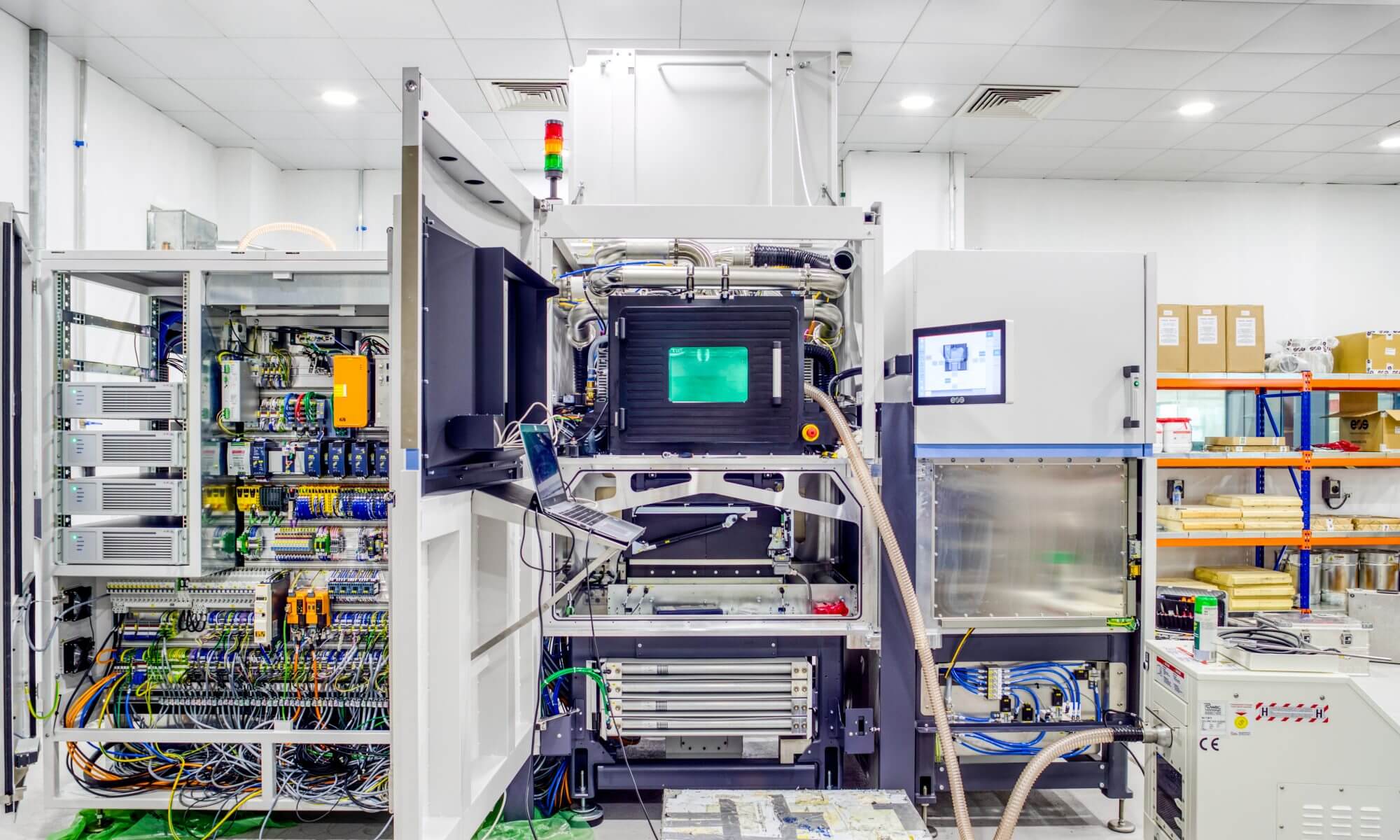
In line with its status as a research-intensive academic institution, Khalifa University launched three new research centers focusing on carbon capture, advanced materials and supply chain logistics, bringing the total number of specialized research centers to 18 across all campuses.
Launched over this summer, the three new research centers include the Research and Innovation Center on CO2 and Hydrogen (RICH), the Advanced Digital & Additive Manufacturing Center (ADAM), and the Center for Digital Supply Chain and Operations Management (DSOM). The research centers are located at the Main Campus and the Sas Al Nakhl Campus, depending on their research focus and association of subject areas.
Khalifa University further expanded its range of international collaborations during the year, entering into a Partnership and Cooperation Memorandum’ with the Global Energy Association to help build academic and research ties between the UAE and Russia across all energy-related areas.
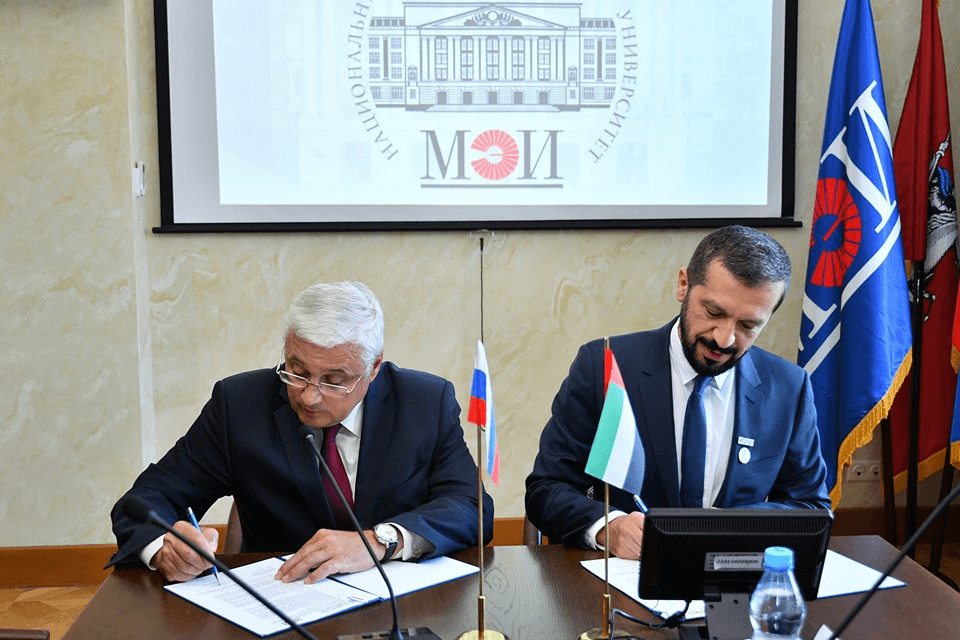
During the Aqdar World Summit in Moscow, Khalifa University and Russia’s National Research University (Moscow Power Engineering Institute – MPEI), signed an MoU to establish a joint research program in power and energy-related fields to bring together multidisciplinary scientists, experienced engineers, talented students, industrial partners, and stakeholders. Globally, Khalifa University already has collaborations agreements with Chinese, Japanese, Korean, Russian and other European academic institutions.
The joint research partnership between KU and Moscow Power Engineering Institute will enhance the ongoing industrial capacity cooperation between the UAE and the Russian Federation, while fostering the high-caliber human capital development in both countries.
Also during the year, a research collaboration with the University of Manchester resulted in the publishing of the third scientific paper on developing graphene-based membranes for desalination in the Journal of Membrane Science. Additionally, the Swedish solar energy company Azelio partnered with Khalifa University and Masdar to run a pilot project to evaluate and demonstrate Azelio’s Stirling engine systems and integrated thermal energy storage (TES) solution for renewable energy projects that use photovoltaic solar, concentrated solar power (CSP) and wind energy, or projects that provide off-grid solutions.
In another first, a group of Khalifa University researchers led by Dr. Habiba Al Safar, Acting Associate Dean for Student Affairs, College of Medicine and Health Sciences, Associate Professor at Department of Genetics and Molecular Biology, and Director of Khalifa University Center for Biotechnology, and Dr. Guan Tay, Associate Professor, Biomedical Engineering, successfully completed the Whole Genome Sequencing (WGS) on two UAE nationals. The project provides a starting point for constructing a UAE reference panel that will lead to improvements in the delivery of precision medicine, quality of life for affected individuals and a reduction in healthcare costs.
Meanwhile, researchers from Khalifa University’s Emirates ICT Innovation Center (EBTIC) won two honors at the AI and Machine Learning Awards 2019 in London – ‘Outstanding AI/ Machine Learning Project’ and ‘Most Innovative use of AI/Machine Learning’ – for developing a cutting-edge tool called Intuitu. The AI-based tool Intuitu optimizes the deployment of warehouses for large service organizations such as telecommunications companies.
Moreover, Dr. Ibrahim Elfadel, Professor, Electrical and Computer Engineering, showcased the first ever successful body-coupled communication transceiver that transmits and receives information using human skin as a communication medium at the 41st Engineering in Medicine and Biology Conference in Berlin.
Furthering industry-academia collaborations, Khalifa University partnered with DarkMatter Group, the region’s first and only fully integrated digital and cyber transformation firm, for the US$1.5-million Cyber Security Research Award (CRA). The award focuses on generating ideas that will safeguard the world’s smart cities against the cybersecurity threats of tomorrow.
Khalifa University will be proudly hosting the US$5-million Mohammed Bin Zayed International Robotics Challenge (MBZIRC), one of the world’s largest and most prestigious AI and robotics competitions, in February 2020. Designed to further advance innovation in robotics and artificial intelligence, the international biennial challenge will select 34 robotics teams from top universities around the world to compete in Abu Dhabi for a three-day event that will test the innovation and science and engineering skills.
More than 200 students from Khalifa University successfully interned within the UAE at various government organizations, private sector enterprises, and leading multinational corporations, as well as across the world at renowned scientific research institutions, universities, and major companies as part of the 2019 Summer Internship program.
Over 40 organizations located in the UAE and 20 international organizations across the world, as well as some of the Khalifa University research centers and facilities hosted these interns throughout the summer for the internship program.
In global recognitions, for the first time, the university became the only institution in the UAE to be ranked in the prestigious Shanghai-based Academic Ranking of World Universities (ARWU). The ARWU Global Ranking of Academic Subjects 2019 placed Khalifa University in the top 100 leading universities in Chemical Engineering and the world’s top 150 universities in Mechanical Engineering.
More recently, Khalifa University was ranked top in the UAE in the 2020 edition of the Best Global Universities rankings by the US News & World Report, the global authority in education rankings, which evaluated over 1,500 universities in 81 countries. In Subject rankings, the university was placed #114 in ‘Engineering’ in general, and #123 in Electrical and Electronic Engineering.
In other rankings, Khalifa University topped in the UAE, came second in the Middle East and North Africa (MENA) region and was listed within the top 200 globally in the most recent Times Higher Education (THE) World University Rankings 2020 by Subject: Engineering and Technology, which covered more than 1,000 Universities from 70 countries. The University is also ranked first in the fields of ‘research’ and ‘industry income’ – strong indications of its research status. Moreover, it is ranked 28th among Asian universities in the THE Asia Universities ranking, while remaining among the top 31% of the 1011 global institutions assessed by the 2019 Quacquarelli Symonds (QS) World University Rankings.
The launch of the UAE Wind Atlas by Masdar provides public access to complex UAE wind maps. This allows wind energy investment decisions based on hard data.
The KU Hybrid Electric Vehicle Team was the overall champion of the UAE’s Global Hybrid Electric Challenge (GHEC-UAE) held on 21-23 November 2019, where the team won first place in the Electric Vehicle Grand Prix competition and won second place in the Hybrid-Electric Grand Prix (HE-GP) competition.
The GHEC-UAE is an international collegiate competition that promotes education, energy efficiency, and environmental consciousness. The primary goal of the competition is to provide a hands-on environment where students apply what they learn in the classroom to develop real-world solutions.
The competition has two phases. The first phase is the Electric Grand Prix (E-GP) where teams drive their electric vehicles as far as possible for an hour on a closed-circuit track using only energy stored in the vehicles’ batteries. The team with the longest distance traveled during this period wins the E-GP competition. The second phase is the Hybrid-Electric Grand Prix (HE-GP) where teams use petrol to increase their vehicles’ range and run as far as possible in a period of three hours on the closed-circuit track. The team with the longest distance traveled in the three-hour duration wins the HE-GP. The combined results of the two competitions decide the overall challenge winner.
The KU Hybrid Electric Vehicle Team also won the following special awards in the challenge:
Best Vehicle Workmanship: awarded to the team that showed the highest attention to detail and quality in constructing the vehicle, both in fit-and-finish, and sturdiness.
Best Use of 3D Printing: awarded to the most creative use of 3D printing in the vehicle.
Technical Innovation Award: awarded to the team that demonstrates a technical innovation above and beyond the basic design.
Sportsmanship Award: awarded to the team that exhibits the highest level of sportsmanship by helping other teams, following the rules and regulations, and abiding by the official decisions.
Faculty advisors were Dr. Bashar El-Khasawneh, Associate Professor of Mechanical Engineering, and Dr. Shakti Singh, Assistant Professor of Electrical and Computer Engineering.
KU Hybrid Electric Vehicle Team Members included:
Abdullah Ayman
Maryam A. Naqi
Asadullah Saeed
Mohamad Mussa Ali
Khaled Alkhoujah
Omar Essa Buabdulla
Khadeeja Aljaberi
Abdula Fawzy
Qasim Eisa Alblooshi
A second KU team, called the KU Oryx Team, wonBest Technical Document forthe best written technical report, and theBest Presentation Award,for the best presentation delivered to to the judges, describing how the team was structured, the process for constructing the vehicle, the challenges faced in the project, and lessons learned.
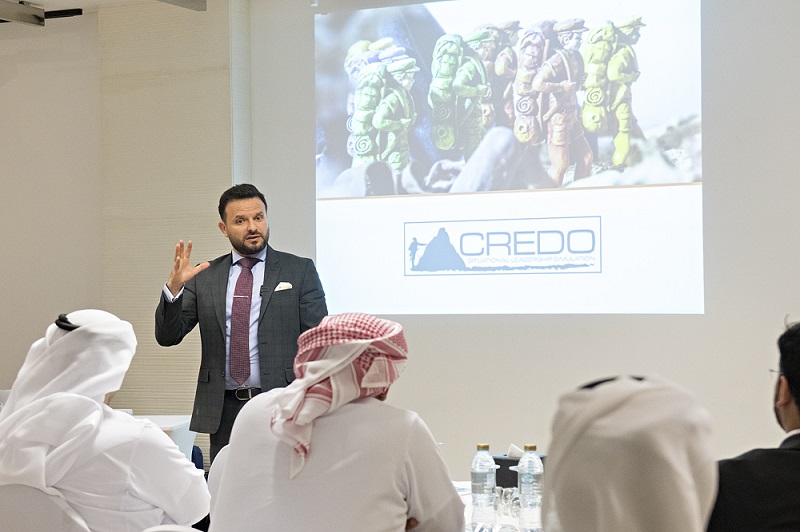
A CREDO™ Board Simulation Leadership Training was organized by the Human Resource Department for employees last December 2019 at Fairmont Bab Al Bahr, Abu Dhabi. Employees were encouraged to take part in an engaging and insightful leadership training session to improve workplace dynamics and team management.
The full-day training session was led by professionals from HNI Training and Coaching, in cooperation with Practex Management Consulting, whose expertise is in delivering soft skills and management programs through simulation-based training. The training is designed to help employees better understand and assess complex or difficult workplace scenarios to enable them to adjust their behaviors in response these scenarios and communicate clearly in a manner everyone involved will understand.
Leadership depends on specific situations and no single leadership style can be applicable to all situations. The CREDO™ Board Simulation Training aims to improve leaders’ and employees’ understanding of situational leadership, focusing on understanding workplace challenges and how different individuals within the team will react to these challenges, and then leveraging this understanding to achieve the team’s goals.
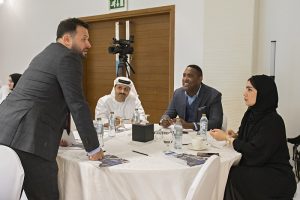
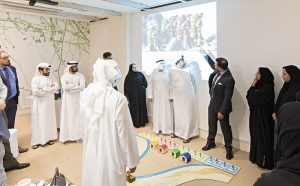
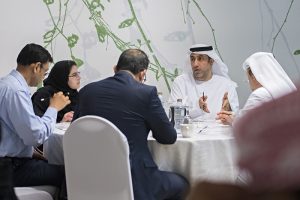
The employees who attended were grouped into different teams and brainstormed solutions for the simulation exercises given. Everyone enjoyed participating in the discussion and team activities as they learned new leadership and management techniques.
ABU DHABI // Masdar has launched a wind atlas designed to further the case for wind farm development in coastal areas and islands of the UAE.
Over the past 10 years, a team commissioned by Masdar has been collecting data on the country’s wind patterns to prompt developers to invest in a technology that is often overshadowed by the falling cost of solar energy.
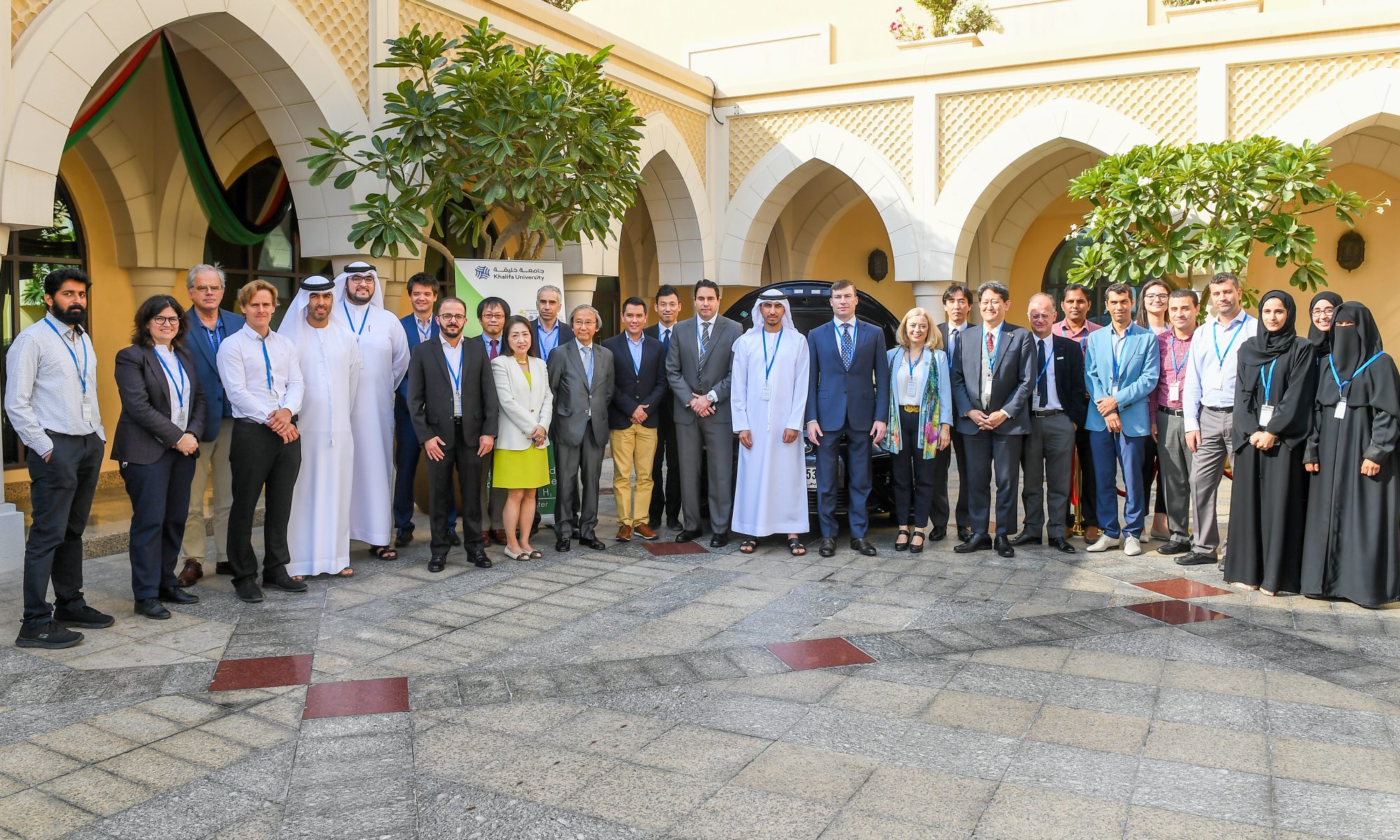
Khalifa University hosted the first UAE-Japan Hydrogen Workshop on 15 December 2019 at Shangri-la Hotel, Abu Dhabi.
Organized by KU’s Research and Innovation Center on CO2 and H2 (RICH), in collaboration with Kyushu University and the Institute of Energy Economics, Japan (IEEJ), the event aims to launch and foster bilateral collaborations between the UAE and Japan in the area of hydrogen supply chain, link the academia with the industry, and define the background for industrial-academia collaborations.
The workshop was attended by Prof. Masakazu Toyoda, Chairman and CEO of IEEJ; Prof. Kazunari Sasaki, SVP of Kyushu University; Kazuma Shibata, Deputy General Manager for Marketing Planning, Toyota Motor Asia Pacific; Prof. Stephen Lyth, Associate Professor, Kyushu University; and Prof. Haiwen Li,
Associate Professor, Kyushu University. Representatives from UAE industry players such as Dr. Mohamed Shahtout, Continuous Movement Manager, Emirates Steel; Dr. Sgouris Sgouridis, Director of Research Programs, Dubai Electricity & Water Authority (DEWA); and Dr. M. Toqan, CEO, ATD also
attended the event.
Some of the topics discussed in the workshop were hydrogen utilization, the role of H2 in the sustainable economy, and hydrogen as a source of energy. Dr. Lourdes Vega, Director, RICH, also led a roundtable discussion on the ‘Present and Future of H2—Way Forward’.
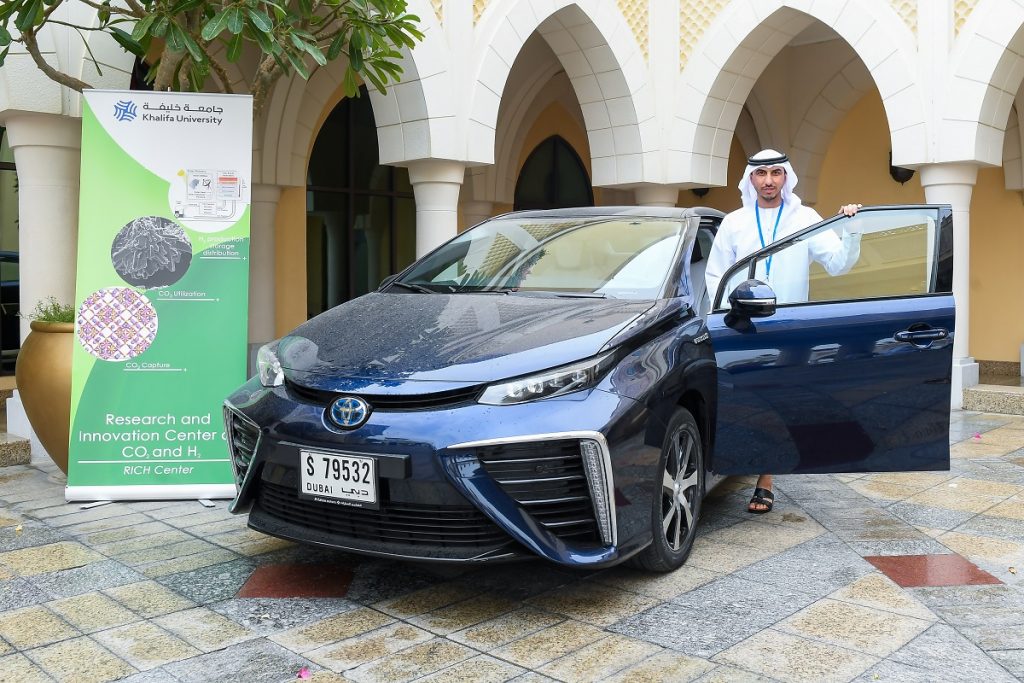
A highlight of the workshop was that Toyota Motor Corporation brought the Toyota Mirai, the company’s fuel cell electric vehicle that is powered by hydrogen. Participants were able to see the vehicle up close and even test ride the car during the event.
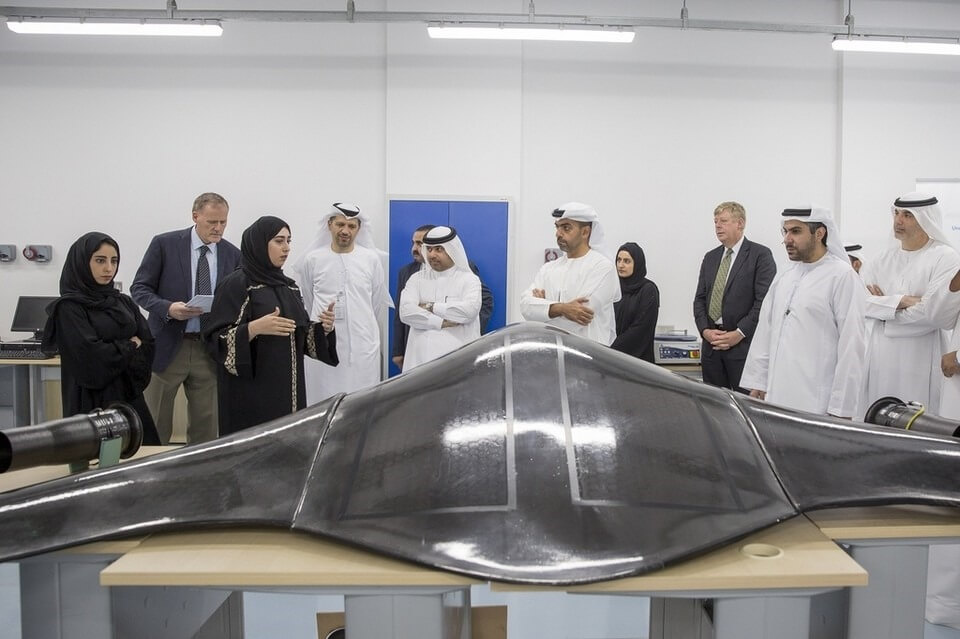
On November 22nd 2015, H.H. Sheikh Hamed bin Zayed Al Nahyan, Chief of the Abu Dhabi Crown Prince’s Court and Chairman of the Board of Trustees of Khalifa University, visited the Aerospace Research and Innovation Center.
During the visit, His Highness met with students working a Senior Design project on an all-composite Tactical UAV project jointly supervised with the Department of Aerospace Engineering. His Highness also viewed other research projects and had discussions with engineers from both ARIC and Strata.
New equipment at ARIC
In March 2016, ARIC took delivery of a Nanotom X-ray Computed Tomography machine from GE. The X-CT equipment will be employed on a number of key projects. For example, the scanner will be used to identify and characterize damage and defects in advanced composite structures and also to understand the mechanisms of fluid flow through porous media, such as fibrous beds.
In May 2016, ARIC took delivery of a Scholz autoclave. This new facility will be used to manufacture panels up to 1.5 meters in size and has a maximum operating temperature of 400 oC. The autoclave will be used to understand the causes of porosity and voiding in aerospace structures and also to manufacture large panels for use in the on-going automation projects within ARIC.
In October 2016 ARIC acquired a robotic arm to further its efforts in developing cutting-edge solutions that can support the future of manufacturing aircraft components in the UAE. The state-of-the-art KUKA robot was recently installed at ARIC’s facility located on Khalifa University’s Abu Dhabi Campus.
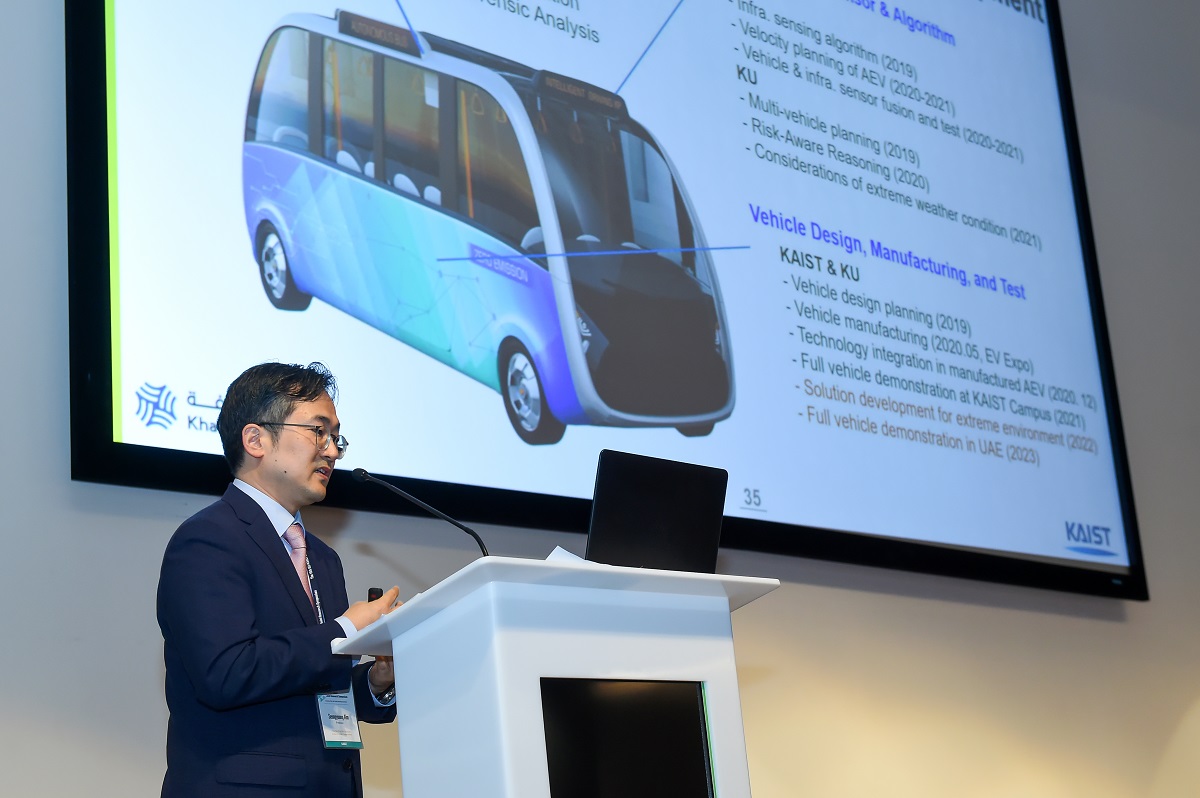
The 10th KU-KAIST Joint Research Symposium was held from 18-19 December 2019 at the Khalifa University Main Campus.
The event is the largest symposium to date between Khalifa University (KU) of the UAE and Korea Advanced Institute of Science and Technology (KAIST) of South Korea. Around 50 delegates from KAIST, including faculty members, research staff, and students, came to the UAE to share and discuss research achievements. The KAIST delegation was led by Dr. Hyunwook Park, VP for Research, Dr. Changheui Jang, Associate VP and Dean of KAI-NEET
Institute, Dr. Jonghyun Kim, Director of KAIST-KU Joint Research Center, and Dr. Sungmin Choi, Chair of Nuclear and Quantum Engineering.
During the symposium, joint presentations were given by KU and KAIST Principal Investigators (PIs) on the 24 ongoing collaboration projects in areas such as Smart Transportation, Smart Health Care, Nuclear Materials, Robotics/Drones, Energy, Chemistry, etc.
The event was offered an important opportunity to discuss the projects, maximize synergetic effects, strengthen the KU-KAIST partnership, and plan strategies moving forward.
Since 2011, KU and KAIST have carried out over 200 joint research projects in various fields. This partnership has reached a milestone in 2019 as Joint Research Centers were launched in the UAE in April 2019 and in Korea in July 2019, further strengthening the ties between the two countries to carry out joint research on technologies that are shaping the Fourth Industrial Revolution.
The next symposium scheduled in 2020 will be hosted by KAIST in South Korea.
A research centre at Masdar is seeking to assess renewable energy available in the UAE and help the country achieve its full potential in sustainable living.
The Research Centre for Renewable Energy Mapping and Assessment was opened three years ago to measure solar radiation on the ground and collect accurate data.
Research Engineer YehiaEissa was a part of the team that created UAE’s solar maps, and he shares with SatellitePro ME, an overview of the two-year exercise that started with studying satellite images at Masdar’s receiving station to creating a model more suited to the unique environmental conditions over the region.



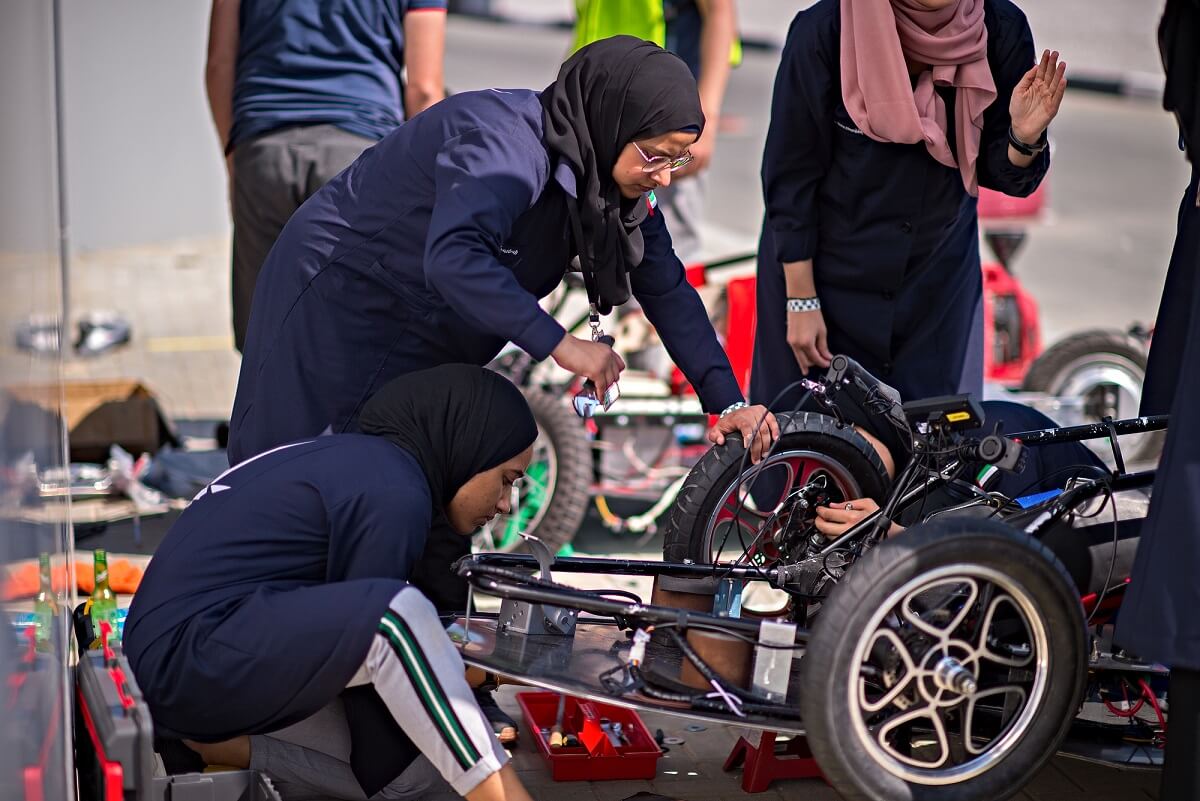
 The GHEC-UAE is an international collegiate competition that promotes education, energy efficiency, and environmental consciousness. The primary goal of the competition is to provide a hands-on environment where students apply what they learn in the classroom to develop real-world solutions.