

How Nature Can Lead the Next Robotic Revolution

Dr. Federico Renda, Assistant Professor of Mechanical Engineering at KU, discusses how robots can use bioinspiration to achieve major breakthroughs. 

Nature is a rich source of knowledge, and present-day human life has undoubtedly progressed because of our ability to be inspired by nature and to then innovate solutions to our problems through biomimicry. Biomimicry is exactly what it suggests: it’s imitating biological systems, features, and elements to solve engineering problems for humans. Biomimicry differs from bionics in that it involves conscious copying of examples and mechanisms from nature, while bionics implements a function.

When we consider that biological systems have been in development for billions of years, it makes intuitive sense to copy the solutions for many different classes of problems that have been provided through optimization of designs adapted to changing conditions on Earth. We’ve looked at nature for answers to our problems throughout our existence—Velcro tape was inspired by the tiny hooks on bur fruits while Leonardo da Vinci based his sketches for a flying machine on bat wings.

Our research and development cycles can be glacial and researchers are realizing that we don’t need to reinvent the wheel—we can copy it. Robots everywhere could use some bioinspiration.

For example, the robots used today to inspect and repair the world’s most critical underwater infrastructure, from sea-floor water pipelines and electrical power cables to offshore drilling platforms and submarines, could use serious improvement. Most commercial underwater robots are bulky and rigid, restricted to travelling only in open stretches of the sea, and sometimes even wreak havoc on sensitive equipment when they navigate too close. Soft robots would offer a much better solution to the complex underwater tasks of the mysterious and largely unexplored subsea world.

My team and I took inspiration from the E. Coli bacteria which use flagella to move seamlessly through fluids. These “tails” are slender, threadlike appendages and have been described as the only known example of a biological “wheel”. They operate as a “system capable of providing continuous propulsive torque about a fixed body” and propel the bacteria through liquids. Our soft robot physically resembles the flagellum and moves in a similar whipping motion; it even mimics the intracellular motor that flagella use to propel forwards, making it capable of continuous locomotion.

A bioinspired robot using a bioinspired propulsion system to effectively navigate the ocean world—just one example of how bio-inspiration is leading the transition from industrial robots, caged in inaccessible spaces within factories, to collaborative robots, machines designed to interact with natural and unstructured environments on the sea, land, and sky.

Biomimicry also extends to taking inspiration from human movement and behavior. My colleagues in the Khalifa University Center for Autonomous Robotic Systems (KUCARS) are developing compliant robotic manipulators—compliant actuators to allow a robot to move more dynamically in its space. In industrial robotics, the term ‘compliant’ refers to a robot’s flexibility and suppleness. An actuator inspired by human motion and learning behavior will endow robots with versatile and constantly adaptive movements, offering an unprecedented aptitude for integrating in our environments. Having robots that can undertake repetitive or potentially risky tasks with high levels of dexterity and autonomy will help make industrial processes more efficient as well as offer unprecedented and potentially disruptive innovative opportunities.

Other colleagues in the Department of Electrical Engineering and Computer Science are working on giving robots this dexterity by mimicking the functionality, if not the structure and mechanisms, of human skin. Naturally, the development of a sense of touch is a real engineering challenge and requires development spanning materials and electronics to communication and processing. Humans interact with unstructured and uncertain environments by sensing and perceiving everything from location, temperature, and elasticity, to stiffness, texture and pressure. Mimicking the way the human finger experiences the physical world will allow robots to respond to multiple stimuli and better interact with the world around them. Inspiration from human biology can lead to huge breakthroughs in robotics and human-robot interaction.

Humans are endlessly inventive but we’ve only been inventing for the blink of an evolutionary eye. Nature and biology offer a wealth of painstakingly developed adaptations for innumerable problems and we’re only scratching the surface of what our future robots could do.

Dr. Federico Renda is Assistant Professor of Mechanical Engineering at Khalifa University and a member of the Khalifa University Center for Autonomous Robotic Systems (KUCARS).
11 February 2020

KU to Host ‘Open Day 2020’ on 15 February for Ambitious Students Aiming to be Leaders in Science, Technology, Engineering and Medicine

Consecutively Top-Ranked for Three Years, University’s Combination of Rigorous Academic Programs and Thriving Student Life Offers Best Educational Option

Khalifa University of Science and Technology has announced it will welcome prospective students and their families on 15 February for the annual ‘Open Day 2020’, offering them an opportunity to learn about the university’s bouquet of academic programs, research offerings, scholarship options, and campus facilities.

With 13 Bachelor’s degree programs, some incorporating optional concentrations, 16 Master’s degree programs that include optional concentrations, Khalifa University remains one of the most sought-after universities in the UAE for both Emirati and international students to fulfil their professional and career ambitions. The university offers one Doctor of Medicine program and two PhD degree programs with 11 optional concentrations, thus providing a wide array of options to become scientists, researchers, innovators and future industry leaders.

Khalifa University has consistently remained a top-ranked institution in the UAE for three successive years while remaining among the top 30 Asian universities. For ‘Engineering & Technology’ subjects, the university is ranked among the top 200 by the Times Higher Education (THE) rankings, while in the US News & World Report’s 2020 Best Global Universities Rankings the university is ranked 114th worldwide. At the same time, the university has become the first-ever in the UAE to be placed among the top 300 academic institutions globally by the QS (Quacquarelli Symonds) World University Rankings 2020.

Khalifa University offers partial and full scholarships to eligible UAE Resident undergraduate students. Full scholarships are awarded to all admitted Emirati and international postgraduate students. Moreover, qualified post-graduate students are offered comprehensive scholarships covering educational expenses, as well as an opportunity to earn a monthly stipend. They include Buhooth Scholarships, Graduate Research / Teaching Assistant (GRTA) Scholarships, Waived-Fees Scholarships and Research Center Sponsorships.

Diversity at Khalifa University is an attractive feature that students will find reassuring as the 385 faculty members represent over 40 countries, while the student body currently represents 53 nationalities. With an 8:1 student-to-faculty ratio, and female students constituting over 60%, Khalifa University also leads other pioneering institutions in providing one of the most attractive learning environments. Moreover, world-class faculty and state-of-the-art research facilities offer students an unparalleled academic experience.

Dr Ahmed Al Shoaibi, Senior Vice-President, Academic and Student Services, Khalifa University, said: “Such international acknowledgements confirm the quality of world-class education, and our status as an eminent academic institution in the UAE and the region. Our university continues to evolve with the UAE’s rapidly expanding national goals and nurture an innovation ecosystem required for the country’s knowledge economy transformation. The university brings together the best in science, technology engineering and medicine in the UAE, offering specialized degrees that can take promising high school graduates all the way to top-rated doctorate degree-holders.”

The Khalifa University campuses have full academic and research facilities, as well as campus recreational facilities like gyms, sports courts, and various retail outlets. Moreover, students can choose from over 15 student clubs covering sports, culture, arts, and social service, to explore opportunities to grow and develop in areas related to leadership, teambuilding, and planning and organizing events, outside the classroom.

Students are also offered opportunities to actively participate in local and international competitions, conferences, workshops and events. They can also enjoy a range of activities to enhance their social and cultural experiences. Throughout the academic year, students are invited on trips to historical and cultural destinations such as Louvre Abu Dhabi, the Global Village in Dubai, and the local Korean and Chinese Festivals.

Khalifa University is a renowned higher education institution offering comprehensive academic streams through three colleges – College of Engineering, College of Arts and Science, and College of Medicine and Health Sciences. Additionally, the university’s three research institutes, 20 research centers, and 36 academic departments cover a broad range of disciplines in science, engineering, and medicine. With research remaining the mainstay of learning, Khalifa University leads in innovation with 126 issued patents, 343 pending patent applications and more than 400 Invention disclosures.

Clarence Michael
News Writer
9 February 2020

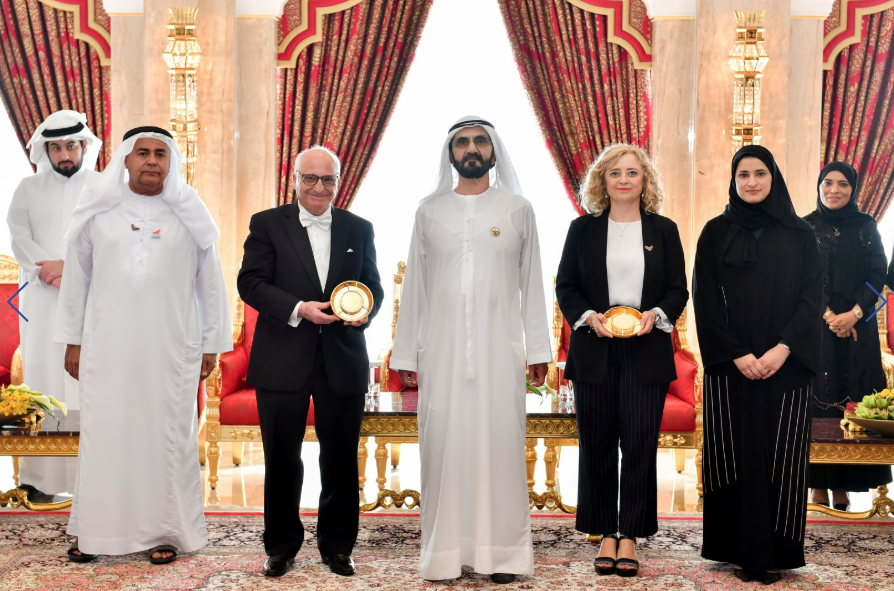
Sheikh Mohammed bin Rashid announces KU professor as scientific medal winner

Two leading scientists have been announced winners of the Mohammed Bin Rashid Medal for Scientific Excellence. Professor Rachid Yazami and Dr Lourdes Vega each received the prestigious accolade at a ceremony on Tuesday. Prof Yazami, from Morocco, has contributed to the development of lithium-ion batteries for mobile phones. Dr Vega is director of the Research and Innovation Centre on CO2 and Hydrogen at Khalifa University.

Read full story here: https://www.thenational.ae/uae/science/sheikh-mohammed-bin-rashid-announces-scientific-medal-winners-1.974187

KU Research Develops Novel Drug Delivery System Using White Blood Cells to Target Atherosclerosis

Research at Khalifa University’s Department of Biomedical Engineering, led by Assistant Professor Dr. Sungmun Lee, has developed a target-specific delivery system encapsulating antioxidants to ensure their successful delivery to cells damaged by atherosclerosis.

Atherosclerosis is a chronic inflammatory disease in which the inside of an artery narrows due to the build-up of plaque. For unknown reasons, white blood cells—also known as leukocytes—begin to attack the endothelium of the artery, and the ensuing inflammation leads to the formation of the atheromatous plaques, which accumulate over several years.

Inflammation is a natural defense mechanism induced by the body’s immune system to facilitate tissue repair. When inflammation is prolonged, there is a progressive shift in the type of cells present at the site of the inflammation, characterized by simultaneous destruction and healing of the tissue from the inflammatory process.

Oxidative stress induced by the generation of excess reactive oxygen species (ROS)—a group of small reactive molecules that play critical roles in the regulation of various cell functions and biological processes—is now understood to be implicated in the kind of vascular injury seen in atherosclerosis.

“Overproduction of ROS accelerates the process of inflammation and induces many inflammatory diseases such as cardiovascular disease, asthma, Alzheimer’s disease and cancers, as well as atherosclerosis,” explained Dr. Lee.
ROS are produced as by-products of normal cellular metabolism and are very useful tools to destroy biological pathogens. However, they are not pathogen-specific. To avoid toxicity to host cells, the body produces oxygen scavengers known as antioxidants. These antioxidants can convert ROS into less reactive and non-toxic compounds such as water and oxygen. Organisms usually maintain complex systems of overlapping antioxidants, such as glutathione and enzymes produced internally, and the dietary antioxidants vitamin C and vitamin E.

At low concentrations, ROS serve complex signaling functions, but when their production is uncontrolled through an imbalance in the oxidant/antioxidant mechanisms of the body, oxidative stress occurs. As the ROS activate endothelial cells, the endothelial cells then generate more ROS, and atherosclerosis becomes a self-propagating health concern if left unchecked.

“Scavenging of reactive oxygen species by antioxidants holds great promise to alleviate the symptoms of cardiovascular diseases and atherosclerosis,” said Dr. Lee. “In atherosclerosis, damaged endothelial cells generate more ROS and inflammatory drug candidates; however, antioxidant enzymes such as catalase are easily degraded in the body, and superoxide dismutase antioxidants such as tempol and tempo can diffuse into any type of cells indiscriminately.”

For antioxidant enzymes such as catalase and superoxide dismutase (SOD) to be employed as therapeutic drugs in the treatment of atherosclerosis, an effective drug delivery system is required as these antioxidants are not membrane-permeable and easily degrade in vivo. Even membrane-permeable antioxidants, such as tempol or tempo (both SOD enzymes), need a target-specific drug delivery method due to their non-specificity, or their tendency to catalyze more than one specific reaction.

Additionally, biomaterials originating from the host are much less likely to cause a response to their use as drug delivery vehicles. To minimize response, Dr. Lee used human acute monocytic leukemia cells (THP-1 cells) grown in the lab to encapsulate antioxidants including catalase, tempol and tempo. The results showed that monocytes (a type of white blood cell) can encapsulate both hydrophilic and hydrophobic antioxidants and scavenge ROS to the same level as free antioxidants in vitro.

“We found that antioxidant-loaded monocytes effectively targeted the damaged endothelial cells rather than other types of cells and the antioxidants scavenged more than 90 percent of the intercellular ROS generated by cytokines or exogenous ROS,” said Dr. Lee.

The results from this research promise a novel monocyte-based drug delivery system that will have numerous applications in the treatment of cardiovascular diseases and other disease associated with free radical damage, such as kidney disease and diabetes.

Dr. Lee’s research was presented at the first International Healthcare Engineering Innovation Group (HEIG) Workshop, held at KU Main Campus in November.

Jade Sterling
News and Features Writer
5 February 2020

The Cities of the Future: Rethinking Smart and Sustainable

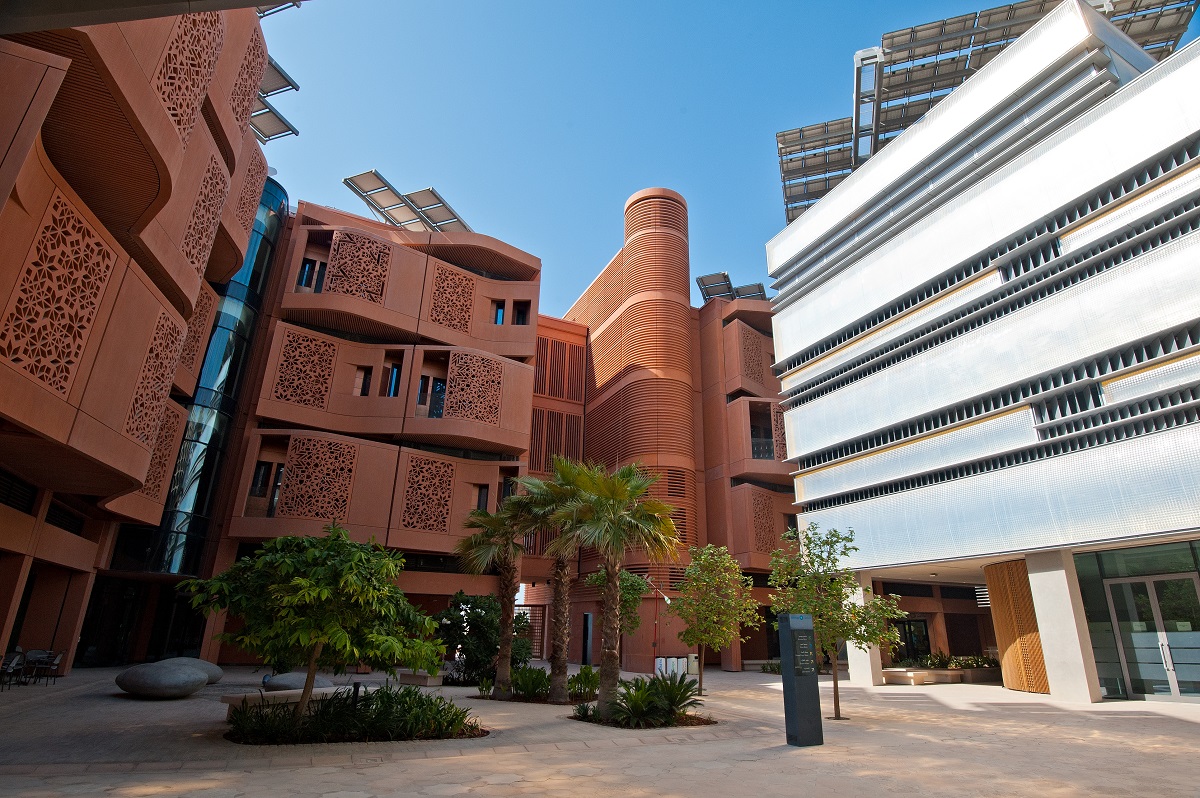
Speaking at Abu Dhabi Sustainability Week in January, Dr. Steve Griffiths, Senior Vice President of Research and Development at Khalifa University, discussed how a city can become both smart and sustainable and the obstacles present in designing the cities of the future. In an article published recently in Energy Research and Social Science, Dr. Griffiths explores this topic by covering the making of Masdar City.

“Today, more than half of the world’s population lives in cities, and by 2050, this number will increase to nearly 70 percent,” explained Dr. Griffiths. “Cities will soon account for 90 percent of global population growth as well as about 75 percent of global carbon dioxide emissions and 75 percent of energy consumption. Despite this, urbanization will continue because cities are where 80 percent of global wealth is created and where people find opportunities for work and leisure.”

Cities are hubs of economic growth and innovation for any country and attract people from rural regions, nearby and far afield, seeking opportunities for employment, education and a better lifestyle. Yet with all these advantages, urbanization also brings certain challenges.

Urban challenges include poor air and water equality, insufficient water supplies, waste-disposal problems, and high energy consumption. These challenges are exacerbated by continuously expanding urban populations and, in the GCC, further compounded by unique regional environmental challenges that include extreme temperatures, sand, and high humidity.

“Rural to urban migration following the industrial revolution has led cities to grow rapidly and spontaneously in response to the evolving needs of inhabitants,” explained Dr. Griffiths. “This reactive, patchwork-like approach to city design has left many cities with inefficient layouts, technologies and infrastructure that consume large amounts of energy and water, and [contribute] significant amounts of pollution.”

However, urbanization is expected to continue and it is estimated that 60 percent of future urban environments are yet to be built.

It is clear that sustainable cities need to be more connected and less fragmented, taking into consideration the needs of citizens at work and during their downtime. New developments offer the opportunity to revolutionize urban planning and management and create sustainable environments, but as Dr. Griffiths explained, this hasn’t been an easy task:

“Sustainability is incredibly difficult to implement at the scale of a city, even one being built from the ground up.”

Masdar City in Abu Dhabi has been frequently labelled as an eco-city in the making. Masdar City, meaning ‘source city’ in Arabic, is a planned city project and sustainable mixed-use development envisioned to function on its own grid with full carbon neutrality. Today, Masdar City has moved away from its original vision of being zero-carbon and zero-waste, but retains its focus on sustainability.

“In spite of the apparent progress Masdar City is making on the economic and environmental front, the city continues to deflect criticism about deviation from its original vision and lack of progress relative to the original plan,” explained Dr. Griffiths. “Planning for future cities is a daunting task.”

Current approaches to building sustainable cities typically focus on technical solutions as disruptive and innovative technology promise to solve the urbanization challenges. ICT solutions can be used in infrastructure, technologies and everyday life in the city, as well as the entire life-cycle of the products and services consumed by its citizens. In this way, a city can become a smart city.

The concept of smart cities can be traced back to the business sector: it is a catchword that draws interest from companies involved in ICT and infrastructure. Much of the ICT included in smart city concepts already exists and it is their interconnection and synchronization that present the promise and the challenge.

Many smart city initiatives have already been developed around the world, with aims of improving efficiency and effectiveness of urban operations and resource management. They promise to generate economic, social and environmental value through seamless connection, but both smart and sustainable narratives have been widely criticized for promoting economic development while giving scant attention to environmental and societal concerns, with proponents of the smart city offering only a technocratic perspective, reducing sustainability to a buzzword.

“Smart is not necessarily sustainable,” concluded Dr. Griffiths.

A smart and sustainable city should be seen as an aggregate concept. A city can be sustainable without the use of smart technology, and smart technologies can be used in a city without contributing to any sustainable development. It is only where smart technologies are used to make a city more sustainable that a city could be considered both.

“A city’s sustainability and performance depend on how technologies and policies are mobilized to enhance energy, water, waste, healthcare, mobility, security, economic development, and community engagement,” added Dr. Griffiths. “Masdar City is a test-bed for new technologies required to meet extremely demanding sustainability targets.”

There are a number of different ways a city can become smart but ultimately, they all take the unprecedented ability to collect data, analyze it, and do something with it for the city’s residents. Digitalization and urbanization combine to augment the human experience in city living. With 70 percent of the world’s population expected to live in cities by 2050, cities are at the forefront of sustainable thought and need to be resilient.

In Masdar City’s case, the hope for the development to become “an exemplary eco-city” is not yet lost.

“If Masdar City works as currently planned it would underline the importance of integrating city planning, passive design, energy supply, transport, water, and recycling efforts so that the entire community is low-carbon,” explained Dr. Griffiths. “However, challenges and barriers remain for the city in its path ahead. It may be that the true legacy of the city will not be evolving into a model eco-city but rather continuing to serve as a beacon for broader societal change towards sustainability in the UAE and the Gulf region.”

Jade Sterling
News and Features Writer
9 February 2020

Using Drones to Fight High Rise Building Fires Presents a Real Challenge in the Mohamed Bin Zayed International Robotics Challenge 2020

Fires raged around the world in 2019.

In Australia, wildfires started in December continue to consume land and devastate the environment. In April, a fire broke out beneath the roof of the Notre-Dame de Paris cathedral, causing extensive damage to one of France’s most iconic structures. Closer to home, a fire in a Fujairah restaurant saw 100 people needing evacuation, and just one day later, an apartment fire in December led to 150 families fleeing a high rise building. Fujairah Civil Defence urged building owners to install fire equipment and follow fire protection regulations, but accidents can still happen.

On 14 June 2017, a fire broke out in the 24-storey Grenfell Tower block of flats in West London, United Kingdom. It was the deadliest structural fire in the UK since 1988 and the worst UK residential fire since the Second World War. It burned for about 60 hours before it was finally extinguished. In that time, 72 people lost their lives. One of the major obstacles to the firefighting effort was that the tower’s only stairwell filled with smoke within an hour of the fire breaking out. Residents were unable to escape unaided and firefighters were hindered by the near-zero visibility.

Because of the Great Fire of London, UK building codes have historically been overly focused on containing horizontal fire spread between buildings, as opposed to vertical fire spread in high-rise buildings. But as population densities increase in cities globally, housing everybody requires construction to continue upwards, and incidents such as at Grenfell or recently in Fujairah highlight the need to develop effective measures to tackle high-rise building fires.

Fire-fighting in high-rise buildings with traditional human means happens from the inside. Over a certain height, the fire can’t be reached with ladders, meaning firefighters need to enter the building and climb up to it. Buildings in the UAE regularly scrape the sky at over 50 stories; Marina 101 in Dubai has 101 floors, while the Burj Khalifa tops all with more than 160 floors. In fact, the UAE is ranked 4th globally for its number of skyscrapers.

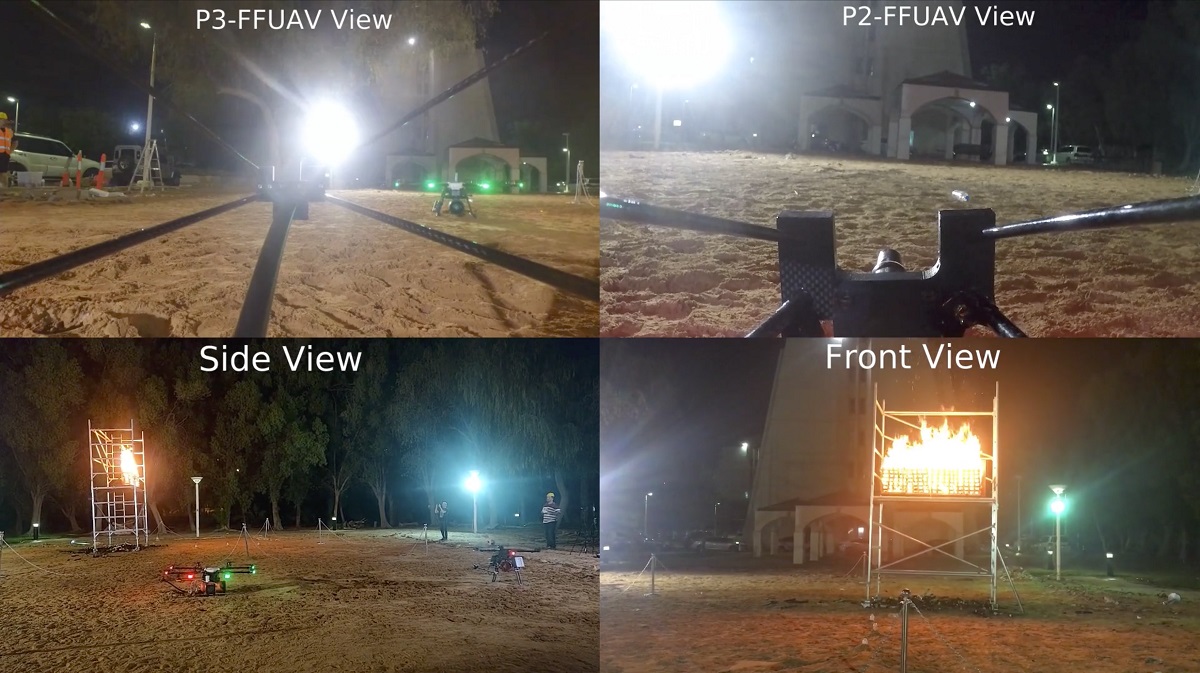
Innovators and authorities are beginning to look at drone and robotic intervention to lift firefighting equipment to burning high-rises, locate fire flashpoints and people trapped inside, and even tackle the blaze. The Mohamed Bin Zayed International Robotics Challenge 2020 sees teams attempt the latter. Most building fires start small and spread rapidly. If onsite firefighting unmanned robots can respond to fires early, then potential disasters can be mitigated.

All the MBZIRC 2020 challenges were developed to push the technological and application boundaries in robotics, focusing on fast, autonomous navigation in complex environments to complete a task. Challenge 3 offers the most complex environment as a team of unmanned aerial vehicles (UAV) and an unmanned ground vehicle (UGV) will collaborate to autonomously extinguish a series of simulated fires in an urban high-rise building firefighting scenario. The teams must handle a dynamic environment, with reduced visibility from the smoke and wind conditions likely in high-rise building fires, and minimal prior knowledge of the building layout. Not only is the scenario a tricky one, teams have a maximum of 20 minutes to complete the task.

Teams will be scored based on the number of tasks completed, precisely how the teams complete the task, and the time taken.

Consider the time and effort it would require for firefighters to reach the 100th floor and how much heavy equipment they would need to carry with them. The crew that arrives on scene first needs to confirm the location of the fire, which is difficult to do with many floors to check—but an unmanned aerial vehicle could determine this with greater accuracy and speed, eliminating the need to send humans in first. They could then monitor the situation as firefighters tackle the blaze and keep crews continuously and accurately updated as to their efforts.

But Challenge 3 at MBZIRC 2020 goes further than merely identifying a fire: the teams must also extinguish them. The UAVs and UGV must therefore be strong enough to carry extinguishing materials to great heights and fast enough to be effective responders. Although a single drone may have a relatively modest payload of several tens of liters of water, using multiple drones simultaneously would increase their efficacy, hence the team of UAVs and UGV. During the challenge, fires may be extinguished in one of two ways: using simulated fire extinguishers (such as pressurized water containers with marks based on volume of water ejected at the target) or using fire extinguisher covers.

The results from Challenge 3 have wider implications than just building fires, as beneficial as that would be for the UAE. The technology could be used in other emergency situations, including wildfires such as those seen in Australia and the United States. Video smoke detection and heat mapping can cover a large area with drone use, while robotic intervention prevents injury or harm coming to firefighters.

Ultimately, these results will help keep emergency services safe and potentially save lives globally.

Jade Sterling
News and Features Writer
4 February 2020

The Most Successful Oil Economy That’s Moving Away From Oil

A discussion about oil-dependent economies often calls to mind an image of some anonymous Middle Eastern country almost entirely dependent on its oil exports to generate revenues. But there is one Middle Eastern country that plans to celebrate the last barrel of oil that it will one day export.

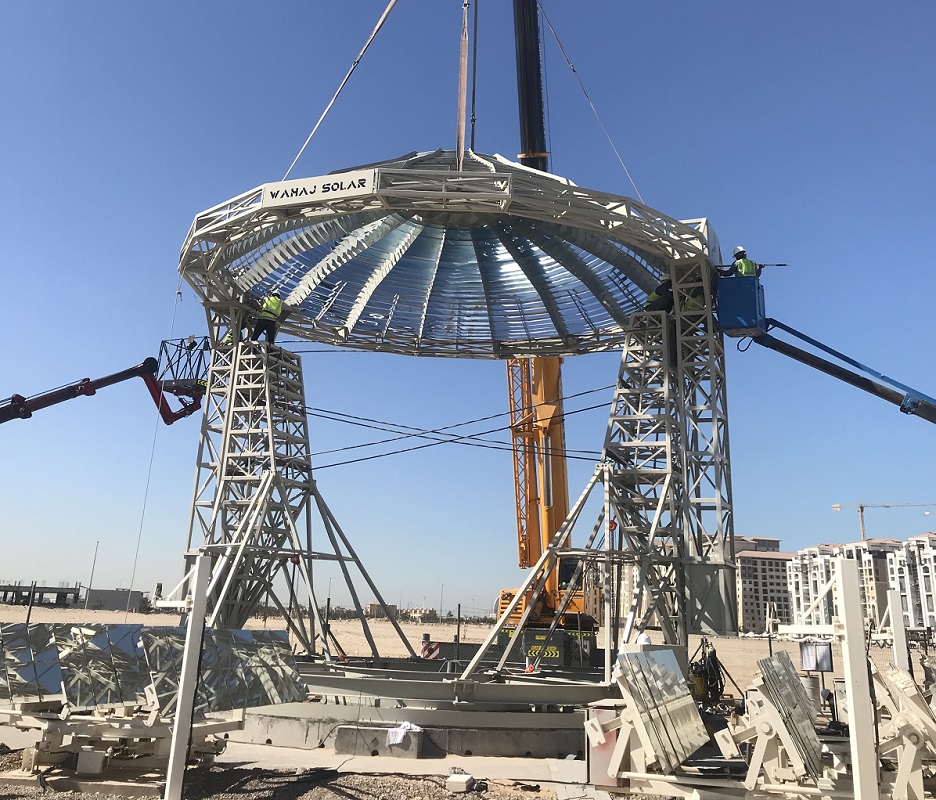
The Emirati Khalifa University last week announced that it had installed a first-of-its-kind solar concentrator in the smart city of Masdar, boasting that the facility had the concentration ratio of a thousand suns and could generate temperatures of over 1,000 degrees Celsius. The United Arab Emirates does not plan to go down in history as only an oil producer and nothing else.

Read full story here: https://oilprice.com/Geopolitics/Middle-East/The-Most-Successful-Oil-Economy-Thats-Moving-Away-From-Oil.html#  

Higher Organising Committee of UMEX, SimTEX 2020 holds workshop for UAE diplomatic communityng Committee of UMEX, SimTEX 2020 holds workshop for UAE diplomatic community

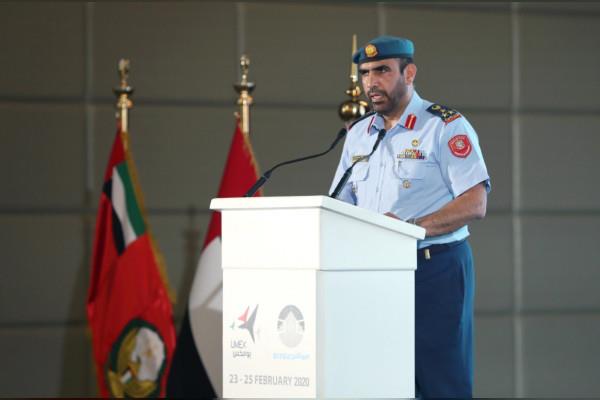
Dr. Arif Sultan Alhammadi, Executive Vice President of Khalifa University, addressed diplomatic community members about Khalifa University’s role in the upcoming editions of the Unmanned Systems Exhibition, UMEX, and Simulation and Training Exhibition, SimTEX, and the accompanying conference, during a workshop hosted by the Higher Organizing Committee of the two events.

Read the full story here: https://menafn.com/1099622175/Higher-Organising-Committee-of-UMEX-SimTEX-2020-holds-workshop-for-UAE-diplomatic-community

Bringing International Robotics Experts Together at the MBZIRC Symposium

Offering access to the most cutting edge research and development in autonomous drone and vehicle applications, the MBZIRC Symposium will bring industry innovators and leading academic experts to share their insights and predictions for the future of robotics.

As the dust settles in the Mohamed Bin Zayed International Robotics Challenge (MBZIRC) arena, the ingenuity and ambition demonstrated as teams compete over three days of intense competition will be directed towards further research and development discussions at the MBZIRC Symposium.

Offering access to the most cutting edge research and development in autonomous drone and vehicle applications, the MBZIRC Symposium will bring industry innovators and leading academic experts to share their insights and predictions for the future of robotics. Delegates will enjoy two days of expert insights, discussion and networking with leading academic institutions and corporations, following the three day MBZIRC competition.

The symposium will feature a fast-paced, engaging and informative lineup of talks, presentations, and workshops that are sure to foster innovation and collaboration among participants.

“The symposium aims to bring together the MBZIRC 2020 teams and international robotics experts to present the latest advances in robotics,” explained Dr. Jorge Dias, Professor of Electrical Engineering at KU and member of the 2020 Challenge Technical Advisory Board. “The sessions will review the benefits of robotic competitions and evaluate to what extent such competitions foster robotics research and innovation. They will additionally focus on some of the current challenges in robotic development and provide recommendations for future robotics competitions.”

The academic teams competing in MBZIRC 2020 will network with industry experts seeking practical applications of autonomous vehicles and all attendees will benefit from an up-close glimpse of the latest and most innovative developments in artificial intelligence, composite materials and 3D printing as it pertains to autonomous vehicles.

Robotics-based industries will play a key role in the future knowledge-based economy of the UAE, as outlined in the UAE Vision 2021 plan and Abu Dhabi Vision 2030. Khalifa University is actively involved in promoting the research and development that aligns with the visions of a transformed UAE and will host both the MBZIRC competition and symposium. KU intends to foster partnerships, empower researchers, and develop real-world applications in drone technology that will cut costs and improve safety in dangerous environments.

After they compete in the cutting-edge MBZIRC challenges, the competing teams will have the chance to present their best and brightest ideas to industry experts looking for new uses of autonomous vehicles in areas like surveillance, search and rescue, and critical infrastructures inspection.

Jade Sterling
News and Features Writer
30 January 2020

Khalifa University to Organize First-Ever MBZIRC Symposium Soon After MBZIRC 2020 in Abu Dhabi Next Month

Elite Business Networking Event Will Gather 30 MBZIRC 2020 Teams, Attendees and Industry Representatives for Exploring Technology Innovation and Cutting Edge Research in Robotics

Khalifa University of Science and Technology, organizers of the Mohamed Bin Zayed International Robotics Challenge (MBZIRC), today announced it will host the first-ever MBZIRC Symposium that will bring together the 30 teams and other international experts in robotics from the US$5-million MBZIRC 2020 for an unprecedented opportunity to present their innovations and review their role in the competition. MBZIRC 2020 is held under the patronage of His Highness Sheikh Mohamed bin Zayed Al Nahyan, Crown Prince of Abu Dhabi, and Deputy Supreme Commander of the UAE Armed Forces.

The Challenge will be co-located with the 4th edition of Unmanned System Exhibition (UMEX) and the Simulation and Training Exhibition and Conference (SimTEX) from 26-27 February 2020 at the Abu Dhabi National Exhibition Center (ADNEC). The symposium will feature leading experts in robotics and autonomous vehicles from 30 MBZIRC 2020 teams, other international robotics experts, and industry representatives, sharing their insights. The MBZIRC teams will be given the opportunity to showcase their projects directly to industry representatives, in order to further increase interest and raise awareness, while facilitating opportunities for research collaborations.

Dr Arif Sultan Al Hammadi, Executive Vice-President, Khalifa University of Science and Technology, said: “The first-ever MBZIRC Symposium will bring together some of the most creative robotics experts from across the world as well as industry representatives and other guests. Through the symposium, we not only facilitate the meeting of minds from the academia and the industry, but also pave the way for industry funding to flow towards some of the most fascinating new technologies in robotics and artificial intelligence.”

The leading robotics experts giving talks at the symposium include Prof Pedro Lima, Electrical and Computer Engineering, Instituto Superior Técnico (IST) – University of Lisbon; Prof Marcello Ang, Associate Professor Department of Mechanical Engineering National University of Singapore; Prof Ronald Arkin (Robotic Colonies), Regents’ Professor, Director of Mobile Robot Laboratory, Georgia Tech; Prof Rainer Bischoff (Robotic Industry), Chair of the Department of Analytical Biochemistry, University of Groningen; Prof Paolo Dario, Professor of Biomedical Robotics and Director of The BioRobotics Institute of the Scuola Superiore Sant’Anna (SSSA); Prof Jianwei Zhang, professor and head of Technical Aspects of Multimodal Systems (TAMS), Department of Informatics, University of Hamburg; Dr Rachid Alami, Senior Scientist (Directeur de Recherche) at French National Centre for Scientific Research (CNRS) and Prof Tamim Asfour, Institute for Anthropomatics and Robotics, Karlsruhe Institute of Technology, Germany.

Participating teams and other robotics experts will also submit papers for presenting at the symposium, subject to acceptance after a peer review. The symposium agenda will include an engaging, and informative lineup of invited talks, presentations, and workshops that aim to foster innovation and research excellence in robotics.

The symposium will immediately follow MBZIRC 2020 (www.mbzirc.com) which is based on autonomous aerial and ground robots performing three iconic challenges and a triathlon type Grand Challenge. MBZIRC is a US$5-million biennial international robotics competition that provides an ambitious and technologically demanding set of challenges, and is open to teams from all countries. The main aim of MBZIRC is to inspire future robotics through innovative solutions and technological excellence.

Clarence Michael
News Writer
29 January 2020

Designing an In-Building Distributed Antenna System with Evolutionary Algorithms and Many Objectives

As data traffic continues to increase exponentially, it has become increasingly difficult to rely on outdoor base stations to support the traffic generated indoors, mainly due to penetration issues of wireless signals through building materials. Passive In-building Distributed Antenna Systems (IB-DAS) are one of the most efficient methods to providing an indoor solution that meets signal strength requirements.

Khawla Al Shanqiti, Msc in Engineering Systems and Management student working at KU’s Emirates ITC Innovation Center (EBTIC), was invited to present her published scientific paper at the SGAI International Conference on Artificial Intelligence in December 2019. Her paper, titled A Multi-Objective Design of In-building Distributed Antenna System using Evolutionary Algorithms, was shared in the Application Stream of the conference, which is the largest annual showcase in Europe of real applications using Artificial Intelligence technology.

As data traffic continues to increase exponentially, it has become increasingly difficult to rely on outdoor base stations to support the traffic generated indoors, mainly due to penetration issues of wireless signals through building materials. Not to mention, many indoor locations experience significantly more cellular data usage than others: if a sports stadium or large music venue relied solely on a nearby cell tower to provide coverage to all its users, the tower and the local network would quickly become overwhelmed and unstable. An in-building distributed antenna system (IB-DAS) would therefore aid in providing high capacity, but in other situations, they can also offer greater coverage. For example, in a high-rise building, an IB-DAS is often deployed because the radio frequency noise levels at higher altitudes can make the signal unusable.

“The complexity of indoor environments makes it very difficult for a wireless signal to pass from the outside through the buildings without suffering some form of attenuation, such as wall penetration and the multipath effect,” explained Al Shanqiti. “Sometimes, signals coming from the outside can be completely blocked.”

Previously, outdoor cellular coverage solutions had been successful at providing all the coverage and capacity needed, but as predictions show, mobile data traffic will increase to 49 billion gigabytes globally by 2021. With more than 70 percent consumed indoors, coverage providers need to consider indoor environments.

“The increasing data traffic inside buildings requires maintaining good cellular network coverage for indoor mobile users,” explained Al Shanqiti. “Passive In-building Distributed Antenna Systems (IB-DAS) are one of the most efficient methods to providing an indoor solution that meets signal strength requirements.”

These systems have become a critical part of both carrier cellular networks and infrastructure. A network of antennas sends and receives cellular signals, distributing the signals fed from a variety of possible sources. In a passive IB-DAS, the base transmission station (BTS) provides the amplified signal that is distributed to the antennas through passive components that do not require any electrical power. Passive RF components include coaxial cables, splitters, taps and couplers.

The farther the antenna is from the signal source and any amplifiers, the more attenuation—or loss—there will be in the power broadcast from that antenna. Designing a passive IB-DAS correctly requires calculating precisely the link budgets to make sure the power output at each antenna is equal. This can get expensive.

“An IB-DAS comprises a network of spatially distributed antennas in a building connected to telephone rooms, which are then connected to the BTS,” explained Al Shanqiti. “Designing an IB-DAS can be challenging due to the power-sharing property resulting in two contradicting objectives: minimizing the power usage at the BTS and minimizing the design components cost.”

A passive IB-DAS is less expensive due to its fewer components but they can be more challenging to implement than other systems. Their design can be evaluated using different performance metrics, with Al Shanqiti and team using a tree structure to represent an IB-DAS design.

A genetic algorithm, giving consideration to different factors such as minimizing cabling and passive splitter costs, reducing spillage and power deviation between the required and supplied power for antennas, is used to assist their system’s design. The team focused on two objectives: minimizing the power required by the base station, and minimizing the cost of the equipment.

Reducing the power demand is important for minimizing the risk of interference with outside signals and achieving long-term consistent savings, while lower equipment costs bring the short-term cost down. The team used a multi-objective evolutionary algorithm, called Non-Dominated Sorting Genetic Algorithm II (NSGA II), to handle the contradictory objectives and produce multiple possible solutions.

“The NSGA II is one of the popular multi-objective optimization algorithms that have been successfully used to solve many real-world optimization problems,” said Al Shanqiti. “Our results showed that NSGA II was capable of achieving our objectives and simultaneously generating results that could not be obtained by a combined-objectives GA approach, where all the costs are combined into a single objective as a weighted sum of all the objectives.”

The team’s three optimization sub-problems involved optimizing the location of the antennas on each floor to achieve required cellular coverage, determining the optimal connections between the antennas and the telephone room through splitters and coaxial cables (known as the horizontal design), and finding the optimal connections between the telephone rooms and the BTS (the vertical design). For this project, the antenna locations and the horizontal design were already determined by the building planners, so the team focused on the vertical design. The NSGA II algorithm obtained a tree structure to connect the telephone rooms on each floor to the BTS using cables, and different splitters and tappers.

The algorithm had to consider the number of floors in the building, the power requirement on each floor, and the base station location. While these parameters comprise the inputs to the design, a fourth parameter—the splitters and tappers used—is a set of decision variables that determines the full IB-DAS design. There’s plenty to consider with the splitters and tappers: their floor location, type, and connections mean there are many variables. There are also two costs to include in the system design: the total equipment cost, comprising the cost of cabling, splitters, tappers, and the power deviation, and the BTS power demand cost.

“We found that converting from a single-objective approach to a multi-objective approach provided a set of options for different trade-off solutions, which is beneficial for the decision-maker,” explained Al Shanqiti. “In fact, this was the motivation for this work and was inspired by a real-world requirement from our partners. Our algorithm is scalable and can accommodate high rise buildings and in the future, we will use other advanced multi-objective evolutionary algorithms to see if we can get even better results.

“I was extremely happy and proud to take this opportunity to represent the UAE, EBTIC, and KU in a highly sophisticated and world-class scientific environment that gathers AI experts. I am also immensely grateful to everyone who supported me in reaching this achievement.”

Jade Sterling
News and Features Writer
29 January 2020

Khalifa University study on UAE genetics pool concludes

Organised by the Sheikh Hamdan Bin Rashid Al Maktoum Awards for Medical Sciences, the “8th Pan-Arab Human Genetics Conference” began with clinical symposia and lectures on Jan. 17 with five conference themes: Next Generation Sequencing, Neurodevelopmental Disorders, Metabolic Disorders, Dysmorphology (Birth Defects), and Population Genomics and Diseases.

On Sunday, it was in the “Population Genomics and Diseases” module that Khalifa University (Abu Dhabi) associate professor Dr. Andreas Henschel discussed the three-year study on genetics pool of the UAE population participated in by 1,000 Emiratis beginning 2017.

Read full story here: https://www.gulftoday.ae/news/2020/01/19/khalifa-university-study-on-uae-genetics-pool-concludes