

Harnessing Capillary Action and Solar Energy to Improve Evaporation and Produce Clean Water

Khalifa University researchers found a way to optimize capillary action – a process that moves liquid passively – in thin-film evaporators, which are used to generate steam and purify water with solar energy, cool buildings and electronics, and much more. 


Evaporation is a process fundamental to everyday life. It keeps our bodies cool and the air moist, and it plays a critical role in a number of industrial systems that drive our society today, from providing power and purifying water, to cooling buildings and electronics.  Thin-film evaporation is an extremely effective and energy-efficient way to transfer heat. For thin-film evaporation to work, however, a stable liquid film needs to be maintained on the surface, which can be a challenge. 


Inspired by the same process used by plants to carry water up from their roots to their leaves, capillary-fed wicks offer an attractive means of moving liquid to the surface since it is a passive mechanism; it does not rely on an external power supply or a mechanical pump to deliver the fluid to the evaporator.


Researchers and engineers are continuously exploring ways to improve the performance of passive liquid propagation, solar energy-driven evaporation and water distillation. “Using wicks to supply liquid to the evaporating surface via a process called capillarity may be the solution to providing a constant, stable liquid film for thin-film evaporation,” explained Dr. Tiejun Zhang, Associate Professor of Mechanical Engineering. With funding support from a 2019 Abu Dhabi Award for Research Excellence (AARE), Dr. Zhang is leading a research team from Khalifa University to investigate how to improve wickability, or how efficiently liquid travels up through a wick, and in turn, the performance of thin-film evaporation. They recently published their work in the journal Advanced Engineering Materials


Co-authors include Dr. Hongxia Li, Postdoctoral Fellow, Afra Al Ketbi and Qiangshun Guan, Graduate Students, and Dr. Mohamed Alhosani and Ablimit Aili, PhD and MSc Graduates, all from the Department of Mechanical Engineering.


Wicking is the absorption of a liquid by a porous material, with the liquid then transferred through the process of evaporation. Daily examples of capillary action can be seen when dipping a paintbrush in water where the liquid is drawn up between the brush hairs against gravity, or in a paper towel dipped in spilled coffee as the liquid moves up the pores of the paper. Rather than an external energy supply causing capillary action, intermolecular forces cause the surface tension of the liquid and the adhesive forces between the liquid and solid to propel the liquid through the solid material. This is how the tallest trees can pull water through the roots to the highest branches.


The crucial role of capillary pumping for thin-film evaporators has motivated KU researchers to explore ways to improve wickability.  


Many factors, like surface wettability and permeability, affect a material’s ability to propagate, or spread of liquid and can significantly reduce the rate at which the liquid is absorbed in the wick. Viscous pressure drop, surface roughness, blockages, and twists and turns can all slow the movement of the liquid through the material.


Wickability can be enhanced by improving the intrinsic wettability of the wick surfaces to stop it from drying out during evaporation, and through designing a porous structure to maximize fluid flow.


Dr. Zhang’s team developed a wick with excellent capillary pumping ability by creating nanostructures made of copper onto a water-loving, hydrophilic surface, also made of copper. This created a large, porous surface area for thin-film evaporation. As an additional benefit, in solar-driven applications where the wicking porous material also acts as a solar absorber, these nano-structures can also help harvest the sunlight more efficiently.


The KU team then used their prototype to create a model to predict how effective a material’s wickability would be based on a number of different factors, including pore sizes, shapes and orientations. The model can help researchers design effective wicks in the future.


“We systematically characterized the water propagation dynamics from microscale to macroscale through experimental observation and theoretical modelling,” explained Dr. Li. “We fabricated a nanostructured porous wicking surface—essentially a copper micromesh attached to a flat copper substrate with a nanostructured surface. The micromesh improves wickability by acting as the wicking structure, providing capillary pressure with relatively high permeability, while the copper oxide nanostructures enhance the surface hydrophilicity.”


The team then observed the water propagation behaviors under optical and infrared thermal cameras to develop a capillary pressure model and permeability model to predict how efficiently the capillary-pumped water travelled along the porous surfaces. They also conducted studies with varying pore sizes before optimizing pore dimension to achieve the maximum capillary pumping rate.


The KU team’s technology offers outstanding solar-driven evaporation capability owing to their high liquid propagation rate and excellent light absorption. The proposed scalable nanostructured porous surfaces promise great potential in broad energy and sustainability applications.


Jade Sterling
Science Writer
9 June 2021

Khalifa University PhD Student Reviews Material Aspects in Developing Novel Photocatalysts that Could Clean Air More Efficiently

The insights from a paper published by Mechanical Engineering PhD student Xuan Li could guide the material design and performance improvement of direct Z-scheme systems and lead to increased interest in the field 


A paper by Khalifa University Engineering PhD student Xuan Li has been published in Materials Today, providing a comprehensive and timely review on the mechanisms, material systems, and optimizing strategies of a type of photocatalyst, which is a catalyst that generates a chemical reaction using light.


“The rapid economic development and massive use of fossil fuels has caused the environmental problems we’re seeing today,” explained Li. “Air pollution has already become the fourth leading risk factor for human mortality and contributes to around five million deaths per year around the world. Even at low concentrations, the pollutants released from solvents, paints, building materials and furnishings can cause illness, underscoring how the need to produce clean fuels and protect the environment is also crucial for human health.”


Photocatalysis, Li says, is one way these pollutants could be removed from the atmosphere sustainably. With Dr. Lianxi Zheng, Professor, Dr. Corrado Garlisi, Postdoctoral Fellow, Qiangshun Guan, Graduate Student, Dr. Shoaib Anwer, Postdoctoral Fellow, Dr. Khalid Al-Ali, Assistant Professor, and Dr. Giovanni Palmisano, Associate Professor, Li provides an extensive review and discussion of the design process of direct Z-schemes, a type of photocatalyst inspired by natural processes, to combat atmospheric pollution.


What are Photocatalysts?

Photocatalysts are often made with semiconductors and use solar energy to generate electron-hole pairs on the surface of the catalyst. When exposed to sunlight, the ground-state electrons in the semiconductors become excited and “jump” to a higher energy level, leaving behind positively-charged holes. These electrons and holes then interact with the organic molecules in the atmosphere around them.


Two simultaneous reactions occur during photocatalysis: oxidation (when a molecule loses an electron) from the photogenerated holes and reduction (when a molecule gains an electron) from the photogenerated electrons. As the photocatalyst reduces and oxidizes the water and oxygen molecules in the atmosphere around it, several reactive species are created that can break organic pollutants down into clean end-products.


However, there are some fundamental shortcomings in conventional photocatalysts that are preventing them from being used at an industrial scale, which Li believes Direct Z-scheme photocatalysts can overcome. These shortcomings stem from the semiconductors needed, with only a few materials such as titanium oxide and zinc oxide meeting the requirements for producing the necessary reactive radicals with energy efficiency.


What are Direct Z-Scheme Photocatalysts?

Direct Z-scheme photocatalysts are inspired by natural plant photosynthesis. In photosynthesis, plants use two photosystems to separate electrons and holes for efficient reactions in converting carbon dioxide and water into sugar and oxygen. The Z-scheme is a photosystem coupling layout for electron transfer in the light reactions of photosynthesis, where plants transform light energy into chemical energy.


Direct Z-scheme catalysts attempt to mimic the same charge-transfer pathways that plants follow during photosynthesis by using two-semiconductor structures. They are designed in a way that the pathway travelled by electrons and holes follows a ‘Z-scheme’ pathway. This special pathway enhances the photocatalyst’s redox potential (its ability to carry out the oxidation and reduction reactions) and extends the lifetime of electron-hole pairs, making it more efficient.  


While there are three types of Z-scheme photocatalysts, direct Z-schemes can maximize the solar energy harvested and can also be used in both the liquid and gas environments.


However, constructing a direct Z-scheme catalyst remains challenging. Various approaches and numerous materials have been proposed in the hope of achieving a highly efficient photocatalyst with broad practical applications. Li’s work focuses on the driving forces of charge transfer to guide the material design.


Reviewing Direct Z-Scheme Photocatalyst Designs

“The core idea of direct Z-schemes is to leverage the synergistic effects that occur between the two semiconductors of a photocatalyst by regulating the charge transfer direction,” explained Li.


“The formation mechanisms, suitable applications, and their performance are strongly dependent on the properties of the two semiconductors and their interactions. For example, the surface nature of the photocatalysts will affect the adsorption and selectivity of the reactant molecules.”


Because there are so many potential materials for developing these photocatalysts, and because their properties influence their performances so greatly, there is no systematic comparison of all developed materials.


In her paper, Li offers universal guidelines on material design of direct Z-schemes, by identifying the main formation mechanisms, considering emerging materials, and noting modification strategies for performance improvement.


“Considering the fact that new materials and new material properties always play fundamental and promoting roles in technology development, it is vital to provide a materials-focused review for direct Z-scheme photocatalysts,” said Li.


Among all available material systems, wide band-gap semiconductors remain the most popular in building reliable direct Z-schemes. Their high potentials on both reductive and oxidative reactions allow use in a wide range of applications from carbon dioxide reduction to organic pollutant degradation, but they generally show a low efficiency in solar light utilization.


In contrast, some visible-light semiconductors show a much higher energy efficiency but suffer from issues with photocorrosion. The researchers indicate that coupling a wide band-gap semiconductor and a narrow band-gap semiconductor could possibly lead to maximizing the light spectrum and notable photocatalytic efficiency.


Organic materials offer great flexibility in building Z-schemes due to being able to tune their morphology and physiochemical properties. Metal-organic frameworks could boost the effectiveness of the material system by modifying the metal and organic crosslinkers, boosting their surface area and extended light absorbance.


“Direct Z-scheme systems are extremely promising and present unique advantages, but the field is still in its early stages with the main emphasis on concept demonstration and efficient light utilization,” said Li. “Considering the enormous variety of known and unknown pollutants in the environment, future studies should focus more on developing direct Z-scheme catalyst systems with high redox capabilities that can degrade a broad range of organic pollutants.”


The insights discussed in this work could help guide engineers to design better photocatalysts with optimized materials and improved performance. Improved photocatalysts can in turn contribute significantly to global efforts to produce clean energy and clean the air.


Another advantage of Li’s review is that it could attract more material scientists to work in and contribute to this area, so that the maximum potential of direct Z-schemes can be achieved in multiple applications.


Jade Sterling
Science Writer
8 June 2021

Rising Global Interest in the History of UAE Armed Forces

Papers on the history of the UAE armed forces by a Khalifa University faculty member, Dr. Athol Yates, Assistant Professor of Humanities and Social Sciences and Acting Head of the Institute of International and Civil Security, have been accepted by two of the world’s leading scholarly institutions focusing on military history.


The first conference is the Royal Air Force Museum Conference, taking place in London from 16 – 17 September 2021. The conference will bring together academics and scholars to present air power research that challenges the accepted historical consensus. Dr. Yates will be presenting on the history of the UAE Air Force. 


The second conference is the US Naval Academy’s McMullen Naval History Symposium, taking place in Annapolis, Maryland, US from 23-24 September 2021. This biennially held naval conference focuses on the latest research on naval and maritime history from academics and practitioners all over the globe. The symposium has been described as the “largest regular meeting of naval historians in the world” and as the US Navy’s “single most important interaction with [an] academic historical audience.” Dr. Yates will be presenting on the history of the UAE Navy. 


Dr. Yates recently authored the book “The Evolution of the Armed Forces of the UAE” and is a scholar focusing on the history of the UAE military and police forces.


He said: “The acceptance of papers on the history of the UAE Armed Forces reflects a growing interest world-wide on how the UAE has become a regional power within such a short time. Foreign countries, their militaries and academics are increasingly studying the UAE as an example of how a country can build regional stability and security far in excess of its small physical and demographic size.” 


Dr. Yates also pointed out that scholarly journals are increasingly interested in UAE military history. For example, this month the International Journal of Maritime History accepted a paper on the history of Abu Dhabi’s navy, co-written with Khalifa University’s Dr Ash Rossiter, Assistant Professor of Humanities and Social Sciences.


Erica Solomon
Senior Publication Specialist
8 June 2021

Student-designed Robot Wows at MBZIRC Exhibition, Wins Emirates Award 2020

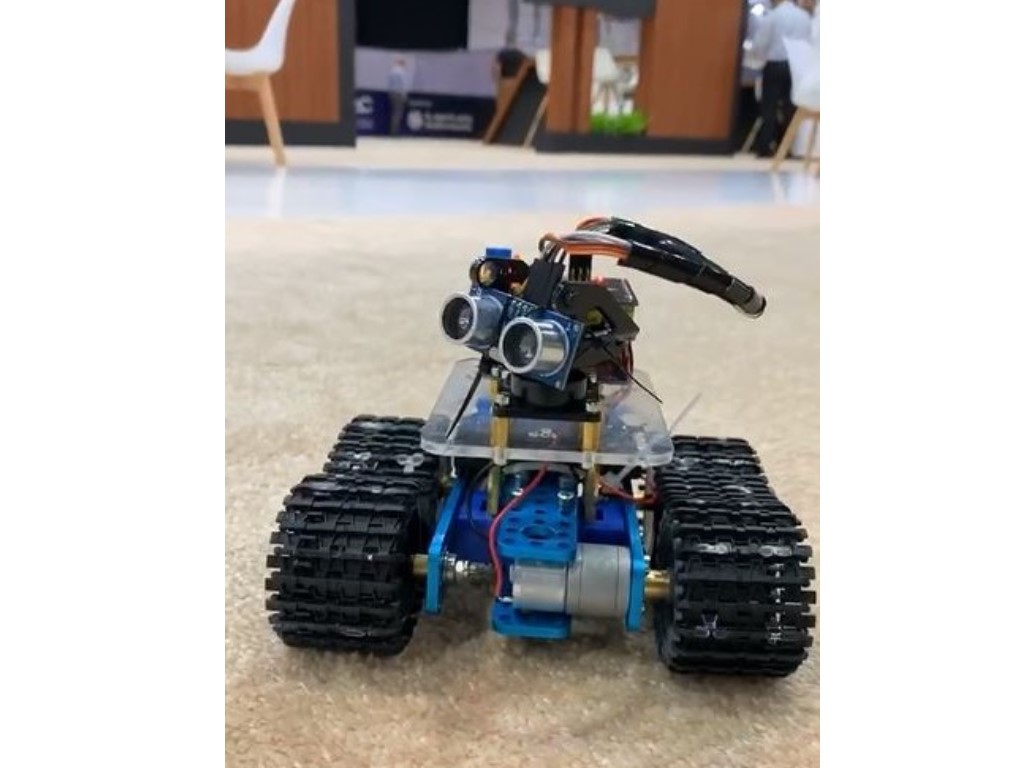
A robot designed to inspect storage tanks for the oil and gas industry was a hit at the Mohamed Bin Zayed International Robotics Challenge (MBZIRC) Exhibition and was recognized as the winner of the Best Innovative University Project of the Emirates Award 2020. 


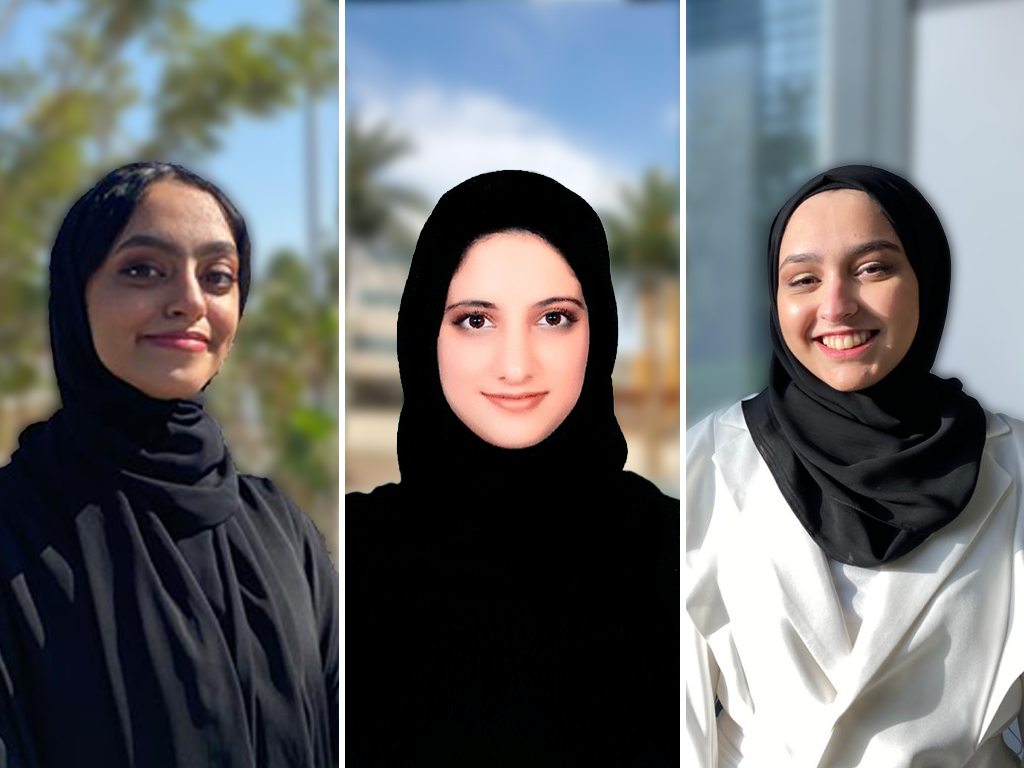
Team PetroPremium, composed of Petroleum Engineering students Alanood Alburaiki, Anoud Alshukaili, and Mariam Alkatheeri, developed a robot with sensors and a webcam to scan oil storage tanks. The robot scans the tanks using spiral movements, analyzes the data, and then identifies corrosion spots in the tanks, helping ensure the safety and structural integrity of the tanks. 


“The idea came while we were discussing with Dr. Waleed Alameri (Assistant Professor of Petroleum Engineering) about MBZIRC 2020. He believed in us and his support, along with Dr. Hamad Karki, (Associate Professor of Mechanical Engineering) who helped us reach this great achievement, which is winning the Emirates Award under the Best Innovative Student Project,” Anoud commented. 


“As the demand for oil and gas is increasing, resources are diminishing. The oil and gas industry is looking for more advanced technologies to increase productivity in a cost-effective manner. Therefore, our role as petroleum engineers is to innovate and help in developing the oil and gas sector in achieving our country’s vision. Robotics has the potential to positively impact the oil and gas industry. We’re planning to keep working on this project and implementing new technologies that will increase its efficiency,” Alanood said. 


“Through our participation in the MBZIRC, we have seen that the United Arab Emirates, under its wise leadership, has always supported vital projects that will help the country achieve its goals. We also received a great morale boost after we met His Highness Sheikh Hamed bin Zayed Al Nahyan, who praised our role as Emirati students in advancing scientific progress and expanding the perceptions of creativity and innovation. He also praised us as an example to follow and encouraged us to continue working on scientific investment,” she said. 


“It is also not surprising that we have received the full support of the Khalifa University administration and the educational staff. The University provides their students with innovative courses, competitions, and most importantly, access to their laboratories where students can work on their projects,” remarked Alanood. 


Dr. Waleed also commented: “Thank you Anoud, Alanood, and Mariam for such an excellent achievement. We are always here to help, serve and support our students at Khalifa University and I’m sure that this is not the end. We will develop the idea of the designed robot and one day will apply it in real projects.” 


“The Petroleum Engineering Department at Khalifa University was the main reason for us to continue with the project. This achievement is also directed to our beloved country and our families as well. We as graduate students are proud to reach this level of achievement during this pandemic. This is proof that nothing is impossible nowadays and we can turn what is impossible to possible by our determination and persistence,” Anoud added. 


Ara Maj Cruz
Creative Writer
6 June 2021

Khalifa University Organizing Region’s First-Ever International Nuclear Congress ICAPP 2021 in Abu Dhabi

World Nuclear Community Leaders to Review Industry’s Current Status and Discuss Future Direction


Khalifa University has announced it will host leaders of the world nuclear community for the region’s first-ever International Congress on Advances in Nuclear Power Plants (www.ICAPP2021.org) in the UAE capital Abu Dhabi to discuss the industry’s future direction.


The Congress will be held from 16 – 20 October 2021 at the Khalifa University campus, and is co-sponsored by Emirates Nuclear Energy Corporation (ENEC), the UAE Federal Authority for Nuclear Regulation (FANR), as well as the American, French, Korean and Japanese nuclear societies. ICAPP 2021 comes to Abu Dhabi as the first nuclear power project in the UAE and first in the Arab world – Unit 1 of Barakah Nuclear Energy Plant – has successfully begun commercial operations.


ICAPP 2021 will provide a forum for leaders of the nuclear community to exchange information, present results from their work, review the status of the industry and discuss future directions and needs for the deployment of new nuclear power plant systems around the world. ICAAP 2021 proceedings will draw to a close with an ‘elevator pitch’ competition for students.


Khalifa University continues to lead in developing and contributing human capital to UAE’s strategic sectors, including the nuclear industry. The university has so far graduated and trained over 380 Emirati and international nuclear engineering professionals, whose expertise, along with global experts, is set to become a game-changer in the country’s energy sector.


Clarence Michael
English Editor Specialist
3 June 2021

BSc Math Alumni Participate in Women in Data Science 2021

Amina, Sarah, and Shahd presented their senior project at the WiDS UAE event. 


In March 2021, IBM Dubai hosted the Women in Data Science (WiDS) UAE 2021, a regional event that gathered established and emerging data scientists from a variety of institutions such as universities, corporations, and startups to participate in panels, lightning talks, and tech talks relating to data science, new technologies, and the future of the industry. The event also brings into focus the role of women in data science.


Three Khalifa University BSc in Applied Mathematics and Statistics alumni were invited to share their projects during the event. Amina Abood Mohammad Salem, Sarah AlBastaki, and Shahd Hardan each presented their senior project work during the lightning talks and participated in the following Q&A.


Amina talked about using single nucleotide polymorphism (SNP) arrays to identify changes in gene expressions that are associated with disease phenotypes. SNPs can provide valuable insights about disease phenotypes, and Amina discussed the careful statistical adjustments necessary when extracting significant genes that may be associated with a complex disease. 


Sarah discussed implementing reinforcement learning in explore-exploit dilemmas to obtain the maximum possible reward from a set of actions. Her discussion included visualization and modeling of psychological data collected at the University of Arizona, USA. 


Shahd explained how to apply principal component analysis (PCA), a dimensionality reduction method, on the Human Genome Diversity Panel (HGDP-CEPH) data, to understand the population structure. Her work showcased a deeper look into this data than is typically done with PCA, visualizing single chromosomes and isolating specific subpopulations within the data.


The three students were supervised by Dr. Samuel Feng, Assistant Professor of Mathematics. “You’re always pleased to see the right people get some well-deserved recognition. Amina, Sarah, Shahd—their quantitative/analytical talent is clear. But they are also much more than “STEM graduates”. They are truth-focused women who work with integrity, don’t cover up mistakes, and have impressive ambitions, exactly the type of people society needs more of. I’ve always thought of helping to produce people, not degrees. So students are the product, and the customer is society.  Being in the UAE, this society clearly needs more people like these three—STEM graduates capable of independent thought and a work ethic based on trustworthiness. The same could be said for most of the rest of the world,” Dr. Feng commented. 


Khalifa University has a 60% female student body, a testament to its support of women to pursue advanced, specialized knowledge and skills in science, technology, engineering, and mathematics (STEM). 


WiDS UAE 2021 is an independent regional event organized by WiDS Ambassadors in the UAE as part of Stanford University’s annual WiDS Worldwide conference. The initiative aims to support women in data science, as well as inspire and educate other data scientists around the world, regardless of gender.


Ara Maj Cruz
Creative Writer
2 June 2021

Research into the Atmospheric Aerosols over the UAE Shows Dust Levels Decreasing

A new study from Khalifa University highlights just how much dust contributes to the total aerosol load over the UAE, and how the atmospheric conditions have been changing since 2009.


Read Arabic story here.


By analyzing the atmospheric conditions over the United Arab Emirates using data from satellites and a ground-based robotic network, researchers at Khalifa University have determined the composition and variability of the atmospheric aerosols over the UAE.


Dr. Narendra Nelli, Postdoctoral Fellow, Samson Fissehaye, Graduate Student, Dr. Diana Francis, Senior Research Scientist and Head of the Environmental and Geophysical Sciences (ENGEOS) Lab, Dr. Ricardo Fonseca, Postdoctoral Fellow, Michael Weston, Research Engineer, Dr. Rachid Abida, Research Scientist, and Dr. Oleksander Nesterov, Postdoctoral Fellow, published their research in the Earth and Space Science Journal. Chief among their insights is the large contribution of dust aerosols to the total aerosol load over the UAE and the need to account for these dust particles in weather and air quality forecasts.


While the UAE is famed for its year-round sunshine, it’s also well known that the air across the country tends to be dusty, thanks to the country’s desert geography. Particles in the atmosphere, including dust and pollution, can block the sunlight by absorbing or scattering light, preventing it from reaching the ground. This is known as aerosol optical depth.


“On a climatological time scale, we found that the aerosol optical depth (AOD) over the UAE has been decreasing since 2009, possibly due to the increasing trend in precipitation and changes in land use,” explained Dr. Francis. “Atmospheric aerosols have a wide range of impacts on the climate system but quantifying these effects is a challenge, primarily due to their sporadic nature. There’s still considerable uncertainty as to their net effect on the climate.”


Given that the areas needing to be investigated are so large, researchers use satellite-based observations to determine the variability of atmospheric aerosols over large regions. The KU researchers used data from the Cloud Aerosol Lidar and Infrared Pathfinder Satellite Observation satellite (CALIPSO) collected over a 14-year period.


“Long-term and global aerosol measurements with space-borne instruments are crucial for a better understanding of aerosol distribution and their effects on the environment,” said Dr. Francis. “But we also need to evaluate the accuracy of satellite observations against ground-based measurements, especially near source regions.”


The Aerosol Robotic Network (AERONET) is a collection of sun photometers distributed across the planet and used in a number of studies to validate satellite observations of atmospheric aerosols. The team compared the data from a seven-year period collected by AERONET against the data from CALIPSO.


“While there are aerosol-related studies in the UAE, they generally focus on individual events,” explained Dr. Francis. “We wanted to investigate the characteristics of the aerosols in the Arab region over a longer term and look at variability across the seasons and years.”


Understandably, dust is the predominant aerosol subtype in the region, in particular in the summer season when dust storms occur more frequently in the UAE. Combined with the dust particles in the atmosphere are what is known as “polluted dust”, which is a mixture of dust with particles from biomass burning and urban pollution, and “polluted continental”, which refers to aerosols that have originated from industrialized countries from both human and natural sources. Polluted continental is only seen in the colder months of the year due to the background northwesterly winds and weather systems that affect the region during the winter, blowing these fine aerosol particles in from other industrialized nations.


Over the longer term, the researchers noticed a “clear, albeit small, decreasing trend from 2009 onwards” in the AOD, particularly during the day time, indicating that there is a decreasing amount of dust in the atmosphere during the day now as compared to the years before 2009.


“A possible explanation is the increasing trend in precipitation in the same period, as rainfall is known to wash out aerosols leaving the atmosphere cleaner,” explained Dr. Francis. “Cloud seeding plays a potential role in this increase in precipitation as these operations have been conducted in the UAE since 2010. In addition, changes in land use and land cover in the UAE can also explain this decreasing trend in AOD. While urbanization may lead to an increase in pollution, it will also reduce the potential for dust emission, so providing the increase in AOD from pollution does not outweigh the decrease in amounts of dust, we’ll see a decrease in AOD overall.”


The researchers found that dust is a quasi-permanent component of the atmosphere over the UAE and so its presence needs to be accounted for in climate projections as well as in meteorological and air-quality forecasts.


The team plans to continue their research by extending the geographic area in question to cover the entire Arabian Peninsula, including Iran, to assess the regional atmospheric composition and links to patterns in atmospheric circulation. 


Jade Sterling
Science Writer
1 June 2021

Khalifa University Celebrates the Graduation of 885 Students from Bachelor, Master and PhD Programs in Science, Engineering and Arts at 2021 Commencement Ceremony

The Ceremony was Held Under the Patronage of His Highness Sheikh Mohamed Bin Zayed Al Nahyan


Under the patronage of His Highness Sheikh Mohamed Bin Zayed Al Nahyan, Crown Prince of Abu Dhabi and Deputy Supreme Commander of the UAE Armed Forces, Khalifa University of Science and Technology has celebrated the graduation of 885 students from its Bachelor’s, Master’s and PhD programs during the 2021 graduation ceremony, which was held virtually on Wednesday, 26 May 2021.


During the ceremony, 51 students received their PhD degrees in biomedical engineering, electrical and computer engineering, aerospace engineering, civil and infrastructure engineering, mechanical engineering, nuclear engineering, robotics engineering and interdisciplinary engineering.


Another 168 students received their Master’s degrees in applied chemistry, biomedical engineering, chemical engineering, computer and information science, electrical and computer engineering, engineering systems and management, information security, materials science and engineering, mechanical engineering, nuclear engineering, petroleum engineering, geo-petroleum engineering, sustainable critical infrastructure, international and civil security, health, safety and environmental engineering, and water and environmental engineering.


While 666 students received their Bachelor’s degrees in applied mathematics and statistics, petroleum engineering, industrial and systems engineering, biomedical engineering, electrical engineering, electrical and electronic engineering, chemical engineering, civil engineering, mechanical engineering, computer engineering, communication engineering, aerospace engineering, and petroleum geosciences.


The graduation ceremony coincides with the UAE’s Golden Jubilee celebrations of the country’s 50 years of progress and achievements.


In his address, Sheikh Hamed Bin Zayed Al Nahyan, a member of the Executive Council of Abu Dhabi and chairman of Khalifa University’s board of trustees, expressed great pride in the graduates’ outstanding achievements.


He extended his greetings to His Highness Sheikh Khalifa Bin Zayed, the President of the UAE, and His Highness Sheikh Mohamed bin Rashed, Vice President and Prime Minister of the UAE, and ruler of the Emirate of Dubai and His Highness Sheikh Mohamed Bin Zayed, Crown Prince of the Emirate of Abu Dhabi, Deputy Supreme Commander of the United Arab Emirates Armed Forces, and to all Emiratis and residents in the UAE, on this significant occasion, which marks the  entry of a new cadre of talented graduates – who are now equipped with the robust knowledge and skills gained at the internationally recognized Khalifa University – into the UAE’s key science, engineering, technology and medical sectors.


His Highness also expressed his gratitude to the parents of the graduates for this achievement, as they provided unconditional support to the graduates during their studies.


He also congratulated the UAE’s leadership and people, while expressing his pride in the graduates’ and their achievements. He thanked them for their efforts, which will inspire current students of Khalifa University, and for all that they’ve done and will do in the future for the UAE.


He also noted the important role KU graduates have played and will continue to play in enhancing the UAE’s international standing as a leader in research and innovation. Khalifa University graduates contribute to the country’s vital sectors, bringing with them advanced knowledge, expertise, critical skills, and a unique ability to analyze and find creative solutions to the country’s greatest challenges.


Khalifa University has consistently contributed to the aerospace sector. It graduated the first-ever batch of students in Aerospace Engineering, while more recently Khalifa University students designed and developed MySAT-1 and DhabiSat, two mini satellites which were launched into space, and they are also helping students of other universities to design and develop CubeSats.


Khalifa University’s virtual 2021 graduation celebration comes at a time when the University has achieved several milestones, especially with the most number of scientists from the UAE being included in the exclusive Stanford University List of 2% Most Cited Scientists in their fields for 2019, with a total of 45 faculty members, representing 25% of all faculty from the UAE, as well as the Stanford University List of 2% Most Cited Career-long Scientists in their field of research for 2019, with 36 faculty members, representing 31.5% of all faculty from the UAE.


In global rankings, Khalifa University leapt 67 notches to be ranked 214th globally in the ‘Engineering and Technology’ category, top in the UAE and in six subjects, including Petroleum Engineering, in the most recent 2021 QS (Quacquarelli Symonds) World University Rankings by Subject. The University already ranks at #211 in the QS World University Rankings 2021, which features 1,029 of the most prestigious universities in the world.


Moreover, Khalifa University is ranked top in the UAE and 114th globally in ‘Engineering’ in the US News & World Report’s 2020 Best Global Universities’ rankings published in November 2019. The University is ranked second in the Middle East and North Africa (MENA) region and among the top 200 globally in the Times Higher Education (THE) World University Rankings 2020 by Subject: Engineering and Technology.


Clarence Michael
English Editor Specialist
26 May 2021

Biomedical Computing in the Arab World: Unlocking the Potential of a Growing Research Community

Health challenges remain one of the long-standing issues in the Arab region but biomedical computing research is one way to tackle these challenges. 


By Dr. Ahsan H. Khandoker


Read Arabic story here.


A combination of factors is driving the growth in demand for healthcare in the Middle East, including aging populations, longer life expectancies, and sedentary lifestyles that lead to an increase in obesity, cancer, and diabetes.


Thanks to recent advances in computing technology, biomedical computing has become one of the most influential research areas worldwide. There has been an explosion in the volume of biomedical data generated by the technologies involved in modern healthcare, but these volumes of data pose great analytical challenges in the quest to infer the knowledge buried within.


Researchers across the Arab region have successfully advanced a diverse spectrum of biomedical computing applications, as well as stimulating commercial interest. In an article published in Communications of the ACM, a journal for the Association of Computing Machinery, my colleagues and I shed light on these notable research efforts and demonstrate how this research addresses healthcare issues in the region. We focus on three main areas of biomedical computing: biomedical imaging, biomedical signal analysis, and bioinformatics.


Dr. Ahsan H. Khandoker

Biomedical image analysis has been used extensively in the Arab world due to the region’s strong prevalence of diseases that rely on imaging techniques for accurate diagnosis. Across the region, numerous research groups have published work in this area, using various machine learning techniques. Research includes localization of cardiac structures using magnetic resonance imaging (MRI), computer-aided diagnosis for understanding tumor behavior, and diagnosis of Alzheimer’s disease using diffusion tensor images. With the onset of the Covid-19 pandemic, many researchers have also proposed methods for fast and accurate CT image segmentation, which is crucial to the diagnosis of Covid-19.


Biomedical signal analysis is another area that is key, given the advances in the technology of recording different physiological signals from the human body. These signals can be used in diagnosing various diseases as well as modulating the function of different organs. The Khalifa University Biomedical Signal Processing research group is developing non-invasive fetal phonocardiogram, as well as adult electrocardiogram (ECG) signal processing techniques to prevent stillbirths and sudden cardiac deaths.


Cardiovascular disease represents a leading cause of death in the Arab region, as well as worldwide, and the KU team is proud to contribute to the global research efforts to diagnose and predict cardiac arrhythmia complications. The team has developed a new device presenting a novel algorithm to predict a heart attack long before its onset, and successfully developed the first proof-of-concept, low-cost phonocardiogram sensor that can detect fetal heart sounds and give a reliable estimation of the fetal heart rate and its variability.


Brain signal analysis is another notable research direction pursued in biomedical computing applications. Researchers have identified and characterized the brain networks associated with cognitive deficits in patients, with neurological pathologies such as Alzheimer’s disease understood to be caused by alterations in these brain networks. This research could complement current Alzheimer’s Disease diagnostic metrics, especially at early stages of the disease.


Another study has proposed a technique to assess the mental capacity to preserve attention for long durations, with the technique able to monitor changes in the communication patterns among different brain regions with reduced attention. Biomedical signal analysis research in the region has resulted in influential and diverse contributions that aim to resolve multiple technical challenges in the field and address several population health issues.


Researchers in the field of bioinformatics have leveraged high-performance computational methods to tackle hereditary diseases prevalent in the region. There have been multiple efforts to develop national genome programs, with the projects focusing on unravelling the mutations responsible for inherited disorders in the population. The Emirati project, for example, has characterized 1,000 individual genomes with aspirations to eventually cover the entire population of the country. This bioinformatics research has the potential to dramatically enhance the quality of life of millions of people around the Arab region.


Built upon the success demonstrated in different biomedical computing tracks, the Arab region has witnessed a strong momentum for entrepreneurial activities in many sectors, for example, the work of the KU Biomedical Signal Processing research group that resulted in a UAE-based start-up company licensed to commercialize their phonogram technology for fetal wellbeing at home, called Medical Advanced Research Project (MARP ).


Research in biomedical computing is stimulating the budding culture of entrepreneurship and new ventures across the region, opening avenues of development that could magnify the outcomes of the biomedical computing research community in the region. Much of this work is being undertaken by Khalifa University’s Healthcare Engineering Innovation Group (HEIG) and Biotechnology Center (BTC).


Dr. Ahsan H. Khandoker is an Associate Professor of the Department of Biomedical Engineering at Khalifa University. 

What is Going on With Middle Eastern Solar Prices and What Does It Mean for the Rest of Us?

For the third time in a decade, solar energy prices are tumbling in the Arabian Gulf. As demand for solar installations picks up dramatically, so falls the cost of solar energy, particularly in the Middle East.


Read Arabic story here.


When it comes to the cost of energy from new power plants, onshore wind and utility-scale solar are now the cheapest sources, costing less than gas, geothermal, coal or nuclear. Ten years ago, solar was the most expensive option for building a new power plant.


In a paper published in Progress in Photovoltaics, KU researchers Dr. Harry Apostoleris, Post-Doctoral Fellow, Dr. Amal Al Ghaferi, Associate Professor, and Prof. Matteo Chiesa, Professor, show how local conditions and global macroeconomic factors have conspired to bring solar energy into a new realm of extreme affordability in the Middle East.


They argue that the Gulf market, especially the United Arab Emirates and Saudi Arabia, represents the leading edge of the global learning curve and offers a window into the likely near future of large-scale photovoltaics around the world.


As with most technologies, the more people invested in solar power, the cheaper it became. The Middle East has emerged as a global leader in photovoltaic deployment and pricing, with large utility-scale projects launched across the region.


In a previous study, the KU research team found that rapidly declining hardware prices, local business conditions, and access to generous financing packages were the major factors contributing to the low prices, with the market validating that assessment. Global average prices in comparable climates around the world have declined to nearly match the prices observed in the Gulf region, but now, countries in the GCC are seeing a new drop in prices. It is at this point that the researchers believe solar energy has solidified itself as the economically favorable energy source, continuing impressive price drops that began in 2016.


“If pricing at this level spreads around the world, simple business sense would suggest a rapid decarbonization of electricity generation, where coal and gas plants are retired as quickly as possible and replaced with photovoltaics, simply to save money,” explained Dr. Apostoleris. “The target of deep decarbonization by 2030 being held up by many climate scientists and advocates would suddenly enter the realm of feasibility with far less disruptive interventions than were previously believed necessary.”


Global learning curves are part of the cause of these price drops. The more that solar panels were produced, the more the technologies improved and economies of scale came into play. Fossil fuels in comparison can’t compete with this pace. Additionally, sunshine is free and in the Middle East, practically guaranteed every day. The costs of tapping into this solar power was bound to decline sharply as technology improved and the industry grew.


“The UAE leadership also deserves credit for recognizing the potential of solar energy and investing in it when many countries and entities were still sceptical,” said Dr. Apostoleris. “This is one of the main reasons why the UAE is ahead of the global curve in solar energy adoption.”


Often, the low prices are also secured as part of tenders for projects only implemented a couple years later, which further drives down prices for the projects to come after.


“Auction bids have been characterized by forward-looking cost projections—developers will tend to bid not based on the market price of hardware at the time of bidding, but on the prices they expect to pay a year or more in the future when the hardware is actually being ordered,” explained Dr. Apostoleris. “As strong downward pricing trends continue, this pattern of aggressive forward-bidding can be expected to hold.”


Additionally, the prominence of major international players in the Gulf’s solar development is helping to realize below-market costs. Large firms with an established presence in the region have  relatively lower costs of doing business and are able to set their prices for large orders of hardware to a significant degree, and even factor in reputational elements—the ‘bragging rights’—of landing a large contract and gaining market share. Coupled with generous financing packages and a consistent solar resource, the low cost of solar energy in the Gulf begins to make sense.


“It is possible that developers accept lower margins in exchange for a benefit that larger projects provide for their overall business model,” explained Dr. Apostoleris. “The developer has its own learning curve, and building larger projects allows it to move faster down this learning curve and reduce its costs for future projects.”


For the KU researchers, the solar energy economics in the Gulf follow the same general patterns as global trends, but at a substantially advanced pace. They regard this as evidence that trends in the Gulf are best viewed not as an aberration but as an indicator of the how the global market is likely to evolve in the future.


“As the future increasingly appears to be one of previously unimaginably cheap energy, the future trajectory of this industry is exceptionally promising,” said Dr. Apostoleris. “This would herald a revolution in not only solar energy but in the energy sector generally, with a new age of ultra-cheap electricity transforming our lives, economies and environment. With such dramatic change on the horizon, it makes sense to consider the next steps to take full advantage of the coming energy transformation.”


In any energy revolution, there will be opportunities as well as challenges. Renewable energies are notoriously inconsistent throughout the day and the year, although less so in regions blessed with almost constant sunshine, such as the Middle East. The existing power grids don’t have the ability to distribute power from renewables over long distances, and storing power for use during the nights when power generation from solar is impossible is another major concern. These challenges of intermittency and geography are not insurmountable, but they do require investment to develop and build the necessary infrastructure.


“There are myriad ways to modify our energy systems to enhance the value of this low-cost solar electricity,” said Dr. Apostoleris. “This is before considering the potential of demand-side management strategies that aim to shift the energy demand curve to match the solar generation curve, minimizing the need for storage. However, this is a challenge that must be met not only from a technical perspective but also from that of society more broadly.”


It is clear that the Gulf solar market can offer a window into the likely future trajectory of photovoltaics globally. While the KU researchers point to a future of immense benefit, they also point out the challenges the market will face along the way. Thankfully, the region’s solar energy pioneers are rising to the challenge.


“Interestingly, in recent months, solar panel prices have actually risen for the first time in a decade,” added Dr. Apostoleris. “This seems to be caused by a bottleneck in the supply of polysilicon, the raw material for solar cells, as global demand increases. This might be an opportunity for the UAE to move into polysilicon production, leveraging cheap clean energy and the country’s central location to become a supplier, not just a consumer, of the solar industry.”


Researchers at Khalifa University are supporting the UAE in its advancement of regional knowledge and leadership in renewable energy, as the country announces ambitious and defined renewable energy targets. Innovative research taking place at Khalifa University is driving down costs and increasing the efficiency of solar cells, investigating the effects of climate change on renewable energy production, and even demonstrating the ability to provide solar energy 24/7. 


Jade Sterling
Science Writer
24 May 2021

PhD Student Shares Research at DEWA R&D Center

Khalifa University PhD student Yusra Alkendi shared her research in robotics and autonomous systems during a technical session on Sunday, 4 April, at the Dubai Electricity & Water Authority (DEWA) R&D Center, the research arm of the Mohammed Bin Rashid Al Maktoum (MBR) Solar Park, the world’s largest single site solar park located in Dubai.


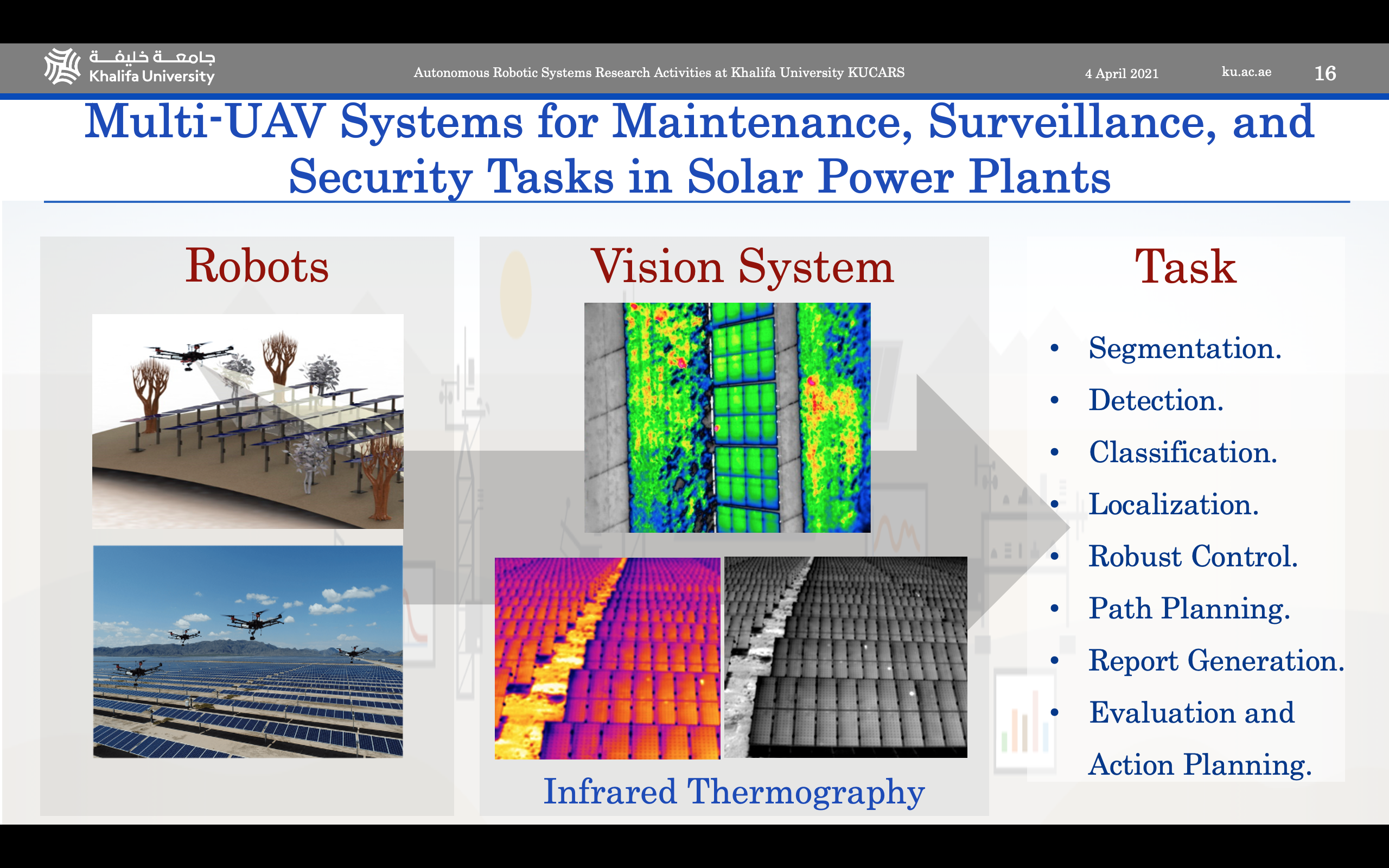
During her presentation to the DEWA R&D Center researchers, Yusra presented some of the major research projects being carried out at the KU Center of Robotics and Autonomous Systems (KUCARS). 


She presented the center’s research activities under the theme of “Robotic Systems for Critical Infrastructure Exploration, Inspection and Maintenance,” which includes projects to improve robotic system localization, mapping, and navigation; 3D reconstruction and coverage path planning; and systems identification and control.


She also shared the center’s activities under the theme “Automated Systems for Assembly, Manufacturing, and Transportation,” which include projects to enhance robotics grasping and manipulation and robotics drilling and assembly.


Yusra’s presentation included major projects being carried out at KUCARS.


Yusra’s research thesis, titled “Towards More Robust Autonomous Perception and Navigation Systems in Extreme Environments” is of particular interest to the DEWA R&D Center. She is studying how to improve persistent surveillance of critical infrastructure using single to multiple unmanned robotic systems; how multi-unmanned aerial vehicle (UAV) systems can be leveraged for improved maintenance, surveillance, and security tasks in solar power plants; and how to optimize aerial-ground robotics system capable of operating autonomously to perform maintenance operations with minimal human intervention.


Yusra is supervised by Dr. Yahya Zweiri, Associate Professor of Aerospace Engineering, and Dr. Lakmal Seneviratne, Professor of Mechanical Engineering and Director of KUCARS.


About KUCARS, Dr. Seneviratne said: “Robotics is a powerful technology poised to have a disruptive societal impact. KUCARS brings together a critical mass of researchers, with state of the art labs, to address some of the cutting edge R&D challenges in robotics. KUCARS has a strong international reputation and has the vision to be amongst the top robotics labs in the world.” 


The DEWA R&D Center brings together 39 researchers and focuses on four research areas, including producing electricity from solar power and other clean energy technologies; the integration of smart grids; energy efficiency, and water. Since its establishment, the Center has hosted over 24 technical sessions in order to share knowledge and promote creativity and development.


Erica Solomon
Senior Publication Specialist
23 May 2021

Khalifa University Graduation Ceremony 2021 to be held virtually on 26 May

Top-Ranked University to Celebrate Academic Success of 885 Bachelor’s, Master’s and PhD Students


Read Arabic story here.


Under the patronage of His Highness Sheikh Mohamed bin Zayed Al Nahyan, Crown Prince of Abu Dhabi, Deputy Supreme Commander of the UAE Armed Forces, Khalifa University of Science and Technology will host a virtual graduation ceremony on 26 May.


The virtual event will honor the University’s success of 885 students from various undergraduate, graduate and PhD programs in science, engineering and arts covering petroleum, nuclear, aerospace, chemical, electrical, electronic, industrial systems, civil and mechanical engineering, as well as energy, water and environment, and sustainable technology areas.


In all, 51 students will receive their PhD degrees, while 168 will receive their Master’s at the graduation ceremony. A total of 666 students will be receiving their bachelor’s degrees in science, engineering and arts, making the overall numbers to 885. Out of this, 335 are male students and 550 female. The UAE national students total 675, while the number of international students will be 210.


Dr. Arif Sultan Al Hammadi, Executive Vice-President, Khalifa University, said: “The virtual graduation ceremony this year will mark the celebration of success by these students under challenging circumstances, thus signifying their diligence and determination. It will also mark a major milestone in the lives of these graduates who are about to embark on careers in critical industries in the UAE and abroad, including in space, energy, sustainability and healthcare. We believe they will make an impactful impression with their achievements in their respective fields of work.”


Khalifa University will be virtually celebrating the success of the graduates at a time when it has achieved several milestones, especially with the most number of scientists from the UAE. Khalifa University tops universities from the UAE in the exclusive Stanford University List of 2% Most Cited Scientists in their fields for 2019, with a total of 45 faculty members, representing 25% of all faculty from the UAE. Khalifa University also tops in the UAE in the Stanford University List of 2% Most Cited Career-long Scientists in their field of research for 2019, with 36 faculty members, representing 31.5% of all faculty from the UAE.


In global rankings, Khalifa University leapt 67 notches to be ranked 214th globally in the ‘Engineering and Technology’ category, top in the UAE and in six subjects, including Petroleum Engineering, in the most recent 2021 QS (Quacquarelli Symonds) World University Rankings by Subject. The University already ranks at #211 in the QS World University Rankings 2021, which features 1,029 of the most prestigious universities in the world.


As of January 2021, Khalifa University has a total of 189 issued patents, with 247 applications pending and invention disclosures totaling 443.


At present, Khalifa University has 385 faculty members from 61 countries, while the 4,061 currently-enrolled students represent 55 nationalities. Khalifa University currently offers 16 Bachelor’s, and 18 Master’s degree programs, in addition to six PhD programs, one of which offers 11 concentrations.


Clarence Michael
English Editor Specialist
23 May 2021