

KU Researchers Making Fog Forecasting Models More Precise in the UAE

Researchers from KU’s ENGEOS Lab carried out the first fog microphysics measurements over the UAE, filling a gap in the existing studies of fog microphysics and contributing to region-specific prediction models that can help mitigate the impact that fog can have on society


Despite being a desert country, the UAE has all the necessary ingredients for fog, seeing up to 50 foggy nights per year. Dry desert conditions exist next to the warm seas of the Gulf, with moist air carried inland by the afternoon sea breeze cooled by the desert surface at night. This type of fog is known as radiation fog.


Fog can be considered a low-lying cloud; it’s a visible aerosol of miniscule water droplets hovering above the ground. This aerosol impacts visibility and can have a major impact on societal activities, particularly transportation, where low visibility can result in flight delays or create hazardous driving conditions.


Dr. Michael Weston, Dr. Diana Francis, Dr. Narendra Nelli, Dr. Ricardo Fonseca, Dr. Marouane Temimi and Dr. Yacine Addad published their results in the American Geophysical Union Earth and Space Science Journal.


“Fog microphysics characteristics play a key role in fog life cycle, radiation and visibility,” Dr. Francis said. “Measurements of fog microphysics are important to understand and improve existing model parameter schemes for more accurate fog forecasting. We carried out the first fog microphysics measurements over the UAE, where fog is a frequent occurrence in the winter months. The results from this study are the first of their kind in the region, and expected to advance our current knowledge on fog dynamics and characteristics.”


Once fog develops, it will persist for as long as moisture can continue to condense out of the air. When the condensation process is slowed by rising temperatures or other factors, the fog will begin to dissipate. Much of the fog seen in the UAE is radiation fog, but some develops via a different mechanism known as advection fog. This type of fog forms over the surrounding seas and moves over the UAE. Regardless of the type of fog, when the sun rises and warms the country in the morning, the fog dissipates.


“The stages of fog from onset, to maturation, and finally dissipation, are dependent on the complex interactions of droplet microphysics, aerosol chemistry, radiation, turbulence, and surface conditions,” Dr. Francis said. “For example, the number of fog droplets gives an indication of the number of activated cloud condensation nuclei, which is an important interaction in understanding fog onset and persistence.”


The research team collected the microphysical measurements of fog in the UAE from 28 January to 17 February 2021. These measurements are novel as they were collected at a site next to a warm water body and in an arid subtropical region. While fog microphysics have been reported for arid regions, they are normally associated with cold oceans located on the western coast of continents. The team’s results fill a gap in the existing studies of fog microphysics.


“Knowing the microphysical properties of fog helps in developing a more accurate forecast of the fog life cycle,” Dr. Francis said. “Previously, we were applying the generally known properties of fog because we didn’t have information on fog microphysics in the UAE available to us.”


To understand what’s happening during foggy periods, forecasters need to know the aerosol content and quantity in the atmosphere to determine the number of cloud droplets that will form around the aerosols.


The depth of the fog and the resulting reduction in visibility depends on the number of droplets that form, but research has shown that neither the number of fog droplets nor their shape remains constant during the different stages of the fog lifecycle.


For numerical prediction models to reflect these processes, the fundamental properties of the single droplets and aerosol particles must be considered.


The team’s results are useful for future work on fog harvesting as knowing the microphysical properties of fog droplets helps in the design of fog harvesting systems.  The current observations are the first part of a long-term data set on fog microphysics for this region and future measurements are planned for the next winter season in the UAE.


Jade Sterling
Science Writer
22 March 2022
A New Method Developed to Fabricate and Fine Tune 3D-Covalent Organic Framework Membranes


Khalifa University researchers discover new way to fabricate 3D organic polymer membranes and fine tune their water-repelling property using simple solvents — a breakthrough that could lead to cheaper, more efficient membranes for water and air filtration technologies. 


Membrane technology plays an increasingly important role in addressing social issues such as water scarcity, environmental pollution, and carbon neutrality. For example, membranes act as the filters that turn seawater into drinking water, and separate carbon dioxide and other pollutants from air. Developing new materials to make these filtration membranes more efficient and affordable is critical.  


In recent years, scientists have identified covalent organic frameworks (COFs) as a material with great potential for membrane applications. COFs are a class of material that form two- or three-dimensional structures through reactions between their organic components, resulting in strong dynamic covalent bonds that create porous, crystalline materials. They are uniquely tunable, with well-defined structures, good chemical stability, and plenty of pores for adsorption applications.


3D-COF membranes are particularly attractive candidates for molecular separation applications owing to their interconnected open pores, which promote molecular diffusion, or the movement of molecules, across the membrane.


But fabricating 3D-COFs remains a challenge. Because their unique structure originates from their spatially-oriented covalent bonds, it is difficult to crystallize and assemble them into large macroscopic structures such as membranes.


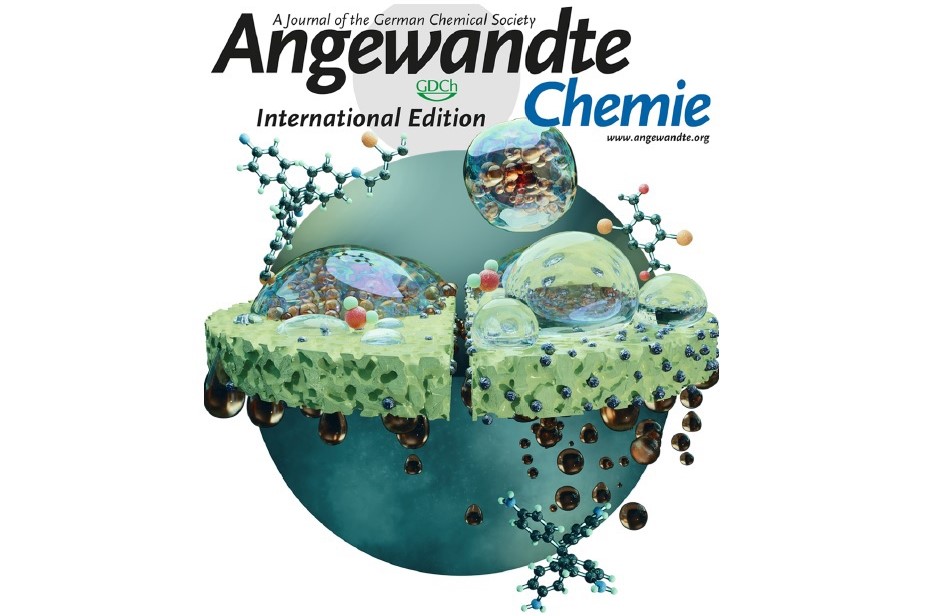
The KU research team included Dr. Abdul Khayum Mohammed, Prof. Maguy Abi Jaoude and Prof. Mohammad Abu Haija all from the Department of Chemistry, and Dr. Ayesha A. Al Khoori and Prof. Kyriaki Polychronopoulou, both from the Department of Mechanical Engineering. Their work has been published as a cover story in Angewandte Chemistry International Edition, one of the world’s top research journals.


“Attempts to fabricate 3D-COFs into larger structures have been limited to mixed matrix membranes or support-based thin films, limiting the full exploration of its pristine structure and open porosity,” Dr. Shetty said.


Directly fabricating free-standing 3D-COF membranes is a challenging task. Plus, the functional tenability of a COF is generally limited to the strategic selection of its molecular building blocks. Hydrophobicity is one such property that is difficult to control without altering said building blocks.


“Hydrophobicity is one of the important physiochemical properties of membranes for many applications, including oil-water separation, membrane distillation, and molecular sieving,” Dr. Shetty said. “A simple method to tune the hydrophobicity of a membrane would be incredibly useful.”


The research team successfully synthesized free-standing 3D-COF membranes and introduced a novel pre-synthetically controlled framework growth strategy to tune the hydrophobicity of the resulting membranes.


At room temperature, the team can use different solvents to regulate the hydrophobicity by adding defects to the structure. The resulting membranes exhibit unique physicochemical properties because of the extent of these defect sites within the network. The defects added to the structure can be precisely controlled depending on the concentration and makeup of the solvent systems used in their fabrication, with the research team using either ethyl acetate and water or chloroform and water.


The team tested their 3D-COF structures on a water-oil mixture using simple gravity filtration and found the oil molecules were successfully removed from the mixture.


“This work is the first to develop a freestanding 3D-crystalline organic polymer membrane,” Dr. Shetty said.


“We’ve proved it is possible to tune the physiochemical properties of the membranes without changing their building blocks or using chemical modifications. Such developments can benefit membrane fabrication for critical applications, including molecular separation, water purification, and membrane distillation. Other than the novelty and merit of the science behind the research, it’s exciting that the entire experimental portion of the work was conducted at Khalifa University, highlighting our ability to produce world-class research at KU.” Dr. Shetty.


Jade Sterling
Science Writer
22 March 2022
Khalifa University to Organize Virtual ‘Open Day’ on 19 March for Prospective Undergraduate and Postgraduate Students

Dedicated Website Offers Applicants Details on New and Existing Academic Programs, Vibrant Campus Life, Research Areas, and Scholarship Opportunities 


Khalifa University of Science and Technology today announced it will be organizing a virtual ‘Khalifa University Open Day 2022’ on 19 March to present its bouquet of academic programs, research options, scholarship opportunities, and campus facilities to prospective students, seeking admissions for Fall 2022.


A dedicated website http://www.ku.events/openday/ is offering details about Khalifa University’s three colleges, three research institutes, the entire range of 20 research centers, four research and demonstration facilities, and various other research labs. Potential students can log in and interact with the faculty of their desired programs. as well as experience a  virtual tour of the state-of-the-art labs and other campus facilities. The morning session will focus on undergraduate studies and the Pre-Medicine Bridge and Doctor of Medicine Program, while the afternoon session will highlight postgraduate programs in Science and Engineering. Details on the admission process will be available throughout the day.


The online Open Day 2022 will extensively offer aspiring students an opportunity to interact with Khalifa University faculty and students, and find out about the vibrant campus life, scholarship opportunities, research options, and the academic programs. In line with Abu Dhabi’s strategic plans to focus on a knowledge-based economy, Khalifa University offers 16 bachelor’s, 19 Master’s, five PhD programs with 12 concentrations, and one MD program. Additionally, students will have the option to choose Medical Physics, a new academic program which  integrates physics, medicine and technology, that will be launched this Fall. The program prepares graduates for rewarding careers in the physics of radiation therapy, diagnostic imaging, nuclear medicine and health physics, and radiation protection.


Even during the pandemic, Khalifa University had been active in supporting the community, through implementing more than 14 projects in COVID 19-related research, with local and international collaborations.


Dr. Ahmed Al Shoaibi, Senior Vice-President, Academic and Student Services, Khalifa University, said: “Khalifa University is closely aligned with Abu Dhabi’s 2030 vision to expand the knowledge economy and diversify into strategic high-technology sectors. In line with this, we emphasize our commitment to research and development, as well as providing our students with the opportunity to solve applied problems and gain real world experience, through long-term strategic partnerships with industry leaders, multinational entities, government agencies, as well as other globally-ranked universities and renowned institutions. We believe this Open Day 2022 activities will offer aspiring students a peek into Khalifa University’s authentic academic strength, research capabilities, and student life options that help develop consummate professionals, fully equipped to tackle future challenges.”


The Open Day agenda will include presentations on various academic programs, colleges, research institutes and research centers. The Abu Dhabi National Oil Company (ADNOC), will present details on the scholarships, while the Telecom Digital Regulatory Authority (TDRA) Innovation and Communication Technology (ICT) Fund will engage the students through a live Q&A session from 1.00-3.00 PM.


Students will be able to familiarize themselves with one of Khalifa University’s 20 research centers that address regional and global challenges in areas that remain relevant to the community. These areas include information and communication technologies, biotechnology, clean and renewable energy, exploration and production of oil and gas, robotics, machine intelligence, water and environment, health, aerospace, supply chain and logistics. These research centers drive innovation and offer students ample opportunity to excel, should they decide to tap into their creative ingenuity in science, technology engineering and medicine.


Khalifa University is top-ranked in the UAE and among the top 10 out of 125 Arab institutions in the 2021 Times Higher Education (THE) Arab Universities Ranking. In the Nature Index 2021, Khalifa University ranked top in the UAE and second among Arab institutions in terms of research output with 22 research papers, only for the 1 May 2020 – 1 April 2021 period. In the 2022 QS (Quacquarelli Symonds) World University Rankings, Khalifa University is ranked among the top 200 universities (183rd) globally.


Clarence Michael
English Editor Specialist
16 March 2022

The UAE Government Honors the 2nd Batch of the “Impossible Hackathon”

Students from national and international universities participate in creating solutions to housing challenges


In a virtual ceremony, the UAE government honored the affiliates of the second batch of the “Impossible Hackathon” model for students of national and international universities, which was organized by the Ministry of “The Impossible”, as part of its initiatives aimed at enhancing students’ participation in designing the new generation of government practices, and creating qualitative solutions. 


The work system for the second batch of the “Impossible Hackathon” model for students of national and international universities included a course entitled Innov8x accredited by the Colleges of Engineering at the American University of Colorado Mainz and Khalifa University, which focused on design and leadership thinking, analysis of challenges, development of prototypes, and the participation of stakeholders in developing Innovative community solutions, where a team from the Ministry of Energy and Infrastructure coordinated periodically with students to follow up on the developments of their work, answer their questions and inquiries, provide them with information and help them design and devise the best solutions to challenges.


Read the full story here: https://www.emaratalyoum.com/local-section/education/2022-02-10-1.1597149 

ARIC and Sanad Pair Up to Repair Turbine Blades with 3D Printing

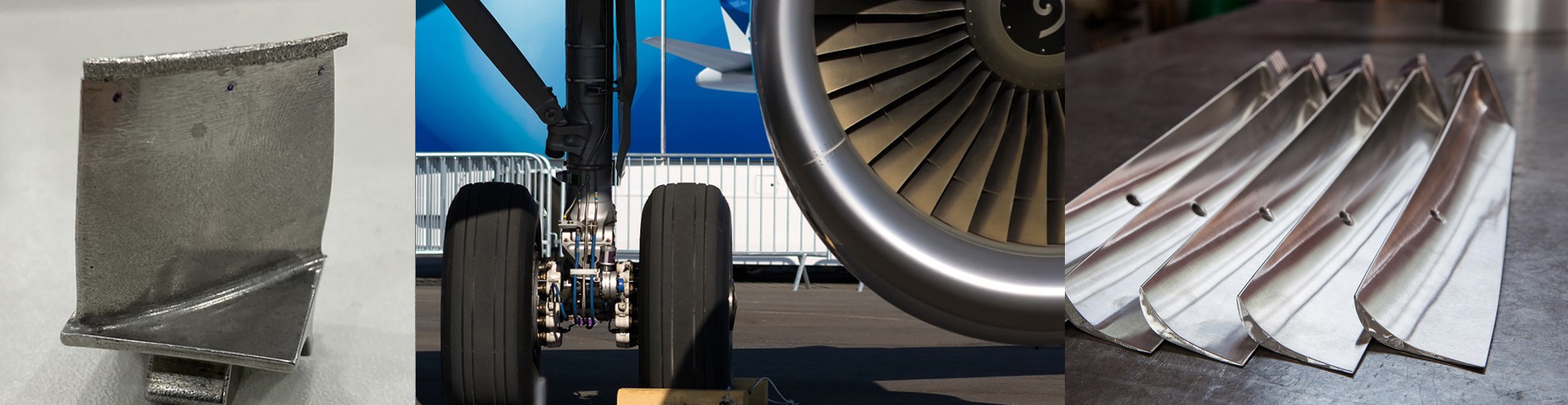
Khalifa University is collaborating with Sanad Aero Tech (a Mubadala Company) to leverage the Additive Manufacturing capability at KU. Together, they are utilizing state-of-the-art equipment to research and develop solutions to some of the world’s most pressing problems. One of these projects involves repairing compressor blades.

A jet engine is powered by constantly spinning compressor blades, but when in service, the blades rub against the housing of the engine and get worn down. When they become too small, the engine’s efficiency is compromised. Taking the engine off wing and repairing these blades is necessary.

Current repair techniques involve tip welding the worn blade to restore its length. However, the current process is lengthy as it involves shipping blades to vendors where they can be placed on the maintenance queue, affecting the overall turn-around time of the engine.

Instead, the joint research team from Sanad and Khalifa University are looking into repairing the blades using additive manufacturing. If the technology is qualified, which is the final stage of development, the blades can be directly repaired using titanium powder, which builds the blade back up to its original shape.


Erica Solomon
Publication Senior Specialist
14 March 2022

All Khalifa University Buildings Across Both Campuses Now Linked to Hassantuk Safety System

Hassantuk’s State-of-the-Art Smart System Increases Efficiency of Emergency Service Response to Fire and Life Safety Alarms  


Khalifa University of Science and Technology today announced all the buildings on its two campuses are now connected to the Hassantuk safety system, which is integrated with Civil Defense Command Centre in the UAE, in line with an agreement with Injazat, the UAE’s leader in digital transformation.


A strategic public-private initiative between the UAE Ministry of Interior and Injazat, Hassantuk is designed to increase the efficiency of emergency services’ responses to all fire and life safety emergency alarms through a state-of-the-art smart system. This helps to cut down response times and increase efficiency to all emergency events across the UAE, reducing danger to life and damage to property.


For Khalifa University, the Hassantuk system will send the alarm in real time to the Command and Control Center, if smoke or fire is detected. The Center will contact the Khalifa University Facilities Management (FM) team to check whether it is real or a false alarm. The FM service provider will verify and repair the false alarm, but in case of real fire, the Civil Defense team will arrive immediately.


Dr. Ebrahim Al-Hajri, Senior Vice President, Support Services at Khalifa University, said: “We are delighted to partner with Hassantuk to ensure a safe and environmentally-sound environment, suitable to the Khalifa University community of students, faculty and staff. Such an environment, which always remains our priority, is the most conducive to learning and imparting knowledge. We believe connecting our premises to Hassantuk will further emphasize the importance we place on health, environment and safety measures in all areas across our campuses, research centers and facilities.”


Ayman Alsebeyi, General Manager at Hassantuk, said: “Hassantuk is one of the world’s first federal fire and life safety services that is designed not only to help save lives and property but also to assist educational institutes like khalifa University to ensure the safety of its buildings and visitors.


Hassantuk is proud to work with forward thinking companies and educational institutes such as Khalifa University. By sharing the same customer centric vision of a safer community, helping them provide their students and faculty with a safer choice.


Hassantuk continues to provide 24×7 round the clock protection for connected buildings, creating a safer, smarter community.”


The Khalifa University campuses promote a safe, environmentally-sound environment, conducive to the highest level of education and research. The Facilities Management (FM) department is responsible for the wellbeing of students, faculty, staff, contractors and visitors on the campuses, and for the campus environment. The Khalifa University Facilities Management (FM) system has been developed to meet the requirements of the Abu Dhabi Emirate and relevant international standards. It aims to create and sustain a positive and productive study and work environment that stimulates creativity, while ensuring health and safety of students, faculty and staff, as well as improving conservation and management of natural resources.


From schools and hospitals, residential and commercial buildings, warehouses and workshops, Hassantuk monitors connected buildings fire alarm systems 24/7 from a central control room, liaising with Civil Defense Operators and emergency services to transmit fire and life safety events with greater detail and speed. Its advanced AI engines generate regular operational and business intelligence reports for Civil Defense and the Ministry of Interior, while its dedicated online dashboards and real-time messaging enable building owners to constantly monitor their properties, adding an additional layer of information and actionable intelligence.


Clarence Michael
English Editor Specialist
4 March 2022


New Artificial Intelligence Technique Could Tell if You Have Covid-19 from the Sound of Your Breathing

Digital mass testing for Covid-19 could soon be possible through smartphone applications and machine learning techniques to identify patterns in sounds made by simply breathing.


Read the Arabic story here: https://researchku.com/news-extended/249


The sound of a person’s breathing, cough or even their voice could all be used to help diagnose patients with Covid-19, as Khalifa University researchers design an app using artificial intelligence to detect the sounds of a coronavirus infection.


The standard methods to test for Covid-19 rely on polymerase chain reaction (PCR) technologies. While highly accurate, these tests are hindered by the time taken to get results. They also require trained personnel, properly equipped test sites, and robust operational and logistical supply chains. Not to mention, PCR testing is unpleasant for the patient which can deter them from testing regularly.


Finding promising alternatives that are simple, fast and cost-effective is the goal. Plus, since Covid-19 cases continue to increase around the world, a system capable of recognizing the disease in signals recorded by portable devices, such as smartphones, is essential.


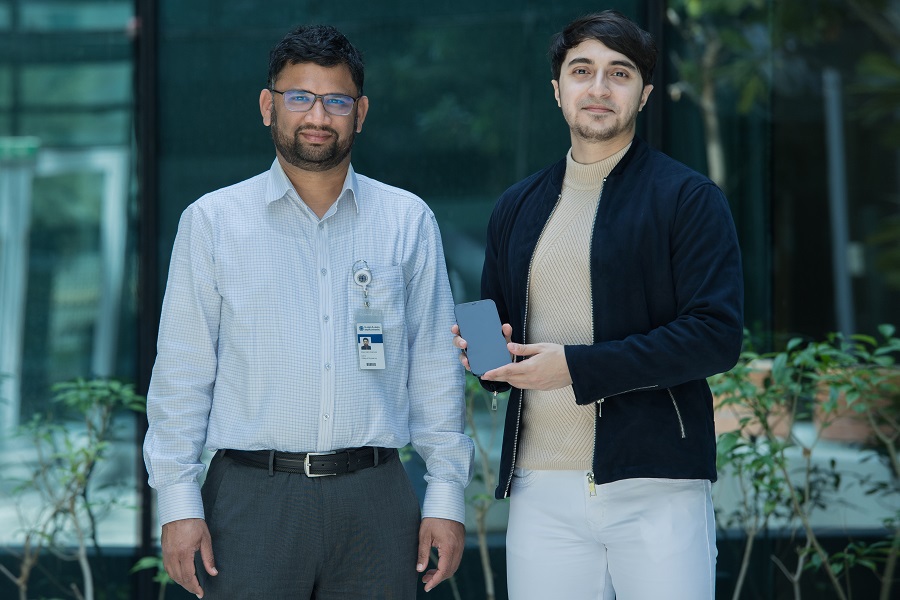
Mohanad Alkhodari, Research Associate, and Dr. Ahsan Khandoker, Associate Professor of Biomedical Engineering, investigated the use of breathing sounds and a deep learning framework to determine Covid-19 infections from healthy subjects, including asymptomatic cases. Their results were published in PLOS ONE.


“Recent studies have used new emerging algorithms in artificial intelligence to detect and classify Covid-19 infections in CT and X-ray images, averaging over 95 percent accuracy,” Alkhodari said. “While the imaging techniques aren’t feasible for frequent testing purposes, the machine learning techniques can be used in determining infection from biological respiratory signals, such as coughing and breathing sounds.”


The human body makes all sorts of noises and physicians have used them to diagnose disease—perhaps the most classic medical device is the stethoscope. Auscultation, the technique of listening to the body, can be challenging for humans to grasp accurately, but it’s a simple task for a machine. Artificial intelligence algorithms can identify features or patterns in sounds that the human ear cannot, and can also pick up noises that are beyond human hearing.


“Respiratory auscultation is a safe and non-invasive technique to diagnose the respiratory system and its associated organs,” Alkhodari said. “Clinicians can hear and record the air sound moving inside and outside the lungs while breathing or coughing, and then identify any abnormalities. This could serve as an early alert to a patient before they move on with further testing.”


Previous studies have investigated the information carried in respiratory sounds in patients who tested positive for Covid-19, forming the dataset necessary to train a machine learning algorithm. Additionally, the vocal patterns seen in patients with Covid-19 show indicative biomarkers for viral infection.


“Although the current gold standard, PCR testing has various limitations, including the high expenses involved in equipment and chemical agents, the need for experts for diagnosis, and the long wait needed for results,” Dr. Khandoker said. “A handheld deep learning model overcomes most of these limitations and allows for a better revival of the healthcare and economic sectors in several countries.”


Healthy and unhealthy signals from the COVID-19 smartphone-based screening tool.


The team focused on a dataset from India, using a total of 480 breathing sounds from a publicly available dataset. These sounds were recovered by an equal number of healthy and infected subjects using a smartphone microphone and fed into the deep learning framework.


“India is severely suffering from a new genomic variant of Covid-19,” Dr. Khandoker said. “This gives us an insight to the ability of the AI algorithms in detecting infection in patients carrying this new variant, as well as asymptomatic patients.”


The results obtained from testing the deep learning framework on the Indian dataset shows its potential for developing telemedicine and smartphone applications for Covid-19 that can provide real-time results in an efficient and timely manner. It could also be extended beyond Covid-19 to future pandemics or other respiratory diseases. For countries experiencing high infection rates, this technique would also mean isolation behaviors could be maintained, reducing further infection spread, but also provide a diagnostic test that is much cheaper for places struggling to implement the infrastructure needed for mass PCR testing.


“This study paves the way towards implementing deep learning in Covid-19 diagnostics,” Dr. Khandoker said. 


Jade Sterling
Science Writer
1 March 2022

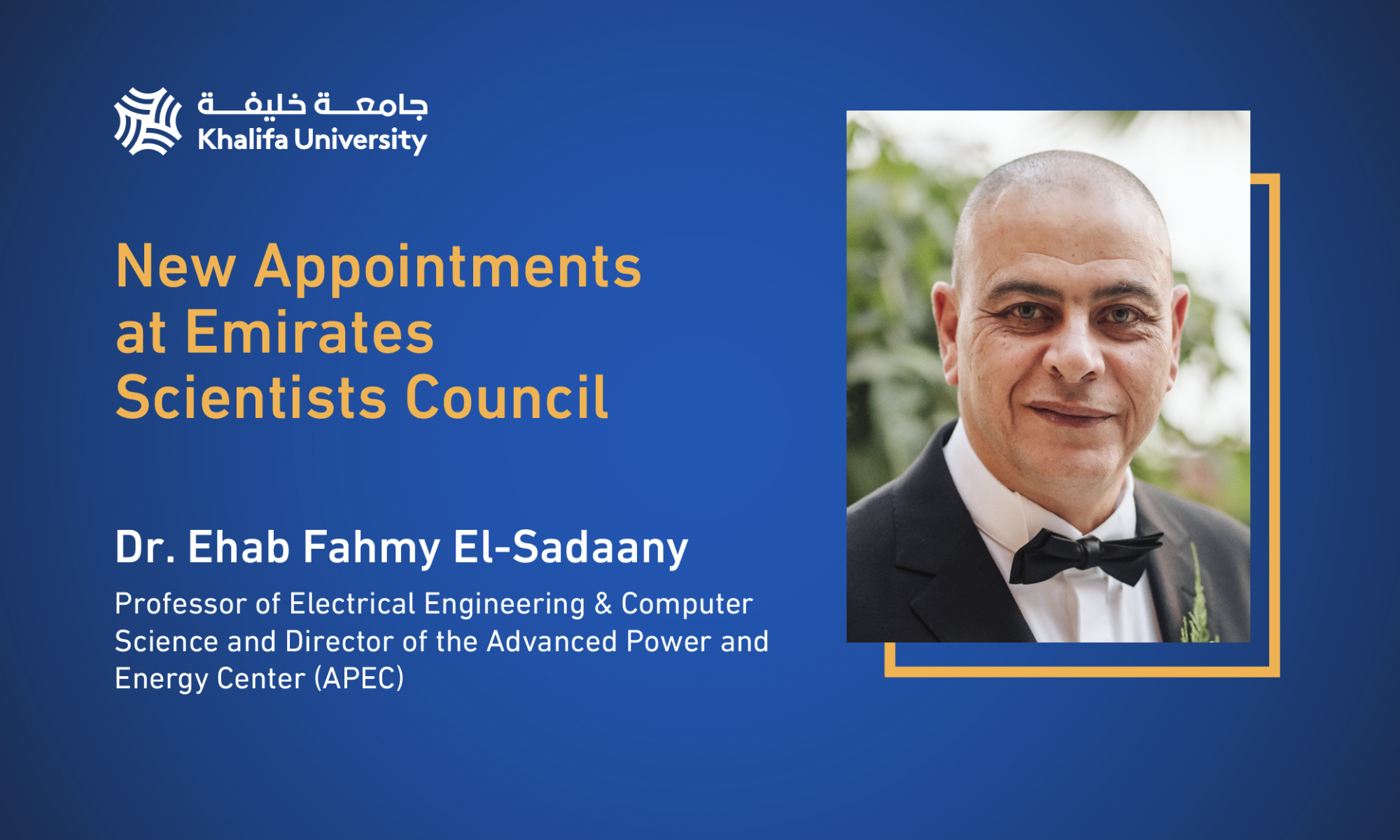
Dr. Ehab El-Sadaany Receives New Appointments at Emirates Scientists Council

Dr. Ehab Fahmy El-Sadaany, Professor of Electrical Engineering & Computer Science and Director of the Advanced Power and Energy Center (APEC) at KU has been appointed by the Emirates Scientists Council to fill out new roles in the organization.


Dr. El-Sadaany is selected to be the deputy of the Science in Media Committee. As deputy, he will be working on promoting scientific literacy, providing scientists and the media with a platform to effectively share news and updates in science. One of the main goals of this committee is to enhance engagement in and awareness of science in the public. Furthermore, a vital role of the committee is to set a benchmark on how to authenticate science that is being presented in the media.


He has also been chosen to be a member of the Engineering and Technology Advisory Board.  The board consists of scientists and experts in their respective fields of science, advising on matters related to science and technology research and policies.


“Science sometimes is seen as a mystery, especially if it is relayed to us through media that doesn’t have adequate foundation to understand and judge it. To encourage our youth to see a scientist as a successful career, the public needs to be enlightened by the true value of science to create a sense of appreciation and also to value the great scientific achievements in the UAE,” Dr. El-Saadany said. 


Dr. El-Saadany is an IEEE Fellow and an internationally recognized expert in the area of smart grids focusing on seamless integration of renewable energy systems to enhance the grid resiliency, reliability and efficiency.


Ara Maj Cruz
Creative Writer
1 March 2022

Khalifa University to Host InterPore2022 Conference in Abu Dhabi

14th Annual Meeting of InterPore Society to Have Over 500 Technical Presentations, Poster Sessions, Lectures, Short Courses and Invited Talks


Khalifa University of Science and Technology has announced it will host the International Society for Porous Media (InterPore) 2022 Conference in Abu Dhabi to highlight cutting-edge research in a wide range of porous media applications. 


The InterPore2022 conference provides an environment for exchange of scientific knowledge and engineering expertise between academia and industry, enabling the development of collaborations, accelerating learning and facilitating innovation. Some of the topics that will be covered at the conference include transport phenomena, swelling and shrinking porous media, multiphysics-multiphase flow, reservoir engineering, soil mechanics and engineering, geothermal energy, CO2 sequestration, constitutive modeling, wave propagation, energy storage, biotechnology, biofilms, thin and nanoscale poro-mechanics, fuel cells and batteries, food, paper and textiles, filters, foams, membranes, fibers and composites, ceramics and constructions materials, and other related porous media applications. 


Many natural substances such as rocks and soil such as aquifers and petroleum reservoirs, zeolites, and biological tissues such as bones, wood, and cork can be considered as porous media. Even man-made materials such as cements and ceramics can also be included in this category. 


Global experts from multiple scientific and engineering disciplines will present their top-quality work at InterPore2022, the 14th annual meeting of InterPore Society that will be held from 30 May – 2 June at the Khalifa University Main Campus. . The hybrid event will witness over 500 technical presentations, and poster sessions as well as lectures, short courses and invited talks. Presentations will be given in 24 mini-symposia on a wide variety of porous media processes in highly diverse applications.


Dr. Arif Sultan Al Hammadi, General Chair, InterPore2022, and Executive Vice-President, Khalifa University, said: “We are delighted to host the InterPore2022 Conference and highlight the latest research outcome in porous media applications. Our Petroleum Engineering department is ranked 21st internationally and our researchers continue to undertake innovative projects that not only benefit stakeholders in the UAE but the global industry in general. We believe the gathering of leading experts in porous media will help emphasize the essential role of Abu Dhabi and the UAE in bringing innovations to the oil and gas industry.”


Dr. Michel Quintard, InterPore President, Professor at Toulouse Institute of Fluid Mechanics, Toulouse, France, said: “InterPore is deeply grateful to Khalifa University for its offer to host the 2022 InterPore Annual Conference, and the efficient work of the local organizers, KU has been able to provide an exciting opportunity to develop the porous media network in UAE and the region, even on relatively short notice. KU has a strong connection to the porous medium community, in particular in the field of Petroleum Engineering where it is ranked 21st in the world. This fits very well with the close link between InterPore and the oil and gas industry, locally as well as worldwide.”


Dr. Mohamed Sassi, Professor & Acting Department Chair, Petroleum Engineering, Khalifa University, is the Chair of the InterPore2022 Local Organizing Committee.


Dr. Sassi said: “InterPore is a growing scientific community of some of the renowned global researchers in a wide range of porous media research. We brought it to Abu Dhabi to engage InterPore with the oil and gas industry and to display the multitude of porous media applications in a very wide range of industrial and research/development opportunities. The conference will offer an exciting opportunity to engage with the wider scientific community and extend the research network and collaboration among stakeholders in Abu Dhabi, the Middle East, and worldwide.”


InterPore2022 will also honor scientists who have won recent InterPore awards and those who have made major contributions to InterPore activities during the past year. In addition, the Molecular Diversity Preservation International (MDPI) Energies Student Poster Award will recognize outstanding student poster presentations at the conference. Each year, the Honors and Awards Committee will choose up to two student poster presentations for the award that carries a cash prize of €500. 


Last year’s 13th annual online meeting attracted more than 800 participants with 824 presentations.


Clarence Michael
English Editor Specialist
1 March 2022

UAE High School Students Attend KU & ADNOC’s Ro’ya Winter Program 2021

The two-year Ro’ya program is organized by Khalifa University and ADNOC for high school students in the UAE. It aims to raise students’ awareness of petroleum engineering-related degrees and potential careers in the energy sector.


During the Winter session, which was held from 12-16 December 2021, participating students prepared for the math section of EmSAT test (a national system of standardized computer-based tests) using an innovative learning program called ALEKS; they were trained on how to make a responsive website in Dreamweaver using both HTML and CSS languages; and they took a leadership course where they learned how to create a lasting change in themselves and others.


They also received detailed information on how to apply to Khalifa University, and attended a workshop on robotics in the oil and gas industry.


Following are several testimonials from Ro’ya Program participants, who expressed great satisfaction and enjoyment from the program.


Noof Yousef

My experience with the Ro’ya Winter program was great Everyone was supportive and helpful throughout the whole program. They taught us how to be strict with ourselves to achieve our goals, how to stay consistent and stick to good habits by replacing the bad ones, how to study effectively, and pretty much everything that you need to know before you go to a university and how to choose the major that’s right for us.


Haya Hussain Falaknaz

From the enrichment sessions to the interactions with the speaker, the program was really interesting. Not only was it beneficial, it was really engaging as well. I loved that they added the ALEKS platform for us.


Eiman Ali Husain Ali Alhosani

Overall, my experience with Ro’ya program was wonderful. Every session was informative, useful and meaningful. Classes were interactive, engaging and dynamic with energized professors and doctors. I learned many skills, getting to know myself more and the fields of my interest. Moreover, it was awesome hearing from my colleagues about their experiences in different aspects. The program’s team and managers always listened to our queries and concerns, and were fair and consistent when dealing with any student discipline issue. It facilitated our learning experience and made it comfortable. I also liked how the sessions were scheduled so it fit every student. This program helps prepare the Emirati youth to attain prominent leadership skills in the future strategic sectors. I was also happy to try new math problems that will benefit me when I take the EmSATs. Thanks from the bottom of my heart for giving us this amazing opportunity!


Mariam Ali Daiban

I enjoyed the Ro’ya Winter Program, where I learned a lot about coding, algebra, robotics, and many other interesting things. Overall, the program was well-prepared and arranged, and the information was quite valuable, with the intention of assisting us in our daily lives. I strongly encourage individuals to participate in this program since it will aid them in making future decisions as well as provide them with a valuable experience.



Wejdan AlMarri

It was a very nice experience overall and I am lucky to be one of the Ro’ya program participants and a part of the family.


Dhabia Nasser Darwish Alfalasi

Overall it was such an amazing experience and I would definitely recommend this program to my friends. I learned a lot from this program and gained many skills. The professors were very helpful as well and they helped us to complete the Ro’ya project that we were asked to do.


AlMaha Jamal AlBaqmi

The Ro’ya winter program was excellent. The best part was the preparation for the EmSAT math test.


Razan Yazeed          

The program was great. I learned a lot of things in many aspects, including coding, which we applied to our project assignment; EmSAT preparation using ALEKS, which I really liked because it focuses on our weaknesses; leadership skills; choosing a major; interview skills and essay writing tips; how to apply to Khalifa University and admission requirements in general; and lastly, we were updated about the usage of robotics in the oil and gas industry.


Maitha Mohammed Alhosani

The Ro’ya program improved our skills and abilities, and I gained a lot of knowledge through this program. We were able to discover the petroleum engineering sector and how it works in the field and what kind of courses we need to take in order to become a petroleum engineer. During the summer Ro’ya program, we got a chance to see ADNOC offices, which were really beautiful and I was thrilled to see how it is organized and uses modern technologies. During the winter program, I had the chance to practice for my EmSAT using ALEKS with having Mr. Ameur mentoring us. In addition to that, Dr. Jebbouri taught us a lot of html coding techniques that will definitely help us with our final project. We installed the software “Dreamweaver” and were able to try and work with our mentor. We were also able to gain leadership skills which Mrs. Khluood. It was really beneficial to all of us as we were truly engaged and excited for the activities that were provided to us. Finally, I would like to thank Mrs. Hafsa Al Mansouri for organizing our program. She helped and taught us new thing in this wonderful program.


Reem Bader Almaskari

I enjoyed my time with the Ro’ya Winter Program, where I learned how to work on Dreamweaver using HTML and CSS codes. We were also given a great opportunity to prepare for the EmSAT, revise some math, and do the mock maths exam. In addition, we conducted an online class on leading and creating a lasting change in ourselves and others. What I enjoyed the most in this program was on the last day they gave a lecture referring to university preparations which I found very helpful.


Erica Solomon
Senior Publication Specialist
23 February 2022

Bringing Analog to the Digital Age of Edge Computing

With more devices connected to the internet, there’s a need for new computing platforms to speed up data processing closer to these ‘edge’ devices. Khalifa University researchers are looking to analog computing to to support data processing at the source where the data is being generated


Devices at the ‘edge’ of the network – which includes Internet of Things (IoT) devices placed in homes and offices and are physically distanced from computer processing centers – produce a massive amount of data that needs to be transferred to and computed at data centers. These edge devices are pushing network bandwidth requirements to the limit. 


Data centers may not be able to guarantee the required response time that is critical in the real-time computing needed for various processes, such as enabling smart vehicles to navigate, for example.


To address this problem, a team of researchers from Khalifa University has turned to analog computing to support data processing at the source where the data is being generated.


They designed a novel computer processing unit that supports analog-mixed signal in-memory computing. The research team includes Dr. Dima Kilani, Postdoctoral Fellow; Dr. Baker Mohammad, Associate Professor; Dr. Yasmin Halawani, Postdoctoral Fellow; Mohammed Tolba, Research Associate; and Dr. Hani Saleh, Associate Professor, all members of KU’s System on Chip Lab (SOCL). They recently published their research in IEEE Xplore.


Analog computing predates electronic circuits and functions, and although it is only accurate to two or three significant digits, it was used with great effectiveness by engineers, scientists and researchers until it was made obsolete in the mid-20th century.


Additionally, as artificial intelligence applications become more popular in a growing number of industries, more computer resources, more storage, and lower power consumption are increasingly important factors. The digital processors used in AI applications today struggle to deliver, especially for the power-hungry, data-intensive machine learning models operating at the edge.


Analog computing could be the solution.


“The new era of computing involving artificial intelligence and big data, especially for edge devices, is data-intense, requiring a strict power budget, small devices, and high prices,” Dr. Mohammad explained. “This gave rise to the need for new computing platforms, known as memory-centric computing, or in-memory computing, where the idea is to eliminate data movements that have big impacts on performance and power.”


Unlike digital computing systems that require plenty of power, analog in-memory compute (CIM) systems process data in memory which makes memory smart just like the human brain. For applications that are computationally intensive, with large data sets that require high memory bandwidth, analog in-memory computing architectures could solve the problem of memory access bottlenecks.


The team’s novel cross-coupling capacitor—known as the C3 processing unit (C3PU)—acts as both a memory and computational element as a multiply-and-accumulate (MAC) unit.


“MAC units are essential building blocks for digital processing units that are used in a multitude of applications, including artificial intelligence for edge devices, signal processing, convolution, and filtering,” Dr. Kilani said. “Using in-memory computing architectures, where the MAC unit can also store data, has significant advantages in energy efficiency.”


Despite using significantly less energy, the C3PU device was 90 percent accurate when tested on an artificial neural network dataset. It is also much smaller than existing devices, meaning it can be implemented in numerous applications where size is a limiting factor, such as autonomous aerial vehicles, including drones. 


This work is the first step for in-memory and analog computing toward supporting a new era of electronics devices that support real time and approximate computing to achieve energy and performance requirements. The team plan to investigate a programmable capacitance and better timing domain computing that can improve the accuracy and support reconfigurability.


Jade Sterling
Science Writer
22 February 2022