Engineered Cathode Buffer Layers for Highly Efficient Organic Solar Cells


A review paper by Khalifa University and a team of international scientists advances understanding of the latest developments underway to improve the performance and cost of flexible, polymer solar cells


On the roadmap of the world’s transition to clean energy, solar power leads the way. Every day, the sun releases more energy than humanity needs to power everything on Earth, but tapping into that power remains the challenge. Photovoltaics are electronic devices that convert sunlight into electricity, and while their cost has plummeted recently due to intense interest, challenges remain.


Researchers from Khalifa University have collaborated with a team of international researchers to conduct a review of cathode buffer layers used in organic solar cells. Their review paper, which was published in Advanced Materials Interfaces, explains the advances researchers have made in recent years in materials science to improve the overall efficiency and lifetime of this type of photovoltaic.


Dr. Vinay Gupta and Dr. Shashikant Patole, both Assistant Professors in the Khalifa University Department of Physics, undertook their review in collaboration with researchers from the CSIR-National Physical Laboratory, India, Swansea University, United Kingdom, and the University of Jammu, India.


An organic solar cell is a type of photovoltaic that uses conductive organic polymers to absorb light and produce electricity from sunshine. Most organic photovoltaic cells are polymer solar cells.


Compared to silicon-based devices, polymer solar cells are lightweight, flexible, customizable on the molecular level and inexpensive to fabricate. But these advantages are balanced by their disadvantages: they offer about one third of the efficiency of other materials and experience substantial photochemical degradation.


“The high costs involved in inorganic photovoltaic materials have prevented these technologies from having a significant impact on global energy production,” Dr. Gupta said. “Organic photovoltaics like pervoskite solar cells (PSCs) and dye-sensitized solar cells (DSSCs) are being studied as potential alternatives, but they suffer from drawbacks including low power conversion efficiency and a short lifespan with real sensitivity to the environment.”


For their work, the research team focused on the cathode buffer layer (CBL), investigating architecture, materials and mechanisms of action to provide detailed insight into the opportunities for CBL improvement.


“The primary role of a CBL is to facilitate the collection of electrons at an electrode,” Dr. Patole said. “But it also performs several other tasks in making a solar cell function smoothly, including forming an electron selective and transport interlayer, blocking reverse charge carriers, and protecting the active layer from the hot metal atoms during thermal deposition of the cathode. For efficient organic solar cells, selecting an appropriate and high quality CBL is crucial.”


Per the researchers’ findings, an ideal CBL should be good at electron extraction and transport; have a suitable energy level that facilitates electron transport with high transparency and stability; and offer compactness for use in lightweight, flexible organic solar cells. One such material used is titanium oxide, a semiconducting metal oxide favored for its unique optical properties. Research has also found that adding cesium into the titanium oxide mix further improved device performance, while zinc oxide and zirconium oxide have also been studied.


“A diverse variety of organic materials, including conjugated polymers and small molecules, have also been explored as CBL in organic solar cells,” Dr. Gupta said.


“Small molecule-based layers offer advantages thanks to their well-defined molecular weight and the easy purification process. Quantum dots have also been explored because of their tunable optical and electrical properties, however, their commercial application is hindered by their sensitivity to the environment. Still, they remain interesting as an emerging class of nanomaterials with unique properties.”


The research team found that oxides and carbonates are popular as CBLs in organic solar cells, with zinc oxide one of the most widely used CBLs in high efficiency solar cells thanks to its chemical and thermal stability, favorable electronic and optical properties, and its low-cost fabrication. Metal and alkali fluorides, including calcium, barium, and lithium, are also popular as they improve performance in extracting electrons.


Additionally, organic solar cells can only harness sunlight from a narrow range of the electromagnetic spectrum, as ultraviolet and infrared photons can degrade the photoactive layer.


While CBLs can be used to resolve these issues and increase the lifetime of the devices, a CBL would need to perform dual functions, performing its duties at the cathode level and also in protecting the photoactive layer.


It is clear from the review paper that further improvements in performance are needed to allow polymer solar cells to compete with silicon cells, but efforts are being made to improve their viability in the photovoltaic market. The research offered by the team in their review paper will help researchers around the world develop these high efficiency cathode buffer layers for improved organic solar cell devices. 


Jade Sterling
Science Writer
31 March 2022

The Netherlands Joins Forces Together to Explore Water Driven Solutions for a Resilient Future

Clean drinking water is one of the global challenges that can be addressed using innovative technological solutions. The Netherlands is a major player in the international water sector and is always keen to share its expertise, to learn from others and be the changemaker towards climate adaptation and a resilient future. As a part of the Dutch Ministry’s trade mission to Dubai,  Netherlands Water Partnership (NWP) organized an insightful ‘Water Day’ seminar at the Netherlands Pavilion which included signing of  two significant Memorandum of Understanding (MoU) focusing on the water sector.


In the presence of Mark Harbers, Netherlands’ Minister of Infrastructure and Water management,  Dutch-based company Demcon Optiqua and PUB, Singapore’s National Water Agency, partnered together for real-time drinking water monitoring technology.


These partners have also joined the wave:

Institute for Water Education IHE Delft, Khalifa University Abu Dhabi, King Abdullah Saudi Arabia University of Science and Technology, National University of Sciences and Technology Oman, Sultan Qaboos University Oman, Wageningen University and Research, and UAEU Al Ain.


Read the full article here: https://www.zawya.com/en/press-release/events-and-conferences/the-netherlands-joins-forces-together-to-explore-water-driven-solutions-for-a-resilient-future-nvi6invb

Khalifa University First in UAE to Make Courses Globally Available on ‘Coursera’

Khalifa University has partnered with Coursera Inc., one of the largest online platforms in the world, making its rich and relevant content accessible to Coursera learners worldwide.


Khalifa University will launch six specializations on Coursera in the second half of 2022, including Machine Learning and Deep Learning Methods: From Data to Decisions; Artificial Intelligence for Executives; and Introduction to Digital Design FPGA Based Training. The university will also offer courses targeted to a broader audience, including Arabic for Beginners and Online Course Development Processes.


These courses have been curated to align with the skills development agendas of the UAE and the broader Middle East region.


Read the full article here: https://www.wam.ae/en/details/1395303033010

Pharma.Aero, the University of Antwerp, Khalifa University and HOPE Consortium launch the second international masterclass on Pharma Logistics

Following last year’s well-perceived first Masterclass  on Pharma Logistics – an international joint initiative between the air cargo industry and world-renowned academic institutions – a second edition will be launched in 2022 at Khalifa University’s Abu Dhabi Campus. Apart from highlighting the current critical aspects of pharma logistics, this Masterclass aims to create a unique opportunity for industry professionals to gain more in-depth knowledge, as well as for academics and PhD students to obtain advanced insights into how pharmaceutical supply chains are organized and logistics processes are optimized through applied technology for the pharma and life science sector. 


This 5-day hybrid programme runs from 5 till 9 September 2022 at Khalifa University of Science and Technology, Abu Dhabi. It features insights from lecturers and business experts from all different parts of the world, combined with daily workshops and interactive case studies as well as site visits to the Khalifa University Center for Robotics and Autonomous Systems (KUCARS), Abu Dhabi Airport, Sea Port and Genome Valley. Read all about the Masterclass’ topics, programme, list of presenters and lecturers and registration details HERE.


Dr. Arif Sultan Al Hammadi, Executive Vice-President, Khalifa University, said: “We are glad to host the second edition of the international masterclass on Pharma Logistics at Khalifa University, which reflects a stellar collaboration initiative, and will offer participants special insights into the pharmaceutical supply chains and logistics processes. Through our research center for Digital Supply Chain and Operations Management (DSOM), our expertise spans not only new methods and tools to improve performance of complex and extended supply chains through predictive analytics and self-optimizing logistics, but also enabling transition into paperless, borderless and highly trusted transaction-based operations. Such intense expertise will prove significantly beneficial to all participants of the second edition of the masterclass.”


The second Pharma Logistics masterclass covers a variety of topics. Themes vary from basic to in-depth knowledge around life science – production, storage and handling, as well as economic and operational challenges. Renowned speakers from the academic community and the pharma sector will highlight topics such as Disruptive Technologies & Big Data, Supply Chain Strategies, Innovations in Packaging & Cool Chain, Emergency Crisis Logistics & Health Care Aspects and Sustainability & Pharma Green Lane Logistics. Like to participate and share ideas? Register now!


Fabrice Panza, Manager of Global Cool Chain Solutions, Etihad Cargo 


“Innovation has been integral to recent advancements in pharma logistics, particularly in response to today’s global challenges. It has played a central role in the success of the HOPE Consortium in facilitating the movement of temperature-sensitive vaccines and medication worldwide in 2021.” 


“The International Pharma Logistics Masterclass gives us a unique platform to share our experiences and explore new innovations as a collective which further elevates the wider industry’s capabilities. We look forward to hosting another illuminating session in Abu Dhabi with our partners.” 


Roel Gevaers, Dr PhD, University of Antwerp Belgium and Chairman of the International Pharma Logistics Masterclass 2022 


“We are delighted to see that, for the second time, the business meets the academics again to exchange views and learn from each other. With Khalifa University, we have found an excellent partner whose expertise in AI, robotics and simulations can really add value to this Masterclass.” 


Frank Van Gelder, Secretary General Pharma.Aero and Co-Chair of the International Pharma Logistics Masterclass 


“Pharma.Aero’s vision and mission underline fostering collaboration. By continuously giving insights and sharing the latest changes between pharmaceutical companies, industry stakeholders and the academic world, the overall knowledge, and the quality of the Pharma and MedTec supply chain improves. We are ready to offer a great program.” 


Trevor Caswell, Vice-Chair of Pharma.Aero, member of the business committee 


“Now that the registrations are open, the eagerness of both academics and industry stakeholders to learn and be part of the second masterclass in Abu Dhabi is big. Great networking possibilities and exposure to the state-of-the-art lectures on the developments and innovations of the future supply chain will be the perfect combination for our members to be part of a great masterclass week.” 


News Report
29 March 2022

AIChE Elects Dr. Lourdes Vega as New Fellow

The American Institute of Chemical Engineers (AIChE) is a leading organization of chemical engineering professionals with more than 60,000 members from more than 110 countries.


Dr. Lourdes F. Vega, Professor of Chemical Engineering and Director of Khalifa University’s Research and Innovation Center on CO2 and Hydrogen (RICH), has been elected as a new fellow of the American Institute of Chemical Engineers (AIChE), the highest grade of membership of the institute. AIChE Fellows, nominated by peers and elected by the board of Directors, are prominent members recognized for their significant service to the profession and contributions to the industry. 


Dr. Vega is an internationally recognized leading authority in the field of molecular thermodynamics, clean energy, and sustainability. She has also integrated molecular modeling and simulations with process modeling and optimization—developing a holistic approach for process design, with recent applications in CO2 capture, hydrogen production, water treatment, and sustainable cooling systems. 


This is a new recognition of her work in the area of clean energy and sustainable products, for which she received the Mohammed Bin Rashid Medal of Scientific Distinguishment in 2020. 


Aside from her accomplishments in research, Dr. Vega is a member of the Mohammed Bin Rashid Academy of Sciences (MBRAS) and the Emirates Scientists Council where she leads the Engineering and Technology Advisory Board. 


“I am very honored with this election. Being recognized by peers is very rewarding. Thanks to all my colleagues and collaborators who led to this achievement, without you it would have been impossible!” 


Ara Maj Cruz
Creative Writer
29 March 2022

Dr. Jiju Antony Receives Prestigious Crosby Medal from the American Society for Quality

Dr. Jiju Antony, Professor of Industrial and Systems Engineering, was presented with the prestigious Crosby Medal by the American Society for Quality (ASQ). The Crosby Medal is awarded to individuals who have published renowned books that significantly contribute to the promotion of the philosophy and application of quality management principles, methods, and techniques. 


ASQ is an international community of individuals committed to quality who share the ideas and tools that make our world work better. With individual and organizational members around the world, ASQ has the reputation and reach to bring together the diverse quality champions  and leaders who are transforming the world’s corporations, organizations and communities to meet the critical quality challenges of tomorrow.


Dr. Antony received the award for the book The Ten Commandments of Lean Six Sigma: A Guide for Practitioners. The book presents the perspectives of practitioners, researchers, and academics offering their expertise on various topics of quality and continuous improvement such as Lean, Six Sigma, and Lean Six Sigma. This book is an essential and practical guide for senior managers and executives who want to achieve operational excellence in all organizations of any type and size. His book ha already won the prestigious Walter E. Masing Book Prize by the International Academy for Quality (IAQ) in April 2021. The Walter E. Masing Award is offered to Thought Leaders in the Global Quality Community. 


“I am delighted and truly honored to be recognized among several other scholars, leading academics and practitioners in the quality management community on the global stage. I would like to thank all the nominees who have chosen my book for this special recognition and many thanks to my co-authors who worked with me on this remarkable book. Finally, I am ever grateful to Emerald Publishers in the UK for encouraging me in developing this book further to my publication of an article entitled “Ten Commandments of Lean Six Sigma: A practitioner’s perspective published in the International Journal of Productivity and Performance Management in 2018,” Dr. Antony commented. 


Ara Maj Cruz
Creative Writer
25 March 2022

Pollution Reduction Stirs Dusty Winds of Change

The subdued transportation and industrial activity resulting from lockdowns during the pandemic generally reduced global pollution, but also created atmospheric conditions that whipped up unusually high levels of dust across the Arabian Peninsula.


Diana Francis, of Khalifa University of Science and Technology in the United Arab Emirates, was first alerted to this surprising effect while looking at research performed in early 2020 into changes in global emissions and pollution . That data showed clear evidence of reduced carbon dioxide levels in the atmosphere and oceans, but also indicated that the impact of the lockdowns was not universally positive from an air quality perspective. “I looked at the satellite imagery and saw very active dust emissions, especially over Iraq, Kuwait and northeast Saudi Arabia,” she says. 


Read the full story here: https://www.natureasia.com/en/nmiddleeast/article/10.1038/nmiddleeast.2022.10here: 

Why Did ‘Particle Pollution’ Increase in UAE as Roads Emptied during Pandemic?

When governments introduced stay-home measures in early 2020 in response to the coronavirus pandemic, air pollution fell, in general, thanks to reduced traffic and the closure of industrial plants.


The UAE itself enjoyed a significant drop in nitrogen dioxide levels between February and April of that year, figures published by the Ministry of Climate Change and Environment showed, due to the scaled-down activities.


However, a new study by scientists in the Emirates has found that, against expectations, concentrations of tiny particulate matter in the air in eastern Arabia, including the UAE, increased during this time.


The study reports that from March to June 2020, the level of particulate matter (PM) in eastern Arabia was 30 per cent higher than the average seen from 2016 to 2019.


The increases in particulate matter were “indeed a surprising finding”, said the study’s first author, Dr Diana Francis, who heads the Environmental and Geophysical Sciences (ENGEOS) Laboratory at Khalifa University in Abu Dhabi.


The Opportunities and Barriers in Decarbonizing the Oil Refining Industry

While the oil refining industry has brought manifold benefits, it is also a major contributor to greenhouse gas emissions, and must now decarbonize its operations if the world is to ever achieve net-zero carbon emissions. 


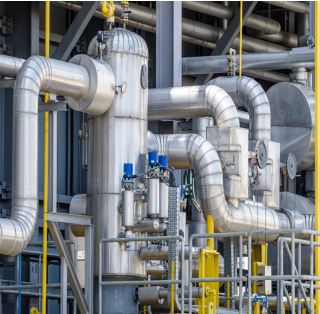
As the world moves away from fossil fuels, all industries and sectors will need to decarbonize if targets for a future with net-zero greenhouse gas emissions are to be reached. This includes the petroleum refining industry, an industry that accounts for up to eight percent of global industrial energy consumption.


Even though populations are turning to more sustainable energy sources, demand for products derived from fossil fuels will not end overnight, particularly demand for plastic products. Hence, improving emissions from oil refineries is necessary to reduce their environmental impact as we transition to a lower-carbon future. The US petroleum refining industry, for instance, produces 198 megatonnes of carbon dioxide each year— the same amount emitted by nearly 36 million homes.


Khalifa University’s Dr. Steve Griffiths, Senior Vice President, Research and Development and Professor of Practice, collaborated with an international team of researchers to provide a systematic and critical literature review to uncover the means by which the oil refining industry can decarbonize and evolve as part of an increasingly carbon constrained future.


Team members were Dr. Benjamin Sovacool, University of Sussex, UK; Dr. Jinsoo Kim, Hanyang University, Republic of Korea; Dr. Morgan Bazilian, Colorado School of Mines, USA; and Joao Uratani, a research engineer also from Khalifa University. Their review, which was recently published in Energy Research and Social Science, is a part of a work program undertaken by the UK’s Industrial Decarbonisation Research & Innovation Centre (IDRIC). The team has already published work on decarbonization of the iron and steel, food and beverage, glass and ceramics industries as well as work on the roles of fluorinated gases (or F-gases) and hydrogen in industrial decarbonization. This work on decarbonization of the oil refining industry is closely tied to the work on hydrogen given that oil refining is currently the second largest consumer of hydrogen globally.


In this paper, the research team used a sociotechnical perspective to understand the oil refining industry and highlight key opportunities for decarbonization. These insights support policy makers, researchers, and practitioners, offering the tools needed to advance a low-carbon transition of the oil refining industry.


What is oil refining?

Crude oil is the term for unprocessed oil; petroleum in its original form after extraction from the ground. It’s the starting point for hydrocarbon products, including the gasoline for your car, kerosene, synthetic fibers, plastics, tires and even crayons. To produce these products, the crude oil must first be processed or refined.


The petroleum that comes straight out of the ground contains hundreds of different types of hydrocarbons all mixed together. These molecules contain hydrogen and carbon atoms, and come in various lengths and structures, from straight chains to branching chains, to rings. Each different chain length and structure has a different property that makes it useful in different ways.


Oil refining separates these hydrocarbons by heating the oil and separating the hydrocarbons according to the temperatures at which they vaporize. Chemical refinery processes also include operations such as cracking, which uses heat, pressure and sometime catalysts to produce a broad range of valuable refinery products from the crude oil feedstock.


“The oil refining industry has become a foundation of modern society,” Dr. Griffiths said. “It was established in the mid-19th century to refine crude oil into transportation fuels, petrochemical feedstocks, and a variety of other products that have brought manifold benefits, but it has also led to the global proliferation of greenhouse gas emissions and local air pollution. The industry faces a growing need to decarbonize its operations and to support decarbonization of the end use sectors that it directly enables.”


Energy-Intensive Refining

Oil refinery plants can vary in design and complexity but together, crude oil refining is estimated to account for about six to eight percent of all global industrial energy consumption, with this energy consumption representing up to 50 percent of the refinery’s total operating costs. All key processes within the oil refining industry are considered energy-intensive due to extensive direct heat and steam use—the boiling point for the different hydrocarbon products ranges from 40 degrees Celsius for petroleum gases used for heating, cooking and plastics, to over 600 degrees Celsius for the oils needed for asphalt and tar.


Known as ‘process heating’, this is a refinery’s main carbon emitting activity. In the US, gasoline, diesel and jet fuel account for 63 percent, 25 percent, and six percent respectively of total oil refining emissions.


Refineries that process heavier crude oils have lower energy efficiencies and higher greenhouse gas emissions compared to refineries that process lighter crudes because of the processing required to crack and treat the heavier crude oils.


“According to the IEA, an estimated 95kg of carbon dioxide is emitted in bringing an average barrel of oil to end-use consumers,” Dr. Griffiths said. “Different oil refining plants that process different oil feedstocks exhibit different emission intensities however. At the lower end, a refinery might have an average emissions intensity of less than 45kg CO2 per barrel, while at the higher end it could be in excess of 200kg per barrel.”


However, the most energy-intensive heating represents a relatively smaller fraction of overall refinery energy demand it is required for the processing of just a portion of crude volumes. Additionally, not every refinery around the world produces all petroleum products; refineries with different feedstocks will produce different hydrocarbon byproducts, and some of these byproducts can be used as energy sources for the refinery itself.


“An oil refining plant is typically capable of generating most of the energy it requires in situ via byproduct refinery gases,” Dr. Griffiths said. ‘For example, 61 percent of the energy used in the Dutch refining industry is provided by refinery fuel gases, with the other major contributor being natural gas. In the US, oil refining byproducts meet 55 percent of the energy refinery energy requirements.”


Reducing Refining’s Carbon Footprint Calls for Technology and Policy Interventions

Lessening the industry’s environmental footprint will be a challenge, especially since refineries have long lifetimes and there are few incentives to deploy new technologies that may disrupt operations or are costly to implement.


The research team organized the major approaches for decarbonization into six categories: improved energy efficiency; waste heat recovery; improved design performance; increased use of renewable energy sources; adoption of carbon capture, utilization and storage technologies; and the adoption of low-carbon hydrogen. They further consider how refineries of the future may need to be structured to cater to a changing product slate of low-carbon fuels and chemical feedstocks.


“The age of the refinery plant impacts the number of feasible low-carbon interventions, and therefore the extent of the reduction in emissions,” Dr. Griffiths said. “Geography, crude grade, and refinery type also influence the decarbonization potential.”


The most carbon-intensive refineries are those classed as ‘middle-aged’, between 40 and 64 years old, although the younger ones (less than nine years old) are also rather carbon intensive. The research team consider the younger refineries most problematic for carbon emissions though because “they will likely be operational for many decades to come unless shut down prematurely.”


“The capacity of the oil refining industry to pursue decarbonization interventions beyond those that are purely profit-driven may be limited to the financial bandwidth that companies have to explore such technologies,” Dr. Griffiths said. “In the absence of policy drivers, management resistance to decarbonization is to be expected.”


Barriers to decarbonization often require policy interventions that can be regulatory, fiscal or financial. The research team identified multiple policy mechanisms that could be implemented to decarbonize oil refining, including adopting carbon pricing mechanisms, emissions intensity targets, and financial incentives for research and development of novel decarbonization technologies.


The complex nature of the oil refining industry means that no ‘one-solution-fits-all’ approach is possible for decarbonization,” Dr. Griffiths said. “The barriers to decarbonization are technical, economic, organizational, political, and social. But despite these challenges, low-carbon interventions throughout the oil refining sociotechnical system, coupled with institutional and market drivers, can drive forward innovations that will lead to many benefits as refineries evolve to meet increasing demand for low-carbon fuels and feedstocks.”


Jade Sterling
Science Writer
24 March 2022

Khalifa University Signs MoU with Daman to Collaborate in Several Areas

MoU Covers a Think-Tank at Khalifa University Research and Data Intelligence Support Center, Internship Programs and Research Collaboration  


Khalifa University of Science and Technology and the National Health Insurance Company – Daman today announced they have signed a memorandum of understanding (MoU) to explore broad-ranging collaboration in academics and research in healthcare-related areas.


The agreement was signed by Dr. Arif Sultan Al Hammadi, Executive Vice President, Khalifa University, and Hamad Al Mehyas, Chief Executive Officer, National Health Insurance Company-Daman, in Abu Dhabi.


According to the MoU, Khalifa University will support Daman as a think-tank in areas of healthcare quality, through the Khalifa University Research and Data Intelligence Support Center and other centers/departments.


Dr. Arif Sultan Al Hammadi said: “We are delighted to enter into this partnership with the National Health Insurance Company – Daman and strengthen our roles in academic and research in healthcare economics, clinical epidemiology and health data. We are also keen to support Daman as a think-tank in healthcare quality, cost and access through our Research and Data Intelligence Support Center, and we welcome experts from Daman to our Department of Epidemiology and Public Health. Such close interaction between a key insurance sector stakeholder, and the UAE’s top-ranked university illustrates the close involvement of important institutions in the advancement of the healthcare ecosystem in the UAE and the region.”


Hamad Al Mehyas, Chief Executive Officer of the National Health Insurance Company – Daman, said: “As an Emirati led firm and a trusted government partner, Daman is committed to investing in the next generation of local talent. The signing of this MoU is further evidence of our unwavering support for research and education initiatives across the country.


The healthcare sector is a key pillar of the UAE’s diverse economy and has the potential to grow exponentially over the coming years. By signing this MoU with our esteemed colleagues at Khalifa University, we are investing in the brilliant young minds who will go on to fuel innovation and invention across our industry, helping to ensure the UAE’s position as a world leading destination for healthcare.”


The Khalifa University Department of Epidemiology and Public Health focuses on academic and programmatic collaborative work aimed at the study of and educating on the distribution and role of factors associated with health and disease. The Department also works on the implementation, through collaborations, of potential initiatives that help maintain health for all, all the time, and improve conditions for patients and health workers in clinical settings.


The Khalifa University Research and Data Intelligence Support Center (R-DISC) is a key component in the Daman MoU and it provides an unparalleled and unprecedented one-stop high-end resource that supports research initiatives, researchers and impactful collaborative work at local, national and global levels.


Clarence Michael
English Editor Specialist
23 March 2022

Virtual Reality in the Lab Brings Projects to Life and Access to Anything

A 360-degree fully immersive virtual reality igloo lets users explore realms of opportunity and discovery


There are certain places in the world it is difficult to access. Not everyone hasVi access to natural environments, for example, and nobody can just walk into a nuclear power plant for a look around.


Virtual reality is a simulated experience that can be similar to or completely different from the real world. For Dr. Saed Talib Amer, Senior Lecturer in the Department of Industrial and Systems Engineering, the virtual reality in his igloo is as realistic as possible to allow the real world to be explored and experienced within the cylindrical structure contained in a single laboratory.


VR without the headset, the virtual igloo provides a 360-degree interactive video. Five projectors mounted on the ceiling generate realistic images, sounds and other sensations that simulate a physical world around you.


Driving simulators are a well-known example of virtual reality, giving the driver on board the impression of driving an actual vehicle by predicting the outcome of driver input and feeding back corresponding visual, motion and audio cues to the driver. In the KU igloo, users can sit in a simulator and have a 360-degree view of their driving experience, with the unique opportunity to practice checking their blind spots, an option not available with a headset or traditional single screen display.


There is a wide variety of applications for the virtual reality igloo beyond enjoying being surrounded by nature or practicing your signaling and maneuvering; its main use is in training. As Dr. Amer says, if you want staff to practice a fire drill, you can’t just set a fire in the main lobby for some added realism. In virtual reality, you can. The igloo can be used as a tool to train people for dangerous situations where real life training might be too hazardous.


VR without the headset, the virtual igloo provides a 360-degree interactive video.

It can also be fully immersive, with one current igloo project working on human factors in seat comfort. Physiological aspects including body pressure and different seat features may make a particular seat more comfortable, but temperature, light, sound and ambience also impact comfort, particularly in aircraft. In the virtual igloo, you can place an aircraft seat in the middle of a 360-degree simulation of an aircraft to test various features and their effects on perceived human comfort.


Using any computer aided design or other simulation tool, a model could be projected in 360-degrees around the developer, allowing them to sit right in the middle of their project. Virtual reality can help fill in the unknowns during the design process, as exploring a concept model from the inside-out helps designers understand it better.


Of course, the igloo can also be used to explore the real world. Students in nuclear engineering disciplines may not easily have the opportunity to visit a nuclear power plant without extensive time needed to get the required permissions. However, if a 360-degree video of the facility was captured during a tour, this tour could be available to anyone who can visit the igloo. Rather than a simple video showing the basics of an area, the 360-degree immersive experience would allow the user to tour the facility at their leisure, with a full 360-degree view for a full idea of the industry and setup.


Jade Sterling
Science Writer
22 March 2022

Discovering New 2D Materials for Microelectronics

Miniaturized electronics have a bright future thanks to new techniques proposed by Khalifa University researchers that speed up the discovery of unique “ferrovalley” materials. 


Valleytronics—from ‘valley’ and ‘electronics’—is an exciting research field in the semiconductor industry that researchers are eyeing as a faster way to store and process data.


Semiconductor technology is currently based on the manipulation of the charge of electrons. When excited, electrons jump the material bandgap and become charged, and this charge is used to store and process information.  In addition, electrons also have additional degrees of freedom, such as spin and valley, that can encode and process information.


Dr. Abhishek Sharan, Postdoctoral Fellow, and Dr. Nirpendra Singh, Assistant Professor, developed new ultra-thin magnetic semiconducting materials, known as ‘ferrovalley’ materials, using a prediction algorithm and revealed these 2D materials that can be used to develop the next generation of miniaturized electronic devices. Their results were published in Advanced Theory and Simulations. Their work has been featured on cover page of the journal’s April 2022 edition.

“In the past decade, valleytronics has opened up a wide platform of research for discovering new materials exhibiting valley polarization for storage and information processing,” Dr. Singh said. “2D materials are an exciting category of materials in this class, with 2D ferrovalley materials particularly interesting and highly sought after as they exhibit intrinsic magnetism.”


“In ‘ferrovalley’ materials, in addition to charge and spin, the electrons possess another degree of freedom known as the valley degree of freedom,” Dr. Sharan said. “These materials exhibit two unequal energy levels along two equivalent valleys that the electrons can occupy. The electrons can be manipulated so as to occupy a specific valley in a controllable manner, which can be used to encode and process information in ways that go beyond conventional charge-based electronics.”


In traditional computing, computers represent information in binary code, which is written as sequences of 0s and 1s. Information exists in one of two states: 0 (no charge) and 1 (charged), which translates into “on” or “off.”


With valleytronics, the same applies but with additional enhancement: one valley or the opposite valley in addition to on or off, 1 or 0. Therefore, the electrons now have four degrees of freedom.


“If spin is involved too, as in spintronics, electrons possess eight possible states,” Dr. Sharan added. “With more degrees of freedom, more information can be stored, paving the way to speedy, energy-efficient, and miniaturized devices.”


Manipulating this additional degree of freedom – switching an electron from one valley to the other – requires an energy input and a lot of energy at that. The valley polarization can be achieved using light waves, where the electrons jump between the valleys. But this process is dynamic and has a limited lifetime.


The other way to do it is magnetic proximity. But adding an external magnetic field increases the device’s energy consumption and means the device needs to be larger, negating its use in miniature electronics.


Ferromagnetism is the fundamental mechanism by which certain materials, such as iron, cobalt, and nickel, form permanent magnets or are attracted to magnets. Only a few ultrathin substances display ferromagnetism, and experimental discovery of these materials is a daunting process. However, a computational model would speed discovery significantly.


The two materials they identified are Lanthanum iodide, LaI2, and Praseodymium iodide PrI2. Both LaI2 and PrI2 are similar in structure to Molybdenum disulfide, MoS2, which is a well-known and effective 2D semiconductor material already in use in microelectronics but does not exhibit intrinsic magnetism.


“Both LaI2 and PrI2 are exciting candidates for valleytronics applications,” Dr. Sharan said. “We’re expecting great experimental results from these two newly identified ferrovalley materials.”


Jade Sterling
Science Writer
22 March 2022