Mubadala-Khalifa University Career Boot Camp for UAE national high school students to kick off on 15th August

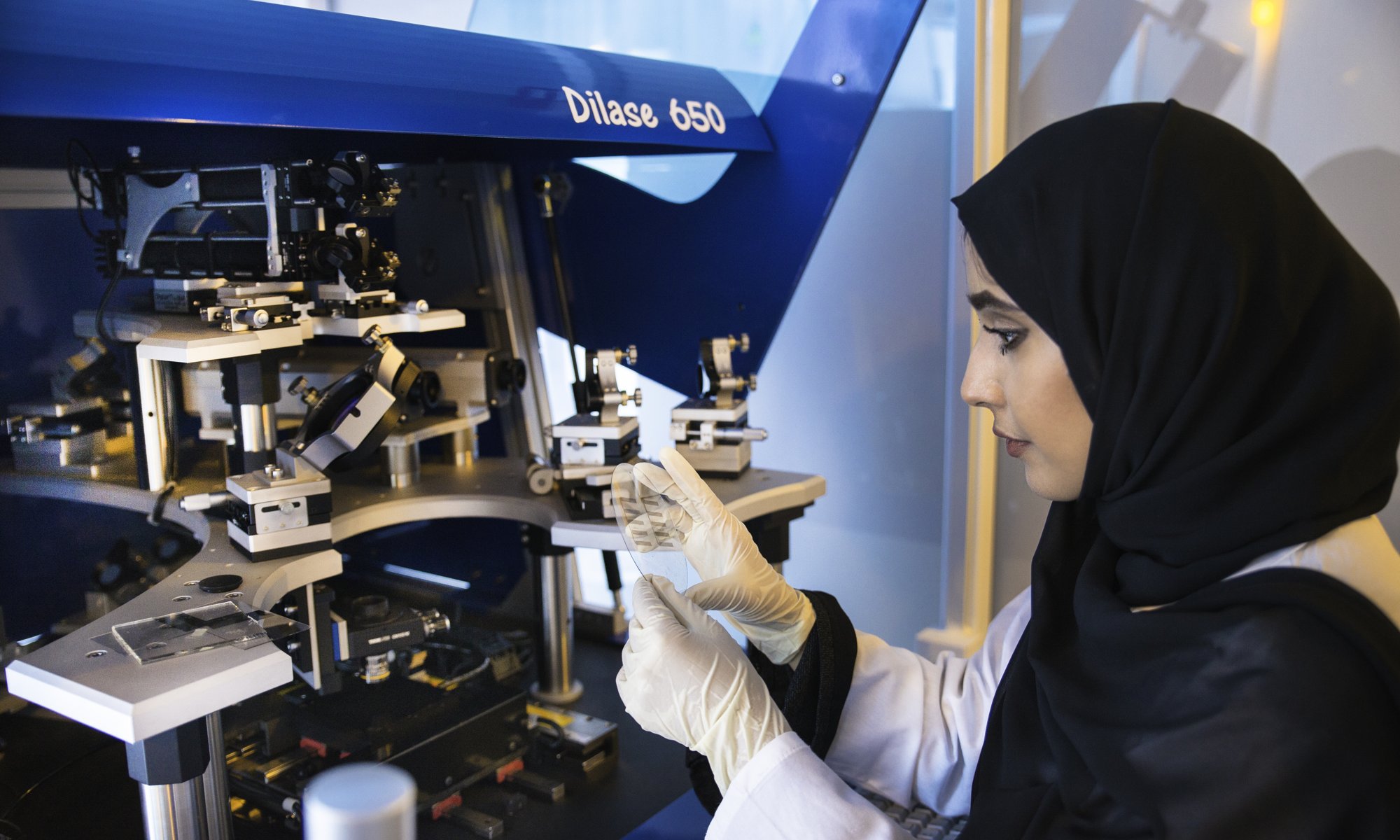
Mubadala Investment Company and Khalifa University of Science and Technology today announced they will jointly host a five-day Career Boot Camp targeting UAE National high school students in grades 10 to 12 to help them learn more about STEM careers and jobs of the future in emerging technology areas.


To be held from 15-19 August at Khalifa University’s Main and Sas Al Nakhl (SAN) Campuses, the Khalifa University-Mubadala Career Boot Camp is part of Mubadala’s Emiratisation programme to grow the opportunities for UAE Nationals and create the global STEM leaders of tomorrow. Students will be divided into three groups, where they will be provided with more clarity on career scopes in areas including space, robotics, life and health sciences, computer science, energy, telecom and cybersecurity.


Participating students will be asked to present a capstone poster project on the last day of the boot camp. The project will cover the description of the student’s chosen career path, the reason for the choice, its importance to the community, potential challenges, ultimate target, related courses at school, examples of the jobs offered at present with top employers, and the skills required.


Dr. Ahmed Al Shoaibi, Senior Vice-President, Academic and Student Affairs, Khalifa University, said, “We are delighted to partner with Mubadala to host the Khalifa University-Mubadala Career Boot Camp and highlight the important role of STEM-preparedness among the UAE National high school students. The subjects that will be covered in this boot camp will significantly assist students to chart their future career path, while acclimatizing themselves with the latest technology developments in these fields. We believe the capstone project will more specifically inspire participants, offering them a roadmap to demonstrate their future plans creatively which will resemble the culminating learning outcome of this boot camp experience.”


Read the full article here: https://www.wam.ae/en/details/1395303073434

Mubadala-Khalifa University Career Boot Camp for UAE National High School Students to Kick Off on 15 August

Participants to Gain Insights into Job Opportunities in Space, Robotics, Life and Health Sciences, Computer Science, Energy, and Telecom and Cybersecurity  


Mubadala Investment Company and Khalifa University of Science and Technology have announced they will jointly host a five-day Career Boot Camp targeting UAE National high school students in grades 10 to 12 to help them learn more about STEM careers and jobs of the future in emerging technology areas. 


To be held from 15-19 August at Khalifa University’s Main and Sas Al Nakhl (SAN) Campuses, the Khalifa University-Mubadala Career Boot Camp is part of Mubadala’s Emiratization program to grow the opportunities for UAE Nationals and create the global STEM leaders of tomorrow. Students will be divided into three groups, where they will be provided with more clarity on career scopes in areas including space, robotics, life and health sciences, computer science, energy, telecom and cybersecurity. 


Participating students will be asked to present a capstone poster project on the last day of the boot camp. The project will cover the description of the student’s chosen career path, the reason for the choice, its importance to the community, potential challenges, ultimate target, related courses at school, examples of the jobs offered at present with top employers, and the skills required. 


Dr. Ahmed Al Shoaibi, Senior Vice-President, Academic and Student Affairs, Khalifa University, said: “We are delighted to partner with Mubadala to host the Khalifa University-Mubadala Career Boot Camp and highlight the important role of STEM-preparedness among the UAE National high school students. The subjects that will be covered in this boot camp will significantly assist students to chart their future career path, while acclimatizing themselves with the latest technology developments in these fields. We believe the capstone project will more specifically inspire participants, offering them a roadmap to demonstrate their future plans creatively which will resemble the culminating learning outcome of this boot camp experience.” 


Fatima Al Marzouqi, Director – Portfolio Emiratization, Mubadala, said: “As a responsible investor, Mubadala’s Emiratization program is committed to delivering knowledge, expertise and change for Abu Dhabi, building our community, talent pool and creating sustainable careers for UAE Nationals. Our partnership with Khalifa University will support delivering curated programs that will educate the UAE youth on job prospects and pave the way for a more sustainable and rewarding future.” 


The camp will have dedicated sessions on space covering earth sciences, astronomy and aerospace, an introduction to CubeSats and the YahSat Space Lab projects at the Khalifa University Space Technology and Innovation Center (KUSTIC) and the Space and Planetary Sciences Center. In Computer Science and Robotics, students will be offered an introduction to artificial intelligence (AI), as well as its fundamental concepts and applications. The sessions on energy will cover contemporary issues related to sustainable energy, energy production technologies, basic principles of nuclear reactor and nuclear energy, and integration of nuclear energy into the UAE energy mix. 


The Life and Health Sciences sessions will focus on biology, biomedical and medicine, while  Telecom and Cybersecurity sessions will focus on analog and digital communication systems.


Clarence Michael
English Editor Specialist
8 August 2022

Khalifa University CMHS’ Week-Long Summer Med-Camp 2022 for High School Students to Open on 8 August at Main Campus

Participants to Benefit from Special Activities and Capstone Projects that Generate Interest in Pursuing Careers in Medicine and Health Sciences  


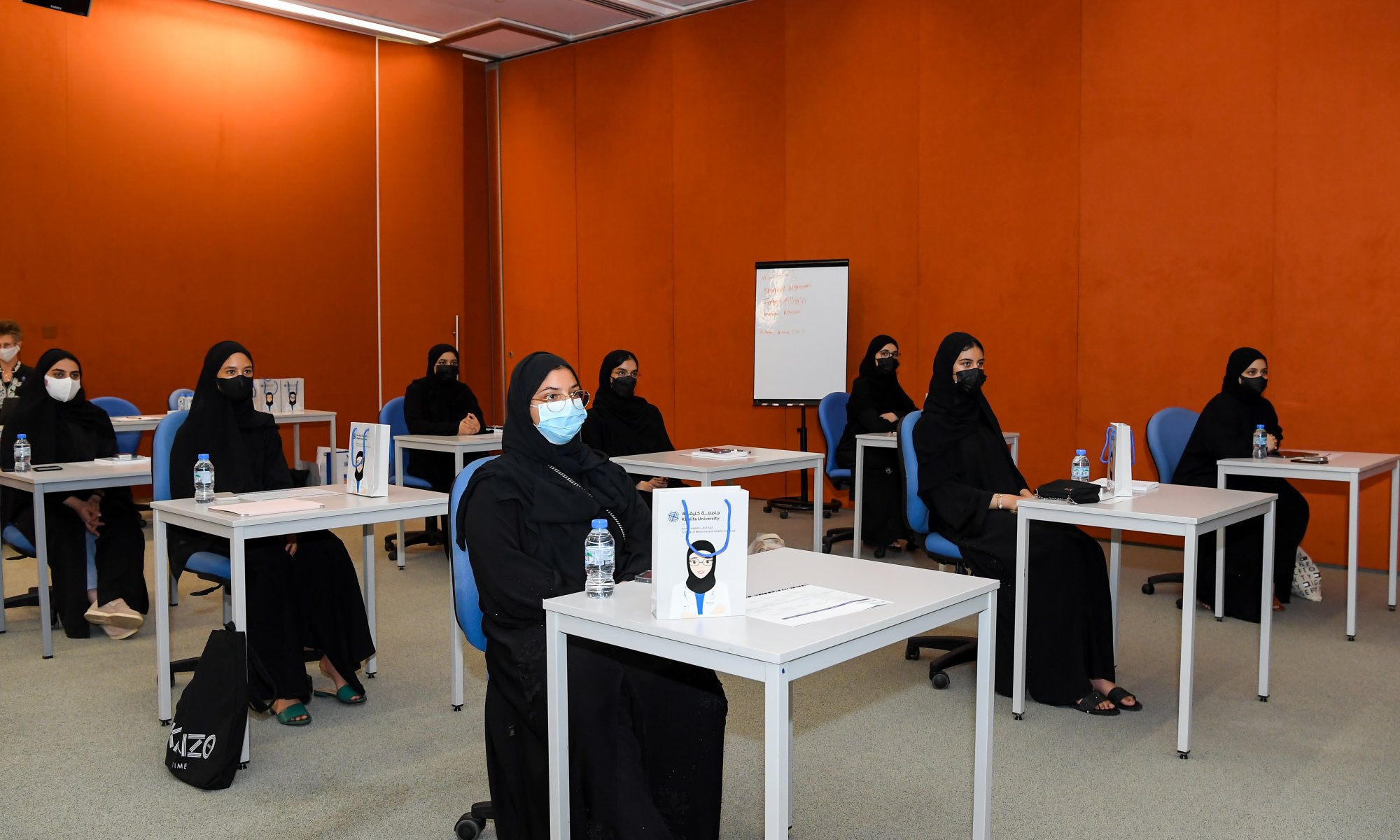
Khalifa University has announced that the College of Medicine and Health Sciences (CMHS) will host Summer Med-Camp 2022 to provide learning and growth opportunities for UAE National high school students keen on pursuing careers in medicine and health sciences. 


The week-long Khalifa University CMHS Summer Med-Camp 2022 will run from 8-12 August at the Main Campus. Participants will engage with current MD students, tour the campus facilities, and work on capstone projects on hypertension, anatomy, pharmacology, and on simulation, about which they will learn during the camp. The final projects will be presented to a panel of judges who will award the winner. 


Dr. Ahmed Al Shoaibi, Senior Vice-President, Academic and Student Services, Khalifa University said: “The Khalifa University CMHS Summer Med-Camp 2022 provides UAE national high school students an opportunity to learn from medical and healthcare professionals and understand the skill sets required to enter this crucial healthcare sector. The camp aims to not only generate interest among the students but also help them explore future career options in this important area right from a very young age. We believe the special activities and capstone projects will immensely benefit the participants.” 


Dr. John Rock, Founding Dean, Khalifa University CMHS, said: “The Summer Med-Camp is part of the pipeline programs that help stimulate interest and enhance the qualifications of potential applicants to the CMHS MD degree program”. 


The camp will include health and wellness activities, a session on presentation skills, an introduction to CMHS, and a Q&A session. 


The Khalifa University MD program is the first graduate-entry medical education program in the UAE and is accredited by the UAE Commission for Academic Accreditation (CAA). The first cohort of KU medical students will graduate in 2023.Over the years, the Khalifa University College of Medicine and Health Sciences has registered remarkable achievements, including publishing 250 research papers in respected international scientific and medical journals. Khalifa University CMHS PubMed-listed research papers address a wide array of biomedical topics of relevance to the UAE and beyond, ranging from the Arab genome to diabetes, nanoparticles to cardiovascular and medical education.


Clarence Michael
English Editor Specialist
8 August 2022

Team from EBTIC at Khalifa University Wins Top Honors at FedCSIS 2022 Data Mining Competition for Solution to Predict Costs in Freight Forwarding Contracts


Competing Against 135 Teams from 24 Countries, EBTIC’s First Prize Includes Presentation at Special Session in 17th FedCSIS Conference in Bulgaria  


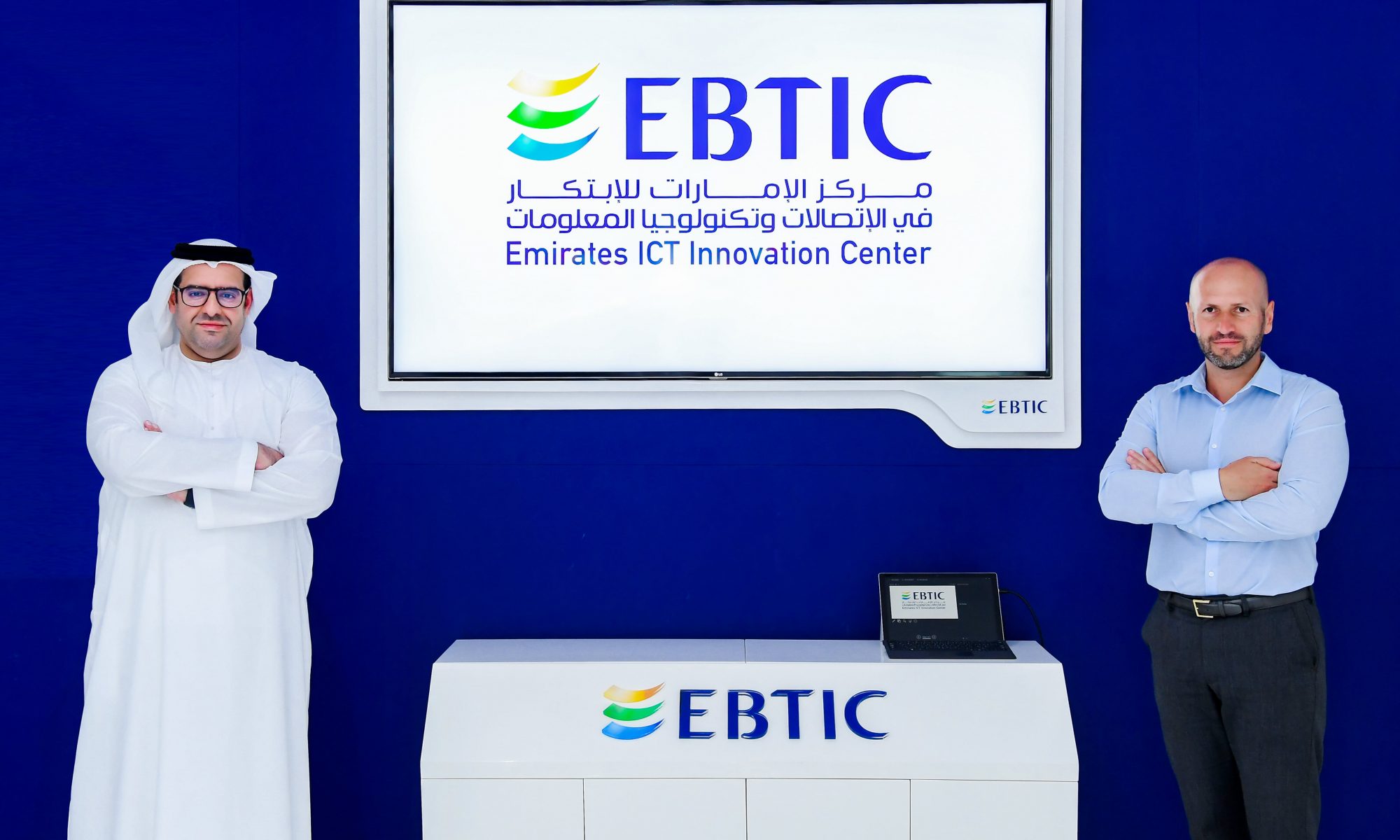
A team of researchers from Khalifa University of Science and Technology-based Emirates ICT Innovation Center (EBTIC) has won top honors at the FedCSIS 2022 data mining competition for developing the most practical solution on predicting the costs associated with freight forwarding contracts, it was announced.


Competing against 135 teams from 24 countries across the world, the EBTIC team won the first prize which includes a monetary award for their solution. The ‘FedCSIS 2022 Challenge: Predicting the Costs of Forwarding Contracts’ is the 8th data mining competition organized in association with the Conference on Computer Science and Information Systems. The EBTIC team came out with flying colors in the challenge that asked participants for a solution based on contract data and planned routes. 


The EBTIC team will be submitting a short paper during a special session at the 17th Conference on Computer Science and Intelligence Systems (FedCSIS) 2022 that will be held from 4-7 September in Sofia, Bulgaria. Selected papers will be indexed by the IEEE Digital Library and Web of Science, while the invited teams will be chosen based on their final rank, innovativeness of their approach, and quality of the submitted report.


Dr. Arif Sultan Al Hammadi, Executive Vice-President, Khalifa University, said: “Winning against 135 teams on the world scale illustrates the creative essence of the EBTIC team which has developed the most appropriate machine learning model for freight forwarders. As EBTIC builds on its current strength we hope to see more innovations in data mining areas that will benefit all the industry and community stakeholders.”


Dr. Nawaf Almoosa, Director of EBTIC, said: “We are delighted to win top award in this year’s FedCSIS 2022 challenge that was focused on predicting the cost of transport forwarding contracts based on the contract description, details of transportation vehicles, cargo and the geo-located trip plan. The team, made up of Dr. Dymitr Ruta, one of our Chief Researchers, together with another EBTIC researcher, Lui Ming, built a hybrid ML model based on a diversified ensemble of gradient boosting predictors, developed for this challenge, allows for the most accurate prediction of the realized contract cost and would enable the contractors competing for cargo services at the transportation exchange to more efficiently bid for shipping contracts with less risk of unexpected loss-making costs.” 


Organized by FedCSIS in cooperation with PTI and QED Software, the competition sponsor is Control System Software – a software company that has been delivering solutions for the Transportation, Spedition (forwarding), and Logistics industry for 20 years. 


EBTIC, a research and innovation center focused on driving research and innovation in intelligent systems and applications, was founded by Khalifa University, Etisalat and BT (British Telecom), and supported by the Telecommunication and Digital Government Authority’s (TDRA) ICT Fund. It is based at the Khalifa University campus in Abu Dhabi. 


EBTIC has produced more than 550 scientific publications, developed more than 80 inventions, resulting in 64 granted patents, with more pending, and has trained more than 400 students,  and 300 professionals. It has also organized 10 international technical workshops and developed numerous technologies and worked on many projects in collaboration with its partners and stakeholders.


Clarence Michael
English Editor Specialist
5 July 2022

Middle East to Get 5°C Hotter This Century, Major Report Says

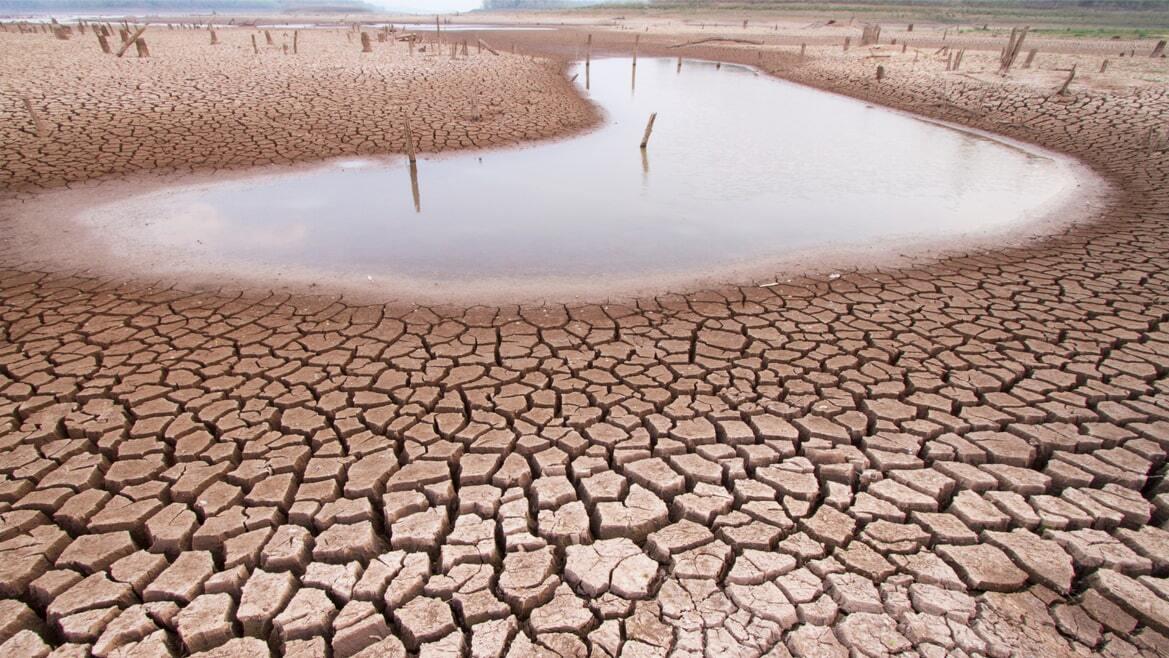
Temperatures in the Middle East are set to rise by almost half a degree Celsius per decade, a study has forecast, with extreme weather events — including droughts and torrential rain — becoming more common.


While half a degree might not sound like a major shift, given that temperatures in the region can fluctuate by 10°C to 15°C per day, an IMF report in March said with 1.1°C of warming, half the global population faces water insecurity for at least one month per year.


Researchers in the latest study said the Eastern Mediterranean and the Middle East have in recent decades warmed significantly faster than other inhabited regions.


They also highlighted how greenhouse gas emissions in the region were “growing rapidly” and as a result were making a significant contribution to climate change.


However, scientists said if major action was taken globally to reduce carbon emissions and combat other contributors to climate change, the rate at which temperatures continued to increase could be slowed.

“People’s day-to-day life will be affected mostly by extreme heat and extreme rain. Both of them are expected to have an increased frequency and intensity,” said Dr Diana Francis of Khalifa University in Abu Dhabi, one of the authors of the study.


“It is time to act at all levels to mitigate and adapt to the changes happening to our climate and weather.”


Read the full article here: https://www.thenationalnews.com/uae/2022/07/21/middle-east-to-get-5c-hotter-this-century-major-report-says/

Searching for Sustainable Refrigerants by Bridging Molecular Modeling with Machine Learning


The search for novel clean refrigerants remained elusive until the principles of green chemistry and engineering came to the rescue, coupled with artificial intelligence to speed up the process. 


In the 1990s, the hole in the planet’s ozone layer was a pressing global crisis. Research discovered the ozone layer over Antarctica was thinning due to chlorofluorocarbons (CFCs) used globally in aerosols and cooling devices. Once ubiquitous, CFCs were quickly banned during the 1990s and early 2000s because of their harmful environmental impacts, prompting the search for cleaner and more efficient alternatives.


Hydrofluorocarbons were introduced — refrigerants that contain no chlorine and are not harmful to the ozone layer. However, their impact on global warming is significant compared with traditional refrigerants, leading to regulations limiting their use too. Today’s commercially available refrigerants are third-generation refrigerants, but they remain detrimental to the environment, leading to the hunt for fourth-generation refrigerants that are clean, efficient, and safe. 


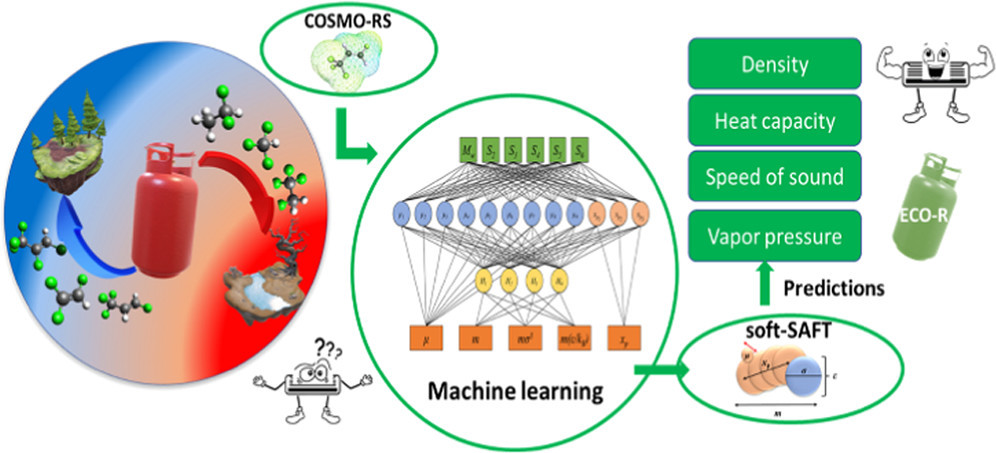
A team of researchers from Khalifa University and Universita Rovira I Virgili, Spain, has developed a novel integrated approach to evaluate new potential refrigerants using a machine-learning algorithm. The team’s model maps the relationships between molecular descriptors with the molecular parameters required to meet the thermodynamic properties of an efficient and environmentally friendly novel refrigerant.


Prof. Lourdes Vega, Director of the KU Research and Innovation Center on CO2 and Hydrogen (RICH), Ahmad Darwish, and Ismail Alkhatib, chemical engineering PhD candidates, collaborated with Carlos Alba and Dr. Felix Llovell to develop the model, with their results published in the journal Industrial and Engineering Chemistry Research.


According to the research team, the first two criteria are dependent on refrigerant atomic composition and structure. Discarding those refrigerants unable to meet environmental and safety standards is a simple first layer of screening for the perfect new refrigerant. The third criterion — excellent technical performance — is harder to screen for as it relies on detailed knowledge of the refrigerant’s thermodynamic properties. This is the main hurdle in the commercialization of new refrigerants.


Developing these simulations, however, requires extensive databases of the relevant properties of known substances and too many refrigerants and blends are being developed for these databases to keep up.


“The standard experimental route to obtaining property measurements has ceased to be capable of meeting the rapidly growing number of newly developed refrigerants,” Prof. Vega said. “This has accelerated the need for predictive computational modeling tools for evaluating the thermodynamic behavior of these refrigerants and obtaining the relevant properties required for technical evaluation. Plenty of tools have been developed, but it’s difficult to assess the adequacy of one thermodynamic model over another as all of these models suffer from some limitation or another. We need a singular universal model.”


Integrating machine learning with molecular-modelling approaches has paved the way for a number of applications, including the rational design of new green materials, predicting thermodynamic behavior of complex systems, and accelerating the development of molecular simulations. Prof. Vega and the research team have leveraged this paradigm for their work.


The team’s model predicts the molecular parameters of pure refrigerants and was applied to 18 third- and fourth-generation refrigerants for testing. These 18 refrigerants were chosen for testing because the team already had access to the experimental data needed to train the machine learning algoriths. Additionally, the third-generation refrigerants were those currently used in the market, and the fourth-generation refrigerants had demonstrated potential to serve as sustainable alternatives with excellent environmental performance. Using these refrigerants allowed the team to prove the model could work and demonstrate a step toward a more predictive framework for estimating refrigerant options.


This way, even in the absence of experimental data, the predictive power of the model could assess whether a refrigerant would perform well.


“Of course, our model could be enhanced using larger datasets for training, but that’s the point of the work,” Prof. Vega said. “Our results showcase the potential of this novel integrated approach for the first technical evaluation of newly developed refrigerants, even in the absence of sufficient experimental data. It’s a first step in facilitating the search for green alternatives that meet technical and environmental requirements for fourth-generation refrigerants.”


Jade Sterling
Science Writer
25 July 2022

Mimicking the Cell Membrane on a Chip

A ‘membrane-on-chip’ device allows researchers to quickly and easily see what’s going on at the molecular level of a cell membrane.


Dr. Anna-Maria Pappa, Assistant Professor, Department of Biomedical Engineering in collaboration with researchers from Cambridge and Stanford Universities has been investigating the use of bioelectronics to understand how viruses and drugs interact with cell membranes.


Dr. Pappa’s most recent work details the mechanism behind this device. The researchers provide a mechanistic understanding of the device, using experiments and simulations to provide insight about how their device works and in turn provide design criteria to enhance its sensitivity. Their results were published in Journal of Materials Chemistry C.


The research team includes investigators from the Department of Chemical Engineering and Biotechnology at the University of Cambridge and the Department of Materials Science and Engineering at Stanford University.


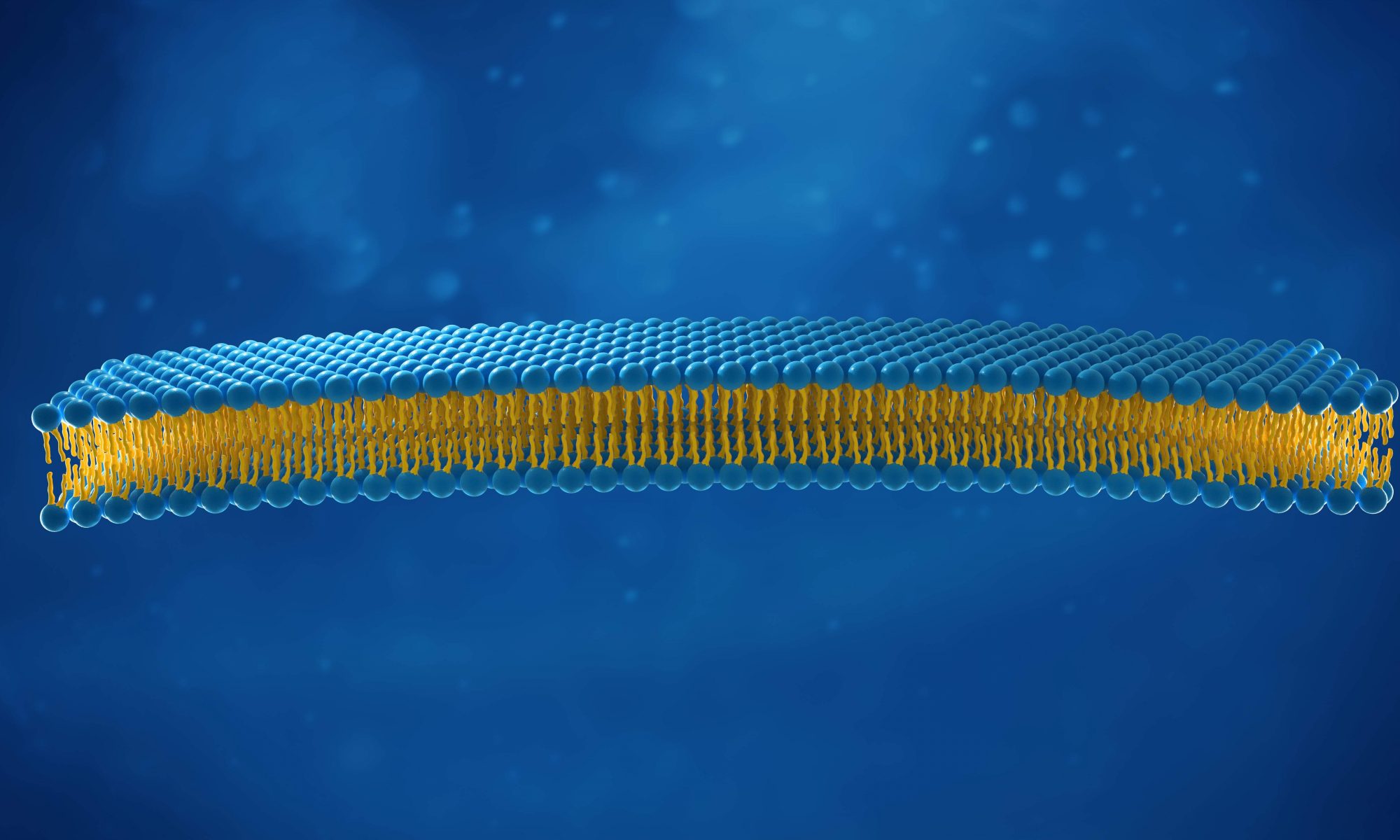
The cell membrane separates the interior of the cell from its external environment. It is a semipermeable lipid bilayer that regulates the transport of materials entering and exiting the cell.


Supported lipid bilayers (SLBs) of varying biological complexity can be produced using extracellular material that can be harvested from simple cell culture. Those models can be used to mimic any cell from the human body — all in a lab, without the time and effort needed to keep an actual cell alive.


“These SLBs can be formed on solid surfaces and used to characterize the properties of the plasma membrane or to study membrane interactions at the molecular level,” Dr. Pappa said. “More than half of all currently approved drugs target the cell membrane, but the complexity and slow turnaround of traditional cell-based assays make the study of molecular interactions with the cell membrane quite challenging. SLBs are a simple and representative cell membrane model that we can use to more quickly and easily see what’s going on at the molecular level.”


This is a non-invasive technique. In vitro is Latin for ‘within the glass’ and refers to work that is performed outside of a living organism, providing a controlled environment for an experiment.


A ‘membrane-on-chip’ device allows researchers to isolate the cell membrane and measure events at the membrane level. This could be the entry of a drug to the cell, the interaction between a virus and the membrane, or the way ion channels work, to name a few examples.


“We can culture the cells we want to investigate in the lab,” Dr. Pappa said. “Cells secrete extracellular substances, which give us information about the cell membrane, proteins, and lipid components. We can isolate the particles, put them on the device, fuse them with the substrate and create a lipid bilayer.”


The device uses conducting polymer electrodes and transistors. Integrating electrical components offers an opportunity to noninvasively interface with these biological models for more accurate and quantifiable information.


Interfacing can be a powerful means of investigating biological systems when used carefully, but the polymer and the tissue must not damage each other. Organic bioelectronics are devices containing carbon, which can seamlessly integrate with complex biological systems. They also demonstrate superior performance compared with inorganic counterparts when it comes to interfacing and transducing biological signals.


“Electronic signatures give insight to what’s going on, but the signals are complicated. They need decoupling and analyzing to understand what’s happening at the molecular level for meaningful biological data.” Dr. Pappa said.


To infer the properties of the cell membrane, the researchers use electrochemical impedance spectroscopy, a powerful technique used to analyze biological events occurring at the electrode surface. Depending on the voltage frequency, the SLBs will act in different ways, which researchers can extrapolate to infer information about how the cell membrane is interacting with its environment.


While complicated, using electrochemical impedance spectroscopy is a better alternative to microscopy, which uses microscopes to physically view objects and areas of objects. Witnessing the interactions between the cell membrane and a target drug, for example, is possible and widely used, but doesn’t offer portability or high throughput. Integrating electronics with a ‘membrane-on-chip’ device offers the speed and ease researchers need for identifying new drug candidates or how an unknown virus enters cells, for example. 


Jade Sterling
Science Writer
25 July 2022


How Fish Gills Inspired Clog-Free Filters to Tackle Ocean Pollution


A novel filtration device has the potential to filter wastewater much more efficiently and in an environmentally-safe manner, using 3D printing to manufacture structures based on fish gills. 


Their device is chemical-free and uses a 3D printing-on-membrane approach to develop a single device that mimics the shape and high surface area of fish gills at the microscale.


Prof. TieJun Zhang, Professor of Mechanical Engineering; Dr. Hongxia Li, Postdoctoral Research Fellow; Dr. Aikifa Raza, Research Scientist; and Dr. Faisal AlMarzooqi, Assistant Professor of Chemical Engineering; with Shaojun Yuan, Sichuan University; and Nicholas Fang, MIT, published their results in Scientific Reports.


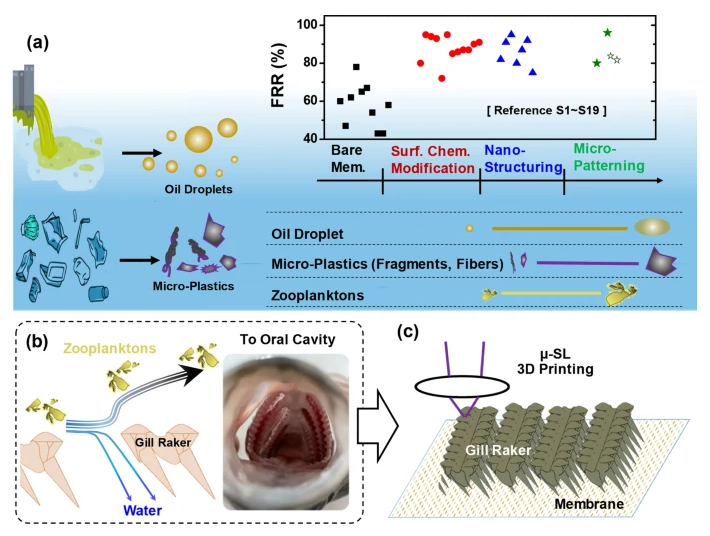
Membrane filtration is a widely used technique with applications from the biomedical industry to environmental sciences. At its simplest, the water-filtration process sees purified water permeate through the membrane, while contaminants such as microplastics, oil droplets, and other soluble pollutants are stopped by the membrane. Some contaminants would accumulate on membrane surface, or get trapped in membrane. This trapping is the major bottleneck in effective water filtration, as, over time, the membrane becomes clogged with the separated particles.


Most solutions to overcome membrane clogging focus on developing novel materials or modifying the surface of the membrane, using metal oxides and photocatalytic materials to repel contaminants and prevent the membrane from degrading. However, such chemical approaches may be easy to implement and effective, but environmental concerns have been raised around their use in nature.


Many fish species feed by filtering food particles from huge volumes of water without clogging their oral filters. Their mouths contain structures called gill rakers, which work much in the same way that a spaghetti strainer or coffee filter functions: Water is forced through the pores of the filter, trapping the desired particles.


“Surface patterning and creating topological structures on membrane surfaces can manipulate the local hydrodynamics and prevent clogging on the membrane,” Prof. Zhang said. “With properly designed surface structures, the flow of water near the membrane surface can be controlled to inhibit the deposition of particles that would clog the membrane. For this, surface geometry is the key.”


Different surface structures like grooves and pyramids have demonstrated anti-fouling properties. Fish gills present these structures but they are remarkably complex, and replicating them is made possible only with emerging 3D printing techniques. Recent advances in micro-stereolithography 3D printing have made it possible to fabricate complex structures at the microscale, but it is still challenging to fabricate these surface architectures and membranes with nanometer pores at one-step, and usually, the nanoporous membrane has to be manufactured separately. With the new direct-printing on membrane technique used by the research team, the filtration membrane and complex surface structures can be integrated as an all-in-one device, making it the first of its kind for filtration purposes. A patent has been filed for this technique, towards its commercialization.


Gill raker-shaped structures were printed directly onto the membrane surface, with the final device integrating all the functional components of a filter.


“We developed a microfluidic filtration device,” Dr. Li said. “When we tested it against oily water and wastewater with microplastics, we found that the extraordinary anti-fouling performance of a fish gill-structured membrane originates from the unique flow behavior of the oil droplet and plastic microparticle during the filtration process. As the water containing the droplet/particle approaches one of the gill structures, the forces acting on the water cause the droplet/particle to ‘ricochet’ away, and thus avoid oil droplets or microplastics contaminating the membrane surface. In this way, even though the droplet/particle size is much smaller than the gap between two neighboring gill structures, it cannot pass through the gap and remains in the main flow of water. This means that only clean water passes through the membrane and the filtration device does not become clogged with contaminates.”


The potential application fields of printing on membrane are myriad and diverse, with membranes in microfluidics one of the most important. Integrated with the enormous variety of materials, morphologies, and design options, the ”print-and-play” microfluidic membrane devices can be readily tailored to other emerging energy, chemistry, bioengineering, and medical applications. 


Jade Sterling
Science Writer
19 July 2022

Comparing the Cost of Energy-Storage Systems for Renewable Energy


A team of researchers from Khalifa University has developed a techno-economic model to evaluate and compare energy-storage systems (ESS) in green building design. 


Dr. Ahmad Mayyas, Assistant Professor, Assia Chadly, MSc student, Dr. Elie Azar, Associate Professor, and Dr. Maher Maalouf, Associate Professor, all from the Khalifa University Department of Industrial and Systems Engineering, published their results in the journal Energy and also recently had their work feature as a story in pv magazine, which is a monthly trade publication widely read by the international photovoltaics (PV) community.


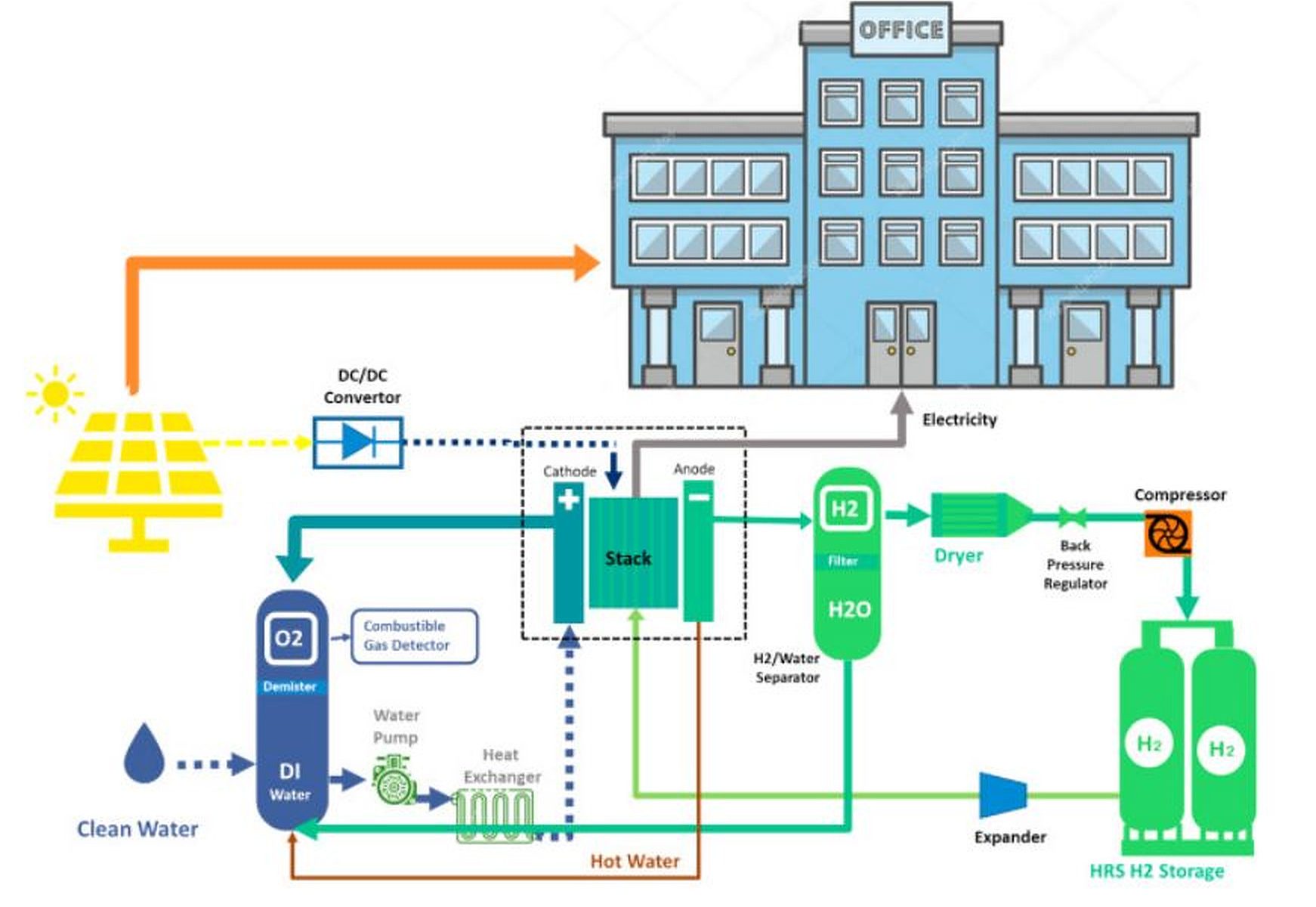
They compared lithium-ion batteries, proton-exchange membranes reversible fuel cells (PEM RFC), and reversible solid oxide cells (RSOC), with all three types of storage systems connected to a stand-alone photovoltaic system. Their model was tested on what would be a typical commercial building located in Los Angeles to determine the most efficient energy-storage system of the three.


“Low-energy buildings can be designed to be self-sufficient if connected to a suitably sized renewable-energy system, supported by energy-efficiency measures that minimize their energy demand,” Dr. Mayyas said. “Since energy generation is often intermittent and weather-dependent, we need to consider and plan for situations where energy is not available.”


The electric grid must always be balanced so that electricity generation exactly equals electricity usage. Though we often think of intermittent renewable energy resources, such as solar and wind, as susceptible to not being able to provide enough energy, there are invariably times when there is more electricity generated than we can use. Excess electricity in the system leads to curtailment, where output is intentionally reduced, limiting the value of impacted renewable energy systems.


“The main role of the ESS is to store energy when supply exceeds demand and release it when the situation is reversed,” Dr. Mayyas said.


There are a wide range of specifications and classifications for ESS, depending on their storage mechanism and potential applications, with key differences found in their structure and mode of operation. Some systems use supercapacitors, some use lithium-ion batteries. Others use fuel cells or flywheels, but all have lifetimes measured by the total number of cycles the system can offer.


“Batteries and hydrogen-based ESS offer high power ratings, energy density, and storage duration, all of which make them suitable for medium- and long-term storage needs,” Dr. Mayyas said. “But system aging lowers their performance and typically increases the energy-storage cost. Plus, they age at varying rates: hydrogen systems suffer from higher levels of degradation at the cell and stack levels, for example.”


The team’s model considered a medium office building, defined as a three-floor office building, located in Los Angeles. Its assumed electricity demand ranged from 18.69kW during the night to 178.30kW during the day in August. The team chose a rooftop solar array with a capacity of 400kW and 19 percent efficiency.


Their model looked at the levelized cost of storage (LCOS), considering the economic burden of the three energy-storage systems. They found that upfront capital in installing the technologies accounts for more than 65 percent of the total LCOS, making it the most important component in the model. Bringing the capital cost down would have the most impact on reducing the overall cost of such systems.


Additionally, as each system had a different rate of aging and therefore a different operating lifetime, the LCOS depended on the lifetime of each system.


“The LCOS is sensitive to changes in capital costs and lifetime among many other things,” Dr. Mayyas said. “Of the three storage systems, lithium-ion batteries were the most sensitive, but they also offered the lowest LCOS. All three systems are economically appealing, however.”


However, the fuel cells in the two other systems, although expensive, help improve the reliability and resiliency of the commercial building when supplied with renewable-energy.


“Further work could include other energy-storage systems and hybrid models looking at lower capital costs and higher efficiencies,” Dr. Mayyas said. “Also, expanding the analysis to a comparison between different locations would help understand how the LCOS changes with different climates.” 


Jade Sterling
Science Writer
19 July 2022

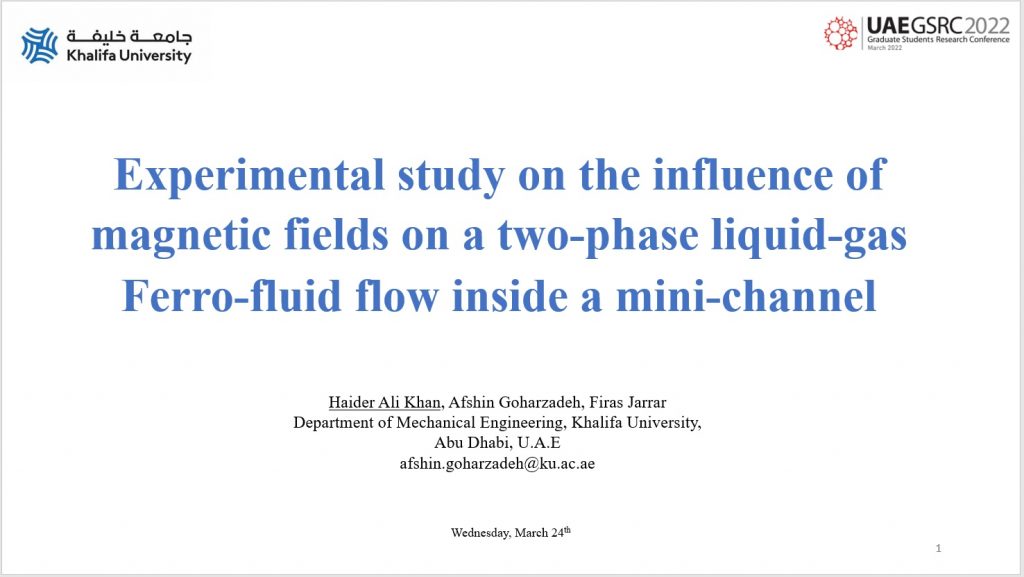
Mechanical Engineering MSc Student Wins Best Paper in UAE GRSC 2022

The UAE Graduate Student Research Conference (UAE GRSC) 2022 award recognizes graduate students research papers that represent the best overall contribution to their discipline. Mr. Haider Khan, MSc Mechanical Engineering student, won the best paper award for the Mechanical Engineering Track.


His MSc research project is focused on experimental study on the influence of magnetic fields on a two-phase liquid-gas ferro-fluid flow inside a mini-channel. Under the supervision of Dr. Afshin Goharzadeh and Dr. Firas Jarrar, Mr. Khan is developing a new mini-scale two-phase air-ferrofluid heat pump capable of working permanently under harsh environment, using electro-magnetic field as the only source of energy.

Khalifa University Presents Newly-Launched RIC-2D Research and Innovation Fund at Advanced Materials Show in UK

Call for Proposals Open to Global Research and Innovation Community for Near and Long-Term Technology Commercialization Projects  


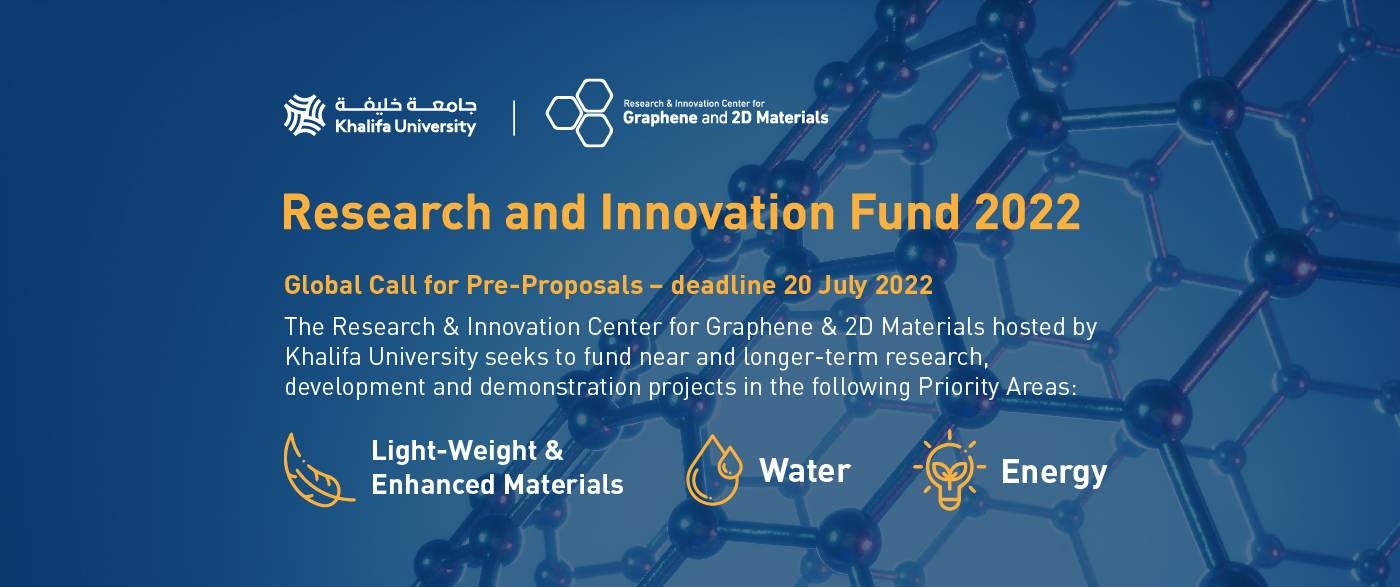
Khalifa University of Science and Technology today announced it is presenting the newly-launched Research and Innovation Center for Graphene and 2D Materials (RIC-2D) ‘Research and Innovation Fund’ at the Advanced Materials Show at the National Exhibition Show in Birmingham, UK.


The Advanced Materials Show will take place from 29-30 June 2022, and Khalifa University will be offering details on the RIC-2D Research and Innovation Fund to visitors and academic researchers. The Fund aims to foster research, development, demonstration and deployment of novel technologies derived from graphene and other two-dimensional (2D) materials, particularly targeting areas of strategic importance to Abu Dhabi and the UAE. 


Open to the global research and innovation community, the RIC-2D Research and Innovation Fund is an open, worldwide, two-stage call for proposals to fund projects that offer the highest potential for near and long-term technology commercialization opportunities related to graphene and other 2D materials. Awards will be made for up to 36-months duration, with a maximum annual value of US$2 million. 


The 2022 Call for Proposals aims to identify technologies with a line-of-sight to commercialization as well as to build a pipeline of research that will lay a foundation for future 2D material innovations. Proposals are invited across the technology readiness level (TRL) spectrum in the areas of lighter-weight or otherwise functionally enhanced materials, water and energy. Other application topics will also be considered when innovation, and hence clear commercial potential, are apparent. The deadline for pre-proposal submission is 20 July, after which entries will be shortlisted for full proposal submission by 26 October. Final awards will be announced on 11 December 2022.


Dr. Steve Griffiths, Senior Vice-President, Research and Development, Khalifa University, said: “The RIC-2D Research and Innovation Fund aims to stimulate research and innovation in graphene and other 2D materials with the intended outcomes being scientific, economic and societal value creation for Abu Dhabi and the broader UAE. The commercial impact of 2D materials will become apparent in the coming decade and RIC-2D is intended to place the UAE at the forefront of the opportunities that arise.” 


Graphene is already making an impact in a number of consumer and industrial products. It has great potential for additional applications that include anti-corrosion coatings and paints, sensors, faster and more efficient electronics, flexible displays, solar energy, and drug delivery. 


Hosted by Khalifa University, RIC-2D is part of a strategic investment by the Abu Dhabi Government to advance the scientific development and commercial deployment of technologies derived from graphene and other 2D materials. RIC-2D serves as an integral part of an advanced materials innovation ecosystem being developed in Abu Dhabi.


Clarence Michael
English Editor Specialist
30 June 2022

Khalifa University’s Vice Chairman Discusses Updates and Future Plans

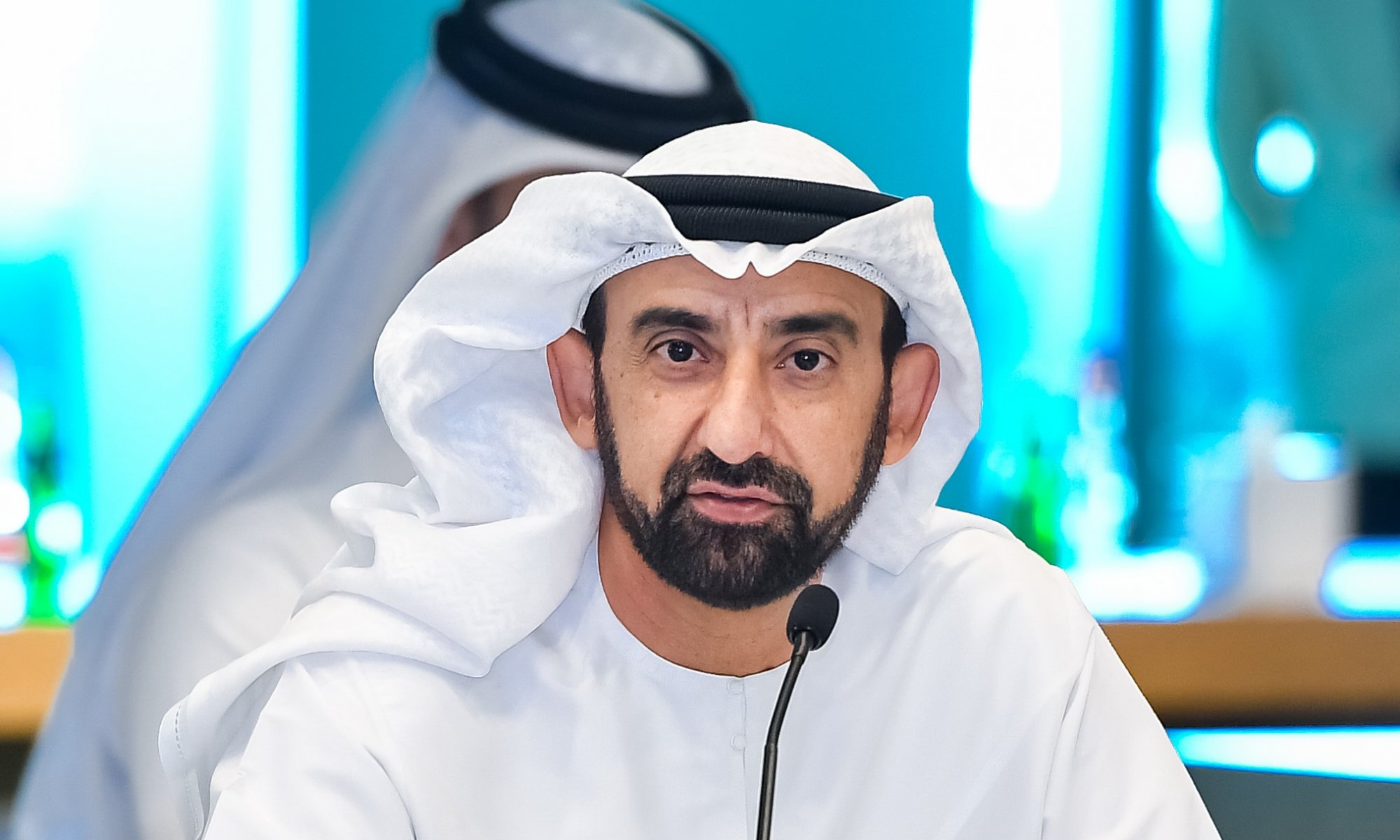
Khalifa University of Science and Technology’s Board of Trustees Vice Chairman, H.E. Homaid Al Shimmari, discussed with the KU community various University updates and future plans in a Town Hall meeting held on May 27th, 2022.


During the meeting, H.E. Homaid reflected on the outstanding achievements made by KU faculty, staff, and students over the years. He also discussed the new strategic direction of the University, which included topics such as student intake targets, expected enrollment growth, expanding research focus areas, campus masterplans, and major secured research funding initiatives.


The town hall meeting concluded with a Q&A session where HE Homaid answered and discussed various topics with the convening faculty and staff.