Khalifa University Students Present 51 Science, Engineering and Technology Innovations to Stakeholders

Visiting Stakeholders from Key Industries Impressed with Innovative Student Design Projects


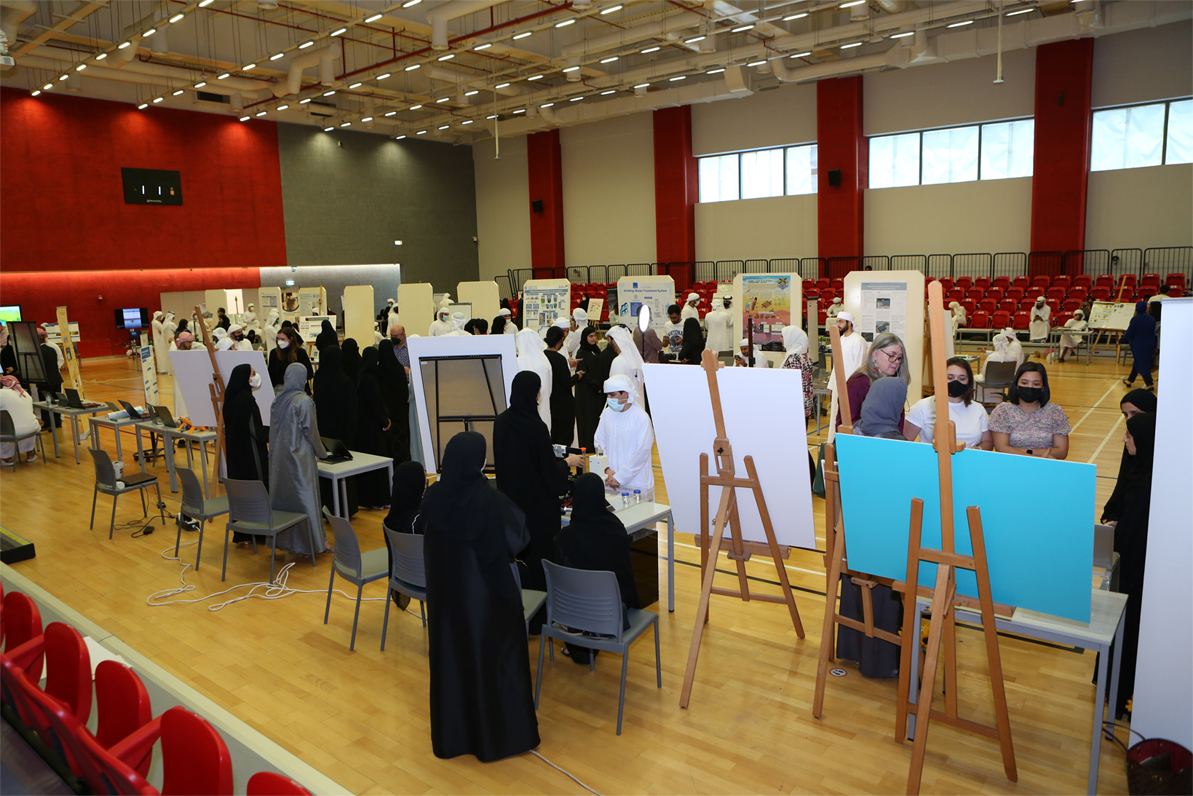
Khalifa University of Science and Technology today announced an array of 51 science, engineering and technology innovations  conceptualized by students as senior design projects from six academic departments, were presented to various key industry stakeholders on the ‘Khalifa University Innovation Day 2022’, an annual exhibition that celebrates the innovative essence of senior graduating students.


The project concepts on display at Khalifa University Main Campus included nine from Aerospace Engineering, six Biomedical Engineering, four Civil Infrastructure and Environmental Engineering, 13 Electrical Engineering and Computer Science (EECS), seven Industrial and Systems Engineering (ISYE) and 12 from Mechanical Engineering (MEEN) departments.

Dr. Ahmed Al Shoaibi, Senior Vice President, Academic and Student Services, Khalifa University, said: “The Innovation Day 2022 solutions, designed to create solutions that address challenges faced by the industry, stand testimony to the creative spirit of our students and the intellectual guidance offered by our expert faculty members across various science, technology and engineering departments. These projects also stand out as stellar examples of how our students are trained and nurtured during their academic years at Khalifa University, fully equipped to become professionals in their areas of specialization, even before their graduation. We wish them good luck and hope the visiting stakeholders will take these project concepts forward.”


Some of the innovations that evinced keen interest from stakeholders included Arabic automatic speech recognition, Drone for package delivery, Design of Martian air vehicles, Formation flying a constellation of CubeSats, Discovering medical drugs toxicity using Artificial Intelligence, Skin protection system from ultraviolet radiation, Enhancing customer experience by optimizing the parking assignment and improving the ‘way-finding’ to designated parking bays at Etihad Arena in Abu Dhabi, Applying Lean Six Sigma into the battle dress uniform (BDU) production line at the International Golden Group (IGG), A mobile app for the monitoring of lower-limb physiotherapy using shoe-mounted force sensors, Device to accelerate independent component analysis (ICA) for EEG-based emotion detection, Full-scale household drinking water treatment system, Device to assess rainfall intensity-duration-frequency in Abu Dhabi, Human eye Intraocular Pressure (IOP) measurement using sound waves, Universal soft gripper for handling delicate objects with various shapes and sizes, and Low-tech vertical and horizontal fog-to-water collectors in the UAE.

As a consistently top-ranked academic institution focusing on research, Khalifa University leads in innovation and creation of intellectual and human capital. Scores of diverse research initiatives undertaken by student and faculty researchers of Khalifa University have so far generated 200 issued patents, with over 270 patents pending, and more than 480 invention disclosures.

PhD Research Helps Reduce Organ Transplant Risk Using New Insights to Emirati Genome

Halima Alnaqbi’s PhD research addresses the gap in Arab representation in global genome data and establishes preliminary framework for organ and bone marrow transplantation in the UAE. 


Organ transplantation is one of the greatest advances in modern medicine and is the only life-saving strategy for patients with end-stage organ failure. Unfortunately, the need for organ donors is much greater than the number of people who donate.


The human immune system, however, poses a significant barrier to success when organs are transplanted from one individual to another. Rejection is caused by the immune system identifying the transplant as foreign, triggering a response that will ultimately destroy the transplanted organ. Donor and recipient are carefully matched prior to transplantation to minimize the risk of rejection, using tissue typing and blood group markers, but research into the population-specific genome can also play a larger role.


Dr. Halima Alnaqbi has successfully completed her PhD in Immunogenetics with her thesis focusing on enhancing the existing organ transplantation system to include Arab ethnic groups. This was the first research to identify conserved extended haplotypes (CEHs) in Arabs using high-resolution HLA pedigree-phased haplotypes. Dr. Alnaqbi, Dr. Guan Tay, Dr. Sarah Chehadeh, and Dr. Habiba Alsafar, Director of the KU Biotechnology Center, published this research in Scientific Reports.


The human leukocyte antigen (HLA) complex, also known as the major histocompatibility complex (MHC), is a set of genes that code for cell surface proteins essential for the acquired immune system to recognize foreign molecules. It is the set of genes that determines compatibility for organ transplant, among many other things, and has garnered attention for its high level of allele variety among populations.


With more than 7000 alleles, the HLA complex is the most polymorphic region of the human genome. Studies have already examined the HLA complexes of various populations for many medical purposes, including populations where particular HLA types are very common and could potentially be identified as hot spots for severe disease, endemic persistence, or pathogen emergence. Proper understanding of the population-specific HLA complex is instrumental for making informed medical decisions.


“Unfortunately, there is a dearth of information about the structure of the MHC in Arab populations, especially for those who reside in Gulf countries,” Dr. Alnaqbi said. “The structure and content of the MHC region in Arab populations remain poorly characterized, posing challenges when establishing disease association studies in ethnic groups that inhabit the region and reducing the capacity to translate genetic research into clinical practice. We wanted to address the knowledge gap and characterize CEHs in the United Arab Emirates population.”


Conserved extended haplotypes refer to the conserved, long stretches of DNA that occur in people from the same population or ancestry. A haplotype is a physical grouping of genomic variants that tend to be inherited together and extended haplotypes provide most of the markers for HLA-associated autoimmune diseases. Previous disease association studies have been dominated by analyses based on populations of European ancestries, but this is gradually changing, allowing researchers to fill the knowledge gaps in disease risk predictions in some ethnic groups. The genome structure of Arab populations from the Middle East, however, remains poorly characterized.


“Although often grouped for their shared language, history, and culture, the populations of the Arabian Peninsula represent a genetically diverse group,” Dr. Alnaqbi said. “With the United Arab Emirates recently establishing its national organ registry program, this study provides insights on the MHC of the UAE population, which is important for matching recipients to appropriate donors.”


To contribute to the available data on Arab populations, Dr. Alnaqbi analyzed MHC alleles and haplotype frequencies in consenting volunteers from the UAE. Families were randomly recruited from different parts of the UAE and all participants were UAE nationals. The research found sections of genetic code were shared between the participants, identifying conserved extended HLA haplotypes in the population.


Dr. Alnaqbi said. “We need more effort into studying the MHC region of the Arabian population to offer better healthcare and benefit from the new paradigm of healthcare represented by personalized and precision medicine.”


Jade Sterling
Science Writer
15 June 2022

Research on Use of Magnetic Fields for Gas Separation and Gas Mixture Analysis Yields Two Patents


Researchers at Khalifa University’s Center for Catalysis and Separations (CeCaS) have been granted two patents for their work on the effect of magnetic fields on separating mixtures and detecting gases. 


Gas separation is a process used across myriad disciplines and industries, with use cases ranging from purifying natural gas and removing carbon dioxide to producing oxygen for medical use and nitrogen for chemical feedstocks. There are various ways of separating gases in a mixture, including absorption, distillation, and membrane separation. 


The research was initiated in collaboration with the Abu Dhabi National Oil Company (ADNOC) and continues under the umbrella of the CaCaS center of KU in collaboration with the Demokritos National Research Center in Greece. 


Magnetic Swing Absorption for Industrial Gas Processing

“Sorption and desorption are typically controlled by swings in temperature or pressure, or both in combination,” Dr. Karanikolos said. “In our technology, a magnetic field swing is introduced. By switching the magnetic field on and off, gas is absorbed and desorbed without externally changing temperature or pressure, which is a great novelty in this area.”


Examples of application of gas separation are the removal of carbon dioxide from steam methane reforming gas mixtures and as the final step in the large-scale commercial production of hydrogen, which is important for the production of ammonia. Air separation is carried out to produce pure oxygen, while oil refineries and gas processing plants apply separation technologies in hydrocarbon fractionation and in the removal of hydrogen sulfide, a toxic byproduct of certain refinery processes. 


However, gas separation processes typically require generating high temperatures for heat-assisted absorbent regeneration, pumping liquid absorbents between absorption towers and regeneration towers, processing and handling of byproducts, repairing absorbent leakage problems, and replenishing the lost absorbent. In addition to being energy intensive, these processes contribute significantly to the operational cost of a gas separation process, according to Dr. Karanikolos. Gas separation processes with lower energy requirements and lower operational costs would be a substantial advancement in this area. 


“Conventional gas separation processes have high energy requirements,” Dr. Karanikolos said. “Magnetic swing absorption can be far less energy consuming, particularly if the magnetic field used in these cycles is generated by permanent magnetic assemblies. In order to turn the field on or off, these permanent magnets can either be mechanically added to or removed from the absorption cell, or simply switched on and off if they have a permanent magnet switch.”


In this method, a gas mixture is introduced to a magnetic field – responsive liquid and a magnetic field is applied. One of the gases is absorbed into the liquid, effectively separating the gas mixture. Once the non-absorbed gas is purged from the system, the magnetic field is removed or switched off, and the absorbed gas releases. 


Magnetic-based Determination of Sorption Separation and Smart Gas Sensor

Dr. Karanikolos was also awarded a patent for his work on a smart gas sensor to detect impurities and analyze gas mixtures. His technology provides an easy way of measuring gas sorption selectivity: the ratio of adsorbed amounts of two gases being simultaneously adsorbed to the same sample, and can also operate as a gas sensor under certain conditions. 


Smart gas sensor

“Gravimetric microbalance is commonly used to measure the amount of adsorbed gas on sorbent materials,” Dr. Karanikolos said. “Our invention offers a low-cost gas sensing and measuring device, using a modified gravimetric microbalance, in which the hanging sample holder is located in a space where a magnetic field can be turned on and off. This allows us to measure the ratio of adsorbed gases that are simultaneously adsorbed to the same sorbent surface so we can calculate the real adsorbent selectivity.”


This new device and sensor is low-cost and rapid, replacing conventional chromatographic techniques for fast and easy continuous monitoring of gas concentration. It offers a single-step solution to gas analysis and can also measure magnetic susceptibility of the gases in a mixture.


Jade Sterling
Science Writer
1 June 2022

World-leading Medical Imaging Laboratory Scanner Ready to Support Research at Khalifa University

The Medical Imaging Laboratory at Khalifa University has recently acquired the world’s latest spectral photon-counting computed tomography (CT) scanner (MARS Microlab 5X120). This equipment is the first of its type to be used in the GCC region to support laboratory/pre-clinical research.


The micro-CT research scanner uses x-ray energies relevant to the human diagnostic imaging range (20–140 keV) and a photon-processing detector that processes the energy of individually detected x-ray photons. The scanner provides high-resolution (<90-micron voxel size) non-destructive three-dimensional multi-energy CT images that are decomposed into material images based on the density and atomic composition of each material. The scanner can accommodate in vitro, in vivo, and excised biological samples sizes of up to 125 mm in diameter and 450 mm in length. 


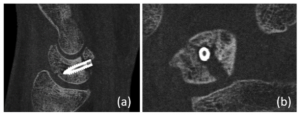
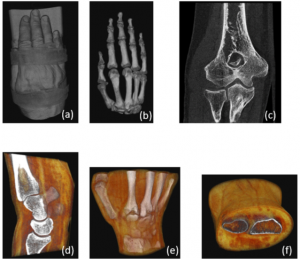
Figure 1: Photon counting CT imaging in a patient with a screw fixation of the lunate. Metal related streak artefact from metal hardware is minimal in the sagittal (a) and coronal (b) plane.
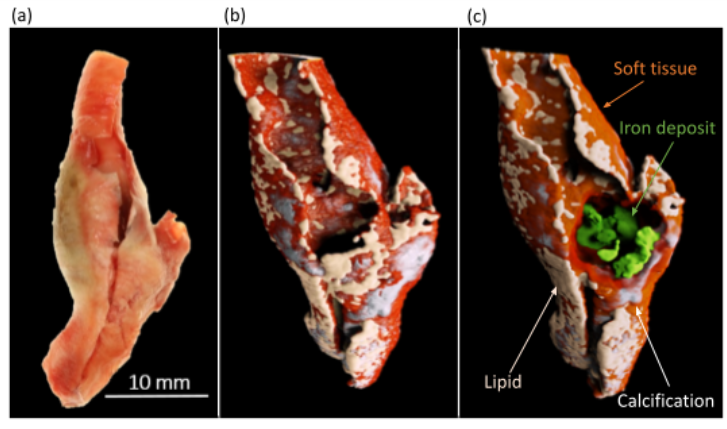
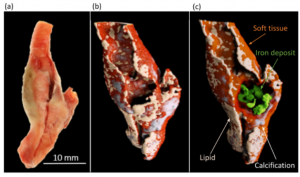
Figure 2: A surgically removed carotid plaque taken from a 74 year old non-diabetic male smoker treated following a stroke. The plaque was photographed under white light using a macro-lens. (a) Excised specimen, as photographed under white light using a macro-lens before MARS imaging was performed as described in the text to generate an image of the plaque’s surface (b) MARS image of the plaque’s surface. (c) MARS material image. Calcium- rich regions are shown in white, lipid- rich are in yellow/white and water- dominated tissue in red. Subtraction of the water, lipid and calcium channels allows the iron- rich region to be visualized showing the extent of the intra-plaque hemorrhage (c).


The scanner is intended to be used for medical physics teaching and biomedical imaging research purposes. Technological advantages of the medical imaging platform in general and Mars photon-counting CT, in particular, will coincide with Khalifa University’s goal to contribute toward creating a knowledge-based sustainable economy in Abu Dhabi. The applications of the technology include, but are not limited to, developing artificial intelligence-based material reconstruction and metal artefacts reduction software, characterization of biosecurity and geological samples, development of dental and metal implants, exploring the development of targeted high-atomic number nanoparticles with theranostic capabilities, drug delivery quantification and characterization of biological specimens such as bone health, arthritis, cancer imaging and cardiovascular disease. 


Figure 3: Representative photon-counting CT images from MARS scanner: (a) Hand, 3D reconstruction of energy channel with positioning straps. (b) Hand, 3D reconstruction of bone. (c) Elbow, coronal slice from energy channel. (d) Wrist, sagittal slice from calcium (white), lipid (yellow) and water (red) channels. (e) Wrist, 3D reconstruction of calcium, lipid and water channels. (f) Wrist, 3D reconstruction of calcium, lipid and water channels.
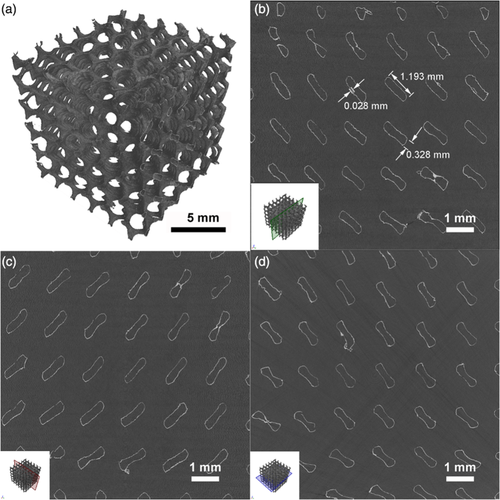
Figure 4: Volumetric 3D calcium maps (a) after two weeks of treatment, (b) after four weeks of treatment, (c) after six weeks of treatment, and (d) after eight weeks of treatment. The arrows show the area of healing bone where the calcium density is increasing.


For more information and collaborative interest, please contact Dr. Aamir Raja (aamir.raja@ku.ac.ae).


Erica Solomon
Senior Publication Specialist
25 May 2022

Advances in Flexible Pressure Sensors Using 3D Printing and 2D Materials


Pressure sensors are used in electronic devices across all industries and making them as accurate as possible means making them as thin as possible. Researchers from Khalifa University have developed a method to use a novel 2D material for highly-sensitive and tunable flexible pressure sensors. 


Compared with conventional rigid silicon-based electronics, thin, flexible electronics can withstand various deformations such as tension, compression, bending and twisting. Pressure sensors that can transform external pressure into electrical signals are an indispensable application of flexible electronics, particularly for biomedical applications.


A team of researchers from Khalifa University has investigated how to develop a pressure sensor using a novel 2-Dimensional (2D) material, which is a single sheet of material that is just one atom thick, and 3D printing. They published their results in Advanced Engineering Materials. The research team includes Jing Fu, Research Associate, Somayya Taher, PhD candidate, Prof. Rashid Abu Al-Rub, Director of the Advanced Digital and Additive Manufacturing Group and Professor of Mechanical Engineering, Prof. TJ Zhang, Professor of Mechanical Engineering, Prof. Vincent Chan, Professor of Biomedical Engineering, and Prof. Kin Liao, Professor of Aerospace Engineering.


“Pressure sensors can be divided into various categories, including piezoelectric pressure sensors and piezoresistive pressure sensors,” Dr. Kin explained. “The working principle of a piezoresistive pressure sensor capitalizes on the change in the electrical resistance of the sensor against applied pressure. Such sensors have a simple structure, high sensitivity, fast-frequency response and low-energy consumption, making them popular candidates for various applications.”


An effective pressure sensor needs to be sufficiently thin. A sensor that is too thick may give erroneous readings as the sensor would press into a soft material, decreasing the load between the objects and increasing the measured pressure. To be as accurate as possible, researchers have turned to 2D materials to achieve sensors that are thin as possible.


“The engineering performance and robustness of a piezoresistive sensor mainly hinge on the sensor’s embedded active material,” Dr. Kin explained. “So far, different kinds of conductive materials have been used, such as metal nanoparticles, conductive polymers, graphene, and transition metal compounds. More recently, 2D materials have captured researchers’ attention worldwide, particularly transition metal carbides and nitrides or MXenes.”


MXenes are a family of 2D materials comprised of a pretransition metal, such as titanium (Ti), zirconium (Zr) or hafnium (Hf), with carbon and/or nitrogen, and hydroxyl, oxygen or fluorine surface functional group. These combinations give MXenes excellent electrical conductivity and hydrophilicity, making them promising candidates for applications such as piezoresistive sensors. 


As a 2D material, MXenes can be used as sheets and stacked on top of each other via van der Waals forces or hydrogen bonding between the functional groups. This way, MXenes can be formed into flexible and stable films, although the resulting material shows a very weak piezoresistive effect because when compressed, the structure of the sheet doesn’t allow for much deformation. Using MXenes in a 3D structure with similar length scales in all three dimensions would overcome this issue and make best use of the novel MXene material.


The Khalifa University team used additive manufacturing to develop the 3D structures. Traditional methods use templates upon which MXene layers are deposited before the templates are removed. While this does work, it does not allow for precise control of the internal structure of the resulting 3D scaffold. 3D printing overcomes this, with the technology able to fabricate flexible pressure-sensitive sensors with a high dynamic range through an easy to manipulate and large-scale manufacturing method.


“There are enormous possibilities in the design of internal structures that could be produced by 3D printing, but the triply periodic minimal surface (TPMS) structure is one of the more interesting,” Dr. Kin said. “The TPMS structure is known for possessing characteristics of surface area, mechanical robustness and thermal conductivity with an edge-free structure. Fabrication of 2D MXenes into the periodic, porous TPMS structure will lead to the development of novel 3D scaffolds with excellent electrical conductivity and mechanical properties.”


The team developed a simple and efficient method to combine MXene with a uniquely designed TPMS gyroid structure to create a 3D MXene-based gyroidal structure for use as a piezoresistive sensor with extremely high sensitivity, good response time and improvable durability. This method can be used to fabricate 3D MXene structures with any size, shape and internal structure.


More recently, Prof. Liao’s group has been working on constructing 3D structures of heterogenous 2D materials – different types of 2D materials organized in layered manner – for applications such as sensors, electromagnetic interference shielding, as well as energy-related applications.


Jade Sterling
Science Writer
25 May 2022

Lessons from Operation Intradon in the Musandam


As the British prepared to leave the Arabian Gulf prior to the formation of the United Arab Emirates, intelligence of dissidence and insurgents in the Omani enclave to the north of the country prompted a small, covert military operation into protecting British interests in the region. 


Operation Intradon was a British-led counter-insurgency operation in the Omani enclave of Musandam which ran from December 1970 to March 1971. A short skirmish and a long hearts-and-mind campaign, the operation sought to ensure Oman’s control over the region and handle a suspected strong dissident presence as Britain began to withdraw from the region.


Dr. Athol Yates, Assistant Professor, Department of Humanities and Social Sciences, has investigated this little-known operation to secure British interests in the Gulf for an article in Small Wars and Insurgencies. With Dr. Geraint Hughes, King’s College London, Dr. Yates presents an overview of the operation and offers insight to what the operation says about the way British military operations were crafted in the Gulf.


Since the early 1800s, Britain exercised considerable influence over the Arab Gulf States, including the now United Arab Emirates, Bahrain, Qatar and Oman. In 1968, the British government announced it would withdraw all British troops from the region, leading to the formation of the UAE in 1971, an independent nation neighboring British-supported but independent Oman.


“Given the scale of this operation, it is surprising that little has been published on it,” Dr. Yates noted that the operation was driven by the political aim of forcing the Sultan of Oman to take administrative control of the ungoverned Musandam enclave. “This would then provide protection to the Strait of Hormuz oil route and remove a threat to the process of federating British protected states into what became the United Arab Emirates.”


The Strait of Hormuz is a narrow sea line between Iran and Arabia, through which a third of the world’s oil supplies are shipped each day. The Musandam is a mountainous peninsula overlooking the Strait and an enclave of Oman, separated from Oman by the northern UAE. Omani sovereignty over this peninsula and British involvement in the articulation and retention of this control is a recurring theme, culminating in Operation Intradon in 1970. At this time, the majority of Musandam’s inhabitants were from the Shihuh tribe, with the political centre in Khasab.


“The Sultan appointed a wali, or governor, to oversee the Musandam, though his influence didn’t extend much further than Khasab due to very limited resources and power to enforce the Sultan’s wishes,” Dr. Yates explained. “The security environment along the west coast of Musandam was further complicated by an ongoing dispute between Shihuh groups and the ruler of Ras Al Khaimah. Given the numbers of Shihuh in both Musandam and Ras Al Khaimah, the ruler feared a Shihuh ‘invasion’ and rebellion, both of which could destabilize the other Emirates. As noted by British officials, unless the Sultan started exercising control to defuse the political issues, ‘this area will remain a constant source of trouble and embarrassment for us here.’”


Feeding into tensions in Musandam was the desire by some Shihuh sheikhs to gain independence or autonomy from the Sultan of Oman. In 1966, an intelligence report noted that one Shihuh sheikh tried to enlist the help of the rulers of Dubai and Abu Dhabi to persuade the British to regard his territory as independent. The British, however, hoped that if the Omani Sultan established control over Musandam, separatist efforts by the Shihuh would end.


In 1971, the British government would fully withdraw from the then Trucial States, and the United Arab Emirates formed. Maintaining influence in the region remained important to the United Kingdom, for oil supply, trade and investment reasons. The Musandam peninsula had morphed from a point of strategic interest to a vital component of Gulf security for the transit of oil tankers.


“The British were particularly concerned to avoid a repeat of the withdrawal from Aden in 1967 and its aftermath,” Dr. Yates said. “The Aden withdrawal occurred under fire, and soon after Britain withdrew, the British-supported sheikhs were overthrown, with South Yemen becoming a Marxist-Leninist state. A similar outcome in the Trucial States would threaten British political and economic interests in the region – notably, the continued flow of oil through the Strait of Hormuz.”


Operation Intradon targeted an estimated 10 to 30 ‘hardcore’ anti-British and leftist insurgents, who were reportedly subverting the local tribes, namely the Shihuh. The operation started on 17 December 1970 and ended on 29 December 1970, although its tail continued until 31 March 1971, as the British recognized that while it would be desirable for the Omani ruler to rapidly establish administrative control, he would need support to do so. At this time, the Sultan of Oman had no police, military or civil service representatives in Musandam, just the wali, meaning it was effectively self-governed by the Shihuh and some smaller in number tribes.


“The threat posed by dissidence could only be permanently addressed if the Sultan was able to establish a lasting presence in the region and effectively administer Musandam,” Dr. Yates said. “Musandam is an enclave with no land border with Oman itself.”


Any dissidence to any of the political decisions would pose an increasingly serious threat to security as far as the British were concerned. There had been news of threats posed to British interests by dissidents in Musandam, leading to British prime minister Edward Heath approving Operation Intradon.. It involved the deployment of a Special Air Service (SAS) squadron by both boat and parachute, and help from the Special Boat Service (SBS).


The plan for Intradon noted that ‘very little is known about their numbers, equipment, whereabouts and aims’ of the insurgents. In comparison to the 10 to 30 insurgents suspected in Musandam, Intradon involved hundreds of men drawn from all three British armed services and the Trucial Oman Scouts (TOS), a British-led but locally raised light infantry force based in the Trucial States that included several hundred Emiratis.


On 17 December, the operation was supposed to start with the covert insertion of SAS troops from the sea, but this was postponed by a day because of poor weather. Additionally, a cartographic error meant that the TOS squadron meant to secure one village actually landed in another two miles south. Despite this, over the course of a three-day search, the TOS captured ammunition, uniforms and documents that appeared to have been left by the suspected insurgents, with the Royal Navy intercepting dhows with arms and ammunition, although these discoveries were not deemed to be connected to any insurgent activity. At the end of this phase, the SAS and other British forces were withdrawn from Musandam, with no suspects captured and no combat casualties.


Intradon’s other objective was to establish the Sultan’s control over Musandam, with the chosen political representative flown in via helicopter on 17 December. The helicopter returned to Muscat with the local sheikh who was loyalty to the Sultan was suspect.


Between 18 and 29 December, the TOS patrolled on foot, visiting the majority of the villages in Musandam. No insurgent opposition was encountered.


“In addressing Intradon’s outcomes, it can be argued that Britain’s tactical goals and political aims were achieved,” Dr. Yates said. “Tactically, Intradon succeeded in disrupting the activities of the dissidents in the area, and politically, the operation resulted in the Sultan having an administrative and security presence in Musandam, which gave him the foundation from which to end separatism in the region. It also denied any hostile forces a base from which to launch subversive activities into the Trucial States, preventing them from potentially undermining the process of federation or harrying British troops during withdrawal. The operation also contributed to the key British political interest in the Gulf: ensuring the safe passage of oil through the Strait of Hormuz.”


In the article in Small Wars and Insurgencies, Dr. Yates offers some opinion into how events like Operation Intradon highlight Britain’s approach to military operations in the Arabian Gulf, particularly when its occupation was ending. 


“The assessment of Britain’s success in this operation rests on some questionable assumptions, the most obvious being that there was a serious insurgency threat in the first place,” Dr. Yates said. “The evidence indicates that this threat was a phantom: no insurgents were observed and no firefights occurred. Even had the intelligence on the dissident threat been accurate, post-operation history makes it questionable that such groups actually threatened the process of federation of the Emirates. How Operation Intradon came about shines a light into how British military operations were crafted in Britain’s informal empire in the Gulf.”


Jade Sterling
Science Writer
25 May 2022

The Worldwide Burden of Colorectal Cancer and its Risk Factors

Incident cases of colorectal cancer, the third leading cause of cancer deaths worldwide, more than doubled between 1990 and 2019. For the Global Burden of Disease Study 2019, the Colorectal Cancer Collaborator Network, which includes Khalifa University’s Dr. Juan Acuna, investigated the global impact of colorectal cancer with the results published in the Lancet

By Dr. Juan Acuna


In 2019, colorectal cancer was the third leading cause of cancer deaths worldwide and the second leading cause of disability-adjusted life years (DALYs) for cancer. Around 60 to 75 percent of colorectal cancer cases occur sporadically and are associated with modifiable risk and preventable factors – behaviors and exposures that can raise or lower a person’s risk of cancer – whereas 25 to 40 percent of cases are linked to non-modifiable risk factors, which include genetic factors, a personal history of polyps or adenoma, or a family history of colorectal cancer or hereditary risk.


Incident (new) cases are growing rapidly around the world, but particularly in low-income and middle-income countries. Part of this is due to the increased prevalence of modifiable risk factors, such as smoking, alcohol consumption, unhealthy diets, sedentary behavior, and obesity. However, at the same time, and in contrast, it is now much more affordable and simple to screen for colorectal cancer, with capacity for screening and increasing awareness contributing to the detection of more and earlier cases simply due to more people being screened and to massive programs aiming at early detection. Early detection dramatically improves the prognosis of colon cancer.


Target 3.4 of the UN Sustainable Development Goals focuses on reducing premature mortality from non-communicable diseases, including cancers, by a third by 2030. We can reach that goal by primary prevention (preventing the disease to happen in the first time) or by early detection, when the prognosis is substantially better, including allowing for complete cure. Colorectal cancer is one of those cancers that can be prevented (modifying behaviors or exposures) or detected early. By improving lifestyle and championing early detection we can address the global colorectal cancer burden, making it a key driver of progress towards meeting this goal.


To identify where progress is being made and where more work is needed, recent changes in the colorectal cancer burden should be tracked at the global, regional, and national levels. This global study with the Global Burden of Disease Collaborator Network (more than 700 investigators worldwide) investigated the burden of colorectal cancer in 204 countries and territories from 1990 to 2019. This work built on the previous study conducted in 2017, with another nine countries providing data, adding to the global picture.


In this study the GBD collaborators found that incident cases of colorectal cancer doubled or more than doubled in 16 of 21 world regions, and the number of deaths doubled or more than doubled in 15 of 21 world regions in the past three decades.


When standardized for age, the incidence and death rates either remained the same or decreased in countries measured as high sociodemographic index (SDI) countries, but increased in low SDI and middle SDI locations. Large increases in colorectal cancer incidence rates were observed in middle SDI countries, as well as in people aged 20 to 49 in high SDI countries.


We need further research into why younger people saw an increase in cases, but we can assume some of this is due to the main risk factors for colorectal cancer: obesity, physical inactivity, alcohol consumption, smoking, and an altered gut microbiome. This is where public health interventions can help, including increased screening and awareness and encouraging a reduction in risky behavior.


We can also assume that fast economic growth and rapid industrialization have an impact. A thriving middle class in developing countries adopting a westernized lifestyle characterized by an unhealthy diet and sedentary behavior have resulted in an increased incidence of lifestyle-related illnesses, including colorectal cancer, in the middle SDI countries.


All genders saw an increase in colorectal cancer incidence, but men experienced greater increases in incidence, deaths and disability-adjusted life years (DALYs) than women in terms of absolute counts. In 2019, men accounted for 57.2 percent of colorectal cancer incident cases, and 54.9 percent of deaths due to colorectal cancer. Additionally, when age was taken into account, the preponderance of colorectal cancer in men was more apparent in developed regions, including central Europe, high-income Asia Pacific and Australasia, but differences in the genders were smaller in South Asia and regions of Africa.


China, the USA, and Japan had the highest incident counts for all genders combined, but globally, the age-specific rates of colorectal cancer followed a bell-shaped distribution, with a peak in individuals aged 60 to 74. Incident cases were higher in men than in women in all age groups up to age 80 to 84, with a greater number of new cases in women aged over 85. Incident rates continued to increase with age, but all age groups experienced a rise in incident cases.


At the global level, a diet low in milk (15.6 percent), smoking (13.3 percent), a diet low in calcium (12.9 percent), and alcohol use (9.9 percent) were the main contributor to colorectal cancer DALYs, with the relevant contribution of different risk factors varying as per the region’s development status. A high BMI contributed only 8.3 percent of DALYs, but men with a higher BMI contributed significantly more to DALYs than women.


Colorectal cancer is clearly a global health concern and stemming the tide would be a key contributor to improving health and life quality around the world. We expect low and middle SDI countries to continue to see an increase in cases as a result of population ageing, increased life expectancy and improved screening and detection, so strategies such as dietary and lifestyle modifications are imperative to facing the challenge.


Studies like this one highlight the importance of population-based cancer registries for monitoring colorectal cancer incidence and providing an important resource for people and healthcare providers. Our findings can be used by policy makers and provide new perspectives for scientists and physicians around the world, informing efforts for equitable colorectal cancer control worldwide, with the larger goal of reducing the overall incidence and the specific global burden of cancer for all people.

The Hydrogen Economy: Special Journal Issue Edited by Khalifa University Expert

Khalifa University’s Prof. Lourdes Vega was invited to serve as a guest Editor of a special issue of Industrial and Engineering Chemistry Research from the American Chemical Society dedicated to the latest technological developments and innovations that underpin the establishment of a hydrogen economy.


A continued reliance on fossil fuels for energy production is not sustainable, particularly as energy demand continues to rise in parallel to the industrialization of developing countries and world population growth. Not only does reliance on the combustion of fossil fuels result in greenhouse gas emissions detrimental to the environment, it also creates energy security challenges given that oil, coal, and natural gas are geographically concentrated and subject to volatile prices.


As the world seeks more efficient and environmentally-friendly sources of energy, attention has turned to low-carbon hydrogen production and applications. Hydrogen offers a potential decarbonization solution but technical and economic factors stand in its way.


Given this topic’s global relevance, Industrial and Engineering Chemistry Research dedicated a special issue to hydrogen and asked two recognized experts from the editorial board to act as guest editors. Prof. Lourdes Vega, Director of the Khalifa University Research and Innovation Center on CO2 and Hydrogen (RICH) and Acting Senior Director of the Petroleum Institute, and Prof. Sandra Kentish, University of Melbourne, were selected and invited to edit this special edition, which included three papers from RICH researchers.


“Governments internationally are reacting to global warming wake-up calls, putting forward new targets and timeframes for decarbonizing industries and societies,” Prof. Vega said. “To achieve these objectives, the policies of most developed countries now include a commitment to hydrogen as a key alternative energy source.”


Hydrogen fuel is a zero-carbon fuel that can be used in fuel cells or internal combustion engines, including buses, passenger cars, and spacecraft. Hydrogen is abundant in enormous quantities on Earth, but not freely. It is bound in water, hydrocarbons, and other organic matter, making efficient extraction of hydrogen one of the main challenges to using it, or one if it’s derivatives, as a fuel or feedstock for other applications.


Hydrogen production is usually classed in terms of color labels: ‘grey’ hydrogen, the most common way of producing hydrogen today, is obtained from methane and water in what it is called steam methane reforming, producing a large amount of CO2 emitted to the atmosphere;  ‘blue’ hydrogen is produced through the same process, but adding a subsequent process in which CO2 is captured via carbon capture technologies for further utilization or storage; and ‘green’ hydrogen is produced entirely from renewable energy sources used to split water or, via a much less common approach, hydrogen sulfide.


Osahon Osasuyi, Dr. Georgia Basina, Dr. Yasser Al Wahedi, Dr. Mohammad Abu Zahra, Dr. Giovanni Palmisano, and Dr. Khalid Al-Ali, all from KU’s Department of Chemical Engineering and members of the RICH Center, investigate the production both hydrogen and sulfur from hydrogen sulfide, a toxic byproduct of the oil and gas industry. While many studies have examined the potential of the process experimentally, there is a lack of comprehensive research into how to select the appropriate metal for the thermochemical splitting process. In this paper, 17 metals were shortlisted, with six found to be promising candidates with high efficiency and high hydrogen yield.


Once produced, hydrogen can be used in many of the same applications as natural gas, except it produces no carbon or methane emissions when combusted.


“Hydrogen can help to decarbonize the economy and to reach a net zero emissions goal in a variety of ways,” Prof. Vega said. “In addition to providing a viable solution for energy storage from intermittent renewable energy, hydrogen is also seen as a key source of combined heat and power to replace natural gas and for transport, particularly in difficult to abate sectors such as heavy vehicles, trains, and shipping, since it can offer a zero-emission alternative to fossil fuels.”


“However, there is clearly a long way to go before any country can claim to be a hydrogen economy. Making this energy transition is not an easy task for any nation. The price of renewable energy must decrease to make green hydrogen competitive; new distribution networks, refueling stations and transport pathways must be developed to carry hydrogen to the final destination; and equipment and infrastructure must be adapted. These changes are not straightforward.”


Once hydrogen has been produced, it needs to be stored and transported. Hydrogen has extremely low volumetric energy density, meaning effective hydrogen storage must usually be done at very high pressures or low temperatures to reduce the volume. Unfortunately, compression for storage or transport can consume 20 percent of the energy of the hydrogen itself.


KU’s Dr. Anish Varghese, Dr. Suresh Kumar Reddy, and Dr. Georgios Karanikolos, from the RICH Center and the Department of Chemical Engineering, looked at storing hydrogen using solid materials, including metal-organic frameworks, which are porous and easily tunable to adsorb hydrogen for storage. The team developed a metal-organic framework using copper and graphene oxide for hydrogen storage at ambient temperature, which could be more practical compared to traditional cryogenic conditions.


For hydrogen transport, leakage from infrastructure through valves and other fittings is a significant safety and economic concern. Hydrogen is an extremely small molecule, which means it is difficult to retain, and it also readily forms atomic radicals when in contact with steel and other metals, which puts infrastructure at risk of embrittlement and ultimately, failure. One option is to blend hydrogen into existing natural gas networks as studies suggest these pipelines can handle a blend of up to 30 percent hydrogen before embrittlement becomes a concern.


KU’s Dr. Ismail Alkhatib, Dr. Ahmed AlHajaj, Prof. Ali Almansoori and Prof. Vega, all Department of Chemical Engineering, explore the changes in pipeline thermodynamics that might occur when a blend is used. Despite the attractiveness of hydrogen blending, it’s important to know just how much hydrogen can be included in natural gas pipelines without jeopardizing the safety and operation of the existing pipeline grid. The team also quantifies the effect of hydrogen concentration in the properties of natural gas, with changes noted in the density and speed of sound in particular. This knowledge will help not only for transportation, but also for the utilization of hydrogen blends to replace natural gas, as a way of decarbonizing the industry.


“We hope that readers find these articles of interest,” Prof. Vega said. “Only through the concerted effort of many scientists and engineers can we drive the hydrogen economy further and advance action against climate change.”


Jade Sterling
Science Writer
24 May 2022

Khalifa University to Host Special Lectures Relevant to Researchers and Students at 2022 Abu Dhabi International Book Fair

Talks to Cover Literature and Patents, Open Access Publishing, Database Access and Research Impact  


Khalifa University of Science and Technology has announced three speakers from the KU Libraries team will emphasize the need for students, faculty and researchers to remain updated on patents, publishing, database access and research impact during the Abu Dhabi International Book Fair (ADIBF) 2022. 


The 31st edition of ADIBF will be held from 23-29 May 2022 at the Abu Dhabi National Exhibition Center (ADNEC). The Khalifa University stand (12H05) will present books from faculty authors, unique books on the UAE, and internal university publications, as well as host networking events with the authors.


Dr. Abdulla Al Hefeiti, Director, Khalifa University Libraries, said: “We are delighted to participate in the Abu Dhabi International Book Fair, which offers a perfect platform for experts from Khalifa University Libraries to highlight various aspects of intellectual property and patents relevant to students and researchers. Our library system, discovery service, institutional repository, online chat service and library portal facilitate advanced learning while enabling students to gain knowledge. Moreover, our libraries on both the campuses embrace the latest technologies in order to provide top-of-the-range services to the campus community. We believe the special lectures at our stand will benefit not only students and researchers, but visiting stakeholders as well.”


Muna Abdulla, Public Services Librarian, will offer an overview of the services offered at the Khalifa University libraries, while Walter Brian Hall, Systems Librarian, will speak on open access publishing, and open researcher and contributor identifier (ORCiD) and its research impact. Rani Anand, Library Information Literacy Instructor, will highlight literature and patents search, as well as engineering standards.


The Khalifa University Libraries team frequently organizes events to highlight the need for students to stay in touch with the world of books and publishing. They include author workshops, book discussions, and special seminars. Some of these events are organized in collaboration with Elsevier, PubMed, Clarivate’s Web of Science, LinkedIn Learning, and ProQuest. Additionally, Khalifa University Libraries staff regularly conduct workshops and demonstrations on various areas of interest to students.


Fully equipped with public access computers, printers-scanners-copiers, quiet study rooms, and study carrels, the Khalifa University Libraries’ collections include over 120,000 print books, as well as access to over a half a million e-books. The electronic resource collection also includes more than 35,000 full-text journals with over a million full-text articles available and accessible from anywhere in the world, via the university’s proxy server.


Clarence Michael
English Editor Specialist
24 May 2022

A Promising Anchoring Material for Lithium-sulfur Batteries


Further advances in rechargeable batteries are essential to meet the demand for electric vehicles and energy storage. A novel two-dimensional (2D) material may be the solution to mitigating the so-called ‘shuttle effect’ in lithium-sulfur battery technology. 


As renewable energy production technologies improve and shrink, and electric vehicles become more popular, the demand for portable energy storage is increasing.


Currently, lithium-ion batteries are the standard, but energy density and cost must continually improve to achieve the levels of deployment needed for the most ambitious sustainability targets. Alkali metal-sulfur batteries, a type of lithium-ion battery, have emerged as a promising option, especially in applications requiring high energy storage capacity. However, one issue with metal-sulfur batteries is the so-called ‘shuttle effect’: metal particles called polysulphides dissolve into the battery’s electrolyte and are transported from the sulfur cathode to the metal anode. This reduces capacity and charging performance of the battery.


Finding a way to suppress the shuttle effect is crucial to metal-sulfur battery performance and lifetime. Khalifa University’s Hiba Al-Jayyousi, Master’s student, Department of Mechanical Engineering, Dr. Nirpendra Singh, and Dr. Muhammad Sajjad, both Department of Physics, and Prof. Kin Liao, Department of Aerospace Engineering investigated the use of 2D biphenylene sheet as a material to ‘anchor’ the metal particles and prevent them from shuttling. Their results were published in Scientific Reports.


“Over the last three decades, lithium-ion rechargeable batteries have gained vast popularity due to their low self-discharge, ample energy storage, stable cycling performance, higher theoretical capacity and specific energy density, which directly affects the development of energy storage technologies,” Dr. Singh said. “Li-ion batteries are environmentally-friendly and suitable for portable electronics, as they offer much higher energy density than other rechargeable systems.”


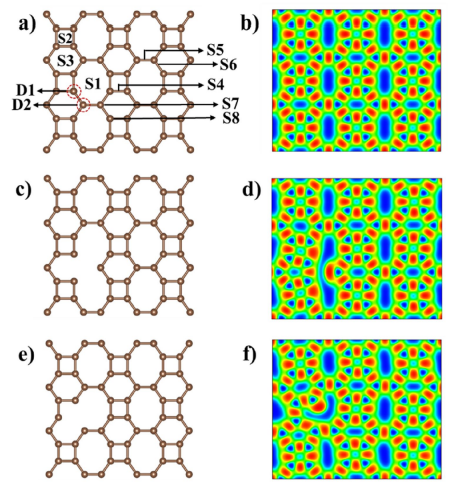
Although lithium sulfur batteries have high theoretical capacity and energy density, the shuttle effect seriously hinders this technology’s development. The research team found that trapping lithium polysulfides on a biphenylene sheet effectively suppresses the shuttle effect and enhances the cycling stability of Li-S batteries. The biphenylene is a newly synthesized two-dimensional material, where the carbon atoms are arranged in a square, hexagonal, and octagonal rings. Compared with other reported two-dimensional materials such as graphene and phosphorene, the biphenylene sheet used by the research team exhibited higher binding energies with the polysulfides.


A suitable anchoring material should have excellent conductivity, high surface area, porous structure, and high binding energy with the polysulfides to prevent them from dissolving into electrolytes. Several 2D materials have been proposed and investigated, including holey graphene and nonpolar polyaniline previously investigated by Dr. Singh.


“Our study shows that the biphenylene sheet is an excellent anchoring material for lithium-sulfur batteries for suppressing the shuttle effect because of its superior conductivity, porosity, and strong anchoring ability,” Al-Jayyousi said.


As energy consumption continues to rise, finding new materials that can make renewable energy generation and storage cleaner and more efficient will be key to meeting the world’s growing energy demands sustainably. 


Jade Sterling
Science Writer
20 May 2022

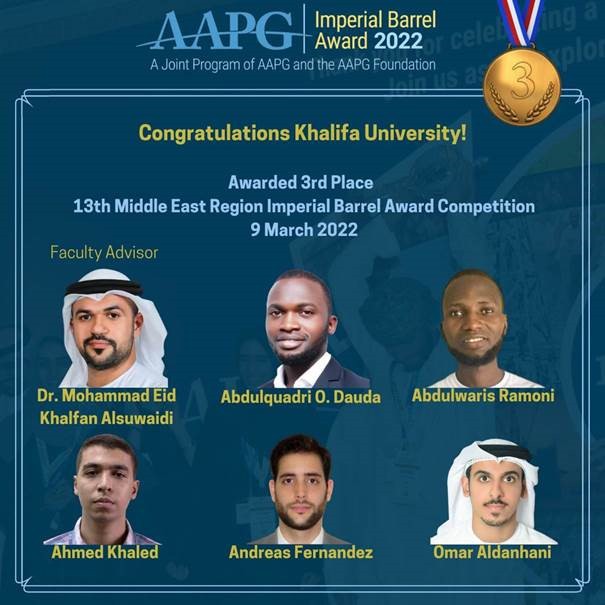
Khalifa University Takes 3rd Place Win at the AAPG Imperial Barrel Award Program

Khalifa University proudly took home 3rd place at the latest American Association of Petroleum Geologists (AAPG) Imperial Barrel Award Program-Middle East Region. The program is an annual competition for geoscience graduate students from universities around the world. Winners are awarded scholarship funds for their schools.  


The KU Team was composed of Earth Sciences graduate students Abdulquadri O. Dauda, Abdulwaris Ramoni Ajagunjeun, Ahmed Khaled Eleslambouly, Andreas Fernandez Moncada, and Omar Aldhanhani under the guidance of their team advisor Dr. Mohammad Alsuwaidi, Assistant Professor of Earth Sciences.


Dr. Alsuwaidi explained, “The team went through a rigorous two-month program where they analyzed a large dataset and assessed whether to invest in a particular petroleum play or not. They examined data in geology, geophysics, petrophysics, and petroleum volumetric estimations, which usually requires teamwork from experts such as geologists, petrophysicists, geophysicists, and petroleum engineers.”


The team was able to identify 13 different leads within the area that covered aspects such as environmental risks, reserves estimation, etc. They then delivered the results of their analysis to a panel of industry experts. Winners were selected based on their presentation’s technical quality, clarity, and originality.


“In oil companies, projects like these are conducted for at least a year, but the students were able to complete the analysis and assessment in two months. Participants of these competitions usually make excellent hydrocarbon explorationists,” Dr. Alsuwaidi added.


Team captain Ahmed K. Eleslambouly said, “It has been a great experience for me and the team as we accomplished work that usually takes a year or more within a very narrow time schedule. I am very proud that we were able to tackle most of the problems and come up with creative ideas and multiple leads within the study area.”


“The competition was challenging, time consuming, and required much critical thinking. Although it was tough, the outcome for me and my time was worth it and amazing in terms of learning new technical and academic skills, gaining valuable industry knowledge, and getting familiar with the workflow of petroleum and geoscience projects for well-known companies in the oil and gas industry,” Omar Aldhanhani added.


“It was hard to balance time working on the competition, our own research, semester projects and other school requirements but working with a team of enthusiastic colleagues and the constant encouragement of our faculty advisor, Dr. Mohammed Alsuwaidi, made the experience more pleasant and worthwhile. Our appreciation goes to the Earth Science Department, faculty, and Khalifa University for their support all through the preparation until the delivery of our presentation,” commented Abdulquadri Alabere.


Ara Maj Cruz
Creative Writer
18 May 2022

SoCL Speaker Series – Main Memory: Fundamentals, Challenges, and Directions

Dr. Mohamed Hassan is an Assistant Professor at McMaster University, Canada, where he leads the Fanos research lab focusing on intelligent Cyber-Physical Systems-on-Chip. He also worked as a System-on-Chip (SoC) R&D lead engineer at Intel and as a SoC Performance Architect at Qualcomm. He obtained his PhD from University of Waterloo in 2017. Dr. Hassan won multiple awards including the Discovery Launch Supplement Award from NSERC, the PhD Thesis Award and the Faculty of Engineering (FOE) Award from University of Waterloo, the ACM SIGBED Best Paper Award in ACM/IEEE Embedded Systems Week, the Best Paper Award from the IEEE Real-Time Systems Symposium, and the Outstanding Paper Award from the Euromicro Conference on Real-Time Systems.

Dr. Hassan delivered a webinar on “Main Memory: Fundamentals, Challenges, and Directions” as part of our SoCL Speaker Series. Main memory is widely considered as a fundamental bottleneck in almost all computing systems ranging from embedded systems to cloud-based servers. As an example, advanced software functionalities, like autonomous operation, build on complex Artificial Intelligence (AI) algorithms, yield unprecedented memory performance requirements that corresponds to the need to collect enormous amounts of data coming from sensors (e.g. cameras, LiDARs and radars) that must be processed at high rates. The bandwidth requirement of these applications has reached 60GB/s, with a projection to reach 400GB/s to 1TB/s. These applications impose new memory requirements not only on bandwidth but on latency, power, and predictability as well.

In this talk, we start by laying down the basic fundamentals behind modern main memories and memory controllers. Afterwards, we go through several challenges that are facing both industry and academia. Finally, we discuss some of the research directions.

To view the seminar, click here.