Physics PhD Student Wins Second-Best Oral Presentation Award at i2DM

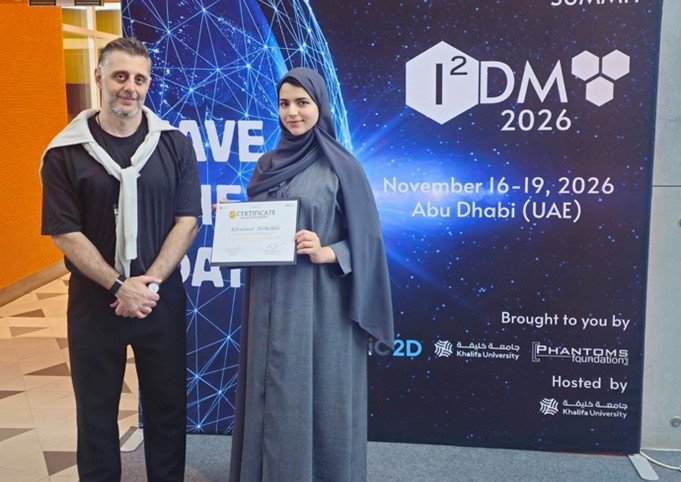
Physics PhD student Khulood Alshehhi received the Second-Best Oral Presentation Award at the i2DM international Summit, organized by the Research and Innovation Center for Graphene and 2D Materials (RIC2D) in collaboration with the Phantoms Foundation, and supported by the Ministry of Higher Education and Scientific Research, and the Khalifa University Enterprises Company (KUEC).


The award recognizes Khulood’s excellence in scientific work and the clarity of her presentation. Her presentation showcased her research on electroconductive composite scaffolds designed as drug-delivery platforms for wound patch applications, highlighting a promising direction in advanced biomaterials and regenerative medicine.


Beyond the merit of her delivery, the award carries exceptional significance, as it is signed by two world-renowned scientists, 2010 Physics Nobel Laureate Sir Prof. Konstantin Novoselov and Prof. Yury Gogotsi, a distinguished materials scientist at Drexel University, renowned as the ‘creator’ of MXenes.


6G Research Center Showcases Telco AI Innovations at MWC25 Doha

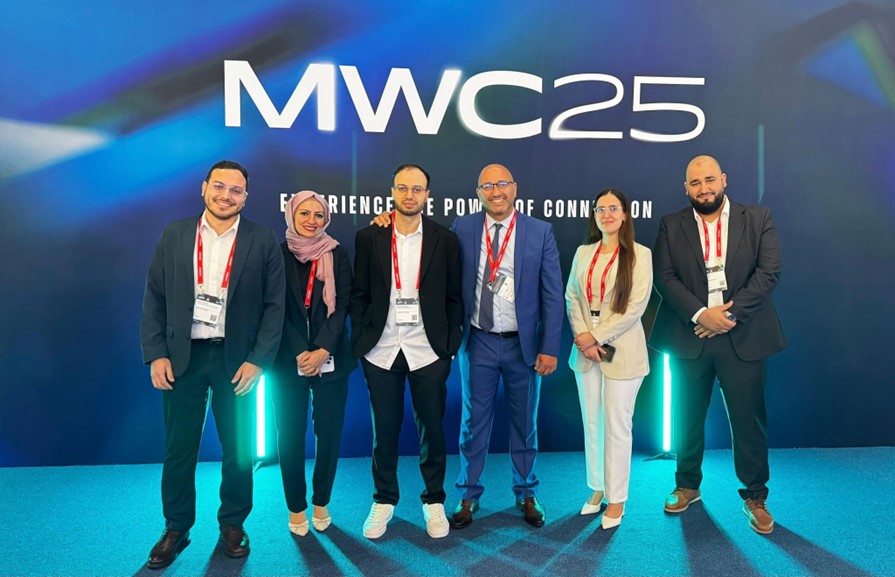
Khalifa University’s 6G Research Center (6GRC) showcased telco AI innovations including three flagship demos that connect research to real operator needs such as the TelecomGPT-Arabic, Deterministic optimization for radio access network (RAN) intelligence, and Arabic voice-to-network-actions at MWC25 Doha.


On the opening day of MWC25 Doha held from 25–26 November, GSMA Foundry and Khalifa University announced a strategic cooperation to advance telco AI, led by Prof. Merouane Debbah, focusing on developing specialized AI data assets, models and benchmarking frameworks for telecom applications. It also focused on the release of key Open Telco assets such as TelecomGPT, a telco-first large language model, and an Open Telco Knowledge Graph built on 3GPP documentation.


Throughout the two-day event, Prof. Debbah and Postdoctoral Fellow Dr. Lina Bariah represented 6GRC and Khalifa University in several high-level sessions, including ‘From Science Fiction to Strategy: Agentic AI Transforming MENA’s Connected Ecosystem’, ‘The Cognitive Network: Rethinking Network Architecture in the Age of AI’, ‘Accelerating Telco AI Adoption: Open Telco LLMs, Benchmarks & the Global Telco AI Challenge’, and ‘MENA’s AI Revolution: From National Vision to Societal Value’.


At the GSMA Foundry Pavilion, the 6GRC team showcased TelecomGPT-Arabic – led by Post Doctoral Fellow Dr. Brahim Mefgouda in collaboration with du, Nokia (Nokia Bell Labs), Microsoft and the International Telecommunication Union (ITU). The first Arabic-native telecom AI assistant, designed to help operators and support teams troubleshoot real network and device issues in Arabic using a multi-agent RAG pipeline.


The Deterministic optimization for RAN intelligence – led by Postdoctoral Fellow Eng. Salma Chèour with BubbleRAN and GSMA was also showcased. This end-to-end optimization pipeline classifies mathematical problems such as Linear Programming (LP) and Quadratic Programming (QP), runs reliable solvers, and automatically translates the results into RAN configuration decisions.


The third was the Arabic voice-to-network-actions, led by Eng. Anis BARA with BubbleRAN and GSMA. A live demo showcased how Arabic voice intents from engineers can be converted into validated, O-RAN / AI-RAN compliant network actions, enabling explainable, zero-touch automation.


Prof. Debbah said: “By representing Khalifa University at MWC25 Doha, the 6G Research Center reinforced its commitment to the UAE’s vision for a knowledge-based, innovation-driven and AI-enabled digital economy, and to building open, trustworthy and energy-efficient AI-native networks for the 6G era and beyond.”

Khalifa University and Gazprom Neft Become Technology Partners in Middle East

Students Can Take Part in Petersburg Energy Hub’s Business Programs, Hackathons, and Case Study Championships; Partnership Covers AI, Data Analytics, Geology and ‘Green’ Technologies


Khalifa University of Science and Technology (UAE) has joined the educational ecosystem of the League of Universities of Gazprom Neft, which includes leading universities from Russia, India and China. The collaboration will facilitate exchange of experience in industrial innovation, educational programs, and scientific projects in the energy sector.


The partnership envisions opportunities for launching joint research projects as well as involving the company’s experts in developing academic courses and delivering lectures. Key areas of joint work will include artificial intelligence, data analytics, geology and ‘green’ technologies.


Students of Khalifa University will have the opportunity to take part in business programs, hackathons, and case study championships within the Energytechnohub  Petersburg (Energy Hub) — an ecosystem for supporting technological entrepreneurship developed with the participation of Gazprom Neft. As part of the partnership, they will gain hands-on experience working on projects aimed at addressing advanced technological challenges. University faculty will also participate in the development of an international educational program focused on the preparation and launch of high-tech startups in the Middle East.


In the future, Russian corporate Master’s students of Gazprom Neft will have the opportunity to participate in short-term exchange programs with Khalifa University students. Additionally, the possibility of establishing a joint dual-degree program between universities in Russia and the UAE will be explored.


Ilya Dementyev, Rector of the Gazprom Neft Corporate University, said: “We are creating a format in which students from Russia and the UAE will be able to work together on technological challenges, participate in hackathons and exchange ideas. In doing so, we are shaping an international talent community ready to meet the most complex challenges in energy. This approach will enable future engineers to gain practical experience at the international level and apply best practice. I am confident that our partnership will become the foundation for strengthening the human-capital potential of high-tech industry and will foster new joint educational and research initiatives.”


H.E. Prof. Ebrahim Al Hajri, President, Khalifa University, said: “Partnership with Gazprom Neft, one of the technology leaders in the global oil and gas industry, opens up unique opportunities for our faculty, researchers and students. Our Petroleum Engineering Department is ranked 7th globally, while several of our research centers are focused on energy, sustainability, carbon capture, and hydrogen. Khalifa University also has a vibrant ecosystem for incubation and commercialization and we see great potential in combining our expertise. This collaboration will contribute to the advancement of innovation and the development of talent capable of shaping future technologies in the global energy sector.”


Gazprom Neft, under the initiative of the President of the Russian Federation, is also contributing to the development of an international remote-employment platform for BRICS countries, which will be open to specialists from the UAE. The online service aims to create a balanced global talent market by enabling cross-border collaboration. By 2027, the platform is expected to give Russian companies access to qualified professionals from partner countries, helping to address the domestic shortage of highly specialised experts and promote Russian technologies on the international stage.

ENTC Scientists Win Best Research Contribution Award at SCOPE-2 in Saudi Arabia

Research Paper Focuses on Advancing Molten Salt Fast Reactor Dynamics


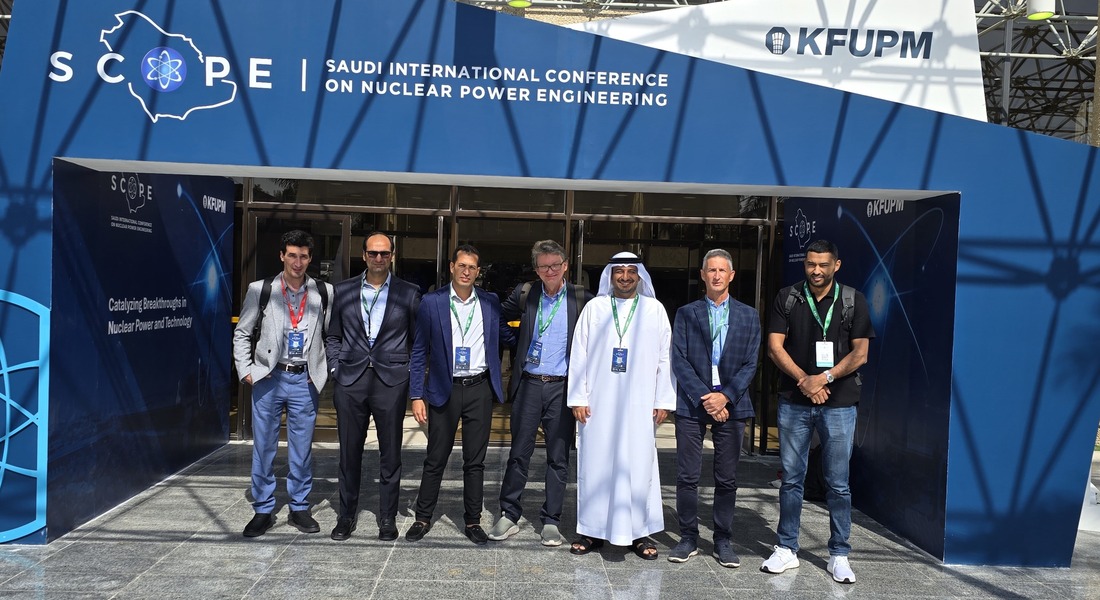
A team of researchers from Khalifa University’s Emirates Nuclear Technology Center (ENTC) , in collaboration with others, has won the Best Research Contribution Award for a research paper at the Second Saudi International Conference on Nuclear Power Engineering (SCOPE-2), hosted by King Fahd University of Petroleum and Minerals (KFUPM).


The research paper, Dynamics of the Molten Salt Fast Reactor Through Parametric Dynamic Mode Decompositionis authored by Khalifa University’s Prof. Antonio Cammi, Prof. Francois Foulon, Prof. Mohammad Alrwashdeh, post-doctoral fellow Khurrum Saleem Chaudri, and Dr. Saeed Al Ameri, as well as Politecnico di Milano’s Dr. Carolina Introini, Claudio Stecchetti, and Stefano Riva.


The paper focuses on next-generation nuclear technology known for its safety, fuel flexibility, and sustainability. Using a different technique, the team has developed a framework that provides deeper insights into reactor dynamics, supporting the design of safer and more efficient nuclear systems.


Dr. Saeed Alameri said: “We are glad to have won the Best Research Contribution Award at SCOPE-2 which provided a platform to share groundbreaking research in nuclear engineering. This recognition underscores ENTC’s commitment to advancing nuclear science and engineering through innovative, data-driven approaches. Our research not only advances the understanding of the Molten Salt Fast Reactor (MSFR) dynamics but also contributes to the global pursuit of clean, reliable, and sustainable energy.”


Clarence Michael
English Editor – Specialist 

GCC’s First International Conference on Quantum Science at Khalifa University Offers Insights into Emerging Industrial Applications

11 Keynotes and High-Level Panel Session Mark QSTSD 2025, as Global Leaders Explore Quantum Computing, Quantum Communication, and Quantum Sensing


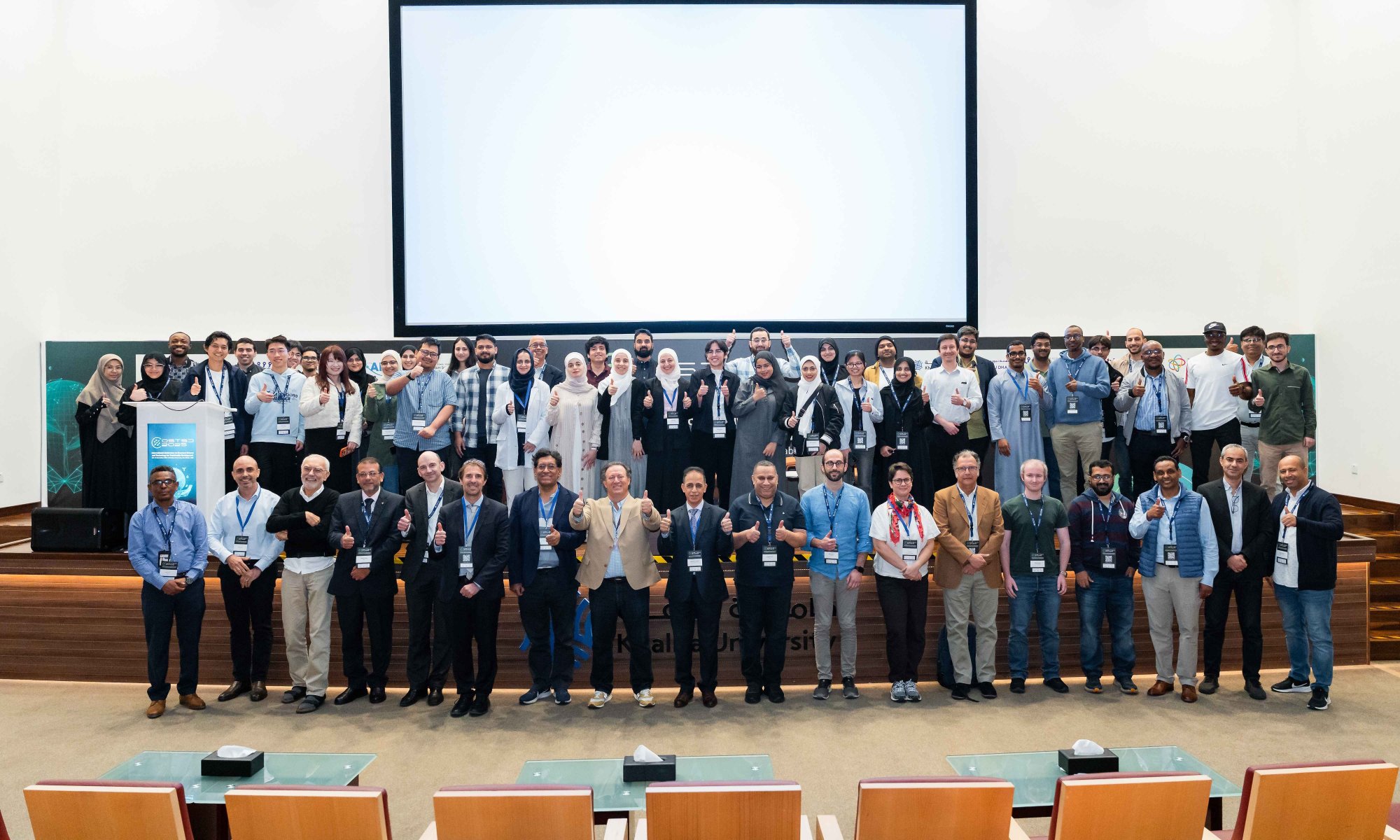
The GCC region’s first International Conference on Quantum Science and Technology for Sustainable Development (QSTSD 2025), organized by Khalifa University, spanned the full spectrum of quantum science and technology, offering insights into quantum computing, advanced hardware architectures, quantum communications, and emerging scientific and industrial applications.


The two-day QSTSD 2025, organized in partnership with UNESCO and the American Physical Society (APS), and in collaboration with New York University Abu Dhabi, gathered leading global scientists, technologists, policymakers, and industry innovators to explore how quantum computing, quantum communication, and quantum sensing can contribute to sustainable development.  The event  brought together a dynamic program of 11 keynote presentations and a dedicated panel session, offering expert perspectives on the rapidly evolving quantum landscape and its transformative potential.


Speakers at the QSTSD 2025 program represented leading institutions and companies including  D-Wave, IBM Quantum, Kipu Quantum, Algorithmiq, Rigetti, the Technology Innovation Institute (TII), ADIA Lab – an independent, Abu Dhabi-based laboratory dedicated to basic and applied research in data and computational sciences, the European Organization for Nuclear Research (CERN), and top global universities such as the University of Southampton, the University of Manchester, the University of Naples, and University of Electronic Science and Technology of China (UESTC), China. Experts highlighted how quantum systems are progressing from theoretical constructs to practical tools capable of addressing complex challenges across sustainability, materials, chemistry, secure communications, and national technology development.


Several talks focused on advancing quantum computing and hardware innovation, including energy-efficient approaches to solving computationally hard problems, scalable superconducting chiplet-based processor designs, fault-tolerance roadmaps, and national strategies for building sovereign quantum capability. Complementing these were sessions on applied quantum technologies, such as quantum chemistry, quantum advantage in industrial and academic settings, and the transition of laboratory breakthroughs into real-world impact. Collectively, these contributions showcased the rapid maturation of quantum systems and their emerging role in global innovation ecosystems.


The program also included a high-level panel session, ‘UAE Perspective: Quantum Technology Impact and Opportunities’, featuring experts discussing the country’s strategic direction for quantum research and development, talent development, and innovation capacity. Together, the keynotes and panel provided a comprehensive view of the global quantum landscape, blending scientific depth, technological opportunity, and national-level strategy, while reinforcing the conference’s purpose of accelerating collaboration and responsible innovation for sustainable development.


In addition to the main conference, the event – was preceded by the Quantum Winter School 2025 (QWS 2025), a preparatory program designed to build foundational knowledge among students, researchers, and early-career professionals. Through advanced tutorials and lectures in quantum communication, quantum sensing and simulation, and quantum computing, QWS 2025 fostered  cross-disciplinary learning and equipped  participants with the skills needed to engage deeply with the themes of QSTSD 2025.


QSTSD 2025  highlighted  how quantum technologies can drive innovation across ICT infrastructure, fintech, healthcare, energy, and environmental monitoring.. For researchers, students, government officials, technology executives, NGOs, and international organizations, QSTSD 2025 serveed  as a platform to exchange knowledge and explore the role of quantum science, engineering, and sustainability.


Clarence Michael
English Editor – Specialist 

Khalifa University’s Intelligent Distributed Satellite Systems Project Selected among World’s Top 100 Innovations in 2025

Patented Technology Shortlisted by Prototypes for Humanity Ventures Program, Showcases UAE’s Growing Leadership in Advanced Space Technologies


Khalifa University’s pioneering Intelligent Distributed Satellite Systems (iDSS) project is selected as one of the top 100 innovations at 11th edition of Prototypes for Humanity 2025, the renowned innovation showcase, reaffirming the UAE’s role in fostering scientific innovation and its growing leadership in advancing global space research and technology development with transformative solutions.


The iDSS project, already a patented technology prototype, won against more than 1,200 submissions from 120 countries, demonstrating the research excellence of the FALCON Program and the Khalifa University Department of Aerospace Engineering. The 2025 exhibition that gathered visionary researchers, designers, and technologists, was exceptionally competitive, spanning fields including robotics, sustainability, health sciences, artificial intelligence, climate resilience, and space exploration.


The iDSS project has also been shortlisted by the Prototypes for Humanity Ventures Program, highlighting the project’s strong commercialization potential. This nomination places the iDSS initiative among a select group of innovations being considered for strategic industry partnerships, pilot funding, and support for market entry, further underscoring its viability as a transformative solution in the global space technology landscape.


Developed by Dr. K. Faisal Hussain and Professor Roberto Sabatini, Director, FALCON Program, the iDSS project introduces a next-generation approach to Space Domain Awareness (SDA) and Space Traffic Management (STM). It also aligns with a broader vision of FALCON Program, advancing intelligent aerospace systems at a time when Earth’s orbit is becoming increasingly congested.


With the increasing number of Resident Space Objects (RSO) including active satellites, defunct spacecraft, and orbital debris from past missions the space environment is becoming more congested, creating an urgent need for resilient, autonomous, and intelligent surveillance systems capable of ensuring safe and sustainable access to Earth’s orbital domain.


To address these issues, the iDSS project proposes a transformative system designed to address critical challenges in autonomous RSO tracking and collision avoidance. By harnessing distributed and autonomous satellite networks, the team’s innovative approach integrates multi-sensor data fusion and advanced maneuvering algorithms. These advances enable more effective SDA and STM vital for ensuring the safe and sustainable use of Earth’s orbital domain. 


Prof. Sabatini said: “As Khalifa University continues to strengthen its role as a regional and global leader in aerospace technology, artificial intelligence, and autonomous systems, the iDSS project exemplifies the institution’s mission to deliver research with global relevance and long-term societal benefit. The recognition at Prototypes for Humanity 2025 not only celebrates the scientific excellence of the FALCON Program but also reinforces the UAE’s vision of becoming a global hub for innovation in sustainable, intelligent, and autonomous aerospace systems.


Prof. Sabatini, who previously founded the Aerospace Systems Research Group (ASRG) and the Guidance, Navigation and Control Laboratory (GNCLab), now leads Khalifa University’s FALCON Program, a transdisciplinary research and training initiative dedicated to sustainable aviation and Advanced Air Mobility (AAM).

Clarence Michael
English Editor – Specialist 

Khalifa University Faculty Elected as ASME Fellow in Recognition of Exceptional Engineering Achievements

Professor TieJun Zhang Continues His Active Involvement with Various Projects in the UAE as Part of Abu Dhabi’s Innovative Ecosystem


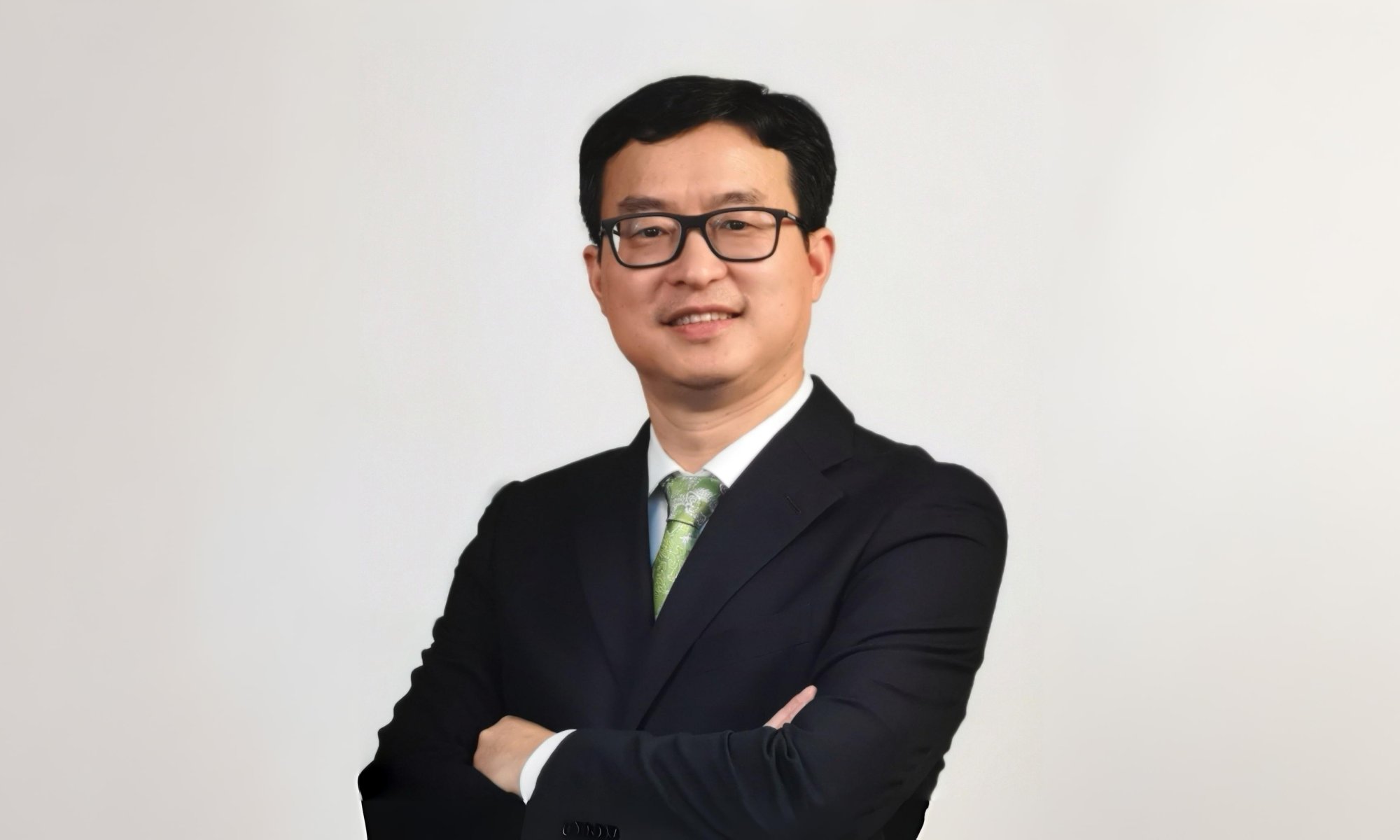
Khalifa University faculty Professor TieJun Zhang , Department of Mechanical and Nuclear Engineering, is elected as Fellow of American Society of Mechanical Engineers (ASME), in recognition of his exceptional engineering achievements and contributions to the engineering profession as well as to ASME, one of the largest and oldest engineering societies.


Ranked among Stanford University’s listing of World’s Top 2% Scientists, Professor TieJun Zhang has over 100 peer-reviewed journal publications and 10 international patents/inventions. He is also a Member of the Mohammed bin Rashid Academy of Scientists (UAE’s National Academy) and the Theme Leader of Abu Dhabi Virtual Research Institute for Sustainability (Energy). Prof. Zhang was earlier recognized as an Outstanding Associate Editor by the ASME.


As Director of International Relations at Khalifa University, Professor Zhang remains instrumental in driving international relations, collaborations and partnerships with various leading global institutions. Additionally, he has received several awards and recognitions for his active involvement in various projects in the UAE, being part of the innovative ecosystem fostered by Khalifa University and Abu Dhabi.


Earlier this year, Professor Zhang’s team won 1st Place in the renowned Mohammed Bin Rashid Al Maktoum Global Water Award for their Innovative Research and Development. He has been the Steering Committee Member of several R&D programs and also the Principal Investigator of many research projects on energy, water and micro/nanotechnologies in the UAE.


Prof. Zhang is also the recipient of the UAE National Research Foundation University-Industry Research Collaboration Award, the Abu Dhabi Award for Research Excellence, and the US National Academy Arab-American Frontiers Fellowship Award.


Earlier, Prof. Zhang was a Visiting Assistant Professor at the Massachusetts Institute of Technology (MIT) and a Postdoctoral Research Associate at the Rensselaer Polytechnic Institute (RPI) in the US. He is also the Executive Board Member of Asian Union of Thermal Science and Engineering (AUTSE). He was the co-chair (Arab-side) of the Fourth Arab-American Frontiers of Science, Engineering and Medicine Symposium between the US and 22 Arab countries (organized by the US National Academies of Sciences, Engineering and Medicine). He has been an invited reviewer for many international research proposals, doctoral dissertations and over 60 scientific journals.


H.E. Professor Ebrahim Al Hajri, President, Khalifa University, complimented Prof. Zhang for the remarkable and well-deserved achievement and added that it is a testament to his dedication, hard work, and significant contributions to the field of Mechanical Engineering.


Professor TieJun Zhang said: “This international recognition is indeed special to me as I have had my whole faculty career at Khalifa University that has empowered my professional development. This also reaffirms the extent of tremendous support from the Khalifa University peers as well as Abu Dhabi’s innovation ecosystem that encourages and inspires everyone in the UAE. I am fortunate to be part of several initiatives in the UAE which have been enriching and rewarding.”


Clarence Michael
English Editor – Specialist 
Khalifa University and China’s Guangzhou Baiyun Electric Sign MoU to Establish Joint Innovation Laboratory

Khalifa University’s Advanced Power and Energy Center to be Technology R&D Hub for Chinese Partner, as MoU Covers Summer Internships and Paid Co-Op Placements


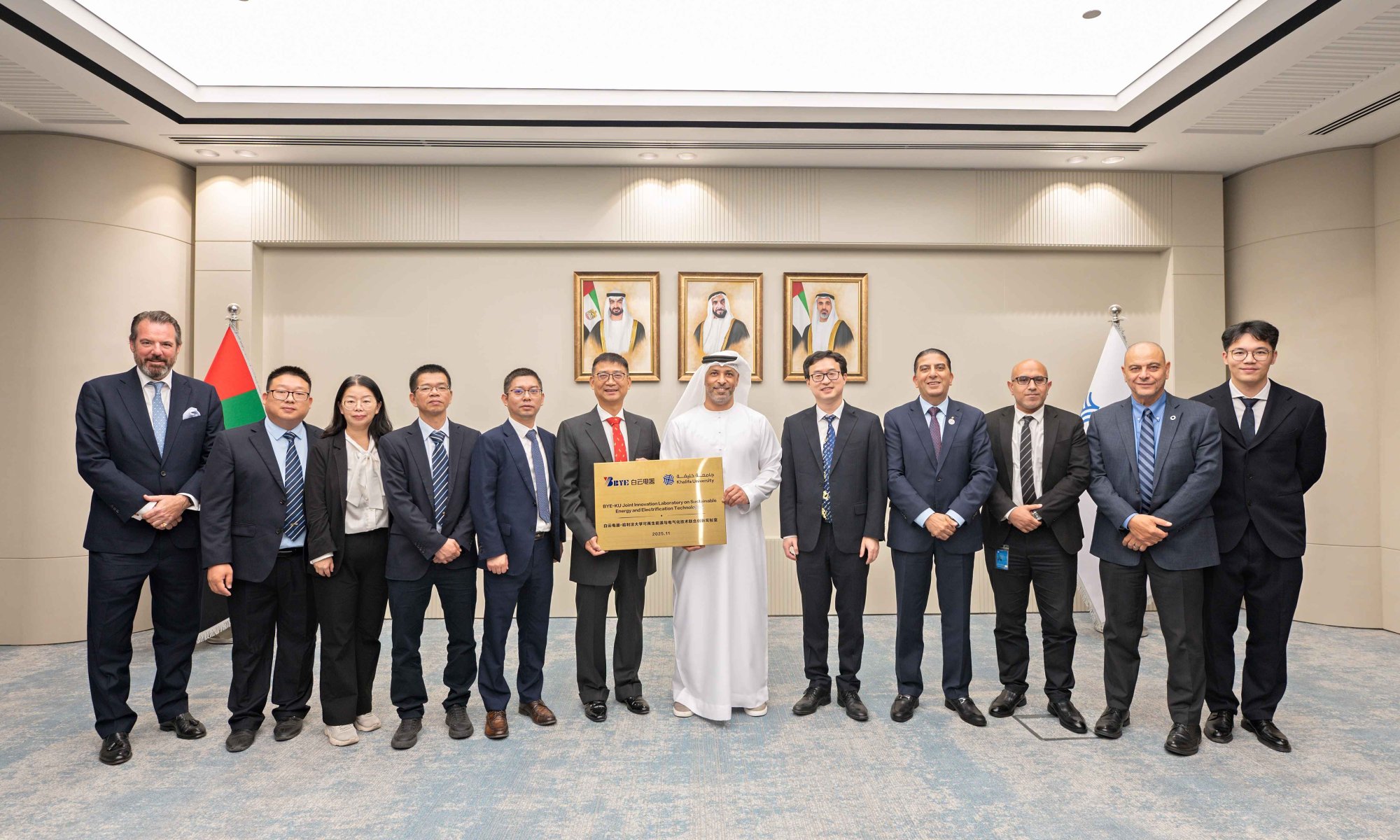
Khalifa University of Science and Technology today announced that it has signed a memorandum of understanding (MoU) with China’s Guangzhou Baiyun Electric Equipment Co., Ltd. (BYE) to establish a joint innovation laboratory and collaborate in research and development for sustainable energy and electrification technologies.


The MoU was signed by H.E. Professor Ebrahim Al Hajri, President, Khalifa University and Dezhao Hu, Chairman of BYE. The collaboration covers developing industrial-academic projects tailored to the needs of Gulf Cooperation Council (GCC) region’s power grid, and cooperating in renewable energy integration and storage systems, advanced power electronics, hybrid AC/DC transmission networks, transportation electrification, green hydrogen applications, seamless data center integration, and AI-driven power systems. The collaboration also includes internships for Khalifa University students, technical exchanges, and joint seminars to engage local industry stakeholders.


Khalifa University’s Advanced Power and Energy Center (APEC) will be considered the technology R&D hub for BYE, which will have access to APEC’s laboratories. BYE will also engage researchers to develop joint industrial-academic research projects, while APEC will have access to BYE labs for full integration between both teams.


H.E. Professor Al Hajri said: “This partnership with Guangzhou Baiyun reflects our commitment to driving innovation in clean energy and supporting the UAE’s vision for a sustainable future, especially through energy transition and integration. By leveraging BYE’s product portfolio alongside APEC’s technical expertise and resources, this partnership will accelerate the strategic transformation of energy systems and unlock market potential in the GCC region and globally. Our research centers continue to contribute to the UAE’s power sector requirements, providing advanced solutions to meet challenges in adopting new technologies. By combining our academic expertise with knowledge from the industry, we aim to accelerate impactful research that benefits the regional sector and the global community.”


Dezhao Hu, Chairman, BYE, said: “With a legacy spanning over four decades of driving industrial electrification, BYE has established a comprehensive ecosystem that spans the entire spectrum from low to ultra-high voltage. This partnership with Khalifa University marks a significant strategic milestone. We are fully committed to translating this vision into reality, leveraging our combined industrial and academic strengths to forge synergies that will drive our shared expansion across the GCC region and the global market.”


Khalifa University students will benefit from summer internships and paid co-op placements at BYE’s industrial and R&D facilities, ensuring knowledge exchange and talent development that supports the Middle East’s evolving energy landscape. The MoU includes an annual training program to develop at least five specialized power equipment technology professionals each year, joint technical lectures, and seminars for UAE industry stakeholders.

High-Level 12-Member Nuclear Research Delegation from the US, Ghana, and Poland Visits Emirates Nuclear Technology Center

Organized in Partnership with ENEC, Visit Showcases Khalifa University’s Capabilities for Potential Collaboration


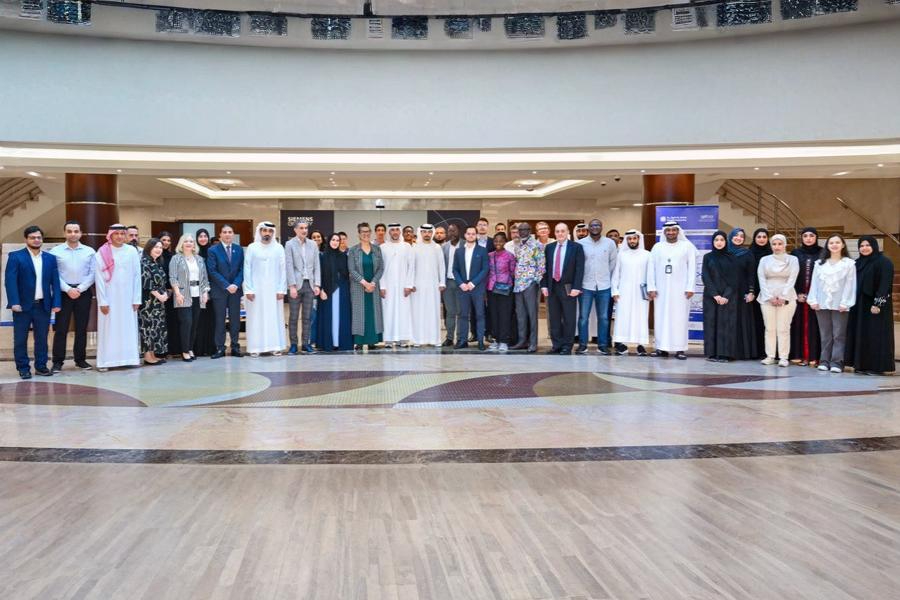
A 12-member delegation representing the US Department of Energy (DOE), the Ghana Atomic Energy Commission, Nuclear Power Ghana, and Poland’s Ministry of Energy and Office of Technical Inspection, visited Khalifa University’s Emirates Nuclear Technology Center (ENTC) and several advanced laboratories, to explore opportunities for collaboration in peaceful nuclear energy and clean-energy technologies.


Led by Aleshia Duncan, the Deputy Assistant Secretary for International Cooperation in the Office of Nuclear Energy at the U.S. Department of Energy, the delegation comprised senior representatives from Ghana and Poland. The US team included officials from the Department of Energy’s Office of Nuclear Energy and the Office of International Cooperation, alongside officials from the Ghana Atomic Energy Commission and Nuclear Power Ghana, as well as Poland’s Ministry of Energy and Office of Technical Inspection.


Ahmed Al Mazrouei, ENEC Nuclear Research & Development Vice President, welcomed guests from the US, Ghana, and Poland and highlighted the UAE’s success in deploying the Barakah Nuclear Energy Plant, which now provides 25% of the nation’s electricity needs. He noted that the UAE’s recent experience offers valuable insights for countries developing or expanding nuclear programs.


He emphasized ENEC’s goal to become a global Nuclear Integrator, strengthening safety, quality, cost efficiency, and human capability. He also underscored the importance of ENEC’s R&D efforts and its strong partnerships with Khalifa University and ENTC, which help build a robust ecosystem linking research, industry, and international stakeholders. He concluded by expressing confidence that the day’s demonstrations showcased the value of these collaborations and encouraged future partnership opportunities.


Professor Ahmed Al Durra, Associate Provost for Research, Khalifa University, said: “This visit reflects a shared commitment to advancing peaceful nuclear science at a time when international cooperation is more important than ever. Bringing together key partners from the US, Ghana, and Poland, as well as our local stakeholder ENEC, creates space for in-depth dialogue, knowledge exchange, and new research opportunities that benefit all sides. The tri-partite framework supporting ENTC ensures that our work remains scientifically rigorous, operationally relevant, and aligned with national priorities, reflecting years of constructive partnership and trust between ENEC, the Federal Authority for Nuclear Regulation (FANR), and Khalifa University.”


The delegation also toured several state-of-the-art laboratories across the Sas Al Nakhl Campus such as facilities focused on radiochemistry, materials characterization, electron microscopy, hydrogen utilization, and heat transfer. These labs support advanced research in areas such as materials science, thermal systems, and radiochemistry that are central to the development of peaceful nuclear technologies and next-generation energy systems.


Alisha Roy
Science Writer

Khalifa University and EPRI Sign Strategic Agreement to Advance Nuclear Reactor Safety through AI Innovation

Project Combines Cutting-Edge AI with High-Fidelity Computational Fluid Dynamics Simulations to Improve Reactor Reliability and Regulatory Compliance


Khalifa University of Science and Technology today announced it has signed a strategic agreement with independent, non-profit energy R&D institute EPRI to develop an AI-based Uncertainty Quantification (UQ) framework that will enhance safety analysis for advanced water-based nuclear reactors.


According to agreement, the project combines cutting-edge artificial intelligence with high-fidelity computational fluid dynamics (CFD) simulations to improve reactor reliability and regulatory compliance. It focuses on creating predictive machine-learning models to quantify uncertainties in thermal-hydraulic phenomena. These advancements could support licensing and operational safety for next-generation nuclear power plants, including APR1400 and Small Modular Reactors (SMRs).


His Excellency Professor Ebrahim Al Hajri, President, Khalifa University, said: “The collaboration with EPRI underscores our commitment to pioneering research in the UAE that strengthens peaceful nuclear energy, safety and sustainability. Khalifa University already houses advanced AI expertise and infrastructure that could be utilized for the joint project. By integrating AI with advanced simulation techniques, we aim to deliver transformative solutions for the global energy sector. This collaboration also includes the culmination of an already existing arrangement that earlier resulted in several initiatives including the establishment of the Khalifa University-EPRI Joint R&D Lab.”


Arshad Mansoor, EPRI President and CEO, said: “This collaboration with Khalifa University represents a significant step toward integrating advanced AI techniques into nuclear safety analysis. Importantly, this initiative builds on the strong foundation of local support from the Emirates Nuclear Energy Corporation (ENEC) in Abu Dhabi, reinforcing the UAE’s leadership in safe, sustainable nuclear energy. Our joint efforts will help ensure safer, more efficient nuclear power systems that meet rigorous regulatory standards worldwide.”


Khalifa University’s Emirates Nuclear Technology Center (ENTC), in close collaboration with EPRI, will play a key role in this project. The project team includes Professor Yacine Addad, Deputy Director of ENTC and Principal Investigator and Dr. Antonio Cammi as Co-Investigator, along with EPRI researchers Dr. YJ Choi, Dr. Hasan Charkas, and Dr. Andrew Ceto.


The two-phase initiative encompasses model development, full-scale simulations, and integration with EPRI’s nuclear accident analysis code to enhance its modeling capabilities. Phase-1 will define safety-relevant phenomena, review AI/ML methodologies, initiate framework development, and deliver an interim report while phase-2 will conduct full-scale CFD simulations, complete framework development, apply framework to quantify uncertainties, and deliver the final report.


The Khalifa University-EPRI collaboration is expected to support licensing, operational maintenance, and regulatory compliance, while ultimately contributing to the safe and efficient deployment of next-generation nuclear power plants.

Khalifa University’s Leadership in Global Climate Action on Spotlight at COP30 Brasil Amazonia

Khalifa University Organizes Three High-Level Higher Education Workshops


Khalifa University of Science and Technology organized three high-level higher education workshops and presented some of the key research initiatives at the 30th United Nations Climate Change Conference COP30 Brasil Amazonia in Belém, Brazil, reiterating its status as one of the prominent global leaders in climate action initiatives.


His Excellency Professor Ebrahim Al Hajri, President, Khalifa University said: “Khalifa University is proud to present some of its research initiatives at COP30 Brasil Amazonia, emphasizing the country’s leadership in climate action and the need to preserve the polar regions from climate change impact. We also believe universities play a critical role in strengthening global academic networks for climate action. By connecting institutions across regions and disciplines, we will be able to accelerate innovation, share knowledge equitably, and turn research into real-world solutions that benefit all communities.”


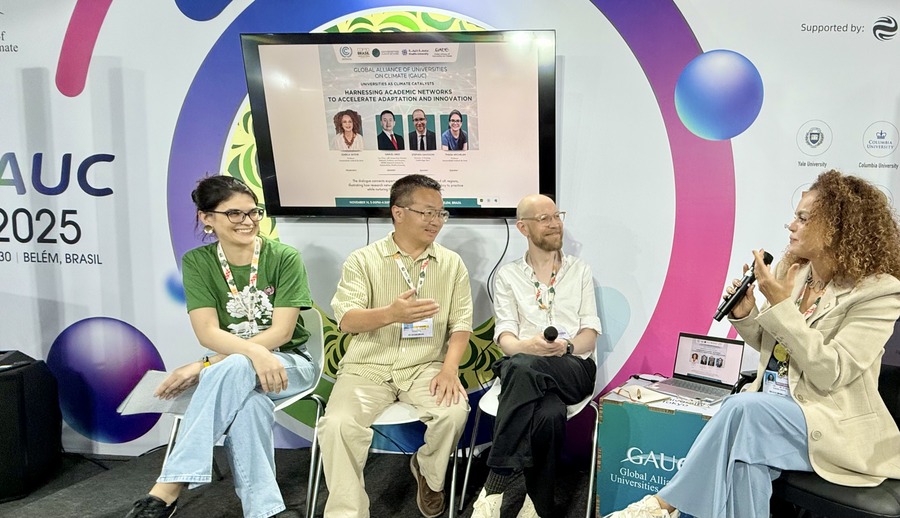
Chairing the UAE Universities Climate Network, Khalifa University co-organized a COP30 workshop, ‘Universities as Climate Catalysts: Harnessing Academic Network to Accelerate Adaptation and Innovations’, at the Global Alliance of Universities in Climate (GAUC) pavilion joining with University of Birmingham in Dubai. Representing Khalifa University was Dr. Samuel Mao, Co-chair of UAE Universities Climate Network; Director, ASPIRE Research Institute for Sustainability, and Professor of Practice, Mechanical and Nuclear Engineering. Other panelists included Dr. Stephen Davison, Co-convener of Global Climate Networks and Deputy Director of Cambridge Zero at Cambridge University, UK, and Dr. Thaisa Michelan, Professor of Biological Sciences, Universidade Federal do Para in Brazil.


Panelists agreed that strong university networks accelerate knowledge-sharing, foster cross-disciplinary collaboration, and scale innovations into real-world solutions. They also pointed out that such networks connect institutions globally, bridge income and regional gaps, and build career pipelines in sustainability. Panelists also agreed that they influence climate policy, promote evidence-based decisions, and amplify impact by pooling resources, funding, and best practices for greater efficiency.


During the COP30 Brasil Amazonia, Dr. Samuel, with Dr. Aisha Al Suwaidi, an advisory committee member of the Emirates Polar Program and Associate Professor, Earth Science, and Mohammad Al Hamadi, a Khalifa University graduate student who is the first Emirati to complete a polar ocean expedition, interacted with climate and sustainability representatives of several Brazilian and international universities, as well as leaders of multiple higher education climate networks around the world.


Khalifa University’s sustainability initiatives, as well as its leadership in the UAE Universities Climate Network were highlighted by Dr. Samuel at a symposium titled, ‘Academia Connected Through Climate Action’, organized by a COP30 Brasil Amazonia host university in Belem, Brazil. The symposium attendees agreed that collaborating with universities of the Brazilian Amazon is essential as higher education institutions are uniquely positioned at the intersection of environmental science, social development, and global climate action, while their expertise provides multidisciplinary insights.


Dr. Samuel also served as an advisor to the Amazon Association for COP30 and participated in a special session ‘An Insider’s Blueprint’, honoring Emanuela Evangelista, Italian biologist and a renowned advocate for rainforest conservation. Evangelista’s efforts have safeguarded 600,000 hectares of Amazon forest for sustainable use by indigenous communities, earning her Italy’s Order of Merit in 2020.


Dr. Samuel Mao highlighted the Polar Research Center’s activities, at a workshop titled, ‘Ocean and Cryosphere in a Changing Climate: The Role of Higher Education Institutions’ organized by Khalifa University in collaboration with New York University Abu Dhabi.


Panelists included Khalifa University’s Dr. Aisha Al Suwaidi, an advisory committee member of the Emirates Polar Program and Associate Professor, Earth Science, and Mohammad Al Hamadi, a Khalifa University graduate student who is the first Emirati to complete a polar ocean expedition this year.


Earlier, Khalifa University organized a high-level workshop for the international higher education community in collaboration with GAUC during which Dr. Samuel Mao illustrated Khalifa University’s leadership in every aspect of climate action.

GSMA Foundry and Khalifa University to Accelerate AI Innovation with the development of TelecomGPT

Strategic collaboration to support research, AI model reliability and the availability of a new LLM for deep telco domain capabilities


The GSMA Foundry, the GSMA’s innovation hub, and The Khalifa University of Science and Technology, a top-ranked higher education institution in the UAE, today announced a strategic cooperation agreement on the opening day of MWC Doha. The new collaboration aims to advance research and innovation in telco AI through a shared commitment to knowledge exchange and digital transformation.


Khalifa University will collaborate with GSMA Foundry to develop specialised AI data assets, models and benchmarking frameworks for telecom applications, supporting the development of open robust, safe and energy-efficient solutions for the industry.


In the first phase of this groundbreaking collaboration, the GSMA and Khalifa University will release key Open Telco assets including TelecomGPT, an advanced, telco-first AI large language model (LLM), with a chat interface hosted on LightOn, and an Open Telco Knowledge Graph focused on 3GPP documentation, built using LightOn compute and hosted on Hugging Face. These assets are designed to accelerate the adoption of accurate, telecom-specific AI models across the industry.


The GSMA Open-Telco LLM Benchmarks show that even advanced general purpose LLMs struggle with telecom-specific challenges when interpreting standards, network troubleshooting and handling technical telecom knowledge. Together with Khalifa University’s  6G Research Centre (6GRC) the GSMA is committed to reducing this gap through improving model performance in telecoms to support the mobile ecosystem.


Professor Bayan Sharif, Provost, Khalifa University, said: “We are pleased to enter into this collaboration with GSMA, the global organisation responsible for the mobile ecosystem and offer our expertise in AI for further advancing innovations in the telecom industry. Our 6G Research Center has a successful track record in contributing to local and international telecom projects, and it is fully equipped with its infrastructure and expertise to help develop AI solutions in collaboration with GSMA. We believe the synergy resulting from combining of resources will lead to telecom-specific AI solutions that will address critical limitations in current AI models.”


“We are excited to embark on this forward-thinking collaboration with GSMA, which marks a major step toward shaping the future of AI in telecommunications. By uniting Khalifa University’s research strength with GSMA’s industry leadership, we are poised to set new benchmarks in AI model reliability and innovation,” said Professor Merouane Debbah, Director, 6G Research Center, Khalifa University. “Together, we aim to empower the region’s digital transformation, accelerate scientific progress and ensure that telecom AI solutions are robust, trustworthy and ready for tomorrow’s challenges.”


“Thanks to our collaboration with Khalifa University, the mobile ecosystem stands to benefit from AI capabilities specifically designed for telecommunications, addressing critical areas such as managing network faults and supporting operational decision-making,” commented Alex Sinclair, CTO, GSMA. “This initiative is a testament to our commitment to safe and dependable solutions that help the industry advance toward fully AI-driven network operations.”


“Supported by Khalifa University, the GSMA Open-Telco LLM Benchmarks community has gone from strength to strength and is now starting to define the next generation of models for the telco industry,” commented Louis Powell, Director of AI Technologies, GSMA. “By collaborating with the team at Khalifa University, we have created a collaborative ecosystem that is already accelerating innovation to ensure that AI solutions are fit for purpose in real-world networks.”


The GSMA Open-Telco LLM Benchmarks initiative was launched at MWC25 Barcelona and has grown into a collaborative platform for leading mobile network operators to experiment with and validate LLMs tailored to telecom applications. The community also features a leaderboard that highlights how various LLMs perform on telecom-specific use cases. The next phase of community will see it broaden its scope to include holistic evaluation – such as energy efficiency, Time to First Token and task latency – and to assess both agents and models.