Objective Structured Clinical Examination (OSCE)

  1. OSCE Preparatory Workshops:

   – Description: Attend preparatory workshops designed to familiarize residents with the format, expectations, and skills required for OSCEs. These workshops cover communication techniques, clinical reasoning, physical examination skills, and ethical considerations.

  1. Formative OSCE Assessments:

   – Description: Engage in formative OSCE assessments conducted at regular intervals throughout the training program. These assessments provide valuable feedback and help residents identify strengths and areas for improvement in their clinical skills, communication, and professionalism.

  1. Summative OSCE Assessments:

   – Description: Participate in summative OSCE assessments that serve as a comprehensive evaluation of residents’ clinical competence and readiness for independent practice. These assessments may cover a wide range of clinical scenarios and domains, including history-taking, physical examinations, procedural skills, communication, and ethical decision-making.

  1. Specialty-Specific OSCEs:

   – Description: Undertake specialty-specific OSCEs tailored to the specific requirements and competencies of your chosen specialty. These OSCEs focus on assessing clinical skills, knowledge, and patient management relevant to your area of specialization.

  1. External Licensure-Related OSCEs:

   – Description: Accommodate external licensure-related OSCEs as part of the training program. These OSCEs align with the requirements of external licensing bodies and assess residents’ readiness for independent clinical practice. They may cover a broad range of medical specialties and domains of practice.

  1. Standardized Patient Encounters:

   – Description: Engage in simulated patient encounters with standardized patients who portray specific medical conditions or scenarios. These encounters allow residents to practice clinical skills, history-taking, communication, and patient-centered care in a controlled environment.

  1. Feedback and Debriefing Sessions:

   – Description: Participate in feedback and debriefing sessions following OSCE assessments. These sessions provide structured feedback from faculty and peers, highlighting areas of strength and areas for improvement. They also offer an opportunity to reflect on performance and discuss strategies for enhancing clinical skills.

GME (Graduate Medical Education)

  1. Point-of-Care Ultrasound (POCUS) Course:

   – Description: This course focuses on training residents in the use of point-of-care ultrasound in various clinical settings. Participants will learn how to perform and interpret ultrasound examinations relevant to their specialty, enabling them to make real-time assessments and guide clinical decision-making.

  1. Trauma Courses:

   – Description: These courses are designed to enhance residents’ skills in managing trauma cases effectively. Through simulation-based scenarios, residents will learn to assess and stabilize critically injured patients, practice surgical procedures, and coordinate multidisciplinary trauma care.

  1. Emergency Medicine Courses:

   – Description: These courses provide residents with immersive training in emergency medicine scenarios. Participants will practice rapid assessment, resuscitation, and management of patients presenting with acute and life-threatening conditions. The training emphasizes efficient teamwork, effective communication, and decision-making in high-pressure environments.

  1. Residency related Training:

   – Description: Our residency training courses offer comprehensive simulation-based education tailored to specific specialties. Residents will engage in a wide range of simulated patient encounters, procedural skill training, and complex clinical scenarios relevant to their chosen field. These programs help develop clinical competence, teamwork, and critical thinking skills.

  1. Procedure-Specific Training:

   – Description: We offer procedure-specific training courses based on learners’ needs. These courses provide hands-on practice, utilizing simulation technology and models, to enhance residents’ proficiency in performing various medical procedures relevant to their specialty.

  1. IPE Simulations:

   – Description: Our simulation center facilitates interdisciplinary simulations that bring together HCPs from different disciplines to practice collaboration, communication, and coordinated patient care. These simulations simulate complex clinical scenarios that require effective teamwork and interprofessional skills.

  1. Customized Training Programs:

   – Description: We accommodate specific requests from learners to design and deliver customized simulation-based training programs tailored to their unique learning needs and specialty interests. These programs can focus on specific medical conditions, procedures, or skills identified by the residents.

University award for publishing

Congratulations to our colleagues Dr. Haider Butt and Dr. Irfan Hussain on receiving the university award for publishing in top-1% publications and the university award for publishing in top-10% publications, respectively


Dr. Haider Butt, Professor  

2022 Research Publication Top 1 percentile Awards


Dr. Irfan Hussain, Assistant Professor

2022 Research Publication Award (top 10 percentile publications)

During Khalifa University Annual Graduation Ceremony 2023
549 Bachelor, Master’s and PhD Students Conferred Degrees by H.E. Sheikh Nahyan bin Mubarak

Minister of Tolerance and Coexistence: Education is Given Unlimited Support by H.H the President of the UAE, as He Believes that Education is the Foundation of the UAE’s Progress, Advancement and Leadership


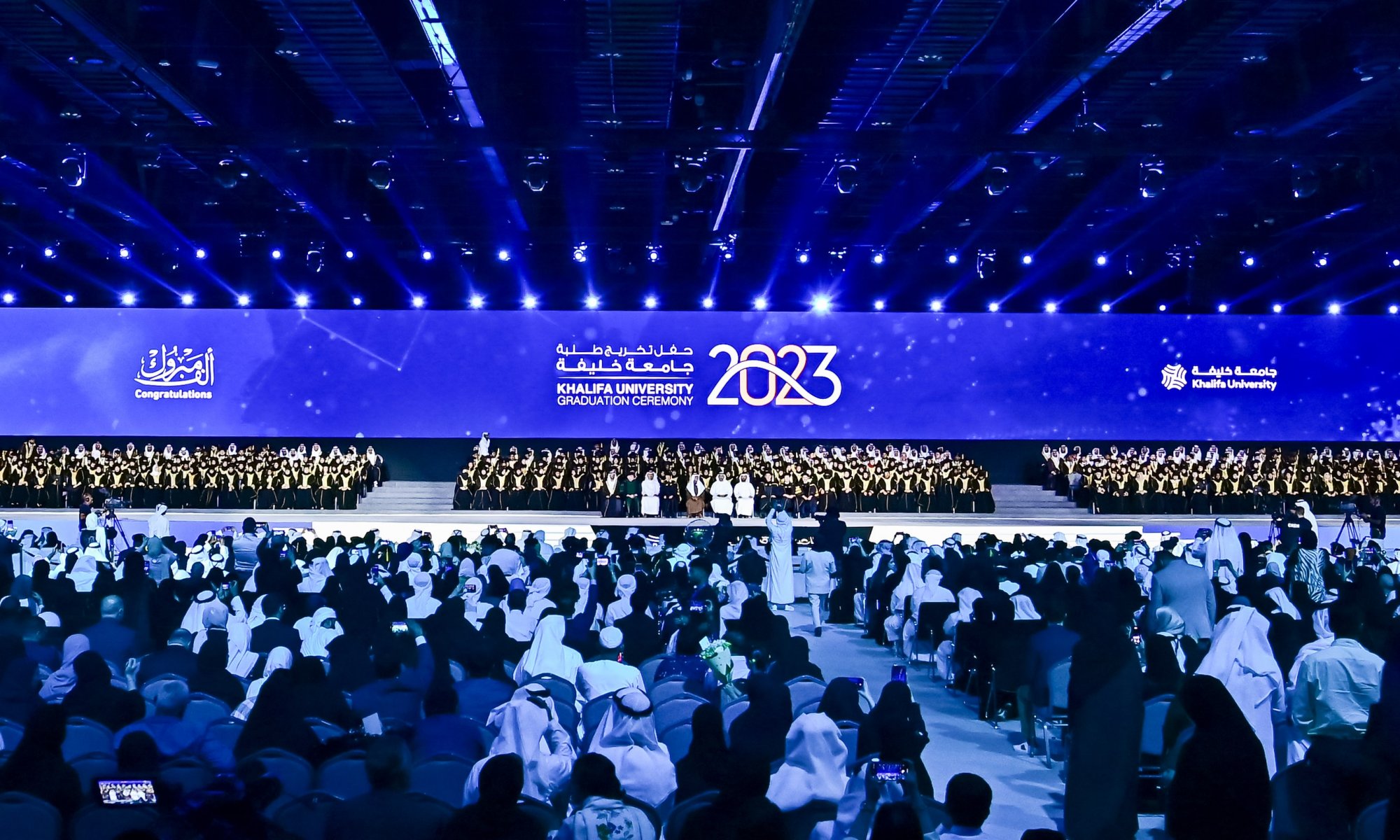
Khalifa University of Science and Technology celebrated,yesterday, the graduation of a constellation of future leaders, totaling 549 male and female students from bachelor’s, master’s, and doctoral programs in various disciplines. The graduation ceremony for the year 2023 was held under the esteemed patronage of His Highness Sheikh Hamed bin Zayed Al Nahyan, Chairman of the Board of Trustees of Khalifa University of Science and Technology. His Excellency Sheikh Nahyan bin Mubarak Al Nahyan, Minister of Tolerance and Coexistence, honored the university’s students who obtained PhD, master’s and bachelor’s degrees in various fields at the Abu Dhabi National Exhibition Center (ADNEC). The event was attended by several intellectual and academic leaders in the country, members of the university’s Board of Trustees, academic and administrative staff, as well as the parents of the new graduates.


His Excellency Sheikh Nahyan bin Mubarak stated that our celebration of the graduation of Emirati sons and daughters in various fields of knowledge is a vivid embodiment of the wise vision of the late founding father, Sheikh Zayed bin Sultan, may he rest in peace, who established this nation on knowledge and ethics. He devoted himself wholeheartedly for the sake of this precious nation. It is also an opportunity for all of us to express our absolute appreciation for the unlimited support and gracious care of His Highness Sheikh Mohamed bin Zayed, the President of the UAE, may Allah protect him, for higher education in the Emirates. Our wise leadership provides all the resources for the sons and daughters of this nation to excel and succeed in various fields of knowledge.


Furthermore, His Excellency added: “The graduation ceremony of Emirati sons and daughters at Khalifa University represents a great occasion for us to express our profound gratitude, immense appreciation, and utmost respect on behalf of all of us to His Highness Sheikh Mohamed bin Zayed Al Nahyan, the President of the UAE. We consistently emphasize our pride and admiration for his wise leadership, his support for the importance of education, and his continuous commitment to empowering universities to fulfill their noble mission for the sake of this nation and the future of its children. He firmly believes that excellent education is the true foundation for keeping the Emirates always at the forefront.”

E. Sheikh Nahyan bin Mubarak congratulated His Highness Sheikh Hamed bin Zayed Al Nahyan, the Chairman of the Board of Trustees of Khalifa University of Science and Technology and the sponsor of the ceremony, commending his efforts to uplift the university, its students, and its faculty. He also congratulated all the graduates, parents, and the university administration, affirming that this remarkable scene of accomplished graduates inspires future generations to exert more effort and perseverance. This is to equip all the sons and daughters of the Emirates with the highest academic degrees in various disciplines because they are the leaders of the future and the creators of this nation’s civilization, armed with the values of loyalty and belonging to this beloved country and its wise leadership.


His Excellency clarified that His Highness Sheikh Mohamed bin Zayed Al Nahyan, the President of the UAE, may Allah protect him, considers education in general, and especially higher education, of utmost importance. He consistently emphasizes that the development and advancement of education, along with improving its outcomes, are urgent necessities within our collective efforts to uplift the nation, drive its progress, and excel in various fields. He believes that education, culture, and the preservation of our authentic societal values are the optimal means to enhance national identity, citizenship values, and positive values, including tolerance, coexistence, and human brotherhood. His Excellency affirmed that higher education always receives unlimited support from our wise leadership.


His Excellency urged all the graduates to be exemplary role models for their peers and to strive for continuous success in their professional lives. He encouraged them to utilize the knowledge they have acquired in various fields to achieve their goals and contribute to the advancement of their nation. He emphasized the importance of their loyalty, development, and commitment to this country and its wise leadership, as well as their belief in their identity, culture, and values, which should serve as their motivation for progress, excellence, and creativity. His Excellency expressed his pride in all of them.


The ceremony celebrated the graduation of 549 students, 37 of which were PhD students, 157 Master’s and 326 Bachelors of Science, and Engineering programs. The first cohort of 29 medical graduates from the College of Medicine and Health Sciences (CMHS) were also conferred degrees.


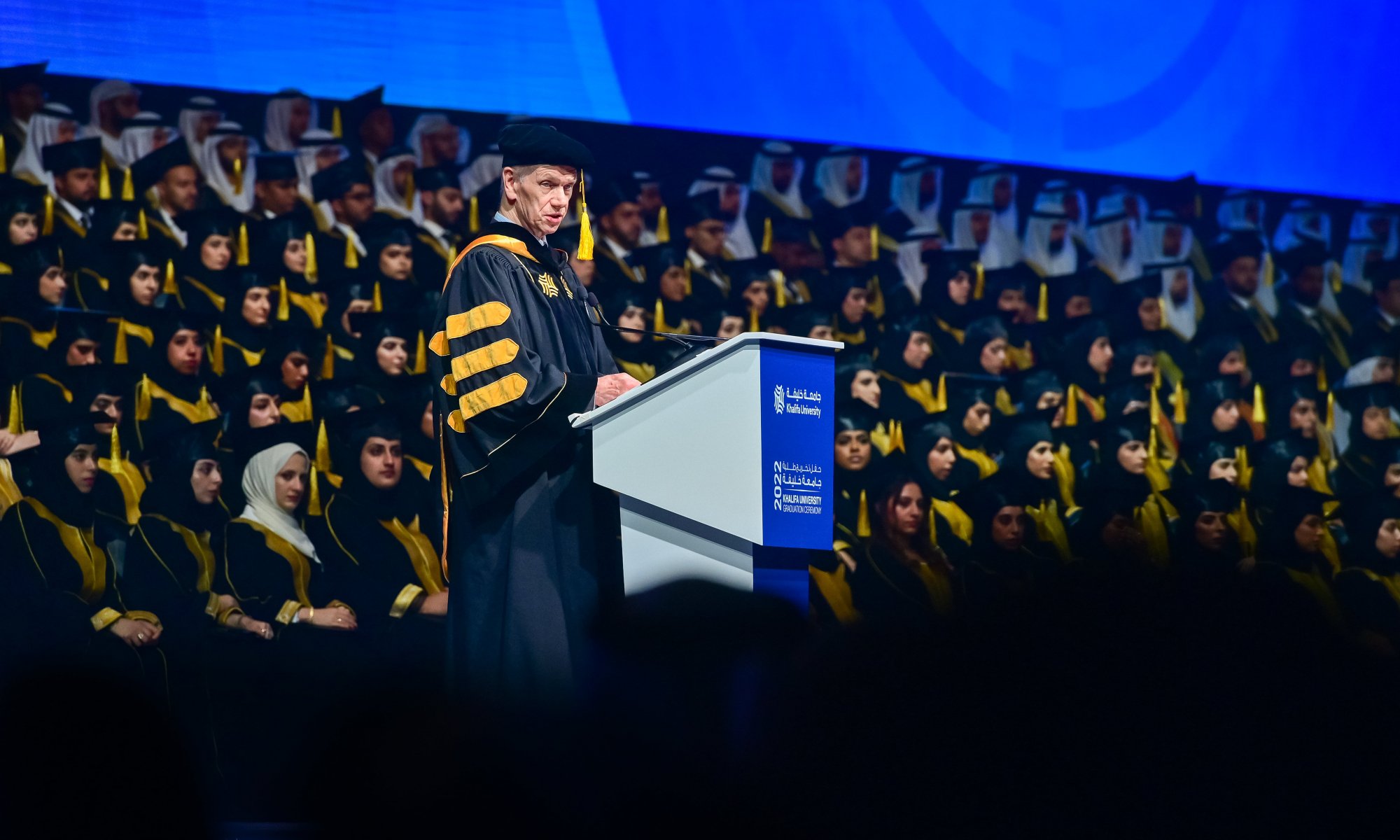
Professor Sir John O’Reilly, President, Khalifa University, said: “Congratulations to the graduating students, who, we believe, will play key roles in leading not only Abu Dhabi’s knowledge economy of the future but also in this region and across the world. These graduates have now become Khalifa University’s special ambassadors in the wider community and they will make a name for themselves while bringing honor to the university.”


In his address, Sir John O’Reilly expressed his gratitude to the UAE Founding Father the Late Sheikh Zayed bin Sultan for his exemplary contribution that has facilitated an overall development of the education sector in general. He also paid tribute to the Late Sheikh Khalifa Bin Zayed Al Nahyan, whose name the university is honored to have and for his consistent support right from the initial days of Khalifa University.


He also thanked the UAE President His Highness Sheikh Mohamed bin Zayed for his visionary leadership and for providing continuous support not to Khalifa University that has enabled the university to remain pioneers in innovation in science and technology, and continue to drive new initiatives in academic teaching and learning, in research and beyond.


HE Homaid Al Shimmari, Vice-Chairman, Khalifa University Board of Trustees, later presented HE Sheikh Nahyan Bin Mubarak Al Nahyan with a memento – a 10-micron 3D-printed pure-ceramic miniature version of Abu Dhabi’s architectural icon Sheikh Zayed Grand Mosque, fabricated by researchers at Khalifa University.

549 Bachelor, Master’s, PhD students of Khalifa University conferred degrees by Nahyan bin Mubarak

ABU DHABI, 24th May 2023 (WAM) – Khalifa University of Science and Technology celebrated yesterday the graduation of 549 male and female students from bachelor’s, master’s, and doctoral programmes in various disciplines.

The graduation ceremony for the year 2023 was held under the patronage of His Highness Sheikh Hamed bin Zayed Al Nahyan, Chairman of the Board of Trustees of Khalifa University of Science and Technology, while Sheikh Nahyan bin Mubarak Al Nahyan, Minister of Tolerance and Coexistence, honored the graduates.

The ceremony celebrated the graduation of 549 students, 37 of which were PhD students, 157 Master’s and 326 Bachelors of Science, and Engineering programs. The first cohort of 29 medical graduates from the College of Medicine and Health Sciences (CMHS) were also conferred degrees.

Sheikh Nahyan honoured the university’s students who obtained PhD, master’s and bachelor’s degrees in various fields at the Abu Dhabi National Exhibition Center (ADNEC). The event was attended by several intellectual and academic leaders in the country, members of the university’s Board of Trustees, academic and administrative staff, as well as the parents of the new graduates.

Sheikh Nahyan bin Mubarak stated, “Our celebration of the graduation of Emirati sons and daughters in various fields of knowledge is a vivid embodiment of the wise vision of the late founding father, Sheikh Zayed bin Sultan, who established this nation on knowledge and ethics.

“He devoted himself wholeheartedly for the sake of this precious nation. It is also an opportunity for all of us to express our absolute appreciation for the unlimited support and gracious care of His Highness Sheikh Mohamed bin Zayed, the President of the UAE, may Allah protect him, for higher education in the Emirates. Our wise leadership provides all the resources for the sons and daughters of this nation to excel and succeed in various fields of knowledge.”


Read more here: https://www.wam.ae/en/details/1395303161818  

Khalifa University to Graduate New Group of Students including First Batch from College of Medicine and Health Sciences on 24 May

Organized Under the Patronage of His Highness Sheikh Hamed bin Zayed Al Nahyan


Under the patronage of His Highness Sheikh Hamed bin Zayed Al Nahyan, Chairman of Khalifa University of Science and Technology’s Board of Trustees, the University will organize the graduation ceremony on 24 May at the Abu Dhabi National Exhibition Center (ADNEC).


The event happening in the Year of Sustainability will honor the success of the University’s 549 students from various undergraduate, graduate, and PhD programs, including 29 medical graduates, first from the College of Medicine and Health Sciences (CMHS). Ten MD graduates got matched into residencies in prestigious health organizations in the US including Mayo Clinic among others, while the remaining graduates are in the process of getting matched.


In all, 37 students will receive their PhD degrees, while 157 will receive their Master’s at the graduation ceremony. A total of 326 students will be receiving their bachelor’s degrees, making the overall numbers to 549 including the medical graduates. Out of this, 259 are male students and 290 female (almost 53%). Marking the Year of Sustainability, Khalifa University has the distinction of graduating four Master of Science students from the Water and Environmental Engineering program and five from the Sustainable Critical Infrastructure program.


Professor Sir John O’Reilly, President, Khalifa University, said: “The graduation ceremony reflects the celebration of a student’s successful academic accomplishments, making it one of the memorable days in their lives. This year, the celebrations have added significance because of the first cohort of MD graduates from the College of Medicine and Health Sciences. The ceremony will be a special occasion that acknowledges the achievements of the graduating students, who are trained and qualified to take up challenging tasks in academic and professional fields. They will also become key stakeholders contributing to Abu Dhabi’s economic and social objectives. Congratulations to the students and their families.”


Clarence Michael
English Editor Specialist
20 May 2023

Khalifa University’s RIC2D and European Union’s Graphene Flagship Host Joint Symposium in Abu Dhabi

Researchers and Industry Stakeholders from UAE and Europe Share Research Outcome with Promising Application Potential, and Explore Collaboration Opportunities


Khalifa University of Science and Technology today announced its Research and Innovation Center for Graphene and 2D Materials (RIC2D), the UAE’s flagship research center in the field, in partnership with the Graphene Flagship, part of the European Union’s €1 billion scientific research initiative, hosted the first-ever Graphene Flagship joint symposium in Abu Dhabi to enable key researchers and industry stakeholders from the UAE and Europe to share research outcome with promising application potential, explore collaboration opportunities and discuss incubation of joint ventures.


The symposium titled ‘2D materials: technologies and industrial potential’, was held on 15 May at the Khalifa University Main Campus. With a variety of presentations by leading companies in the industry and researchers from academia, the event served as a networking opportunity between the UAE’s academia and business, and industry stakeholders from the European 2D materials sector.


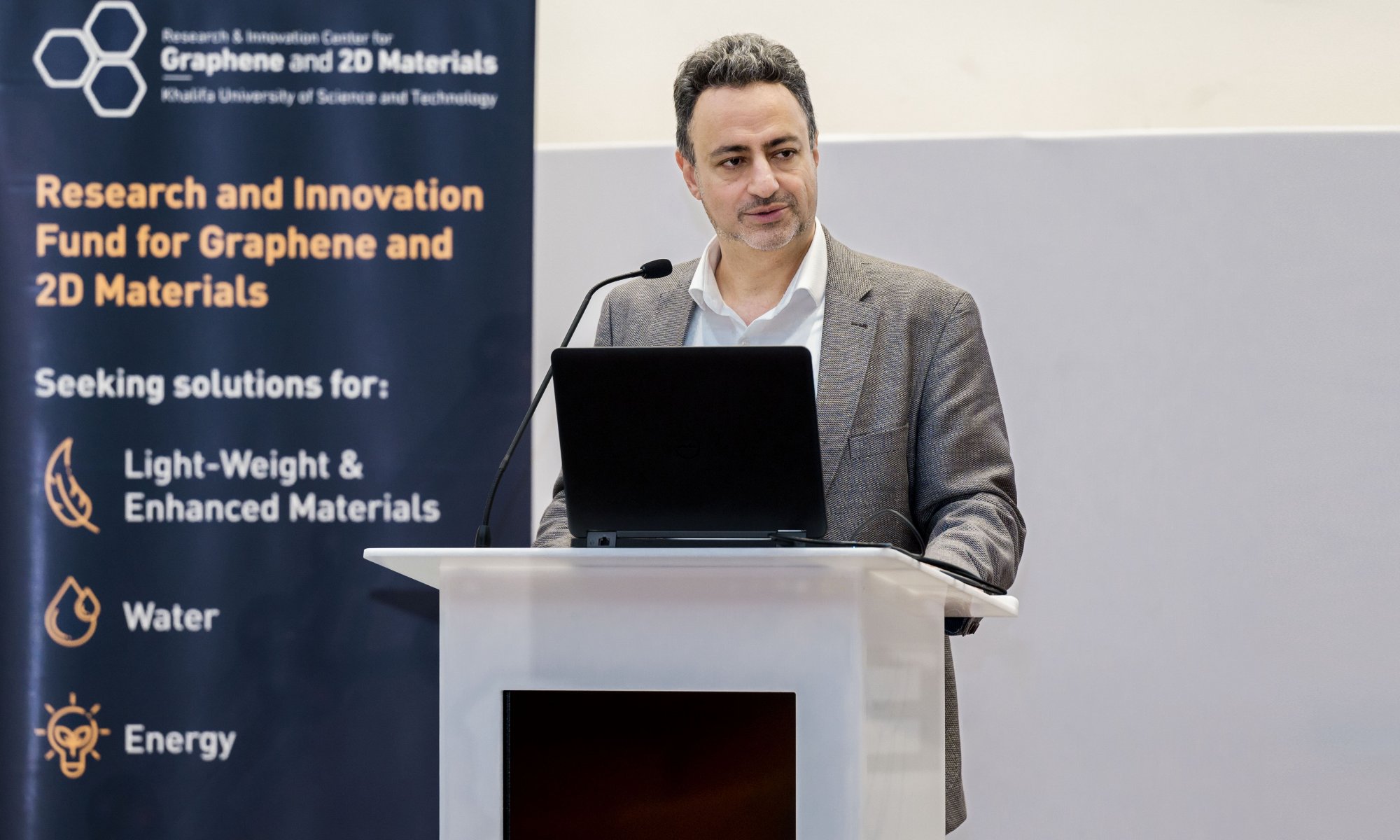
Dr. Hassan Arafat, Senior Director, RIC2D and Professor, Chemical Engineering, said: “This symposium hosted with our European peers in the field of Graphene and 2D materials reinforced the UAE’s position as a global center for continued scientific advancements and innovations. It also helped to highlight how the UAE is fostering and developing local capabilities and talent, while simultaneously creating a welcoming space for leading innovators from around the world to collaborate and create new opportunities for all involved.”


Hosted by Khalifa University, RIC-2D is part of a strategic investment by the Abu Dhabi Government to advance the scientific development and commercial deployment of technologies derived from graphene and other 2D materials. It already has collaborative research and innovation projects underway with the University of Manchester’s Graphene Engineering Innovation Centre (GEIC). The RIC-2D Research and Innovation Fund aims to foster research, development, demonstration and deployment of novel technologies derived from graphene and other two-dimensional (2D) material.


Khalifa University has already been collaborating with Dassault Aviation of France on a research project that focuses on developing graphene-based and 2D material technologies for aerospace applications with potential for patenting and commercialization.


Graphene Flagship was founded by the European Commission in 2013. Since then, it has fostered 2D materials’ research, innovation and commercialization on an unprecedented scale, comprising competencies and collaboration among nearly 170 academic and industrial partners in 22 countries.


Clarence Michael
English Editor Specialist
16 May 2023

Unleashing Precision with Neuromorphic Vision in Robotic Drilling Systems


By leveraging bio-inspired vision sensors and intelligent control algorithms, a new system can perceive the environment with exceptional clarity and make real-time adjustments to ensure accurate robotic drilling operations.


Robotic drilling systems play a crucial role in various industries, including manufacturing, construction, and resource extraction. Achieving precise positioning of these drilling systems is essential for ensuring accuracy, efficiency, and safety in drilling operations. To address this challenge, researchers have been exploring advanced control techniques that can improve the positioning accuracy of robotic drilling systems.

One such technique that has shown promising results is neuromorphic vision-based control. By leveraging the principles of neuromorphic engineering and incorporating vision-based sensing capabilities, this approach offers a novel solution for enhancing the precision of robotic drilling.

A team of researchers from Khalifa University has shed light on the potential of neuromorphic vision-based control in robotic drilling systems. Abdulla Ayyad, Research Associate, Mohamad Halwani, PhD student, Dr. Rajkumar Muthusamy, Postdoctoral Fellow, Dr. Fahad Almaskari, Assistant Professor of Aerospace Engineering, and Dr. Yahya Zweiri, Associate Professor and Director of the KU Advanced Research and Innovation Center, collaborated with Dewald Swart at Strata Manufacturing to develop a neuromorphic visual controller approach for precise robotic machining. They published their work in Robotics and Computer-Integrated Manufacturing, one of the top journals across the fields of mathematics, engineering and computer science.


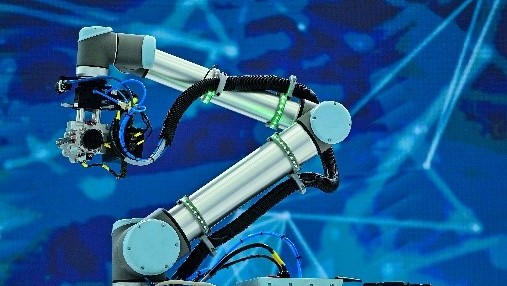
Fig. 1 A neuromorphic visual controller approach for precise robotic machining.


“The automation of cyber-physical manufacturing processes is a critical aspect of the fourth industrial revolution (4IR),” Ayyad says. “Between 2008 and 2018, the number of industrial robots shipped annually more than tripled, and by 2024, more than 500,000 industrial robots are expected to ship each year. The UAE specifically is aiming to become a global hub in 4IR technology and our work is aligned directly with this vision to support solutions for increased efficiency, productivity and safety.”

“The manufacturing industry is currently witnessing a paradigm shift with the unprecedented adoption of industrial robots, and machine vision is a key perception technology that enables these robots to perform precise operations in unstructured environments,” Dr. Zweiri says. “Neuromorphic vision is a recent technology with the potential to address the challenges of conventional vision with its high temporal resolution, low latency, and wide dynamic range. In this paper, and for the first time, we propose a novel neuromorphic vision-based controller for robotic machining applications to enable faster and more reliable operation, and present a complete robotic system capable of performing drilling tasks with sub-millimeter accuracy.”

Automating certain manufacturing processes means greater performance, productivity, efficacy, and safety, with drilling one of the processes prime for automation. It is a widespread process, especially in the automotive and aerospace industries, where high-precision drilling is essential as the quality of drilling is correlated with the performance and fatigue life of the end products.

Traditional automation techniques for drilling and similar machining processes depend on computer numerical control (CNC) equipment for high-precision and repeatability. However, CNC equipment is limited in functionality and workspace, and it requires substantial investment. Dr. Zweiri says industrial robots have been rising as a promising alternative to CNC equipment in recent years, due to their cost efficiency, wide range of functionality, and ability to adapt to variations in the environment.

“Despite several successful examples using robots in industrial machining applications, repeatability remains the main challenge in robotic machining: Errors originate either from the relatively low stiffness of robot joints or the imperfect positioning and localization of a workpiece relative to the robot,” Dr. Zweiri explains. “These errors can be remedied by real-time guidance and closed-loop control based on sensory feedback and metrology systems.”

In its research, the team focused on developing a comprehensive framework that combines advanced vision sensors, sophisticated algorithms, and robust control mechanisms. The integration of neuromorphic vision sensors enabled the robotic drilling systems to gather real-time visual data of the drilling environment, including the positioning of drilling targets, surface irregularities, and potential obstacles. By leveraging these visual cues, the control algorithms could make precise adjustments to the drilling system’s position, ensuring accurate target acquisition and reliable drilling performance.

Previous attempts in the literature to improve robotic manufacturing have focused on vision-based feature detection, combining cameras with laser distance sensors and other target localization techniques. But all have used conventional frame-based cameras, which suffer from latency, motion blur, low dynamic range, and poor perception in low-light conditions.

“Standard cameras also commonly have a frame rate of less than 200 frames per second,” Dr. Zweiri explains. “Computing the complex algorithm for vision processing via such hardware will take considerable time. Accelerating vision processing will greatly improve grasping efficiency.”

Enter the event camera. Also known as a dynamic vision sensor, an event camera is an advanced type of image sensor that operates on the principle of event-driven vision.

An event camera does not capture images using a shutter like conventional frame cameras. Instead, it is an imaging sensor that responds to local changes in brightness, with each pixel operating independently and asynchronously, reporting changes in brightness as they occur, and staying silent otherwise. Also known as neuromorphic vision sensors, they are inspired by biological systems such as fly eyes, which can sense data in parallel and asynchronously in real time.

When an individual pixel-level change in brightness is detected, it is reported as an “event,” indicating a change in the scene. Each event is time-stamped with high temporal precision, providing precise information about when the change occurred. This temporal resolution is exceptionally high, typically in the microsecond range, enabling the camera to capture fast and dynamic scenes accurately, including rapid motion and high-frequency events.
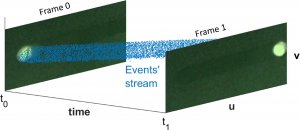
 

Fig.  2. Visualization of the output of neuromorphic cameras and conventional cameras. 


“In comparison to traditional frame-based vision sensors, event-driven neuromorphic sensors have low latency, a high dynamic range and high temporal resolution,” Dr. Zweiri says. “Using these sensors results in a stream of events with a microsecond-level time stamp, no motion blur, low-light operation and a faster response and higher sampling rate.”

The research team says the event-based neuromorphic sensor has the potential to address the challenges of conventional machine vision, but it also introduces new challenges in developing perception and control algorithms to suit its unconventional and asynchronous output. The well-established algorithms for frame-based cameras simply won’t do.

“Here we developed a two-stage neuromorphic vision-based controller to perform a robotic drilling task with sub-millimeter level accuracy,” Dr. Zweiri says. “To our knowledge, this is the first system of its kind to employ neuromorphic vision technology for robotic machining applications. The first stage of our system uses a multi-view 3D reconstruction approach to help the robot line itself up. Then, the second stage regulates any residual errors using a novel event-based drilling hole detection algorithm.”
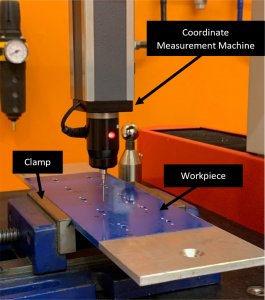
 

Fig. 3.  Positioning errors are measured using a Coordinate Measurement Machine, where the position of each drilled hole is measured relative to its corresponding reference hole.


The neuromorphic camera in the ARIC team’s system captures the visual scene and generates a continuous stream of asynchronous events, time-stamped for high precision temporal information. This is processed using neuromorphic vision algorithms inspired by the principles of the human visual system. These algorithms extract relevant features and information from the event stream, such as edges, corners, and motion cues. The information is then used to estimate the precise position and orientation of the robotic drilling system. By analyzing the event-based data, the system can track the motion of the drilling robot and calculate its position relative to the desired target or reference point. The estimated position information is fed into the control system of the robotic drill. Based on this information, appropriate control commands are generated to adjust the position and orientation in real time, ensuring precise and accurate positioning.

The ARIC system operates in a closed-loop manner, continuously acquiring event-based visual information, estimating the position and adjusting the control commands accordingly. This closed-loop feedback enables the system to adapt and maintain precise positioning even in dynamic and changing environments.

“This work is directly applicable to the national aerospace manufacturing industry through our collaboration with Strata, and is also beneficial to other priority industries in the UAE including petrochemicals, energy, biomedical and agriculture,” Ayyad adds. “Technologies like ours will help build the UAE’s advanced manufacturing reputation, as a developer and exporter of intelligent manufacturing solutions.”

The findings of this paper, Ayyad explains, were used to develop the automated drilling robot used in the vertical fin production line at Strata, making their solution the first robot of its kind by a prominent client. “Our partnership with the Mubadala group of companies represents a unique model for joint R&D between industry and academia that provides an innovative environment for integrating science and engineering,” Ayyad says. “Our academic research is industrially relevant and economically significant, and serves as a platform for building industrial know-how for students.”

The team tested its system by drilling nutplates, a piece commonly used in aerospace manufacturing applications. Nutplates create permanent and fixed nuts that support a threaded bolt. They need to be manufactured and drilled accurately for precision application. The results showed that the team’s guidance system can precision position the robotic drill with an average positional error of just 88 micrometers. This is less than the thickness of the average sheet of paper and just a fraction larger than a grain of sand.
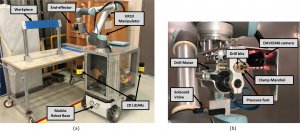
 

Fig. 4.  Experimental setup for testing the proposed neuromorphic vision-based drilling method.


Their findings revealed several significant advantages of neuromorphic vision-based control for robotic drilling systems. Firstly, the use of bio-inspired vision sensors allowed the robots to capture high-resolution visual information, surpassing the capabilities of traditional vision systems. This enhanced perception facilitated improved target recognition, leading to more accurate drilling operations and reduced errors.

The real-time responsiveness of the neuromorphic vision sensors enables the robotic drilling systems to adapt swiftly to changes in the drilling environment. This dynamic adaptability is particularly valuable in scenarios where the drilling targets were not static or when unexpected obstacles emerged during the drilling process. By continuously analyzing the visual data and making rapid adjustments, the robotic drilling system is able to maintain its precision and ensure optimal drilling outcomes.

“The main challenge currently obstructing the wide adoption of industrial robots is their inability to carry out multiple tasks accurately, while ensuring the safety of the robot and its surroundings,” Ayyad says. “Today’s industries need robots operating on large workpieces across various parts of the factory, and to avoid having multiple expensive robots, they need autonomous mobility. However, this comes at the cost of higher uncertainty and possible loss of precision, which can degrade the overall manufacturing quality. To address this, our research aims to equip robots with human-like perception and learning capabilities that would enable them to adaptively change functions without requiring a team of human experts.”
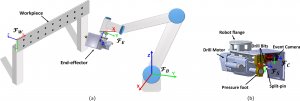
 

Fig. 5. The robotic nutplate hole drilling setup. 


The application of neuromorphic vision-based control in robotic drilling systems offers immense potential for various industries. In manufacturing, it can enable precise hole positioning for components, ensuring proper alignment and fit. In construction, it can enhance the accuracy of anchor installations, improving structural integrity. Additionally, in resource extraction, such as oil and gas drilling, this advanced control technique can enhance the efficiency of wellbore positioning, reducing costs and minimizing environmental risks.

The ARIC team’s research and development serves as a significant milestone in the development and application of neuromorphic vision-based control for robotic drilling systems. As this technology continues to evolve, it holds the promise of revolutionizing drilling operations across industries, enabling unprecedented levels of precision and efficiency.

“Building on our success with Strata in developing and deploying automated drilling robots, we are currently expanding the range of capabilities of our robotic solutions to perform additional ordinary, yet essential, manufacturing tasks such as sorting, deburring, milling and riveting,” Ayyad says. “We are also collaborating with SANAD Aerotech to develop automated robotic solutions for airplane maintenance, repair, and overhaul applications.”

That’s not all. Ayyad highlights another direction of research stemming from this work: The development of novel vision-based tactile sensing in robotic machining.

“Tactile sensing is crucial for the success of precise and sensitive machining operations to guarantee repeatability and avoid damaging delicate workpieces,” Ayyad explains. “It brings advantages in bandwidth, resolution, and cost-efficiency, compared to conventional tactile sensing approaches. Our researchers are working on developing these sensors and integrating them in different production lines in the UAE.”


Jade Sterling
Science Writer
22 May 2023

Six Bold Steps to Net-Zero


Researchers including KU’s Dr. Steve Griffiths propose six bold steps for accelerating progress on achieving net-zero industrial carbon emissions by 2050. Achieving a net-zero industry is a crucial goal for mitigating climate change and reducing greenhouse gas emissions. 


The global industrial sector accounted for 38 percent of total final energy use in 2020. Industry is also the sector with the fastest growing carbon dioxide emissions and is the single largest source of global greenhouse emissions — more than one third — when electricity consumption and heat generation are considered.

Industry has long been sheltered from strong energy and climate policies over concerns about job losses, national competitiveness, and cross-border carbon leakage. But researchers say the rapid and deep decarbonization of global industry is key to reaching climate policy targets. Dr. Steve Griffiths, KU’s Senior Vice President for Research and Development and Professor of Practice, together with Dr. Benjamin Sovacool, University of Sussex and Boston University, Dr. Morgan Bazilian, Colorado School of Mines, and Dr. Jinsoo Kim, Hanyang University, have recognized the challenge and proposed six “bold steps” for accelerating progress on achieving net-zero industrial emissions by 2050. These steps are (1) quintupling financing, (2) expediting technology transfer, (3) investing in human resources, (4) setting binding targets, (5) steering social acceptance and (6) enacting a new global treaty and shaping climate clubs.

Their work was published in Energy Research & Social Science, a top 1% journal in the energy field.

“In a very small number of sectors, such as electricity or buildings, pathways to net zero may be well understood and even cost-effective, but these are the exceptions, not the norm,” Dr. Griffiths says, highlighting industry as “particularly difficult.”

“There are effective, transformative and promising innovations for industrial decarbonization, but applying these globally is difficult because not all countries are in the position to rapidly adopt them.

Said innovations include the use of direct reduced iron (based on low- and zero-carbon hydrogen) in the steel industry and the pursuit of a cluster approach to decarbonization. The latter allows for geographically consolidated supply and demand balancing to achieve scale up of cross-cutting technologies such as carbon capture and low-carbon hydrogen. Measures to mitigate other potent greenhouse gases, such as methane, nitrous oxide, and fluorinated gases, are also underway and critical achieving net-zero for all greenhouse gases.


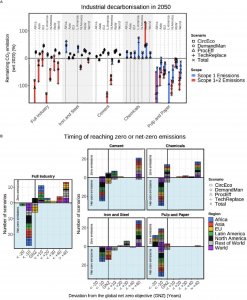
Fig. 1. Overview of net and direct carbon emissions from the global industrial sector in 2050.


But financial barriers, insufficient infrastructure, lack of required labor force skills, lock-in effects, and political economy considerations are hindering efforts to implement transformative innovations globally and require solutions tailored to context, say the researchers.

“Even though we call our required actions ‘steps’, they are not sequential and actually should be pursued simultaneously, starting immediately,” Dr. Griffiths says. “Undertaking these actions now would transform the largest single source of total final energy demand, and the fastest growing segment of greenhouse gas emissions from a nagging problem into a compelling solution, a leverage point that deeply embeds net-zero infrastructure and practice into our climate future.”

Although the team members insist their steps are not sequential, they recognize that the net-zero challenge begins — though does not end — with money.

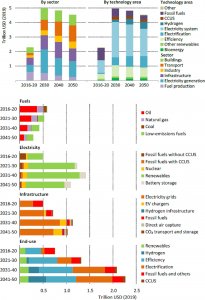
Scaling up international financial support for industrial decarbonization, particularly in developing countries, is critical. The researchers say annual spending on industrial decarbonization interventions needs to increase more than seven-fold by 2030 relative to the level of investments made between 2016 and 2021. Some projections suggest as much as a ten-fold increase is needed if net-zero ambitions are to be achieved.


Fig. 2. Projections of annual average capital investment in net-zero energy infrastructure by sector and technology area.


“Various direct transfer mechanisms exist to support countries financially, such as up-front grants and funding during operation, and these are complemented by mechanisms to facilitate access to financing, such as risk coverage, loans, and equity investments,” Dr. Griffiths says.

African nations, for instance, need to invest about US $16 billion to curtail oil refinery emissions sufficiently to achieve the continent’s climate change ambitions and demand for energy in the continent grows. Hence, bolstering the deployment of decarbonization options via new modes of finance is essential for this and many other decarbonization needs across the developing world.

“Financial mechanisms could focus on facilitating adoption of cross-cutting solutions like electrification, material efficiency and the use of carbon capture and low-carbon hydrogen to decarbonize the most carbon-intensive industries, which include iron and steel and chemicals,” Dr. Griffiths adds. Carbon capture and hydrogen are particularly important for sectors with significant embodied feedstock emissions, like chemicals and refined oil products.

Direct financial support in the form of loans and credit guarantees, which have steered the development of rail, waterways, and other infrastructure to facilitate decarbonization of long-haul freight transport in Brazil, serve as an example of the types of financial mechanisms relevant achieving net-zero industries broadly..

Ensuring adequate financing is necessary, but “by no means sufficient” with the research team also highlighting the need to expedite technology transfer to developing countries, prioritizing the Global South, since this is where industry energy demand, and related carbon emissions, are expected to grow most strongly.

Technology transfer mechanisms developed and leveraged in response to the COVID-19 pandemic may come in handy here. The research team suggests they can be adopted to help overcome intellectual property barriers related to carbon capture and storage technologies, fuel cells, efficiency upgrades to industrial processes, and other such decarbonization levers.


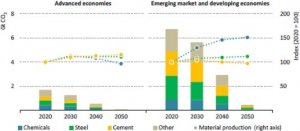
Fig. 3. Global carbon emissions from industry, 2020-2050


Additionally, a response to the “huge skills shortage” looming is needed to prevent it hindering the attainment of net-zero industry. Skilled welders, civil engineers, and machinists are in short supply in the short term, according to the researchers, but the long-term workforce needs people with the digital skills required for the increasing levels of industrial automation. Investing in human resources and capacity is critical now for a net-zero future.

Industry collaborations should also be prioritized:

“Some of the most pressing and urgent climate change and net-zero challenges necessitate transboundary cooperation,” Dr. Griffiths says. “Traditional climate governance systems centered on nation-states and intergovernmental organizations are proving inadequate. A new institution, or a far-reaching reform of existing institutions, to provide international rule-setting and globally accepted certifications and standards for low and zero-carbon industrial products is likely needed. More specifically, we need a mechanism for achieving a rapid and coordinated sectoral approach to mobilizing sufficient resources, and avoiding unfair competition and carbon leakage as we pursue net-zero industry.”

Beyond the economic, political and intellectual challenges, attention is warranted on the people at the social heart of industrial change. Social acceptance and public opinion are clear core elements of successful transitions, net-zero or otherwise, but especially in an industrial context, according to the researchers. In communities where industrial transition can have significant socio-economic impacts, policies need public buy-in.

“Global decarbonization of industry will not occur without concerted action from governments, private sector entities, and civil society and members of the public,” Dr. Griffiths says. “Successful decarbonization will require more money, jobs, technology transfer, and coordination of sub-national and non-traditional actors, as well as shaping patterns of social acceptance and implementing new modes of global climate governance.” 


Jade Sterling
Science Writer
22 May 2023

Characterizing Gas Hydrates in Sediments with State-of-the-Art Imaging Techniques


How Khalifa University research into gas hydrates found in sediment over 13,000km away in the Gulf of Mexico can teach us how to recover the natural gas trapped in unconventional reservoirs here in the Middle East.


Gas hydrates in sediment have the potential to provide an important source of natural gas around the world. But extracting them is a problem, and finding ways to better extract them – and similar unconventional gas resources – requires better understanding of their characteristics.

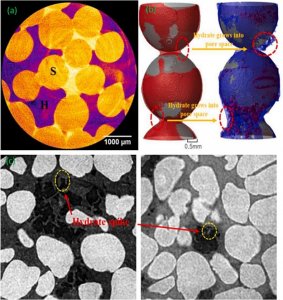
That’s why a team of researchers, including Khalifa University’s Dr. Muhammad Arif, Assistant Professor of Petroleum Engineering, used X-ray microcomputer tomography (micro-CT) to investigate the characteristics of gas hydrates in sediment samples. They demonstrated the potential of micro-CT as a tool to better understand the distribution and formation of gas hydrates in natural settings, a technique  that could have important implications for energy exploration and production.

The team published their results in Earth-Science Reviews, one of the top journals in the field of earth and planetary sciences.


Fig. 1. Gas hydrate growth pattern in porous media using microcomputed tomography.


“Natural gas hydrates are one of the unconventional gas reservoirs which have shown enormous natural gas potential across the globe,” Dr. Arif explains.

But a precise characterization of their structure and pore habits is essential to successfully exploiting their reservoirs. “This requires the use of advanced imaging techniques,” He says.

Natural gas hydrates are efficient and promising energy resources because of their high energy density. They are crystalline solids, comprising gas molecules surrounded by a water molecule cage, with hydrogen bonds connecting the water molecules. The gas molecules are trapped in the cage and not bonded, held together by the van der Waals force. Usually formed by methane, other hydrocarbons such as carbon dioxide and hydrogen sulfide can also form a gas hydrate.

Understanding the physical properties of gas hydrates is crucial in designing processes to extract them. Multiple factors are at play: the hydrate type, its saturation degree, and the encaged guest molecule in the gas hydrate.

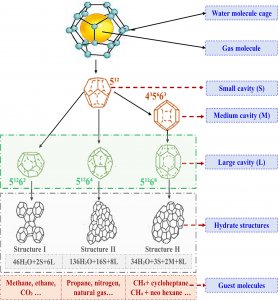
The water molecule cages are latticed structured, creating cavities to trap and encage guest molecules within the structure. In the case of methane hydrates, the methane molecules are the guest molecules enclosed within the water lattice. Each methane molecule occupies a single cage, and multiple cages are connected to form the overall structure of the gas hydrate. The encaged guest molecules in gas hydrates are significant because they contribute to the hydrate’s unique properties, affecting its stability, structure and physical properties, including density and thermal conductivity.

“Gas composition determines the structure, composition, and thermodynamic properties of gas hydrates,” Dr. Arif explains. “The gas composition also influences the kinetics and hydrate formation. Complex mixed hydrates have more than one component, in which cages of the same kind are occupied by two or more molecule types, with the restriction of, at most, one molecule per cage. Simple methane hydrates have only one guest species. Both complex mixed hydrates and simple methane hydrates have been recovered from natural sediments.”

There are two common hydrate types (structure I and structure II) and an uncommon type known as sH. Structure I is the simplest, comprising two cavities with 46 water molecules that usually trap methane, carbon dioxide, ethane and hydrogen sulfide. Structure II is slightly more complex, still with two cavities. However, structure II hydrates have 136 water molecules and the most common guest molecules are propane, nitrogen, isobutene, and tetrahydrofuran. In sH hydrates, there are three cavities and 34 water molecules. The major difference between structure I and II hydrates and sH hydrates, however, is that structure I and II hydrates require only one guest molecule while sH hydrates need two. These two are both a small molecule, such as methane, in small, medium, and large cavities, and a larger molecule in the large cavities.


Fig. 2. Hydrate structure types: Structures I, II, and H with various molecular compositions


The research team used micro-CT to analyze the microstructure of the sediments and hydrates in sediment samples collected from the Gulf of Mexico. Micro-CT is used to image the samples at high resolution. It is a non-destructive imaging technique that works by taking multiple X-ray images of an object from different angles and using software to reconstruct a three-dimensional image of the object. In this way, the team was able to visualize the distribution of gas hydrates in the sediment samples and measure of the volume of hydrate in each sample.

“Our work presents the current state-of-the-art application of micro-CT to characterize natural gas hydrates,” Dr. Arif says. “I conceptualized this work and focused on the specific applications of X-ray microcomputed tomography to characterize the microstructure of the hydrates.”

The researchers found that the microstructure of the sediment in which the natural gas hydrates form has a significant influence on the formation and distribution of gas hydrates. Samples with a higher degree of heterogeneity in the sediment matrix tended to have more hydrates than samples with a more homogenous matrix. The researchers also found that the size and shape of the hydrate particles varied depending on the sediment matrix.

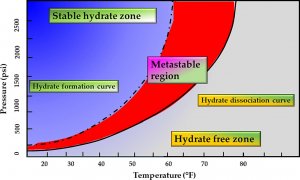
“The occurrence of gas hydrates depends on low-temperature and high-pressure conditions, where the presence of gas is sufficient to initiate and stabilize the hydrate,” Dr. Arif says.


Fig. 3. Pressure-temperature curve of hydrate phases: hydrate formation and dissociation regions.


Natural gas hydrates can be found in many geological settings, such as within fractures and faults in rock formations, but they most commonly occur in sedimentary environments. Sediment refers to loose particles of various sizes that accumulate over time through erosion and deposition. They include a mixture of minerals, organic matter, shells and other materials, and are typically found in areas such as riverbeds, lake bottoms, and the seafloor. For gas hydrates, sediments provide the necessary conditions of low temperature and high pressure for their stability.

Gas hydrates require relatively low temperatures to form and remain stable. The insulating layers of sediment maintain the low temperatures and gas hydrates are more commonly found in sediments in deep ocean regions and Arctic permafrost areas. They also need high pressure and, in sediment, the weight of the overlying layers exerts pressure on the deeper layers. The decomposition of organic material in sediment produces the necessary methane as a byproduct, which is then trapped within a water lattice, forming the hydrate deposits.

The large amount of methane that can be stored in a relatively small volume of gas hydrate makes it an attractive source of natural gas. However, extracting and utilizing the methane from gas hydrates pose technical and economic challenges. A good place to start? Characterizing the gas hydrates and sediment to fully understand the scope of the challenge.


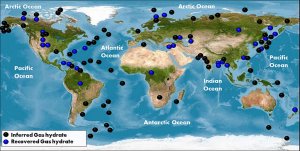
Fig. 4. Map presenting gas hydrate locations.


Dr. Arif says the use of advanced imaging and characterization tools, such as micro-CT, is gaining significant attention globally to solve scientific problems: more precisely, to elucidate the microstructures of a range of materials.

“For me, specifically, the materials of interest are the geo-materials, the subsurface rocks and rock-forming minerals,” Dr. Arif says. “The characterization of unconventional reservoirs is one of the areas my research group at Khalifa University is actively working on. In the future, we will be studying the applications of X-ray computer tomography to characterize the enhanced methane recovery by CO2 injection in shales.”

For Dr. Arif and researchers in the Middle East, sediment rocks and gas hydrates aren’t the main focus. While gas hydrates have been found in many parts of the world, including the Arctic, the Gulf of Mexico, and the South China Sea, there have been few studies focused on the presence of gas hydrates in the Middle East. The geology of the region is dominated by rocks that are not typically conducive to the formation of gas hydrates, and this part of the world is famous for its heat, not its low temperature waters.

There have been some reports of gas hydrates in the eastern Mediterranean Sea. Estimates of the volume of natural gas reach up to 1.7 trillion cubic meters, which has researchers in the Levant intrigued, but Dr. Arif is more interested in the tight sands and shales that also have “enormous hydrocarbon potential.”

“On a regional basis, the UAE has around 160 trillion cubic feet of recoverable unconventional gas resources, and it is estimated that an additional 1 billion cubic feet per day will be added to the UAE’s net natural gas portfolio via unconventional gas production by 2030,” Dr. Arif says. “However, characterization of such unconventional reservoirs is challenging and requires a multiscale imaging framework, which is where the applications of micro-CT come into play.”

By testing the techniques on natural gas hydrates in sediment rocks from miles away, Dr. Arif and his team can extrapolate the methodology to the geology of the Middle East. Gas hydrate reservoirs are difficult to tap into, much like the unconventional shale reservoirs here. Research into understanding the characteristics of an unconventional source of natural gas can only help drive hydrocarbon exploration and production further.


Jade Sterling
Science Writer
22 May 2023

Turning Waste into Wealth: KU Researchers Develop Sustainable Electrochemical Process for Metal Ion Recovery from Wastewater


An innovative electrochemical process unlocks the potential of mining wastewater by recovering valuable metal ions and transforming them into valuable end products for a greener future.


A team of researchers from Khalifa University’s Center for Membranes & Advanced Water Technology (CMAT) and Catalysis and Separations (CeCaS) has developed a sustainable electrochemical process to recover metal ions in wastewater, turning them into valuable end products for energy conversion and storage applications.

Dr. Bharath Govindan, Research Scientist, Abdul Hai, Research Associate, Dr. Rambabu Krishnamoorthy, Postdoctoral Fellow, Dr. Mohammad Abu Haija, Associate Professor, and Prof. Fawzi Banat, Chair of the Chemical Engineering Department, published their work in a special issue of Resources, Conservation and Recycling.

“The UAE is a rapidly developing nation with a growing industrial sector,” Prof. Banat says. “As a result the country faces the challenge of treating wastewater from a variety of sources, including mining. Mining wastewater contains numerous suspended solids, dissolved metals, and other pollutants that can pose health and environmental risks. The UAE has enacted strict regulations and guidelines to ensure reliable and safe wastewater management. Our team has developed a strategy to recover metal ions, which are then converted into electrodes for commercial use in the energy sector.”

Using activated carbon derived from date seeds, a common waste product of the date fruit industry in the UAE, and a nitrogen-containing compound called polyaniline, the team developed an electrode that could be used to sustainably recover and reuse metal ions from mining industry wastewater.

“The recovery and reuse of metals in mining wastewater would not only ensure environmentally safe discharge of effluents, but also complement the metal demand for the mining industry,” Prof. Banat explains. “Acid-mining wastes containing highly acidic and toxic metal ions can be hazardous to aquatic life and the environment. While preventing these wastes from causing adverse environmental issues is crucial, the wastes can also provide an excellent source of metal ions for conversion into valuable end products.”

When rocks containing sulfide materials are exposed to air and water — often through mining — they undergo oxidation, producing sulfuric acid and dissolved iron. This acid can further dissolve other heavy metals such as copper, zinc, and lead present in the surrounding rock. These heavy metals can cause environmental damage if the wastewater is discharged without treatment. Prof. Banat points to the impact on waterways in particular: The high concentrations of iron and copper affect the smell, color, and oxygen balance of the aquatic ecosystem, killing fish and other aquatic organisms.

Recovering metal ions from wastewater is nothing new. Many countries have stringent regulations on the permissible limits of heavy metals in discharge streams, and there are techniques to treat liquid waste above acceptable levels. However, putting the recovered metal ions to reuse is a major challenge.

Mining wastewater often contains a complex mixture of metal ions, organic matter, and other contaminants, making it difficult to selectively recover and separate specific metal ions for reuse without also extracting unwanted impurities. Plus, the presence of multiple metal ions and other substances may interfere with the recovery process, leading to reduced efficiency and selectivity. Traditional methods are also limited by their robustness in varying wastewater conditions (frequent regeneration of replacement of the adsorbent material is time-consuming and costly) and their generation of secondary contaminants. Finally, once metal ions have been recovered using conventional techniques, they need to be further processed and purified before they can be reused. This can involve additional steps, which may be complex and resource-intensive.

Prof. Banat’s team thinks capacitive deionization (CDI) is the answer.

CDI is an electrochemical water-treatment technique. The process operates by electrosorption of ions on the surface of electrodes. When a voltage is applied between the two electrodes, the positive electrode attracts negatively charged ions (anions), while the negative electrode attracts positively charged ions (cations). As the ions approach the surface of the respective electrodes, they undergo electrosorption, where they accumulate at the electrode surface due to the electrostatic forces between the electrode and the ions. There they remain until the voltage is reversed or stopped.

By continuously cycling the applied voltage, the CDI process allows for the removal of ions from water without chemical additives or membranes, making it a promising technology for desalination, water softening, and water purification.


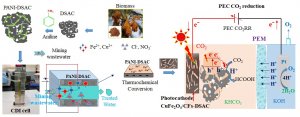
Fig. 1. Turning waste into wealth.

Separating highly valuable metal ions from mining wastewater can turn waste into wealth, says Prof. Banat, but it isn’t easy. The team needed to develop a novel electrode with an electrical double layer at the electrode-water interface to facilitate CDI.

The ideal electrode material for CDI applications has many features: It should have a large specific surface area for ion adsorption; exhibit high adsorption capacity, meaning it can attract and retain a significant amount of ions from the water; offer faster electrosorption kinetics for more efficient and quicker ion removal; have rapid conductivity to facilitate the movement of ions and ensure efficient charge transfer and overall performance; and be chemically stable to withstand the conditions and maintain its performance over time.

Carbon-based materials, including nitrogen-doped activated carbons, meet most of these requirements. Nitrogen doping in activated carbon enhances CDI performance through several mechanisms including the introduction of surface functionalities to enhance the overall ion adsorption capacity and increasing the charge density, which promotes the charge-transfer process during electrosorption. The presence of nitrogen also changes the structure of the carbon matrix, creating distortions that facilitate deeper ion access and charge accumulation.

Nitrogen sources such as ammonia, nitric acid, and polyaniline (PANI) have been used to synthesize nitrogen-doped carbon materials for CDI applications. PANI, in particular, contains amine and imine functionalities that significantly enhance the electrochemical adsorption of metal ions from wastewater.

The CMAT/CeCaS researchers used a material called polyaniline decorated date seed-derived activated carbon (PANI-DSAC), a composite of polyaniline and activated carbon made from date seeds. The seeds are a byproduct of the date fruit industry, which often generates a large amount of waste. Utilizing the seeds as raw material for activated carbon helps reduce this waste and promote sustainable resource management.


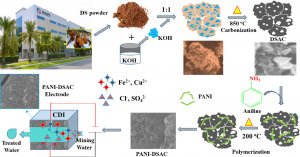
Fig. 2. Schematic diagram for preparation of PANI-DSAC composite. 


This isn’t the first time the research group has used date seeds to produce activated carbon. In their previous work it was used to convert furfural into furoic acid and furfural alcohol via electrochemical hydrogenation. Date seeds are in large supply in the UAE and so the researchers collected the seeds at Khalifa University and reduced them to a fine powder before drying and heating to produce the activated carbon.

Besides the eco-friendly nature of using date seeds, the carbon produced from them has a highly porous structure, which provides a large surface area for adsorption. This makes it an ideal material for applications involving the removal of contaminants from wastewater, and date seed-derived activated carbon has been shown to exhibit good adsorption capacity for metal ions especially. Plus, they’re readily abundant and relatively cheap.

Considering the lower cost and favorable textural characteristics of intrinsically prepared activated carbon (specifically from sustainable green sources) compared with commercial activated carbon, exploring the use of intrinsic PANI-functionalized activated carbon for CDI-based recovery of metal ions is promising.

Date seed-derived activated carbon is a biodegradable and environmentally friendly material, making it a suitable choice for sustainable applications.

Furthering the sustainability of the process, once the metal ions have been removed from the wastewater, they can be put to good use in energy storage and conversion applications.

The CMAT/CeCaS team used the recovered metal ions to produce photocathodes for the photocatalytic conversion of carbon dioxide to formic acid.

“This work can help create a more sustainable future,” Prof. Banat says. “Environmental remediation strategies recover valuable metal ions from mining wastewater. These are used to make electrodes and electrocatalysts that can be used to convert carbon dioxide into fuels. CO2 capture and conversion technologies are being deployed to reduce emissions, while various renewable energy sources are being explored to reduce the nation’s dependence on fossil fuels. Formic acid is produced from CO2 using photoelectrochemical reduction strategies, and can be used in fuel cells to generate energy.”

The team has more work planned in this space, starting with research on different types of carbon electrodes for CDI and evaluating the potential for scaling up the process for industrial-scale metal ion removal.

Jade Sterling
Science Writer
22 May 2023
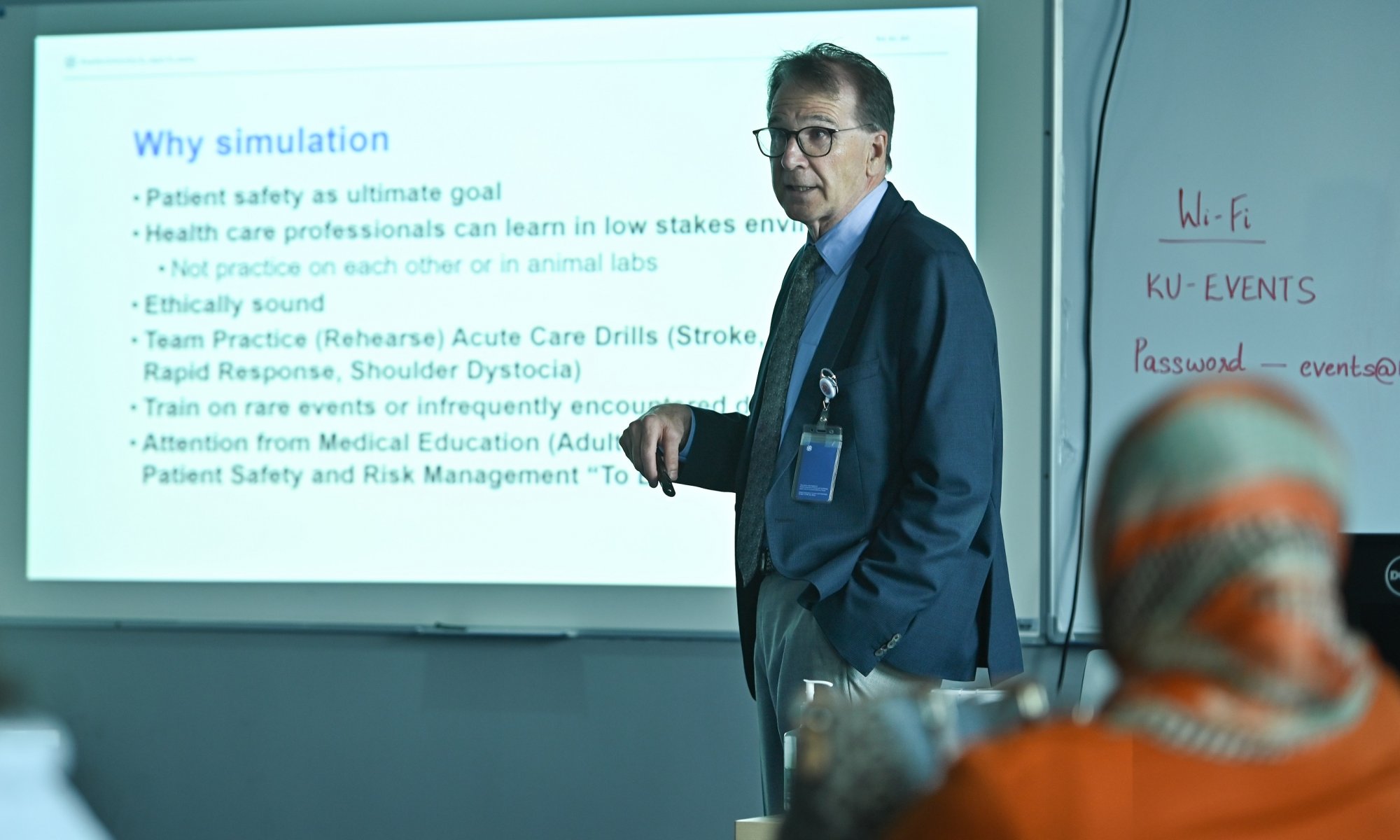
Khalifa University Provost Shares Updates and Awards Excellent Faculty and Staff

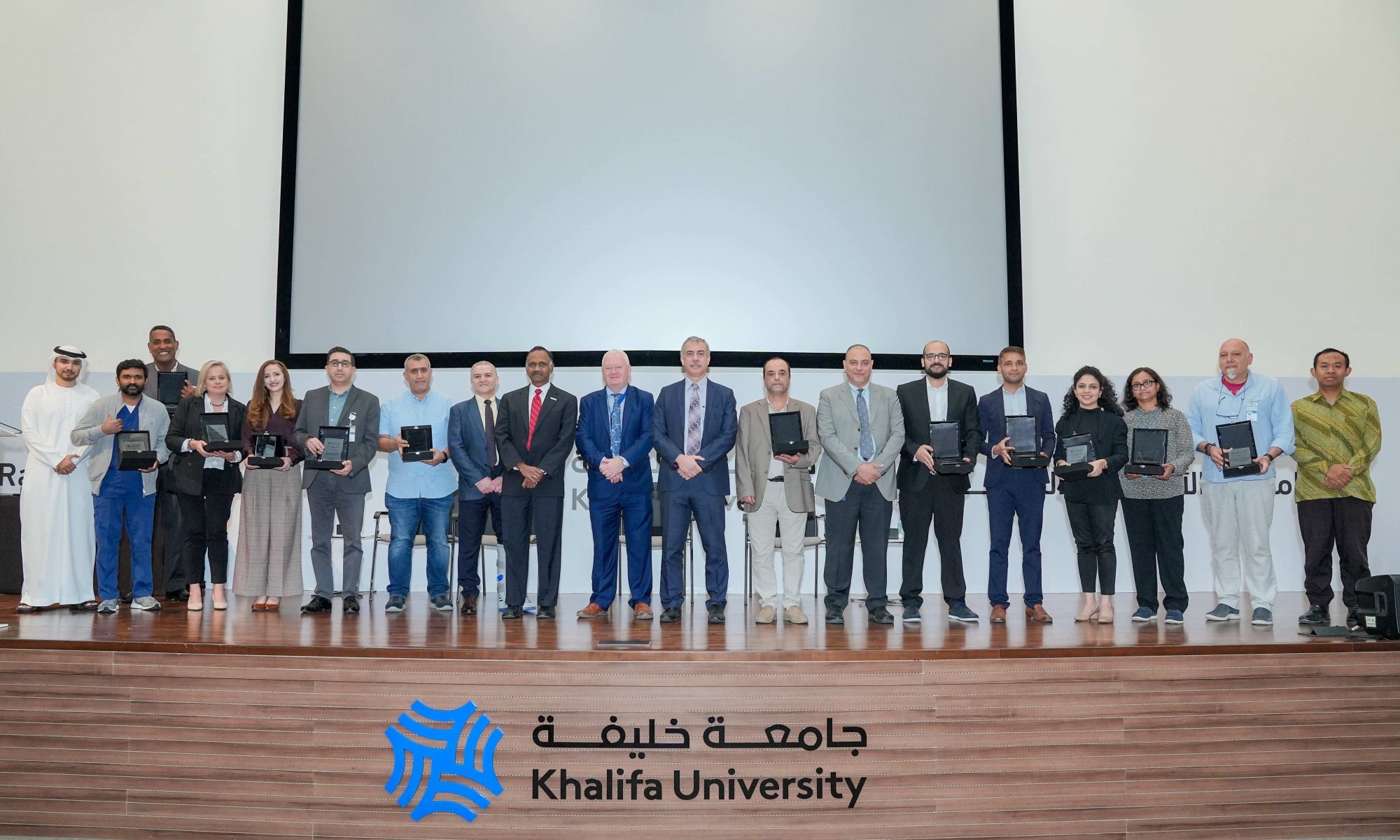
Khalifa University of Science and Technology organized an event for all KU faculty and academic staff where Dr. Bayan Sharif, Khalifa University’s Provost shared academic updates and awarded excellent staff.


During the event, Dr. Bayan awarded faculty, laboratory teaching staff and teaching assistants who have had a transformative impact on students’ learning through their exemplary dedication.


Dr. Bayan also discussed with academic staff current academic achievements and future plans. The event included a session where academic staff interacted and had fruitful discussions with a panel of academic leadership.