

Digital Twins Meet Blockchain: Revolutionizing Manufacturing


New blockchain solution aims to secure and validate digital twins and their real-world counterparts throughout their lifecycle. 


In the Industry 4.0 era, a new wave of technological innovations is revolutionizing manufacturing. While this transformation is fueled by breakthroughs in the Internet of Things (IoT), big data analytics, and artificial intelligence, digital twins are the emerging technology poised to cause a seismic shift.


Digital twins (DTs) are virtual doppelgangers of physical systems: digital clones of physical assets, providing intricate digital mirrors of real-world processes and assets. From design to manufacturing, assembly, and diagnostics, DTs can be used at all aspects of a product’s life cycle. They streamline problem-solving in critical systems, boost efficiency in production, and enhance cost-effectiveness.


And, just like their physical counterparts, these digital twins can be compartmentalized into sub-DTs, mimicking real-world structures where large systems are composed of multiple smaller components. Take an aircraft for example: The entire thing can be digitally twinned, and so can its individual parts.


The potential of digital twin technology can only be fully realized with credible, verifiable, and transparent communication and information sharing. In traditional manufacturing systems, centralized structures often pose risks of failures and corruption through a single point of vulnerability. The need for a more reliable mechanism to infuse trust into the data supplied to digital twins is evident.


Researchers from Khalifa University think blockchain is the answer. Research members at the Digital Supply Chain and Operations Management Center, Haya Hasan, Mohammad Madine, Dr. Ibrar Yaqoob, Prof. Khaled Salah and Dr. Raja Jayaraman, with Dragan Boscovic from Arizona State University, proposed a blockchain-based solution to ensure trust in the information fed into a digital twin. Their system was published in Future Generation Computer Systems, a top journal in the field of computer science.


“Digital twins are an important technology that can be leveraged to assist in unlocking value in Abu Dhabi’s manufacturing sector,” Prof. Salah said. “They play a key role in smart manufacturing processes and value chain development, as well as advancing the transition to a circular economy. For example: Digital twin models can be leveraged to efficiently investigate the potential of utilizing sustainable product material alternatives without compromising performance. Also, a more holistic digital system twin is likely to highlight opportunities for carbon emission reductions in key processes.”


Blockchain technology is a decentralized solution, ensuring transparency, accountability, and data integrity, all of which are vital in managing DTs. Thanks to its tamper-proof ledgers and stored logs, blockchain guarantees that once a piece of information is recorded, it can’t be altered, offering a robust foundation for the dynamic world of DTs.


Interestingly, the blend of blockchain with DTs brings into play non-fungible tokens (NFTs). These unique digital assets, minted on the blockchain, can symbolize the digital twins of physical entities. Each NFT provides proof of originality, ownership, and authenticity. When a token is minted, its identifier – or TokenID – becomes immutable, and it can be traced using on-chain logs.


The proposed solution aims to leverage the unique attributes of NFTs – their transparency, resilience, and tamper-proof nature – to manage the ownership of DTs effectively. By integrating with decentralized storage solutions, the metadata of NFTs, containing DTs information, can be securely stored. This way, the ownership of DTs and their sub-DTs can be tracked in a hierarchical manner using NFTs and sub-NFTs.


In this innovative model, DTs are sold alongside their physical counterparts. The goal is not only to manage ownership of DTs effectively but also to provide a reliable proof of delivery (PoD) for their associated physical assets.


“We are always on the lookout for how we can leverage emerging technologies in solving real-world problems,” Prof. Salah said.


The team’s solution is comprehensive. It employs a two-key security measure with the keys functioning as proof of delivery, recorded on the blockchain. Participants are incentivized to act honestly through the payment of collateral, which is returned upon successful delivery and payment settlement. NFTs are used to maintain proof of ownership and authenticity, with each NFT representing a DT and its metadata stored off-chain. All transactions are logged in blockchain’s tamper-proof records and with the Ethereum address of the caller, ensuring that no participant can deny their actions. The data cannot be edited or deleted, becoming part of the immutable ledger that creates reliable data provenance for historical usage. By leveraging the unique strengths of blockchain technology and NFTs, this solution brings enhanced security, traceability, and accountability to digital twins.


While blockchain offers numerous advantages, the technology is not without limitations.


It is decentralized by nature, meaning there’s no central authority to create regulations, verify transactions, or govern rights. Smart contracts form the backbone of any blockchain transaction, but they are vulnerable to exploitation if they aren’t correctly written. Plus, once deployed, smart contracts are also immutable, making it difficult to add or remove functionalities to the system.


However, despite ongoing research challenges, the combination of digital twins and blockchain technology offers enormous potential.


“Researchers at Khalifa University are currently investigating how to leverage NFTs and digital twins to solve many real-world problems,” Prof. Salah said. “NFTs have massive applications and the potential to disrupt various industries. This research can unlock opportunities for creators, investors, and consumers. We have been looking into how NFTs can be leveraged in solving problems in smart cities, healthcare, and the metaverse.”


Jade Sterling
Science Writer
26 June 2023
Khalifa University Students Present 54 Engineering Projects to Stakeholders on ‘Innovation Day 2023’

Diverse Project Concepts Demonstrate Students’ Creative Excellence, as well as Authentic and Community-Relevant Innovations


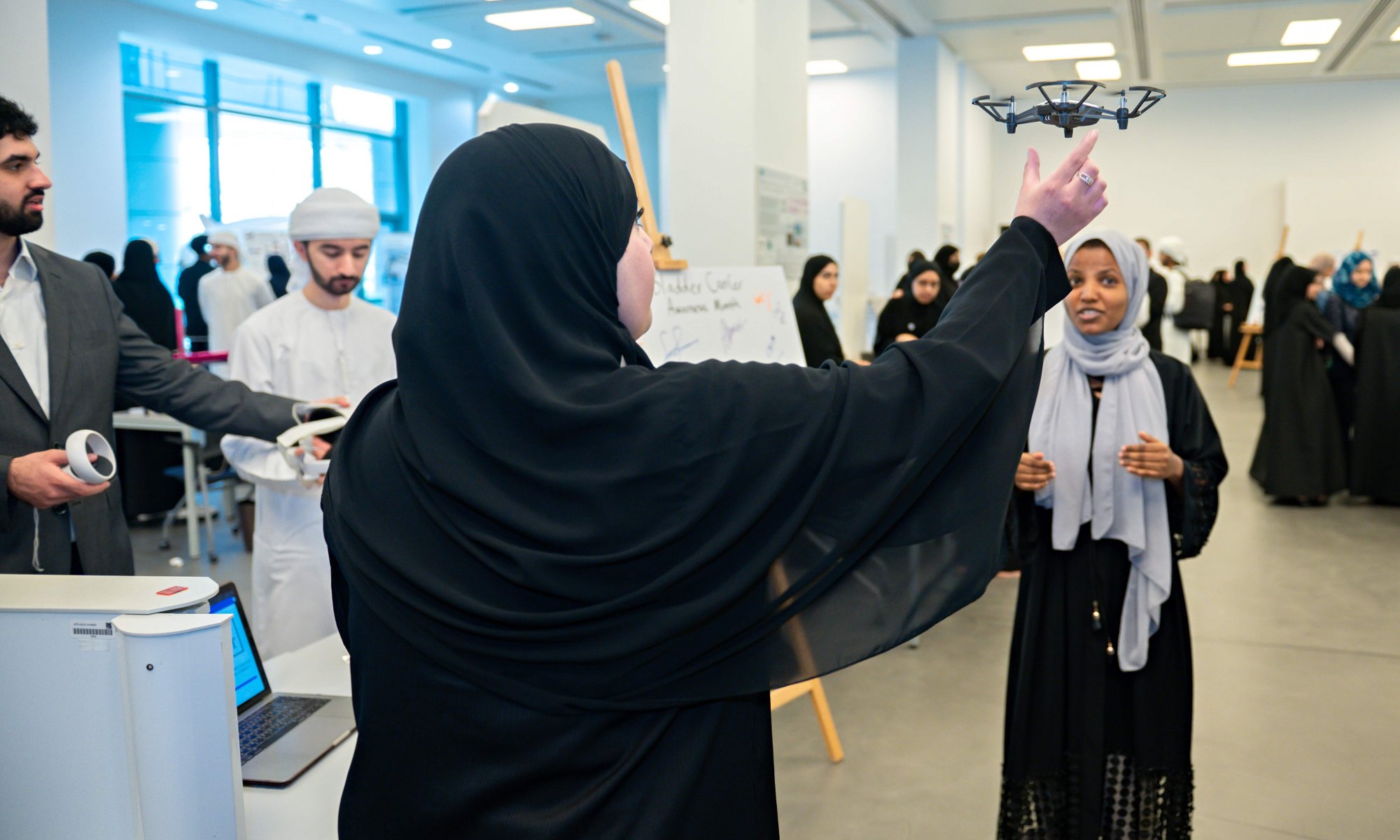
Khalifa University of Science and Technology today announced a total of 54 innovative senior design projects from six engineering disciplines were showcased to  the stakeholders on Khalifa University Innovation Day 2023 the annual exhibition that acknowledges the creative excellence of senior graduating students.


The range of project concepts displayed at the Khalifa University Main Campus included Aerospace Engineering (9 projects), Biomedical Engineering (11), Civil Infrastructure and Environmental Engineering (3), Electrical Engineering and Computer Science (17), Industrial and Systems Engineering (5), and Mechanical Engineering (9).


Dr. Arif Sultan Al Hammadi, Executive Vice-President, Khalifa University, said “Such an array of diverse project concepts demonstrate the creativity and authentic community-relevant innovations from Khalifa University students, which validates our status as a pioneering institution for intellectual and human capital.  These projects reflect the close involvement of the students with faculty whose guidance remains the key factor for the excellence of students.”


Aerospace Engineering projects included 3D scanning and reconstruction of aero-engine blades, Designing an electric vertical take-off and landing aircraft for urban air mobility, Design of light-weight aero-structures inspired by deep-sea sponge, Design and construction of an unmanned air vehicle for AIAA’s Design-Build-Fly competition, and a polymorphing wing capable of active span extension and passive twist.


The Biomedical Engineering projects included Electrokinetics for cancer diagnosis, 3D printing cells and scaffolds for bone tissue engineering, Artificial intelligence and autonomous drone for mask detection, Human lower limb vibration stimulation and sensory-cognitive integration in post-stroke rehabilitation: A pilot study, Tracking eye movements with common computing devices, and 3D-printed conducting polymer structures for next generation printed bioelectronics.


Projects from Civil Infrastructure and Environmental Engineering focused on Application of Gabbro dust for agricultural soil improvement in arid regions, Modular design of a sustainable building, and Food security and environmental protection via hydroponic system for decentralized wastewater reuse for agriculture. At the same time, projects from Industrial and Systems Engineering include Industrialized Building System (IBS) teaching lab for engineering students, Risk management and resiliency of the supply chains, Implementing lean manufacturing principles to Emirates Weather Enhancement Facility, and Renewable energy in the Middle East: current state and future plans.


Projects from Electrical Engineering and Computer Science covered various concepts relevant to AI-based environment prediction system, 3D sun-tracking hybrid PV-battery energy storage systems (BESS), camping tent, Water-fueled vehicle, Intelligent link boxes for smart maintenance high voltage underground cables in the UAE, Credit card fraud detection, Hybrid flying car, Islamic Zakah mobile applications, Design and control of induction machine-based Plug-In Electric Vehicle (PEV) powertrain, Machine learning for device level prediction in secure and resilient private phone mesh networks, Smart trash bin using computer vision-based separation, Embedded AI system for elderly healthcare monitoring, A drone-based system for autonomous and onboard monitoring of solar panels, Automated apartment management system, and Access control mechanism in the blockchain storage.


Some of the Mechanical Engineering projects included Harvesting wind energy using a sustained flag – smart city applications, Development and Instrumenting atmospheric drop tube furnace for the gasification of solid slurry fuels, Design of a flow-bench test apparatus, Design and Implementation of unmanned surface vessel, and Design of flare stack system for autonomous UAV inspection.


Clarence Michael
English Editor Specialist
23 May 2023

Khalifa University to Give Away Over 4,000 Books to University Students and Researchers at Abu Dhabi International Book Fair 2023

Rare Books on UAE’s Leaders, Heritage, History and on the Country’s Economic Success Will also be on Display


Khalifa University of Science and Technology today announced it will give away more than 4,000 books to visitors, including university students and researchers, during the Abu Dhabi International Book Fair 2023.


In addition, the Khalifa University stand will also showcase rare books about the UAE’s heritage and history, as well as some of the most important early books published on the UAE’s leaders including the Founding Father of the UAE Late Sheikh Zayed bin Sultan Al Nahyan. The Abu Dhabi International Book Fair 2023 will be held from 22-28 May 2023 at the Abu Dhabi National Exhibition Center (ADNEC).


Dr. Abdulla Al Hefeiti, Assistant Vice-President, Libraries, Khalifa University said: “We are proud to showcase rare and unique books about UAE’s heritage and history to mark our contribution to the country and our participation in the expansion of knowledge through giving away books to visitors including university students and researchers during the Abu Dhabi International Book Fair 2023. As a top-ranked university that leads in human capital building and in the creation of intellectual capacity, Khalifa University remains committed to focusing on highlighting the important roles of books and modern libraries that are becoming more digitized.”


Books authored by Khalifa University faculty that will also be on display include ‘The Military and Police Forces of the Gulf States, by Dr. Athol Yates, Associate Professor, Humanities and Social Sciences, as well as books from Dr. Ammar Nayfeh, Associate Professor, Electrical Engineering and Computer Science, Dr. Baskar Thangaraj, Research Scientist, Physics, Dr. Mohammad Sakhnini, Senior Lecturer, English, and Dr. Robert Llewellyn Tyler, Assistant Professor, Humanities and Social Sciences.


On campus, the Khalifa University Libraries is a thriving center for knowledge, offering Arabic and English titles about the UAE, and the Gulf Cooperation Council (GCC) region, as well as fiction, dictionaries, and general books in different disciplines including humanities, history, science, engineering, and technology, besides recreational and fiction titles.


The Khalifa University Libraries has a collection of more than 110,000 printed books in Arabic and English A research library, it is also a reputable leader among academic libraries in the region. The KU Libraries is committed to the goals of the university aimed at advancement of knowledge, science, and technology, while helping the faculty with publications in top journals, and Gold Open Access publishing information in partnership with scholarly and professional communities both locally and internationally. At the same time workshops on data literacy, and life-long learning are also offered to both undergraduate and postgraduate students.


Clarence Michael
English Editor Specialist
22 May 2023

Methane concentrations fluctuate over south-eastern Arabia

Satellite data was used to assess atmospheric methane concentrations and trends over south-eastern Arabia.


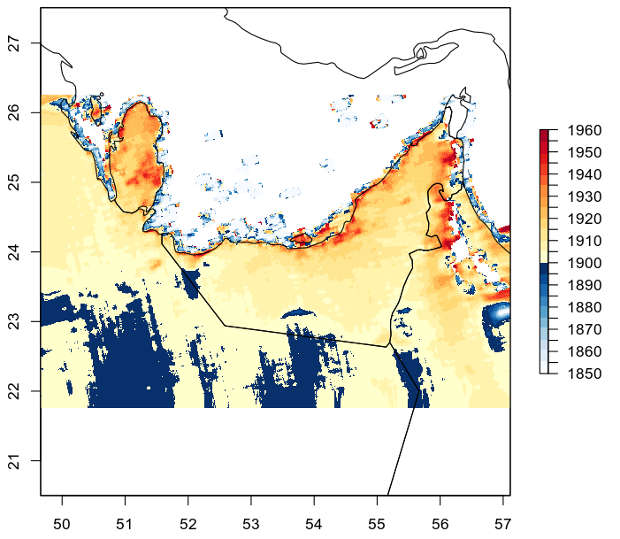
Atmospheric methane concentrations vary largely between seasons over the south-eastern Arabian Peninsula, according to assessments conducted by researchers at Khalifa University in the United Arab Emirates. 


“In assessments of the region to date, there has been no quantification of methane concentrations,” says Khalifa University atmospheric scientist, Diana Francis.


Francis and her colleagues used high-resolution satellite data to measure atmospheric methane concentrations over the south-eastern Arabian Peninsula, and to assess how they varied from season to season and over the years.


They found that concentrations were low in the colder seasons and high in summer. There was also a generally increasing trend in atmospheric methane, which is many times more powerful a greenhouse gas, contributing to global warming, than the more widely publicised carbon dioxide.


The highest methane concentrations were found in coastal sites, where wet flats called sabkhas and waste landfill sites are found. There were also high concentrations along the Al Hajar mountains, which extend from northern UAE through north-eastern Oman. It is possible that agricultural practices and natural habitats along this mountain range encourage methane-producing microbes.


“Before our work, we had to refer to studies performed elsewhere to infer the trends, but now we can provide proper numbers for this region,” Francis adds. The use of satellite data uniquely provides information on the total amount of methane over a large area, compared to the point data from ground observations used in other regions.


Francis says that the study provides valuable guidance for policymakers trying to develop mitigation strategies to limit the effects of global warming. The study also highlights the need for an extensive ground-based observational network for all greenhouse gasses.


The team next plans to obtain a more comprehensive picture by conducting measurements of carbon dioxide and other greenhouse gases. 


“The work is both very interesting and significant,” says atmospheric remote sensing expert Dietrich Feist at the German Aerospace Center, who was not involved in the research. He adds: “Despite being one of the anthropogenic methane hot spot regions in the world, the whole Arabian Peninsula is not covered by the global greenhouse gas monitoring networks.” He therefore encourages the type of follow-up work that the Khalifa team are planning.

Read article here: https://www.natureasia.com/en/nmiddleeast/article/10.1038/nmiddleeast.2023.71

Satellite data study examines methane levels over UAE

Researchers say reported increase in concentrations may be due to prevailing winds and human activity


Concentrations of methane are increasing over the UAE, a new study has revealed.


Levels are high in coastal areas, where there are landfill sites and sabkha habitats – mud flat or salt flat areas – both of which are key sources of the gas.


Inland, concentrations are high around the Hajar Mountains, where methane is thought to be emitted by farms and microorganisms that live in wadis.


The researchers at Khalifa University in Abu Dhabi behind the new study in Frontiers in Environmental Science used satellite data to calculate concentrations of the gas – which has the chemical formula CH4 – over the past few years.


They found that “column values” of methane, known as XCH4, were increasing by around nine parts per billion per year.

This was double the increase recorded over two other locations – the Arctic and Argentina – for which similar work has been carried out using satellite data.


Increasing population

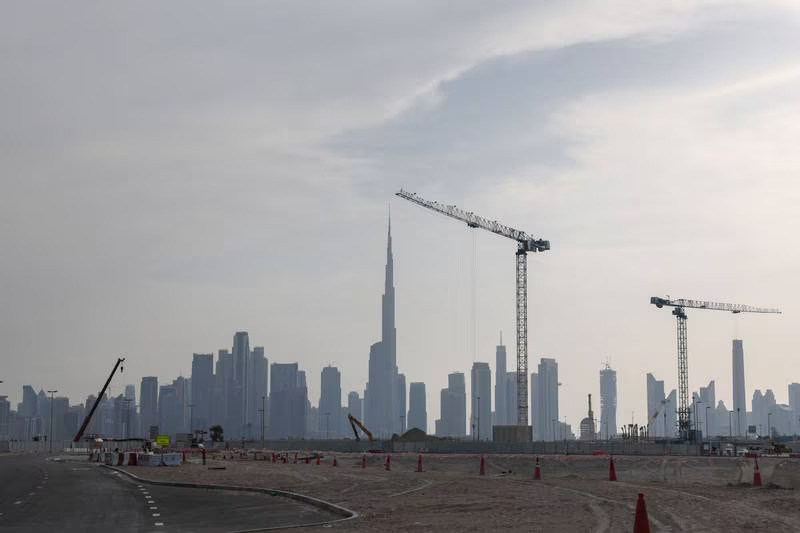
Dr Diana Francis, an assistant professor in the earth sciences department at Khalifa University and the first author of the study, said that the increases in concentration were probably mostly the result of human activity “related to population growth and economic development in the region and globally”.


“Landfill sites and industrial sites in general are the most significant contributors to anthropogenic emissions and, therefore, they are the key sources to focus on when it comes to strategies towards net-zero targets,” she said.

A large proportion of the methane over the UAE may come, she said, from countries to the north, given that the prevailing winds are north-westerlies.


Methane is described as being 86 times more potent than CO2 at warming the Earth’s atmosphere over a two-decade period.


While CO2 retains its warming capacity for about 200 years, methane only remains for around nine to 12 years. As a result, measures to cut methane emissions can have a major effect on limiting temperature rises in a relatively short period.


Read full article here: https://www.thenationalnews.com/uae/2023/05/29/satellite-data-study-examines-methane-levels-over-uae/

Research by Abu Dhabi scientists sheds light on why Antarctica is melting

Climate change is a factor in the loss of ice over Antarctica, which could contribute to significant sea-level rise around the globe

Researchers in the UAE have released findings that could help scientists better understand the factors that are causing Antarctic ice to melt.

Two studies led by scientists at Khalifa University in Abu Dhabi shed light on a subject that is of critical importance to the future of the planet.

“In our studies, we identified the atmospheric processes that are triggering and contributing to the ice melt,” Diana Francis, head of Khalifa University’s Environmental and Geophysical Sciences Lab and author of the studies, told The National.

She said that these processes have been increasing in frequency and intensity since 2000, with the causes of both attributed to warmer global temperatures.

Antarctica is far from our region but ultimately the ice melt there would impact the sea-level rise globally, especially coastal countries like the UAE

Diana Francis, head of Khalifa University’s Environmental and Geophysical Sciences Lab

“Antarctica is far from our region but ultimately the ice melt there would impact the sea-level rise globally and especially coastal countries like the UAE,” Dr Francis added.

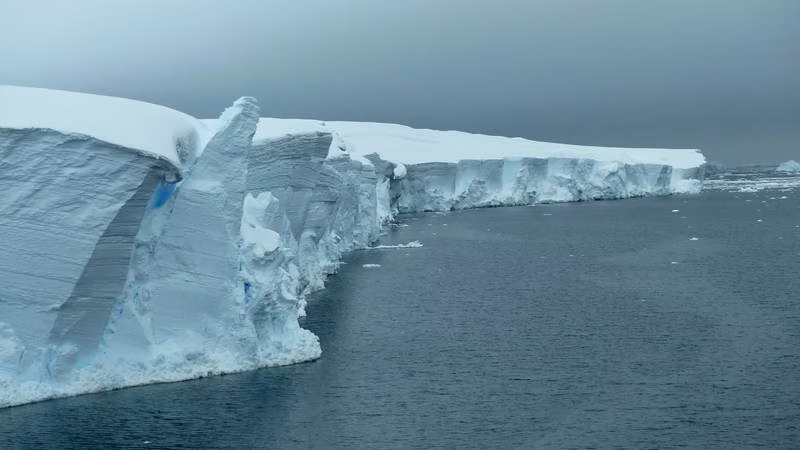
Antarctica holds about 60 per cent of the freshwater in the world and about 90 per cent of Earth’s ice.

At over 14 million square kilometres and 2km thick, the Antarctic ice sheet is the biggest ice block in the world.

One of the new studies looks at the Pine Island Glacier, which flows into a bay in West Antarctica.

Pine Island is Antarctica’s fastest-melting glacier, accounting for a quarter of its ice loss.

Dr Francis said its melting could “destabilise the whole West Antarctica ice sheet”.


Read full article here: https://www-thenationalnews-com.cdn.ampproject.org/c/s/www.thenationalnews.com/uae/2023/06/18/research-by-abu-dhabi-scientists-sheds-light-on-why-antarctica-is-melting/?outputType=amp  

Period One and Two

  1. Hands-on Training Sessions using different simulation modalities:

   – Description: Engage in practical, interactive sessions that provide hands-on experience in various medical procedures and techniques. These sessions are designed to introduce you to fundamental skills and concepts in healthcare. We provide our students with various simulation modalities such as Standaridized patient, low to high fidelity simulators.

  1. Large Group Teaching Sessions:

   – Description: Participate in informative and dynamic teaching sessions conducted in a large group setting, covering a wide range of medical topics and skills. These sessions aim to build a strong foundation of knowledge in the early stages of your medical education.

  1. Small Group Teaching Sessions:

   – Description: Benefit from focused and personalized instruction in small group settings, allowing for enhanced interaction and individualized attention. These sessions provide an opportunity for deeper exploration of medical topics and encourage active learning.

  1. Workshops:

   – Description: Join specialized workshops designed to provide in-depth knowledge and practical skills in specific medical domains or procedures. These workshops complement the theoretical knowledge gained in large group sessions and offer hands-on practice.

Period Three: Acute Care Simulation Training

  1. Acute Care Simulation Training:

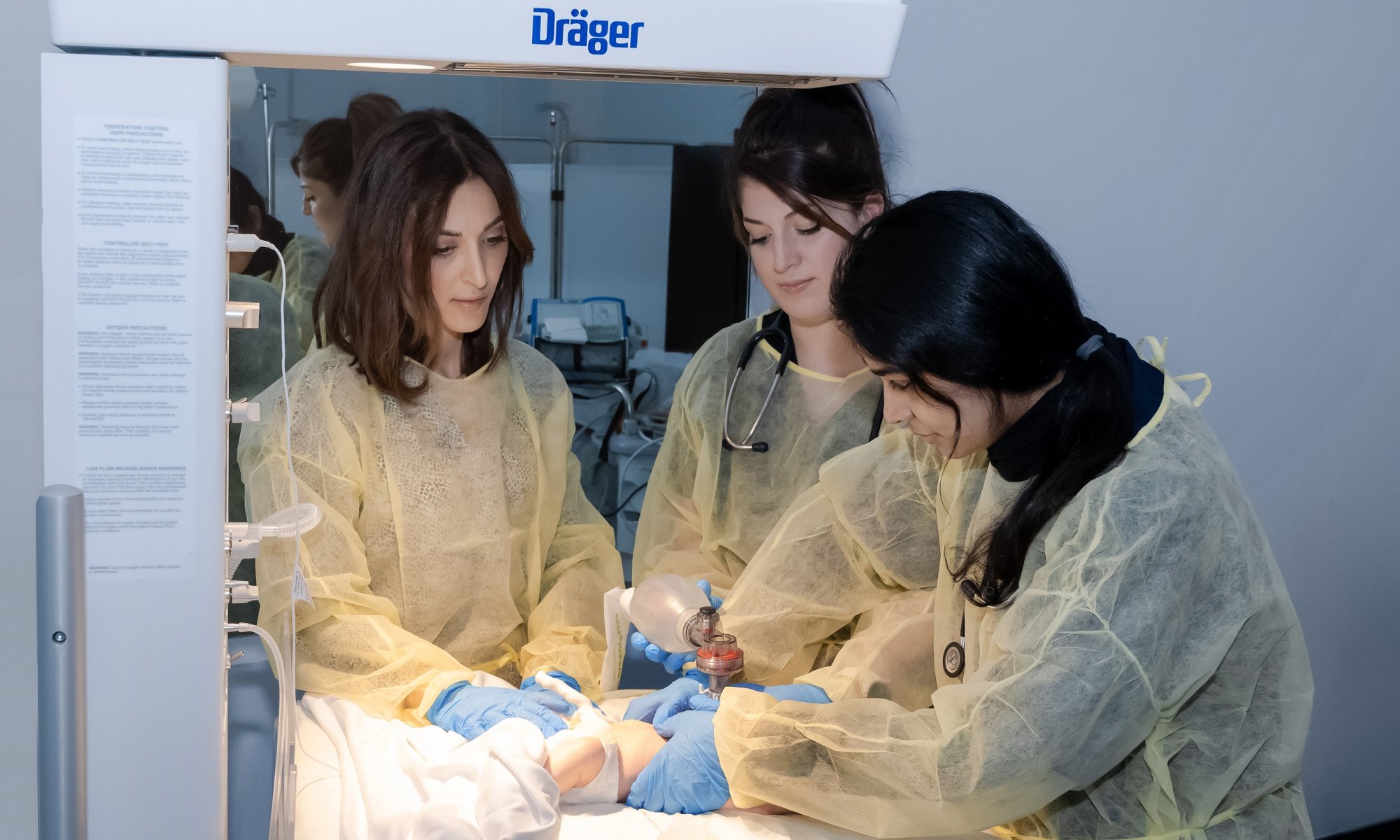
   – Description: Experience realistic simulations of acute care scenarios in our advanced simulation center. These simulations replicate high-pressure situations encountered in emergency medicine and critical care. Through these simulations, you will develop essential skills in managing acute conditions, decision-making, and teamwork.