Roadmap to Decarbonizing Industrial Sector Outlined by Academic Experts

Researchers Including Dr. Steve Griffiths Propose 25% Decrease in Global Industrial Emissions by 2030


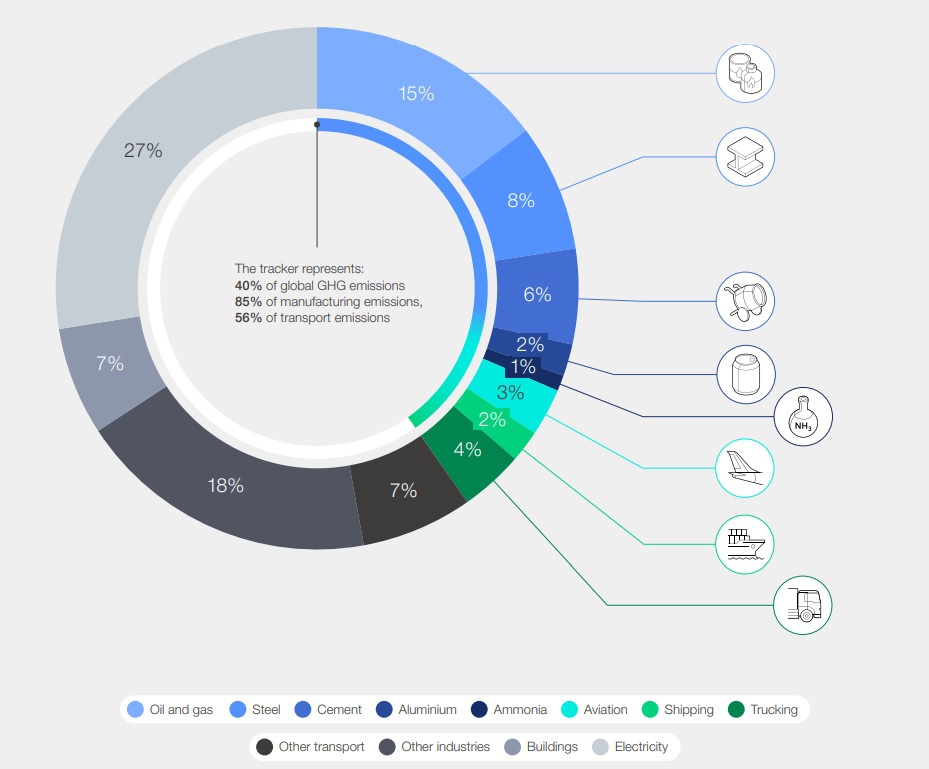
Carbon-intensive industrial sectors such as steel, cement, and chemicals contribute to over 30% of greenhouse gas emissions and therefore it is imperative that the global industrial sector moves towards rapid decarbonization. according to an article published in The Conversation, an online network of not-for-profit media outlets that publishes trustworthy and informative articles written by academic experts for the general public.


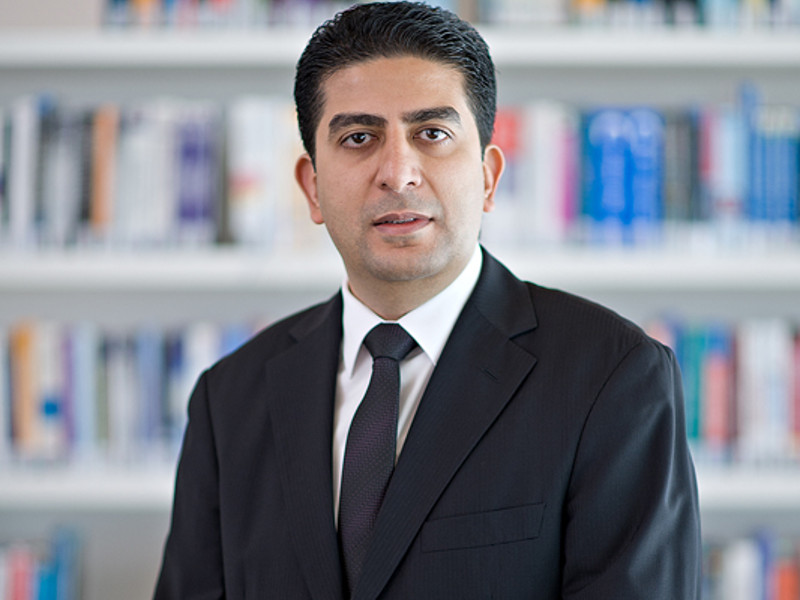
The article titled ‘The path to net-zero emissions runs through industry’ is authored by Dr. Steve Griffiths, Khalifa University’s Senior Vice-President, Research and Development, and Professor of Practice, along with authors Morgan Bazilian, Professor, Public Policy and Director, Payne Institute, Colorado School of Mines, and Benjamin K. Sovacool, Professor, Energy Policy, University of Sussex.


The authors note that global industrial emissions must decrease by 25% by 2030 to be on track for net-zero emissions by 2050, a target embraced by major economies worldwide. This requires an annual decline of 3%, which necessitates substantial financial investments, technology advancements, and political commitment. The publication of this article comes at a critical time, as government leaders and climate negotiators gather in Dubai for COP28 UAE, which aims to address the pressing issue of decarbonizing the global industrial sector.


Promising technologies and innovations, according to the authors, can drive decarbonization in the industry. These include green hydrogen fuel made from clean electricity and water, energy efficiency measures across supply chains, and carbon capture, use and storage.


The article is based on the author’s journal paper titled ‘Six bold steps towards net-zero industry’, which was published in the Energy Research & Social Science, one of the leading global journals in the energy field. The article explores the challenges and solutions for cutting industrial emissions in fast-growing countries lays out a plan of action.


In their journal paper, the authors, along with Dr. Jinsoo Kim, Department of Earth Resources and Environmental Engineering, Hanyang University, Republic of Korea, propose six bold steps for accelerating progress towards net-zero industrial carbon emissions. These steps include ‘scaling up finance’, ‘more technology transfer,’ ‘improved job training’ ‘ensuring a just transition’ and ‘establishing a global treaty’.


They emphasize that these actions should be pursued simultaneously and in an integrated manner, with consideration for the unique context of developing and fast-growing countries, particularly those in Africa, Asia, and Latin America.

Alisha Roy
Science Writer
2 December 2023

Professor Dr. Mohamed El Moursi Elevated to IEEE Grade of Fellow 2024

Less than 0.1% of IEEE Voting Members Selected Annually for Such Grade Elevation  


Khalifa University’s Dr. Mohamed Shawky El Moursi, Deputy Director, Advanced Power and Energy Center (APEC) and Professor, Electrical Engineering and Computer Science, is elevated to IEEE Grade of Fellow effective from 1 January 2024, for his contributions to renewable energy integration and hybrid power grids.


At the November 2023 meeting, the IEEE Board of Directors selected Dr. El Moursi for this rare honor, which is granted to less than 0.1% of the total voting Institute membership in any one year. The IEEE Fellow is a distinction reserved for select IEEE members whose extraordinary accomplishments in any of the IEEE fields of interest are deemed fitting of this prestigious grade elevation. Dr. El Moursi is also a Distinguished Lecturer of IEEE Power and Energy Society (PES).


Dr. El Moursi has so far published 232 scientific articles in top-quality journals and conferences with a record of 126 IEEE Transactions, and has four U.S. patents. He has supervised 32 Master’s and 10 Ph.D. theses. His unique industrial and academic expertise, gained through his positive track record with leading manufacturers in R&D, transmission system operators, and Tier I universities, has enriched his profile. He was remarkably successful in securing the industrial-academic research grants for internally and externally funded research projects from Europe, North America, GCC countries, and South Korea.


Dr. El Moursi said: “Naming as IEEE fellow is an utmost career accomplishment, and it adds more responsibility to envision new ways for advancing the research and development to a new horizon for a wider impact on the academia and industry. I am truly honored for this valuable recognition. This would not have happened without the outstanding performance of my current and graduated students and researchers who are sharing this valuable recognition with me. I would like to express my sincere thanks and gratitude to my esteemed colleagues and Khalifa University leadership for their endless support that paved the way for achieving high quality research works.”


Dr. El Moursi has developed new designs and control strategies for Hybrid AC/DC power grids,  and was an innovator in developing new configurations of converter stations of VSC-HVDC that can isolate the grid fault and achieve smooth power evacuation based on transient management schemes for fault ride-through operation. He also introduced novel control strategies to enhance the inertia response, DC voltage regulation and frequency response/regulation for hybrid AC/DC power grids supported by novel synchronization schemes.


Dr. El Moursi’s work at Khalifa University is directly linked to the COP28 UAE Summit, where the energy transition toward renewable and smart grid is key to future sustainable energy systems.


Dr. El Moursi is also among the 90 faculty members who have earned a place on the 2023 Stanford University World Ranking, which identifies the top 2% most influential researchers worldwide. In 2019, he was also included among the 45 Khalifa University faculty who were recognized in the Stanford University listing of world’s top 2% of scientists.


Currently serving as the Theme Director of Renewable Energy Integration at the Virtual Research Institute (VRI) for Sustainable Energy Production, Storage, and Utilization, Dr. El Moursi has made notable contributions to the field. The VRI focuses on innovative research and development in the realm of sustainable energy, and Dr. El Moursi’s expertise has been instrumental in driving its success.


Earlier, Dr. El Moursi received the Khalifa Award for Education in the ‘higher education’ category, for developing several in-house experimental prototypes and tools, including the novel Stability Assessment, Visualization and Enhancement (SAVE) software based on AI and advanced deterministic techniques. This award is recognized by the UAE’s Ministry of Education and the Arab world, and is offered solely to distinguished professors. Dr. El Moursi and his research team (Dr. Younes Isbeih, Dr. Sudipta Ghosh, Dr. Surour Al Araifi, and Dr. Ahmed Atiah) received first place in the R&D Award category for Universities and Research Centers from the Ministry of Energy and Infrastructure, UAE, for the development of the SAVE software.


Dr. El Moursi has also received other national and international awards, including the UAE Mission Innovation Champion in Vancouver, Canada, Faculty Research Excellence Award for the College of Engineering, and Outstanding Associate Editor award of the IEEE Transaction on Power Systems.


He is an Editor for IEEE Transactions on Smart Grid, IEEE Transactions on Power Delivery, IEEE Transactions on Power System (2017-2023); Guest Editor-in-Chief for a special section of IEEE Transactions on Power Systems and Power Delivery (2019- 2021); Associate Editor for IEEE Transactions on Power Electronics; Regional Editor of IET RPG and Associate Editor for IET Power Electronics. He was elected in 2018 to chair the IEEE PES chapter in UAE after serving more than two years as a Vice Chair (2015-2018).


He was also among the 18 Khalifa University faculty members selected to be part of the second cycle of the prestigious Mohammed Bin Rashid Academy of Scientists (MBRAS), the primary body of the UAE’s science community comprising top researchers from different institutions in the country. Dr. El Moursi received the Faculty Research Excellence Award in 2018, and the Expert and Key Employee Benefits Award in Denmark in 2006.


By Alisha Roy

Science Writer

27 November 2023

Khalifa University’s RIC2D and CMAT in Partnership with France’s Grapheal Announce New Point-of-Care Diagnostic Biosensor Prototype

Khalifa University of Science and Technology’s  Research and Innovation Center for Graphene and 2D Materials (RIC2D) and the Center for Membranes and Advanced Water Technologies (CMAT) and France’s Grapheal today announced the first step of a strategic partnership to industrialize and commercialize graphene-based biosensors in the UAE, and have officially presented the first Minimal Viable Product (MVP) resulting from this cooperation.


This partnership, based on a successful technology developed within Khalifa University’s CMAT labs, and its integration in Grapheal’s proprietary technologies, sets the foundation for joining forces at the point-of-care in consumer environments.


E. Homaid Al Shimmari, Vice-Chairman of the Board of Trustees, Khalifa University, said: “We are sincerely proud of the progress, and support the collaboration brought forth by RIC2D, serving as a beacon to ignite innovation and highlight our profound scientific and deep-tech advancements. Our commitment to nurturing high-caliber deep-tech start-ups is unwavering, aiming to foster a burgeoning new industry in the UAE and make a substantial contribution to our nation’s economic growth in the years ahead.” 


Dr. Vincent Bouchiat, CEO & Cofounder at Grapheal, said: “Grapheal is delighted to have successfully combined its award-winning wireless reading technology with the biosensor platform developed by Khalifa University. We hope that this is the seed of a much broader cooperation aimed at developing a UAE-based biotech industry at the forefront of global innovation.”  


Dr. Shadi W. Hassan, Director, CMAT said: “Khalifa University is pleased to announce the successful integration of its biosensor platform with Grapheal’s acclaimed wireless reading technology. This collaboration marks the beginning of a potentially extensive partnership focused on nurturing a biotechnology sector based in the UAE, poised to lead global innovation efforts.” 


RIC2D has played an instrumental role in identifying and nurturing the opportunity between Khalifa University’s CMAT and Grapheal, facilitating the necessary groundwork and investments to accelerate the building of synergies and commercialization of graphene-based biosensors to proliferate the adaptation of the superior performance of graphene-enhanced products and materials. 


Fahad Mohamed Rashed Alabsi, Director, Commercialization and Special Projects, RIC2D, said: “Khalifa University stands at the forefront of technological innovation, bolstering medical care and enhancing quality of life with our state-of-the-art technologies. At RIC2D, our conviction in the transformative power of 2D Materials across various sectors propels us to transcend boundaries.”

Hydrogel Electrolytes: A Leap Forward for Wearable Tech and Safer Battery Systems

Research into cutting-edge hydrogel electrolytes for zinc metal anodes offers a promising future for wearable devices


In the 15 years since the first health wearables were first released, their realm has rapidly expanded. Roughly one in four adults now uses some kind of fitness tracking device. The market is growing, but these devices are limited by their power supplies: Wearables contain sensors that need plenty of battery power, and batteries can only be so big before the devices are too cumbersome to be appealing to consumers. The demand for flexible and reliable power sources is on the rise, and a team of researchers including Khalifa University’s Prof. Jang Kyo Kim, Department of Mechanical Engineering, has investigated hydrogel electrolytes for flexible zinc-ion batteries to meet this demand.


Prof. Kim collaborated with researchers from the Hong Kong Polytechnic University and Tsinghua University, China, to analyze how the hydrogel bends and compresses with stress. To integrate seamlessly with wearable electronics, these materials must exhibit exceptional mechanical stability. They must endure not just the initial stress of assembly but also the long-term strains of repeated charging and discharging reactions and withstand significant deformation as the devices move with the human body. 


“While extensive studies have been conducted on optimizing the chemical structure and boosting tensile elasticity, the mechanical stability of the hydrogel under repeated deformation is largely overlooked, leading to unsatisfactory performance at large cycling capacity,” Prof. Kim said. “We systematically analyzed the compressive fatigue-resistance properties of the hydrogel electrolyte, revealing the critical roles of the salt and copolymer matrix on how cracks start and develop. This is the first study of its kind to show how hydrogel electrolytes can be engineered to make advanced zinc-ion batteries that can be used in flexible devices.”


The team published their results in Advanced Materials, a top 1% journal for mechanical engineering and materials technology. 


Battery systems for wearable electronics must not only bend and stretch with the body’s movement but also comply with stringent safety standards. Rechargeable aqueous zinc metal batteries offer affordability and safety in next-generation battery systems but aqueous electrolyte solutions aren’t practical for wearables. Replacing the aqueous electrolyte with a hydrogel could be the solution, as the researchers found. 


These hydrogels work by immobilizing free water molecules to reduce their reactivity and curb the issues commonly seen in aqueous electrolytes that compromise the battery’s lifespan. The ideal hydrogel electrolyte also needs to withstand repeated deformation and use. The research team used polyacrylamide-based hydrogels, known for their elasticity, and found the optimal hydrogel using zinc, polyacrylamide and chitosan (C-PAMCS) demonstrated remarkable anti-fatigue properties under repeated compression, with a cyclic lifespan of over 1,500 hours at high current rates and capacities.


“Through systematic studies of zinc anodes employing various hydrogel electrolytes, we showed that the anti-fatigue property plays a vital role in guaranteeing the stability and integrity of the hydrogel. Interestingly, their fatigue damage behavior follows the well-known Miner’s rule which was developed to explain fatigue failure of solid materials like metals,” Prof. Kim said. “Both the salt and polymer matrix significantly affect the mechanical stability of the hydrogel under cyclic compression, and our engineered C-PAMCS stands out as an ideal choice for high-energy zinc anodes. The battery exhibits remarkable flexibility and stability that would be attractive for powering wearable electronics.”

Jade Sterling

Science Writer

29 November 2023

A Cooler Future with More Climate-Friendly Refrigerants

The search for sustainable refrigerants is a delicate balancing act between environmental imperatives and the pragmatics of safety, performance and cost.


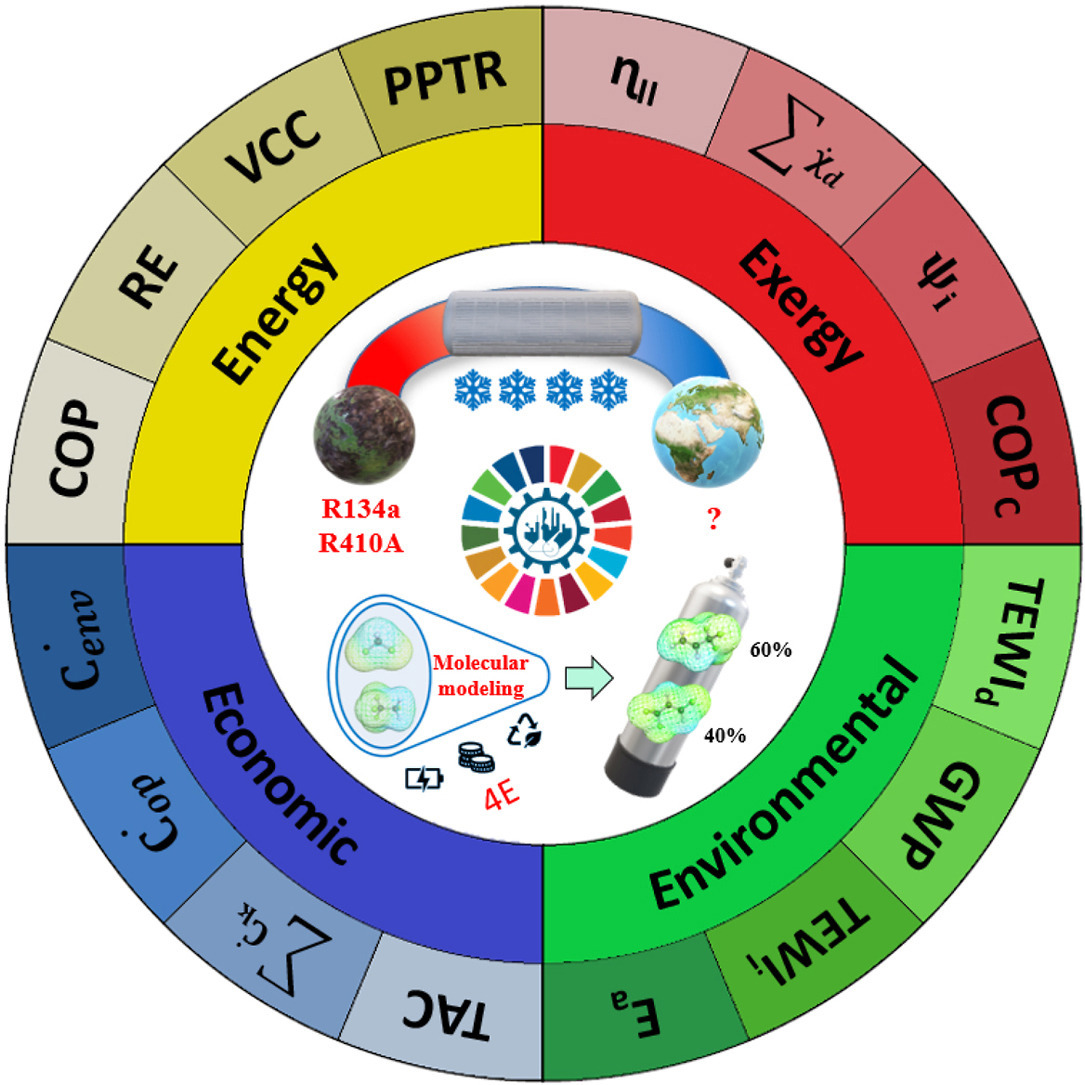
A team of researchers from Khalifa University and Universitat Rovira I Virgili, Spain, has developed a novel integrated approach to evaluate new potential refrigerant blends using a machine-learning algorithm. The team’s approach presents a pathway to identify viable, low global warming potential (GWP) refrigerant blends that can meet the stringent demands of the world’s cooling needs. 


Prof. Lourdes Vega, Director of the KU Research and Innovation Center on CO2 and Hydrogen (RICH), and Dr. Ismail Alkhatib, postdoctoral fellow at the RICH center, collaborated with Carlos Alba and Dr. Felix Llovell to develop the model, with their results published in Renewable and Sustainable Energy Reviews..


Hydrofluorocarbons (HFCs) are non-ozone depleting refrigerants and were introduced as alternatives to the chlorofluorocarbons that were banned in the 1990s for their harmful environmental impacts. However, HFCs come with their own problems. 


The climate impact of a substance is known as its global warming potential (GWP): The lower the GWP, the more climate-friendly the substance is. HFCs have a GWP thousands of times greater than carbon dioxide, making them a significant climate concern despite their low atmospheric concentration. Targeted by rigorous environmental mandates, hydrofluorocarbons are now being phased out and the race is on to find sustainable refrigerants to replace them without compromising efficiency or safety. 


Blended refrigerants have emerged as a compelling solution, offering the flexibility to fine-tune properties to meet the required criteria. 


By judiciously choosing the constituents and their proportions, researchers aim to replicate the performance of widely used HFCs while aligning with strict environmental regulations. Rather than individually test each option, systematic screening using computational simulations can be an efficient way to determine which refrigerant blends have the best potential. 


“Due to global warming and a boost of wealth in tropical regions, the demand for refrigeration and air-conditioning is likely to increase in the coming years,” explained Prof. Vega. “Any new refrigerant must be environmentally friendly, meet safety requirements and offer sufficient technical performance, while being economically affordable.”


Using their model, the team identified 12 potential blends for further technical evaluation. Using their proposed blends could promise a reduction of up to 15 percent in environmental impact, with their GWP up to 1,000 times lower than existing HFCs. 


The research team now plans to experimentally test the validity of their proposed blends for selected application and their scale up for widespread use.

Jade Sterling

Science Writer

29 November 2023

Combining Thermal Energy Storage, Renewable Energy Sources and the Electric Power Grid

New research examines how thermal energy storage solutions can be applied to the traditional power grid to revolutionize decarbonization efforts using renewable energy sources

The surge in variable renewable energy sources such as wind and solar photovoltaics is revolutionizing the power generation landscape. Critical to the decarbonization of electrical power systems, variable renewables are also challenging the traditional ways of balancing energy supply and demand due to their weather-dependent variability. This shift necessitates a robust solution for energy storage: a solution that can not only store excess electricity during periods of low demand but also stabilize the grid against unpredictable fluctuations.


A team of researchers including Khalifa University’s Prof. Matteo Chiesa, head of the Laboratory for Energy and Nano Science (LENS), modeled a real-world electricity system coupled with an existing thermal energy storage concept to show how adding photovoltaic storage systems to existing grids can contribute to the efficient stepwise decarbonization of electric power systems. Their model showed that power availability increases with increasing storage size and vastly increases in carbon dioxide reduction scenarios as the storage unit is used differently. When carbon dioxide emissions are reduced, the power system must be less dependent on the fossil fuel technologies that currently serve the grid and rely more on the power generated by the photovoltaic storage unit.


Prof. Chiesa collaborated with researchers from MIT and the Arctic University of Norway. Their results were published in Applied Energy, a top 1% journal in engineering and environmental science.
“Usually, studies modelling the integration of energy storage into power systems start from a hypothetical clean slate or ‘greenfield’ scenario, which doesn’t always translate effectively into real-world applications,” Prof. Chiesa said. “Our study pragmatically considers the transformation potential of existing electricity infrastructures towards decarbonization.”


By absorbing surplus electricity and dispatching it during demand peaks or production downtimes, energy storage systems ensure a continuous and balanced power supply. They also enable a greater share of cost-effective renewable energy technologies in the energy mix, mitigating the need to curtail renewable generation when it outstrips immediate demand.

While technologies like pumped hydropower storage and compressed air energy storage have been the bulwarks of large-scale energy storage, their geographical locations prompt the need for more universally applicable solutions. Hydrogen storage offers promise for long-term needs but grapples with high capital costs, making it most suitable for seasonal storage. Lithium-ion batteries are perfect for short-term storage but remain prohibitively expensive for multi-day storage, which is critical for full grid decarbonization.


Thermal energy storage (TES) is a promising alternative, showing potential to achieve the low capital costs required for long-term storage. The TES concept differs fundamentally from traditional batteries by storing electricity as heat using materials like graphite blocks. The stored heat is later converted by to electricity using thermophotovoltaics on demand. Despite efficiency losses during this conversion, the overall cost benefits of TES could offer a compelling tradeoff.


“The thermal energy grid storage (TEGS) concept builds on the TES principle but with the complete decoupling of charge and discharge capacities,” Prof. Chiesa said. “This design allows TEGS to store large amounts of energy quickly and discharge steadily over time, ideal for matching the intermittent supply of variable renewable energy sources with consistent demand.”


The research team’s work presents a framework for evaluating the value of integrating TEGS into an existing grid and explores how different storage sizes linked to a photovoltaic plant can enhance power availability and how emission constraints may influence this dynamic. By focusing on a TES unit already operational — albeit at a lab scale — this research suggests a way forward that includes the systematic incorporation of emerging technologies into existing infrastructures, a move that promises a more resilient and sustainable energy future.


While the current model does not account for all grid complexities or the unpredictability of variable renewable energy generation, the team says future research could refine these models to better assist power system planners and policymakers in managing grids and optimizing renewable energy use.


Jade Sterling

Science Write 

28 November 2023


The Energy Dynamics of Urban Areas in the Shift Toward Community-Based Energy Models

How mid- and low-rise areas of the city are shaping the future of sustainable energy 


Accounting for a significant proportion of global electricity usage, the buildings sector is a pivotal player in urban sustainability. With the rise of distributed and renewable energy resources, the concept of buildings not just consuming but also producing energy is a palpable shift toward a greener urban landscape, where buildings are not just static consumers but dynamic “prosumers” of energy. 


New research from Khalifa University, in collaboration with Carleton University, Canada, highlights the performance of different urban areas within the matrix of consumption, self-sufficiency and energy surplus. Dr. Ahmad Mayyas, Assistant Professor of Management Science and Engineering, and PhD students Osama Mussawar and Rahul Rajeevkumar Urs studied urban energy performance under different configuration of prosumer buildings, where they acted communally and individually. Published in Sustainable Cities and Society, a top 1% journal in civil and structural engineering and geography, planning and development, their work reveals that when these areas adopt a community energy model, they not only boost self-consumption rates but also inch closer to a self-sustaining energy profile. 


A community energy model refers to a system in which local energy consumers — a neighborhood, group of buildings, or an entire district — collectively participate in energy generation, distribution, and consumption, rather than relying on large, centralized power plants and consumer roles. It represents a decentralized approach to energy production and management and could be as simple as installing solar panels on the roofs of all buildings within a community.


“We investigated the characteristic impact of built form and function on the performance potential of urban energy communities towards achieving sustainability goals such as net-zero and self-sufficiency,” Dr. Mayyas said. “We used an agent-based model that couples the energy demand and supply of buildings with the urban built context and considers both the community and individual modes of energy supply and demand in an urban area.”


Research is shifting from focusing on individual energy-efficient buildings to ambitious urban-scale sustainability goals like net-zero energy communities and positive energy districts. These concepts pivot around the understanding that the entire built environment is an intricate composition of building form and function that dictates the energy narrative of an urban area. 


“In urban areas with prosumer buildings, the manner in which energy supply and demand are matched – through aggregation or collaborative sharing – is just as influential as the built environment in determining energy outcomes,” Dr. Mayyas said. “The concept of energy communities encapsulates a collaborative spirit, one underpinned by social responsibility and ecological innovation, where the urban populace and utilities unite to optimize local renewable energy use and minimize environmental impact.”


The research team’s case study focused on urban areas in the United States, exploring the potential of these vertical landscapes to meet their energy needs sustainably. Using real urban contexts, contrasting climates, and a view of the form and function of high-rise buildings, the study delves into the energy dynamics of these areas, considering both the community and individual configurations of prosumer buildings, and assesses their performance across a range of metrics.


A community configuration does more than just enhance energy self-consumption, it also reduces dependency on central grids. The economic implications are substantial, with energy cost savings in mid-rise communities outstripping those in high-rise communities. These savings are underpinned by the lower costs of local energy supplies and diminished energy purchases from the grid. 


Low-rise urban areas follow a similar trajectory. Here, community energy configurations offer even more potential but the challenge for these areas remains in managing surplus energy. However, the economic upside is significant as community models help avoid steep energy costs associated with individual operations, especially in predominantly residential settings. 


The climate adds another layer to this complex energy puzzle: A hot climate boosts the performance of all urban areas, amplifying self-sufficiency while also escalating the surplus energy challenge, suggesting a regional dimension to sustainable energy planning. 


“In a warmer climate, energy communities are not just environmentally prudent but economically advantageous,” Dr. Mayyas said. “The built environment’s form and function profoundly influence urban energy sustainability. High-rise areas, with their dense commercial composition, glean minimal benefit from community modes due to their already high energy demand. Conversely, the potential for improved self-sufficiency blossoms in the less dense mid- and low-rise configurations, with their diverse mix of residential and commercial buildings.”


The transition to a community energy model is not without its challenges. Technical and commercial hurdles, including the need for micro-grid integration and the complex interplay of interests between prosumers and grid operators, must be navigated carefully. However, as urban planners, policymakers, and stakeholders ponder the shift towards more sustainable, community-focused energy models, this study offers a glimpse into the promise and challenges of reimagining high-rise urban areas as frontrunners in the energy revolution.

Jade Sterling

Science Writer

27 November 2023

Navigating the Future of Urban Transit with Battery Electric Buses

Research develops model for integrating battery electric buses into urban networks considering optimization for cost, utility and emissions


As urban centers grapple with the twin challenges of air pollution and climate change, electrifying public transport has emerged as a key strategy. Battery electric buses (BEBs) stand at the forefront of this transformation, promising a quieter, cleaner, and more sustainable future for city transit systems. 


BEBs are emerging as the preferred option for urban transit due to their zero tailpipe emissions, energy efficiency and reduced noise pollution. 


A team of researchers including Khalifa University’s Prof. Ehab El-Saadany, Director of the Advanced Power and Energy Center, recognized the challenges facing the implementation of electric buses and developed a generic optimization model for cost, utility impact, and greenhouse gas emissions. The model optimizes the sizing and location of charging infrastructure, onboard battery capacity, and charging schedule, and contributes to ongoing research efforts to advance the use of BEBs in urban transit. The model also offers numerous contributions for charging-system design and scheduling, with results published in Energy. 


Despite BEB representing nearly 4.5% of all bus sales in 2022 , BEBs face hurdles to continued adoption, particularly regarding how long they can operate between charges. This is known as their availability ratio. En-route opportunity charging offers a solution, allowing for uninterrupted service without large onboard batteries. However, these fast-charging methods can strain power grids and incur higher costs if conducted during peak electricity demand periods. 


The research team applied its model to Guelph, a complex multi-hub transport network in Ontario, Canada. The model developed is a sophisticated optimization model that balances cost, utility, and emission factors for battery electric buses, including a detailed analysis of fleet configurations, charging schedules, and infrastructure needs. It operates within the constraints of the utility grid, considering electricity tariffs and associated greenhouse gas emissions. 


“The ideal BEB system for Guelph requires seven charging stations and a uniform fleet of 55 buses each with a 150 kWh battery,” Prof. El-Saadany said. “It shows a substantial annual system cost, with the fleet itself being the largest expenditure. Still, operational costs, primarily driven by electricity, are also significant, suggesting that better electricity rates could yield considerable savings.”


The model demonstrated practicality and flexibility when applied to Guelph, strategically selecting charging-station locations shared by multiple routes and optimally combining en-route with overnight charging strategies to minimize costs and ensure system efficiency. 


“The proposed charging strategy in our model satisfies several concepts: All chargers are shared between buses, each bus can choose to charge from any of the available chargers (with different power ratings) along their routes, partial charging is possible, and each charging event should be continuous,” Prof. El-Saadany said. “All these concepts ensure that the resulting charging strategy is reliable and optimizes the utilization of resources.”


The model’s adaptability to transit-specific data standards bodes well for widespread application but the research team recognizes further research is needed to incorporate operational uncertainties, the robustness of the transit system under disruptions, and the effects of battery degradation over time. 


Integrating battery electricity buses demands meticulous planning and optimization. This study’s model offers a robust framework for transit authorities to design and implement BEB systems that are cost-effective, environmentally friendly and reliable.

Jade Sterling 
Science Writer 
24 November 2023

Khalifa University Installs Flight Simulator for Enhanced Aerospace Engineering Education

 Research Capabilities Combined with Industry Experience to Help Drive Innovation, Efficiency, and Safety in Aerospace Sector

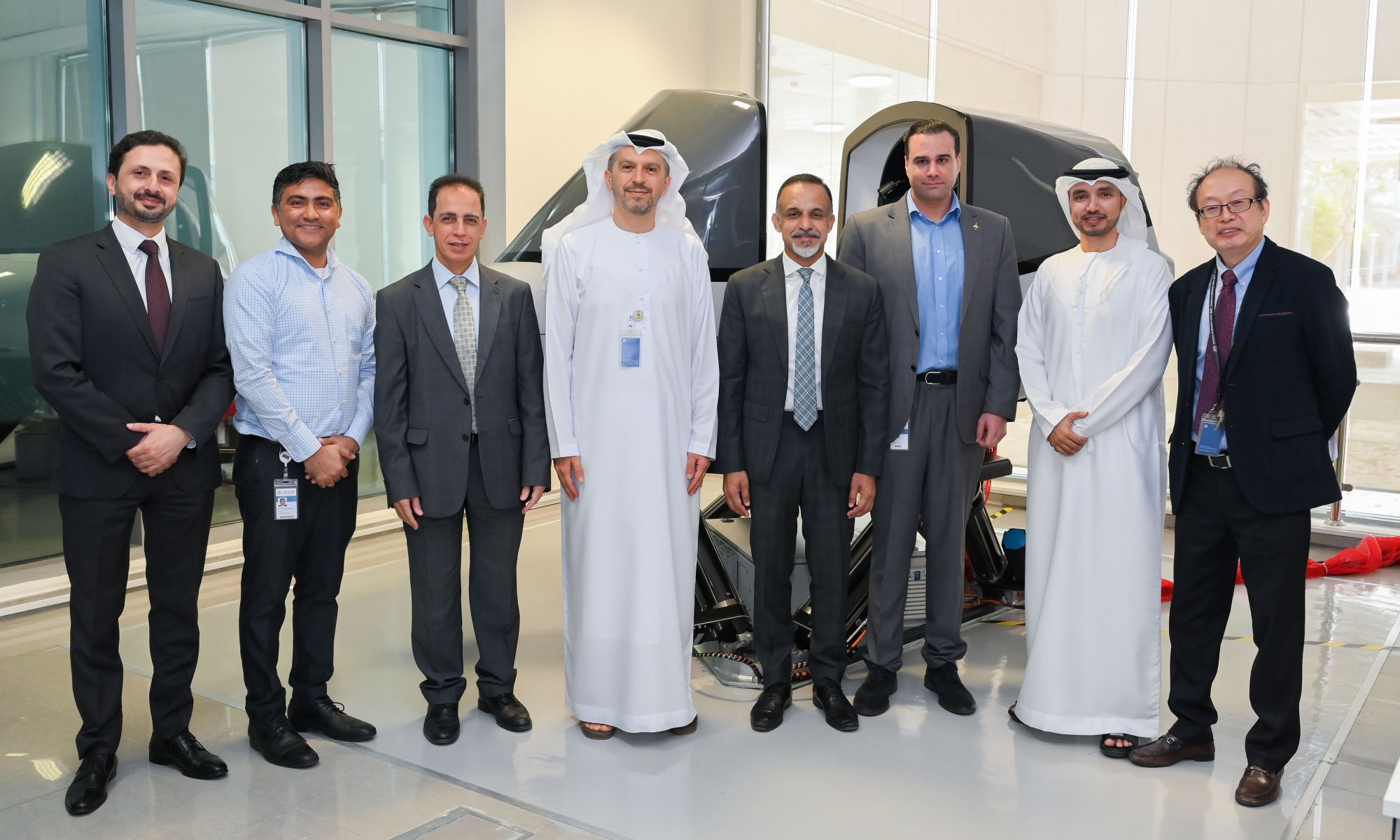
Khalifa University of Science and Technology and Boeing today announced they have installed a flight simulator to support students studying Aerospace Engineering at the University. Since 2020, Boeing has been supporting the university’s Aerospace Engineering curriculum to foster opportunities for aspiring engineers and scientists in the UAE.

Dr. Arif Sultan Al Hammadi, Executive Vice-President, Khalifa University, said: “We are delighted to reaffirm our partnership with Boeing, a global leader in aerospace, for their support to install the immersive flight simulator at our Main Campus. This reflects our shared commitment to shaping the future of aviation and pushing the boundaries of innovation, and conducting groundbreaking research in the field of aerospace engineering. By leveraging Boeing’s knowledge and expertise, Khalifa University offers students an opportunity to develop their skills and help transform the aviation and aerospace industry, not only in the UAE but also globally.”

Kuljit Ghata-Aura, Boeing president in the Middle East, Türkiye and Africa, added: “Our partnership with Khalifa University underlines our commitment to developing education and training which will meet the future needs of the aerospace industry in the UAE. We’re proud to support the installation of this new flight simulator, providing students with a hands-on experience that will enrich their learning and support student research projects.”   

The educational flight simulator, a pivotal laboratory facility at Khalifa University’s Aerospace Engineering department, serves as both a familiarization tool for junior undergraduate students, and a study and research facility for senior undergraduate and postgraduate students. Students get to learn using the standard academic equations, while the latest commercial aircraft controls, enhancing their understanding of aircraft operation, avionics, flight software has a built-in editor for entering aerodynamic geometry and airfoil datadynamics, and flight safety.

Khalifa University with support from Boeing earlier opened a 3D-printing composite materials facility and installed other equipment to enhance students’ experience. Furthermore, Boeing funds senior design projects of students and engagements to attract best talent to study aerospace engineering at Khalifa University.

UAE entities launch first-of-its-kind research consortium for renewable and advanced aviation fuels

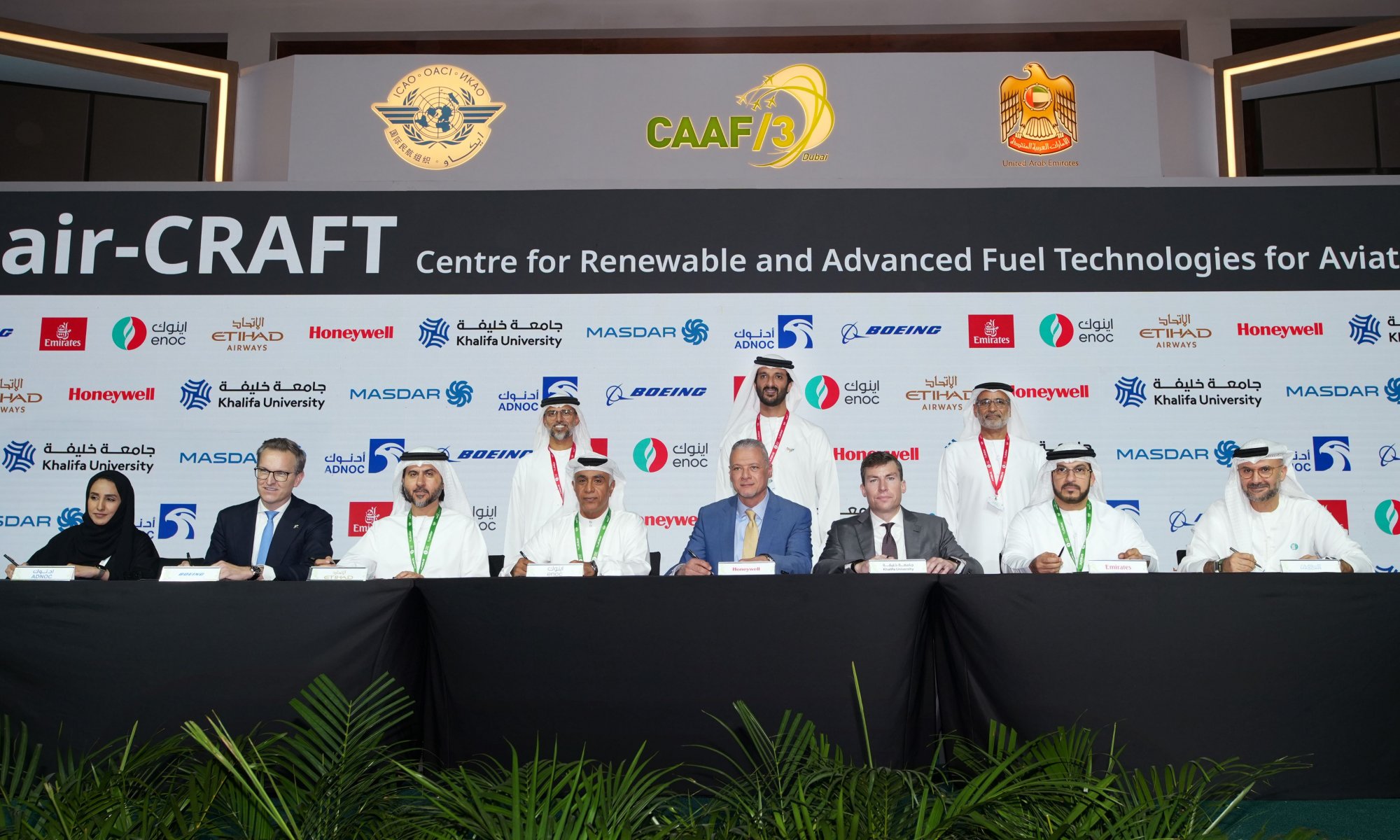
The consortium, Air-CRAFT, is supported by the UAE Ministry of Energy and Infrastructure and UAE General Civil Aviation Authority, and comprises eight founding entities: ADNOC, Boeing, Emirates, ENOC Group, Etihad, Honeywell, Khalifa University, Masdar. 


In the UAE Year of Sustainability, and at the 3rd ICAO Conference on Aviation and Alternative Fuels (CAAF/3) was held in Dubai, eight founding entities announced the launch of the “Air-CRAFT” initiative – a UAE based research consortium focused on developing, producing, and scaling sustainable aviation fuel (SAF) technologies.


Air-CRAFT, or the UAE Centre for Renewable and Advanced Fuel Technologies for Aviation, is a first-of-its-kind initiative that will bring together entities across the value chain – industrial policy makers, aviation regulators, fuel producers, academia and researchers, aircraft and powerplant manufacturers, and airline operators. While based in the UAE, the consortium will also engage with, and welcome the participation of relevant international entities as it progresses. The new initiative was announced on the sidelines of CAAF/3 today and ahead of COP28.


Air-CRAFT is supported by the UAE Ministry of Energy and Infrastructure. “The aviation sector holds great importance as a key contributor to the GDP and as a target sector for our robust decarbonization drive,” said His Excellency Suhail Mohamed Al Mazrouei, Minister of Energy and Infrastructure. “The UAE has committed to reaching net zero by 2050, and this goal can only be achieved by slashing the emissions across the board. Air-CRAFT will go a long way in supporting the decarbonization of the aviation sector, helping to make it resilient and sustainable well into the future.”


His Excellency Abdulla bin Touq Al Marri, Minister of Economy of the UAE and Chairman of the GCAA said: Introducing ‘Air-CRAFT’ at CAAF3 in Dubai emphasizes the UAE’s commitment to accelerate sustainable aviation fuel (SAF) production, uniting government, private sector, and academia for a collective push toward sustainable aviation practice”. Bin Touq adds, “Aligned with the net-zero emissions goal by 2050, this consortium, the largest and most unique in the SAF industry, represents a substantial stride towards greener aviation future, and we look forward to making a significant positive impact through it”.


The collaboration is in support of the UAE’s National SAF Roadmap principles and the commercial aviation industry’s goal of net zero emissions by 2050. At CAAF/3 today, senior representatives from the eight consortium entities signed a strategic collaboration agreement to kickstart the Air-CRAFT initiative.


Potential research topics at Air-CRAFT include environmental impact assessments, feedstock and process optimization, and techno-economic assessments. Air-CRAFT will also establish relevant links with other academic and research institutions in the UAE and internationally.


The U.S. government supports Air-CRAFT being linked to the intergovernmental US-UAE ‘Partnership to Accelerate Transition to Clean Energy’ (PACE) agreement.


The consortium’s industrial and institutional partners will provide market demand, expertise, and technology to support research into the production of alternative fuels for the aviation sector, and extends an open invitation to UAE and international entities to join the consortium. Air-CRAFT is already in advanced discussions with key and strategic global players to be announced in due course.


Hanan Balalaa, Senior Vice President, New Energies, ADNOC, said: “The world needs to accelerate the pace of progress towards net zero and this requires us to decarbonize core sectors such as aviation. Collaboration and innovation will be key to addressing all emissions and ADNOC is already working with our customers to help them transition to new energies. The launch of Air-CRAFT supports this objective and we look forward to working with our partners to unlock sustainable aviation fuel technologies that can decarbonize the sector faster.”


Brian Moran, vice president, Global Sustainability Policy and Partnerships at Boeing, said: “Scaling SAF is central to aviation achieving its net zero commitment by the middle of the century. Building a thriving local SAF economy requires collaboration across the value chain and we are honoured to have helped catalyse and now work with this esteemed group on Air-CRAFT to further spark SAF innovation in the UAE and beyond.”


Sheikh Majid Al Mualla, Divisional Senior VP for International Affairs, Emirates Airline, said: “Emirates supports initiatives that contribute to the deployment of SAF. We’ve contributed to the development of the UAE’s National SAF Roadmap and power-to-liquids fuel roadmaps, and believe the UAE is uniquely placed to lead in this space with its policies, technology and infrastructure capabilities. We see Air-CRAFT as a solid platform to progress the National SAF roadmap into reality, and we are proud to be one of the launch entities.”


His Excellency Saif Humaid Al Falasi, Group CEO at ENOC, said: “We are proud to join hands with key industry leaders in launching Air-CRAFT, a ground-breaking initiative that underscores our commitment to advancing sustainable aviation fuels. Through collaborative research and innovation, we aim to propel the aviation industry towards a greener future, aligning with the UAE’s vision and unwavering pursuit of sustainability and environmental stewardship.”


Mohammad Al Bulooki, Chief Operating Officer, Etihad Airways, said: “Etihad applauds the development and assembly of the Air-CRAFT MoU and stands proudly alongside our partners for this announcement. For more than a decade, Etihad has committed to pioneering the development of SAF supply chains in the UAE and beyond, and since 2019, with the deployment of the Etihad Boeing Greenliner Programme, has driven an industry-leading sustainability initiative which targets all areas of our value chain. With Air-CRAFT, the Etihad ethos of partnerships and collaboration, and pursuit of the million little things continues strongly, under the banner of sustainability and the UAE.”


Mohammed Mohaisen, President and CEO Middle East and North Africa, Honeywell, said: “Honeywell is a trusted technology partner to the aviation and energy sectors, sharing the common goal of decarbonizing the future of air travel. Our suite of technologies enables SAF producers to capitalize on a range of non-competing feedstocks, including waste fats, used oils and greases, biomass, ethanol, methanol and captured carbon dioxide, and we are fully committed to accelerating the local production and deployment of SAF in the UAE. Underscoring this commitment, we are proud to form Air-CRAFT alongside our valued partners to support the UAE’s National SAF roadmap and advance its leadership in this critical innovation.”


Dr. Steven Griffiths, Senior Vice-President, Research and Development, and Professor of Practice, Khalifa University, said: “Khalifa University places the UAE’s energy transition at the core of its strategy. Given the critical importance of aviation to the UAE economy, the Air-CRAFT initiative therefore aligns seamlessly with our research agenda. Khalifa University looks forward to serving as the cornerstone of Air-CRAFT’s research, technology development and human capital development activities.”


Mohammad Abdelqader El Ramahi, Chief Green Hydrogen Officer for Masdar, said: “As the UAE’s clean energy champion, Masdar is delighted to support this initiative to accelerate innovation in and adoption of SAFs. Sustainable fuels have enormous potential to decarbonize hard-to-abate sectors. Masdar looks forward to working in collaboration and partnership with Air-CRAFT members to advance research and scale to deliver against the National SAF Roadmap, as well as continuing to drive our green hydrogen business which will be fundamental to the wider commercial production of SAFs and a key element of the UAE Energy Strategy 2050.”


More about the UAE’s decarbonisation efforts

The UAE is a global energy leader actively pursuing the decarbonization of its economy. It was the first country in the Gulf region to sign the Paris Agreement and the first country in the Middle East and North Africa to commit to reaching net zero emissions by 2050. It is also the host of COP28, and has declared 2023 as the Year of Sustainability in the country.


The biggest decarbonization lever available to the aviation industry is the adoption of SAF. For long-haul commercial flights in particular, no other technology platform is expected to significantly contribute to carbon neutrality goals in the next three decades at least, due to cost, technical or regulatory barriers.


Despite its critical role in decarbonization pathways for the aviation sector, SAF is supply-constrained and needs to be scaled rapidly.


The UAE Ministry of Energy and Infrastructure has published the National SAF Roadmap which has five principles to guide the industry in accelerating the decarbonization of the sector and transform it into a regional hub for alternative aviation fuels. The five principles are:

1. Establishing the Ambition: 700 million liters of SAF by 2030

2. Accelerating SAF Technology Deployment and Innovation

3. Developing the National Regulatory Environment for SAF

4. Building Local Capacity to Boost In-Country Value

5. Leading International Collaboration

The Center for Renewable and Advanced Fuel Technologies for Aviation (Air-CRAFT) will pursue the industrialization of SAF production and create an ecosystem to address the five principles of the National SAF Roadmap.


Ankabut at Khalifa University Receives Four ISO Certifications, Reinforcing Commitment to Excellence in Offering IT Services

Implementing ISO Standards in Quality, Service, Security, and Business Continuity Management System Aligns Ankabut with Global Standards and Instills Customer Confidence


Ankabut, the UAE’s Advanced National Research and Education Network offering academic institutions connectivity to education networks around the world, today announced it has received four prestigious ISO certifications.


The certifications, namely ISO 9001 (QMS) Quality Management System, ISO 20000 (ITSMS) IT Service Management System, ISO 27001 (ISMS) Information Security Management System, and ISO 22301 (BCMS) Business Continuity Management System, underscore Ankabut’ s commitment to enhance customer experience.


Fahem Al Nuaimi, CEO, Ankabut, said: “As a prominent player in the IT services sector, we always strive to adhere to industry best practices, optimizing our processes, enhancing service quality, and surpassing customer expectations. Consequently, we have diligently pursued and successfully attained these four ISO standards, and with great pride, we announce that we have succeeded. We expect that this major achievement will provide the assurance to our valued customers that our processes comply with international standards. This will also keep Ankabut in the correct path of being under continuous improvements to maintain compliance.”


Ankabut’ s achievement of these certifications reflects its commitment to make services efficient in IT, Cloud, Application, and Information Security. By aligning with industry best practices and implementing these standards, Ankabut is able to solidify its position as a trusted partner for businesses seeking reliable and high-quality IT solutions.


For Ankabut, implementation of these four ISO standards was not a mere checklist exercise as it has integrated them into its management system, ensuring process efficiency. The external audit was done by Bureau Veritas, an accredited certification body, thus assuring customers that Ankabut ‘s processes align with international standards.


With these certifications, Ankabut is now poised to take its services to even greater heights. Future plans involve following the updated processes outlined in the ISO standards, including the setting up of continuous improvement programs to improve operational processes, and prioritizing customer feedback and requirements to consistently exceed expectations.


Ankabut has more than 26 institutional members with connections to over 66 sites throughout the UAE, and offers UAE academic and research institutions connectivity to other education networks worldwide. Also with the new Ankabut vision, the provision of IT service to the public and private business organization in UAE.

Khalifa University and China’s Aviation Products and Technology Company Sign MoU to Establish CATIC-KU Joint Lab

Partnership to Cover Exchange of Researchers and Students, Industrial Internships, and Support for Student-Oriented Activities, including Senior Design Projects  


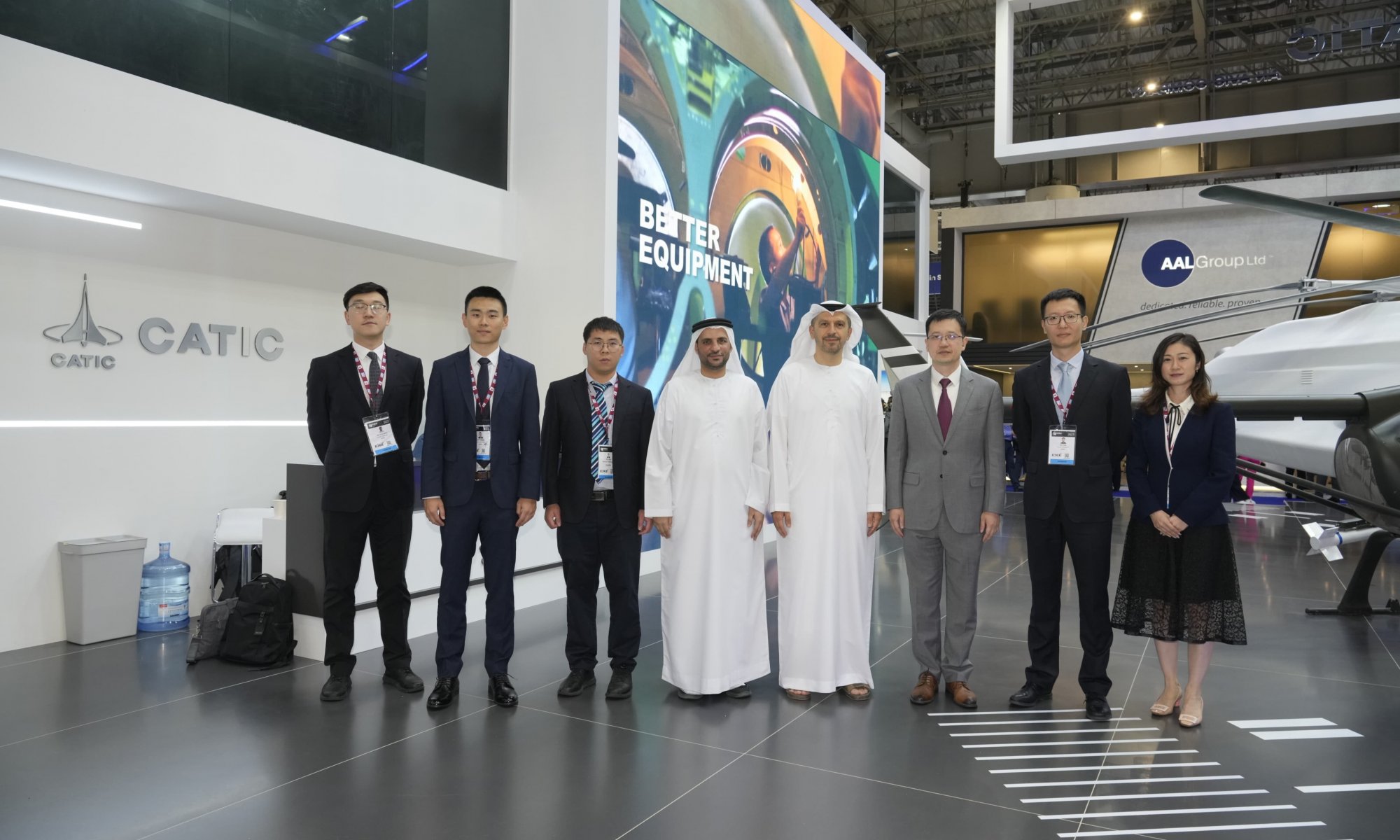
Khalifa University of Science and Technology and the China National Aero-Technology Import and Export Corporation (CATIC) today announced they have signed a memorandum of understanding (MoU) to establish a ‘CATIC-KU Joint Lab’ and facilitate talent exchange of researchers and students. 


The MoU was signed by, Dr. Arif Sultan Al Hammadi, Executive Vice-President, Khalifa University, and Wang Donghua, Managing Director of Sales Division, CATIC, in the presence of Quan Xin, Senior Project Manager, Fiona, Senior Project Manager, and Zhang Jinyu,  Representative, CATIC Gulf Office. The MoU will also assess the viability and feasibility of jointly addressing opportunities in areas related to aerospace technology, as well as support related educational programs. 


Dr. Arif Sultan Al Hammadi: “We are pleased to enter into this partnership with CATIC and ensure that Khalifa University’s academic activities focusing on aerospace programs receive a major impetus to achieve further innovation. The exchange of expertise and sharing of knowledge between both partners will definitely lead to extraordinary outcomes that will benefit the aviation and aerospace sectors. We also believe this collaboration will prove immensely beneficial to students who will acquire special skills in niche areas.”


Wang Donghua said: “CATIC is a Chinese state-owned company that is devoted to building itself as a business destination to share Chinese aviation products and technology with the world as well as bringing peace to the world through its own efforts. This chance to cooperate with Khalifa University will be a good opportunity to achieve something special between the two country’s aviation and aerospace research and educational area. As a strategic cooperation partner of UAE, CATIC feels excited about this collaboration.”


The CATIC-KU Joint Lab will donate lab equipment to support student and faculty research in aerospace-related projects, as well as jointly sponsor international student competitions in areas connected with aerospace. It will also support student-oriented project activities, including Senior Design Projects (SDPs). 


In addition, the joint lab will enable an industrial internship and exchange program at the CATIC facility in China for Khalifa University’s undergraduate and postgraduate students. Similarly, faculty and researchers from Khalifa University will have access to the CATIC facility to conduct joint research. 


Moreover, a number of emerging technical challenges in aerospace sectors will also be addressed jointly through the CATIC-KU Working Group, which will comprise faculty and researchers from Khalifa University and researchers from CATIC. Current areas of research interest include AI-based air vehicle systems, advanced aero-structures and materials, and innovative sensing and detection.