

A Window into the Future of Sustainable Building Design 


Researchers have developed new multifunctional windows combining solar power generation and thermal insulation to improve energy efficiency and comfort in buildings. 


Listen now: A Window into Sustainable Design!

Buildings account for more than a third of global energy use, with inefficient windows often to blame for significant heating and cooling losses. The multifunctional window offers a transformative answer. These innovative windows combine solar panels and advanced selective liquid filters to both generate electricity and heat, provide daylighting, and improve indoor thermal insulation, turning windows into energy-saving building envelopes.  


A team of researchers from Khalifa University’s Mechanical and Nuclear Engineering Department, led by Dr. Mohamed Hassan Ali, has developed a multifunctional window that takes full advantage of solar spectrum, improves power generation, decreases energy consumption for air conditioning, stabilizes thermal performance, and boosts indoor comfort. The team tested their window in tough weather conditions and demonstrated “outstanding performance”. They published their results in Applied Energy, a top 1% journal.  


“These windows are a leap forward in green building design,” Dr. Ali said. “They don’t just save energy; they actively produce it while improving indoor comfort.” 


Semi-transparent photovoltaic cells harness sunlight to produce electricity while selective liquid filters absorb unwanted heat and let visible light through. Together, these components balance energy generation and indoor comfort, reducing heating, cooling and lighting demands in buildings.  


Simulations and experiments reveal that multifunctional windows outperform traditional windows, providing up to four times more energy efficiency in hot climates. They stabilize indoor temperatures, reduce solar heat gain and enhance daylight use, making them ideal for high-rise buildings and zero-energy designs.  


Dr. Nilesh

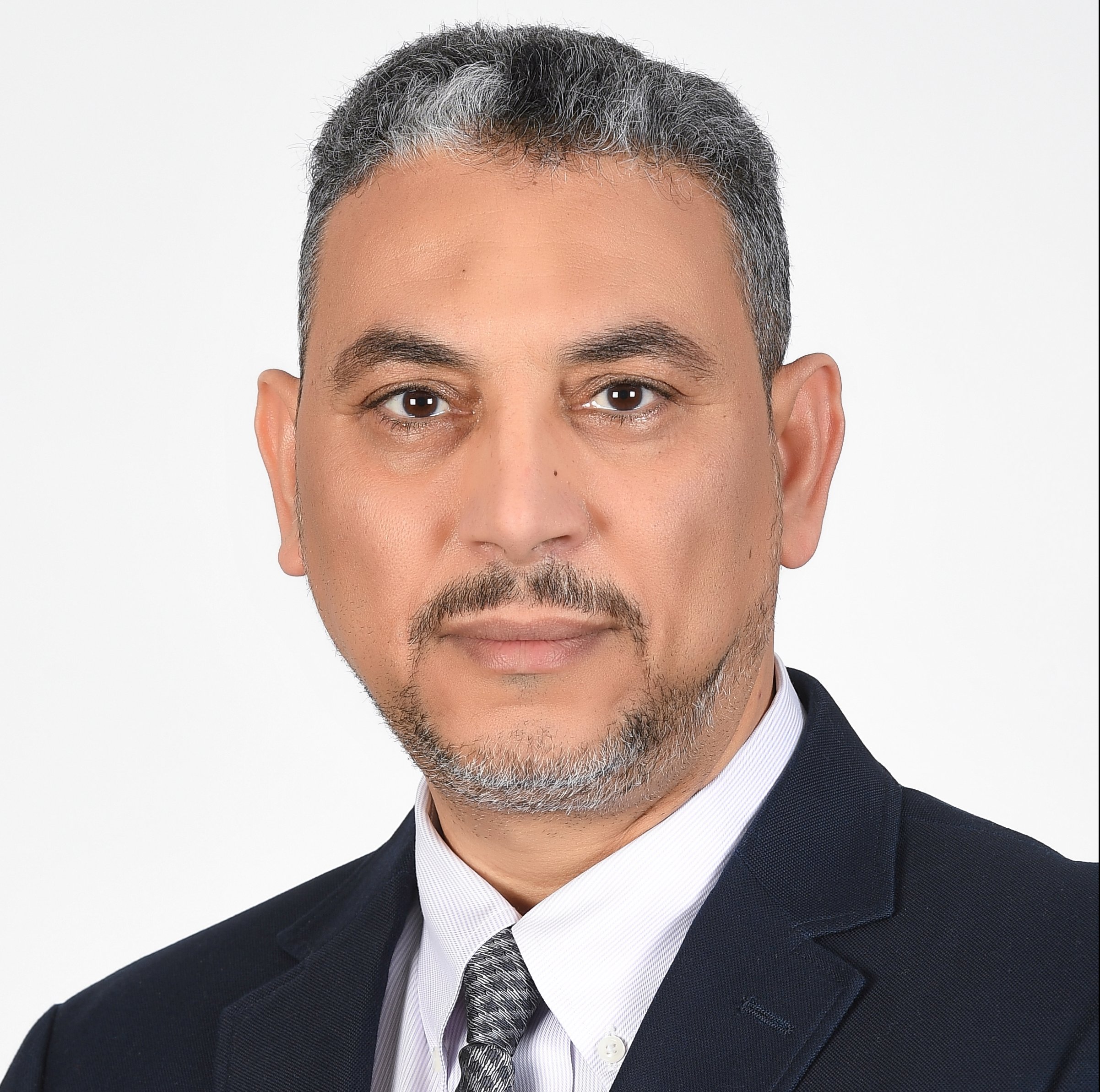
“Our new multifunctional windows transform the way we think about building design. They generate electricity, conserve energy, and enhance comfort—all while making the most of the solar spectrum.”

Dr. Mohamed Ibrahim Ali, Associate Professor, Mechanical & Nuclear Engineering, Khalifa University.


The researchers also explored different configurations, including adaptations for winter climates, showing that the windows can direct heat indoors during colder months. This adaptability makes multifunctional windows a versatile solution for year-round energy savings.  


“This innovation brings us closer to the vision of zero-energy buildings,” Dr. Ali said. “It’s not just about utilizing solar energy; it’s about turning every window into a tool for sustainability.” 


Despite their promise, the technology faces hurdles such as material durability and high production costs. Future work will focus on addressing these challenges, paving the way for broader adoption in residential and commercial buildings.  


Jade Sterling
Science Writer
Khalifa University Faculty Delivers Keynote on Innovations in Medical Devices at 36th IEEE ICM Conference  

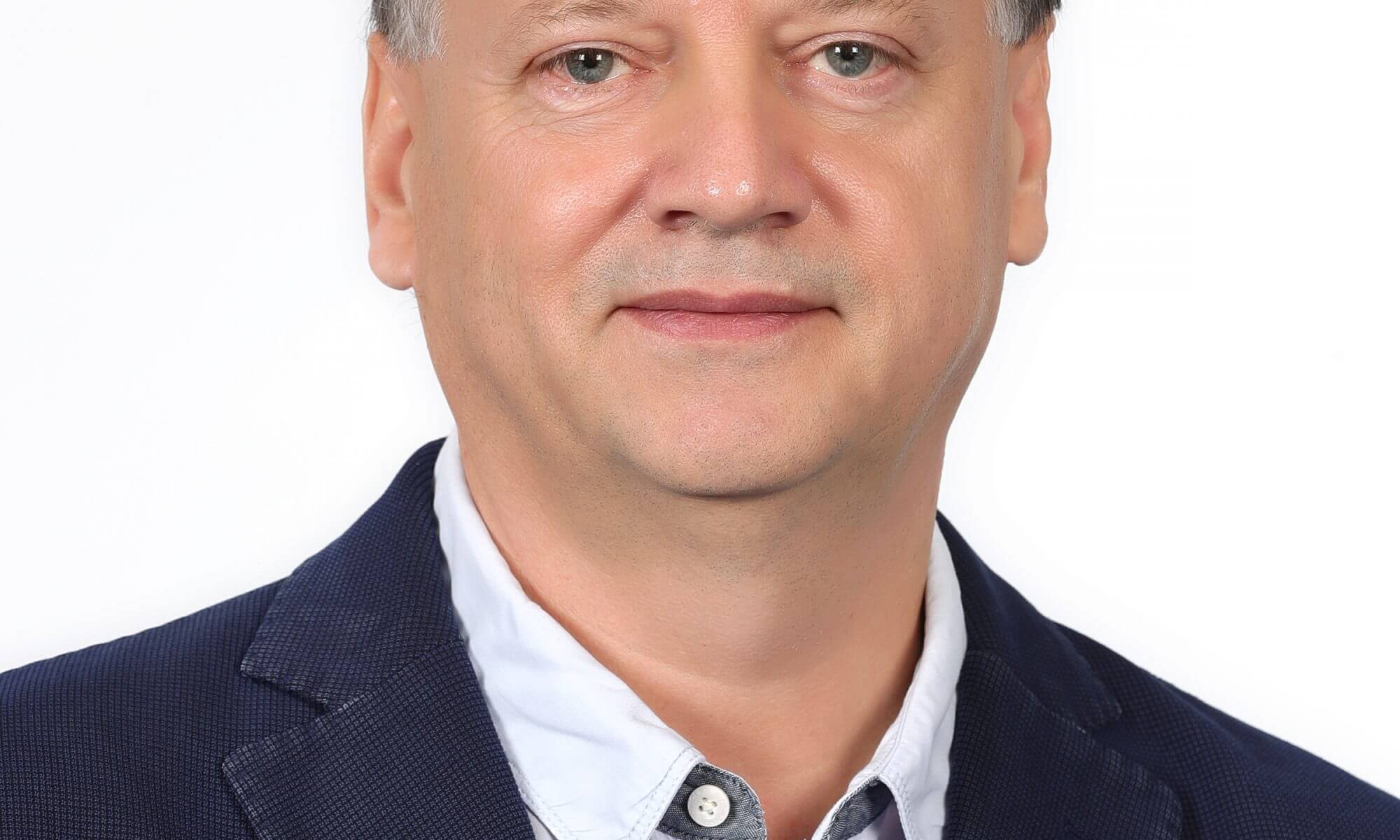
A talk on ‘Medical Devices at mm-Waves: Vital Signs Monitoring and Non-Invasive Glucometer’ was delivered at the IEEE International Conference on Microwaves (ICM) 2024 in Qatar by Dr. Mihai Sanduleanu, Associate Professor, Electrical Engineering at Khalifa University. 


In his keynote address, Dr. Sanduleanu presented advancements in millimeter (mm)-wave technology, which uses high-frequency radio waves to better monitor vital signs and glucose levels. The presentation also emphasized Khalifa University’s strong expertise in designing radio frequency integrated circuits (RF IC), terahertz (THz) technology, radar systems, and medical devices.  


Sub-millimeter wave frequencies provide more available bandwidth for improved accuracy and distance measurement in monitoring vital signs. This innovation allows for the clear capture of heart signals, including important components that reflect the heart’s electrical activity, leading to a wireless ECG solution that replaces the bulky 12-wire systems used today. Additionally, having antennas built directly into the chip removes the need for extra connections, making device design simpler. 


The IEEE ICM 2024 conference was themed ‘Innovations in Circuits and Systems for a Sustainable Future’ and included oral, poster sessions and tutorials. Participants included global experts to discuss cutting-edge developments in microwave technology from Africa, Europe, and the Middle East. 


Holder of 53 US patents Dr. Sanduleanu currently serves on the Editorial Board of the Analog Integrated Circuits and Signal Processing Journal and Electronics and Signal Processing. Earlier, he has served as Associate Editor for IEEE Transactions on Circuits and Systems

Decoding Global Health Security with Insights from Data-Driven Analysis 

Uncovering the interconnections among factors influencing global health security can identify critical areas for improvement in pandemic preparedness 


Listen to data-driven insights on health security!


In an increasingly interconnected world, the risk of global health threats means ensuring robust health security is critical for protecting populations worldwide. Research from a team including Khalifa University’s Dr. Mecit Can Emre Simsekler uses Bayesian Belief Networks (BBNs) to identify and analyze the key factors influencing global health security outcomes, providing valuable insights for policymakers and researchers.   


The researchers, including Abroon Qazi from American University of Sharjah, and M.K.S. Al-Mhdawi from Teesside University, examined the Global Health Security (GHS) Index, a comprehensive tool assessing the preparedness of 195 nations to respond to health crises. Their methodology goes beyond traditional approaches, which often analyze indicators in isolation, by modeling the interdependencies among six critical components of health security: prevention, early detection, response capabilities, health system robustness, national capacity and financing, and the overall risk environment. The study was published in Progress in Disaster Science.  


One of the study’s most compelling findings is the central role of early detection and reporting in health security. With an 87 percent improvement in performance probability tied to this factor, early detection emerged as the most critical component for bolstering global resilience. Within this category, the strength and reliability of laboratory supply chains stood out, showing an 84 percent likelihood of improving overall outcomes. On the other hand, factors like the epidemiology workforce, while important, demonstrated comparatively lower impact.  


Dr. Nilesh

“Health security is not a static target – it requires dynamic and adaptive strategies. By addressing the interplay between key indicators, we can move closer to a future where global health systems are prepared for the unexpected.”

Dr. Mecit Can Emre Simskler, Associate Professor, Khalifa University.


“Early detection is a cornerstone of effective health security,” Dr. Simsekler said. “Our findings emphasize that investments in transparent surveillance systems and reliable lab infrastructure can significantly mitigate risks from health emergencies.” 


Prevention strategies ranked as the second most critical factor, with measures such as biosecurity protocols and immunization programs playing a pivotal role in curbing the spread of diseases before they reach epidemic proportions. However, the study also highlighted that these efforts must be backed by resilient health systems capable of absorbing and responding to shocks.  


Countries that performed well in the GHS Index often exhibited strong response mechanisms and robust healthcare infrastructure, including access to medical supplies and trained personnel. Conversely, nations with weaker performance frequently struggled with underdeveloped prevention strategies and fragmented health systems. However, the researchers found that financial capacity, while essential, does not always translate directly into stronger health security. Factors like governance, infrastructure, and regional disparities often mediate the effectiveness of investments, necessitating context-specific interventions tailored to each nation’s unique challenges.  


One of the study’s key innovations is its holistic perspective on the interconnected nature of health security components. The researchers used mutual value of information analysis to uncover how the improvement of one factor—such as prevention—can cascade into better outcomes across related areas like early detection and response. This approach challenges the traditional “siloed” view of health indicators and underscores the importance of integrated strategies. 


The insights from this research are more than theoretical; they carry real-world implications. Policymakers are urged to prioritize early detection systems, enhance laboratory networks, and invest in preventive measures. Dr. Simsekler advocates for strengthening health systems to ensure they can sustain operations during crises: 


“Health security is not a static target – it requires dynamic and adaptive strategies. By addressing the interplay between key indicators, we can move closer to a future where global health systems are prepared for the unexpected.” 


Jade Sterling
Science Writer 

Two Khalifa University Faculty Members and Student Win Three Categories in Third Excellence and Creative Engineering Awards 


Awards Recognize Innovators and Achievers, Contributing to Driving Progress of Engineering in UAE 


Two Khalifa University faculty members and an Aerospace Engineering student won three categories at the third edition of the Excellence and Creative Engineering Awards (2025), for being innovators and achievers, driving the progress of engineering in the UAE. 


The three – Professor Ehab El-Saadany, Dr. Ameena Al-Sumaiti, and student Fatema Saleh Al Marzooqi – received their awards during a ceremony held under the patronage and presence of His Highness Sheikh Rashid bin Hamdan bin Rashid Al Maktoum, Supreme President of the Hamdan bin Rashid Al Maktoum Foundation for Medical and Educational Sciences. The awards are organized by the Society of Engineers – UAE. The awards are also in line with the UN-SDG 9 – Industry, Innovation and Infrastructure – which aims to build resilient infrastructure, promote inclusive and sustainable industrialization, and foster innovation. 


Professor El-Saadany, Dean, College of Engineering and Physical Sciences, and Professor, Electrical Engineering, won first place in the ‘Best Scientific Research in Engineering Field’ category, while Dr. Al-Sumaiti, Associate Professor, Electrical Engineering, won first place in the ‘Outstanding Engineer’ category. Khalifa University Aerospace Engineering student Al Marzooqi won second place in the ‘Outstanding Student’ category. 


The ‘Best Scientific Research in Engineering Field’ award is given to the best peer-reviewed research article published within the last five years by a team based in the country that has made the greatest impact in terms of scientific, economic, or social benefits. A two-time recipient of Canada Research Chair Award in Energy Systems (2009-2014) and Smart Distribution Systems (2014-2018), Prof. El-Saadany has also received the Mission Innovation Champion award in 2020, the Khalifa Award in 2021, and the Mohamed Bin Rashid Medal for Scientific Excellence in 2023. 


The ‘Outstanding Engineer’ award is granted to the most outstanding engineer, who must be a citizen or a resident of the country for at least 10 years, with a record of notable achievements in the engineering field. The candidate must have used innovative methods and smart techniques in their projects, while demonstrating that their work has made a significant difference and brought about positive changes in the engineering field. A visiting professor at The Massachusetts Institute of Technology (US) in 2017, Dr. Al-Sumaiti has received more than 90 awards, privileges and prestigious local and international fellowships. 


The ‘Outstanding Student’ award is given to recognize and encourage a spirit of competition and innovation among engineering students and the new generation of engineers, and acknowledge their ability to provide innovative solutions in the engineering industry. In order to be eligible, students must have a record of achievements and innovative solutions in the field of their specialization and social contributions documented by the university or training entity. 


Clarence Michael
English Editor – Specialist

Khalifa University’s RIC2D, Abu Dhabi DED, ADQCC, and DMT Launch Consortium on Graphene Enhanced Concrete 


Collaborative Approach Aligned with Abu Dhabi Government’s Initiatives towards Reducing Carbon Footprint and Enhancing Economies of Construction Materials  


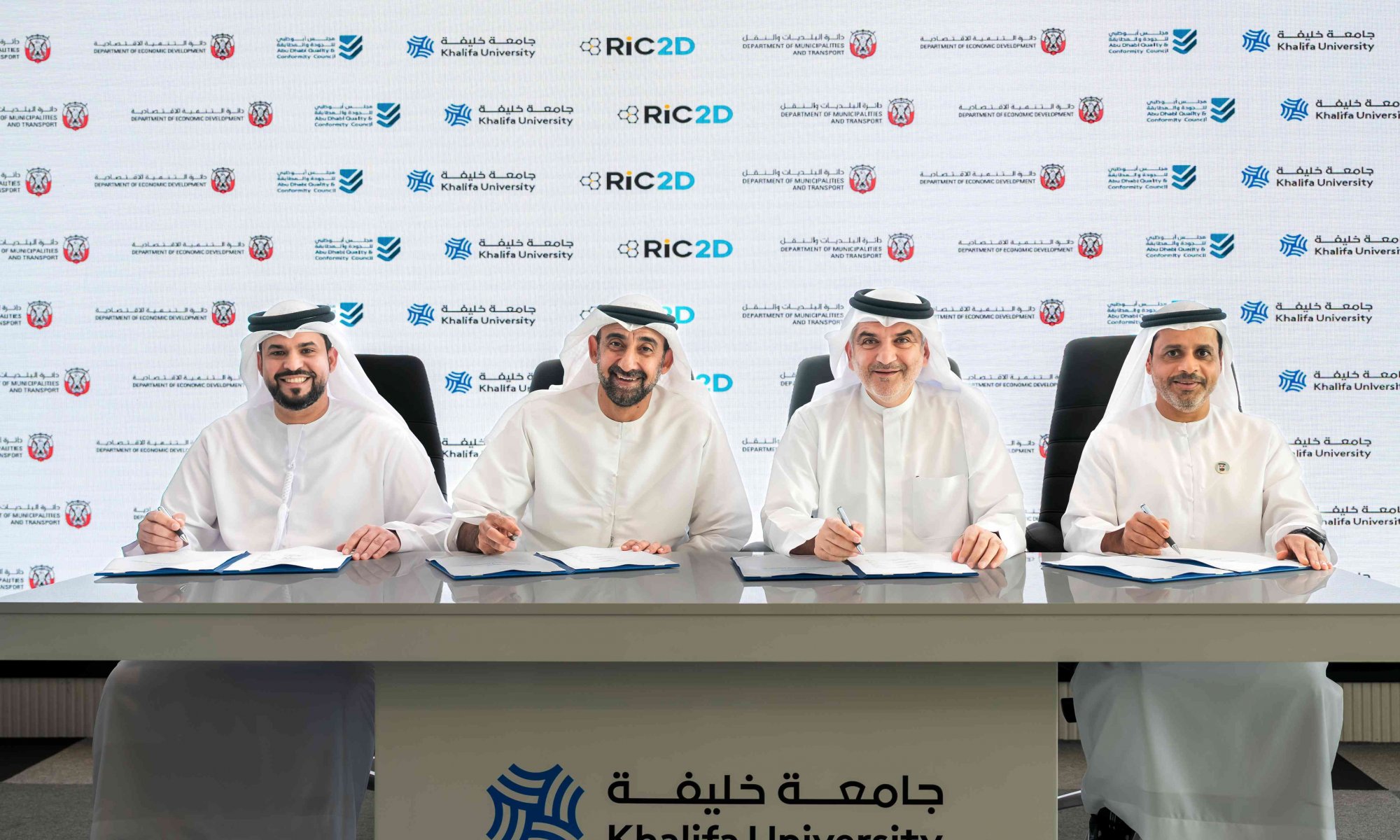
Khalifa University of Science and Technology’s Research & Innovation Centre for Graphene and 2D Materials (RIC2D), the Abu Dhabi Department of Economic Development’s-  Industrial Development Bureau (DED-IDB), the Abu Dhabi Quality and Conformity Council (ADQCC), and the Department of Municipalities and Transport (DMT) today jointly announced the launch of the Graphene Enhanced Concrete (GEC) Consortium, to facilitate a collaborative approach towards the development of graphene-enhanced concrete.  


The project charter for the GEC Consortium was signed by representatives of all the stakeholders during a ceremony that took place at Khalifa University. The Consortium will aim to facilitate collaboration among the partners to ensure that Graphene Enhanced Concrete prototyping, research and development efforts are aligned with the related legislations and quality specifications in the Emirate of Abu Dhabi.  


His Excellency Homaid AlShimmari, Vice-Chairman, Khalifa University Board of Trustees, said: “We are delighted to strategically partner with our stakeholders for this Graphene Enhanced Concrete Consortium that will be in line with Abu Dhabi’s efforts towards reducing carbon footprint while assisting the construction sector through the use of graphene. RIC2D continues to lead in engaging with stakeholders to achieve solutions that benefit the community, and we believe this collaboration will lead to Abu Dhabi playing an emphatic role in ushering in a new era for the building and construction sector.”  


His Excellency Abdulla Ahmed Alyazeedi, Acting Secretary General of the Abu Dhabi Quality and Conformity Council, said: “We commend this joint and distinguished initiative between various government agencies in the Emirate of Abu Dhabi to develop graphene-reinforced concrete materials.” 


“This coordination and joint cooperation among all will have a great impact on enhancing sustainable infrastructure and developing innovative products in the Emirate of Abu Dhabi. This initiative confirms the commitment of the Abu Dhabi government to research, development, and innovation in the field of advanced materials, which will contribute to achieving the Abu Dhabi Vision 2030 for Sustainable Development,” he added. 


“The initiative also highlights the role of the Abu Dhabi Quality and Conformity Council and its various sectors in ensuring that these innovative products comply with the highest quality and safety standards in the Emirate,” H.E. explained. 


“We are proud to contribute to this collaborative project, which will help strengthen Abu Dhabi’s position as a leading center of innovation and excellence in the field of advanced materials. We look forward to following up on these joint efforts and achieving tangible results for the benefit of society,” the Secretary General affirmed.  


Dr. Salem Al Kaabi, Director General of Operations Affairs at the Department of Municipalities and Transport stated: “We always strive to collaborate with various government entities to achieve our shared goals of enhancing services and improving the quality of life in Abu Dhabi. Through this initiative, we reaffirm our commitment to adopting the latest innovations and solutions in the construction and building sector to advance infrastructure development and promote sustainable growth in the Emirate.” 


Through this collaboration, Khalifa University will conduct research and development (R&D) to develop new products and technologies that meet industry standards and regulations. The Department of Economic Development and the Department of Municipalities and Transport, supported by the Abu Dhabi Quality and Conformity Council, will guide and advise to ensure the R&D outputs are approved by relevant authorities and compliant with local regulations. The launch of the GEC Consortium is aligned with Abu Dhabi Government’s initiatives towards reducing carbon footprint and enhancing the economies of construction materials.  


Khalifa University Among Top 150 Globally in Engineering and Top in UAE in Engineering, Computer Science and Physical Sciences

According to THE World University Rankings by Subject 2025 


Khalifa University of Science and Technology today announced it has topped the UAE in three subjects – Engineering, Computer Science, and Physical Sciences in the newly released Times Higher Education (THE) World University Rankings by Subject 2025.  


This year’s rankings include Khalifa University’s Engineering program which climbed to 126-150. The rankings also listed Khalifa University’s Computer Science which secured its place in the 176-200 band for the first time-ever. Physical Sciences program sprang up to the 176-200 band.  


The THE subject rankings evaluate universities across various core disciplines, within each subject. 


His Excellency Prof. Ebrahim Al Hajri, President, Khalifa University, said: “We are delighted to achieve top rankings in the UAE and to be placed among some of the top-ranking global universities. The significant achievement in rankings reiterates our deep-rooted commitment to excel in all academic programs. This achievement is congruent with the UAE’s vision to become a global pioneer in various areas, and more specifically in research and education.” 


PhD Student Wins Best Paper Award for Innovative Sepsis Management Model at CIE51 International Conference in Sydney 

Firda Rahmadani’s Prediction Model Improves Diagnostic Accuracy and Decision-Making by Using Clinician Feedback 


A doctoral candidate in Management Science and Engineering from Khalifa University won the Best Paper Award for its innovative approach to addressing a critical challenge in healthcare at the International Conference on Computers and Industrial Engineering (CIE51), hosted by the University of New South Wales (UNSW) Sydney.  


Firda Rahmadani’s award-winning paper titled ‘Human-Centered Prediction Model to Streamline Decision-Making in Sepsis Management Pathways,’ addresses Sepsis, a life-threatening condition caused by the body’s response to infection, which remains a leading cause of mortality worldwide. Her work is supervised by Dr. Mecit Can Emre Simsekler and Dr. Mohammed Omar, who collaborated with Dr. Siddiq Anwar and Dr. Ali Mohammed Al Shidi from Sheikh Shakhbout Medical City in Abu Dhabi. 


The award-winning research paper combines machine learning, human-centered design principles, and real-world medical data to create a prediction model to optimize sepsis management. This model aims to improve diagnostic accuracy and align decision-making by incorporating clinician feedback, ensuring the human-AI system is easy to understand and integrate with existing workflows. 


The paper was presented during a special session titled ‘The Future of Education and Work in the New Digitized Society’, which highlighted transformative contributions in education, healthcare, and the workforce in a digital world. 


Dr. Simsekler said: “Rahmadani’s research captured the essence of the session’s theme by showcasing how technology can be tailored to improve human-centric outcomes in high-stakes environments. The recognition underscores the importance of interdisciplinary approaches in tackling real-world problems.” 


Clarence Michael
English Editor – Specialist

Khalifa University Research Scientist Appointed Associate Editor for Two Prestigious Journals 

Dr. Nilesh Chodankar Joins Journal of Energy Storage and Carbon Letters Editorial Board 


Khalifa University Research Scientist Dr. Nilesh R. Chodankar, has been appointed as an Associate Editor for the Journal of Energy Storage and Carbon Letters, highlighting his extensive contributions to the field of energy storage systems and sustainable energy solutions. 


The Journal of Energy Storage, a leading platform with an impact factor of 8.9, focuses on systems integration, electric grid management, novel technologies, and global developments in energy storage. In his new role, Dr. Chodankar will manage manuscripts related to supercapacitors and batteries.  


In parallel, Carbon Letters is renowned for its comprehensive coverage of carbon materials and carbon-rich molecules, featuring research on various forms of carbon, their secondary production, and the development of new composite materials. Dr. Chodankar will serve a two-year term as an Associate Editor for Carbon Letters


Dr. Chodankar’s research is focused on the design and synthesis of functional materials, innovation of devices for electrochemical energy storage and conversion applications, including next-generation aqueous storage systems, supercapacitors, electrocatalysts (water splitting), to generate best-in-class performance and compete with expensive technologies/commercial materials for real-world applications. In addition, he is focused on the design and development of different biocompatible materials for implantable and safe energy storage systems for advanced implantable electronic medical devices. 


With over 110 high-ranking peer-reviewed publications and more than 7,770 (Google Scholar) citations, Dr. Chodankar also holds two patents filed in Korea and the US on aqueous energy storage systems. 


Dr. Chodankar said: “Joining such prestigious journals is a privilege and an incredible opportunity to collaborate with leading researchers and thought leaders. I look forward to engaging with groundbreaking ideas that will enhance the energy storage landscape and support the global energy transition. It is a true honor to contribute to sustainable energy solutions and the meaningful work at Khalifa University.” 


Alisha Roy
Science Writer

Khalifa University Researcher Receives IUCr Rising Star Award 2024 for Innovative Protein Crystallization Research 

Research Presentation Tackles Challenges in Crystallizing Protein-Drug Complexes Essential for Therapeutics 


Khalifa University Research Associate Salma Sultana Syed from the Department of Chemistry has received an International Union of Crystallography (IUCr) Rising Star Award 2024 for her poster presentation on enhancing the crystallization of proteins. The award was presented at the 18th Conference of the Asian Crystallographic Association (AsCA 2024), in Kuala Lumpur, Malaysia.  


The award-winning poster titled ‘Nanoparticle-Assisted Protein Crystal Growth: Novel Techniques for Optimized Crystallization’, is co-authored by Professor David Sheehan, Chair, Chemistry Department, and Professor Sharmarke Mohamed, Head of the Chemical Crystallography Laboratory, Khalifa University. The research presentation aims to address existing limitations in crystallizing protein-drug complexes, which are crucial for the creation of various therapeutics. It focuses on improving the crystallization of proteins necessary by using nanoparticles to enhance crystal growth without needing additional agents or changes to the proteins.  


In addition to receiving the award, Sultana Syed actively participated in a Pre-Conference Workshop on Protein Crystallography, which was part of the AsCA 2024 program.  


Dr. David Sheehan said, “Salma Sultana Syed’s achievement highlights both her contributions to the field of Crystallography and Khalifa University’s consistent commitment to advancing our research in this essential area. This international recognition not only reflects her hard work and dedication but also underscores the Chemistry Department’s and the University’s essential role in fostering talent and promoting groundbreaking research in the scientific community.”  


Alisha Roy
Science Writer

Khalifa University to Organize ‘Open Day’ on 25 January to Showcase Academic, Research and Scholarship Offerings

Agenda Includes Special Campus Tours for Undergraduate and Graduate Student Visitors and Families


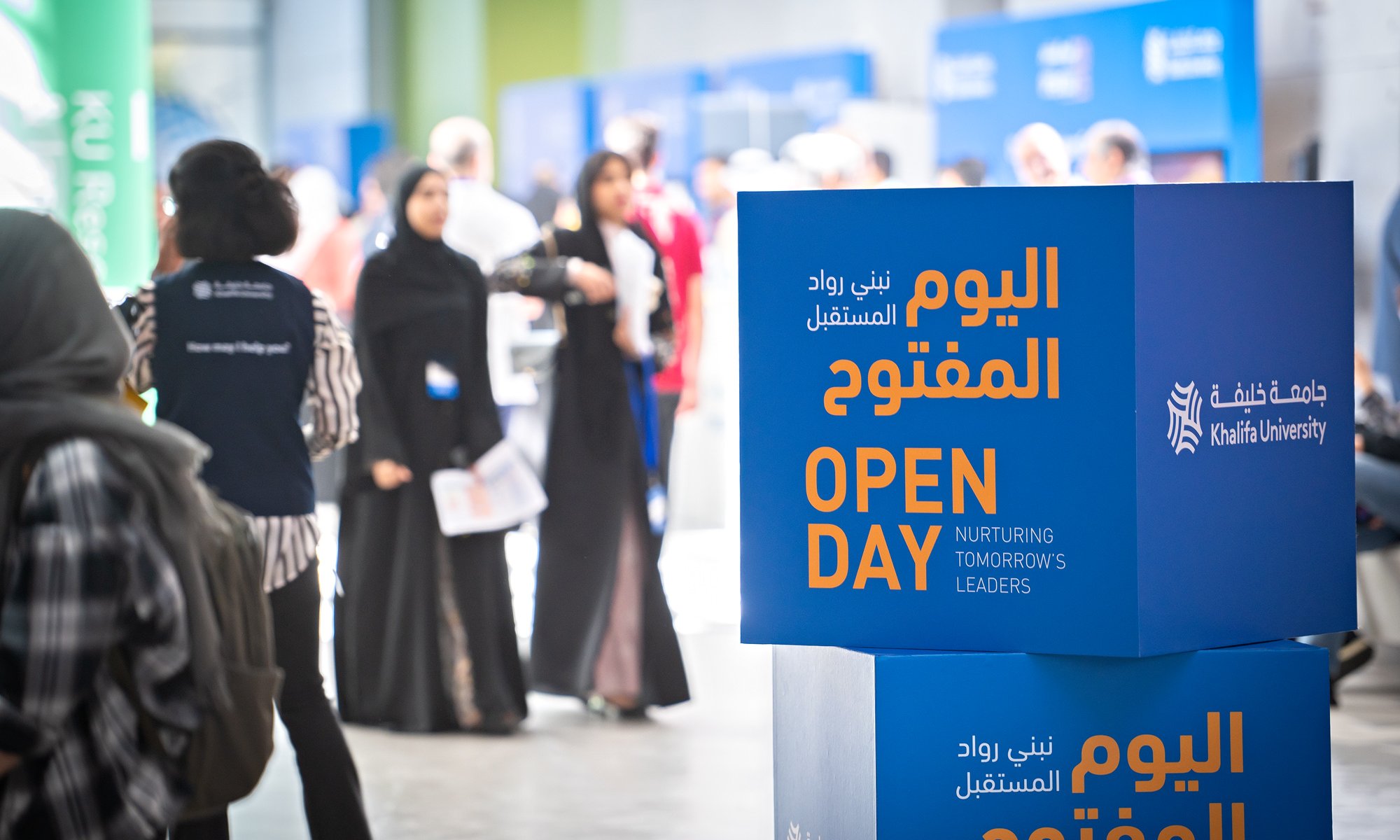
Khalifa University of Science and Technology today announced it will organize its annual ‘Open Day’ on 25 January to showcase its exciting academic, research and scholarship offerings across the two campuses, inviting potential scientists, innovators and future leaders to enroll at the University.


The day’s events at the Main Campus will feature cutting-edge laboratory facilities, student life activities and other amenities.


Khalifa University offers undergraduate and graduate students a diverse range of research-focused and experiential Bachelor’s and Master’s programs designed to inspire innovation and hands-on learning. At present, the University offers 16 bachelor’s programs with seven Minors, 25 Master’s and eight PhD programs. The University’s current faculty body of 391 represents 57 countries, while 76 countries are represented in a student body of nearly 4,466.


Ranked as the top UAE institution for seven consecutive years and second in the Times Higher Education (THE) Arab University Rankings 2023, Khalifa University stands as a premier choice for students seeking world-class education.


Professor Bayan Sharif, Provost, Khalifa University, said: ““Khalifa University Open Day 2025 offers UAE National high school graduates, international students, and professionals exploring postgraduate opportunities a valuable platform to discover their most suitable academic path and prepare to become future innovators and researchers. With a strong foundation in academic excellence and cutting-edge research, we empower students from the UAE and around the world to play a pivotal role in advancing the UAE’s knowledge economy. Our diverse range of programs, extensive research opportunities, and state-of-the-art campus facilities provide an exceptional environment for students to embark on their academic journey at Khalifa University.”


With 13 interdisciplinary research centers focused on strategic priority areas, Khalifa University has so far generated more than 315 patents and over 700 invention disclosures, reflecting a strong IP portfolio. Approximately 40% of research publications are featured in the Top 10% of Journals, with nearly 20 citations per publication.


In addition to supporting innovation in aerospace and nuclear engineering sectors, Khalifa University has strong capabilities in robotics, artificial intelligence, cybersecurity, data science, materials science, clean and renewable energy, water and environment, as well as food and agriculture technologies.


Khalifa University fosters robust global partnerships with renowned higher education institutions, facilitating a wide array of opportunities. These include student exchange programs, sponsorships, internships, and collaborative research initiatives, all aimed at enhancing academic and professional growth.


Alisha Roy
Science Writer

Two Khalifa University PhD Students Highlight ENTC’s Role in Ensuring UAE’s Nuclear Safety on Emirates TV’s Morning Program

Two Mechanical and Nuclear Engineering Ph.D. Students highlighted the critical role of Khalifa University’s Emirates Nuclear Technology Center (ENTC), a key partner in the UAE’s peaceful nuclear energy program, in ensuring nuclear reactor safety, during an interview with Emirates TV’s Sabah Al Emarat program. 


Asma Al Zarouni and Sameer Osman also offered viewers details of their research work focusing on areas ranging from Accident Tolerant Fuels (ATF) to cooling strategies for in-vessel retention in extreme conditions during the program. With key stakeholders such as the Emirates Nuclear Energy Company (ENEC), and the UAE Federal Authority for Nuclear Regulation (FANR) the ENTC fosters advancements that align with the UAE’s vision for sustainability and clean energy leadership. 


With a strong foundation in chemical and nuclear engineering, Al Zarouni’s research has centered on enhancing thermal performance and safety of power plants. Her MSc thesis explored accident-tolerant fuel coatings, while her ongoing PhD research focuses on condensation phenomena in cooling systems—both critical areas in advancing reactor technology. Osman applies his expertise in thermal-hydraulics to study flow boiling on curved heated walls. His research contributes to enhancing safety systems like External Reactor Vessel Cooling (ERVC), which play a key role in maintaining optimal reactor performance under challenging conditions.


Together, the two students aim to contribute to enhancing nuclear safety by developing predictive models validated through cutting-edge experiments and computational tools. Their research also explores advanced sustainability by improving reactor efficiency and reliability, ensuring nuclear power remains a cornerstone of clean energy strategies. 


Professor Yacine Addad, Deputy Director, ENTC, said: “The two students’ research work not only reinforces Khalifa University’s role as a leading global institution in scientific research and innovation, but also showcases the UAE’s commitment to clean energy and nuclear safety. Together with ENTC and Khalifa University, our students join our efforts towards a safer, cleaner energy future for the UAE and the world.” 


The ENTC also has collaboration with ENEC and the Technology Innovation Institute’s (TII) Quantum Research Center (QRC) to innovate in the realm of nuclear reactor simulations, using quantum-inspired algorithms.  


In collaboration with the FANR and the French Institut de Radioprotection et de Sûreté Nucléaire (IRSN), the ENTC successfully completed Phase 1 of the Numerical Modelling of Radionuclides Dispersion (MORAD) program in March 2024, yielding 13 published papers, highlighting crucial environmental aspects. Additionally, the ENTC is collaborating with the FANR on the ongoing OECD-ATLAS Phase III project, further advancing its contributions to nuclear safety research. 


Khalifa University Faculty’s Book Bridges Theoretical Principles and Practical Engineering Design 

Book Offers Fresh Perspective on Design and Applications of Tapered Beams in MEMS Devices  


A new book titled ‘Tapered Beams in MEMS: A Symbolic Modeling Framework with Applications to Energy Harvesting,’ co-authored by Khalifa University’s Dr. Ibrahim M. Elfadel, Professor, Computer and Information Engineering, and corporate researcher Wajih U. Syed was released by Springer Nature. The 236-page hard cover and e-book provides a detailed look at the important role of micro-electromechanical systems (MEMS) – technology used to create micro sensors and actuators, focusing on the design and use for energy harvesting applications. 


This new and timely editorial initiative addresses a crucial challenge in the design of MEMS devices, highlighting the advantages of tapered beams over standard rectangular beams, with focus on their impact on harvesting energy from mechanical vibrations using a physical phenomenon called piezoelectricity. Although tapered beams are very common in MEMS, their benefits have often been overlooked due to the reliance of design engineers on numerical modeling techniques.  


In this new book, the authors take a physics-based approach, utilizing advanced analytical methods in combination with symbolic algebraic systems to develop efficient models that improve the design of tapered beam elements in MEMS energy harvesters and enable a principled approach to their reliability analysis.  


Another significant aspect of the book is its focus on analytical and semi-analytical models to help engineers understand how variations in material, geometric, and environmental factors can affect the device’s behavior. The book has already garnered close to 900 accesses, according to the publisher’s website.  


Dr. Ibrahim M. Elfadel, said: “In a sense, we have written a contrarian book where the methodology is physics-based rather than data-driven. The compact models proposed in this book amply illustrate the power of analytical approaches, especially when they are combined with the well-established tools of computer algebra. On the application side, the models of this book can be found useful by engineers involved in the design and optimization of MEMS devices. With its emphasis on both theoretical foundations and real-world applications, I hope the book’s analytical and symbolic methodologies will be applied to other engineering domains beside MEMS and energy harvesting.” 


Alisha Roy
Science Writer