

Towards a Smarter, Safer, and More Sustainable Transportation System

The road transportation systems that we use to shuttle people and goods are on the verge of becoming “smart.” At the heart of this smart transportation transformation is the convergence of internet-of-things (IoT) technologies and transportation systems, Dr. Steve Griffiths, Vice President for Research and Interim Associate Provost at Masdar Institute, highlighted while addressing the IoT in Transportation Conference in Abu Dhabi earlier this week.

IoT technologies – which utilize sensors, communication networks and data analytics to transform information from cars, phones, packages, traffic lights and other objects into actionable insights – are empowering drivers and transit operators with the information they need to make transportation more efficient, sustainable and safe.

Dubai and Abu Dhabi have already begun implementing smart transportation solutions – which can improve safety, sustainability, on-road communications, and transportation system monitoring and management – but further research and development of the critical technologies that will allow the full potential of a smart transportation system to be realized is required, Dr. Griffiths explained.

That is why a growing number of research projects at Masdar Institute are focused on advancing smart transportation solutions, including a project that leverages IoT technologies to create a smart lighting system, a feasibility study on the potential uptake of electric vehicles in the UAE, and the development of sensors that can improve a plug-in hybrid vehicle’s energy efficiency.

IOT FOR SMART STREET LIGHTING

Dr. Mihai Sanduleanu, Associate Professor of Electrical Engineering and Computer Science at Masdar Institute is leading an innovative IoT project that aims to turn Abu Dhabi’s street lights into smart devices that will reduce streetlights’ energy demand, aid in traffic speed monitoring, and provide safer lighting during extreme weather events, like fog or dust storms.

To make the streetlights smart, Dr. Sanduleanu will develop radio frequency (RF) sensors that will be fixed to the streetlight poles, which will collect and transmit data about weather – such as fog, humidity, wind and dust conditions – and traffic – such as vehicle speed – that will help authorities in weather monitoring and in the planning and speed monitoring of traffic. The RF sensors will also enable adaptive dimming of street lighting, so that the light intensity of the streetlight will increase gradually as an object approaches and fade away quickly as the object moves away. This adaptive capability will improve energy efficiency while also promoting driver safety.

The proposed system will further improve the street lighting system’s energy-efficiency by replacing the high power consuming metal halide lamps typically used in streetlights with LED lamps, which require significantly less power to produce the same amount of brightness, resulting in an energy saving of 30% to 50%. LEDs also have a longer lifetime – between 10-15 years longer than halide lamps – which would result in a 50-70% saving in re-lamping and maintenance costs. Another feature of the smart lighting system that will reduce operating costs is its automatic lamp failure diagnostic system, which will detect any total or partial lamp failures and notify authorities right away for replacement.

The collaborative project, which includes support from du – Emirates Telecommunications Company,  the American University of Ras Al Khaimah and Khalifa University, has a two year timeframe once initiated. The research conducted through the project will position the UAE as a global leader in the development of IoT systems, which is estimated to be worth as much as US$6.2 trillion by 2025, and smart transportation systems, which is set to exceed US$138 billion by 2020.

ELECTRIC VEHICLES IN THE UAE

Reducing fuel consumption is a key component of a smart transportation system, as smart transportation does not only incorporate more intelligent solutions, but also “greener” solutions. The transportation sector accounts for nearly 30% of global final energy consumption – over two-thirds of which is consumed by road transportation alone – underscoring the critical link between smart transportation and energy system innovations.

As electric vehicle adoption and smart transportation share a common focus on efficiency and sustainability, experts say the growing popularity of electric vehicles – sales of electric vehicles have increased 70% from 2014 to 2015 – can be leveraged to advance smart transport goals.

To facilitate the effective adoption of electric vehicles in the UAE, Dr. Sgouris Sgouridis, Associate Professor of Engineering Systems Management at Masdar Institute, has been investigating the benefits and obstacles to electric vehicle adoption in the UAE. His research examines both the economic and technological potential for adoption in Abu Dhabi, with research implications that can be extrapolated across the Gulf.

“We have conducted the first survey in the region to investigate the public willingness to adopt electric vehicles and conducted a techno-economic assessment of how the use of electric vehicles could impact the state- and private-use financing as they interact in the context of fuel subsidies. This interaction suggests that the state is a primary beneficiary when domestic fuel consumption is reduced and therefore should be able to support their adoption through cross-subsidies rather than additional fiscal cost,” he explained.

His research findings asserted that effective electric vehicle adoption in the UAE and other Gulf urban centers would depend on the perception of opportunity costs for fossil fuel use, external cost of pollution and the desire to boost the public profile of these societies.

Dr. Sgouridis advised that if the government decides to subsidize electric vehicles, then it would be better to initially support vehicles that see high utilization, such as those that drive more kilometers on an average day like taxis and commercial fleet vehicles. This method would promote adoption of electric vehicles while ensuring the UAE government is able to derive the greatest benefit from this sustainable transport shift.

“SMART” HYBRIDS

Another Masdar Institute project that focuses directly on the convergence between smart transportation and energy innovation is being led by Assistant Professor of Computing and Information Science Dr. Sid Chi-Kin Chau and PhD student Chien-Ming Tseng to improve the efficient use of plug-in hybrid electric vehicles and roadways in general.

Dr. Chau and Tseng have developed an app that will promote the more efficient use of plug-in hybrid electric vehicles and also enhance driver confidence by helping map routes to charging stations and providing ‘distance to empty’ information.

“Plug-in hybrid electric vehicles have a large rechargeable battery and can be plugged-in and recharged from an outlet, allowing them to drive long distances using just electricity. However, many plug-in hybrids adopt a kind of straightforward strategy in a way that they likely run on the electrical battery until reaches its minimal state of charge, and then they switch to the fossil fuel tank. But in some types of driving situations, the electric energy is more efficient, while in other situations, the petrol energy is more efficient. So to make plug-in hybrids more efficient energy consumers overall, we are developing an app that is integrated with a cloud transport system to recommend the ideal driving mode given the driving environment,” Tseng explained. The team tested their research on a Chevrolet Volt.

The problem is that most current plug-in hybrids’ energy systems mainly focus on the car systems, and not as much on human factors, such as driving behavior or traffic conditions. This research aims to optimize a plug-in hybrid vehicle’s energy consumption considering these human factors.

“We estimate that our app could potentially save approximately 20% of fuel consumption if utilized correctly,” Tseng revealed.

The app the team developed can also be used to predict ‘point to empty’ for electric vehicles, which is very useful information as charging stations are not yet plentiful and users have to be careful not to run out of battery charge before reaching the next station. It can also help car users chart the most efficient route for their journeys to reduce idling and city travel, which tends to waste more energy.

The app, which is expected to be released on the Google Play and Apple Store by next year, exemplifies the leveraging of capabilities and expertise in data analytics and cloud computing to develop new technologies that support the UAE’s smart transportation transformation.

CONCLUSION

Transportation is one of the UAE’s targeted National Innovation Strategy sectors for a reason – it is a system on which we all rely to get to our places of work, schools and homes, yet it can pose severe health risks and reduce overall productivity, and is a significant contributor to global greenhouse gas emissions. To help make the UAE’s transportation system one of the most innovative in the world, researchers at Masdar Institute are leveraging their expertise in IoT technologies and energy system innovations to support the research and development of the technologies needed to transform the current transportation system into one that is smarter, greener and safer.

Zarina Khan, Senior Editor and Erica Solomon, News and Features Writer
30 October 2016
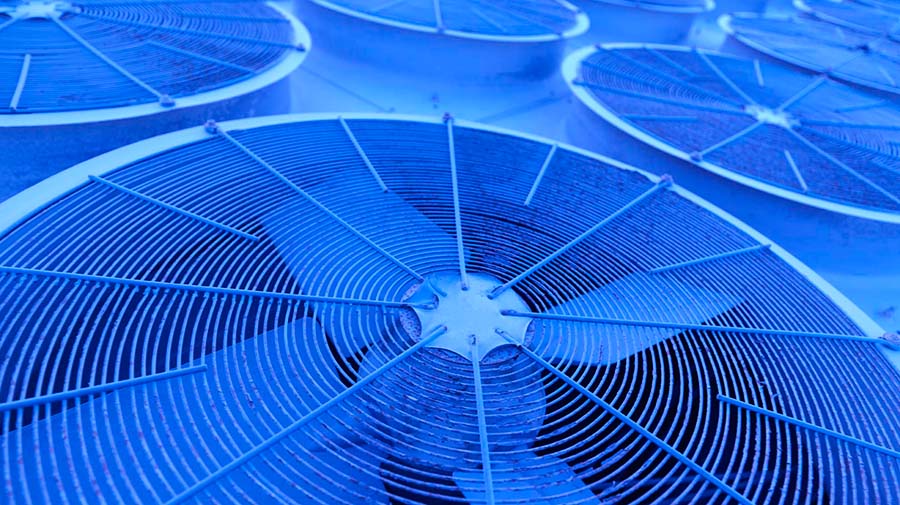
 

Environmentally-Friendly Refrigerants to Help Reduce Global Warming

This year the UAE has joined more than 100 countries in committing to limit and mitigate climate change by ratifying the Paris Agreement, which is the first universal climate change agreement. The UAE has further delivered on its commitment to environmental sustainability through a new agreement signed in October 2016 that aims to reduce the use hydrofluorocarbons (HFCs), a potent greenhouse gas (GHG) that contributes to global warming.

HFCs are gases found in air conditioners, chillers and refrigerators and have a strong impact on global warming, which is why phasing them out has become a top priority in the global efforts to limit HFCs impact on climate change. Unfortunately, the use of HFCs are on the rise, as their even more harmful predecessors, chlorofluorocarbons (CFCs) and hydrochlorofluorocarbons (HCFCs), are being phased out globally under the Montreal Protocol, which banned their use in 1992.

In support of the UAE’s ambitious efforts to freeze HFC consumption from 2028 as per the recently signed Kigali Amendment, which modifies the Montreal Protocol to preserve the ozone layer, Masdar Institute is conducting several research projects aimed at finding alternative solutions for more environmentally-friendly refrigerants.

“The use of HFCs is rising rapidly as demand for cooling increases, particularly in countries like the UAE, which is experiencing rapid development and a growing population. This is a significant problem as HFCs trap far more heat in the Earth’s atmosphere than carbon dioxide,” explained Dr. Steve Griffiths, Vice President for Research, Masdar Institute. “This is why the sustainability-focused research at Masdar Institute has set as a priority the development of alternative refrigerants that can help reduce the current and future impacts of cooling systems.”

Air conditioners, chillers and refrigerators exploit the natural cooling process that occurs when a liquid evaporates and withdraws heat from the air. This process is achieved by forcing a liquid to evaporate and condense over and over again, typically in a closed vapor compression system.

A vapor compression cooling system has four main components; the compressor, expansion valve, evaporator and compressor. A liquid refrigerant absorbs heat from the environment, causing it to boil and transform from a liquid to a gas in the evaporator. This evaporative process decreases the temperature of the evaporator coils and a fan blows air over the cooled evaporator coils, which is blown through the air ducts that are connected to different rooms in a home or building. Vapor compression cooling is a closed loop system, so after the refrigerant evaporates, it is circulated to a compressor, which pressurizes the refrigerant vapor and converts it back into a high pressure, high temperature liquid that is fed into the condenser. Here, the refrigerant becomes very hot and heat is rejected to the ambient environment. Then the hot, high pressure refrigerant is fed through an expansion valve, where its pressure and temperature is reduced and is cycled back to the evaporator. The refrigerant flows back and forth until the building reaches the temperature set by the thermostat.

Refrigerants like HFCs evaporate at relatively low temperatures, making them ideally suited for the job of cooling. But scientists and government officials have realized that the benefits of these substances definitely do not outweigh the environmental costs from their potent GHG properties.

When HFCs are released into atmosphere, which happens when equipment gets old or damaged, or at the end of the product’s lifetime, they damage the ozone that protects our planet from the ultraviolet radiation of the sun. When HFCs enter the upper layers of the atmosphere and are struck by the sun’s ultraviolet rays, a chemical reaction occurs, producing chlorine atoms, which then deplete the ozone layer. Thus, finding alternative refrigerants that work as well as HFCs but are also nontoxic and nonflammable is the challenge facing chemists around the world.
Hydrocarbons are one type of environmentally-friendly refrigerant alternative available in great abundance in the hydrocarbon-rich UAE, but due to their flammable nature they must be carefully handled when used as refrigerants. Hydrocarbon refrigerants are actually safe if used within their flammability limits and within closed refrigeration systems, as there is no oxygen present to ignite the fluid.

That is why Dr. TieJun Zhang, Assistant Professor of Mechanical and Materials Engineering at Masdar Institute, is working to find solutions to ensure that hydrocarbon refrigerants can be used safely and effectively through novel vapor compression systems.

“A mechanical compressor is a moving component, which means that safety considerations and reliability are mandatory in order to use flammable hydrocarbon refrigerants,” Dr. Zhang explained. “Ejectors, which are a type of thermal compressor, could provide another option for HVAC systems as they are passive devices that do not require much maintenance.”

UAE National PhD student Saleh Mohamed, under the supervision of Dr. Zhang and Dr. Youssef Shatilla, Professor of Mechanical Engineering and Dean of Academic Programs, focused his Master’s thesis on developing a novel ejector cooling system that would enable the use of liquid hydrocarbon refrigerants with low risk. The simple ejector system enables greater flexibility of potential refrigerants (such as those that are flammable) that can be used in compact HVAC systems by significantly reducing the risk of leakage.

Another project to reduce the impact of the UAE’s chiller dependence and resulting HFC emissions was led by Masdar Institute Associate Professor of Mechanical and Materials Engineering Dr. Peter Armstrong. He and his team developed an optimal chiller design for the UAE that offers high performance, energy-efficiency and a reduced life-cycle cost. The project, which was sponsored by the Executive Affairs Authority of Abu Dhabi, proposed a performance level 40% above the minimum energy performance standard (MEPS) prevalent in temperate climates.
“The new MEPS will ensure that cooling equipment built in or imported to the UAE is the most energy-efficient in the world,” Dr. Armstrong remarked.

Through their research, the team assessed the efficiency of heat pumps and cooling equipment using different refrigerants. Their findings indicate that using propane or ammonia – a second type of environmentally-friendly and cost-effective refrigerant – instead of HFCs, leads to better cooling efficiency. Ammonia and propane evaporate at lower temperatures than HFCs and require lower compression pressure, making them significantly more energy-efficient.

Although ammonia is one of the first refrigerants ever used, and is still a common refrigerant for industrial applications, including cold storage warehouses, it can be toxic if leaked from the chiller system. However, Dr. Armstrong believes the risks associated with an ammonia leak are minimal compared to the benefits they offer as an energy-efficient, low-cost and environmentally friendly refrigerant.

“The hazards of ammonia and propane do not pose great risks in rooftop chiller applications, which represent about half of cooling energy consumed in dense urban areas of UAE. The amounts of gas released in even a complete and abrupt rooftop loss of charge are quickly and harmlessly dissipated,” Dr. Armstrong explained. A new project has been developed in collaboration with the UAE Ministry of Energy aimed at demonstrating the potential for new regional MEPS based on the work done at Masdar Institute.

Some studies report that a freeze on HFCs could help prevent the earth from heating up by up to 0.5° Celsius in the long run. This extra half-a-degree in global temperature could have detrimental consequences, including higher global sea-levels, longer heat waves, and more damaging impacts on tropical coral reefs. That is why Masdar Institute is working to provide the critical solutions needed to avoid such adverse climate change through research and development of advanced chiller technologies and environmentally-friendly refrigerants that will support more sustainable cooling in the UAE and across the world.

Erica Solomon
News and Features Writer
20 December 2016

Masdar Institute Supporting Food, Water and Energy Security, Sustainably

In a world of changing climate, limited fresh water and farmland, and rising population, the need for a sustainable approach to meet the world’s growing water, energy and food demand is perhaps the most important challenge of the 21st century.

Such an approach will require a range of innovations and technologies that can enable humankind to progress and advance without further straining the planet’s natural resources or increasing global greenhouse gas emissions.
Masdar Institute’s integrated Seawater Energy and Agriculture System (SEAS), a pilot-scale research facility that aims to grow seafood and produce biofuel with saltwater and desert land, is one such technology that could play a critical role in supporting regional food, water and energy security while decoupling population growth from negative environmental impacts.

The SEAS was developed through the Sustainable Bioenergy Research Consortium (SBRC), a non-profit consortium led by the Institute with The Boeing Company, Etihad Airways and the Abu Dhabi Oil Refining Company (TAKREER) as principal members. The SBRC has received significant attention for joint research aimed at the advancement of sustainable biofuels and bioenergy. However, the growing regional emphasis on water and food security now provides context to showcase the SBRC’s emphasis on developing a comprehensive, balanced solution to the region’s integrated water, food, and energy concerns.

The SEAS incorporates sustainable food production and renewable energy development without the use of freshwater or arable land. In the UAE, farmable land accounts for only 0.5% of the country’s total land area. At the same time, groundwater, which provides over 50% of the country’s freshwater, a majority of which is mainly used for agriculture, is being depleted at an unsustainable rate of 0.5 centimeters per year. Thus, an approach to producing food and energy in a way that avoids placing additional strain on these two precious and limited resources is crucial.

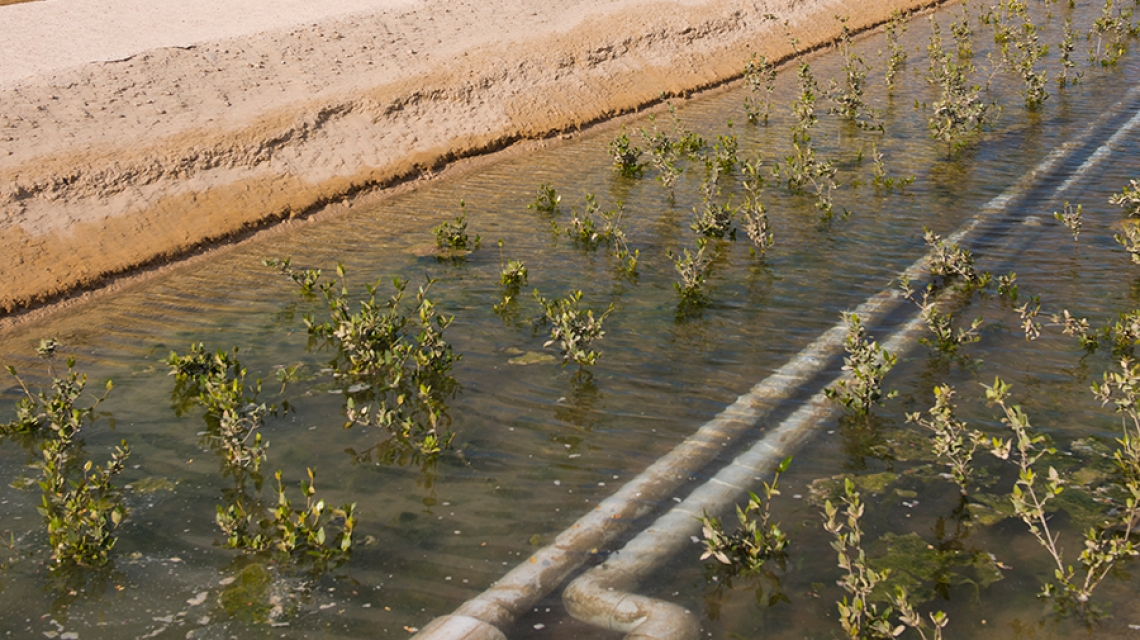
The SEAS process begins with aquaculture where seawater is used to raise shrimp and fish that serve as valuable food sources. The waste of these fish and shrimp acts as a fertilizer to promote the growth of a halophyte plant species called salicornia. This hardy plant thrives in deserts, does not require fertile soil, and can be irrigated with seawater, resulting in crops with an oil and sugar content suitable for biofuel and biochemical production. The remaining nutrients from the aquaculture/agriculture process are then diverted into mangrove forests, which eliminate nutrients and waste while also serving a valuable role in the marine ecosystem as nurseries for young fish and as carbon scrubbers for the atmosphere.

“SEAS aims to address the needs of the UAE’s water-food-energy nexus in a way that is sustainable, economical and lasting. By leveraging the country’s ample seawater and desert land to support sustainable, environmentally-friendly aquaculture and agriculture, the SBRC hopes to preserve the country’s precious freshwater, arable land and marine resources while achieving greater food security sustainably,” said Dr. Alejandro Rios, Director of the SBRC and Professor of Practice at Masdar Institute.

AQUACULTURE FOR FOOD SECURITY

Aquaculture – which refers to industrial fish or shellfish farming – plays a critical role in promoting health and food security around the world, particularly in developing countries where fish is a primary source of protein and essential nutrients.
According to a 2014 report on the State of World Fisheries and Aquaculture published by the Food and Agriculture Organization of the United Nations (FAO), aquaculture now provides almost half of all fish used for human consumption. However, in the UAE, the share of fish by aquaculture accounts for only 1% of the fish consumed in the country, the remaining 99% being caught or imported from abroad.

This low rate, coupled with rising demand in the local seafood market – which has outstripped the current supply from the combination of fish caught locally from the sea and produced from aquaculture – presents a significant opportunity for the development of a more robust aquaculture infrastructure to meet growing food demand in the country. This need is particularly important in light of the findings presented in the Aquaculture Guide, published last year by the UAE Ministry of Climate Change and Environment, which states that local fishing has reached its threshold level and is not expected to increase.

The SEAS pilot facility could play a key role in developing a stronger aquaculture industry by demonstrating how its innovative and sustainable water cleaning technology can produce fish in an economically viable and environmentally-friendly way.

Currently, the two-hectare pilot plant, which began operations in March 2016, is cultivating Indian White Shrimp, Tilapia, and Sea Bream, and at its current size is estimated to produce five tons of seafood per year. Over the course of the next three years, the SEAS facility is expected to scale up to 200 hectares and increase its seafood production output to 340 tons per year, which is equivalent to 43% of the current total aquaculture output in the UAE.
If projected to commercial scale (thousands of hectares), SEAS could allow for the expansion of aquaculture to produce enough seafood to sustainably meet the equivalent of the entire current seafood demand gap in the UAE.

A SUSTAINABLE APPROACH

The sustainability of the SEAS technology is due in part to the ecosystem services it provides by removing unwanted nutrients from the seawater, thereby avoiding the harmful environmental effects that fish farms operating in open water can cause. In open water systems, waste from the farmed fish can build up in the ocean water, contaminating the marine ecosystem, and sometimes producing harmful algae blooms and disease in marine organisms. In this region of the world, an additional consideration is that this contanimation could create increased operational and maintenance costs for the vital desalination plants that produce the potable water that is consumed in the residential and commercial sectors.

In the SEAS, a mangrove forest removes nutrients and waste from the aquaculture and agriculture effluent and returns the purified water back to the ocean. And like other forests, mangroves take in carbon dioxide and release oxygen, sequestering carbon from the atmosphere in their extensive root system and foliage, which also serve as fish nurseries for a variety of marine species.

The UAE ranks among the highest three global footprints in 154 countries assessed, meaning that the UAE’s ecological footprint is equivalent to 7.75 global hectares per capita. This signifies that if the whole world population lived by UAE standards, it would take 7.75 earths’ worth of resources to provide for the global population.

If SEAS farms grow to cover 100,000 hectares, it is estimated that the mangroves portion could potentially capture and store over nine million tons of carbon dioxide by the fourth year of operation, which, compared to the 41 million tons of carbon currently stored by Abu Dhabi’s coastal and marine ecosystems, is a significant contribution.
While the mangrove part of the system provides important water filtration and air cleaning functions, the agriculture part, which involves growing salicornia plants, which also absorbs carbon dioxide while the plants are growing, provides oil-rich seeds and fibrous biomass that can be converted into aviation biofuels, bioethanol, biogas and valuable bio-chemicals.

To further ensure the sustainability of the system, research is under way to power the energy requirements of these installations using renewable energy. At the pilot facility, the important water pumping functions and all other requirements are powered by renewable energy generated by on site solar panels.

CONCLUSION

The need to feed a growing population while preserving the world’s most precious resources presents a major challenge to communities and nations, particularly in the UAE, where freshwater and arable land are extremely limited.

The SBRC’s SEAS dynamic system offers a potential solution to this challenge by leveraging innovative aquaculture practices to meet the UAE’s growing food demand without putting pressure on the country’s freshwater and arable land, and without posing environmental challenges to its marine ecosystems.

With the added features of removing excess carbon dioxide from the air through its mangrove agroforestry system and producing biomass for renewable energy through its agriculture system, SEAS offers the UAE a truly holistic approach to meeting the country’s food, energy and water security, sustainably.

Erica Solomon
News and Features Writer
26 February 2017

Masdar Institute Celebrates Ten Years of Evolution and Growth with UAE

In the ten years since Masdar Institute (MI) was established through presidential decree in 2007, the research-focused graduate institute that recently became part of the new Khalifa University of Science and Technology, has steadily pursued its founding mandate to ‘support scientific research and technology in the emirate’ within Abu Dhabi and across the UAE, by evolving with the country’s rapidly developing national goals and needs.

The MI management has worked closely with the Massachusetts Institute of Technology (MIT) and the UAE government to develop a university that nurtures the innovation ecosystem required for the country’s targeted knowledge economy transformation. The resulting institute has set many precedents in its efforts to develop the intellectual and human capital required to fuel the country’s continuing progress and prosperity, both in the UAE and the region at large.

RESPONSIVE ACADEMIC PROGRAMS

One obvious example of this focus are MI’s academic programs. When the Institute first began classes in 2009 it had just five degree programs. Today it has more than doubled that, with nine Master’s degree programs, a PhD in Interdisciplinary Engineering, a Practicing Professionals Program, and the region’s first Master’s concentration in space systems and technology. This rollout of academic programs has reflected the UAE’s evolving economic strategies and needs.

For example, MI launched the UAE’s first Master’s in Microsystems in 2010 following the establishment of Mubadala’s semiconductor-focused Advanced Technology Investment Company (ATIC) in 2008, which later rebranded as Mubadala Technology. The program’s research focus was then strengthened with the creation of the ATIC-SRC Center of Excellence for Energy Efficient Electronic Systems (ACE4S) in 2013, followed by the launch of the Institute Center for Microsystems (iMicro) in 2014. This focus on semiconductors resulted in student Aaesha Al Nuaimi becoming the first UAE national to fabricate thin-film crystalline Si-solar cells in the MI cleanroom in 2012, and fellow Emirati student Mejd Alsari Almheiri becoming the first to fabricate a polymer-based organic photovoltaic solar cell (OPV) in the UAE a year later.

The launch of MI’s latest academic offering, its Master’s concentration in space systems and technology, is a continuation of that effort to support the UAE’s national goals and needs through world-class academics and research. The concentration was developed in response to the UAE’s goal of establishing of becoming the first Arab nation to send an unmanned probe to Mars in 2020 and the targeted development of its aerospace sectors. As such, the concentration aims to educate some of the 150 Emirati scientists and engineers estimated to be required to complete the mission. The concentration was developed in collaboration with UAE satellite operator Yahsat and Orbital ATK and includes student-led design of a mini-satellite, called a CubeSat. The upcoming MI Commencement 2017 in May will introduce the first graduates of the space concentration to the UAE, many of whom will collect their diplomas and race off to join the country’s growing aerospace sector.

TARGETED EMIRATI EDUCATION

Ensuring that Masdar Institute’s education empowers and enriches the UAE’s people so that they can go on to become the country’s new value-added product in its post-oil future, as targeted in the Abu Dhabi Economic Vision 2030 and UAE Vision 2021, has always been a central focus of the Institute. That is why the Institute has targeted increasing enrollment of UAE Nationals, which has grown from 11% in its inaugural student intake in 2009, to reach 52% in 2017.

“Masdar Institute was always about giving the best back to the UAE. And for us, that has meant ensuring that we are also educating the UAE’s people to enhance the country’s resources. Thankfully, we have always managed to find ambitious, talented and driven Emirati women and men to take on the challenge. We count among our alumni some of the country’s pioneering Emirati scientists and engineers,” said Dr. Behjat Al Yousuf, Interim Provost, MI.

FEMALE EMPOWERMENT

MI’s student numbers also tell a story of dedication to female empowerment, capitalizing on the talent and determination demonstrated by women in the UAE. Emirati women are estimated to make up 60-70% of graduates in the UAE public sector and 59% of the UAE National workforce. This high level of educational achievement and workforce participation reveals the important role Emirati women are playing and will continue to play in the UAE. Ensuring that the education they achieve is of high quality and relevant to the country’s targeted sectors will ensure that their economic potential is fully leveraged.

Masdar Institute’s general student population is 51% female, and among the UAE National student body the number is 68%. These figures are particularly impressive given traditionally low enrollment and graduation rates for women in the sciences and engineering disciplines. For instance, the US average for enrollment of women in engineering graduate programs is a mere 23.1%.

“MI has continued with the legacy of Sheikh Zayed to meaningfully integrate the UAE’s women into the activities of the country. That is why we proactively engage in outreach to female students and faculty, and are proud to have a heavily female senior management,” revealed Dr. Lamya N. Fawwaz, Interim Vice President for Communications, Khalifa University of Science and Technology.

One student who embodies MI’s commitment to select and develop the best female talent is Nazek El-Atab, who is set to graduate with her PhD in May. El-Atab received the L’Oreal-Unesco For Women in Science Middle East Fellowship in 2015 for her thesis research, which is focused on lowering power consumption in nano-memory devices, and has followed up that honor with another this year. She was recently awarded the 2017 L’Oréal-UNESCO For Women in Science (FWIS) Rising Talent Award for the African and Arab region in honor of her outstanding potential and contribution to the creation of innovative solutions in field of research.

RESEARCH WITH REAL-WORLD IMPACT

Through the collaborative research and academic activities and local enrollment taking place at MI, the Institute intends to advance the UAE’s strategic national goals. This includes development of a strong diversified economy, balancing economic growth with environmental sustainability, developing an energy master plan for a diverse energy supply, and ensuring sustainable energy and water supply.

One collaborative research project that is already working to help achieve the goal of sustainable water supply is the UAE’s first renewable-energy powered desalination facility in Ghantoot, to which MI has been a key contributor. The goal of the project is to have full-scale renewable energy powered desalination operational in Abu Dhabi by 2020, for which it has integrated a Renewable Energy Desalination Pilot Plant. One of the five projects in the plant is a collaboration between Masdar, MI and Laborelec and Suez Environment, to research the feasibility of a reverse osmosis (RO) desalination plant using innovative desalination and powered by solar technologies.

Corporations have also recognized the value that Masdar Institute’s cutting-edge research can offer them to achieve their own performance goals. One such collaboration that has rolled out with great success is the Etihad fog detection system. MI’s researchers developed a software system for Etihad Airways that uses satellite data and other information to allow the airline to know in advance when fog events are likely to impact the Abu Dhabi Airport, thus helping officials to plan ahead to minimize disruption.

“This project will allow Etihad to detect in advance the type of fog incidents that caused significant and costly disruptions in 2014-15, and allow for planning to mitigate those disruptions. The system developed by MI researchers benefits not only Etihad, but the international community that vitally depends on Abu Dhabi as an air transportation hub,” Dr. Al Yousuf explained.

HUMAN CAPITAL DEVELOPMENT

The 585 graduates MI has produced in its eight years of academic operations are a measure of the value and impact the Institute has had on the UAE and the wider world. Over 90% of the Institute’s graduates are employed or pursuing further education and some have already become pioneering innovators and celebrated scientists, carrying forward the ripples of the Institute’s impact.

MI’s first female PhD graduate Dr. Aamena Ali Alshamsi defended the UAE’s first doctorate thesis in the field of data science and computational social science while the first overall PhD program graduate Dr. Faisal AlMarzooqi became the first UAE national to disclose an invention for a novel technology to enhance desalination techniques using nanotechnology. Dr. Al Marzooqi, who joined Masdar Institute as an assistant professor following his graduation, has also worked with fellow alum and trailblazer Mejd Alsari Almheiri, a Class of 2014 MSc in Microsystems Engineering graduate and current PhD student at Cambridge University, to establish the first UAE Synchrotron Users Association. The group they established aims to bring together the UAE’s scientists and synchrotron experts to explore how fields of relevance to the UAE can be advanced through synchrotron science and to develop the synchrotron memberships and associations that will provide access to the limited and highly restricted research facilities.

Some of MI’s international alumni have also helped take the Institute’s impact far beyond the UAE’s borders. Class of 2011 graduate Laura Stupin is applying the skills she developed at MI to provide an innovative sanitation, health and renewable energy solution in Africa. She is a Senior Process Engineer at an organization called Pivot, which delivers city-scale sanitation solutions to low-income communities while providing access to renewable energy. Pivot coverts human waste into a solid fuel that is sold to industry for use in cement and brick factories to burn in their furnaces, which has contributed to reduced contamination of groundwater supplies and resulting diseases and malnutrition.

CONCLUSION

The Institute is now gearing up for its seventh commencement in May, which will be its last stand-alone graduation. Its graduates, and the work they go on to do, will further expand the Institute’s impact on the UAE and the world at large, advancing sustainability and innovative problem-solving. And with the announcement of MI’s merger with two other leading technical universities — the Petroleum Institute and the Khalifa University of Science, Technology and Research — to create the Khalifa University of Science and Technology as a unified world-class, research-intensive institution, MI is planning for its next ten years of expansion, growth and responsive evolution. The new university will carry forward and enrich MI’s founding aim to support Abu Dhabi and the wider UAE’s transformation into an innovative knowledge economy, empowering the country’s people to become high-tech innovators, scientists, entrepreneurs and engineers.

Zarina Khan
Senior Editor
16 April 2017


Improved Switching Algorithm Helps Balance High-Voltage Power Converter

Modular Multi-Level Converter Can Provide Greater Efficiency in Wind, Solar, Oil and Gas, and EV Applications

A Khalifa University research team has developed a new switching algorithm for modular multi-level converters (MMC) — a promising electrical power system that has the potential to benefit the clean energy and oil and gas sectors.

The team, led by Associate Professor Dr. Abdul Rahman Balanthi Beig with graduate students Safia Babikir Bashir and Yan Yan, have developed a new switching algorithm to improve the performance of MMC. They recently published a paper in the international journal ‘Electrical Power and Energy Systems’ on their research. The MMC is expected to facilitate major changes in the way next-generation power systems are connected and operated.

“With the emergence of multi-level converters, the whole concept of the way electricity is generated, transmitted and consumed is changing. Today efficiency is the key objective in the electrical energy sector. The more energy mankind requires, the more scientists and engineers have been tasked with the challenge of transferring power over long distances and connecting various types of power systems and grids in the most effective and efficient manner possible, to reduce losses and cost. The MMC has potential to solve some of these challenges, but itself had some unresolved issues that we have attempted to address to increase its voltage balancing and overall reliability,” Dr. Beig explained.

An MMC is a type of multi-level voltage-source converter that can convert electric power from high voltage direct current (HVDC) to high voltage alternating current (HVAC), and vice versa. The modularity of the MMC makes them relevant to many functions and industries that can benefit from their ability to control a voltage source without an isolated direct current (DC) bus voltage, which eliminates the need of an additional isolation transformer, making the system more compact, economical and efficient. MMCs are now the most rapidly growing type of voltage source converters and are used in medium voltage applications, like integrating wind generators or large solar plants to electrical grids.

Dispatching electrical energy in direct current (DC) form is economical and efficient when large amounts of power, approximately a few megawatts, is transferred over a long distance at very high voltages of about 600kV to 1600kV. This technology is known as High Voltage Direct Current (HVDC) transmission. HVDC was not sufficiently reliable, efficient and simple to operate until the multi-level voltage source converter (ML-VSC) system was invented in the early 21st century. With this enabling technology, the electric power generated from sources such as large photovoltaic farms and wind farms can be integrated easily into HVDC networks.

In comparison, the AC form of power is economical when a few hundred kilowatts of power is distributed to several consumers in an industrial or residential area, and when that power is distributed at different voltage levels. So with MMC, the existing vast AC network is still useful, as ML-VSC links the electrical energy from HVDC to AC networks. The ML-VSC can also transfer power from an AC network to a DC network and vice versa.

Multi-level converters based on the MMC configuration also offer modularity, which makes them the very attractive from the manufacturing and operational point of view. An MMC is a stack of several identical single phase converter units. The manufacturing industry has the advantage of repeatability where one type of small converter (known as a cell) is manufactured in a large number, allowing parallel production line.

In spite of the many MMC advantages, technicians have found some limitations due to differences in voltage across the cells and large circulation current in the converter power circuit due to this imbalance. This degrades the converter efficiency. Therefore, the Power Electronics and Sustainable Energy (PEASE) lab research team at KU has developed a new switching algorithm for MMC, which results in less cell voltage variation, thus reduced circulation current.

“We are working on developing a new switching algorithm that will eventually improve the performance of MMC and also working on optimizing the size of capacitor and arm inductors that are essential components of MMC. Another area of research is developing new control algorithms to connect these inverters between HVDC and AC networks,” Dr. Beig explained.

The team demonstrated the successful use of their algorithm to a MMC-based DC-to-AC converter connected to different types of AC grids. This work is published as a paper in the international journal ‘Electrical Power and Energy Systems’. The team is currently in the process of demonstrating the successful use of their algorithm for a MMC-based AC-to-DC converter and published their initial work in the IEEE Industry Applications Annual meeting and Conference (IEEE-IAS 2018) at Portland USA, which took place Sept 21-27, 2018.

Electrical engineering graduate students contributed to the project with the support from PEASE Lab engineer Saikrishna Kanukollu. Currently the team headed by Dr. Beig and electrical engineering graduate student Yan Yan has developed an experimental prototype of MMC. The next step is to develop another similar prototype and demonstrate the power transfer between two AC networks through and HVDC link.

Now Dr. Beig and other researchers at the PEASE lab are working on further developing the findings from the project and other related applications at Khalifa University’s newly launched Advanced Power and Energy Center.

“New MMC applications being developed include compact substations using power electronic transformers. One of the challenges is to keep these converters in operation without going out of control when large changes in the AC network takes place,” Dr. Beig explained.

Dr. Beig is also working with Professor Dr. Igor Boiko to develop self-tuning algorithms for these converters so that the converters continue to have stable operation under such conditions.

“This project has great promise for industry applications and further development. If the identified problems with MMC are addressed, then MMC based regenerative drives will become very popular and find applications in heavy industries like oil and gas, all electric ships and all electric aircraft, in addition to the renewable energy systems,” Dr. Beig concluded.

Zarina Khan
Senior Editor
29 October 2018

New Wave Modes from Black Holes Discovered

Faculty Asserts Frequencies Can Be Tested Experimentally to Advance Unifying Physics Theory

New types of wave oscillations in black holes have been discovered that can be probed experimentally by gravitational-wave detectors, which in turn could advance scientific understanding of the key elements of a grand unifying theory for physics.

A black hole is formed through the collapse of a star, which causes a massive gravitational force to pull in all objects around it, including light, dust, and gas, thus causing the black hole to grow. These massive and incredibly dense objects have in general three ‘layers’– the singularity at the center, then the inner event horizon, and finally the outer event horizon, where phenomenon take place that challenge the laws of General Relativity. Our galaxy – the Milky Way – is estimated to have several black holes. Moreover, recent research in astrophysics indicates that a supermassive black hole should sit at the center of every galaxy. The mass of such astrophysical objects should be typically of the order of several million solar masses.

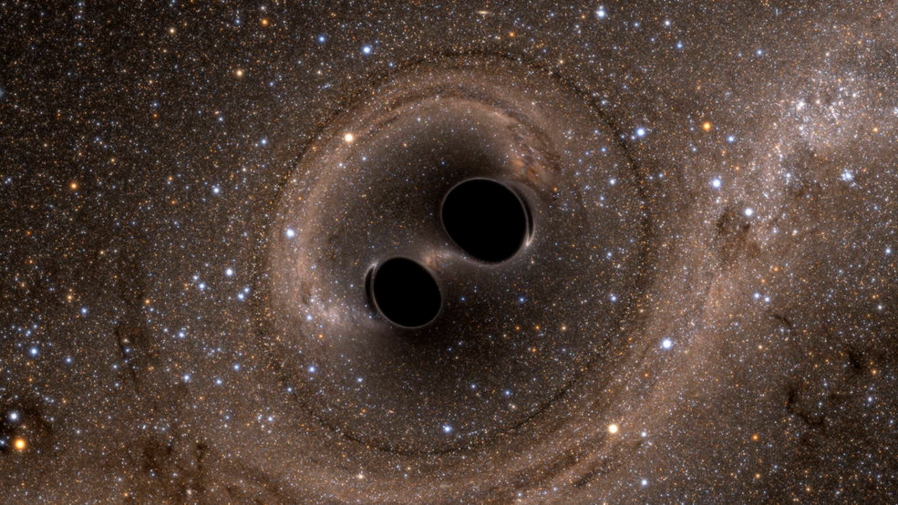
Black holes pull objects towards them and they can also attract each other. Like two whirlpools in the ocean, the black holes orbit around each other, radiating gravitational waves as they draw nearer. Eventually they lose energy in the gravitational radiation as their revolutions speed up and get closer, allowing their event horizons to merge. The last phase, before they merge, is called the ‘ringdown’, where the unified black hole system is still ringing and radiating, but progressively less so.

This ringdown phenomenon was first detected in 2016, when the Laser Interferometer Gravitational-Wave Observatory (LIGO) operated by Caltech and the Massachusetts Institute of Technology detected gravitational wave signals from a pair of inspiralled black holes as they merged and underwent the ringdown – discoveries that led to the Nobel Prize in 2017.

“In the ringdown phase, the black hole starts vibrating after interacting with matter.  These vibrations get translated into gravitational waves, in the same way a guitar string translates being plucked into sound waves. It also happens that independently on how you ‘pluck’ the black hole, for example if it is fed by a scalar particle, a photon, or an electron, the resulting gravitational wave will have the same frequency, much like the string,” explained KU Assistant Professor in the Department of Applied Mathematics and Statistics Dr. Davide Batic.

The waves are sent out during the ringdown phase and are composed by many frequencies, called quasinormal modes. Their oscillations become smaller and smaller as time goes by.

“Despite all the knowledge we have on the quasinormal spectrum of black holes, there has been no actual explicit formula to compute them. All computations have been done using numerical methods,” Dr.  Batic added.

Dr. Batic has co-published a paper on the new black hole oscillations he believes he has discovered. The paper titled ‘Some exact quasinormal frequencies of a massless scalar field in Schwarzschild spacetime’, was published in the journal Physical Review D with co-authors Dr. Marek Nowakowski from the Universidad de los Andes, Columbia, and the master student Karlus Redway, from the University of the West Indies.

The team’s research results may also advance the development of a grand unified physical theory, which has a been an ongoing challenge in physics for decades. Such a grand unified theory should merge two of the main pillars of modern physics – General Relativity and Quantum Mechanics. Furthermore, when General Relativity is pushed to the limits, like inside the event horizon of a black hole, it makes an ‘unphysical prediction’ that the core of a black hole would have infinite curvature.  

In Einstein’s General Theory of Relativity, gravity is caused by the curvature of space-time. However, the theory cannot account for ‘unphysical predictions’ — calculations not in accordance with the laws or principles of physics — when applied to what happens inside the event horizon of a black hole.

“Apart from trying to describe how quantum fields interact with black holes – this is what we call quantum field theory in curved space-times – results in this area are of paramount importance in the development of a unified physical theory such as Quantum Gravity because every candidate theory of topics such as String Theory and Loop Quantum Gravity will need to pass a fundamental test, namely it must be able to reproduce on a certain scale all predictions arising from quantum field theory in curved space-times,” Dr. Batic explained.

He is now working to derive a formula to compute the numerical values of the quasinormal wave modes from black holes. This, combined with the experimental data collected by LIGO and the European Virgo interferometer experiment, may be able to show the existence or absence of black holes inspired by noncommutative geometry, thus helping us to better understand the key ingredients of Quantum Gravity.

“We already know that General Relativity is not able to reliably explain what happens inside the event horizon of a black hole. This suggests that we need a better theory unifying General Relativity with Quantum Mechanics, and at the same time black holes may contain the deepest secrets of the universe and its beginnings. Many things can be benefited by further study into black holes, as they provide a unique opportunity to test all of the physical extremes – very large distances, very small distances, very high energies, etc.,” Dr. Batic explained.

Integrated Framework to Measure Sustainability of Desalination

Team Develops First Index to Account for the Sustainability Performance of Desalination Technologies

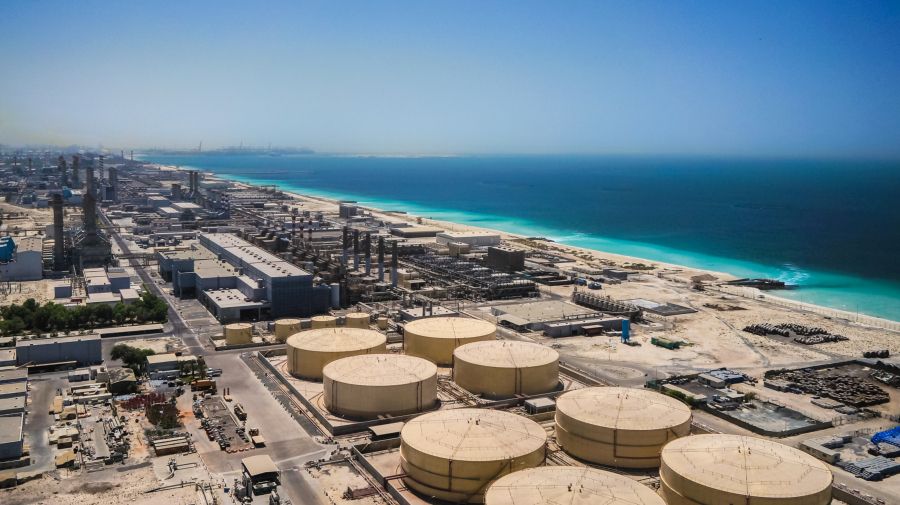
In water-scarce urban environments like those of the UAE, desalination technologies play a central role in transforming plentiful saline and brackish water to create freshwater that meets the population’s needs. In the UAE, natural gas-powered thermal desalination is estimated to produce around 80% of the country’s domestic water.

However, desalination is not an entirely benign process, with associated economic, environmental and social impacts. This makes ensuring that desalination does not harm the very environments and populations that they are meant to help support an ongoing challenges. In response to this need, a Khalifa University research team has collaborated with both international and regional experts to develop the first universal integrated framework to assess the sustainability of desalination technologies.

“As far as we could find out, there was no unified sustainability metric to measure the sustainability of a desalination plant in the UAE. That is why we decided to formulate a comprehensive framework for the UAE, to generate a sustainability index that takes into account the four factors of sustainability, which are environmental, social, technical, and economical,” explained Dr. Faisal AlMarzooqi, Assistant Professor of Chemical and Environmental Engineering at Khalifa University.

A paper on the framework titled “An integrated framework for sustainability assessment of seawater desalination” was recently published in journal Desalination, co-authored by research associate Yazan Ibrahim, Dr. AlMarzooqi, Professor of Chemical and Environmental Engineering Dr. Hassan A. Arafat, and Professor of Engineering Systems and Management Dr. Toufic Mezher, all from Khalifa University.

“What makes desalination a different and more urgent challenge than ever before, is the rapid evolution of this region in its social, environmental, and economic contexts. This led to a significant dependence on desalination as a reliable freshwater alternative due to the geographical and geological structure of the UAE that limit the number of natural water resources,” Ibrahim shared.

The framework developed by the team combines different desalination-related sub-factors and covers the four sustainability factors. It took a unique methodological approach to integrate the different framework components to be able to assess the sustainability of any desalination technology worldwide. The framework consists of three levels, the first being the goal sought to be reached, the
second level being the main sustainability factors and the third being the sub-factors assigned to each factor.  The framework was then demonstrated by assessing the sustainability of the three main desalination technologies in the UAE, which are multi-stage flash distillation (MSF), multiple-effect distillation (MED), and seawater reverse osmosis (SWRO).

“SWRO, which is a membranes-based process, is the most widely adopted technology worldwide, with a global share of around 68% in 2018. It is characterized with low environmental impacts, low cost, reduced land use, and ease of operation. On the other hand, MED and MSF, which are thermally-based technologies, are known for their reliability and robustness as well as their high environmental footprint. Therefore, the challenge for sustainable desalination today lies in the ability to find a tradeoff between the economic, social, and environmental aspects of these technologies,” Yazan explained.

Overall, the three main sustainability factors were environmental, techno-economic and social, each of which had 5-6 desalination-related sub-factors, which were selected from published literature and expert opinion on the topics. The technical factor demonstrated the technically feasible of the technology. This is closely related to the economic factor. Therefore, the team decided to combine those two factors into one representative factor namely techno-economic. Some of the sub-factors included water extraction and discharged brine impacts in the environmental factor, quality of produced water and scaling and fouling propensity in the techno-economic factor, and technology safety and level of noise in the social factor.

When the framework was applied to the three major types of desalination technologies used in the UAE, SWRO was found to be the most sustainable technology followed by MED and MSF.

“This was due to the unique local conditions and parameters of the UAE – like the relatively low price of natural gas and the relatively higher weightage of environmental impact. That is why it is important to calculate the sustainability of a technology in a way that is specific to its local application. In the future if new technologies emerge, these too can be added to the index and framework,” Dr. Al Marzooqi explained.

The team is now working on the technological aspects of sustainable desalination and hope that opportunities are generated in the near future to further develop sustainability indices.

“Till date, the economics and efficiency of sustainable desalination technologies are not able to fully replace traditional desalination technologies. Sustainable desalination technologies are still awaiting a technological breakthrough to give it a competitive advantage against traditional desalination technologies. This research will serve as a performance metric for sustainable desalination. This will benefit the UAE and the world by enabling the government and regulatory bodies in measuring the
current sustainability of desalination plants and setting future targets which will help in achieving other sustainability related targets such as climate change and other,” Dr. Arafat added.

And though the team’s framework was developed to test the sustainability of desalination technologies in the UAE, it can be universally applied to other desalination technologies and/or other countries.

Their research has also been presented through two conference presentations – one at the International Desalination Workshop that was held in Busan, South Korea in November 2017, and another at the Desalination for the Environment Conference of the European Desalination Society that was held in September 2018 in Athens, Greece.

Zarina Khan
Senior Editor
17 December 2018

Using Seawater and Sand to Support UAE’s Economy and Environment

KU’s Seawater Energy and Agriculture System (SEAS) Demonstrates its Potential to Produce Food and Biofuel to Support National Goals

The UAE has many economic targets and visions for its prosperous and innovative future – joining the top 10 in the Global Food Security Index by 2021, growing its aviation sector while meeting international sustainability commitments, achieving economic diversity – but all of them must work within one major limitation: freshwater scarcity.

The country’s total annual renewable freshwater resources – meaning available groundwater that recharges with rainfall — are estimated at only 150 million m3 while its total water withdrawal was estimated at 3,998 million m3 in just 2005. That huge gap has been met by desalination, which in turn comes at a cost – energy, carbon emissions, and environmental impact. In fact, it’s estimated that the UAE’s joint electricity and water production method accounts for one third of the country’s greenhouse gas emissions.

The UAE leadership has launched a number of initiatives to meet its goals in its various sectors that work within these limitations, but one bold project is looking to address these needs and limitations while developing an important industry for the UAE – halophyte agriculture – or the cultivation of crops adapted to grow in saline conditions. The success of the first commercial flight fueled with biofuel produced through Khalifa University’s Sustainable Bioenergy Research Consortium (SBRC), which took place on 16 January with much fanfare, has demonstrated the viability of this project that produces food and fuel considering the country’s freshwater limitations while complementing its industrial goals.

“This is a major achievement for the UAE, as it shows that the country can raise fish and shrimp while growing the crop used to make bio-jetfuel, without taking up any farmland or freshwater. The SBRC’s Seawater Energy and Agriculture System (SEAS) offers a multitude of benefits that respond to the UAE’s various strategic and industrial targets,” explained Dr. Alejandro Rios, Director of the SBRC.

The SBRC was established in 2011 by Masdar Institute, which later became part of the Khalifa University, with Etihad Airways, Boeing and Honeywell UOP. The founding members were later joined by ADNOC Refining, Safran, GE, and Bauer Resources. The SEAS pilot facility was inaugurated in 2016.

The SEAS works by integrating aquaculture with halophyte agriculture and agroforestry as renewable energy crops. The SEAS pilot facility, located at the Masdar Institute campus of Khalifa University was built on desert land. It has six aquaculture units that use seawater to raise fish and shrimp. The fish farm produces a nutrient-rich effluent, which is directed into Salicornia fields where it fertilizes the oil-rich and salt-loving plants. The leftover effluent from the process is then diverted into the cultivated mangrove forests, which further purify the water and remove carbon dioxide from the atmosphere while sheltering fish nurseries that live around their underwater roots.

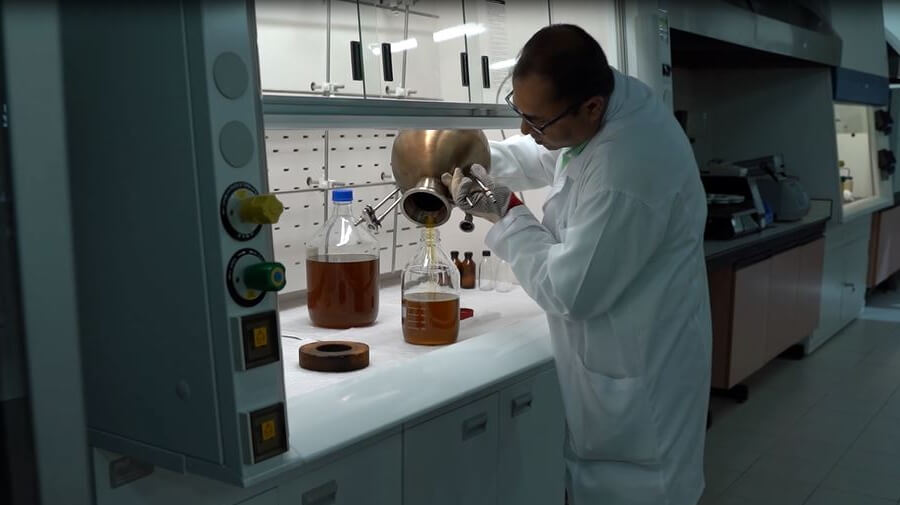
“Once Salicornia the plants are harvested, they are set out to dry in the sun for about a week. They are then ground using a hammer mill and winnowed to separate the seeds from the straw. The oil is then extracted from the seeds by pressing and then the oil is degummed and neutralized to remove any impurities,” Dr. Rios explained.

The Salicornia oil can be refined in the same facilities used to refine crude oil into petroleum, making it complementary to the UAE’s existing hydrocarbon infrastructure. The resulting biofuel is then mixed at the allowed concentration with regular jet fuel so that it can be ‘dropped in’ to an aircraft without any modification to the engines or airframe.

This biofuel is of particular value to the UAE, as the International Civil Aviation Organization (ICAO) Council has approved new rules and standards that have capped growth of international aviation carbon dioxide at 2020 levels from 2021. From January 2019, all ICAO member states with aircraft operators undertaking international flights – which includes the UAE – must compile and submit their airlines’ CO2 emissions to the ICAO so it can prepare its planned Carbon Offsetting and Reduction Scheme for International Aviation (CORSIA). Using biofuel like the one produced through SEAS supports the UAE in its desire to meet these standards while allowing its aviation sector to continue to grow. The UAE’s aviation sector is part of its diversification plan, and is estimated to account for 16% of its GDP by 2025.

“Our next step is to build our demonstration scale facility at the 200-hectare level. We will use this facility to unlock the knowledge required to take this to commercial scale,” Dr. Rios shared, adding that “there are still a number of unanswered questions about what it will take to make this commercial, but if the SEAS were to expand to around 100,000 hectares, it could produce a significant amount of biofuel to help the UAE aviation sector meet its needs for CORSIA, though of course, this would be a challenging and unprecedented undertaking.”

At this scale, the SEAS could also help reduce the country’s carbon footprint and improve air quality, as the Salicornia and mangroves planted as part of the system would remove carbon dioxide from the atmosphere.

The fish and seafood produced through the SEAS can also help the UAE achieve its goal of reaching the top 10 in the Global Food Security Index by 2021, up from its current 31st place, which was announced by UAE Minister of State for Food Security Mariam Hareb Almheiri in early December.

“Depending on the productivity of our fields, and the species we raise, we believe that over the next 20 years, if given the space and funding to expand, SEAS can produce enough fish and seafood to meet the UAE’s demand gap,” Dr. Rios added. The gap he refers to is the difference between the wild catch and current aquaculture production, and the UAE’s market consumption of seafood. Data from the UAE Ministry of Environment and Water (now the Ministry of Climate Change and Environment) recorded UAE fish catch in 2013 at 73,203 tons compared to consumption of 210,000 tons, revealing a 136,797-ton gap.

The facility can also produce other outputs of value to the country, contributing to its diversification. The Salicornia seed-cake can be used to make a protein rich meal for human or animal consumption, and other potential bioactive agents can be extracted from the plant’s straw fraction that have industrial applications that are being explored for their novel intellectual property value.

SEAS also serves as a research and training facility for the next generation of chemical, water and environmental engineers for the country’s knowledge economy.

“As a Khalifa University research facility, graduate students can develop thesis research around the SEAS, and work at the facility to test and validate their concepts.  Depending on their area of research, students can learn anything from chemical engineering to genetic bioprospecting, to soil characterization, to techno-economic evaluation tools,” Dr. Rios shared.

That is why the SEAS is unprecedented in its pilot project delivery and its future potential. It is an indigenous system that ticks the UAE’s boxes for promoting energy sustainability, economic diversity, food security, carbon footprint reduction, and training and employing high-tech professionals in the future knowledge economy.

“This is a great example of industrial synergy at work, and it’s rare to see other projects in the UAE that can do so much, using inputs that most people would consider a weakness when thinking about bioenergy – desert land and seawater,” Dr. Rios concluded.

Zarina Khan
Senior Editor
24 January 2019

Ultra-Light and Strong Drones Possible through New 3D Printing Innovation

Mechanical Strength Improved by 1600% while Weight Reduced by 50%

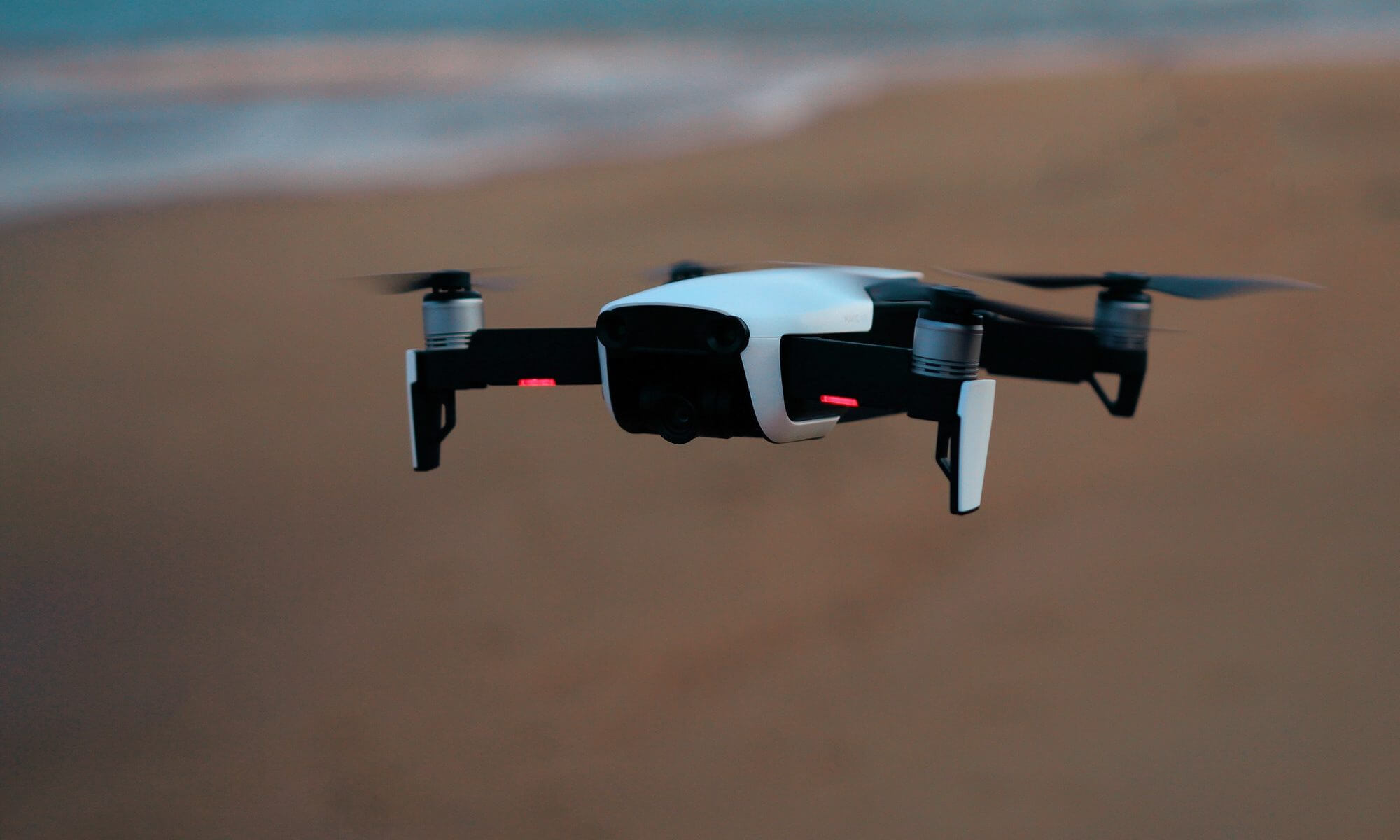
A collaborative team of researchers from Khalifa University, Kingston University, and the University of Liverpool have leveraged the unique capabilities of additive manufacturing – or 3-dimensional (3D) printing – to design ultra-strong, lightweight and functional components that will make the structures of unmanned aerial vehicles (UAVs) significantly lighter and stronger, allowing for advanced applications. The results of their research were also published on 3Dprint.com, an authority on the 3D printing industry.

KU’s research team, led by Associate Professor of Aerospace Engineering Dr. Yahya Hashem Abdallah Zweiri, was able to increase the mechanical strength of 3D printed plastic parts by 1600% through a sandwich-structured composite solution and reduce the weight of 3D printed drone structures by 50% through topology infill optimization methods, which optimize the material layout within its design space and its interior structure. Results will support the advancement of the UAE’s national innovation goals, specifically in the targeted area of autonomous transportation, which is identified by the UAE Economic Vision 2030 as a key area of focus.

“3D printing has been limited by factors like production costs and low material strength, underscoring the need for disruptive developments in advanced manufacturing. With so many of KU and the UAE’s goals dependent on climate and energy research, and so much of that research dependent upon drones, it was prudent that we focus our 3D printing research on more practical applications like drone tech,” said Dr. Zweiri. “Our contributions to 3D printing materials and production methods have enabled the production of lightweight, low-density drones that are able to carry bigger payloads, such as larger batteries or additional electronic components and hardware.”

Traditional manufacturing methods produced drones that, despite being dense and heavy, had relatively low tensile strength, making them brittle. This limited the potential application of drones for industrial and research purposes in military, agricultural, search and rescue, telecommunications, transportation, topography, mapping, and surveillance, where robust UAVs play unique roles with varied hardware and electronics.

Typically the methods to improve the structural integrity of 3D printed plastics such as resin filling, ultrasonic strengthening, and infrared laser heating, have only been able to improve the strength of printed parts by 45%, 22%, and 50%, respectively. However, these improvements are incremental advancements compared to the results achieved by KU researchers through use of the sandwich-structured composite solution and topology infill optimization methods.

A sandwich-structured composite is a special class of composite materials that are fabricated by sandwiching a lightweight but thick core between two thin but stiff skins. Topology optimization works by finding the best distribution of material given an optimization goal and constraints, while infill optimization works in a similar way, filling in the interior structure of the design in the most ideal way given the goals and limitations of the structure and materials used.

“Our focus has been to retain the advantages of 3D printing, which enables rapid manufacturing of complex geometries, and applying simple post-processing steps to make 3D-printed drones far more resilient, lighter, and therefore more useful for local industry and research purposes. To reduce the weight, we developed a unique topology and infill optimization method that employs unique geometries to create lighter, porous structures,” said Dr. Zweiri.

Less dense core material will inevitably lead to weaker components and structures, which by itself doesn’t improve the efficacy of drone technology. However, when combined with CFRP laminates, the structure is not only lighter but significantly stronger.

By reducing the weight and simultaneously increasing the strength of 3D printed components, KU’s research collaboration has enabled drones to increase flight-time through use of larger batteries, collect more data through more complex sensors, and perform more specialized tasks with heavier hardware.

Drone technology has improved drastically over the past decade with numerous improvements in electronics, computer processing, production methods, and core materials. Based on a Wohlers Associates report, the estimated global market for 3D printing was more than USD5.1 billion in 2015, with a corporate annual growth rate of more than 25.9%. As technological advancements in 3D printing drives cost down and improve efficiencies, the market is expected to grow to USD21 billion by 2020.

Beyond use in UAVs, the contributions of Dr. Zweiri’s team and collaborating researchers have many practical applications in other fields of research and industries. The lightweight and strong structures they developed through synergy between CFRP and 3D printed material, are noncorrosive and thus have wide ranging utility in space, robotics, and biomedical research. His research is expected to further the advancement of 3D printing, autonomous transportation, and synthetic materials manufacturing while contributing to the UAE’s innovative knowledge economy.

Read the full article.

Zaman Khan
News and Features Writer
Date: 26/02/209

What we learned from the Mars rover Opportunity

Robotics and autonomous systems will play a key role in the UAE’s Fourth Industrial Revolution—indeed, the UAE plans to send a robot to Mars by 2030—and there’s plenty going on at KU to address some of the cutting-edge R&D challenges in robotics. The KU Center for Autonomous Robotic Systems (KUCARS) focuses on three frontier robotics application themes: Robotics for Extreme Environments, Robotics for Industrial Applications, and Robotics for Infrastructure Inspection; but it’s the final frontier that’s interesting researchers in the wake of the death of the Mars Rover Opportunity.

“Certainly, a mission that had to last only three months and successfully operated for 14 years is a great achievement by itself. It is a great victory against atmospheric weather and the radiation environment,” said Dr. Elena Fantino, Assistant Professor of Aerospace Engineering. “However, the technological success of these missions has to be seen as step-by-step progress made by the several programs that NASA has designed and launched since the early years of interplanetary exploration.”

Getting there in the first place

NASA is still the only agency that has been capable of landing a spacecraft on Mars—all attempts by the European Space Agency have dramatically failed, with the recent crash of the Schiaparelli probe a fine example. The lessons learnt from this are that entry, descent and a soft landing on Mars are the components of the most critical phase in a spacecraft’s journey, and uncertainty as to atmospheric density and navigation errors make it even more strenuous.

“Landing on Mars is super hard,” explained Dr. Thomas Zurbuchen, Science Mission Director at NASA. “On average, 50 percent of the missions that go to Mars fail. We have the worst of both worlds on Mars: if you come into the Earth from the space station, the atmosphere slows you down. We have a massive atmosphere and we know how to handle this. If you land on the moon, that’s easy because there’s no atmosphere, and we use retro boosters to handle that. If you want to land on Mars, you can’t ignore the atmosphere, but it’s not going to help you. You have to use a shell, a supersonic parachute, and then the retro rockets—all autonomously—to get your spacecraft to the surface. If any of this fails, you’ll make a new crater.”

Powering exploration

“We know that dust storms on Mars affect the efficiency of the solar cells, and this is the mostly likely cause of the termination of the Opportunity mission. The Rover was unable to produce sufficient electrical power to operate or even survive in the cold atmosphere of Mars,” explained Dr. Fantino. “This is why the Curiosity (Mars Science Laboratory) Rover carries a radioisotope thermoelectric generator (RTG) as its primary source of electrical power, rather than relying on photovoltaics.”

Navigating the unknown

The surface of Mars is rough terrain. “It’s rough to navigate and it causes stress to the robot,” said Dr. Lakmal Seneviratne, Professor of Robotics and Director of KUCARS. “One of the problems with navigating rough terrain is traction. When we walk, we know instinctively what we are walking on; but walking is very difficult, and you only realize this when you’re trying to create robots that can walk. If we have sensors, we can identify what the soil properties are, feed that back to the controller, and then they can adjust the robot’s movements to make it more effective.”

Opportunity needed a team of mission engineers, drivers and scientists on Earth to collaborate on its movements from one site to the next. The rover needed to maneuver around rocks and boulders, climb rocky slopes as steep as 32-degrees, probe crater floors and find its way across dry riverbeds—it had been designed to travel just 1,000 meters. Instead, it travelled more than 45 kilometers. But with another 144,798,455 square kilometers to explore, future rovers need to rugged enough to handle the journey.

Communications

The vast majority of space missions never return to Earth. After launch, a spacecraft’s tracking and communications system is the only means with which to interact with it. Without a consistently effective and efficient communications system between the spacecraft and the Earth, there would be no successful mission.

The demands placed on deep space communications systems are continuously increasing. According to NASA, as of March 2016, the Mars Reconnaissance Orbiter (MRO) had returned more than 298 terabits of data, but NASA estimates the deep space communications capability will need to grow by a factor of 10 each of the next three decades—to an astonishing 298,000 terabits. As we ask more detailed scientific questions, more sophisticated instruments are needed to answer them—and more data is required. Even at its maximum speed of 5.2 megabits per second (Mbps), it takes 90 minutes for MRO to send a single high-resolution image back to Earth. Understandably, the biggest obstacle to overcome is the enormous distance between us and space-faring robots. The two Voyager spacecraft are more than 15 billion kilometers away from home, and updates to the communications capability need to be extremely reliable and versatile to handle trips to (comparatively) nearby Mars and the far-flung corners of the galaxy.

The system needs to be reliable as any issues with the spacecraft can only be diagnosed, repaired, and mitigated via the communications system once it has left terra firmaon Earth. It needs to be hardy and versatile to accommodate the long system lifetime of a planetary mission. And it needs to be no heavier than a few kilograms and only consume just enough power to illuminate a refrigerator light bulb.

Much of the communication difficulty could be solved if the robots sent to Mars were autonomous. Behind many robotic systems operating today there’s a person controlling them. “They’re remote-controlled or semi-remote-controlled because autonomy is very hard,” said Prof. Seneviratne. “Robots can do three things: they move, they sense, and they intervene. They have legs, eyes, and arms. When you have a remote-controlled robot, you’ve also got the time delay. But achieving autonomy is very difficult. It’s a sensory issue—it’s both software and hardware as they form a continuum. We don’t have the feedback going into the sensors, and we don’t have the processing methods to interpret the feedback.”

The challenges are enormous.

The next step for mankind

Landing on Mars is one thing, having thriving robots is another: but the real challenge is living on Mars.

“The reason we’re talking about sending people to Mars is because sending robots there is very difficult to do,” explained Dr. Seneviratne.

Space agencies and aerospace companies around the world continue to address the challenges of living in space, such as using existing resources, options for disposing of trash, and more. Missions to the moon are about 1,000 times farther from Earth than missions to the International Space Station, requiring systems that can reliably operate far from home, supporting all the needs of human life. Then, there’s the 34 million mile trip to Mars to consider.

“Between sending robots to Mars and sending humans to Mars is a huge step. You just need to think about the amount of resources needed to facilitate human life—all the water, for example,” said Dr. Fantino.

The atmosphere on Mars is mostly carbon dioxide, the planetary surface is too cold to sustain human life, and the gravity there is just 38 percent of Earth’s. Innovative companies have been designing habitat prototypes that are self-sustaining, sealed against the uninhabitable atmosphere, and capable of supporting life for extended periods without support from Earth. Environmental control and life support systems are nothing new—thanks to the International Space Station—and crew are used to air locks and docking ports. But ISS crew members and astronauts are used to short missions in space.

Spaceflight of any kind presents unique stressors, from high G forces, increased radiation and microgravity, to sleep deprivation and nutritional complications. A mission to Mars and back would take a minimum of 520 days and see the crew journey around 360 million kilometers from home—that’s 520 days experiencing microgravity, confinement, stress from high expectations and risk of equipment failure, and microgravity-induced changes such as alterations in body fluid distribution.

“This is a fascinating topic—combining advanced machines and bioengineering healthcare solutions in pursuit of one goal: human presence in space,” explained Dr. Cesare Stefanini, Associate Professor of Biomedical Engineering and Director of the Healthcare Engineering Innovation Center. “With robots, we can remotely­—but physically—access space and other planets, and with bioengineering, we can make human life in space possible. This has happened already, and the goal now is to extend our reach in terms of distance and ‘sojourn’ time.”

From Dr. Stefanini’s point of view, there are two primary factors conflicting with life in space: microgravity and the presence of radiation. Other aspects, such as circadian rhythm, absence of atmosphere and extreme temperature ranges can be addressed and compensated with engineering solutions in a relatively easy way, but the two main aspects are less easy to tackle, with potentially severe consequences.

Microgravity

“Microgravity is the word used to refer to a whole set of physical phenomena that occur in a vehicle in orbit—it is not the lack of gravity,” explained Dr. Fantino, “In low-earth orbit, the gravity (or better, the gravitational acceleration) is still more than 90 percent of the gravity on the surface. And gravity is the only reason a satellite can be in orbit around Earth, around Mars, or in interplanetary space (around the Sun). What causes ‘microgravity’ is the fact that in the frame of reference of the vehicle (spacecraft, or platform, or satellite), people and objects feel the same acceleration towards the Earth and this acceleration is the cause of the orbital motion. Gravity is not felt as force that pulls downwards, but as a force that pulls an object in a circle. An astronaut floats inside the ISS because both the astronaut and the ISS move on the same circle around the Earth—it’s a different experience of gravity. But this enables all sorts of chemical and physical phenomena (such as the fact that particles don’t settle in a solution because they are not pulled downwards) that has paved the way to a new branch of scientific research.”

What effects then does microgravity have on the human body?

“Microgravity impacts on the properties of bone, making them less dense and strong; cardiovascular physiology (heart atrophy); and vision due to damage to the eye from increased intracranial pressure,” said Dr Stefanini. Equally, there’s a risk to immune health as studies have demonstrated a key role for microgravity in microbial physiology: bacteria can proliferate more readily in space, which suggests that this environment is better able to initiate growth that could lead to contamination, colonization and infection. A total of 234 species of bacteria and microscopic fungi were identified in the Mir space station environment between March 1995 and June 1998, and if these bacteria can survive the extreme conditions of spaceflight, they pose a considerable risk of contaminating not just the crew on board, but also wherever they may land. “To counteract this,” said Dr. Stefanini, “we need to restore gravity, and solutions can be developed by implementing artificially-generated inertial forces, for example via rotating systems.”

Radiation

Since Yuri Gargarin, over 450 people have travelled into space, but only those on Apollo missions have ventured beyond the first 500km of the low-Earth orbit. Low-earth orbit has a protective measure for humans planet-side and in space: the Earth’s magnetic field deflects a significant amount of radiation, but beyond the Van Allen radiation belt, where charged particles are trapped in this magnetic field, astronauts are exposed to solar and cosmic radiation. A 520-day round-trip to Mars would mean an astronomical amount of exposure for the crew on board.

“Radiation in space is characterized by high energy and carcinogenicity, especially for long missions such as the one for reaching Mars. Shielding is more difficult than in terrestrial applications, but the development of new materials opens the door to potential solutions,” explained Dr. Stefanini.

Exploration of the moon and Mars is intertwined: the moon provides the opportunity to test new tools, instruments and equipment that could be used on Mars to build self-sustaining life-support systems away from Earth. Sending humans far from Earth raises another intriguing problem: the one of space medical treatment and how to intervene on a patient by remote presence. Again, robots can be of great help (e.g. tele-operated surgical systems), allowing for surgeons on Earth to operate at very long distances. “This is already a reality,” said Dr. Stefanini, “The technology is there.”

NASA plans to send someone to Mars by 2040 but there’s a lot of work to be done in the meantime. The Mars Rover Opportunity lies in its most appropriate final resting place in Perseverance Valley—a symbolic end for the first robot on Mars.

Jade Sterling
News and Features Writer
26 March 2019

Khalifa University Master’s Graduate in Material Science and Engineering Interns at Casey Research Station in Antarctica

Set to Graduate in Fall 2019, Tawaddod Alkindi Weathers Icy Conditions to be Part of First Solar Panel System Installation near Antarctic Circle

A Khalifa University Material Science and Engineering Graduate, Tawaddod Alkindi, has become the first student to complete her internship at the Casey research station that is part of the Australian Antarctic station, located on Vincennes Bay in the Windmill Islands, just outside the Antarctic Circle.

Alkindi had the opportunity to participate in the installation of 105 solar panels and three inverters that is expected to provide 30 KiloWatts of power to the Casey research station’s power grid, which is the first solar power array at an Australian Antarctic research station. The array will help reduce the consumption and storage costs of diesel fuel during the summer month when the location receives nearly eight hours sunshine per day. The Casey research station opened in 1988 to support scientific programs in Antarctica.

A large number of scientific programs are supported in and around Casey, including an international collaboration project studying the bedrock geology and overlying East Antarctic ice sheet. The project partners include Khalifa University of Science and Technology, the Australian government and Abu Dhabi Future Energy Company (Masdar). The project aims to enhance scientific understanding of the effects of global warming and climate change on the polar continent.

Alkindi said: “It was great to see the team at the station actively implementing solutions to address global climate change and environmental issues, and more importantly they are working in remote and not-so-remote locations to implement innovative solutions.”

Her internship days were filled with visits to various sections of the research station. She added: “On some days, I would visit mechanical workshops, maintenance facilities, water purification facility, remediation site, powerhouse, survival tools store, and the solar power system. But during inclement weather conditions, I would tour inside the accommodation building, where I learned about the heating/cooling systems.”

Alkindi believes it was an enriching experience as one could always meet someone from a different culture, especially during the meals. She found this time very good for sharing with others the culture of the UAE and the government’s commitment to empower Emirati youth and support women in all fields.

She said: “Meal time was my favorite because I had the pleasure to talk to different people from other cultures. It was also inspiring to hear the dreams and experience of each person I met, and get myself transported to a different part of the world.”

Her learning about the Antarctic weather continued when she participated in an outdoor survival training and learned navigation skills including the use of map, compass, and GPS, to reach the survival camp. During the training, she had to wear three layers of clothes and thermals provided by the Australian Antarctic division in addition to special types of boots, socks, and gloves.

She added: “We hiked for 10km carrying a backpack weighing 10kg with boots weighing another 2.5 kg, in harsh weather conditions and wind speeds of 42 knots under heavy snow fall.”

It was during those hikes with her Casey colleagues that she was able to watch the penguins. But more importantly, waking up at 2:30am, she could view the Aurora Australis, the incredibly captivating atmospheric lightshow, which is the Southern cousin to the Northern Lights.

Associate Professor Dr. Daniel Choi said: “As Tawaddod AlKindi’s former academic advisor, I am very proud that she has completed her internship at the Casey research station on Vincennes Bay in the Antarctic. Tawaddod has been always interested in global issue of sustainability in energy and challenging herself to resolve the issues while she was studying MSc at Khalifa University. Her achievements from this internship are sure to be a good example for other Emirati young leaders.”

As a Khalifa University Material Science and Engineering student, set to graduate in Fall 2019, Alkindi wanted to give due consideration to environmental and sustainable aspects before taking up any project. For her Master’s thesis, her main target was to reduce materials waste and costs and search for alternative solutions, preserve more of the materials in the environment and stick to environment-friendly materials.

Moreover, her syllabus at Khalifa University included courses related to sustainability, renewable energy, and advanced technologies, which provided a solid foundation and helped her to better understand the various projects in Antarctica and their objectives. She added: “This indeed has increased my awareness and made me want to contribute even more towards any project or activity that would positively impact any part of the world.”

Through her Master’s thesis, Alkindi has introduced a new cell architecture for Li ion batteries to help solve the challenges related to battery weight. Her laboratory results have proved that macro-porous cathode electrodes are promising for battery light-weighting. She has presented her work at the Materials Research Society (MRS) Conference – Fall 2018 meeting in Boston, Massachusetts, and has submitted a research paper to Springer’s Electronic Materials Letters.

News Writer
04 April 2019

Khalifa University and Korea Advanced Institute of Science and Technology Launch Joint Research Center in Abu Dhabi

Collaboration to Focus on Key Areas for Fourth Industrial Revolution, Covering Smart Transportation and Smart Healthcare; and to be A Vehicle to Fund Projects

Khalifa University of Science and Technology and the Korea Advanced Institute of Science and Technology (KAIST) today jointly launched the Khalifa University-KAIST Joint Research Center in Abu Dhabi to focus on key topics of the fourth industrial revolution.

The launch event at the Khalifa University Main Campus was attended by officials from both the institutions including Dr. Sung-Chul Shin, President of KAIST, Dr Arif Sultan Al Hammadi, Executive Vice-President, Khalifa University, Dr. Steve Griffiths, Senior Vice-President, Research and Development, Khalifa University, and Dr. Man-Sung Yim, Dean, KU-KAIST Institute. In addition, government leaders from both countries were present on the occasion.

The Khalifa University-KAIST Joint Research Center will focus on ‘Smart Transportation’ that will cover autonomous vehicles, infrastructure for autonomous vehicle operation, wireless charging for electric vehicles, and infrastructure for electric autonomous vehicles. The Center will also focus on ‘Smart Healthcare’, covering healthcare robotics as well as sensor and wearable devices for personal healthcare.

Dr Arif Sultan Al Hammadi said: “We are proud to work with KAIST, the top university in South Korea and among the top universities in Asia. The Khalifa University-KAIST Joint Research Center reflects an exciting evolution of Khalifa University’s long-established partnership with KAIST. Transportation and healthcare are two important areas that offer enormous scope for innovation with rapidly evolving trends. We believe the new research center will further consolidate our status as a globally active research-intensive academic institution, developing international collaborations that benefit the community in general.”

Dr. Sung-Chul Shin, President of KAIST, said: “We are delighted to enter into this collaboration with Khalifa University, which is one of the leading universities in the UAE and the Arab world. This partnership justifies our long-standing association to collaborate with each other in importance areas including the emerging technologies that help the fourth industrial revolution while facilitating the human capital development. We believe the outcome of the research projects will establish the status of both institutions as champions of the fourth industrial revolution, bringing benefits to our communities and in the world.”

The Joint Research Center will be co-Directed by Dr. Daniel Choi, Associate Professor of Mechanical Engineering at Khalifa University, and Dr. Jong Hyun Kim, Professor, Department of Nuclear Quantum Engineering, and the Co-director for KAIST-KU Joint Research Center at KAIST.

In academic rankings, for the third year in a row Khalifa University is ranked first in the UAE, while remaining 32nd among Asian universities, and comes among the top 200 for Engineering & Technology subjects in the Times Higher Education (THE) rankings.

News Writer
08 April 2019