
Two-Day ‘AI Futures Summit: Empowering Higher Education’ Inaugurated at Khalifa University

Global Leaders, Policymakers, and Scholars Converge in Abu Dhabi for Summit Hosted by Khalifa University in Collaboration with Knowledge E


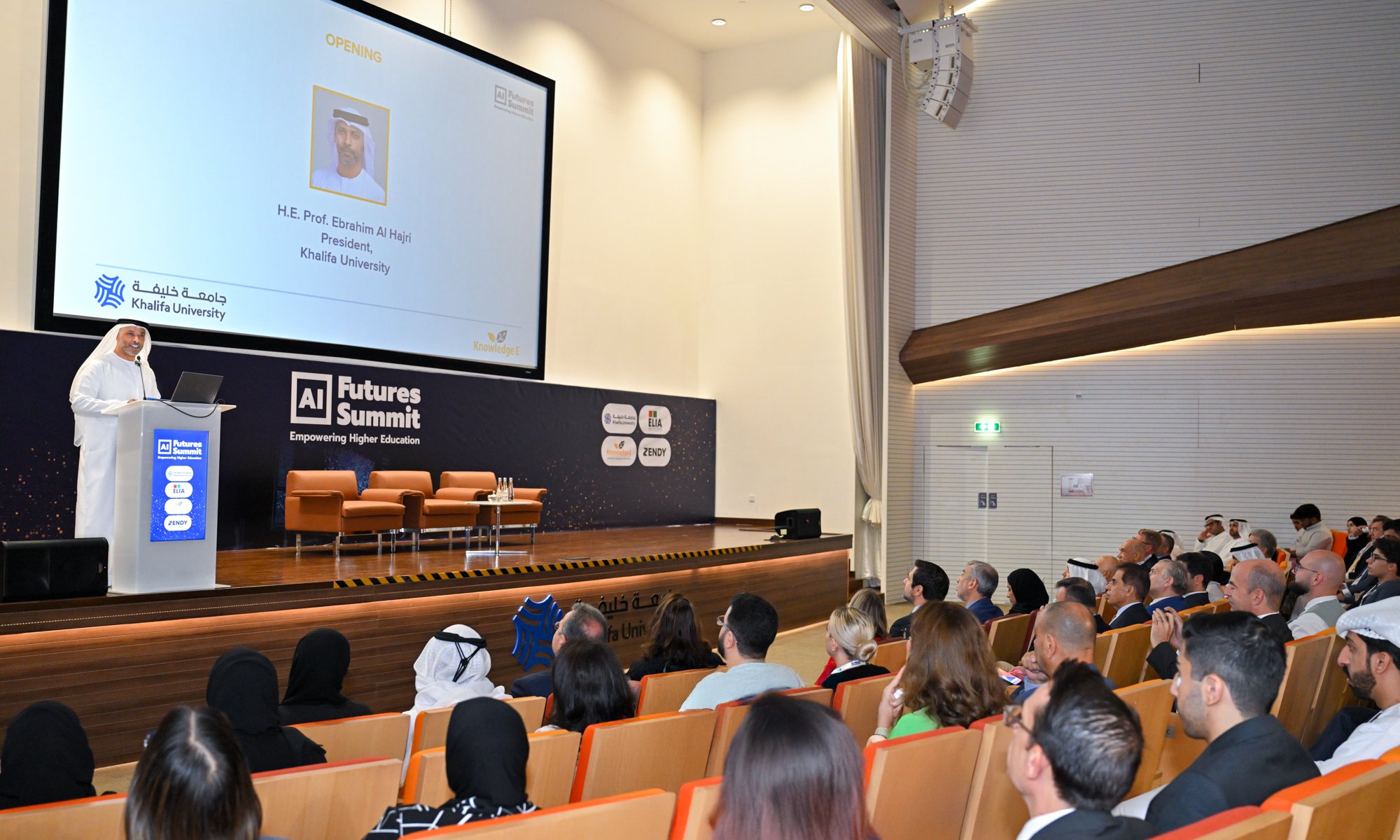
The two-day ‘AI Futures Summit: Empowering Higher Education’ organized by Khalifa University of Science and Technology and Knowledge E opened today focusing on artificial intelligence’s role in transforming education and underscoring the UAE’s strong emphasis on building future-ready institutions. Inaugurated in the presence of His Excellency Dr. Mohammad Al Mualla, Undersecretary of Higher Education, Ministry of Education, and His Excellency Professor Ebrahim Al Hajri, President, Khalifa University the Summit brings together policymakers, university leaders, and international experts to align AI innovation with the UAE’s vision for academic excellence.


H.E. Sayasat Nurbek, Minister of Science and Higher Education, Republic of Kazakhstan attended the opening ceremony of the Summit, which also brought together a large section of global AI leaders, researchers, scientists, international experts, and scholars at Khalifa University’s Main Campus, positioning Abu Dhabi as a regional hub for dialogue on AI in higher education.


A highlight of the Summit was the University Leadership Panel, that brought together Khalifa University President H.E. Prof. Ebrahim Al Hajri, H.E. Prof. Esameldin Agamy, Chancellor, University of Sharjah; H.E. Prof. Ahmed Ali Al Raeesi, Chancellor, UAE University; Prof. Tod Laursen, Chancellor, American University of Sharjah; Prof. Nathalie Martial-Braz, Chancellor, Sorbonne University Abu Dhabi; and Prof. Timothy Baldwin, Provost, MBZUAI, to discuss how higher education can empower the UAE’s AI vision through innovation and trust.


Featuring five keynotes, more than 50 speakers and over 30 case study presenters, and six high-level panel discussions and fireside chats, the Summit will also have 14 parallel sessions and workshops covering themes from AI in teaching and learning to healthcare, research management, and creative education. Khalifa University faculty will also share their expertise, alongside a hands-on workshop designed to equip participants with practical insights into AI integration in higher education.


His Excellency Professor Ebrahim Al Hajri said: “As we welcome global leaders and policymakers in AI, we firmly believe it is academics and ‘research’ at higher education institutions – universities and research institutions – that drive innovations in AI. The UAE has initiated several steps including the Abu Dhabi Government Digital Strategy 2025-2027 that aims to position the emirate as a global leader in AI-driven government, and the UAE’s introduction of AI as a mandatory subject in all stages of government education. By starting early and providing comprehensive training, the UAE is one of the few countries that has set a new standard for AI education globally.”


A keynote by Dr. Nader Ghazal, Chairman of the African-Asian Council for AI and Cybersecurity, focused on ways to address building bridges through AI-driven learning, while Nik Claesen, Managing Director of the European Association of Research Managers and Administrators (EARMA), presented a European perspective on professionalizing research management in the age of AI.


Among other key sessions, Prof. Dr. Christian Kapteyn, Professor of Digital Business & Head of Generative AI in Higher Education at SRH University, explored the future of learning with generative AI, and Cameron Mirza, Chief of Party at IREX, highlighted why organizational readiness and digital foundations were critical to unlocking AI’s value in universities. Discussions also explored how higher education can harness AI to strengthen research ecosystems, build talent pipelines, advance ethical governance, and reinforce public trust in emerging technologies.
Sensors, AI, and 3D Printing Join Forces in Diabetic Foot Care

A new study from Khalifa University researchers highlights how smart wearable devices using advanced sensors and AI could revolutionize diabetic footcare by predicting and preventing ulceration before they lead to amputation


How AI wearables could prevent diabetic foot ulcers – listen now!


Type 2 diabetes is one of the fastest-growing health crises worldwide. Complications affecting the lower limbs are among the most devastating, including the diabetic foot — a condition that often leads to ulceration, infection and, in severe cases, amputation. Globally, over 85 percent of non-traumatic lower-limb amputations are linked to diabetic foot ulcers, with recurrence rates reaching 65 percent within five years. 


A research team from the Rehabilitation Lab, part of the Health Engineering Innovation Group at the Biomedical Engineering and Biotechnology Department (Doua Kosaji, Dr. Mohammad Awad, Rateb Katmah, Dr. Herbert Jelinek, Dr. Maria De Fatima Fonseca Domingues and Dr. Kinda Khalaf), with Dr. Mohamed Baguneid (Chief of Vascular Surgery) and Dr. Abeer Alanazi from Sheikh Shakhbout Medical City, Abu Dhabi, published a systematic review in the Journal of Neuroengineering and Rehabilitation focusing on combining current state-of-the-art sensing modalities with novel actuation technology for prevention and real-time management of the diabetic foot. Specifically, the paper examines how advanced sensors, smart materials, and artificial intelligence can be integrated into wearable devices to continuously monitor risk factors and  implement preventative and management solutions.


Dr. Lourdes

“Harnessing smart sensing modalities capable of capturing diverse complications associated with the DF requires multidisciplinary exploration of both the physical/mechanical and physiological/clinical parameters influencing foot health, as well as computational technologies and AI capabilities for synergistically and simultaneously monitoring, classifying and predicting all the key variables”

Dr. Kinda Khalaf, Khalifa University.


The team focused on quantifying both mechanical stresses, such as plantar pressure and shear forces, as well as physiological wound healing parameters, including temperature, humidity, microcirculation and skin pH. These metrics can reveal early warning signs of ulcer development: a rise of just 1.2C in foot temperature may precede ulcer formation by several days, while increased shear stress can cause tissue microtrauma invisible to the patient due to nerve damage. 


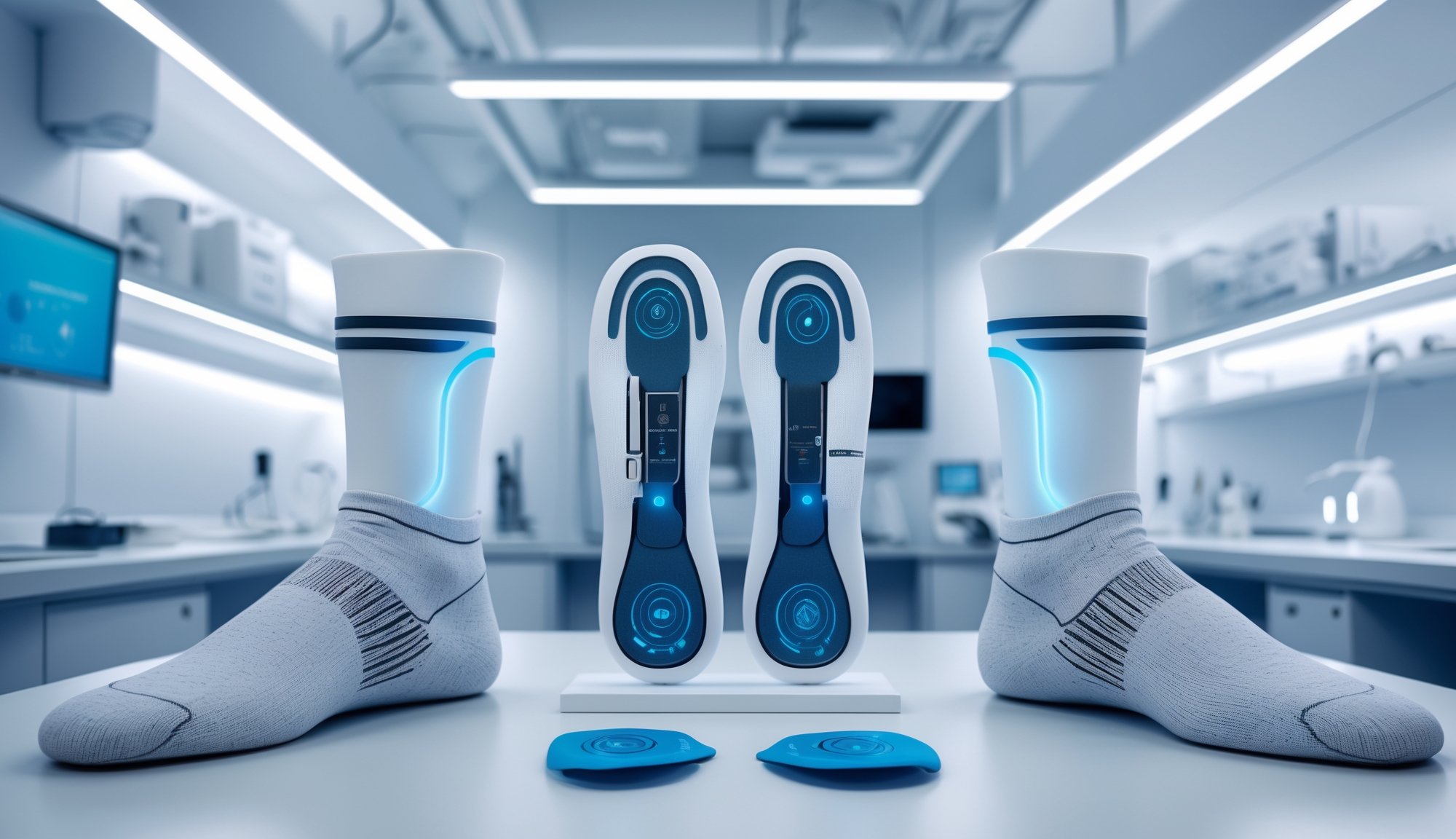
Recent technological advances include shoe insoles with sensors that track pressure distribution, smart socks that measure temperature and humidity, and integrated systems capable of sending alerts to patients and clinicians via mobile apps. Some devices even incorporate therapeutic features like red-light therapy or temperature regulation to actively support healing. 


The team also highlights how AI can analyze data from these wearables to improve prediction models, and how 3D printing allows for custom insole designs tailored to each patient’s unique pressure profile. The combination of real-time monitoring, patient-specific intervention, and remote telemedicine capabilities could transform diabetic foot care from reactive wound treatment to proactive prevention. 


Jade Sterling
Science Writer 

Soot Emissions in the Global South Far Higher Than Models Suggest


New global measurements reveal critical underestimates in pollution models, with major implications for climate and health policies

The hidden truth about global soot emissions – tune in now! 


Black carbon, commonly known as soot, is one of the most harmful air pollutants and a significant driver of climate change. An international team of researchers including Khalifa University’s Dr. Diana Francis and Dr. Narendra Nelli has now found black carbon emissions have been vastly underestimated in many parts of the world. In a study published in Nature Communications, the team found that current global emission inventories fail to capture the true extent of black carbon emissions in much of the Global South, where real-world measurements often exceed model predictions by two- to fourfold. 


Using data from the Surface Particulate Matter Network (SPARTAN), the researchers compared direct measurements of black carbon in 22 cities across six continents with simulations from a high-resolution atmospheric model. While model estimates closely matched observations in North America, Europe and Australia, they significantly underrepresented emissions in cities such as Dhaka, Addis Ababa, Ilorin (Nigeria), and Mexico City. 


The researchers concluded that the problem lies in the assumptions built into global emission models. They rely heavily on data from high-income countries and often overlook local factors like widespread use of biomass for cooking and heating, poor regulation of industrial sources, and informal waste burning. In Dhaka, Bangladesh, for example, emissions from inefficient brick kilns and open waste burning are likely much higher than current models account for. 


Dr. Lourdes

“Black carbon emissions are systematically undercounted in the Global South, where diffuse and inefficient combustion sources dominate. This misrepresentation has serious implications for both climate modelling and public health policy.”

Professor Diana Francis, Khalifa University.


This misrepresentation has broad implications. Black carbon is formed by incomplete combustion of wood, waste and fossil fuels and exacerbates warming of the air and surfaces in regions where it is concentrated. It only lasts a short time in the atmosphere but has significant direct and indirect impacts on the climate, agriculture, and human health. Underestimating its prevalence could delay or misdirect efforts to reduce emissions and protect public health. 


Although some improvements have been made to emission inventories in recent years, such as incorporating newer data from Africa and adjusting for improved cookstove adoption, they still fall short of reflecting the real conditions on the ground. 


The research team calls for urgent efforts to enhance emission inventories with more regionally specific data and to expand air quality monitoring in underrepresented areas. Without these changes, the health and climate costs of black carbon in the Global South will continue to be underestimated. 


Jade Sterling
Science Writer


3D Printing Brings Heat and UV Detection Together 

KU researchers have 3D-printed an optical fiber that simultaneously measures temperature and UV radiation by embedding responsive powders into a custom polymer


Tune in: KU’s dual-sensing fiber breakthrough


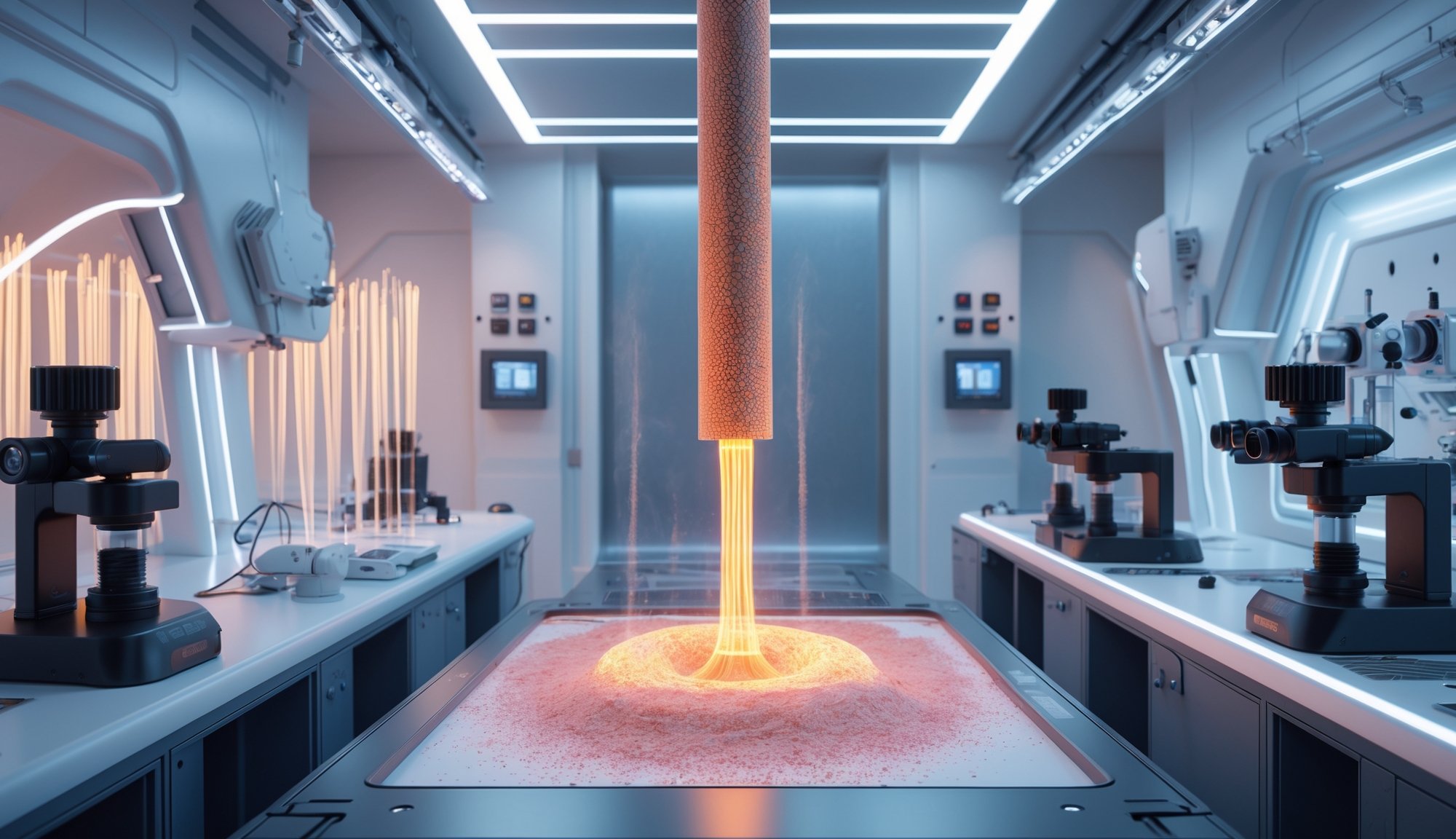
Researchers at Khalifa University have used 3D printing to create an optical fiber that can sense both heat and ultraviolet light — two important environmental factors that often require separate devices. 


Dileep Chekkaramkodi, Dr. Israr Ahmed, Prof. Rashid Abu Al-Rub, Dr. Andreas Schiffer and Prof. Haider Butt published their work in Advanced Composites and Hybrid Materials. Conventional UV and temperature sensors are often electronic and can be bulky, expensive, or prone to interference. The team’s 3D-printed fiber is lightweight, flexible, immune to electromagnetic noise, and can be tailored to different applications just by tweaking the materials or print design. 


Using digital light processing 3D printing, the team embedded thermochromic and UV-sensitive powders into a custom photocurable polymer blend. This combination enables the fiber to change its light transmission and reflection characteristics in response to environmental changes. 


Dr. Haidar

““3D printing can merge different sensing materials into one optical fiber, creating a simple yet powerful tool for monitoring temperature and UV light exposure at the same time.”

Professor Haidar Butt, Khalifa University.


By adjusting the fiber’s orientation during printing — either horizontal or vertical — the researchers could tune the balance between transmitted and reflected light. Vertical fibers tended to reflect more light, while horizontal ones transmitted more, due to differences in how printed layers interact with light. The strongest dual-sensing performance came from vertically printed fibers where the UV-sensitive section was positioned toward the incoming light.


Temperature and UV radiation affect everything from industrial equipment to human health. Prolonged UV exposure can damage skin, degrade plastics, and alter chemical reactions. Heat changes can disrupt electronics, weaken materials, and compromise safety. Having a single, low-cost sensor that monitors both at once could simplify monitoring systems, cut costs, and work in places where traditional electronics fail, such as in strong electromagnetic fields or harsh outdoor conditions.


Jade Sterling
Science Writer

Multi-Omics Technologies, Integrated with AI and Machine Learning, to Radically Transform Treatment of Type-2 Diabetes

Study by Researchers at Khalifa University with Harvard and Tulane University Addresses Critical Gap between Molecular Research and Clinical Care

Artificial Intelligence (AI), combined with machine learning (ML), and multi-omics technologies may radically change the treatment of Type-2 diabetes (T2D) and transform the way the disease is diagnosed, monitored, and managed, according to a study by Khalifa University researchers Professor Pierre Zalloua and Dr. Siobhán O’ Sullivan in collaboration with Prof Lu Qi School of Public Health, Tulane University Obesity Research Centre and Tulane Personalised Health Institute (US).


Addressing a critical translational gap between molecular research and clinical practice, the study found that integrating multi-omics technologies with AI and ML can facilitate the development of targeted patient-specific interventions, helping to reduce the global burden of this escalating metabolic disease. Current estimates indicate that 463 million adults are living with Type-2 Diabetes, a figure projected to reach 700 million by 2045, with the most significant increases expected in the Middle East, North Africa and Asia.


The researchers emphasize that understanding the complex interplay between organs and biochemical pathways is essential for elucidating how Type-2 diabetes develops and progresses. These pathways help explain how problems at the molecular level lead to clinical symptoms, and they allow doctors to group patients based on their dominant metabolic disturbances.


Dr. Siobhán O' Sullivan

“This study explores the complex molecular architecture of Type 2 Diabetes, and the important role of multi-omics integration and systems biology. This is a step forward in bridging the gap between molecular insight and clinical translation.”

Dr. Siobhán O’ Sullivan, Khalifa University.

Researchers point out new emerging technologies like multi-omics which integrate genes, proteins, metabolites, and gut microbes, offer more clarity on how genetic and regulatory changes drive disease pathogenesis. Single-cell tools further refine this understanding by pinpointing which specific cell types are responsible for issues like insulin production failure, liver glucose dysregulation, and inflammation in fat tissue.


AI and machine learning enable the integration and interrogation of these complex datasets revealing molecular patterns and regulatory networks involved in insulin signaling, fat metabolism, energy production, and immune system interactions. Such multi-omics analyses can enable precision diabetology, where therapies are tailored to the patient’s molecular profile rather than relying on a one-size-fits-all treatment approach. Predictive AI models can also generate personalized risk scores even before clinical symptoms appear, allowing for early intervention, the study finds.


Overall, by adopting a systems biology approach, the study moves beyond conventional statistical associations, advancing towards a deeper mechanistic understanding of the disease, paving the way for more personalized treatments tailored to each patient’s unique metabolic profile, says the study.


Clarence Michael
English Editor – Specialist

Khalifa University Center for Autonomous Robotic Systems Secures U.S. Patent Propelling Next-Generation Smart Robotics

Patent Strengthens Expanding IP Portfolio and Showcases Breakthrough in Adaptive Industrial Automation


A Khalifa University research team from the Center for Autonomous Robotic Systems (KUCARS) has been granted a second patent this year by the US Patent and Trademark Office (USPTO), which covers a novel robotic machine that can adapt its structure and movement for more efficient, agile, and precise machining tasks.


Developed by Khalifa University Professor Bashar El Khasawneh, Dr. Abdur Rosyid Patrum, and Professor Cesare Stefanini, Scuola Superiore Sant’Anna (SSSA), Pontedera, Italy, the robotic system, titled ‘Reconfigurable Hybrid Kinematics Machine,’ includes an intelligent, modular robotic arm system with adjustable, reconfigurable components and seamless kinematic adaptability. 


Operating in close alignment with the initiatives led by the Abu Dhabi Executive Office to position the UAE as a hub for advanced technology, the second patent is part of the University’s broader focus areas under KUCARS and to be licensed to Dexter Robotics; a technology startup under incubation at Khalifa Innovation Center. 


Designed to tackle intricate industrial challenges, the robotic system provides tools that can operate with greater flexibility, helping improve productivity and reduce downtime. The patent falls under classifications related to industrial robotics and machining systems, highlighting its potential application in sectors such as aerospace, automotive manufacturing, and advanced materials processing.


The patented technology enables machining tools to move around workpieces more efficiently through a rotatable frame and reconfigurable arms that can lock into various positions. The design includes mechanisms such as lockable and reconfigurable joints, linear bearings, and a scalable modular moving platform.


Prof. Bashar El Khasawneh said: “We are proud to announce the receipt of our second U.S. patent this year for distinct novel robotics systems. This achievement highlights KUCARS’ unwavering commitment to drive innovation in science and technology and reinforces our position as a leading research and innovation hub in the region. It marks a significant milestone in our continuous pursuit of advancing scientific knowledge and developing cutting-edge robotic solutions that address real-world industrial challenges. This success is a testament to the visionary leadership of the UAE and Khalifa University in fostering an ecosystem where groundbreaking innovations thrive and world-class research excellence comes to the forefront.”


Alisha Roy
Science Writer

UAE President His Highness Sheikh Mohamed Receives Khalifa University Delegation

The UAE President His Highness Sheikh Mohamed bin Zayed Al Nahyan, Ruler of Abu Dhabi, and Supreme Commander of the UAE Armed Forces, received a delegation of representatives from Khalifa University of Science and Technology.


His Highness Sheikh Khaled bin Mohamed bin Zayed Al Nahyan, Crown Price of Abu Dhabi, and Chairman of the Abu Dhabi Executive Council, was present.


His Highness Sheikh Mohamed commended Khalifa University for achieving the 177th rank in the QS World University Rankings 2026, to be placed among world’s top 200 universities because of its scientific and research prowess and academic strength.


The meeting was attended by H.H. Sheikh Khaled bin Mohamed bin Zayed Al Nahyan, Crown Prince of Abu Dhabi; H.H. Sheikh Saif bin Mohammed Al Nahyan; H.H. Sheikh Nahyan bin Zayed Al Nahyan, Chairman of the Board of Trustees of the Zayed Charitable and Humanitarian Foundation; Lt. General H.H. Sheikh Saif bin Zayed Al Nahyan, Deputy Prime Minister and Minister of the Interior; H.H. Sheikh Theyab bin Mohamed bin Zayed Al Nahyan, Deputy Chairman of the Presidential Court for Development and Fallen Heroes’ Affairs; H.H. Sheikh Hamdan bin Mohamed bin Zayed Al Nahyan, Deputy Chairman of the Presidential Court for Special Affairs; H.H. Sheikh Zayed bin Mohamed bin Zayed Al Nahyan; and several Sheikhs, senior officials, citizens and guests.


The Khalifa University delegation included His Highness Sheikh Hamed bin Zayed Al Nahyan, Chairman, Board of Trustees of Khalifa University, His Excellency Homaid Al Shimmari, Vice-Chairman, H.E. Salem Butti Salem Al Qubaisi, Member of the Board of Trustees, His Excellency Professor Ebrahim Al Hajri, President, Professor Bayan, Provost, Professor Ahmed Al Durra, Assistant Provost, Research, H.E. Amal Al Jaberi, CEO, Khalifa University Enterprises Company, Jalal El Jazzar, Senior Vice-President, Finance and Investment, and Dr. Ashraf Al Najdawi, Acting Vice President, External Relations, and Chief of Staff, Dr. Ray O Johnson, Senior Advisor, Office of the President. 


Others present included the deans of colleges, heads of research centers and faculty members.


The Khalifa University delegation presented an overview of one of the university’s innovative research projects, the ‘Heterogeneous Swarm of Underwater Robotic Fish’, which exemplifies Khalifa University’s commitment to marine research and scientific excellence.


The delegation expressed its deep appreciation for His Highness Sheikh Mohamed bin Zayed’s steadfast support and continued commitment to strengthening the stature and global competitiveness of higher education in the UAE. They also commended his leadership in championing scientific research and mobilizing resources to drive the nation’s progress in science and technology.


Clarence Michael
English Editor – Specialist 

Khalifa University and HENSOLDT France Sign Agreement to Advance Research in Cryptographic Security

Collaboration Focuses on Tackling Growing Vulnerabilities in Cryptographic Systems as AI and Machine Learning Techniques Evolve


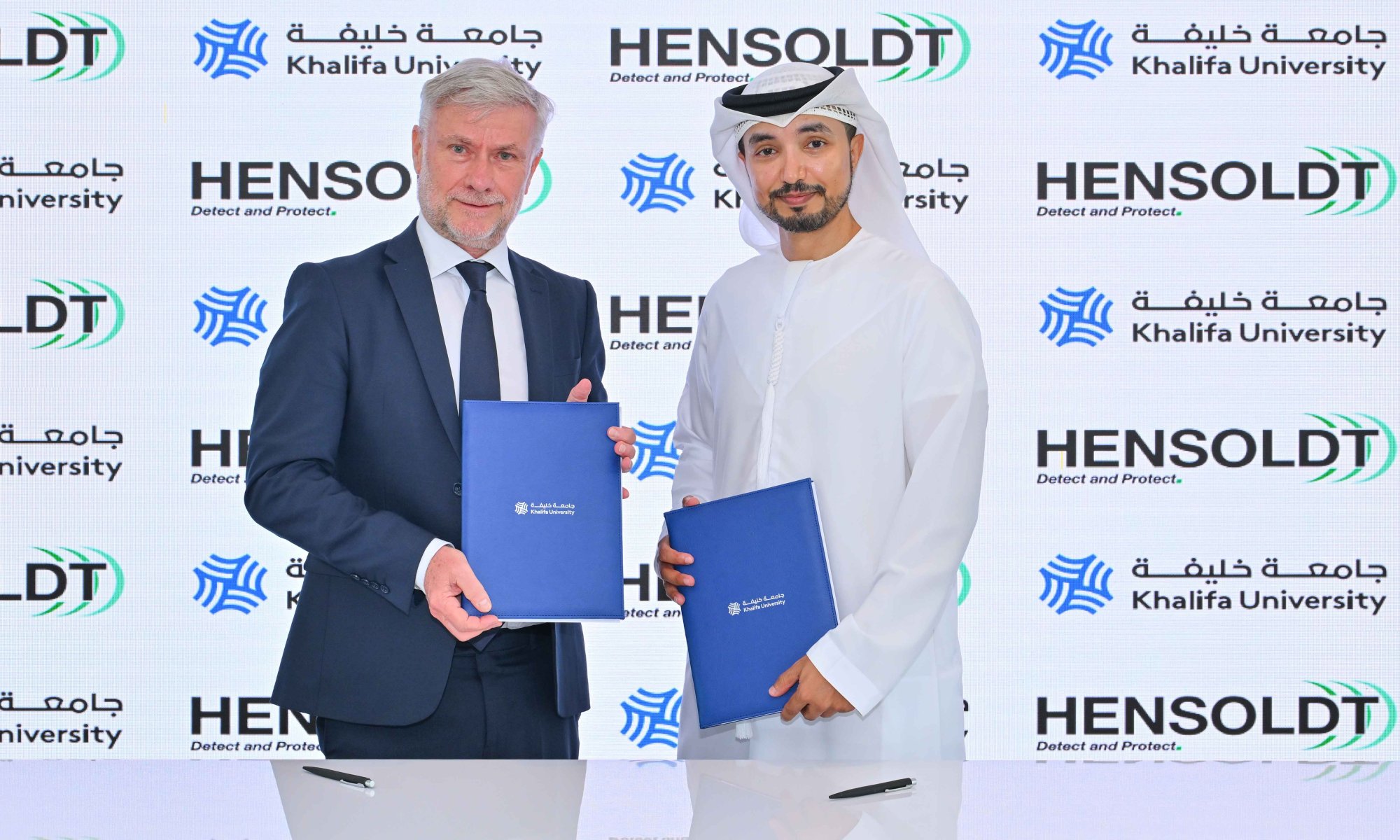
Khalifa University of Science and Technology and HENSOLDT France, subsidiary of global leader in sensor solutions for security applications HENSOLDT, today announced the signing of a research agreement to launch a collaborative project titled ‘Next-Generation Cryptographic Security: Safeguarding Against Machine Learning and Emerging Threats’.


The agreement was signed by Professor Ahmed Al Durra, Associate Provost for Research, Khalifa University and Philippe Guibourg, President, HENSOLDT France, in the presence of officials from both partners at the Khalifa University Main Campus. The research partnership will focus on three key topics related to cryptographic security and efficiency in cybersecurity strategies.


Professor Ahmed Al Durra, Associate Provost for Research, Khalifa University, said: “Collaborating with HENSOLDT reflects Khalifa University’s commitment to delivering impactful research in areas of strategic importance to the UAE and the world. In the face of a rapidly evolving digital world, our leading academic expertise will help advance the resilience of critical systems and create new opportunities for postgraduate researchers to engage in high-level cybersecurity work. Our combined expertise in cryptography, AI, and error-correcting codes will guide the research toward both academic and applied outcomes, with potential for future commercialization and deployment.”


Philippe Guibourg, HENSOLDT France, said: “Through its skills in communication, IFF and embedded cybersecurity, HENSOLDT France is proud to contribute its recognized expertise to this research agreement, which is part of the HENSOLDT Group’s strategy to become a leading player in the field of Software Defined Defence. Khalifa University brings to this partnership its reputation for cutting-edge research, particularly in the fields of advanced technologies, cybersecurity and data science. This agreement demonstrates the commitment to scientific collaboration between HENSOLDT and the United Arab Emirates to provide security solutions for the future in an increasingly complex digital world. Next generation cryptographic security safeguarding against machine learning and emerging threats is a highly specialized and pioneering field where interdisciplinary collaboration between academic excellence and industrial expertise is not only desirable but necessary.”


The research team includes Assistant Professors Dr. Yousuf Al Salami, and Dr. Majid Khonji from Khalifa University’s Department of Computer Science, and Dr. Cédric Tavernier, expert in cryptography from HENSOLDT  France, as well a Postdoctoral Fellow, a PhD student, and an undergraduate intern. 


The initiative aims to provide both theoretical insights and practical tools to enhance the security and efficiency of cryptographic protocols. Advanced methods such as code-based masking, fault injection resistance, and trace analysis using platforms like ChipWhisperer-Husky will be employed to test and strengthen critical security infrastructure.


Specifically, the project will cover three areas such as ‘Machine learning and Neural network, the new adversary of cryptography implementers’, ‘Protecting Dilithium against both SCA and FIA’ aimed at ensuring security against physical data leaks, and ‘Efficient implementation of countermeasures on lightweight cryptography’ with the aim of increasing security without slowing down performance.


The Cognitive Cost of an Extra Finger: How the Brain Adapts to Robotic Limbs

Wearing a robotic sixth finger alters brain connectivity and cognitive load during daily tasks, providing insights into designing better assistive technologies for stroke rehabilitation


Robotic devices are increasingly used to aid rehabilitation, especially among people who have survived a stroke. Adopting such devices is not just a mechanical challenge, however. It’s a cognitive one too, leading to the question: how do our brains adapt to these tools? A team of researchers from Khalifa University and Abu Dhabi University explored this by adding a sixth robotic finger to healthy volunteers and monitoring how their brains responded during everyday tasks. 


Fatimah Al-Ani, Mohammed Khan, Feryal Alskafi, Dr. Irfan Hussain, Dr. Herbert Jelinek and Dr. Kinda Khalaf worked with Rateb Katmah and Mohammad Awad to determine how the brain may respond to a supernumerary robotic finger. They published their results in IEEE Transactions on Neural Systems and Rehabilitation Engineering


Supernumerary robotic fingers (SRFs) are wearable robotic appendages designed to augment the hand’s function. Unlike exoskeletons, SRFs operate independently of the arm’s natural movement and have shown potential to assist stroke survivors who lose function in one limb. To examine how people mentally adapt to SRFs, the research team used electroencephalography (EEG) to monitor electrical activity in the brain while participants performed three tasks: pouring water, virtual driving, and shape sorting. Each task was completed with and without the SRF, and EEG readings were compared before and after a brief training session with the robotic finger. 

Dr. Kinda Khalaf 

“The brain doesn’t passively accept robotic limbs. It actively reorganizes to incorporate them, which is promising for designing smarter, user-adaptive rehabilitation tools.”

Dr. Kinda Khalaf, Associate Professor


The data revealed significant changes in brain connectivity, particularly in the frontal cortex, an area critical for motor planning, decision-making, and emotion. Initially, the SRF disrupted normal connectivity patterns, especially between brain hemispheres, but after training, brain networks reorganized, improving efficiency in how tasks were processed. This shift was most evident during tasks requiring fine motor control. 


The brain’s response was highly task specific. Driving elicited different connectivity patterns compared to the more precise shape-sorting task. Measures of local efficiency and clustering — indicators of how well information flows between brain regions — varied depending on the nature of the task and whether SRF was used. 


This study marks a novel application of EEG analysis to evaluate cognitive adaptation to robotic augmentation. While conducted on healthy individuals, the research lays essential groundwork for tailoring SRFs to people recovering from stroke, emphasizing the need to consider both physical and cognitive load in device design. 


Ultimately, the results suggest that the brain is capable of integrating robotic appendages, even if it takes a bit of practice. 


Jade Sterling
Science Writer

Khalifa University, du, Nokia, Microsoft, and ITU Unite to Deliver ‘TelecomGPT-Arabic’

UAE Leads AI Innovation in Telecom with Launch of Region’s First Arabic AI for Customer Experience Transformation

Khalifa University’s 6G Research Center, UAE telecom provider du, Microsoft, and the International Telecommunication Union (ITU) have jointly announced the official launch of TelecomGPT-Arabic, a breakthrough generative AI model purpose-built for Arabic-speaking users across the world.

This first-of-its-kind sovereign Arabic-language telecom assistant is designed to understand and resolve real-time network and device issues through intelligent, culturally fluent dialogue, setting a new standard for personalized, human-centric customer care.

TelecomGPT-Arabic offers unique advantages. It is developed and trained in the region, for the region — ensuring linguistic precision and cultural relevance. Built on collaborative innovation and global best practices through ITU’s AI for Good ecosystem, TelecomGPT-Arabic empowers telecom providers to deliver instant, intelligent, and locally aligned support.

Professor Merouane Debbah, Founding Director, 6G Research Center, Khalifa University, said: “TelecomGPT-Arabic is the result of a strong partnership between Khalifa University’s 6G Research Center, du, Nokia, Microsoft, and ITU. It showcases how locally trained AI models can transform the telecom landscape by offering culturally aware, real-time support to Arabic-speaking users. This is a foundational step toward building sovereign AI capabilities in the region.”

Saleem AlBlooshi, Chief Technology Officer, du, said: “At du, we are proud to champion the development of TelecomGPT-Arabic as a step toward inclusive and customer-centric AI. This initiative not only strengthens our commitment to Arabic-speaking communities but also reflects our belief in collaborative innovation to shape the future of telecom experiences powered by trustworthy, localized AI.”

From empowering customer service to enabling scalable, voice-first interfaces, TelecomGPT-Arabic marks a pivotal leap toward multilingual AI adoption in emerging markets, and represents the UAE’s bold vision for digital leadership on the global stage.


Clarence Michael
English Editor – Specialist

Khalifa University Renews Software License for Suite of Advanced Engineering Tools Designed for Energy Industry

Software Enables Hands-on Learning, Modeling Well Performance, and Simulating Reservoir Behavior, Preparing Students for Industry Challenges

Khalifa University has signed an agreement with (Petex), a UK-based software provider, which has contributed the equivalent of £2,958,163.65 to Khalifa University through the renewal of its suite of advanced engineering tools designed for the oil and gas industry.

The Petex software helps Petroleum Engineering students at Khalifa University to connect theory with practice. Tools like PROSPER and MBAL enable hands-on learning, modeling well performance, and simulating reservoir behavior, preparing students for real-world industry challenges. The widely used software also exposes students to industry-standard tools since the Petex suite is adopted by companies such as the Abu Dhabi National Oil Company (ADNOC) as well as international operators.

The agreement between Khalifa University and Petex also covers support for installation assistance, HARDLOCK support, and upgrades at Licensor’s discretion. The Petex software offers solutions for reservoir simulation, production optimization, and field management. Key products include Integrated Production Modelling (IPM), which integrates reservoir, well, and surface network models, and PROSPER, a tool for well performance analysis, used by students. The software is widely used for optimizing production, enhancing efficiency, and reducing operational costs in complex petroleum systems, while its accuracy and reliability make it an industry standard for petroleum engineering.


Clarence Michael
English Editor – Specialist

Under the patronage of Hamdan bin Mohamed bin Zayed, Smart and Autonomous Systems Council organises inaugural Abu Dhabi Autonomous Week in November 2025

Under the patronage of His Highness Sheikh Hamdan bin Mohamed bin Zayed Al Nahyan, Deputy Chairman of the Presidential Court for Special Affairs, the inaugural Abu Dhabi Autonomous Week will take place from 10-15 November 2025.


Organised by the Smart and Autonomous Systems Council (SASC), the event demonstrates Abu Dhabi’s continued commitment to shaping the future of autonomous mobility, while reaffirming its status as a leading global hub for the development and deployment of smart systems and advanced mobility technologies.


In line with the emirate’s strategic vision to shape an integrated innovation-driven ecosystem, Abu Dhabi Autonomous Week will convene key industry stakeholders to explore the latest technology and innovations that will drive competitiveness, enhance efficiency and promote sustainable solutions that further elevate quality of life for the community.


SASC, the organising entity of Abu Dhabi Autonomous Week, plays a pivotal role in developing this ecosystem, setting the strategic direction, shaping policies and regulations, and fostering collaboration across the sector. SASC is also instrumental in driving investment, supporting sustainability, enabling infrastructure development, and fostering innovation across land, sea and air environments.


Abu Dhabi Autonomous Week will highlight the latest technologies and global advancements in the field, attracting key decision-makers, experts and researchers, as well as industry leaders to explore opportunities for collaboration and highlight the emirate’s readiness to adopt and integrate autonomous systems within its broader development framework.


Featuring a week-long programme of events, Abu Dhabi Autonomous Week will commence on 10 November with the Abu Dhabi Autonomous Summit, which will set the tone for strategic dialogue, innovation and global collaboration.


The one-day summit will provide a platform to discover the latest advancements in sustainable smart and autonomous mobility, translate ideas into action and shape the policies, projects and opportunities that will define the future of the sector.


The summit will be followed by the DRIFTx exhibition from 10-12 November, showcasing smart and autonomous mobility solutions across land, sea, air and robotics.


RoboCup Asia-Pacific 2025 will also run throughout the week, from 10-15 November. Organised by Khalifa University and held for the first time in the Middle East and North Africa region, teams from around the globe will convene in Abu Dhabi to compete in AI-driven autonomous robotics challenges.


The week will conclude with the second edition of the Abu Dhabi Autonomous Racing League, highlighting the future of the smart mobility sector.


Abu Dhabi Autonomous Week 2025 serves as a leading platform to showcase the future of autonomous technologies in the emirate. The event provides an opportunity to establish strategic partnerships that enhance global competitiveness and reinforces Abu Dhabi’s leadership in the development of smart and autonomous systems.


By redefining the concept of mobility and encouraging the adoption of autonomous solutions across vital sectors, the emirate continues to lead the innovation ecosystem, integrating principles of efficiency, safety and sustainability in the deployment of smart and autonomous systems across land, sea and air.


Abu Dhabi holds a prominent position in smart mobility and autonomous systems technologies, driven by strong government support, world-class infrastructure, and a flexible regulatory and legislative framework that enables rapid advancement and adoption of innovative solutions. This future-ready approach enhances national technological competitiveness, accelerates the transformation of research and development ecosystems in future technologies, and drives the emirate’s vision for a knowledge- and innovation-based economy.