SEAS Prepares for Fourth Planting Season

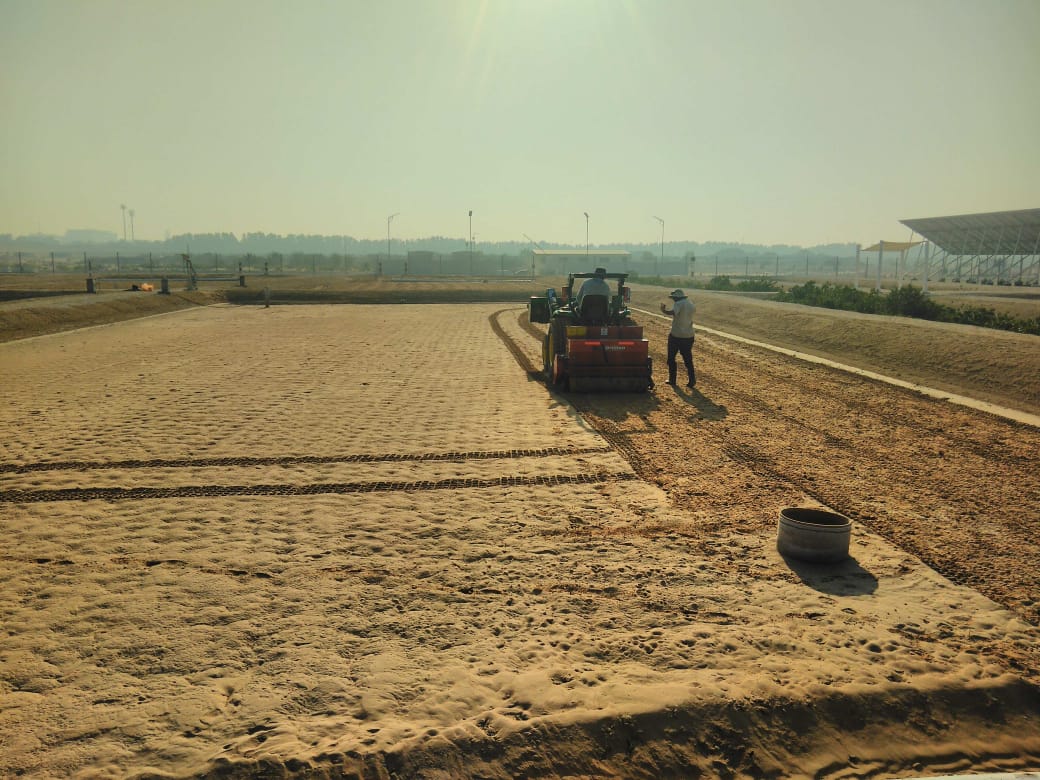
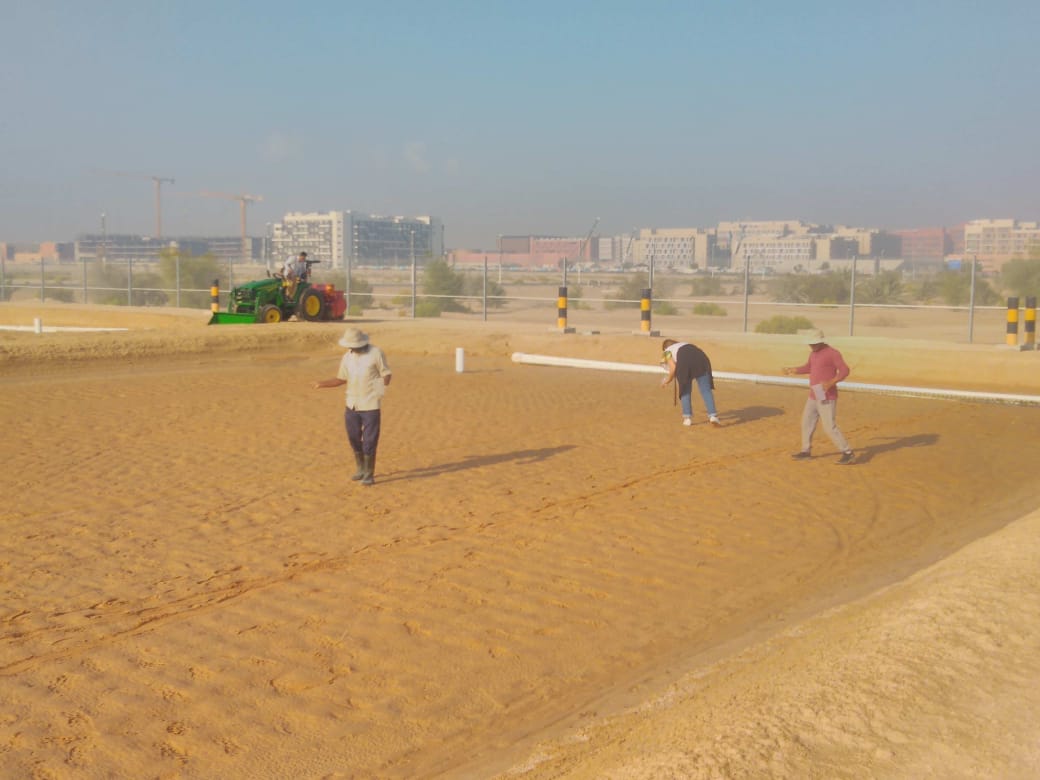
Researchers at KU’s Sustainable Bioenergy Research Consortium (SBRC) have  spent the past few weeks tilling, leveling, and replenishing the water levels in its integrated Seawater Energy and Agriculture System (SEAS), the flagship project of SBRC and the world’s first research facility to grow both food and fuel using desert lands irrigated by seawater. They are preparing to plant the fourth season of Salicornia plants, whose oil-rich seeds are harvested to produce aviation biofuel.

“This season will be dedicated to increasing the yields of the oilseed crop based on experience gained from previous seasons by implementing a different planting strategy and a supplementary irrigation methodology during the germination phase of the plant,” said Research Engineer Jose Barron.

“Two of the eight fields will be dedicated to grow three of the best performing accessions based on the recommendation of the halophyte breeding team.”

From the aquaculture side, the ponds are also being prepared to be restocked with a fin fish species to explore the feasibility of growing higher market value seafood at demonstration scale. Fin fish species is more attractive to the UAE market than the Indian White Shrimp, Tilapia, and Sea Bream species that were cultivated previously.

Robotic Rehabilitation in Stroke Survivors: A Bio-inspired Modular Compliant System

Dr. Kinda Khalaf, Associate Professor and Associate Chair, Biomedical Engineering, is leading a team of researchers at the Healthcare Engineering Innovation Group (HEIG) at Khalifa University to develop innovative methodologies and assistive technologies to assess and rehabilitate patients following a stroke. Dr. Khalaf is focusing on the quantification of disease induced movement impairment in stroke survivors using experimental and computational techniques, while Dr. Dongming Gan, Assistant Professor in the Department of Mechanical Engineering, is supervising a student design project aiming to develop a compliant ankle exoskeleton.

The first step is development of a clinical assessment protocol using gait and other key physiological parameters for the quantification of post stroke movement dysfunction and rehabilitation efficacy. Next, attention turns to rehabilitation techniques. A second HEIG project will design and develop a novel compliant exoskeleton system that can be used towards robotic human lower limb rehabilitation applications, including stroke.

“According to the World Health Organization, every year, 15 million people worldwide suffer a stroke, with five million left permanently disabled,” said Dr. Khalaf. “Instigated by an interruption of blood flow to the brain, resulting in damage to brain cells, stroke is considered the second leading cause of mortality globally for people above 60 years of age, and the second leading cause of disability.”

Stroke is the most common acquired neurological disease in the adult population worldwide with its global prevalence generating a significant burden of illness for healthy life years lost due to disability and premature death. One-third of stroke survivors achieve only a poor functional outcome five years after the onset, and although there has been great progress in managing outcomes, most of the care to reduce dependence among patients depends on rehabilitation.

“While developed countries are reporting an overall decline in the incidence of stroke, it’s increasing in the developing world,” said Dr. Khalaf. “In the UAE, the situation is worrisome, as not only is the incidence rate continuously increasing, but also the average stroke victim in the UAE is 45 years old, which is 20 years younger than the average stroke victim elsewhere in the world. Attributed to higher than global average prevalence of obesity, type 2 diabetes, hypertension and a sedentary lifestyle, statistics reveal that every hour someone in the UAE suffers a stroke. This is quite devastating both socially and economically in a young country.”

Optimal functional recovery is the ultimate goal of neuro-rehabilitation after an acute brain injury—the aim is to get people moving as normally as possible. One of the most common areas affected by stroke is the patient’s motor skills, with survivors experiencing disabilities to different degrees, in different hemispheres, and at different levels. Hemiparesis (muscular weakness or partial paralysis restricted to one side of the body) is seen in 88 percent of stroke victims, commonly affecting the limbs.

“Studies have shown that rehabilitation therapy is most effective if performed soon after stroke and that intensive therapy and task-based exercises may contribute significantly to partial and full motor recovery,” explained Dr. Khalaf.

Most therapists agree that early focused and repetitive exercise is the most impactful aspect of rehabilitation for future recovery. There is also evidence that early treatments involving mechanical structures to bring support and set constraints for movements promote the re-innervation of muscles in the affected limbs.

“Newly emerged robotic rehabilitation has several advantages, including consistency of intensive rehabilitation for a longer duration, irrespective of the skills and endurance of the patient and therapist,” said Dr. Khalaf. “Robot-based systems have the potential to provide programmable movement patterns, control of movement repetitions, and real-time position and force measurement and tracking. Robots can also be programmed to perform a wide variety of motion, including functional movements, allowing the patient to perform autonomous and repetitive training on tasks simulating activities of daily living.”

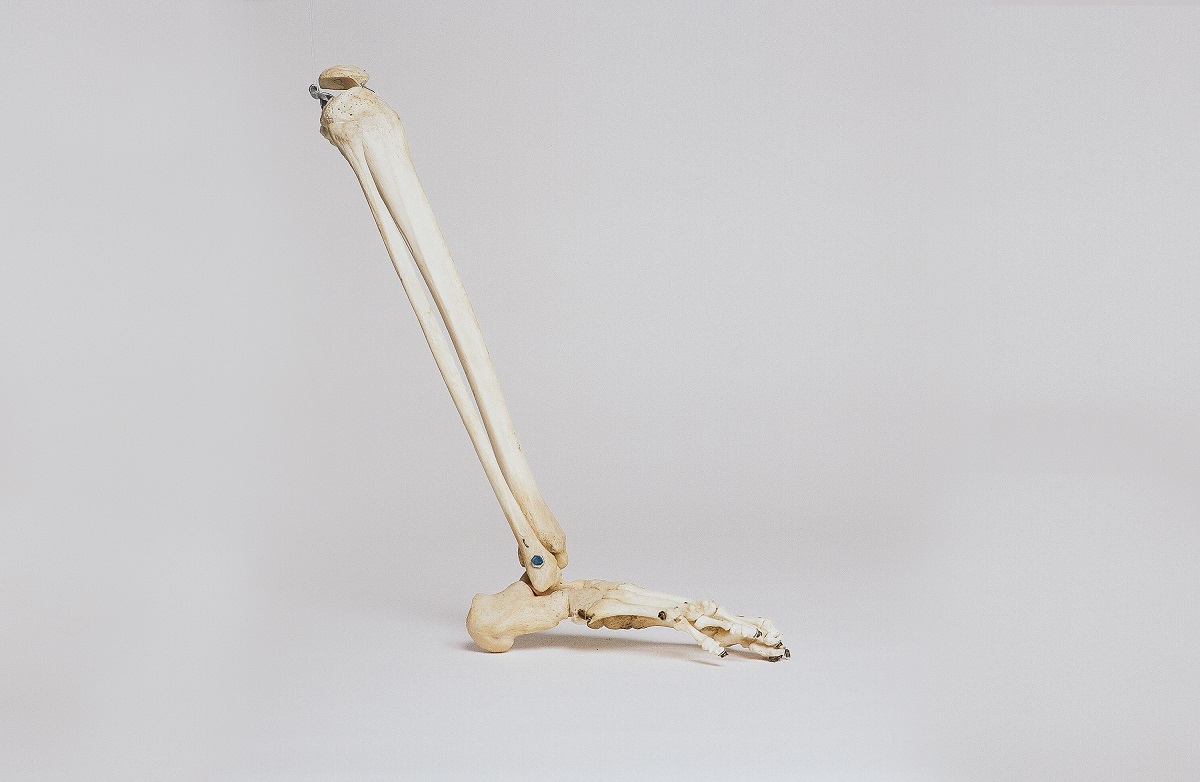
A senior design project proposed to Dr. Gan seeks to design a compliant ankle exoskeleton for adaptable walking assistance. Students Abdulla Almemari, Sultan Al Ali, Nawwaf Al Nuaimi and Khalifa Aladwan are aiming to assist people with ankle injuries specifically. They have developed a biomimetic exoskeleton that has a soft and safe interface with the human leg and a carefully designed variable stiffness compliant actuator to adapt to the patient’s speed and activity.

“Bio-inspired robotics systems have demonstrated improvement in mimicking natural physiological performance,” explained Dr. Gan. “However, issues such as how to design biological-system-like compliance, the level of the compliance, and how to integrate the compliance into the whole system, remain unsolved. We are prototyping an advanced exoskeleton and integrating it with innovative sensing and control technologies to achieve this compliance.”

The ability to walk independently is a prerequisite for most daily activities. Gait dysfunction is common in individuals with neurological disorders and impairments following stroke usually involve an excessive energy cost during walking. Stroke patients are generally unable to comfortably maintain the most efficient walking speed related to poor motor control, muscle weakness and sensory and balance disturbances. These impediments translate into issues with the proper sequential activation of the muscles in the different stages of gait, causing compensatory strategies that decrease speed and efficacy.

The ankle exoskeleton proposed in the senior design project can be applied to stroke rehabilitation because one of the most common impairments observed in stroke patients is the reduction of ankle dorsiflexion associated with a hyperextension of the knee. Not only does this affect walking speed, but also the ability to walk on irregular surfaces and climb stairs. This is commonly known as drop foot.

Before an exoskeleton can be tailored to a patient, their gait must be analyzed. Dr. Khalaf and her team are devising a comprehensive methodology for the quantification of gait patterns and other physiological parameters of stroke survivors. They plan to develop a patient-specific practical motion analyzer for reliable quantitative post-stroke assessment.

“Gait analysis in general can be of significant importance in identifying and tracking the results of surgical and other therapeutic modalities for the documentation, rectification, and improvement of abnormal gait patterns,” explained Dr. Khalaf. “The application of simplified gait analysis as a tool for assessing patients with stroke will aid in diagnosing and following gait aberrations, and quantifying the effects of therapeutic modalities.”

Identifying the exact ‘settings’ appropriate for each patient depends on accurate and reliable gait analysis. The biomimetic ankle exoskeleton will involve a variable stiffness spring actuator system to retract the ankle from its extended position to its normal position to help patients experiencing drop foot.

Successful rehabilitation strategies include mimicking the physiological joint power and energetics, where joint compliance and stiffness is key. Humans adjust leg stiffness during different locomotion speeds, where controlling ankle stiffness is a primary mechanism that is critical in control during motion.

“To compensate for and augment the human physiological compliance, a compliant joint will be designed and integrated into the lower extremity exoskeleton,” explained Dr. Gan. “The compliant design will ensure smooth motion transformation between the human and the exoskeleton.”

“Currently, health services in the UAE are struggling to provide rehabilitation therapy to victims, meaning many have to travel outside the country following a stroke. This imposes a heavy burden on the local economy and sacrifices the element of family support inherent to the culture here,” explained Dr. Khalaf. “Our multidisciplinary, multinational team with diverse engineering and clinical expertise is designing an innovative strategy for robotic rehabilitation for the UAE and the region, which will provide a more effective and sustainable therapy for patients.”

Jade Sterling
News and Features Writer
9 January 2020

Khalifa University College of Medicine and Health Sciences Establishes 14-Member Executive Advisory Council

Prominent Stakeholders and Industry Professionals to Help Guide and Shape Strategy for Excellence in Medical Education

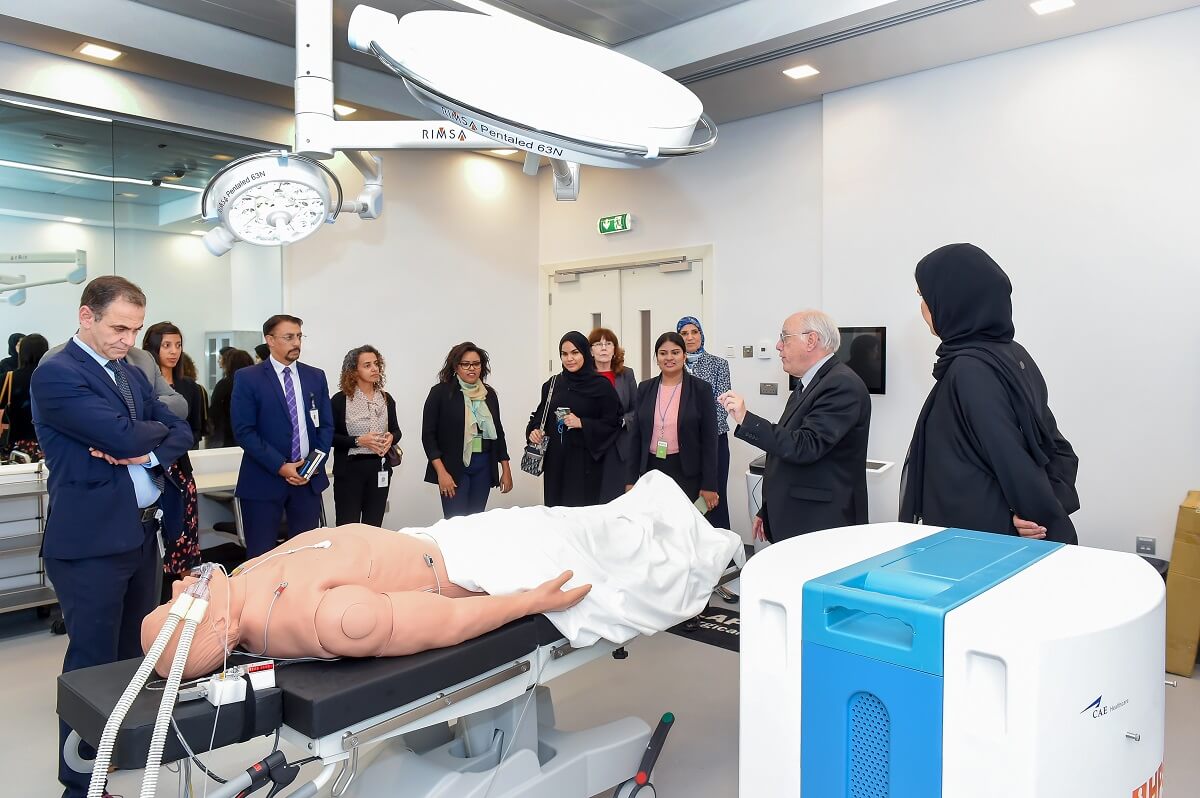
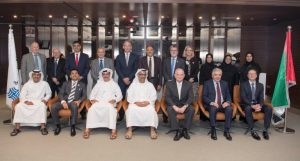
Khalifa University of Science and Technology’s College of Medicine and Health Sciences (CMHS) has established a 14-member executive advisory council of industry professionals to drive and shape the strategies, and develop into a center of excellence in medical education.

Dr Arif Sultan Al Hammadi, Executive Vice-President, Khalifa University of Science and Technology, welcomed the panel members who gathered for the inaugural meeting that was headed by Dr John Rock, Founding Dean, College of Medicine and Health Sciences, Khalifa University.

The advisory council members include prominent stakeholders from the UAE healthcare sector such as Dr. Khaled Aidha Al Jaberi, Director, Healthcare Licensing & Medical Education Division, Abu Dhabi Department of Health; Brigadier Aysha Al Dhaheri, Commander Medical Services Corp.; Dr. Gareth Goodier, Group Chief Executive Officer, Abu Dhabi Health Services Company (SEHA); and Dr. Daryl A. Cornish, Director, Fatima College of Health Sciences (FCHS), NMC Royal Hospital. Dr. Shamsheer Vayalil, Chairman and Managing Director, VPS Healthcare, represents the private sector on the panel.

Dr Arif Sultan Al Hammadi said: “We welcome members of the newly constituted executive advisory council for the College of Medicine and Health Sciences. These professionals are the stakeholders representing the UAE’s healthcare sector. We are keen to listen to their recommendations and we believe these industry experts will share their experience and knowledge to help us chart the right course of action that will create the CMHS into a center of excellence for medical education.”
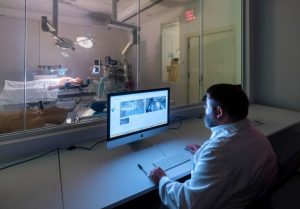
Panel members assessed the integrated curriculum of the Khalifa University CMHS and discussed the prospects, challenges and opportunities of the program. They also deliberated on shaping and driving the strategies to improve the academic performance of CMHS to excel in medical education.

Khalifa University’s College of Medicine and Health Sciences, which commenced classes in September 2019, is the first 4X4 allopathic LCME-comparable (Liaison Committee on Medical Education), post-baccalaureate medical college, which prepares its medical students for residency programs in the US and Canada.

The Khalifa University College of Medicine and Health Sciences has also developed an OSCE (Objective Structured Clinical Examination) and Simulation Center, which is designed to test clinical skill performance. The program provides a hands-on real-world approach to learning and assessment. This program will serve hospital residency programs, military training units, and other medical schools in the UAE.
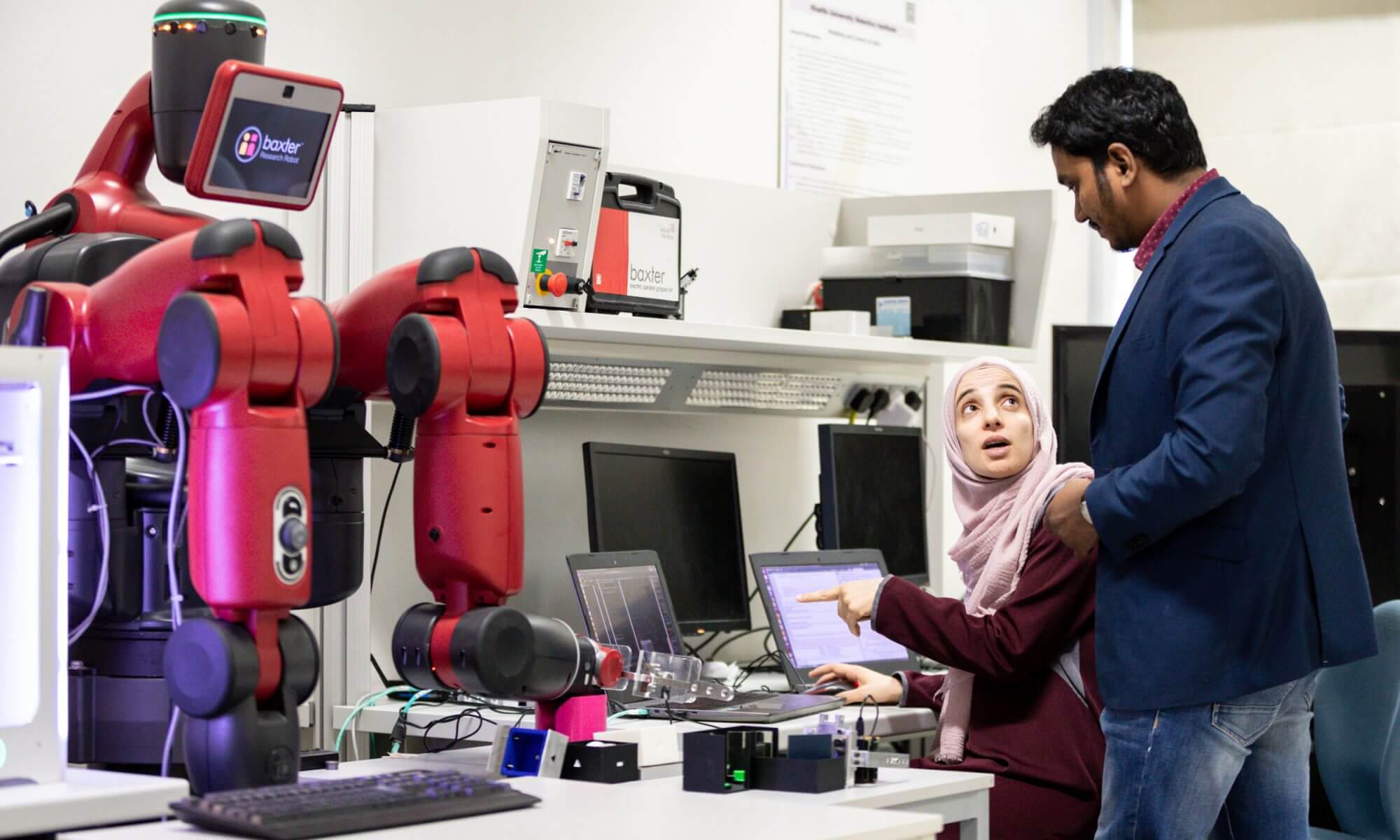
Additionally, the College of Medicine and Health Sciences has developed a ”state-of-the-art testing center, which is created with Prometric and Pearson VUE standards which will allow Graduate Record Examinations (GRE), National Board of Medical Examiners (NBME), United States Medical Licensing Examination (USMLE) and Medical College Admission Test (MCAT) testing on site.

Clarence Michael
News Writer
9 December 2019

Robotics Research Shared at International Conference

Dr. Jorge Dias, Professor of Electrical and Computer Engineering, shared KU’s advanced robotics research at the International Symposium on Cross-modal Learning in Humans and Robots, on 28 November at the University of Hamburg in Germany.

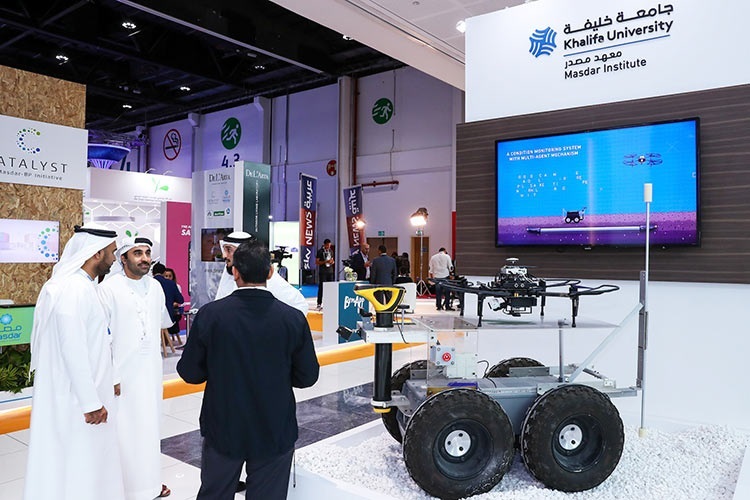
His presentation, titled ‘Visual Multi-Spectral Semantic Analysis and Prediction’ provided insight into some of the recent robotics work being carried out at Khalifa University’s Center on Autonomous Robotic Systems, specifically in the area of surveillance of urban environments using low-cost unmanned aerial vehicles (UAVs) equipped with a diversity of imaging sensors, including standard cameras, infrared cameras, and more.

During his presentation, Dr. Dias also highlighted how KU is exploring the two types of data interpretation paradigms used for programming robot vision and understanding — semantic imaging and semantic reconstruction. He emphasized how the Mohamed Bin Zayed International Robotics Challenge (MBZIRC) provides an important platform for testing UAVs programmed with these semantic analysis paradigms in real-life situations.

Erica Solomon
Senior Editor
8 December 2019

Masdar Institute Alumna Delivers Seminar on Future of Electronics

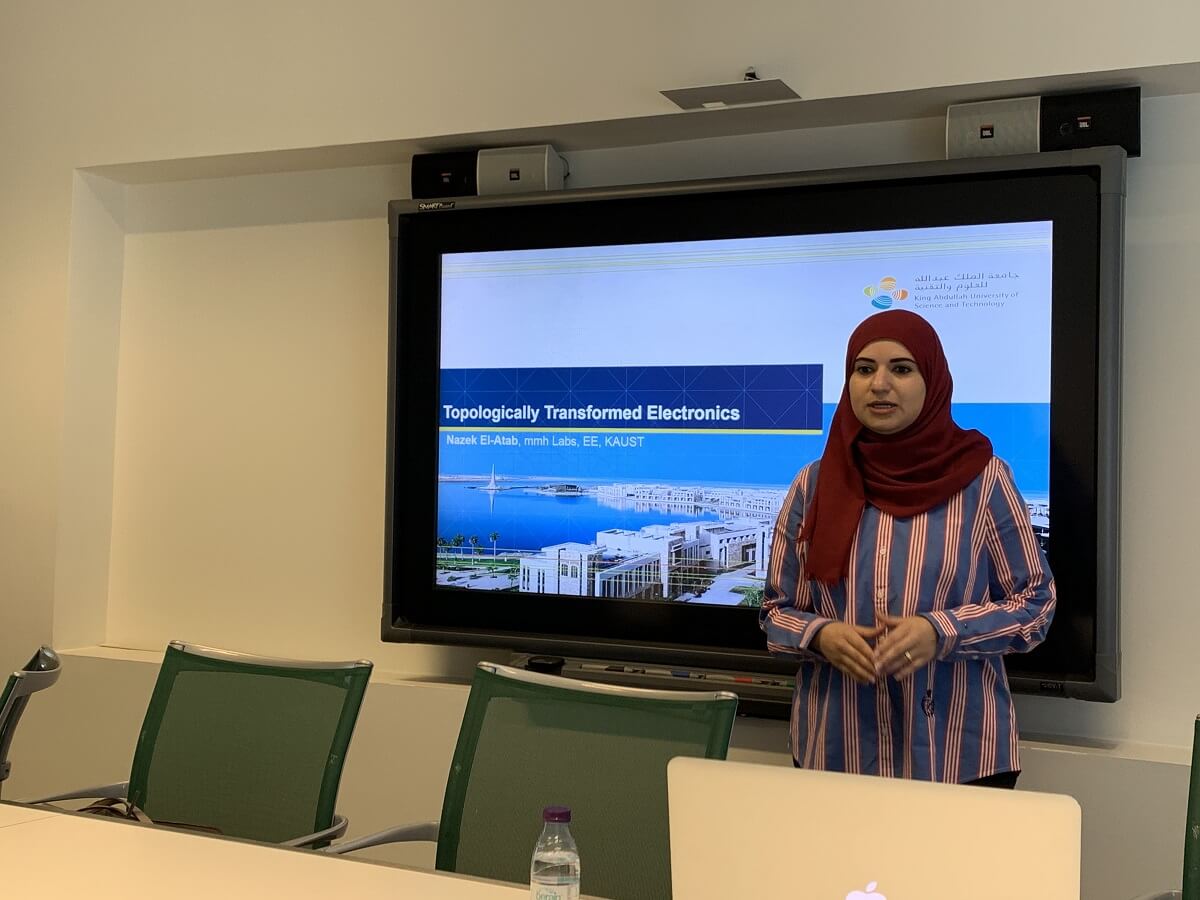
Dr. Nazek El-Atab, a 2017 PhD alumna from Masdar Institute and current Post-Doc at King Abdullah University of Science and Technology (KAUST), delivered a seminar on Thursday, 5 December titled “Topologically Transformed Electronics” to MSc in Electrical and Computer Engineering and MSc in Materials Science and Engineering students.

In her talk, Dr. El-Atab asked a key question in the field of microsystems: Can complementary metal oxide semiconductors (CMOS) – the technology that underpins the ever-shrinking integrated circuits in our electronic devices – be further innovated to extend Moore’s Law and find new applications in our increasingly connected world?

Dr. El-Atab offered her own research insights to address the question. Two main research projects she is working on include multi-dimensional integrated circuits for IoT applications, and ultra-flexible, ultra-stretchable inorganic solar cells with high efficiency.

Dr. El-Atab has become an internationally recognized scientist in a rather short period of time. While pursuing her MSc degree in Microsystems Engineering from Masdar Institute, followed by her PhD in Interdisciplinary Engineering, she worked under Dr. Ammar Nayfeh, Associate Professor of Electrical and Computer Engineering at KU. During her time at Masdar Institute, she received several awards for her research, including the 2015 For Women in Science Middle East Fellowship by L’Oreal-UNESCO, Best Paper Award in the Micro/Nano-systems section at the UAEGSRC 2016 conference, the 2016 IEEE Nanotechnology Student Travel Award in Japan, and the 2017 International Rising Talents Award by L’Oreal-UNESCO.

Post-graduation, she received the 2018 “Rafik Hariri University” Alumni Award, and was portrayed in the 2019 “Remarkable Women in Technology” by UNESCO.

Over the course of her fairly short but prolific academic career, she has published over 30 papers in international peer-reviewed scientific journals and conference proceedings, 2 book chapters, 2books and has 6 US filed patents.

Erica Solomon
Senior Editor
07 December 2019

KU Associate Professor and Two Students Receive Founder Leader’s Awards

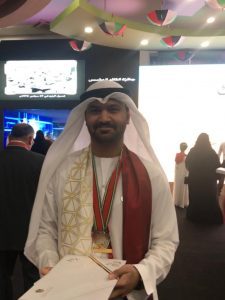
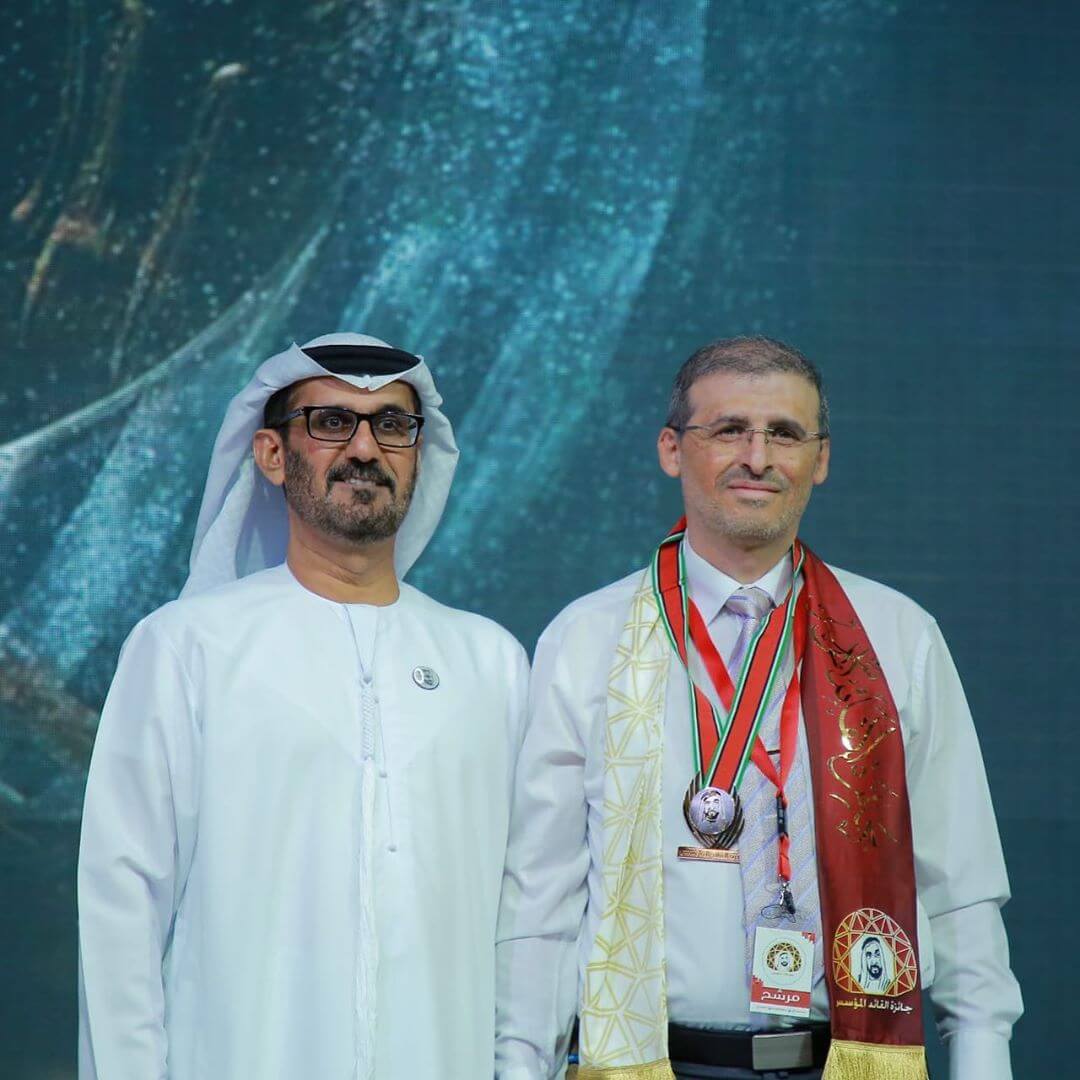
Khalifa University Associate Professor of Electrical Engineering and Computer Science, Dr. Arafat Al-Dweik, and two KU students Jawaher Alameri and Ahmed Alzaabi, were among the recipients of the 2019 Founder Leaders Awards. They were honored at a ceremony on 28 November where they were presented with medals by HE Minister of Education Hussain bin Ibrahim Al Hammadi.

Dr. Arafat won in the ‘Distinguished Research’ category for his research contributions and community service. Ahmed won in the ‘Innovative Academic Student’ category, and Jawaher won in the ‘Innovative University Student’ category, as both students represent the attitudes and traits of the goal-oriented and accomplished youth envisioned by the Founding Father, Sheikh Zayed bin Sultan Al Nahyan.

The Founder Leader’s Award is presented by the Ministry of Education to celebrate excellence and education pioneers, and to fulfill the Founding Father’s vision of developing a strong educational system that will be the foundation of the country’s continued progress.

Student Snapshots

Ahmed Khalid Alzaabi recently graduated with honors from KU. He has written three research papers that focus on the nationalism of the Emirati youth and was able to present one these papers at the 3rd Australian Association For Research In Education (AARE) Conference 2019 in Brisbane. He was also an active member of the Society of Petroleum Engineers (SPE) Student Chapter during his undergrad days and worked on different on-campus events such as the Khalifa University Program Choice Day (Fall 2018) and Khalifa University Majors Day (Spring 2019).
Ahmed is currently enrolled in the Young Future Energy Leaders (YFEL) program, an initiative led by Masdar Institute, that mentors future leaders in the fields of alternative energy, offering opportunities to be more engaged in finding solutions to the challenges of energy efficiency and climate change.

Jawaher Alameri is a BSc Mechanical Engineering graduate who participated in different engineering competitions, such as the VEX Robotics Competition and Global Hybrid Electric Vehicle Challenge, when she was an undergraduate. She also assisted several KU professors in a variety of research projects.

She interned with Emirates Nuclear Energy Corp. (ENEC) and spent time at Korea Electrical Power Corp. (KEPCO), ENEC’s joint venture partner, to know more about the nuclear energy industry and was named as one of the Best Interns at the time. In 2016, Jawaher was one of the two representatives of the UAE to the Total Energy Summer School in France.

Outside the campus, Jawaher is a member of the Sea of Culture Toastmasters for Arabic Public Speaking, a certified trainer of the Dubai Knowledge and Human Development Authority, and was a part-time cultural tours specialist at the Sheikh Zayed Grand Mosque.

Ara Cruz
News Writer
8 December 2019

Region’s First Public Wind Atlas from Masdar Institute to Support Wind Energy Projects

Abu Dhabi-UAE: 19 January, 2015 – The Masdar Institute of Science and Technology, an independent, research-driven graduate-level university focused on advanced energy and sustainable technologies, today announced at the World Future Energy Summit 2015 the launch of the UAE Wind Atlas, aimed at accurately characterizing the UAE’s wind resources and ultimately supporting investments in wind energy projects.

The UAE has become the first country in the region to develop its own publicly available wind atlas, which has been integrated into the Global Atlas for Renewable Energy platform of the International Renewable Energy Agency (IRENA) as a contribution from the UAE Government.

“This is one more excellent achievement from the Research Center for Renewable Energy Mapping and Assessment at Masdar Institute. The UAE Wind Atlas demonstrates another key aspect of our contribution to advancing clean energy projects in the UAE. With the support of the UAE’s leadership, Masdar Institute remains in the forefront of research and innovation for clean energy adoption, creating new tools and techniques for the benefit of the wider community. We foresee that the launch and inclusion of the UAE Wind Atlas in IRENA’s Global Wind Atlas highlights our role in the creation of technical knowledge for sustainability,” said Dr. Fred Moavenzadeh, President, Masdar Institute.

Adnan Z. Amin, Director-General, IRENA, said: “The launch of the UAE Wind Atlas marks another key milestone in our efforts to bring a comprehensive clean energy resource map to the global community. The support provided by Masdar Institute’s Research Centre for Renewable Energy Mapping and Assessment and 3TIER has been critical to help developers of clean energy projects find valuable information to assist in their investment decisions.”

An interactive portal with a wide range of end-user applications will be hosted on a dedicated server at ReCREMA, located within Masdar Institute, under its Director Dr. Hosni Ghedira.  Dr. Taha B.M.J. Ouarda, Head of the Institute Center for Water and Environment (iWater), was closely involved in the creation of the wind atlas.

Dr. Ghedira said: “The wind atlas is fairly different from the solar atlas in a number of ways, although some of the maps may seem similar: Wind has to be generated at a number of heights and a whole altitude profile needs to be produced as different turbine technologies work at different heights. Also, solar irradiance is a fairly regional variable because irradiance at a given location is not very different from irradiance at a location 100 meters away.

The scientific work to produce the wind atlas included climate simulations and was carried out in collaboration with 3TIER, a global leader in renewable energy risk analysis, data, assessment, and forecasting for wind, solar, and hydro power projects. 3TIER is based in Seattle, Washington, in the US.

At the request of the UAE Ministry of Foreign Affairs, ReCREMA developed the UAE solar and wind atlases to make them available to the general public through IRENA’s global atlas platform.

An agreement with the Directorate of Energy and Climate Change (DECC) within the Ministry of Foreign Affairs (MoFA), Dubai Supreme Council of Energy (DSCE), and Environment Agency – Abu Dhabi (EAD), through the Abu Dhabi Global Environmental Data Initiative (AGEDI), resulted in funding contributions to the UAE National Atlas for solar and wind resources.

The new wind atlas also adds yet another layer of data to the Masdar Institute-hosted  IRENA Global Atlas for Renewable Energy, which includes maps on solar, wind, geothermal and bioenergy resources along with one marine energy map.

Wind is a highly ‘local variable’ as it can be very different at locations that are just 40 meters away because of the impact of terrain, roughness, channeling effect, etc. The work on the wind atlas also included other information such as uncertainty maps which can be very important for securing funding for wind farms.

Aside from the spatial and temporal maps of wind speed, wind direction and wind energy, other products from the ReCREMA include uncertainty maps, seasonality maps, inter-annual variability maps, maps of recurring large-scale air pressure and circulation patterns that extend over large areas, climate change impact maps, altitude profile and distributional maps.

The final maps for the wind atlas are at a spatial resolution of 500m. During climate simulation (the intensive scientific part of the modeling effort), a number of models were compared to identify the ones that provide best results in desert and arid environments. This is expected to ensure that the final maps take into consideration the unique climatic characteristics of the region. The data sets generated are in excess of 15TB for a 10-year period. The UAE Wind Atlas application and interactive portal are hosted in the state-of-the-art Data Center facilities at Masdar Institute.


KU Launches Golden Key Honor Society Chapter

Khalifa University has launched the KU Golden Key Chapter, and will offer Golden Key membership to high-achieving students at Khalifa University.

At an award ceremony to take place during the Spring semester, KU will extending membership to the top 15% of its sophomores, juniors, seniors, and graduate students. These students will become part of an international honor society that has over two million members across the globe, and includes honoraries like Desmond Tutu, Elie Wiesel and Bill Clinton.

Golden Key is one of the world’s best networking groups. Thousands of Golden Key members have utilized the opportunities of this society to develop their leadership skills, engage in community service, and enhance their personal network. KU Golden Key members will receive exclusive opportunities and connections through access to over half a million dollars in scholarships and awards, partnerships with major corporations, career advancement and graduate programs.

The Khalifa University chapter is Golden Key’s only Middle East chapter. Membership into the chapter is by invitation only to those students performing in the top 15% of their class. By extending Golden Key membership to our top-achieving students, KU is not only reaffirming its commitment to help students realize their full potential, but it is also setting a new standard of academic excellence in the region.


Erica Solomon
Senior Editor
20 December 2019

Engineering Exhibit Showcases Freshmen Students’ Innovative Projects

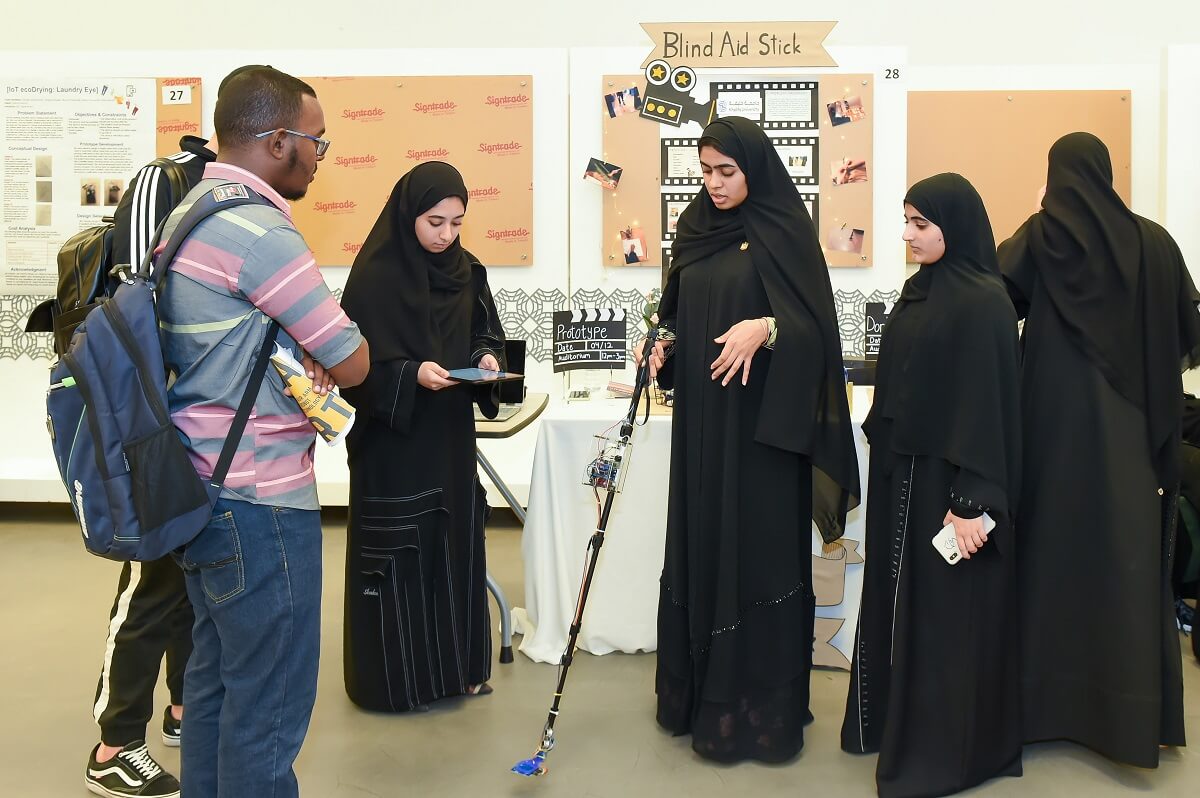
Around 50 innovative projects by Khalifa University students were presented at the Engineering Design Fall 2019 (ENGR111) Term Project Presentation Day on 4 December 2019 at the Main Campus.

ENGR111 Term Project Presentation Day is a regular event where freshmen engineering students showcase different projects they have worked on as they learn the different disciplines and fundamentals of the engineering design process. The students interact with visitors as they present their projects and answer questions about their work. At the end of the event, two awards were given, the Judges’ Award and Audience Award.

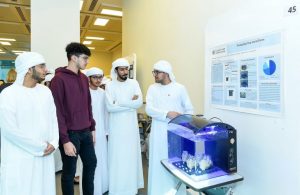
The Audience Award, chosen by those who attended the exhibition through votes via a mobile app, was presented to the Protected Live Coral Farm project by Mohamed Alshamsi, Khalfan Alnaqbi, Mohamed Nasr, Abdulkareem Harthi, and Saif Alali. The team’s project focuses on developing a feasible strategy to revive, as well as protect the Arabian Gulf coral reefs, taking into consideration the Gulf’s unique conditions. The plan is to construct a land-based coral farm where coral is cultivated and then moved from the farm to the ocean. The team presented a working prototype of the farm design, including live coral, showing how the strategy will work.
The Blind Aid Stick project by Shaikha Alteneiji, Aisha Alzahmi, Asma Almansoori, Maryam Almheiri, and Banan Abedalhaq was the recipient of the Judges’ Award, which was chosen by a committee of 24 judges. The project is a walking stick for those who have visual impairment to detect if an obstacle or another person is in the way of the user’s movement. The stick’s built-in sensor estimates the distance between the stick and the potential obstacle, and then sends a signal to give sound or voice feedback.

The event attracted a huge number of visitors who enjoyed learning about the different projects that highlighted the creative and ingenious talents of KU students in conceptualizing solutions and building prototypes for real-life challenges.

Ara Cruz
News Writer
8 December 2019

KU’s Center on Digital Supply Chain and Operations Builds Connections and Knowledge in Logistics

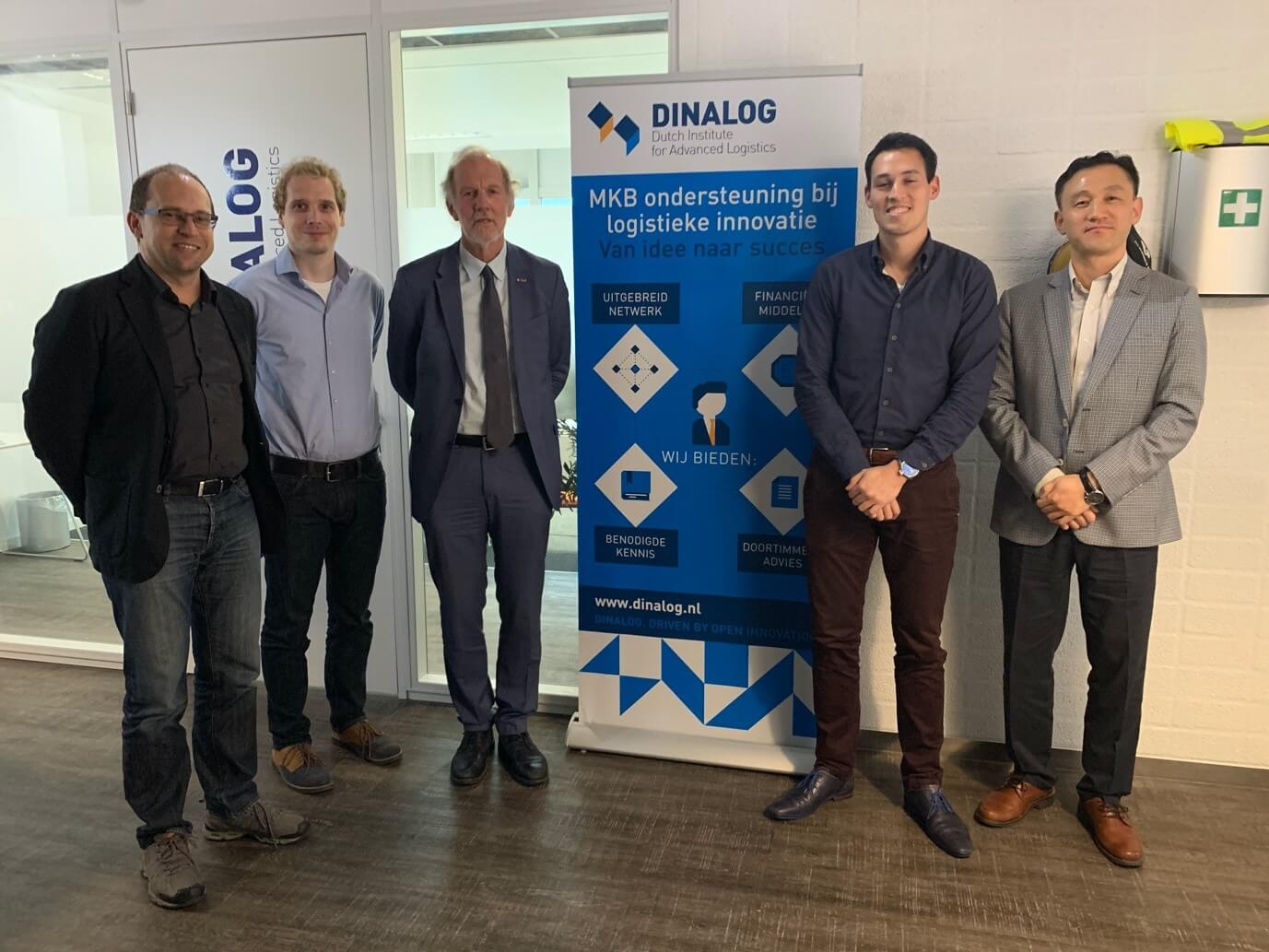
Faculty from KU’s Research Center on Digital Supply Chain and Operations Management (DSO) have returned from a visit to the Netherlands where they met with experts from industry and academia to learn about the country’s logistics industry.

From 28 – 30 October, Assistant Professors of Industrial and Systems Engineering Dr. Andrei Sleptchenko and Dr. Heungjo An met with representatives from TKI-Dinalog (Dutch Institute for Advanced Logistics), a Dutch-based logistics and supply chain company; faculty and students from Erasmus University Rotterdam; and professionals from Fokker Services, an independent aerospace service provider.

The visit centered around potential collaboration opportunities with the DSO Center, which has set a major focus on digitalizing and optimizing areas like maritime logistics and production lines.

The Netherlands’ Port of Rotterdam, the largest port in Europe, is a pioneer in port digitalization and a perfect case study for researchers in the DSO Center. The organizations and research centers the KU faculty visited throughout their trip are heavily involved in the Port’s ongoing transition into the world’s smartest port.

At TKI-Dinalog’s headquarters, Dr. Sleptchenko and Dr. An met with Prof. Henk Zijm, former Research Director of DINALOG, and active collaborator of the DSO Center; Dr. Nils Knofius, postdoc at the University of Twente; Bas van Bree, Program Manager at TKI Dinalog; and Jasper de Graaf, Program Developer at TKI Dinalog.

TKI-Dinalog mediates collaborations between Dutch logistical companies, national research funds, and Dutch universities. Dr. Sleptchenko and Dr. An were keen to learn more about how TKI-Dinalog is organized, and how they could bring that experience back to KU.

During their visit to Erasmus University, the KU faculty met with Dr. Rob Zuidwijk, Professor of Global Supply Chains and Ports at the Rotterdam School of Management (RSM) and a DSO center steering committee member, and Dr. Rommert Dekker, Professor of Operations Research, Quantitative Logistics, and IT at the Erasmus School of Economics (ESE), along with some PhD students. Discussions were centered around the DSO’s planned research activities and potential collaboration projects, the ESE’s maritime logistics research, and the activities and developments at the SmartPort research center at RSM. SmartPort is a center of excellence offering port-related education and research designed to address the Port of Rotterdam’s need for solid knowledge.

The trip concluded with a visit to Fokker Services, where the KU team met with Kaveh Alizadeh, Proposition Manager Aircraft Programs, Charlotte Zohlandt, Team lead Product Management, and postdoc Dr. Nils Knofius. They discussed potential collaboration opportunities on the research projects related to additive manufacturing (or 3D printing) of service parts, directly related to Research Theme 1 of the DSO Center, which addresses the need for optimizing spare parts management for aerospace and defense industries.

Erica Solomon
Senior Editor
8 December 2019

UAE Honors Nine Faculty Members with Golden Residency Visas

UAE Honors Nine Faculty Members

Nine Khalifa University faculty members were granted permanent residency during a special ceremony in Abu Dhabi on 12 November 2019. The permanent residency, also known as the Golden Card Visa, is a renewable 10-year residency program granted to qualified investors, entrepreneurs, chief executives, scientists, and outstanding students.

The following are the nine deserving KU professors who received permanent residency:

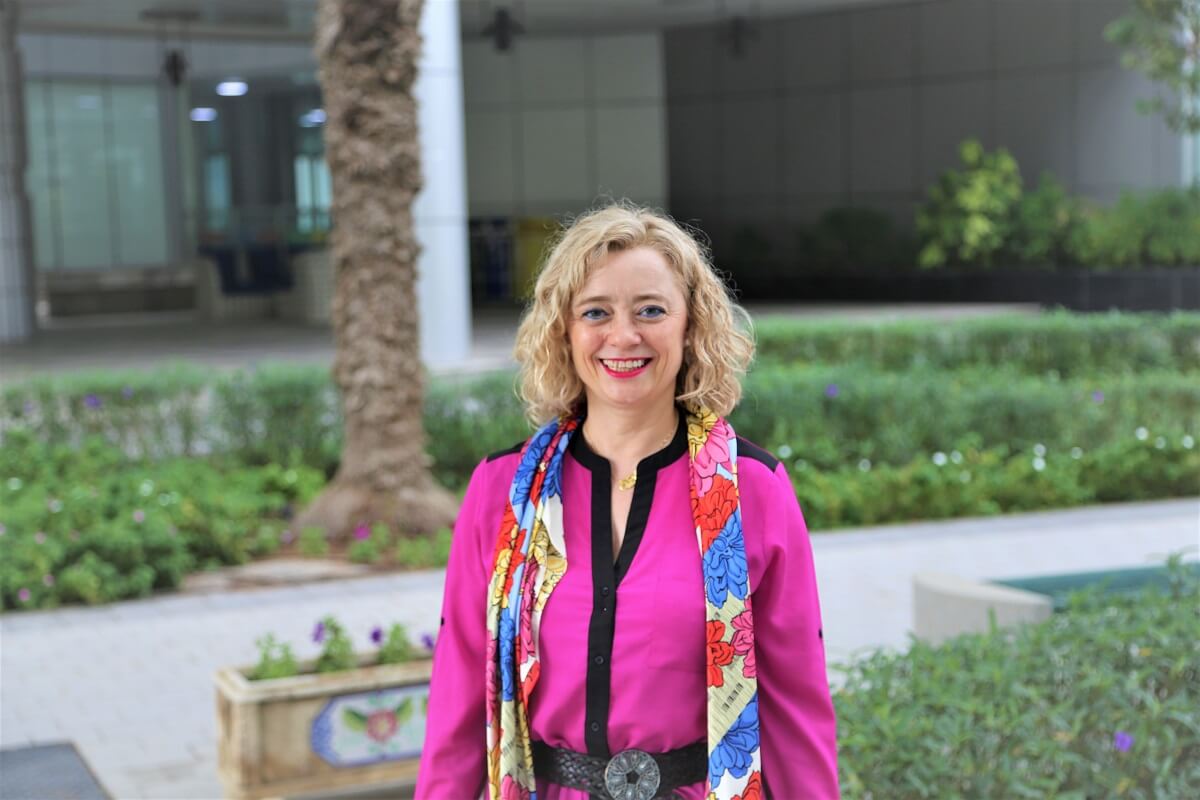
Dr. Lourdes Vega

Dr. Vega is a Professor of Chemical Engineering and the Director of the Research and Innovation Center on CO2 and H2 (RICH Center). A recognized authority of molecular thermodynamics, clean energy, and sustainability, she has authored and co-authored more than 200 publications and has five patents to her name.
“I feel very excited, honored, and immensely grateful to the leaders of this country for granting me this permanent visa. One of the things that attracted me the most when I decided to come to the UAE to continue my research on clean energy and sustainability was the eagerness of its people to learn, to progress, and to contribute from this country to a better future for the next generation. This motivated me to work from here and to try to make an impact in the UAE, addressing its needs, and helping shape the expertise and education of its people, so I decided I wanted to be part of this adventure in which I’m fully engaged now, and I’m very happy about it. I have also been fascinated since the beginning by the vision and commitment of the UAE leaders regarding the advancement of science and education, as shown by the support of research and innovation we receive through Khalifa University and the activities developed through the Mohammed bin Rashid Academy of Scientists, among other things. Granting this golden visa to scientists is, once more, a clear example of the deep commitment of this country to the advancement of science, technology and innovation.” – Dr. Lourdes Vega

Dr. Linda Zou

Dr. Zou is a Professor of Civil Infrastructure and Environmental Engineering at KU. She is known for leading the ground-breaking research project of using nanotechnology to develop cloud seeding materials, which was awarded a three-year grant by the UAE Research Program for Rain Enhancement Science (UAEREP) in 2016. Now, actual seeding operations using her research have begun in the UAE.
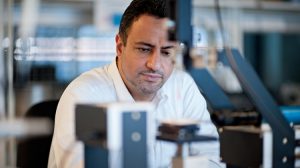
“It is a good feeling when your work and effort as a scientist and researcher have been directly recognized by the government and such honor is only possible with the great opportunity and continued support provided by Khalifa University and other UAE sponsors on advancing scientific research and innovation.” – Dr. Linda Zou

Dr. Hassan Arafat

Dr. Arafat is a Professor of Chemical Engineering and Director of the Center for Membrane and Advanced Water Technology (CMAT). His expertise in developing desalination technologies and systems, with particular focus on sustainable, low-energy technologies has tremendous impact since the UAE relies on desalination plants for most of its potable water. Dr. Arafat was also one of the awardees of the Khalifa Award for Education in 2017. He won the ‘Distinguished University Professor in the Field of Scientific Research’ award in the ‘Higher Education within the UAE and the Arab World’ category.
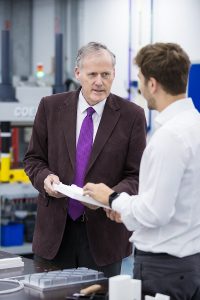
“The permanent residency is a major step in the right direction in cementing the UAE’s position as a knowledge hub in this region. It ensures the sustainability and long term stability of our activities as scientists and researchers working in the UAE. Surely, the research ecosystem available to us at KU has played a key role in me achieving the status of research excellence that led to this residency.” – Dr. Hassan Arafat

Dr. Wesley Cantwell

Dr. Cantwell is a Professor of Aerospace Engineering and Director of the Aerospace Research & Innovation Center (ARIC). The ARIC is a research initiative funded by Mubadala and Khalifa University, which focuses on manufacturing strategies for producing high-quality composite structures, as well as the automated assembly of composite parts. The center is unique in the region as it hosts a range of manufacturing, non-destructive testing, and robotic equipment. It also supports manufacturing initiatives at Strata in Al Ain and works closely with leading aerospace OEMs.
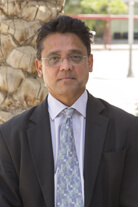
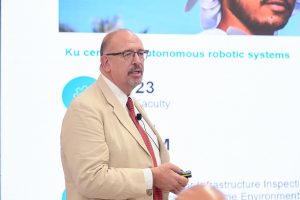
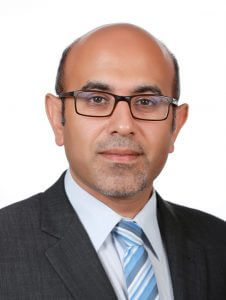
“I am honored to be among the first scientists to receive this award. It is nice to be recognized by the nation for one’s efforts to build a knowledge-based economy here in the UAE. I believe that 10-year visas will serve to attract leading international scholars to the UAE. Research often involves long-term horizons and having the option to stay in the UAE for a long period, build a research group and establish a strong research activity will be appealing to many internationally-recognized academics. The research facilities and funding levels in my own university are excellent and this is creating a highly attractive environment in which to work and undertake cutting-edge research.” – Dr. Wesley Cantwell

Dr. Lakmal Seneviratne

Dr. Seneviratne is a Professor of Mechanical Engineering and Director of the Khalifa University Center for Autonomous Robotic Systems (KUCARS). As director of KUCARS, he leads his team of researchers working on innovations that could potentially save lives. His projects include building drones to fight fire in high-rise buildings, systems designed to prevent industrial accidents, and even developing self-driving cars.


Dr. Ernesto Damiani

Dr. Damiani is a Professor of Electrical and Computer Engineering, Senior Director of the Artificial Intelligence and Intelligent Systems Institute, and Director of the Cyber-Physical System (C2PS) Center. His research interests include secure service-oriented architectures, privacy-preserving big data analytics, and cyber-physical systems security. In 2015, the Bill and Melinda Gates Foundation granted US100,000 for Dr. Damiani’s ‘Pay with a Selfie’ technology to be developed.

Dr. Hatem Zeineldin

Dr. Zeineldin is a Professor of Electrical Engineering and Computer Science. His research focuses on renewable energy, smart grids, energy systems and renewable energy integration and its impact on the operation of energy systems.

Dr. Enas Nashef

Dr. Nashef is an Associate Professor of Chemical Engineering whose research interest is in green engineering and sustainability, focusing on the use of ionic liquids and deep eutectic solvents in engineering applications. He has co-authored more than 100-peer reviewed journal publications and has eight patents from the US and EU patent offices. He has also received the ‘King Abdullah Award for Best Innovation’ in 2013.

“Everyone nowadays is looking for stability and peace of mind, and so this initiative will really help when it comes to attracting the best scientists from around the world. Personally, I am really happy with the 10-year visa, it shows that you and your work are appreciated. Having the long-term visa also encourages me to strive harder in my work now because we have received a big honor from the government of the UAE. This s a very big motivation.” – Dr. Enas Nashef

Dr. Ehab El-Saadany

Dr. El-Saadany is a Professor of Electrical Engineering and Computer Science and Director of the Advanced Power and Energy Center (APEC). His research interests include distribution system operation and control, smart/micro grids, renewable integration, and power quality and protection systems. Dr. El-Saadany also has five US patents.

“The UAE has set many ambitious and strategic energy goals and launched many pioneering energy projectst to achieve said goals. Our objective at APEC is to develop the country’s intellectual and human capital to provide innovative ideas and solutions. We are also working on electric energy systems, allowing seamless and economical operations of renewable and clean energy resources.” – Dr. Ehab El-Saadany

The group was among the first batch of scientists to receive permanent residency visas as part of the government’s move in strengthening the nation’s talent pool and positioning the UAE as an incubator and hub for talents, creatives, and innovators.

Ara Cruz
News Writer
5 December 2019

Members of Masdar Institute’s YFEL Program Launch Two Project Initiatives at WFES 2013

YFEL Members Interact with Global Industry and Government Stakeholders on Sustainability and Future Energy

Abu Dhabi-UAE: 22 January, 2013: Masdar Institute of Science of Technology, an independent, research-driven graduate-level university focused on advanced energy and sustainable technology, today announced the launch of two new clean energy projects that underscored the participation of the Young Future Energy Leaders (YFEL) at the World Future Energy Summit (WFES) 2013.
 
A Masdar Institute outreach initiative and a key element of WFES, the YFEL program justified its inherent effectiveness among the students and young professionals with the launch of two extraordinary proposals “ an inexpensive clean energy project and an innovative off-grid solar power project. These projects illustrate the remarkable contribution of YFEL in triggering the creativity of the youth and guiding them into developing projects dedicated to clean energy and sustainability.
 
In addition, the YFEL stand also witnessed a presidential address and speeches by government and non-government leaders, expert panels and debates. The events further demonstrated the status of YFEL as a vital platform for members to participate in global forums and engage industry leaders in discussions on developments in advanced energy and sustainability.
 
Nearly 30,000 participants convened for the WFES 2013 that was held from 15-17 January at the Abu Dhabi National Exhibition Center (ADNEC). The event was organized under the patronage of His Highness General Sheikh Mohammed bin Zayed Al Nahyan, Crown Prince of Abu Dhabi and the Deputy Supreme Commander of the UAE Armed Forces.
 
Among the dignitaries received at the YFEL stand during WFES 2013 included His Excellency Ólafur Ragnar Grímsson, President of Iceland, who interacted with YFEL members and urged them to pursue their ambitions in obtaining innovations in sustainable technologies. Emirati philanthropist His Excellency Sultan bin Rashed Al Dhaheri, member of the Federal National Council and the Chairman of the Committee on Finance and Economic Council, also visited the stand and cheered the YFEL members for their commitment to finding clean energy solutions.
 
Maria van der Hoeven, Executive Director of the International Energy Agency, addressed the gathering on “Sustainability, renewable energy and climate change” at the YFEL stand, while Connie Hedegaard, European Commissioner for Climate Action, spoke on “Climate and energy policies: Key future challenges.”
 
A group of 10 members the Young Future Energy Leaders (YFEL) program proposed an innovative off-grid solar power project that seeks to bring electricity to healthcare facilities in remote areas of the UAE. The proposal envisions three power-generating options, including a self-contained PV system, a hybrid system integrating PV with other available renewable energy, such as biomass, and wind, or a hybrid system using PV combined with a fossil-fuel engine generator.
 
Another team of seven Emirati entrepreneurs has developed a project to bring clean-energy rice-husk gasifiers to farms and ranches across the UAE, with initial support from the YFEL. Titled “Moving toward a Sustainable Environment: Replacing Diesel-based Generators with Eco-friendly Rice-Husk Gasifiers”, the project was inspired by their visit to rural areas in northern India, where villagers were generating electricity through clean, inexpensive rice-husk gasification, rather than diesel-powered generators. Ras Al Khaimah’s Awafi area has been chosen for the first phase of implementation by Mohamed Al-Sharhan, Abdulla Al Shamsi, Iman Ustadi, Ameirah Aldahmani, Jasem Al Hammadi, Walid Shakari, and Sultan Al Awadhi.
 
Other leaders who addressed the members at the YFEL stand included Helen Clark, Administrator, United Nations Development Program (UNDP), Achim Steiner, Executive Director, United Nations Environment Program (UNEP), and Adnan Amin, Director-General, International Renewable Energy Agency (IRENA).
 
Energy industry leaders including Roy Adair, CEO, Hydro Tasmania, Australia, Bader Al Lamki Director, Clean Energy Masdar, UAE, Santiago Seage, Chairman & CEO Abengoa Solar, Spain, Tulsi R Tanti, Chairman and Managing Director, Suzlon Group, India, and Jean-Pascal Tricoire, President and CEO, Schneider Electric, France, offered their views at the plenary session titled “The view from Industry: a CEOs of Renewable Energy Companies.”
 
An expert panel that included Dr. Nawal Al Hosany, Director – Sustainability, Masdar, and Director, Zayed Future Energy Prize Masdar, UAE; Morgan D. Bazilian, Deputy Director, Joint Institute for Strategic Energy Analysis (JISEA), National Renewable Energy Laboratory, US; Harish Hande, Founder Selco, Social Entrepreneur, India; Martin Hiller, Director-General, Renewable Energy and Energy Efficiency Partnership (REEEP), Austria; and Richard Kauffman Senior Advisor to Secretary, US Department of Energy, US, discussed “How Technology and Innovation Will Shape the Future?” during one of the plenary sessions.
 
Dr Steven Griffith, Executive Director of Institute Initiatives and Professor of Practice, Masdar Institute, facilitated the first debate that was titled “Should China, India and the US be required to immediately place legally binding limits on their greenhouse gas emissions?” Dr Ken Volk, Outreach Manager, Masdar Institute, moderated a debate titled “Should countries implement actions that address population issues impacting worldwide sustainability?”
 
YFEL celebrated the successful completion of more than 60 members during the WFES 2013, awarding them certificates during a ceremony that was held in Yas Island, Abu Dhabi. YFEL 2012 had more than 160 members out of which 122 are from various universities in the UAE as well as from 20 top-ranked overseas academic institutions.
 
Part of the Masdar Institute’s Outreach program, YFEL offers young professionals and students from the UAE and abroad an opportunity to become more engaged in finding solutions to the world’s biggest challenges  achieving energy efficiency and tackling climate change. It also aims to bring young professionals closer to government representatives, business leaders and other organizations active in the area of alternative energy and sustainability.