SEAS Prepares for Fourth Planting Season

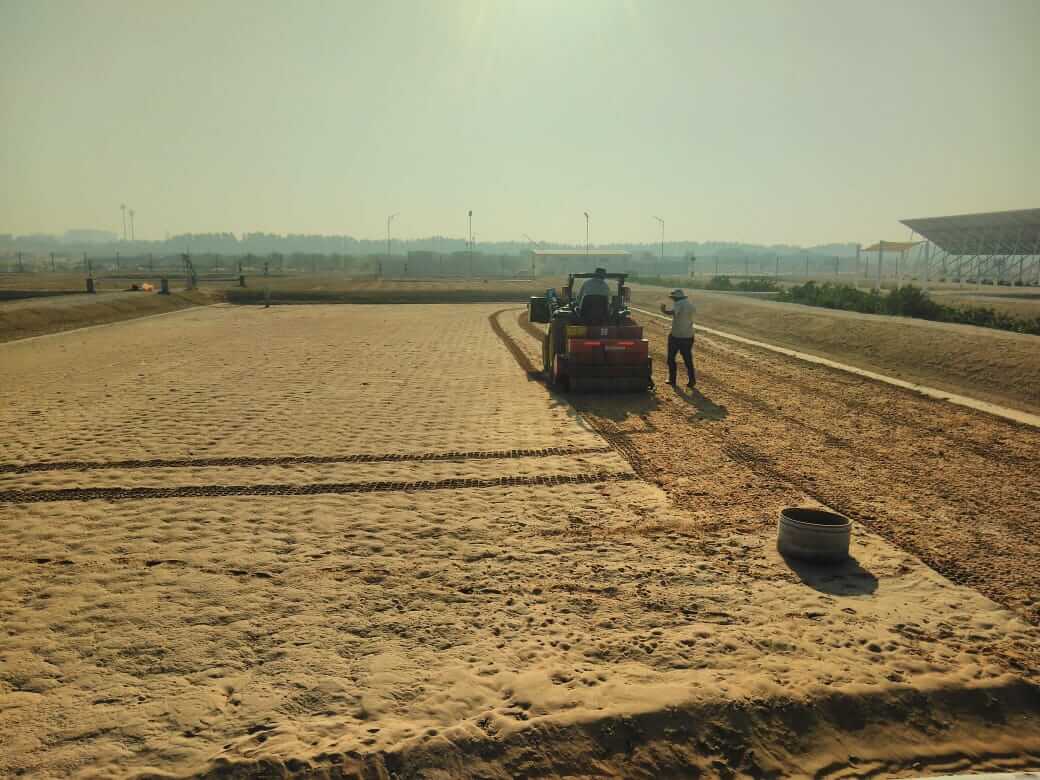
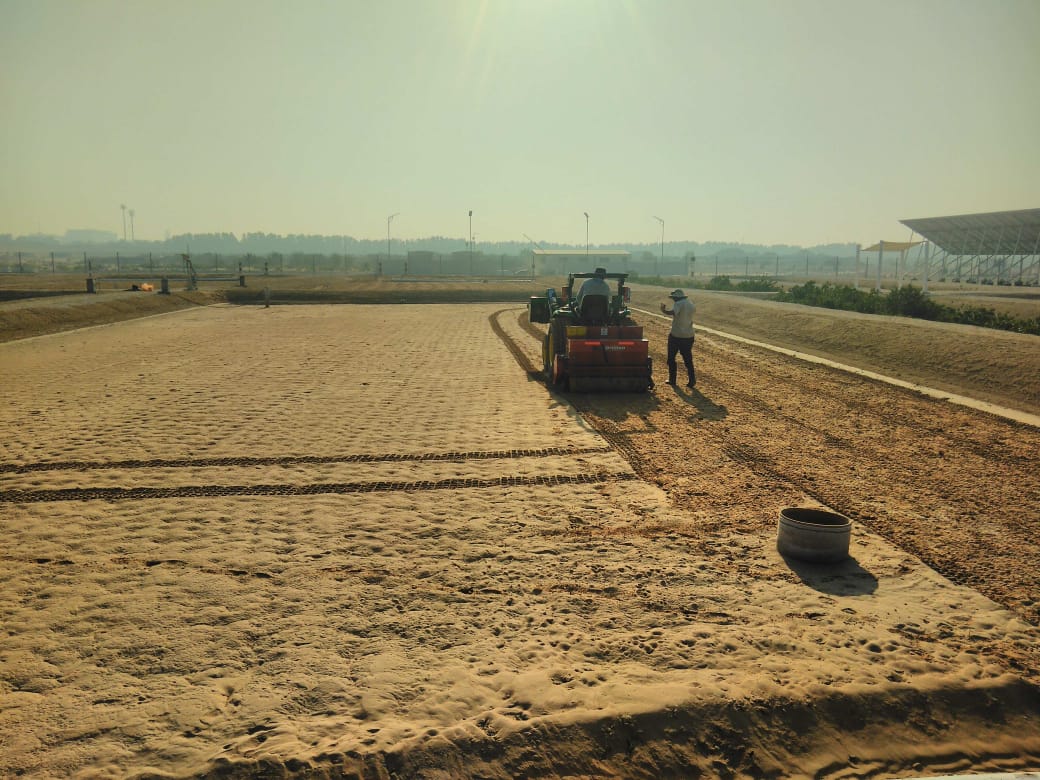
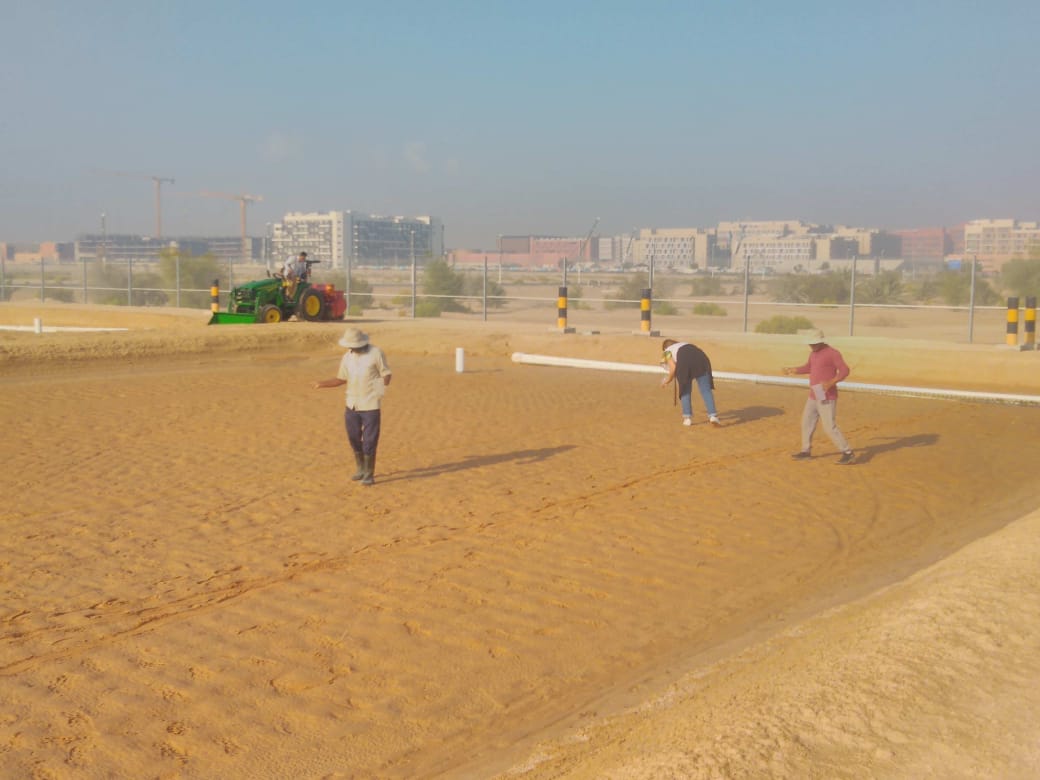
Researchers at KU’s Sustainable Bioenergy Research Consortium (SBRC) have  spent the past few weeks tilling, leveling, and replenishing the water levels in its integrated Seawater Energy and Agriculture System (SEAS), the flagship project of SBRC and the world’s first research facility to grow both food and fuel using desert lands irrigated by seawater. They are preparing to plant the fourth season of Salicornia plants, whose oil-rich seeds are harvested to produce aviation biofuel.

“This season will be dedicated to increasing the yields of the oilseed crop based on experience gained from previous seasons by implementing a different planting strategy and a supplementary irrigation methodology during the germination phase of the plant,” said Research Engineer Jose Barron.

“Two of the eight fields will be dedicated to grow three of the best performing accessions based on the recommendation of the halophyte breeding team.”

From the aquaculture side, the ponds are also being prepared to be restocked with a fin fish species to explore the feasibility of growing higher market value seafood at demonstration scale. Fin fish species is more attractive to the UAE market than the Indian White Shrimp, Tilapia, and Sea Bream species that were cultivated previously.

Ankabut to Host 2019 ASREN International Conference on Arab e-Infrastructure in a Global Environment at Khalifa University Campus

Ninth Annual e-AGE Conference to Focus on ‘Groundbreaking Research and Education Networks

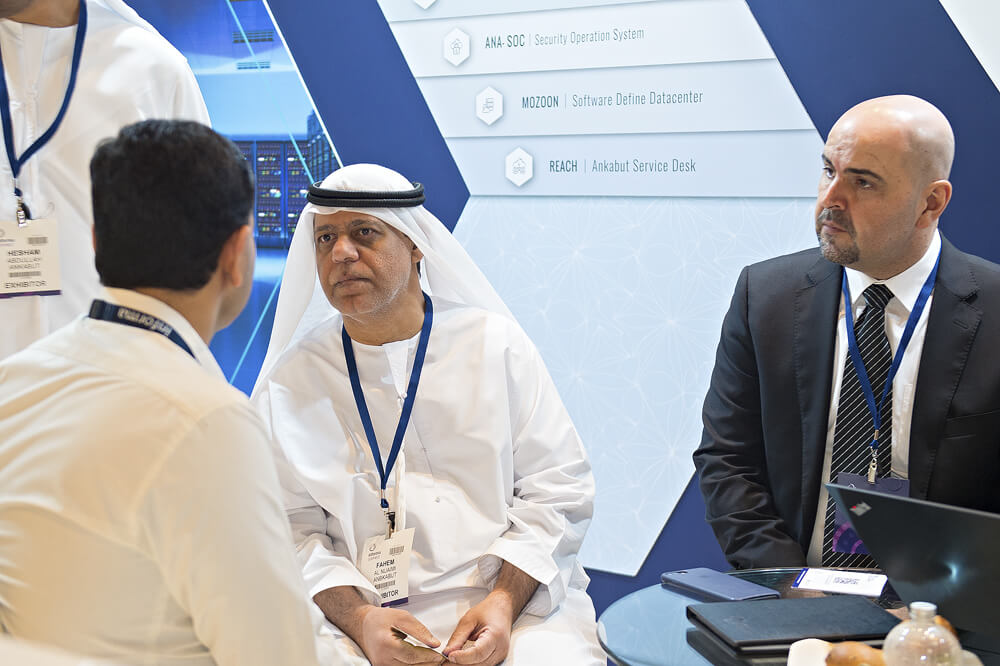
Ankabut, the Emirates Advanced National Research and Education Network, an initiative of Khalifa University of Science and Technology, is hosting the ninth annual e-AGE 2019 (International Platform on Integrating Arab e-Infrastructure in a Global Environment), conference at the Khalifa University of Science and Technology Main Campus in Abu Dhabi.

Organized by the Arab States Research and Education Network (ASREN) from 11 – 12 December in Abu Dhabi, the conference is themed ‘Groundbreaking Research and Education Networks’. It will focus on demonstrated successes in using research and education e-Infrastructures, and on the need for interoperable high-speed networks at national, regional and international levels.

Fahem Al-Nuaimi, Chief Executive Officer, Ankabut, said: “Ankabut is delighted to partner with ASREN to bring to Abu Dhabi the ninth annual e-AGE 2019 conference, the Arab world’s most important gathering, to highlight the successes in using research and education e-Infrastructures. The conference will be a knowledge-sharing forum and Ankabut is honored to welcome delegates from across the Middle East and Africa region to showcase recent advances in this sector. We believe the outcome of the conference will immensely benefit stakeholders in this sector.”

In addition to the e-AGE annual conference, e-AGE19 will include events, workshops and meetings including the ‘12th Event on Euro-Mediterranean e-Infrastructure’, ‘The 9th annual shareholders meeting of ASREN’, ‘EUMEDCONNECT3 Project meeting’, ‘AfricaConnect2 Project meeting’, and ‘Internet2 Middle East SIG (special interest group) Meetings’. There will also be exclusive workshops for e-Infrastructure users as part of the conference.

Moreover, there will be special sessions dedicated to specific domains, mainly focusing on experiences in connectivity and e-Infrastructure, applications and services across a variety of scientific domains. The conference will underline the importance of research infrastructure in creating tangible benefits to communities, while demonstrating the role of research connectivity in promoting collaboration and innovation. Discussions will aim to drive the outcomes and concrete results on the practical steps towards developing a regional e-Infrastructure.

Managed by Khalifa University, Ankabut is jointly funded by the Telecom Regulatory Authority (TRA) through the ICT Fund and Khalifa University. Ankabut offers academic institutions connectivity to other education networks around the world. It also connects schools and public institutions together across the UAE. Ankabut cooperates on a national, GCC, regional and international arena, representing the UAE in conferences, exhibitions and forums.

Since the launch of ASREN in December 2010 at the League of Arab States, AGE is organize every year in one of the Arab countries. The e-AGE is in line with ASREN’s major objectives that are related to dissemination and awareness, promotion of research collaboration and joint activities, and establishment of research networks in the Arab region and worldwide.

Clarence Michael
News Writer
10 December 2019

IAEA and Khalifa University Hosting Five-Day Training Course on Nuclear Power Infrastructure Development

Team of Experts Offering Overview of IAEA’s Milestones Approach and Nuclear Infrastructure Issues to Implement N-Power Programs

Khalifa University of Science and Technology and the International Atomic Energy Agency (IAEA) are jointly organizing a five-day training course on nuclear power infrastructure development at the Main Campus in Abu Dhabi.

The course, being held from 8-12 December by a team of experts, aims to provide an overview of the IAEA’s Milestones Approach and the nuclear infrastructure issues countries should consider and address when implementing new nuclear power programs. The course will be titled ‘Supporting Knowledgeable Decision-making and Building Capacities to Start and Implement Nuclear Power Programs. Around 25 participants are expected to share their experiences during the course.

Dr Arif Sultan Al Hammadi, Executive Vice-President, Khalifa University of Science and Technology, said: “The hosting of the training course in collaboration with IAEA at Khalifa University validates our status as the first university in the UAE to provide nuclear programs to not only support the country’s human capital needs of the strategic nuclear power sector but also an acclaimed higher education institution that delivers academic and research-related knowledge. We believe such collaborative initiatives also reflect the UAE’s status as a responsible N-producer with a peaceful nuclear program. We firmly believe the course will enrich all stakeholders and participants.”

The IAEA Training Course on Nuclear Power Infrastructure Development provides an overview of IAEA’s Milestones Approach and the nuclear infrastructure issues countries should address when implementing new nuclear power programs. It emphasizes development of the key organizations involved in the nuclear power programs, specifically, the nuclear energy program implementing organization (NEPIO), owner/operator and regulatory body. It provides an opportunity to share best practices for establishing a strong regulatory framework and exchange experiences in the licensing process from both the regulator and owner/operator perspective.

Led by IAEA experts, the training course focuses on the implementation of national requirements for nuclear safety, nuclear security and nuclear safeguards, while highlighting the management, human resource development and stakeholder involvement. It includes a combination of classroom lectures, facility visits and interactive exercises.

The course includes discussions, case studies, peer-to-peer exchange of good practices, and working group sessions on related topical issues. This provides participants the opportunity to discuss common challenges and lessons learnt, while fostering enhanced networking between member states embarking on new nuclear power programs.

Earlier, in May 2017, Khalifa University hosted the week-long IAEA Nuclear Energy Management (NEM) School, the third joint UAE-IAEA regional NEM School since 2012 and 2015. In September 2019, an IAEA team concluded a five-day follow-up mission to review the emergency preparedness and response framework for nuclear and radiological emergencies in the UAE. The Emergency Preparedness Review (EPREV) was carried out at the request of the UAE Government.

One of the 18 dedicated research centers, Khalifa University’s recently-launched Emirates Nuclear Technology Center (ENTC) aims to support the UAE’s nuclear technology research capability and help deliver safe, clean and efficient nuclear energy to meet the strategic UAE 2030 vision, while protecting the public, workers and the environment.

Clarence Michael
News Writer
8 December 2019

Precision Medicine in Type 2 Diabetes Treatment

The discovery and mapping of the complete human genome in 2003 introduced the possibility of individualized medicine to a person’s physical and genetic makeup. Increasing evidence is now demonstrating that a patient’s unique genetic profile can be used to detect a disease’s onset, prevent its progression and optimize its treatment.

This has led to enhanced global efforts to implement precision (personalized) medicine and pharmacogenomics in clinical practice. Among the researchers leading in this field is Dr. Sabina Semiz, Professor of Molecular Biology and Genetics at Khalifa University’s College of Medicine and Health Sciences. Dr. Semiz is leading projects in genomics and pharmacogenomics of Type 2 diabetes and the bioethical aspects of precision medicine.

“Personalized or precision medicine refers to an innovative approach to the disease diagnosis and treatment by considering differences in people’s genetic background, lifestyle, and environment. Importantly, it has the potential to shape many, if not all, aspects of clinical care from prevention and early diagnosis to treatment of disease,” Dr. Semiz explained. “Pharmacogenomics investigates individuals’ genetic material in order to determine whether that person would benefit from a drug, require a different dose, or experience side effects, and as such is considered an essential tool in personalized medicine.”

Diabetes mellitus is a group of metabolic diseases, all of which are characterized by high blood glucose levels. If left untreated, diabetes can lead to severe complications including blindness, kidney and heart disease, stroke, loss of limbs, and reduced life expectancy. It is a major public health problem, affecting hundreds of millions of people worldwide and representing a substantial economic burden on society.

There are two types of diabetes: Type 1 and Type 2 diabetes. Type 1 usually begins in childhood with individuals suffering from their body’s inability to produce enough insulin, while Type 2 is commonly associated with obesity and age of onset is usually in middle age. Both types tend to run in families and genetic factors contribute to the disease, with interactions between genetic and environmental factors critical.

“Personalized medicine has the power to identify potential new biomarkers or targets for the precise diagnosis and treatment of Type 2 diabetes,” explained Dr. Semiz.

For the UAE, diabetes is a serious public health concern. Research shows that the prevalence of diabetes among citizens of the UAE is the second highest in the world; recent studies suggest the prevalence rate is around 20 percent in citizens above the age of 30 and as high as 40 percent in the age group 60 and above. In 2017, there were over 1.1 million cases of diabetes in the UAE.

“To address the considerable health and economic consequences associated with Type 2 diabetes, it would be pertinent to screen the patients at risk, initiate a prevention program, and optimize treatment,” said Dr. Semiz.

The genetic insight that is key to personalized medicine are found in the genomic letters that vary from person to person – these are called single-nucleotide polymorphisms, or SNPs. SNPs are single base-pair mutations that occurs at a specific site in the DNA sequence. They are responsible for over 80 percent of the variation between two individuals.

Research on SNPs and other genetic variations like deletions, inversions, duplications and copy number variations (CNV)—which represent up to 9.5 percent of the human genome—have changed the face of personalized medicine and validated the concept that treatment could and should be personalized.

SNPs explain why therapeutic response to metformin, a first-line drug for Type 2 diabetes with over 100 million users worldwide, is highly variable and also how the development of many chronic diseases can be traced back to early epigenetic modifications in response to environmental stimuli.

Much of Dr. Semiz’s research focuses on variation in glycemic response to metformin.

“Metformin was commercialized before the modern era of target-based drug discovery,” said Dr. Semiz. “It typically has an excellent safety record but considerable variation exists in how well patients respond to metformin. It was recently established that genetic factors influence glycaemic response to metformin, with many common variants across the genome together explaining a substantial proportion of the variation, ranging from 21 to 34 percent, depending on how glycaemic response was measured.”

The research carried out by the large international Metformin Genetics Consortium, including the research team lead by Dr. Semiz, has identified a novel genetic variant that alters how well metformin works in Type 2 diabetic patients, and is recently published in the journal Nature Genetics.

Recent genome-wide association studies have identified more than 400 Type 2 diabetes risk loci, or locations on particular chromosomes that are associated with Type 2 diabetes disease susceptibility, and further work by Dr. Semiz investigated metabolomics-based markers to predict Type 2 diabetes. Her research highlights the importance of early lifestyle intervention in diabetes treatment and has investigated the informative markers that indicate particular metabolic dysfunctions before disease manifestation.

“People identified at high risk of developing diabetes would be able to take preventative lifestyle interventions or treatments targeted to their individual molecular profile, eventually personalizing their healthcare,” explained Dr. Semiz.

In human beings there is a complex array of diversity. Just like no two people are identical in physical appearance, neither are they precisely alike on a molecular level. Even the most mundane and essential processes are subject to small individualized nuances, from how the body processes carbohydrates to therapeutic response to various medicines. Recognizing this will help healthcare professionals more efficiently care for their patients and empower patients to make better choices for their health.

Personalized medicine has the potential to revolutionize health care. It is an opportunity to intercede in disease before diagnosis, reprogram genetic destiny, and shift focus from broad population-based ‘standards of care’ to tailored modalities for an individual patient. With diabetes prevalence expected to rise globally, Dr. Semiz is leading the way to helping patients in the UAE to halt their disease in its tracks.

Jade Sterling
News and Features Writer
18 January 2020

SEAS Prepares for Fourth Planting Season

Researchers at KU’s Sustainable Bioenergy Research Consortium (SBRC) have  spent the past few weeks tilling, leveling, and replenishing the water levels in its integrated Seawater Energy and Agriculture System (SEAS), the flagship project of SBRC and the world’s first research facility to grow both food and fuel using desert lands irrigated by seawater. They are preparing to plant the fourth season of Salicornia plants, whose oil-rich seeds are harvested to produce aviation biofuel.

“This season will be dedicated to increasing the yields of the oilseed crop based on experience gained from previous seasons by implementing a different planting strategy and a supplementary irrigation methodology during the germination phase of the plant,” said Research Engineer Jose Barron.

“Two of the eight fields will be dedicated to grow three of the best performing accessions based on the recommendation of the halophyte breeding team.”

From the aquaculture side, the ponds are also being prepared to be restocked with a fin fish species to explore the feasibility of growing higher market value seafood at demonstration scale. Fin fish species is more attractive to the UAE market than the Indian White Shrimp, Tilapia, and Sea Bream species that were cultivated previously.

Robotic Rehabilitation in Stroke Survivors: A Bio-inspired Modular Compliant System

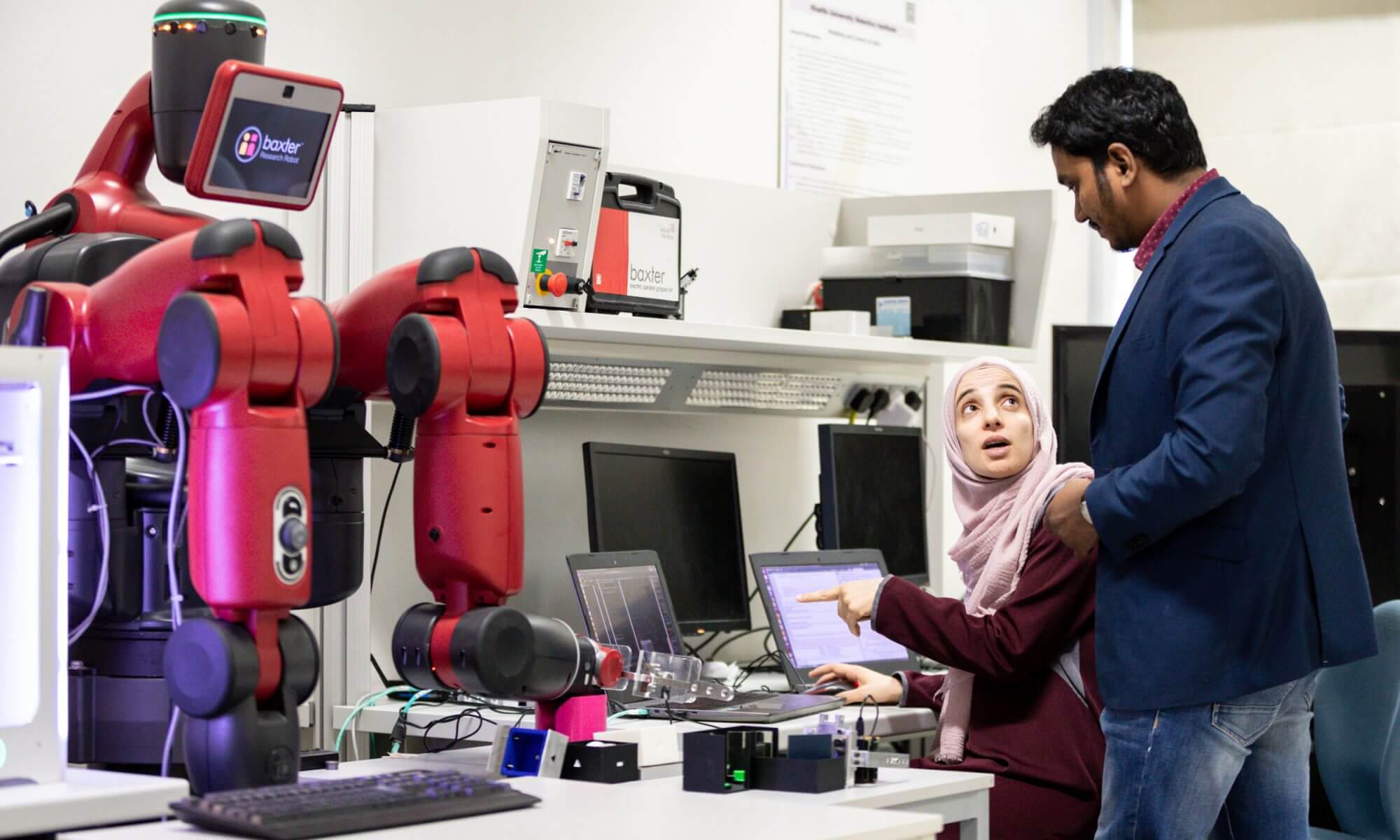
Dr. Kinda Khalaf, Associate Professor and Associate Chair, Biomedical Engineering, is leading a team of researchers at the Healthcare Engineering Innovation Group (HEIG) at Khalifa University to develop innovative methodologies and assistive technologies to assess and rehabilitate patients following a stroke. Dr. Khalaf is focusing on the quantification of disease induced movement impairment in stroke survivors using experimental and computational techniques, while Dr. Dongming Gan, Assistant Professor in the Department of Mechanical Engineering, is supervising a student design project aiming to develop a compliant ankle exoskeleton.

The first step is development of a clinical assessment protocol using gait and other key physiological parameters for the quantification of post stroke movement dysfunction and rehabilitation efficacy. Next, attention turns to rehabilitation techniques. A second HEIG project will design and develop a novel compliant exoskeleton system that can be used towards robotic human lower limb rehabilitation applications, including stroke.

“According to the World Health Organization, every year, 15 million people worldwide suffer a stroke, with five million left permanently disabled,” said Dr. Khalaf. “Instigated by an interruption of blood flow to the brain, resulting in damage to brain cells, stroke is considered the second leading cause of mortality globally for people above 60 years of age, and the second leading cause of disability.”

Stroke is the most common acquired neurological disease in the adult population worldwide with its global prevalence generating a significant burden of illness for healthy life years lost due to disability and premature death. One-third of stroke survivors achieve only a poor functional outcome five years after the onset, and although there has been great progress in managing outcomes, most of the care to reduce dependence among patients depends on rehabilitation.

“While developed countries are reporting an overall decline in the incidence of stroke, it’s increasing in the developing world,” said Dr. Khalaf. “In the UAE, the situation is worrisome, as not only is the incidence rate continuously increasing, but also the average stroke victim in the UAE is 45 years old, which is 20 years younger than the average stroke victim elsewhere in the world. Attributed to higher than global average prevalence of obesity, type 2 diabetes, hypertension and a sedentary lifestyle, statistics reveal that every hour someone in the UAE suffers a stroke. This is quite devastating both socially and economically in a young country.”

Optimal functional recovery is the ultimate goal of neuro-rehabilitation after an acute brain injury—the aim is to get people moving as normally as possible. One of the most common areas affected by stroke is the patient’s motor skills, with survivors experiencing disabilities to different degrees, in different hemispheres, and at different levels. Hemiparesis (muscular weakness or partial paralysis restricted to one side of the body) is seen in 88 percent of stroke victims, commonly affecting the limbs.

“Studies have shown that rehabilitation therapy is most effective if performed soon after stroke and that intensive therapy and task-based exercises may contribute significantly to partial and full motor recovery,” explained Dr. Khalaf.

Most therapists agree that early focused and repetitive exercise is the most impactful aspect of rehabilitation for future recovery. There is also evidence that early treatments involving mechanical structures to bring support and set constraints for movements promote the re-innervation of muscles in the affected limbs.

“Newly emerged robotic rehabilitation has several advantages, including consistency of intensive rehabilitation for a longer duration, irrespective of the skills and endurance of the patient and therapist,” said Dr. Khalaf. “Robot-based systems have the potential to provide programmable movement patterns, control of movement repetitions, and real-time position and force measurement and tracking. Robots can also be programmed to perform a wide variety of motion, including functional movements, allowing the patient to perform autonomous and repetitive training on tasks simulating activities of daily living.”

A senior design project proposed to Dr. Gan seeks to design a compliant ankle exoskeleton for adaptable walking assistance. Students Abdulla Almemari, Sultan Al Ali, Nawwaf Al Nuaimi and Khalifa Aladwan are aiming to assist people with ankle injuries specifically. They have developed a biomimetic exoskeleton that has a soft and safe interface with the human leg and a carefully designed variable stiffness compliant actuator to adapt to the patient’s speed and activity.

“Bio-inspired robotics systems have demonstrated improvement in mimicking natural physiological performance,” explained Dr. Gan. “However, issues such as how to design biological-system-like compliance, the level of the compliance, and how to integrate the compliance into the whole system, remain unsolved. We are prototyping an advanced exoskeleton and integrating it with innovative sensing and control technologies to achieve this compliance.”

The ability to walk independently is a prerequisite for most daily activities. Gait dysfunction is common in individuals with neurological disorders and impairments following stroke usually involve an excessive energy cost during walking. Stroke patients are generally unable to comfortably maintain the most efficient walking speed related to poor motor control, muscle weakness and sensory and balance disturbances. These impediments translate into issues with the proper sequential activation of the muscles in the different stages of gait, causing compensatory strategies that decrease speed and efficacy.

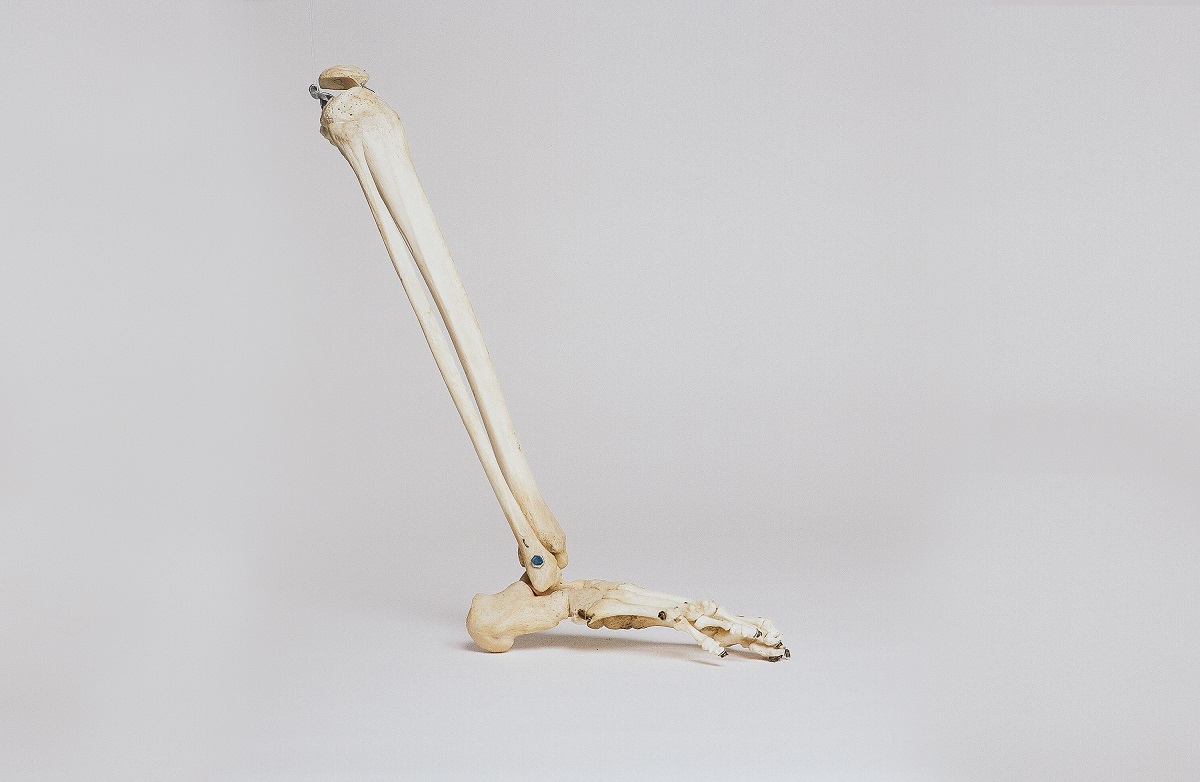
The ankle exoskeleton proposed in the senior design project can be applied to stroke rehabilitation because one of the most common impairments observed in stroke patients is the reduction of ankle dorsiflexion associated with a hyperextension of the knee. Not only does this affect walking speed, but also the ability to walk on irregular surfaces and climb stairs. This is commonly known as drop foot.

Before an exoskeleton can be tailored to a patient, their gait must be analyzed. Dr. Khalaf and her team are devising a comprehensive methodology for the quantification of gait patterns and other physiological parameters of stroke survivors. They plan to develop a patient-specific practical motion analyzer for reliable quantitative post-stroke assessment.

“Gait analysis in general can be of significant importance in identifying and tracking the results of surgical and other therapeutic modalities for the documentation, rectification, and improvement of abnormal gait patterns,” explained Dr. Khalaf. “The application of simplified gait analysis as a tool for assessing patients with stroke will aid in diagnosing and following gait aberrations, and quantifying the effects of therapeutic modalities.”

Identifying the exact ‘settings’ appropriate for each patient depends on accurate and reliable gait analysis. The biomimetic ankle exoskeleton will involve a variable stiffness spring actuator system to retract the ankle from its extended position to its normal position to help patients experiencing drop foot.

Successful rehabilitation strategies include mimicking the physiological joint power and energetics, where joint compliance and stiffness is key. Humans adjust leg stiffness during different locomotion speeds, where controlling ankle stiffness is a primary mechanism that is critical in control during motion.

“To compensate for and augment the human physiological compliance, a compliant joint will be designed and integrated into the lower extremity exoskeleton,” explained Dr. Gan. “The compliant design will ensure smooth motion transformation between the human and the exoskeleton.”

“Currently, health services in the UAE are struggling to provide rehabilitation therapy to victims, meaning many have to travel outside the country following a stroke. This imposes a heavy burden on the local economy and sacrifices the element of family support inherent to the culture here,” explained Dr. Khalaf. “Our multidisciplinary, multinational team with diverse engineering and clinical expertise is designing an innovative strategy for robotic rehabilitation for the UAE and the region, which will provide a more effective and sustainable therapy for patients.”

Jade Sterling
News and Features Writer
9 January 2020

Khalifa University College of Medicine and Health Sciences Establishes 14-Member Executive Advisory Council

Prominent Stakeholders and Industry Professionals to Help Guide and Shape Strategy for Excellence in Medical Education

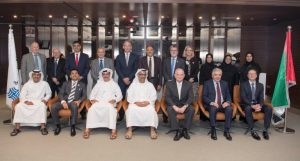
Khalifa University of Science and Technology’s College of Medicine and Health Sciences (CMHS) has established a 14-member executive advisory council of industry professionals to drive and shape the strategies, and develop into a center of excellence in medical education.

Dr Arif Sultan Al Hammadi, Executive Vice-President, Khalifa University of Science and Technology, welcomed the panel members who gathered for the inaugural meeting that was headed by Dr John Rock, Founding Dean, College of Medicine and Health Sciences, Khalifa University.

The advisory council members include prominent stakeholders from the UAE healthcare sector such as Dr. Khaled Aidha Al Jaberi, Director, Healthcare Licensing & Medical Education Division, Abu Dhabi Department of Health; Brigadier Aysha Al Dhaheri, Commander Medical Services Corp.; Dr. Gareth Goodier, Group Chief Executive Officer, Abu Dhabi Health Services Company (SEHA); and Dr. Daryl A. Cornish, Director, Fatima College of Health Sciences (FCHS), NMC Royal Hospital. Dr. Shamsheer Vayalil, Chairman and Managing Director, VPS Healthcare, represents the private sector on the panel.

Dr Arif Sultan Al Hammadi said: “We welcome members of the newly constituted executive advisory council for the College of Medicine and Health Sciences. These professionals are the stakeholders representing the UAE’s healthcare sector. We are keen to listen to their recommendations and we believe these industry experts will share their experience and knowledge to help us chart the right course of action that will create the CMHS into a center of excellence for medical education.”
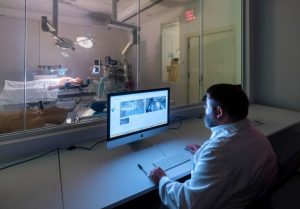
Panel members assessed the integrated curriculum of the Khalifa University CMHS and discussed the prospects, challenges and opportunities of the program. They also deliberated on shaping and driving the strategies to improve the academic performance of CMHS to excel in medical education.

Khalifa University’s College of Medicine and Health Sciences, which commenced classes in September 2019, is the first 4X4 allopathic LCME-comparable (Liaison Committee on Medical Education), post-baccalaureate medical college, which prepares its medical students for residency programs in the US and Canada.

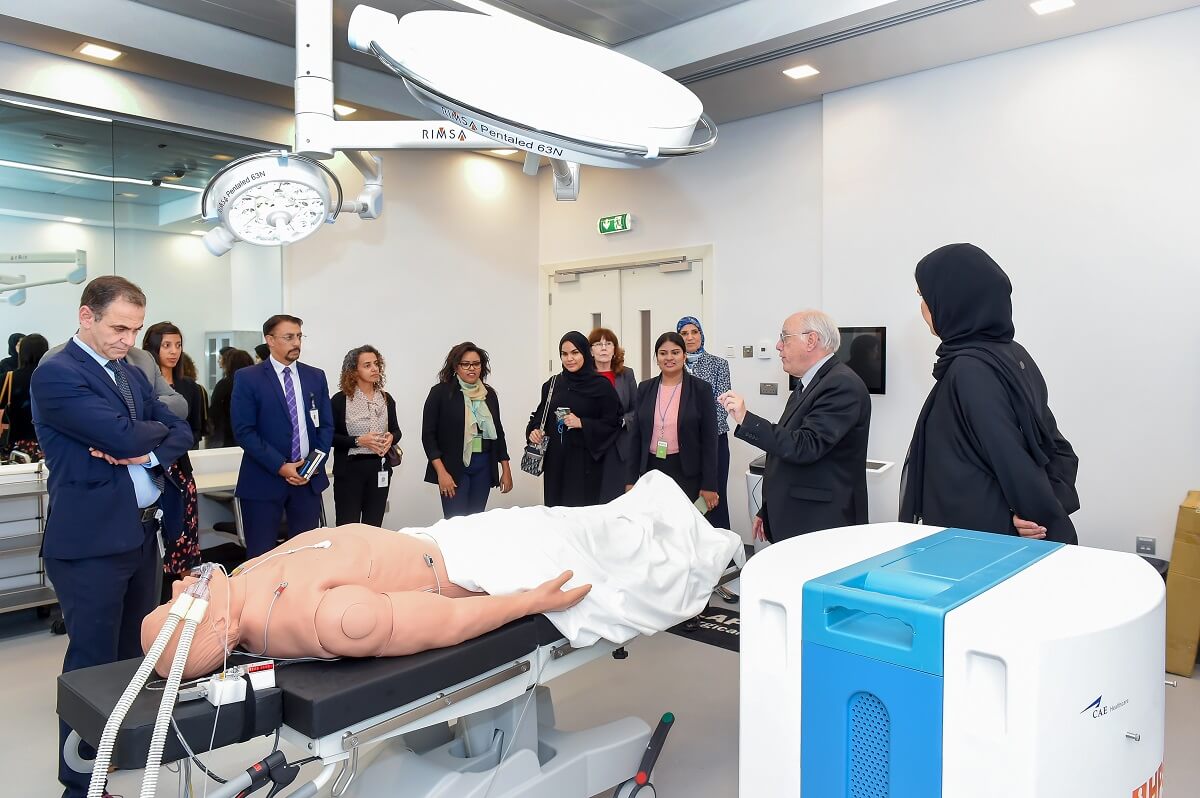
The Khalifa University College of Medicine and Health Sciences has also developed an OSCE (Objective Structured Clinical Examination) and Simulation Center, which is designed to test clinical skill performance. The program provides a hands-on real-world approach to learning and assessment. This program will serve hospital residency programs, military training units, and other medical schools in the UAE.
Additionally, the College of Medicine and Health Sciences has developed a ”state-of-the-art testing center, which is created with Prometric and Pearson VUE standards which will allow Graduate Record Examinations (GRE), National Board of Medical Examiners (NBME), United States Medical Licensing Examination (USMLE) and Medical College Admission Test (MCAT) testing on site.

Clarence Michael
News Writer
9 December 2019

Robotics Research Shared at International Conference

Dr. Jorge Dias, Professor of Electrical and Computer Engineering, shared KU’s advanced robotics research at the International Symposium on Cross-modal Learning in Humans and Robots, on 28 November at the University of Hamburg in Germany.

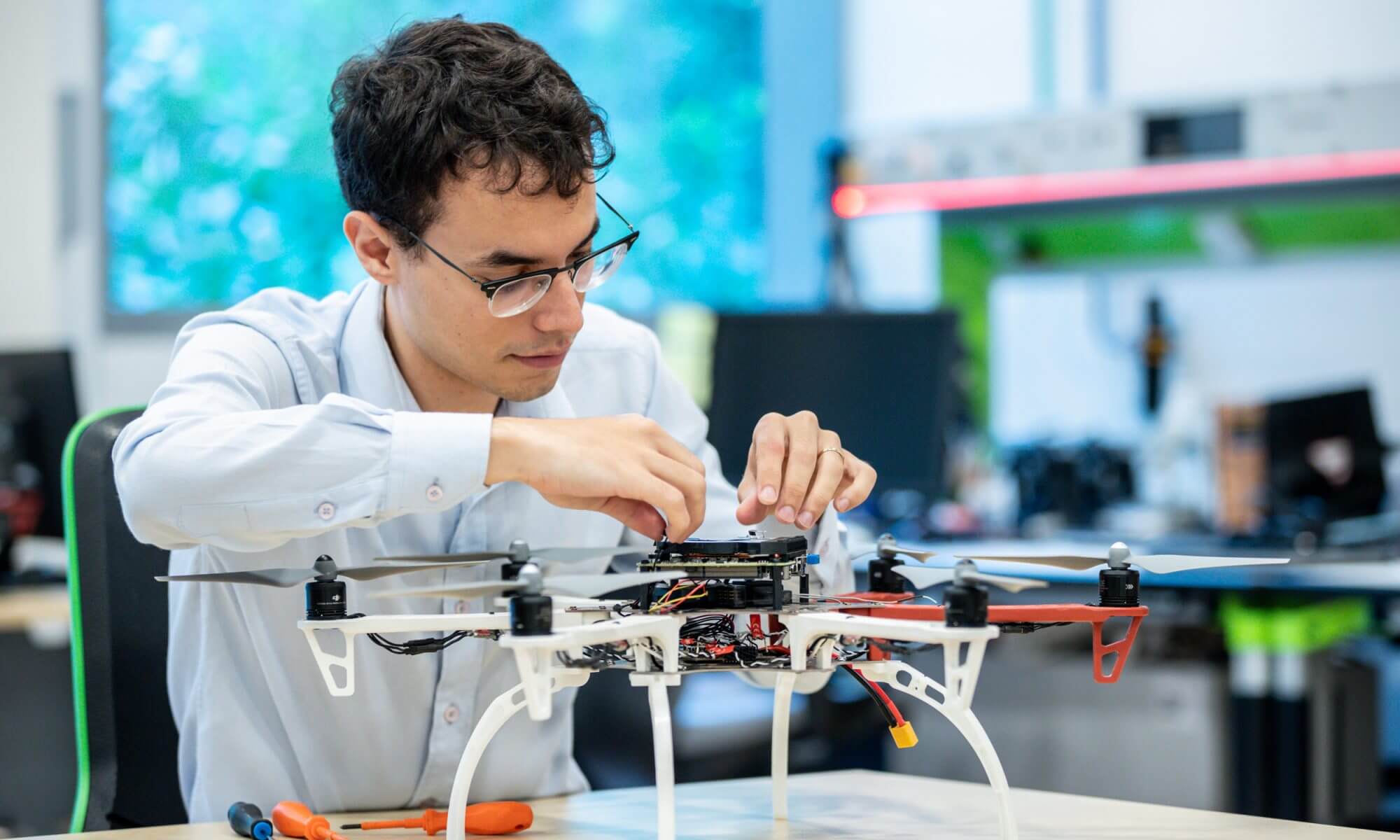
His presentation, titled ‘Visual Multi-Spectral Semantic Analysis and Prediction’ provided insight into some of the recent robotics work being carried out at Khalifa University’s Center on Autonomous Robotic Systems, specifically in the area of surveillance of urban environments using low-cost unmanned aerial vehicles (UAVs) equipped with a diversity of imaging sensors, including standard cameras, infrared cameras, and more.

During his presentation, Dr. Dias also highlighted how KU is exploring the two types of data interpretation paradigms used for programming robot vision and understanding — semantic imaging and semantic reconstruction. He emphasized how the Mohamed Bin Zayed International Robotics Challenge (MBZIRC) provides an important platform for testing UAVs programmed with these semantic analysis paradigms in real-life situations.

Erica Solomon
Senior Editor
8 December 2019

Masdar Institute Alumna Delivers Seminar on Future of Electronics

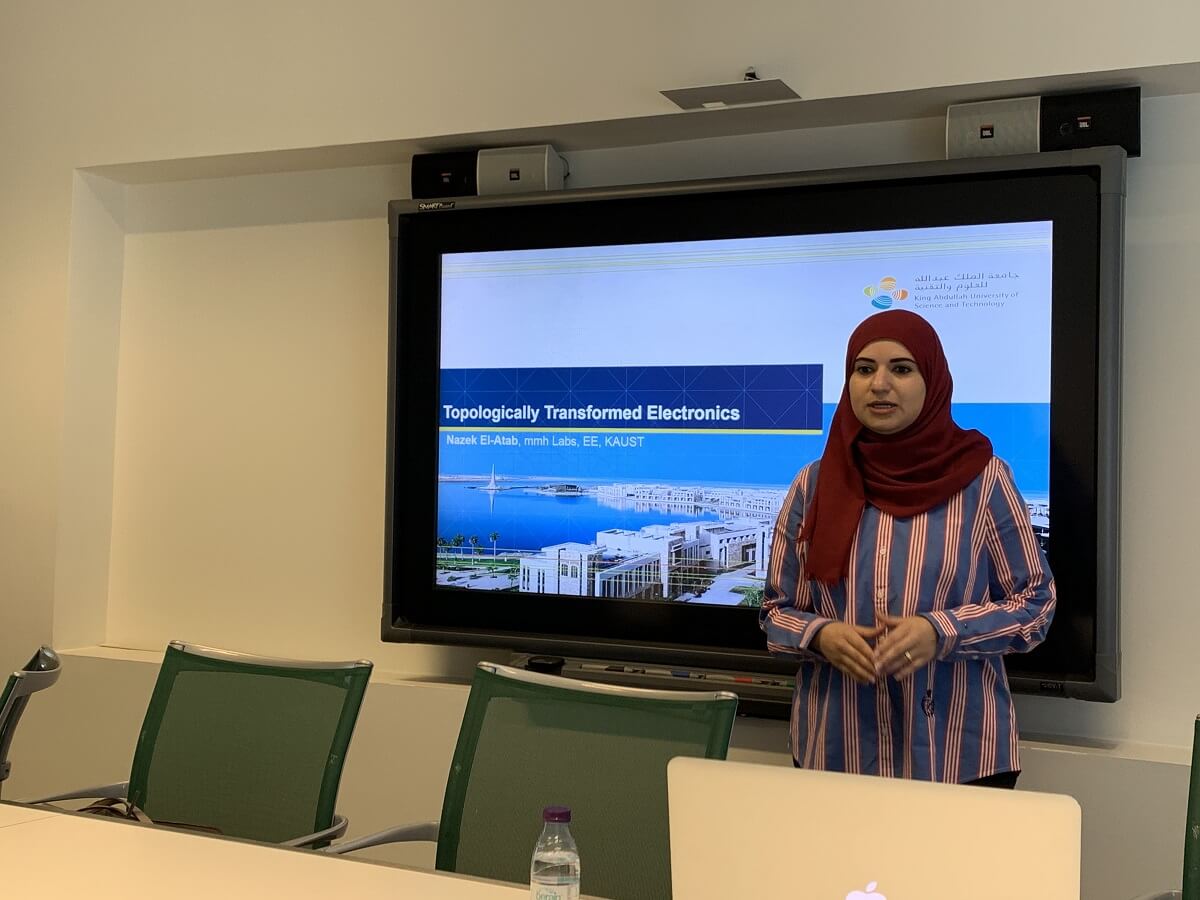
Dr. Nazek El-Atab, a 2017 PhD alumna from Masdar Institute and current Post-Doc at King Abdullah University of Science and Technology (KAUST), delivered a seminar on Thursday, 5 December titled “Topologically Transformed Electronics” to MSc in Electrical and Computer Engineering and MSc in Materials Science and Engineering students.

In her talk, Dr. El-Atab asked a key question in the field of microsystems: Can complementary metal oxide semiconductors (CMOS) – the technology that underpins the ever-shrinking integrated circuits in our electronic devices – be further innovated to extend Moore’s Law and find new applications in our increasingly connected world?

Dr. El-Atab offered her own research insights to address the question. Two main research projects she is working on include multi-dimensional integrated circuits for IoT applications, and ultra-flexible, ultra-stretchable inorganic solar cells with high efficiency.

Dr. El-Atab has become an internationally recognized scientist in a rather short period of time. While pursuing her MSc degree in Microsystems Engineering from Masdar Institute, followed by her PhD in Interdisciplinary Engineering, she worked under Dr. Ammar Nayfeh, Associate Professor of Electrical and Computer Engineering at KU. During her time at Masdar Institute, she received several awards for her research, including the 2015 For Women in Science Middle East Fellowship by L’Oreal-UNESCO, Best Paper Award in the Micro/Nano-systems section at the UAEGSRC 2016 conference, the 2016 IEEE Nanotechnology Student Travel Award in Japan, and the 2017 International Rising Talents Award by L’Oreal-UNESCO.

Post-graduation, she received the 2018 “Rafik Hariri University” Alumni Award, and was portrayed in the 2019 “Remarkable Women in Technology” by UNESCO.

Over the course of her fairly short but prolific academic career, she has published over 30 papers in international peer-reviewed scientific journals and conference proceedings, 2 book chapters, 2books and has 6 US filed patents.

Erica Solomon
Senior Editor
07 December 2019

KU Associate Professor and Two Students Receive Founder Leader’s Awards

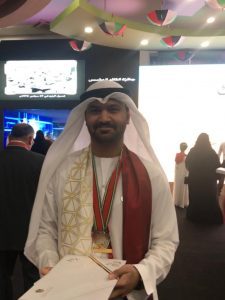
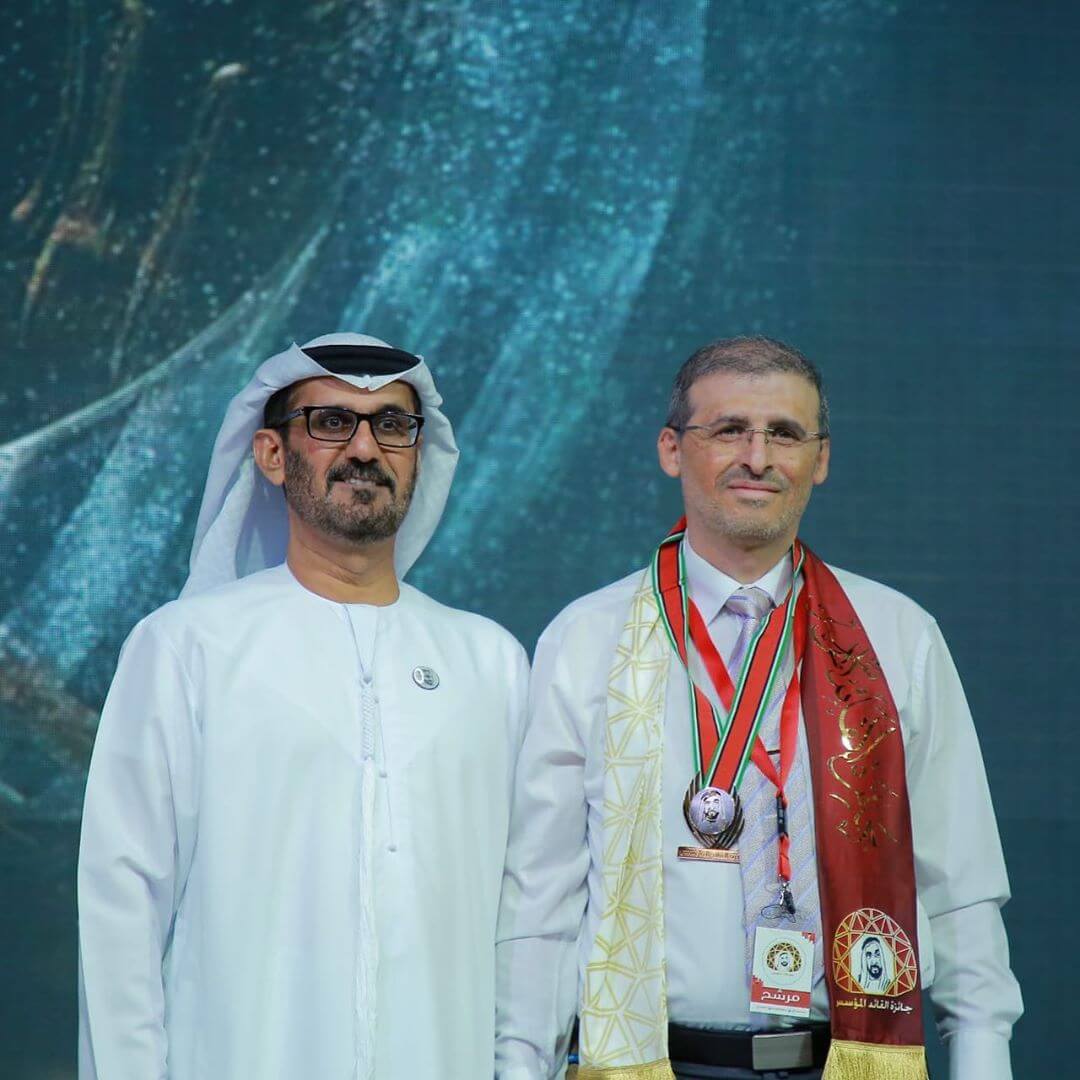
Khalifa University Associate Professor of Electrical Engineering and Computer Science, Dr. Arafat Al-Dweik, and two KU students Jawaher Alameri and Ahmed Alzaabi, were among the recipients of the 2019 Founder Leaders Awards. They were honored at a ceremony on 28 November where they were presented with medals by HE Minister of Education Hussain bin Ibrahim Al Hammadi.

Dr. Arafat won in the ‘Distinguished Research’ category for his research contributions and community service. Ahmed won in the ‘Innovative Academic Student’ category, and Jawaher won in the ‘Innovative University Student’ category, as both students represent the attitudes and traits of the goal-oriented and accomplished youth envisioned by the Founding Father, Sheikh Zayed bin Sultan Al Nahyan.

The Founder Leader’s Award is presented by the Ministry of Education to celebrate excellence and education pioneers, and to fulfill the Founding Father’s vision of developing a strong educational system that will be the foundation of the country’s continued progress.

Student Snapshots

Ahmed Khalid Alzaabi recently graduated with honors from KU. He has written three research papers that focus on the nationalism of the Emirati youth and was able to present one these papers at the 3rd Australian Association For Research In Education (AARE) Conference 2019 in Brisbane. He was also an active member of the Society of Petroleum Engineers (SPE) Student Chapter during his undergrad days and worked on different on-campus events such as the Khalifa University Program Choice Day (Fall 2018) and Khalifa University Majors Day (Spring 2019).
Ahmed is currently enrolled in the Young Future Energy Leaders (YFEL) program, an initiative led by Masdar Institute, that mentors future leaders in the fields of alternative energy, offering opportunities to be more engaged in finding solutions to the challenges of energy efficiency and climate change.

Jawaher Alameri is a BSc Mechanical Engineering graduate who participated in different engineering competitions, such as the VEX Robotics Competition and Global Hybrid Electric Vehicle Challenge, when she was an undergraduate. She also assisted several KU professors in a variety of research projects.

She interned with Emirates Nuclear Energy Corp. (ENEC) and spent time at Korea Electrical Power Corp. (KEPCO), ENEC’s joint venture partner, to know more about the nuclear energy industry and was named as one of the Best Interns at the time. In 2016, Jawaher was one of the two representatives of the UAE to the Total Energy Summer School in France.

Outside the campus, Jawaher is a member of the Sea of Culture Toastmasters for Arabic Public Speaking, a certified trainer of the Dubai Knowledge and Human Development Authority, and was a part-time cultural tours specialist at the Sheikh Zayed Grand Mosque.

Ara Cruz
News Writer
8 December 2019

Region’s First Public Wind Atlas from Masdar Institute to Support Wind Energy Projects

Abu Dhabi-UAE: 19 January, 2015 – The Masdar Institute of Science and Technology, an independent, research-driven graduate-level university focused on advanced energy and sustainable technologies, today announced at the World Future Energy Summit 2015 the launch of the UAE Wind Atlas, aimed at accurately characterizing the UAE’s wind resources and ultimately supporting investments in wind energy projects.

The UAE has become the first country in the region to develop its own publicly available wind atlas, which has been integrated into the Global Atlas for Renewable Energy platform of the International Renewable Energy Agency (IRENA) as a contribution from the UAE Government.

“This is one more excellent achievement from the Research Center for Renewable Energy Mapping and Assessment at Masdar Institute. The UAE Wind Atlas demonstrates another key aspect of our contribution to advancing clean energy projects in the UAE. With the support of the UAE’s leadership, Masdar Institute remains in the forefront of research and innovation for clean energy adoption, creating new tools and techniques for the benefit of the wider community. We foresee that the launch and inclusion of the UAE Wind Atlas in IRENA’s Global Wind Atlas highlights our role in the creation of technical knowledge for sustainability,” said Dr. Fred Moavenzadeh, President, Masdar Institute.

Adnan Z. Amin, Director-General, IRENA, said: “The launch of the UAE Wind Atlas marks another key milestone in our efforts to bring a comprehensive clean energy resource map to the global community. The support provided by Masdar Institute’s Research Centre for Renewable Energy Mapping and Assessment and 3TIER has been critical to help developers of clean energy projects find valuable information to assist in their investment decisions.”

An interactive portal with a wide range of end-user applications will be hosted on a dedicated server at ReCREMA, located within Masdar Institute, under its Director Dr. Hosni Ghedira.  Dr. Taha B.M.J. Ouarda, Head of the Institute Center for Water and Environment (iWater), was closely involved in the creation of the wind atlas.

Dr. Ghedira said: “The wind atlas is fairly different from the solar atlas in a number of ways, although some of the maps may seem similar: Wind has to be generated at a number of heights and a whole altitude profile needs to be produced as different turbine technologies work at different heights. Also, solar irradiance is a fairly regional variable because irradiance at a given location is not very different from irradiance at a location 100 meters away.

The scientific work to produce the wind atlas included climate simulations and was carried out in collaboration with 3TIER, a global leader in renewable energy risk analysis, data, assessment, and forecasting for wind, solar, and hydro power projects. 3TIER is based in Seattle, Washington, in the US.

At the request of the UAE Ministry of Foreign Affairs, ReCREMA developed the UAE solar and wind atlases to make them available to the general public through IRENA’s global atlas platform.

An agreement with the Directorate of Energy and Climate Change (DECC) within the Ministry of Foreign Affairs (MoFA), Dubai Supreme Council of Energy (DSCE), and Environment Agency – Abu Dhabi (EAD), through the Abu Dhabi Global Environmental Data Initiative (AGEDI), resulted in funding contributions to the UAE National Atlas for solar and wind resources.

The new wind atlas also adds yet another layer of data to the Masdar Institute-hosted  IRENA Global Atlas for Renewable Energy, which includes maps on solar, wind, geothermal and bioenergy resources along with one marine energy map.

Wind is a highly ‘local variable’ as it can be very different at locations that are just 40 meters away because of the impact of terrain, roughness, channeling effect, etc. The work on the wind atlas also included other information such as uncertainty maps which can be very important for securing funding for wind farms.

Aside from the spatial and temporal maps of wind speed, wind direction and wind energy, other products from the ReCREMA include uncertainty maps, seasonality maps, inter-annual variability maps, maps of recurring large-scale air pressure and circulation patterns that extend over large areas, climate change impact maps, altitude profile and distributional maps.

The final maps for the wind atlas are at a spatial resolution of 500m. During climate simulation (the intensive scientific part of the modeling effort), a number of models were compared to identify the ones that provide best results in desert and arid environments. This is expected to ensure that the final maps take into consideration the unique climatic characteristics of the region. The data sets generated are in excess of 15TB for a 10-year period. The UAE Wind Atlas application and interactive portal are hosted in the state-of-the-art Data Center facilities at Masdar Institute.