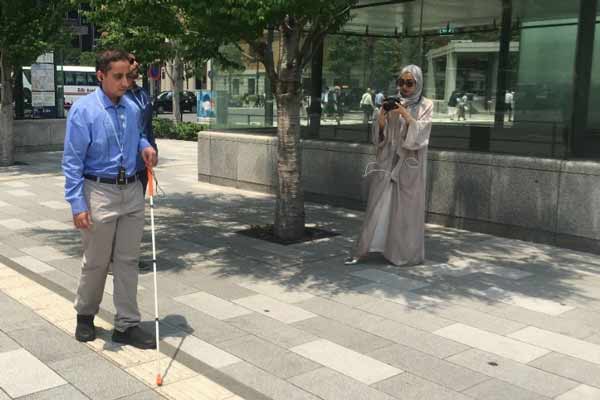
The Japan International Cooperation Centre (JICE) Abu Dhabi Office this month successfully concluded a twelve-month series of joint collaborations, projects, activities and studies with various UAE governmental bodies and institutions for the educational and human resource development of young Emirati talent.
The popularity of studying Japanese language among Emirati youth has been growing year by year, with Khalifa University of Science and Technology extending its Japanese language curricular courses coordinated by JICE for a fourth year this year.
Read full story: http://tradearabia.com/news/EDU_365663.html
To help vehicles navigate their way around the solar system, Dr. Daniel Choi is leading a team to develop a novel micro-electromechanical system gyroscope and magnetometer for a miniaturized space attitude control system
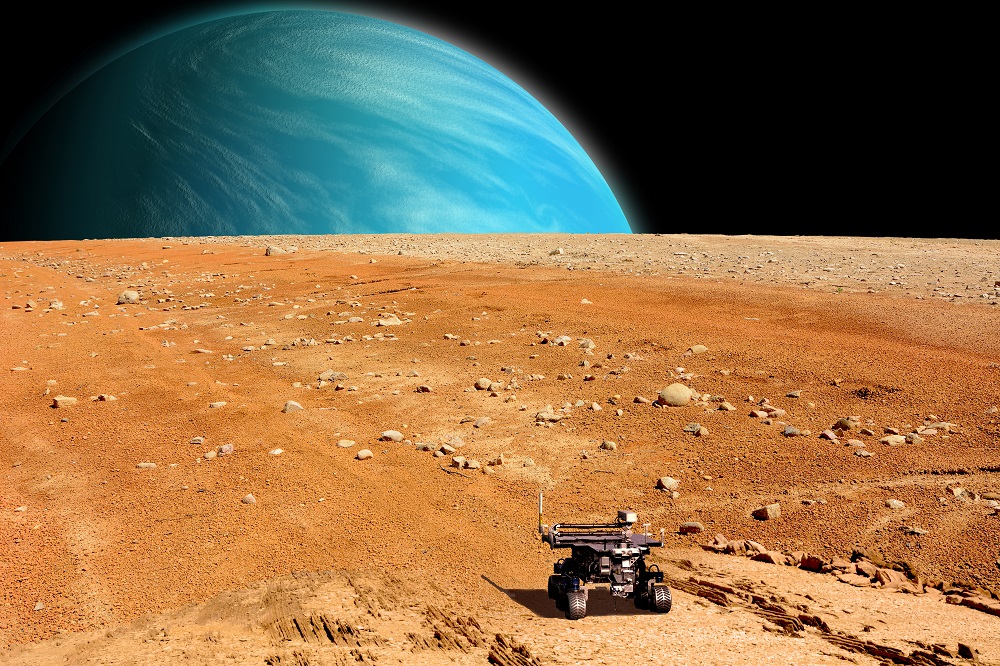
Rough terrain is tricky for anybody to navigate let alone an autonomous vehicle. A human walking across a rough terrain can instinctively adjust movements to stay upright; robots lack this instinctive balance. More than simply staying upright, an unmanned vehicle on a far-flung planet would need to keep its antenna accurately pointed towards Earth for communications; keep its data-collecting instruments precisely pointed for accurate onboard experiments and interpretation; and optimize heating and cooling effects of shadow and sunlight for thermal control.
To help vehicles navigate their way around the solar system, Dr. Daniel Choi, principal investigator and Associate Professor of Mechanical Engineering and Dr. Ibrahim Elfadel co-investigator and Professor of Electrical Engineering and Computer Science at Khalifa University, are leading a team comprising Dr. Ru Li, Eng. Dima Ali and graduate student, Muneera Al-shaibah, to develop a novel micro-electromechanical system (MEMS) gyroscope and magnetometer for a miniaturized space attitude control system.
An unmanned ground or aerial vehicle needs a robust and reliable system in place to keep it functional once it has left terra firma on Earth. If the robot should need help stabilizing on rocky ground, a planetary mission would be hampered by the communications delay imposed by the enormous distance between earth and space-faring robots. Even at its maximum speed of 5.2 megabits per second (Mbps), message from the Mars Reconnaissance orbiter (MRO) a single high-resolution image takes 90 minutes to be sent back to Earth. If a UGV had to wait for this information every time it encountered a large rock it wasn’t sure how to navigate, it would take an inordinate amount of time for any mission to be completed.
Much of the communication difficulty could be solved if the technology sent into space were autonomous, with the necessary tools designed by teams like the one led by Dr. Choi at Khalifa University.
“This research project is the first to be sponsored by the UAE Space Agency since the agency was established in 2014,” said Dr. Choi. “We started this project in December 2017, aiming to design, fabricate, and characterize a MEMS gyroscope and magnetometer to be used in inertial measurement units (IMU) of space altitude control systems.”
Attitude control is the process of controlling the orientation of an vehicle with respect to an inertial frame of reference or another entity, such as the celestial sphere. In aviation, this is traditionally the Earth’s horizon. Controlling vehicle attitude requires sensors to measure vehicle orientation, actuators to apply the torques needed to orient the vehicle to a desired attitude, and algorithms to command the actuators based on sensor measurements and specification of the desired attitude.
Gyroscopes are devices that measure or maintain rotational motion. When things rotate around an axis, they have angular velocity which is measured in degrees per second or revolutions per second. Angular velocity is simply a measurement of the speed of rotation. MEMS gyroscopes are small, inexpensive sensors that measure this angular velocity. They are found in most autonomous navigation systems: balancing a robot can involve a gyroscope measuring rotation from a balanced position and sending corrections to a motor.
MEMS gyroscopes are used in automotive roll-over prevention and image stabilization as well as many other applications.
One key process in designing a system pertaining to attitude control is the mathematical modelling of the vehicle dynamics and environmental influences. Everything is tested and analyzed under simulated space conditions.
A MEMS gyroscope device includes a vibrating structure which determines the rate of rotation. When the gyroscope is rotated, a small resonating mass is shifted as the angular velocity changes. This movement is converted into very low-current electrical signals that can be amplified and read by a host microcontroller to control a ship’s attitude.
“Our team was able to fully characterize the MEMS gyroscope device by finding its resonance frequency, or frequency of maximum oscillation amplitude,” explained Dr. Choi. “Before testing, intensive simulations were done to find the resonance frequency. This involved actuating the proof or test mass of the device by applying the optimum amount of direct current.”
The simulations showed a frequency at which the gyroscope shows a resonant peak of 47.7 KHz, while testing showed a value of 46.6 KHz. With a percentage error of just 2.2 percent, the team concluded they had successfully tested their design.
“In addition to the MEMS gyroscope, the team has also been testing the MEMS magnetometer,” said Dr. Choi. “The design has been successfully tested for static capacitance and resonance frequency in both ambient and vacuum conditions.”
A magnetometer is a device that measures magnetism—the direction, strength, or relative change of a magnetic field at a particular location. In an aircraft’s attitude and heading reference system, they are commonly used as a heading reference. As magnetometers are miniaturized to be incorporated in integrated circuits, they are finding increasing use as miniaturized compasses. In a MEMS magnetometer, a change in voltage or resonant frequency can be measured electronically.
“We have confidence in our circuit and designs and are currently working on improving and optimizing them for operations,” said Dr. Choi. “The next step is to design and fabricate application-specific integrated circuits (ASIC) for implementing these devices in upcoming space missions.”
Jade Sterling
News and Features Writer
23 March 2020
A home-based device which helps pregnant mothers monitor fetal heart-beat and the baby’s cardiac activity, developed at Khalifa University of Science and Technology, has received an official intellectual property (IP) technology licence.
The technology behind ‘Twinkle Heart’ was developed by Dr Ahsan Khandoker, associate professor, Biomedical Engineering, and licensed to Advanced Research Projects, the start-up established by Biomedical Engineering graduate and Emirati Saeed Alteneiji, and was incubated at Khalifa Innovation Centre (KIC).
Read full story here: https://www.arabianbusiness.com/healthcare/443294-emirati-start-up-aimed-at-helping-pregnant-mothers-gets-ip-technology-licence
Patented Technology Invented in Biomedical Engineering Research Laboratory Helps Development of Novel Device for Pregnant Mothers to Monitor Baby’s Cardiac Activity
Khalifa University of Science and Technology has announced the licensing of its patented technology to a startup floated by an alumnus Emirati entrepreneur with a faculty member.
The intellectual property (IP) technology license was granted recently, marking a significant milestone in the university’s innovation journey. The home-based monitoring device, called by the Emirati startup ‘Twinkle Heart’, helps pregnant mothers to monitor fetal heart-beat and the baby’s cardiac activity. The technology behind the product was developed by Dr Ahsan Khandoker, Associate Professor, Biomedical Engineering, and licensed to Advanced Research Projects, the start-up established by Biomedical Engineering graduate Saeed Alteneiji, and was incubated at Khalifa Innovation Centre (KIC).
Dr. Arif Sultan Al Hammadi, Executive Vice-President, Khalifa University of Science and Technology, said: “Khalifa University’s comprehensive role includes not only education, but also providing a successful and integrated academic journey in areas that serve the UAE’s strategic sectors. This enables graduate studies and innovations at our state-of-the-art research centers, while facilitating the creation of start-ups and commercialization of patented technology with products targeting these sectors.”
Al Hammadi added, “This is a key milestone for Khalifa University towards successful commercialization of a technology developed at our own research laboratory. It is also critical for the university to grant intellectual and patent rights to a startup led by an Emirati entrepreneur. We will continue to further exploit the commercial potentials of our IP and patent portfolios and contribute to the innovation ecosystem.”
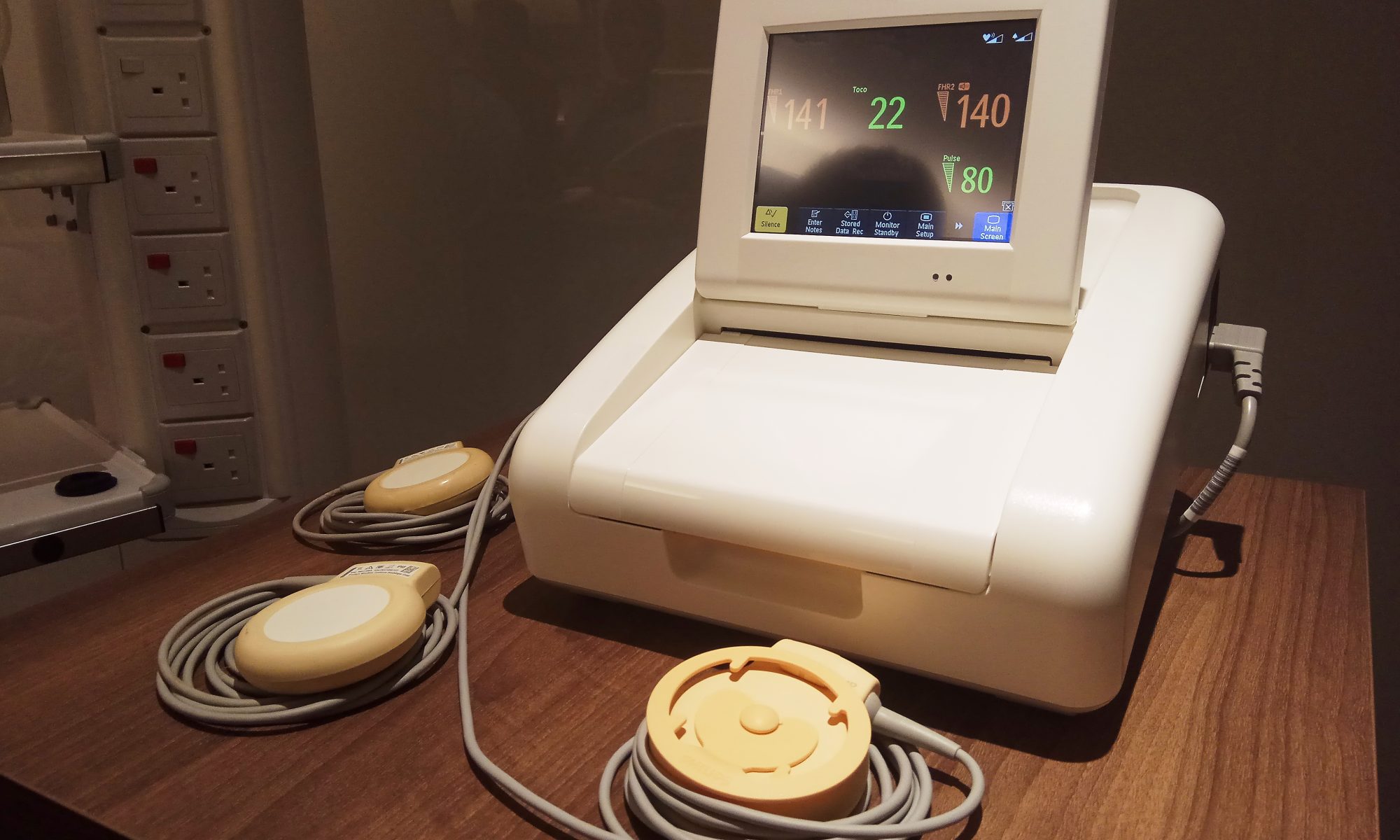
Twinkle Heart comprises four fetal phonocardiogram (FPCG) sensors held on the maternal abdomen by a square fabric harness and elastic belts, making it easier for pregnant women to simply listen to their baby’s heartbeat and feel reassured.
Dr Khandoker said: “It is rewarding to see this piece of my research work can further be progressed by a local start-up into a market product that can benefit the public. The uniqueness of this non-invasive device is the ease of use so it should be accessible to any pregnant mother to determine the well-being of her baby. The successful IP licensing to Advanced Research Projects is a reflection of the University vision for having impactful research.”
The portable, low-cost, safe, and easy-to-use fetal screening device for use at home or pregnancy clinics by mobile phone and cheap sensors was originally planned to help medical doctors and midwives. The research results have already been demonstrated through several collaborating hospitals in the UAE and overseas.
Alteneiji said: “ARP’s IP license with Khalifa University is vital for my startup. We will be executing a development plan in 2020 to transfer the IP from the prototype stage to a commercialized product. A marketing plan is already on the way to create awareness for the device, and our team of experts in marketing, engineering, and technology are closely working towards developing the final product. We are grateful to Khalifa University, especially Dr Al Hammadi as well as the Technology Management and Innovation and the Legal offices for their effort and extended support.”
Beyond its home-based application, the device’s portability makes it an ideal solution for health workers in remote areas. Alteneiji’s company Advanced Research Projects has a subsidiary MARP, established early this year, which will be responsible for this product.
Khalifa University currently has over 140 issued patents, with around 360 pending patent applications and more than 400 invention disclosures, while remaining a leading contributor to the country’s patents portfolio.
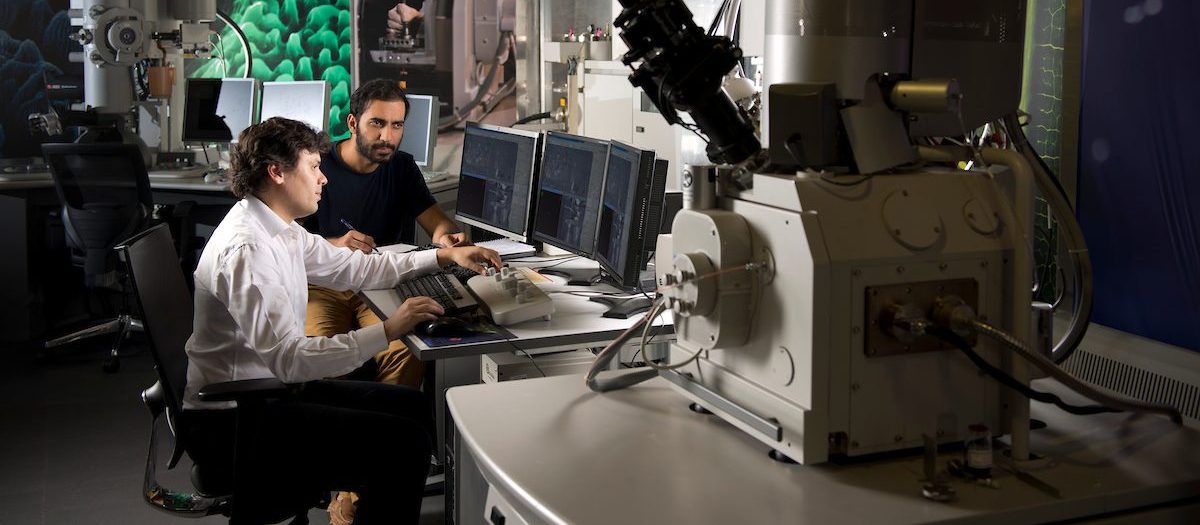
The Microscopy & Microanalysis (M&M) 2020 Conference is the biggest event in the field of Microscopy and this year it will be held in Milwaukee, Wisconsin from 2–6 August 2020. KU’s Dr. Dalaver H. Anjum, Assistant Professor of Physics, will host one of the conference’s symposiums, called “Bridging the Fundamental Electron Dose Gap for Observing Atom Processes in Complex Materials in their Native States.”
The symposium will focus on devising new strategies to manipulate electron beams in advanced transmission electron microscopy (TEM) instruments for carrying out a nanoscale analysis of next-generation materials in their native state. New strategies are urgently needed because electron beams can alter the structure of materials if the electron dose is above the materials’ threshold level. Low-dose frame averaging, cryoTEM, electron detectors, and primary electron energies are a few examples of the parameters that are manipulated to devise new analysis strategies. Their applications cover various advanced materials including two-dimensional, biological, metal-organic framework, and zeolites.
Thus, the central message of the symposium will be to emphasize how TEM techniques (both cryoTEM and room temperature TEM) have become an indispensable tool for exploring the science and technology of next-generation materials.
Dr. Anjum will also be presenting his work in two other M&M 2020 symposia, including “Advances in Electron Microscopy to Characterize Materials Embedded in Devices” and “Crystallography at the Nanoscale and MicroED with Electrons and X-rays.” The two papers will focus on transmission microscopy analysis of semiconductors and metallic materials that have solar cell and aerospace applications.
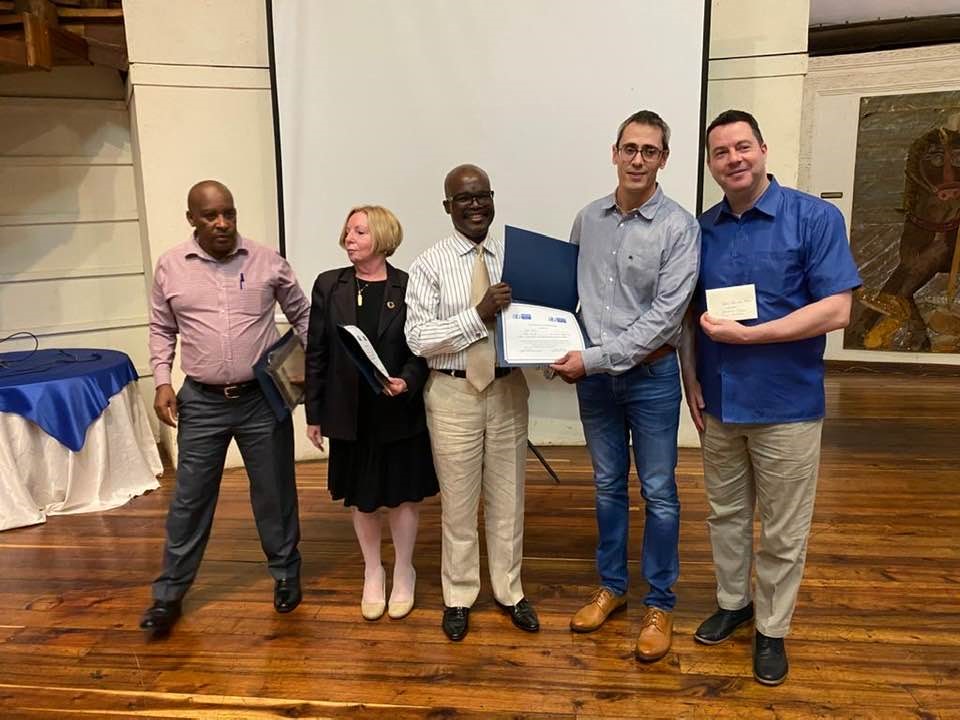
Dr. Glenn Muschert, Professor of Humanities and Social Sciences, and Dr. Dimitrios Reppas, Assistant Professor of Humanities and Social Sciences, received Best Paper Award for their paper “Mobile Money Systems as Avant-Garde in the Digital Transition of Financial Relations.”
The award was presented at the Academy of International Business (AIB) 2020, which was held from 6–9 January 2020 in Nairobi, Kenya. The event was a joint conference of AIB Africa Chapter and Northeast USA Chapter hosted by the Chandaria School of Business at the United States International University – Africa (USIU-A).
In their paper, Dr. Muschert and Dr. Reppas discussed Mobile Money, an electronic form of currency that has become popular, particularly in developing countries over the last decade. They summarized the main findings from empirical literature regarding the positive economic and social impacts of deploying Mobile Money platforms.
Positive economic and social impacts from Mobile Money platforms include the potential to reconfigure and transform pre-existing financial practices, include the unbanked segments of the populations into formal economic relations, and provide self-reliance and security to local communities.
In their winning paper, Dr. Muschert and Dr. Reppas clarified the types of data required to conduct more reliable empirical research and therefore enhance cooperation among the parties involved in deploying and studying the effects of Mobile Money systems, including the academic community, policy makers/regulators, central banks, telecommunication companies, and entrepreneurs.
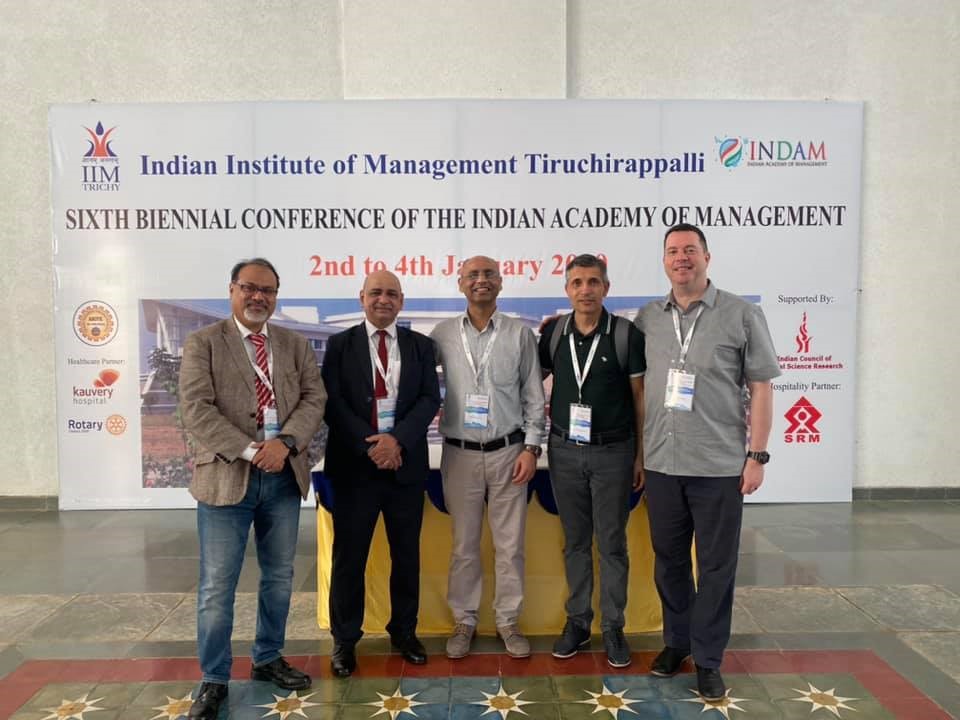
Two faculty from the Department of Humanities and Social Sciences, Dr. Vijay Pereira, Associate Professor of International Business, and Dr. Glenn Muschert, Professor of Sociology, recently participated in several high-profile events in India.
From 2-4 January 2020, the faculty participated in the Indian Academy of Management Conference (INDAM 2020) at the Indian Institute of Management Tiruchirappalli. Dr. Pereira presented two papers and was part of the panel on ‘Global Outlook of Indian Industries @75’. He also participated in the Meet the Editors session representing the Scopus Q1 ranked Journal of Business Research published by Elsevier. Dr. Muschert, on the other hand, was part of the panel on ‘Policy, Populism and Global Value Chains: Implications for India.’
Dr. Muschert and Dr. Pereira were also International Delegates at the ‘International Conclave on Globalizing Indian Thought,’ hosted by the Indian Institute of Management Kozhikode, from 16-18 January. Dr. Pereira presented a paper on research-led evidence for emerging markets. He served as a representative of the UAE (as a faculty member of Khalifa University), and the UK, his home country. While Dr. Muschert represented the UAE (also as a faculty member of Khalifa University) and his home country of the USA. Guests of the conference included the Prime Minister Shri Narendra Modi, who delivered the inaugural address, and Sri Sri Ravi Shankar, who delivered the keynote address.
The last event attended by Dr. Muschert and Dr. Pereira was the Roundtable Conference on Advances in ICT in the Healthcare Sector, where they were International Business and Sociological delegates. The event was hosted by the Indian Institute of Management Ahmedabad from 18-19 January. The roundtable consisted of 20 leaders from the Indian healthcare sector, which included doctors, IT professionals, entrepreneurs, and academics.
The event was an opportunity for the delegates to strategize on the best way to effectively digitize and deploy improvements to the healthcare system in India.
Hamad Eissa Abdullah Al Marzooqi, a BSc Biomedical Engineering student at Khalifa University, was one of the winners of “The Fifty-Year Challenge”, a competition launched in February 2020 as part of the UAE Innovation Month celebrations to encourage individuals to contribute in designing the future and enriching life in the UAE.
The Challenge, organized by the Mohammed Bin Rashid Center for Government Innovation (MBRCGI), called on all UAE citizens and residents to come up with innovative and practical solutions focused on four areas—zero accidents, zero carbon emissions, zero child obesity, and zero plastic waste—that will help form a safer and more sustainable way of life in the UAE in the next 50 years.
Around 400 ideas were submitted and a panel of experts chose 92 finalists to present their innovations. The projects were judged based on their feasibility, novelty, replicability, and impact and the panel was able to recognize 13 inventions that encapsulated these. MBRCGI will support these inventions and they will be tested, developed, and used in practical and real-life situations in partnership with the Abu Dhabi Police, the Center for Public Health of the Abu Dhabi Department of Health, and the Emirates Nature Association in cooperation with the World Wide Fund Nature.
The 13 innovators were honored during the closing ceremony of the UAE Innovation Month 2020 that was held at the Burj Khalifa on 27 February 2020. Among the innovators honored was KU’s Hamad Eissa Abdullah Al Marzooqi, whose Hands on the Steering (HONS) device was one of the winners in the Zero Accident category.
A simple device that could save lives
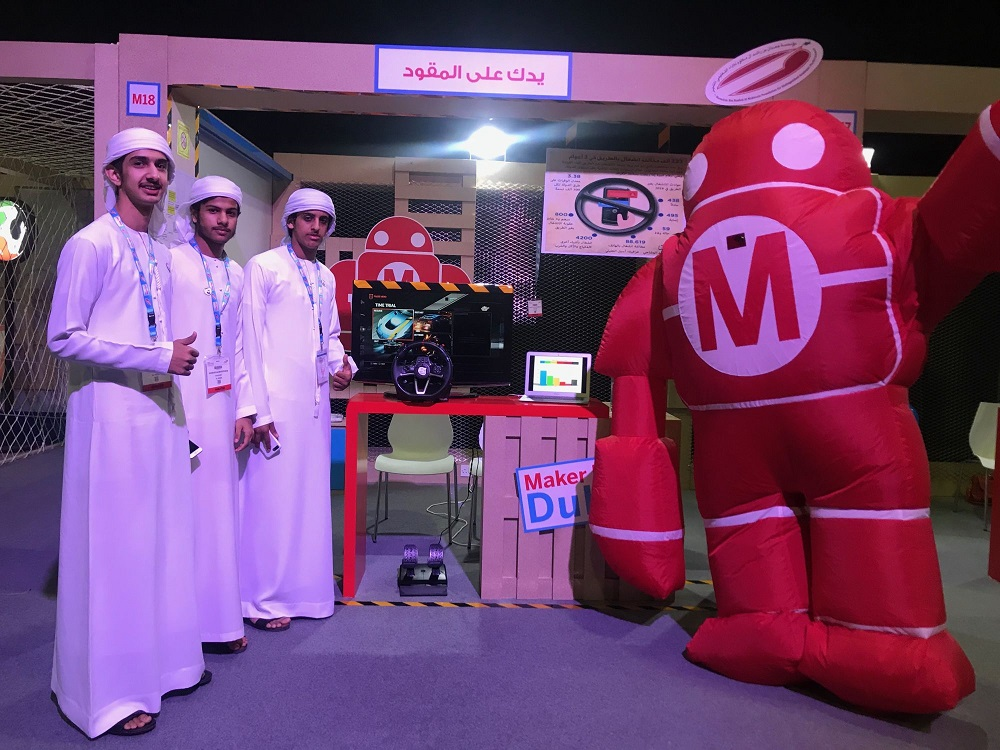
One of the main causes of road accidents in the UAE is negligence or not paying attention to the road while driving. To help lessen traffic accidents, Hamad thought of a simple and practical solution that can be used in all types of vehicles. The Hands on the Steering (HONS) device he developed is a small apparatus that can be easily installed in cars and provides steering control in the event that the driver lets go of the steering wheel while driving.
The HONS device consists of sensors for both the right and left hand programmed to let out a warning sound every time the driver takes their hand off the steering wheel for more than 5 seconds. If the driver ignores the warning or does not put their hand back on the steering wheel, the device sends out a command to the car engine to gradually reduce the speed of the car according to the speed limit of the road, which is determined by GPS. To keep the driver safe, the car speed is reduced in increments so that the vehicle does not abruptly slow down.
Hamad’s road safety solution has also been recognized in other exhibitions and competitions. The project won the People’s Choice award at the Innovators 2020 Competition, which was part of the Abu Dhabi Science Festival 2020. The HONS also won third place in the Best Innovation for Investment category at the Future Pioneers Awards 2019. It was one of the distinguished projects during the Dubai Maker Faire 2019 and was one of the finalists in the Seeds of the Future Competition organized by the Telecommunications Regulatory Authority (TRA) in collaboration with the Ministry of Education and Huawei.
There have been other technologies that try to minimize traffic accidents, but what sets Hamad’s HONS device apart is its simplicity. Other devices require complex technology and may not be compatible with all vehicles but the HONS device is easy to install and use, proving that something simple can make a great difference.
In the 1600s, Johannes Kepler proposed an elegant model for planetary motions—all planets move in elliptical orbits. Each orbit is the result of the gravitational attraction exerted by another body on an object in motion.
“If you drop an object from a certain height, it will fall towards the center of the earth starting from zero velocity, and it will acquire speed as a result of the gravitational acceleration,” explained Dr. Elena Fantino, Assistant Professor of Aerospace Engineering at Khalifa University. “If you give that same object enough velocity in a ‘forwards direction’ instead, it will fly in a circular orbit around the center of the earth. The speed that the object has, determines the type of orbit that it will follow.”
However, over time, orbits will degrade. Dr. Fantino has published an article in the journal Astronomy and Astrophysics investigating the formulae and equations used to determine changes in orbits. Predicting the orbit of various astronomical objects seen from Earth is crucial to various modern day applications, especially traditional celestial navigation, which is still used as a backup to the Global Positioning System, or GPS.
Orbital elements change over time due to perturbations, where an orbit is subject to forces other than the gravitational attraction of a single other massive body. The Moon’s orbit around the Earth, for example, is affected by the gravitational force of the Sun. Other forces can include a third body or resistance from an atmosphere.
In celestial mechanics, a Keplerian orbit is the motion of one body relative to another; it only considers the gravitational attraction of two bodies and in most applications, there is a large central body and a smaller body in orbit around it. The Sun and its orbiting planets of our Solar System form Keplerian orbits.
For most applications, Keplerian motion approximates the motions of planets and satellites to relatively high degrees of accuracy, but the two objects in a Keplerian orbit are not alone. Gravitational forces from other objects can cause perturbations to an orbit.
In astronomy and celestial navigation, the trajectory of naturally occurring astronomical objects in the sky is given as an ‘ephemeris’. An ephemeris is a piece of information that allows users to calculate the positions of planets and their satellites, asteroids, or comets at virtually any time. They cover past positions and future, generated through several accurate observations and theories arising from celestial mechanics. But uncertainty remains, the greatest of which are caused by unmodelled perturbations.
“Perturbed Keplerian motion is a multi-scale problem, where orbital elements evolve slowly when compared to the change of time of ephemeris, whose fast evolution is determined by the rate of variation of the mean anomaly,” explained Dr. Fantino. “Keplerian orbits are commonly represented by sets of so-called orbital elements, a collection of six geometrical parameters which fully and unambiguously define an orbit. These six parameters are constants of motion; in other words, they do not change with time. When a perturbation is acting, the orbital elements change and these changes express the evolution of the orbit. The way in which the orbital elements change depends on the characteristics of the perturbation. These rates or modes of variation can differ considerably and, in particular, astrodynamicists classify the variations as slow or fast. Many effects can be understood and analyzed by isolating the slowly-varying terms and neglecting the rapidly varying components (which typically are the angles, like the mean anomaly), in this way saving computing time. This separation can be accomplished by analytical theories and not by numerical techniques, such as the Cowell method, which is just numerical integration of the equations of motion of an object, perturbations included. Numerical techniques simply approximate numerically the solution of the whole set of differential equations (acceleration equals the sum of all terms that generate it) and cannot separate, discard or isolate terms.”
Dr. Fantino proposed an analytical theory to isolate or consider the slowly-varying part of the third-body perturbation and remove the fast component.
“Usual integration schemes that look for the separation of fast and slow frequencies of motion may be superior to the simpler integration done with the Cowell method,” said Dr. Fantino. “The description of the long-term dynamics of highly elliptic orbits under third-body perturbations may require an expansion of the disturbing function in series of the semi-major axes ratio up to higher orders.”
Vectorial formulation has proved useful in the case of third-body perturbations and may be an efficient alternative to classical formulations when orbits are highly elliptic, such as in extrasolar planetary systems, artificial satellite theory, and in hierarchical n-body systems in general.
“When approximating the long-term dynamics of a system under third-body perturbations, the vectorial approach is much more simple compared with classical expansions based in trigonometric terms,” explained Dr. Fantino.
Jade Sterling
News and Features Writer
15 March 2020
Dr. Juan Acuna, Associate Professor of Epidemiology & Population Health at Khalifa University, Provides an Overview of Coronavirus. He Explains Why the Virus Spreads Quickly, and Offers Important Precautionary Tips to Prevent it from Spreading Further
What is Coronavirus?
There are numerous coronaviruses (CoV) out there, some are the cause of many mild common cold cases in humans every year, and some cause diseases in animals. (Rarely does an animal CoV transmit to humans.)
Seven coronaviruses are known to cause disease in humans, and four of these are the culprits behind the common cold. Coronaviruses 229E and OC43 cause the common cold with their catchy names, while NL63 and HUK1 are also associated with colds. The new kid on the block, SARS-Cov2, is a novel coronavirus identified as the cause of coronavirus disease 2019, named COVID-19, that began in Wuhan, China in late 2019, and has since spread worldwide.
SARS-CoV2 is one of the three coronaviruses that cause much more severe respiratory infections in humans and have caused major outbreaks of pneumonia in the 21st century. MERS-CoV was identified as the cause of Middle East respiratory syndrome (MERS) that rocked the Middle East in 2012, while SARS-CoV2 was identified in 2002 as the cause of the outbreak of severe acute respiratory syndrome (SARS).
The coronaviruses are spherical viruses containing a single strand of RNA with an envelope of glycoproteins that produce the corona (crown) effect in electron microphotographs, hence the name: coronavirus. They produce frequent, mild respiratory infections in humans, but once infected, the subject develops an immunity that will typically last a few years. Fortunately, humans are very good at developing immunity towards coronaviruses. This means, once you get it, you won’t get it again… unless it mutates. Occasionally, these viruses may produce a more severe form of disease such as SARS and MERS.
COVID-19 was first reported in Wuhan, but has since spread extensively in China and now worldwide. But the virus does not have legs or wings, and therefore does not have mobility on its own; it must be transmitted by sneezing or coughing (respiratory aerial transmission) or by direct contact between people.
While seasonal flu has a mortality rate of 0.1 percent, COVID-19 has a mortality rate of 1 to 2 percent. So this new disease has a ten to twenty times higher mortality rate, which is important. Seasonal flu kills 30,000 people every year in the US alone, because it infects millions of people every year. COVID-19 has killed about 4,000 people up to the writing of this article (10 March), with a bit more than 110,000 people infected. If we let it infect the same number of people as the common cold, it would kill many more because the death rate proportion is much higher than that of the seasonal flu, which is why COVID-19 has raised such a high level of concern.
Why has COVID-19 spread so rapidly?
COVID-19 took the world by surprise; we were unprepared and no one is immune to the new virus. If we would have been able to prepare, there would probably have been no pandemic.
A pandemic happens when something that is easy to transmit, and for which there is no preparedness or immunity, spreads rapidly. In this case, global panic is coming from the type of virus this one is, and the fact that we have no information as to any treatments or vaccines, as of yet.
Our lack of information, however, is understandable. Prior to this outbreak, nobody was studying this new virus, because it is impossible to prepare for one particular new mutation of a virus. Even with limitless resources and funds, it would be impossible to prepare for each and every possible mutation of a virus, because each and every mutation could cause a different next disease. It is impossible to predict. Even the seasonal flu vaccine each year is a guess as to which strain will become the most widespread—a very educated and carefully predicted guess, but still a guess. You would have to spend hundreds of years on this process to be able to model every single possibility.
That’s why we had no knowledge about COVID-19, and the lack of knowledge has been the most important reason for the rapid spread, panic and reaction.
Khalifa University supports research into epidemiological behavior, diagnosis of, and prevention against viruses like coronavirus. But the reality is that nobody was doing anything specific on immunization and treatment because the new behavior (product of the new mutation) was completely unexpected.
Will the spread of COVID-19 slow down?
Containment is literally in our hands! Containing and preventing the spread of COVID-19 can be achieved by sneezing or coughing into a tissue or your sleeve rather than into the open, by being far away from those that are ill (no contact), and by avoiding physical contact with ill people or with surfaces that may be contaminated. Additionally, to help prevent transmission and contain the outbreak, quarantine and isolation measures are being applied to limit the local, regional, and global spread of COVID-19.
The previous versions of novel coronavirus were very, very nasty. SARS and MERS had high mortality rates and swept through populations causing real concern. That this COVID-19 comes from a novel coronavirus is worrying. But, after carefully observing the cases that have occurred, we have gained knowledge and built some expectations of what could happen, which helps considerably in our efforts to tackle this virus. We’re already seeing a plateau in the curves of new cases, especially in China. China is not seeing as many new cases as in the weeks before, because every susceptible person either has it or is isolated from the sick people—or they’re immune by now.
Khalifa University’s Department of Epidemiology and Public Health is working in support of the health authorities in the UAE, including the Ministry of Health, to put the lid back on the coronavirus box. We support the UAE’s efforts aimed at reducing and avoiding public gatherings, which help to prevent the disease from entering new places, and slow the spread of the disease across the country.
Most importantly, however, we advocate for increased awareness and preparedness among authorities and the general public. It’s vital that people have accurate information about the virus, that measures are in place for public health protection, and health recommendations are promoted and made easily accessible. We need to guide people to appropriate sources of information that is adequate, truthful and unprocessed by untrusted media outlets.
Dr. Juan Acuna, Associate Professor of Epidemiology & Population Health at Khalifa University, researches epidemiological behavior of, diagnosis of, and prevention against viruses like coronavirus.
What you can do to stay protected from COVID-19
I don’t recommend using a mask, for starters. A healthy person can’t avoid contact with the virus by using a regular mask, and ill people should already be isolated or confined to their home or healthcare facilities. If you are ill, you shouldn’t use a mask either: pulmonary lesions may be worsened by using a mask. You should be isolated.
Wash your hands regularly and attentively and make sure you cough or sneeze into a tissue or your sleeve. Clean frequently all surfaces, especially those that many people touch. Try to avoid contact with other people where and when possible and don’t touch surfaces that may be contaminated. And stop touching your face! But most importantly, don’t panic.
Most of the information currently available points towards caution and containment and to the management of those ill, so there’s no need to panic buy or hoard anything. Instead, follow the advice and directives issued by the people working to keep the public safe and understand that the aim is to prevent more people from getting coronavirus.
Hopefully, these measures will stop you from getting the disease, but you may have to sacrifice a holiday or attending an event. We will all be affected by COVID-19, but we want to be impacted as little as possible.
The silver lining to any worldwide disease outbreak is the sudden interest in pursuing a career in medicine and public health. Many people go into medicine for altruistic reasons: they want to help cure a disease or look after others. We’re expecting an uptick in applications to our medical programs and we’re looking forward to welcoming a new generation of students inspired by the fight against this and any future pandemic.
The sites where you can find useful and truthful information are:
University Once Again Demonstrates Its Status as a Pioneering Institution Focusing on Innovation and R&D in UAE’s Strategic Sectors
Khalifa University of Science and Technology has once again demonstrated its status as a premier research-intensive institution focusing on the UAE’s strategic sectors by winning nearly half of all the research grants awarded under the 2019 Abu Dhabi Award for Research Excellence (AARE).
Khalifa University received a total of 23 out of 48 awards, with an overall value of more than AED 21 million. The AARE marked its fourth round of funding this year.
Of the 23 selected proposals from Khalifa University, 17 were from the College of Engineering, five were from the College of Arts and Science and one from the College of Medicine and Health Sciences.
Dr Arif Sultan Al Hammadi, Executive Vice-President, Khalifa University of Science and Technology, said: “We have once again validated our status as a pioneering research-intensive university that is focused on the UAE’s strategic sectors, contributing the country’s drive towards becoming a knowledge-based economy. This remarkable performance would not have been possible without the expertise of our world-class faculty, which we believe will firmly keep us on the path of scientific exploration, while developing and training talented students.”
The number of project proposals and the total grants received this time has far exceeded the university’s performance in the AARE 2017 cycle, when Khalifa University won a total of 18 AARE awards with research grants totaling AED5 million.
The AARE is a competitive funding program for outstanding research proposals in targeted areas within Abu Dhabi. The targeted sectors of strategic importance to Abu Dhabi for the 2019 cycle of research grants include ‘Aerospace’, ‘Energy, ‘Environment’, ‘Health, Food and Agriculture’, ‘Information and communication Technology (ICT)’, ‘Manufacturing’, ‘Education and Social Sciences’.
Research funded by the AARE program is expected to advance scientific and technological development within the Emirate of Abu Dhabi, as well as develop meaningful partnerships between Abu Dhabi scientists and leading academic and industrial collaborators, both nationally and worldwide.
With a total of 19 research centers focusing on the strategic economic sectors of the UAE, Khalifa University leads in pioneering innovation in hydrocarbon exploration and production, clean and renewable energy, water and environment, healthcare, aerospace, supply chain and logistics, artificial intelligence, robotics and data science, information and communication technologies (ICT) and advanced materials and manufacturing.
Khalifa University currently has over 140 issued patents, with around 360 patent applications pending and more than 400 invention disclosures.
EDGE, the advanced technology group for defence and beyond, today announced that it has signed a Memorandum of Understanding (MoU) with Tawazun Economic Council (Tawazun), the defence and security industry enabler responsible for the creation and development of a sustainable industry in the UAE.
Part of the latest initiative under the Tawazun Economic Program, SEEDS will empower EDGE to bring together and train talented UAE nationals from Khalifa University, Abu Dhabi Polytechnic, United Arab Emirates University, and the Higher College of Technology, who are pursuing degrees in engineering and computer science. SEEDS will also help facilitate EDGE’ss presence in universities, allowing the company to showcase its capabilities