KU Students Showcase Their Culinary Skills in Home Cooking Challenge

Being in quarantine can take a toll on us and keeping busy can help take our minds off stress and worry. To make the most of social distancing, the University Campus Life and Student Life departments organized the “Taste Budz Healthy Cooking Challenge,” a home cooking competition for KU students to promote healthy eating while we are all in quarantine. 
Students were encouraged to come up with their own recipes that incorporate healthy and nutritious ingredients. Participants submitted 10-minute videos of themselves showing the entire preparation process of their dishes with clear and complete instructions. The dishes were judged by representatives from the Campus Life and Student Life teams based on creativity, preparation, and of course, presentation and plating. 

Dhalia Hassan, a BSc Biomedical Engineering student, beat all the other aspiring chefs and won first place for her Zero Carb Pasta dish. Syed Sajil, a PhD student of Material Science & Engineering, came in second place with his Dahi Murgh (Chicken Yogurt) dish. The winners each received Amazon e-gift cards. 

The competition was a fun way to show the talents of KU students outside the classroom and at the same time highlight the importance of maintaining a healthy and well-balanced diet while in quarantine. 
Ara Cruz
News Writer
29 April 2020

Combating coronavirus: Over 58 UAE studies seek to develop Covid-19 treatment, faster tests

More than 58 studies are being conducted in the UAE to understand the nature of Covid-19 and develop innovative treatments, as well as diagnostic devices and medical tools, a top official said.

The spokesperson also highlighted how the joint efforts of a number of UAE research centres are seeking to shed light on the genetic factors that may be affecting the severity of infections among patients in the country.

Among these centers are the Khalifa University (KU), UAE University (UAEU), Sharjah University, and the health departments of Abu Dhabi and Dubai, as well as the University of Western Australia and Al Ain Centre for Fertility.

Read full story here: https://www.khaleejtimes.com/coronavirus-pandemic/combating-coronavirus-over-58-uae-studies-seek-to-develop-covid-19-treatment-faster-tests-

Public-Private Partnerships and Their Role in Managing and Preparing for Emerging Infectious Diseases: Portraying Covid-19 and the Future

Collaboration between public and private entities is more important than ever to a world battling a pandemic and to helping to prevent future global health catastrophes.
While governments have been deploying different methods to respond to the Covid-19 pandemic as efficiently as possible, scientists and researchers are making the most of expediated resources to tackle the virus. In only a few weeks, dozens of partnerships have formed to combat the coronavirus, but for these to succeed, understanding the complexities of public-private partnerships becomes crucial. 
A collaborative research team featuring Dr. Vijay Pereira, Associate Professor of Humanities and Social Sciences at Khalifa University, has published an article in the Academy of Management Perspectives journal to examine how a multi-stakeholder strategic partnership approach can help avoid a catastrophe caused by emerging infectious diseases.
“The extent and impact of neglected diseases has been well documented in the public health and medical science literature,” explained Dr. Pereira. “However, from a strategic management and organizational perspective, there is a gap in understanding the complex relationships that underpin Product Development Partnerships – a type of partnership formed to develop pharmaceutical solutions for low and middle income countries.”
Dr. Pereira co-authored the article with Dr. Yama Temouri, also of Khalifa University, Dr. Swetketu Patnaik of Anglia Ruskin University, and Dr. Kamel Mellahi of the Dubai Chamber of Commerce. 
“The evolving pandemic caused by the novel coronavirus is an illustration of the lack of effective drugs leading to catastrophic consequences,” said Dr. Pereira. “Additionally, the World Health Organization identifies antimicrobial resistance as one of the greatest threats to global health. The resistance to existing classes of antibiotics, combined with greater incidences of emerging infectious diseases, necessitates the need for faster development of new and effective drugs.”
Developing new medications is a collaborative effort involving a wide range of actors and stakeholders. Public-private partnerships (PPPs) are considered crucial in addressing the challenges associated with medical research, and although they are hardly a new phenomenon, these arrangements have gained momentum since the 1993 call from the World Health Assembly to mobilize and encourage support from various partners to address global health challenges. 
The collaborative relationships mostly include governmental agencies and intragovernmental organizations (such as the World Health Organisation (WHO) as public actors, and university and research institutes, commercial pharmaceutical companies and professionals as private actors. While Product Development Partnership (PDPs) are formed to create new medicines, ‘pre-competitive PPPs’ are formed to generate novel scientific concepts and infrastructure by pooling complementary expertise and knowledge, and sharing the rewards. 
“Notwithstanding the increasing formation of PPPs in general and PDPs in particular, and their significance in the global health system, there is a gap in the strategic management and organizational literature on the phenomenon,” explained Dr. Pereira. “We agree that PDPs are a critical mechanism to address the deficiency of necessary drugs for many diseases, particularly the ones that affect the poorest countries the most. 
“We wanted to identify the importance of PDPs in the development of new drugs for emerging infectious diseases and also identify the key stakeholders, their relationships and levels of dependencies through the resource dependency lens. We found complex interrelationships between various stakeholders and discovered that power, trust, and governance are key challenges in this area.”
A significant number of PDPs emerged in the late 1990s in response to a growing concern over the lack of new drugs for so-called neglected diseases—those diseases that predominantly affect people in low and medium income countries. Many pharmaceutical companies had gradually disengaged from developing new drugs for tropical diseases by the 1980s, primarily due to the lack of any health insurance system and the reduced ability of the users in these countries to afford and pay for the medications. 
“As a direct result, between 1975 and 1999, only 13 new drugs were developed for neglected diseases, and almost all these new drugs were essentially either combinations or extensions of existing drugs,” explained Dr. Pereira. 
The first two PDPs—the International AIDS Vaccine Initiative and the Medicines for Malaria Venture—were established in the late 1990s, with support from the Rockefeller Foundation, the WHO Special Programme for Research and Training in Tropical Diseases, the United Nations Development Programme, and the World Bank. Since then, PDPs have transformed the R&D landscape for neglected diseases. More than 300 organizations from private and public sectors are currently engaged in the development of a combined pipeline of 374 drugs and vaccines for 23 neglected diseases. 
“We’re now seeing the rapid formation of PDPs to develop new vaccines for the novel coronavirus,” added Dr. Pereira. “In this context, PDPs function as ‘system integrators’ in the sense that they facilitate the development of new drugs by bringing together the expertise of different stakeholders in the broader health innovation ecosystem. They work towards generating funds from key funders and tap into the knowledge base of partners from academic, public and private sector organizations and various international agencies to leverage each other’s strengths towards a common goal.
“The coronavirus pandemic puts new urgency on understanding the complexities of public-private partnerships so these critical collaborations can operate at peak efficiency.”
For these partnerships to succeed, the interrelated partners need to trust each other. Funders must trust the staff to find the right scientific and operational partners without micromanaging simply because they are providing the funds. Sharing the power in the relationship can also help PDP staff and governing boards function better. 
The team now plans additional research in the area of shared risk, such as the current Covid-19 situation, where the Bill & Melinda Gates Foundation have invested in PDPs and factories, with a hope that only two of these may succeed in the required 18-month period.
“In the current global health crisis, risk taking needs to increase,” said Dr. Pereira. “The question now is how should parties be rewarded for their diligent efforts on treatments or vaccines if they fail? This is to be expected in any scientific exploration, but pandemics mean delays need to be avoided. The need for treatments and vaccines to be affordable places another burden on these partnerships that are already complex.”
Most importantly, the research team hope their findings highlight the need for better worldwide preparedness in the future. 
“We can’t wait and go from one disaster to the next.”
Jade Sterling
News and Features Writer
28 April 2020

Khalifa University Contributes Chapter on Role of Technology Transfer in Accelerating Innovation and Entrepreneurship in the Arab World Universities

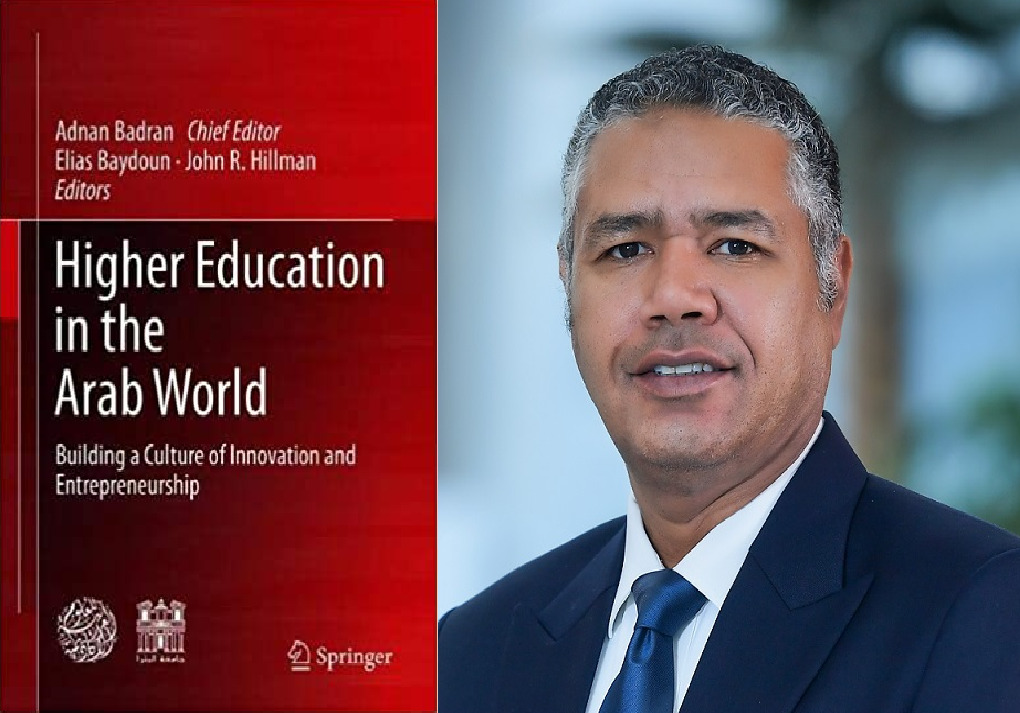
Dr. Sami Bashir, Director of Technology Management and Innovation at Khalifa University, has contributed a chapter on the role of technology transfer in Arab universities in a new book titled Higher Education in the Arab World: Building a Culture of Innovation & Entrepreneurship.

The 17-chapter book is being published by Springer, one of the leading international science and technology publishers, and will be available in bookstores in May.

According to the book’s synopsis (as published on Springer’s website here), “it offers the first major account of innovation and entrepreneurship in the Arab higher-education sector. It provides an overview of the current situation and advances reasons for the under-performance of Arab universities in international ranking tables. It offers specific proposals for upgrading curricula and assessment procedures and suggestions for providing an environment that fosters innovation and entrepreneurial behavior.”

The book’s editors include Dr. Adnan Badran, Chancellor of the University of Petra, Dr. Elias Baydoun, Professor of Biology at American University of Beirut, and Dr. John Hillman, Advisor to the Arab Academy of Sciences and Former Director and Chief Executive of the Scottish Crop Research Institute (SCRI). They identified the need to improve technology transfer capabilities in Arab universities as an important way to build the region’s knowledge economy and accelerate innovation and an entrepreneurial ecosystem.


As the Director of KU’s Technology Management & Innovation Office, Dr. Bashir was invited to contribute the chapter titled “Imperatives to Achieve a Successful Technology-Transfer Model: A Perspective from the Arab World.”

In it, Dr. Bashir acknowledges the increasing emphasis the Arab world is placing on the need to transform university research outputs into technologies that can benefit society. He discusses the importance of identifying an effective technology-transfer model, as intellectual property can be pivotal to building open innovation, industry/university research partnerships and collaboration that can support the development of innovations throughout the Arab world, which he describes as diverse.

“Universities in the Arab world operate differently, but they face some common challenges in developing a working technology-transfer model and innovation ecosystem,” Dr. Bashir explained. “Challenges such as intellectual-property laws, policies, and progressive research partnerships are addressed, and I tried to offer recommendations on how these challenges can be addressed.”

Dr. Bashir presents a few case studies to demonstrate the different and effective technology-transfer models that have been adopted in the Arab world, including Khalifa University’s tech-transfer model.

“Khalifa University has a clear technology transfer and innovation strategy focusing on maximizing the benefit of our diversified patent portfolio through innovation and licensing to our industry partners or startups. As KU, we are already considered as one of the top universities in UAE in terms of patents number, but most importantly, leading best practices in university technology transfer and innovation,” Dr. Bashir shared. Khalifa University recently licensed two of its patented technologies to Emirati startups  ‘Advanced Research Projects’ and ‘Beyond Energy Biofuels.’

Dr. Bashir has made a striking case that technology transfer should be made as a priority, and creating successful technology transfer models that can be adopted by universities across the Arab world will significantly bolster the region’s innovation and entrepreneurial ecosystems.

Erica Solomon
Senior Editor
26 April 2020

Prayer and Altruistic Desire as Predictors of Happiness

Dr. Michael Babula, Assistant Professor of Psychology at Khalifa University, presented his work on prayer and altruistic desire as predictors of happiness in a virtual seminar for the International Psychological Associations Conference and Trends (InPact) 2020 on 25 April. In a comparative study of four countries, Dr. Babula investigated the positive mental health benefits of prayer versus using religion for altruistic purposes.

“With the significant rise of psychological disorders worldwide, psychologists are searching for a toolkit that would help create psychological immunity to mental illness,” explained Dr. Babula. “My research suggests that societies which value collectivism, such as Turkey and India, glean mental health benefits in that prayer significantly predicts happiness.”

“People throughout history have turned to religious activities in seeking happiness. Two emerging themes in the literature is that prayer and altruism may predict happiness.”

One prior study reported that people who were ‘other-focused’ as opposed to ‘self-focused’ during meditation had lower depressive symptoms, maladaptive guilt, anxiety, and empathetic distress. Another found that loving-kindness meditation—a technique to show feelings of warmth and caring for the self and others—produced greater positive emotions which predicted greater life satisfaction and lower depressive symptoms.

Dr. Babula’s work investigated whether prayer or the desire for altruistic action would predict greater levels of happiness. He selected four countries to compare: the United States, Thailand, India, and Turkey. These countries were selected in an attempt to explore possible differences based on representations of the world’s major religions.

“Although the USA has separation of church and state, the USA sample contains participants from across the religious spectrum,” explained Dr. Babula. “The other countries under investigation have religious majorities: Buddhism in Thailand, Hinduism in India, and Islam in Turkey.”

A comparative analysis of data from wave six of the World Values Survey—a global network of social scientists studying changing values and their impact on social and political life—was used to evaluate the hypothesis. Participants in the analysis were asked how often they prayed, whether they would say they were happy, and whether they thought the basic meaning of religion was to follow religious norms or to do good to other people.

The data from the surveys conducted found that prayer significantly predicts greater happiness in India and Turkey, and the desire to use religion to do good for others also significantly predicted happiness for respondents in India. The use of religion to do good for others did not significantly predict happiness for the other countries under investigation.

One assumption is that the sense of collectivism and importance shown towards others in India and Turkey effects levels of happiness.

“In other words, people in collectivist cultures who value strong social bonds are more inclined to pray for others such as their family or members of the community rather than for the self, increasing wellbeing and positive emotions,” explained Dr. Babula.

Collectivism provides some insight as to why prayer in India and Turkey predicted happiness compared with the USA, which values individualism. However, Thailand is a collectivist culture where the majority of the population follows Buddhism, but in Thailand, prayer did not significantly predict happiness. Researchers have previously noticed that while more Thai youth pray, there has been a shift away from the belief in ‘the law of Karma that influences the consequences of one’s deeds.’ While collectivism strengthens in India, its untethering in Thailand might be one reason why prayer is not a predictor of happiness, although more data is required.

“It appears that attitudes to use religion to do good for other people was not a predictor of happiness, except for in India, but the size effect was rather weak for that country,” said Dr. Babula. “Of course, I am undertaking follow-up research to this study by examining actual altruistic action as part of a larger study. I strongly suspect that while attitudes do not always reflect behaviour, those engaged in altruistic activities are likely to obtain mental health benefits.”

“I have been studying altruism and pro-social behaviour for much of my career. Currently, I’m undertaking a funded research project to investigate the relationship between altruism, resiliency, and happiness. These are critically important topics, especially during the current Covid-19 crisis, where it will be a top priority for social scientists worldwide to try to help people avoid dips in subjective wellbeing.”

Dr. Babula’s research will also become a chapter in the current volume of Psychological Applications and Trends, to be published later this year.

Jade Sterling
News and Features Writer
28 April 2020

Holey Graphene: The Emerging Versatile Material Investigated at Khalifa University

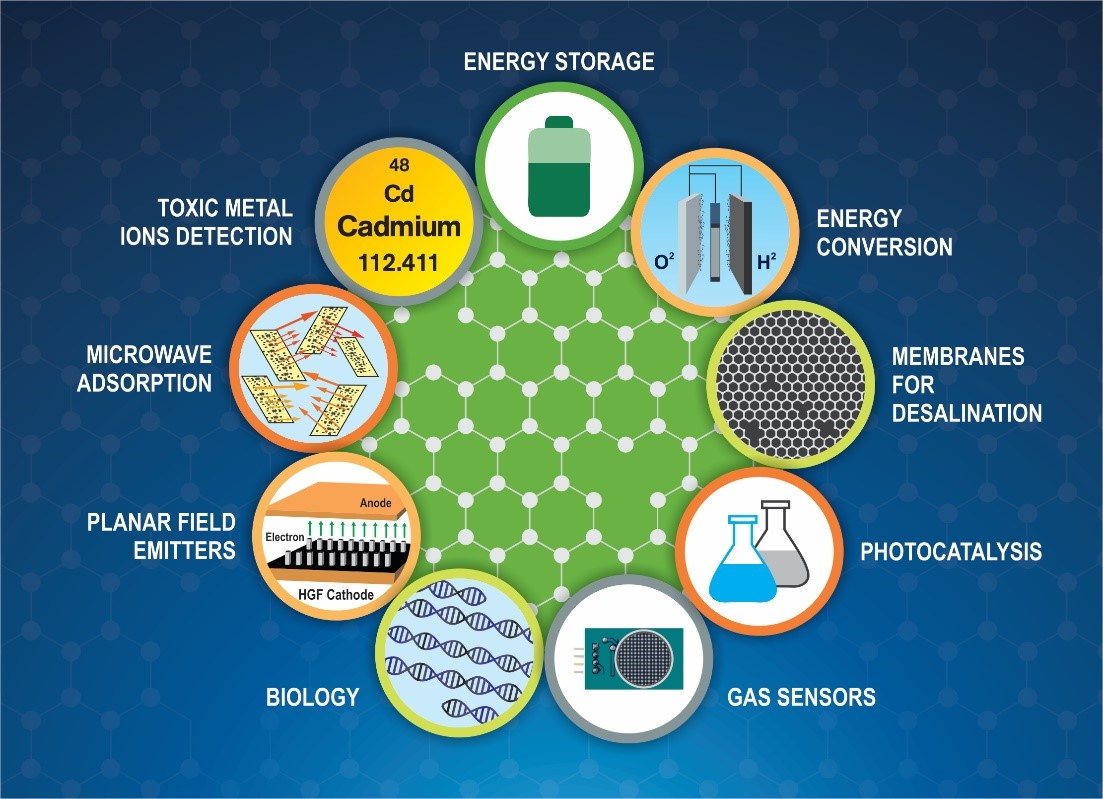
  • Photo caption: The multifunctional applications of holey graphene

A review paper by Khalifa University researchers Dr. Abhishek Lokhande, Postdoctoral researcher, Dr. Issam Qattan, Associate Professor of Physics, and Dr. Shashikant Patole, Assistant Professor of Physics, has been published in the Journal of Materials Chemistry A, covering everything to do with porous graphene. Their review discusses the state-of-the-art pore generation techniques, underlying mechanisms of action, advantages, disadvantages and applications of ‘holey’ graphene.

Graphene is a unique material comprising densely packed carbon atoms arranged in a hexagonal honeycomb lattice—known mostly to the public as the layers of material that make up pencil lead. It is extremely versatile and has potential applications in various fields, particularly thanks to its superior optical, electrical, thermal and mechanical properties.

In its purest form, graphene offers myriad applications. However, in recent years, nanoscale perforation of 2D materials has emerged as an effective strategy to enhance and widen the applications of a material beyond its pristine form.

“With the possible exception of cheese, it is well known that materials have modified properties when their structure is perforated,” said Dr. Patole. “Porous graphene, or holey graphene, is a form of graphene with nanopores in its plane. This unique porous structure enables easy interaction with inorganic or organic species, which has broad applications in water desalination, water treatment, environmental protection, and energy storage systems.”

The performance of the material is affected by the pore size, density, shape, and volume, and usually, uniform pore shape and size distribution is optimal as it leads to enhanced thermal, mechanical and electrical properties.

Graphene-based porous materials are classified into three categories based on the assembled architecture, namely holey graphene, 2D laminar porous graphene, and 3D conjugated interconnected porous structures, with holey graphene showing abundant in-plane pores generated at the basal plane using various perforation techniques. Nanochannels are formed due to the regular and periodic stacking of graphene nanosheets over each other, making interlayer pores through which liquid ions can easily pass.

“By exploiting the combined advantages of holes and graphene, holey graphene-based materials have attracted significant interest,” said Dr. Patole. “They have exceptional properties such as high electrical conductivity and high surface area, which allows holey graphene extremely versatile and able to outperform its pristine form for many applications.”

Porous graphene exhibits distinct properties from its pristine form. Compared to other graphene-based porous materials, holey graphene has an increased surface area, reduced nanosheet stacking, enhanced chemical reactivity and a stronger hydrophilic nature, which means it maximizes contact with water. Additionally, it offers high mechanical strength for superior structural stability, high chemical inertness to avoid contamination issues, high thermal stability for use in rigorous environments, high electrical conductivity for rapid electron transport, and high ion diffusion due to the interlayer channels. By fine tuning the parameters of the pores, porous graphene can be optimised for various applications.

“Holey graphene-based materials can be applied in diverse fields, including electrical energy storage, energy conversion, water desalination, bioseparation, fuel cells, gas sensors, and hydrogen storage and dye degradation systems,” added Dr. Patole. “For further research and development, we need to uncover the prime properties and related potential industrial implications of these materials, as well as suitable generation methods.”

The research team identified the pores as the basis for realizing holey graphene’s potential. However, synthesizing even pristine graphene is complicated. The most scalable methods suffer from the drawbacks of producing materials with inconsistent properties and low purity. Methods that produce high-quality graphene are much more expensive and involve the use of highly sophisticated operational setups and accessories.

“This is why it’s important to develop methods that are easy, cost-effective, efficient and scalable for graphene synthesis,” explained Dr. Patole.

When pristine graphene has been produced, it can be made porous by chemical and physical methods, but hole generation is tricky and its parameters depend on the methods adopted for its intended purpose.

“Generally, the expected pore size should be smaller than the conventional pore size of the naturally available materials,” said Dr. Patole. “However, fabricating porous graphene with well-defined pores is still a challenge as it is quite complex and restricted by our current technological limits.”

Synthesizing holey graphene is also associated with the use of toxic chemicals and the high cost of the starting materials, so novel strategies will be required for its synthesis. The researchers investigated the use of biomass as a starting material, including Bougainvillea flowers and Plumeria rubra leaves, among other approaches.

Besides the major reported applications in supercapacitors, lithium ion batteries, electro-water splitting, and water desalination systems, holey graphene-based materials are also applied in various other applications. Some of these applications include hydrogen storage, dye degradation, organic pollutant separation, and gas sensing. Holey graphene has even been investigated for biological applications, with the researchers highlighting effective performance in non-enzymatic glucose detection in human blood samples and selective bacterial detection.

“Holey graphene-based materials have emerged as versatile materials and have demonstrated superior performance in many applications,” explained Dr. Patole. “With continuous efforts and developments, the commercial application of holey graphene-based materials will surely revolutionize all sorts of applications.”

Jade Sterling
News and Features Writer
27 April 2020

Khalifa University Researchers Develop Mathematical Model to Help Policymakers and Non-Experts Tackle Covid-19 Challenges

Infectious diseases, especially when new and highly contagious, have the potential to be devastating. Predicting how the disease will spread and how many fatalities it will cause is crucial for societal and healthcare planning and forecasting of resource needs, and for evaluating the impact any intervention would have.


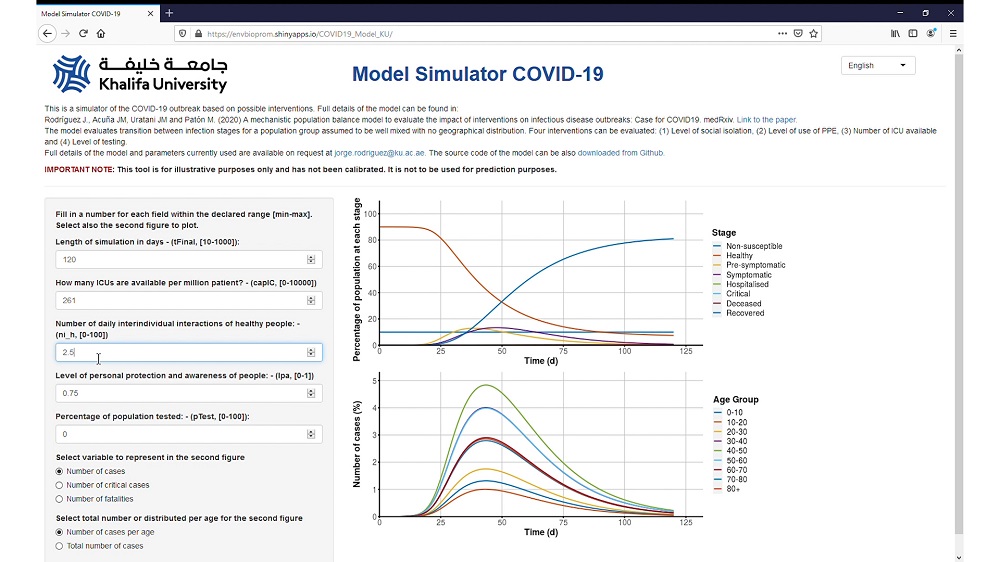
A team of researchers from Khalifa University, led by Dr. Jorge Rodríguez, Associate Professor of Chemical Engineering, has developed a model of the Covid-19 disease impact on a population to provide a stepping stone for non-experts and policymakers to understand what to expect as the disease spreads. An article with the model and results has already been published in preprint form in MedRxiv.  They designed the model to be open source, making it available to anyone who wants to plug in the parameters. The model is available here: https://envbioprom.shinyapps.io/COVID19_Model_KU/


“We aimed to develop a model that was meaningful but not complex, that could be updated as more data becomes available, and used as a potential tool to inform public health policy and impact mitigation strategies,” said Dr. Rodríguez.


Nations around the world are responding to the Covid-19 pandemic with varying intensity. While some enforce universal social isolation, such as Italy, others, such as the United Kingdom, are selectively isolating the elderly.


The interdisciplinary KU team, comprising Dr. Rodríguez, Dr. Juan Acuña, Chair of the Department of Epidemiology and Public Health, and, Dr. Mauricio Paton from the Department of Chemical Engineering and Dr. Joao Uratnai , applied these interventions to their model to determine the most effective way to slow the spread of the disease. They also evaluated the use of personal protective equipment, including face masks, and the increase in availability of critical care beds.


“We used data available from the Covid-19 outbreak as of early 2020,” explained Dr. Rodríguez. “Our results are intended to be interpreted qualitatively and serve as a demonstration of the model’s potential if applied with higher confidence parameter values.


“Our preliminary results indicate that universal social isolation measures may be effective in reducing total fatalities, but only if they are strict and the average number of daily social interactions is reduced to very low numbers. Interestingly, selective isolation of only the age groups most vulnerable to the disease appears almost as effective in reducing total fatalities but at a much lower economic impact. Most importantly, our results indicate that ending isolation measures too soon appears to render the previous isolation measures useless as the fatality rate eventually reaches nearly the same result as when nothing is done.”


Using mathematical modelling to understand the potential spread of disease has a long history. With an increasing amount of available data, epidemiological models have improved drastically over the years, providing a more comprehensive understanding of recent outbreaks of diseases, such as Ebola and Zika.


However, epidemiological models have serious limitations in their predictive capabilities.


“The Covid-19 pandemic has brought unprecedented attention to the limitations of traditional modelling approaches,” explained Dr. Rodriguez. “Modelling uses a combination of the best available data from historical events and datasets, various estimations, and assumptions. Then, data about these parameters is computed with statistical tools to develop an epidemic model.”


Dr. Rodríguez brings a unique chemical engineering perspective to overcome some of the limitations faced by traditional epidemiological-based models.


“Population balance models are widely used in chemical engineering to describe the evolution of a population of particles, as they change from one chemical state to another. We realized that these models can describe a process in a way that could be used to predict and hypothesise when data deviates from model predictions.”


The KU researchers developed a model that describes individuals in a population by infection stage and age group. The population is defined as a close, well-mixed community with no migrations, as any country with closed borders would be.


The KU model is based on individuals transitioning between infection stages and segregated by age group. Each individual belongs, in addition to their age group (which they never leave), to only one of the possible states corresponding to the stages of infection, be that healthy, asymptomatic, symptomatic, hospitalised or recovered, among others. The individuals form a close community without any kind of migration. The researchers consider that the model best described a big city with ample use of public transportation. They then applied a number of static and dynamic interventions to the model’s parameters to simulate what would happen to the number of people in each disease stage.


“A static intervention is a sustained action over a parameter, such as asking people to stay home to reduce contact between individuals,” explained Dr. Rodríguez. “In outbreaks, aside from the immediate management of needs and resources, how long we have to wait before we can return to normal becomes of great concern. We also evaluated dynamic interventions, specifically in terms of the ending of social isolation measures once different threshold values of the fatality rate are reached. Doing this allows us to see how long an intervention needs to last, which is of great interest to governments and local authorities who need to decide when to relax an intervention.”


Given the complexity and the expected short and long-term impacts that such public health interventions should have when dealing with disease outbreaks and pandemics, sufficiently complex but user-friendly modelling tools need to be developed. The KU research team has played their part in creating a model that can provide researchers, public health authorities, and the general public with useful information to act in moments of widespread uncertainty. They stress the importance of access to up-to-date data and the need to continually develop the model with more accurate data to offer meaningful solutions to the pandemic.


A key outcome of the model is to improve synergies between academia, policy makers, and the public, as Dr. Rodríguez explained: “Effective communication between healthcare and public health systems and science hubs is considered one of the bigger challenges in both health sciences and public health. We need to not only take effective measures, but do so in a timely manner. This requires strategies for data sharing, generation of information and knowledge, and the timely dissemination of such knowledge for effective implementation.”


Jade Sterling
News and Features Writer
20 April 2020


AI Applications in Rain Enhancement and Meteorology

Weather significantly impacts society for better and for worse, and improving our ability to forecast and predict weather events is crucial for myriad reasons. An increased notice period for a hurricane could improve safety measures for people at risk, while improved solar predictions can help optimize renewable power production.

Applying artificial intelligence (AI) techniques in conjunction with our physical understanding of the environment can substantially improve prediction of extreme weather events, like hurricanes, and unlock important insights from the climate data that is collected.

“Artificial intelligence and related data science methods have been developed to work with big data across a variety of disciplines,” explained Dr. Ernesto Damiani, Senior Director of the Artificial Intelligence and Intelligent Systems Institute at Khalifa University.

AI techniques can handle large numbers of predictor variables, integrate physical understanding into models efficiently, and discover new knowledge from data, contributing to improved weather predictions and a better understanding of many weather-related phenomena.

“Weather forecasting is the task of predicting the state of the atmosphere at a future time and a specified location,” explained Dr. Damiani. “Traditionally, this is done through physical simulations where the atmosphere is modelled as a fluid. The present state of the atmosphere is sampled and the future state is computed by numerically solving the equations of fluid dynamics at different resolutions: micro-, meso-, and macro-scale.”

In addition to using such physics-based model, in recent years forecasters and researchers have begun to adopt AI techniques much more widely, as they demonstrate their power in a wide variety of applications, including post-model bias correction, processing large datasets, reducing cognitive overload, and unlocking new insights in large datasets.

“The system of ordinary differential equations that govern physics-based models can be unstable under perturbations, and uncertainty in the initial measurements of the atmospheric conditions limit accuracy,” explained Dr. Damiani. “Machine learning is relatively robust to perturbations and does not require a complete understanding of the underlying physical processes that govern the atmosphere. Therefore, machine learning may represent a viable alternative to physical models in weather forecasting.”

While many research groups worldwide have focused on deep learning models, researchers at Khalifa University have been focusing on a multi-view approach, where related groups of sensor data sources provide different views on the phenomenon, to be later compiled into a final classification or prediction stage.

Accurate forecasting is particularly crucial for the UAE’s cloud seeding operations.

Initiated in the late 1990s in the UAE, cloud seeding has become a regular occurrence in recent years, with an average of between 160 and 200 flights per year. The UAE has an arid climate with less than 100mm per year of rainfall, a high evaporation rate of surface water, and a low groundwater recharge rate. Although rainfall in the UAE has been fluctuating over the last few decades in the winter season, most occurs between December and March annually.

The UAE has embraced rain enhancement as an important tool in its arsenal to support the country’s water security efforts. Among the country’s key goals are advancing the science, technology and implementation of rain enhancement, encouraging additional investments in research funding, increasing rainfall, and ensuring water security. Forecasters and scientists have estimated that cloud seeding operations can enhance rainfall by as much as 35 percent in a clear atmosphere, and by up to 15 percent in a turbid atmosphere.

The UAE’s National Center for Meteorology commences cloud seeding drills as soon as meteorologists forecast cloudy weather. To optimize the deployment of the limited budget of the seeding material, these forecasts need to be as accurate as possible, which is where AI can step in.

Many techniques can be applied to improve their forecasting ability, including artificial neural networks (ANNs) – interconnected networks of weighted nonlinear functions that can be connected and trained in multiple layers. ANNs provide the foundation for deep learning methods and have been used in a wide variety of meteorology applications since the late 1980s, including cloud classification and precipitation classification.

Applying modern AI techniques to weather forecasting is improving our ability to sift through the deluge of big data to extract insights and accurate, timely guidance for human weather forecasters and decision-makers, and is playing an indispensable role in the UAE’s efforts to achieve greater water security.

Jade Sterling
News and Features Writer
12 April 2020

Khalifa University Wins Senior Design Competition Organized by IEOM Society International

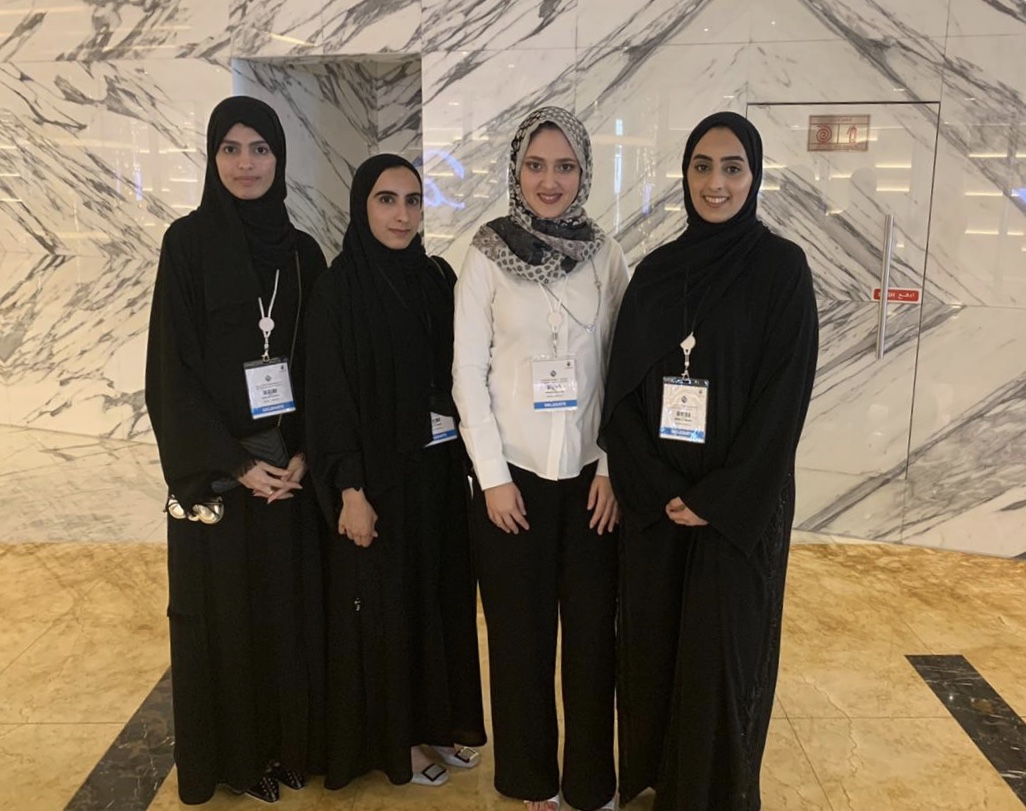
A paper by senior students from the Industrial and Systems Engineering Department at Khalifa University has won first place in the IEOM Capstone Student Design Project Competition that was part of the 2020 International Conference on Industrial Engineering and Operations Management (IEOM).

The team was represented by Maha Al Dhaheri, Mariam Ramadan, Afra Al Mheiri, and Maryam Al Shehhi, and was supervised by Dr. Mecit Can Emre Simsekler, Assistant Professor of Industrial and Systems Engineering, and Dr. Saed Amer, Assistant Professor of Industrial and Systems Engineering.

Their paper, titled “Improving Patient Discharge Process,” showcases their design project, which aims to improve the patient discharge process for an inpatient clinic of a local hospital in Abu Dhabi. Leveraging industrial and systems engineering principles, the students proposed a simulation-based approach to streamline the patient discharge process and consequently improve the patients’ experience.

The IEOM Society International is a non-profit organization that provides academics, researchers, scientists, and practitioners a platform and forum to exchange ideas and provide insights on the latest developments and advancements in the fields of Industrial Engineering and Operations Management.

Ara Cruz
News Writer
9 April 2020

Combating Covid-19: Khalifa University in UAE develops emergency ventilators

As the pandemic continues, thousands of ventilators are needed around the world.

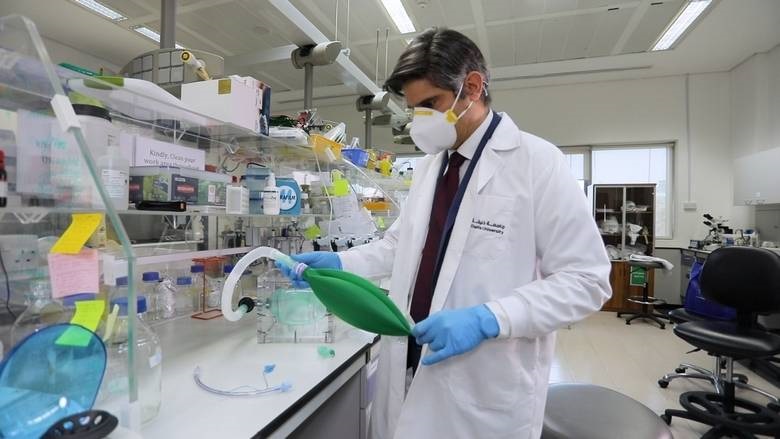
Researchers at Khalifa University’s Healthcare Engineering Innovation Centre, HEIC, are stepping up to serve the UAE’s project to develop emergency ventilators. The researchers have developed a working prototype and are now engineering the production plant to be able to produce the ventilators at scale to meet rising local and global demands, said a press release issued by Khalifa University on Monday.

Read full story here: https://www.khaleejtimes.com/coronavirus-pandemic/combating-covid-19-khalifa-university-in-uae-develops-emergency-ventilators-

Distance learning is an education imperative

To truly grasp the UAE’s ability to adapt with circumstances that may leave students with only the option of virtual study, it is crucial to realise that this ability is a consequence of years and years of preparation. Had it not been for that preparation, we would not be able to successfully mitigate the challenges imposed by the current health situation. In a time where mass gatherings should be avoided and remote working encouraged, possessing the infrastructure to maintain education continuity is a blessing.

Ankabut, the UAE’s advanced national research and education network that is run in full by Khalifa University of Science and Technology, announced that it is fully-prepared to support in ensuring that it is successfully adopted and maintained nationwide.

Read full story here: https://gulfnews.com/opinion/op-eds/distance-learning-is-an-education-imperative-1.70660373

3D Printing a Ceramic Resin to Remove Impurities from Nuclear Reactor Coolants More Efficiently

A research team from the KU-KAIST research collaboration between Khalifa University and Korea Advanced Institute of Science and Technology has fabricated a new ceramic material using 3D printing that can remove impurities from nuclear reactor coolants more efficiently than the traditionally used polystyrene-based resins.

The researchers found that the new ceramic material successfully adsorbs the impurities in the reactor coolant, which involves attaching the impurities to the pores in the material, and removes them from the coolant. They described their results of a simulation which validates the new material in a recently published paper in the journal Nuclear Engineering and Technology. The paper was co-authored by Dr. Ho Joon Yoon, Assistant Professor of Nuclear Engineering at KU, Omar Al-Yahia, Postdoctoral Fellow at KU, and Ho Jin Ryu, Associate Professor of Nuclear and Quantum Engineering at KAIST.

“During the normal operation of a nuclear reactor, several corrosion elements can be produced as the reactor’s structural materials begin to degrade,” explained Dr. Yoon. “These impurities must be removed from the reactor coolant cycle to preserve the coolant.”

The reactor coolant system is used to remove energy from the reactor core in the form of heat, and transfer that energy either directly or indirectly to a steam turbine to produce power.

In pressurized water reactor plants – the most common type of nuclear reactor in the world – relatively large amounts of chemicals are added to both the primary and secondary coolants. Accordingly, this affects the service life of the system, since the added chemicals compete for the exchange sites and cause trace nuclides to appear in the coolant. This reduces the efficiency of the power plant, while also causing radioactive waste to appear in the coolant.

“These radioactive impurities have a significant effect on the coolant performance, the thermal-hydraulic properties of the coolant, and the material integrity of the cladding,” explained Dr. Yoon. “Heat transfer of the heat exchanger can also be reduced by the impurities’ fouling effect. It’s crucial to maintain coolant quality and performance for nuclear reactor safety.”

Various techniques have been used to reduce the radioactive nucleides that are released into the coolant, including the ion exchange technique, which involves injecting ion exchange resins into the coolant that allows for ion exchange, a process where dissolved ions are removed from the coolant and replaced with other, non-radioactive ions of the same or similar electrical charge.

“In order to remove these radioactive impurities, a continuous chemical treatment using ion exchangers is required for the coolant system,” explained Dr. Yoon. “Ion exchange resins are the most used option in nuclear reactors for the purification and treatment of the fluidic systems.”

Conventional ion exchange resins are polystyrene composite packed beads with a diameter of 0.3 to 0.7mm. However, using ion exchange resins has several disadvantages. Because the resins become contaminated with radioactive materials, they constitute a large volume of radioactive waste at the end of their life and require delicate handling for final disposal.

Additionally, using these resins creates a large drop in pressure and requires a low operating temperature, which means the coolant needs to be cooled down for the purification treatment.

Dr. Yoon’s team used computational fluid dynamics (CFD) analysis to investigate the effect of flow velocity and pressure drop distribution on the pore structure through the ion exchange resins. The pore structure determines the efficiency during normal operation, with the team’s results aiming to improve the design of new ceramic filters.

With their findings, they developed a new porous ceramic filter to replace the polystyrene composite resins for the adsorption of the corrosion elements in reactor coolant. Ceramics are naturally hierarchical porous materials with various pore sizes. However, their efficiency as filters is limited by the manufacturing process for their multiscale texture. With modern additive manufacturing techniques, however, the KU team has created a prototype to be tested against the simulation results discussed in their most recent paper.

“A large surface area is important for the adsorption process, while the flow channels through the pores should be large enough to avoid a large pressure drop and to reduce the stresses on the material structure,” explained Dr. Yoon.

The team’s simulations found that liquid flow through their ion exchanger is streamlined, enhancing the turbulence through the flow path and increasing the liquid-surface contact time, which increases adsorption efficiency by increasing the adsorption rate.

“We compared the hydrodynamic properties between the conventional type of resins and our new ceramic filter, which has a honeycomb twisted structure,” said Dr. Yoon. “We found that when the particle size reduces, the pressure drops much more significantly. However, the twisted honeycomb structure shows a much lower pressure drop, which is very important for efficient ion exchange immobilization and degradation. We found that large beads decrease the pressure drop but the adsorption rate is also reduced. More studies are needed to find the optimal ion exchange configuration to enhance the functionality of these filters, where better flow velocity distribution and less pressure drop are achieved.”

Based on this analysis, the KU-KAIST team will now manufacture a prototype using 3D ceramic printing and conduct experiments to evaluate the mechanical and chemical properties of their ceramic filter. They will then be able to compare the CFD analysis to the experimental data.

Jade Sterling
News and Features Writer
7 April 2020