A new group of advanced materials known as ‘topological insulators,’ which conduct dissipationless electricity – electricity in which no energy is lost – on the edge of their surfaces, are being eyed as potential replacements to semiconductors for their ability to make computer processing faster, and for use in thermoelectric applications due to their ability to convert heat to electricity in a unique way.
Before engineers can begin designing new, high-efficient electronic and energy components that use topological insulators, however, scientists must learn much more about their properties – at the quantum level.
Now, a collaborative team of researchers from Khalifa University, Stockholm University, the Korea Basic Science Institute, the National Center for Scientific Research Demokritos, and the Josef Stefan Institute in Lubljana, have uncovered a new way to study and investigate the quantum properties of topological insulators using a novel technique that relies on Nuclear Magnetic Resonance (NMR). Their work was published earlier this month in the prestigious journal Nature Communication.
“Until now, surface electrons in topological insulators were only observed using Angle Resolved Photoemission Spectroscopy (ARPES),” explained Dr. Yasser AlWahedi, Assistant Professor of Chemical Engineering and Dr. Saeed Alhassan, Associate Professor of Chemical Engineering and Acting Senior Director of the Petroleum Institute, the two researchers from KU who co-authored the paper.
“However, ARPES cannot see how the electrons penetrate into the bulk interior of the topological materials, nor see their surface-level electron excited states in the form of virtual quasiparticles. Knowing how these interactions work is important to understanding the material’s quantum topological properties.”
The research team discovered that by using NMR, they can detect and even manipulate the virtual quasiparticles.
In ARPES, high energy photons (a beam of light) are shined on the topological insulator. If the energy of the photons is high enough, then electrons are knocked out the sample which can be detected. From this, information about the structure of the sample is obtained.
In NMR, a large magnetic field is applied to the topological insulator. Then a high frequency radio wave is applied to the material at different frequencies. Some frequencies will interact with the material more than others, which gives information as to the state of the material.
The NMR technique can conduct simultaneous probing of the bulk topological insulator, where conduction does not happen, and its edge electron states, where conduction is taking place. Using NMR, the research team successfully measured the electrons’ spin and orbital magnetic susceptibilities in a topological insulator made of a compound called bismuth telluride.
Their discovery could help engineers speed up the development of useful applications of topological insulators, such as for use in quantum computers. Topological insulators’ ability to conduct electricity even when its surface is nicked, or disturbed in any way, makes them excellent candidates for use in quantum computing – a type of computing wherein the data being processed is so delicate that interaction with the environment can destroy it.
Erica Solomon
Senior Editor
28 May 2020
How Does Culture Influence the Transition to Low-Carbon Energy?
While climate change and carbon emission reductions are strong elements of global discourse today, attempts by cities, states and nations to switch to low-carbon energy technologies and practices are often hindered by cultural influences.
In a paper published in Nature Sustainability in May 2020, Dr. Steve Griffiths, Senior VP Research and Development and Professor of Practices at Khalifa University, and Dr. Benjamin Sovacool, Professor of Energy Policy at the Science Policy Research Unit (SPRU) at the University of Sussex School of Business, Management, and Economics, propose a framework for assessing the influence of culture on the adoption of low-carbon technologies and behavioral practices. They asked how insights about cultural influences can guide energy planners and policymakers who are trying to stimulate transitions, particularly at a time of rapid technological change. The paper specifically explores the cultural dimensions of four broad specific sustainability cases.
“Culture can complicate, or catalyze, efforts to promote more efficient, more sustainable, and often more affordable forms of mobility, as well as energy use in homes and buildings,” said Dr. Griffiths. “We looked at the evidence on low-carbon energy transitions and culture, leveraging data from energy and transport studies, as well as anthropology, area studies, political science, psychology and sociology.”
Using this approach, the authors explored how the cultural dynamics of low-carbon transitions are shaped not only by user practices, but also by the technologies and environments that co-exist and co-evolve with practices.
“This is particularly important when we consider radical technical innovations, such as autonomous vehicles, where the machine or technology itself takes on culturally determined behaviors,” explained Dr. Sovacool.
The authors propose a framework that relates modest and substantial changes in practices to incremental and radical technology innovations in order to investigate the range of influences that culture can have on efforts toward low-carbon transitions. The specific cases considered within this framework were the adoption of ridesharing, alongside automated vehicles, eco-driving, and whole-house retrofits.
“Although we treat our cases as distinct, there are factors that can connect them,” explained Dr. Griffiths. “This includes spillovers and social influence—adopters influencing non-adopters—and households that may adopt multiple innovations. Although we show that culture can affect the uptake of technology and that culture can mediate how technologies are designed, technology itself can also alter cultural attributes and cultural attributes can affect how technology is used.”
Perhaps the most obvious culturally-influenced behavior is driving. Eco-driving can be categorized into three types: strategic decisions such as vehicle selection, tactical decisions such as route planning, and operational decisions such as driving style.
“Culture has a significant positive relationship with eco-driving,” said Dr. Griffiths. “For instance, one study of the early adopters of the Toyota Prius found that owners were willing to pay a premium price for a non-luxury vehicle because it symbolized a green identity. Adopting a Prius allowed an owner to brand him or herself as a ‘prosocial’ individual. Follow-up work has confirmed that ‘eco cars’ have status and symbolic value across diverse contexts, and often marks the adopter as someone who is educated, informed, healthy, and environmentally focused.”
The authors also investigated the opposing side, finding that behaviors known as ‘aggressive driving’ have significant negative implications on energy use and run counter to eco-driving as a cultural norm. They noted that aggressive elements of driving may prevail in any location with strong cultures of masculinity, strength or aggression, with many studies suggesting drivers speed due to strong social pressure from peers.
At the opposite end of the scale from eco-driving, automated vehicles require a radical change in practice and very advanced technology to implement. The authors make clear that there are multiple sustainability benefits to automated vehicle adoption, but note there are various cultural factors that impact their adoption and their safety.
“The software in an automated vehicle contains artificial intelligence and machine learning algorithms that enable the vehicle to make real-time decisions based on the information it receives from sensors that perceive the environment around them,” explained Dr. Sovacool. “These algorithms are ‘trained’ to recognize and interpret this environment and then take actions that are ‘appropriate’ based on context. However, this training can result in unintended biases that are difficult to remedy and ultimately reflect varying degrees of racial, gender, or religious discrimination.”
Research shows that automated vehicles trained using machine-learning techniques are likely to have biases in detecting pedestrians based on skin tone, with better recognition performance for people with lighter skin tones, and pattern of dress, with better recognition performance for those in ‘Western’ clothing. Such machine biases can result in pedestrian injuries and even fatalities.
Other, albeit less dangerous, cultural differences affect the proliferation of ridesharing apps, particularly in the Middle East. Despite Uber dominating the Western market, it has not managed to translate its services to the local context, with local ridehailing companies growing into major businesses thanks to their cultural awareness.
In Saudi Arabia, Careem tailored its approach to the market by training drivers to follow cultural norms about not conversing with female passengers, which allowed them to tap into the large female population. Conversely, the norm across the Gulf Cooperation Council countries is private car ownership, with 97 percent of residents travelling predominantly by private car. A key aspect of the individualistic car ownership culture is the expression of class and wealth, which is a known cultural counter to the adoption of ridesharing.
“Rather than perhaps promoting Western or imported technologies for a particular region, programs could incentivize more locally designed, culturally acceptable, appropriate technology,” said Dr. Griffiths. “This preference for appropriate technology could push for technology that is designed, manufactured, and owned by stakeholders who better comprehend the cultural dynamics of the customers they are supposed to serve.”
Whole-house retrofits are recognized by the authors as a departure from the mobility theme but represent a case where entirely new configurations of technology are required but only modest changes in practice are needed. Whole-house retrofits focus on redesigning homes, especially for heating or cooling, to reduce their energy demand and to be more energy-efficient. This is often accomplished through the integration of multiple technologies, including fabric insulation, energy-efficient lighting, improved windows, and even integration with renewable energy.
“Australia has been credited for having a national ‘love affair’ with retrofits due to a ‘renovation culture’ that prioritizes style and aesthetics,” said Dr. Sovacool. “Many homes have implemented retrofits such as small-scale rooftop solar panels because they are seen as more modern, and overall more beautiful. Additionally, the property becomes more valuable. These positive cultural dynamics contrast with the negative dynamics apparent in Ireland, England and Japan, where retrofits are often abandoned or discouraged due to notions of aesthetics and cultural heritage standing in the way of retrofits.”
The authors stressed that policy interventions related to cultural awareness about sustainability are important, with a cultural perspective needed for sustainability transitions.
“Low-carbon energy transitions are not only based on techno-economic dimensions and considerations,” said Dr. Griffiths.
“Rather, they are shaped—in positive and negative ways—significantly by culture. Of particular importance, researchers in recent years have come to understand the critical importance of adopting social science perspectives in both energy and artificial intelligence research. Now is the time to leverage this clarity and bring together interdisciplinary research efforts to ensure that low-carbon transitions are helped, and not hindered, by the embodiment of culture as we seek to decarbonize our future homes, communities and countries.”
Jade Sterling
News and Features Writer
21 May 2020

Aerospace Engineering Professor Elected as Royal Aeronautical Society Fellow
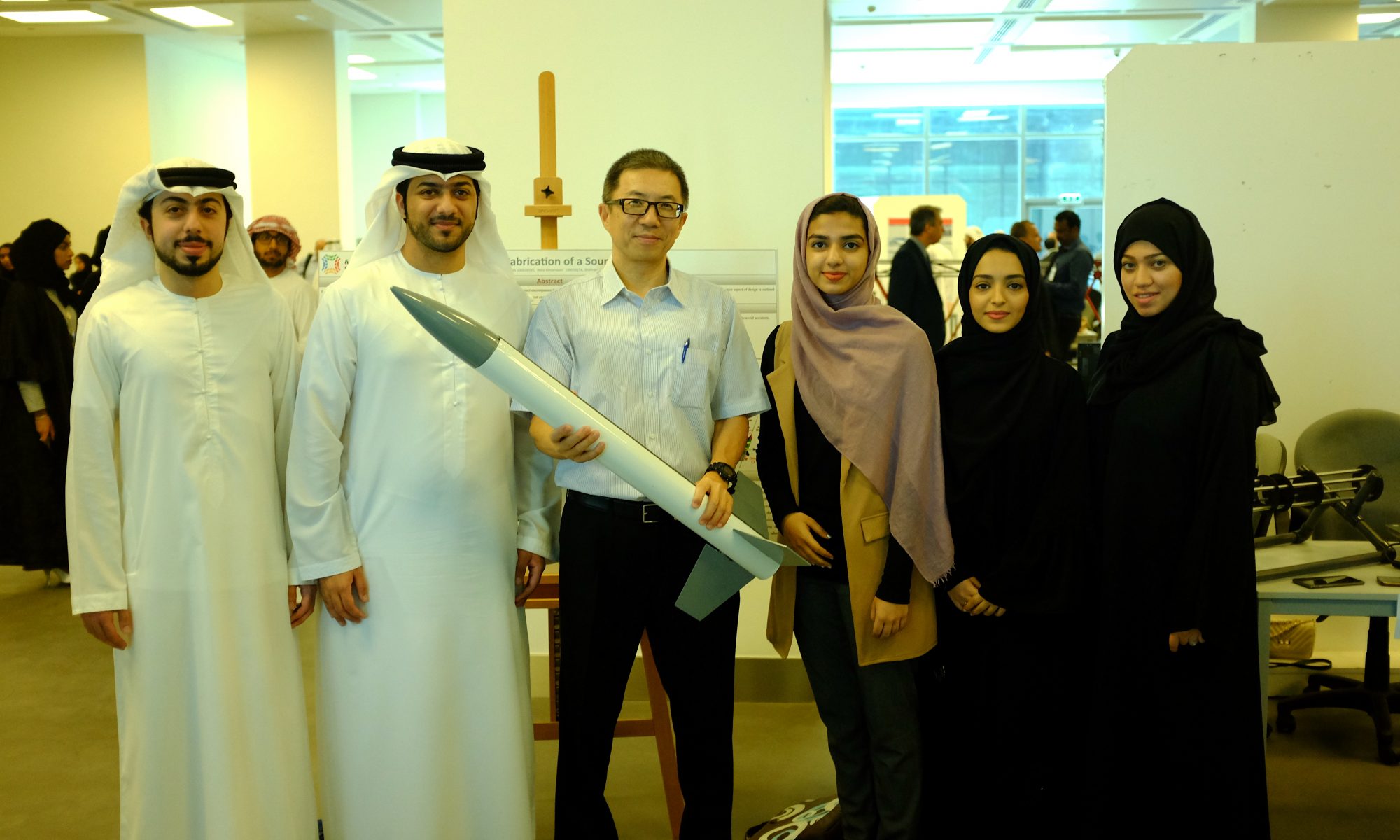
- Dr. Liao with his students during the Spring Semester Senior Design Project Day.
Dr. Kin Liao, Professor of Aerospace Engineering at Khalifa University, has recently been elected as a Fellow of the Royal Aeronautical Society (RAeS), the only international professional organization dedicated to the aerospace community.
“Professor Liao’s Fellow election to the global aerospace organization Royal Aeronautical Society is a testimony of his leadership within the aerospace industry, and is a great honor and recognition to the Aerospace Engineering Department at Khalifa University of having top-notch leaders within its faculty,” commented Dr. Rashid K. Abu Al-Rub, Acting Chair of the Aerospace Engineering Department at Khalifa University.
With more than 25,000 members around the globe, the RAeS has a wide international network and nearly 300 industrial partners. As a fellow, Dr. Liao will have direct access to new developments in the industry and will be able to share these with KU and with his students, ensuring that knowledge sharing will not be limited to what they learn within the classroom.

“First, I’d like to thank KU for its generous support for my research over the years; second, I’d like to thank my collaborators, former and current students and postdocs for their ideas and hard work. Without their contribution, this would not be possible. So the honor is also theirs. I am really delighted to be elected a FRAeS, and I also believe that, among other things, this is an international recognition of the kind of research that we are doing here at KU,” Dr. Liao said.
The Society’s numerous events and information sharing will also provide access to the most current research in aerospace engineering and open opportunities for new ideas for future research.
For the past few years, Dr. Liao has been working on two-dimensional (2D) materials—materials that are one- or few-atoms thick—such as graphene. Together with Dr. Abu Al-Rub, and Dr. Vincent Chan, Professor of Biomedical Engineering, they have been awarded a project by ADEK to develop lightweight, high-performance electromagnetic wave shielding based on 2D materials. This kind of material may also be applied to develop functionalized coatings for high-performance filter materials to effectively trap pathogenic particles, such as viruses, in the air to enhance the safety of air circulation in a building or an enclosed space, greatly reducing the risk of people getting infected or sick. This project is especially timely as the whole world is currently in the midst of the COVID-19 pandemic.
Dr. Liao received his BSc and MSc in Engineering Mechanics, and PhD in Materials Engineering Science from Virginia Tech. Before joining KU, he was a Lee Kuan Yew Fellow and served Nanyang Technological University (NTU) in Singapore for 13 years. During his stay there he helped establish NTU’s Bioengineering Division and served as Director of NTU’s BioInformatics Research Center.
Ara Cruz
News Writer
19 May 2020
Khalifa University Responding to COVID-19 with 14 Funded Research Projects
Establishes ‘COVID-19 Research and Development Task Force’ to Accelerate Solutions in Epidemiology, Diagnostics and Medical Devices, and Digital Tools for Modeling and Predicting Spread of Virus
Khalifa University of Science and Technology has established a COVID-19 Research and Development (R&D) Task Force as part of its strategic approach to help tackle the COVID-19 pandemic. This is in response to a call for industry, government and academic sectors to mobilize efforts to mitigate and manage the spread of the novel coronavirus and to create new technologies and solutions that will bolster the world’s ability to deal with future pandemics.
Under the COVID-19 R&D program, Khalifa University has launched a total of 14 research projects; five projects focused on epidemiology, six projects focused on diagnostics and medical devices, and three projects focused on digital tools for understanding, mitigating and providing resiliency against disease spread.
Of the 14 projects launched, six have been developed as focused programs, each led by two faculty experts, while eight projects have been awarded as part of an open call for proposals across Khalifa University. These research projects were selected based on their technical merit, innovation, ability to deliver results within six months and alignment with the COVID-19 science and technology needs.
The Task Force is mandated to oversee several initiatives including coordination of the University’s cross-sector stakeholder R&D engagements and development of an R&D program that leverages the university’s established research strengths for addressing the UAE’s priority R&D areas for COVID-19. These include epidemiology, diagnostics and medical devices, digital tools for modeling and predicting disease spread and digital tools for mitigation and resiliency measures.
Dr Steve Griffiths, Senior Vice-President, Research and Development, Khalifa University, said: “From the start, Khalifa University’s response has been focused and coordinated to ensure that its resources are used efficiently to contribute science and engineering-based solutions to efforts aimed at quickly bringing the outbreak under control. The university’s measures will place its strongest research assets and ideas at the front lines in the global fight against coronavirus. Through mobilizing its R&D resources in response to COVID-19, Khalifa University is setting the perfect role for academic institutions in the region.”
The projects harness the University’s core research strengths, particularly in the area of healthcare. Over the past few years, Khalifa University has established research capabilities in healthcare by launching two of the region’s leading healthcare research centers – the Healthcare Engineering Innovation Center (HEIC) and the Biotechnology Center (BTC) – in addition to establishing a College of Medicine and Health Science (CMHS).
The two research centers along with CMHS bring in-depth scientific expertise in a range of medical disciplines. They specifically provide expertise in biomedical technologies, genomics, bioinformatics and functional biology. Each center possesses state-of-the-art research facilities that are being used to advance the development of solutions for COVID-19.
Consequently, researchers at HEIC have already completed the development of an emergency ventilator prototype designed with affordable, easily accessible materials and 3D printing to meet the growing regional and global ventilator caused by COVID-19. Researchers from the BTC are leveraging the center’s genomic analysis capabilities to validate the sensitivity of commercially available polymerase chain reaction (PCR) COVID-19 medical test kits.
For digital tools, Khalifa University’s Artificial Intelligence (AI) and Intelligent Systems Institute, which was launched in July 2019, brings together the university’s robotics, AI, data science, telecommunications and semiconductor hardware capabilities under a single umbrella to accelerate research. Through this Institute, Khalifa University is exploring the most efficient and effective ways to gather a broad spectrum of data related to COVID-19 and then use data analysis, particularly AI, and data modeling to harness actionable insights.
At the same time, a cross-disciplinary team has already developed an open-source epidemiological model that can help decision makers visualize the impact of different mitigation interventions, such as universal social isolation or selective isolation of the elderly. Another research team is in the process of developing a mobile app to collect data from the smartphones of COVID-19 patients to identify whether they are at high risk of severe medical complications from the virus. With these initiatives, Khalifa University researchers continue to demonstrate the essential role of such projects in tackling the pandemic.
Erica Solomon, Senior Editor and Clarence Michael, News Writer
18 May 2020
First-Ever Annual Ankabut Users’ ‘Virtual’ Meeting at Khalifa University to Focus on Role of Cloud-Based Technologies in Education
16th Annual Online Event to Include International ‘Special Internet Group Meeting’; Around 500 Delegates from Higher Education Community and Over 50 Post-Secondary Institutions Expected to Attend
Khalifa University of Science and Technology today announced that Ankabut – the Emirates Advanced National Research and Education Network – will organize the first-ever virtual meeting of users’ to emphasize the expanding role of cloud-based services in educational technology.
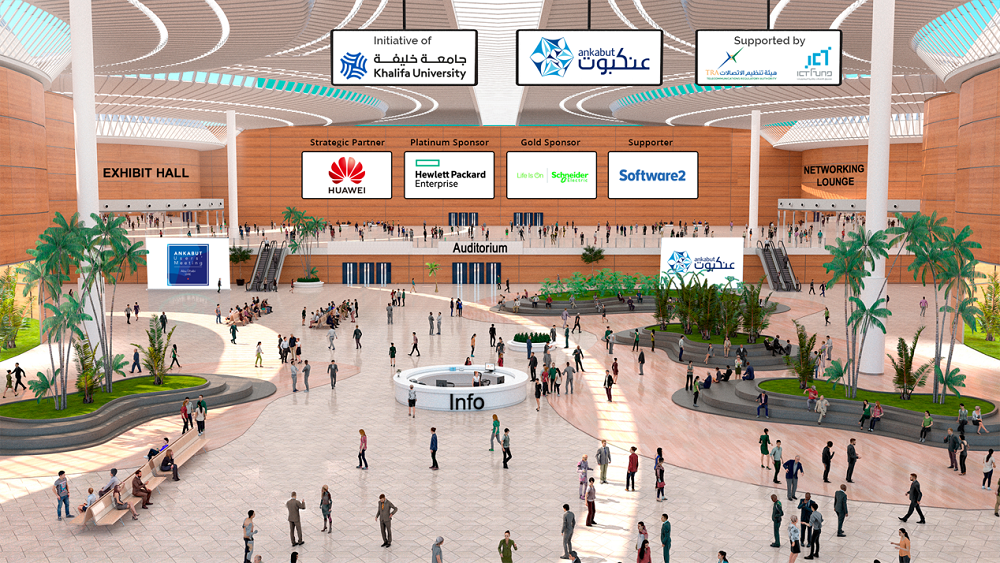
The one-day annual ‘Ankabut Users’ Virtual Meeting 2020 – Transform with Ankabut Cloud’ will be streamed live on 18 May. The conference will virtually gather around 500 delegates, primarily from the UAE higher education community and over 100 organizations, including over 50 different post-secondary institutions. This year’s conference will include an international ‘Special Internet Group Meeting’. Moreover, recorded sessions of the entire proceedings will be available to access for a month on the event web page. Click www.ankabut.ae/users to virtually attend the live stream.
The event introduces many specialized sessions aiming at showcasing Ankabut’s various services and its partnerships with several vendors along with Ankabut’s role using the Cloud-based technologies to support online and digital learning in both schools and higher education institutions.
Dr. Arif Sultan Al Hammadi, Executive Vice-President, Khalifa University of Science and Technology, will welcome the gathering, while the keynote, titled ‘Unlock the Full Potential of Digital Learning’, will be delivered by Berj Akian, CEO, ClassLink. Top officials from Huawei, Ankabut’s strategic partner, HPE, the platinum sponsor, and Microsoft are also expected to address the virtual gathering.
Tony Austwick, Director, Software2, Ankabut’s Virtual Users Meeting’s supporter sponsor, will speak on ‘Academic Software Virtualization and Khalifa University Use – Case Study’, while Asif Rashid, Azure Specialist (Education Industry), Microsoft UAE, will highlight ‘Remote Learning during COVID-19’.
Moreover, Huawei will be participating in the event with two sessions. Ashraf Esmat Mahmoud Khalil, Senior Solution Architect, Technical Manager, Huawei, will speak about ‘Cloud and Big Data in Education’, and a session titled ‘ Discovering Wi-Fi 6 powered by Huawei Technologies’ will be delivered by Mohamed Mamdouh Elsabagh, IP Solution Manager for Education Sector, Huawei.
Fahem Al-Nuaimi, Chief Executive Officer, Ankabut, said: “The Annual Ankabut Users’ Virtual Meeting 2020 will highlight innovation in educational technology based on experience, to reflect on and share lessons from stakeholders. We will be streaming this annual event online in order to showcase the integral role of cloud technology in education. We are also gathering the most knowledgeable researchers from all over the world, as well as leaders in innovative educational technologies to explore the challenges and future opportunities. I firmly hope the technical sessions will offer everyone adequate opportunity to virtually network with our partners.”
In addition to government entities and senior officials as well as corporations who are involved in higher education, the meeting will additionally be a gathering of multiple groups, who share a common interest in educational technology.
Stakeholders from higher education are also expected to participate in the technical sessions on cutting edge issues related to the industry.
Other notable speakers who will interact with Ankabut users include Ezzeldin Hussein, Team Lead, System Engineer, North Africa, Levant and Egypt (NALE) Region, VMware, who will speak about ‘Higher Education IT Solutions to Accelerate Your Digital Transformation’, and Morad Hussam, Chief Technology Officer, HPE, who will cover ‘Digital transformation in the education sector’. Schneider Electric is a gold sponsor for the event which is also supported by Software2.
Clarence Michael
News Writer
17 May 2020
ENTC Attends ENEC’s Annual R&D Roadshow

ENTC Attends ENEC’s Annual R&D Roadshow We are pleased to share that ENTC recently attended the annual R&D Roadshow hosted by ENEC, where stakeholders from across the UAE gathered to explore the latest initiatives aimed at enhancing operational activities and advancing nuclear technologies. It was an invaluable opportunity for us to engage with industry leaders and collaborate on our shared goal of nuclear excellence. We appreciate ENEC’s efforts in promoting safety, performance, and efficiency in the nuclear sector and look forward to continuing our partnership in these vital areas.
Khalifa University Researchers Uncover Surprising New Results When Studying Condensation
From rain falling from clouds to dew forming on leaves, condensation is a natural and common occurrence. While most people wouldn’t give it another thought beyond putting a coaster under a glass of cold water, research into the mechanism of condensation formation and how this can be optimized for industrial purposes is gaining traction.
In a paper published in the Journal of American Chemical Society —ACS Applied Materials and Interfaces, the research team led by Dr. TieJun Zhang, Associate Professor of Mechanical and Materials Engineering, discovered a previously unobserved condensation phenomenon of satellite droplet formation on lubricant-cloaked water droplets using environmental scanning electron microscopy. This was a surprising result as one of the cloaking lubricants used were previously found to eliminate cloaking during water condensation.
The team comprising of Dr. Zhang, Qiaoyu Ge, Khalifa University PhD student and lead author of the paper, Postdoctoral Fellows Aikifa Raza and Hongxia Li, and Dr. Soumyadip Sett and Dr. Nenad Miljkovic from the Department of Mechanical Science and Engineering at University of Illinois at Urbana-Champaign (UIUC), investigated how infusing lubricants into condensation surfaces affects condensation performance, throwing considerable light on cloaked condensate droplet dynamics.
“Condensation is a phenomenon commonly found in many natural and industrial processes, including atmospheric dew formation, power generation, natural gas processing, water harvesting, and refrigeration,” explained Dr. Zhang. “Depending on the surface tension of the condensate and the surface energy of the surface, two distinct condensation mechanisms can occur: either dropwise or filmwise condensation.”
Condensation is a crucial component of distillation, an important laboratory and industrial chemistry application used to separate and purify liquids. In dropwise condensation, the condensed vapor forms droplets on a surface instead of a continuous film. The small droplets that form at the nucleation sites on the surface grow as a result of continued condensation, coalescing into large droplets. Once large enough, the drops fall.
Filmwise condensation, on the other hand, tends to wet the surface, forming a liquid film. As more vapor condenses, the thickness of the film increases in the flow direction as the liquid flows down the cooling surface under the action of gravity.
“Filmwise condensation is much easier to achieve for a variety of working fluids due to the relatively high surface energy of solid surfaces,” explained Ge. “However, dropwise condensation is preferable for more applications owing to its higher heat transfer performance.”
Heat transfer in dropwise condensation is up to ten times greater than in filmwise condensation, as a large area of solid surface is directly exposed to the vapor for dropwise. In many chemical and industrial applications, dropwise condensation is preferred and chemicals are used to ensure that dropwise condensation takes place.
Extensive studies have been conducted to encourage or ‘promote’ dropwise condensation by surface modification, including hydrophobic (water repelling) coatings and micro- or nano-texturing.
For liquids with low surface tension, such as natural gas and refrigerants, hydrophobic coatings (which are water repelling) and texturing are not effective due to the nonpolar nature of both the coating and the fluid, resulting in film formation. To enable dropwise condensation of these low surface tension fluids, researchers have been investigating lubricant-infused surfaces (LISs) to take advantage of the low surface tension of the infusing lubricant.
“Although the low surface tension of the lubricant helps to achieve dropwise condensation, it also causes problems of cloaking at the condensate-vapor interface,” explained Dr. Miljkovic at UIUC. “The lubricant can spread on the condensate droplet, thereby encapsulating it and forming a thin cloaking layer, which adds heat and mass transfer resistance and hinders growth of the droplet.”
LISs reduce the overall thermal resistance during condensation when compared to superhydrophobic surfaces without the lubricant. Rapid droplet shedding, as droplets become large enough to fall, allows fresh nucleation sites to be continuously replenished, thereby enhancing the rate of condensation and heat transfer performance.
“We conducted experiments of water vapor condensation on nanotextured superhydrophobic copper surfaces, which were infused with different types of lubricants,” said Ge. “We demonstrated that some of these lubricants, although used as non-cloaking lubricants in prior literature, in fact cloak water droplets.”
Cloaking of condensate droplets leads to additional thermal resistance, inhibiting droplet growth as the vapor comes into contact with the lubricant layer instead of the liquid condensate. However, despite the reduction in heat transfer performance, the formation of satellite droplets provides larger surface area for the vapor to condense.
“Our work, for the first time, described formation of satellite droplets, characterized their morphologies and analyzed different roles of the cloaking film with different tools,” explained Ge.
“The presence of satellite droplets on the cloaked lubricant layer indicates additional nucleation sites for vapor to condense. This provides an opportunity for enhancing the condensation rate and can in turn lead to significant heat transfer gains. At the macroscopic scale, the presence of the cloaking film played an important role in mobilizing water droplets without any external forces.”
“Despite the observations in environmental scanning electron microscopy, we also confirmed presence of the nano-scale cloaking lubricant film on the water droplets with a novel characterization approach based on Raman spectroscopy,” explained Dr. Raza. “The cloaking lubricant acts as an additional surface for vapor to condense, leading to the formation of satellite droplets. Again, this increases the overall surface area, meaning more condensation.
“We have made significant research progress and multiple joint publications with the UIUC team are on the way. It’s exciting when experimental data and in-depth analysis sheds light on previous findings. Without the great research infrastructure at Khalifa University, we wouldn’t be able to make this happen.”
“This is a remarkable achievement,” said Dr. Dalal Najib and Daniel Placht from the US National Academy of Sciences, one of the research supporters. “It is rewarding to see Dr. Zhang and Dr. Miljkovic leverage the Arab-American Frontiers program to establish joint research activities between their respective groups and produce tangible research results. The ultimate goal of the Frontiers program is to foster this type of high quality research collaboration between US and Arab institutions.”
Jade Sterling
News and Features Writer
11 May 2020
Emirati Researcher at Khalifa University Develops Technology for ‘Artificial Soil’ Suitable for Agriculture in UAE
Customizable Method Allows Farmers to Have Right Type of Artificial Soil to Grow Different Crops
Khalifa University has announced promising results and findings on its research to develop ‘artificial soil’ with the necessary ingredients and properties required for the growth of plant and vegetation, thus paving the way for the agriculture sector to grow further in the UAE. A provisional patent application has been filed in this regard to ensure further development of the research work and potential commercialization.
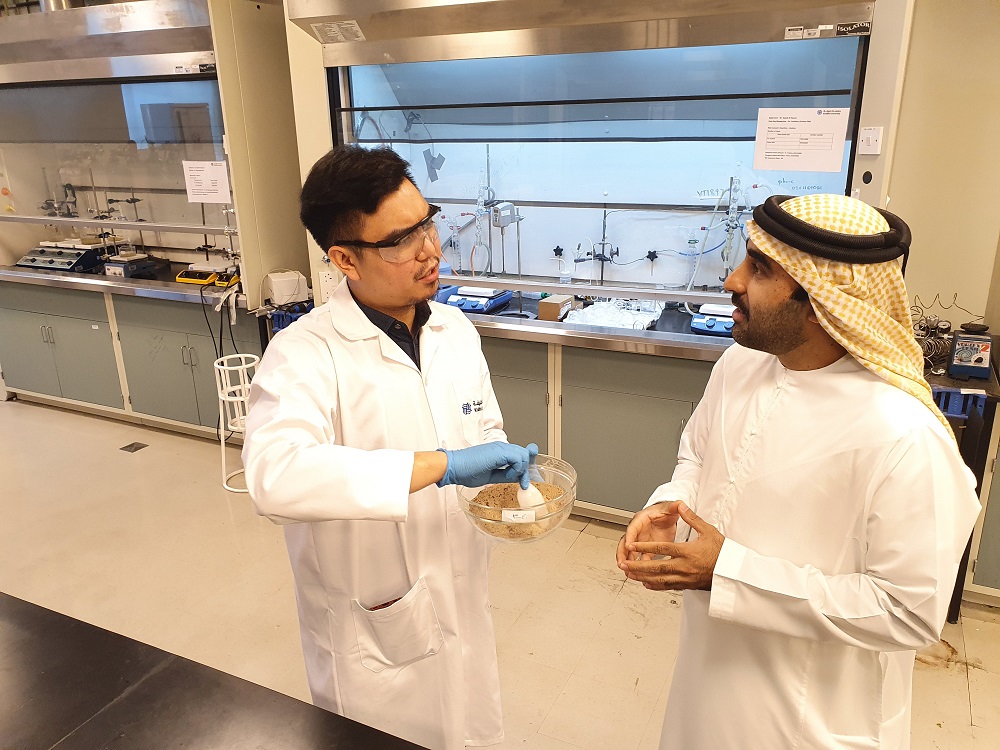
The patent, developed by Khalifa University’s Dr. Saeed Alhassan Alkhazraji, Associate Professor, Chemical Engineering, and Kevin Halique, a researcher in Dr. Alkhazraji’s’ team, describes a method to prepare customizable soil that resembles fertile soils in Thailand and Ukraine and allows users to grow different crops based on their need.
Explaining further, Dr. Alkhazraji said: “We have developed a method that will allow us to make artificial soil using abundantly available non-fertile sand here in the UAE. Thus the soil is tailored to any specific texture and porosity to emulate some of the well-known fertile soils; such as the Thailand soil which has great alluvial deposits or the Ukraine black soil, the grassland soil that is used extensively for growing cereals or for raising livestock.”
Dr. Arif Sultan Al Hammadi, Executive Vice of President at Khalifa University, said: “The artificial soil developed by our faculty reflects our commitment to focus on research that remains relevant to the region and drive innovation in areas that benefit not only the UAE and the region but the entire world. The UAE recently established the Emirates Food Security Council to coordinate and lead the implementation of the country’s National Food Security Strategy, which specifically aims to implement resilient agricultural practices that increase productivity and production, while ensuring access to safe, nutritious and sufficient food all year round. We believe this type of research will help and support not only the country’s agriculture sector but may also benefit those countries with arid regions that lack a suitable farming environment.”
Out of the three ecological areas in the UAE’s topography – northeastern mountain, desert and marine coastal regions – the desert takes up nearly 80%, virtually restricting agricultural activities to a relatively smaller area. The artificial soil, if approved, can support agriculture in the country by creating the right conditions for growing plants and crops.
The UAE has already initiated several measures to tackle challenges to farming, especially through sustainable agriculture. Currently, according to government estimates, the UAE’s agriculture sector faces scarcity of water resources and arable land, soil salinity, challenging environmental conditions, high production costs, agricultural pests and post-harvest losses.
Dr. Alkhazraji was the first recipient of Sheikh Mohammed Bin Rashid Medal of Scientific Excellence in 2017. He is also two times recipient of Sheikh Rashid Award for Scientific Achievement (2008 and 2012) and the first-runner up for the Bayer Fellowship for excellence in graduate studies from the Department of Macromolecular Science and Engineering at Case Western Reserve University (2011). His other research works focus on materials for different applications including water harvesting, water remediation, energy storage, hydrogen production and catalysis.
Clarence Michael
News Writer
7 May 2020
Using Blockchain to Build Trust and Security in Crowdsourcing Apps like Uber
Mobile applications like Uber require a ‘crowdsourcing’ framework to pair people who need rides with available drivers, and collect a host of valuable data to evaluate users and update their reputations in the system, and to facilitate payment sharing among these users.
Crowdsensing is a type of crowdsourcing – a model that distributes work across a ‘crowd,’ or group of people, for a common goal – that involves using the crowd to collect and share sensing data i.e. temperature, using the rich sensing capabilities of the crowds’ mobile phones or smart devices.
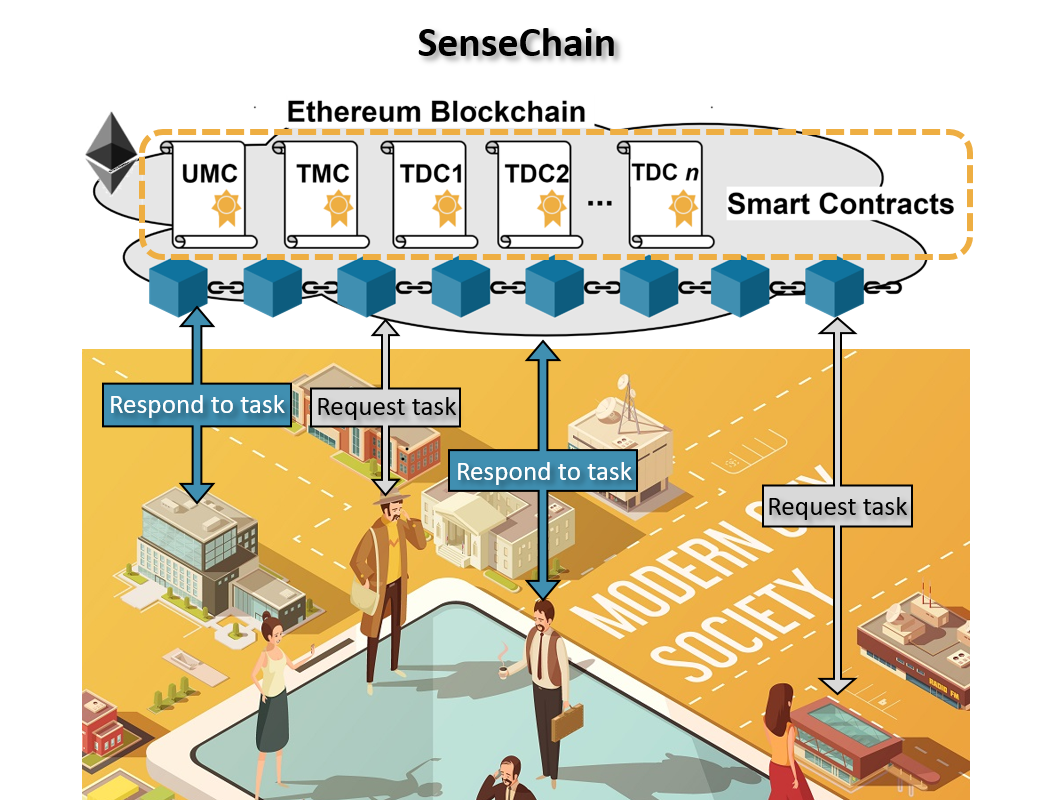
“Crowdsourcing frameworks, such as Uber and Amazon Mechanical Turk (or MTurk, a crowdsourcing marketplace that allows independent workers to bid for small tasks), collect data from workers’ devices to fulfill tasks. The objective of the crowdsourcing framework is to facilitate completing tasks with the best possible quality while motivating users to frequently engage with the platform,” Maha Kadadha explained. Kadadha is a PhD student in Electrical Engineering and Computer Science from Khalifa University who is developing a decentralized crowdsensing framework with blockchain technology, called SenseChain, to make crowdsensing apps like Uber resilient against ‘misbehaving’ users and platforms.
“Typically, a trusted centralized platform governs the crowdsensing activity and manages multiple requesters (that is, the people seeking rides in Uber or distributing jobs in MTurk), with multiple workers (which would be the Uber drivers and the people bidding for jobs in MTurk),” explained Kadadha. “The centralized platform holds users’ information, collects tasks, selects workers, evaluates their submissions, and shares their payments.”
However, there are important limitations to the security of these centralized platforms. Security can be compromised by passive or active misbehavior, with passive misbehavior involving an attempt from an external entity to collect unauthorized information without affecting the execution of the platform, and active misbehavior involving intentional attempts to harm other members in the framework.
Active misbehavior may manifest as workers compromising the quality of completed tasks by intentionally submitting incorrect data and biasing the evaluation, or committing to a task but never completing it. In MTurk, for example, a worker could submit multiple solutions to the same task using different identities to bias the correctness of his solution and increase his payments. Misbehaving requesters can also engage in malicious activities, but usually face far fewer penalization consequences enforced by the platform. These requesters can issue redundant tasks to occupy workers’ time and reduce availability for other requesters, and they could also cancel their tasks after a worker has completed it to avoid paying them.
The platform itself could also misbehave. Platforms can favor some workers over others, alter information to reduce reputations, and impact payments by altering submitted solutions and their evaluations. This is because the execution process of a centralized platform is hidden from users.
To overcome these misbehaving problems, Kadadha proposed using a decentralized crowdsensing framework. Distributed frameworks have been previously proposed for data analysis, task selection, and sensing group formation.
“While distributed frameworks, which share the framework across the crowd, have performed well, the trust issue remains unsolved as the frameworks are assumed to be trusted, which is not always the case.”
To provide reliability and trust, Kadadha and her team developed SenseChain, a blockchain-based decentralized crowdsensing framework to overcome the need for a trusted centralized platform by using Ethereum – an open source, public, blockchain-based distributed computing platform and operating system that uses smart contracts – as its underlying infrastructure. SenseChain brings together requesters and workers in a collaborative sensing platform that does not require pre-established trust between parties.
The framework runs the centralized functions in a decentralized manner, while the blockchain—a distributed immutable ledge of transactions organized as blocks and maintained by the users—allows for traceability, accountability, and date transparency. Privacy and user security are also maintained as users use their own generated public and private keys, from which their Ethereum addresses are derived.
SenseChain uses smart contracts to replace the centralized platform for registering users and maintaining their information reliably, collecting and publishing tasks, selecting workers in an unbiased manner, and transparently evaluating solutions and sharing proportional payments with workers.
“In SenseChain, users create their own accounts and Ethereum addresses without relying on a trusted third party to maintain them,” said Kadadha. “Then, their Ethereum addresses are used to interact with other members in the framework. The addresses, types and reputations are maintained and updated by one smart contract for reliability. Requesters create tasks by adding them to another smart contract which is then responsible for collecting reservations from workers, determining their Quality of Information (QoI) to accept their reservations, and evaluating solutions to calculate accepted workers’ payments. This evaluation is executed by miners, making it immune to manipulation from both the requesters and the platform. The consensus of miners ensures the trust in the outcome of the evaluation.
“Security is inherent in SenseChain from the underlying Ethereum blockchain and its deployed mechanisms. Centralized crowdsensing frameworks typically suffer from identity privacy issues, problems with trusted execution, and a lack of dual feedback. In SenseChain, the reputations of both the requesters and the workers are provided to implement a dual feedback mechanism so both have prior knowledge of each other’s reliability before committing to a task or accepting a worker. Additionally, the use of Ethereum addresses means users’ identities are protected and can be neither exploited nor exposed, and smart contracts handle the execution of each task’s evaluation, preventing any bias.”
To measure this framework’s feasibility, the team looked at the cost of deploying it, where cost is measured in two ways: the cost of each functionality, and the cost endured by each user.
“When comparing SenseChain to a centralized system, we noted that its performance is similar in terms of the quality of selected workers, distance travelled, task completion duration, and submitted solution quality,” said Kadadha. “In addition, the low deployment cost of the framework affirms the viability of blockchain-based crowdsensing frameworks.”
Jade Sterling
News and Features Writer
4 May 2020
From Unsustainable to Sustainable: Turning a Harmful By-product of Fossil Fuels into Clean Energy
A continued reliance on fossil fuels for energy production is not sustainable, particularly as energy demand continues to rise in parallel to the industrialization of developing countries and world population growth. Not only does reliance on the combustion of fossil fuels result in greenhouse gas emissions detrimental to the environment, it also creates energy security challenges given that oil, coal, and natural gas are geographically concentrated and subject to volatile prices.
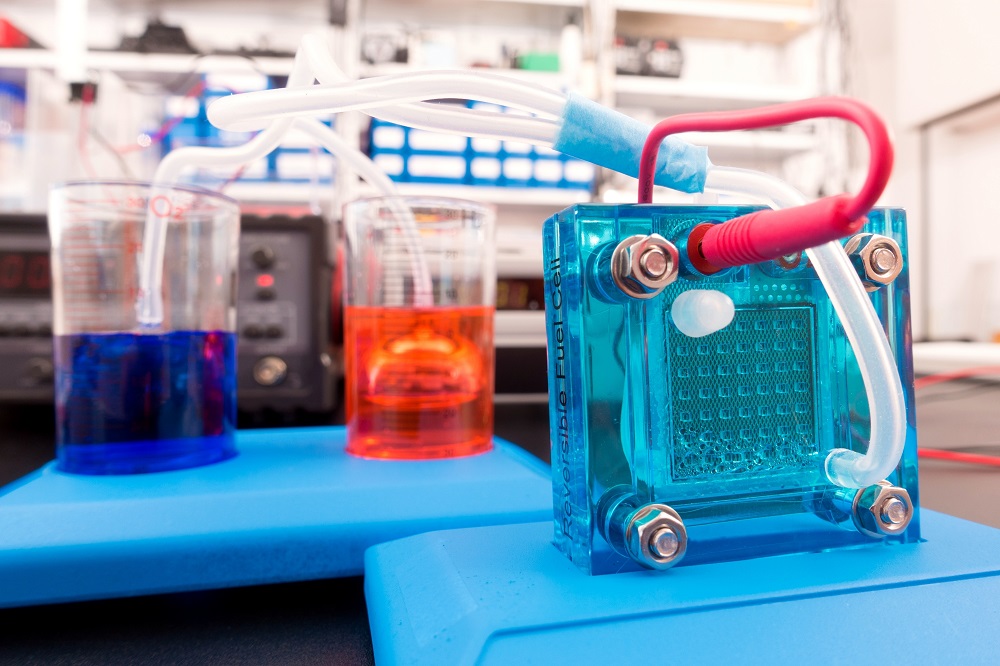
Imagine being able to use noxious Hydrogen sulphide (H2S), a waste material widely found in the UAE oil and gas industry, to generate energy in a clean, sustainable way. A recent Khalifa University PhD graduate, advised by Dr. Giovanni Palmisano and co-advised by Dr. Khalid Al-Ali, investigated this question, researching the best way to produce hydrogen from hydrogen sulphide. By freeing hydrogen—a zero-emissions fuel source—from hydrogen sulphide, the toxic gas becomes harmless and the liberated hydrogen can be used in fuel cells or power plants to generate clean electricity.
But separating hydrogen is not easy—it requires a lot of energy and expensive materials. Existing separation techniques that use catalysts are expensive and limited. Many face challenges with the catalysts’ tendency to become deactivated, rendering the catalyst unable to carry out the required reactions.
The PhD graduate Habeebllah Oladipo, developed a model to predict the deactivation of a titanium dioxide catalyst and to select the proper operational conditions to avoid this. Oladipo successfully defended his thesis earlier this month and saw his work published in the journal Applied Catalysis B: Environmental.
“The current dependence on fossil fuel has led to a huge increase in greenhouse gas emissions,” explained Oladipo. “With the projected increase in world energy demand, alternative energy sources need to be found. Sustainable hydrogen production could be an ideal replacement thanks to its high energy value and environmentally friendly by-products from combustion or use in fuel cells.”
Significant research into powering the world with hydrogen is underway. In particular, research into photocatalysis, a process that involves accelerating a chemical reaction using a zap of light and a catalyst, is being conducted to find the most efficient way to split hydrogen from compounds like water and hydrogen sulphide. In a typical photocatalytic process, a semiconductor-based photocatalyst is irradiated with a specific wavelength of light with energy greater than its bandgap energy, and electrons and holes are generated, triggering a redox reaction – the reaction that liberates hydrogen.
Practical applications of photocatalysis were made possible through the discovery of water electrolysis (the splitting of water) by means of titanium dioxide (TiO2). TiO2 is a highly-stable and non-toxic metal oxide, and can be used in electrochemical photolysis of water when connected with platinum electrodes. Ultraviolet light is absorbed by the former, with electrons migrating from the TiO2 conduction band to the platinum cathode, with hydrogen production occurring at the cathode.
“Compared to other photocatalysts, TiO2 offers a great range of benefits, such as chemical inertness, photostability, cost-effectiveness, and ease of preparation,” explained Oladipo.
TiO2 photocatalysts produce hydrogen cleanly and efficiently, as an alternative to hydrogen production from natural gas reforming and gasification. This process can be made even more efficient, however, by incorporating a noble metal to increase photoactivity.
“The quick recombination of the photogenerated carriers poses a challenge for hydrogen generation,” explained Oladipo. “One technique to circumvent this is to decorate titanium dioxide with noble metal nanoparticles such as platinum and gold. Firstly, noble metals drive electrons away from holes by serving as an electron sink, thus minimizing electron-hole recombination. Secondly, they create Schottky barriers, enabling the efficient trapping of the photogenerated electrons available for the reduction of photo-adsorbed reactants to hydrogen.”
“The most common technique employed in the industry for hydrogen sulphide removal from a natural gas stream is scrubbing with an alkaline solution,” explained Oladipo. “My research studied the photocatalytic production of hydrogen following the absorption of hydrogen sulphide in sodium hydroxide aqueous solutions.”
Oladipo’s research showed that under certain reaction conditions, photocatalytic hydrogen generation from hydrogen sulphide can be run consistently without significant loss of activity when using a novel platinum-decorated catalyst layered with TiO2. The results showed that hydrogen production increased linearly with the concentration of bisulfide ionic species until it reached a critical value, after which it declined to negligible levels. This was found to be caused by competition for active site between sulphide and bisulfide ions. Furthermore, reusing the catalyst means this process is more sustainable than previous methods.
Multiple tests were conducted, with the research concluding that the reaction mechanism primarily involves sulphide ions, which will allow for further optimization of reaction conditions and the future development of pilot reactors for the photocatalytic production of hydrogen from hydrogen sulphide gas.
Jade Sterling
News and Features Writer
5 May 2020
Khalifa University Researchers Monitoring SARS-CoV-2 Levels in Municipal Sewage to Track COVID-19 Epidemic in General Population
Promising Scientific Process by Researchers to Collect and Analyze Wastewater Samples for Levels of SARS-CoV-2 Multiple Times a Week for Rest of the Year and Even Beyond if Required
Khalifa University of Science and Technology today announced researchers from its Center for Biotechnology (BTC) and the Center for Membranes and Advanced Water Technology (CMAT), in collaboration with other stakeholders are working together on a project for the surveillance of SARS-COV-2 viral load in municipal wastewater, as a method for early detection and tracking the spread of COVID-19 in the general population.
Studies indicate that people infected with SARS-CoV-2, including asymptomatic individuals, shed virus through human waste. Since the levels of SARS-CoV-2 in wastewater should mirror the number of detected infections in the population, testing a municipal wastewater sample will tantamount to essentially testing everyone who has contributed to that sample – in other words a way of mass testing.
The experiments have been successful, demonstrating Khalifa University’s preparedness in supporting the country’s measures against fighting COVID-19 through surveillance of the virus in wastewater.
Dr. Arif Sultan Al Hammadi, Executive Vice-President, Khalifa University, said: “Thanks to the wise leadership, the UAE has always supported global-standard scientific research activities at Khalifa University in order to achieve the most innovative solutions, while initiating appropriate measures to fight the COVID-19 pandemic. Through this research, Khalifa University aims to establish a surveillance system for COVID-19 in municipal wastewater streams, linking it with simulation models developed for predicting and controlling the spread of the pandemic, together with the health authorities.”
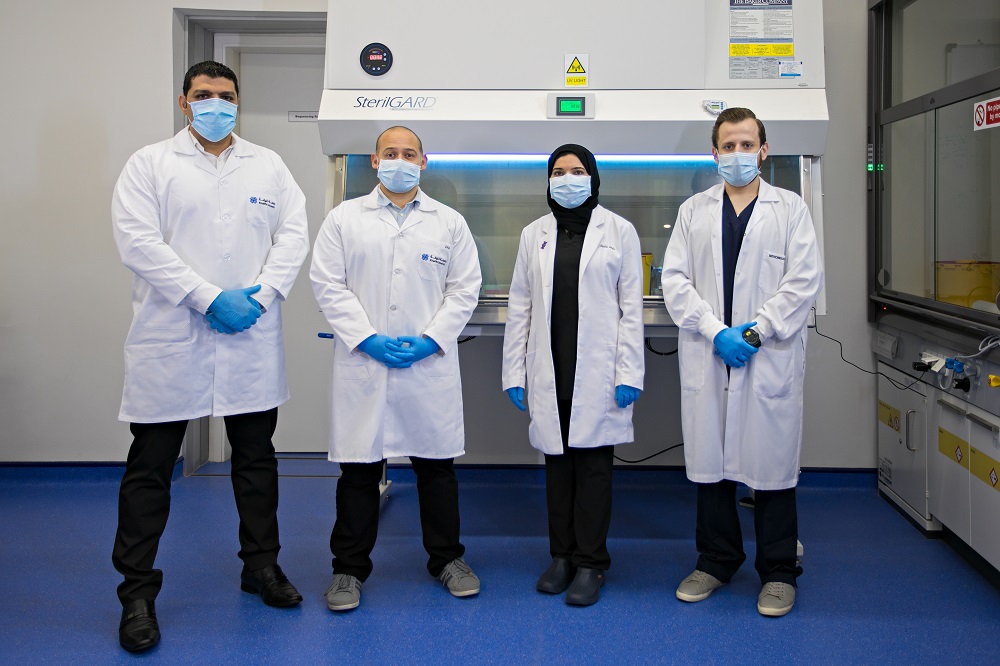
The project is led by Dr. Ahmed Yousef, Assistant Professor of Chemistry, Dr. Shadi Hasan, Associate Professor of Chemical Engineering, and Dr. Habiba Alsafar, Acting Associate Dean for Student Affairs, College of Medicine and Health Sciences, Associate Professor at the Department of Genetics and Molecular Biology, and Director of Khalifa University Center for Biotechnology. Dr. Alfaro Lopes, expert in Toxicology and Epidemiology in wastewater, was also collaborating with them, along with Hussein Kannout, Research Associate in the BTC at KU.
Once further studies assess the levels of SARS-CoV-2 found in COVID-19 patient fecal samples, scientists will be able to construct a model that estimates the total number of symptomatic and asymptomatic people in the population based on the levels found in wastewater.
Clarence Michael
News Writer
3 May 2020
SDP Success for Students Aiming to Make Shipping Transparent and Secure
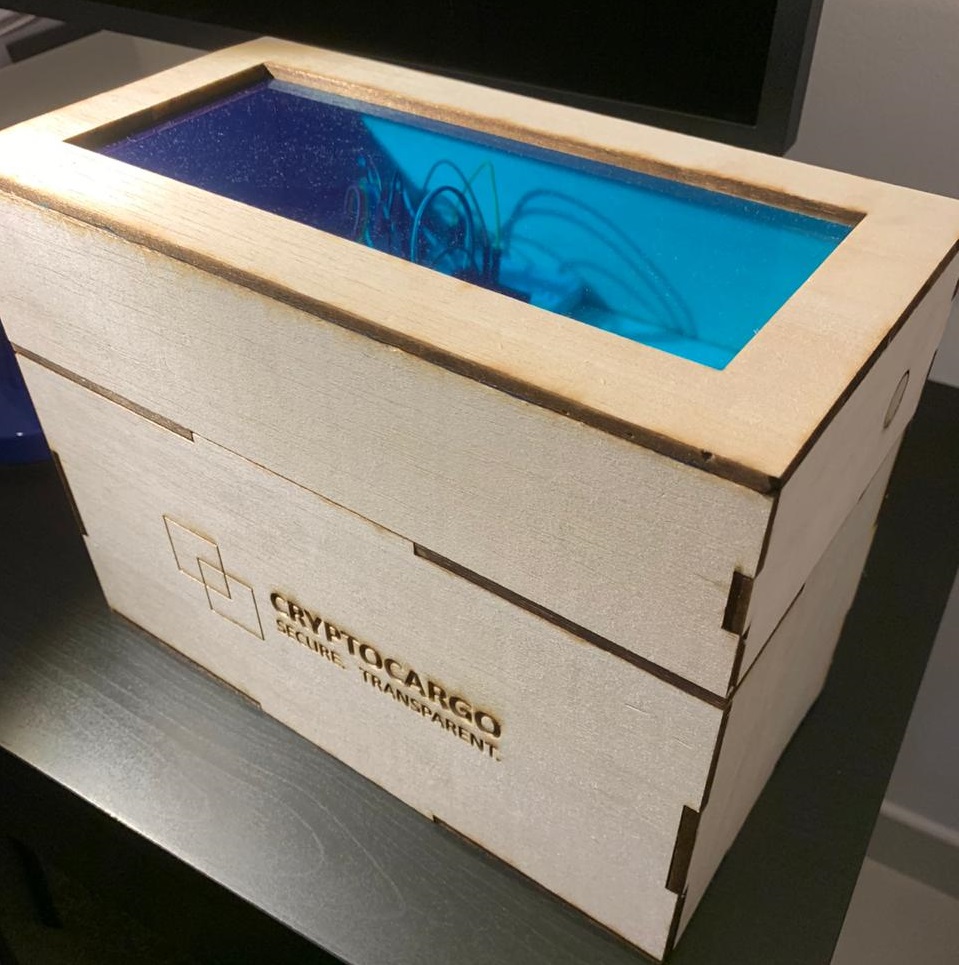
A senior design project from students in Khalifa University’s Department of Electrical Engineering and Computer Science is seeing huge success with real commercial application after winning two prestigious competitions. Senior students Abduraouf Hassan, Omar Al Mansoori and Omar Al Khoori developed a blockchain-powered smart container, called ‘CryptoCargo’, to provide real-time insights and increased transparency throughout the shipment process. Dr. Khaled Salah was their faculty advisor.
CryptoCargo was announced among the 15 winning projects in Zayed University’s Undergraduate Research Conference on Applied Computing 2020 from a total of 168 submitted. It also saw success in Dell Technologies’ Envision the Future Competition, shortlisted among the top 25 projects in the MENA region from a total of 227 projects submitted. CryptoCargo has reached the final stages of the Dell Technologies Competition and the team are looking forward to the next round.
“The CyrptoCargo project tackles the problems stakeholders encounter when damage is caused to their shipments,” explained Hassan. “Our blockchain-powered smart container aims to provide an enhanced supply chain management experience by offering real-time insights and increased transparency throughout the shipment process.”
As a shipment moves through its journey, it is susceptible to damage caused by extreme temperature ranges, humidity levels, light conditions, or passing through radiative environments. For shipments needing a temperature-controlled supply chain, housing sensitive items such as medical products, chemicals, radiative materials, meat or dairy products, for example, it is even more important to ensure the safeguarding and wellbeing of the cargo’s integrity. By continuously monitoring various metrics, stakeholders can be immediately alerted in case any abnormalities are detected. More importantly, all the data collected needs to be securely stored and made available at all times to the user, in a transparent format that eliminates any attempt at collusion, mistrust or data tampering between the involved parties.
“The CryptoCargo container is designed to monitor, track, alert, and securely store data readings pertaining to temperature conditions, container integrity, and position tracking,” explained Hassan. “Refined data is pushed to an always available cloud server, while violations are stored on the blockchain. Users can then access their shipment status from the frontend decentralized apps.
“The real-time monitoring of the shipment paves the way for more efficient shipments and reduces the likelihood of fraud. Storing violations on the blockchain’s immutable ledges provides an irrefutable guarantee of shipment quality, hence ensuring the integrity and resiliency of the data stored. It uncovers the truth of a shipment’s status, eliminates any possibilities of collusion to alter a shipment’s data, and diminishes any possible disputes between stakeholders.”
CryptoCargo is a unique and promising solution that showcases how the Internet of Things, the Cloud, and Blockchain technologies can work in harmony to solve real life challenges.
Jade Sterling
News and Features Writer
29 April 2020