ENTC Attends ENEC’s Annual R&D Roadshow


ENTC Attends ENEC’s Annual R&D Roadshow We are pleased to share that ENTC recently attended the annual R&D Roadshow hosted by ENEC, where stakeholders from across the UAE gathered to explore the latest initiatives aimed at enhancing operational activities and advancing nuclear technologies. It was an invaluable opportunity for us to engage with industry leaders and collaborate on our shared goal of nuclear excellence. We appreciate ENEC’s efforts in promoting safety, performance, and efficiency in the nuclear sector and look forward to continuing our partnership in these vital areas.

Khalifa University Researchers Uncover Surprising New Results When Studying Condensation

From rain falling from clouds to dew forming on leaves, condensation is a natural and common occurrence. While most people wouldn’t give it another thought beyond putting a coaster under a glass of cold water, research into the mechanism of condensation formation and how this can be optimized for industrial purposes is gaining traction.
In a paper published in the Journal of American Chemical Society —ACS Applied Materials and Interfaces, the research team led by Dr. TieJun Zhang, Associate Professor of Mechanical and Materials Engineering, discovered a previously unobserved condensation phenomenon of satellite droplet formation on lubricant-cloaked water droplets using environmental scanning electron microscopy. This was a surprising result as one of the cloaking lubricants used were previously found to eliminate cloaking during water condensation.
The team comprising of Dr. Zhang, Qiaoyu Ge, Khalifa University PhD student and lead author of the paper, Postdoctoral Fellows Aikifa Raza and Hongxia Li, and Dr. Soumyadip Sett and Dr. Nenad Miljkovic from the Department of Mechanical Science and Engineering at University of Illinois at Urbana-Champaign (UIUC), investigated how infusing lubricants into condensation surfaces affects condensation performance, throwing considerable light on cloaked condensate droplet dynamics.
“Condensation is a phenomenon commonly found in many natural and industrial processes, including atmospheric dew formation, power generation, natural gas processing, water harvesting, and refrigeration,” explained Dr. Zhang. “Depending on the surface tension of the condensate and the surface energy of the surface, two distinct condensation mechanisms can occur: either dropwise or filmwise condensation.”
Condensation is a crucial component of distillation, an important laboratory and industrial chemistry application used to separate and purify liquids. In dropwise condensation, the condensed vapor forms droplets on a surface instead of a continuous film. The small droplets that form at the nucleation sites on the surface grow as a result of continued condensation, coalescing into large droplets. Once large enough, the drops fall.
Filmwise condensation, on the other hand, tends to wet the surface, forming a liquid film. As more vapor condenses, the thickness of the film increases in the flow direction as the liquid flows down the cooling surface under the action of gravity.
“Filmwise condensation is much easier to achieve for a variety of working fluids due to the relatively high surface energy of solid surfaces,” explained Ge. “However, dropwise condensation is preferable for more applications owing to its higher heat transfer performance.”
Heat transfer in dropwise condensation is up to ten times greater than in filmwise condensation, as a large area of solid surface is directly exposed to the vapor for dropwise. In many chemical and industrial applications, dropwise condensation is preferred and chemicals are used to ensure that dropwise condensation takes place.
Extensive studies have been conducted to encourage or ‘promote’ dropwise condensation by surface modification, including hydrophobic (water repelling) coatings and micro- or nano-texturing.
For liquids with low surface tension, such as natural gas and refrigerants, hydrophobic coatings (which are water repelling) and texturing are not effective due to the nonpolar nature of both the coating and the fluid, resulting in film formation. To enable dropwise condensation of these low surface tension fluids, researchers have been investigating lubricant-infused surfaces (LISs) to take advantage of the low surface tension of the infusing lubricant.
“Although the low surface tension of the lubricant helps to achieve dropwise condensation, it also causes problems of cloaking at the condensate-vapor interface,” explained Dr. Miljkovic at UIUC. “The lubricant can spread on the condensate droplet, thereby encapsulating it and forming a thin cloaking layer, which adds heat and mass transfer resistance and hinders growth of the droplet.”
LISs reduce the overall thermal resistance during condensation when compared to superhydrophobic surfaces without the lubricant. Rapid droplet shedding, as droplets become large enough to fall, allows fresh nucleation sites to be continuously replenished, thereby enhancing the rate of condensation and heat transfer performance.
“We conducted experiments of water vapor condensation on nanotextured superhydrophobic copper surfaces, which were infused with different types of lubricants,” said Ge. “We demonstrated that some of these lubricants, although used as non-cloaking lubricants in prior literature, in fact cloak water droplets.”
Cloaking of condensate droplets leads to additional thermal resistance, inhibiting droplet growth as the vapor comes into contact with the lubricant layer instead of the liquid condensate. However, despite the reduction in heat transfer performance, the formation of satellite droplets provides larger surface area for the vapor to condense.
“Our work, for the first time, described formation of satellite droplets, characterized their morphologies and analyzed different roles of the cloaking film with different tools,” explained Ge.
“The presence of satellite droplets on the cloaked lubricant layer indicates additional nucleation sites for vapor to condense. This provides an opportunity for enhancing the condensation rate and can in turn lead to significant heat transfer gains. At the macroscopic scale, the presence of the cloaking film played an important role in mobilizing water droplets without any external forces.”
“Despite the observations in environmental scanning electron microscopy, we also confirmed presence of the nano-scale cloaking lubricant film on the water droplets with a novel characterization approach based on Raman spectroscopy,” explained Dr. Raza. “The cloaking lubricant acts as an additional surface for vapor to condense, leading to the formation of satellite droplets. Again, this increases the overall surface area, meaning more condensation.
“We have made significant research progress and multiple joint publications with the UIUC team are on the way. It’s exciting when experimental data and in-depth analysis sheds light on previous findings. Without the great research infrastructure at Khalifa University, we wouldn’t be able to make this happen.”
“This is a remarkable achievement,” said Dr. Dalal Najib and Daniel Placht from the US National Academy of Sciences, one of the research supporters. “It is rewarding to see Dr. Zhang and Dr. Miljkovic leverage the Arab-American Frontiers program to establish joint research activities between their respective groups and produce tangible research results. The ultimate goal of the Frontiers program is to foster this type of high quality research collaboration between US and Arab institutions.”
Jade Sterling
News and Features Writer
11 May 2020

Emirati Researcher at Khalifa University Develops Technology for ‘Artificial Soil’ Suitable for Agriculture in UAE

 Customizable Method Allows Farmers to Have Right Type of Artificial Soil to Grow Different Crops 


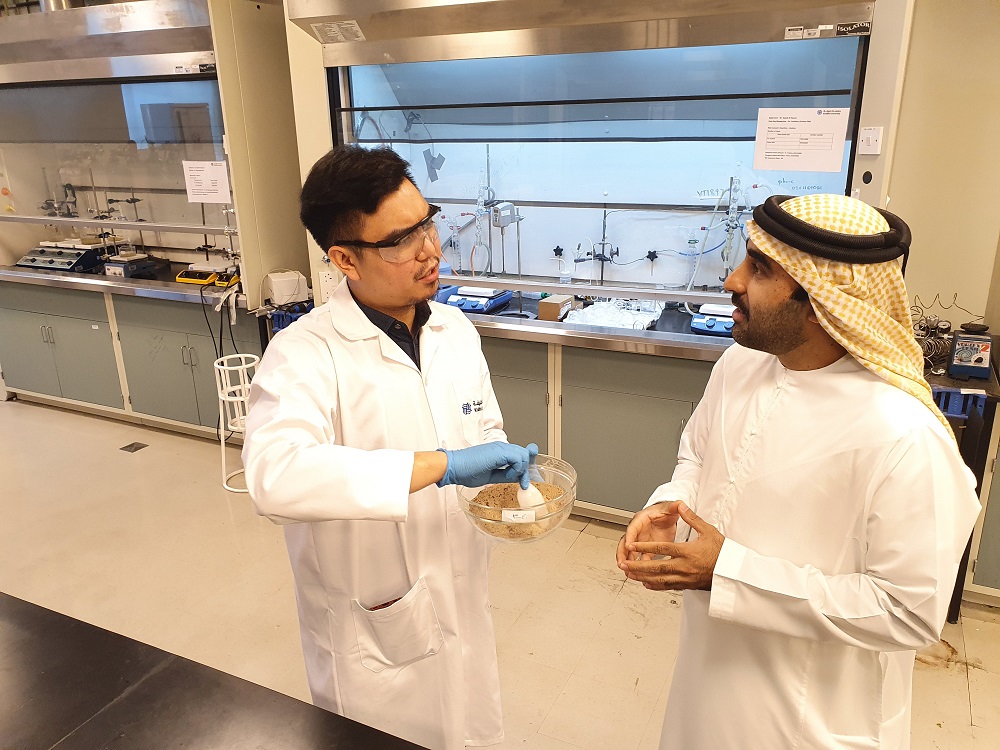
Khalifa University has announced promising results and findings on its research to develop ‘artificial soil’ with the necessary ingredients and properties required for the growth of plant and vegetation, thus paving the way for the agriculture sector to grow further in the UAE. A provisional patent application has been filed in this regard to ensure further development of the research work and potential commercialization. 


The patent, developed by Khalifa University’s Dr. Saeed Alhassan Alkhazraji, Associate Professor, Chemical Engineering, and Kevin Halique, a researcher in Dr. Alkhazraji’s’ team, describes a method to prepare customizable soil that resembles fertile soils in Thailand and Ukraine and allows users to grow different crops based on their need. 


Explaining further, Dr. Alkhazraji said: “We have developed a method that will allow us to make artificial soil using abundantly available non-fertile sand here in the UAE. Thus the soil is tailored to any specific texture and porosity to emulate some of the well-known fertile soils; such as the Thailand soil which has great alluvial deposits or the Ukraine black soil, the grassland soil that is used extensively for growing cereals or for raising livestock.” 


Dr. Arif Sultan Al Hammadi, Executive Vice of President at Khalifa University, said: “The artificial soil developed by our faculty reflects our commitment to focus on research that remains relevant to the region and drive innovation in areas that benefit not only the UAE and the region but the entire world. The UAE recently established the Emirates Food Security Council to coordinate and lead the implementation of the country’s National Food Security Strategy, which specifically aims to implement resilient agricultural practices that increase productivity and production, while ensuring access to safe, nutritious and sufficient food all year round. We believe this type of research will help and support not only the country’s agriculture sector but may also benefit those countries with arid regions that lack a suitable farming environment.” 


Out of the three ecological areas in the UAE’s topography – northeastern mountain, desert and marine coastal regions – the desert takes up nearly 80%, virtually restricting agricultural activities to a relatively smaller area. The artificial soil, if approved, can support agriculture in the country by creating the right conditions for growing plants and crops. 


The UAE has already initiated several measures to tackle challenges to farming, especially through sustainable agriculture. Currently, according to government estimates, the UAE’s agriculture sector faces scarcity of water resources and arable land, soil salinity, challenging environmental conditions, high production costs, agricultural pests and post-harvest losses. 


Dr. Alkhazraji was the first recipient of Sheikh Mohammed Bin Rashid Medal of Scientific Excellence in 2017. He is also two times recipient of Sheikh Rashid Award for Scientific Achievement (2008 and 2012) and the first-runner up for the Bayer Fellowship for excellence in graduate studies from the Department of Macromolecular Science and Engineering at Case Western Reserve University (2011). His other research works focus on materials for different applications including water harvesting, water remediation, energy storage, hydrogen production and catalysis.


Clarence Michael
News Writer
7 May 2020

Using Blockchain to Build Trust and Security in Crowdsourcing Apps like Uber

Mobile applications like Uber require a ‘crowdsourcing’ framework to pair people who need rides with available drivers, and collect a host of valuable data to evaluate users and update their reputations in the system, and to facilitate payment sharing among these users.
Crowdsensing is a type of crowdsourcing – a model that distributes work across a ‘crowd,’ or group of people, for a common goal – that involves using the crowd to collect and share sensing data i.e. temperature, using the rich sensing capabilities of the crowds’ mobile phones or smart devices.
“Crowdsourcing frameworks, such as Uber and Amazon Mechanical Turk (or MTurk, a crowdsourcing marketplace that allows independent workers to bid for small tasks), collect data from workers’ devices to fulfill tasks. The objective of the crowdsourcing framework is to facilitate completing tasks with the best possible quality while motivating users to frequently engage with the platform,” Maha Kadadha explained. Kadadha is a PhD student in Electrical Engineering and Computer Science from Khalifa University who is developing a decentralized crowdsensing framework with blockchain technology, called SenseChain, to make crowdsensing apps like Uber resilient against ‘misbehaving’ users and platforms.
“Typically, a trusted centralized platform governs the crowdsensing activity and manages multiple requesters (that is, the people seeking rides in Uber or distributing jobs in MTurk), with multiple workers (which would be the Uber drivers and the people bidding for jobs in MTurk),” explained Kadadha. “The centralized platform holds users’ information, collects tasks, selects workers, evaluates their submissions, and shares their payments.”
However, there are important limitations to the security of these centralized platforms. Security can be compromised by passive or active misbehavior, with passive misbehavior involving an attempt from an external entity to collect unauthorized information without affecting the execution of the platform, and active misbehavior involving intentional attempts to harm other members in the framework.
Active misbehavior may manifest as workers compromising the quality of completed tasks by intentionally submitting incorrect data and biasing the evaluation, or committing to a task but never completing it. In MTurk, for example, a worker could submit multiple solutions to the same task using different identities to bias the correctness of his solution and increase his payments. Misbehaving requesters can also engage in malicious activities, but usually face far fewer penalization consequences enforced by the platform. These requesters can issue redundant tasks to occupy workers’ time and reduce availability for other requesters, and they could also cancel their tasks after a worker has completed it to avoid paying them.
The platform itself could also misbehave. Platforms can favor some workers over others, alter information to reduce reputations, and impact payments by altering submitted solutions and their evaluations. This is because the execution process of a centralized platform is hidden from users.
To overcome these misbehaving problems, Kadadha proposed using a decentralized crowdsensing framework. Distributed frameworks have been previously proposed for data analysis, task selection, and sensing group formation.
“While distributed frameworks, which share the framework across the crowd, have performed well, the trust issue remains unsolved as the frameworks are assumed to be trusted, which is not always the case.”
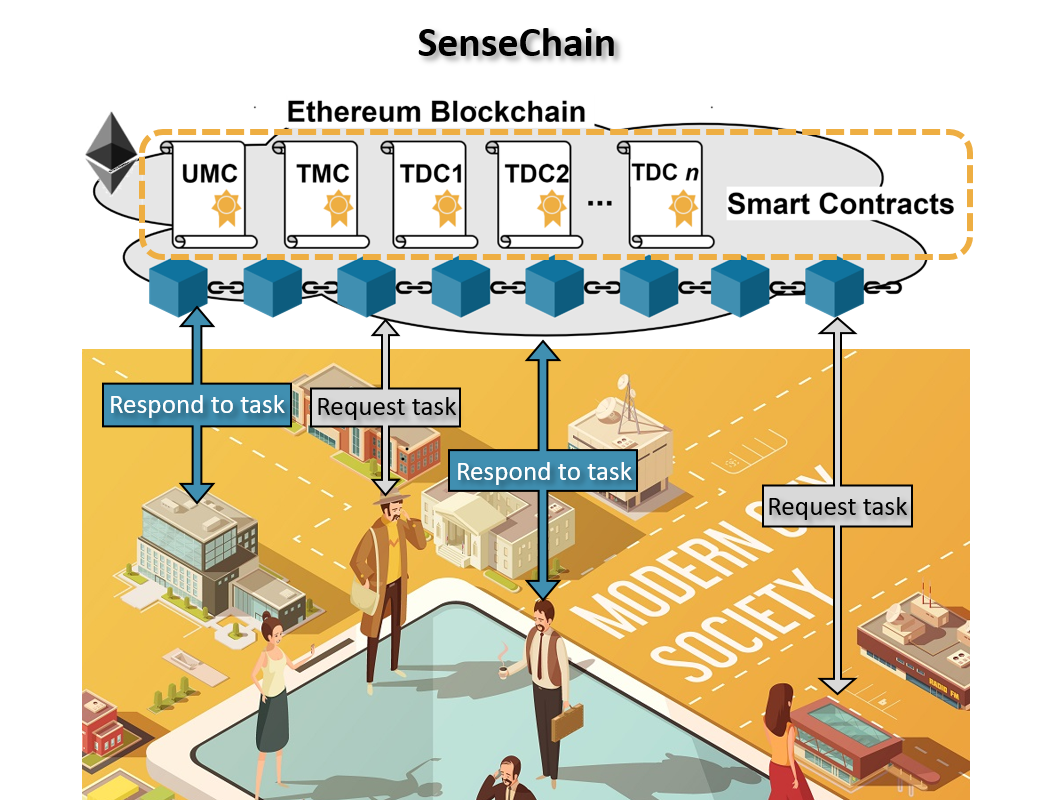
To provide reliability and trust, Kadadha and her team developed SenseChain, a blockchain-based decentralized crowdsensing framework to overcome the need for a trusted centralized platform by using Ethereum – an open source, public, blockchain-based distributed computing platform and operating system that uses smart contracts – as its underlying infrastructure. SenseChain brings together requesters and workers in a collaborative sensing platform that does not require pre-established trust between parties.
The framework runs the centralized functions in a decentralized manner, while the blockchain—a distributed immutable ledge of transactions organized as blocks and maintained by the users—allows for traceability, accountability, and date transparency. Privacy and user security are also maintained as users use their own generated public and private keys, from which their Ethereum addresses are derived.
SenseChain uses smart contracts to replace the centralized platform for registering users and maintaining their information reliably, collecting and publishing tasks, selecting workers in an unbiased manner, and transparently evaluating solutions and sharing proportional payments with workers.
“In SenseChain, users create their own accounts and Ethereum addresses without relying on a trusted third party to maintain them,” said Kadadha. “Then, their Ethereum addresses are used to interact with other members in the framework. The addresses, types and reputations are maintained and updated by one smart contract for reliability. Requesters create tasks by adding them to another smart contract which is then responsible for collecting reservations from workers, determining their Quality of Information (QoI) to accept their reservations, and evaluating solutions to calculate accepted workers’ payments. This evaluation is executed by miners, making it immune to manipulation from both the requesters and the platform. The consensus of miners ensures the trust in the outcome of the evaluation.
“Security is inherent in SenseChain from the underlying Ethereum blockchain and its deployed mechanisms. Centralized crowdsensing frameworks typically suffer from identity privacy issues, problems with trusted execution, and a lack of dual feedback. In SenseChain, the reputations of both the requesters and the workers are provided to implement a dual feedback mechanism so both have prior knowledge of each other’s reliability before committing to a task or accepting a worker. Additionally, the use of Ethereum addresses means users’ identities are protected and can be neither exploited nor exposed, and smart contracts handle the execution of each task’s evaluation, preventing any bias.”
To measure this framework’s feasibility, the team looked at the cost of deploying it, where cost is measured in two ways: the cost of each functionality, and the cost endured by each user.
“When comparing SenseChain to a centralized system, we noted that its performance is similar in terms of the quality of selected workers, distance travelled, task completion duration, and submitted solution quality,” said Kadadha. “In addition, the low deployment cost of the framework affirms the viability of blockchain-based crowdsensing frameworks.”
Jade Sterling
News and Features Writer
4 May 2020

From Unsustainable to Sustainable: Turning a Harmful By-product of Fossil Fuels into Clean Energy

A continued reliance on fossil fuels for energy production is not sustainable, particularly as energy demand continues to rise in parallel to the industrialization of developing countries and world population growth. Not only does reliance on the combustion of fossil fuels result in greenhouse gas emissions detrimental to the environment, it also creates energy security challenges given that oil, coal, and natural gas are geographically concentrated and subject to volatile prices. 
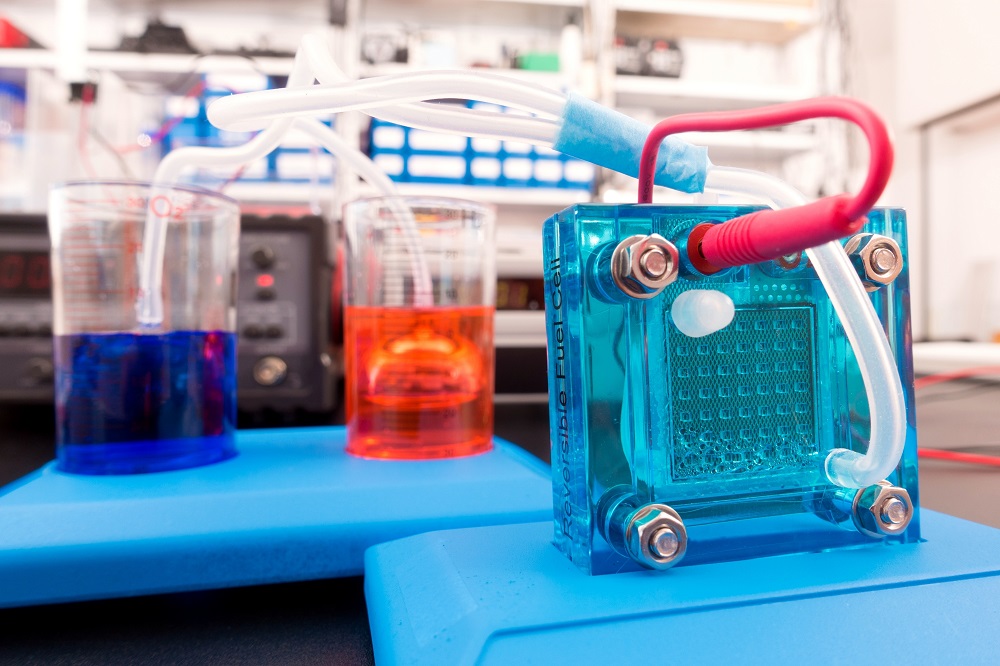
Imagine being able to use noxious Hydrogen sulphide (H2S), a waste material widely found in the UAE oil and gas industry, to generate energy in a clean, sustainable way. A recent Khalifa University PhD graduate, advised by Dr. Giovanni Palmisano and co-advised by Dr. Khalid Al-Ali, investigated this question, researching the best way to produce hydrogen from hydrogen sulphide. By freeing hydrogen—a zero-emissions fuel source—from hydrogen sulphide, the toxic gas becomes harmless and the liberated hydrogen can be used in fuel cells or power plants to generate clean electricity.
But separating hydrogen is not easy—it requires a lot of energy and expensive materials. Existing separation techniques that use catalysts are expensive and limited. Many face challenges with the catalysts’ tendency to become deactivated, rendering the catalyst unable to carry out the required reactions. 
The PhD graduate Habeebllah Oladipo, developed a model to predict the deactivation of a titanium dioxide catalyst and to select the proper operational conditions to avoid this. Oladipo successfully defended his thesis earlier this month and saw his work published in the journal Applied Catalysis B: Environmental
“The current dependence on fossil fuel has led to a huge increase in greenhouse gas emissions,” explained Oladipo. “With the projected increase in world energy demand, alternative energy sources need to be found. Sustainable hydrogen production could be an ideal replacement thanks to its high energy value and environmentally friendly by-products from combustion or use in fuel cells.”
Significant research into powering the world with hydrogen is underway. In particular, research into photocatalysis, a process that involves accelerating a chemical reaction using a zap of light and a catalyst, is being conducted to find the most efficient way to split hydrogen from compounds like water and hydrogen sulphide. In a typical photocatalytic process, a semiconductor-based photocatalyst is irradiated with a specific wavelength of light with energy greater than its bandgap energy, and electrons and holes are generated, triggering a redox reaction – the reaction that liberates hydrogen.
Practical applications of photocatalysis were made possible through the discovery of water electrolysis (the splitting of water) by means of titanium dioxide (TiO2). TiO2 is a highly-stable and non-toxic metal oxide, and can be used in electrochemical photolysis of water when connected with platinum electrodes. Ultraviolet light is absorbed by the former, with electrons migrating from the TiO2 conduction band to the platinum cathode, with hydrogen production occurring at the cathode. 
“Compared to other photocatalysts, TiO2 offers a great range of benefits, such as chemical inertness, photostability, cost-effectiveness, and ease of preparation,” explained Oladipo.
TiO2 photocatalysts produce hydrogen cleanly and efficiently, as an alternative to hydrogen production from natural gas reforming and gasification. This process can be made even more efficient, however, by incorporating a noble metal to increase photoactivity. 
“The quick recombination of the photogenerated carriers poses a challenge for hydrogen generation,” explained Oladipo. “One technique to circumvent this is to decorate titanium dioxide with noble metal nanoparticles such as platinum and gold. Firstly, noble metals drive electrons away from holes by serving as an electron sink, thus minimizing electron-hole recombination. Secondly, they create Schottky barriers, enabling the efficient trapping of the photogenerated electrons available for the reduction of photo-adsorbed reactants to hydrogen.”
“The most common technique employed in the industry for hydrogen sulphide removal from a natural gas stream is scrubbing with an alkaline solution,” explained Oladipo. “My research studied the photocatalytic production of hydrogen following the absorption of hydrogen sulphide in sodium hydroxide aqueous solutions.”
Oladipo’s research showed that under certain reaction conditions, photocatalytic hydrogen generation from hydrogen sulphide can be run consistently without significant loss of activity when using a novel platinum-decorated catalyst layered with TiO2. The results showed that hydrogen production increased linearly with the concentration of bisulfide ionic species until it reached a critical value, after which it declined to negligible levels. This was found to be caused by competition for active site between sulphide and bisulfide ions. Furthermore, reusing the catalyst means this process is more sustainable than previous methods. 
Multiple tests were conducted, with the research concluding that the reaction mechanism primarily involves sulphide ions, which will allow for further optimization of reaction conditions and the future development of pilot reactors for the photocatalytic production of hydrogen from hydrogen sulphide gas.  
Jade Sterling
News and Features Writer
5 May 2020

Khalifa University Researchers Monitoring SARS-CoV-2 Levels in Municipal Sewage to Track COVID-19 Epidemic in General Population

Promising Scientific Process by Researchers to Collect and Analyze Wastewater Samples for Levels of SARS-CoV-2 Multiple Times a Week for Rest of the Year and Even Beyond if Required 


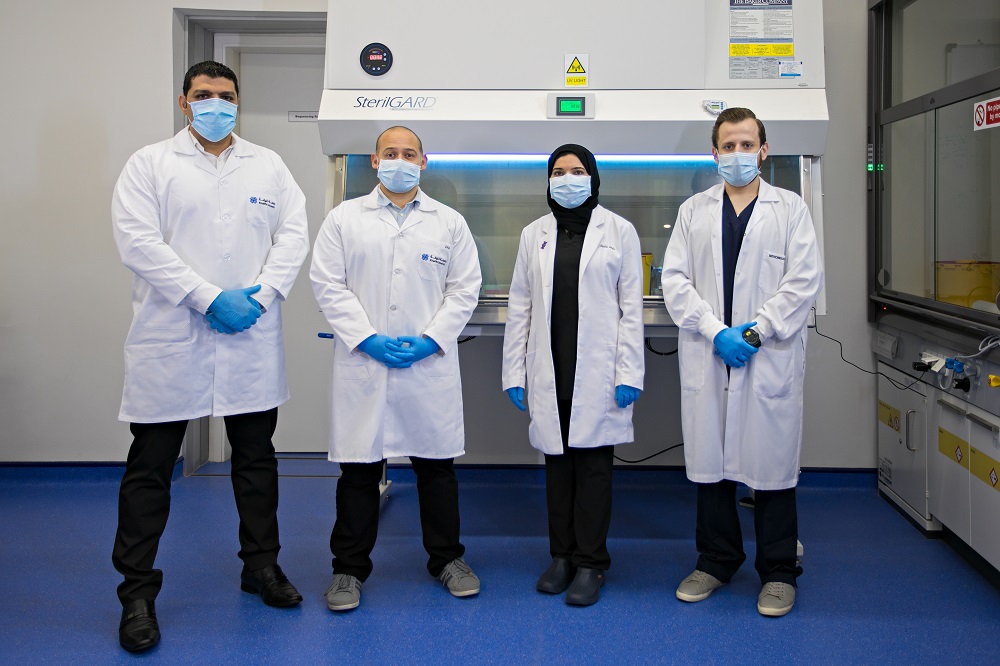
Khalifa University of Science and Technology today announced researchers from its Center for Biotechnology (BTC) and the Center for Membranes and Advanced Water Technology (CMAT), in collaboration with other stakeholders are working together on a project for the surveillance of SARS-COV-2 viral load in municipal wastewater, as a method for early detection and tracking the spread of COVID-19 in the general population.


Studies indicate that people infected with SARS-CoV-2, including asymptomatic individuals, shed virus through human waste. Since the levels of SARS-CoV-2 in wastewater should mirror the number of detected infections in the population, testing a municipal wastewater sample will tantamount to essentially testing everyone who has contributed to that sample – in other words a way of mass testing.


The experiments have been successful, demonstrating Khalifa University’s preparedness in supporting the country’s measures against fighting COVID-19 through surveillance of the virus in wastewater.


Dr. Arif Sultan Al Hammadi, Executive Vice-President, Khalifa University, said: “Thanks to the wise leadership, the UAE has always supported global-standard scientific research activities at Khalifa University in order to achieve the most innovative solutions, while initiating appropriate measures to fight the COVID-19 pandemic. Through this research, Khalifa University aims to establish a surveillance system for COVID-19 in municipal wastewater streams, linking it with simulation models developed for predicting and controlling the spread of the pandemic, together with the health authorities.”


The project is led by Dr. Ahmed Yousef, Assistant Professor of Chemistry, Dr. Shadi Hasan, Associate Professor of Chemical Engineering, and Dr. Habiba Alsafar, Acting Associate Dean for Student Affairs, College of Medicine and Health Sciences, Associate Professor at the Department of Genetics and Molecular Biology, and Director of Khalifa University Center for Biotechnology. Dr. Alfaro Lopes, expert in Toxicology and Epidemiology in wastewater, was also collaborating with them, along with Hussein Kannout, Research Associate in the BTC at KU.


Once further studies assess the levels of SARS-CoV-2 found in COVID-19 patient fecal samples, scientists will be able to construct a model that estimates the total number of symptomatic and asymptomatic people in the population based on the levels found in wastewater.


Clarence Michael
News Writer
3 May 2020

SDP Success for Students Aiming to Make Shipping Transparent and Secure

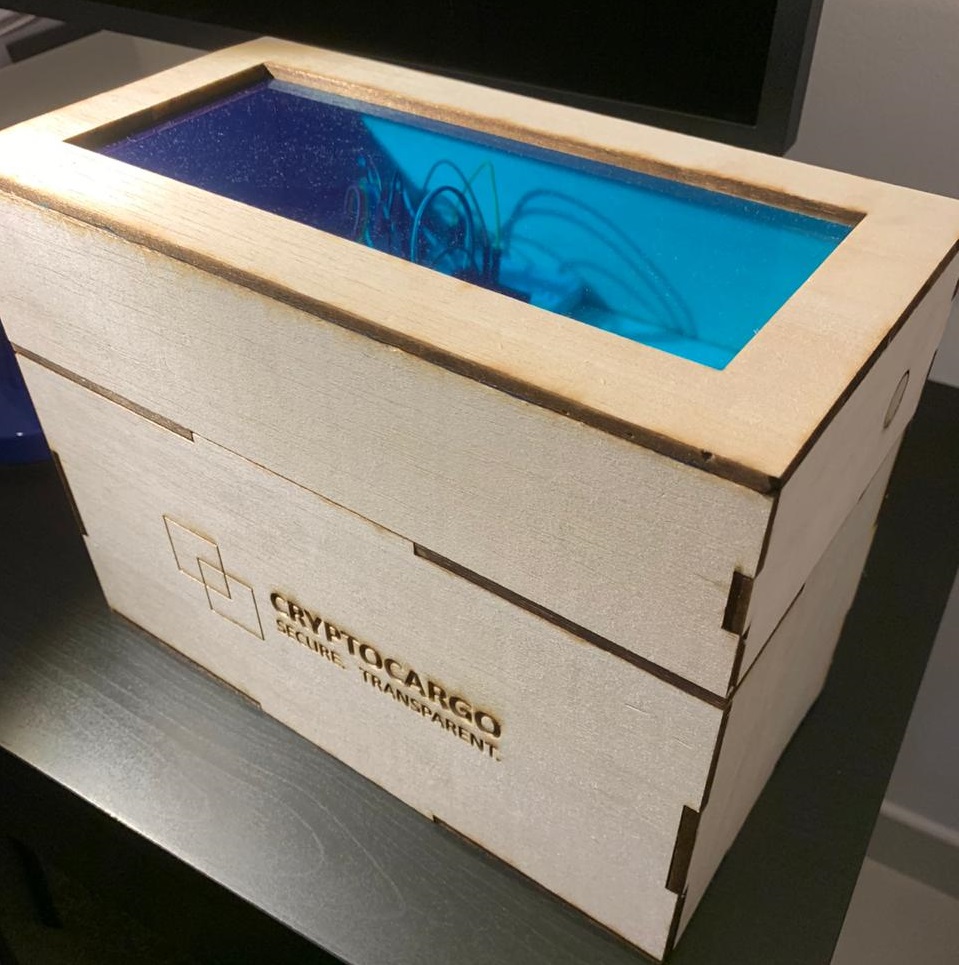
A senior design project from students in Khalifa University’s Department of Electrical Engineering and Computer Science is seeing huge success with real commercial application after winning two prestigious competitions. Senior students Abduraouf Hassan, Omar Al Mansoori and Omar Al Khoori developed a blockchain-powered smart container, called ‘CryptoCargo’, to provide real-time insights and increased transparency throughout the shipment process. Dr. Khaled Salah was their faculty advisor.


CryptoCargo was announced among the 15 winning projects in Zayed University’s Undergraduate Research Conference on Applied Computing 2020 from a total of 168 submitted. It also saw success in Dell Technologies’ Envision the Future Competition, shortlisted among the top 25 projects in the MENA region from a total of 227 projects submitted. CryptoCargo has reached the final stages of the Dell Technologies Competition and the team are looking forward to the next round.


“The CyrptoCargo project tackles the problems stakeholders encounter when damage is caused to their shipments,” explained Hassan. “Our blockchain-powered smart container aims to provide an enhanced supply chain management experience by offering real-time insights and increased transparency throughout the shipment process.”


As a shipment moves through its journey, it is susceptible to damage caused by extreme temperature ranges, humidity levels, light conditions, or passing through radiative environments. For shipments needing a temperature-controlled supply chain, housing sensitive items such as medical products, chemicals, radiative materials, meat or dairy products, for example, it is even more important to ensure the safeguarding and wellbeing of the cargo’s integrity. By continuously monitoring various metrics, stakeholders can be immediately alerted in case any abnormalities are detected. More importantly, all the data collected needs to be securely stored and made available at all times to the user, in a transparent format that eliminates any attempt at collusion, mistrust or data tampering between the involved parties.


“The CryptoCargo container is designed to monitor, track, alert, and securely store data readings pertaining to temperature conditions, container integrity, and position tracking,” explained Hassan. “Refined data is pushed to an always available cloud server, while violations are stored on the blockchain. Users can then access their shipment status from the frontend decentralized apps.


“The real-time monitoring of the shipment paves the way for more efficient shipments and reduces the likelihood of fraud. Storing violations on the blockchain’s immutable ledges provides an irrefutable guarantee of shipment quality, hence ensuring the integrity and resiliency of the data stored. It uncovers the truth of a shipment’s status, eliminates any possibilities of collusion to alter a shipment’s data, and diminishes any possible disputes between stakeholders.”


CryptoCargo is a unique and promising solution that showcases how the Internet of Things, the Cloud, and Blockchain technologies can work in harmony to solve real life challenges.


Jade Sterling
News and Features Writer
29 April 2020

KU Students Showcase Their Culinary Skills in Home Cooking Challenge

Being in quarantine can take a toll on us and keeping busy can help take our minds off stress and worry. To make the most of social distancing, the University Campus Life and Student Life departments organized the “Taste Budz Healthy Cooking Challenge,” a home cooking competition for KU students to promote healthy eating while we are all in quarantine. 
Students were encouraged to come up with their own recipes that incorporate healthy and nutritious ingredients. Participants submitted 10-minute videos of themselves showing the entire preparation process of their dishes with clear and complete instructions. The dishes were judged by representatives from the Campus Life and Student Life teams based on creativity, preparation, and of course, presentation and plating. 

Dhalia Hassan, a BSc Biomedical Engineering student, beat all the other aspiring chefs and won first place for her Zero Carb Pasta dish. Syed Sajil, a PhD student of Material Science & Engineering, came in second place with his Dahi Murgh (Chicken Yogurt) dish. The winners each received Amazon e-gift cards. 

The competition was a fun way to show the talents of KU students outside the classroom and at the same time highlight the importance of maintaining a healthy and well-balanced diet while in quarantine. 
Ara Cruz
News Writer
29 April 2020

Combating coronavirus: Over 58 UAE studies seek to develop Covid-19 treatment, faster tests

More than 58 studies are being conducted in the UAE to understand the nature of Covid-19 and develop innovative treatments, as well as diagnostic devices and medical tools, a top official said.

The spokesperson also highlighted how the joint efforts of a number of UAE research centres are seeking to shed light on the genetic factors that may be affecting the severity of infections among patients in the country.

Among these centers are the Khalifa University (KU), UAE University (UAEU), Sharjah University, and the health departments of Abu Dhabi and Dubai, as well as the University of Western Australia and Al Ain Centre for Fertility.

Read full story here: https://www.khaleejtimes.com/coronavirus-pandemic/combating-coronavirus-over-58-uae-studies-seek-to-develop-covid-19-treatment-faster-tests-

Public-Private Partnerships and Their Role in Managing and Preparing for Emerging Infectious Diseases: Portraying Covid-19 and the Future

Collaboration between public and private entities is more important than ever to a world battling a pandemic and to helping to prevent future global health catastrophes.
While governments have been deploying different methods to respond to the Covid-19 pandemic as efficiently as possible, scientists and researchers are making the most of expediated resources to tackle the virus. In only a few weeks, dozens of partnerships have formed to combat the coronavirus, but for these to succeed, understanding the complexities of public-private partnerships becomes crucial. 
A collaborative research team featuring Dr. Vijay Pereira, Associate Professor of Humanities and Social Sciences at Khalifa University, has published an article in the Academy of Management Perspectives journal to examine how a multi-stakeholder strategic partnership approach can help avoid a catastrophe caused by emerging infectious diseases.
“The extent and impact of neglected diseases has been well documented in the public health and medical science literature,” explained Dr. Pereira. “However, from a strategic management and organizational perspective, there is a gap in understanding the complex relationships that underpin Product Development Partnerships – a type of partnership formed to develop pharmaceutical solutions for low and middle income countries.”
Dr. Pereira co-authored the article with Dr. Yama Temouri, also of Khalifa University, Dr. Swetketu Patnaik of Anglia Ruskin University, and Dr. Kamel Mellahi of the Dubai Chamber of Commerce. 
“The evolving pandemic caused by the novel coronavirus is an illustration of the lack of effective drugs leading to catastrophic consequences,” said Dr. Pereira. “Additionally, the World Health Organization identifies antimicrobial resistance as one of the greatest threats to global health. The resistance to existing classes of antibiotics, combined with greater incidences of emerging infectious diseases, necessitates the need for faster development of new and effective drugs.”
Developing new medications is a collaborative effort involving a wide range of actors and stakeholders. Public-private partnerships (PPPs) are considered crucial in addressing the challenges associated with medical research, and although they are hardly a new phenomenon, these arrangements have gained momentum since the 1993 call from the World Health Assembly to mobilize and encourage support from various partners to address global health challenges. 
The collaborative relationships mostly include governmental agencies and intragovernmental organizations (such as the World Health Organisation (WHO) as public actors, and university and research institutes, commercial pharmaceutical companies and professionals as private actors. While Product Development Partnership (PDPs) are formed to create new medicines, ‘pre-competitive PPPs’ are formed to generate novel scientific concepts and infrastructure by pooling complementary expertise and knowledge, and sharing the rewards. 
“Notwithstanding the increasing formation of PPPs in general and PDPs in particular, and their significance in the global health system, there is a gap in the strategic management and organizational literature on the phenomenon,” explained Dr. Pereira. “We agree that PDPs are a critical mechanism to address the deficiency of necessary drugs for many diseases, particularly the ones that affect the poorest countries the most. 
“We wanted to identify the importance of PDPs in the development of new drugs for emerging infectious diseases and also identify the key stakeholders, their relationships and levels of dependencies through the resource dependency lens. We found complex interrelationships between various stakeholders and discovered that power, trust, and governance are key challenges in this area.”
A significant number of PDPs emerged in the late 1990s in response to a growing concern over the lack of new drugs for so-called neglected diseases—those diseases that predominantly affect people in low and medium income countries. Many pharmaceutical companies had gradually disengaged from developing new drugs for tropical diseases by the 1980s, primarily due to the lack of any health insurance system and the reduced ability of the users in these countries to afford and pay for the medications. 
“As a direct result, between 1975 and 1999, only 13 new drugs were developed for neglected diseases, and almost all these new drugs were essentially either combinations or extensions of existing drugs,” explained Dr. Pereira. 
The first two PDPs—the International AIDS Vaccine Initiative and the Medicines for Malaria Venture—were established in the late 1990s, with support from the Rockefeller Foundation, the WHO Special Programme for Research and Training in Tropical Diseases, the United Nations Development Programme, and the World Bank. Since then, PDPs have transformed the R&D landscape for neglected diseases. More than 300 organizations from private and public sectors are currently engaged in the development of a combined pipeline of 374 drugs and vaccines for 23 neglected diseases. 
“We’re now seeing the rapid formation of PDPs to develop new vaccines for the novel coronavirus,” added Dr. Pereira. “In this context, PDPs function as ‘system integrators’ in the sense that they facilitate the development of new drugs by bringing together the expertise of different stakeholders in the broader health innovation ecosystem. They work towards generating funds from key funders and tap into the knowledge base of partners from academic, public and private sector organizations and various international agencies to leverage each other’s strengths towards a common goal.
“The coronavirus pandemic puts new urgency on understanding the complexities of public-private partnerships so these critical collaborations can operate at peak efficiency.”
For these partnerships to succeed, the interrelated partners need to trust each other. Funders must trust the staff to find the right scientific and operational partners without micromanaging simply because they are providing the funds. Sharing the power in the relationship can also help PDP staff and governing boards function better. 
The team now plans additional research in the area of shared risk, such as the current Covid-19 situation, where the Bill & Melinda Gates Foundation have invested in PDPs and factories, with a hope that only two of these may succeed in the required 18-month period.
“In the current global health crisis, risk taking needs to increase,” said Dr. Pereira. “The question now is how should parties be rewarded for their diligent efforts on treatments or vaccines if they fail? This is to be expected in any scientific exploration, but pandemics mean delays need to be avoided. The need for treatments and vaccines to be affordable places another burden on these partnerships that are already complex.”
Most importantly, the research team hope their findings highlight the need for better worldwide preparedness in the future. 
“We can’t wait and go from one disaster to the next.”
Jade Sterling
News and Features Writer
28 April 2020

Khalifa University Contributes Chapter on Role of Technology Transfer in Accelerating Innovation and Entrepreneurship in the Arab World Universities

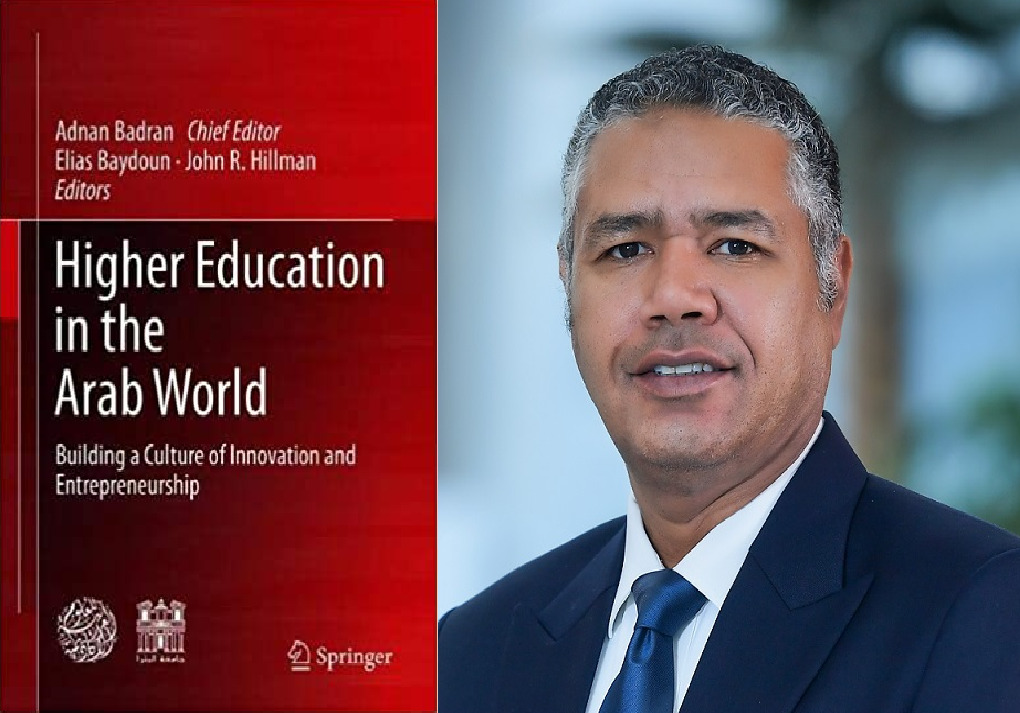
Dr. Sami Bashir, Director of Technology Management and Innovation at Khalifa University, has contributed a chapter on the role of technology transfer in Arab universities in a new book titled Higher Education in the Arab World: Building a Culture of Innovation & Entrepreneurship.

The 17-chapter book is being published by Springer, one of the leading international science and technology publishers, and will be available in bookstores in May.

According to the book’s synopsis (as published on Springer’s website here), “it offers the first major account of innovation and entrepreneurship in the Arab higher-education sector. It provides an overview of the current situation and advances reasons for the under-performance of Arab universities in international ranking tables. It offers specific proposals for upgrading curricula and assessment procedures and suggestions for providing an environment that fosters innovation and entrepreneurial behavior.”

The book’s editors include Dr. Adnan Badran, Chancellor of the University of Petra, Dr. Elias Baydoun, Professor of Biology at American University of Beirut, and Dr. John Hillman, Advisor to the Arab Academy of Sciences and Former Director and Chief Executive of the Scottish Crop Research Institute (SCRI). They identified the need to improve technology transfer capabilities in Arab universities as an important way to build the region’s knowledge economy and accelerate innovation and an entrepreneurial ecosystem.


As the Director of KU’s Technology Management & Innovation Office, Dr. Bashir was invited to contribute the chapter titled “Imperatives to Achieve a Successful Technology-Transfer Model: A Perspective from the Arab World.”

In it, Dr. Bashir acknowledges the increasing emphasis the Arab world is placing on the need to transform university research outputs into technologies that can benefit society. He discusses the importance of identifying an effective technology-transfer model, as intellectual property can be pivotal to building open innovation, industry/university research partnerships and collaboration that can support the development of innovations throughout the Arab world, which he describes as diverse.

“Universities in the Arab world operate differently, but they face some common challenges in developing a working technology-transfer model and innovation ecosystem,” Dr. Bashir explained. “Challenges such as intellectual-property laws, policies, and progressive research partnerships are addressed, and I tried to offer recommendations on how these challenges can be addressed.”

Dr. Bashir presents a few case studies to demonstrate the different and effective technology-transfer models that have been adopted in the Arab world, including Khalifa University’s tech-transfer model.

“Khalifa University has a clear technology transfer and innovation strategy focusing on maximizing the benefit of our diversified patent portfolio through innovation and licensing to our industry partners or startups. As KU, we are already considered as one of the top universities in UAE in terms of patents number, but most importantly, leading best practices in university technology transfer and innovation,” Dr. Bashir shared. Khalifa University recently licensed two of its patented technologies to Emirati startups  ‘Advanced Research Projects’ and ‘Beyond Energy Biofuels.’

Dr. Bashir has made a striking case that technology transfer should be made as a priority, and creating successful technology transfer models that can be adopted by universities across the Arab world will significantly bolster the region’s innovation and entrepreneurial ecosystems.

Erica Solomon
Senior Editor
26 April 2020

Prayer and Altruistic Desire as Predictors of Happiness

Dr. Michael Babula, Assistant Professor of Psychology at Khalifa University, presented his work on prayer and altruistic desire as predictors of happiness in a virtual seminar for the International Psychological Associations Conference and Trends (InPact) 2020 on 25 April. In a comparative study of four countries, Dr. Babula investigated the positive mental health benefits of prayer versus using religion for altruistic purposes.

“With the significant rise of psychological disorders worldwide, psychologists are searching for a toolkit that would help create psychological immunity to mental illness,” explained Dr. Babula. “My research suggests that societies which value collectivism, such as Turkey and India, glean mental health benefits in that prayer significantly predicts happiness.”

“People throughout history have turned to religious activities in seeking happiness. Two emerging themes in the literature is that prayer and altruism may predict happiness.”

One prior study reported that people who were ‘other-focused’ as opposed to ‘self-focused’ during meditation had lower depressive symptoms, maladaptive guilt, anxiety, and empathetic distress. Another found that loving-kindness meditation—a technique to show feelings of warmth and caring for the self and others—produced greater positive emotions which predicted greater life satisfaction and lower depressive symptoms.

Dr. Babula’s work investigated whether prayer or the desire for altruistic action would predict greater levels of happiness. He selected four countries to compare: the United States, Thailand, India, and Turkey. These countries were selected in an attempt to explore possible differences based on representations of the world’s major religions.

“Although the USA has separation of church and state, the USA sample contains participants from across the religious spectrum,” explained Dr. Babula. “The other countries under investigation have religious majorities: Buddhism in Thailand, Hinduism in India, and Islam in Turkey.”

A comparative analysis of data from wave six of the World Values Survey—a global network of social scientists studying changing values and their impact on social and political life—was used to evaluate the hypothesis. Participants in the analysis were asked how often they prayed, whether they would say they were happy, and whether they thought the basic meaning of religion was to follow religious norms or to do good to other people.

The data from the surveys conducted found that prayer significantly predicts greater happiness in India and Turkey, and the desire to use religion to do good for others also significantly predicted happiness for respondents in India. The use of religion to do good for others did not significantly predict happiness for the other countries under investigation.

One assumption is that the sense of collectivism and importance shown towards others in India and Turkey effects levels of happiness.

“In other words, people in collectivist cultures who value strong social bonds are more inclined to pray for others such as their family or members of the community rather than for the self, increasing wellbeing and positive emotions,” explained Dr. Babula.

Collectivism provides some insight as to why prayer in India and Turkey predicted happiness compared with the USA, which values individualism. However, Thailand is a collectivist culture where the majority of the population follows Buddhism, but in Thailand, prayer did not significantly predict happiness. Researchers have previously noticed that while more Thai youth pray, there has been a shift away from the belief in ‘the law of Karma that influences the consequences of one’s deeds.’ While collectivism strengthens in India, its untethering in Thailand might be one reason why prayer is not a predictor of happiness, although more data is required.

“It appears that attitudes to use religion to do good for other people was not a predictor of happiness, except for in India, but the size effect was rather weak for that country,” said Dr. Babula. “Of course, I am undertaking follow-up research to this study by examining actual altruistic action as part of a larger study. I strongly suspect that while attitudes do not always reflect behaviour, those engaged in altruistic activities are likely to obtain mental health benefits.”

“I have been studying altruism and pro-social behaviour for much of my career. Currently, I’m undertaking a funded research project to investigate the relationship between altruism, resiliency, and happiness. These are critically important topics, especially during the current Covid-19 crisis, where it will be a top priority for social scientists worldwide to try to help people avoid dips in subjective wellbeing.”

Dr. Babula’s research will also become a chapter in the current volume of Psychological Applications and Trends, to be published later this year.

Jade Sterling
News and Features Writer
28 April 2020