KU Research Scientist Recognized as One of the Most Influential Researchers Worldwide by Clarivate

Dr. Yaqoob joins an elite of researchers setting the pace for fresh and pioneering research.


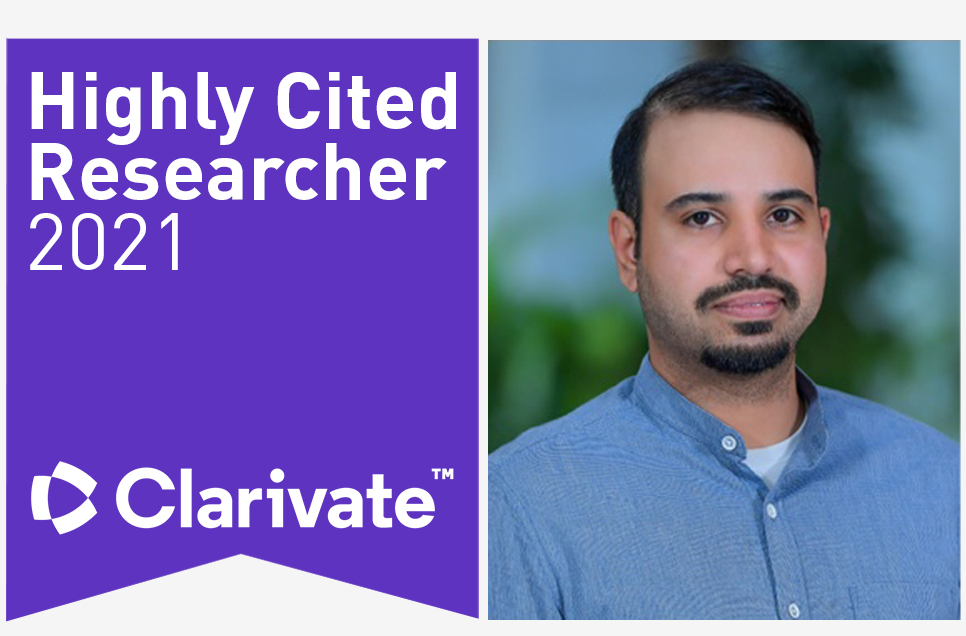
Dr. Ibrar Yaqoob, Research Scientist in the Electrical Engineering and Computer Science Department at Khalifa University, has been listed as one of the most influential researchers in the world by Clarivate.  


Clarivate’s Highly Cited Researchers List 2021 recognizes researchers for their contributions to innovation in science, social science, and citation analysis. The list highlights the most influential researchers who have published multiple papers frequently cited by their peers and have ranked in the top 1% of citations in their field in the Web of Science in the last decade, from 2010-2020. 


Being included in the list is a huge achievement, especially at such a young age. Dr. Yaqoob, 32, notes, “Being acknowledged as a highly cited researcher worldwide based on scientific achievements by Clarivate-Web of Science less than five years after PhD graduation is truly a great honor and an immense pleasure. It is also a worldwide recognition for my research team, which is led by Prof. Khaled Salah.”


Dr. Yaqoob has been conducting cutting-edge research in the fields of Mobile Edge/Cloud Computing, Big Data, IoT, Blockchain, and Computer Networks. Life of a researcher requires a lot and he has devoted his time, intellectual effort, technical skills, commitment, and even conceded personal sacrifices to ensure his work consistently demonstrates relevant and innovative research. 


“I encourage the KU community to conduct research on hot topics and publish their findings in prestigious venues on time. Time and publication venues are two key factors. To think out of the box, it is important to have a deep understanding of what is already inside the box. This can only be achieved if one has a good understanding of the coursework,” Dr. Yaqoob advised. 


“I encourage KU students to pay careful attention and full devotion to the coursework as it will lead them from the known to the unknown–research problem. Research collaborations with influential researchers and domain experts are equally important as they can lead to combining expertise and resources that assist in solving bigger and more complex scientific problems,” he added. 


Clarivate provides insights and analytics to accelerate the pace of innovation. Its Highly Cited Researchers are from more than 1,300 institutions all over the world, promoting recognition and support for these research institutions as they evaluate and plan their strategies to accelerate the advancement of their research programs. 


Ara Maj Cruz
Creative Writer
13 January 2022

Dr. Hanane Lamaazi Wins Community Award at the WomenTech Global Awards 2021

The WomenTech Global Awards is the biggest event that gathers women working in tech. This year, 1,712 candidates from 151 countries competed in 16 categories. 


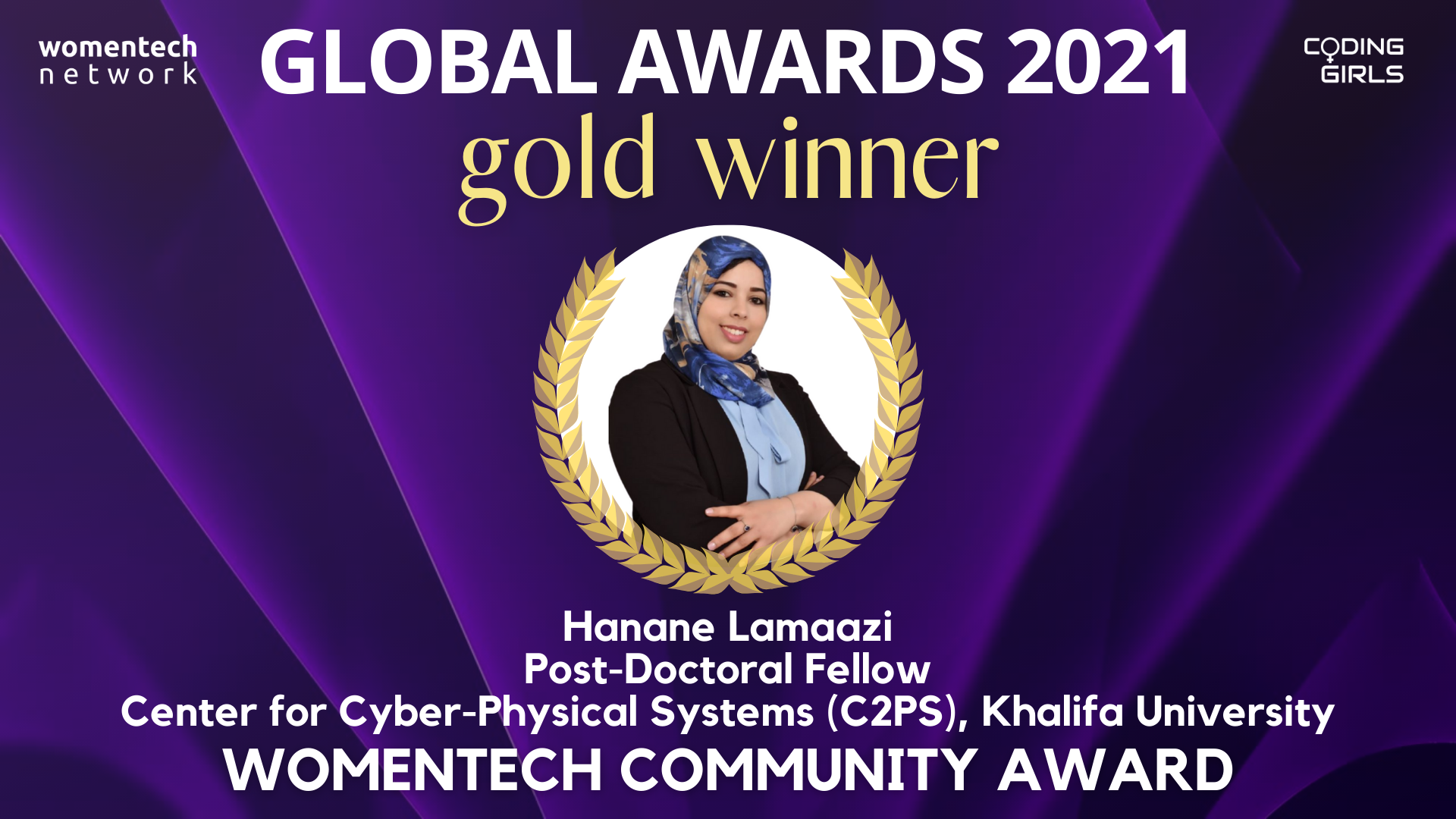
Postdoctoral Fellow Dr. Hanane Lamaazi of Khalifa University’s Center for Cyber-Physical Systems (C2PS) was one of the amazing women recognized at the WomenTech Global Awards 2021. The event was organized by the WomenTech Network, the world’s largest community for women in tech with more than 5,700 ambassadors worldwide. 


Dr. Lamaazi received the Gold Award in the category WomenTech Community Award (Public Vote) where she was voted #3 in the “Global Top 10 Community Award”, #3 in “Global Top 5 Unique Profile Engagement”, and top 2 in “Global Top 5 LinkedIn Engagement”. This award is in recognition of her outstanding contribution and engagement with the WomenTech Community. It also acknowledges her work and role as a valued scientific researcher in the field of Internet of Things (IoT) and emerging technologies such as artificial intelligence (AI), crowdsensing, and edge computing. 


The WomenTech Global Awards is held every year following the Women in Technology Conference, the flagship event of the WomenTech Network. The conference is considered the world’s largest for women in technology and the awards highlight and celebrate the contributions of women, minorities, and their allies working in the tech industry.  


Anna Radulovski, WomenTech Network CEO & Founder, said, “After the WomenTech Global Conference 2021, we received tons of positive feedback, many sharing about their hardships with uncertainty, job security, and work-life balance while working remotely and how the community inspired them to overcome them. We understand the value of recognizing small and major victories while simultaneously adjusting to a digital-first environment. This is why we wish to shine a light on accomplished and aspiring female tech leaders, as well as allies, who are working toward a more equitable and inclusive world.” 


Dr. Lamaazi is a distinguished and prolific researcher who has received international attention from the scientific community. She has on her credit more than 20 research articles in international journals and refereed conference proceedings. Her work has more than 400 citations on Google Scholar and more than 300 citations on Scopus, with an H-index of 10. Dr. Lamaazi has worked and co-authored papers with highly reputed scientists in the field of computer science and computer networks.  She provides exceptional support to new researchers for both Master’s and PhD students by offering her expertise in research and academic writing skills. She is also a reviewer for some of the top scientific journals namely, Ad Hoc, IEEE Sensors, IEEE Access, ComCom, ComNet, and IJCS. 


Her most recent article, published in the Future Generation Computer Systems journal, stems from a project she led at t KU’s Center for Cyber-Physical Systems. Her recent research is focused on deploying emerging technologies. In collaboration with her team, she proposed a new data-driven framework that integrates an engine for data assessment. The framework deploys smart mobile edges as decision-makers where the selection of workers, in a heterogeneous mobile crowdsensing (MCS) environment, is based on their outcomes and the requested task requirements.  


Regardless of the challenges in her personal and professional lives, Dr. Lamaazi’s mission is to help women and girls, especially in the tech community, harness their talent and intellectual prowess so they can positively affect their society. “Be deaf, blind, and keep silent to all the negativity around you. Work hard, write your own story in your own way, and let your success define the fighter you are. At the end, it’s earned, not given,” Dr. Lamaazi advised. 


To know more about the WomenTech Network, visit their website https://www.womentech.net/


Ara Maj Cruz
Creative Writer
13 January 2022

Dr. Lourdes Vega Joins Emirates Scientists Council as New Member

Dr. Vega is also appointed to lead the newly formed Engineering and Technology Advisory Board.


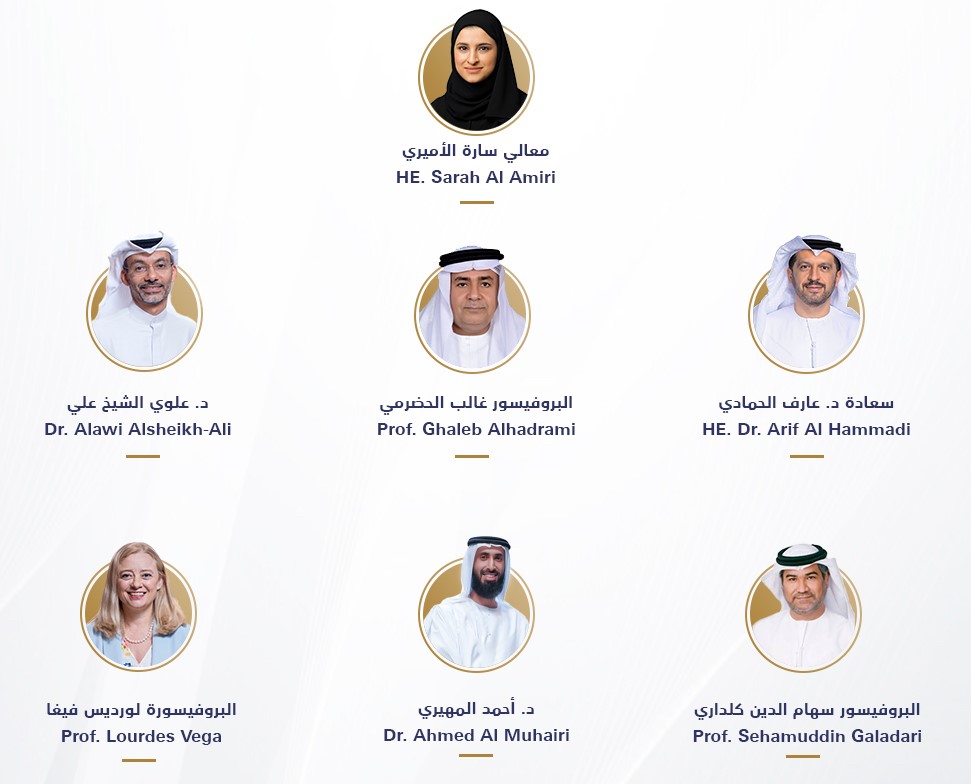
Khalifa University’s Dr. Lourdes Vega now joins the prestigious Emirates Scientists Council (ESC) as a new member. Since its establishment in 2016, the Council has been working in transitioning the UAE from knowledge user to knowledge developer, positioning the country as a destination conducive to scientific research and innovation.  


“I feel very honored and excited to be a member of the Emirates Scientists Council (ESC). As members of the ESC, our duties include, among others, suggesting policies that would create a stimulating environment for innovation and research in order to attract and retain a generation of scientists in various fields, providing scientific advice to the Council of Ministers when required, raising nationally and internationally awareness above the science and technology developed in the country, and effectively establishing collaborations between the public and private sectors to make an impact in the economy and well-being of the country,” Dr. Vega commented about her appointment. 


“Hence, being a member of the Council comes with a great honor and responsibility, as it implies being fully engaged in such an important endeavor. I deeply thank HE Sarah Al Amiri and the Council of Ministers, for allowing me to be an active part of the present and future knowledge-based economy and society of the Country, while contributing to attract the next generation of talented scientists and engineers to be part of the joint effort,” she said. 


Aside from being a new member of the ESC, Dr. Vega is also leading the ESC Advisory Board on Engineering and Technology. The Board was created to support and advise the federal government in matters related to science and technology research and policy to further advance in this direction. 


“It is clear that research and innovation in engineering and technology has already played a key role in the advancement of the Country, and it is expected to have a huge impact in the development of the society of knowledge the Emirates is building, and our quality of life. The Board, led by myself as a member of the ESC, is integrated by a selected team of scientists and experts in their specific fields of science from different universities and institutions in the Emirates, which will work together to accomplish our mandate,” she explained. 


The Board and the Council will work hand in hand in developing the engineering and technology talent pool in the UAE. Part of this is to develop programs to entice the younger generation to become engineers and entrepreneurs. The Board will also actively promote collaborations between public and private research institutions focused on engineering and technology. Describing further the Board’s role and objectives, Dr. Vega said: “We want institutions to go beyond and above individual achievements. Part of our role is to also highlight, nationally and internationally, the impact engineering and technology research and innovation developed here in the Emirates has on the economy and the society.  As a Board, we will propose and develop different initiatives in all these areas, including mapping the current capabilities and interests aligned with the needs of the country, successful stories, international practices, different collaborations, etc. This is a very exciting task where many scientists and engineers in the Emirates can also contribute.”


Dr. Vega is a Professor of Chemical Engineering and the Director of the Research and Innovation Center on CO2 and Hydrogen (RICH) at Khalifa University. She is an internationally recognized leading authority in her field of molecular thermodynamics, clean energy, and sustainability, now focused on hydrogen production and uses, CO2 capture and utilization at large scale, alternative fuels and sustainable cooling systems. Aside from her new appointment as member of the ESC, Dr. Vega is also a member of the Mohammed Bin Rashid Academy of Sciences (MBRAS). In 2020, she was recognized for her work and expertise in sustainability and clean energy and was awarded the Mohammed bin Rashid Medal for Scientific Distinguishment. 


“As mentioned, I feel very honored for being a member of the Emirates Scientist Council; I came to the Emirates several years ago with the goal to leverage my expertise and knowledge in science and technology for the needs of the country. The dream has come true; now I have an additional responsibility to do it from above, which I am happy to take. Serving is my goal. Paraphrasing the great scientist Isaac Newton, ‘If I have seen further it is by standing on the shoulders of giants’.”


Dr. Vega added, “Being a KU faculty and a member of the ESC reinforces how the country values our knowledge, skills and impact. I would like to remind the KU community that as an institution we have the honor and the responsibility to contribute to the knowledge-based society the country is building, and the role of each of us is equally important to accomplish it. In spite of the difficulties that we may find in our daily tasks, the efforts are worth, as any scientific or technological achievement, big or small, is part of our contribution to the present and future of the country. The better we work together, the higher the impact we can achieve as an institution. In addition, as an educational organization, we are very lucky to have the opportunity to help young talented scientists and engineers to follow their dreams.”


Ara Maj Cruz
Creative Writer
13 January 2022

Dry reforming of methane research published in Applied Catalysis B: Environmental

Dr. Kyriaki Polychronopoulou, Professor of Mechanical Engineering and Director of the Center for Catalysis and Separations (CeCaS) at Khalifa University, and her research group have recently authored a paper on dry reforming of methane that was published in the prestigious journal Applied Catalysis B: Environmental, with an impact factor of 19.5 (Elsevier, Q1).


The KU research group was led by Dr. Polychronopoulou  and included Aseel Hussien, PhD Student, Dr. Aasif Dabbawala, Postdoctoral Fellow and co-advisors Dr. Maryam Khaleel, Assistant Professor of Chemical Engineering, and Dr. Dalaver Anjum, Assistant Professor of Physics. This work was the result of a fruitful collaboration with the University of Cyprus team led by Prof. A.M. Efstathiou. 


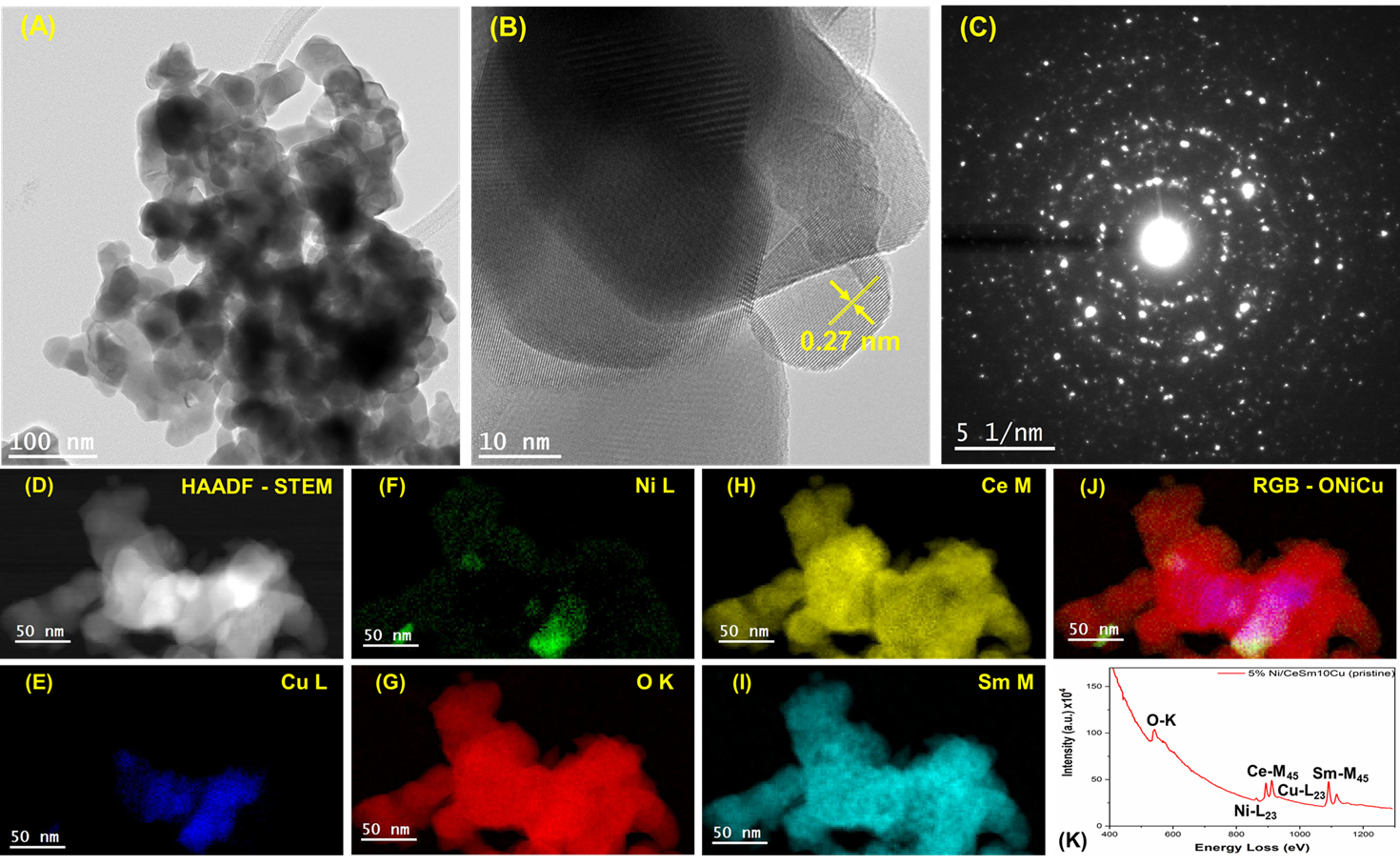
The paper, titled “Elucidating the role of La3+/Sm3+ in the carbon paths of dry reforming of methane over Ni/Ce-La(Sm)-Cu-O using transient kinetics and isotopic techniques” highlights the different effects of the presence of dopants such as La3+ and Sm3+ heteroatoms in the performance of a Ni catalytic system towards the dry reforming of methane (DRM) reaction.


Emphasis is given on the carbon deposition and their removal reaction paths in the dry reforming of methane (DRM) at mid-high temperature (750 °C) utilizing transient kinetic and isotopic experiments.


Coke deposition is the most critical challenge for DRM reaction and the bottleneck for its industrialization.


The role of lattice oxygen is highlighted, especially when it comes to the deposited carbon oxidation by lattice oxygen of support and that by oxygen derived from CO2 dissociation under DRM reaction conditions; both rates were quantified.


Ni nanoparticles (23-nm) supported on La3+-doped catalyst exhibited at least 3 times higher initial rates of cleaning the surface through carbon oxidation to CO by lattice oxygen, and ~ 13 times lower rates of carbon accumulation than Ni (18-nm) supported on Sm3+-doped catalyst.

The concentration and mobility of labile surface oxygen at the Ni-support interface region seems to correlate with carbon accumulation.


Another important finding was the in situ formation of Ni-Cu nano-alloy as Cu from the support was found to diffuse under reaction conditions to the metal-support interface and being alloyed with Ni. This was found to be partly responsible for lowering carbon deposition and increasing carbon oxidation rates to CO.

CeCAS Researchers share CO2 Conversion and Dry Reforming of Methane at MRS Fall 2021

Dr. Kyriaki Polychronopoulou, Professor of Mechanical Engineering and Director of the Center for Catalysis and Separations (CeCaS) at Khalifa University, and her research group successfully participated in the Materials Research Society (MRS) Fall 2021 Meeting in Boston, Massachusetts, USA, which was held from 29 November till 2 December 2021.


The MRS conference is an international platform for materials research that brings together researchers from fields of chemistry, biology, physics, and engineering. Among the eminent keynote speakers at the conference was Sir Fraser Stoddart, 2016 Nobel Prize in Chemistry.


The work of two KU PhD students from CeCAS was presented in the conference.  Ayesha Alkhoori presented her research on developing catalysts for CO2 conversion to fuels. Her talk was titled “Development of Composite Dual Functional Catalysts and Mechanistic Insights for CO2 Methanation Reaction.” This research investigated Ni-based catalysts with composite supports which were thoroughly studied in terms of their physicochemical properties as well as the reaction mechanistic pathways. The latter is focused on understanding the reaction mechanism of CO2 hydrogenation using Operando SSITKA-DRIFTS technique. Understanding the governing mechanism is a key to the rational design of highly efficient catalysts.


Aseel Hussien delivered a presentation on her work titled “Elucidating the role of dopants in the carbon paths of dry reforming of methane over Ni catalysts using transient kinetics and isotopic techniques.” Her fundamental work elucidates the carbon formation pathways under realistic reaction conditions. In particular, emphasis is given to decouple the contribution of CO2 and CH4 decomposition on the surface of the catalyst and the relative contribution of each reaction towards coke deposition on the catalyst surface. Coke deposition is one of the main challenges of the dry reforming of methane reaction and the bottleneck of its industrialization.  


ISYE Department Now a Member of the Council of Engineering Systems Universities (CESUN)

Khalifa University’s Industrial and Systems Engineering (ISYE) Department joins other prominent international universities as it becomes a member of the Council of Engineering Systems Universities (CESUN). The CESUN is an organization of more than 50 universities from North America, Europe, Asia, and Australia. It was established in 2004 by top-ranked universities from around the world that offer educational and research programs in Engineering Systems. Among the member universities are MIT, Georgia Tech, Carnegie Mellon University, University of Tokyo, and Cambridge University. Khalifa University is the first from the MENA region to join the Council. 


One of the missions of KU’s ISYE Department is to prepare its students for the challenges that they will be facing in the 21st century. “The great achievements of the past century have led to the development and growth of large systems that are complex and require a new set of skills to grapple with them. Over the past decades, a new engineering field of study (Systems Engineering, Engineering Systems, …) has emerged with the aim to address these challenges in systems such as energy, communications, transportation, health care, and many others,” Dr. Ali Bouabid, Assistant Professor of Industrial and Systems Engineering, said. 


“CESUN is, at its core, about bringing to bear engineering knowledge, along with research and design, to address the great challenges posed by large-scale, interconnected, and therefore highly complex and dynamic social-technical systems,” Dr. Bouabid further explained. 


The main goal of the Council is to provide a mechanism for member universities to work together in developing the discipline of Engineering Systems as a new field of study, and to broaden its engineering education and practice. “Our department will benefit greatly from this membership in sharing best practices among the member universities, and establishing connections with the best educators and researchers in this discipline,” said Dr. Bouabid 


The ISYE Department is eager to be an active member of CESUN. Some of the possible plans for KU would be to undertake joint projects of mutual interest in the field of study; organize meetings, symposia, and conferences; and build relationships with related professional societies and journals. These will help put Khalifa University on the world map as one of the top universities offering a program of study and research in Engineering Systems. 


Ara Maj Cruz
Creative Writer
6 January 2022

Dr. Ammar Nayfeh Selected to be the Deputy of the MBRAS Public Outreach Committee

Khalifa University’s Dr. Ammar Nayfeh, Associate Professor of Electrical Engineering and Computer Science, was selected by the Emirates Scientists Council to be the Deputy of the Public Outreach Committee of the Mohammed bin Rashid Academy of Scientists (MBRAS). Dr. Nayfeh will be working with Committee Chair Dr. Aaesha Abdulla Alnuaimi, KU alumna, and the other committee members to develop and coordinate outreach activities to promote MBRAS.                                                 


The committee aims to inspire a new generation of scientists and raise awareness about scientific research in the UAE, while also promoting MBRAS members and their projects. To help achieve these goals, Dr. Nayfeh will help arrange and manage two major events in the upcoming year with support from the wider committee.


“Inspiring young people to love science is a passion of mine.  It is important to start with students at a young age to build a strong scientific foundation. This will help increase the amount of students pursuing scientific majors and careers in the UAE. With this committee, our aim is to use fun, engaging, hands-on events and activities to help inspire young students scientifically. Additionally, there is a lot of amazing research being conducted in the UAE by top scientists including current MBRAS members that we will promote, which will also inspire students to explore science,” Dr. Nayfeh said. 


Dr. Nayfeh is regarded as an expert in nanotechnology and nano materials for future energy efficient optical electrical and photovoltaic nano devices.   


Erica Solomon
Senior Publication Specialist
5 January 2022

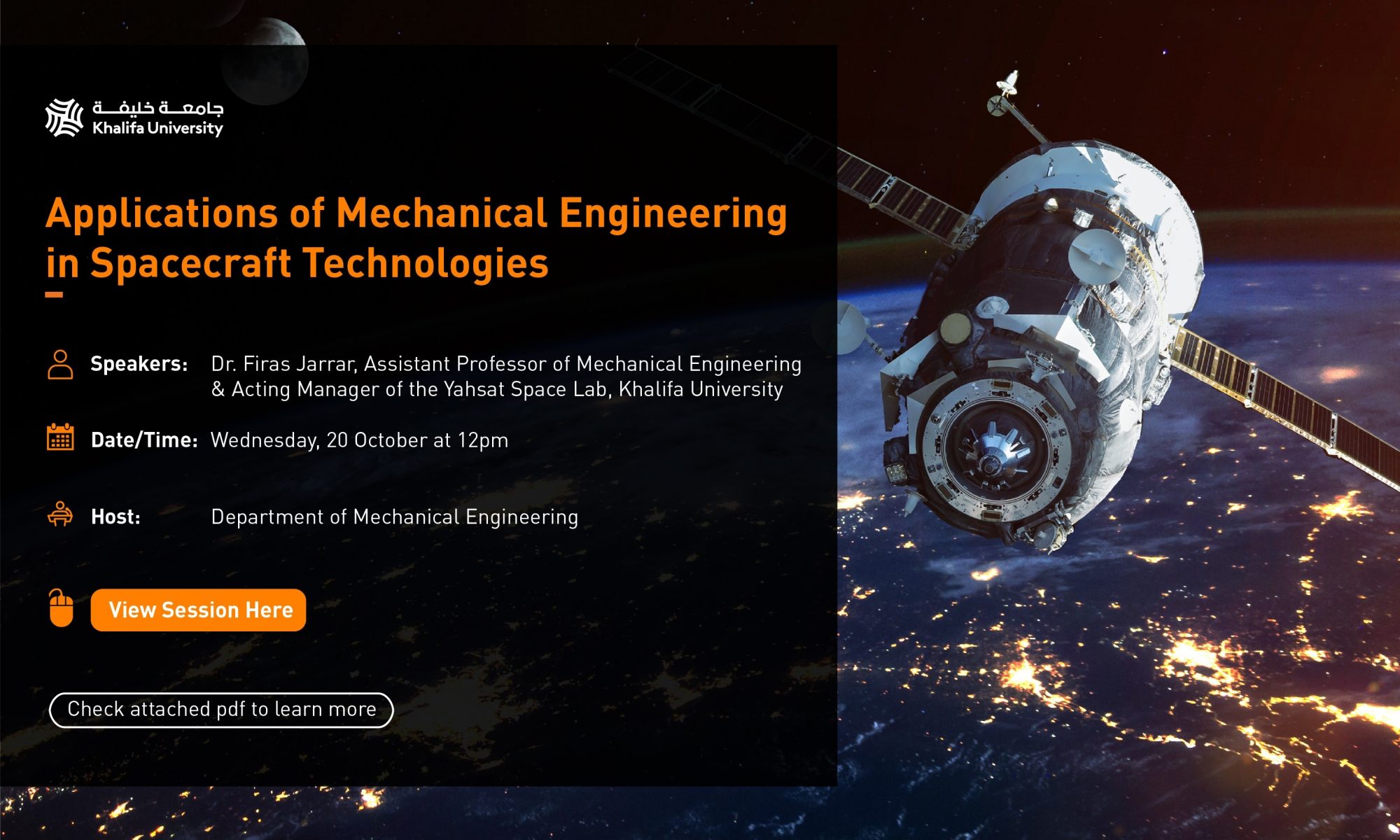
MEEN Webinar: “Applications of Mechanical Engineering in Spacecraft Technologies” by Dr. Firas Jarrar

With the recent advancements in space technologies alongside with the substantial increase in the number of satellite deployments and space missions, it is clear that we are witnessing the dawn of the second space age. In this webinar, Dr. Firas Jarrar discussed the significance of the current achievements in space technologies during a webinar on Wednesday, 20 October. In addition, he addressed the opportunities and for mechanical engineers to get involved in this exciting field. 

In particular, Dr. Firas talked about the structural and thermal design and analysis of spacecraft, power budget calculations, and spacecraft dynamics.

Discussion Forum with Alumni and Senior Students

A panel discussion aimed at highlighting the experiences and aspirations of our Alumni and Senior students. The panelists included MEEN Alumni Maryam Naqi, Muhammad Ansari and our senior student Sultan Hussanieh. The discussion focused on MEEN student experience, the role of elective majors, academic and social life balance, future plans and message for young engineers.

A video of the virtual discussion can be viewed here.

3D Printed Toy Solar Car Competition

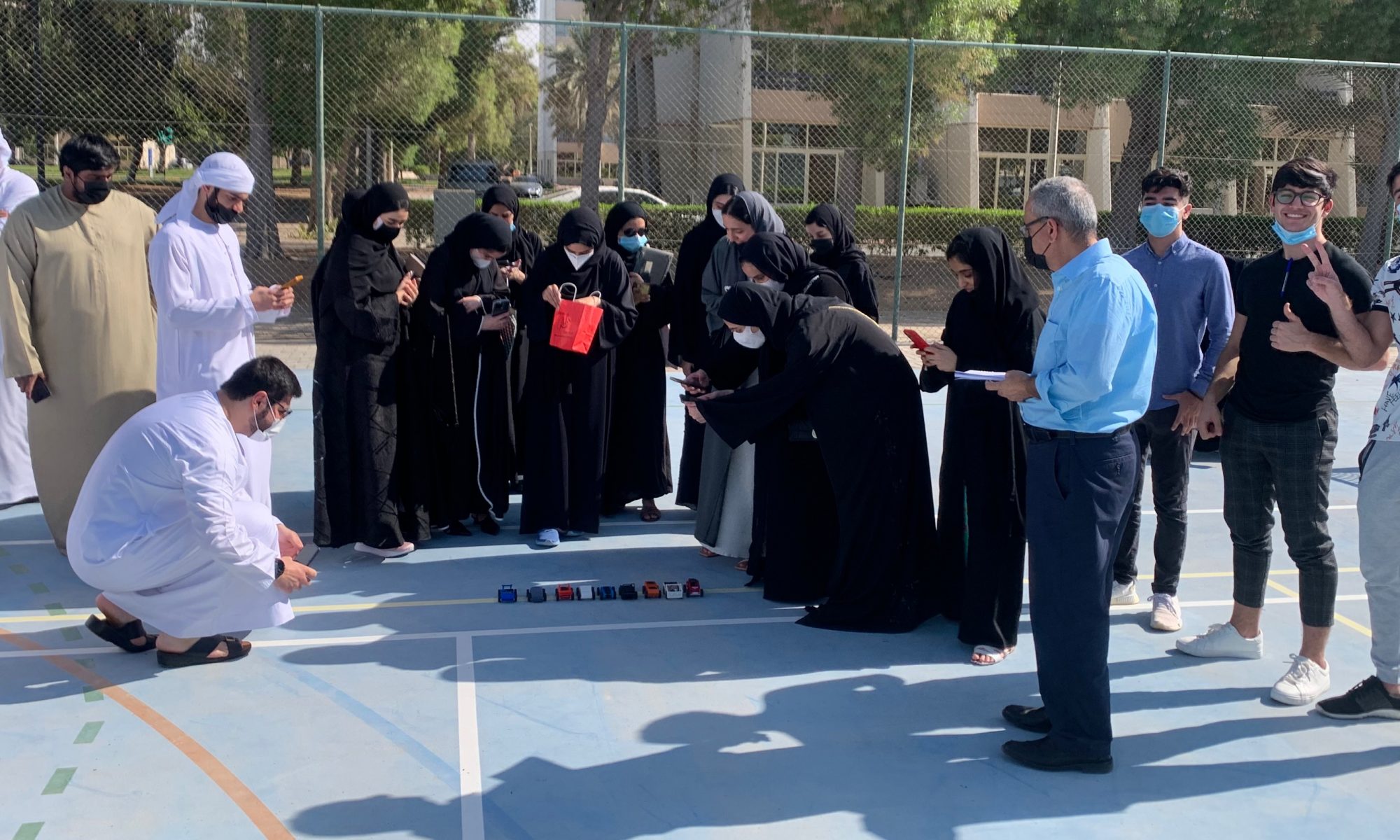
In this project, student teams in MEEN495-Additive manufacturing were required to design, fabricate and test an all-wheel drive toy solar-powered car using additive manufacturing technology. The car was judged on its performance and aesthetics. The teams were encouraged to minimize the number of parts and decrease the weight while maintaining ease of assembly. The only constraints were that the distance between axles should not exceed 60mm, and that all teams had to use the provided hardware which includes two axles, two motors, two solar panels, and four wheels. The winning team managed to design and fabricate a toy car made of a single component which weighed less than 11g.

An Efficient and Cost-effective New Material for Capturing Carbon Dioxide Emissions

Robust, cost-effective and energy efficient methods to capture carbon dioxide from the atmosphere are made possible with novel materials like porous organic frameworks


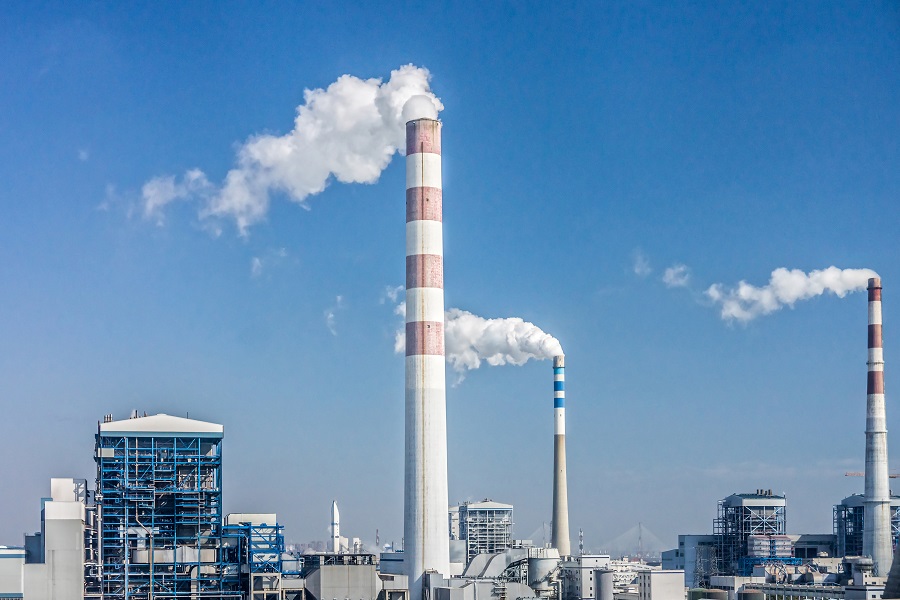
Reducing greenhouse gas emissions, particularly carbon dioxide, is paramount in combating climate change. One way to do this is to capture the carbon dioxide (CO₂) emissions directly from the source before they enter the atmosphere.


Dr. Georgios Karanikolos, Associate Professor of Chemical Engineering, Dr. Vengatesan Rangaraj, Research Scientist, and Dr. K. Suresh Kumar Reddy, Research Scientist, designed and developed a new material for use in carbon capture. The properties and efficacy of their phosphazene-core Covalent Triazine Framework were examined and tested at various conditions, with their results published in Chemical Engineering Journal.


“Carbon dioxide is the primary cause of global warming, which has had adverse effects on climate change in the last few decades and with even more negative consequences predicted for the near future,” Dr. Karanikolos said. “Combusting fossil fuels increases atmospheric CO₂ levels, and since fossil fuels are currently the predominant energy source for industry and the transportation sector, it is essential that we explore robust, and cost- and energy-efficient methods to capture the CO₂ emitted from combustion.”


Carbon capture, utilization and storage (CCUS) is the most widely accepted and promising strategy currently in use, and can be further developed to improve efficiency, energy consumption, and cost.


Successful carbon capture needs a sorbent material that will selectively grab CO₂ in a stream of gas and then readily release it when desired so that the material can be reused, while the released CO₂ can be utilized or sent for long-term storage.


In adsorption, CO₂ reversibly collects in the pores in the material that serve as active capture sites. When, for instance, temperature is lowered, CO₂ adheres to the surface, and when temperature is raised, CO₂ is released. Changes in pressure can also bring about these capture and release cycles.


Currently, aqueous amine solutions, which are solutions containing water and organic compounds called amines that contain nitrogen atoms attached to hydrogen and carbon atoms, are used to capture CO₂ in industrial applications. Amine solutions are excellent at trapping the CO₂, making them the most popular and developed carbon capture technology. However, their disadvantage  is that in order to recover the trapped CO₂ from the amine solution, the solution has to be heated, requiring large amounts of thermal energy and resulting in some amines being lost to the environment in this high-energy process.


To overcome the shortcomings of amine solutions, solid sorbent materials are a viable alternative. Solid sorbents can selectively adsorb CO₂, however some solid sorbent materials perform better than others. The KU research team focuses on investigating a variety of solid sorbents including zeolites, porous carbon nanostructures, metal-organic frameworks (MOFs), and porous organic frameworks (POFs).


“Over the last few years, MOFs and POFs have been studied extensively for various applications due to their superior textural properties, high structural flexibility and the various functional groups they can contain,” Dr. Karanikolos said. “However, MOFs typically possess low thermal and chemical stability, restricting their use especially in harsh environments. On the other hand, POFs are made of organic building blocks closely connected through covalent bonds that enhance chemical and thermal stability. This means they can be used in environments where MOFs are not suitable.”


Covalent Triazine Frameworks (CTFs) are a class of porous organic frameworks with properties that can be tuned through careful design for a wide range of applications. One such application is carbon dioxide adsorption. CTFs are easily manufactured and can be designed to include functionalities that are CO₂-philic, meaning they can selectively attract the CO₂ from the atmosphere to adsorb into the CTF for removal. CTFs can also include elements such as sulfur, phosphorous, boron, and oxygen to improve the chemical properties of the framework, which can be highly advantageous for CO₂ adsorption.


The KU research team designed and manufactured phosphonitrilic core CTFs (Pz-CTFs) and tested CO₂ adsorption, selectivity, and regeneration at various temperatures and pressures. These CTFs used a phosphorus-based core with a nitrile group to increase crosslinking, which created a material with a high porosity and surface area (one gram of the material has about 1,000 square meters of surface area), providing a large space for CO₂ adsorption.


High surface area, low density, excellent thermal and chemical stability and a large number of nitrogen functional groups make Pz-CTFs excellent potential candidates for CO₂ capture. The team’s Pz-CTFs can work in temperatures up to 500 °C, meaning they can be used in various industries that require high temperatures. Even at these high temperatures, the team’s material exhibited excellent CO₂ uptake. Furthermore, the material does exhibit significant hydrophobic character, meaning it is less impacted by the presence of water in a CO2-containing mixture, it is selective in the presence of other gas species, and it can be reused. Hence, it is a high-capacity and reversible adsorbent for selective carbon capture in extreme environments.


Jade Sterling
Science Writer
29 December 2021

How Dust from the Sahara Can Turn the Alps Red

Scientists say appearance of dramatic red or orange snow is likely to become more frequent due to climate change


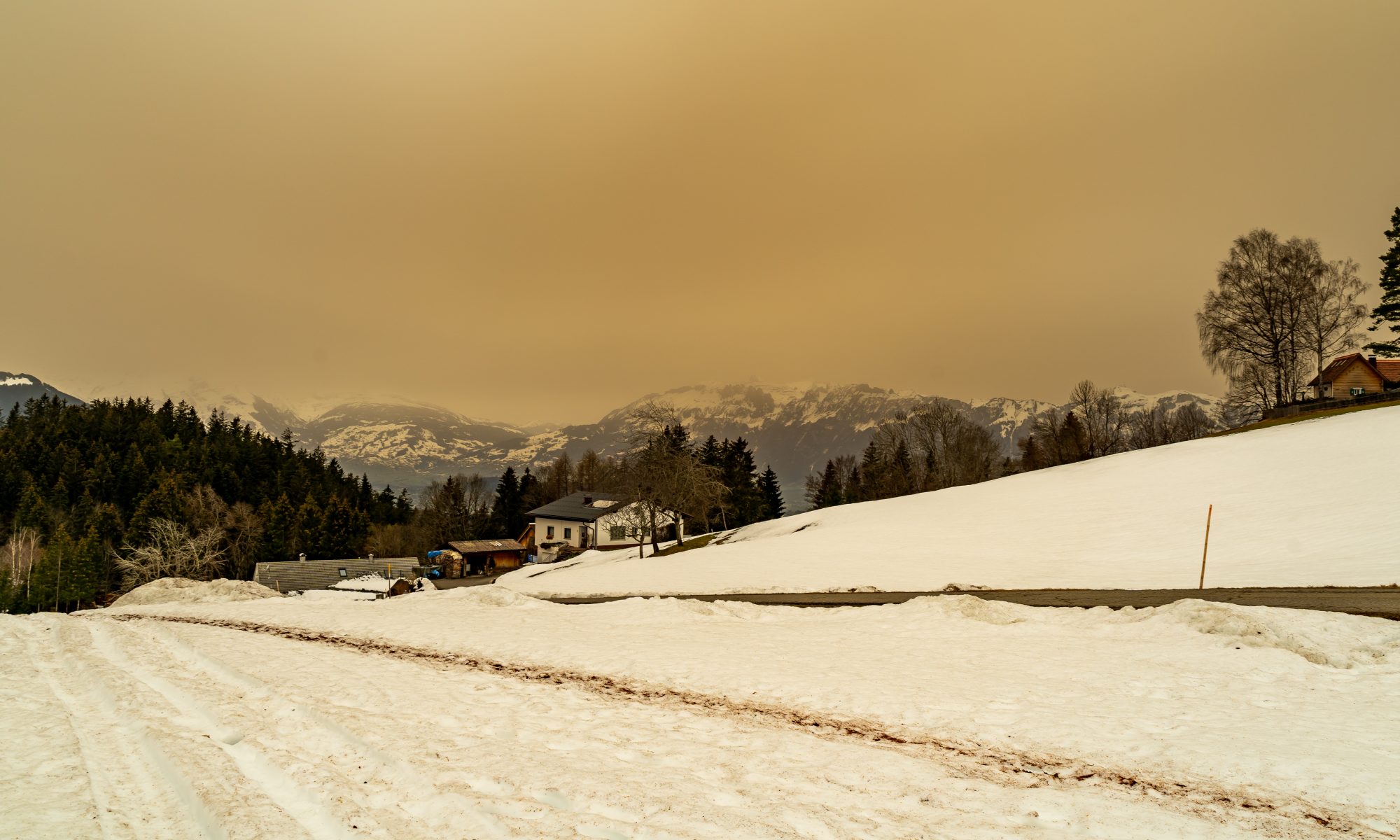
UAE researchers have revealed new details about how dust is travelling from the Sahara to the Alps to cause snowy pistes and glaciers to turn a dramatic red, pink or orange.


The striking colouration, which happens when the dust causes the growth of microalgae, makes the snow melt more easily and is likely to become more frequent because of climate change.


Scientists at Khalifa University in Abu Dhabi reported that flows of air called atmospheric rivers are closely linked to the transport of dust from the Sahara to as far as northern Europe.


“In our study, we found an increasing trend in atmospheric rivers and associated severe dust transport episodes towards Europe,” said an author of the study, Dr Diana Francis, head of Khalifa University’s Environmental and Geophysical Sciences (ENGEOS) Laboratory.


Read the rest of the story here: https://www.thenationalnews.com/uae/environment/2021/11/21/how-dust-from-the-sahara-can-turn-the-alps-red/