Khalifa University Partners with Zero Carbon Ventures for Research into Groundbreaking Decarbonization Technology

  • Khalifa University and Zero Carbon Ventures have installed cutting-edge graphene and hydrogen production technology, at the Khalifa University ‘Arzanah’ Complex at Sas Al Nakhl Campus.
  • This represents a major partnership for both parties in their plans to bring world-class innovative carbon reduction technologies to the Middle East.
  • Khalifa University is an internationally top-ranked research-intensive university located in Abu Dhabi, UAE
  • UAE-based Zero Carbon Ventures specializes in working with global partners to innovate, nurture and deploy advanced technologies to drive down carbon emissions in the Middle East


The Research and Innovation Center for Graphene and 2D Materials (RIC-2D) based in Khalifa University of Science and Technology, an internationally top-ranked research-intensive university located in Abu Dhabi, UAE, and Zero Carbon Ventures, a company dedicated to bringing carbon-reducing technologies to the Middle East, have joined forces to develop local applications for carbon reduction LOOP technology developed by UK climate tech company, Levidian Nanosystems. 

The RIC-2D at Khalifa University and Zero Carbon Ventures have erected a site for the carbon-reducing technology at the Arzanah Complex at the university’s Sas Al Nakhl (SAN) Campus, in Abu Dhabi. Research will be conducted on the system’s input and outputs, to develop its applications for different waste gas blends, such as those in the oil and gas industry, agriculture, landfill, and wastewater treatment plants.

Levidian’s LOOP technology demonstrates the ability to process captured methane as a key tool in the journey to a decarbonized world. Methane is cracked to produce Hydrogen, a fuel of the future, and Graphene which has the potential to impact a broad range of industries.

Earlier this year, Zero Carbon Ventures partnered with Levidian to deploy their innovative LOOP technology in the UAE.

The partners will work together on a project-by-project basis – initially on the LOOP technology, but with a vision to collaborate on other programs in the future.

Dr. Hassan Arafat, Senior Director, RIC-2D said: “RIC-2D is pleased to partner with Zero Carbon to jointly work on local applications for carbon reduction LOOP technology developed by Levidian Nanosystems. The cutting-edge Graphene and Hydrogen production technology installed at Khalifa University’s SAN Campus demonstrates our emphasis on bringing world-class innovative Graphene technologies to the UAE and the region. RIC-2D researchers will focus on developing applications for different waste gas blends, such as those in the oil and gas industry, agriculture, landfill, and wastewater treatment plants.”

Martin Reynolds, CEO of Zero Carbon Ventures “Methane is one of the worst greenhouse gasses when liberated to the atmosphere. This technology from Levidian is a great example of the kinds of technology we aim to support the development of in the region. We have big plans to deploy it across the industry in the UAE, initially, with a particular focus on decarbonizing waste methane from landfill sites. Our partnership with Khalifa University, one of the world’s best science and technology research centers, provides us with fantastic validation and support of the goals we have set ourselves. We are looking forward to seeing the results of this amazing work that will inevitably lead to advancements in the country’s mission to achieve Net Zero.”

The RIC-2D hosted by Khalifa University of Science and Technology is part of a strategic investment by the Government of Abu Dhabi, in the UAE, to advance the scientific development and commercial deployment of technologies derived from graphene and other 2D materials. RIC-2D serves as an integral part of an advanced materials innovation ecosystem being developed in Abu Dhabi.


Clarence Michael
English Editor Specialist
12 January 2023

Sustainable, Green Membrane Developed to Filter Excess Nutrients from Wastewater

A team of researchers from Khalifa University has developed a sustainable and green membrane using graphene oxide and carbon nanotubes to safely and effectively remove excess nutrients from wastewater. 


Dr. Shadi W. Hasan, Associate Professor and Director of the Khalifa University Center for Membranes and Advanced Water Technology (CMAT), Prof. Fawzi Banat, Chair of the Khalifa University Chemical Engineering Department, Dr. Hanaa Hegab, Postdoctoral Fellow, Dr. Vijay Wadi, Research Scientist, Hiyam Khalil and Lobna Nassar, both graduate students, developed a membrane with the potential for practical use in real wastewater-treatment applications.


They published their results in npj Clean Water.


High levels of nutrients sounds like a benefit to an ecosystem, but when an environment sees excessive nutrient inputs, otherwise known as eutrophication, algal blooms and hypoxic waters can kill fish and seagrass, setting off a chain reaction in the ecosystem. Large amounts of carbon dioxide from the decomposing plant matter acidify the water, slowing the growth of fish and shellfish. Eutrophication is a threat as well — a reduced catch for commercial and recreational fisheries means smaller harvests and more expensive seafood.


“The high accumulation of nutrients, including nitrogen and phosphorus, discharged into surface water, rivers, and reservoirs can accelerate eutrophication and cause great damage to the aquatic ecosystem,” Dr. Hasan said. “We need to control the levels of nutrients and develop innovative technologies to treat water and remove excess nutrients.”


Several treatment technologies already exist. Nitrogen can be chemically removed through methods that include chlorination or nitrification, and there are also biological approaches available. However, each has its limitations. Chemical methods can introduce undesirable byproducts, while biological treatments take much longer and are inefficient in the use of nitrogen. Additionally, no available method offers complete water purification.


Novel membrane technology, however, may be the solution. The KU research team has developed a composite polylactic acid (PLA) and nanomaterial membrane to remove nutrients from wastewater.


The membrane works via adsorption. The research team used a functionalized positively charged multi-walled carbon nanotube/graphene oxide hybrid nanomaterial to simultaneously remove nitrogen (as ammonia) and phosphorus from wastewater while enhancing water permeability. The nutrients are filtered out by collecting in the pores of the nanotubes at the surface of the membrane.


Water permeability in such a membrane is a concern. As more nutrients adsorb and collect, the amount of water passing through decreases. The research team’s membrane, however, offers high water flux even when filtering the nutrients. The carbon nanotubes increase membrane tensile strength significantly, while the graphene oxide enhances thermal stability, tensile strength, and provides antibacterial properties. This supports water flux and provides hydrophilicity to the end product.


While the effects of graphene oxide and carbon nanotubes in water purification are well-documented in the literature, studies are limited when it comes to combining the two as a nanohybrid.


“After a comprehensive review of the literature, our research group is the first to report the fabrication of such composite PLA membranes for the removal of nutrients from synthetic and real wastewater,” Dr. Hasan said.


Wastewater with high levels of nutrients such as nitrogen and phosphorus is inevitable, so a sustainable and green approach to filtration is critical.


“Our results confirm this membrane’s potential for practical use in real wastewater-treatment applications and can open the door to efficient and sustainable methods for nutrient removal,” Dr. Hasan said. The next step is to scale-up the membranes for commercialization.


Jade Sterling
Science Writer
19 January 2023

Perfecting the Process with New Modeling Tools: Carbon Dioxide into Methanol

Sustainable fuels are within reach but processes need to be optimized for low-cost industrial scale production. Converting hydrogen and carbon dioxide into methanol for sustainable fuel is one route, but the reaction pathway needs elucidating and catalysts optimizing. A team of researchers from Khalifa University has developed a model to do just that.


Transforming carbon dioxide emissions into value-added products like methanol for fuel is essential for the development of a circular economy and reducing anthropogenic impact on the atmosphere. But the process of developing these products can introduce side reactions that can significantly influence efficiency and the quality of the final product. Modeling tools, therefore, are crucial to predicate and understand the reaction pathways to improved operating conditions or catalyst design.


A team of researchers from Khalifa University has developed a new practical modeling approach to examine the conversion of carbon dioxide and hydrogen to methanol using a copper-based catalyst. Their model offers a reliable tool for revealing the role of active sites that may control the performance of a CO2 hydrogenation catalyst.


Dr. Kaisar Ahmad, Postdoctoral Fellow, Dr. Maguy Abi Jaoude, Associate Professor, Prof. Kyriaki Polychronopoulou, Director of the Khalifa University Center for Catalysis and Separation (CeCaS), and Dr. Florent Ravaux developed the model and published their results in Fuel.


“Renewable methanol can play an important role as a feedstock in the production of lower-emission fuels,” Dr. Abi Jaoude said. Producing green methanol from CO2 and renewable hydrogen is an effective alternative to biomass conversion, she said, adding that “it can meet global decarbonization objectives without endangering food security.”


There are several pathways to creating sustainable fuels that involve processing and treatment of lipids, synthesis gas and alcohols. In the production of methanol, the common route is via synthesis gas with very low amounts of carbon dioxide. However, hydrogenation of carbon dioxide would be a more sustainable process, but the mechanism behind the conversion remains a subject of debate.


Researchers have proposed two pathways for methanol production from carbon dioxide and hydrogen, and understanding how this process works will allow more effective and efficient catalysts to be developed.


“In chemical kinetics, key pathways that govern the reaction mechanism at a catalyst’s surface are predicted based on its physicochemical properties,” Dr. Kaisar and Dr. Abi Jaoude said. “Understanding the kinetics on a particular surface of a catalyst for a specific reaction can assist in designing a new and improved catalyst.”


Determining the pathways and kinetic activities is time-consuming in the lab. Experimental evaluation is also expensive and a tedious endeavor, but modeling approaches can generate results much more quickly and easily.


The KU research team wanted to find the minimum energy pathway for methanol synthesis and derive its kinetic expression. They chose to investigate a catalyst made from copper, zinc oxide and chromium oxide. Copper is a more effective catalyst in the presence of metal oxides, and the zinc and chromium oxides aid in increasing catalyst activity, enhancing its performance in the hydrogenation process.


Their practical model predicted the minimum energy pathway and their simulations with experimental data confirmed the model’s accuracy. Their outcomes were consistent with documented reports, confirming the validity of the proposed modeling method.


“By developing a kinetic model for the most favorable pathway based on the activation energy and interactions of molecules on the catalyst surface, an in-depth understanding of the surface science and kinetic parameter dependence on the catalyst can be obtained,” The research team said. “Our practical model can be used to study the kinetics of catalytic reactions targeting sustainable fuels or their precursors at reduced cost and time.”


Jade Sterling
Science Writer
17 January 2023

Second Annual Conference of Emirates Society of Clinical Microbiology Opens at Khalifa University Main Campus in Abu Dhabi

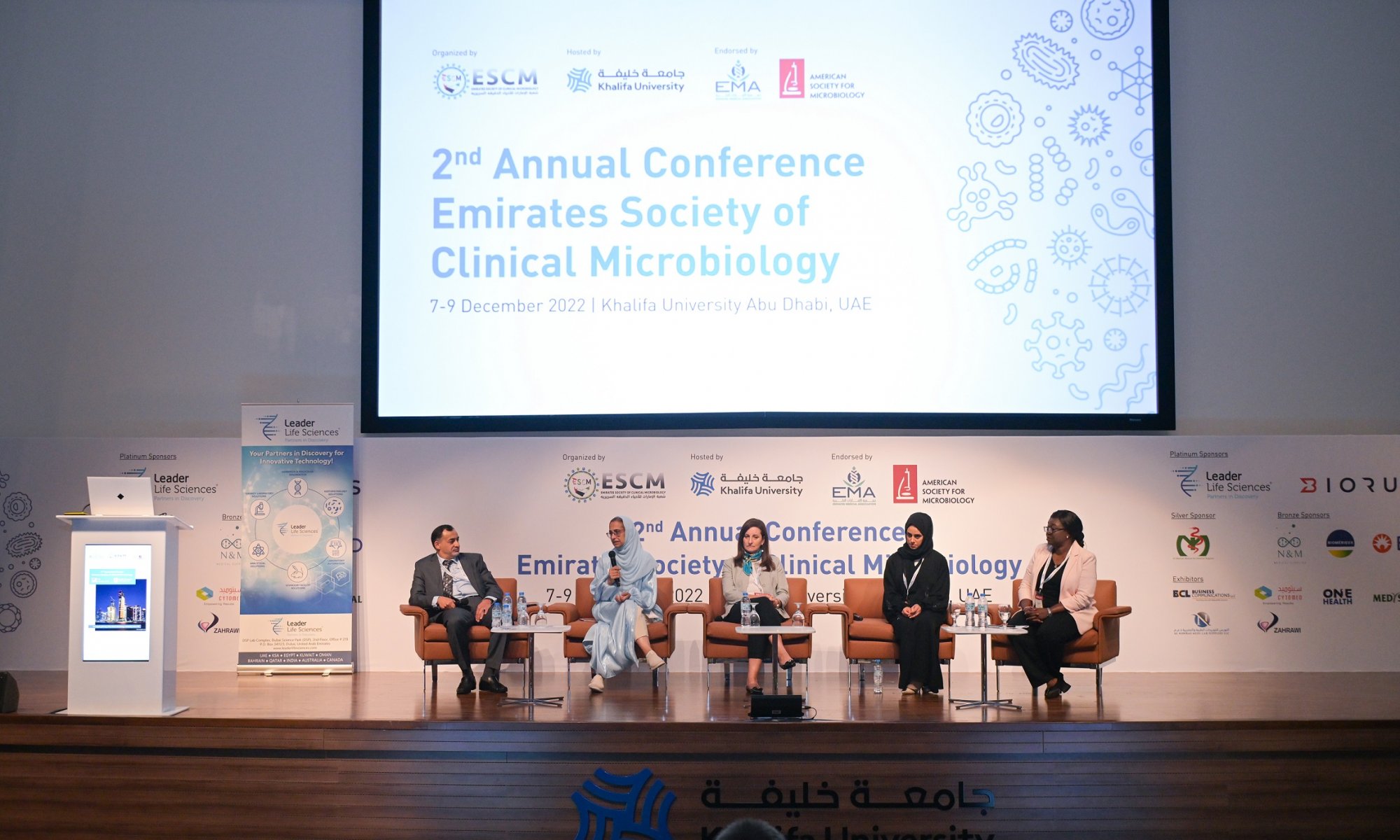
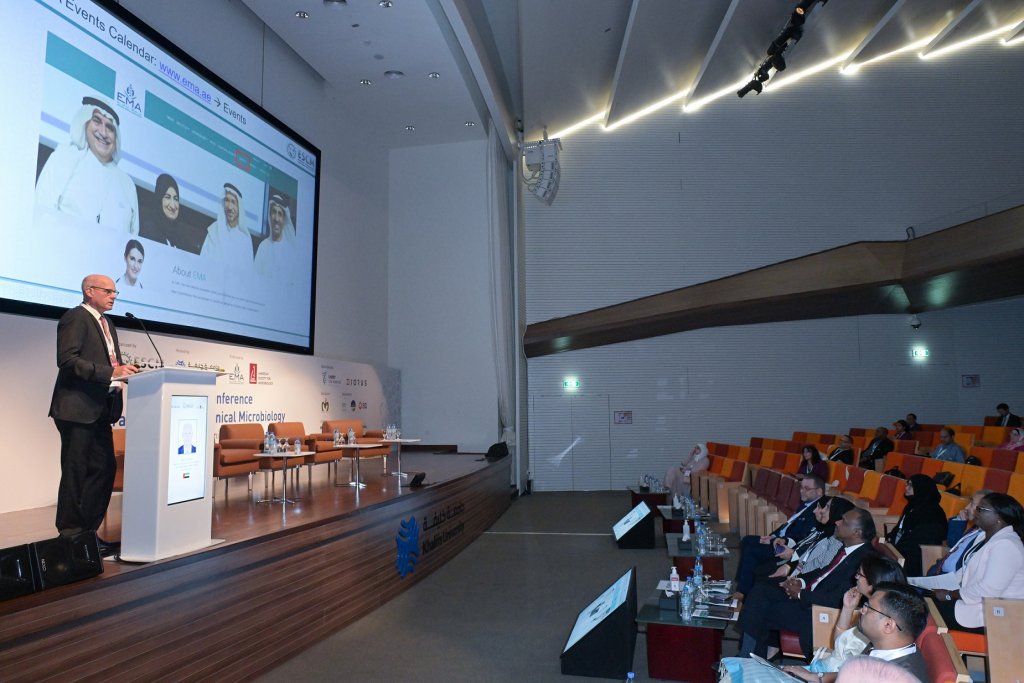
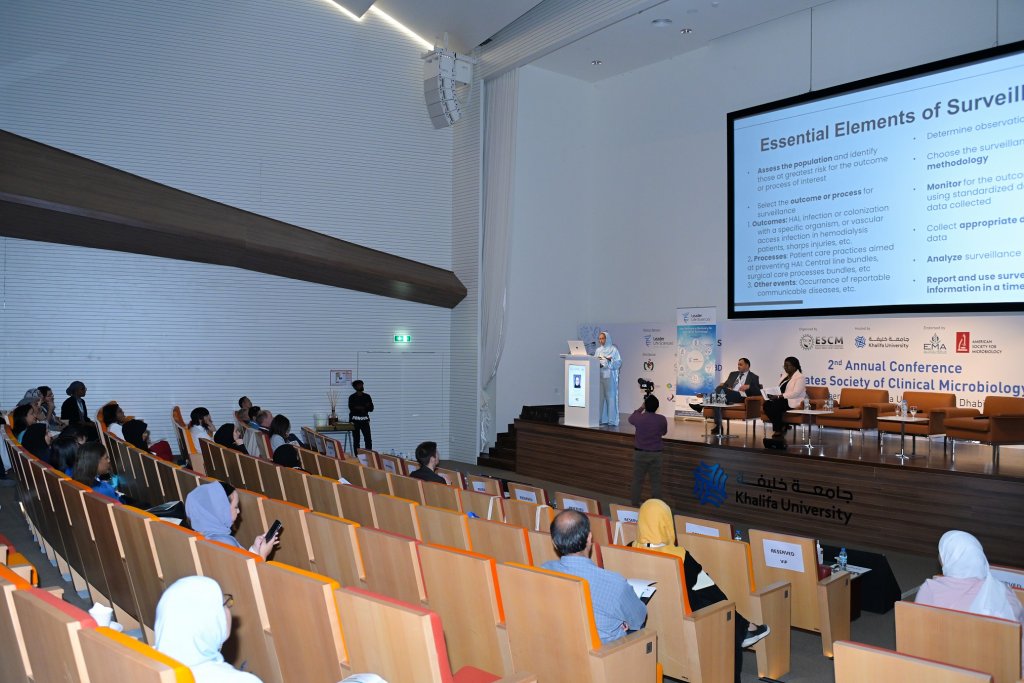
Khalifa University of Science and Technology has announced the second annual conference of the Emirates Society of Clinical Microbiology (ESCM) opened today at the Khalifa University Main Campus in Abu Dhabi, with posters and oral presentations by invited speakers, as well as industry-sponsored workshops and symposia. ESCM is under the umbrella of Emirates Medical Association (EMA).


Scheduled to run until 9 December at the Khalifa University Main Campus, the annual conference has brought together experts from many fields to present their latest findings, guidelines and experiences. Professors, researchers, students and technical staff from the field of medical microbiology and immunology, delegates from various industries and inspiring speakers and experts are sharing evidence-based findings for quality and safety in patient care and improvement in clinical microbiology and global health.


Dr. John Rock, Co-Chair of the conference, and Founding Dean, Khalifa University College of Medicine and Health Sciences (CMHS), Senior Vice-President – Health Affairs, and Professor, Obstetrics and Gynecology, said: “We are delighted to host this conference that delves deeper into the lessons learnt through the COVID pandemic. It  is also analyzing how far the UAE has progressed into becoming more active in the field of pandemic preparedness and undertaking research into the next potential threats. We believe the knowledge exchange from this conference will benefit all the stakeholders, while demonstrating the UAE’s advanced status in tackling healthcare challenges.”


Dr. Rock also commended members of the ESCM Board and the Scientific Committee for their active part in organizing the conference.


Dr. Jens Thomsen, President, ESCM, delivered a session on ‘AMR Surveillance in UAE and Trends’.  On the third day, he will be hosting a workshop on WHONET/BacLink-Software for Surveillance of Antimicrobial Resistance, while Dr Godfred A. Menezes, Chairperson, Scientific Committee, ESCM, offered the welcome note, as well as a session on ‘Combating antimicrobial resistance: Newer Solutions or Alternative approaches’.


The first day’s agenda included an oral presentation of a student’s ‘best paper’. A special lecture on ‘Artificial intelligence in Clinical Microbiology: Where are we?’ will demonstrate how current technology advancements that use AI and data from different sources contribute to predicting AMR and ensuring proper AMR surveillance.


A panel discussion on ‘Antimicrobial resistance; AMR Surveillance in UAE and trends; New antimicrobials’ was moderated by Dr. Dean Everett, Acting Chair and Professor, Pathology and Infectious Diseases, Khalifa University College of Medicine and Health Sciences. In addition, a comprehensive scientific and educational program incorporating keynote lectures and oral sessions, as well as interactive workshops has been developed by the program committee.


Dr Jens Thomsen expressed his gratitude to Khalifa University, and Dr. Dean Everett, who has been instrumental in the event’s planning along with the ESCM board and the committee members.


Panel discussions on the first day included  ‘Healthcare associated infection; Transplant infectious diseases & Tuberculosis and Mycobacteria’, and ‘Advances in diagnostics’. The second day will have panel discussions on ‘Respiratory Pathogens and COVID-19; Lessons from the COVID-19 pandemic; Monkey pox and Viral hemorrhagic fevers (VHFs)‘, ‘Human microbiome, ‘Antimicrobial stewardship and infection prevention and control’, and ‘Parasitic and fungal infection’.


Clarence Michael
English Editor Specialist
7 December 2022

A New Catalyst from Date Seeds Can Turn Bio-oil into Bio-fuel

A Khalifa University research team has investigated a scalable electrochemical process to convert furfural into fuel. 


A Khalifa University research team, comprising Professor Fawzi Banat, Muhammad Ashraf Sabri, PhD candidate, Dr. Bharath Govindan, Research Scientist, Abdul Hai, Research Associate, Associate Professor Mohammad Abu Haija, and Professor Ricardo Nogueira, all Khalifa University Department of Chemical Engineering and Department of Chemistry, developed new electrocatalysts for efficient and scalable conversion of furfural into furoic acid and furfural alcohol. 


Their results were published in Fuel Processing Technology.


Furfural is an organic compound, a product of the dehydration of sugars, and occurs in a variety of agricultural processes. It is a bio-oil, derived from processing crop materials such as corn, oats, bran, and sawdust. Furfural is an important renewable, non-petroleum-based chemical feedstock that can be converted into solvents, polymers, and other useful chemicals. The KU research team looked into converting it into fuels.


This conversion requires electrode materials that are cost-effective and highly stable if industrial application is to be achieved. “Electrochemical hydrogenation of bio-oil compounds has gained much attention in the last decade due to the possibility of producing fuels and other value-added, cost-effective, and environmentally friendly chemicals,” Prof. Banat said.


This method has many advantages, including in-situ hydrogen production and precise control over reaction conditions, but industrial applications have yet to be realized due to slow reaction kinetics, low catalyst activity, and low selectivity.


“Traditionally, electrochemical hydrogenation suffers several disadvantages, including slow water oxidation and mass transfer limitations,” Prof. Banat said. “Additionally, the product on the anode side was oxygen, which did not economically add much to the process. Coupling electrochemical hydrogenation with electrochemical oxidation eliminates the disadvantages of the traditional setup. This new technique simultaneously converts bio-oil in the cathode and anode compartments to valuable fuels and value-added products.”


Combining the two processes creates an integrated approach: Both electrodes generate desirable products. For furfural, this is fufural alcohol and furoic acid.


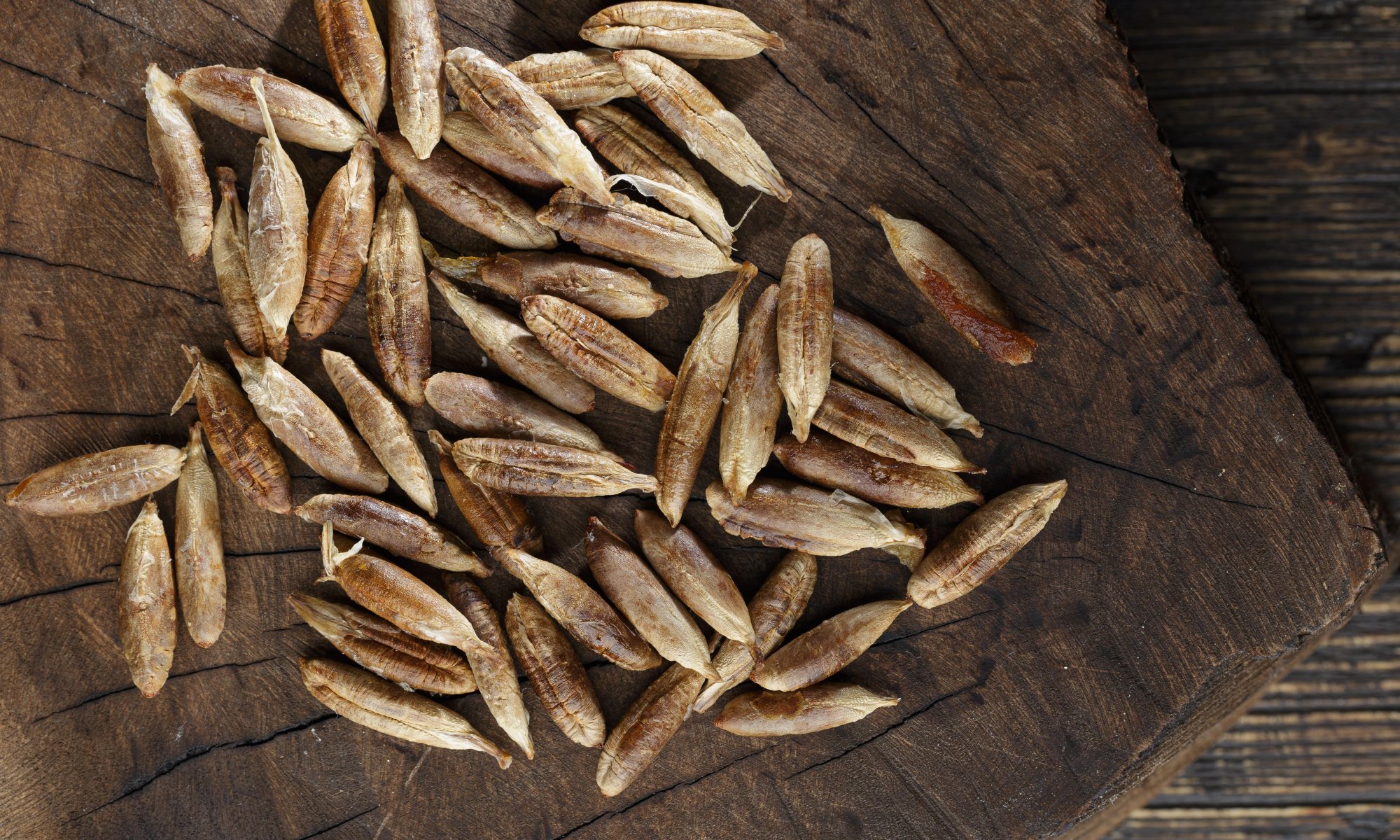
To make this process efficient, catalysts are required. Various carbon materials have been used as supports for catalysts, adsorbents, and materials for electrodes because of their high porosity, tunable pore size distribution, and high surface area. Activated carbon electrodes offer low resistance and large surface areas, decreasing the power required and increasing the number of reaction sites. The KU research team used molybdenum and cobalt immobilized on activated carbon derived from date seeds. The molybdenum-cobalt catalyst facilitated the reaction, while the date seed-derived activated carbon was doped with nitrogen to improve the electrochemical activity.


The team developed an efficient catalyst offering high yields of furoic acid and furfural alcohol. These products can be used in corrosion-resistant glass, acid-proof bricks, and plasticizers, while the new process and catalyst open up possibilities for the creation of value-added chemicals under optimized conditions at industrial scale. 


Jade Sterling
Science Writer
17 January 2023

Upwelling and nutrient dynamics in the Arabian Gulf and Sea of Oman

Researchers at Khalifa University investigated how the vertical and horizontal distribution of nutrients respond seasonally to upwelling in the Arabian Gulf and the Sea of Oman. 


Dr. Maryam Al Shehhi, Assistant Professor, and Kaltham Abbas Ismail, graduate student, both from the Khalifa University Department of Civil Infrastructure and Environmental Engineering, used data obtained from the World Ocean Atlas 2018 and estimates of coastal and curl-driven upwelling in both the Arabian Gulf and the Sea of Oman to determine the vertical and horizontal distribution of three important nutrients and how these nutrients respond to upwelling on a seasonal basis.


They published their results in PLoS One.


Upwelling is a process in which deep cold water rises toward the surface. It occurs in the open ocean and along coastlines as winds blowing across the ocean surface push water away. Water from beneath the surface then rises to replace the water that was pushed away. Water that rises to the surface as a result of upwelling is typically colder and rich in nutrients. These nutrients fertilize surface waters, leading to high biological productivity.


The lack of research into the nutrients found in the Arabian Gulf and their sources prompted the researchers to investigate. They analyzed the spatial and temporal variability of nitrate, phosphate and silicate in the Arabian Gulf and the Sea of Oman and considered the effect of seasonal upwelling on the distribution of nutrients.


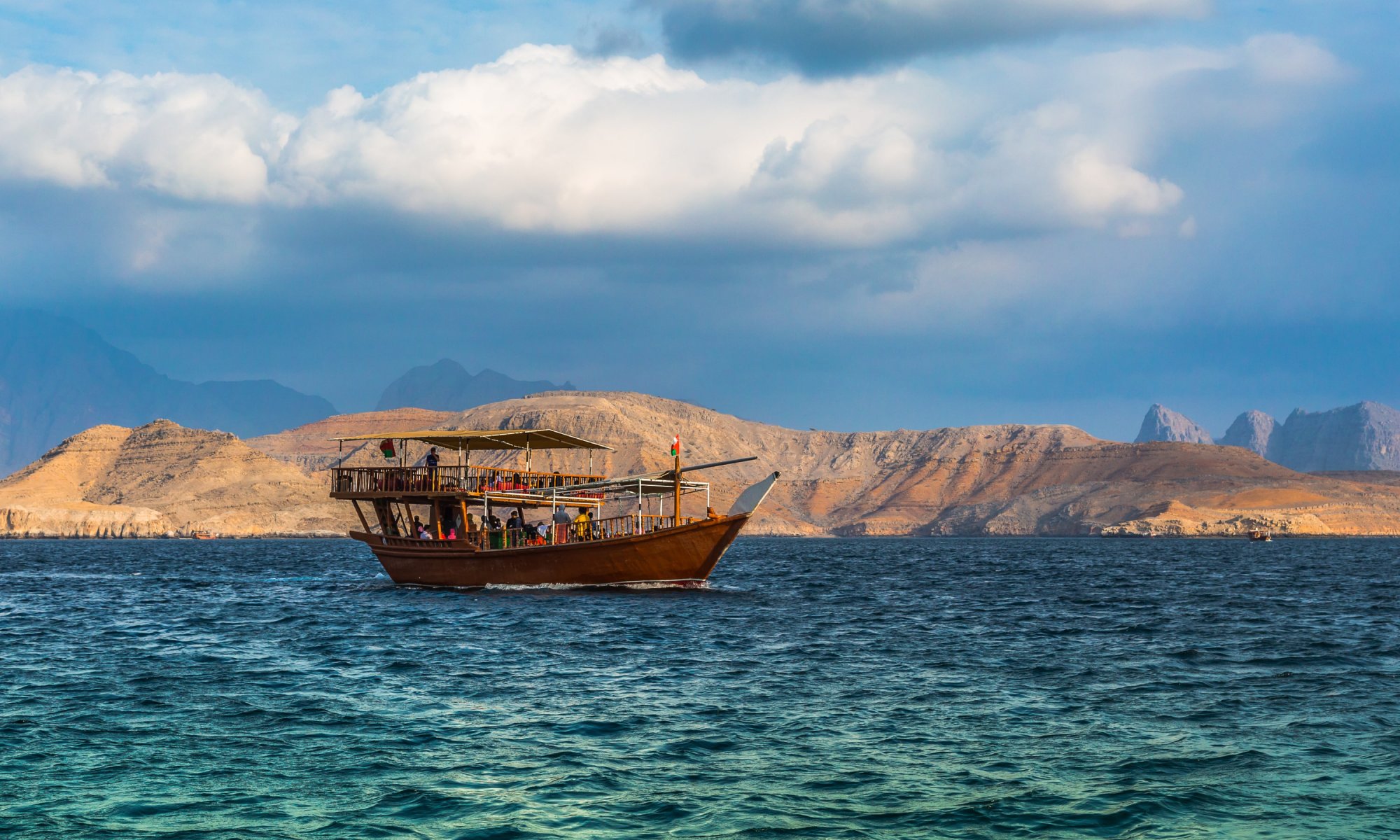
They found that the Sea of Oman’s surface and deep waters contained 80 percent higher concentrations of nutrients than those of the Arabian Gulf. The average surface nutrient concentrations in both are higher in the winter than in the summer, except for nitrates, where a very low concentration was observed in both summer and winter in the Arabian Gulf.


“In the southern part of the Gulf, especially along the coastline of the UAE, we saw higher concentrations of phosphate,” Dr. Al Shehhi said. “These levels were consistent during both seasons but we found even higher concentrations again in the Sea of Oman. Higher concentrations in winter than in summer suggest waters rich in phosphate flow from the Sea of Oman into the Arabian Gulf during the summer months.”


This movement of phosphate from one body of water to another is an example of the horizontal distribution of nutrients responding to seasonal influences in the Arabian Gulf and the Sea of Oman. Similar to phosphate, surface silicate revealed a clear seasonal variation with higher variability in the Sea of Oman during the winter season.


The researchers identified two strong upwelling zones in the Arabian Gulf along the Iranian coasts and two in the Sea of Oman along the southeast and northwest coasts. The strongest upwelling zone was found in the Sea of Oman, supporting the evidence that this body of water contains more nutrients due to the vertical transport of the available nutrients in the deeper water. The Arabian Gulf, on the other hand, showed slight vertical variations, explained by its shallower waters and weaker upwelling.


As climate change continues to influence all natural processes on Earth, understanding the dynamics of the oceans is crucial to predicting changes.


The macro and micronutrients needed by photosynthetic organisms in the oceans exist with varying distribution. The Southern Ocean has the highest amount of macronutrients, while the Arctic Ocean contains significant amounts of micronutrients from river runoff, dust and sediments deposited in shallow coastal waters.


The Arabian Gulf, however, is under pressure, according to the researchers.


“The Arabian Gulf has a pressured marine ecosystem due to the growing population along its coast,” Dr. Al Shehhi said. “More people means more treated wastewater from residential and industrial areas is discharged into the Gulf, increasing the concentration of nutrients in seawater — a phenomenon called eutrophication.”


More nutrients sounds like a benefit to an ecosystem, but when an environment sees excessive nutrient inputs, algal blooms and hypoxic waters can kill fish and seagrass, setting off a chain reaction in the ecosystem. Large amounts of carbon dioxide from the decomposing plant matter acidifies the water, slowing the growth of fish and shellfish. Eutrophication threatens humanity too — a reduced catch for commercial and recreational fisheries means smaller harvests and more expensive seafood.


Understanding the normal nutrient dynamics in the Arabian Gulf enables us to recognize the harm in discharging wastewater into the sea. By studying the horizontal and vertical variants in nutrients, researchers can help protect marine resources.


Jade Sterling
Science Writer
9 January 2023

Khalifa University Ranks ِAmong Top Five in Arab World and Tops in UAE for Second Year in a Row in THE Arab University Rankings 2022

Khalifa University of Science and Technology today announced it has advanced to 5th position to be ranked among the ‘Top Five’ in the Arab world and top in the UAE for the second year in a row, according to the Times Higher Education (THE) Arab University Rankings 2022.


Khalifa University has improved its position from 6th last year, when the Arab University rankings debuted, based on the same comprehensive and trusted framework as the global table. All research-intensive universities are ranked globally across their core missions – teaching, research, knowledge transfer, citations and international outlook.


Clarence Michael
English Editor Specialist
30 November 2022

Vortex Tornado Image Wins Milton Van Dyke Award

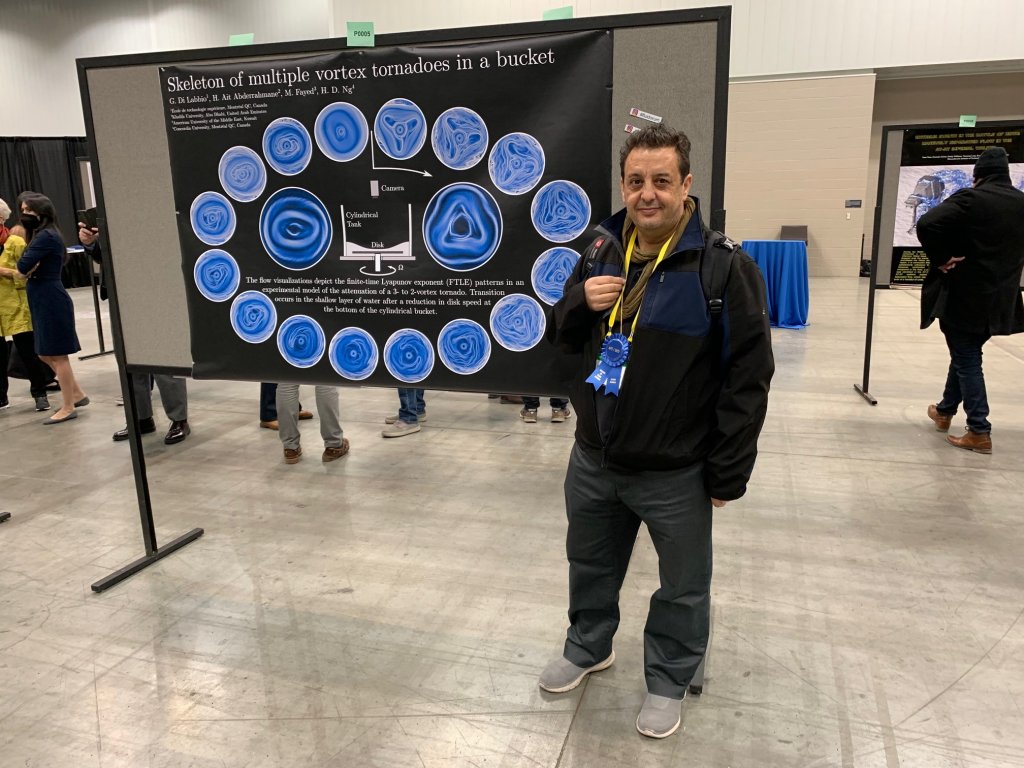
Dr. Hamid Ait Abderrahmane, Mechanical Engineering Associate Professor, and his collaborators from abroad were awarded one of the three Milton Van Dyke Awards for their poster at the 41st Annual Gallery of Fluid Motion. They were recognized during the 75th Annual Meeting of the American Physical Society’s Division of Fluid Dynamics (APS DFD) in Indianapolis, USA.


The Gallery of Fluid Motion highlights posters and videos showing not only the science but also the beauty of fluid motion. Participants submit graphic representations of their research that explain the work’s science through beautiful fluid motion. A distinguished panel of judges selects the best images and videos to receive the Milton Van Dyke Awards. The award is named after Milton Van Dyke, a renowned scientist best known for his work in fluid dynamics. Van Dyke was a pioneer in highlighting the aesthetic appeal and the scientific usefulness of flow visualization.

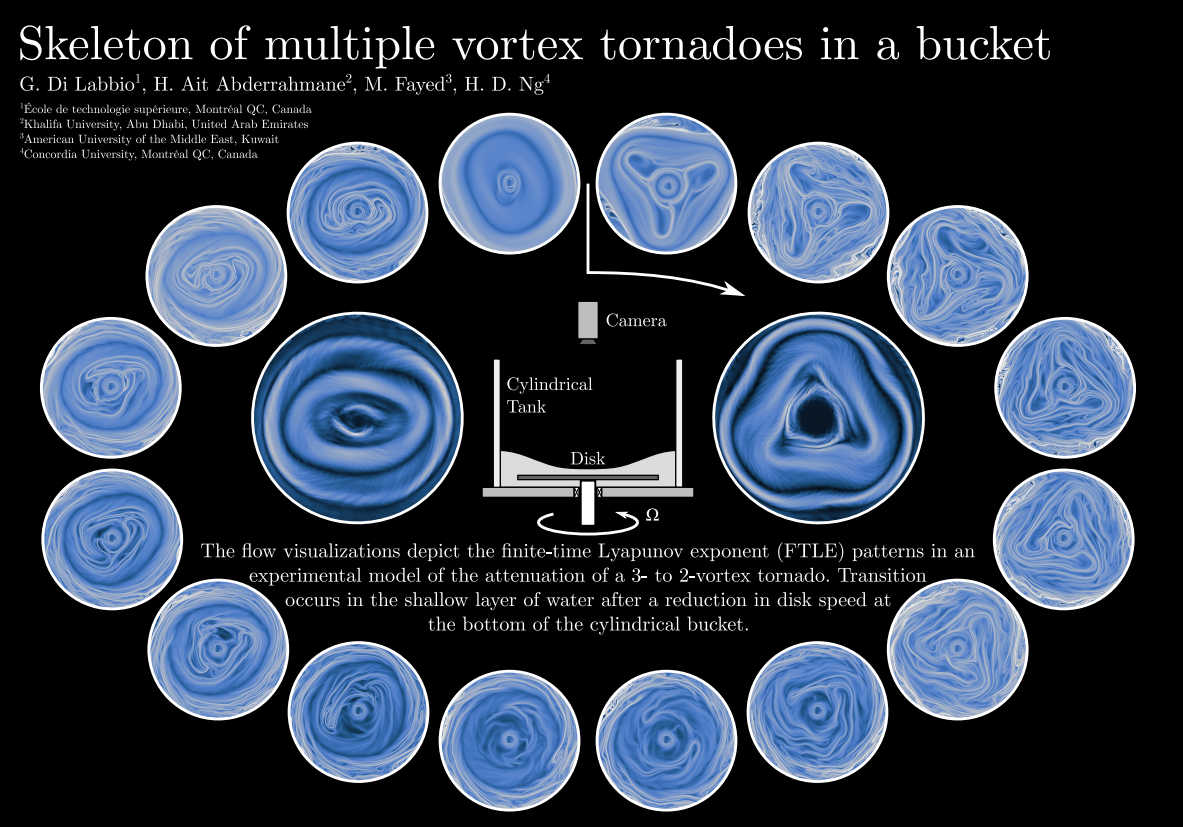
Dr. Hamid and his team’s poster, “Multiple Vortex Tornadoes in a Bucket,” shows the finite-time Lyapunov exponent (FTLE) patterns in an experimental model of the attenuation of a 3- to a 2-vortex tornado. From the image, you can see transitions in the shallow layer of water after a reduction in the disk speed at the bottom of the cylindrical bucket.


Fog in UAE Now More Common Because of Climate Change

Research could help forecasters predict when long-lasting fog is set to descend on the Emirates


Climate change is behind an increase in the number of multi-day fog events in the UAE, a new study suggests.


The research also found, however, that the fog that forms tends to be less dense, possibly because urbanization has — against expectations — reduced the amount of particulate matter in the air.


Fog causes major disruption in the UAE, particularly during the winter months, affecting airline schedules and causing significant hazards on the roads.


Scientists at the Environmental and Geophysical Sciences (ENGEOS) laboratory at Khalifa University in Abu Dhabi are behind the new study, published in the journal Atmospheric Research.


In highlighting how large-scale weather systems outside the region influence fog formation in the Emirates, their research could help forecasters predict when long-lasting fog events will occur.


They analyzed data for the Emirates over several decades and found that periods when fog is seen on multiple days have become more common and tend to last longer. However, these events are now on average less intense, with visibility not hampered quite as much.


“We think that the increase [in fog events] can be due to the increase of the water vapor content in the atmosphere due to global warming,” said Dr. Diana Francis, head of the ENGEOS lab.


Read the full article here: https://www.thenationalnews.com/uae/2022/12/05/fog-in-uae-now-more-common-because-of-climate-change-study-finds/

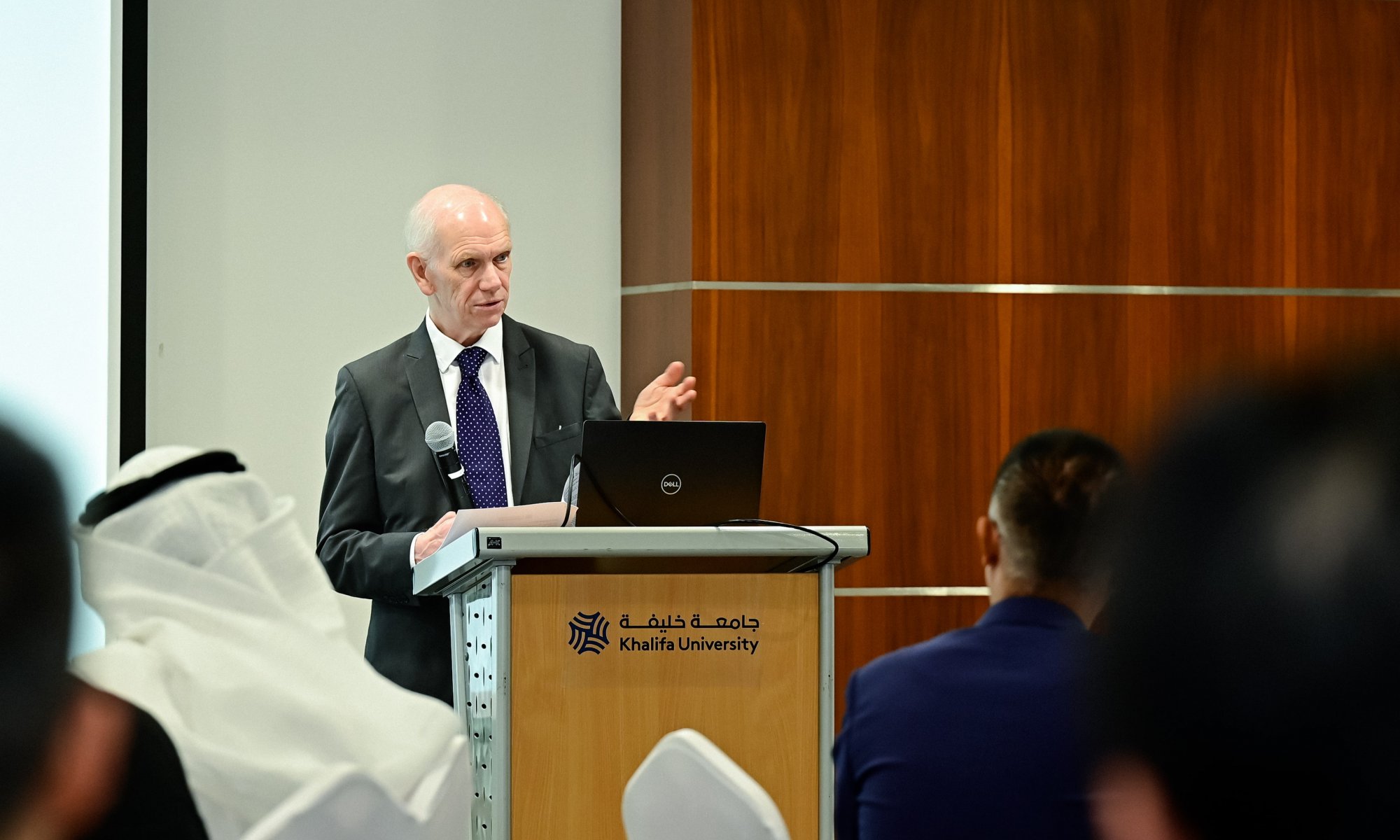
Professor Sir John O’Reilly, President of Khalifa University Discusses Academic Triumphs and Future Growth Plans


“Professor Sir John O’Reilly, President of Khalifa University of Science and Technology, presented a series of exclusive Town Hall meetings to celebrate the university’s exceptional academic achievements and outline its future growth plans. Held on November 28th and 30th, 2022, at the Main Campus and SAN Campus, respectively, these sessions showcased KU’s commitment to excellence and innovation.


During the meetings, Professor Sir John O’Reilly praised the remarkable accomplishments of KU’s faculty, staff, and students, which have contributed to KU’s outstanding international recognition. The university stands as a leading institution in the region, solidifying its position through continuous dedication to excellence in innovation and research.


Looking ahead, Professor Sir John O’Reilly revealed KU’s ambitious growth strategies which is listed below:

  • Commitment to excellence and innovation in all facets of KU activities,
  • Expand student intake and enrollment,
  • Embrace automation and technology in everything that we do at KU,
  • Enter more partnerships and collaborations with top organizations and educational institutions
  • Emphasis on strategic research areas for further development,
  • Masterplans for both campuses to foster cutting-edge research and create world-class learning environments


With Professor Sir John O’Reilly’s visionary leadership, Khalifa University is poised to reach new heights, leaving an indelible mark as a pioneering force in education and research.”

Insights to Plasma Dynamics in Planetary Magnetospheres

A Khalifa University research group has investigated the tenuous plasma environments surrounding Mars and Saturn to better understand plasmas in the Earthbound laboratory and beyond our solar system.


Plasma is an interesting research challenge to scientists across disciplines. So much of the universe is made of plasma — it comprises over 99 percent of the visible universe in environments as diverse as stars or distant nebulas, and is manifested in the form of auroras, lightning, and even in such technological applications as neon signs.


Plasma is often called the “fourth state of matter” after solid, liquid, and gas. When gas is sufficiently heated, the molecules get more energetic and excitable, moving around more and more freely. At a high enough temperature, the atoms themselves will break apart, with electrons separating from their nuclei, leaving behind charged particles known as ions amid a swirl of electrons. This is plasma.


Plasmas are found throughout the solar system and beyond: in the solar corona and in the solar wind from the sun, in the magnetospheres of Earth and other planets, in tails of comets, and in the interstellar and intergalactic media.


Dr. Ioannis Kourakis, Associate Professor of Mathematics and Theme Leader for Magnetospheric Modeling at Khalifa University’s Space and Planetary Science Group (SPSG), studies plasma on Earth and in the solar system. His research group recently investigated the tenuous plasma environment surrounding Mars and Saturn in their magnetospheres to better understand the structure of the plasma environment surrounding these planets. They also examined the morphology of plasma waves in the aurora of Earth.


The research group comprises Dr. Kuldeep Singh, Dr. Nikos Lazaridis, Dr. Steffy Varghese and Dr. Hans Huybrighs, assisted by a number of visitors and collaborating students. This group has undertaken further studies of the plasma environment around Venus.


Solitary Waves in the Martian Magnetosphere

Magnetic fields are generated by electric currents flowing in a planet’s liquid outer core. They may extend far into space, where they meet interplanetary magnetic field lines, which are carried throughout the solar system by the solar wind. The region of space containing the planet’s magnetic field is known as its magnetosphere. Plasma in the Earth’s magnetosphere produces the auroras (also known as the Northern Lights, due to their early observation in latitudes near the North Pole) when charged particles interact with the plasma. The magnetosphere shields the planet from the solar wind and ionizing particles and also helps prevent the solar wind from entering the atmosphere over time. Research indicates that Mars lost its atmosphere, which may also be associated with its lack of a strong magnetic field.


The solar magnetic-field lines hitting the planet’s magnetosphere create a shape known as the bow shock. The velocity of the plasma in the solar winds drops as this plasma is forced around the shape of the planet. This creates the classic bow shape with the solar wind curving around the area of impact and extending beyond the sides of the planet.


“Mars does not have an intrinsic magnetic field, but the properties of the atmosphere it does have act as an obstacle to the solar wind, functioning as an induced magnetosphere,” Dr. Kourakis said. “Recently, the Mars Atmosphere and Volatile Evolution (MAVEN) mission provided an excellent opportunity to explore plasma process in the Martian quasi-magnetosphere. Different plasma waves were observed in the upper atmosphere, which suggests that although Mars only possesses an induced mini magnetosphere, it is highly dynamic and capable of generating various plasma waves. Investigating this could provide meaningful information about the different plasma-wave processes operating in such a dynamic region.”


Data from previous missions show that the Martian magnetosheath is filled with compressive waves, which gradually evolve to multiple shocks. These occur when the solar wind hits the magnetosphere, causing shock waves.


Current understanding of the Martian environment suggests the presence of solitary waves in the Martian upper atmosphere, where individual electrostatic wave pulses, known as electrostatic solitary waves, propagated in tenuous plasma move through the magnetosphere. Even though these had not yet been observed, recent analysis of data from the MAVEN mission did detect pulses in the bipolar electric field of the Martian magnetosheath region, i.e. the region of space between the place of impact with the magnetosphere and the bow shock of the planet.  


In a paper published in The Astrophysical Journal, a research team led and coordinated by Dr. Kourakis used theory and numerical (data) analysis to identify these structures and to investigate the propagation characteristics of these pulses. Dr. Kourakis collaborated with researchers from the Indian Institute of Geomagnetism to provide an efficient interpretation of the observed data, which suggest that these pulses are actually solitary plasma waves. This is among the first studies to report and model solitary-wave structures in the Martian magnetosheath.


The magnetosheath is an important and dynamic region of turbulent plasma flow that may play a role in the structure of the bow shock and dictate the flow of energetic particles across the magnetosphere. The solitary pulses captured by the MAVEN mission were observed in the magnetosheath, and when modeled with simulations and theory, the data suggest these pulses were ion-acoustic solitary-wave structures — i.e., spatially localized electrostatic waveforms propagating in the plasma. Electrostatic solitary waves are important as they offer an insight to the nonlinear features of localized electrostatic disturbances in a plasma medium. Researchers across disciplines can use these insights to understand the inherent properties of matter (dispersion, nonlinearity, gain/loss mechanisms) for applications in, for example, transmitting information across large distances without distortion or loss in intensity. Understanding solitary waves in space plasmas can offer a new concept of nonlinear-plasma dynamics in space and help us better understand the physics of our universe.


Saturn’s Dusty Plasma

Dusty plasmas are plasmas containing solid particles at the nanometer up to micron scale. These particles acquire an electric charge by collecting electrons and ions from the plasma, in turn affecting the plasma properties. Dusty plasmas are a common occurrence in a number of natural environments, including planetary rings and comet tails, as well as in the technological components used to manufacture semiconductor chips and magnetic-fusion devices.


“Dust is a ubiquitous ingredient in space and astrophysical environments,” Dr. Kourakis said. “The physics of dusty plasma interest researchers because of their essential role in space and astrophysical plasmas, but also in laboratory plasmas in fusion devices, solar cells, and semiconductor chips. Satellite missions have established that space plasmas tacitly deviate from expected behavior, as they possess highly energetic particles (ions or electrons) that affect their dynamics and lead to an “abnormal” (non-Maxwell/Boltzmann type) statistical profile. These have been found in the solar wind and magnetosphere around Earth, and data from the Voyager 1 and 2 spacecraft indicate similar patterns in Saturn’s magnetosphere.”


The Radio and Plasma Wave Science instrument onboard the Cassini mission to Saturn returned data suggesting that charged dust grains in Saturn’s rings interact with the surrounding plasma of Saturn’s magnetosphere. Different charges lead to changes in the generation of waves in the plasma, according to models created by the SPSG team.


Research into space plasmas in our solar system is motivated by the desire to understand how the solar wind interacts with our own planet’s magnetic field, particularly in how geomagnetic storms can impact satellites and endanger astronauts. Solar storms are recognized as a risk factor representing a threat for e.g., telecommunications on Earth, thus establishing space weather and space plasma science as a priority area of research. Additionally, understanding environments in our solar system helps in understanding plasma environments beyond it, and also in the laboratory (where relevant phenomena may be reproduced at a smaller scale).  


Jade Sterling
Science Writer
5 December 2022

Khalifa University and Manchester University Collaborate To Fund Mutual Research In Graphene Innovation

An ambitious partnership between Abu Dhabi-based Khalifa University of Science and Technology and The University of Manchester has been agreed with the aim to deliver a mutual research funding boost to graphene innovation.


The historic agreement will combine joint visions shared by Khalifa and Manchester universities to provide innovative solutions to some of the current challenges, such as providing clean drinking water for millions of people and supporting a circular ‘green economy’ in all parts of the world.


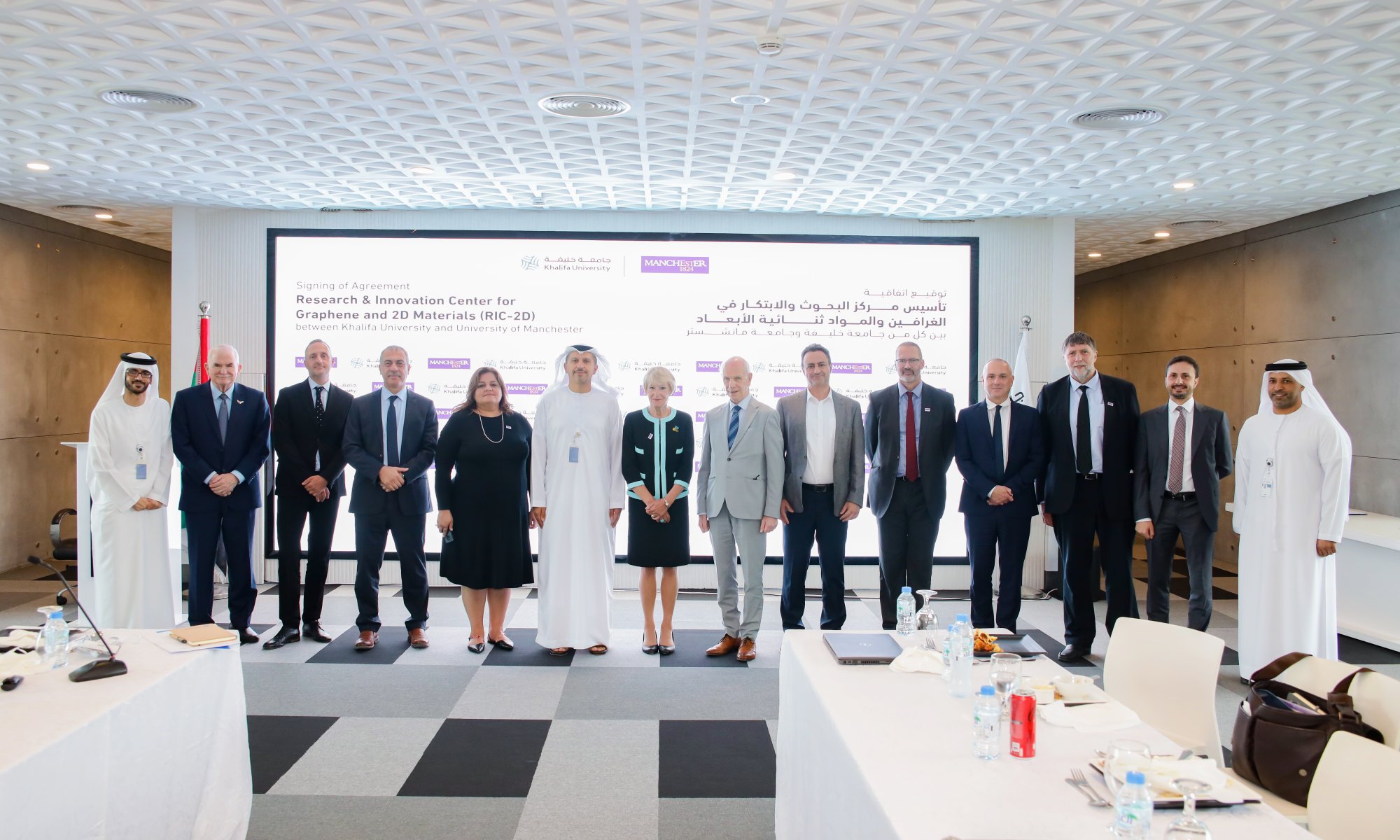
Professor Sir John O’Reilly, President, Khalifa University, and Professor Dame Nancy Rothwell, Vice-Chancellor and President at The University of Manchester, officially signed a contract between the two institutions during an official VIP visit by Manchester to the United Arab Emirates (UAE). Senior officials from both universities were present on the occasion.


This international partnership will further accelerate Abu Dhabi’s and Manchester’s world-leading research and innovation into graphene and other 2D materials. The Research & Innovation Center for Graphene and 2D Materials (RIC-2D) based in Khalifa University is part of a strategic investment program supported by the Government of Abu Dhabi, UAE. This partnership will support expediting the development of the RIC-2D at Khalifa University as well as help building capability in Graphene and 2D Materials in collaboration with the Graphene@Manchester, a community, which includes the academic–led National Graphene Institute (NGI) and the commercially-focused Graphene Engineering Innovation Centre (GEIC), a pioneering facility already backed by the Abu Dhabi-based renewable energy company Masdar.


Graphene – originally isolated at The University of Manchester, the global ‘home of graphene’ – has the potential to deliver transformational technologies.  The focus of the Khalifa–Manchester partnership will be on key themes, with a priority to meet the most immediate of global challenges, including  “climate change  and the energy crisis”. These flagship areas are:     


  • Water filtration and desalination – graphene and 2D materials are being applied to next generation filtration technologies to significantly boost their effectiveness and efficiency to help safeguard the world’s precious supply of drinking water
  • Construction – graphene is helping to develop building materials that are much more sustainable and when applied at scale can expect to slash global CO2 emissions
  • Energy storage – applications are being developed across the energy storage sector to produce more efficient batteries, super-capacities and other energy storage systems vital to a circular ‘green economy’
  • Lightweighting of materials – the use of graphene and 2D materials to take weight out of vehicles, as well as big structures and infrastructure, will also be a key to building a more sustainable future.


The investment is expected to be put into joint projects. The full scope and budgets for projects under this new framework agreement remain to be determined in the months ahead. The proposal will see dedicated space for the Khalifa University’s RIC-2D within the GEIC, which is based in the Masdar Building at The University of Manchester, to deliver rapid R&D and breakthrough technologies. Researchers from Khalifa University will have dedicated lab space in the GEIC where they can work alongside Manchester’s applications experts and access in-house facilities and equipment.


As well as the research and innovation activity, Khalifa University’s Research & Innovation Center for Graphene and 2D Materials (RIC-2D) program will support the development of people, including early-career researchers who will benefit from the real world experience of working on the joint R&D program. Also, there will be opportunities for post-graduate students, including the exchange of PhD students and researchers (see FactFile).


Professor Sir John O’Reilly, President, Khalifa University, said: “This Khalifa University-University of Manchester collaboration is greatly to be welcomed. It has all the hallmarks of a most successful approach to inspiring and nurturing outstanding research, innovation and enterprise in graphene to be taken forward to the benefit of the wider community.”


Professor Dame Nancy Rothwell, President and Vice-Chancellor of the University of Manchester, said: “We look forward to a long and productive partnership with Khalifa University that will realize the potential of graphene to address global challenges including water and energy security and above all sustainability.”


Dr. Arif Sultan Al Hammadi, Executive Vice-President, Khalifa University, said: “We are delighted to enter into this partnership with the University of Manchester and encourage innovation in graphene through a pipeline of projects, as well as focus on transferring technology towards commercialization. Through this agreement, we will continue to not only focus our research activities on existing flagship projects in water filtration, construction, energy storage and composites but also expand to new areas. This combination of virtual and in-person collaborations will also include exchange of PhD students and sponsored labs within the Graphene Engineering Innovation Centre (GEIC) at Manchester.”


Professor Luke Georghiou, Deputy President and Deputy Vice-Chancellor of The University of Manchester, , said: “Our excellent relationship with our partners in Abu Dhabi, including Khalifa University and Masdar, has been vital in the success of the world-leading graphene research and innovation activities at The University of Manchester, especially in driving forward the commercialisation of 2D materials in our facilities based in the Graphene Engineering Innovation Centre. This new investment will deliver a game-changing step change in our lab-to-market ambitions – and will accelerate the translation of graphene in an unprecedented way.” 


Professor Hassan Arafat, Senior Director, RIC-2D, said: “The overarching goal of RIC-2D is to be a catalyst for economic growth in the UAE, by enabling industrial and public entities within the country to utilize graphene and other 2D materials in new technologies that add economic value and solve pressing societal challenges such as water scarcity and greenhouse emissions. Therefore, the center will support a range of fundamental and translational research projects, in addition to commercialization and technology transfer activities. Graphene@Manchester has accumulated significant experience doing the same in the UK over the past decade. Hence, they were naturally identified as one of RIC-2D’s most strategic partners”.  


James Baker, CEO of Graphene@Manchester, explained: “We have built a unique model of innovation for advanced materials in Greater Manchester by successfully attracting regional, national and international investment.


“The RIC-2D programme will be a significant funding boost for UK-based graphene research and commercialisation. It is set to significantly accelerate the work that is already happening in our ecosystem and help with the application and commercialisation of 2D materials at a rate much faster than you would normally expect for a revolutionary new material like graphene.


“This provides an opportunity to fast-track technologies that are urgently needed to tackle immediate challenges like climate change or the energy crisis.“The University of Manchester and Khalifa University will play a key role in connecting our ambitions by synchronizing new research with key industry and supply-chain companies across a range of sectors.


“Our lab-to-market model will link up fundamental research with applied research and ultimately be part of a pipeline delivering new, market-ready technologies.  The program will also provide industry-standard equipment and capabilities for the rapid scale-up and pilot production of prototypes.”


Graphene@Manchester’s world-class facilities and resources are supported by internationally renowned academics and industry-experienced engineers and innovation experts, working across a very broad range of novel technologies and applications.


“Together, these experts will focus on industry-led 2D material development and look to help companies design, develop, scale-up, and ‘de-risk’ the next generation of innovative products and processes,” added James Baker.


NOTES:

  1. Khalifa University’s newly launched Research & Innovation Center for Graphene & 2D Materials will host a range of activities to support both research and technology advancement of graphene and other enhanced 2D materials in the region.

FACT FILE – Joint R&D Programme

The joint R&D program between The University of Manchester and Khalifa University will provide a pipeline of projects from the near to long term to ensure that RIC-2D development activities remain world-leading and are based upon a strong scientific foundation.


Part of the R&D program will focus on Technology Readiness Levels (TRLs) 1-3 – i.e. early stage research and development – beyond which the research teams will collaborate with applications experts at the Graphene Engineering Innovation Centre (GEIC) in a bid to transfer the technology for commercialization.


The shared R&D platforms are designed to support existing flagship projects, including those involved with water filtration, construction, energy storage and composites – but there will be an expectation to develop new streams. Finally, the R&D program will produce high-quality academic publications that will add to the prestige and international reputation of RIC-2D.


The joint program will be a combination of virtual and in-person collaborations, through the exchange of PhD students and researchers and having Khalifa University-sponsored labs based within the GEIC.


Clarence Michael
English Editor Specialist
29 November 2022