
Tokamak Energy and Khalifa University to Present Key Advantages of Fusion Technologies in Abu Dhabi ahead of COP28

Three-Day ‘Focus on Fusion’ Event to Deliver an Inspirational Introduction to the Clean, Secure and Affordable Energy Source of the Future.

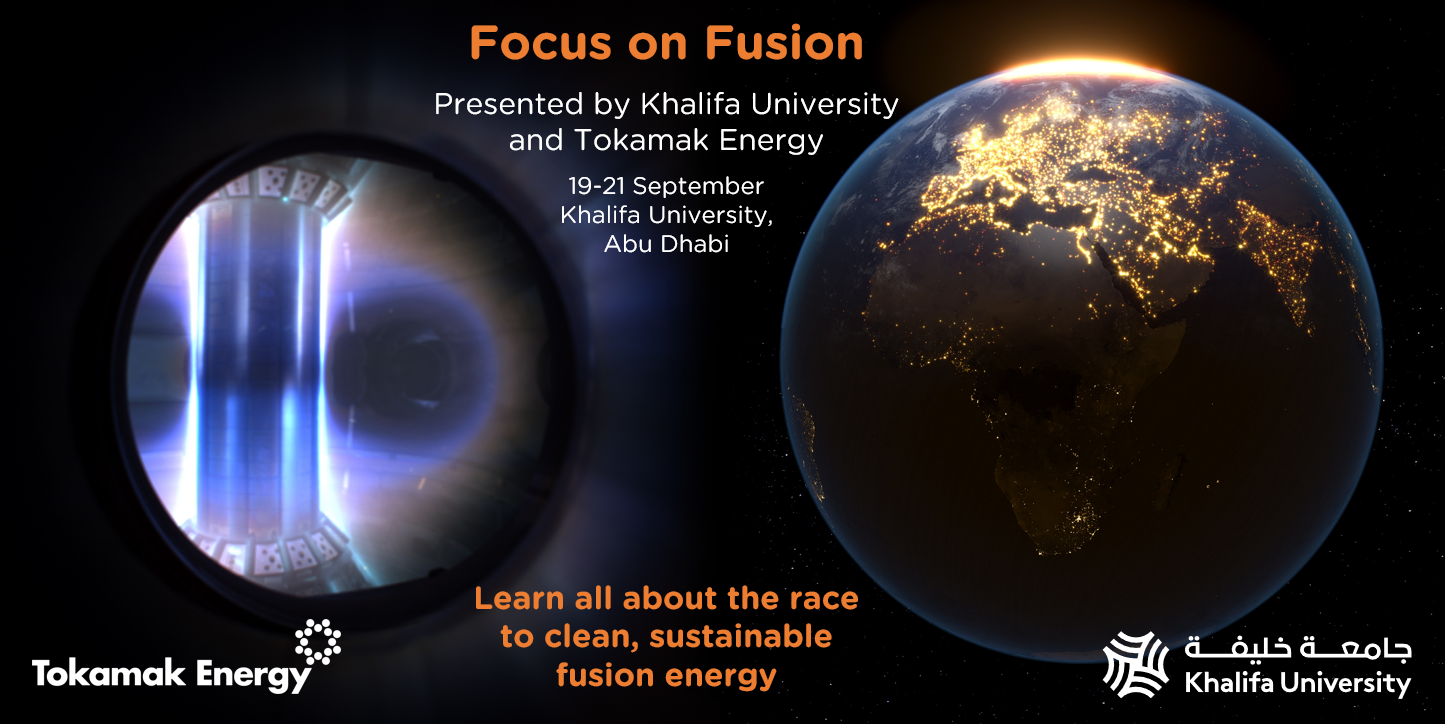
Abu Dhabi-UAE: 11 September 2023 – Khalifa University of Science and Technology’s Emirates Nuclear Technology Center (ENTC), in collaboration with Tokamak Energy, a UK-based fusion power company, today announced they will be presenting together the UAE’s first-of-its-kind ‘Focus on Fusion’ event to deliver an inspirational introduction to the clean, secure and affordable energy source of the future, ahead of COP28.

A key theme at UAE’s COP28 in Dubai later this year, fusion technology is expected to deliver energy security and play an important role in building a net zero world in the fight against climate change. 

Scheduled to be held from 19-21 September at Abu Dhabi’s Khalifa University Main Campus, the three-day event will include an exhibition to introduce visitors to the world of fusion and networking of stakeholders in the energy sector. Tokamak Energy’s team of leading scientists and engineers will offer a series of lectures covering different approaches to delivering commercial fusion, the physics of fusion and how new generation high temperature superconducting magnet technology has accelerated progress. For more information and to register, click here.

Tokamak Energy and Khalifa University’s ‘Focus on Fusion’ for students and other stakeholders will explain how the process that powers the sun and stars can be harnessed to deliver carbon-free energy and explore the cutting-edge technology making it happen here on Earth. 

Tokamak Energy is a leading global company working collaboratively with both public and private partners around the world to deliver commercial fusion energy in the 2030s. 

Ross Morgan, Tokamak Energy’s Director of Strategic Partnerships, said: “We’re excited to launch ‘Focus on Fusion’ before the world turns its attention to the UAE for COP28. Our inaugural event in partnership with the highly-respected Khalifa University will raise awareness of fusion within the UAE and highlight the many benefits of this ultimate source of clean, secure and affordable power in the fight against climate change.”

Dr. Saeed Al Ameri, Manager, Gulf Nuclear Energy Infrastructure Institute (GNEII), Khalifa University, and Assistant Professor, Mechanical and Nuclear Engineering, said: “We are delighted to bring this key event on fusion to Abu Dhabi in collaboration with Tokamak Energy during the UAE’s Year of Sustainability and with COP28 just around the corner. We believe this event will offer a platform for knowledge exchange and networking that will further highlight how this long-term energy source uses abundant fuel supplies and does not produce greenhouse gasses or long-lived radioactive waste.” 

An exhibition space will also give visitors a chance to meet Tokamak experts, including Michael Porton, Chief Engineer, and Steven McNamara, Science Director, and discuss the variety of rewarding career opportunities in the fusion sector with talent experts.

The 2023 United Nations Climate Change Conference, more commonly referred to as COP28, will be held from November 30 to December 12 at Expo City, Dubai, UAE.
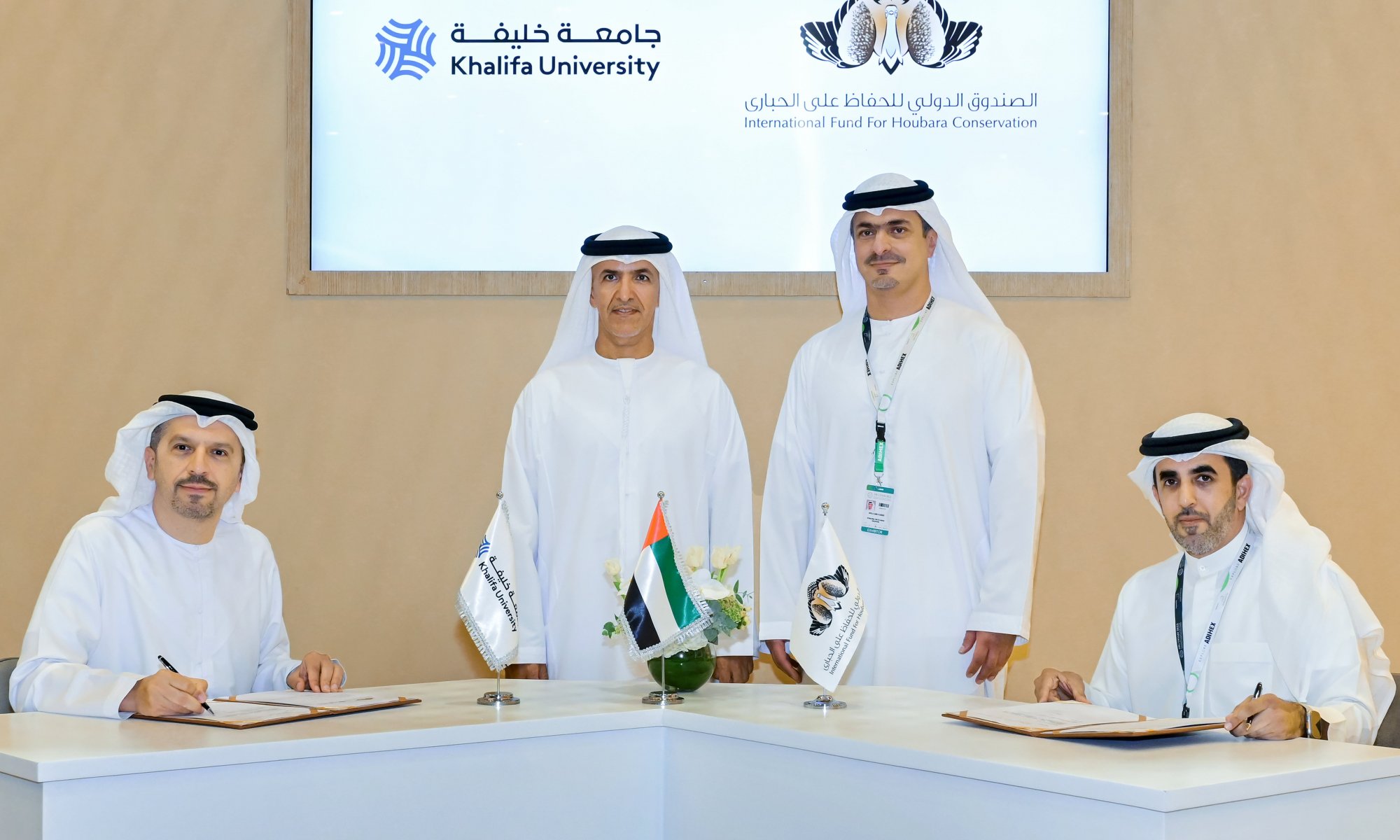

International Fund for Houbara Conservation partners with Khalifa University of Science and Technology to develop scientific research and training

The International Fund for Houbara Conservation (IFHC) has signed an agreement with Khalifa University of Science and Technology at the Abu Dhabi International Hunting and Equestrian Exhibition (ADIHEX).


The agreement will focus on scientific research and training including robotics, intelligent systems, genetics and genomics in breeding projects. It will also aim to provide training opportunities for students and drive employment for qualified national talent in technical and scientific roles at IFHC.


As part of the partnership, two research agreements will be initiated to further the understanding of the houbara species. The first agreement will underline the use of intelligent systems through the development of computational models to analyse data related to bird positioning, vegetation categorisation, individual bird detection and distance tracking, camera traps footage analysis and analysis of images of captive-bred birds.


The second agreement will focus on robotics through the development of a houbara robot, which will help in ecological study on-site and will assist in gathering information of wild houbara species in their natural environment. The houbara robot will also be used to study behaviours such as mating with the goal of collecting semen from wild male houbaras to enhance the genetic diversity in the captive breeding programme.


In line with the directives of IFHC’s Board of Directors, the collaboration with Khalifa University addresses the need to leverage cutting-edge research and technology to enhance IFHC’s leadership and support its advanced programmes in preserving vulnerable species. It aims to strengthen partnerships with distinguished national universities and institutions in the field of development and scientific research. 


The signing ceremony took place at the IFHC pavilion and was attended by His Excelleny Dr. Mugheer Khamis Al Khaili, Chairman of the Department of Community Development, His Excellency Abdullah Ahmed Khalaf Al Qubaisi, Managing Director of the International Fund for Houbara Conservation, His Excellency Abdulla Ghurair Al Qubaisi, Director General of the International Fund for Houbara Conservation, and Dr. Arif Sultan Al Hammadi, Executive Vice-President from Khalifa University of Science and Technology.


His Excellency Abdulla Ghurair Al Qubaisi, Director General of the International Fund for Houbara Conservation, said: “This collaboration will accelerate the research objectives of the fund and provide valuable insights into various aspects of the lives of houbara bustards and their natural habitat.


“The research agreement with Khalifa University will see robotics being utilised to help conduct behavioural studies of the houbara birds.”


Dr. Arif Sultan Al Hammadi, Executive Vice President of Khalifa University of Science and Technology, said: “The Khalifa University is pleased to collaborate with the International Fund for Houbara Conservation to enhance research for wildlife protection.


“This partnership will allow the fund to leverage the research expertise and capabilities of Khalifa University, enhancing the role of universities as prominent national research institutions in advancing the objectives of this distinctive global model for conserving endangered species.”


Dr. Arif Sultan Al Hammadi added that the agreement creates opportunities for professors and students to engage in essential research and studies that are aimed at fulfilling IFHC’s objectives. It opens doors for some of the exceptional graduates to pursue research, studies, and specialised roles within the International Fund for Houbara Conservation including its various centres and both domestic and international projects.

The Demographics of Energy and Mobility Poverty

New research maps the intersections of energy and transport poverty across varying geographies and socioeconomic backdrops. With these findings, policymakers can focus on multi-pronged, context-specific solutions. 


The word ‘poverty’ summons images of scarcity — usually hunger or homelessness — but two significant dimensions are often overlooked: energy and transport. New research from Khalifa University’s Dr. Steve Griffiths, SVP Research and Development and Professor of Practice, dives into these realms to reveal not just the extent of their impact but also the intricate ways they interconnect.


Dr. Griffiths collaborated with Jonathan Furszyfer Del Rio, Stanford University, Dylan Furszyfer Del Rio and Benjamin Sovacool, both University of Sussex Business School, to examine transport and energy poverty across four countries. They found that energy and transport poverty require targeted, context-tailored policy interventions suitable for all segments of society. Their findings are published in Global Environmental Change, a top 1% journal in geography, planning and development.


Research indicates that poverty doesn’t just limit resources; it also affects emotional well-being and spirit. This results in individuals being less likely to embrace risks that could offer a brighter future, manifesting as a low willingness to adopt more efficient technologies or hesitating before making long-term investments in health and education.


Central to the team’s research was the exploration of energy and transport poverty. Households experiencing energy poverty may find it hard, if not impossible, to meet their basic energy requirements. For some, this means living in darkness or cooking over open fires, while for others, it translates to paying an exorbitant portion of their income on energy bills. Energy poverty isn’t a problem reserved for remote areas of developing nations; even in first-world countries, energy insecurity can manifest in myriad ways, from risky heating methods to the inability to adopt green energy technologies.


Parallel to energy woes is the issue of transport poverty. For those unable to afford even basic transport, or those living in areas without access to public transport, this dimension of poverty intensifies social exclusion, impeding an individual’s full societal participation. This impacts their overall wellbeing and economic growth opportunities.


The researchers highlighted what they term a “double energy vulnerability”: individuals trapped in the vortex of both energy and transport poverty. They note that this convergence doesn’t just double the challenges: It multiples them, resulting in intricate vulnerabilities.


To investigate these overlaps, the research team surveyed people living in Mexico, the UAE, Ireland, and Northern Ireland. They were especially interested in exploring how the Covid-19 pandemic influenced energy and transport use behaviors in countries not commonly examined within the energy and climate studies community.


“This is the first study of its kind to explore energy and transport poverty simultaneously across four countries on three continents,” Dr. Griffiths said. “Not only are the countries geographically distinct, but they also have diverse very different sociodemographic, political and economic contexts and, in the case of the UAE, consist of microregions where energy and transport poverty emerge, contrasting the high levels of individual wealth often associated with the UAE as a whole. Further, the studied countries have climates where both heating and cooling, depending on context, must be considered with regard to energy affordability. Our aim was to explore how transport and energy poverty are not only experienced due to issues around affordability, but also how context may impact individuals’ capabilities to use these services productively.”


The team found that energy poverty is mostly driven by high energy bills, inadequate home infrastructure, and inefficient appliances, while long commutes and inaccessible public transport factor most prominently into transport poverty. The Covid-19 pandemic exacerbated the double energy vulnerability with impacts most prominent in less affluent locations. They note that policymakers must develop solutions to energy and transport challenges simultaneously rather than treating them in silos. In the countries studied, current policy interventions, such as energy subsidies in Mexico, are not having the positive impact on poverty that government officials hoped to see.


“Our results showed that even in such diverse locations, transport and energy poverty overlap,” Dr. Griffiths said. “Such dimensions of poverty should no longer be treated as separate issues. As our research shows, energy and transport expenditures often come with economic sacrifices whereby consumers must ration their energy services to afford food, entertainment, clothes, or even journeys that many take for granted. Policy makers need to understand this and plan accordingly their efforts to reduce energy and transport poverty”


As this research underscores, the fight against poverty necessitates a broader lens: one that recognizes and tackles the intertwined challenges of energy and transport and considers the nuances of developing effective policies to combat these challenges. 


Jade Sterling
Science Writer
06 September 2023

The Interplay between Sustainable Development Goals and Country-Level Business Risk: A New Perspective


KU research offers insights to creating a sustainable and economically robust business environment for policymakers.


The world’s perception of sustainability has been encapsulated as meeting today’s needs without compromising the ability of future generations to meet their own. This ideal, encompassing the harmony of environmental, economic, and social balances, is the backbone of the Sustainable Development Goals (SDGs) introduced by the United Nations in 2015. Yet, as this harmony is pursued, the looming threats of sustainability risks — which cover environmental degradation, social disparities, and economic vulnerabilities — pose significant challenges to current and future generations.


Moreover, the notion of country-level business risk, which is the probability of encountering obstacles when engaging in business within a specific nation, further adds layers to the complex quilt of challenges. As businesses today operate in an increasingly interconnected global ecosystem, understanding the interdependencies between SDGs and business risks is paramount for creating a sustainable future.


A team of researchers including Khalifa University’s Dr. Mecit Can Emre Simsekler, Associate Professor of Management Science and Engineering, has developed a model to explore dependences among SDG risks and business risks to help policymakers mitigate business risks while contributing to national sustainability goals. Dr. Simsekler collaborated with Abroon Qazi, American University of Sharjah, and M.K.S Al-Mhdawi, Teesside University, with their results published in the Journal of Cleaner Production, a top 1% journal for sustainability and business.


Understanding country-level sustainability risks is crucial for minimizing operational disruptions and reputational damage while ensuring compliance with regulations and maintaining good investor relations.


While there have been studies around the relationship between aspects of sustainability and business risk, a comprehensive exploration of how all 17 SDG risks interplay with business risks in a networked environment is notably absent. Dr. Simsekler’s work aims to bridge this gap. By delving into the intricate web of relationships between each SDG risk and business risks, it provides a robust foundation for understanding the interdependencies and offers a roadmap for holistic decision-making.


For instance, while previous studies have underscored environmental performance as an indicator of business risk, this study’s findings illuminate the broader picture. The SDGs related to ‘quality education’, ‘no poverty’, and ‘affordable and clean energy’, representing social, economic, and environmental dimensions of sustainability respectively, are pivotal when understanding on the connection between SDGs and business risk.


This research also serves as a call for multi-stakeholder engagement. Addressing the intertwined challenges of SDGs requires a symphony of efforts from businesses, governments, civil society organizations and academia.


A key takeaway is the need to integrate sustainability considerations into traditional risk management processes. While the conventional risk frameworks have primarily revolved around financial risks, the evolving landscape necessitates a broader view, encapsulating sustainability risks.


While this study has shed light on the complex landscape of SDG risks and business risks, several avenues remain unexplored, such as the dynamic behavior of business and SDG risks, or the detailed strategies to mitigate these intertwined risks.


Dr. Simsekler says subsequent research could delve into the nuanced relationship between SDG risks and specific dimensions of business risk like financial or reputational risks. Such granular analysis can empower businesses with actionable insights tailored to their specific industry or operational scale. Moreover, understanding these associations across different scales – organizational to global – can offer a more holistic view of the intricate landscape of SDGs and business risks.


As the world strides towards a sustainable future, recognizing, understanding, and addressing the nexus between SDGs and business risks becomes paramount. This research serves as a beacon, guiding stakeholders through the complex maze of interdependencies and offering a blueprint for a balanced and harmonious future.


Jade Sterling
Science Writer
29 September

KU Research Uses Machine Learning to Identify Potential Biomarkers for Respiratory Disease


Harnessing the power of machine learning allowed Khalifa University researcher to identify 57 biomarkers for asthma, promising novel avenues for personalized asthma management.


Asthma is a respiratory puzzle that affects over 358 million people globally. Its triggers are vast, ranging from dust and tree pollen to weather and exercise, and its symptoms can escalate from mere coughs to fatal attacks. Asthma is one of the most common non-communicable diseases in adults and the most common chronic ailment in children, but while its genetic links are increasingly being uncovered, the full picture remained elusive.


Now, researchers are turning to the human microbiome, a community of trillions of microbes, encompassing bacteria, fungi, and even viruses, which play pivotal roles in human health and illnesses. While most microbiota studies focus on the gut, newer research is unveiling the profound impact of respiratory microbiota. Illnesses such as asthma, bronchitis, and chronic obstructive pulmonary disease have shown correlations to shifts in these microbial communities.


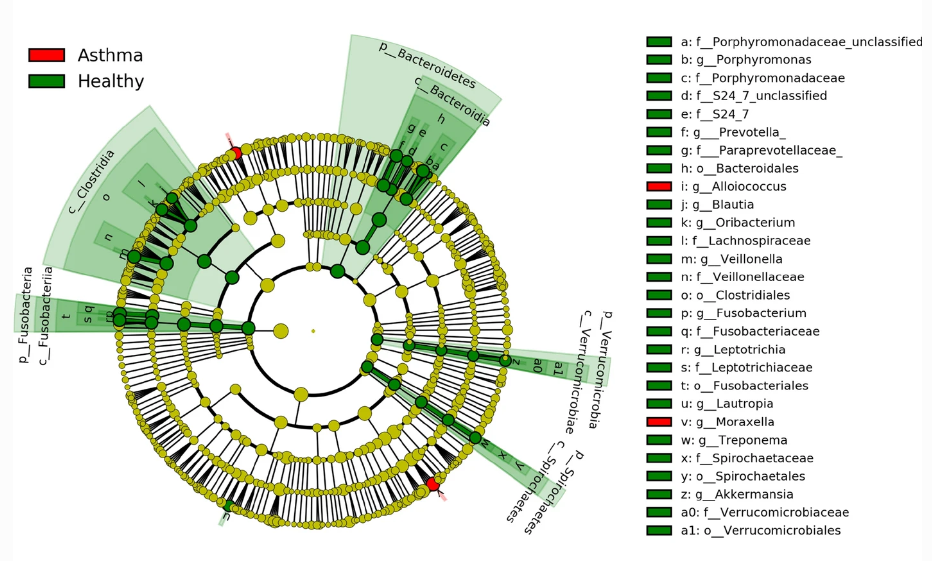
Dr. Mohammad Bataineh, Assistant Professor of Molecular Biology and Genetics at Khalifa University, used advanced machine learning techniques to characterize the respiratory microbiota in asthmatic patients compared with healthy people and explore the potential of microbiota as a biomarker for asthma diagnosis and prediction. With Reem Salman and Ayman Alzaatreh from the American University of Sharjah, Dr. Bataineh’s research found 57 microbial markers that could be used to characterize notable microbiota composition differences between those with asthma and those without. Their results were published in the Journal of Big Data, a top 1% journal for research in computer science. The research team hope that in an era of precision medicine, their discovery of the respiratory microbiota associated with asthma could lead to valuable applications for individualized asthma care.


“Differences in the microbial populations in the respiratory airways have always been related to the diagnosis of asthma across many studies,” Dr. Bataineh said. “Previous works have shown antibiotic use in early life is associated with the development of childhood asthma, while other studies have also shown that people who grow up in surroundings with high microbiological diversity have a much lower chance of developing asthma. We know that diversified microbial environments can promote diversified human microbiota, leading to a reduced risk of atopic illness and improved lung function, especially in children.”


In the past decade, machine learning has woven its way into biological research, turning vast, intricate datasets into comprehensible patterns. Where traditional methods of analyzing microbial populations might stumble, machine learning algorithms race ahead, adept at navigating the dense forests of high-dimensional data.


The research team applied advanced machine learning techniques to a dataset of 5,853 operational taxonomic units (OTUs) — microbial categories — for 40 patients to identify a collection of the most relevant OTUs.  Their results not only corroborated the research that microbiota differences in the respiratory airways are related to asthma diagnosis, but identified 57 microbial biomarkers for diagnosis and therapeutic strategies.


They also noticed variations in microbial abundances across age groups. Pediatric asthmatics, for example, showed significant abundance of Proteobacteria, while other phyla were prominent among adult asthmatics, providing a potential fingerprint for diagnosis.


“Our results demonstrate that the respiratory microbiota’s taxonomic composition and diversity were all significantly different between healthy and asthmatic samples,” Dr. Bataineh said. “We also noted greater diversity and richness of respiratory microbiota in healthy samples compared with asthmatic patients.”


While the study did uncover key respiratory bacterial species associated with asthmatic patients and provide new insights into their role in asthma pathogenesis, there is room for future research. The team recognized that their study was based on a relatively small sample size and a specific type of sample, which makes it challenging to differentiate between the microbiota of the upper and lower respiratory tracts. They also noted the presence of specific bacterial colonies, like Moraxella, can alter the likelihood of viral infections, and emphasized the need for further studies before these biomarkers can be concrete.


Dr. Bataineh’s work forms a foundation for future studies to delve deeper into the relationship between respiratory microbiota and its role in diseases like asthma. The integration of machine learning in the research process has helped pinpoint potential biomarkers, which could pave the way for novel therapeutic strategies targeting the microbiome. 

Jade Sterling
Science Writer

6 September 2023

SPE International Executive Symposium: Accelerating Decarbonisation Deployment Through Innovation and Collaboration

I’m participating at the SPE International Executive Symposium: Accelerating Decarbonisation Deployment Through Innovation and Collaboration, coordinating the Strategic Panel on Embracing the potential of hydrogen for a net-zero future.


Hydrogen and hydrogen-based fuels have been identified by the International Energy Agency and IRENA as one of the key technological avenues to achieve net zero emissions by 2050. With these strategies already launched by several countries, the production and use of low-carbon hydrogen has become an essential pillar of the energy transition. In this session we will address the crucial role low carbon hydrogen will play in achieving these goals, challenges, and opportunities this technology brings, together with the policies, incentives, and technology advances needed to fully deploy the hydrogen economy. The panelists will show case practical examples on the role hydrogen plays as a clean and versatile energy source, as an energy storage medium for intermittent renewable energy sources, integrated in hard-to-abate energy intensive industries such as iron, steel and cement, and to decarbonise heavy transportation, including the maritime and aviation sectors, together with the need to lower the cost of production and the availability of the required infrastructures. The panel session will emphasise the opportunities and needs for collaboration between policymakers, industry leaders, technology developers and providers to unlock the full potential of hydrogen.


Explore the conference programme and book your delegate pass today. Prepare to be part of an unprecedented gathering that will shape the future of energy. We’re diving deep into strategies that propel the adoption of cutting-edge solutions, driving decarbonisation and sustainability to new horizons.
Complete your online registration today http://go.spe.org/lis7829

Khalifa University Team Develop Smart Glasses for Dementia, Reach Next Stage in Longitude Prize on Dementia


The first MENA region team to reach the semi-finals has been awarded a grant for further development and progress to the next stage of the coveted international competition. 


A team of researchers from Khalifa University has been named a semi-finalist Discovery Award winner for the Longitude Prize on Dementia. The team’s iMAGIC smart glasses solution offers assistive features including facial recognition, reminders and alerts, zooming in and out to facilitate navigation, phone calls to loved ones, and vital-sign monitoring.  


The Khalifa University team is the only team from the MENA region to be selected to progress to the discovery phase of the international competition. The team, led by Prof. Mohamed Seghier, Director of the Healthcare Engineering Innovation Group, includes Prof. Leontios Hadjileontiadis, Dr. Aamna AlShehhi, Dr. Naoufel Werghi, Dr. Hamdan Hamdan, and Rayyah Alkhanjari. They collaborated with Cleveland Clinic’s Dr Eugene Achi. The grant received from the Longitude Prize on Dementia will help the team to design protypes of the smart glasses, and test the prototypes in a group of people living with dementia.


The iMAGIC smart glasses offer hands-free assistive technology to help people with dementia retain independence and regain confidence in their daily activities. It is user-friendly, safe, reliable, and personalized, and the technology can interact with other smart devices. It is based on a modular architecture, adapted to the users’ abilities, needs, and caregivers’ recommendations.


The glasses offer augmented capabilities as multiple on-demand modules: a recognition system for familiar faces and QR-labelled objects; an alarm or reminder system; a GPS-enabled tracker; zoom in and zoom out to facilitate navigation; a gyroscope and accelerometer for activity and fall-risk monitoring; safe connection with smart phones to initiate calls to frequently dialed numbers; and monitoring of vital signs including heartrate, body temperature, and hours of sleep.


“Our solution has high modularity and interoperability, meaning it can also safely interact with frequently used devices, such as smartphones, smartwatches, and smart TVs,” Prof. Seghier said. “Our current design incorporates seven modules, and one of the most useful is the possibility to recognize familiar faces and objects. This could be extremely useful for patients because one of the first symptoms of dementia is difficulty with finding the right word.”


Funded by the Alzheimer’s Society, a leading UK dementia charity, and by the UK innovation agency Innovate UK, the Longitude Prize on Dementia drives the co-creation of personalized technologies to help people living with dementia enjoy independent and fulfilled lives.


Dementia is caused by diseases that affect the brain with symptoms including memory loss, confusion, problems with words and comprehension, and a need for assistance in everyday living. It typically affects older adults. There are an estimated 46.8 million people living worldwide with dementia, with this number predicted to double every 20 years. In the UAE, Alzheimer’s disease, the most common form of dementia, currently affects around 4,500 residents, but nearly 30,000 could have it by 2030.


“Projected trends in population aging have forecasted a massive increase in the number of (affected) people, with alarming rates in the MENA region,” Prof. Seghier said. “It is important that new technologies are developed to allow people with dementia to live independently. Our main motivation was to develop a hands-free assistive device to make a difference in the lives of people with dementia. On a more personal note, some team members have relatives who are already affected by dementia, and this was another driver to start this project.”


The cognitive loss associated with dementia can cause a decline in independence, social interactions, and the ability to perform fundamental daily activities. Many people with dementia would like to retain their independence, and the Longitude Prize aims to encourage the development of technologies that can help.


The Discovery Award gave the Khalifa University team a cash grant of £80,000 to further develop their work. They will submit their technology to the next stage of the prize in 2024.


“Our ultimate goal is to develop an easy-to-use device based on a personalized-by-design pair of smart glasses to assist people with dementia to live independently for longer, while ensuring high design modularity and adaptability to meet the user’s changing abilities and needs,” Prof. Seghier said. “This requires an efficient co-design process with people with dementia to maximize utility, usefulness, and reliability. Prototypes of our smart glasses will be tested in real contexts in a group of people living with dementia in the UAE. Our future research will also explore new ways of making the smart glasses affordable to all, including to people with dementia in low-income countries.”


Jade Sterling
Science Writer
17 August 2023

Researchers at Khalifa University Develop Human-Powered Wearable Technology


As wearable health-monitoring electronics miniaturize and integrate more deeply within our bodies, a critical concern emerges: How do we power them safely and sustainably?


With the surge in wearable and implantable devices, there’s a heightened demand for self-powered electronics. Current on-skin or implantable devices rely predominately on battery power, both rechargeable and non-rechargeable, but this isn’t sustainable. Batteries come with environmental concerns given their toxicity and post-recycling challenges, and size constraints and the need for periodic replacements highlight the need to develop alternatives.


A team of researchers at Khalifa University has turned to the realm of biomimicry and bio-derived materials to develop a biocompatible triboelectric nanogenerator (TENG). Dr. Bushara Fatma, Postdoctoral Fellow, and Dr. Charalampos Pitsalidis, Assistant Professor of Physics, collaborated with researchers from the Indian Institute of Technology Kanpur, to create a green energy harvester using bacterial cellulose to create energy generators that can be used in healthcare wearable applications.


They published their results in Nano Energy, a top 1% journal in the field of electrical and electronic engineering.


Triboelectric nanogenerators integrated into clothing or wearable patches harvest mechanical energy from body movements, enabling continuous power for health-monitoring sensors that can track heart rate, breathing, or other vital signs.


Easy to fabricate, cost-effective and highly efficient, TENGs could offer the panacea to the conundrum of battery-driven wearables and implants. However, many TENGs still employ non-environmentally friendly materials that can cause discomfort or even skin infections.


Bacterial cellulose has potential as a triboelectric layer in a TENG. Produced under the right conditions by bacteria, bacterial cellulose offers a web-like morphology, good mechanical strength, breathability, and high surface area, among other beneficial traits. It is also cost-effective and eco-friendly to produce. By chemically modifying bacterial cellulose and introducing nanocoatings, the research team was able to finely tune its triboelectric properties, paving the way for high-performance, bio-friendly TENG devices.


Developing efficient TENGs is only the first part of the process. For integration with the human body, materials must pass the stringent tests of biocompatibility and bioabsorption. Preliminary results suggest bacterial cellulose-based triboelectric devices meet these criteria, opening the door for their use as implants.


Bacterial cellulose also stands out for its stability in aqueous environments — a vital requirement for implants. To showcase its versatility, the research team developed a device capable of harnessing energy from various foot motions.


“This TENG technology provides a unique combination of properties and has the potential to be implemented in wearables electronics and in vivo applications,” Dr. Pitsalidis said. “We are currently working on various cellulose-based materials which are combined with 2D materials like graphene for high-performance TENG devices. Our long term goal is to implement this technology into smart wearable electronics for health monitoring and wound patch applications.”


Jade Sterling
Science Writer
4 September 2023

KU Team Develops Efficient Adsorbent Material for Removing Mercury from Natural Gas


A novel adsorbent material based on zeolites and zinc sulfide nanoparticles may be an environmentally friendly and cost-effective solution to removing the mercury in wellhead natural gas, a significant industrial issue.


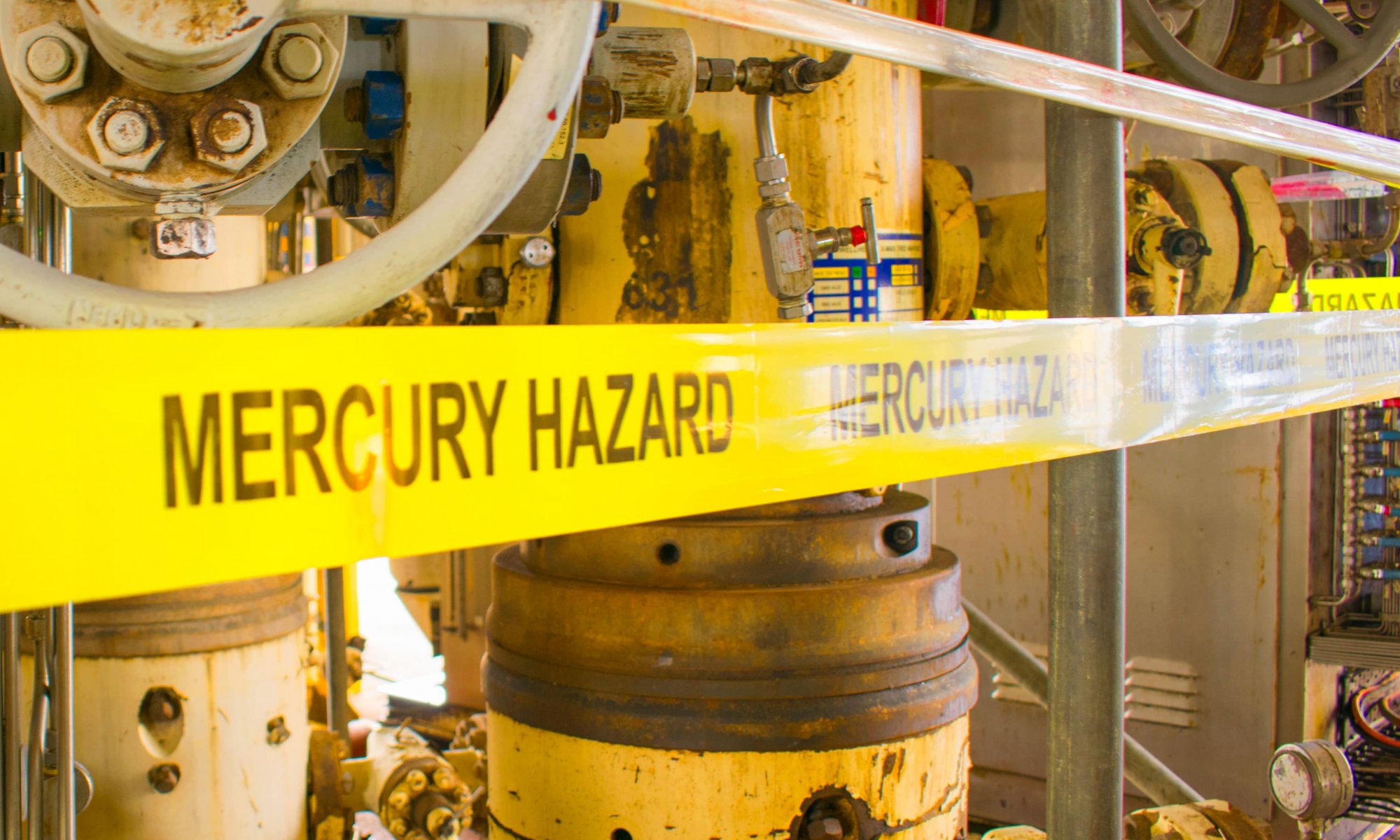
Mercury is inherently present in natural gas streams due to natural geological processes, and its concentration can vary widely depending on the geological history of the gas reservoir. It exists in several forms too: Elemental mercury is the most common and is often in a vapor state, while organic mercury compounds are less frequent but more challenging to remove.


Although naturally present, mercury has concerning impacts on human health, the environment, and gas processing infrastructure. Even in tiny amounts, mercury can amalgamate with metals like aluminum, causing significant damage to critical processing equipment. Its toxic nature also poses environmental hazards when released and can threaten the health of workers and communities nearby.


A team of researchers from Khalifa University has developed a novel adsorbent material for removing mercury from natural gas streams. Dr. Kishore K. Jena, Dr. K. Suresh Kumar Reddy, both Research Scientists, Dr. Georgios Karanikolos, and Dr. Saeed M. Alhassan, both Associate Professors of Chemical and Petroleum Engineering, used zeolites and zinc sulfide nanoparticles to create a novel material for mercury removel, aiming to improve efficiency. They published their results in Chemical Engineering Journal, a top 1% journal in the field of industrial and manufacturing engineering.


“Removing mercury from natural gas streams in the UAE is becoming more challenging because of the need to reduce elemental, ionic, and organomercury species to very low levels,” the team explained. “Mercury contamination in natural gas industry feed streams, as well as the post-combustion streams of coal-fired power plants, is a vital industrial problem. Even at very low concentrations, mercury in natural gas is a crucial gas processing problem due to its corrosive effects on aluminum heat exchangers and other processing equipment. Not to mention, there are catalyst poisoning effects as well.”


Zeolites, often visualized as the lattice-like structures of molecular sieves, have long been researched for their highly crystalline and microporous nature. Across various sectors, especially in gas separation, adsorption, ion exchange, and catalysis, these aluminosilicate materials shine due to their impressive thermal stability, vast surface area, and unique pore architecture. Now, the research team has investigated their use in capturing gaseous phase heavy metals — like mercury — from wellhead natural gas.


Creating an efficient adsorbent for this purpose hinges on understanding the elemental sulfur distribution within the solid adsorbent and rigorously assessing the physical and chemical attributes of the adsorbent material. While previous research in this domain has centered on carbon-based materials or metal sulfides and oxides, the research team combined a zeolite called zeolite-Y with metal sulfide to create a nanohybrid material tailored for gaseous phase mercury removal.


Microscopy analysis revealed a seamless integration of zinc sulfide nanoparticles within the zeolite network, creating a porous structure. In laboratory tests, the material was an excellent adsorbent for gaseous phase mercury, especially at 180°C, outperforming many contemporary nanostructures in adsorption capacity.


Future work will include developing robust catalysts and adsorbents to remove small traces of mercury from natural gas with high mercury adsorption capacity and faster kinetics. 


Jade Sterling
Science Writer
14 August 2023

Understanding and Forecasting Air Quality with Advanced AI Models


Artificial intelligence and machine learning techniques could offer a breath of fresh air to the planet as new research from Khalifa University aims to predict future concentrations of atmospheric pollutants. 


A complex cocktail of pollutants stemming from a mix of human and natural sources is impacting the health of the planet and its inhabitants. Rapid urbanization and societal development, including an increase in vehicle usage, construction, and indoor heating, have caused a deterioration in air quality, prompting the need to forecast and mitigate air pollution.


One prominent pollutant is nitrogen dioxide (NO2), one of the most reactive gases in the atmosphere and one of the substances that reacts to form acid rain. Breathing air with a high concentration of NO2 can irritate the respiratory system, aggravating asthma and contributing to the development of respiratory infections. But beyond its environmental effects and consequences on human health, what makes NO2 particularly dangerous is its role in boosting the density of other air pollutants, such as ground-level ozone and fine particles.


Leveraging advancements in artificial intelligence, researchers have turned to computational analysis to assist. Dr. Aamna AlShehhi, Assistant Professor of Biomedical Engineering, with Roy Welsch, MIT, compared and validated the performance of several cutting-edge artificial intelligence models to examine the temporal characteristics of NO2 concentration in the atmosphere across the UAE. The models were trained on data collected by the Environment Agency Abu Dhabi from 19 environmental monitoring stations. Dr. AlShehhi’s research is the first to investigate the temporal characteristics of NO2 and to pioneer the use of advanced deep learning models for this purpose. Her results were published in the Journal of Big Data, a top 1% journal in the field of computer science.


“Nitrogen dioxide is a common air pollutant associated with several adverse health problems,” Dr. AlShehhi said. “Due to society’s urgent need to reduce the concentration of NO2 in the atmosphere, several scientific efforts have been allocated to understanding pollutant patterns and to predict future concentrations using machine learning and deep learning techniques.”


While the power of machine learning techniques in predicting future NO2 concentrations has been demonstrated, the domain is still in its infancy. There remains a research gap in adopting advanced deep learning techniques, which Dr. AlShehhi’s research aims to fill.


Predicting future air quality is a complex task due to dependence on multiple variables, including meteorological conditions, traffic pollution, and industrial emissions. This research focused on the patterns of nitrogen dioxide in the UAE, whose major sources of NO2 emissions include oil and gas production and refining, power generation, and water desalination, in addition to traffic emissions. The datasets from the various monitoring stations indicated that NO2concentrations tend to decrease in summer due to photochemical reactions that produce ground-level ozone.


The UAE has been actively striving to improve air quality by measures such as establishment of the National Air Quality Platform, promoting collaboration among government agencies, and promoting environment-friendly practices.


Dr. AlShehhi’s research investigated different predictive models for future NO2 concentrations, including MiniRocket, Residual Network for time series, XCeptionTime, InceptionTime, and Transformer for time series. Her results found the Transformer-based deep learning model outperformed others in predicting the daily NO2 concentration one month ahead. Despite the model’s limitations, such as inclusion of non-meteorological NO2 emissions data from the Covid-19 lockdown period, its overall performance indicated an effective capture of the daily and weekly cycle patterns of NO2.


Despite the complexity of NO2 prediction, Dr. AlShehhi’s work demonstrates that deep learning models, when trained with historical NO2 information, can effectively forecast future levels.


“Future work will be directed towards implementing and testing the different deep learning models to predict different air pollutant concentrations and to reveal the association between different pollutants and ozone production,” Dr. AlShehhi said. “This study used different models for each environmental monitoring station, which is computationally time-consuming and expensive. Investigating the capabilities of training a single model and adopting it across all stations will be considered to reduce the computation resource requirements.”


Jade Sterling
Science Writer
14 August 2023

Urban Landscapes Play a Crucial Role in the Drive for Sustainable Energy Use


Aiming for net-zero or nearly net-zero energy buildings is now common practice in the construction industry, but to make cities truly sustainable, a larger-scale view is essential. 


According to a 2021 International Energy Agency (IEA) report, urban areas are home to nearly half of the global population and contribute 80 percent to worldwide GDP. These bustling centers also consume approximately two-thirds of the global energy supply, leading to over 70 percent of the annual carbon emissions worldwide. The built environment, including residential, commercial, and public buildings, plays a considerable part in this energy demand, making it a focal point for efforts toward urban energy sustainability.


In recent years, there has been a push toward reducing energy use intensity (EUI) within individual buildings. As a result, buildings today are far more energy efficient than they once were. There has also been a notable shift toward localized energy generation, through distributed energy resources, within or in the close vicinity of urban boundaries. Among the diverse range of renewable energy sources, solar photovoltaic (PV) systems have emerged as a key player, owing to their improving technological efficiency and geographical versatility.


To reach net-zero, the buildings sector needs to look beyond the scope of individual buildings and consider the whole urban area. This wider perspective will allow an understanding of the intricate interplay between various components of an urban energy system and the resultant dynamics.


Recognizing this need, Osama Mussawar, PhD student in the Management Science and Engineering and Dr. Ahmad Mayyas, Assistant Professor of Management Science and Engineering, with Elie Azar of Carleton University, have developed a cutting-edge modelling framework that takes into account the built environment’s form and function in an urban area. This approach offers a unique way to study and understand how these factors influence a city’s energy performance. It goes a step further to evaluate how the urban built context impacts the outcomes of various energy policies and solutions. Their framework was published in Sustainable Cities and Society, a top 1% journal in the field of civil and structural engineering.


“By studying the relationship between an urban area’s form and function and its energy performance, we can provide valuable insights for urban planners, policymakers, and energy service providers,” Dr. Mayyas said. “It’s all about developing and implementing energy solutions that are tailored specifically for each urban area, understanding that a one-size-fits-all approach isn’t always the best way forward.”


To demonstrate the effectiveness of the new framework, the researchers produced a case study of two urban areas with different built environments: one with predominantly compact high-rise buildings and one with predominantly compact low-rise buildings. The results revealed a strong correlation between built form and function and energy performance, particularly in the context of using rooftop solar photovoltaic systems.


In compact high-rise areas, which are areas with many tall buildings located close together, the study found that even with rooftop solar PV systems, these areas could not produce enough of their own energy to become fully self-sufficient. This could be due to several factors, such as the limited roof space available for solar panels compared with the high energy demand of the building, shading between high-rise buildings limiting solar energy production, or the high energy use associated with high-rise buildings (e.g., for elevators or HVAC systems).


Despite this, these areas showed high levels of self-consumption, meaning that a large proportion of the energy generated by the solar panels was used directly in the building where it was generated, instead of being exported to the grid. This could be due to the continuous and high energy demand within high-rise buildings.


Interestingly, the presence of more lodging buildings (such as hotels or residential buildings) led to contrasting effects on self-consumption. This could be due to varying energy use patterns in lodging buildings, which may not align well with solar energy production times.


On the other hand, compact low-rise areas, which are areas with shorter buildings located close together, showed more variability in their interaction with the energy grid due to the presence of solar PV systems. In these areas, depending on the time of day and the energy demands of the buildings, they could either be importing energy from the grid or exporting excess solar energy back to the grid.


The study suggests that there is a potential for increased deployment of energy storage solutions in these low-rise areas. Energy storage solutions could store excess solar energy generated during the day for use during nighttime or during periods of high demand. This could increase the self-consumption of solar energy, meaning more of the energy generated by the solar panels is used directly in the building, and reduce the building’s reliance on the energy grid, thereby reducing operating costs.


“The built form and function of an urban area play a pivotal role in determining its energy demand and on-site energy generation potential and are critical determinants of its energy performance and sustainability,” Dr. Mayyas said. “The potential for sustainability innovations is conditioned by the amount of space available, and reaching performance goals is closely linked to the urban context.”


This research provides a fascinating example of how urban planning and sustainable energy solutions can work hand in hand. It demonstrates the need for context-specific energy solutions and the importance of considering the urban built environment’s unique characteristics when designing and implementing these solutions.


The building sector plays an instrumental role in achieving urban energy sustainability, but success involves a complex network of factors. This research offers a novel, integrated approach to understanding and addressing these factors, promising a brighter future for our cities and planet. Future research on this topic can use this scalable and flexible agent-based modeling approach integrating the urban context with energy demand and supply.


Jade Sterling
Science Writer
08 August 2023

Ahmed bin Tahnoun attends Khalifa University graduation ceremony for 4 th batch of Al Nokhba Program students

Major General Pilot Sheikh Ahmed bin Tahnoun bin Mohammed Al Nahyan, Deputy Chief of Staff for the UAE Armed Forces, has attended a graduation ceremony at Khalifa University of Science and Technology for the fourth batch of students from the Al Nokhba Program, which was launched in collaboration with the UAENational Service and Reserve Authority.


The graduation ceremony marked the successful completion of the courses as well as research and academic commitments in several fields ranging from biotechnology, aerospace, nuclear, robotics, and data science, in addition to artificial intelligence (AI).


Dr. Arif Sultan Al Hammadi, Executive Vice-President at Khalifa University, said: “Congratulations to the graduating NSR students for their success and achievements. This graduation ceremony and the Al Nokhba program reflect the expanding cooperation between Khalifa University and the NSR in academic, scientific and research areas. This outstanding group of Al Nokhba graduates are now provided with progressive learning materials in a number of scientific and technical subjects, suitably equipped to develop effective technical, theoretical and practical solutions based on the latest technologies. We believe they will continue to contribute to the UAE and the wider global community with their creativity, and innovation.”


The first batch of the Al Nokhba program students gained 4th position in the second edition of the Mohamed bin Zayed International Robotics Challenge (MBZIRC), while the second batch of Al Nokhba recruits were able to achieve top position in Self-Driving Vehicles for Deliveries category in the Dubai World Challenge for self-driving transport, and second position in Drones for Deliveries category.


The fourth edition of the Al Nokhba program successfully trained the national service recruits (NSR) students in research and innovation, building foundational knowledge and hands-on skills in several fields. Their projects covered aerospace, biotechnology, advanced water technology, information and communication technologies, blockchain, nuclear energy, data science, as well as robotics and autonomous systems.


During their research activities at Khalifa University, the Al Nokhba graduates have contributed to further improving the Khalifa University Autonomous Vehicle that currently operates within the Sas Al Nakhl campus. They have also successfully participated in regional and international competitions, won awards and acknowledgements for the UAE and Khalifa University.


Khalifa University’s outreach office and the Robotics and Intelligent Systems Institute coordinate with each other to manage the Al Nokhba program by providing the Al Nokhba recruits with progressive learning materials in a number of scientific and technical subjects.


The Al Nokhba program aims to prepare recruits for postgraduate studies by providing the participants with relevant coursework, and helps to strengthen the technical capabilities of UAE national engineers. It also enables representation of the UAE in international competitions, involvement in scientific research and publishing research findings at scientific forums.


This year, Khalifa University has developed a new programme called Tomooh for NSRs that targets high school graduates, selected on the basis of their grades approved by the university in English Language EmSAT, Mathematics and Physics. Recently, a team of students under the Tomooh programme won second position in Microsoft's UAE Imagine Cup 2023 competition in
the UAE.