

The Role of the Metaverse in Transforming Healthcare

Khalifa University research paper investigates the applications, challenges and future directions for the metaverse in healthcare, wins IEEE best paper award


The post-pandemic era has seen a surge in the use of virtual healthcare services, leveraging emerging technologies to enhance patient care. A team of researchers from Khalifa University says the metaverse stands at the forefront of this digital transformation. It offers an immersive platform that can significantly enhance virtual healthcare delivery by providing more interactive and personalized patient care experiences.


Dr. Ahmad Musamih, Ibrar Yaqoob, Prof. Khaled Salah, Dr. Raja Jayaraman, Dr. Yousof Al-Hammadi, and Prof. Mohammed Omar collaborated with Cleveland Clinic’s Samer Ellahham to consider the applications, challenges, and future directions for the metaverse in healthcare.


The research team developed a novel metaverse framework to address existing challenges in healthcare. In their IEEE Consumer Electronics Magazine paper, they explored the potential applications of the metaverse in healthcare and discussed how different metaverse-enabling technologies can be integrated. The team also provided a system architecture for how such applications could be structured and organized.


Their paper was awarded best paper for 2023 by the IEEE Consumer Electronics Magazine.

“The healthcare industry is witness

ing a digital revolution propelled by Industry 4.0, where technology-driven innovation is adopted to replace legacy healthcare services,” Prof. Omar says. “The use of virtual healthcare services, such as telemedicine and telehealth, has become prevalent in the wake of the Covid-19 pandemic, which also accelerated the harnessing of disruptive technologies, such as the metaverse.”


While telemedicine and telehealth have become essential components of the healthcare landscape, they lack the depth of physical examinations and their effectiveness often depends on the patients’ ability to communicate their symptoms.. Concerns regarding data privacy and security also persist, making some patients hesitant to embrace these digital health solutions.


The research team believes the metaverse presents a unique opportunity to address these challenges. By integrating AI, blockchain, and distributed computing, the metaverse could improve diagnostic accuracy, enhance patient privacy, and offer a more engaging healthcare experience.


“The metaverse is an emerging concept that is constantly evolving, and its definition can vary based on the involved participants and the application it is intended for,” Prof. Salah says. “In general, the metaverse can be defined as a computer simulation that allows digital avatars of participants to interact among each other in a realistic, shared, and immersive life-like environment.”


For patients, home healthcare services within the metaverse could connect patients with Internet of Medical Things devices for real-time monitoring, while remote consultations could be facilitated through virtual environments. However, metaverse applications are not limited to the patient experience.


The research team highlight how the metaverse could revolutionize medical education by virtually placing students and trainers in simulated environments. Emergency departments at healthcare facilities would be able to virtually triage patients, potentially reducing unnecessary visits and improving resource allocation. For supply chain management, the metaverse could improve transparency, efficiency, and resilience by utilizing digital twins, AI and blockchain technology.


While the metaverse presents a revolutionary platform for healthcare, the research team recognize it is not without its technical challenges.

“The metaverse is still in its early stages of development, and like any other emerging technology, it is expected to face numerous technical hurdles,” Prof. Salah says. “First, the metaverse is not a standalone system and deploying and maintaining the infrastructure is expected to be very costly. The enabling technologies of the metaverse are also considered very complicated for average users, and in their current state, they’re complicated for professionals too. Finally, there are no standard for interfacing with metaverse applications now. Integrating them with legacy systems is expected to be burdensome.”

Still, the integration of the metaverse into healthcare signifies a paradigm shift toward a more interconnected, efficient, and patient-centric digital health ecosystem.

“As we delve deeper into the potential of the metaverse in transforming healthcare, it is imperative to address the technological, privacy, socio-ethical, and regulatory challenges that accompany its adoption,” Prof. Omar says. “Balancing innovation with these considerations is crucial to unlocking the metaverse’s full potential in enhancing healthcare.”


Jade Sterling
Science Writer
5 March 2024
His Highness Sheikh Hamed bin Zayed Chairs Khalifa University Board of Trustees Meeting

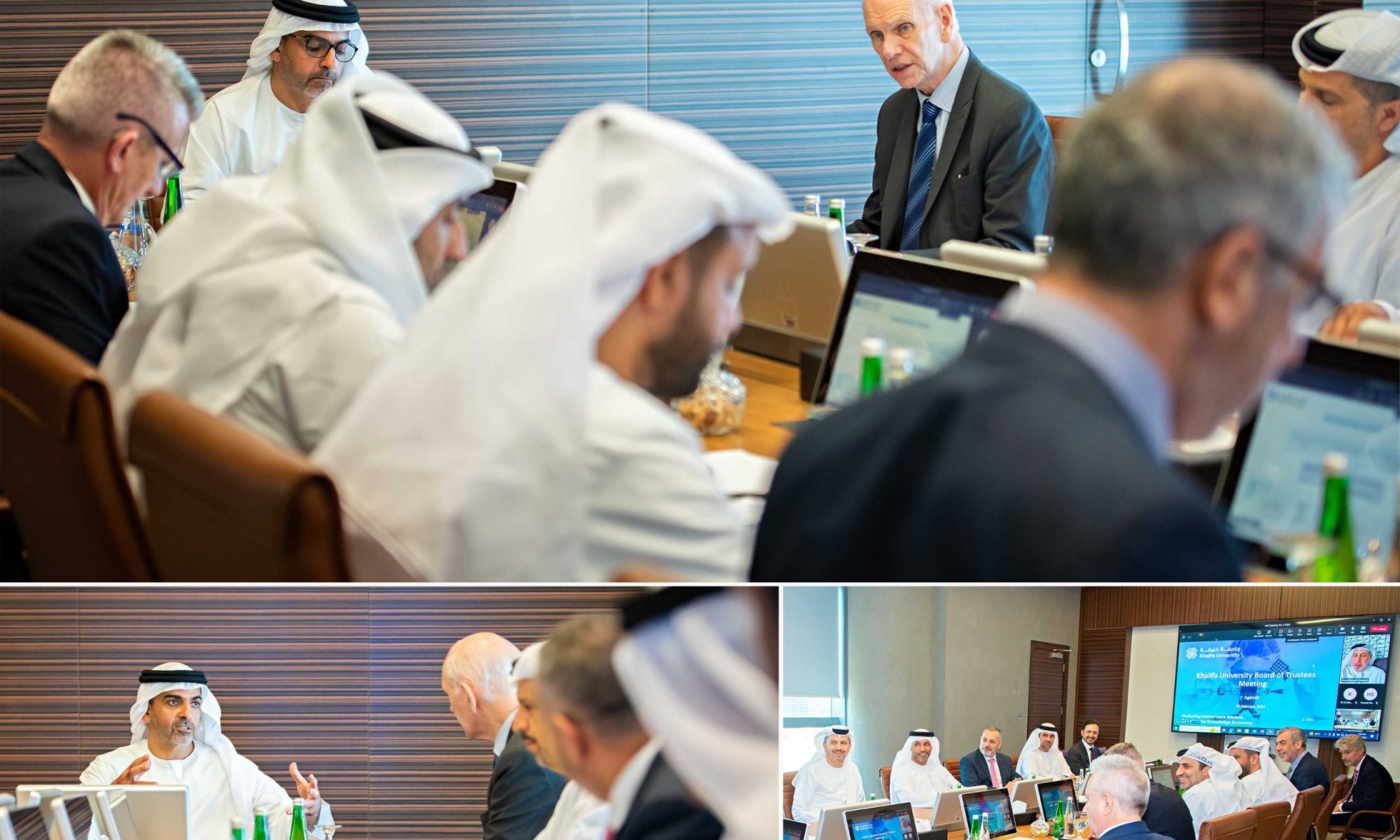
His Highness Sheikh Hamed bin Zayed Al Nahyan, Chairman of the Board of Trustees of Khalifa University of Science and Technology, chaired a meeting that was attended by board members and members of Khalifa University leadership.


His Excellency Homaid Al Shimmari, Vice-Chairman, and other members including His Excellency Salem Butti Salem Al Qubaisi, Director-General of the UAE Space Agency, His Excellency Dr. Saleh Al Hashmi, Director, Group Commercial and In-Country Value Directorate, ADNOC, Anas Jawdat Al Barguthi, Chief Operating Officer of ADQ, Dr. Horst Simon, Director of ADIA Lab, and John W. Nicholson Jr., Chief Executive, Lockheed Martin Middle East, attended the meeting.


Coinciding with the Khalifa University Research and Innovation Day 2024, the meeting reviewed the University’s progress in academic, research, innovation and entrepreneurship during the year and discussed future plans and strategic initiatives. 


As part of the Research and Innovation Day 2024, His Highness Sheikh Hamed viewed the 100-plus innovative projects. His Highness Sheikh Hamed also attended the technology startup pitches that represent the commercialization process of the innovations emanating from Khalifa University laboratories.


Participating in KU Innovation Talks as part of the Research and Innovation Day 2024, Dr. Saleh Al Hashmi shared his perspectives on Energy Transition, which was also attended by His Excellency Dr. Ahmed Belhoul Al Falasi, UAE Minister of Education, His Excellency Dr. Mohamed Al Kuwaiti, Head of UAE Cybersecurity Council, Professor Sir John O’ Reilly, President, Dr. Arif Sultan Al Hammadi, Executive Vice-President, and Dr. Ebrahim Al Hajri, Senior Vice-President, Support Services. Dr. Saleh also took part in a panel discussion  later that included Dr. Ray O. Johnson, Chief Executive Officer, Technology Innovation Institute (TII) and was moderated by Professor Sir John O’ Reilly.


Clarence Michael
Science Writer
29 February 2024

His Highness Sheikh Hamed bin Zayed Views Over 100 Research Projects and Attends Startup Pitches at Khalifa University Research and Innovation Day 2024

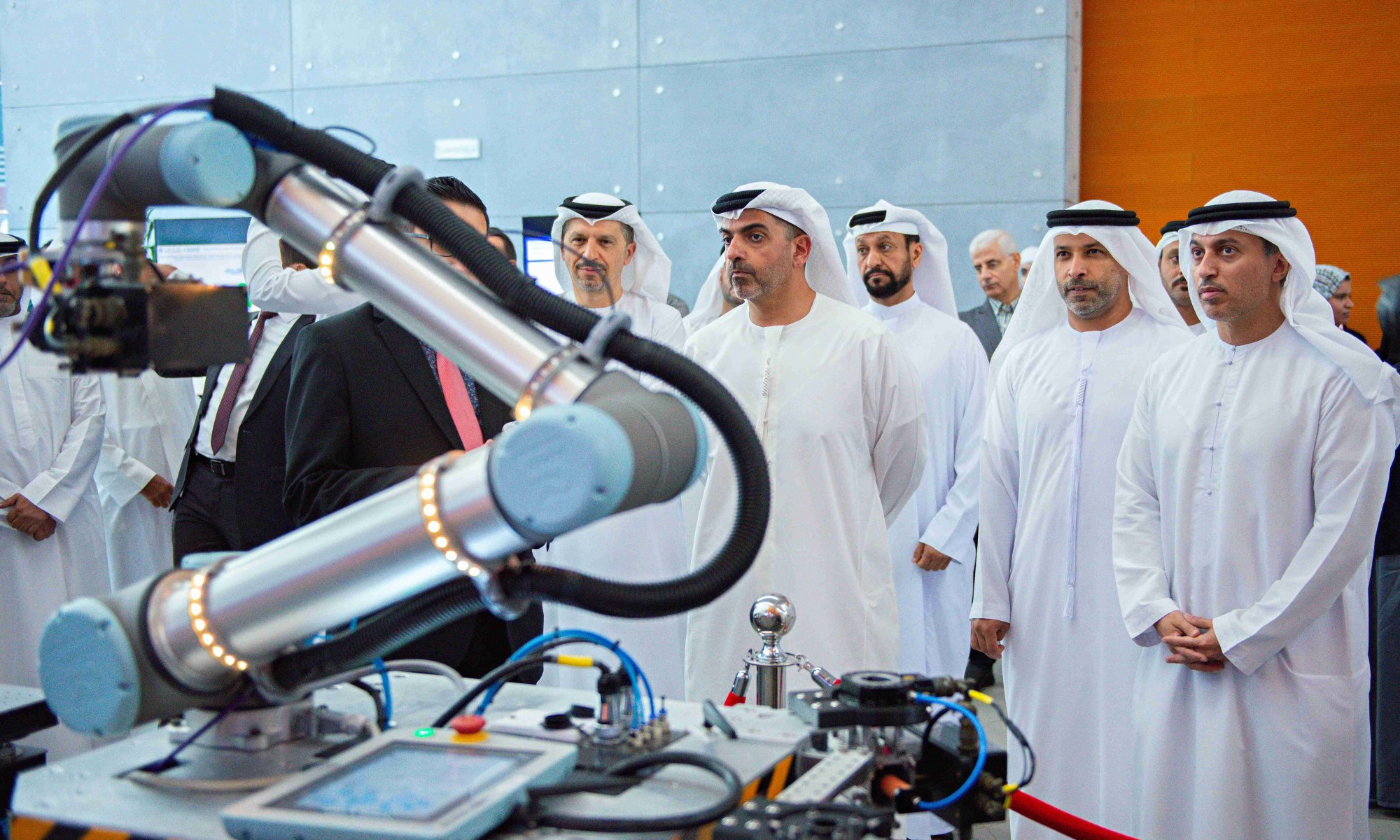
 His Highness Sheikh Hamed bin Zayed Al Nahyan, Chairman of the Board of Trustees of Khalifa University of Science and Technology, today viewed the 100-plus innovative projects and attended startup pitches on Khalifa University Research and Innovation Day 2024, as part of the UAE’s innovation month activities. 


His Highness Sheikh Hamed was accompanied by His Excellency Dr. Ahmed Belhoul Al Falasi, UAE Minister of Education, Professor Sir John O’ Reilly, President, Dr. Arif Sultan Al Hammadi, Executive Vice-President, and Dr. Ebrahim Al Hajri, Senior Vice-President, Support Services, His Highness Sheikh Hamed was briefed about the 60 innovative projects, and 36 PhD research posters. The showcase also included 10 technology startups.


Khalifa University Research and Innovation Day 2024 included two keynote addresses on ‘intelligent systems’ and ‘energy transition’ by Dr. Saleh Al Hashmi, Member of the Board of Trustees, Khalifa University, and Director, Group Commercial & In-Country Value Directorate, Abu Dhabi National Oil Company (ADNOC); and Dr. Ray O. Johnson, Chief Executive Officer, Technology Innovation Institute (TII) Abu Dhabi. Professor Sir John moderated a panel discussion on ‘Transition for Sustainability’, which included the two keynote speakers.


Stakeholders from government, private sector, academic, industry, and international partners interacted with Khalifa University researchers at the five themed display and demonstration zones, reflecting projects in ‘Managed Energy Transition’, ‘Sustainable and Secure Society’, ‘Health Longevity’, ‘Advanced Materials and Manufacturing’, and ‘Pervasive Digitalization’.


Alisha Roy
Science Writer
27 February 2024

Khalifa University’s Research and Innovation Day 2024 to Showcase Over 100 Innovative Projects, PhD Posters and Tech Startups

Event Explores Global Societal Impact of Intelligent Systems, Energy Transition and Advanced Communication Technologies


Khalifa University of Science and Technology today announced it will showcase its commitment to research, innovation, and entrepreneurship through a sample of activities comprising 60 innovative projects, 36 PhD research posters, and 10 technology startups at the Research and Innovation Day 2024, promoting knowledge exchange and exploring new frontiers in science, engineering, communication technology, and healthcare.


Scheduled to be held on 27 February at Khalifa University Main Campus, this multi-pronged event will feature an impressive project showcase that highlights some of the most innovative concepts. A key highlight will be the community and region-relevant startups incubated at Khalifa Innovation Center (KIC). Five themed display and demonstration zones will reflect Khalifa University’s research centers and their projects in ‘Managed Energy Transition’, ‘Sustainable and Secure Society’, ‘Health Longevity’, ‘Advanced Materials and Manufacturing’, and ‘Pervasive Digitalization’. Two introductory talks on Machine Intelligence and Energy Transition will lead into a panel discussion of the triple helix of education, industry and government in this time of transitions for sustainability. 


Professor Sir John O’Reilly, President, Khalifa University, said: “Our Research and Innovation Day marks the month-long UAE Innovates 2024, highlighting the University’s commitment to nurturing critical thinkers and leaders of tomorrow. The commercialization of key startups not only reflects our research-driven and innovative environment, but our consistent contribution to furthering the UAE’s industries and economy. We are excited to provide this platform that showcases some of our projects and PhD research posters reflecting our creative excellence, ranging widely from such topics as aerospace technology, predictive and preventive medical practices, sustainable water treatment, robotic manipulation, and new frontiers in the exploration of Mars’ atmosphere.”


A segment on alumni recognition will celebrate the outstanding achievements of Khalifa University’s diverse and inclusive community, which comprises a total of 8,443 alumni, representing 98 nationalities.


As a finale, marking the day, there will be six illustrative “pitch” presentations of start-up ventures – in healthcare technology, autonomous vehicles, drones and robotics, and data analytics – emanating from research and innovation at Khalifa University.


Alisha Roy
Science Writer
22 February 2024

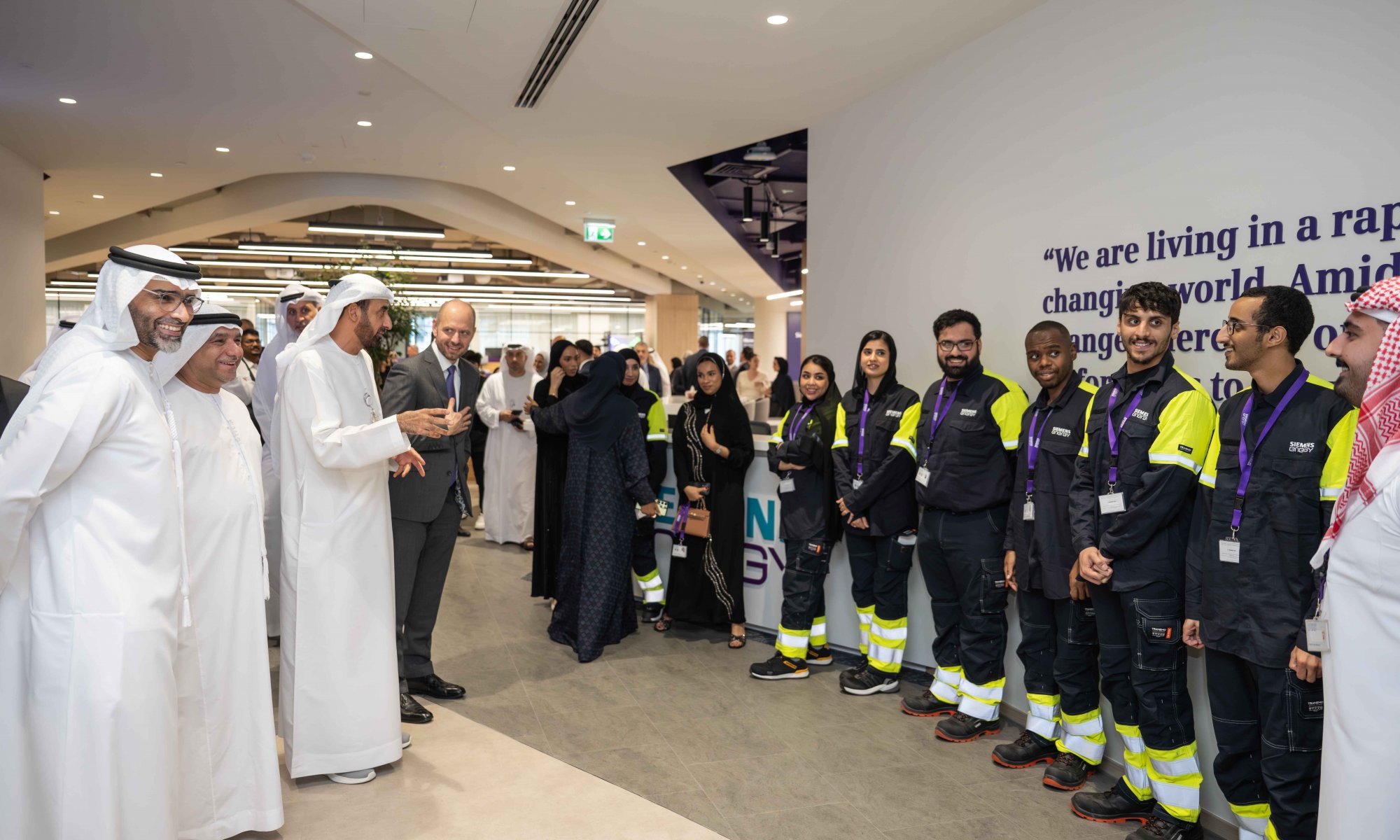
Siemens Energy inaugurates global innovation center partnership with ADIO and Khalifa University

Siemens Energy has inaugurated a global innovation center at Khalifa University of Science and Technology in Abu Dhabi, as part of its efforts to accelerate the journey to net zero in the region and globally. The center will develop new partnerships, technologies and co-create research opportunities, hereby promoting knowledge transfer, capacity building, and employment prospects.


The Innovation Center will provide a dedicated workforce for focused execution of Siemens Energy’s Research & Development projects and make best use of the company’s regional partnering ecosystems, including external funding opportunities, academia, start-ups, and industrial partners.


Located within Khalifa University’s Sas Al Nakhl Campus, the Siemens Energy Abu Dhabi Innovation Center was established in partnership with Khalifa University and the Abu Dhabi Investment Office (ADIO) – the government agency responsible for supporting the growth of Abu Dhabi’s economy by attracting innovative companies in high-growth economic sectors aligned with the Emirate’s long-term vision. Abu Dhabi’s attractive investment environment, enabling regulations, stability and security, access to talent, livability, cutting-edge infrastructure, and connectivity make it an ideal location for the Innovation Center.


Abu Dhabi has also made an unwavering commitment to its climate change strategy which is evident in its projected 22% reduction in carbon emissions by 2027. This ambitious goal strengthens the Emirate’s position as a key player in regional sustainability efforts. Recently, and in line with the UAE’s Net Zero commitment, Abu Dhabi’s Department of Energy (DoE), ADIO and Masdar, signed a trilateral agreement to accelerate the hydrogen economy in Abu Dhabi. By connecting production centers, offtakes, and H2 storage across the UAE, the collaboration provides a landmark opportunity to deploy shared hydrogen infrastructure that generates economies of scale and creates a world-class production and export hub for clean hydrogen and its derivatives, enabling further decarbonization of hard-to-abate sectors.


In addition to supporting knowledge transfer and developing new commercial solutions, the Innovation Center will strengthen specialized skillsets and aims to create 75 high-skilled jobs in Abu Dhabi by 2025. Siemens Energy will also offer at least 6 internships annually to students from Abu Dhabi universities, of which 50% will be Emiratis.


The inauguration of the Innovation Center was attended by H.E. Homaid Al Shimmari, Vice Chairman of the Board of Trustees at Khalifa University, Deputy Group CEO and Chief Corporate & Human Capital Officer, Mubadala; H.E. Anas Al Barguthi, Chief Operating Officer, ADQ – Abu Dhabi Development Holding Company; Professor Dr Mohamed Baniyas, Higher Education Advisor & Director of Commission for Academic Accreditation, Ministry of Education; and Ambassador Alexander Schoenfelder, German Embassy.


Dr. Fahad Al Yafei, Chief Technology Officer of Siemens Energy Technology and Innovation Center in Abu Dhabi, said: “To accelerate decarbonization we need to leverage partnership and innovation. As one of four globally, this Abu Dhabi-based Siemens Energy Innovation Center, in collaboration with ADIO and Khalifa University, will enable us to leverage the rich industrial ecosystem in Abu Dhabi as well as the wider Middle East. Together, we will work with customers, startups, academia, as well as public and private companies to develop and commercialize new technologies that will make a meaningful contribution to reaching Net Zero as soon as possible”.


Badr Al-Olama, Director General of ADIO, said: “We are proud to be partnering with Siemens Energy to accelerate the journey to net zero in the UAE and beyond. Decarbonization is a global challenge, one that requires true collaboration and a joint effort to tackle. As Abu Dhabi continues to spearhead key sustainability-focused initiatives, the new Siemens Energy Innovation Center will unlock opportunities across the UAE and the regional ecosystem, driving innovative solutions towards global energy transition.”


Professor Sir John O’Reilly, President, Khalifa University of Science and Technology, said: “We are delighted to join with Siemens Energy and ADIO to inaugurate the Innovation Center – Abu Dhabi at our SAN Campus, to develop UAE’s human capital, offer internships, advance technology developments, and create high-skilled jobs. This partnership, bringing together a consistently top-ranked research-intensive institution and innovation focused university, and a global industry leader in energy technology and ADIO, the government hub supporting investment in Abu Dhabi, is designed to promote efficient energy solutions through research translation and associated talent development, advancing innovation in decarbonization and sustainability. This Center will contribute to developing solutions to energy challenges and at the same time embed yet further our culture of research, innovation, and enterprise.”


Plans for the Siemens Energy Innovation center were formally initiated in October 2022. In November 2022, on the sidelines of Abu Dhabi International Petroleum Exhibition and Conference (ADIPEC), plans were accelerated when Khalifa University and Siemens Energy signed a ‘teaming agreement’ to provide a dedicated location for the Innovation Center at the university’s campus.


The Abu Dhabi location marks Siemens Energy’s fourth global Innovation Center, with the others located in Berlin, Orlando, and Shenzhen. These innovation centers provide Siemens Energy with the ability to improve the speed and efficiency of technology deployment and target innovation efforts where they will have the greatest impact.


Highlighting the importance of innovation in the energy transition, it is estimated that up to 45% of all emissions savings in 2050 will come from technologies that have not yet reached the market. Siemens Energy’s innovation strategy focuses on changing this by transforming ideas into reality and creating an ecosystem in which the technologies with the greatest potential to drive the energy transition will flourish. This is achieved by building our capabilities through R&D and co-creating with partners to unlock synergies and find new solutions to problems.

Two Faculty Members Receive Top Honors at Sheikh Hamdan bin Zayed Environmental Award

Trophy, and Certificate of Merit for Dr. Emad Alhseinat and Dr. Maryam Al Shehhi


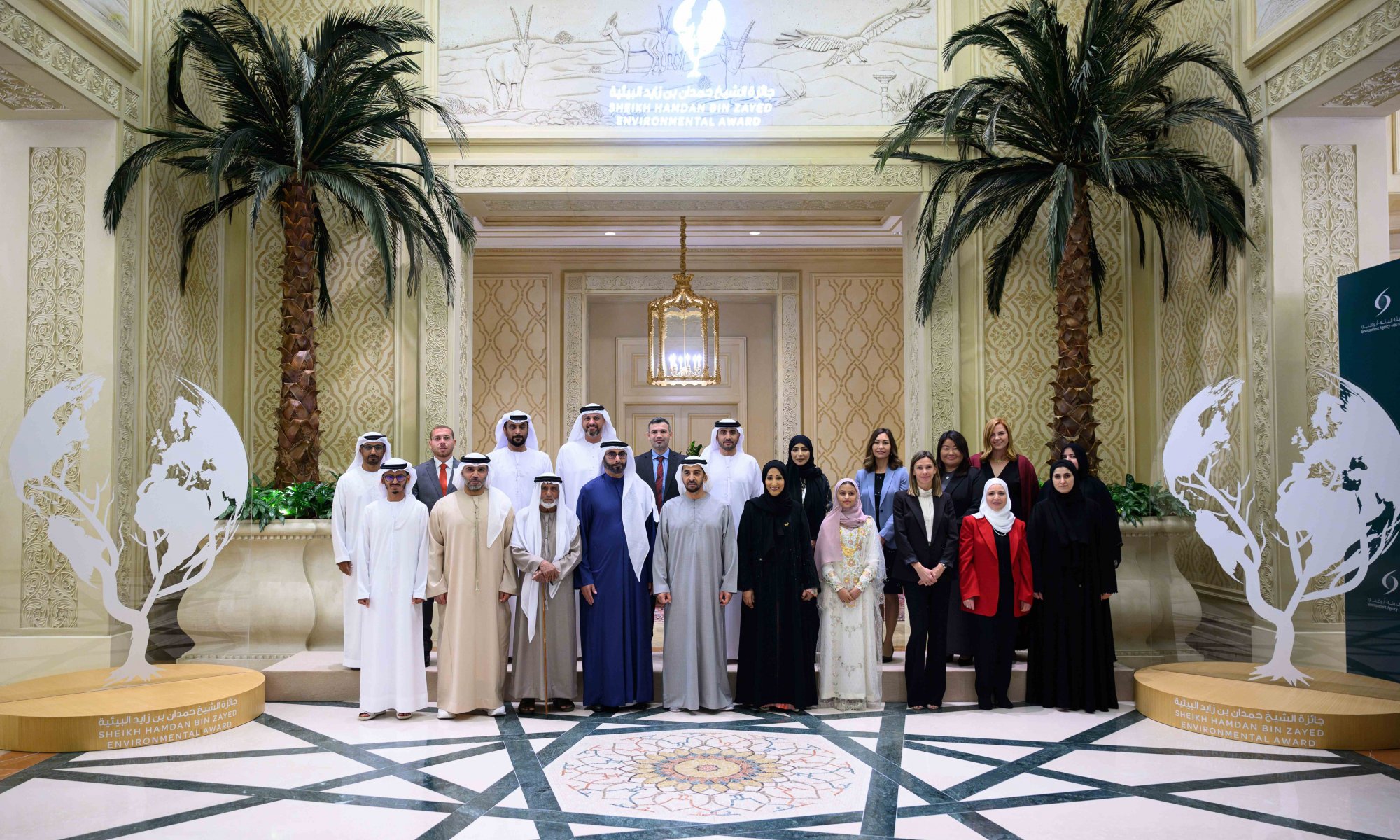
Two faculty members from Khalifa University have won the first and second place at the Sheikh Hamdan bin Zayed Environmental Award – First Cycle, a prestigious accolade that recognizes individuals and organizations committed to protecting the environment and encourages them to lead with innovative environmental solutions.


His Highness Sheikh Hamdan bin Zayed Al Nahyan, Ruler’s Representative in Al Dhafra Region, Chairman of the Board of Directors of the Environment Agency – Abu Dhabi (EAD), presented the Environmental Research Projects Awards to Dr. Emad Alhseinat and Dr. Maryam R. Al Shehhi. The Awards acknowledge the best research in environmental sustainability conducted by research institutions or scholars located in Abu Dhabi.


In the ‘Environment Research Projects Award’ category, the first prize was awarded to Dr. Emad Alhseinat, Associate Professor, Chemical and Petroleum Engineering, for his project, ‘Harvesting of Clean Energy by Mixing Wastewater Streams with Different Salinities for Sustainable Water Treatment and Water Aquifer Recharging’ funded by ADEK. The second prize went to Dr. Maryam R. Al Shehhi, Assistant Professor, Civil Infrastructure and Environmental Engineering, for her project, ‘Monitoring the Water Quality of the Arabian Gulf from Space,’ funded by Khalifa University.


The two Khalifa University faculty received a trophy, and certificate of merit. Additionally, they will have the opportunity to share their success stories and exceptional performance with others through awareness and training sessions organized by the Sheikh Hamdan bin Zayed Environmental Award over the next 12 months.


Dr. Alhseinat said: “I am honored to receive the first place in the Environmental Research Projects Award. In the UAE, several brine water streams with two to ten times the salinity of seawater are generated from desalination plants and during oil and gas production, as well as by other industries. These streams are considered waste streams, yet they contain untapped energy that, if extracted, could reduce the cost of the treatment and facilitate the reuse of such complex water sources.


“At Khalifa University, we are developing ion-selective membranes that will allow for improving the efficiency of energy extraction from very complex water streams such as oil and gas-produced water. Moreover, our lab is exploring the possibility of using treated oil and gas-produced water for recharging the underground water aquifer in Abu Dhabi.”


Dr. Alhseinat has so far published three papers with two invention disclosures under preparation, and Dr. Al Shehhi has published three papers.


Dr. Al Shehhi said: “I am delighted and truly honored to receive the prestigious award. My project focuses on monitoring the Arabian Gulf waters from space, which is a significant alternative solution to conventional methods that are economically-unviable. Satellite remote sensing has been increasingly used as a complementary source of information to in situ monitoring networks and, in many cases, is the only feasible source.


“Satellitebased sensors are now capable of directly and indirectly measuring nearly all components of the waters including its physical and biogeochemical properties. Several ocean color satellite missions were launched to serve the application of monitoring the ocean, including MODIS, MERIS, VIIRS, SeaWiFs, and LandSat. Rather than temporary observations, the advantages of these satellites are their high temporal resolution and the large coverage, enabling the study of the physics of backscattering and absorption of the Arabian Gulf waters.”


The Sheikh Hamdan bin Zayed Environmental Award honors those who promote environmental sustainability and achieve sustainable development.


Alisha Roy
Science Writer
16 February 2024

Designing Effective Corrosion Inhibitors

Unravelling the complex world of corrosion inhibitors requires an understanding of the role of chemical substituents. 


Corrosion is a pervasive issue in many industries, often leading to significant material degradation and economic loss. The strategic use of corrosion inhibitors, chemicals that reduce corrosion rates without significantly altering corrosive components, is vital in combating this challenge. A team of researchers, including Khalifa University’s Dr. Chandrabhan Verma and Prof. Akram Alfantazi, has investigated the nuanced roles of chemical substituents in enhancing the effectiveness of these inhibitors.


Their findings were published in Coordination Chemistry Reviews, a top 1% journal for physical and theoretical chemistry. 


“Trillions of dollars are spent yearly on corrosion-related costs, including upkeep, repairs, and early replacement of damaged assets and infrastructure,” Dr. Verma says. “The damage to steel buildings and infrastructure caused by corrosion in its various forms is expected to cost the world economy U.S.$3 trillion annually. Fortunately, existing techniques such as coatings and corrosion inhibitors could save up to 35 percent of the cost of corrosion.”


Corrosion inhibitors are essential in slowing metal deterioration across industries, from construction to historical preservation. They are classified into inorganic and organic types. Inorganic corrosion inhibitors (e.g. phosphates, molybdates, and chromates) create passive oxide layers on the surface that act as barriers). Organic inhibitors form a protective film on metal surfaces by chemically reacting with the metal. Their effectiveness largely hinges on their chemical substituents. The capacity of substituents to donate and withdraw electrons to modify the inhibitor molecule’s electronic characteristics makes them important in the design of corrosion inhibitors. The inhibitor’s electronic structure can be adjusted through the thoughtful addition of these substituents, improving its reactivity and corrosion inhibition potential. These functional groups, varying in electron-donating or withdrawing characteristics, influence the inhibitor’s ability to bond with the metal surface, dictating the overall protective efficacy.


“One of the most efficient strategies for preventing corrosion nowadays is using organic chemicals, especially heterocyclic compounds,” Dr. Verma says. “Not all organic molecules with polar functional groups effectively prevent corrosion. To be effective, inhibitors must possess some particular structural and physiochemical characteristics. Beneficial structural characteristics of effective corrosion inhibitors include functional groups with a strong affinity for binding metal, the capacity to build protective layers on metal surfaces, and chemical stability in challenging conditions. Solubility is one of the most important considerations when selecting an organic inhibitor, and the adoption of green approaches for corrosion protection has become increasingly important due to growing interest in sustainable development.” High solubility in the corrosive environment is essential for effective corrosion inhibitors to guarantee uniform dispersion and long-lasting protection on metal surfaces.


The design of effective corrosion inhibitors is a nuanced science involving the careful selection and combination of substituents. Researchers can tailor inhibitors to specific materials and environments by manipulating these components, optimizing their protective capabilities. This requires an understanding of the principles guiding their design. 


The research team considered the significance of the Hammett and Taft equations, and related constants, on the inhibition efficiency of organic compounds. The Hammett and Taft equations help guide the design corrosion inhibitors by offering a quantitative understanding of substituents’ spatial and electronic effects on the reaction rates and reaction equilibria of organic compounds. By illuminating the structure-activity relationship, these equations aid in developing corrosion inhibitors with the best possible chemical characteristics. Through the correlation of molecular structures with inhibitory performance, scientists can optimize the qualities of inhibitors and increase their efficacy in reducing corrosion under various environmental conditions.


“The Hammett equation is a valuable tool in organic chemistry for describing the electronic impact of substituents on the rate and equilibrium of organic reactions,” Dr. Verma says. “The Taft equation is a modification to the Hammett equation and describes the reaction mechanisms for aliphatic organic compounds with consideration of steric, or spatial, effects.”


While many studies have observed the substituents effect, a comprehensive description integrating Hammett and Taft equations is needed as they reflect the electronic nature of substituents and are essential in understanding the potential of an inhibitor. A thorough understanding of these mechanisms is crucial for developing more effective, environmentally friendly inhibitors.


Jade Sterling
Science Writer
14 February 2024

Sustainable Supply Chain Management for Rare Earth Elements Using Blockchain

Khalifa University research team develops a blockchain solution to enhance the accountability and integrity of the rare earth element supply chain in photovoltaic manufacturing


Solar energy has emerged as the most cost-effective and mature form of renewable energy in many parts of the world and is therefore expected to significantly contribute to the global shift away from reliance on hydrocarbons and fossil fuels. Solar energy is harvested by photovoltaic (PV) solar panels, which are made of cells, which themselves are made of semiconductor minerals.


Certain thin-film solar technologies rely on materials such as gallium, indium, and tellurium, which presents several challenges. While these elements are used in other technologies like smartphones, they are also subject to geopolitical and market arising from scarcity, rarity, difficulty of mining, and/or concentration in specific regions. The monopolization of their supply and processing by relatively few countries, particularly China, raises concerns about sustainability, ethical labor practices, and supply chain vulnerabilities, especially since there are no direct substitutes. 


Sustainable supply chain management and responsible sourcing are crucial strategies in mitigating these challenges. A team of researchers from Khalifa University has developed a blockchain-based solution to safeguard the supply chain of thin-film solar PVs. Their solution leverages the intrinsic decentralized blockchain properties of traceability, transparency, and accountability in the supply chain, as well as safeguarding the ethical conditions of workers during mining. The team included: Assia Chadly, Research Associate, Haya Hasan, Research Associate; Karim Moawad, Graduate Research and Teaching Assistant, Prof. Mohammed Omar, Dr. Ahmad Mayyas, Assistant Professor, all Department of Industrial and Systems Engineering; and Prof. Khaled Salah, Department of Electrical Engineering and Computer Science. 


Their results were published in the Journal of Cleaner Production, a top 1% journal. 

“The supply chain of rare earth metals is often characterized by opacity, inefficiencies, and security concerns,” Dr. Mayyas says. “Also, the certificates covering solar PVs are purely technical and fail to consider ethical sourcing and sustainable supply chain management conditions of mining. Our solution paves the way to ethical mining where these certificates are not granted unless both technical and ethical conditions are met.”


Blockchain technology offers an immutable and tamper-proof ledger of data and transactions as a shared database, validated by a wide community. Each record created forms a block, and as each block is confirmed by the community, it is paired up with the previous entry in the chain, creating a chain of blocks. Blockchain technology, with its decentralized and transparent nature, could be a pivotal tool in enhancing sustainable supply chain management, ensuring that REEs are sourced responsibly and ethically. Using this technology, the entire supply chain can track the conditions of mining sites, verify labor practices, and certify the authenticity of the materials used in solar PVs. The solution ensures that the manufactured thin-films respect the ethical mining conditions as much as the technical ones, and guarantees both certificates prior to distribution to end customers. 


“Smart contracts enable the on-chain traceability of the registration, manufacturing, assessment, delivery, and disposal of solar PVs,” Dr. Mayyas says. “The blockchain solution ensures that every piece of information at every stage of the supply chain is well-recorded. It also ensures the commitment of the main actors involved in the supply chain as all of them are held accountable for their actions. Since all stages of the supply chain including mining, production, and manufacturing are on-chain, it is easy to trace back every stage to its source.”


The team’s proposed blockchain solution provides traceability from the mine to the end user, encompassing several features, including compliance with ethical mining standards, accountability, and certification. Future enhancements could include a comprehensive system for managing the end-of-life for PVs, beyond simple recycling; incorporating inventory management for optimization; and implementing a system of rewards and sanctions on the blockchain by certification authorities to encourage adherence to ethical practices.


Jade Sterling
Science Writer
14 February 2024

Khalifa University Launches First ‘Arabic for Beginners’ Specialization on Coursera 

Massive Open Online Course (MOOC) Specialization Developed by Khalifa University Meets Professional Needs of Over 129 million Coursera Learners 


Khalifa University of Science and Technology today announced the debut of the ‘Arabic for Beginners’ specialization on the leading online global platform Coursera, to further expand educational opportunities for learners worldwide. 


For the first time, the collaboration between Khalifa University and Coursera will enable 129 million learners across the globe to learn conversational Arabic and meet their professional development goals. This specialization, which has English as the medium of instruction, is asynchronous and automated, and not only promotes self-learning and provides a seamless and flexible learning experience, but provides an  opportunity for learners to work and communicate in an Arabic speaking environment.


Dr. Arif Sultan Al Hammadi, Executive Vice-President, Khalifa University, said: “Khalifa University’s collaboration with Coursera represents a significant milestone extending access to professional education at any place and at any time. We are excited to launch the region’s latest specialization in the Arabic language curated by our world-class faculty offering open access to global learners through online platforms. Learners and non-native speakers worldwide can now delve into culturally contextualized topics and genuinely appreciate the rich language. This strategic partnership, which is in line with our goals of equipping learners in the region with the necessary scientific and language skills, also contributes to the UAE’s accelerating knowledge economy.”


As a leading institution in the Arab world, it is only natural for Khalifa University to pioneer in sharing expertise in Arabic with the global community and reach learners from various societies who are keen to explore Arabic, its heritage, and its implications in today’s world. Spoken by more than 350 million globally, the role of Arabic language increases in significance both in the academic and business realms, making its study the logical extension for any interested individual.


This collaboration with Coursera and the launch of the specialization also aligns with three of the 17 the United Nations Sustainable Development Goals (UN SDGs) – ‘Quality Education (SDG-4)’, ‘Decent Work and Economic Growth (SDG-8)’, as well as ‘Partnerships for the Goals (SDG-17). 


The Arabic for Beginners Specialization is tailored for learners with no or little prior Arabic knowledge; this comprehensive specialization covers the phonetics of the Arabic language,nuances between feminine and masculine language specifics, and practical communication skills, through audiovisual aids and group discussions.


Khalifa University is also working with its world class facultyfrom both the College of Computing and Mathematical Sciences and the College of Medicine and Health Sciences (KU CMHS) to develop two more specializations: Intelligent Systems for Executives, and Deep Learning. These courses, which will be taught by faculty experts, aim to promote Khalifa University’s global and online presence as an outreach to learners worldwide. Learners who successfully complete Khalifa University’s Arabic for Beginners specialization  on the Coursera platform will also receive unique certificates that bear the distinctive signature in Arabic  and include  a verification link  for authentication.


Alisha Roy
Science Writer
8 February 2024

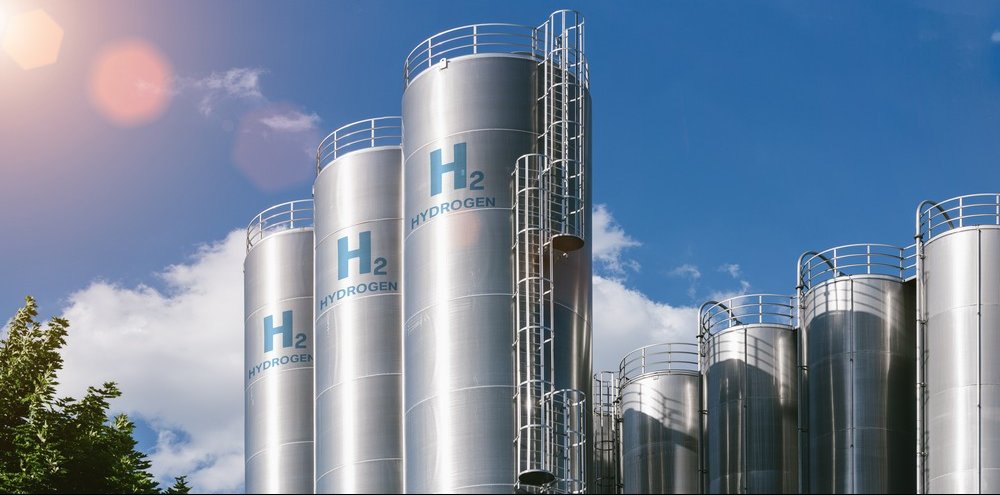
Exploring New Frontiers in Hydrogen Production

New study highlights the techno-economic and environmental assessment of hydrogen production from gas processing byproduct


Hydrogen has emerged as a potential solution to the world’s energy needs with experts predicting a surge in demand — from 90 million tons in 2020 to potentially 500 million tons or more by 2050. However, current production capabilities are lagging far behind these targets.


A team of researchers from Khalifa University’s Research and Innovation Center on CO2 and Hydrogen (RICH) has investigated the techno-economic feasibility and lifecycle environmental impacts of large-scale hydrogen production from methane and hydrogen sulfide. Prof. Lourdes Vega, Dr. Ahmed AlHajaj, Assistant Professor, Dr. Ismail Alkhatib, Postdoctoral Fellow, and Sawsan Ali, PhD student, focused on hydrogen sulfide-based thermal non-catalytic hydrogen production processes and benchmarked them against conventional and emerging processes using methane.


Their findings underscore the nuanced and dynamic nature of hydrogen production at scale and were published in the Journal of Cleaner Production, a top 1% journal.


“A transition towards a hydrogen-supported global energy economy is one of the solutions to ensuring affordable and clean energy, while also increasing climate action mitigating the impacts of climate change,” Prof. Vega says.


Hydrogen has no direct carbon dioxide (CO2) emissions when used as fuel and can act as an energy storage solution in combination with renewable energy. It also has great potential as fuel in hard-to-abate industries such as heavy transportation, chemicals and steel manufacturing. The research team aims to shed light on the journey towards a hydrogen-supported energy economy by comparing the cost and performance of various hydrogen production technologies.


“Despite momentum for incorporating hydrogen into the energy nexus, existing production capacities are far from those required, making the next decade crucial for ensuring the production and use of low carbon hydrogen,” Prof. Vega says. “This requires facilitating scale-up of production capacities and revamping current technologies in industrial sectors targeted for hydrogen use.”


Several processes and technologies already exist for hydrogen production with varying levels of efficiency, cost, and environmental impact. According to the International Renewable Energy Agency (IRENA), over 95 % of current hydrogen production is fossil-fuel based, with nearly 72 percent of the global hydrogen production in 2020 obtained using steam methane reforming (SMR) from natural gas, without capturing any carbon dioxide. SMR is currently the most commercially viable option for hydrogen production but this comes at the expense of high direct CO2 emissions, accounting for 2.5 percent of all CO2 emissions in 2020.


Hydrogen sulfide-based hydrogen production may be a promising alternative and compliment other low-carbon means of hydrogen production, such as water electrolysis with renewable energy. Hydrogen sulfide is often seen as a problematic byproduct of gas processing, but new hydrogen production technologies can convert hydrogen sulfide into low or zero-carbon hydrogen, and obtain sulfur as a byproduct.


From an environmental perspective, the life cycle assessment highlights the lower global warming potential of emerging processes like methane pyrolysis. This is largely due to the absence of direct CO2 emissions, but these processes do have higher water intensity due to increased cooling requirements.


“Although the results of this work are very promising, it’s crucial to note that they hinge on specific assumptions, including thermodynamic considerations for each process studied,” Prof. Vega says. “Future research will need to explore the role of reaction kinetics and catalytic reaction routes to provide a more comprehensive picture. Then large scale demonstrations will be needed for industrial implementation.”


Jade Sterling
Science Writer
7 February 2024