
Khalifa University Scientists Lead UAE’s First On-Site Arctic Study to Decode Ancient Climate Change

Research Mission under Emirates Polar Program Explores Ancient Arctic Climate Records Dating Back more than 230 million Years


Khalifa University’s research team from the UAE’s Polar Research Center at Khalifa University conducted a scientific expedition to Svalbard, the world’s northernmost inhabited region, under the Emirates Polar Program (EPP) in collaboration with the University Centre in Svalbard (UNIS). The research marks the UAE’s first on-site Arctic geological research, aimed at studying ancient climate records dating back more than 230 million years.


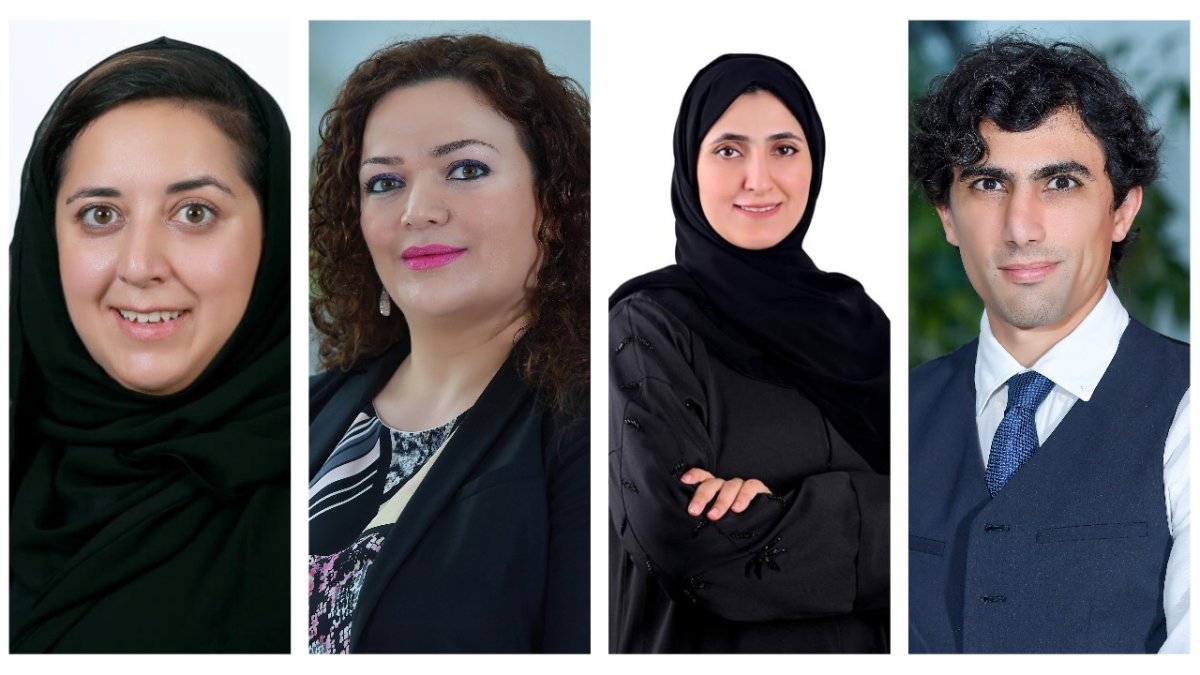
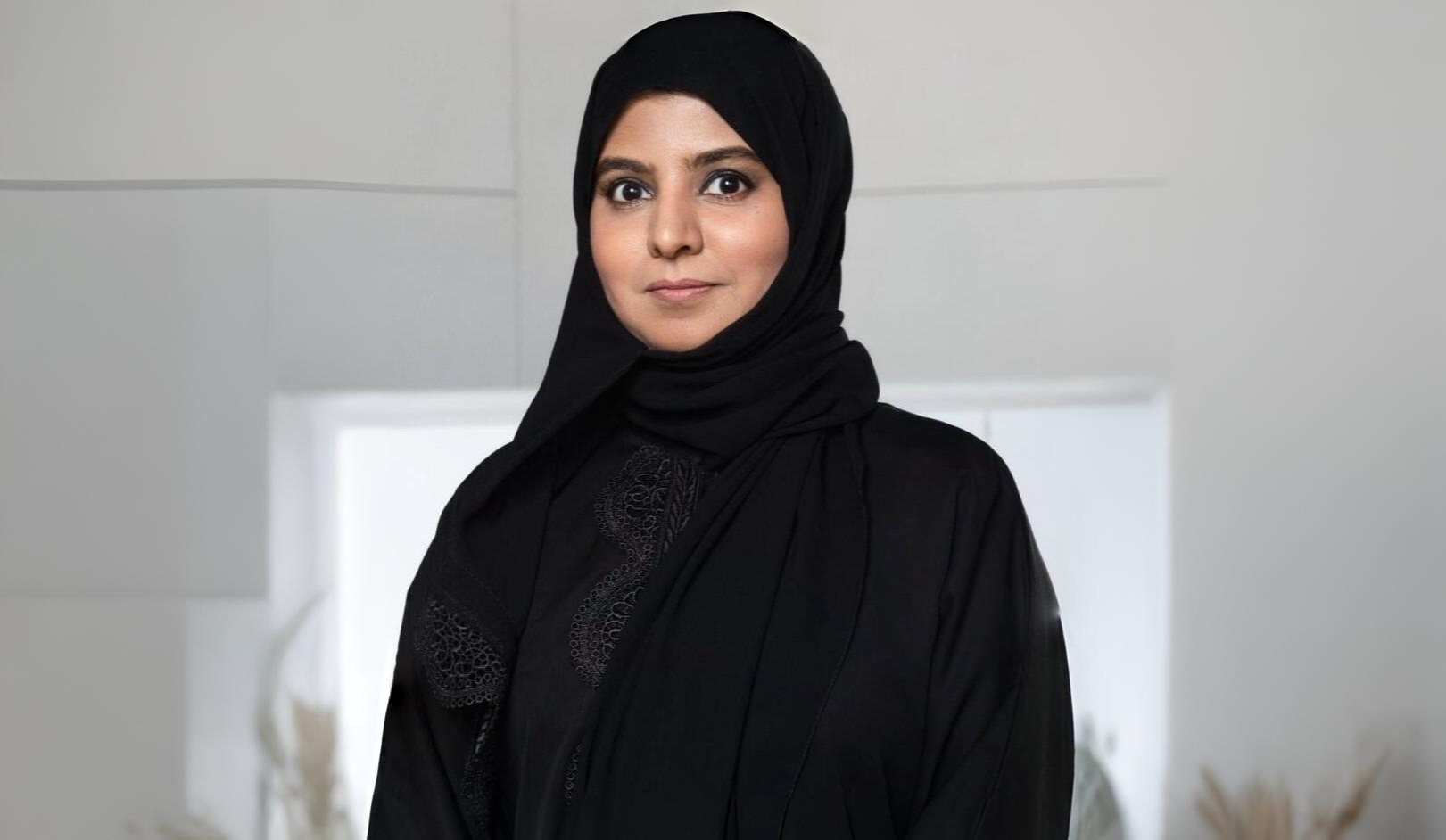
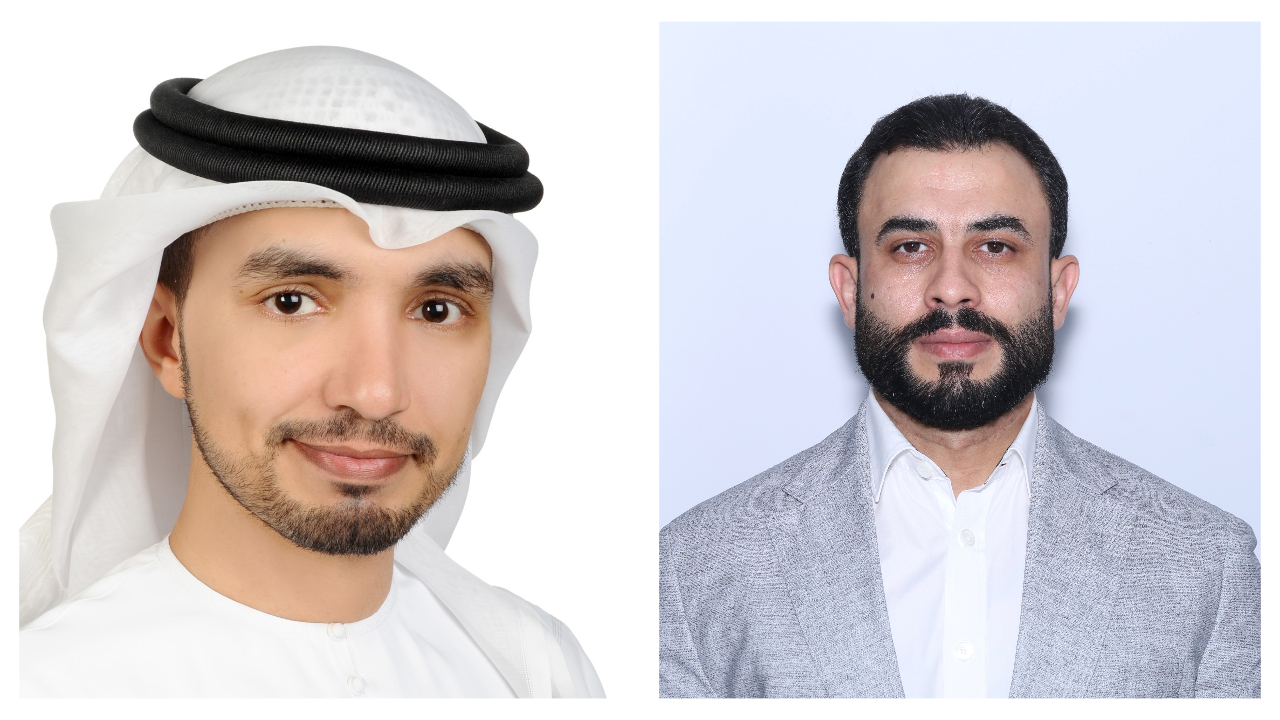
The study supports the ‘SvalClime Project,’ an international research initiative which conducts scientific drilling in Svalbard to understand ancient Arctic climate and inform modern climate models. The Khalifa University research team was led by Dr Aisha Al Suwaidi, Associate Professor, and Dr Frantz Ossa Ossa, Assistant Professor, Earth Sciences, and included PhD students Marwa Shahid and Sarah Salem. The Polar Research Center, established at Khalifa University to advance the UAE’s capacity in polar and environmental sciences, focuses on understanding how changes in the Earth’s most extreme regions affect global climate systems.


In Svalbard, the researchers studied rock cores from Longyearbyen – the world’s northernmost town – that preserve evidence of dramatic climatic shifts during the Late Triassic period, when Earth’s environment transitioned from hot and arid to much wetter conditions. This critical period in Earth’s history paved the way for the rise of dinosaurs and, more critically, the development of our modern climate and ecosystems.


His Excellency Professor Ebrahim Al Hajri, President, Khalifa University, said: “This international expedition is part of UAE’s broader effort to promote climate resilience, sustainability, and scientific diplomacy through international partnerships and field-based exploration across the Arctic and Antarctic. It reflects Khalifa University’s growing role in advancing global climate science helping expand the UAE’s scientific contribution from the Arabian deserts to the polar frontiers. Through the Emirates Polar Program and the Polar Research Center, we are proud to see Khalifa University scientists and researchers contributing to the world’s understanding of how Earth’s most extreme environments shape our collective future.”


By analyzing geological samples, the team aims to reconstruct how ancient high-latitude environments responded to extreme climate events in the past. This data can help us to improve models that can predict the impact of modern human-driven climate trends by providing insights into environmental responses to major climate disturbances.


While in Svalbard (77°N), the Khalifa University team also joined a marine cruise through the Arctic fjords and participated in academic exchanges at UNIS, sharing insights into Khalifa University lead research on climate archives, sedimentology, and polar geology.


PhD student Marwa Shahid’s fieldwork in Svalbard focused on collecting samples that record the Carnian Pluvial Episode, a key climatic event that laid the foundation for modern ecosystem, whereas PhD researcher Sarah Salem examined the environmental consequences of the Late Triassic Manicouagan meteorite impact event. Their research aims to understand how polar regions responded to past climate shifts, in order to interpret future environmental changes. Svalbard’s sedimentary archives, which preserve evidence of ancient disruptions in Earth’s climate system, offer vital clues to these investigations.


Alisha Roy
Science Writer
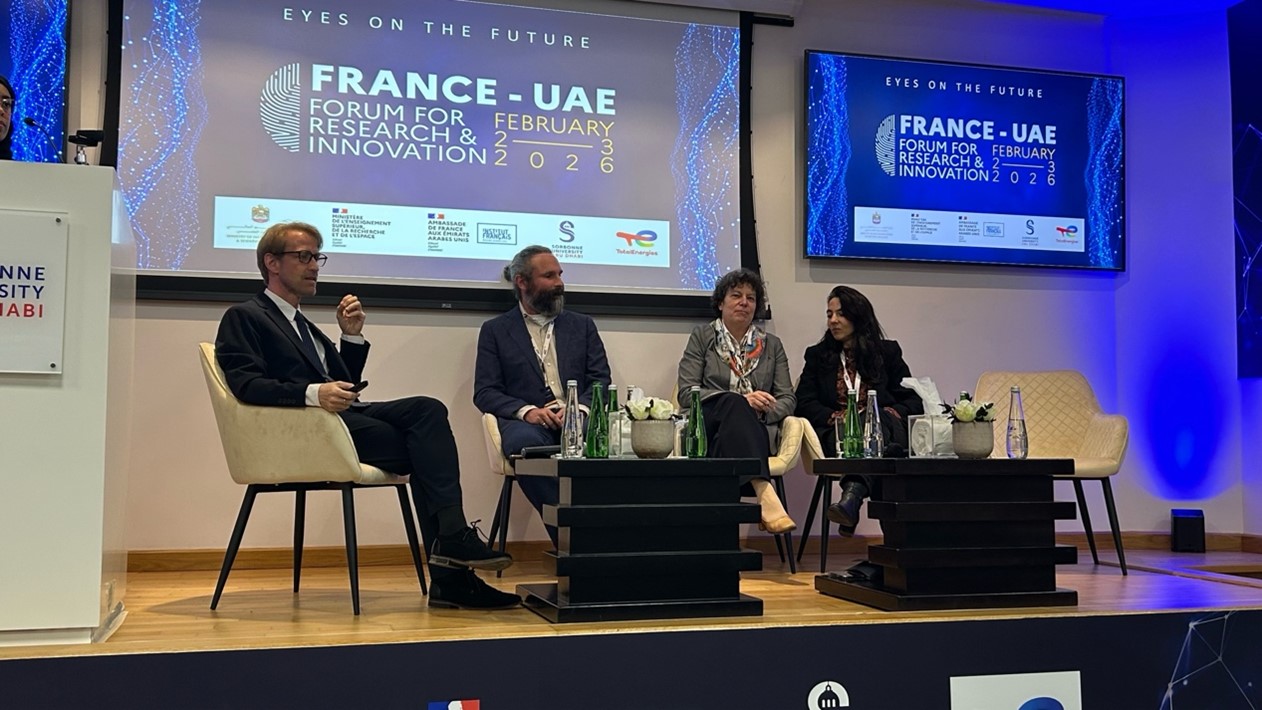
Physics Faculty Member Participates in France–UAE Forum for Research and Innovation

Dr. Arjen Van Vilet took part as a panelist in the France-UAE Forum for Research and Innovation, held on February 2-3, 2026 at Sorbonne University Abu Dhabi. His contribution highlighted the growing importance of international collaboration in advancing scientific discovery, and he engaged with experts from both countries to discuss emerging opportunities, innovative research pathways, and the future of cross-border academic partnerships.

Khalifa University and IEEJ Host 2026 UAE-Japan Industry-Academia Collaboration Steering Board Annual Meeting in Abu Dhabi

Focus on Advancing Joint Research across Robotics, Power Engineering, and Emerging Technologies


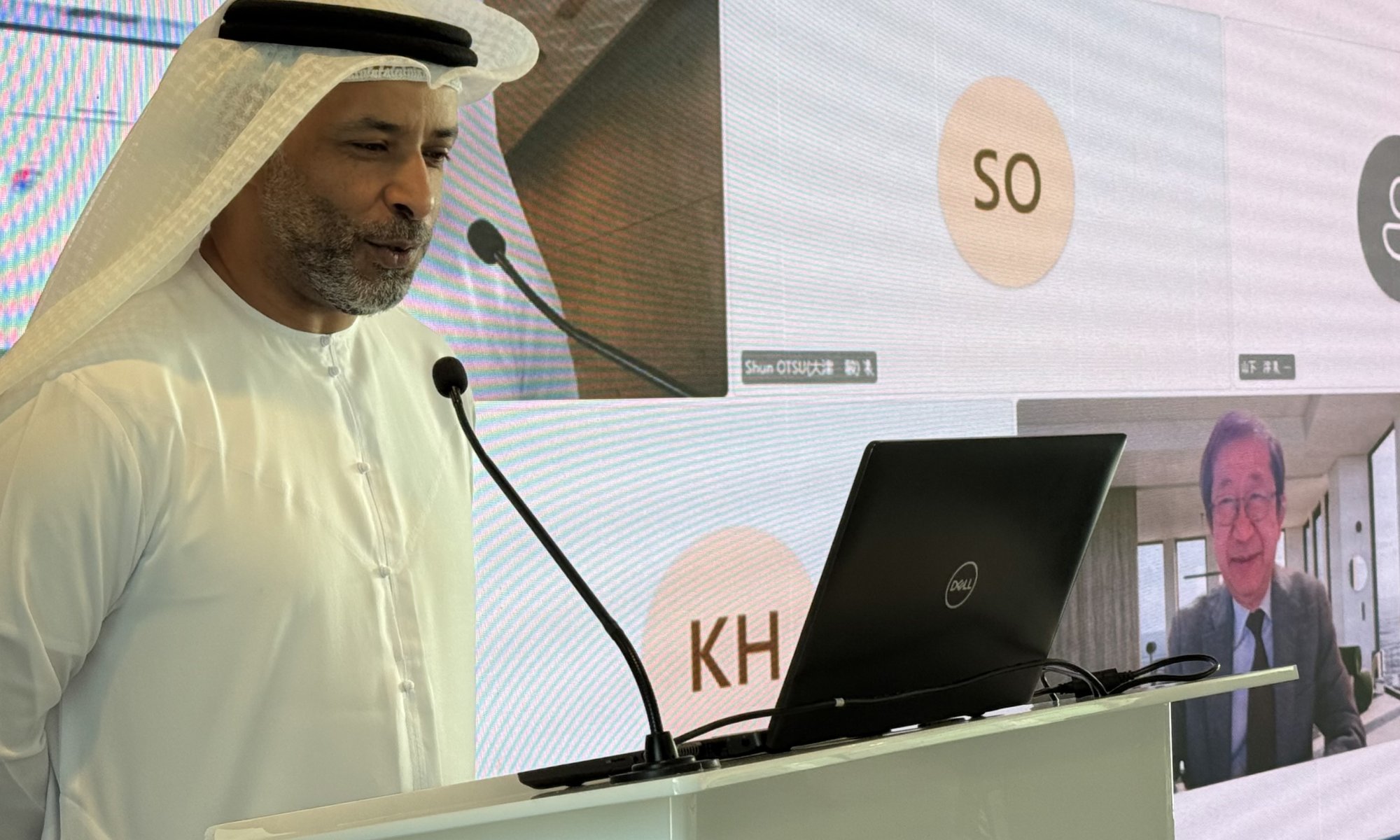
Khalifa University of Science and Technology and the Institute of Energy Economics Japan (IEEJ) today announced they hosted the 2026 UAE-Japan Industry-Academia Collaboration Steering Board meeting in Abu Dhabi, reinforcing the growing strategic partnership between the UAE and Japan in science, technology, and innovation. The Board agreed to organize a bilateral research workshop and initiation of a student exchange program for 2026.


His Excellency Professor Ebrahim Al Hajri, President, Khalifa University, welcomed the Japanese delegation that included Dr. Tatsuya Terazawa, Chairman and CEO of IEEJ, Tokuya Kanamori, Managing Director, Japan International Cooperation Center (JICE) in Abu Dhabi, Dr. Atsushi Yamashita, Professor, Department of Human and Engineered Environmental Studies, University of Tokyo, Dr. Shinya Ohtsuka, Professor, Department of Electrical and Electronic Engineering, Kyushu Institute of Technology, and Shiro Murakawa, Senior Director, Civil Engineering Group, Nikken Sekkei Ltd. and Executive Officer, Marine Inverse Dam Association.


The meeting was co-chaired by Professor Samuel Mao, Director, ASPIRE Research Institute of Sustainability, Khalifa University, and Dr. Yukari Yamashita, Managing Director, IEEJ. Dr. Ashraf Al Najdawi, Vice-President, External Relations, and Chief of Staff, Khalifa University, and various faculty members attended the meeting.


His Excellency Professor Al Hajri said: “Our partnership with Japan reflects Khalifa University’s commitment to driving high‑impact research that supports the UAE’s long‑term innovation agenda. By bringing together leading researchers, industry partners, and policymakers from both countries, we are strengthening a collaborative ecosystem that accelerates scientific discovery and delivers real‑world solutions. The UAE and Japan share a vision for advancing technology that benefits our societies, and today’s meeting is a strong step forward in realizing that shared ambition.”


Research teams from Khalifa University and partner institutions from Japan presented significant progress in strategic areas. These included joint updates in robotics by Dr. Yamashita and Dr. Jorge Dias, Deputy Director, Center for Autonomous Robotics System (KUCARS), and Professor, Computer and Information Engineering, Khalifa University, as well as collaborative achievements in power engineering presented by Dr. Ohtsuka and Dr. Noureddine Harid, Associate Professor, Electrical Engineering, Khalifa University. Shiro Murakawa from Nikken Sekkei offered an update of the inverse dam project jointly developed with Kyoto University and Khalifa University. The discussions also covered expanding high-impact interdisciplinary research, increasing joint grant proposals, enhancing researcher and student mobility, as well as strengthening mechanisms for sustained knowledge exchange.


The Steering Board meeting highlighted the deepening cooperation under the Japan–UAE Comprehensive Strategic Partnership Initiative (CSPI), launched in 2018, reaffirmed by a joint declaration in 2022, Through these declarations, Khalifa University and IEEJ continue to expand joint research programs, expert exchanges, and knowledge sharing activities aligned with national priorities in both countries.


Clarence Michael
English Editor – Specialist 

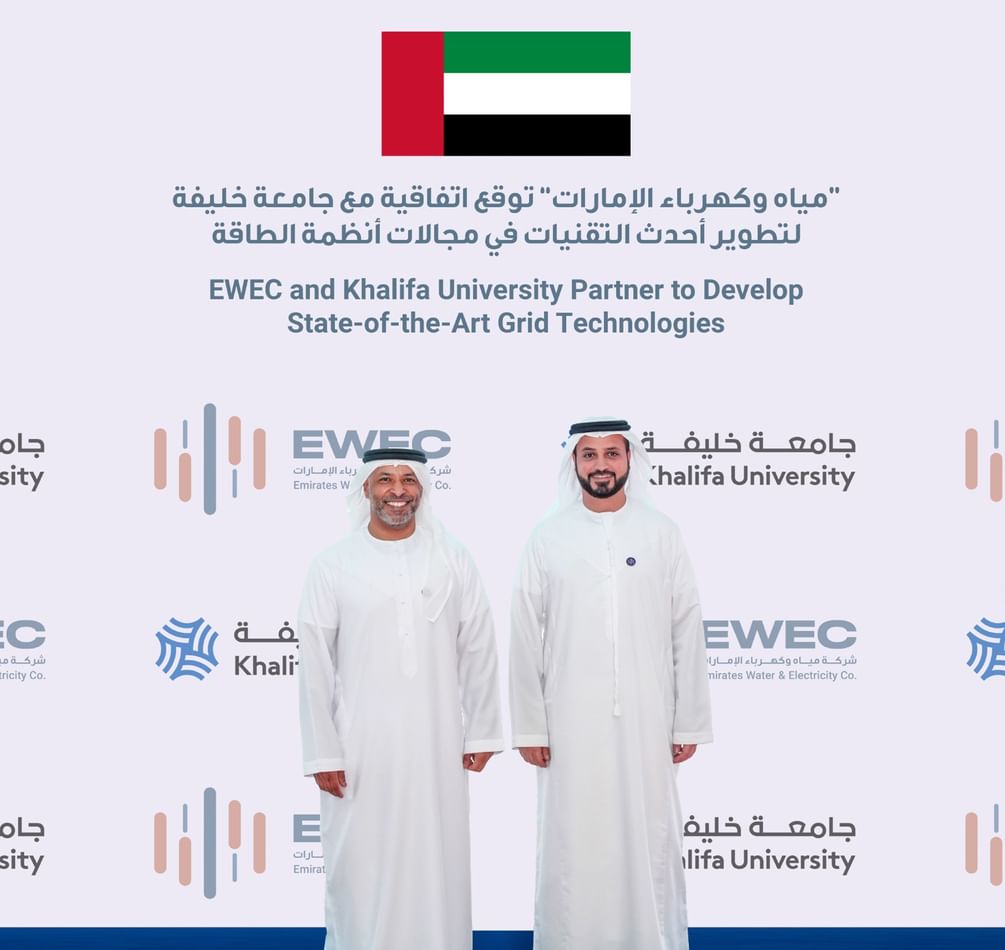
Khalifa University and EWEC Partner to Develop State-of-the-Art Grid Technologies

Khalifa University and the Emirates Water and Electricity Company (EWEC) have signed an agreement to jointly develop advanced energy system tools that will contribute to the stability and resilience of the UAE’s rapidly decarbonizing energy sector. Together, Khalifa University and EWEC will develop intelligent software modules that enhance critical grid functions and support the integration of large-scale photovoltaic (PV) systems with energy storage into the power grid. The collaboration will also help develop machine learning–based tools for estimating system inertia and forecasting frequency deviations, accompanied by recommendations to mitigate potential risks to grid stability.

Khalifa University and University of Padua Sign MoU to Strengthen Academic and Research Collaboration

Partnership to Help in Advancing Knowledge, Fostering Academic Excellence, and Promoting International Collaboration


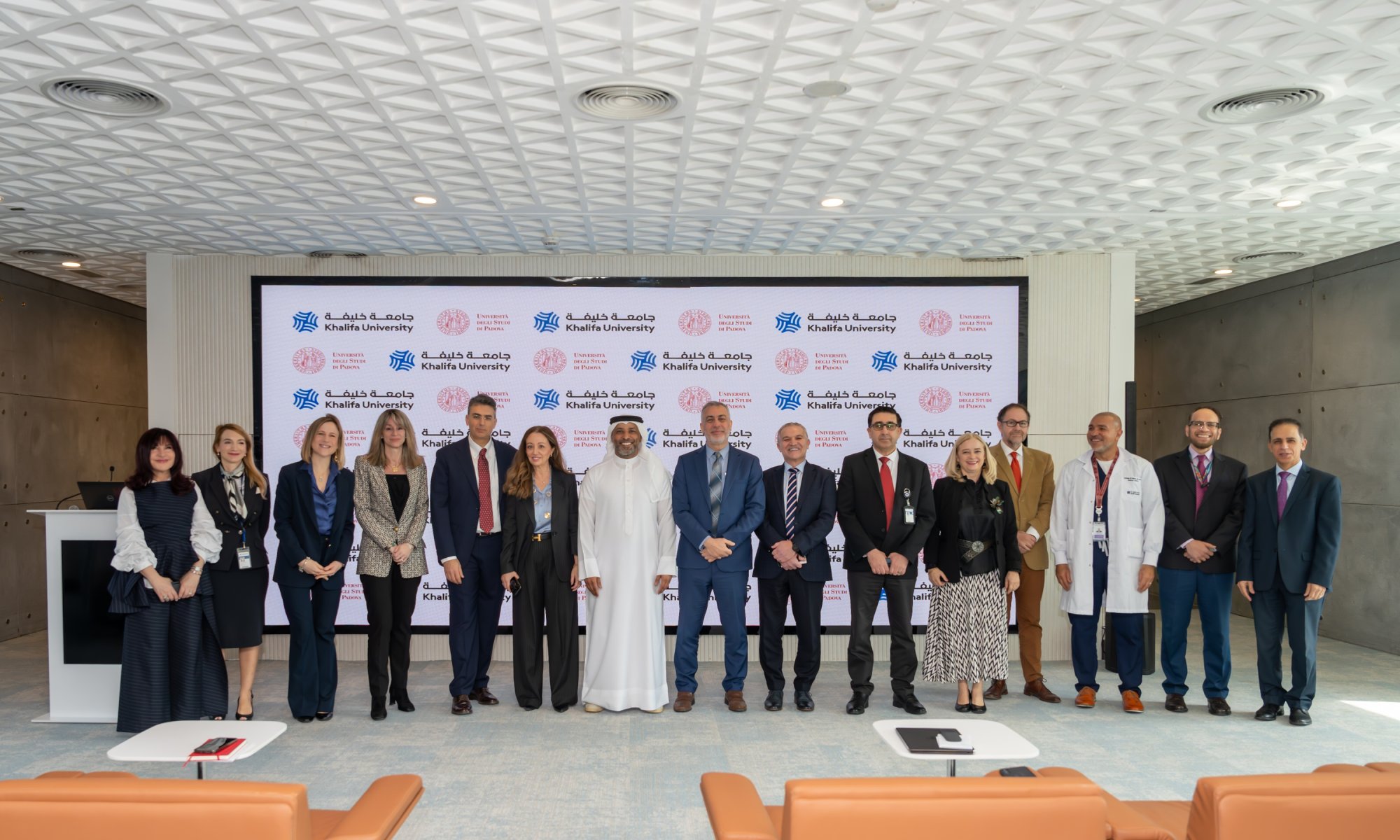
Khalifa University of Science and Technology and the University of Padua announced they have signed a Memorandum of Understanding (MoU) to establish a framework for strengthening academic, scientific, and research cooperation between the two institutions.


The MoU was signed by His Excellency Prof. Ebrahim Al Hajri, President, Khalifa University, and Prof. Daniela Mapelli, Rector, University of Padua. The agreement reflects the commitment of both universities to advancing knowledge, fostering academic excellence, and promoting international collaboration.


His Excellency Prof. Ebrahim Al Hajri said: “The MoU with the University of Padua aligns with Khalifa University’s strategic mandate to advance national and international research priorities through structured, high value partnerships. Our collaboration is designed to strengthen research capacity, enable the co-development of advanced scientific programs, and support innovation pathways that translate academic excellence into measurable societal and economic impact. This partnership reinforces our commitment to contributing to knowledge-based economy transformation development and global science policy objectives.


The Rector Prof. Daniela Mapelli said: “The Memorandum of Understanding represents an important step in strengthening the international academic and scientific relations of the University of Padua. The collaboration with Khalifa University of Science and Technology is based on a shared vision of the role of the university as a place for the production and sharing of knowledge, capable of addressing major global challenges through interdisciplinary research, the training of new generations, and dialogue between different scientific and cultural contexts. In a rapidly changing international context, this agreement confirms our University’s commitment to promoting cooperation, innovation, and social responsibility, contributing to the development of scientific and technological solutions for the benefit of communities and society in the future.”


The collaboration will focus on interdisciplinary research platforms spanning artificial intelligence, engineering, biomedical sciences, and sustainability, supported by joint research infrastructure, structured academic mobility, and coordinated educational programs.


Emphasis will be also placed on strengthening technology transfer, translational research, and innovation ecosystems through joint engagement with industry, research institutes, and policy frameworks, ensuring that collaborative outcomes contribute to scientific advancement, workforce development, and socioeconomic impact.


Clarence Michael
English Editor – Specialist 

Four Faculty from Khalifa University Invited to Participate in 2026/2027 Expedition to New Zealand Antarctic Research Station

Four UAE Scientists Join Four New Zealand Scientists to Present Works on Antarctic Research and Climate Science


Four faculty members from the Polar Research Center at Khalifa University of Science and Technology have been invited to participate in the 2026/2027 expedition to the New Zealand Antarctic Research Station. The invitation was extended when four leading New Zealand scientists presented their research focusing on Antarctica during a UAE–New Zealand Polar Research Mini-Symposium, marking a milestone in international collaboration on Antarctic research and climate science. The UAE scientists.


Dr. Diana Francis, Dr. Aisha Alsuwaidi, Dr. Maryam Al Shehhi, and Dr. Mohamed (Ramy) El-Maarry along with the New Zealand researchers covered topics including ‘Atmospheric measurements and greenhouse gas emissions in Antarctica’, ‘Marine science’, and ‘Ice sheet dynamics and climate modeling’. Organized in partnership with Antarctica New Zealand, the online symposium was attended by Wassim Said, Advisor to the International Affairs Office, UAE Presidential Court and Steering Committee Member of the Emirates Polar Program, and Sam O’Connor, Deputy Ambassador of New Zealand to the UAE.


His Excellency Professor Ebrahim Al Hajri, President, Khalifa University, and Director, Polar Research Center, said: “This symposium reflects Khalifa University’s commitment to advancing global climate research and fostering partnerships that drive impactful scientific discoveries. Collaboration with Antarctica New Zealand opens new avenues for understanding one of Earth’s most critical ecosystems. By combining our complementary expertise, we can unlock new opportunities for groundbreaking research in Antarctica, contributing to global climate understanding and environmental stewardship.”


The event was co-chaired by Professor Samuel Mao, member of the management team of the Polar Research Center at Khalifa University, and Dr. Jordy Hendrikx, Chief Executive Officer of Antarctica New Zealand — the government agency responsible for New Zealand’s activities in Antarctica and supporting world-leading science and environmental protection.


Both sides agreed that the synergy from the partnership offers significant opportunities for joint research, opening new horizons for Antarctic science collaboration and marking a milestone in Antarctic Science collaboration.


Clarence Michael
English Editor – Specialist 

Khalifa University Researchers Find Novel Way to Transform Sandy Soils in Arid Regions into Fertile Ground Suitable for Agriculture

Study Finds Nanocellulose Fibers Extracted from Food Waste Can Enhance Soil’s Water Retention, Mechanical Strength, and Nutrient Availability


Khalifa University of Science and Technology today announced its researchers have developed a cost-effective, sustainable technology to improve sandy soils using nanocellulose fibers extracted from pineapple peel waste, in order to address critical challenges in water scarcity, soil degradation, and food security across arid regions.


The study titled ‘Evaluating nanocellulose from food waste as a functional amendment for sandy soils: Linking fiber structure to water dynamics, soil mechanics, and plant-microbe interactions’, was published in the Journal of Bioresources and Bioproducts, a top 1% journal. It demonstrates how nanocellulose fibers can transform sandy soils into fertile ground by enhancing water retention, mechanical strength, and nutrient availability. Researchers also evaluated how well these fiber-soil mixes resist breakdown over time and how they help retain nutrients for plants.


His Excellency Prof. Ebrahim Al Hajri, President, Khalifa said: “Khalifa University researchers have developed this novel method that can transform arid regions into green areas, illustrating the region-relevant research that aligns with the UAE’s objectives towards achieving food security and tackling water scarcity. This solution could be a boon to the Middle East and North Africa regions, which face severe challenges in soil fertility and water scarcity. This scalable, low-cost solution that leverages local waste streams to restore degraded soils and enable sustainable agriculture, will also benefit the environment and sustainable development.”


The paper was authored by M. Haidar Ali Dali, Dr. Mohamed Hamid Salim, Malak AbuZaid, Maryam Omar Subhi Qassem, Dr. Faisal Al MarzooqiDr. Andrea Ceriani, Alessandro Decarlis, Ludovic Francis Dumée, and Blaise Leopold Tardy. Khalifa University researchers represent the Department of Chemical and Petroleum Engineering, Food Security and Technology Center (FSTC), Research and Innovation Center on CO2 and Hydrogen (RICH), and the Center for Membrane and Advanced Water Technology (CMAT).


Micro- and nanofibers can significantly improve soil by enhancing water transport and mechanical cohesion, which are crucial for sustaining life in sandy soils. Pineapple peels, a common hospitality by-product, were processed into nano-scale cellulose fibers using eco-friendly mechanochemical methods. Researchers have found that adding just 2% nanocellulose to sandy soils can enhance soil performance significantly. It is found to reduce water permeability by 58%, increase water-holding capacity by 32.7%, and imbue compressive strength of up to 0.5 Mpa (megapascals).


These nanocellulose fibers were tested on three desert sand types to assess improvements in compressive strength, water holding capacity, permeability, and evaporation rates. Such fibers helped plant growth as researchers found tomato seedlings grown in fiber-amended sand showed higher survival rates and healthier development at optimal fiber levels. As desert sands are unable to biodegrade the fibers, they will act until the soil is regenerated to support both microbial and plant growth. In addition, this approach supports circular bioeconomy goals by repurposing food waste and reducing reliance on conventional soil amendments, contributing to carbon storage and soil health improvement.


Dr. Blaise Leopold Tardy said: “Our research has established that food waste – if adapted to desert soil needs – can be a powerful resource for soil restoration, especially in regions that face water shortage and poor soil. Nanocellulose fibers not only improve water dynamics but also strengthen soil structure, paving the way for greener deserts. This technology can also be integrated into desert agriculture programs, soil restoration projects, and food security policies.”


Clarence Michael
English Editor – Specialist 

Khalifa University Researchers Develop RoboGenAI for Real-Time Underwater Monitoring

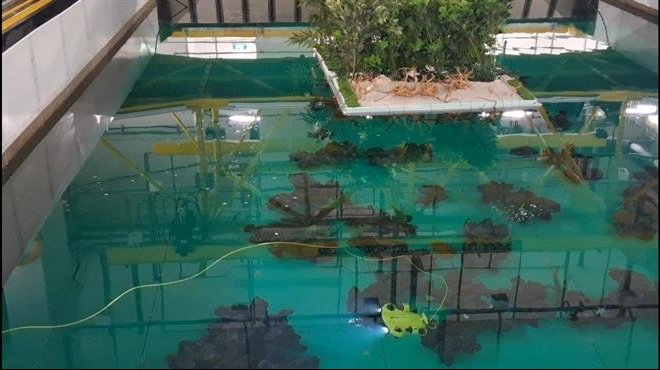
Researchers at Khalifa University, in collaboration with Dubai Future Foundation’s Dubai Future Labs, have developed a new technology that allows underwater robots to interpret their surroundings in real time. Known as ‘RoboGenAI,’ the system enables robots to detect patterns, notice changes, and understand what those signals mean, while monitoring marine environments, shifting underwater observation from periodic inspections to continuous awareness.


The project has already earned international recognition, winning Best Paper at IEEE MetroSea 2025 in Genova, Italy, and is being prepared for submission to IEEE ICRA 2026 in Vienna.


Source: Universityworldnews 

Khalifa University Secures 60 Patents in 2025 to Stay Top in UAE in Advancing Innovation

Rising Global Research Influence and Patent Growth Strengthen UAE’s Long-Term National Research and Innovation Capacity


Khalifa University of Science and Technology today announced that it was granted 60 patents in 2025, moving ahead of other universities in the UAE, and marking its strongest single-year performance in applied innovation, reflecting the growing scale and maturity of its research-to-impact ecosystem.


The number of granted patents represents a significant increase over recent years, rising from 22 patents in 2023 to 32 in 2024, before reaching 60 in 2025, demonstrating an approximate 173% increase over two years. This acceleration highlights Khalifa University’s expanding capacity to translate research outcomes into protected intellectual property aligned with national priorities.


The University’s patent growth reflects sustained investment in applied research with clear pathways to deployment, supporting the UAE’s objectives in advanced technology development, knowledge security, and long-term economic resilience. Research outputs across areas such as artificial intelligence, autonomous systems, advanced materials, healthcare technologies, and sustainability continue to progress from laboratory research into protected, deployable solutions.


His Excellency Professor Ebrahim Al Hajri, President, Khalifa University, said: “Applied innovation, knowledge protection and creation of intellectual property (IP) are central to the UAE’s long-term competitiveness. Khalifa University remains top in the UAE in generating patents in a single year, as we are building research systems that convert discovery into protected capability for the country and the region. This illustrates how patented research at Khalifa University is increasingly translating into deployable solutions and innovation-led enterprises aligned with national priorities.”


This patent momentum builds on a broad and sustained innovation pipeline at Khalifa University. To date, the University has recorded more than 850 invention disclosures, over 800 pending patent applications, and over 350 issued patents, reflecting the depth and continuity of its research translation activity across multiple technology domains.


Recent patented and protectable innovations span areas such as autonomous systems, advanced sensing, artificial intelligence, healthcare technologies, and sustainability-focused solutions, demonstrating the University’s ability to move research from early discovery through to intellectual property protection and real-world application pathways.


This strength is increasingly reflected in downstream commercialization activity supported by the Khalifa Innovation Center, a deep-tech incubator, and the Khalifa University Enterprises Company (KUEC), the University’s commercial arm, where research-led ventures originating from Khalifa University have progressed into startup formation and international exposure.


Startups showcased at major innovation platforms include Nutrigenics Care, an AI-powered clinical nutrition platform; Deep Forecast, delivering AI-based geospatial intelligence for environmental monitoring; DroneLeaf, developing autonomous AI-driven UAV solutions; and Kumrah AI, a spin-off specializing in neuromorphic vision systems for robotics and industrial inspection. Additional ventures span fields such as medical wearables, rehabilitation technologies, biotechnology, smart city planning, and sustainable agriculture.


Alisha Roy
Science Writer 

Khalifa University Faculty Recognized for Completing Third Cohort of UAE National Experts Program

Dr. Ameena Al Sumaiti Contributes to Policy-Aligned Initiatives Focused on Research, Innovation, and Sustainability during Eight-Month Program


Khalifa University faculty Dr. Ameena Al Sumaiti, Associate Professor of Electrical Engineering, was recognized for completing an intensive eight-month agenda as part of the third cohort of the UAE National Experts Program (NEP), a prestigious national leadership and talent development initiative.


The National Experts Program is designed to prepare Emirati professionals to take on strategic leadership roles across future-focused sectors, critical to the UAE’s long-term development. Dr. Al Sumaiti was selected to represent the Advanced Sciences and Research sector, later renamed Advanced Sciences and Future Economy, under the Economic Growth Cluster—reflecting her expertise in advanced engineering research and her contributions to national innovation priorities. 


During the program, Dr. Al Sumaiti contributed to policy-aligned initiatives focused on research, innovation, and sustainability. Among her key outputs were strategic whitepapers addressing energy transition and the hydrogen economy, aligned with national discourse surrounding COP28, as well as a forward-looking report examining how artificial intelligence can empower microgrids and transform electricity markets.


Since completing the program, she has actively transferred the knowledge to her students and post-doctoral researchers through regular training sessions focused on leadership, strategic thinking, and applied research innovation.


Dr. Al Sumaiti aims to expand cross-sector research collaborations that translate scientific knowledge into practical, future-ready solutions. She plays an active role in the NEP Alumni Network, supports the UAE Experts in Artificial Intelligence initiative, further developing research that anticipates emerging trends in science, technology, and sustainability.


Dr. Al Sumaiti said: “The National Experts Program was a transformative journey that strengthened my ability to connect advanced research with national priorities. This program places Emirati talent at the center of national development and it has provided a powerful platform to translate scientific knowledge into impactful solutions that support the UAE’s vision for a sustainable, innovationdriven future. For my department and Khalifa University, this achievement has reaffirmed the institution’s role as a vital contributor to the UAE’s innovation ecosystem and positioning the University among the nation’s centers of excellence producing future scientific leaders.”


Clarence Michael
English Editor – Specialist

Khalifa University Scientists Win 2025 Best Paper Award for IEEE Transactions on Sustainable Energy

Highest Honor Bestowed Annually to Authors Whose Work Demonstrates Exceptional Technical Quality, Originality, and Impact


Two Khalifa University Scientists, along with another researcher, have received the 2025 Best Paper Award for the IEEE Transactions on Sustainable Energy (TSTE) highlighting the global significance and technical excellence of their pioneering work in advanced renewable-energy system optimization. Among one of the highest honors, the award is bestowed annually to authors whose work demonstrates exceptional technical quality, originality, and impact.


Prof. Ahmed Al-Durra,  Associate Provost For Research and Professor, Electrical Engineering, and Dr. Muhammad Abdelghany, Research Scientist, Electrical Engineering, from Khalifa University and Prof. Fei Gao, Deputy Director, French (National Centre for Scientific Research) CNRS, Franche-Comté Électronique Mécanique Thermique et Optique – Sciences et Technologies (FEMTO-ST), and Full Professor, School of Energy and Computer Science, University of Technology of Belfort-Montbéliard (UTBM), were acknowledged for their paper titled ‘Coordinated Optimal Operation of a Grid-Connected Wind–Solar Microgrid Incorporating Hybrid Energy Storage Management Systems. The IEEE Transactions on Sustainable Energy journal has an Impact Factor of 10.


The research paper offers a coordinated framework for managing hybrid hydrogen-battery energy storage, with improved lifespan modeling for storage components. It provides enhanced microgrid stability through predictive, real-time control, while demonstrating effectiveness using solar and wind data from Abu Dhabi, ensuring strong regional relevance and real-world applicability. Simulation results confirm that the proposed strategy reduces device degradation, increases efficiency, and ensures continuous fulfillment of energy demands while accommodating renewable fluctuations.


Prof. Ahmed Al-Durra said: “The 2025 Best Paper Award for this research highlights the global significance and technical excellence of the team’s pioneering work in advanced renewable-energy system optimization. This is also the first Best Paper Award of its kind received within Khalifa University’s Electrical Engineering Department, underscoring the institution’s leadership in sustainable-energy research. As global power systems face increasing challenges related to grid stability, renewable variability, and decarbonization mandates, the study’s findings offer a significant advancement for utilities, microgrid operators, and clean-energy stakeholders. This is the outcome of notable technical depth, enabled by strong international collaboration and sustained, quality-driven research.”


The IEEE Transactions on Sustainable Energy is a journal aimed at disseminating results of research on sustainable energy systems that can be integrated into the power transmission and/or distribution grid.


Clarence Michael 
English Editor – Specialist 

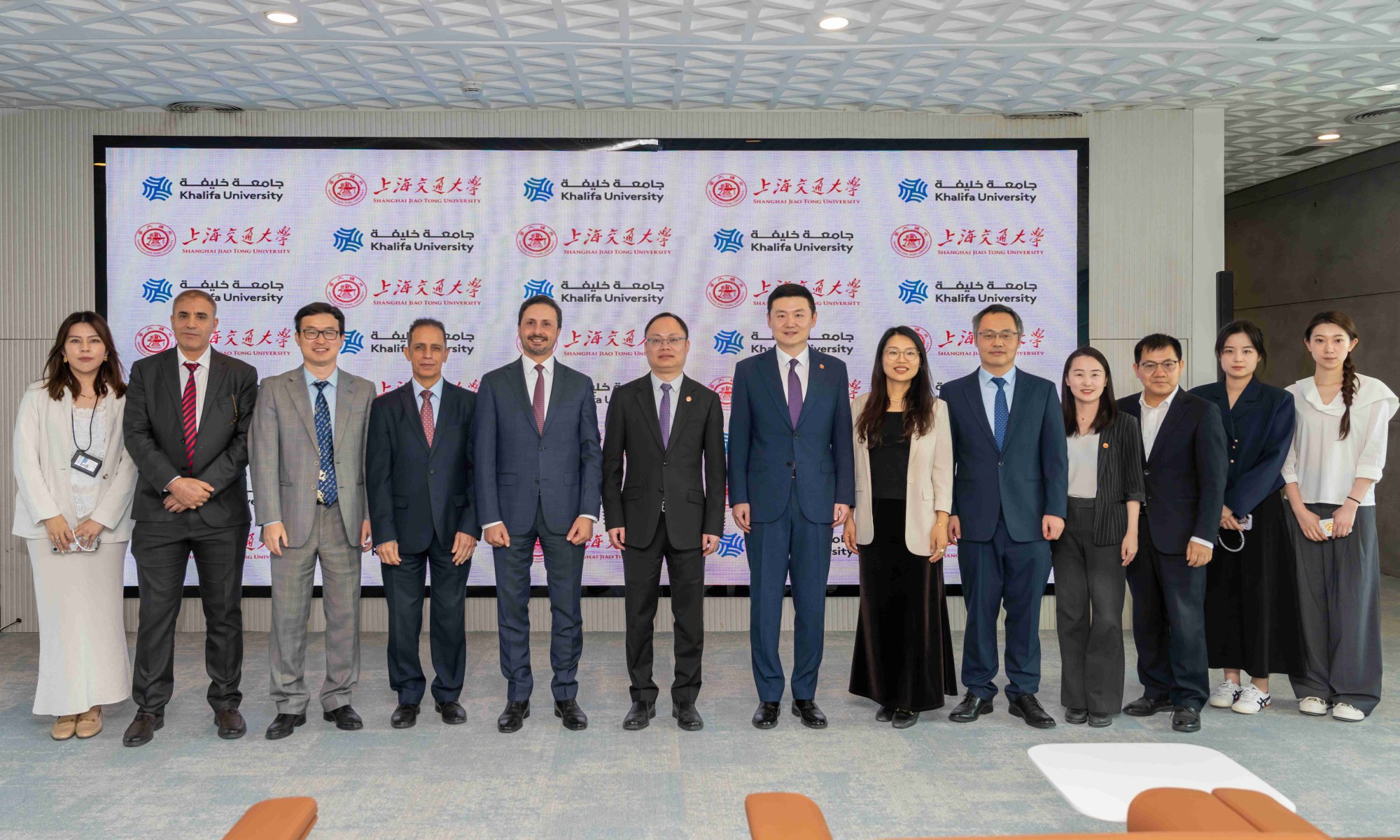
Khalifa University and Shanghai Jiao Tong University Sign Agreement, and Launch Middle East Cultural and Educational Exchange Hub

Partnership Covers Shared Research Labs in STEM Fields and Joint Scientific Initiatives to Advance Global Research and Talent Development 


Khalifa University and Shanghai Jiao Tong University (SJTU), one of China’s leading research institutions, have entered into a comprehensive Academic Cooperation Agreement aimed at strengthening international collaboration in education, research, and talent exchange. The two partners also launched the Middle East Hub for Cultural and Educational Exchange.


The university-level agreement establishes a wide-reaching framework for joint initiatives. Some of the key initiatives include student and faculty exchanges, collaborative research programs, academic events, and the long-term development of shared scientific infrastructure, with active participation from SJTUs Global College and Global Institute of Future Technology. A significant component of the collaboration includes plans to develop joint scientific research initiatives, with the long-term goal of establishing shared research laboratories in STEM fields.


The Middle East Hub for Cultural and Educational Exchange is envisioned as a regional platform to facilitate student and faculty mobility, joint research endeavors, and wider forms of academic cooperation between the UAE, China, and the broader international community. By combining strengths in research, teaching, and international collaboration, Khalifa University and Shanghai Jiao Tong University plan to expand opportunities for students and researchers while contributing to advancements in science and technology that benefit both nations.


His Excellency Professor Ebrahim Al Hajri, President, Khalifa University, said: “This agreement marks an important milestone in our ongoing efforts to build strong international partnerships that accelerate scientific excellence and innovation. Collaborating with a distinguished institution like Shanghai Jiao Tong University enhances opportunities for students of both institutions, enriches research environment, and strengthens the global impact of the UAE’s knowledge economy. We look forward to shaping the next generation of scientists and engineers together through meaningful academic and research exchange.”


Professor Ding Kuiling, President, Shanghai Jiao Tong University, said: “Shanghai Jiao Tong University is committed to nurturing global talent and advancing cutting edge research through international cooperation. Our partnership with Khalifa University opens new pathways for joint scientific discovery, cultural understanding, and shared academic development. Together, we aim to build a dynamic platform that empowers students and researchers from both nations to contribute to solving the world’s grand challenges.”


Both universities will implement a Student Exchange Program enabling up to five undergraduate or graduate students from each institution to study at the partner university every academic semester. Exchange students will receive full credit recognition for approved coursework completed abroad, subject to established academic policies. In addition, both universities will organize annual programs such as winter camps, summer camps, and research internships designed to enrich academic and cultural exposure of students.


The agreement fosters a Faculty Exchange Program that encourages reciprocal visits for teaching, research collaboration, and the joint academic activities. Faculty members from both institutions will serve as mentors and co-advisors, providing guidance to exchange students in their academic progress and research activities.


The program includes tuition-fee waivers for incoming exchange students, as well as funding support from each home university in accordance with their respective scholarship policies. In addition, eligible PhD students at Khalifa University may qualify for a Full Scholarship supported in partnership with the China Scholarship Council (CSC).

Clarence Michael
English Editor – Specialist