




Research Mission under Emirates Polar Program Explores Ancient Arctic Climate Records Dating Back more than 230 million Years
Khalifa University’s research team from the UAE’s Polar Research Center at Khalifa University conducted a scientific expedition to Svalbard, the world’s northernmost inhabited region, under the Emirates Polar Program (EPP) in collaboration with the University Centre in Svalbard (UNIS). The research marks the UAE’s first on-site Arctic geological research, aimed at studying ancient climate records dating back more than 230 million years.
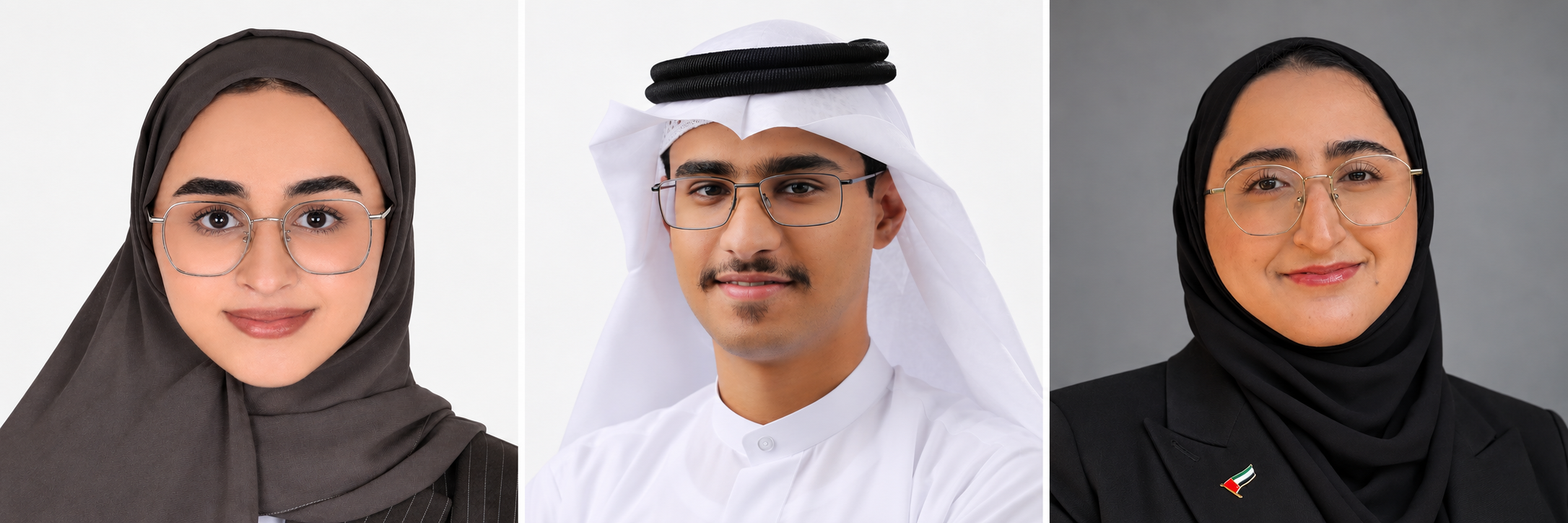
The study supports the ‘SvalClime Project,’ an international research initiative which conducts scientific drilling in Svalbard to understand ancient Arctic climate and inform modern climate models. The Khalifa University research team was led by Dr Aisha Al Suwaidi, Associate Professor, and Dr Frantz Ossa Ossa, Assistant Professor, Earth Sciences, and included PhD students Marwa Shahid and Sarah Salem. The Polar Research Center, established at Khalifa University to advance the UAE’s capacity in polar and environmental sciences, focuses on understanding how changes in the Earth’s most extreme regions affect global climate systems.
In Svalbard, the researchers studied rock cores from Longyearbyen – the world’s northernmost town – that preserve evidence of dramatic climatic shifts during the Late Triassic period, when Earth’s environment transitioned from hot and arid to much wetter conditions. This critical period in Earth’s history paved the way for the rise of dinosaurs and, more critically, the development of our modern climate and ecosystems.
His Excellency Professor Ebrahim Al Hajri, President, Khalifa University, said: “This international expedition is part of UAE’s broader effort to promote climate resilience, sustainability, and scientific diplomacy through international partnerships and field-based exploration across the Arctic and Antarctic. It reflects Khalifa University’s growing role in advancing global climate science helping expand the UAE’s scientific contribution from the Arabian deserts to the polar frontiers. Through the Emirates Polar Program and the Polar Research Center, we are proud to see Khalifa University scientists and researchers contributing to the world’s understanding of how Earth’s most extreme environments shape our collective future.”
By analyzing geological samples, the team aims to reconstruct how ancient high-latitude environments responded to extreme climate events in the past. This data can help us to improve models that can predict the impact of modern human-driven climate trends by providing insights into environmental responses to major climate disturbances.
While in Svalbard (77°N), the Khalifa University team also joined a marine cruise through the Arctic fjords and participated in academic exchanges at UNIS, sharing insights into Khalifa University lead research on climate archives, sedimentology, and polar geology.
PhD student Marwa Shahid’s fieldwork in Svalbard focused on collecting samples that record the Carnian Pluvial Episode, a key climatic event that laid the foundation for modern ecosystem, whereas PhD researcher Sarah Salem examined the environmental consequences of the Late Triassic Manicouagan meteorite impact event. Their research aims to understand how polar regions responded to past climate shifts, in order to interpret future environmental changes. Svalbard’s sedimentary archives, which preserve evidence of ancient disruptions in Earth’s climate system, offer vital clues to these investigations.
Alisha Roy
Science Writer